×

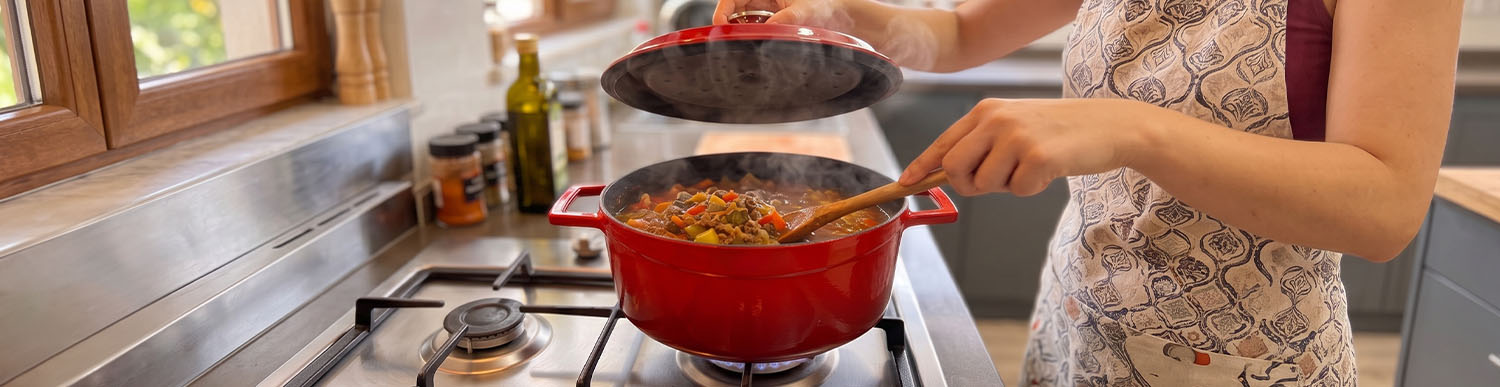
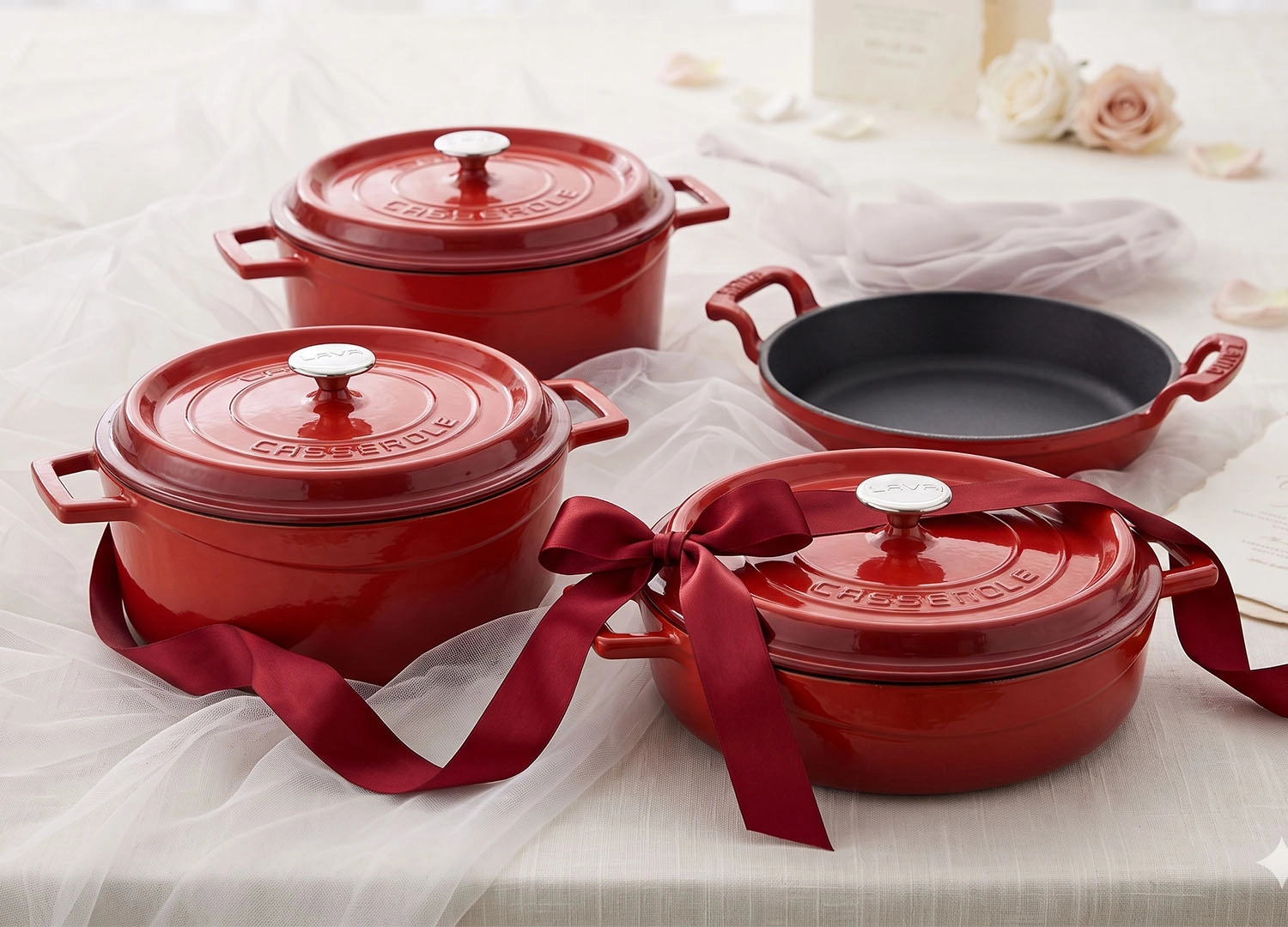
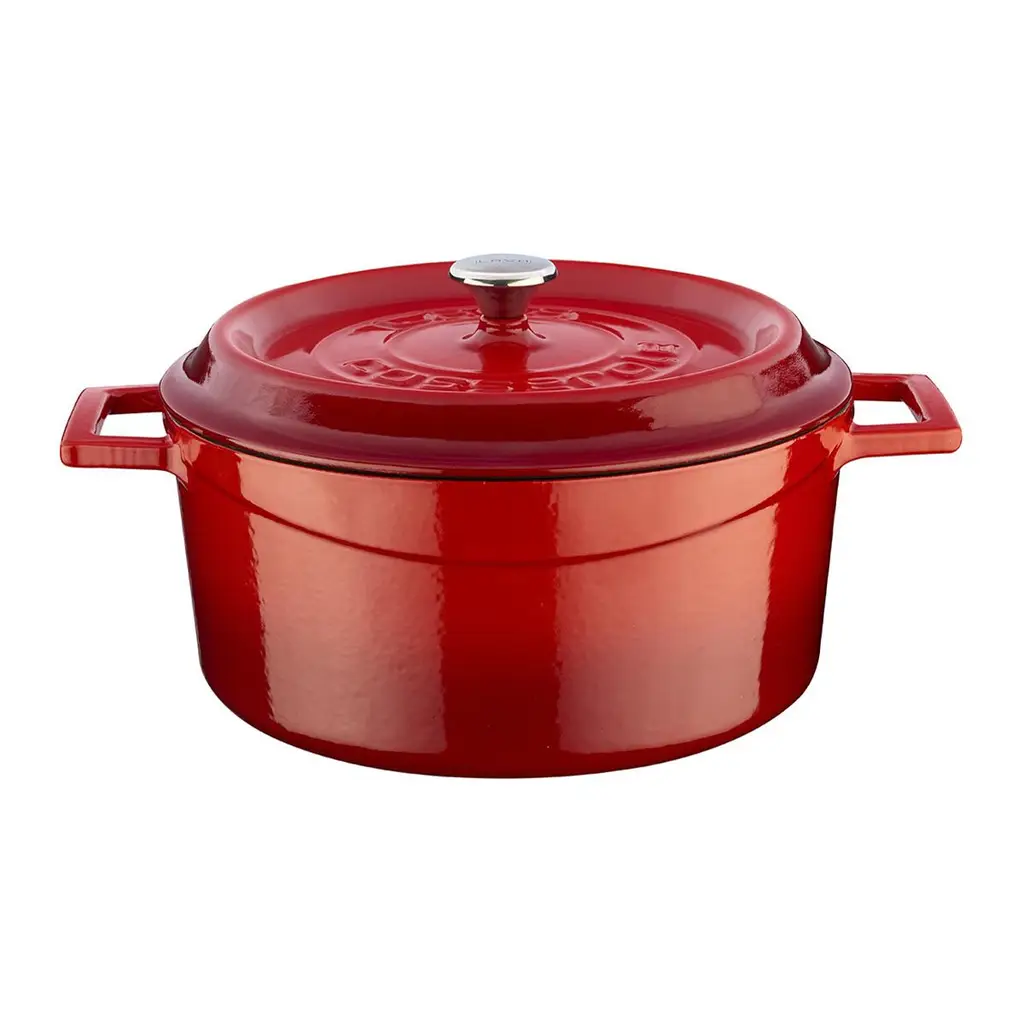
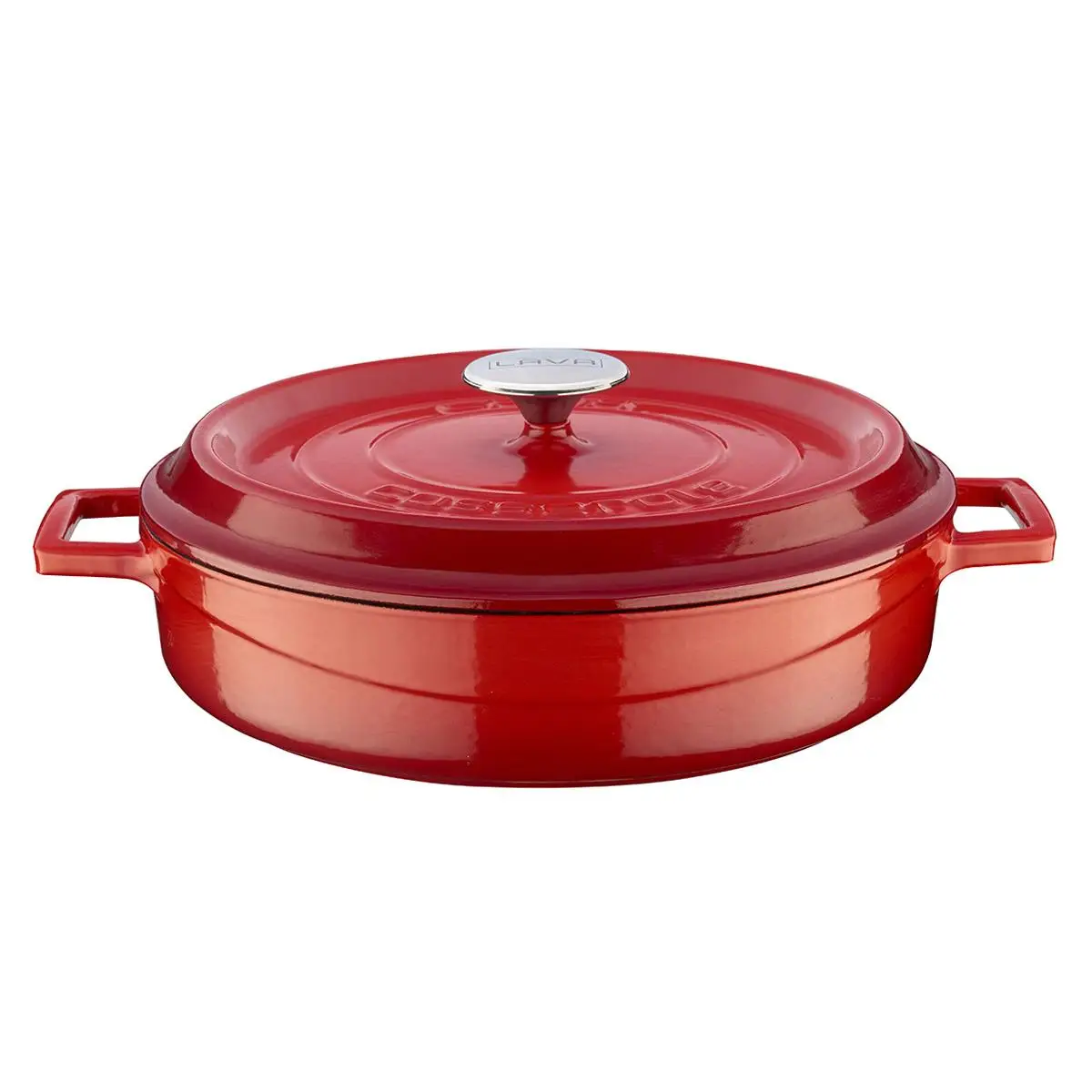
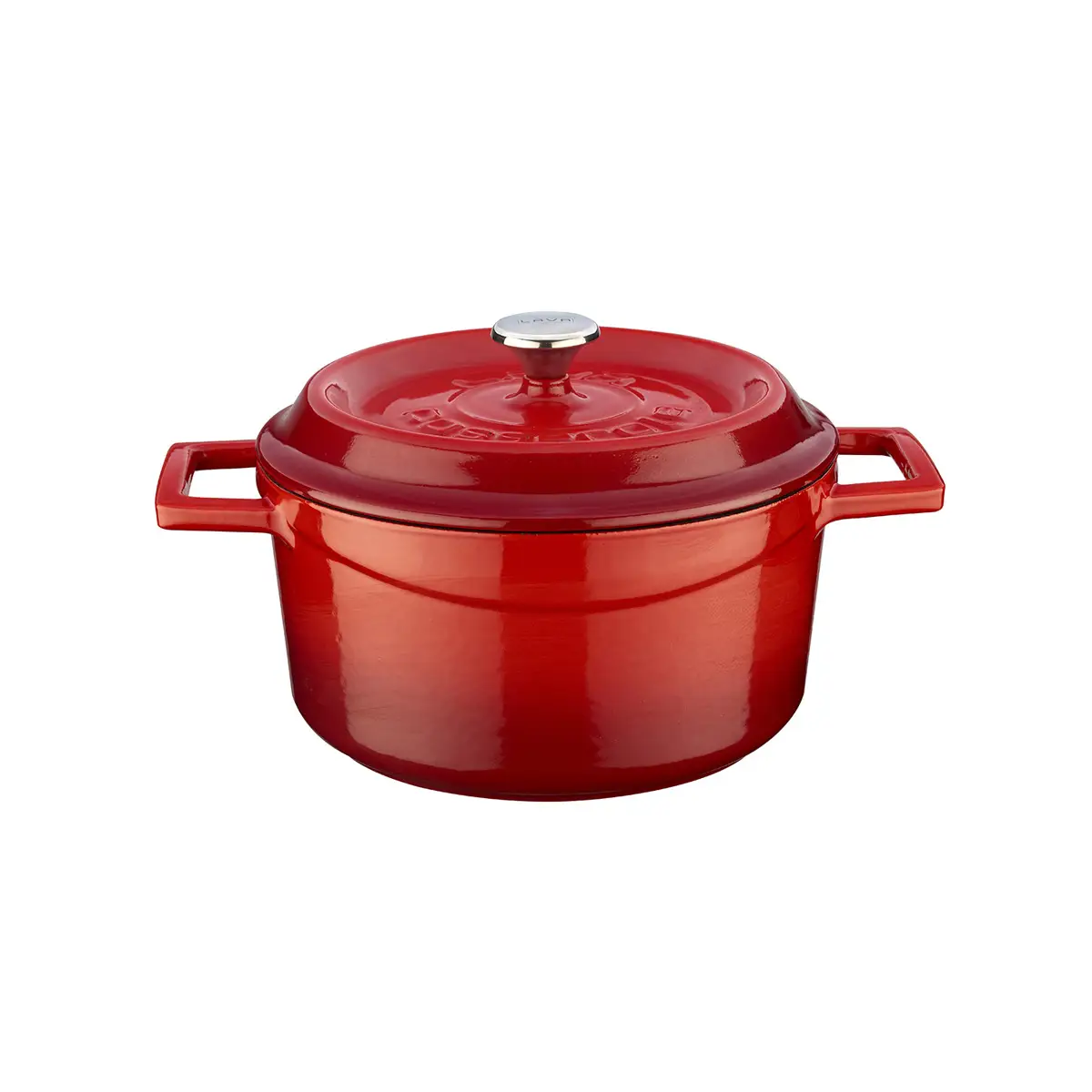
A cast iron casserole is one of the most versatile pieces of cookware thanks to its excellent heat distribution, superior heat retention, outstanding searing performance and compatibility with various hob types. In particular, enamelled cast iron casseroles offer the convenience of everyday use without requiring seasoning while maintaining their performance for many years when properly cared for. In this guide, you'll discover the key advantages of cast iron cookware, how it compares with stainless steel and granite cookware, and which type of user will benefit from it the most.
Reading Time
8–10 Minutes
When buying a new casserole or cooking pot, most people focus on the price, appearance or brand. However, what truly determines long-term satisfaction is how the cookware manages heat, enhances flavour and performs in everyday cooking.
This is where cast iron cookware stands apart. More than just another cooking vessel, a cast iron casserole delivers exceptional cooking performance through even heat distribution, excellent heat retention and remarkable versatility. These qualities have made it a favourite among both home cooks and professional chefs around the world.
Modern enamelled cast iron casseroles are particularly practical because, unlike traditional bare cast iron cookware, they do not require seasoning before use. From soups and slow-cooked stews to roasted meats, vegetables and freshly baked bread, they produce consistently excellent results while also transitioning beautifully from the hob to the dining table for elegant serving.
So the question many people ask is:
In this guide, we'll explore ten compelling reasons why cast iron cookware has become a kitchen favourite. We'll also answer some of the most common questions, including:
Over the last few years, cast iron cookware has become increasingly popular not only in professional kitchens but also in homes. Its appeal goes far beyond durability—it offers practical cooking advantages that directly improve cooking performance.
The solid cast iron body distributes heat evenly throughout the entire casserole, helping to minimise hot spots and cold areas. This balanced heat distribution is especially beneficial when searing meat, slow cooking or preparing recipes over low heat, where consistent temperatures produce more predictable results.
Another significant advantage is its impressive heat retention. Once heated, a cast iron casserole remains hot for considerably longer than many other cookware materials. This allows food to stay warm after cooking and helps preserve flavour when serving meals at the table.
Excellent heat retention also supports cooking over lower or medium heat once the cookware has reached the desired temperature, potentially contributing to improved energy efficiency during longer cooking sessions.
Modern enamelled cast iron cookware further enhances everyday convenience. The enamel coating eliminates the need for seasoning while making cleaning and maintenance easier than traditional bare cast iron. With proper care, the enamel finish can maintain both its performance and elegant appearance for many years.
Today, many people choose cast iron cookware not only for cooking but also because it can move effortlessly from the oven to the table, works on multiple hob types—including induction hobs—and represents a long-term investment in quality cookware.
Ultimately, the popularity of cast iron isn't based on a single feature. Instead, it combines excellent heat management, durability, versatility, attractive presentation and outstanding cooking performance into one complete cooking experience.
Every kitchen has different needs, but the foundations of excellent cooking remain the same: consistent heat, delicious results, durability and practicality.
Cast iron casseroles bring all of these qualities together, making them a trusted choice in both home kitchens and professional restaurants for generations.
Here are ten reasons why they continue to stand out.
Outstanding meals start with more than high-quality ingredients—they also require proper heat distribution.
Evenly distributing heat across the entire cooking surface helps meat sear consistently, vegetables cook evenly and sauces maintain their ideal texture without scorching.
Thanks to their dense construction, cast iron casseroles spread heat more uniformly throughout the cookware. This helps reduce uneven cooking caused by localised hot spots or cooler areas.
This advantage is particularly noticeable when preparing:
The result is greater cooking control and more consistent outcomes across a wide range of recipes.
One of the defining characteristics of cast iron cookware is its exceptional heat retention.
Once the casserole reaches the desired cooking temperature, it retains heat for an extended period. This helps minimise sudden temperature fluctuations throughout the cooking process.
For example, adding ingredients or briefly removing the lid has less impact on the cooking temperature compared with lighter cookware, helping maintain a more stable cooking environment.
Heat retention also becomes an advantage when serving food. Meals remain warm for longer after being removed from the hob or oven, making cast iron casseroles particularly useful for family dinners or entertaining guests.
Because the cookware continues to retain heat effectively, cooking can often continue over lower heat settings after the initial preheating stage, potentially contributing to improved energy efficiency.
Searing is one of the most important techniques when cooking meat.
A cooking surface capable of maintaining high, stable temperatures helps create a beautifully caramelised crust while allowing the inside of the meat to remain tender and juicy.
Thanks to their excellent heat retention, cast iron casseroles provide ideal conditions for effective searing. Whether cooking beef, lamb or chicken, the cookware maintains its temperature even after cold ingredients are added, helping achieve more consistent browning.
For slow-cooked meat dishes, balanced heat management also supports gradual cooking, allowing tougher cuts to become tender while preserving their texture.
This is one of the main reasons why professional chefs continue to rely on cast iron cookware for both searing and slow cooking techniques.
The goal of cooking vegetables isn't simply to soften them—it's to preserve their natural flavour, texture and colour as much as possible.
Because cast iron cookware distributes heat evenly, vegetables are less likely to be exposed to excessive localised temperatures. Gentle cooking over low or medium heat allows vegetables to cook in their own moisture while enhancing their natural sweetness and aroma.
This makes enamelled cast iron casseroles particularly suitable for:
The enamelled interior also allows different recipes to be prepared one after another with practical everyday convenience.
For many people, energy efficiency is just as important as cooking performance.
Because cast iron cookware retains heat exceptionally well, cooking can often continue over lower heat settings once the casserole has reached the required temperature.
With proper preheating, the stored heat continues supporting the cooking process throughout longer recipes. This can contribute to more efficient energy use, particularly when preparing dishes that require extended cooking times.
Many enamelled cast iron casseroles are also compatible with gas, electric, ceramic and induction hobs, making them suitable for virtually any modern kitchen.
Owning a single piece of cookware capable of handling multiple cooking techniques and heat sources is another reason why cast iron remains a smart long-term investment.
One of the greatest advantages of a cast iron casserole is its ability to move seamlessly from the hob to the oven. This not only simplifies cooking but also provides greater control throughout the entire process.
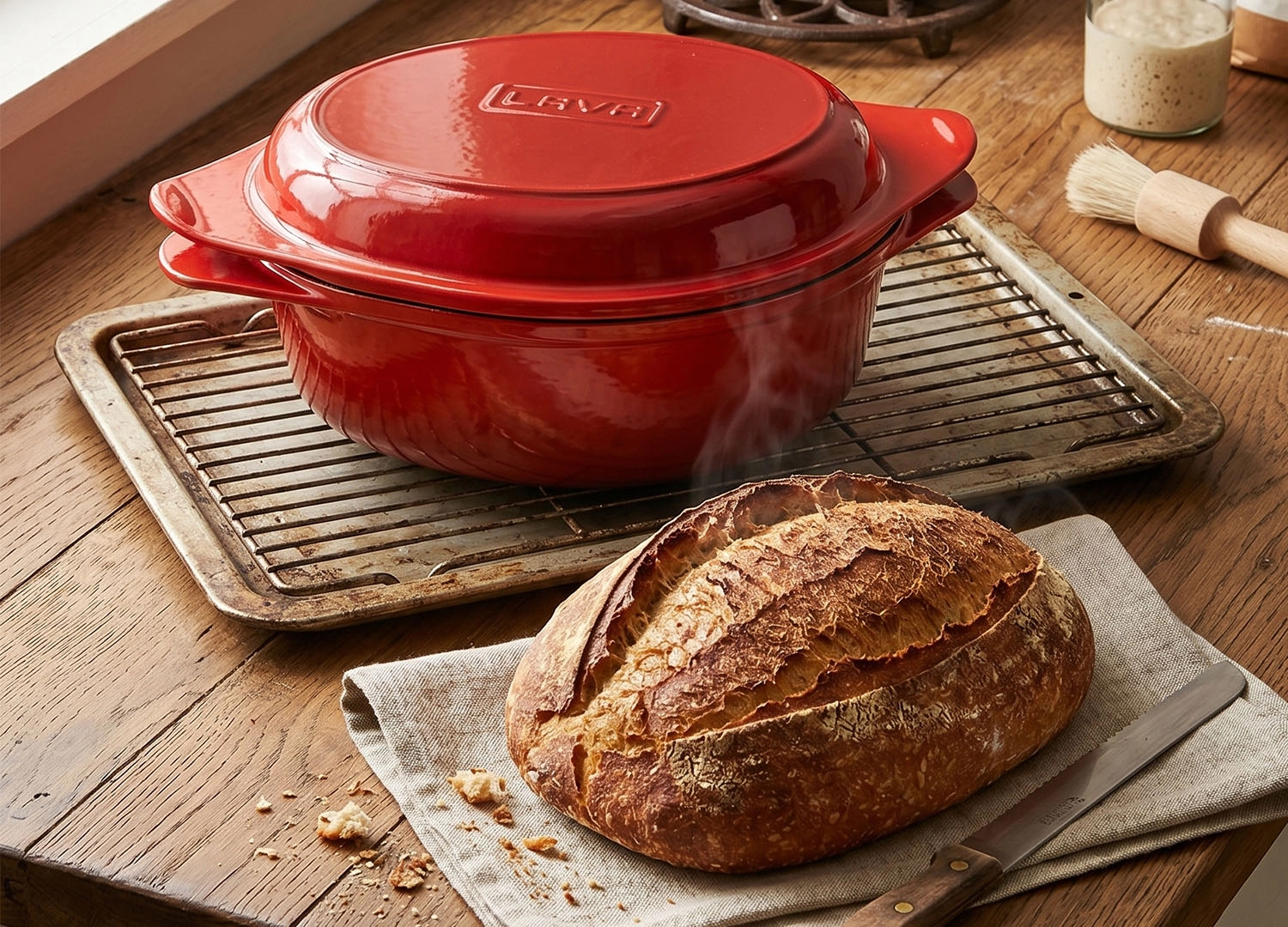
Recipes that begin with searing and finish with slow roasting particularly benefit from this versatility. Whether you're preparing braised meats, casseroles, artisan bread or oven-baked dishes, using the same piece of cookware from start to finish helps preserve both flavour and moisture.
With an enamelled cast iron casserole, you can brown meat on the hob before transferring the casserole directly to the oven to finish cooking. This eliminates the need for additional cookware while helping retain the rich flavours developed during searing.
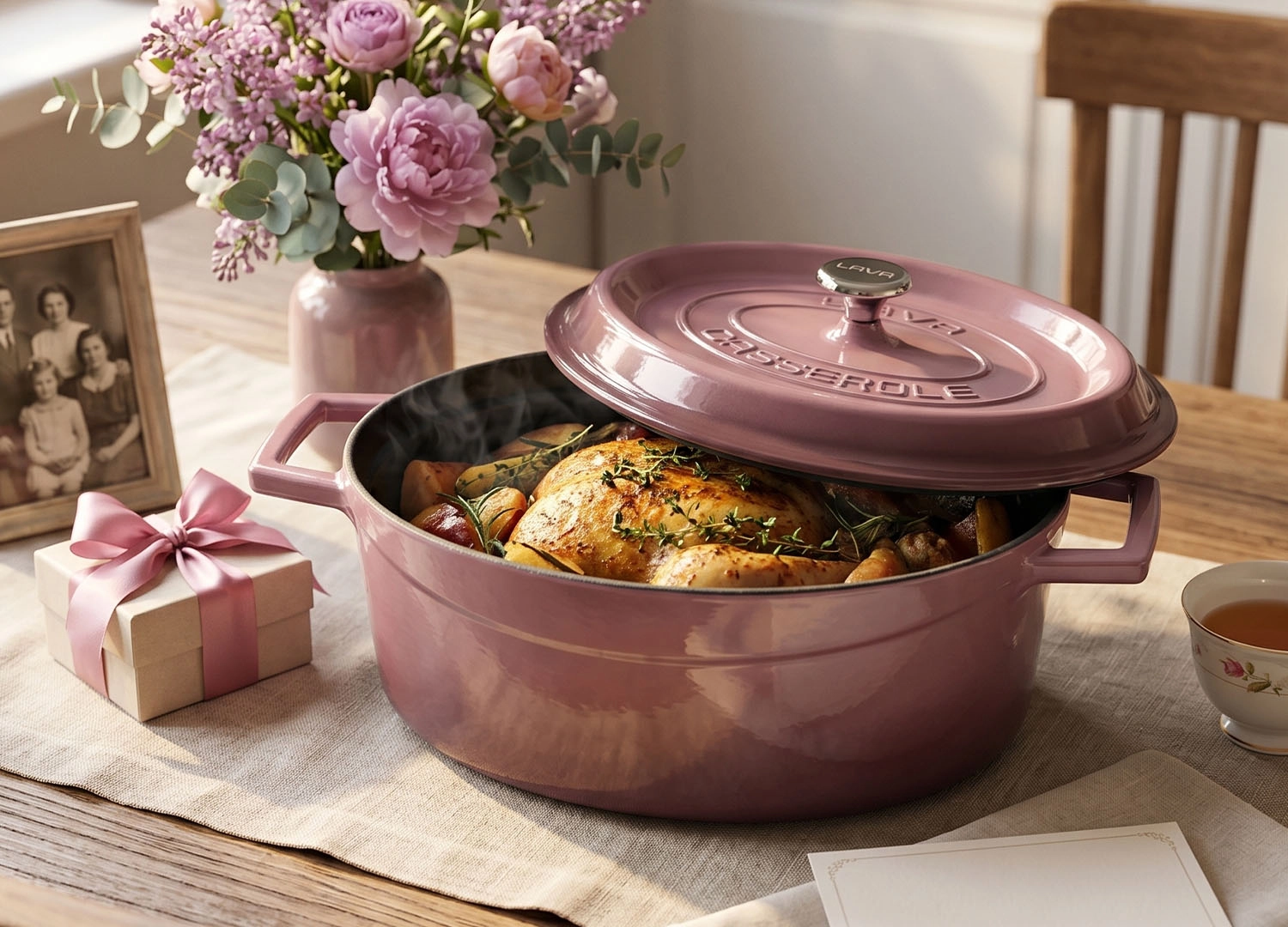
Once cooking is complete, many enamelled cast iron casseroles are elegant enough to move directly from the oven to the dining table. Besides creating a beautiful presentation, the cookware continues to retain heat, helping meals stay warm for longer during serving.
The true value of cookware isn't measured solely by its purchase price but by how well it performs over many years of use.
When properly maintained, an enamelled cast iron casserole can provide reliable cooking performance for decades. Its solid cast iron construction offers outstanding durability, while the enamel coating helps protect the cooking surface and maintain its attractive appearance.
For many households, cast iron cookware is more than just another kitchen utensil—it's a long-term investment that often becomes part of family traditions. High-quality cast iron casseroles are frequently passed down through generations thanks to their remarkable longevity.
Like any premium cookware, proper care is essential. Avoiding sudden temperature changes, using wooden or silicone utensils instead of metal, and following the manufacturer's care recommendations will help preserve the enamel finish for years to come.
Great cookware should combine performance with presentation.
One of the unique characteristics of enamelled cast iron casseroles is that they look just as impressive on the dining table as they do on the hob.
Instead of transferring food into another serving dish, meals can often be served directly from the casserole itself. This not only saves time but also allows food to remain warmer for longer thanks to the cookware's exceptional heat retention.
This approach works particularly well for:
By combining cooking and serving in one elegant piece of cookware, enamelled cast iron casseroles deliver both practicality and sophisticated presentation.
This versatility is one of the reasons they remain popular in both professional kitchens and stylish home dining settings.
One of the most frequently asked questions is:
Is cast iron cookware healthy?
The answer depends largely on the type of cookware and how it is used.
With enamelled cast iron cookware, food comes into contact with the enamel coating rather than exposed cast iron. Unlike traditional bare cast iron, enamelled cookware does not require seasoning, making it more convenient for everyday cooking.
Its excellent heat distribution allows food to cook evenly over low to medium heat, reducing the likelihood of excessive localised temperatures. This controlled cooking environment can be particularly beneficial for recipes that require gentle, slow cooking.
Of course, healthy cooking depends on more than just the cookware itself. Cooking temperature, ingredient quality, cooking methods and the amount of oil used all contribute to the final result.
However, enamelled cast iron cookware provides an excellent foundation for consistent, controlled cooking across a wide variety of recipes.
Important Note: LAVA cookware is made from enamelled cast iron, which means it does not require seasoning like traditional bare cast iron cookware. Proper care focuses on protecting the enamel surface rather than maintaining a seasoned cooking surface.
The most valuable cookware is often the cookware you can use every day.
A cast iron casserole is far more versatile than many people expect. It's suitable not only for meat dishes but also for soups, vegetable recipes, stews, legumes, rice dishes, bread, pasta sauces and even certain desserts.
Its excellent heat retention makes it particularly effective for recipes requiring extended cooking times, while its oven-safe construction expands the number of cooking techniques you can use.
Instead of filling your kitchen with multiple specialist pots and pans, a high-quality enamelled cast iron casserole can handle an impressive range of everyday cooking tasks.
This versatility makes it one of the most practical long-term investments for both passionate home cooks and professional chefs.
Both stainless steel and cast iron cookware have their strengths, and choosing between them depends largely on your cooking style and the recipes you prepare most often.
Stainless steel cookware is lightweight, heats up quickly and is ideal for fast everyday cooking.
Cast iron cookware, on the other hand, excels in heat management, heat retention and slow cooking performance.
| Feature | Stainless Steel Cookware | Enamelled Cast Iron Casserole |
|---|---|---|
| Heat Distribution | Good | Excellent |
| Heat Retention | Moderate | Outstanding |
| Searing Performance | Good | Excellent |
| Slow Cooking | Moderate | Excellent |
| Oven Use | Depends on the model | Suitable models are oven-safe |
| Serving Presentation | Standard | Elegant, table-ready |
| Weight | Lightweight | Heavier |
| Durability | Excellent | Exceptional with proper care |
If your cooking mainly involves quick meals such as pasta or simple soups, stainless steel cookware may be sufficient.
However, for braised dishes, slow-cooked meals, casseroles, legumes and recipes where flavour development is essential, an enamelled cast iron casserole offers significant advantages.
Another common comparison is between granite-coated cookware and cast iron.
Although both are popular choices, they are designed to meet different cooking needs.
Granite-coated cookware is generally lighter and convenient for everyday cooking, whereas cast iron cookware excels at storing and retaining heat over extended cooking periods.
| Feature | Granite-Coated Cookware | Enamelled Cast Iron Casserole |
|---|---|---|
| Heat Distribution | Good | Excellent |
| Heat Retention | Moderate | Outstanding |
| Slow Cooking | Moderate | Excellent |
| Searing Performance | Good | Excellent |
| Oven Use | Depends on the model | Suitable models are oven-safe |
| Weight | Lightweight | Heavier |
| Longevity | Depends on usage | Long-lasting with proper care |
If lightweight cookware is your priority, granite-coated cookware may suit your needs.
If cooking performance, heat retention, durability and versatility are more important, an enamelled cast iron casserole is likely to be the better long-term choice.
Cast iron cookware is valued not for a single feature but for the complete cooking experience it provides.
Its key advantages include:
These qualities make enamelled cast iron cookware far more than just another cooking pot—they make it one of the most versatile and rewarding investments you can make for your kitchen.
One of the most common questions people ask before purchasing cast iron cookware is:
The answer largely depends on the type of cookware you're using. It's important to distinguish between traditional bare cast iron and enamelled cast iron cookware, as they are designed for different maintenance routines.
With enamelled cast iron casseroles, food comes into contact with the enamel coating rather than the raw cast iron itself. This makes everyday cooking easier, as enamelled cookware does not require seasoning like traditional cast iron.
Healthy cooking depends on many factors, including cooking temperature, ingredient quality, cooking techniques and the amount of oil used. However, the excellent heat distribution and heat retention of enamelled cast iron help create a more controlled cooking environment, particularly for recipes prepared over low or medium heat.
Whether you're preparing slow-cooked meats, vegetables, soups or casseroles, maintaining consistent cooking temperatures can contribute to more even cooking and excellent flavour development.
In short, a high-quality enamelled cast iron casserole, when used correctly, provides an excellent cooking experience while supporting balanced and controlled cooking.
Important Note: LAVA cookware is made from enamelled cast iron. Unlike traditional bare cast iron cookware, it does not require regular seasoning. Proper maintenance focuses on protecting the enamel surface rather than maintaining a seasoned finish.
Many people hesitate before investing in cast iron cookware because of its higher purchase price.
A more useful question, however, is not simply "How much does it cost?", but rather:
"What value will it provide over the years?"
Although a cast iron casserole may cost more initially than some other cookware materials, its value becomes much clearer when you consider:
A quality enamelled cast iron casserole can be used for soups, casseroles, bread, slow-cooked meats, vegetables, rice dishes and many other recipes.
Instead of owning multiple specialised pots, many home cooks rely on one cast iron casserole for a wide range of everyday cooking tasks.
When properly cared for, it can provide decades of reliable performance, making it a worthwhile investment for anyone who enjoys cooking regularly and values premium cookware.
The price reflects much more than the raw materials alone.
Producing high-quality enamelled cast iron cookware involves a complex manufacturing process that includes:
Compared with lightweight cookware, these additional manufacturing stages require greater expertise, specialised equipment and strict quality control.
The heavy cast iron body itself also contributes significantly to the cookware's cooking performance, durability and longevity.
When evaluating the price of a cast iron casserole, it is worth considering not only the initial purchase cost but also the years—or even decades—of service it can provide with proper care.
Viewed over its lifetime, premium cast iron cookware often represents excellent long-term value.
Many people wonder why cast iron cookware feels significantly heavier than other types of cookware.
The answer lies in one of its greatest strengths.
The substantial weight comes from its thick cast iron construction, which enables the cookware to absorb, store and retain large amounts of heat.
Rather than being a disadvantage, this weight is directly linked to the cookware's cooking performance.
The dense construction helps to:
Lightweight cookware certainly has its advantages in terms of handling and portability.
However, for cooks who prioritise flavour development, slow cooking and consistent results, the additional weight of cast iron becomes one of its greatest benefits rather than a drawback.
A cast iron casserole offers far more than exceptional durability.
Its outstanding heat distribution, excellent heat retention, versatility and reliable cooking performance make it one of the most valuable pieces of cookware in any kitchen.
Whether you're slow-cooking stews, searing meat, baking artisan bread or preparing delicate vegetable dishes, a quality enamelled cast iron casserole helps deliver consistent and flavourful results.
Rather than focusing solely on the initial purchase price, consider the overall cooking experience, long-term durability and versatility it brings to your kitchen.
If you're looking for cookware that combines performance, elegance and longevity, an enamelled cast iron casserole is an investment you'll continue to appreciate for many years.
Cast iron casseroles are valued for their even heat distribution, exceptional heat retention, excellent searing performance, versatility and long-lasting durability.
Stainless steel pans offer a practical option for quick everyday cooking. However, for slow-cooked dishes, searing meat, and recipes requiring precise heat management, enameled cast iron casseroles deliver superior performance. For more detailed information and tips on choosing the right cookware, visit our Cast Iron Casserole or Stainless Steel Pan? guide.
Granite-coated cookware is lightweight and practical for everyday use, whereas cast iron provides superior heat retention, durability and slow-cooking performance.
High-quality enamelled cast iron cookware supports balanced cooking by providing even heat distribution and controlled cooking temperatures. LAVA's enamelled cast iron cookware does not require seasoning.
Yes. Thanks to its versatility, exceptional durability and outstanding cooking performance, a quality cast iron casserole can provide excellent long-term value.
The price reflects premium raw materials, complex manufacturing processes, multiple enamel coatings, high-temperature firing and exceptional durability.
Its weight comes from the thick cast iron body, which stores and distributes heat efficiently for consistent cooking performance.
No. Unlike traditional bare cast iron cookware, enamelled cast iron does not require seasoning.
Although some models may be technically dishwasher safe, hand washing is recommended to help preserve the enamel finish and maximise the cookware's lifespan.
Yes. Suitable models are compatible with induction, gas, electric and ceramic hobs, offering excellent versatility for modern kitchens.
If you're looking for cookware that combines outstanding performance, timeless design and long-lasting durability, explore LAVA's collection of enamelled cast iron casseroles.
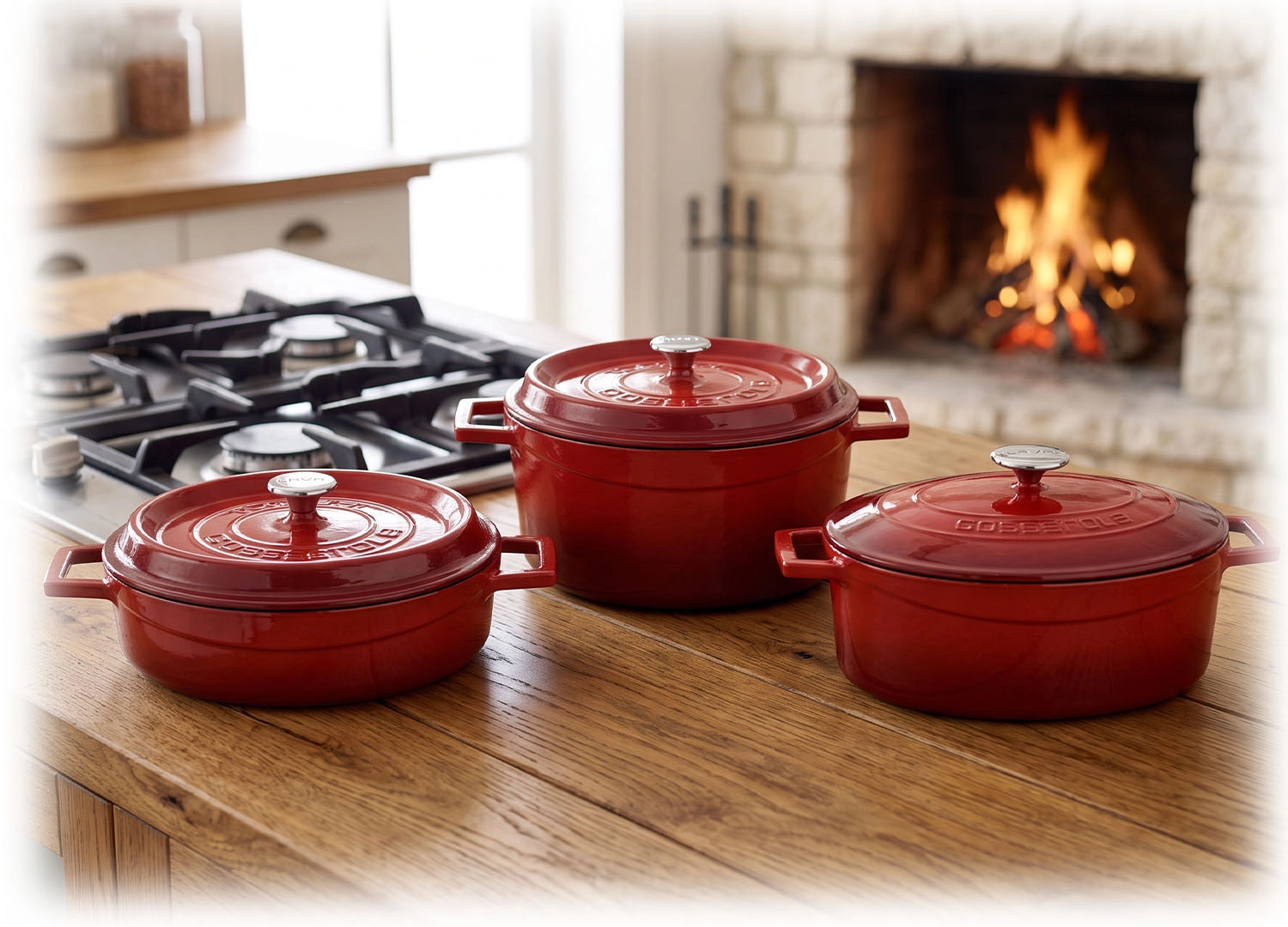
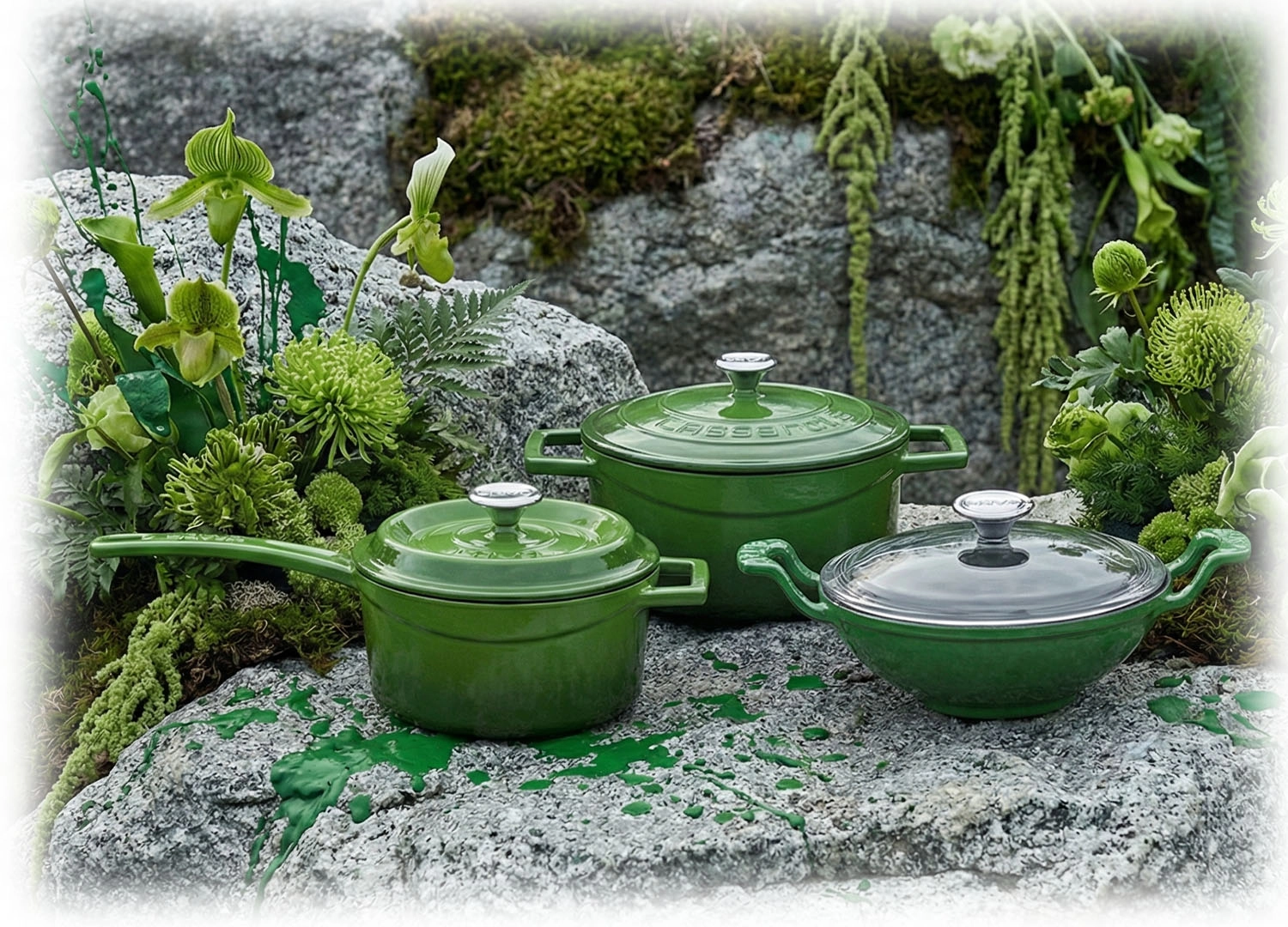
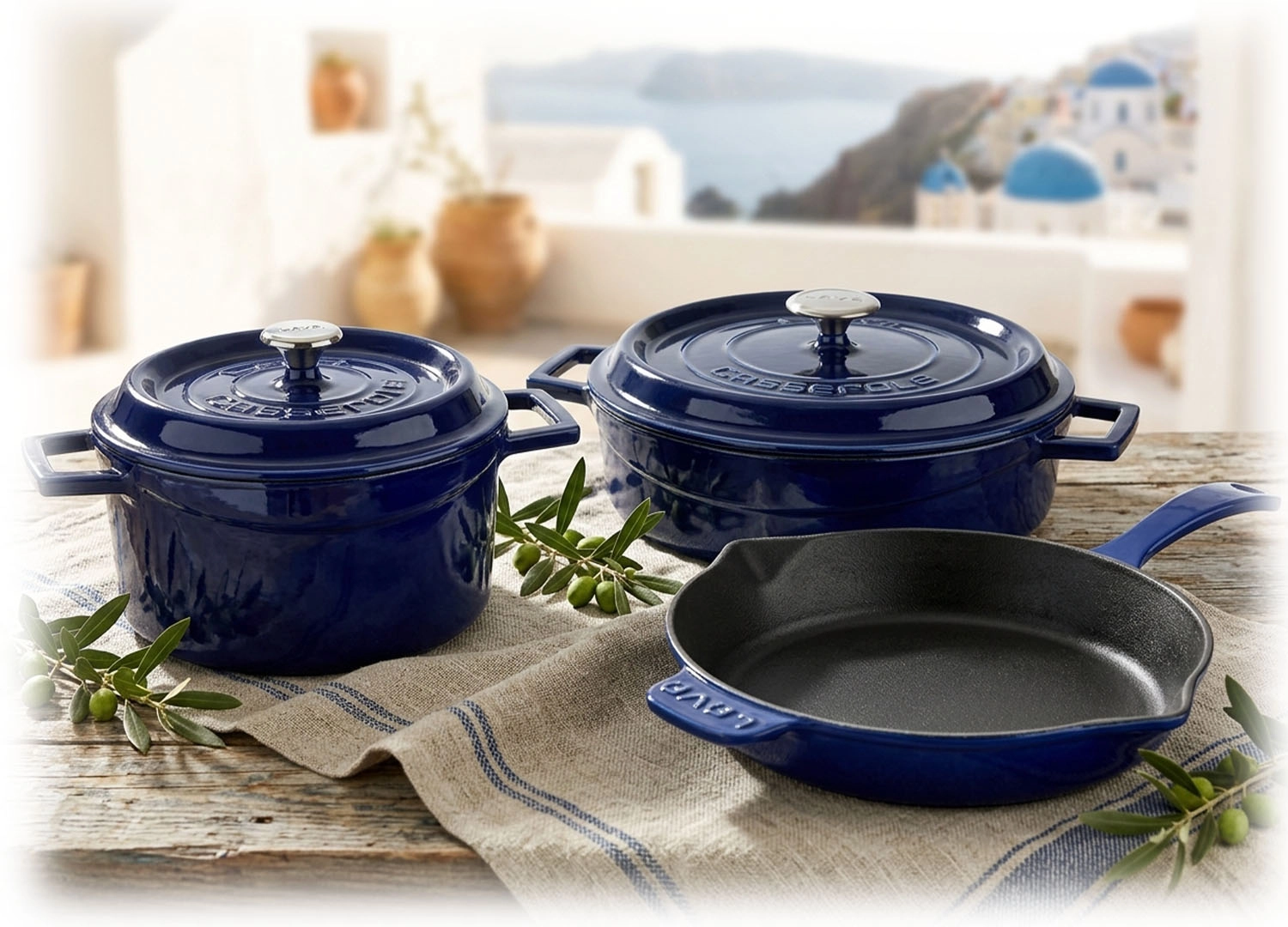
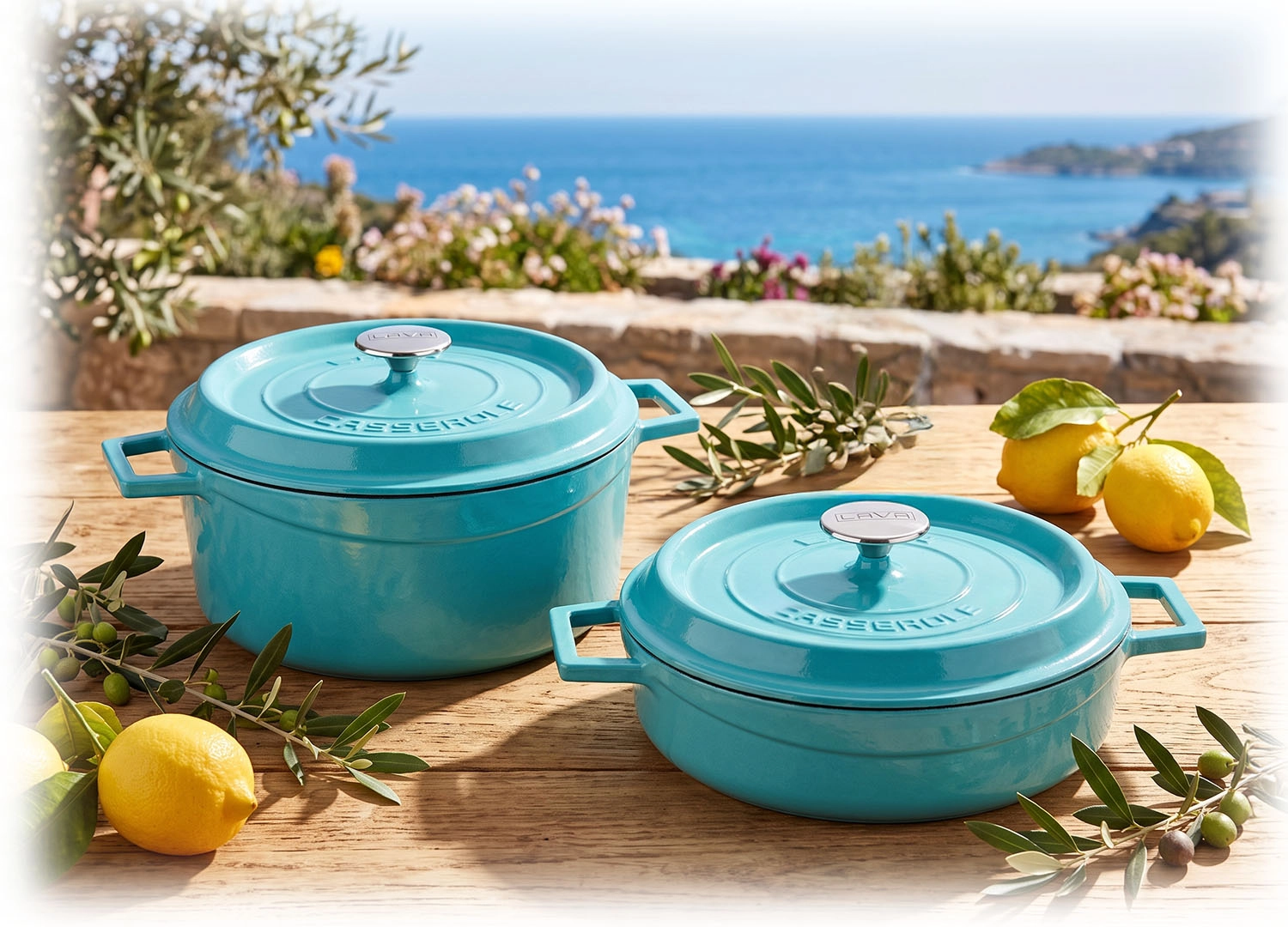
Available in a wide range of sizes, colours and designs, LAVA casseroles are suitable for everything from everyday family meals to elegant dinner parties, helping you enjoy exceptional cooking performance with every recipe.
17.07.2026






Lava Döküm Online Fabrika Satış Mağazası. © 2026 All Rights Reserved.


0
)

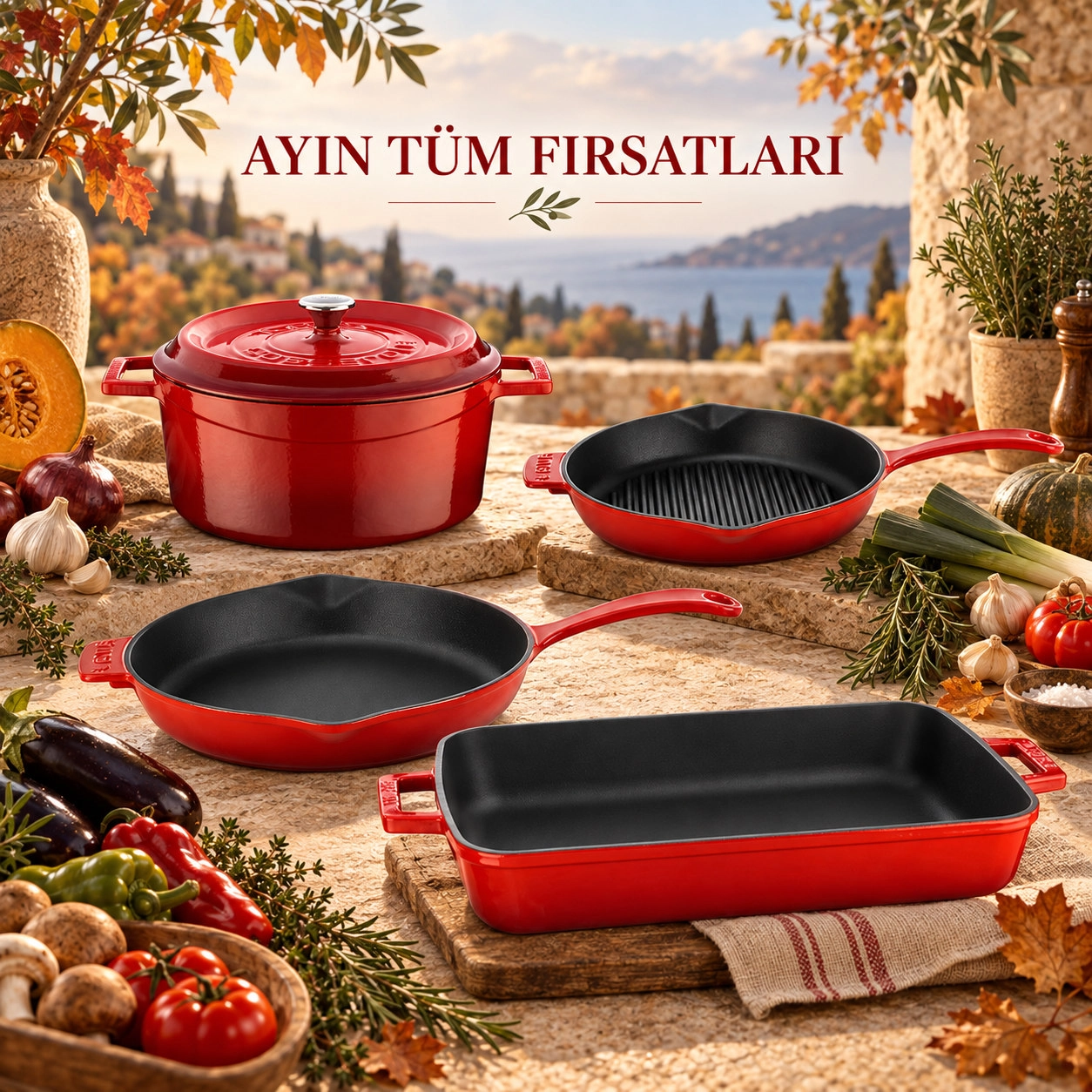
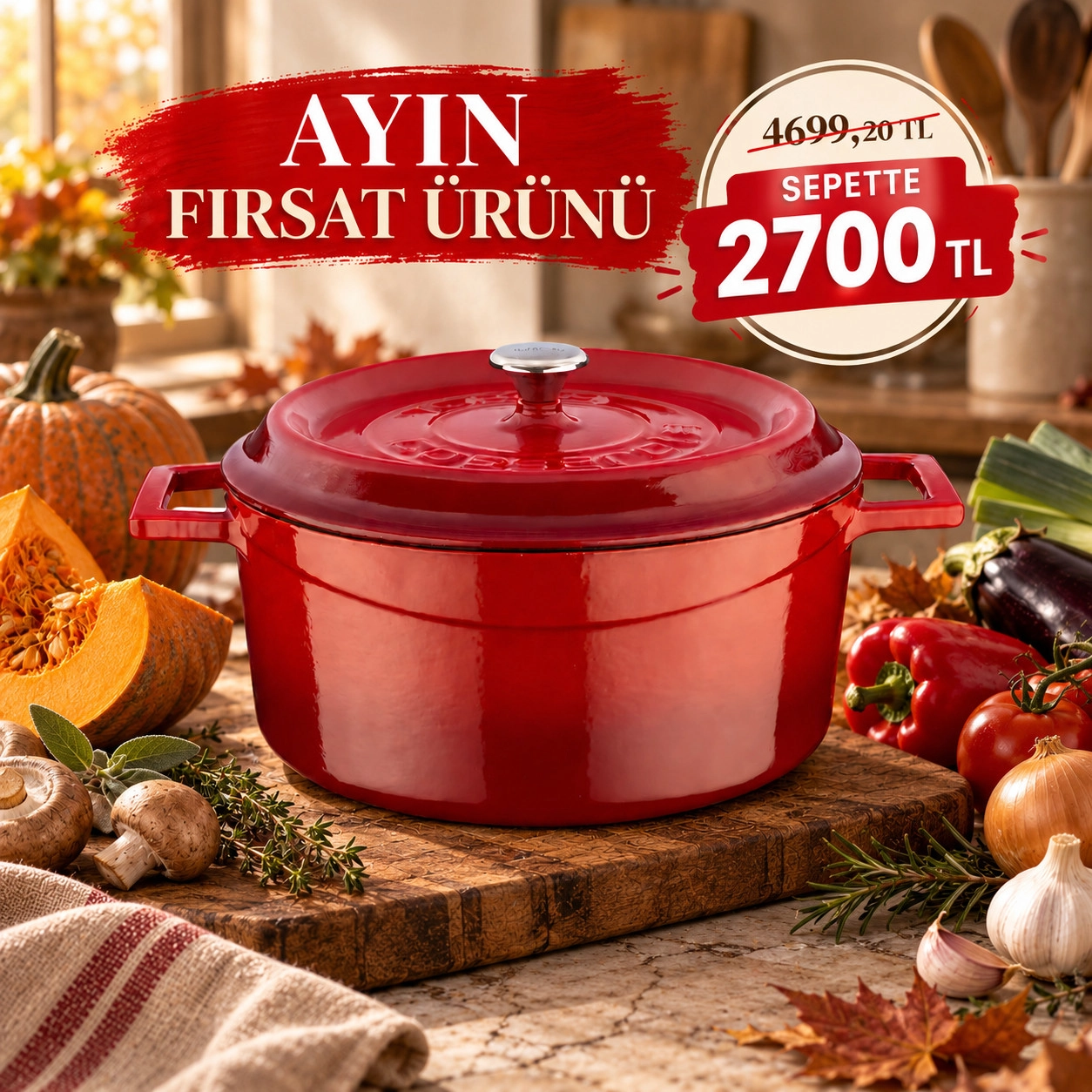 LAVA Round Cast Iron Casserole – Trendy Ø24 cm
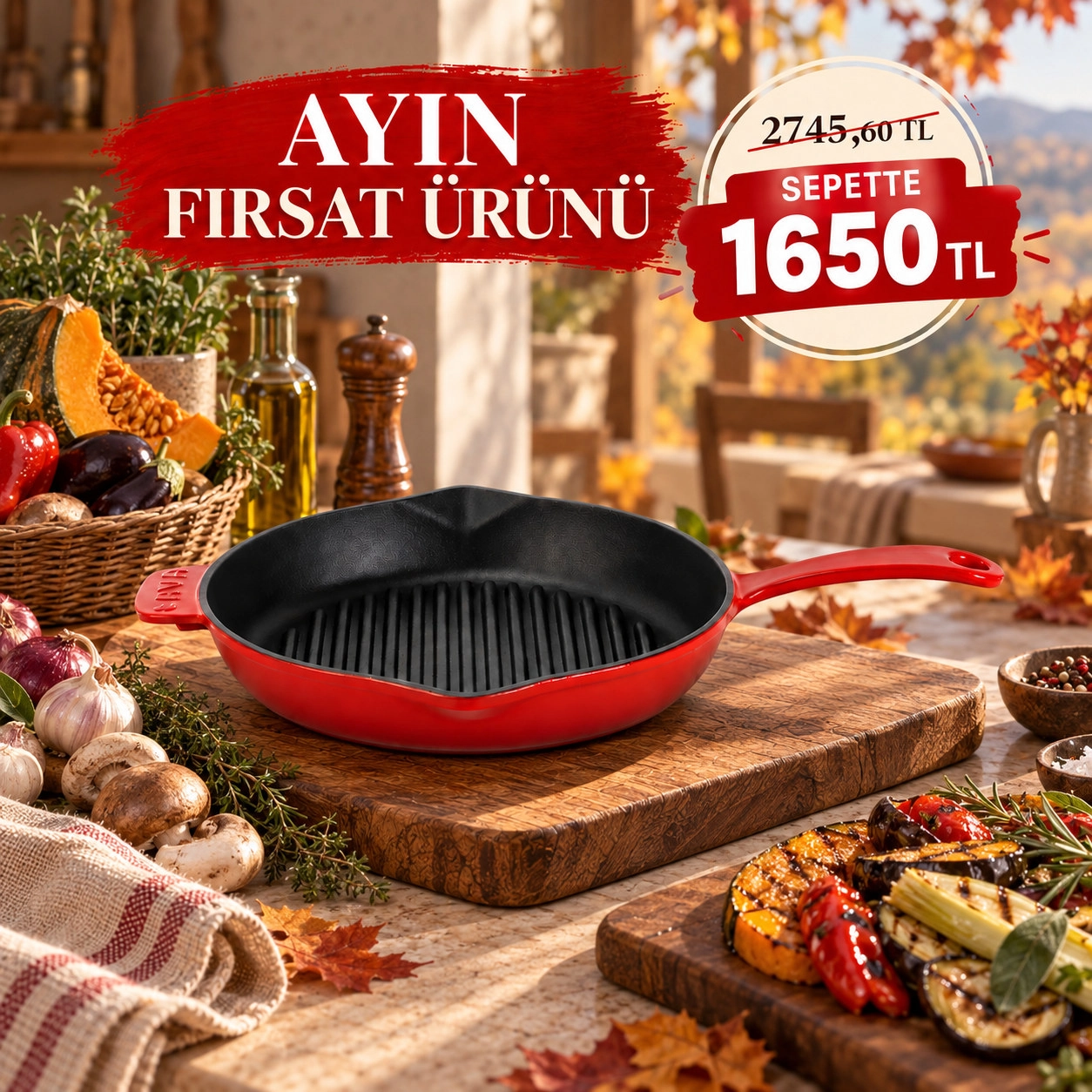 LAVA Round Cast Iron Grill Pan 28 cm Single Handle
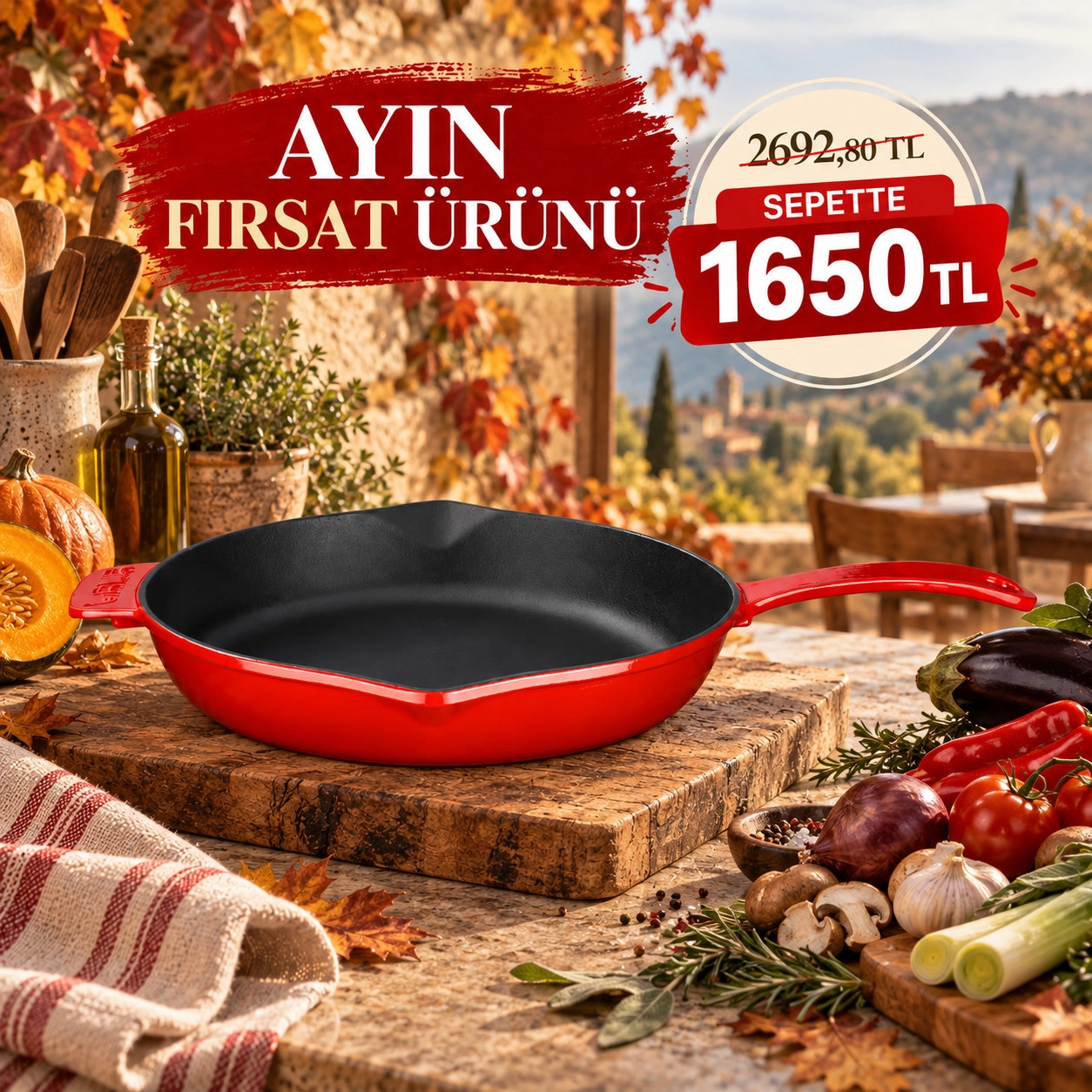 LAVA Round Cast Iron Frying Pan 28 cm Single Handle
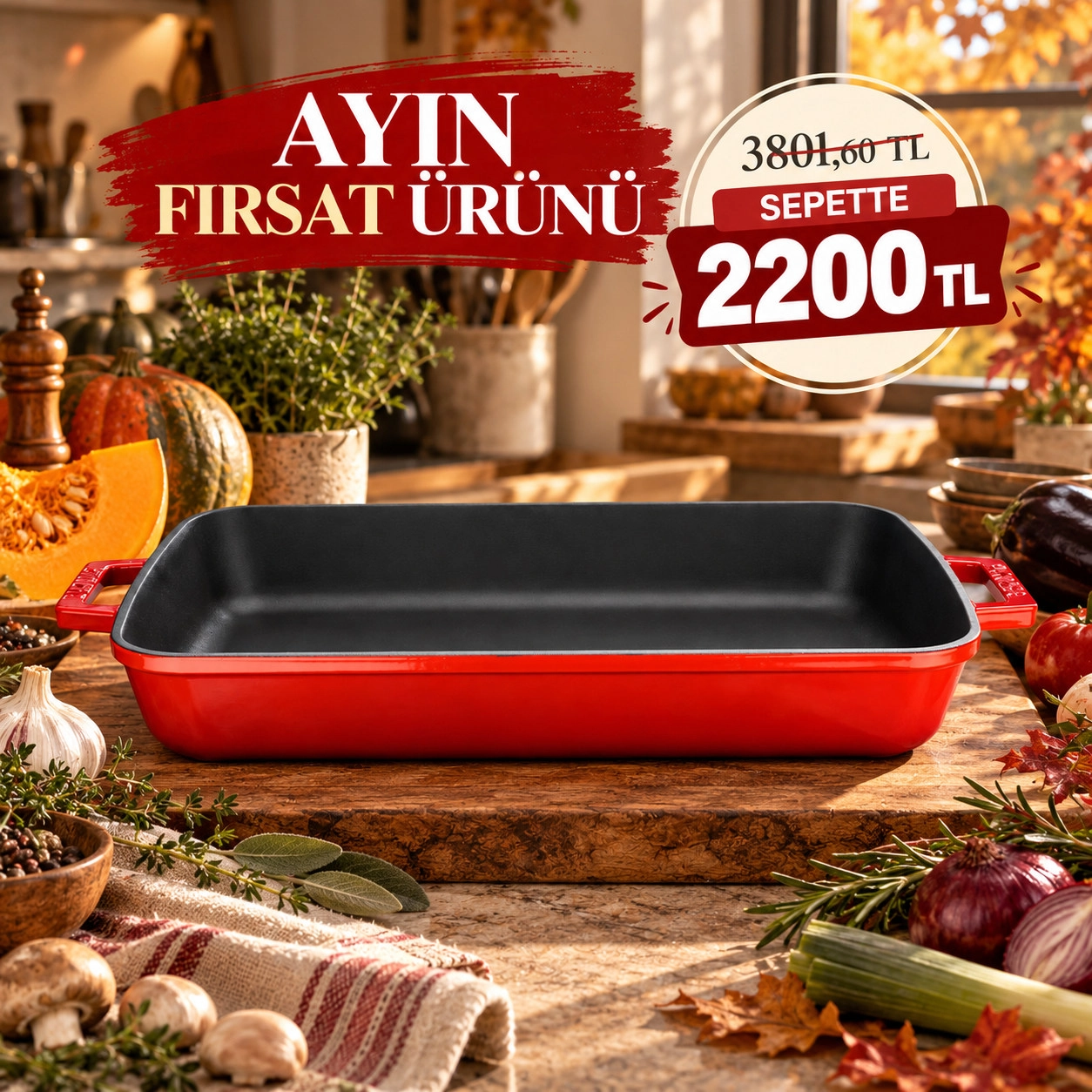 LAVA Rectangular Cast Iron Roasting & Oven Tray 26x40 cm Twin Handles
 All This Month's Deals