×

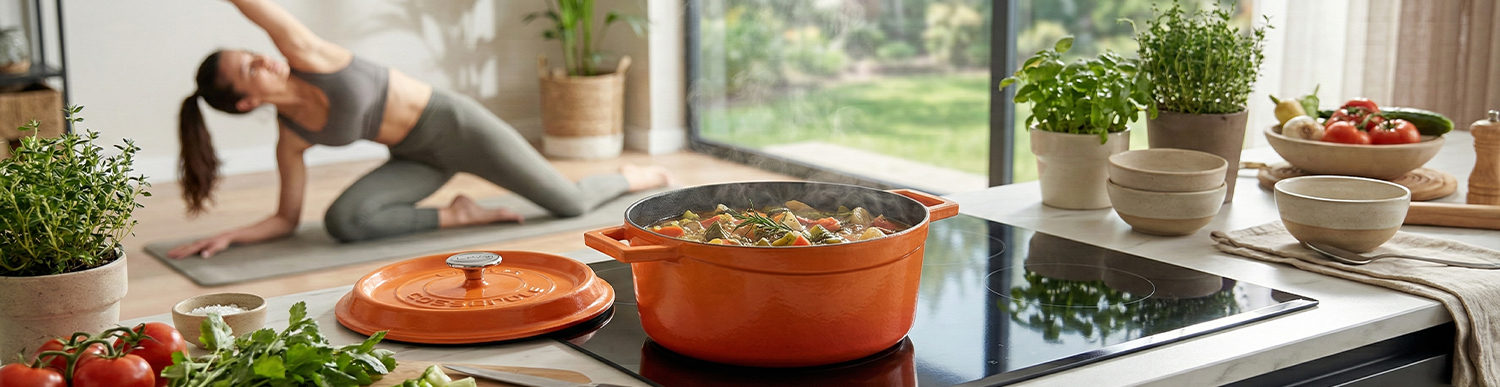
The year 2026 will be defined by acceleration: artificial intelligence, hybrid work models, continuous connectivity and increasing cognitive load. In such an environment, protecting both physical and mental health is no longer a lifestyle trend — it is a strategic life skill.
This guide approaches wellbeing holistically: from nutrition and sleep to movement and emotional resilience. Because sustainable health begins in the kitchen, strengthens around the table, and is maintained through daily rituals.
The 2026 approach to nutrition is not about restrictive dieting, but about metabolic balance. The goal is not simply weight control — it is stable blood sugar, strong gut health and sustained energy.
Key priorities:
High-fibre, whole-food nutrition
Reduced refined sugar intake
Healthy fat sources (olive oil, avocado, nuts)
Seasonal and locally sourced ingredients
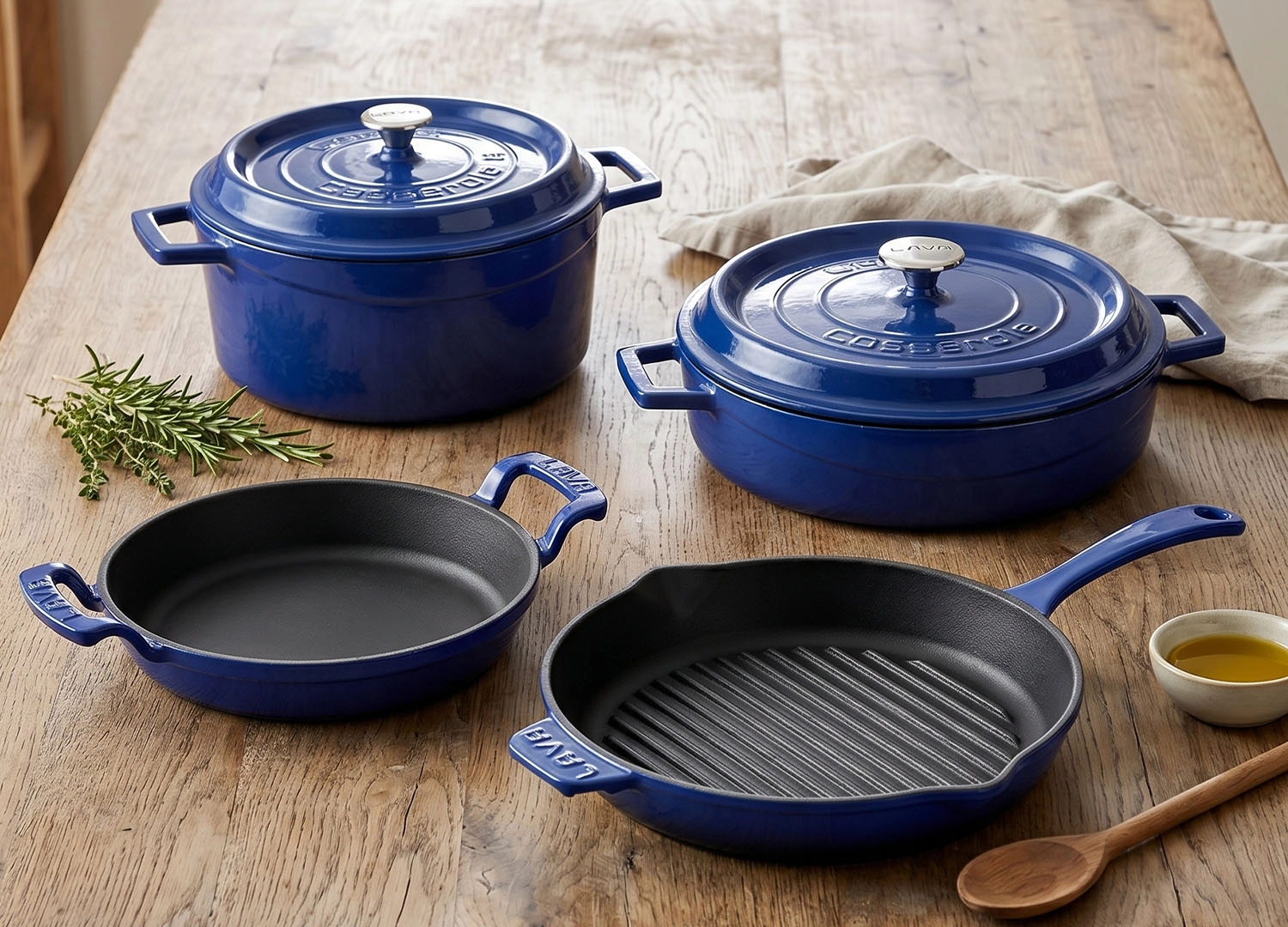
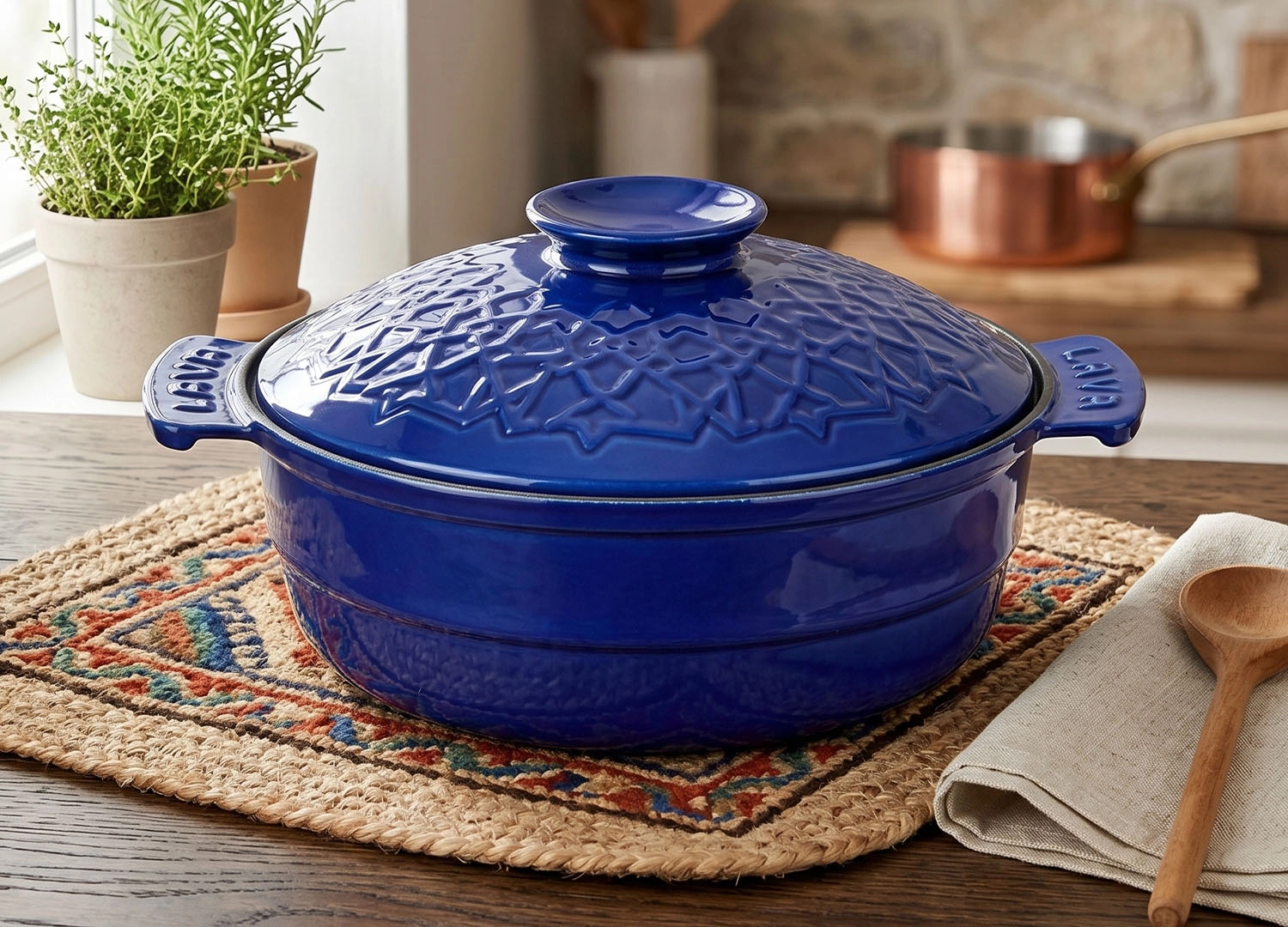
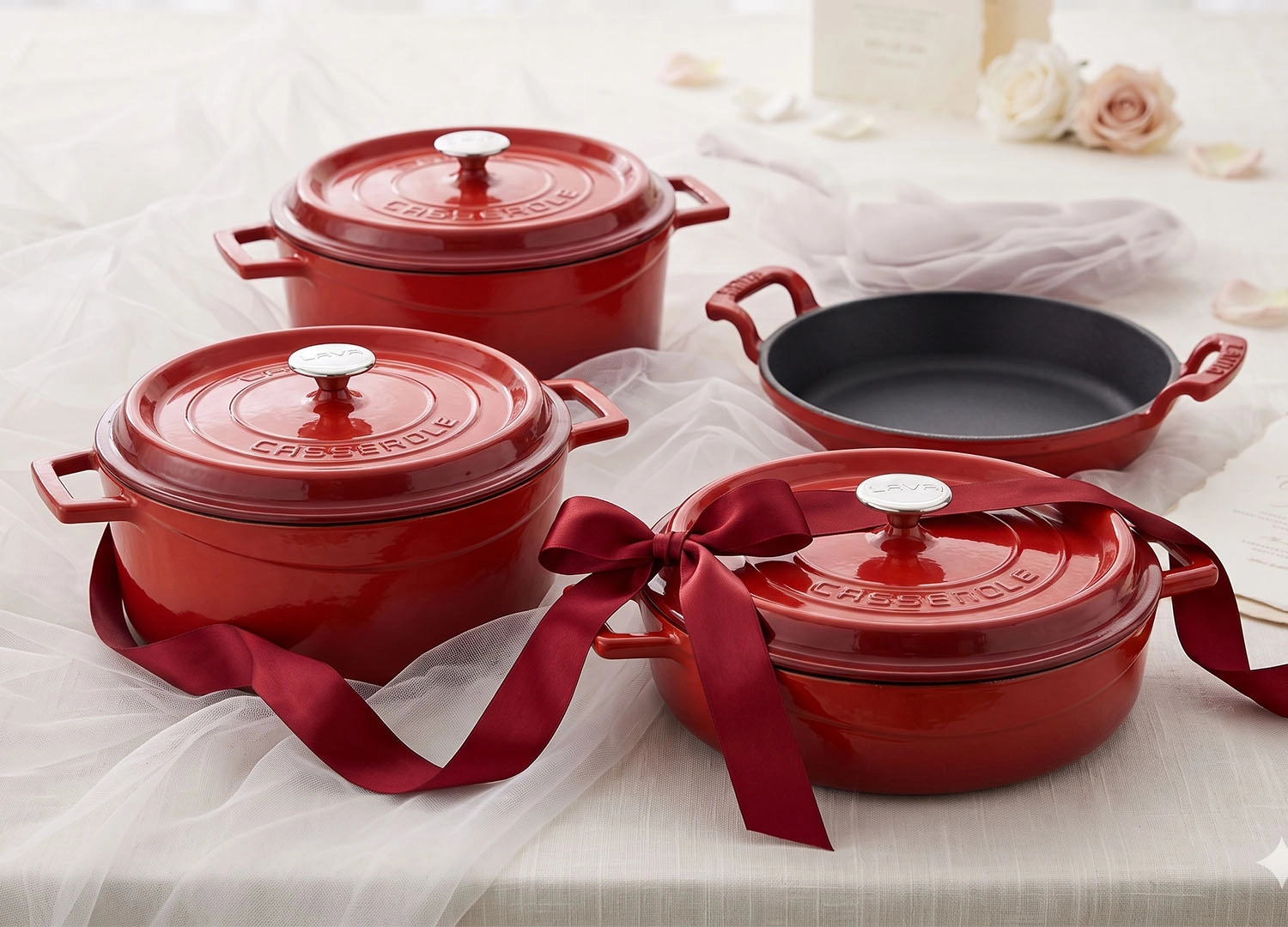
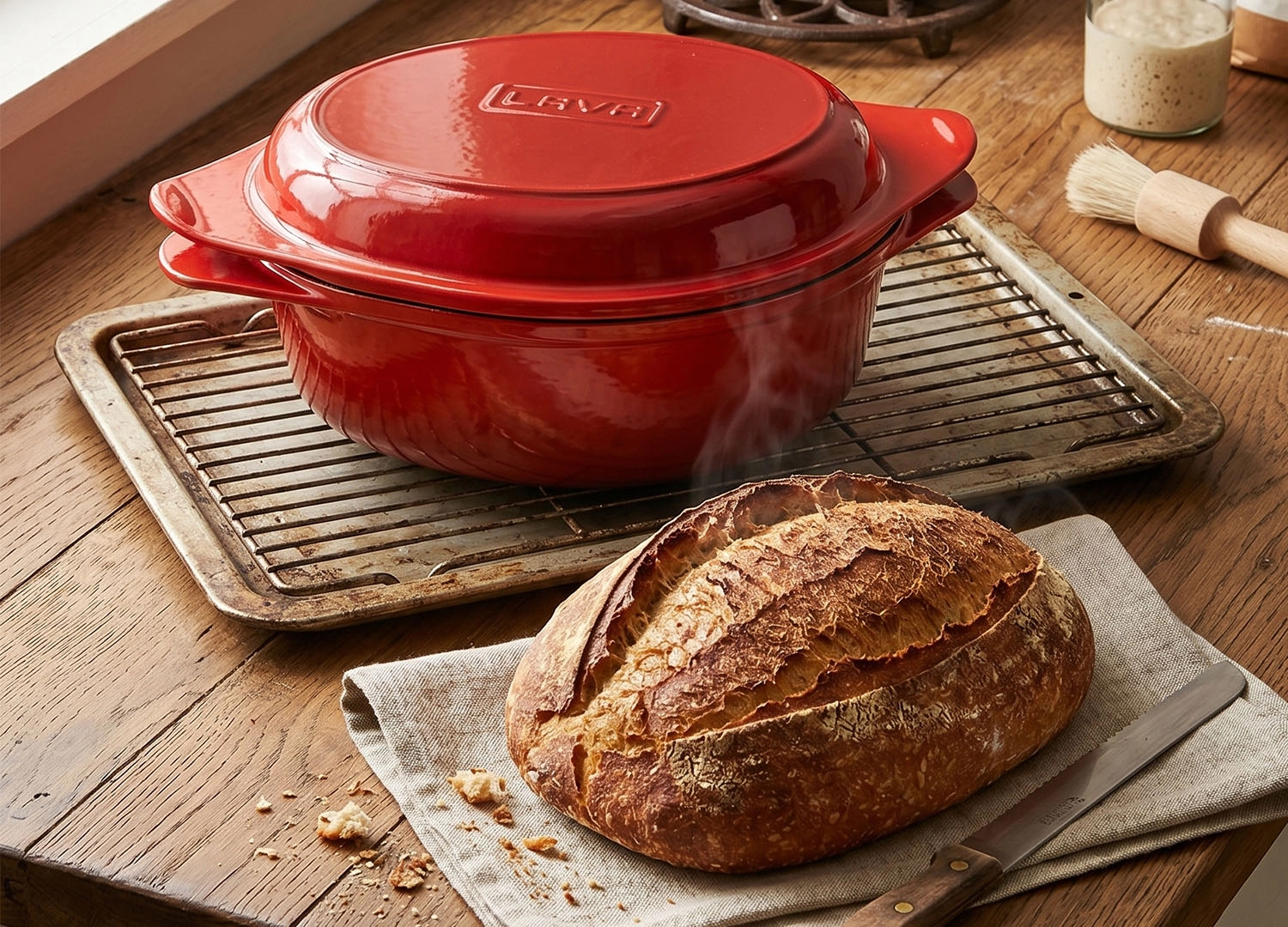
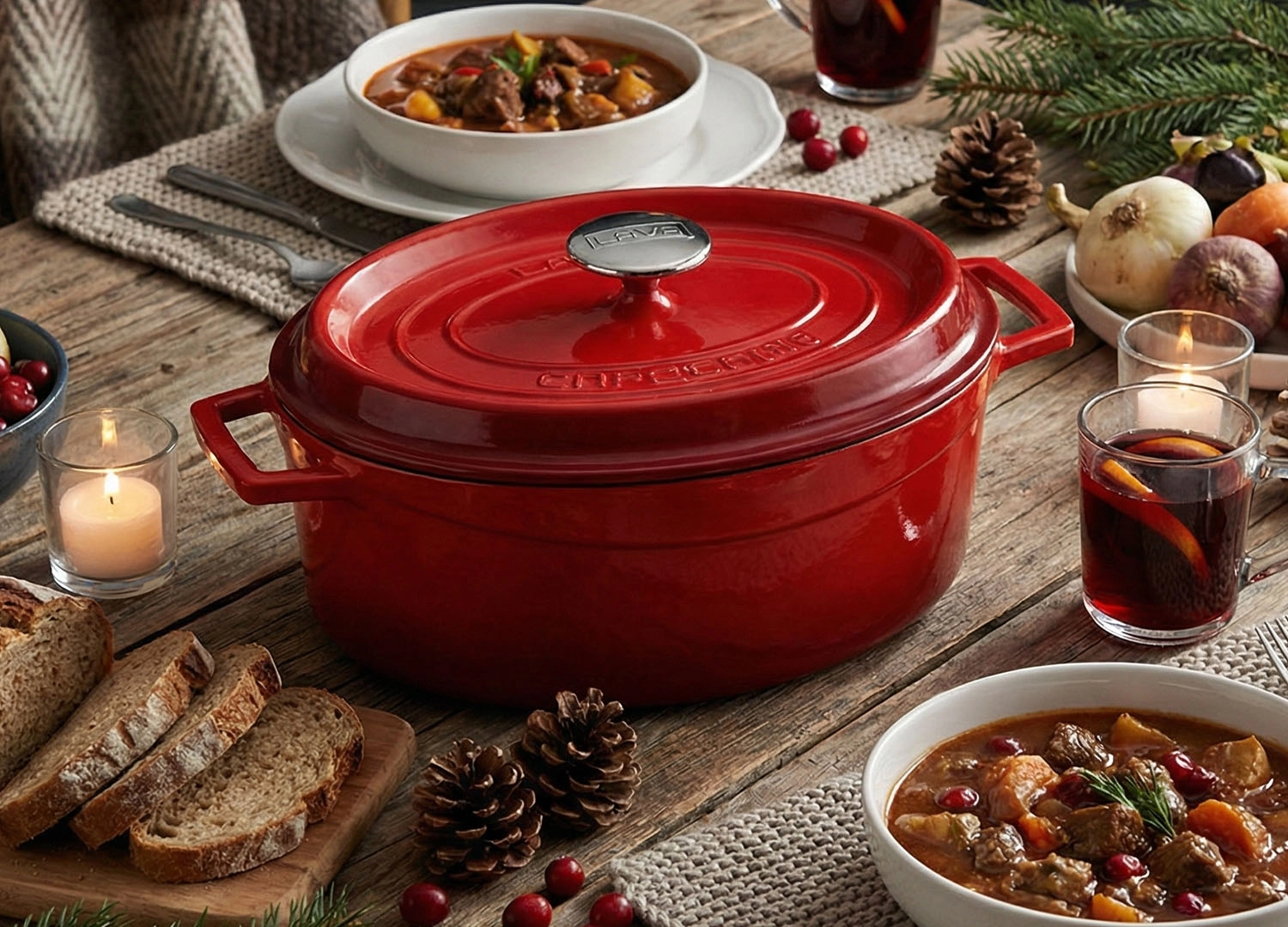
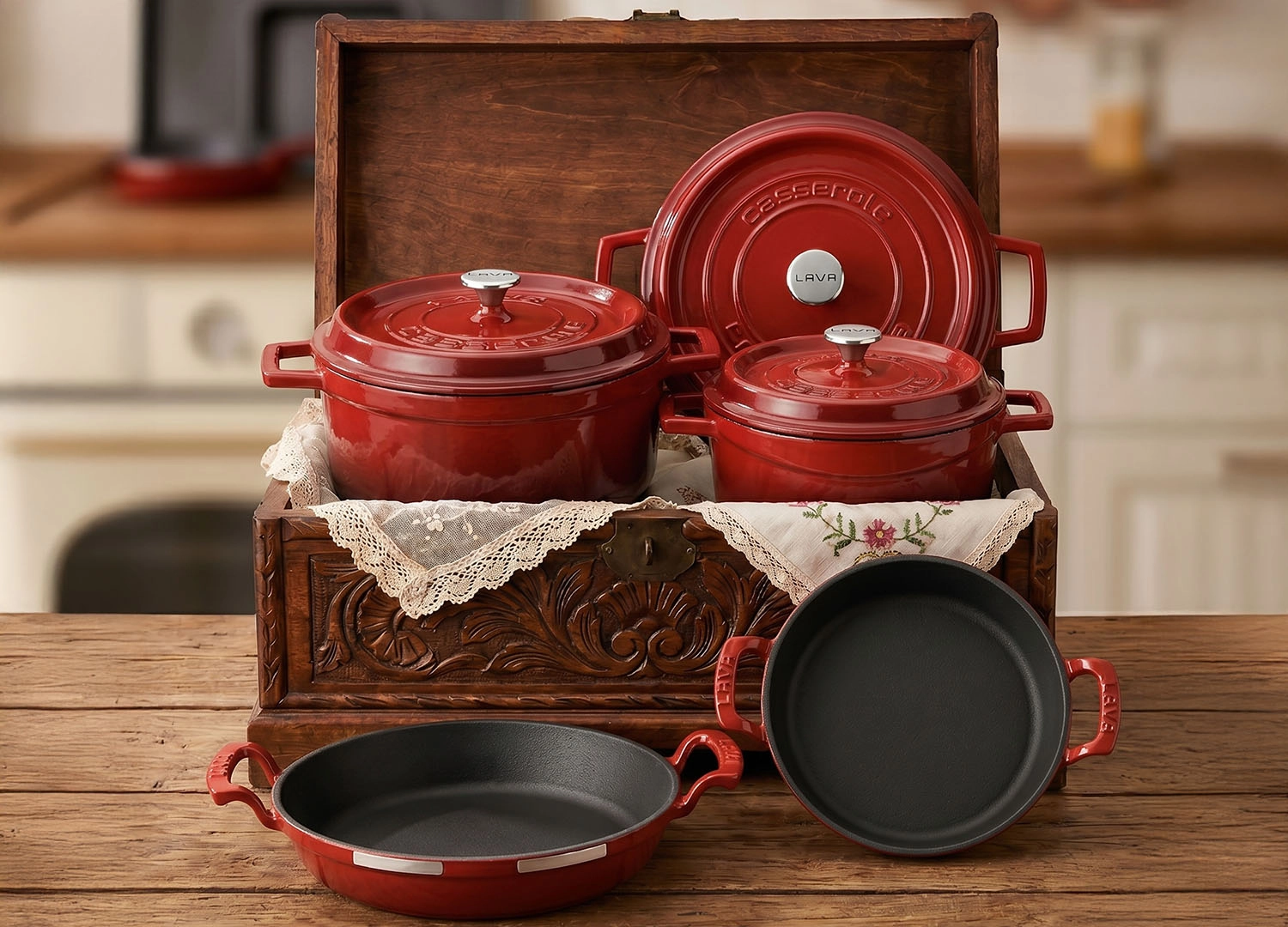
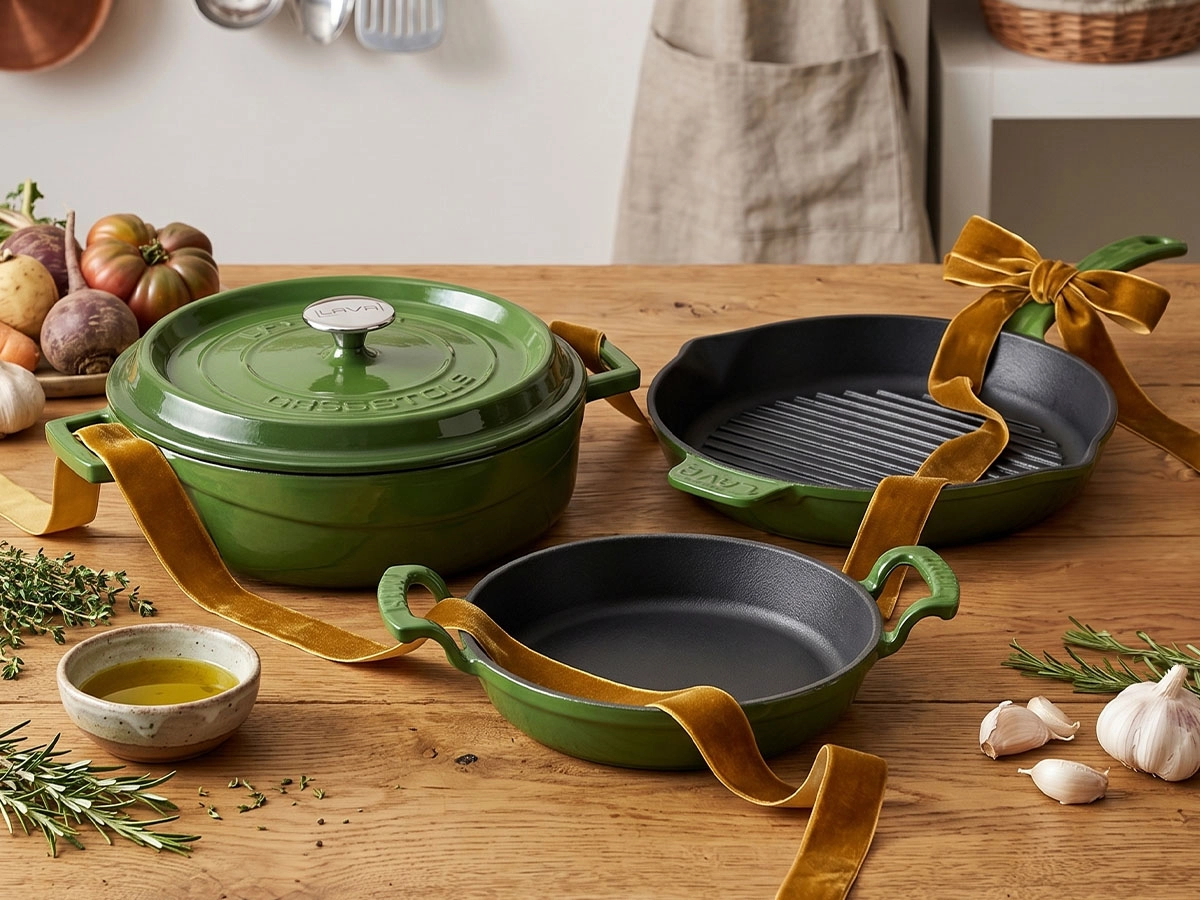
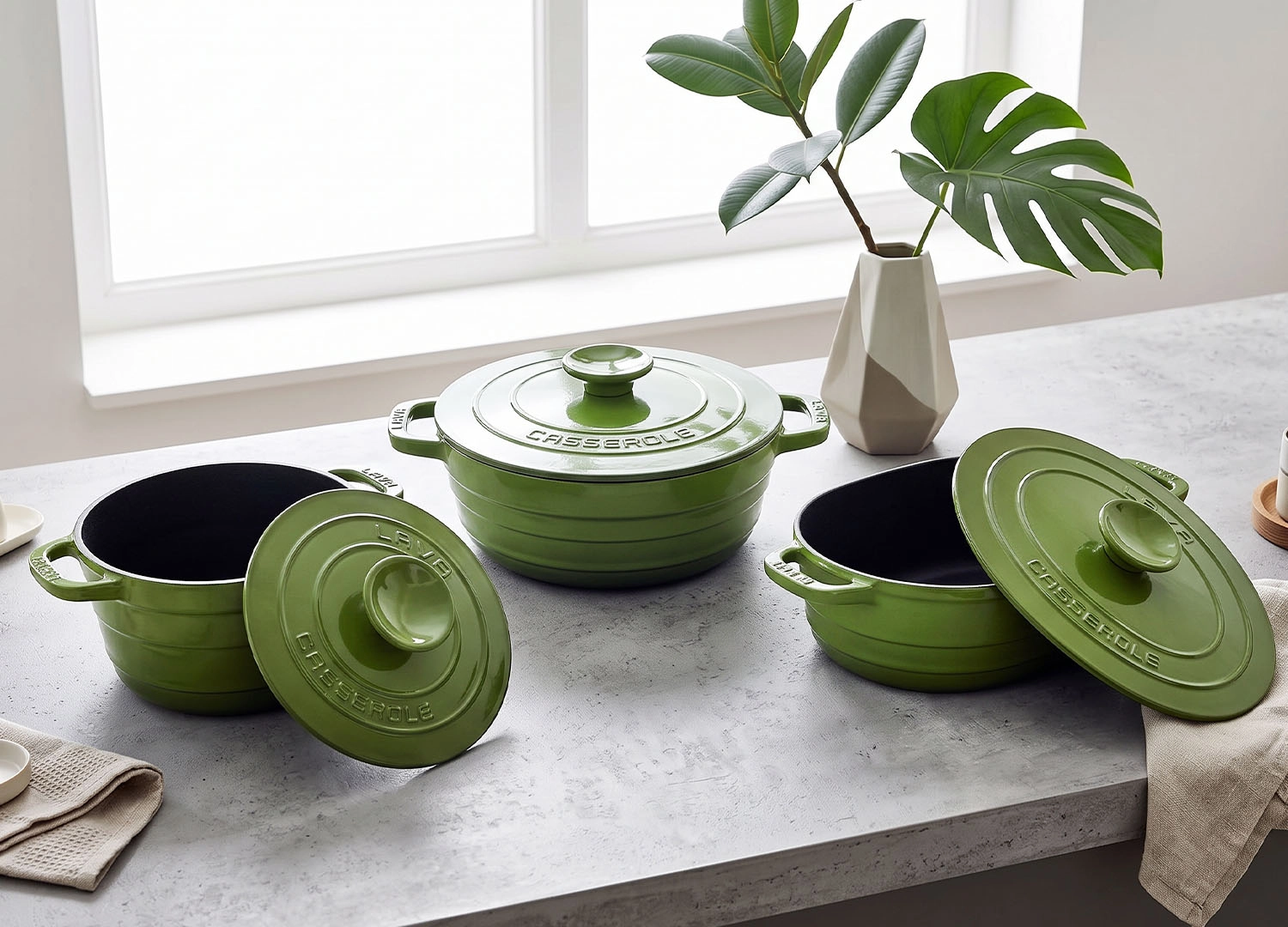
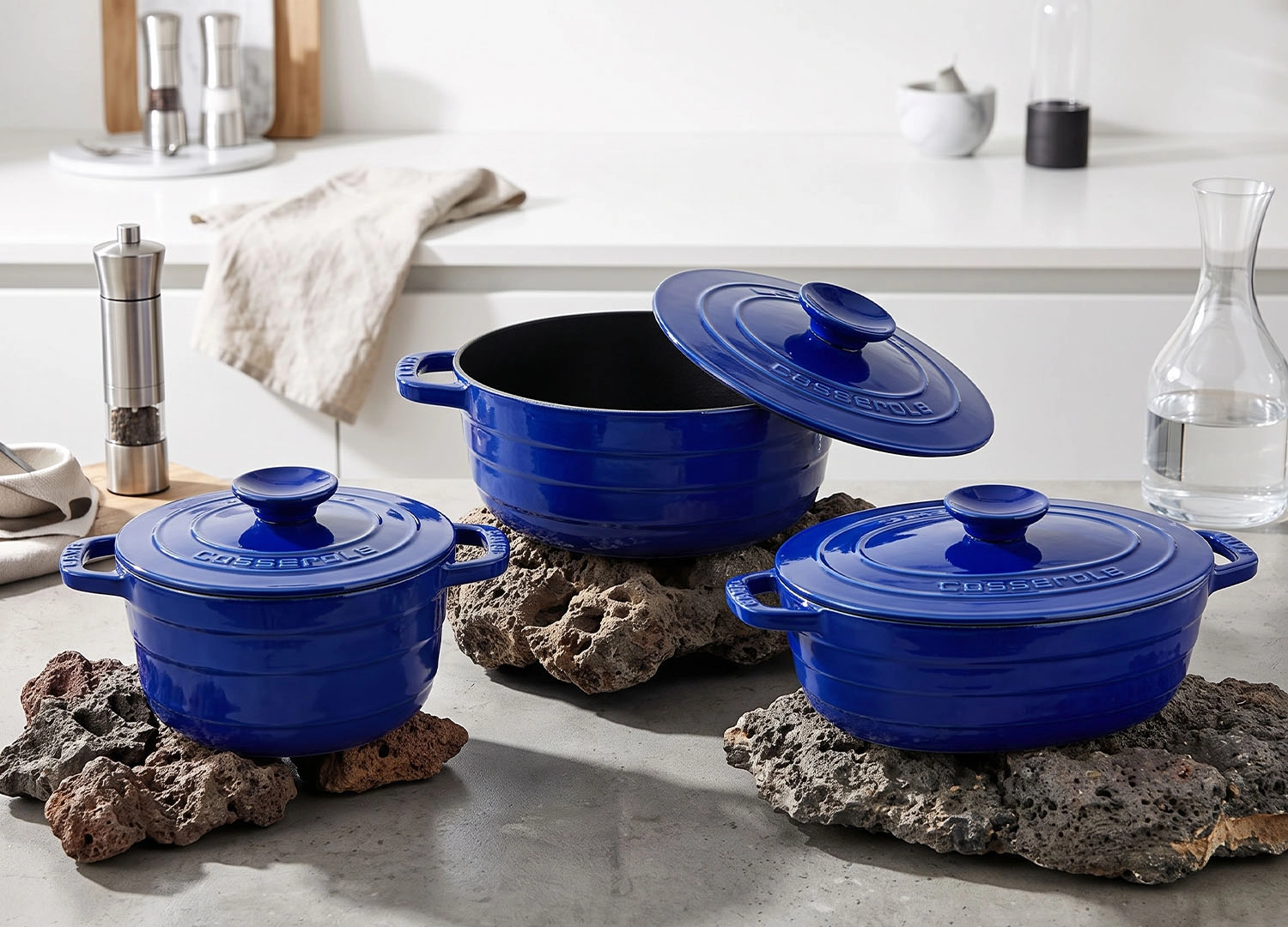
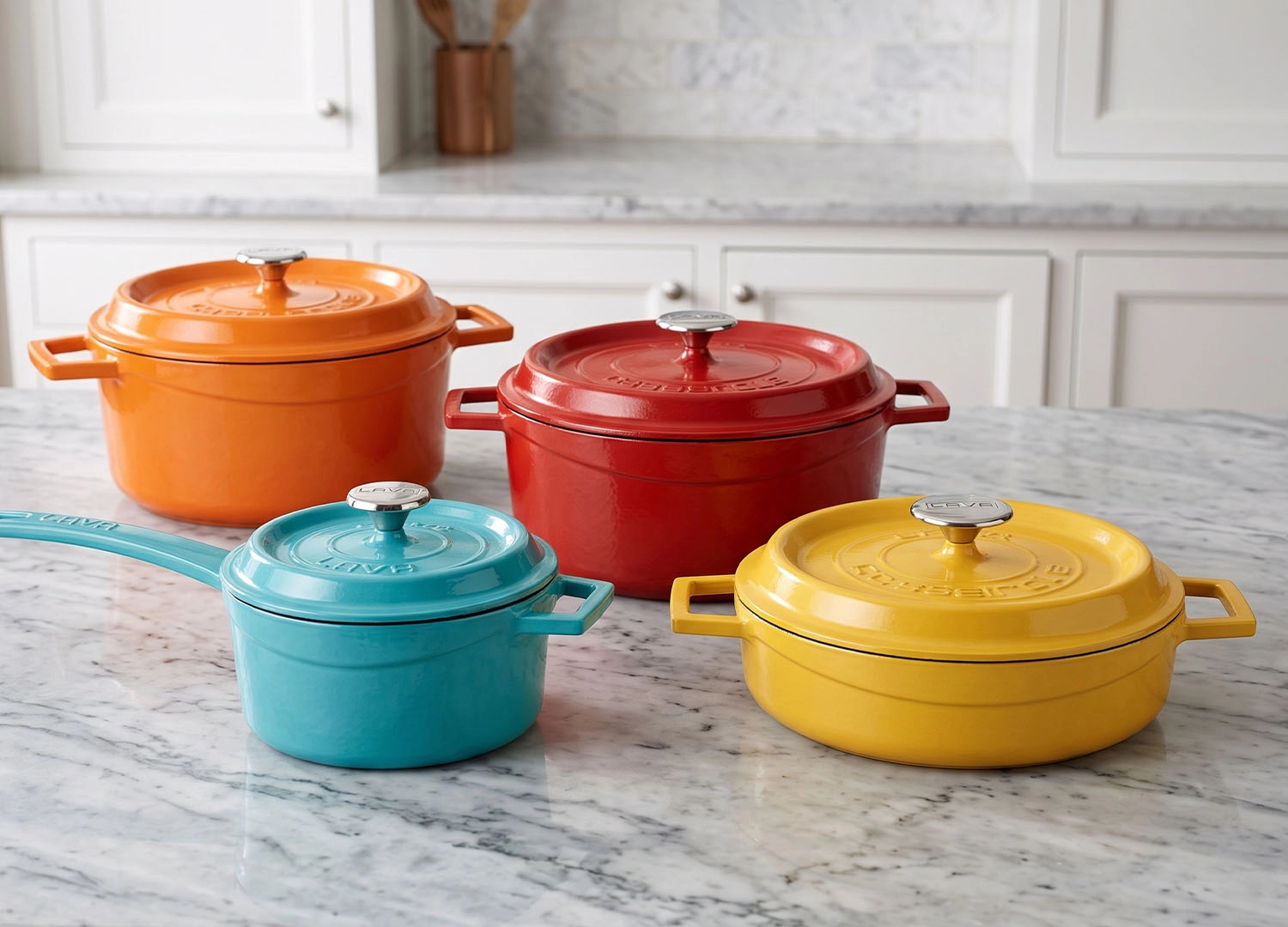
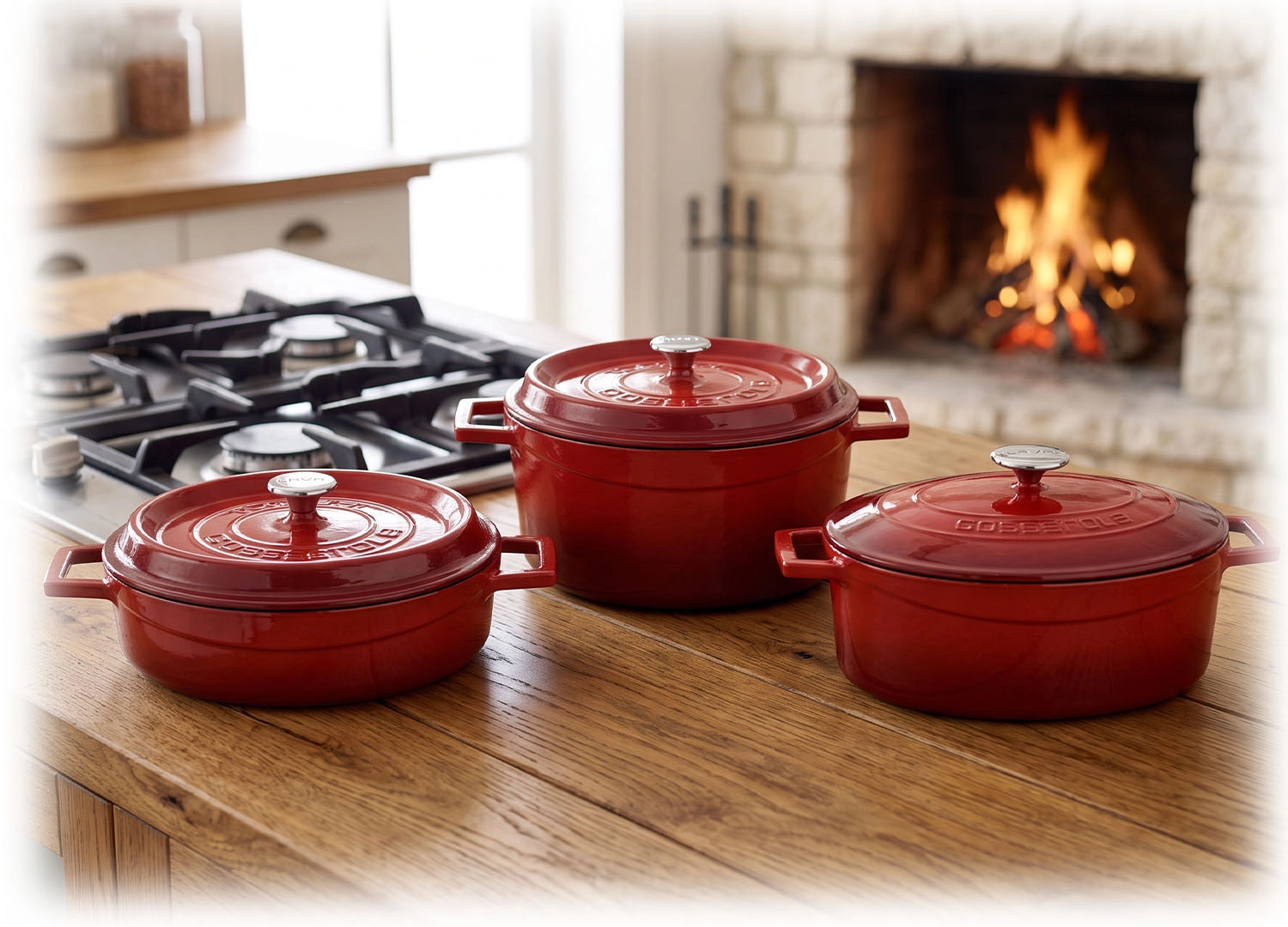
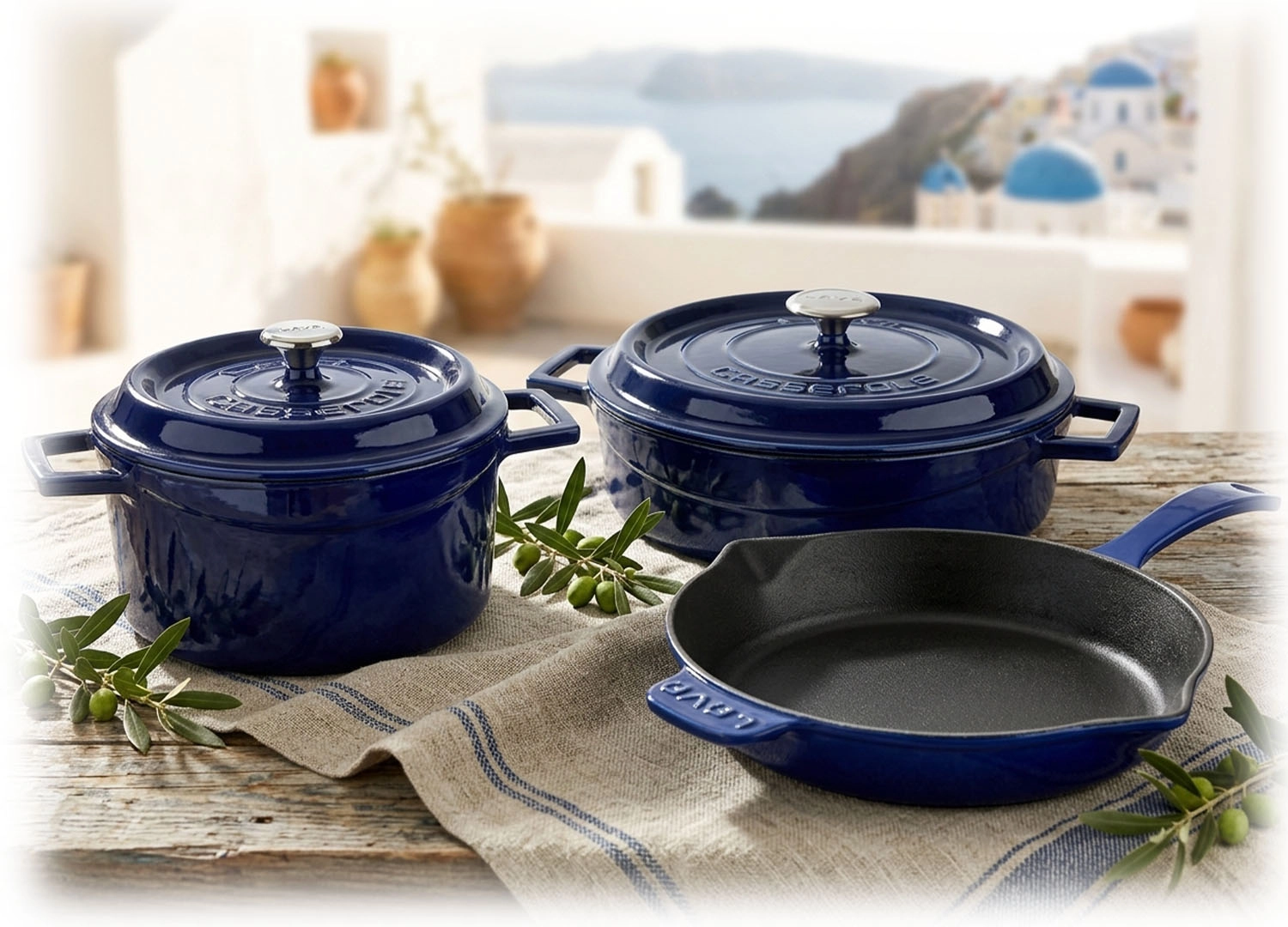
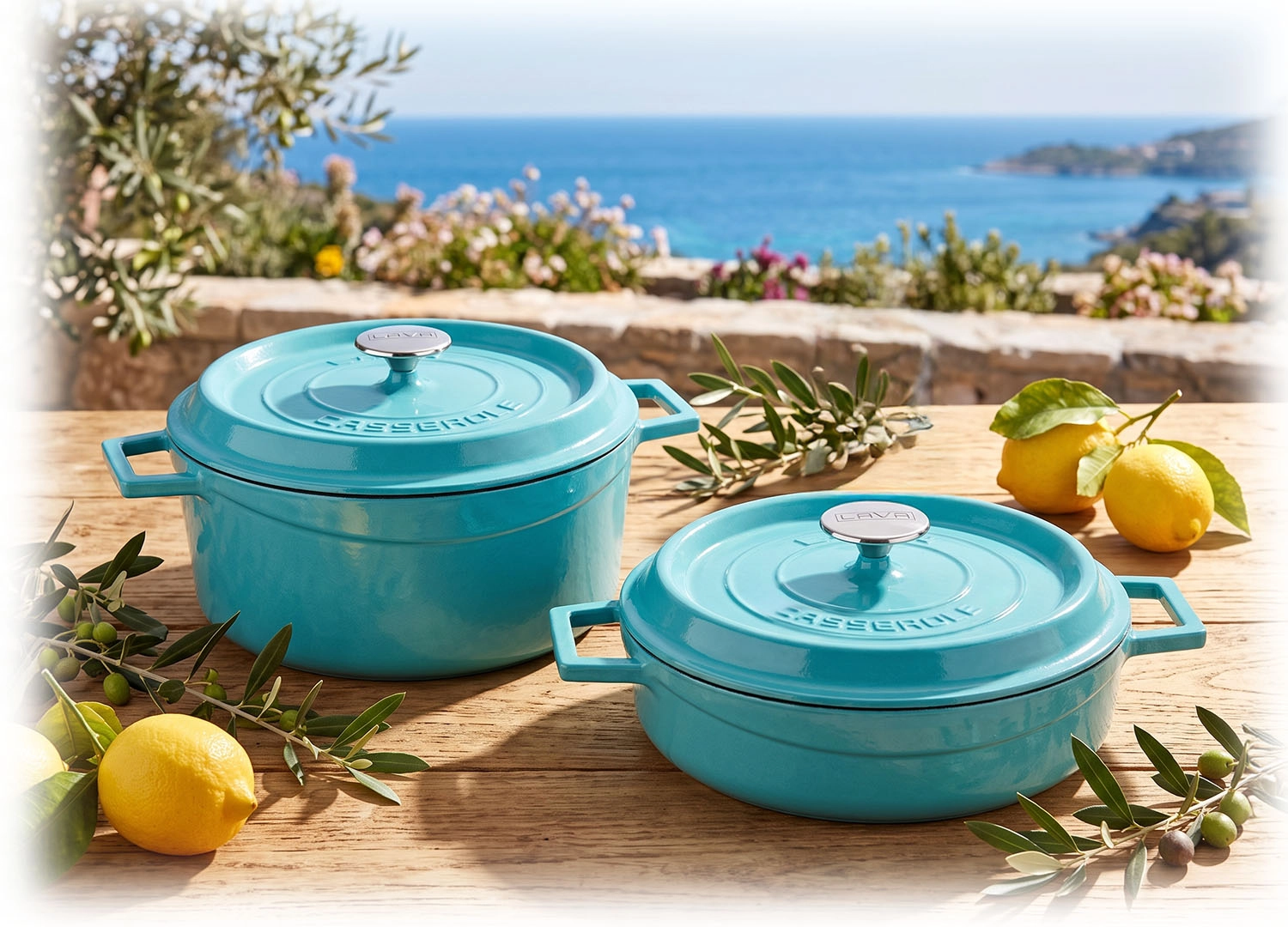
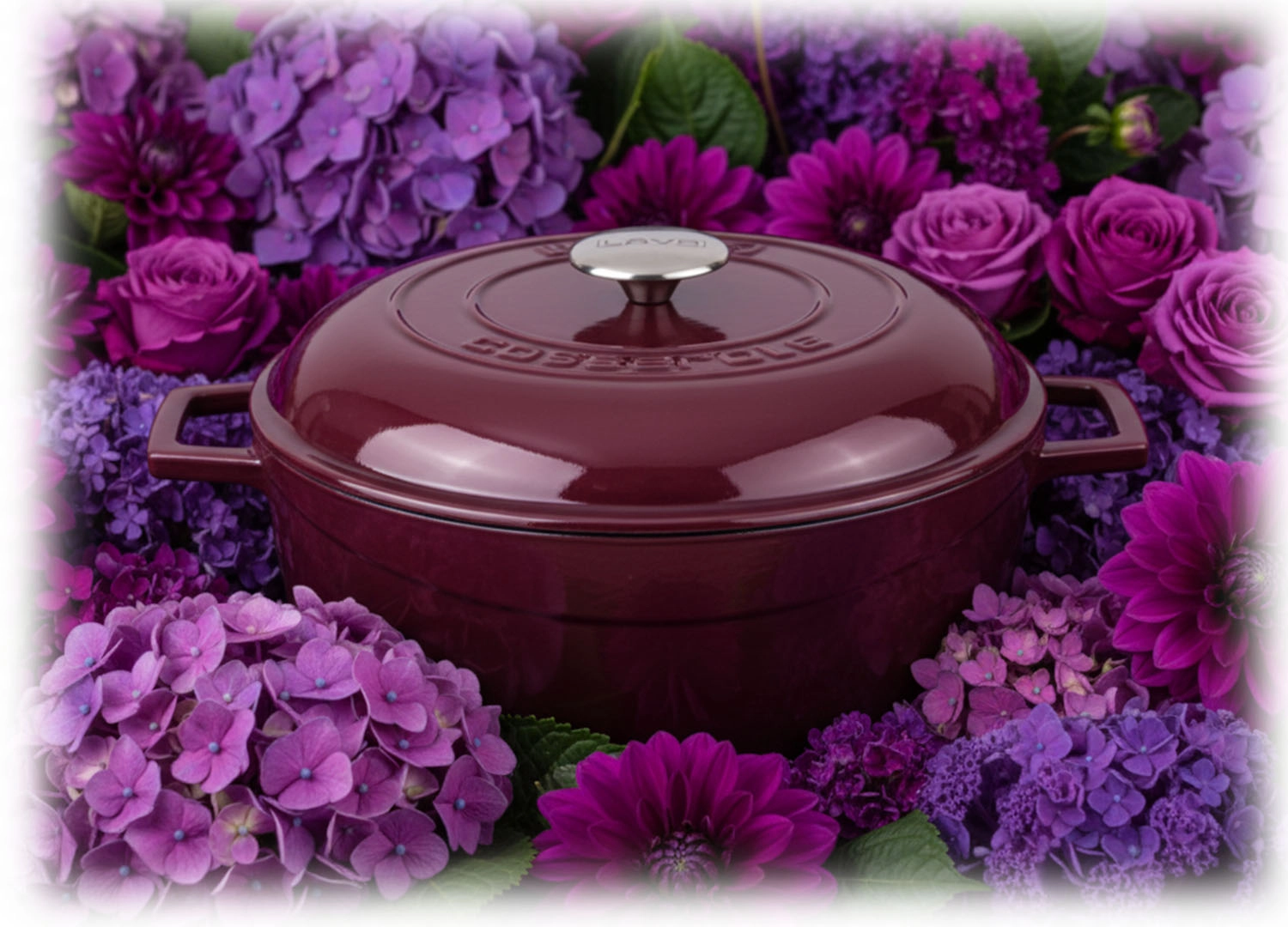
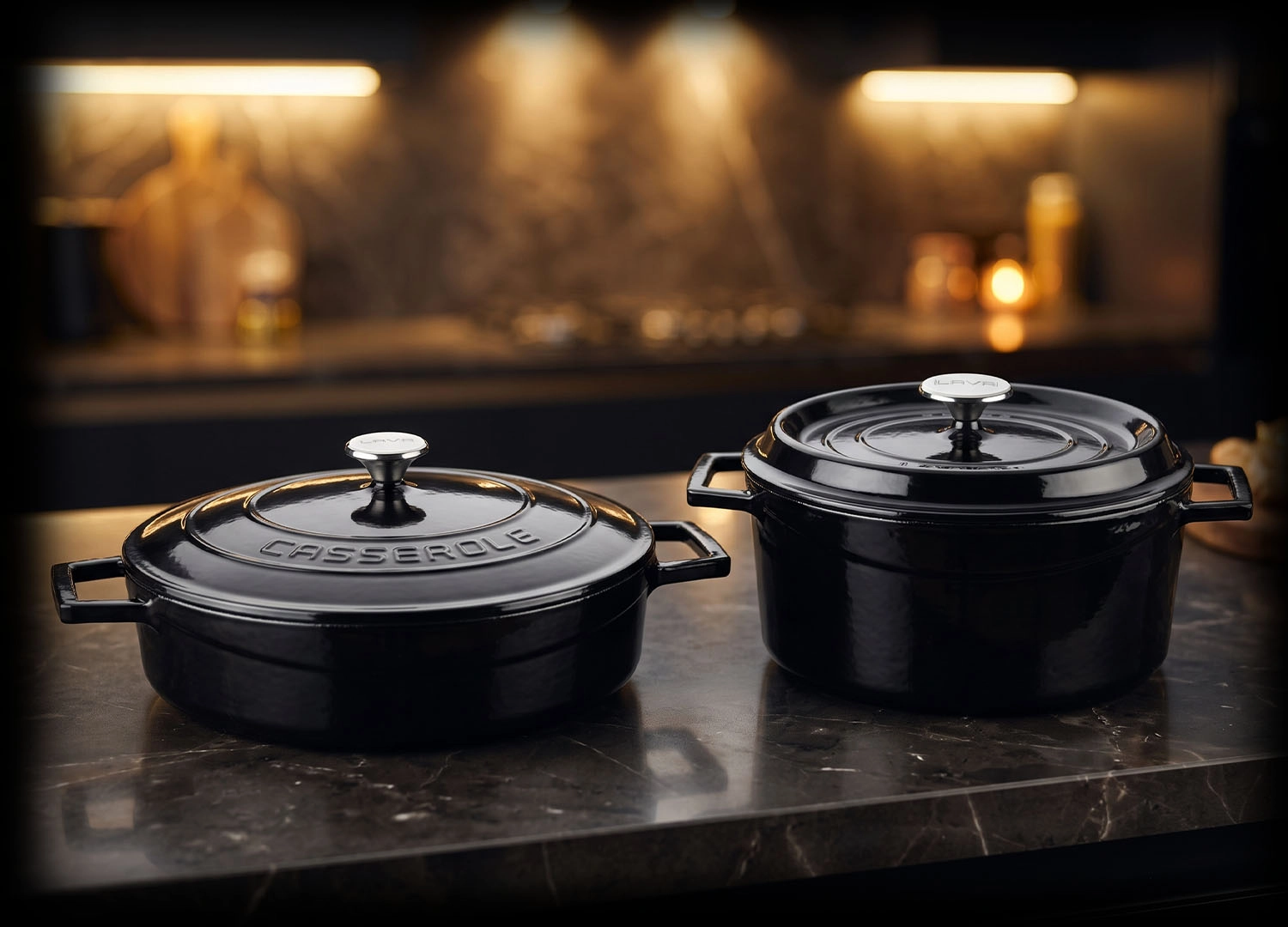
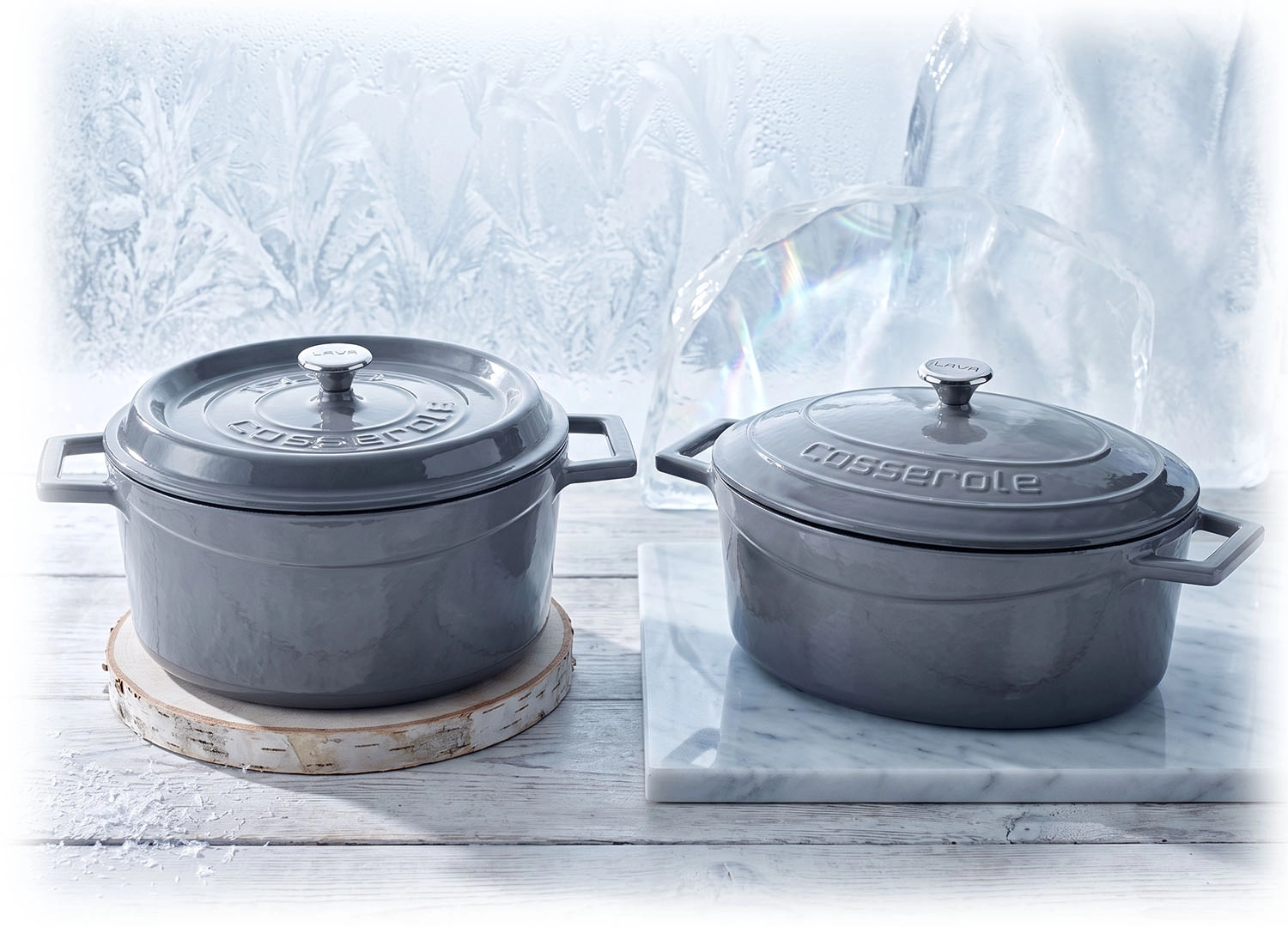
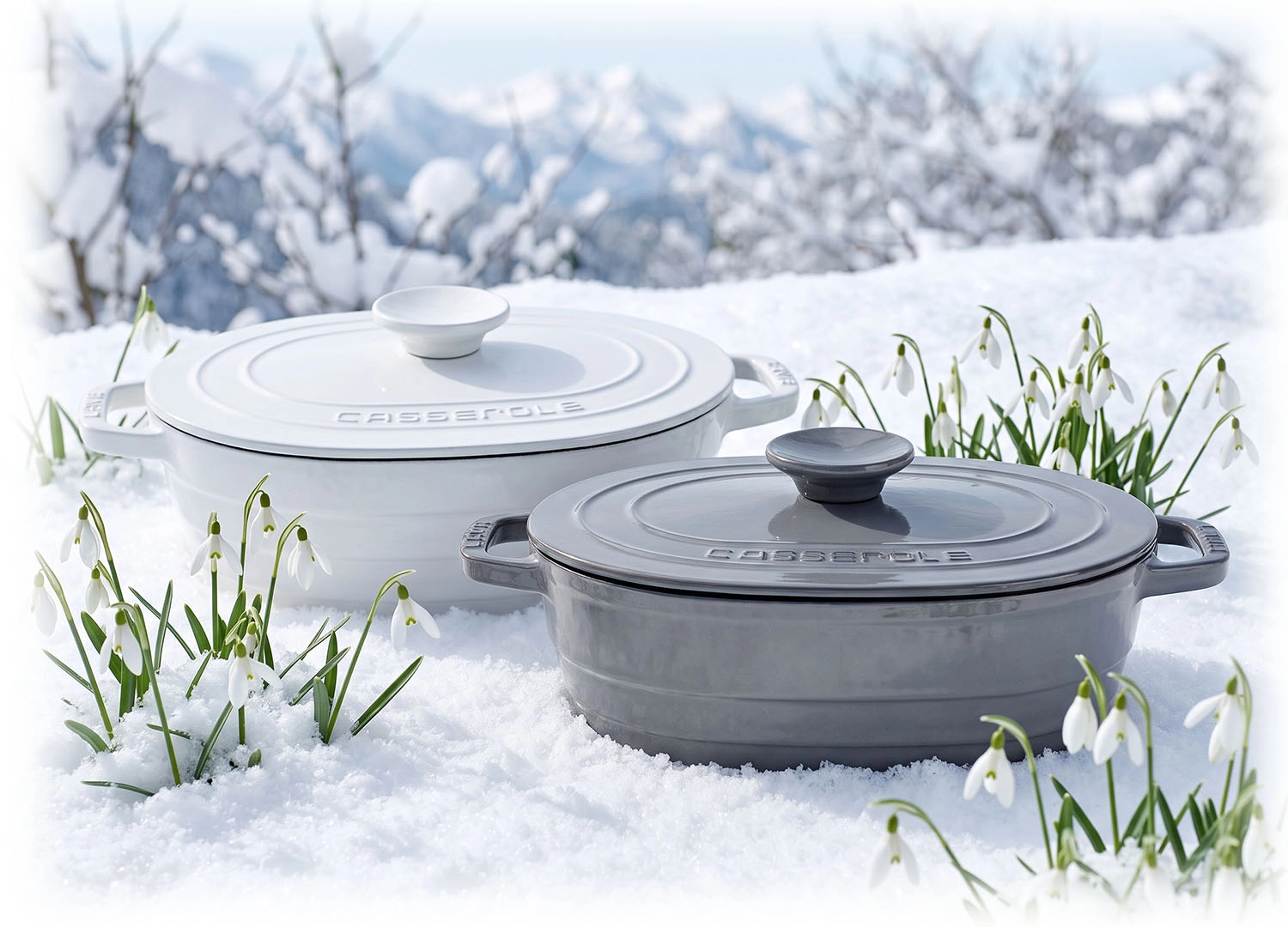
Slow cooking methods, particularly in cast iron cookware, help preserve nutrients while enhancing flavour. Gentle, even heat distribution supports mineral retention and better digestion.
After the age of 30, muscle mass becomes a key determinant of metabolic efficiency. Weekly meal planning should include balanced protein sources such as:
Eggs
Legumes
Lean red and white meat
Yoghurt and kefir
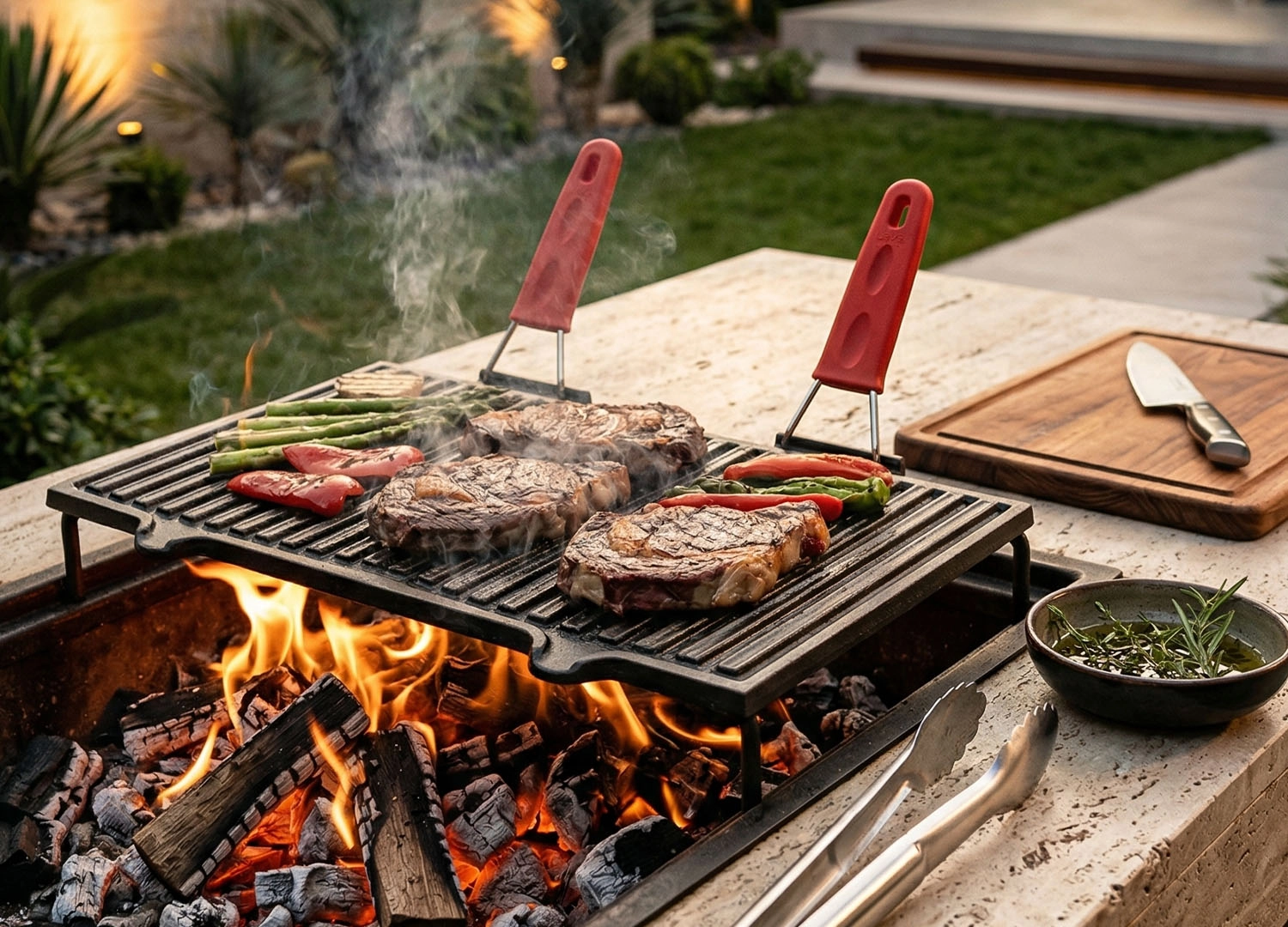
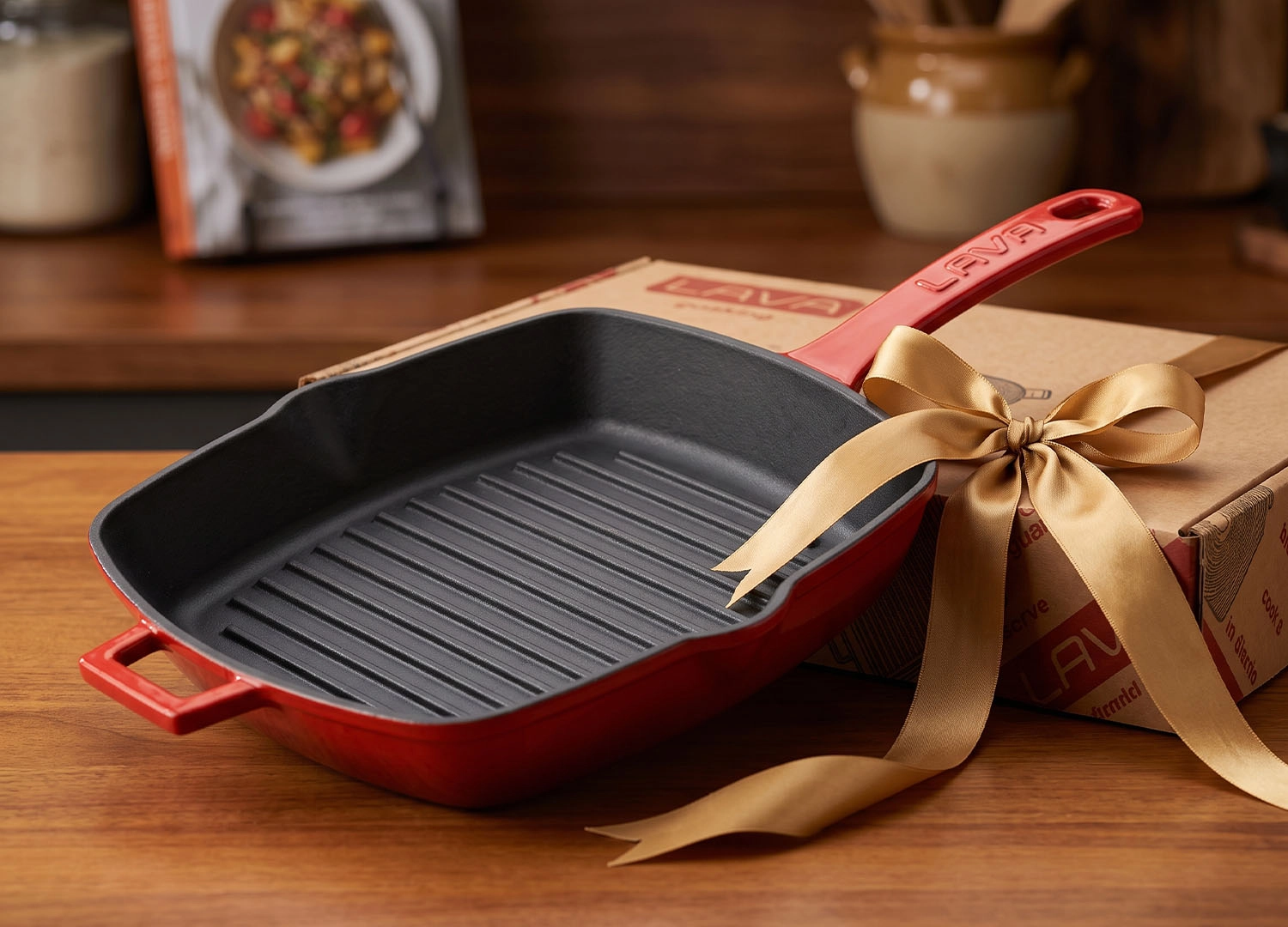
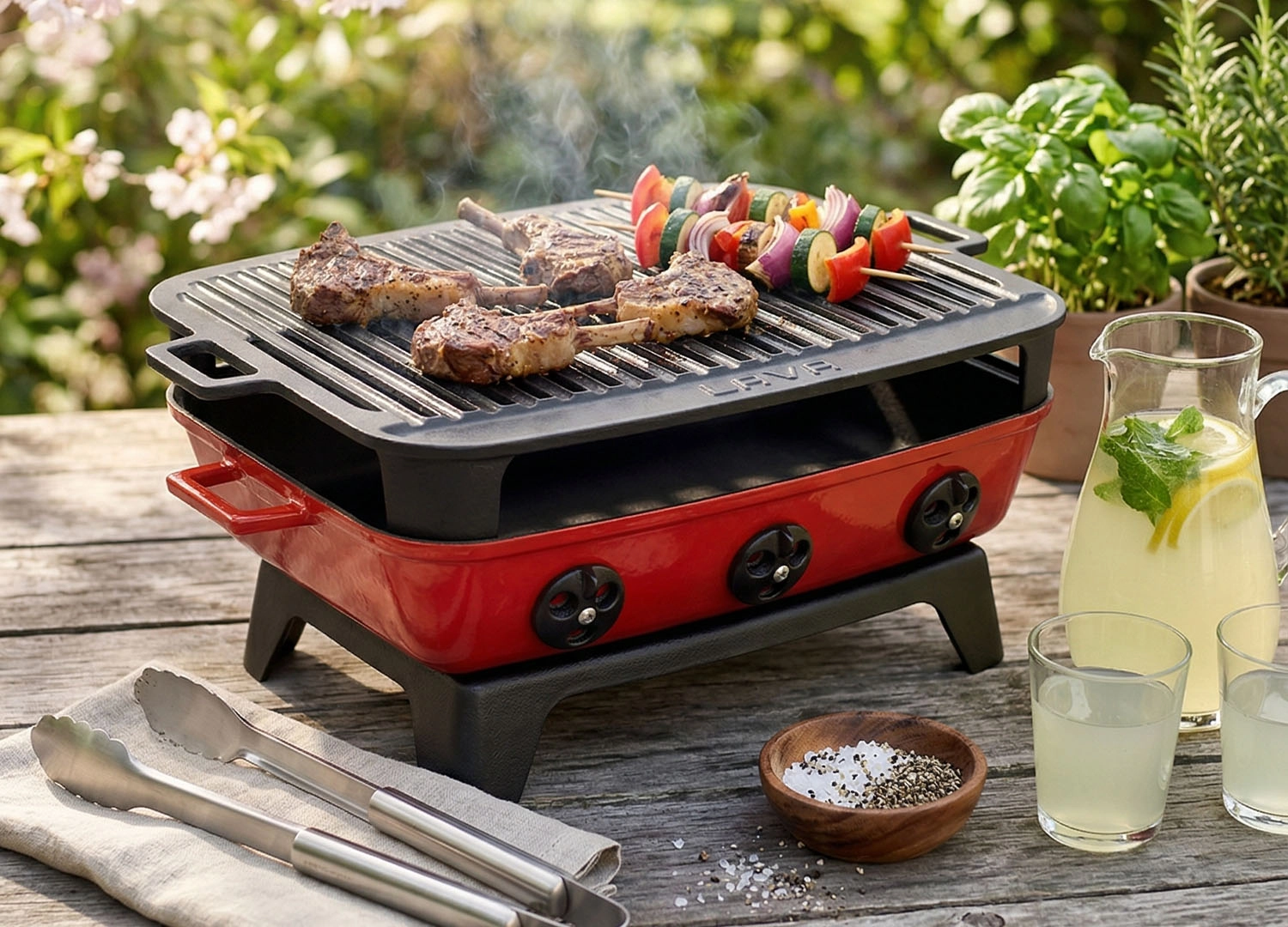
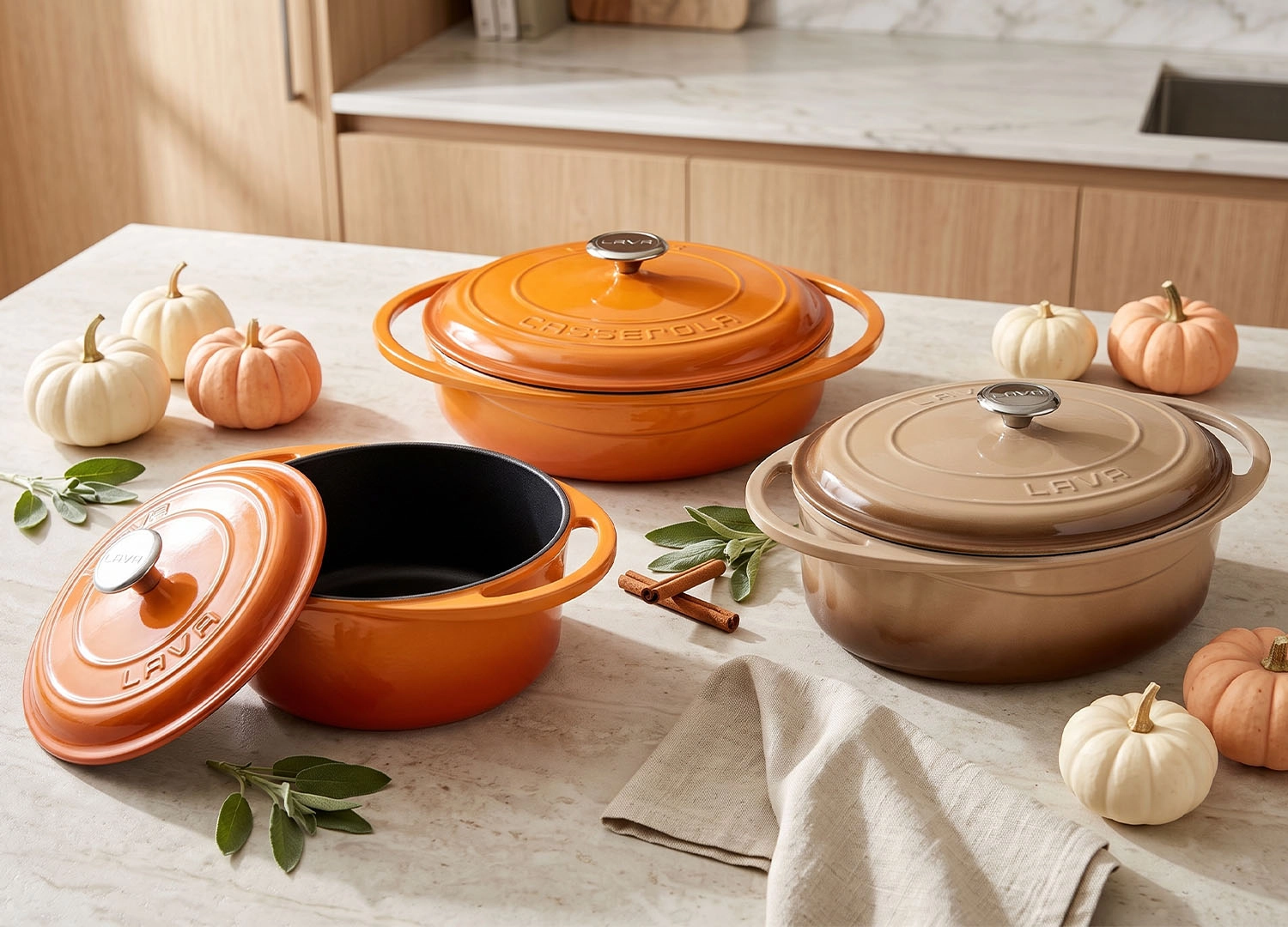
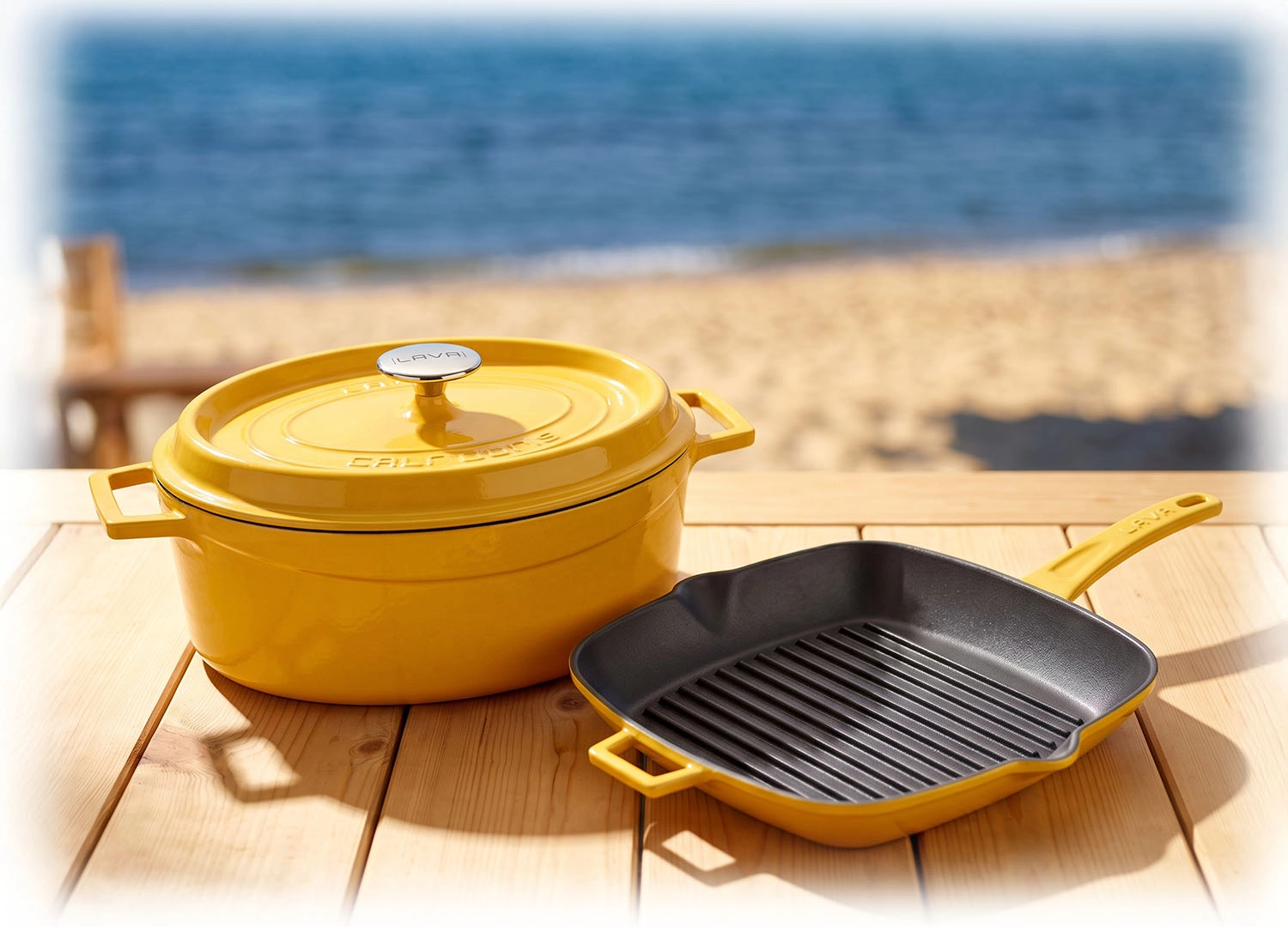
Cast iron’s superior heat retention allows controlled searing: creating proper caramelisation on the surface while preserving internal moisture — supporting both taste and nutritional integrity.
One of the major mental health challenges of 2026 is information overload. Establishing digital boundaries is essential:
Turning off non-essential notifications
Limiting social media exposure
Scheduling 2–3 screen-free hours weekly
Cognitive recovery improves concentration, decision-making and emotional stability.
Mental balance is built through repetition, not intensity. Small daily rituals create long-term resilience:
10 minutes of morning breathing exercises
Evening gratitude journaling
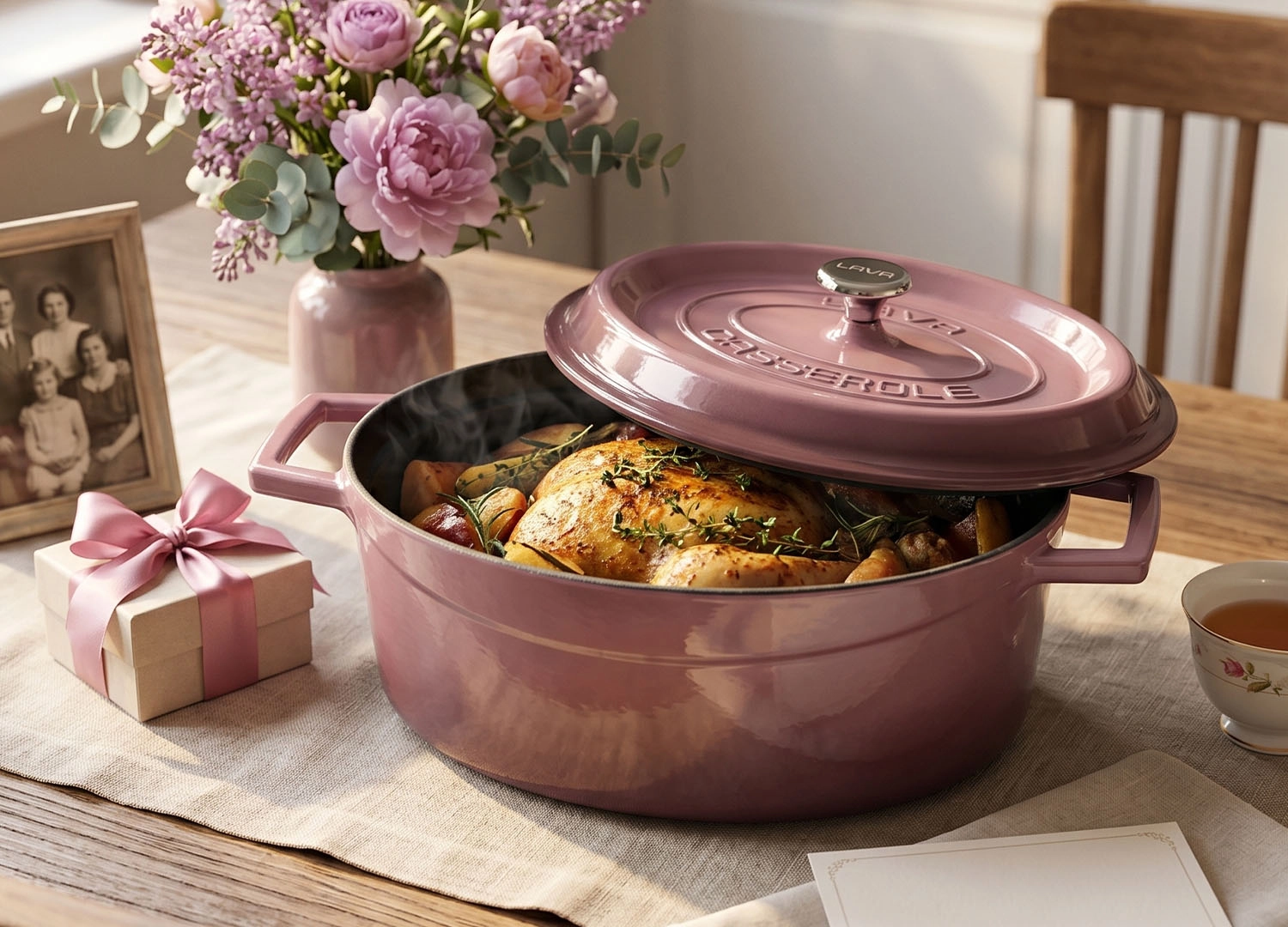
Weekly shared family meals
Cooking and dining together strengthen emotional bonds. Shared meals are associated with increased serotonin and oxytocin levels, supporting emotional wellbeing.
Quality sleep underpins immune function, hormonal balance and cognitive clarity.
2026 sleep recommendations:
Avoid heavy meals two hours before bedtime
Maintain a bedroom temperature between 18–21°C
Reduce blue light exposure in the evening
Lighter evening meals — soups, oven-roasted vegetables or balanced protein dishes — support digestion and improve sleep quality.
Not everyone can sustain intensive workout programmes. However, long-term health requires consistency:
8,000–10,000 daily steps
Strength training twice weekly
Regular mobility and stretching exercises
Sustainable movement must be supported by balanced nutrition. A structured breakfast and stable meal timing reduce energy fluctuations throughout the day.
One of the strongest wellbeing movements shaping 2026 is Slow Living.
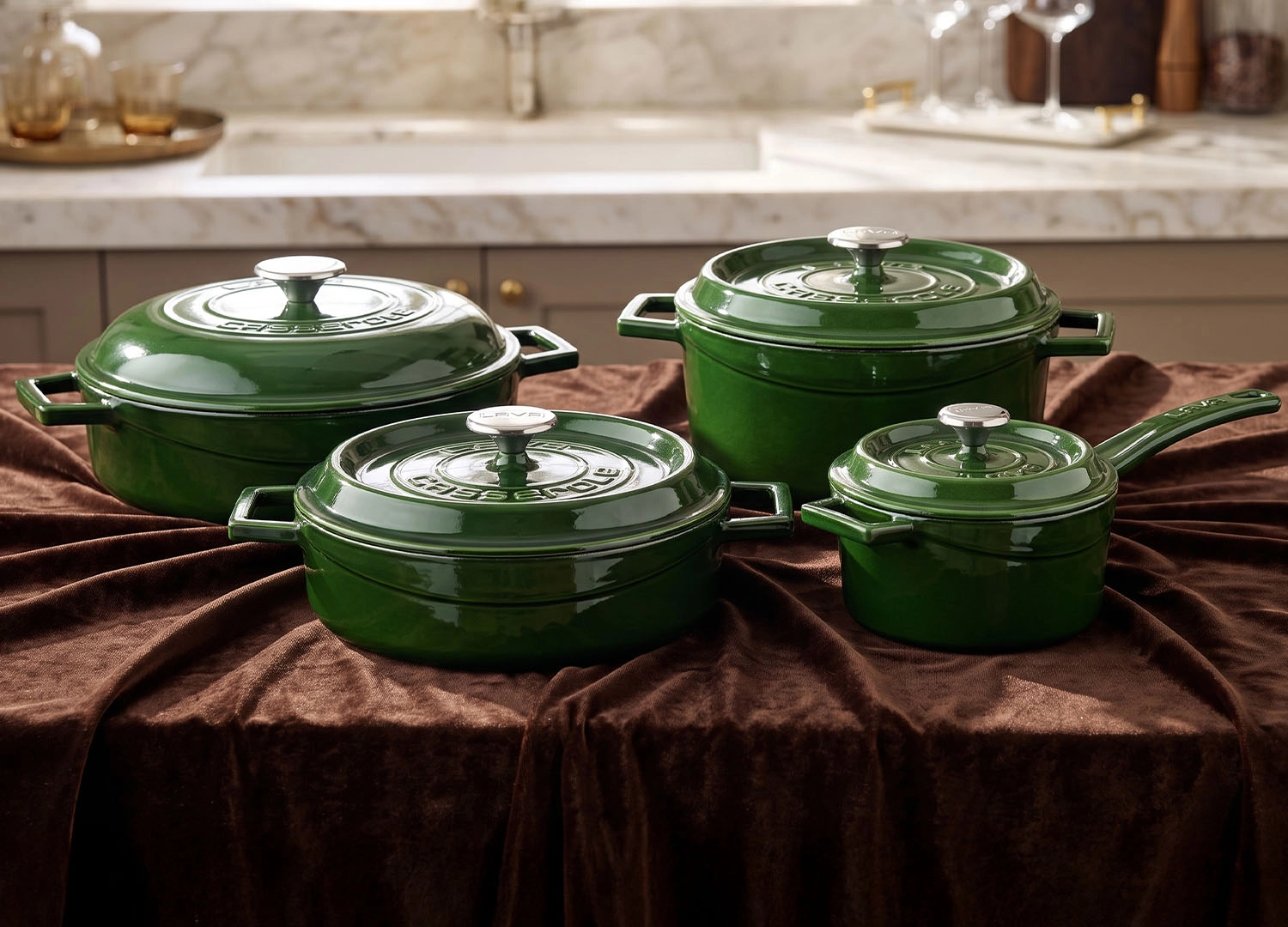
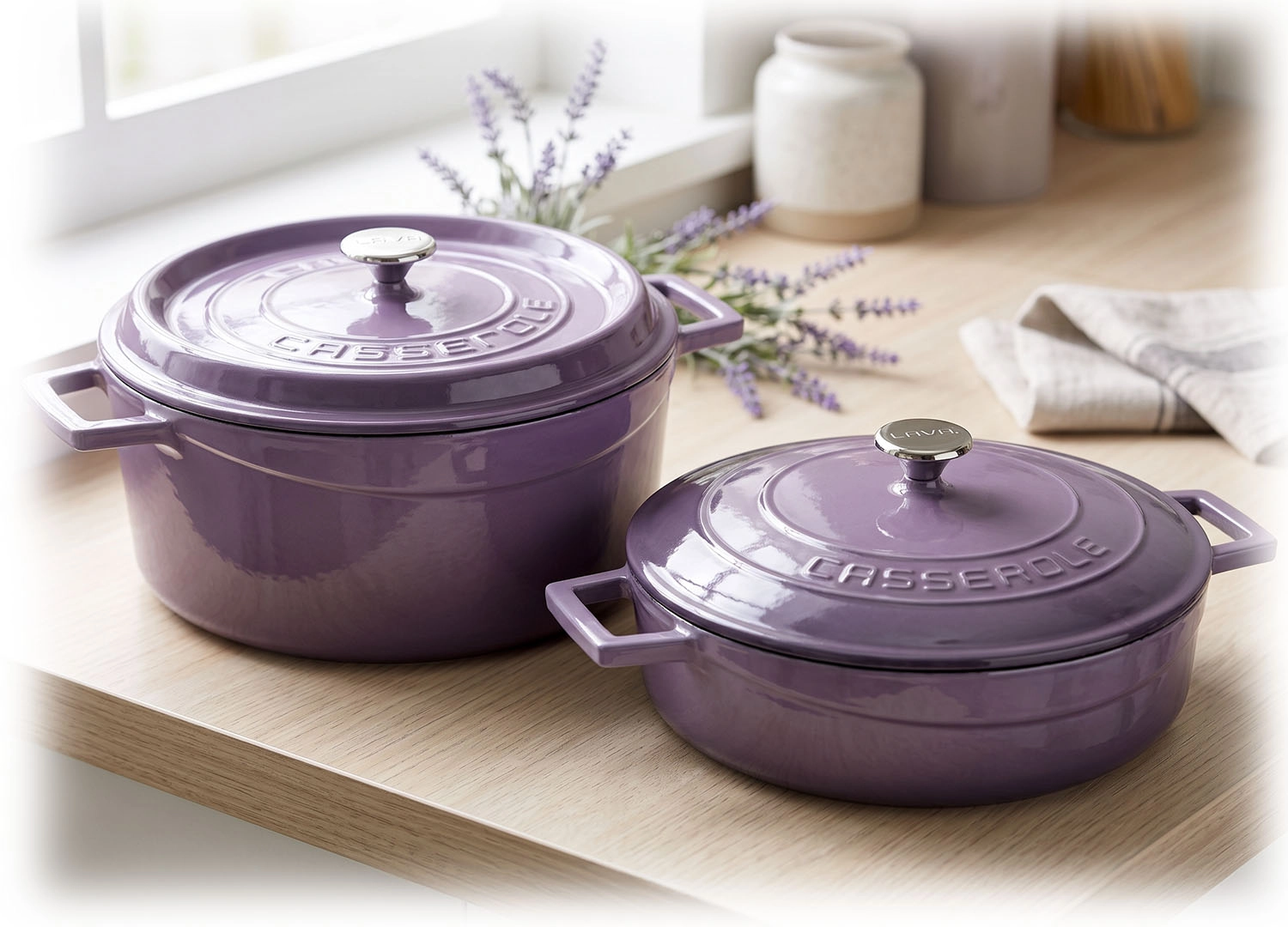
Slow cooking, mindful eating and intentional gathering reduce stress levels and encourage presence. Cast iron cookware keeps meals warm for longer, allowing extended time at the table without rushing. The table is not merely a place to eat — it is a space to pause, connect and restore.
Day | Physical Focus | Mental Focus |
Monday | 30-minute walk | Weekly planning |
Tuesday | Protein-rich meals | 10-minute meditation |
Wednesday | Stretching | 2-hour digital detox |
Thursday | Vegetable-focused dinner | Journalling |
Friday | Strength training | Social connection |
Saturday | Shared family meal | Gratitude practice |
Sunday | Light eating | Weekly reflection |
In 2026, physical and mental health will depend less on short-term motivation and more on structured habits. Balanced nutrition, mindful cooking, regular movement and strong social connection form an integrated system.
Wellbeing begins in the kitchen, extends from the stove to the oven, and ultimately reaches the table.
Because sustainable health is not only about what we eat — but how we cook, how we gather and how we live.







Lava Döküm Online Fabrika Satış Mağazası. © 2026 All Rights Reserved.


0
)

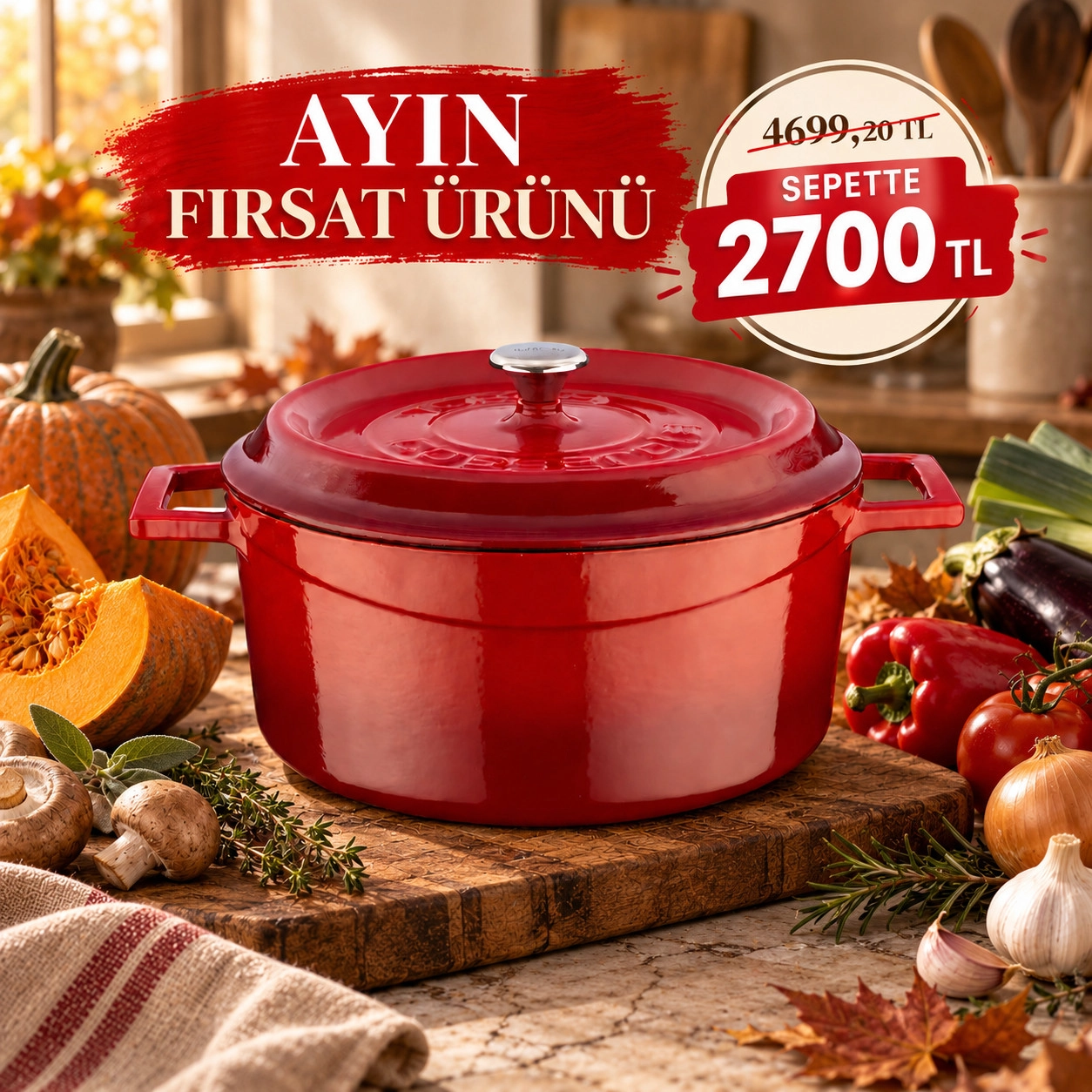 LAVA Round Cast Iron Casserole – Trendy Ø24 cm
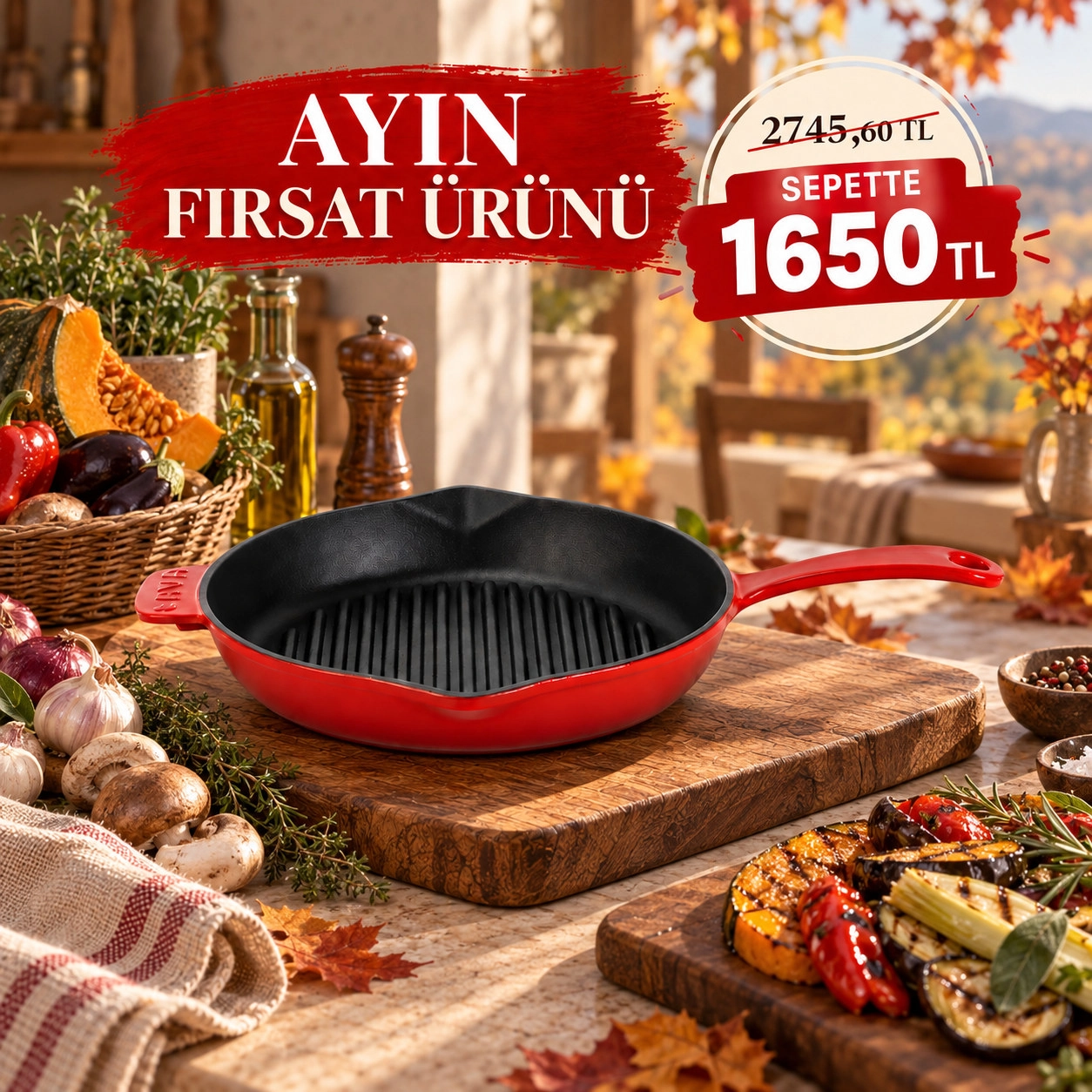 LAVA Round Cast Iron Grill Pan 28 cm Single Handle
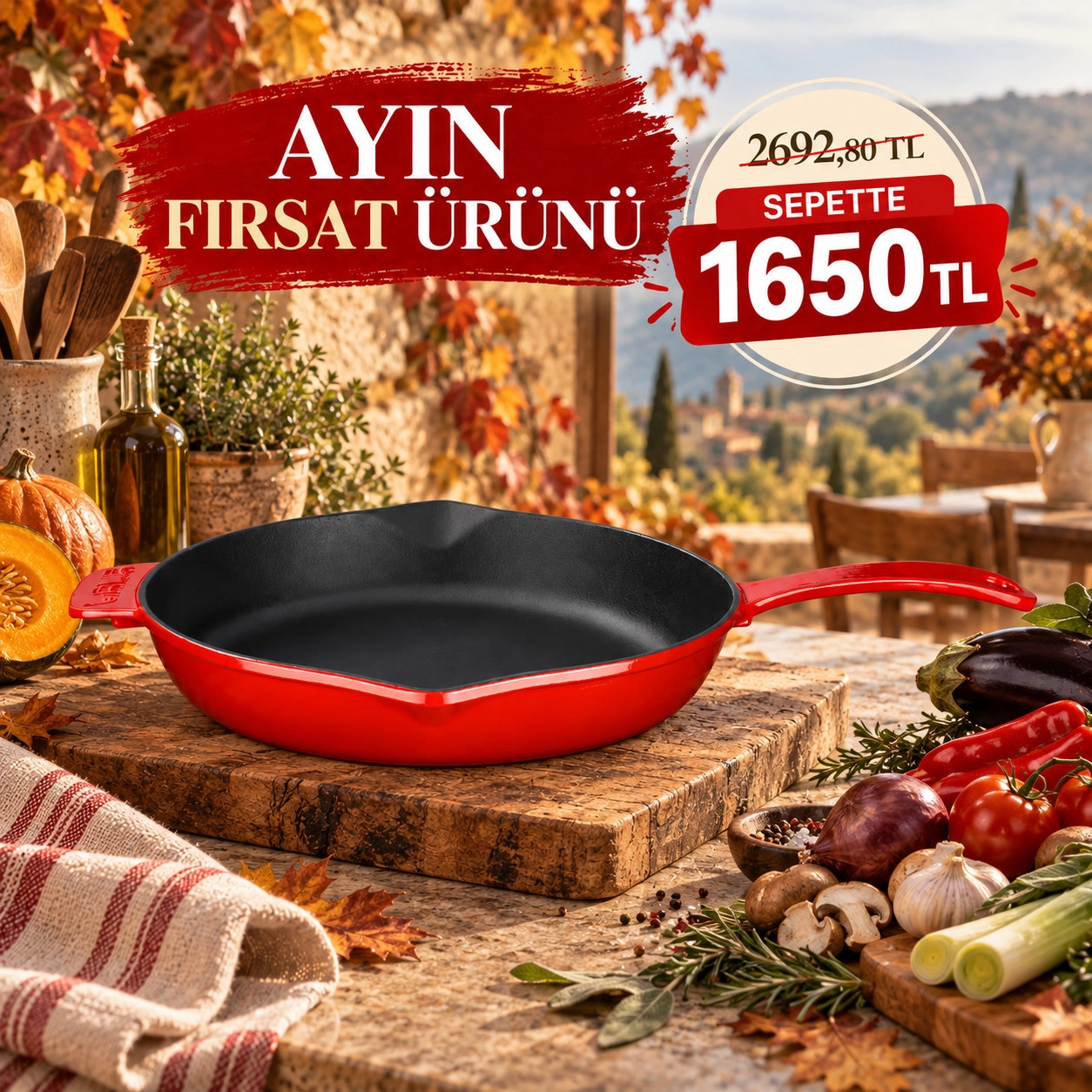 LAVA Round Cast Iron Frying Pan 28 cm Single Handle
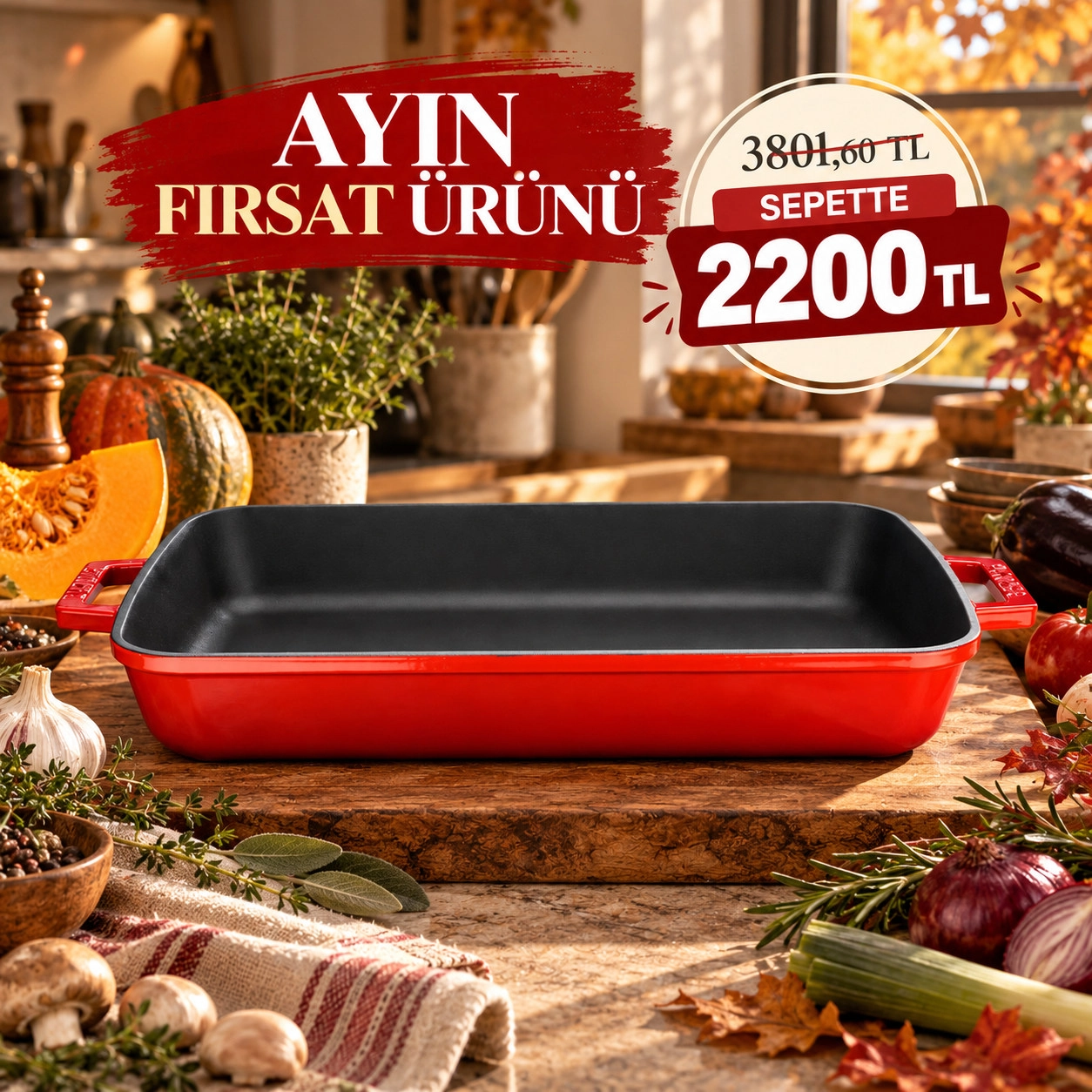 LAVA Rectangular Cast Iron Roasting & Oven Tray 26x40 cm Twin Handles
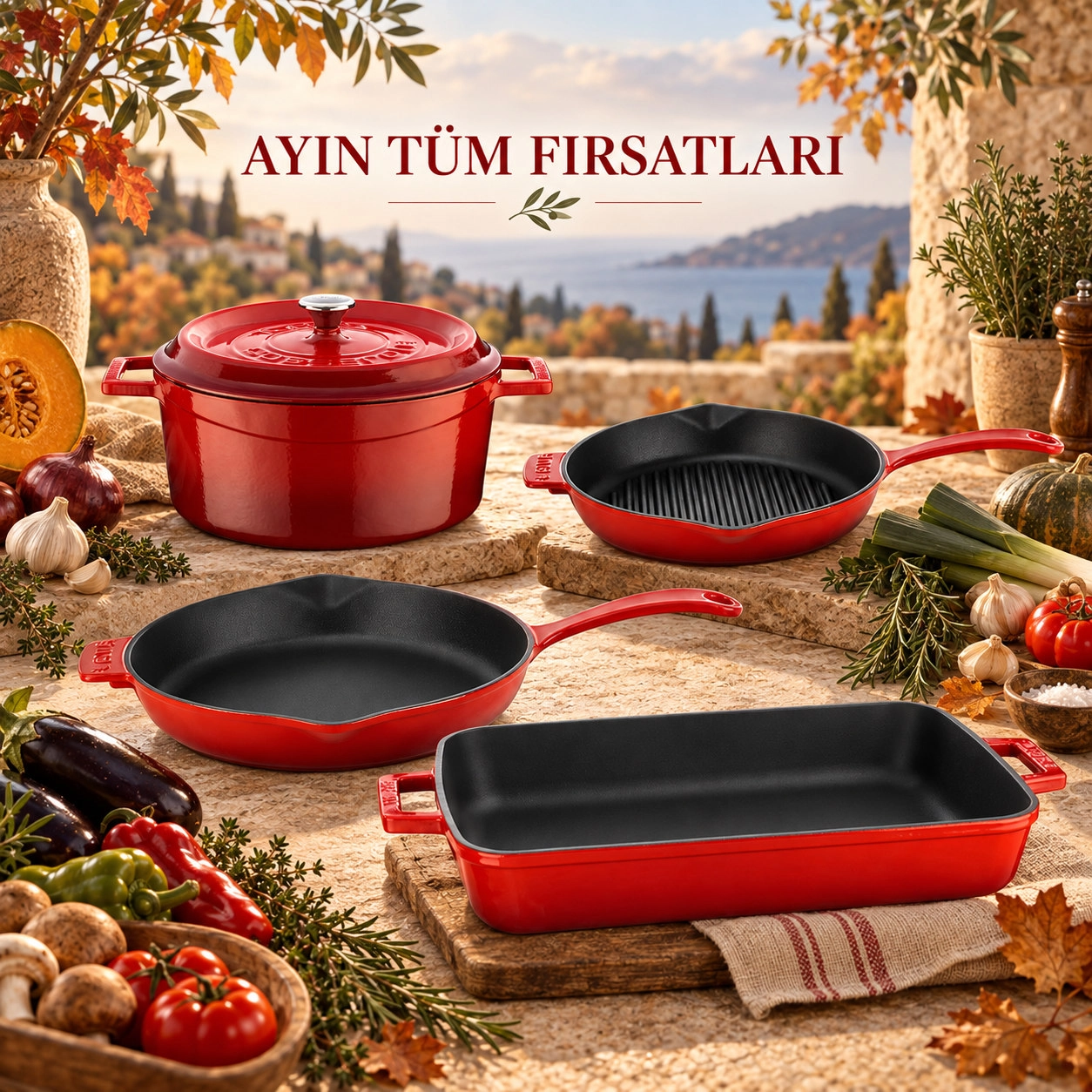 All This Month's Deals