×

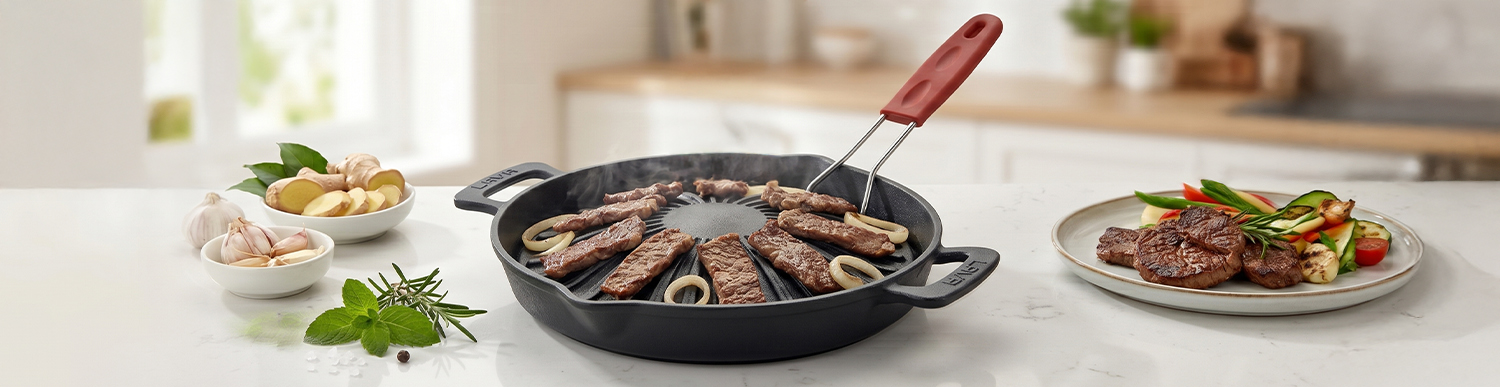
The most effective ways to reduce odours and smoke when cooking meat at home include using grill pans designed for effective fat management, removing excess marinade oil, gradually controlling pan temperature, switching on the extractor hood before cooking, and cleaning cookware promptly after use. In particular, convex grill pans that prevent fat from accumulating on the cooking surface and grill systems with water reservoirs can help minimise smoke while still delivering an authentic barbecue-style flavour indoors. With the right techniques and equipment, the smell of indoor grilling can be significantly reduced.
Reading Time: 6–7 Minutes
The strong smell and smoke produced when cooking meat indoors can discourage many people from enjoying grilled or barbecue-style dishes at home. However, with the right cookware, proper cooking techniques and a few simple precautions, both odours and smoke can be significantly reduced.
If you have ever wondered how to reduce smoke when cooking meat at home, this guide provides practical and effective solutions.
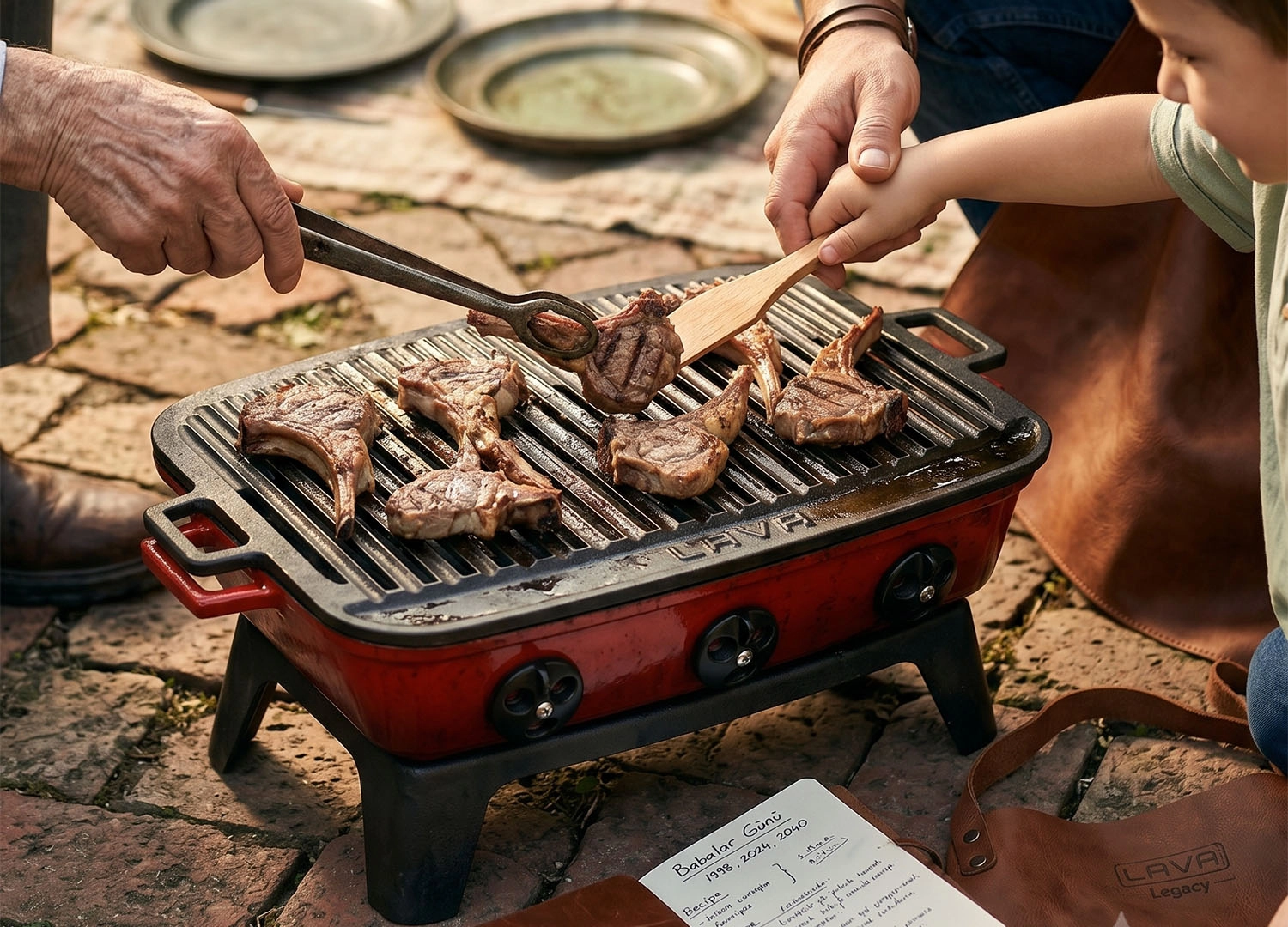
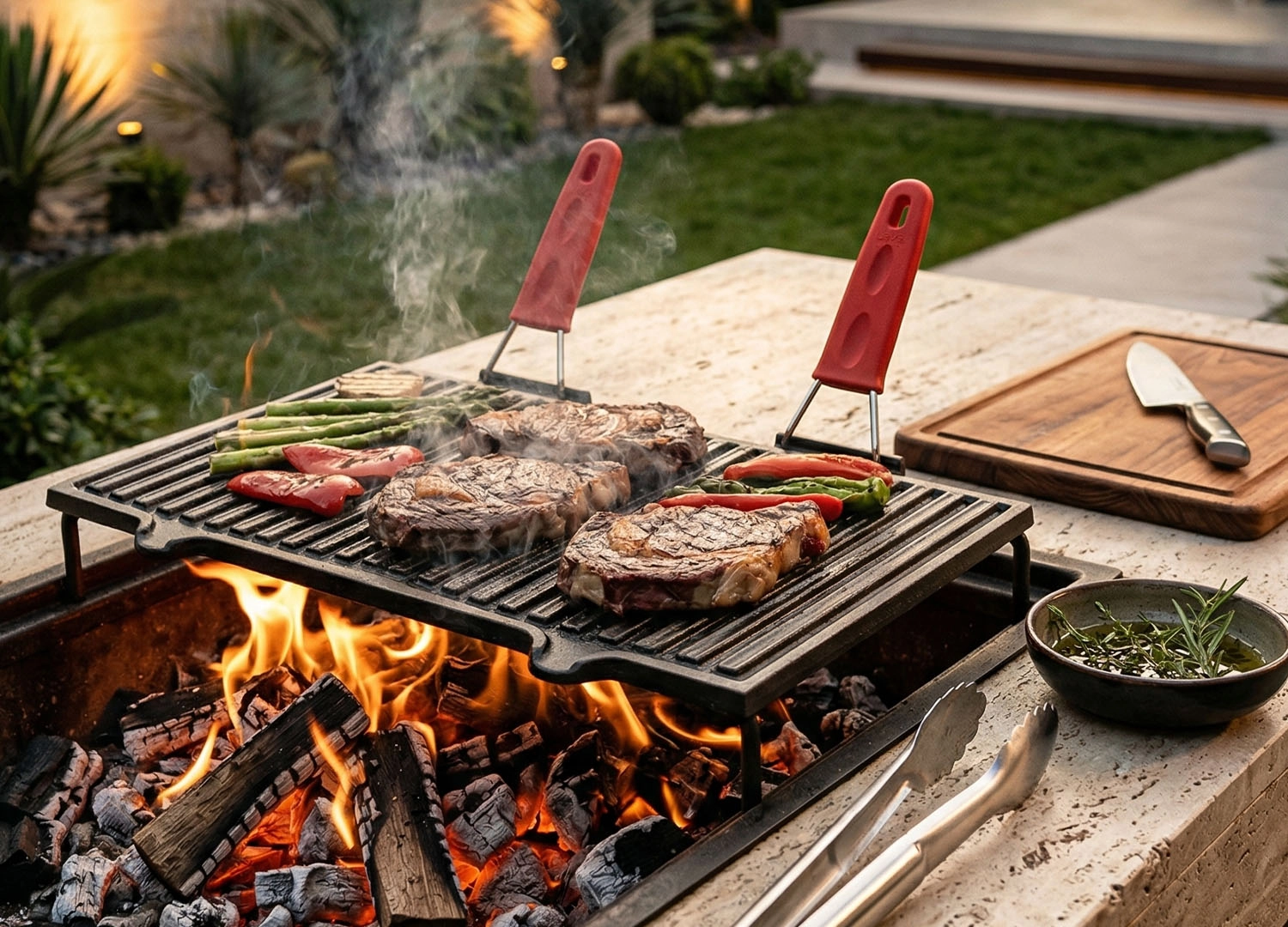
Cast iron grill pans, particularly those designed to support fat management and controlled heat distribution, offer a more comfortable and flavourful cooking experience. With the right equipment, enjoying a barbecue-style meal indoors becomes much more achievable. For additional tips, you may also wish to read our guide on enjoying barbecue-style cooking at home.
The primary cause of smoke is fat burning at high temperatures.
When the natural fats within the meat or the oils used in marinades reach very high temperatures, they begin to vaporise and burn. This process can create strong odours and unpleasant smoke throughout the kitchen.
The most common causes include:
Excessively high temperatures
Using too much oil
Fat accumulating on the cooking surface
Poor ventilation
Cookware containing burnt grease residues
For this reason, reducing cooking odours is not simply a matter of opening a window. Effective smoke and odour control begins with properly managing the entire cooking process.
Let us explore the most effective methods.
One of the main causes of indoor smoke is fat burning directly on a hot cooking surface.
Choosing the right grill pan can make a significant difference.
Specially designed cookware that allows excess fat to drain away from the cooking area helps reduce smoke considerably.
Examples include:
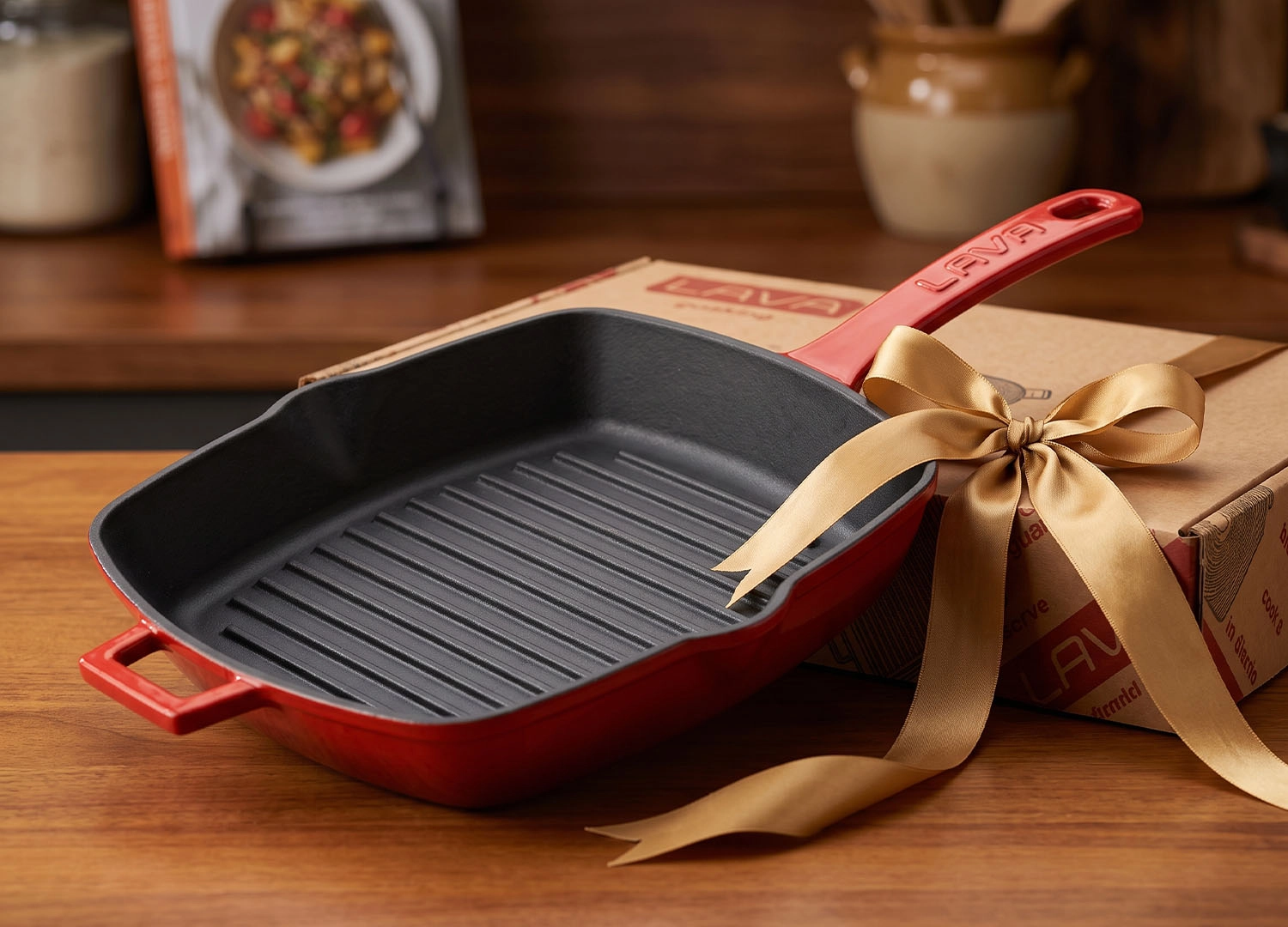
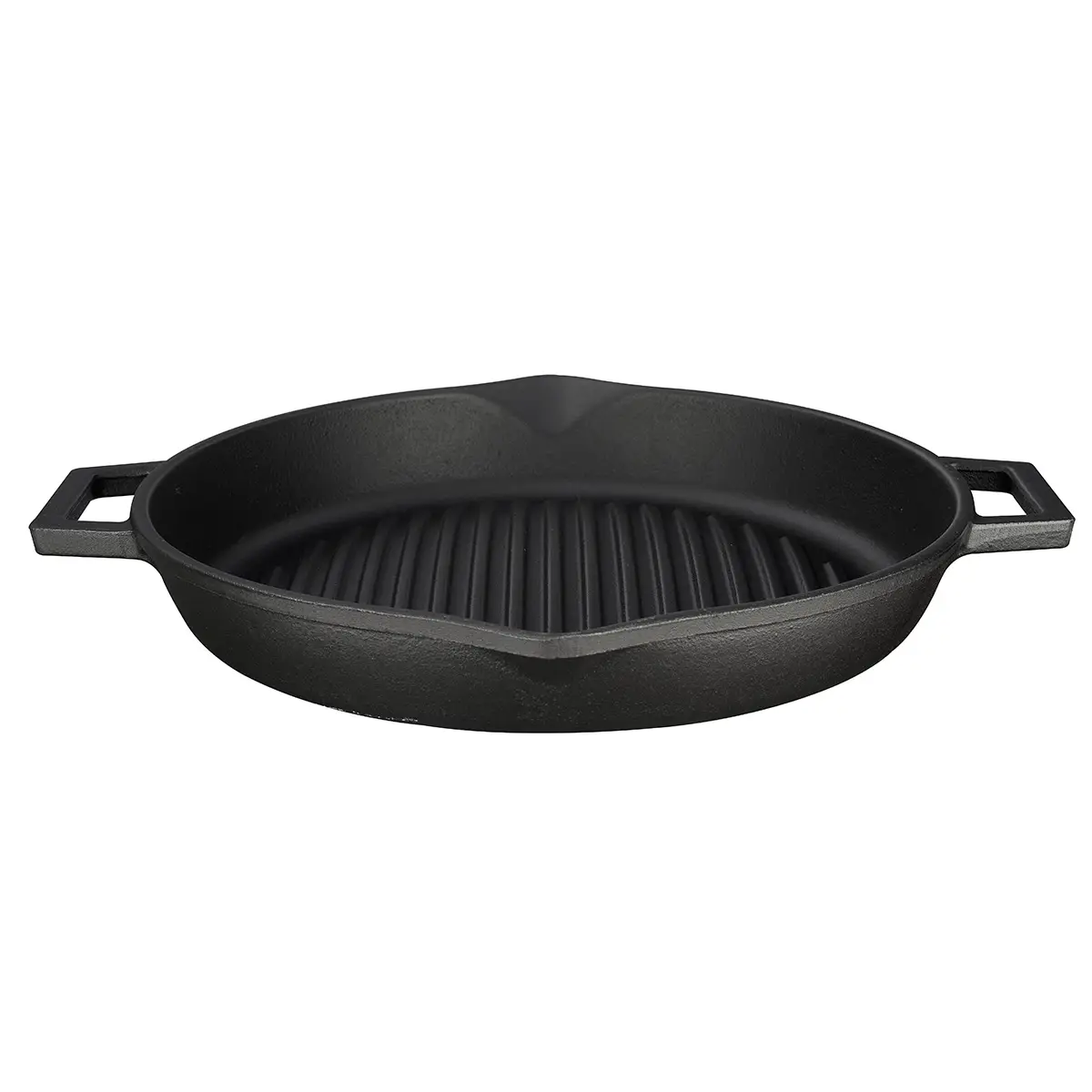
Convex grill pans
Cast iron grill pans designed to channel fat away from the centre
Special barbecue pans featuring a water reservoir beneath the cooking surface
These designs prevent fat from accumulating directly on high-temperature surfaces, creating a cleaner and more controlled cooking environment.
Placing cold meat straight from the refrigerator onto a hot pan can create sudden surface moisture.
This may lead to:
Excess steam
Oil splattering
Increased smoke production
Allowing meat to rest at room temperature for approximately 20–30 minutes before cooking promotes more even searing and helps minimise smoke.
Marinating enhances flavour, but excess oil remaining on the surface of the meat can contribute directly to smoke formation.
Before cooking:
Remove excess olive oil used in the marinade
Drain off any loose sauces
Gently pat the surface of the meat dry
This small step can noticeably reduce the amount of smoke generated during cooking.
Cast iron cookware has excellent heat retention properties.
As a result, cooking on maximum heat from the outset is often unnecessary.
A more effective approach is:
Stage | Heat Level |
Preheating | Medium |
Searing | Medium-High |
Finishing | Medium |
This method encourages more even cooking while reducing the likelihood of fat burning.
Many people only switch on the extractor hood once smoke becomes visible.
A more effective strategy is to:
Turn it on approximately five minutes before cooking
Slightly open a nearby window
Create gentle airflow within the room
This helps remove steam and cooking odours before they accumulate.
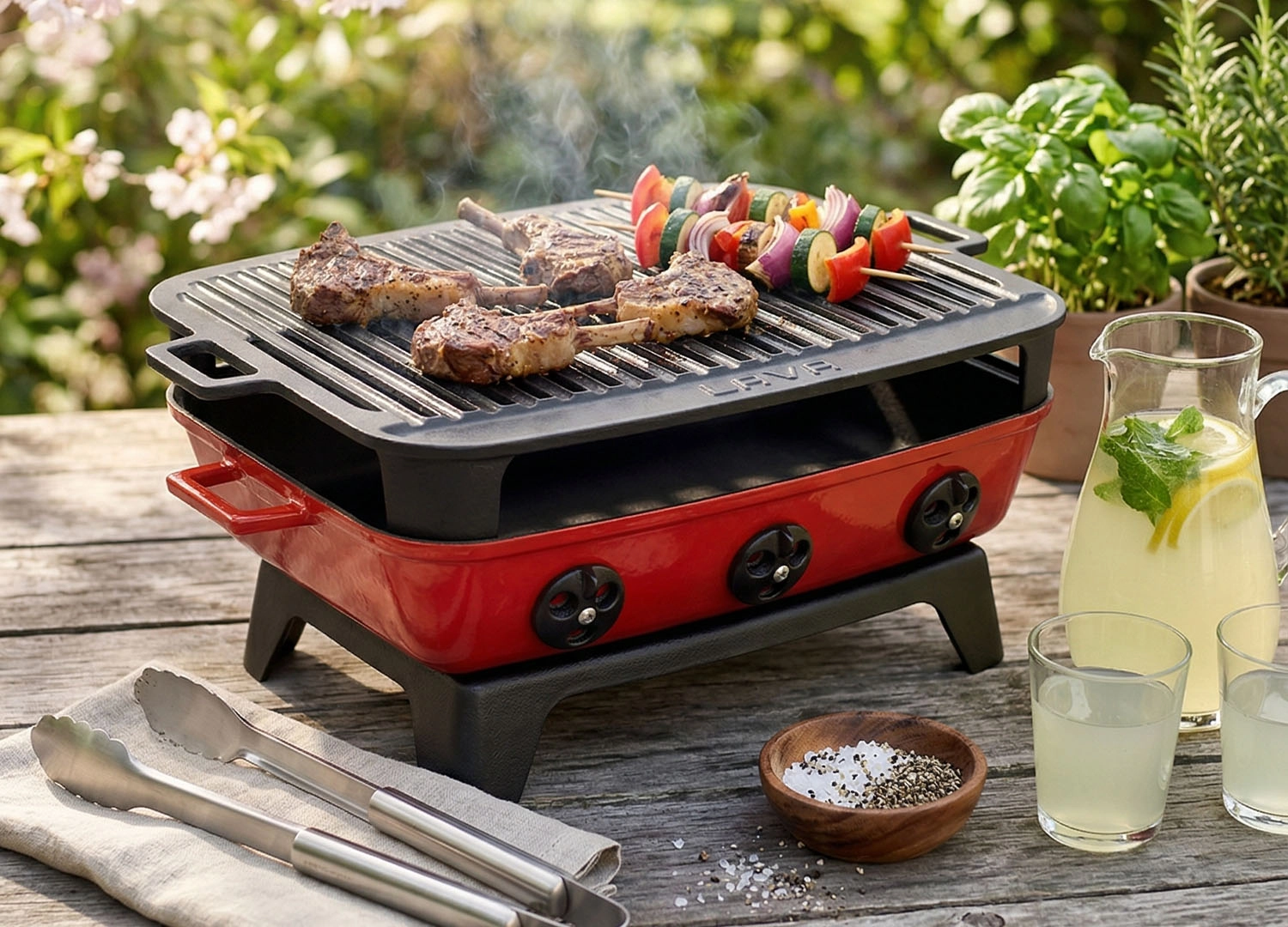
Some innovative cast iron grilling systems incorporate a water reservoir beneath the cooking surface.
These systems offer several advantages:
Fat drips directly into the water chamber
Burnt grease odours are reduced
Moisture levels are maintained
Meat may remain juicier during cooking
For those who regularly cook for larger gatherings, this feature can provide a significant advantage.
A substantial amount of lingering cooking odour comes from grease left behind after cooking.
This is particularly important when using enamelled cast iron cookware.
Best practices include:
Cleaning the cookware while it is still slightly warm rather than completely cold
Avoiding the build-up of dried grease residues
Hand washing whenever possible
These habits can help prevent burnt odours during future use.
Absolutely.
Many people assume that smoke is an unavoidable part of achieving great flavour. However, flavour depends less on extreme heat and more on effective temperature management.
When the right cookware is used:
Excellent searing can be achieved
Grill marks remain well-defined
Natural juices are retained within the meat
Unnecessary fat burning is minimised
The result is a cooking experience that is both more enjoyable and more flavourful.
Different solutions may be preferred depending on your cooking needs.
Cooking Scenario | Recommended Product |
Everyday meat cooking | LAVA Cast Iron Grill Pans |
Priority fat management | LAVA Convex Grill Pan |
Larger gatherings | LAVA Genghis Khan Grill Pan |
Balcony and terrace cooking | LAVA Cast Iron Barbecue Models |
Grilling vegetables and fish | LAVA Cast Iron Grill Pans |
Smoke and odours when cooking meat at home are not entirely unavoidable. By using cookware designed for effective fat management, maintaining proper heat control and ensuring adequate ventilation, it is possible to enjoy a far more comfortable indoor grilling experience.
Cast iron grill pans and innovative barbecue solutions can help bring authentic barbecue flavour indoors while reducing smoke and cooking odours.
In this guide, we have explained how to minimise smoke and odours when cooking meat at home and encourage more people to enjoy indoor grilling with confidence.
If you would like to experience barbecue-style cooking with greater control, more comfort and less smoke, explore LAVA's range of cast iron grill pans, convex grill pans and the innovative Genghis Khan Grill Pan. You may also find our guides on cast iron grill pan care and cleaning helpful for maintaining long-lasting performance.
Smoke is typically caused by fats burning at high temperatures, combined with insufficient ventilation.
While it may not be possible to remove cooking odours entirely, they can be significantly reduced through proper ventilation and the use of suitable cookware.
No. When used at appropriate temperatures, cast iron pans provide controlled cooking conditions that can actually help reduce smoke production.
Yes. Reducing excess oil can help minimise smoke, although proper temperature control remains equally important.
Cast iron grill pans with effective fat management systems and grill cookware featuring water reservoirs are among the most practical solutions for indoor grilling.
17.06.2026






Lava Döküm Online Fabrika Satış Mağazası. © 2026 All Rights Reserved.


0
)

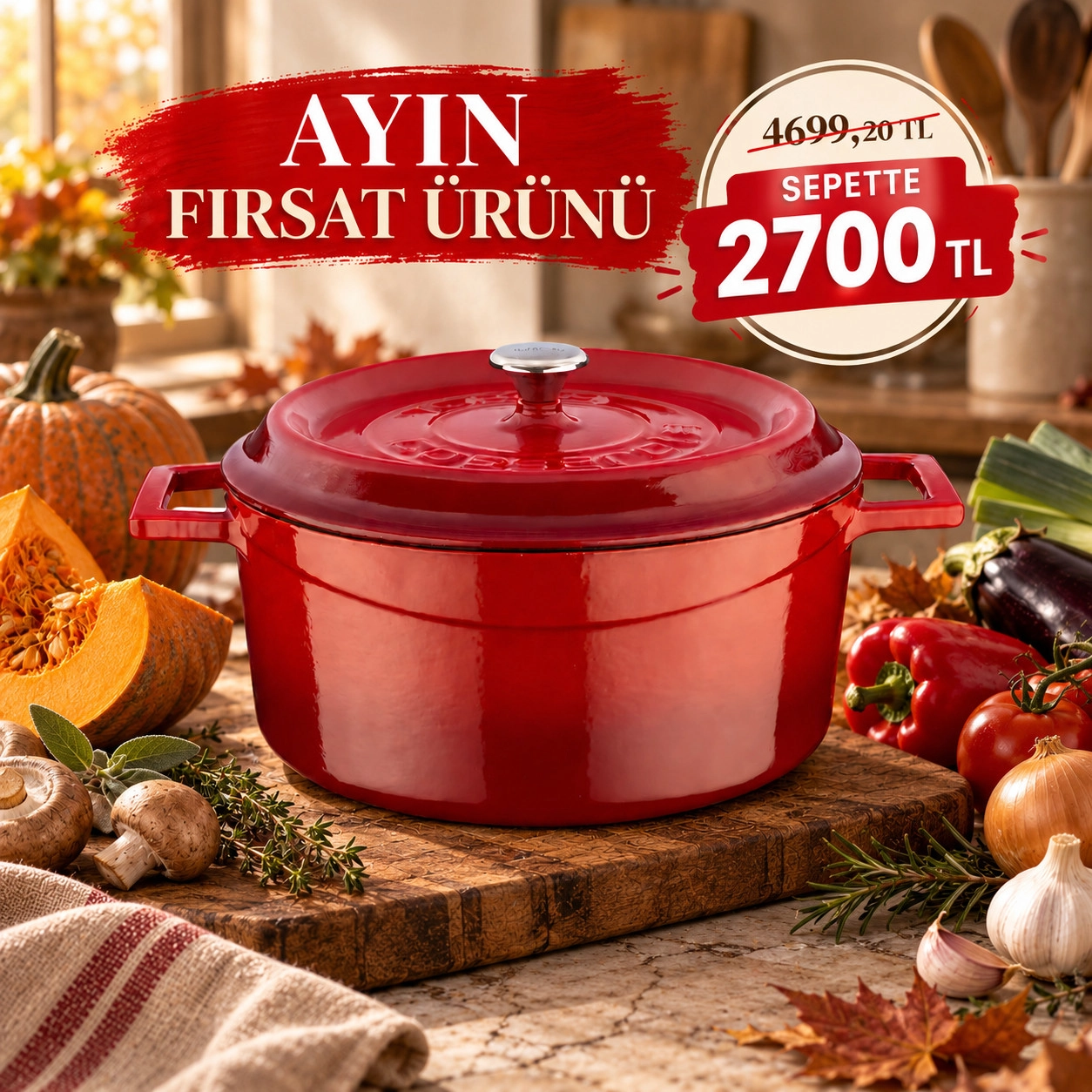 LAVA Round Cast Iron Casserole – Trendy Ø24 cm
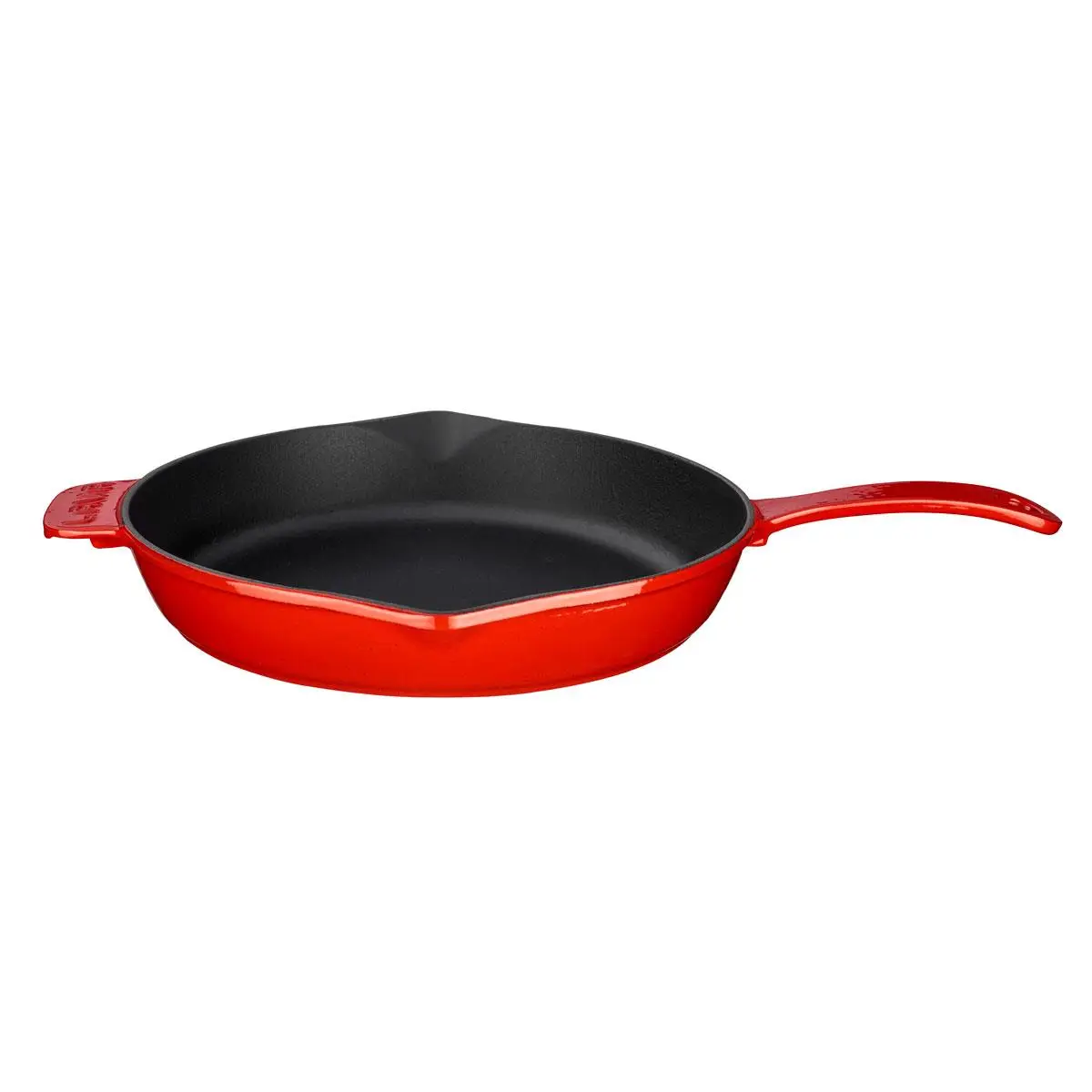
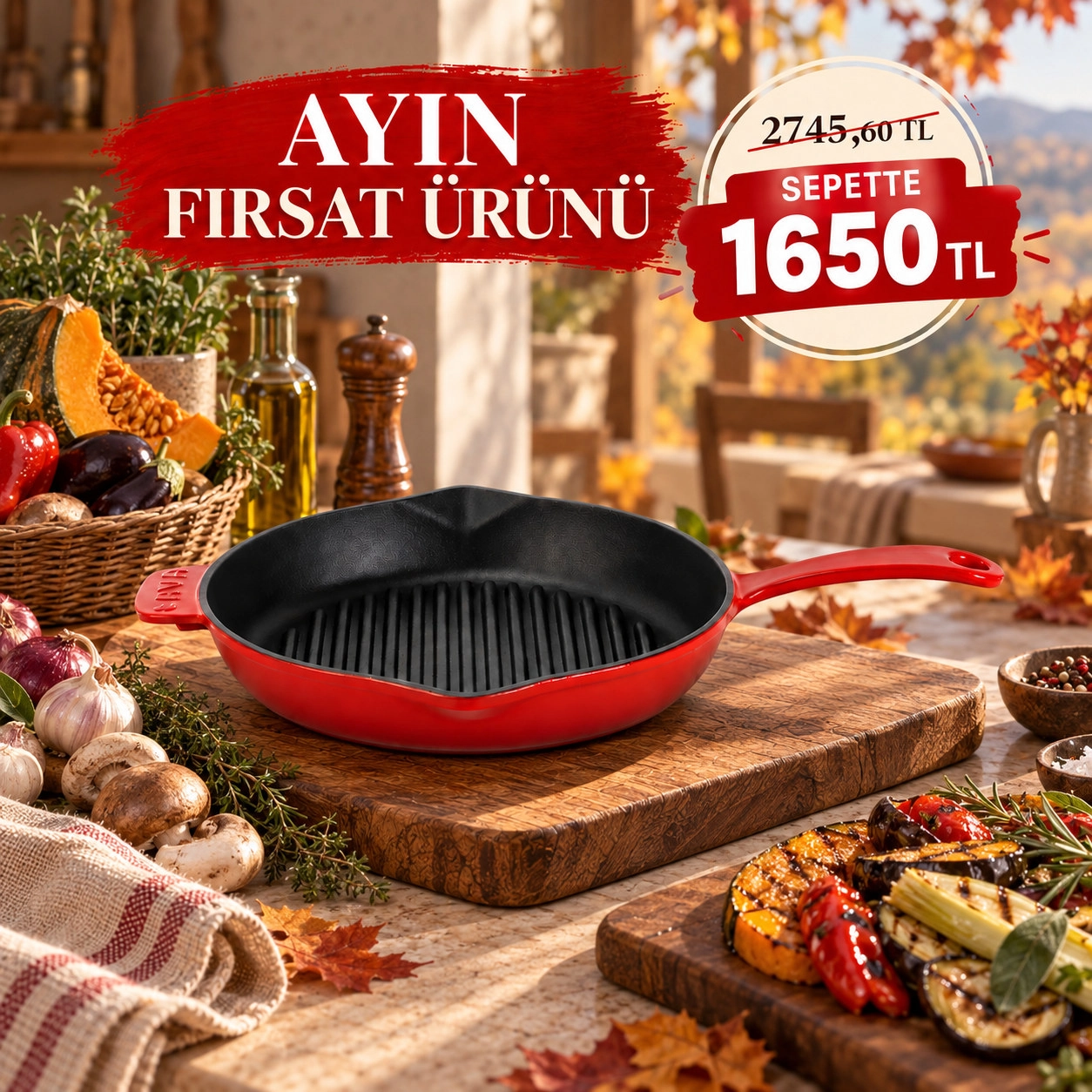 LAVA Round Cast Iron Grill Pan 28 cm Single Handle
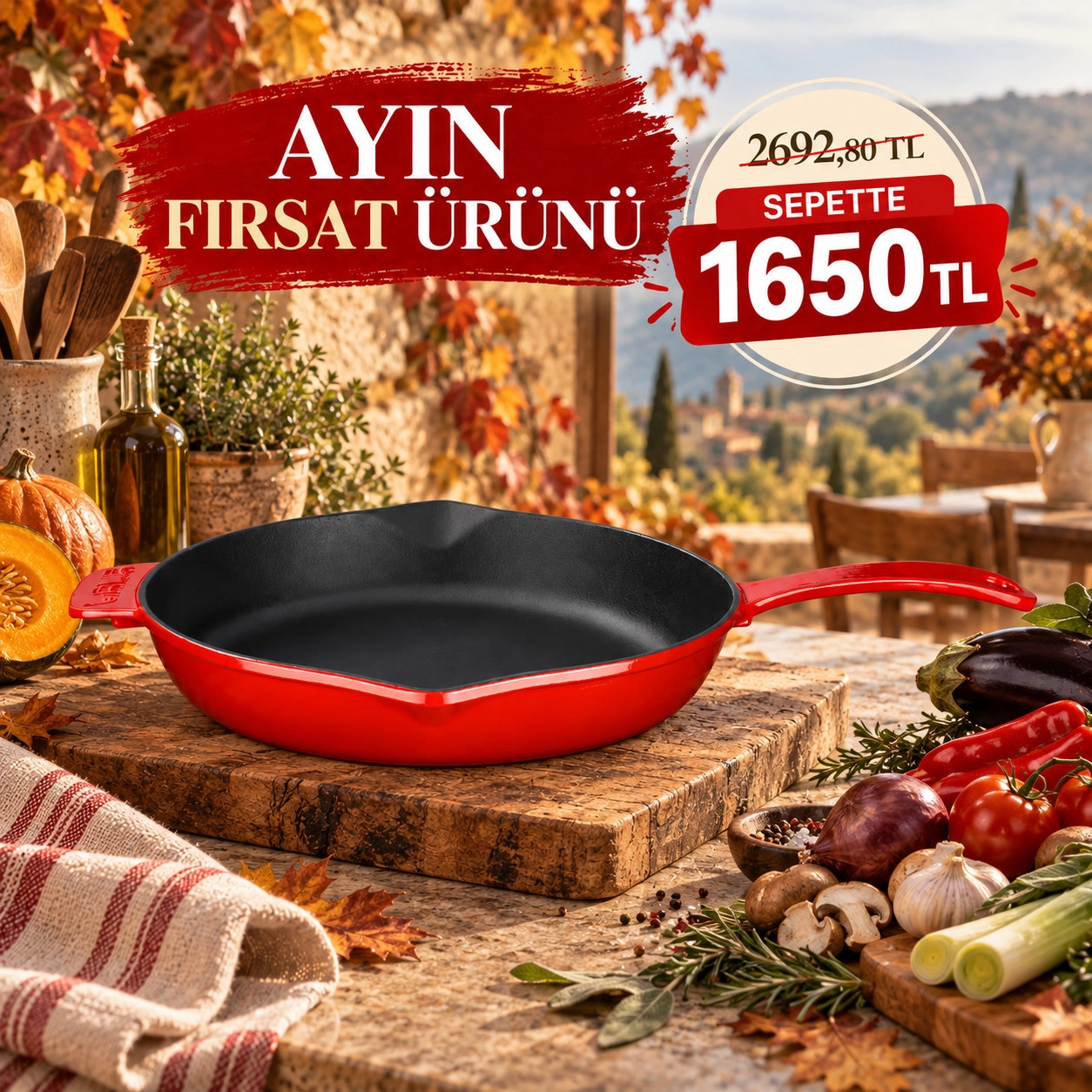 LAVA Round Cast Iron Frying Pan 28 cm Single Handle
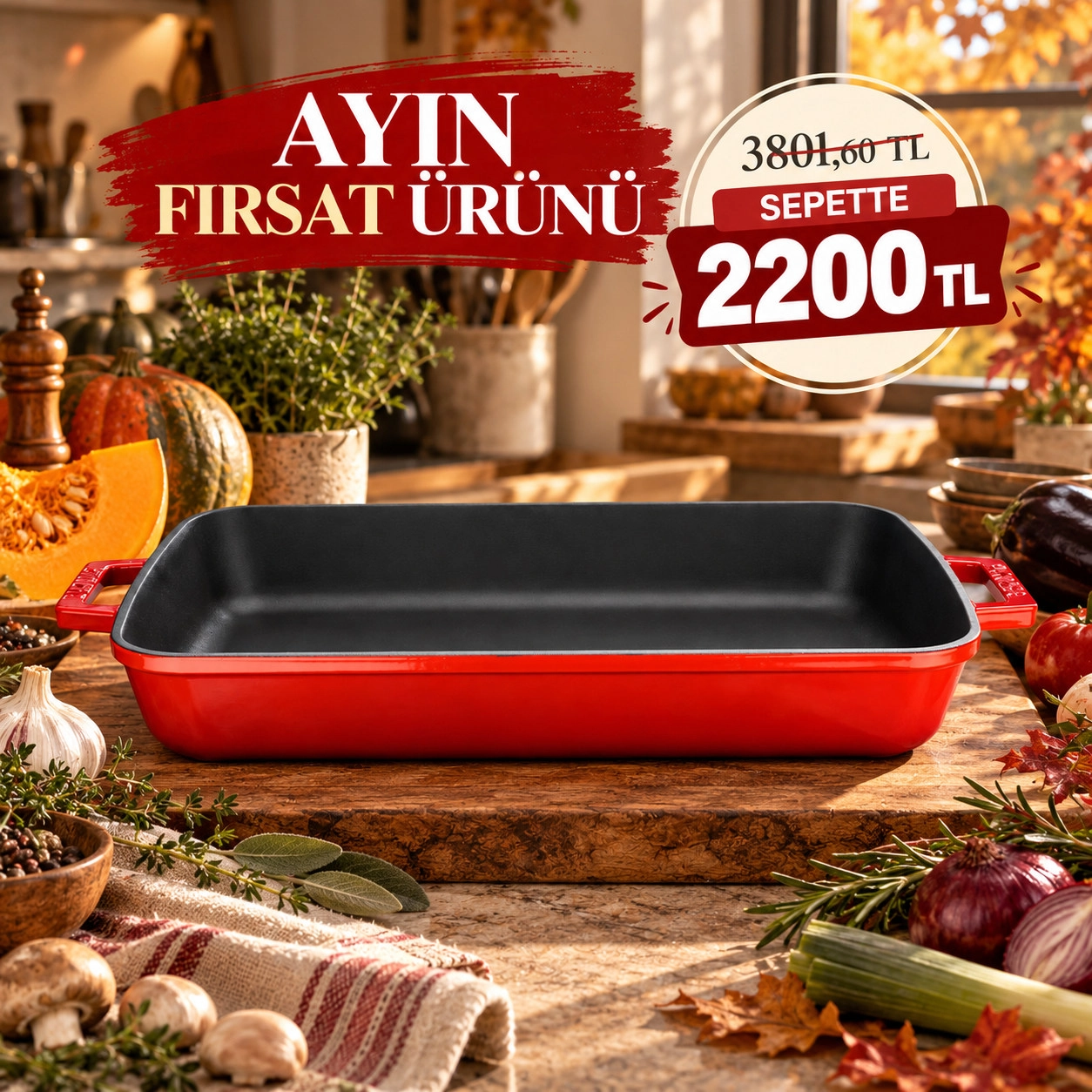 LAVA Rectangular Cast Iron Roasting & Oven Tray 26x40 cm Twin Handles
 All This Month's Deals