×

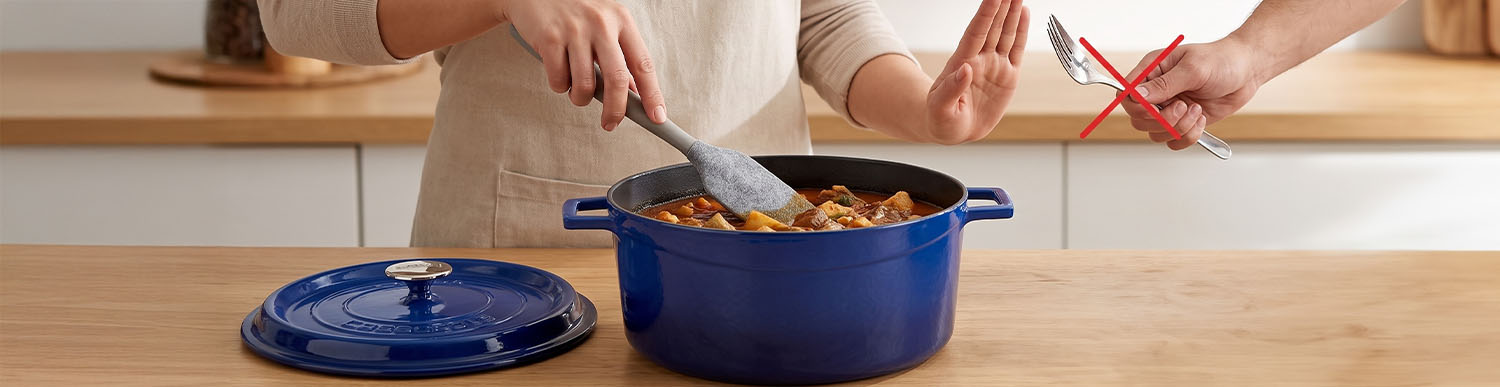
To ensure the longevity of enamel-coated cast iron products, it is important to avoid severe impacts, prevent sudden temperature changes, not leave the empty pot on high heat for long periods, and avoid using harsh metal utensils that could damage the enameled surface. Correct usage habits can help maintain the performance of the products for many years.
Reading Time: 8-9 Minutes
Enamel-coated cast iron pots and pans are among the durable cookware products that can be used safely in kitchens for many years when used correctly. Thanks to their balanced heat distribution, high heat retention capacity, and timeless designs, they are preferred for both daily meals and special recipes.
However, like any high-quality kitchen product, correct usage habits are essential for enamel-coated cast iron products to remain long-lasting. Most of the time, deformations that occur in the products are not due to production, but result from small mistakes made unnoticed during use.
In particular, sudden temperature changes, severe impacts, or incorrect cleaning methods can cause the enameled surface to become damaged over time. Yet, with a few simple usage habits, it is possible to protect the performance and aesthetic appearance of enamel-coated cast iron products for many years.
Here are the 7 most common mistakes that can shorten the lifespan of enamel-coated cast iron products and how you can avoid them…
Although enamel-coated cast iron products have a very robust body structure, strong impacts such as dropping from a height or bumping against a hard surface can adversely affect the structure of the product.
For example:
The pot falling from the kitchen worktop,
Bumping against tiled or marble floors,
Colliding heavily with heavy kitchen equipment,
In such cases, cracks may occur on the enameled surface or the product body may be damaged.
The enamel coating is a special surface that protects the cast iron body. Cracks that may form as a result of strong impacts cannot be repaired afterwards and can negatively affect the lifespan of the product.
Carry the product with both hands.
Take care not to leave it too close to the edge of the worktop.
Do not close the lids forcefully.
Prevent it from colliding with other heavy kitchen utensils during transport.
One of the most common usage mistakes with enamel-coated cast iron products is sudden temperature changes.
For example:
Placing a very hot pot taken straight off the hob directly under cold water,
Adding ice water to a scorching hot pot,
Leaving frozen food directly onto a very hot cooking surface,
Such practices can create unnecessary thermal stress on the product.
Sudden temperature changes can cause:
micro-cracks on the enameled surface,
damage to the coating over time,
stress on the cast iron body in rare cases.
Allowing the product to cool down naturally after the cooking process is complete helps protect the enameled surface.
The high heat retention feature of enamel-coated cast iron products is one of the most important advantages of their cooking performance. For this reason, medium or medium-low heat is sufficient for most recipes.
Despite this, leaving the product empty on high heat for a long time can create an unnecessary heat load on the enameled surface.
Colour changes may occur on the enameled surface.
Surface performance may be adversely affected at very high temperatures.
Unnecessary energy consumption may occur.
Adding the necessary oil or ingredients for cooking before starting to heat the product, and using controlled heat instead of high heat, would be a more accurate approach. Since enamel-coated cast iron products retain heat for a long time, the use of high flames is usually not necessary.
Although metal spatulas or sharp kitchen utensils seem practical in daily use, their harsh contact with the enameled surface can cause scratches over time.
This applies particularly to:
hard metal spatulas,
metal whisks,
sharp serving spoons.
To help protect the enameled surface, you can prefer:
wooden spatulas,
silicone kitchen utensils,
heat-resistant plastic spatulas.
These kitchen utensils reduce the risk of damaging the surface during cooking while contributing to the preservation of the product’s aesthetic appearance.
In every kitchen, situations like food sticking to the bottom or burning can be encountered from time to time. However, one of the biggest mistakes made at this point is trying to scrape the enameled surface with hard objects to clean the burnt residues quickly.
Steel wool, metal spatulas, knife tips, or similar harsh equipment can cause scratches on the enameled surface. These scratches not only affect the aesthetic appearance of the product but can also make it harder to protect the surface over time.
Allow the product to cool down naturally before trying to remove burnt residues. Then:
Add warm water into the pot and let it sit for 15-20 minutes.
Add a few drops of washing-up liquid if necessary.
Gently clean the softened residues with the help of a wooden or silicone spatula.
Finally, wash it with a soft sponge.
A patient cleaning method helps protect the enameled surface for many years. Click here for the detailed answer to the question of how to clean a cast iron pot.
Cleaning enamel-coated cast iron products is quite practical. However, using the wrong cleaning materials can cause the surface to become damaged over time.
In particular, it is recommended to avoid the following products:
Oven cleaners
Caustic-based strong chemicals
Industrial degreasers
Abrasive cleaning powders
Hard wire sponges
These products can create an abrasive effect on the enameled surface.
For enamel-coated cast iron products, generally:
Warm water,
A soft sponge,
Mild washing-up liquid
are sufficient for daily cleaning.
Thanks to the enamel coating on LAVA products, extra seasoning is not required. The main purpose is to practice regular and gentle cleaning while protecting the enameled surface.
Note: As LAVA, hand washing is recommended for long-lasting use of enamel-coated cast iron products. Hand washing helps protect the aesthetic appearance of the enameled surface. You can also wash it in the dishwasher, but it is important to place it balanced inside the dishwasher so that the product does not get scratched or receive an impact. Pay attention to the metal parts of the dishwasher or other kitchen materials.
Many users place their products directly on top of each other to save space in the cupboard. However, the contact of enameled surfaces with each other, in particular, can cause small impacts and marks on the surface over time.
Although this situation is usually not noticed immediately, it can adversely affect the appearance of the enamel coating in long-term use.
When storing your products:
You can place felt protectors between the pots and pans.
You can use microfibre cloths or cotton kitchen towels.
You can take care not to let the lids touch the enameled surface directly.
These small precautions can help protect the first-day appearance of the products for longer.
Correct usage habits contribute to protecting not only the appearance of the product but also its cooking performance for many years. We have prepared this article for those who ask how to use a cast iron pot and what should I pay attention to. The lifespan of a cast iron pot becomes something passed down from generation to generation with correct use.
The following recommendations can be a good guide for daily use:
Use the product on medium or medium-low heat.
Do not bring a very hot product into sudden contact with cold water.
Prefer wooden or silicone kitchen utensils.
Avoid harsh chemicals during cleaning.
Store the products with protective cloths.
Establish a regular and gentle cleaning habit.
Thanks to these simple steps, your enamel-coated cast iron products can help maintain their first-day performance for many years.
Enamel-coated cast iron products are not just cooking utensils; they are durable kitchen assistants that can accompany you in the kitchen for many years when used correctly. We have included all the headings we need to pay attention to for cast iron pot maintenance and cast iron pan maintenance in this article.
Most of the time, the factor determining product lifespan is not the production quality, but daily usage habits. Avoiding sudden temperature changes, choosing the right kitchen utensils, and performing regular maintenance help protect both the aesthetic appearance and the cooking performance of the product.
LAVA's enamel-coated cast iron pots and pans are designed with a balanced heat distribution and a long-lasting usage approach. With correct maintenance practices, you can benefit from these products efficiently for many years.
No. There is no need for extra seasoning on LAVA enamel-coated cast iron products. Thanks to the enamel coating, the product is directly suitable for use. The fundamental maintenance is keeping the surface clean and adopting correct usage habits.
Enamel-coated cast iron products can technically be washed in the dishwasher, but hand washing is recommended for long-lasting use and protection of the enameled surface.
In most cases, severe impacts or sudden temperature changes can create damage on the enameled surface. For this reason, it is important not to drop the product and not to bring it into contact with cold water when it is very hot.
Although it can be used, it is recommended to prefer wooden or silicone kitchen utensils to protect the surface for many years.
Since enamel-coated cast iron products retain heat very well, medium heat is sufficient for most cooking. Leaving it empty on high heat for a long time can create an unnecessary heat load.
To prevent the products from touching each other directly, it is recommended to place felt, microfibre cloths, or soft kitchen towels between them.
Enamel-coated cast iron pots and pans are durable products that can be used safely in the kitchen for years when used correctly. Avoiding severe impacts, paying attention to sudden temperature changes, choosing the right kitchen utensils, and acquiring gentle cleaning habits help protect both the performance and the aesthetic appearance of the products.
Remember; long-lasting use is possible not only by choosing a quality product but also by using that product correctly.
To use your enamel-coated cast iron products with their first-day performance for many years, you can adopt the correct maintenance habits; and you can discover the ideal solutions for your kitchen by reviewing LAVA cast iron pots, pans, and serving products suitable for different cooking needs.
03.07.2026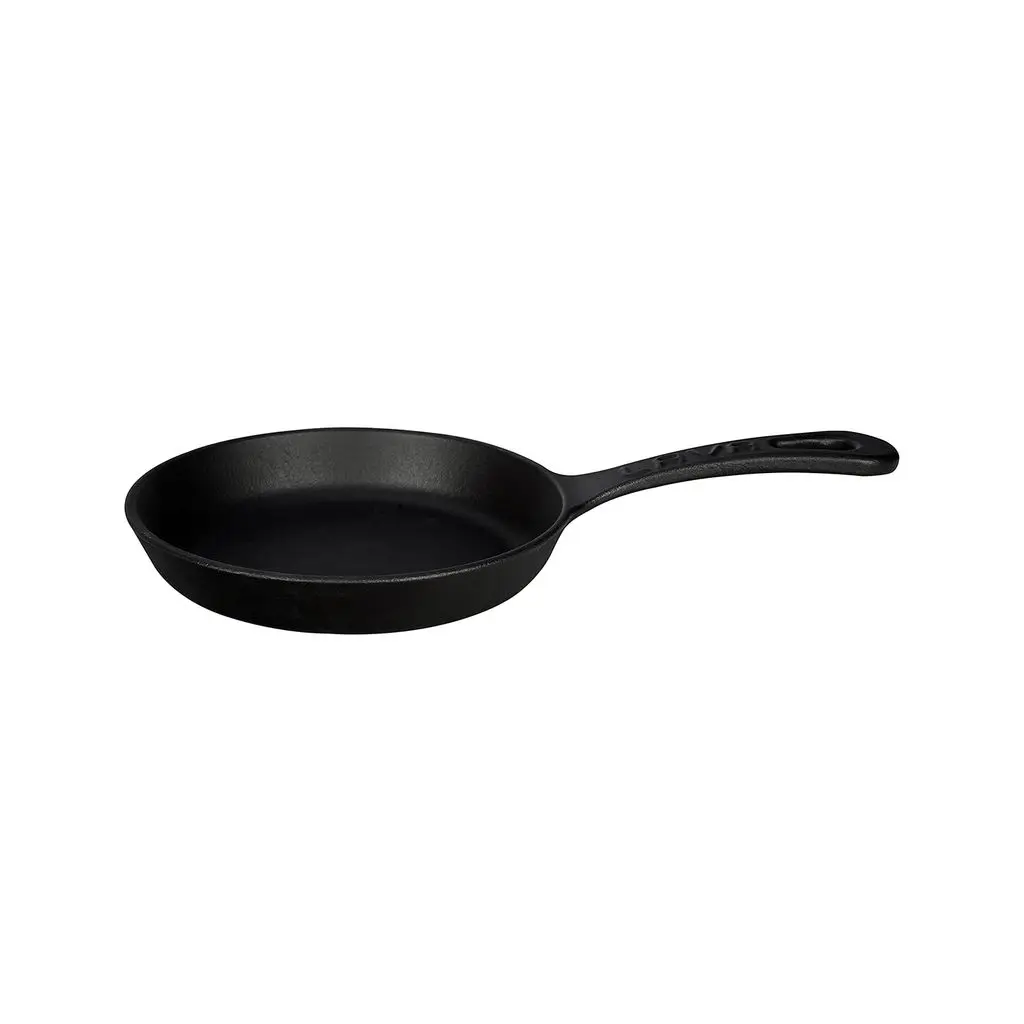
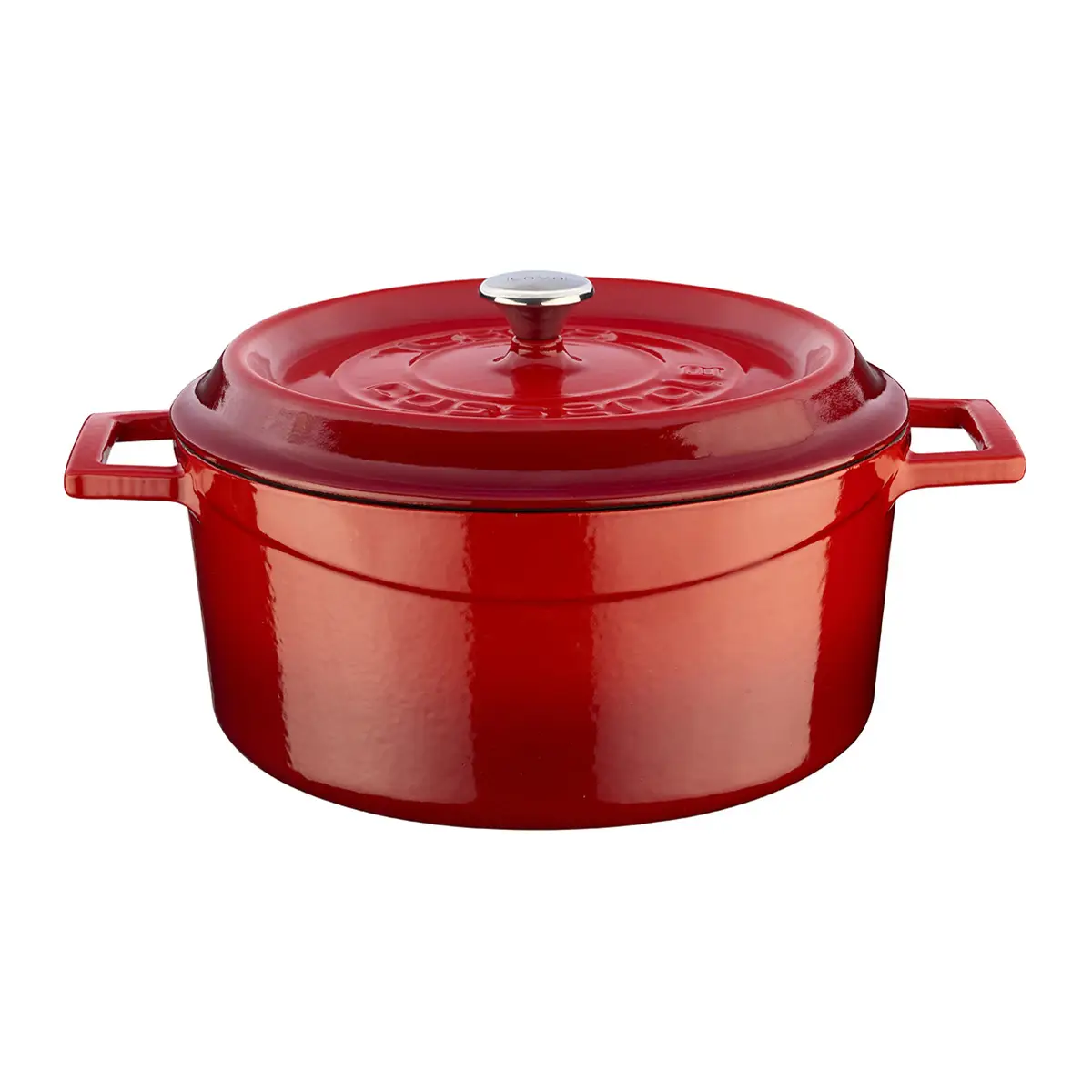
Lava Cast Iron Round Multipurpose Casserole. Trendy, Dia. Ø 28cm.
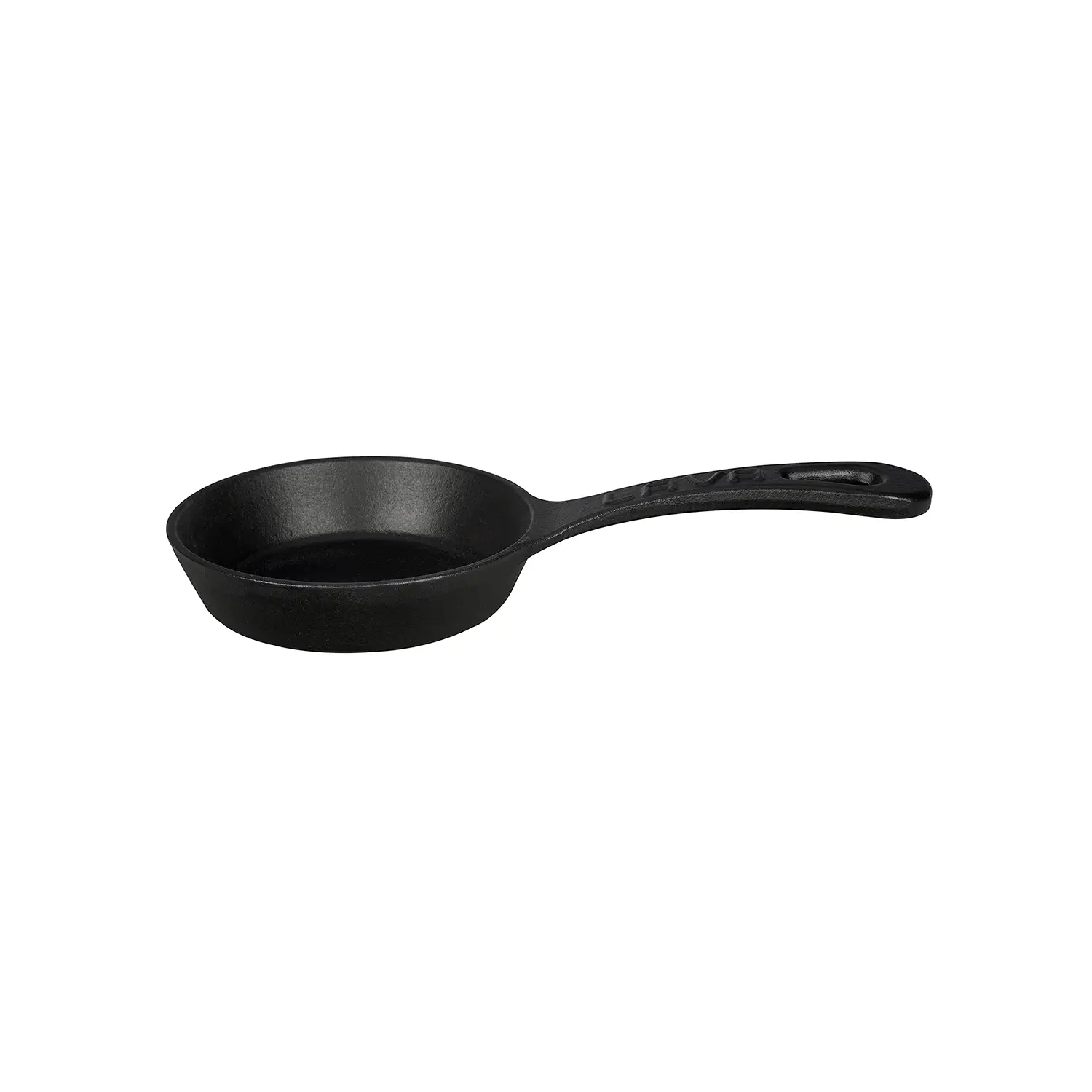
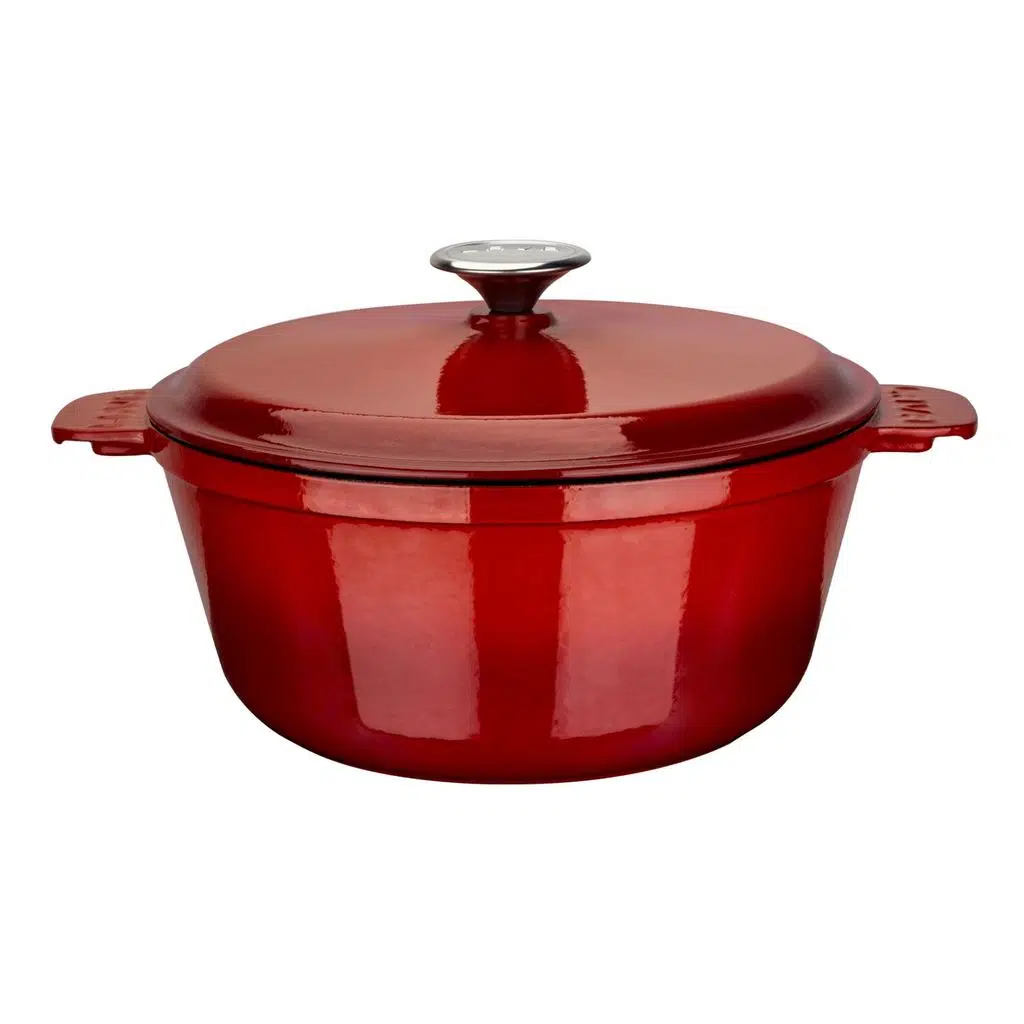
Lava Cast Round Pot with Cast Iron Solid Handle. Diameter(Ø)26cm. - Red
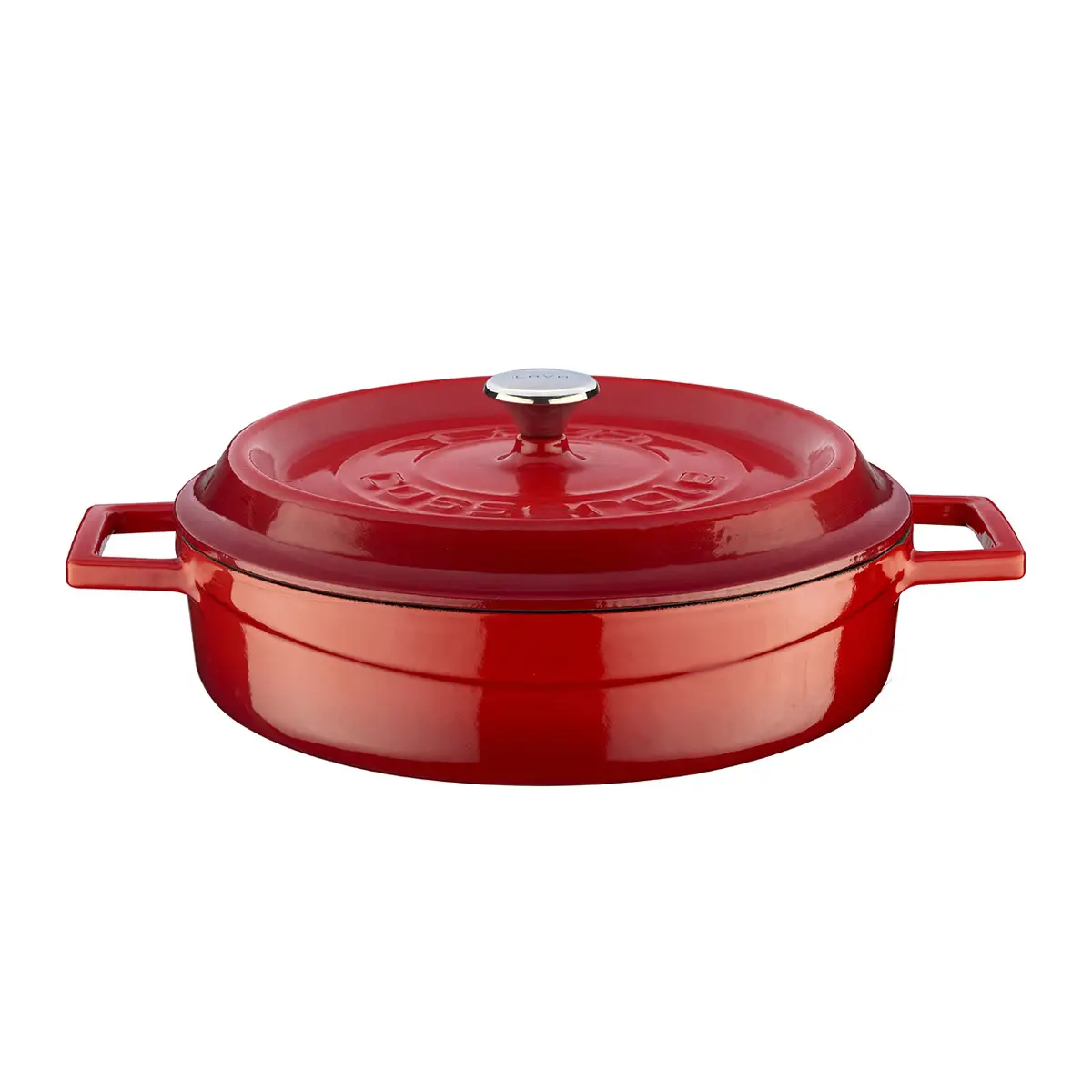
Lava Cast Iron Round Multipurpose Casserole. Trendy, Dia. Ø 24cm.







Lava Döküm Online Fabrika Satış Mağazası. © 2026 All Rights Reserved.


0
)