×

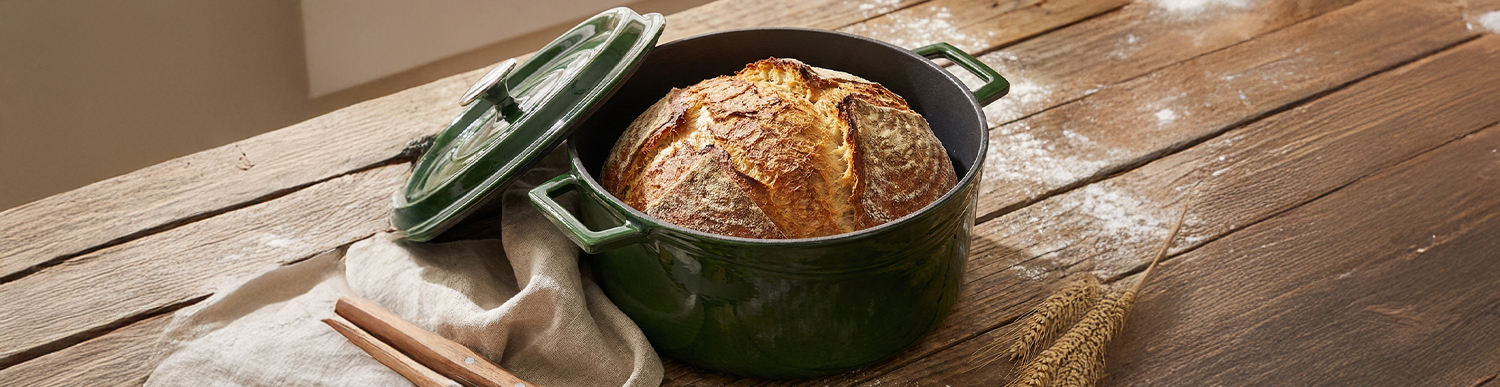
Home bread making has become more than just a kitchen practice in recent years; it has evolved into a powerful symbol of healthy eating, slow living, and a return to traditional flavours. Preparing bread that is additive-free, nourishing, and keeps you fuller for longer becomes both easy and deeply rewarding when the right ingredients and the right cookware are used.
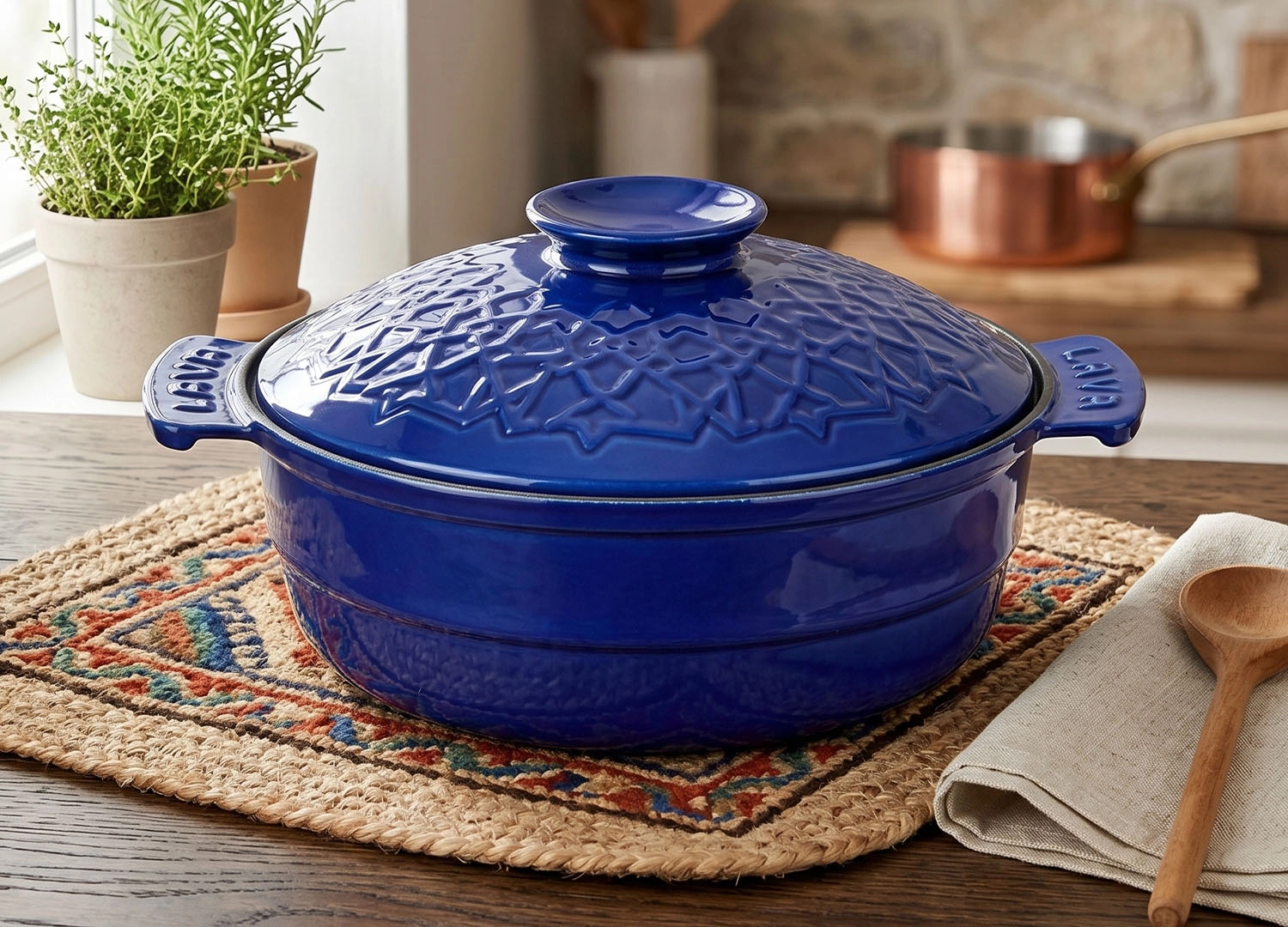
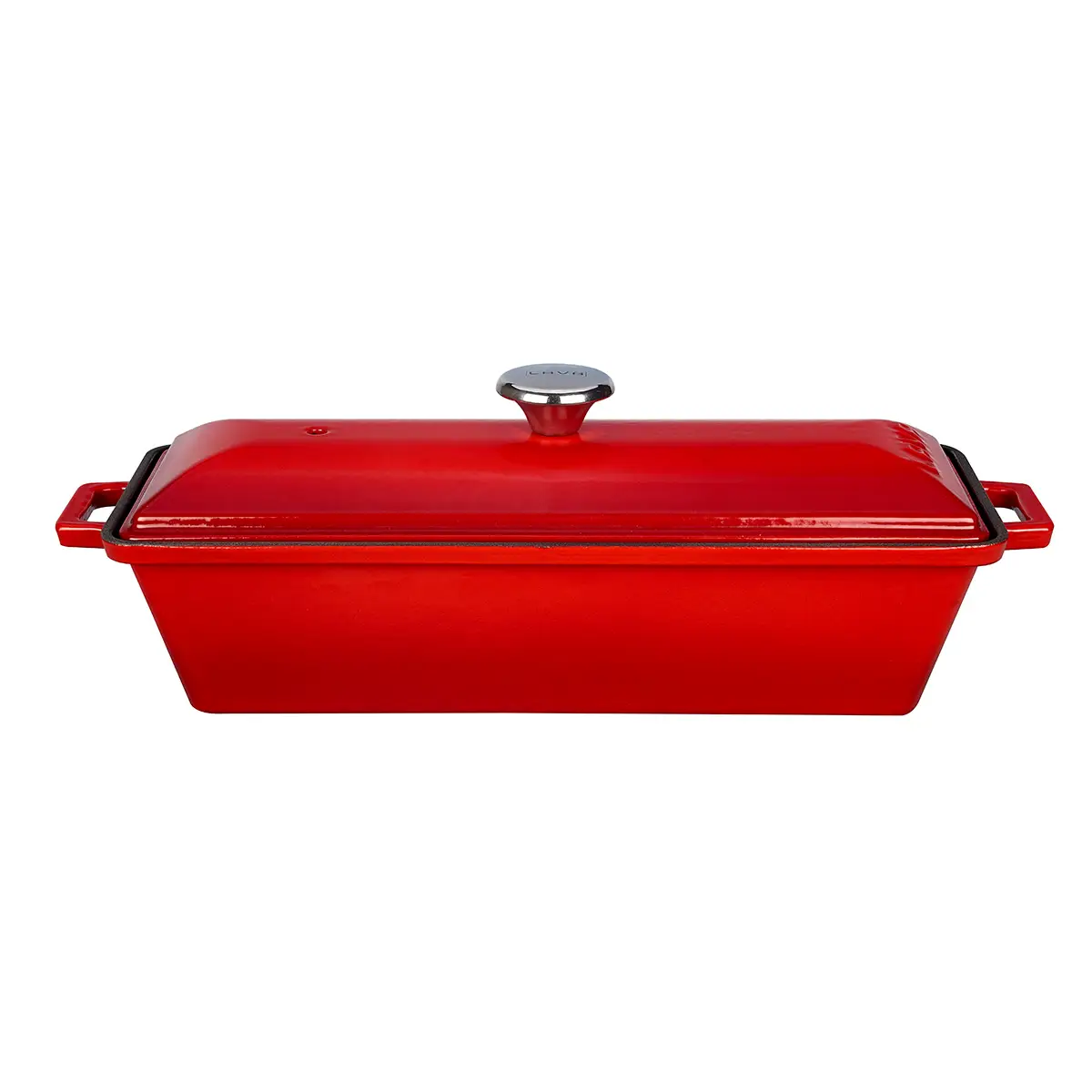
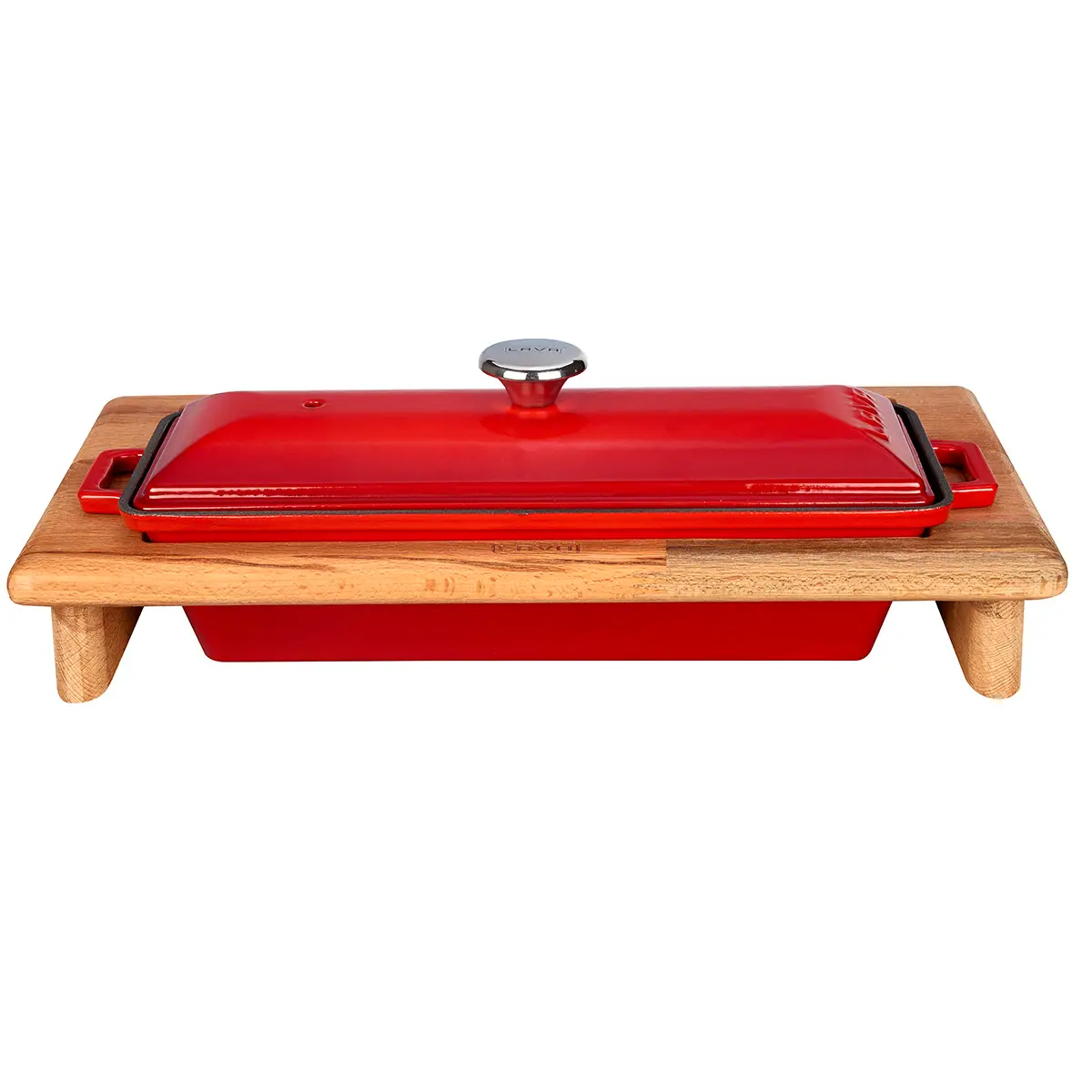
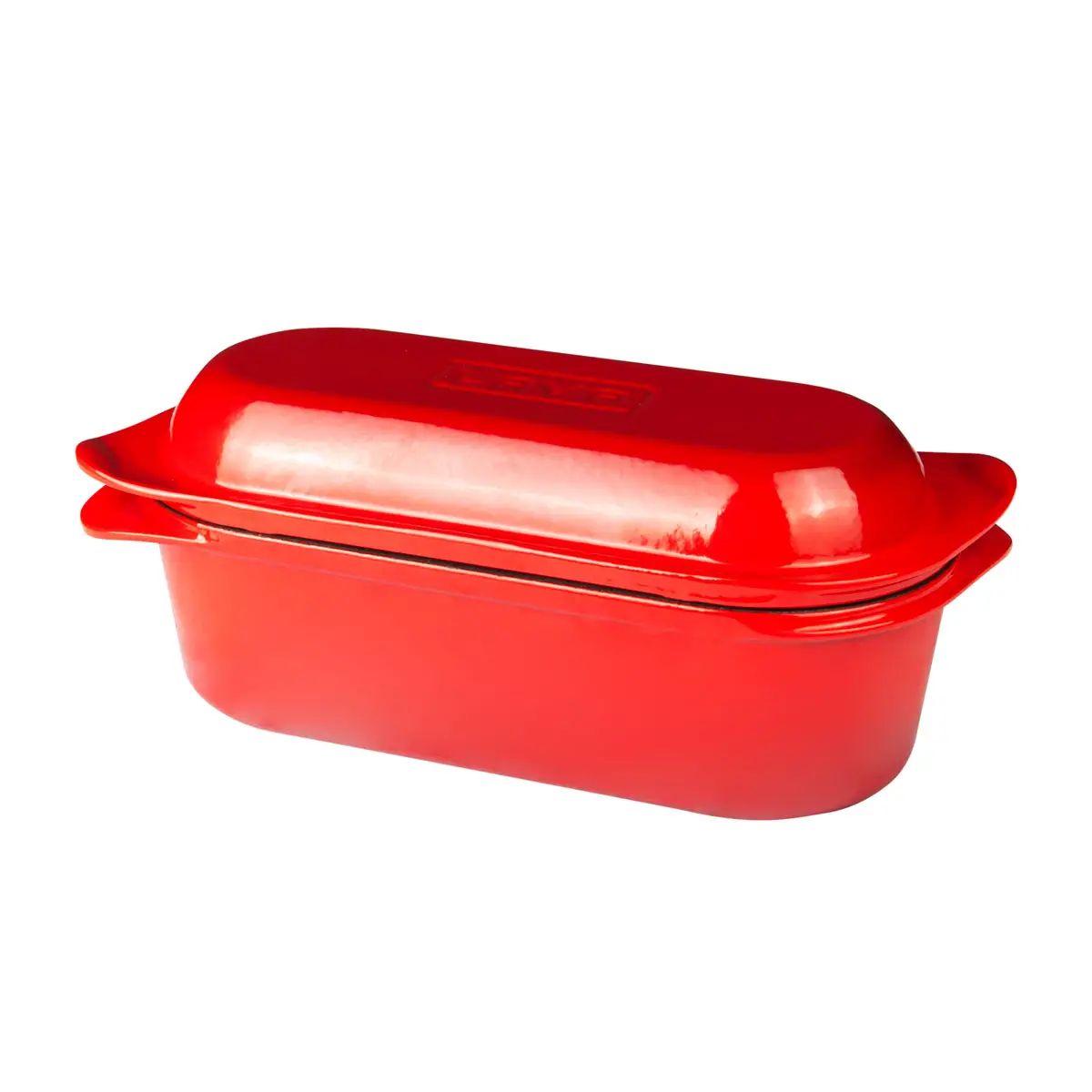
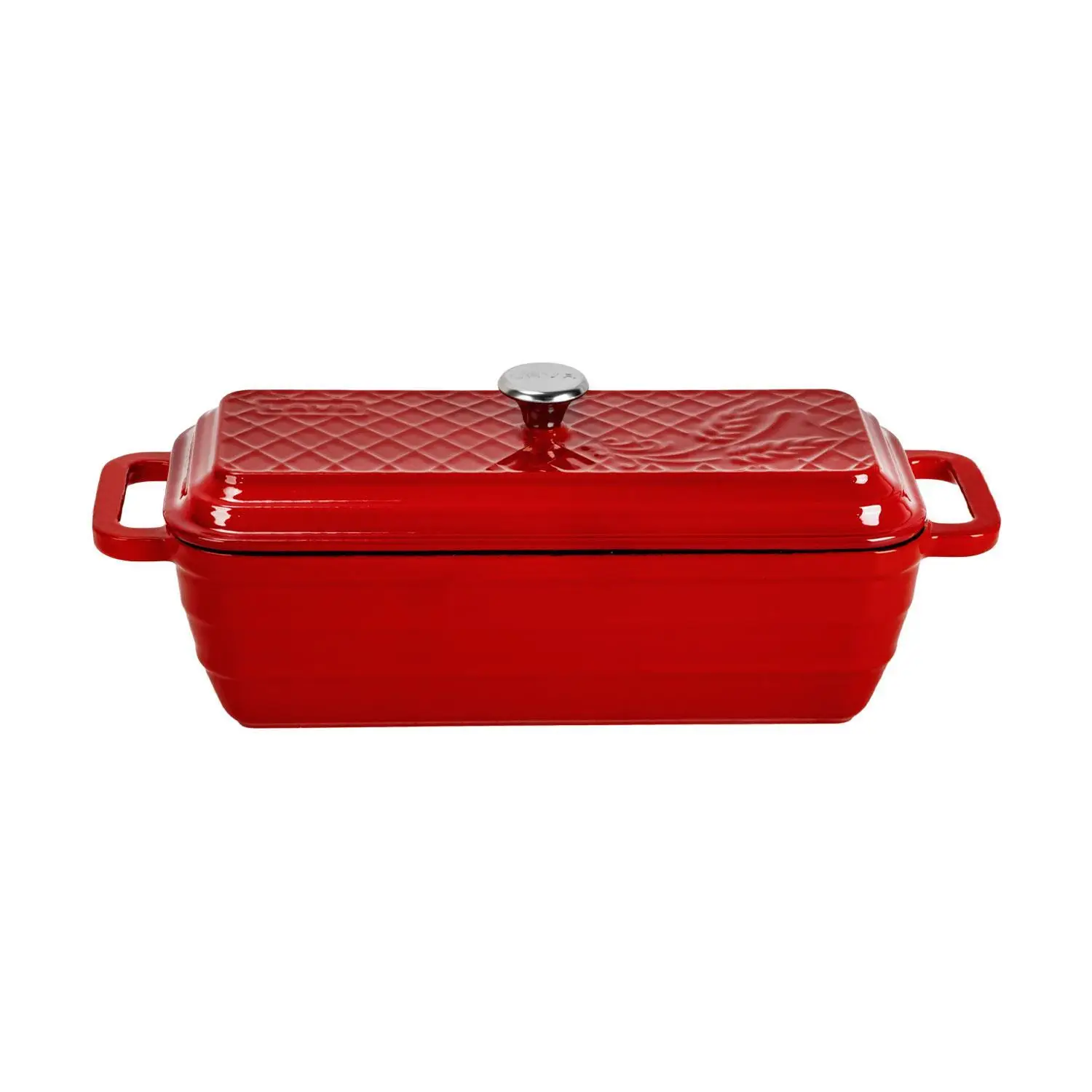
In this guide, we take a holistic approach to home bread making, focusing specifically on bread making in a LAVA cast iron pot—from yeasted and yeast-free bread options to yeast knowledge, baking techniques, and storage conditions.
Home bread making is a traditional culinary practice in which the entire bread-making process is controlled using basic ingredients such as flour, water, salt, and yeast. The renewed interest in this method today is driven by several key factors:
Growing demand for clean, additive-free ingredients
Easier digestion associated with long-fermented breads
Declining trust in packaged breads with extended shelf lives
More time spent at home, turning kitchens into spaces of production
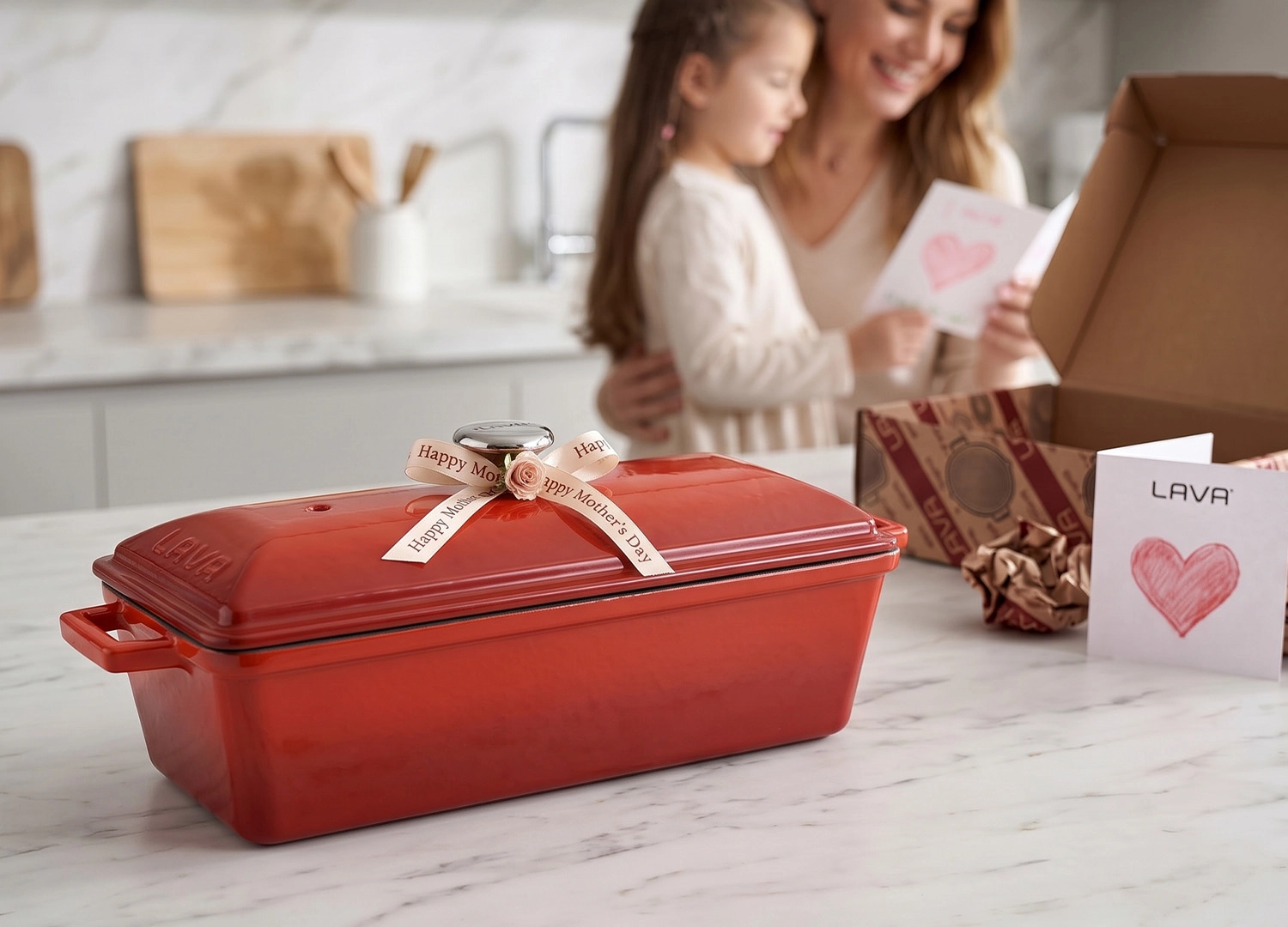
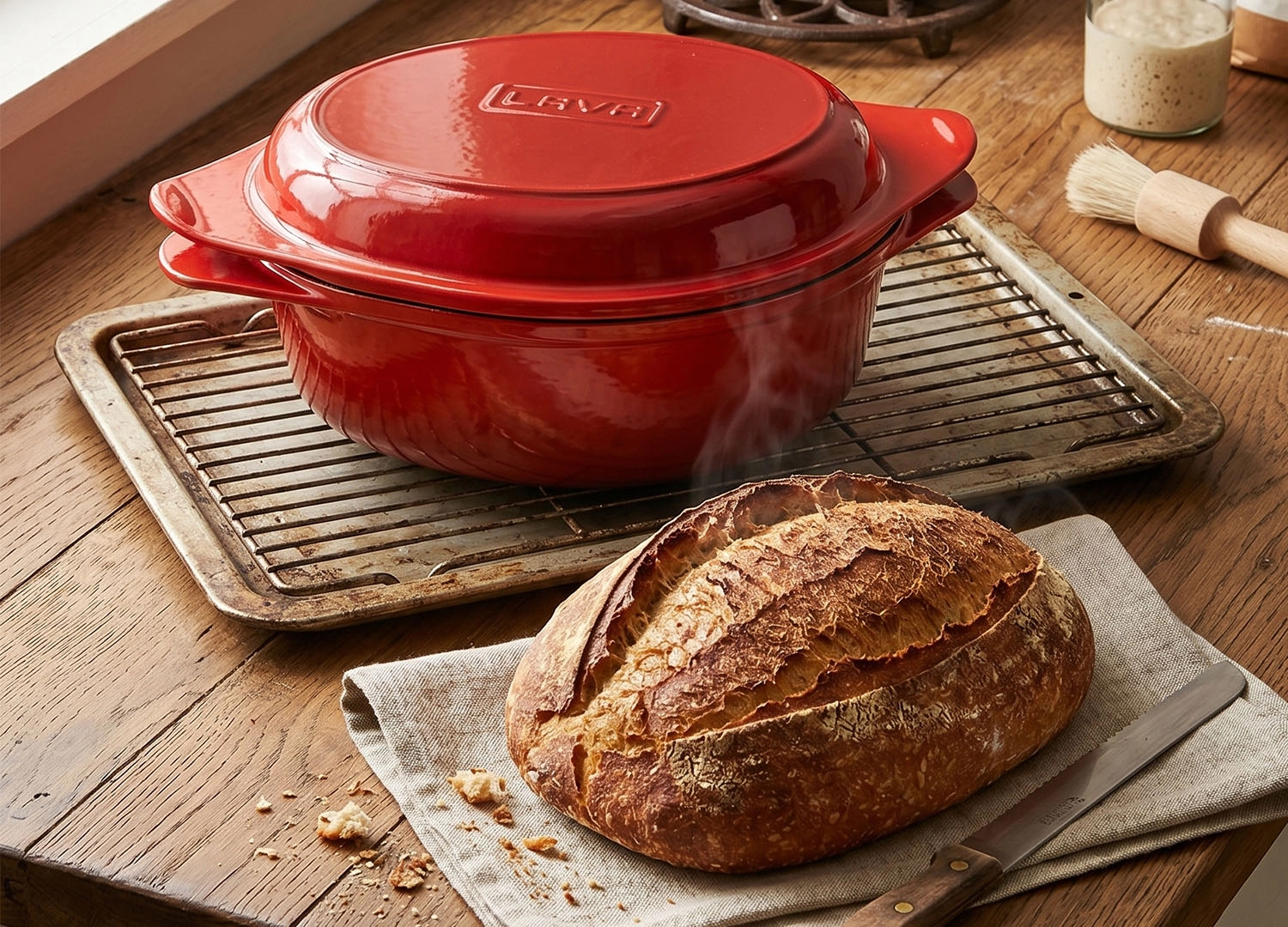
In particular, baking bread in a cast iron pot plays a crucial role in this resurgence, as it allows home ovens to achieve professional-level results.
Home bread making offers significant benefits beyond flavour alone, including health, cost efficiency, and sustainability.
When baking bread at home, you decide the type of flour, salt ratio, and fermentation time. This allows you to:
Bake breads with a lower glycaemic index
Choose alternative flours such as whole wheat, einkorn, or rye
Achieve more digestible results through long fermentation
A homemade loaf is more economical than store-bought bread while also helping to reduce food waste. In addition, reusable cast iron cookware supports sustainable kitchen habits.
The baking stage is the most critical part of bread making. The crisp crust and soft interior associated with professional bakeries are achieved through a precise balance of high heat and steam. At home, the most reliable way to replicate this environment is bread making in a cast iron pot.
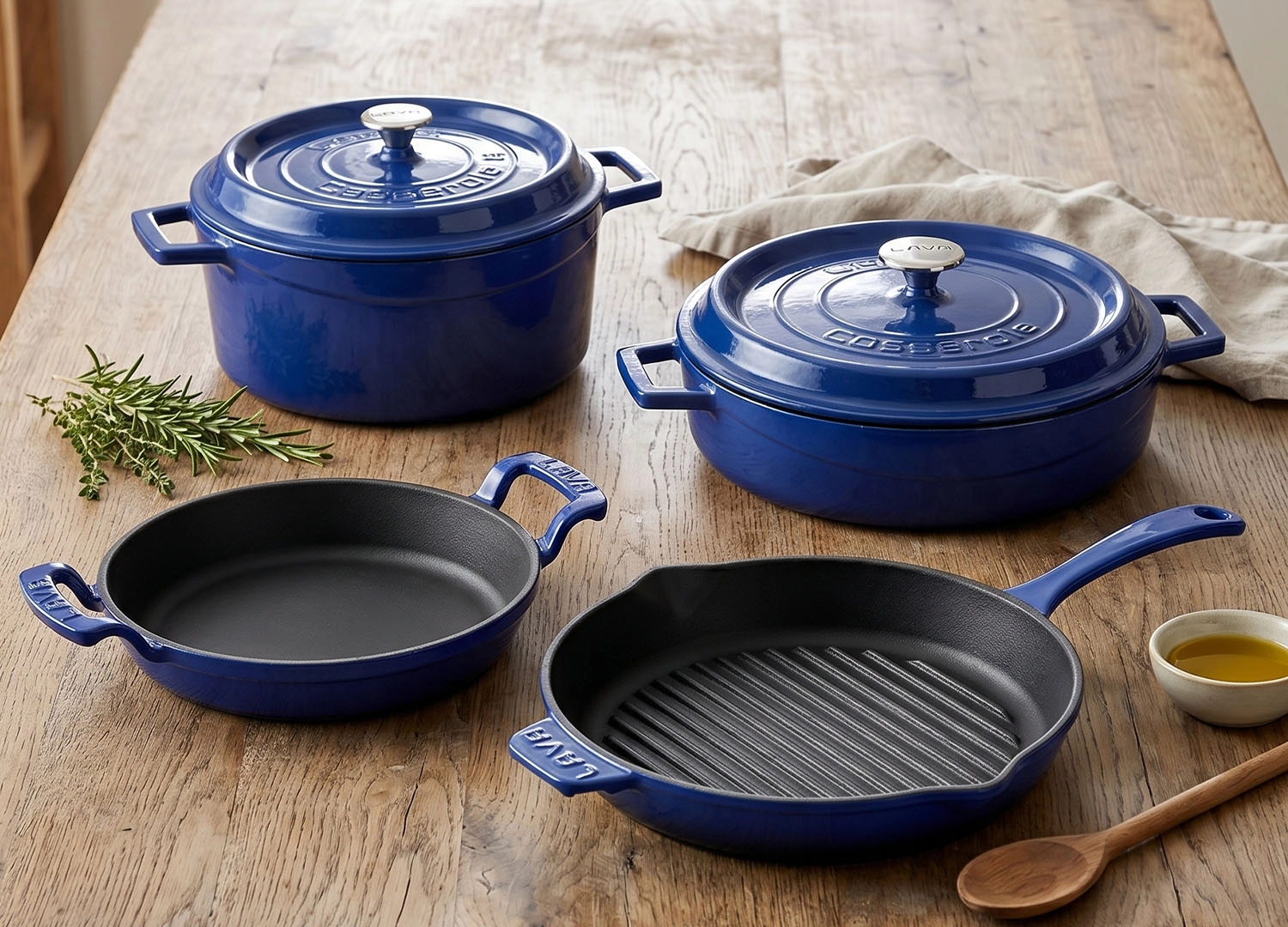
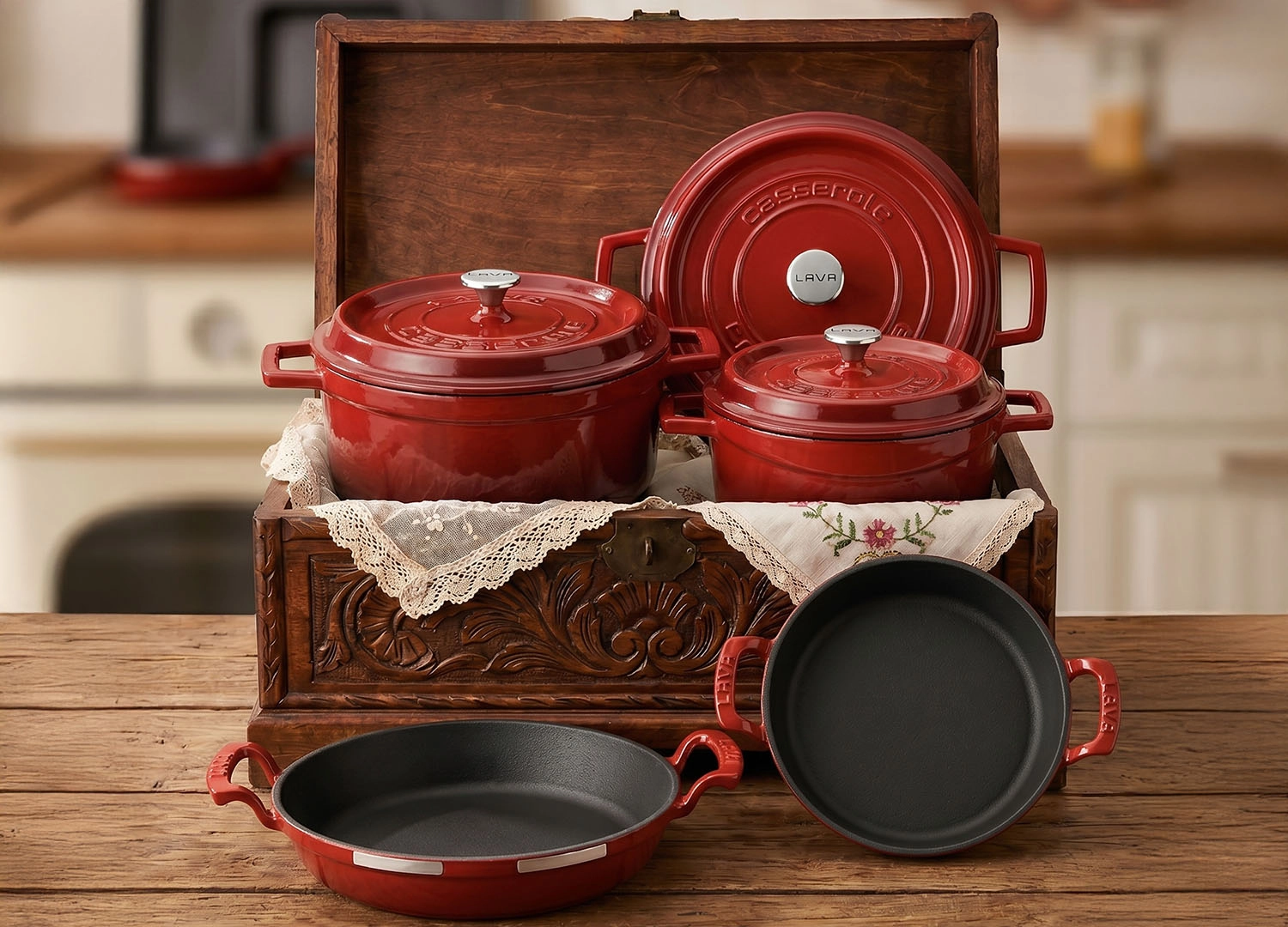
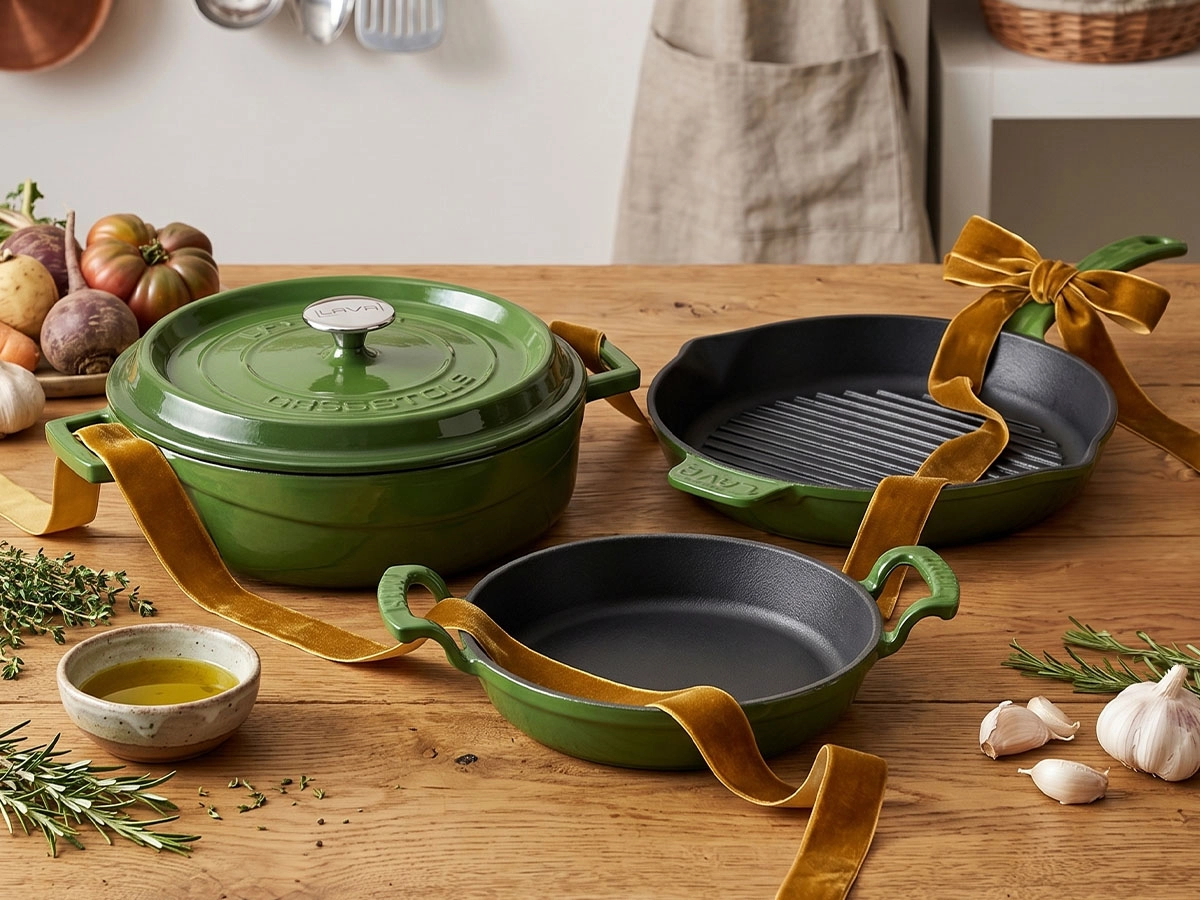
LAVA cast iron pots:
Distribute heat evenly and retain it for extended periods
Create a natural steam environment inside the oven, supporting oven spring
Strengthen crust formation while keeping the crumb moist
As a result, excellent bread can be baked at home without the need for baking stones or professional equipment.
One of the most common questions in home bread making is whether to choose yeasted or yeast-free bread.
In yeasted breads, fermentation plays a central role. Yeast ferments sugars in the dough, producing carbon dioxide that allows the bread to rise.
Advantages:
Lighter, more open crumb structure
Keeps you full for longer
Greater depth of flavour and aroma
Yeast-free breads are made using baking soda, sparkling water, or simply flour, water, and salt.
Advantages:
Quick and easy to prepare
Suitable for those sensitive to yeast
Ideal for practical, last-minute baking
Yeast-free breads baked in a cast iron pot perform especially well in terms of crust quality compared to standard baking trays.
Yeast is a natural fermenting agent composed of living microorganisms within the dough. Its primary role is to leaven the bread and enhance flavour.
Sourdough starter is created by regularly feeding flour and water over several days. Under the right temperature and hygiene conditions, it:
Becomes active within 5–7 days
Increases the nutritional value of bread through long fermentation
Delivers maximum crust performance when baked in a cast iron pot
Proper yeast storage is essential for maintaining a sustainable home bread-making routine.
Sourdough starter: Can be stored in the refrigerator for months with weekly feeding
Dry yeast: Should be kept in a cool, dry place and stored airtight after opening
Fresh yeast: Has the shortest shelf life and should be used within 2–3 weeks
Spoiled yeast can be identified by sharp odours, mould growth, or excessive liquid separation.
The dough is mixed and fermented according to the recipe
The cast iron pot is preheated in the oven while empty
The dough is carefully transferred into the hot pot
The first stage of baking is done with the lid on
The lid is removed for the final stage to brown the crust
Using this method, bread baked in a cast iron pot develops a crisp crust and a moist, well-balanced interior.
Because homemade bread contains no preservatives, its shelf life is shorter—but it can be preserved effectively with the right methods:
2–3 days at room temperature in a cloth bag
Up to one month when sliced and frozen
Slowing staling by storing with the cut side facing down
Avoid very high-hydration doughs in early attempts
Always preheat the cast iron pot
Focus on how the dough behaves rather than exact measurements
Treat every loaf as part of the learning process
Home bread making is not merely time spent in the kitchen; it represents slowing down, producing with intention, and reconnecting with the table. Bread making in a LAVA cast iron pot enables this experience to be reliable, repeatable, and consistently high in quality.
With the right equipment, the right knowledge, and a little patience, you can achieve the same level of flavour and texture every time—bringing bread back to the centre of your table.







Lava Döküm Online Fabrika Satış Mağazası. © 2026 All Rights Reserved.


0
)