×

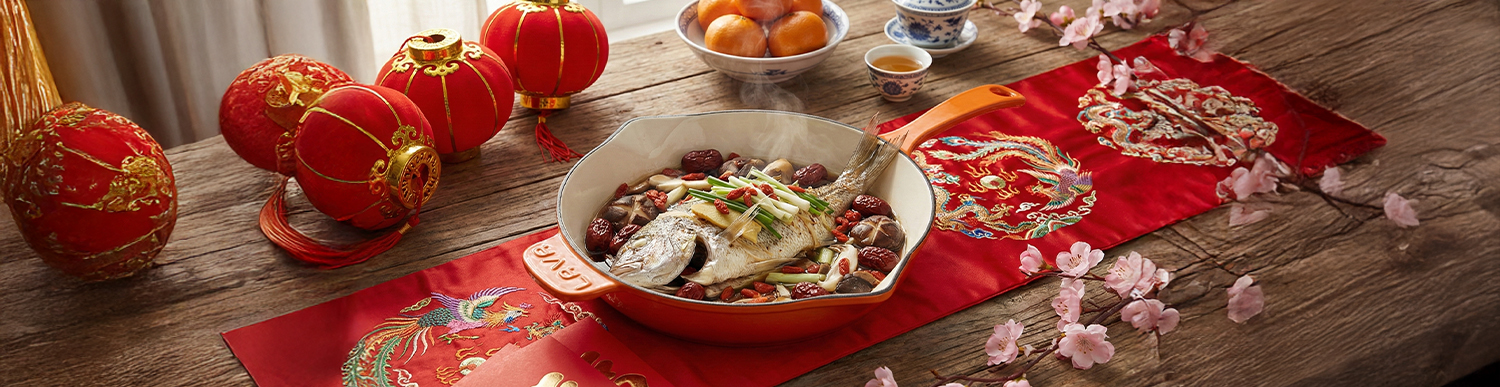
Chinese New Year is a deeply rooted tradition celebrated according to the Chinese calendar, unlike the 1 January New Year commonly observed in the Western world. Internationally, this period is referred to as Chinese New Year or Lunar New Year. In Chinese culture, it is known as the Spring Festival, marking the arrival of spring and a new annual cycle.
Chinese New Year is not merely a calendar change. It is a multilayered cultural ritual in which family bonds are strengthened, the past year is respectfully bid farewell, and wishes for prosperity, health and abundance are expressed through powerful symbols and long-standing traditions.
The Chinese calendar is a lunisolar calendar, based on both the phases of the moon and the solar year. As a result, Chinese New Year falls on a different date each year, typically between 21 January and 20 February. This system reflects an ancient worldview centred on agricultural cycles, seasonal transitions and harmony with nature.
The question “When is Chinese New Year?” is one of the most frequently searched topics every year.
Chinese New Year 2026 will begin on 17 February 2026.
This date also marks the official start of the Spring Festival and opens a new cycle in the Chinese calendar.
The Spring Festival is not limited to a single day. Celebrations:
Begin on New Year’s Eve
Last approximately 15 days
Conclude with the Lantern Festival
In China, official public holidays usually last seven days. However, actual celebrations, family gatherings and travel extend well beyond this period. It is considered the busiest time of the year for travel and family reunions.
According to Chinese astrology, 2026 is the Year of the Fire Horse. This designation combines both an animal sign and an elemental influence.
In the Chinese zodiac, the Horse symbolises:
Movement
Freedom
Courage
Independence
The Fire element intensifies these qualities, bringing:
High energy
Passion
Transformation
Decisive action
For this reason, 2026 is widely interpreted as a year of momentum, change and bold new beginnings rather than stagnation.
Chinese astrology is built upon:
12 animal signs
5 elements (Wood, Fire, Earth, Metal and Water)
Together, they form a 60-year cycle. The Fire Horse combination is relatively rare and regarded as particularly powerful and striking.
The Horse year is considered especially harmonious with the Tiger, Dog and Goat signs, while other signs are advised to proceed with greater caution. Zodiac-based interpretations often increase reader engagement by offering personal relevance.
The most important moment of Chinese New Year is the Reunion Dinner, held on New Year’s Eve. This meal symbolises family unity, continuity and togetherness.
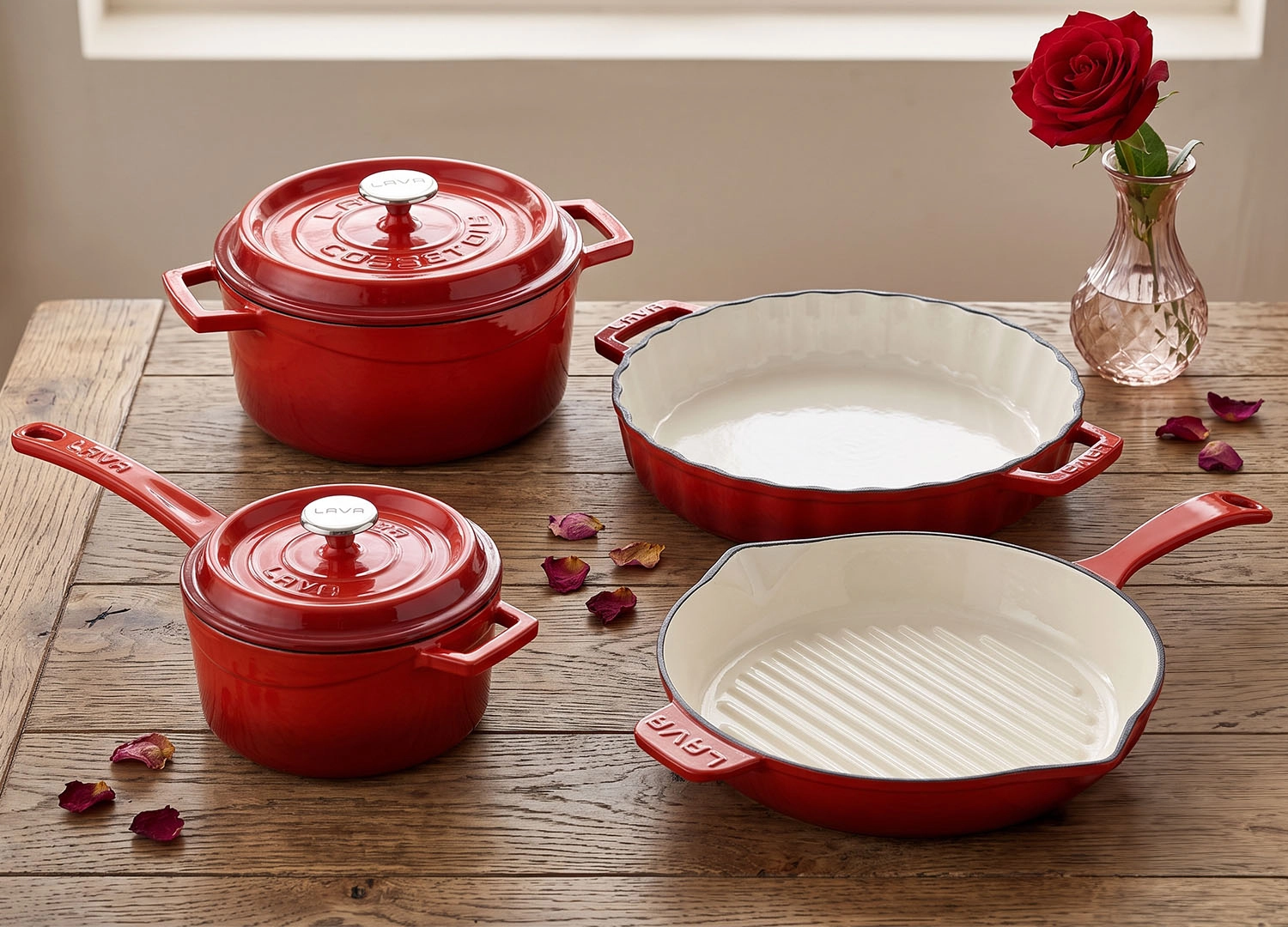
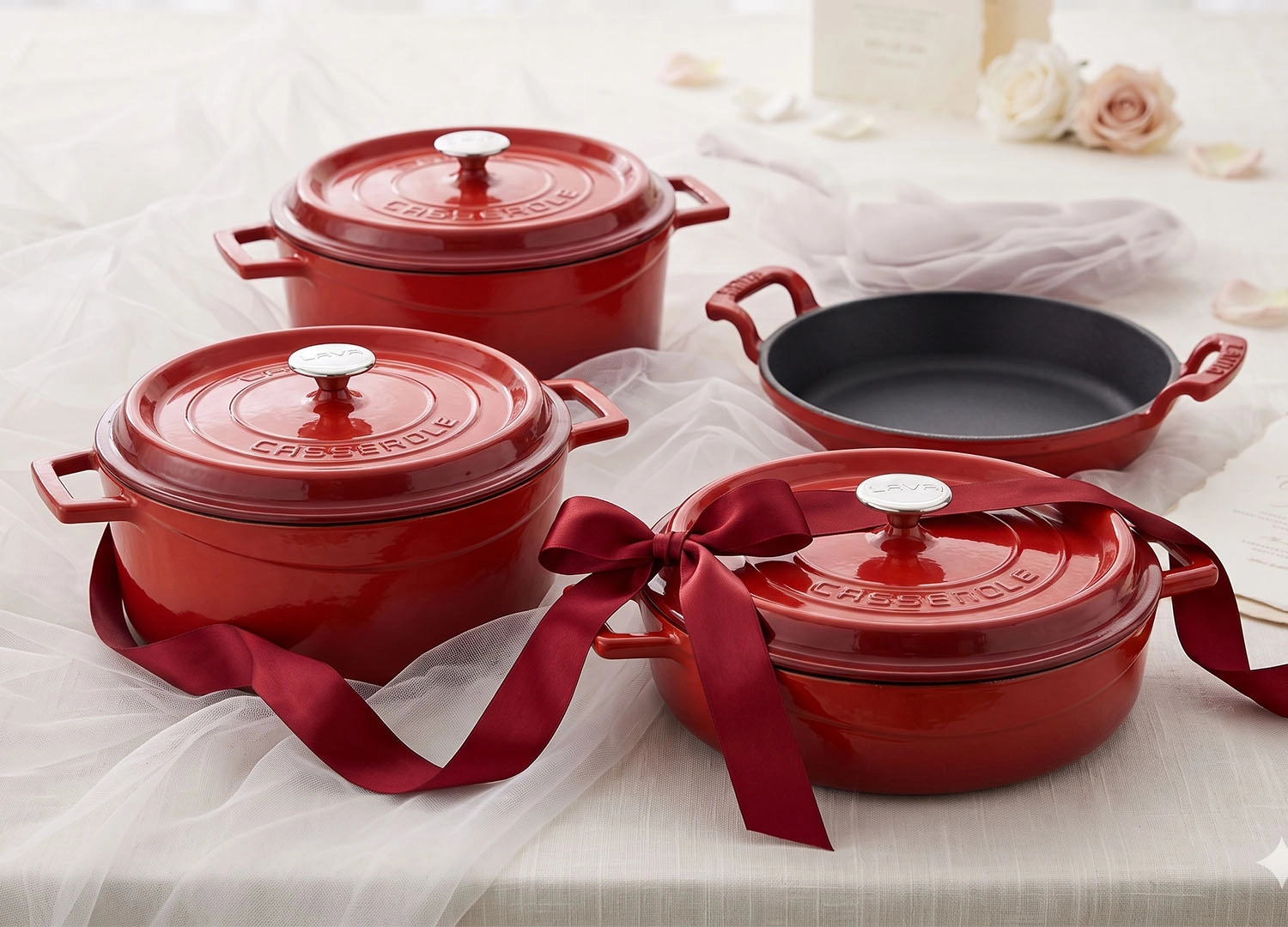
Red is believed to ward off evil spirits and attract good fortune. Homes, doors and streets are adorned with red decorations throughout the festival period.
Hongbao: Red envelopes containing money, given as wishes for luck and prosperity
Fireworks: Used to dispel negative energy and welcome the new year
The Fu character, meaning happiness and prosperity, is often displayed upside down. This is because the word for “upside down” sounds similar to the word for “arrival” in Chinese, symbolising the arrival of good fortune.
Held on the 15th day of celebrations, the Lantern Festival represents light, hope and new beginnings.
Every dish served during Chinese New Year carries symbolic meaning:
Fish: Abundance
Dumplings (Jiaozi): Wealth
Long noodles: Longevity
Sticky rice cake (Nian Gao): Growth and advancement
Chinese New Year is not limited to China alone.
Hong Kong & Singapore: Grand parades and lantern festivals
Vietnam (Tết): A similar calendar with distinct local traditions
Western cities: Cultural festivals centred around Chinatowns
These global celebrations transform Chinese New Year into a shared international cultural experience.
Chinese New Year 2026 also stands out for its digital and cultural trends.
Fire Horse–themed content dominates social media, often using red-and-gold aesthetics
In popular culture, Draco Malfoy becoming a viral “good luck symbol” for the Year of the Fire Horseillustrates the intersection of tradition and modern storytelling
Brands are strategically leveraging the season through special packaging, limited editions and Asia-focused campaigns
Certain regions are drawing attention with large-scale lantern festivals and art-led events in 2026
When preparing for Chinese New Year, several customs are observed:
Wearing red or bright colours
Avoiding cutting long noodles
Leaving some fish unfinished at the table (to symbolise surplus)
Avoiding arguments on the first day of the new year
These rituals are believed to help welcome the year with positive energy.
The Year of the Fire Horse 2026 stands out as a year of movement, courage and transformation. Through symbols, rituals and collective memory, Chinese New Year offers more than a new calendar page — it provides a fresh mental and cultural beginning.
With wishes that the new year brings abundance, health and inspiration to this region and beyond…
10.02.2026






Lava Döküm Online Fabrika Satış Mağazası. © 2026 All Rights Reserved.


0
)