×

 The Rise of Transparent Ingredients and Minimally Processed Foods in Modern Kitchens
The gastronomy sector has undergone a profound transformation in recent years. Consumers are no longer seeking only flavour; they want to know where their food comes from, how it is produced, what processes it passes through, and what impact it has on the environment. This shift is reshaping not only professional kitchens but also the everyday meals prepared at home.
As demand for "transparent ingredients" and "minimally processed foods" becomes the backbone of global food culture, this change is influencing a wide landscape—from supply chains to restaurant menus, from supermarket shelves to home-cooking habits.
In this article, we explore this transformation through three major perspectives:
Trends in restaurants and professional kitchens
The rise of conscious consumption in home kitchens
The restructuring of supply chains and the growing need for sustainability
Today’s consumers are more informed, more questioning, and more sensitive than ever. Moreover, they have easier access to information. Several key factors are driving this transformation:
Nutrition science and health research have long linked highly processed foods to various health issues. As a result, interest is increasing in foods that have:
Shorter ingredient lists,
No preservatives, artificial colours, or flavour enhancers,
A composition that remains close to their natural state.
Following the pandemic, one of the top priorities for consumers has been food safety. People now want to know:
The origin of the product,
Production conditions,
Certifications and quality standards.
The belief that “natural is better” has regained strong momentum.
Sustainability is no longer optional—it is a necessity.
Consumers support brands committed to environmentally conscious production and prefer options that lower their carbon footprint. Minimally processed foods:
Require less energy,
Travel through shorter supply chains,
Use less packaging.
This makes them an environmentally friendly choice for both producers and consumers.
Today’s restaurants are no longer just places that serve good food; they have become venues that tell stories, create value, and promote a transparent culinary culture.
Traditionally, menus only listed the name and description of a dish. Today, many restaurants openly share:
The farm or region the ingredient comes from,
Production methods,
How the animal was raised,
Growing conditions of the plant,
The cooking techniques used.
For example:
“Free-Range Chicken from Ayvalık, Aegean Region – Dry-Brined for 48 Hours”
This level of transparency builds trust and increases the perceived value of the dish.
After years dominated by visually complex fine-dining plates, the trend has shifted toward simplicity and authenticity.
Restaurants now prefer:
Ingredients-forward menus,
Minimally processed products,
Short cooking techniques,
High-quality raw materials.
This creates a refined yet clean and honest culinary language.
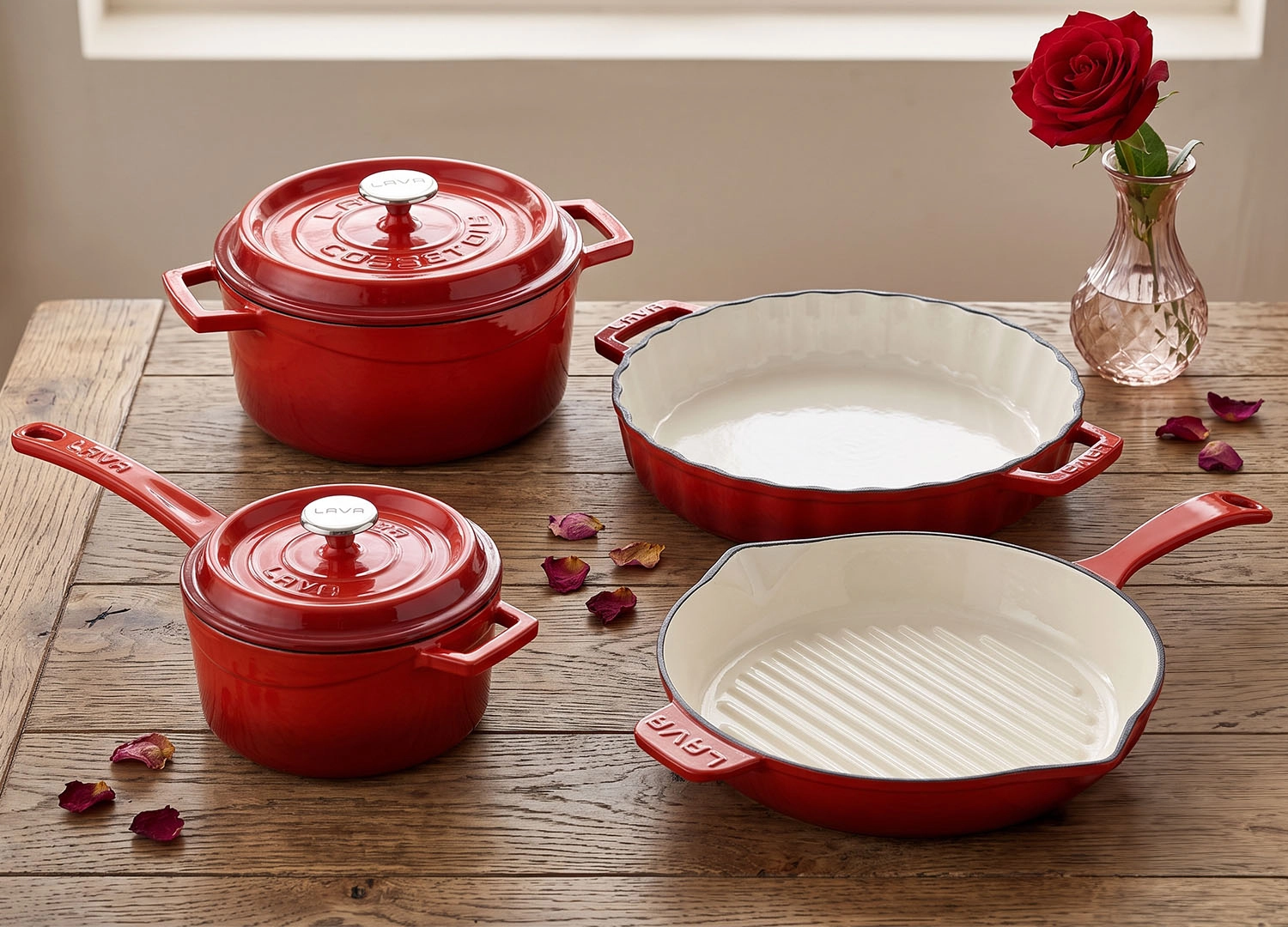
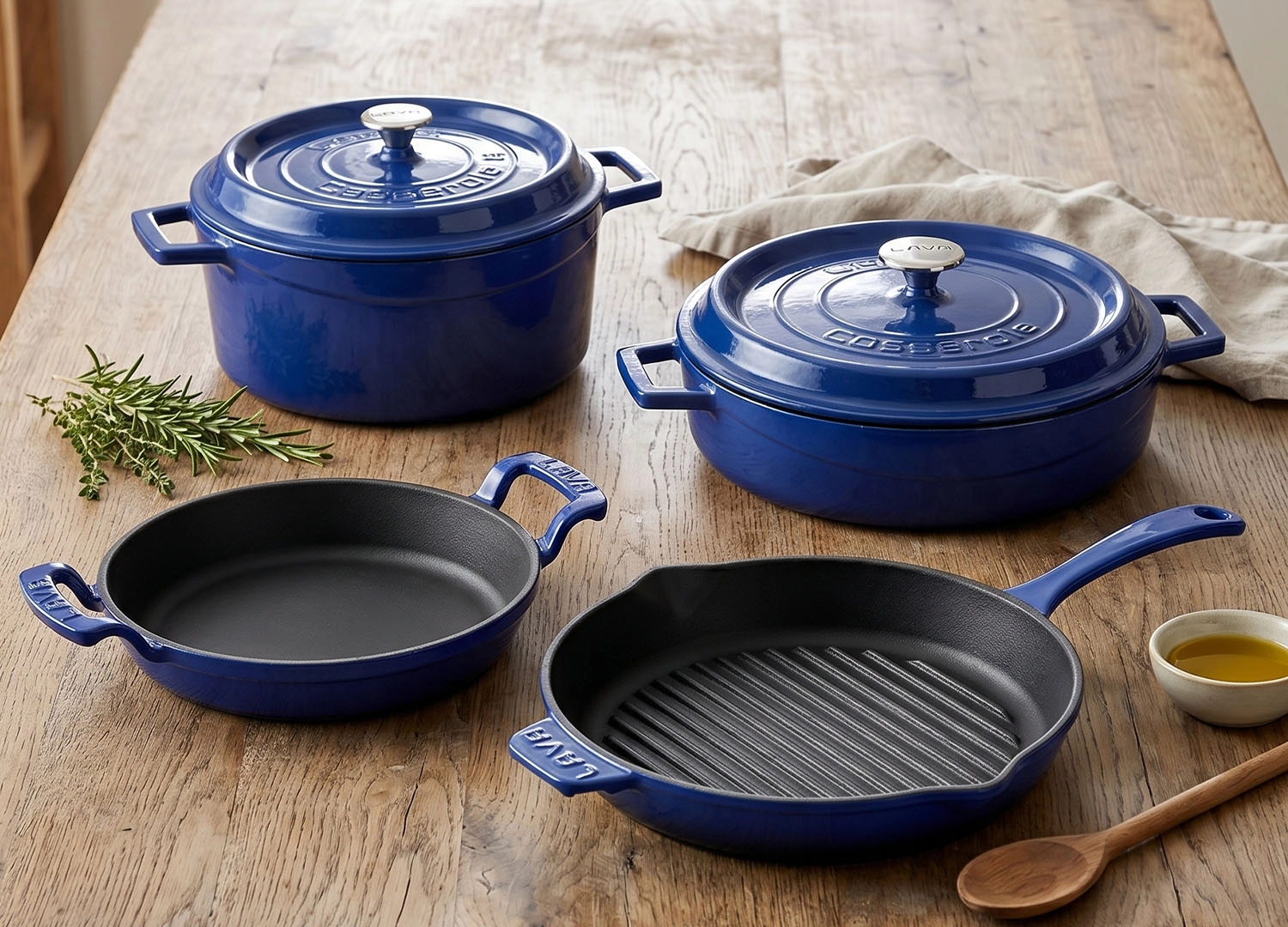
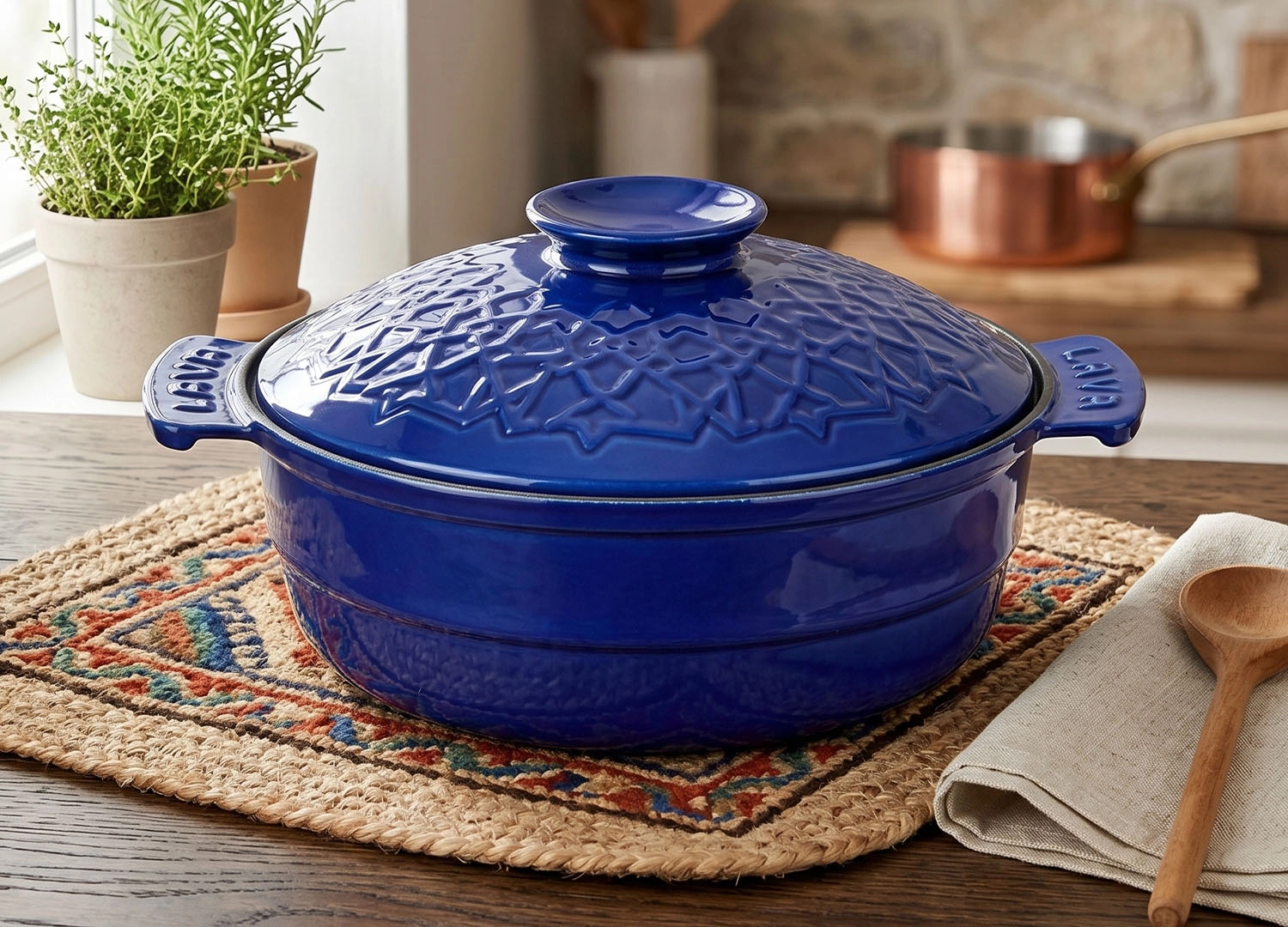
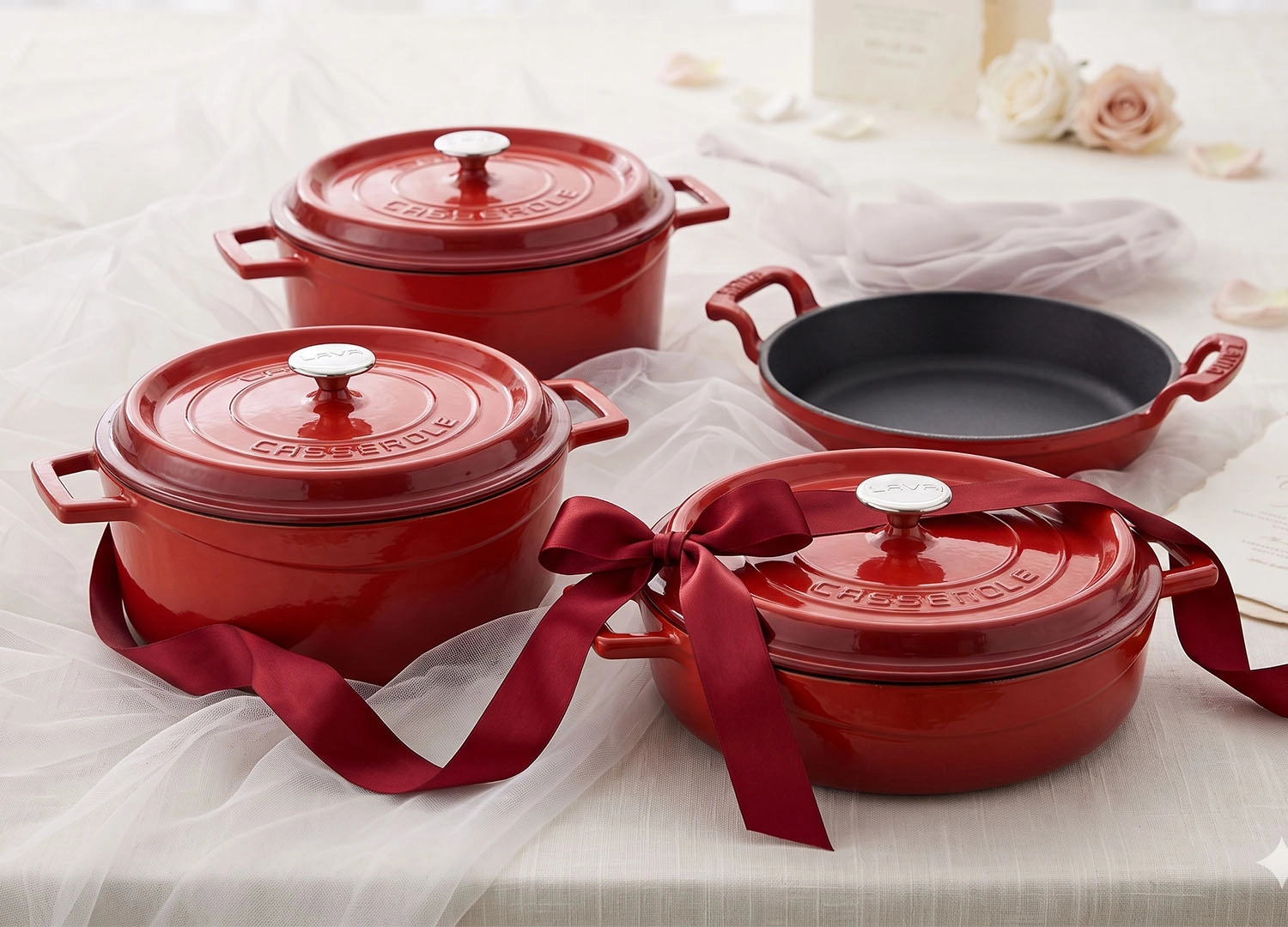
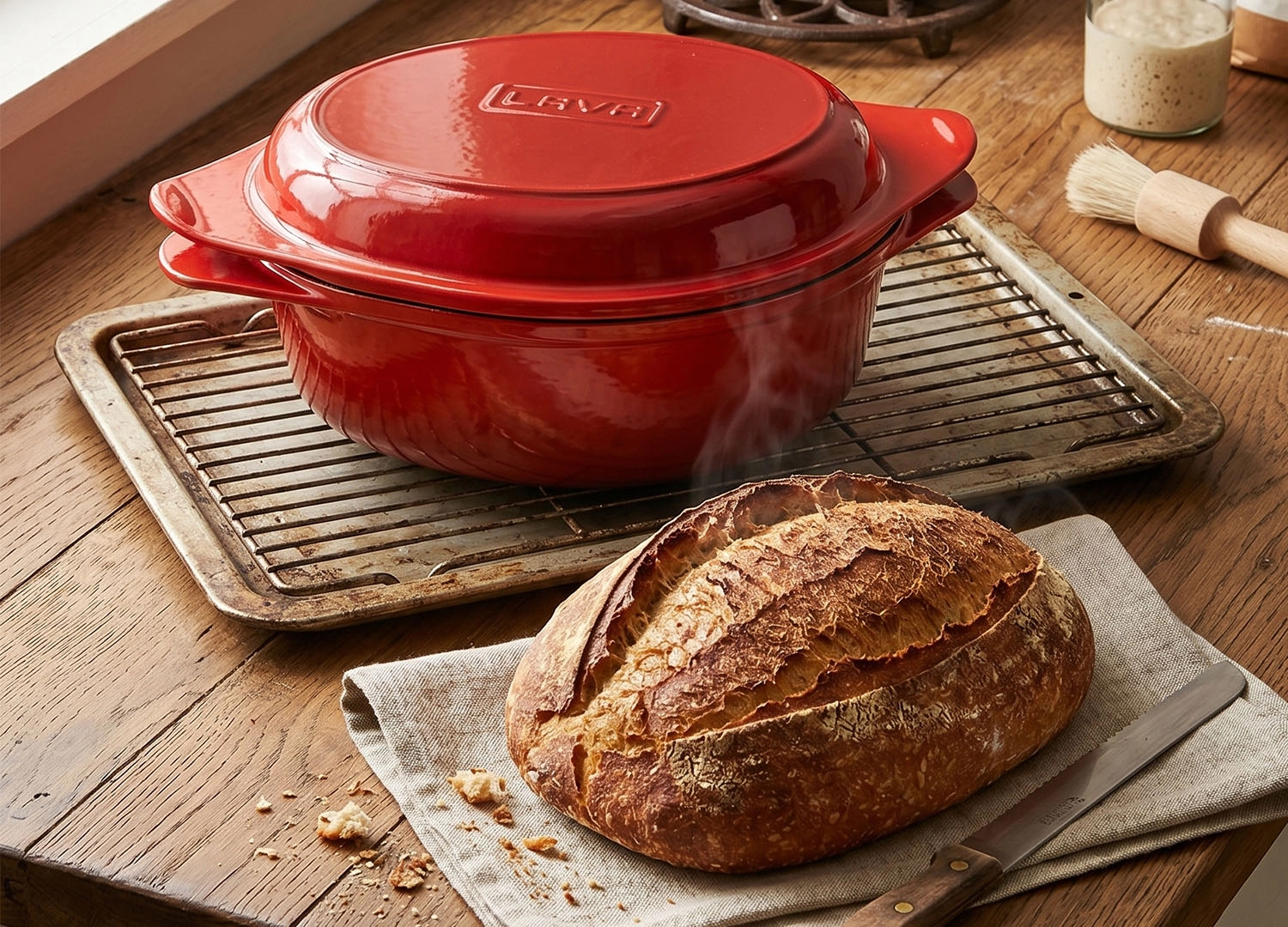
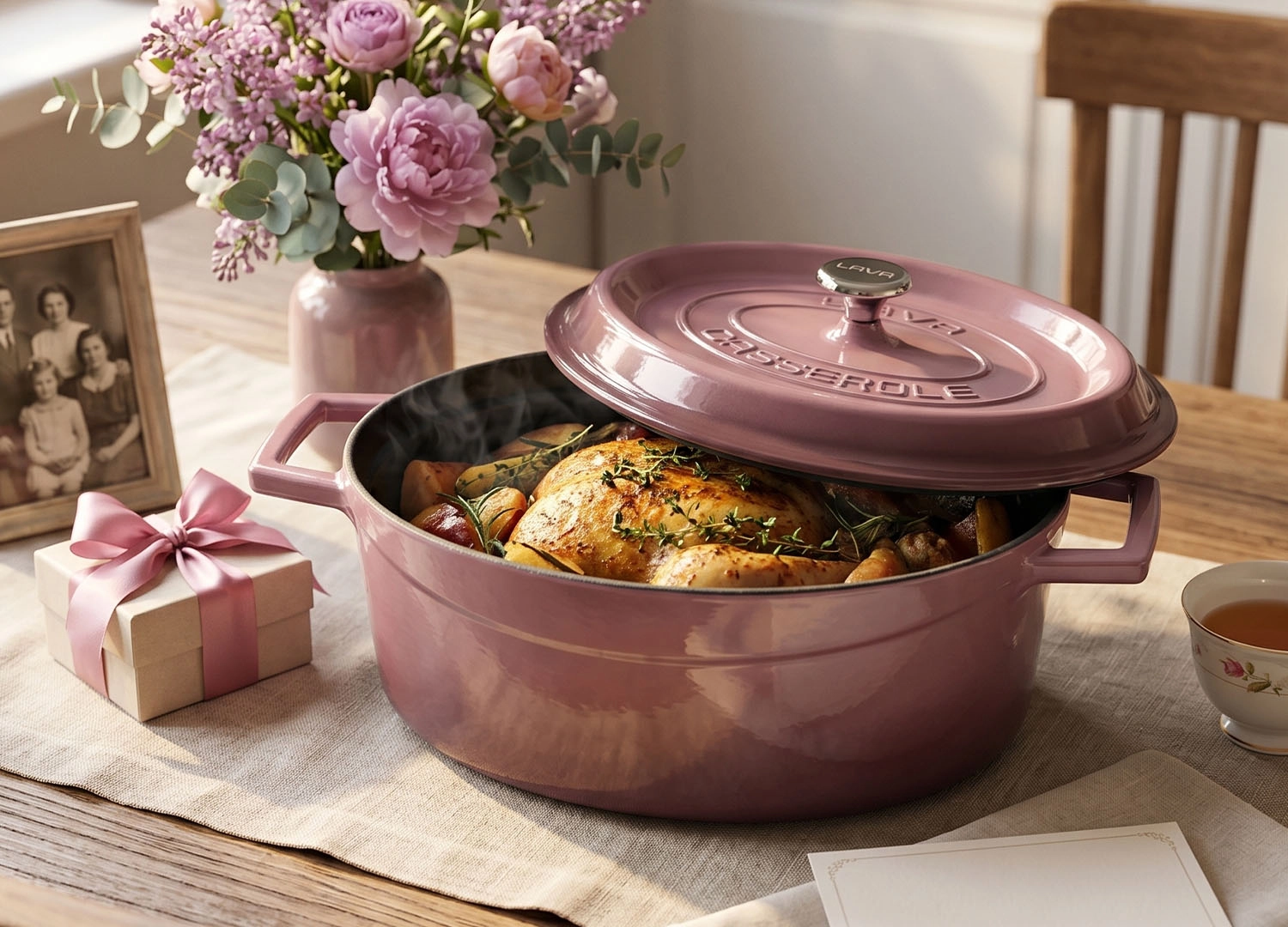
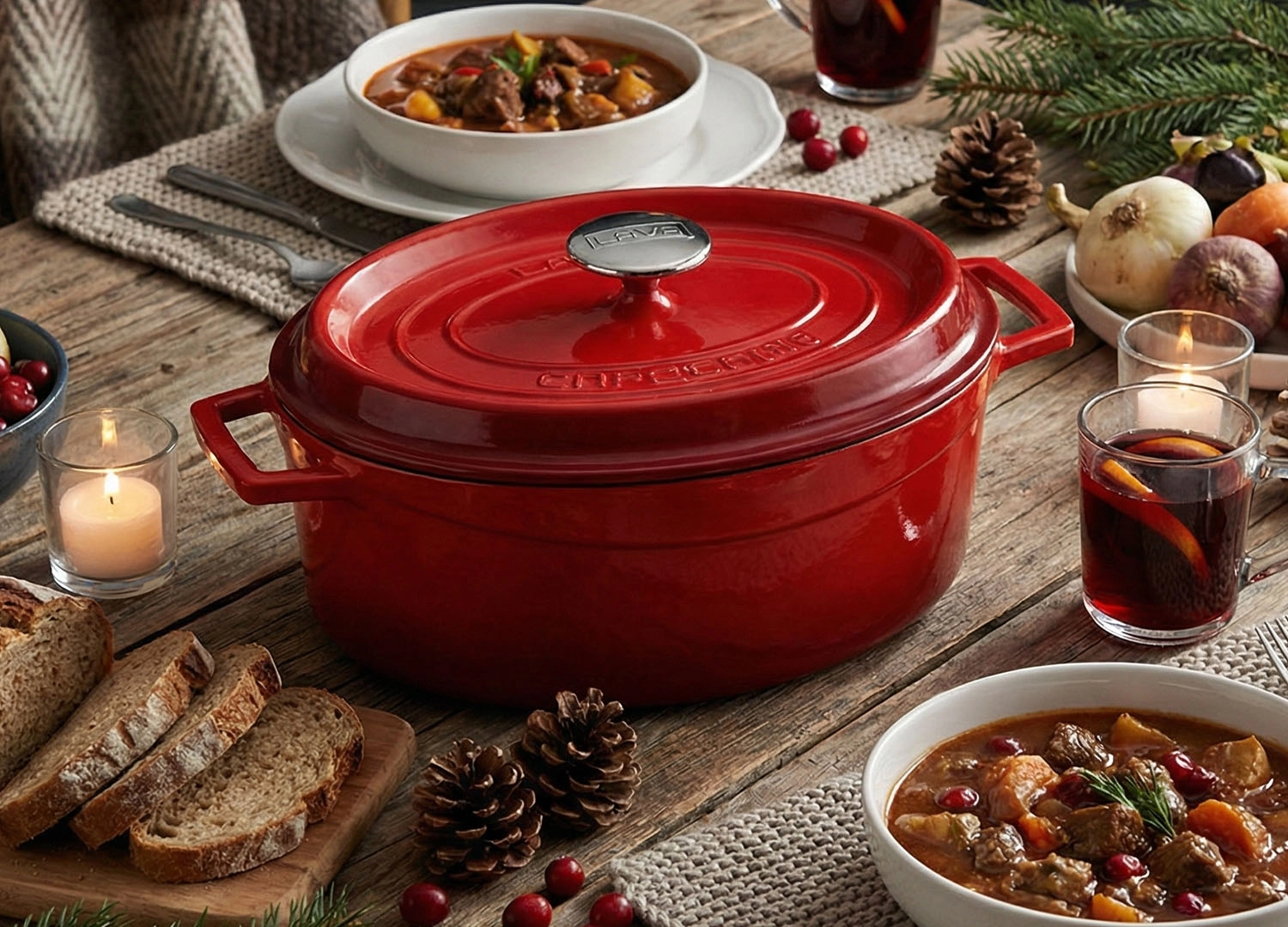
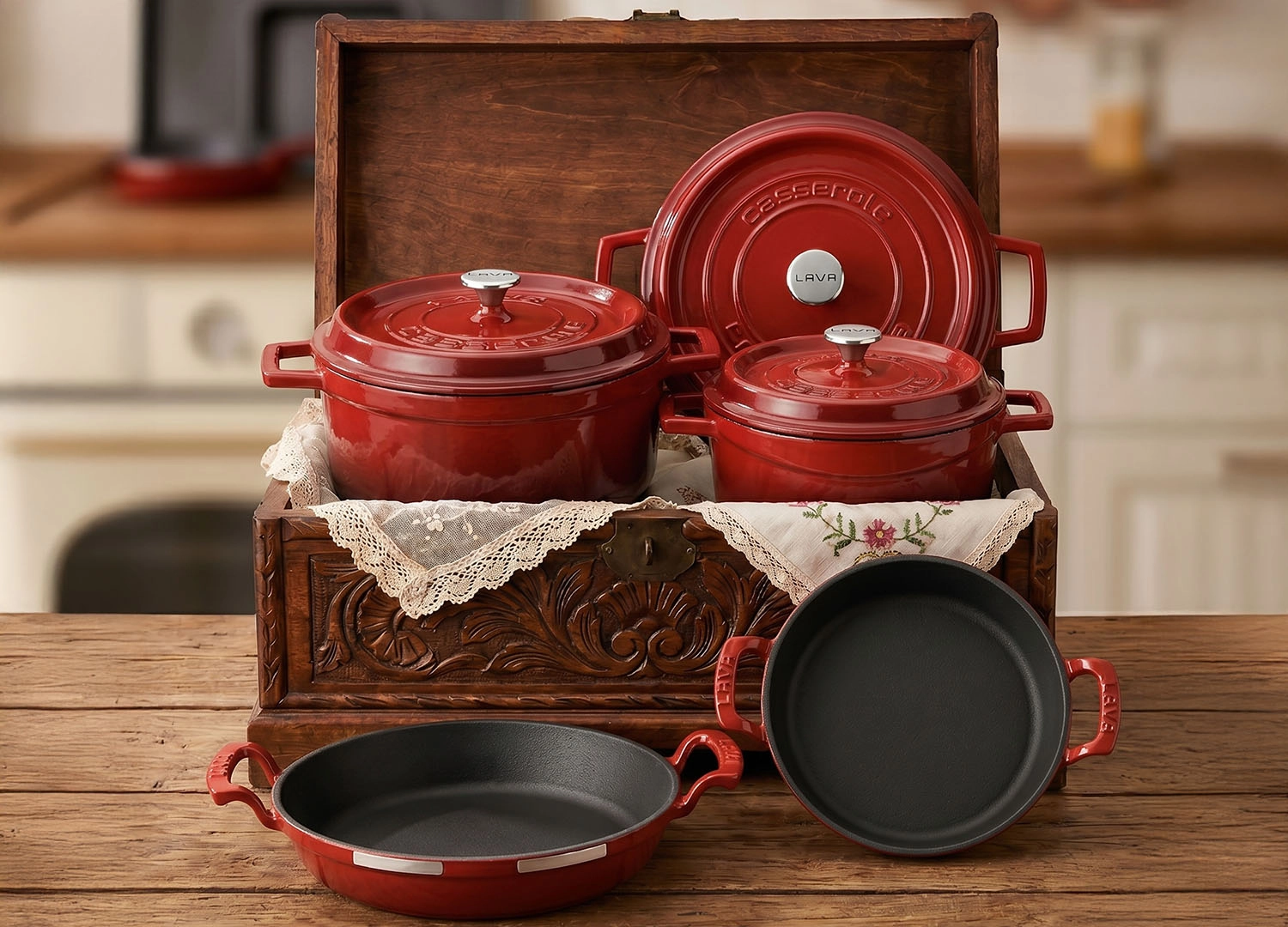
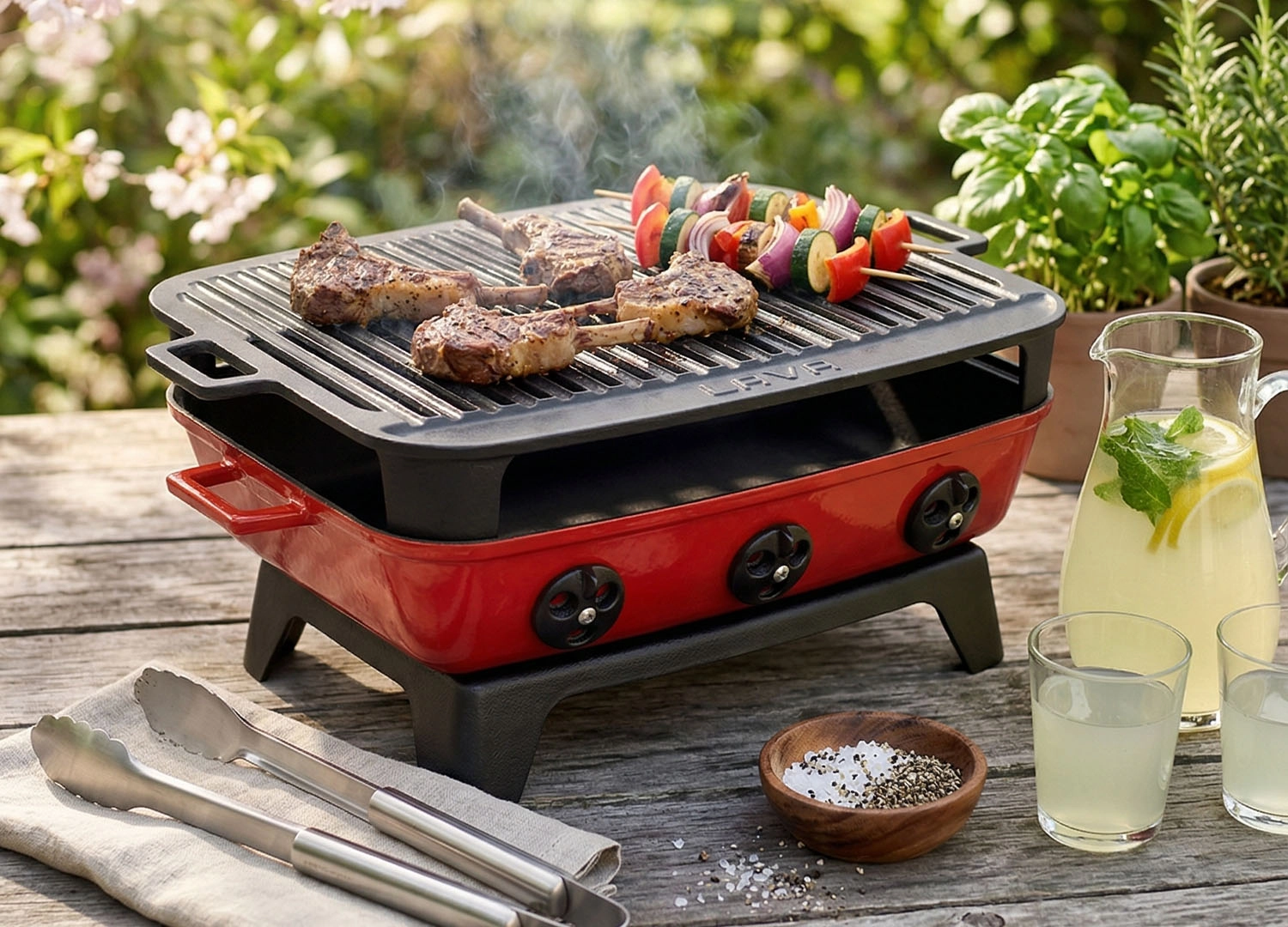
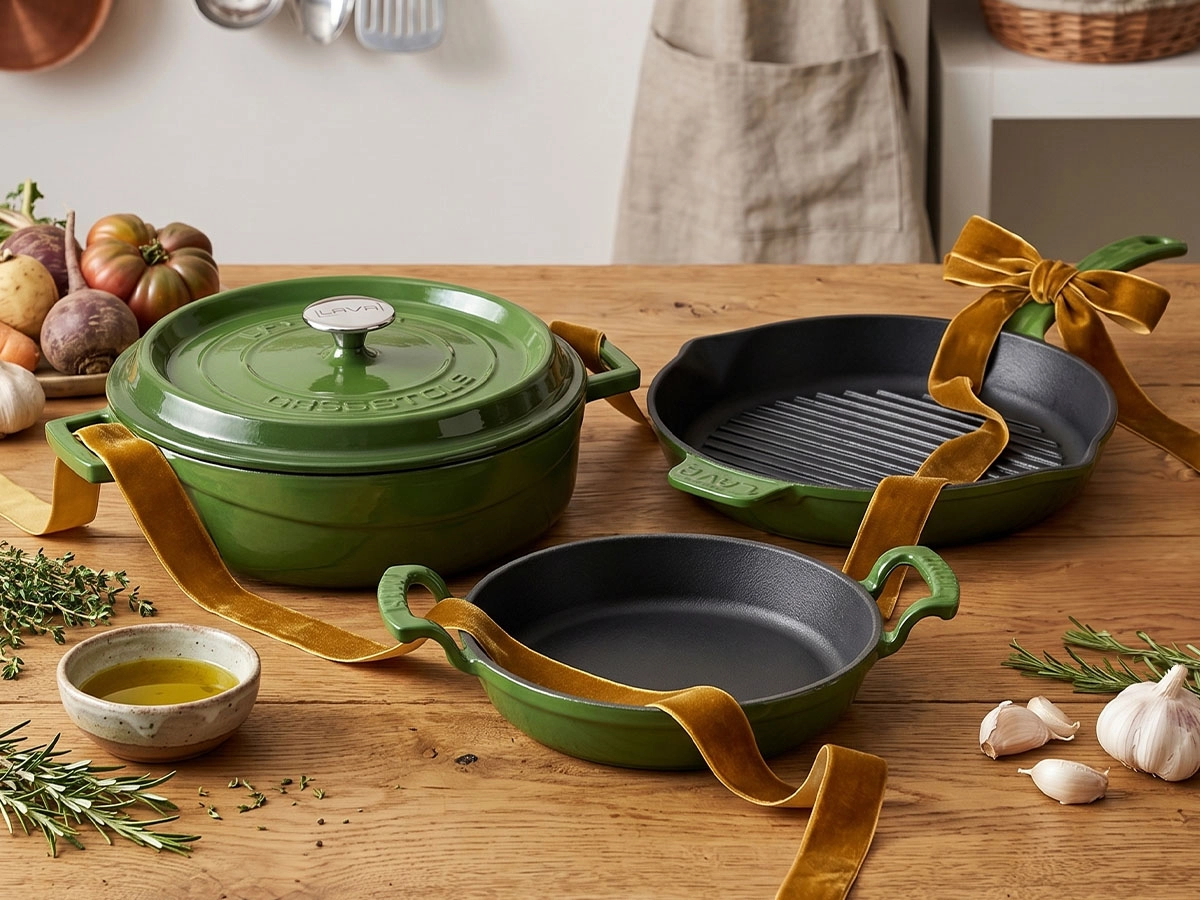
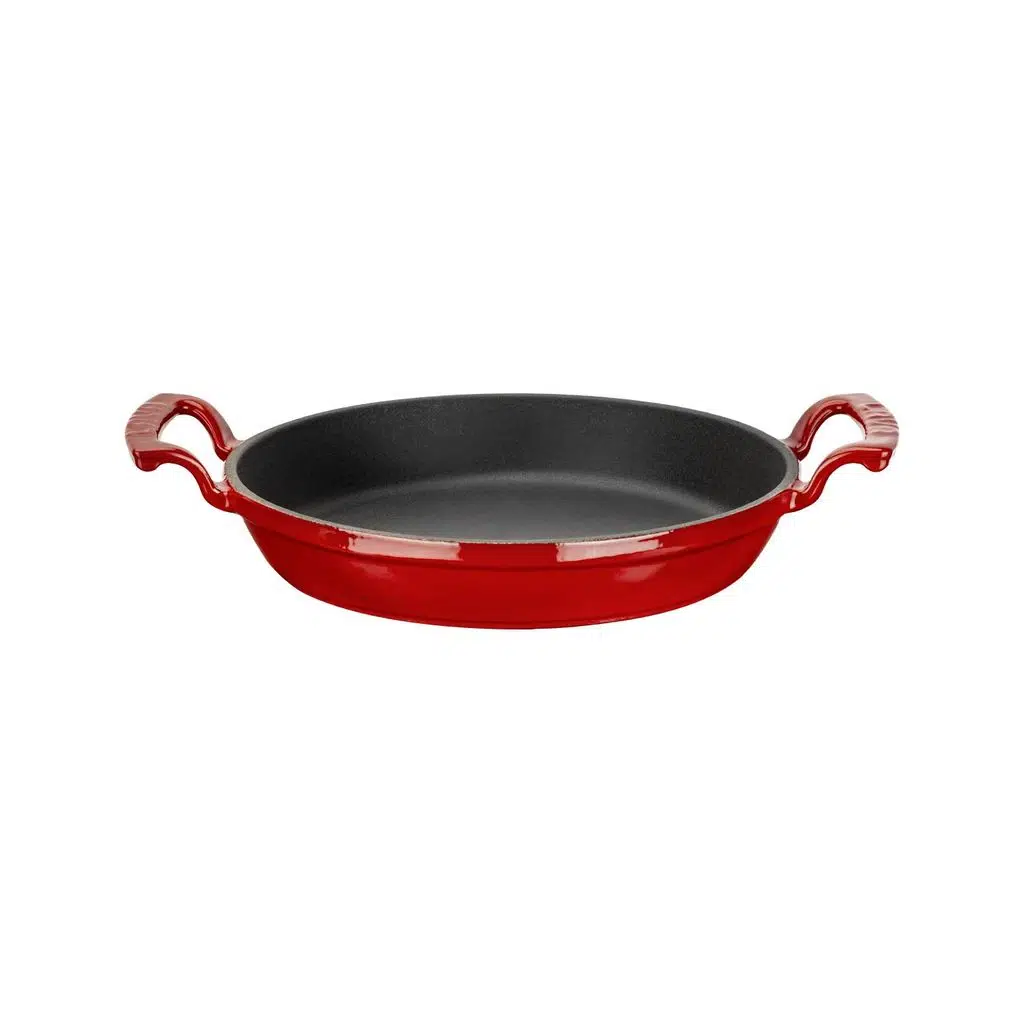
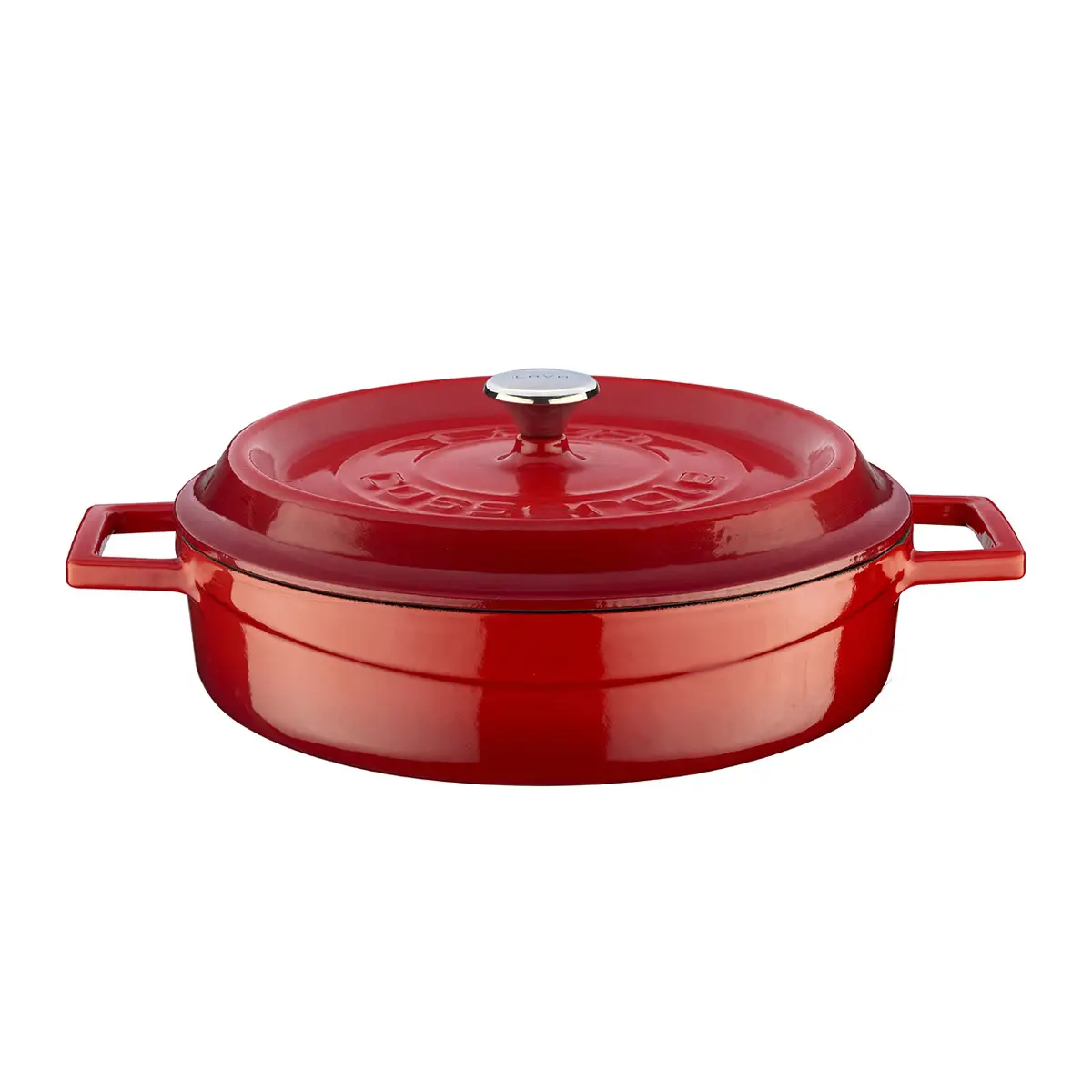
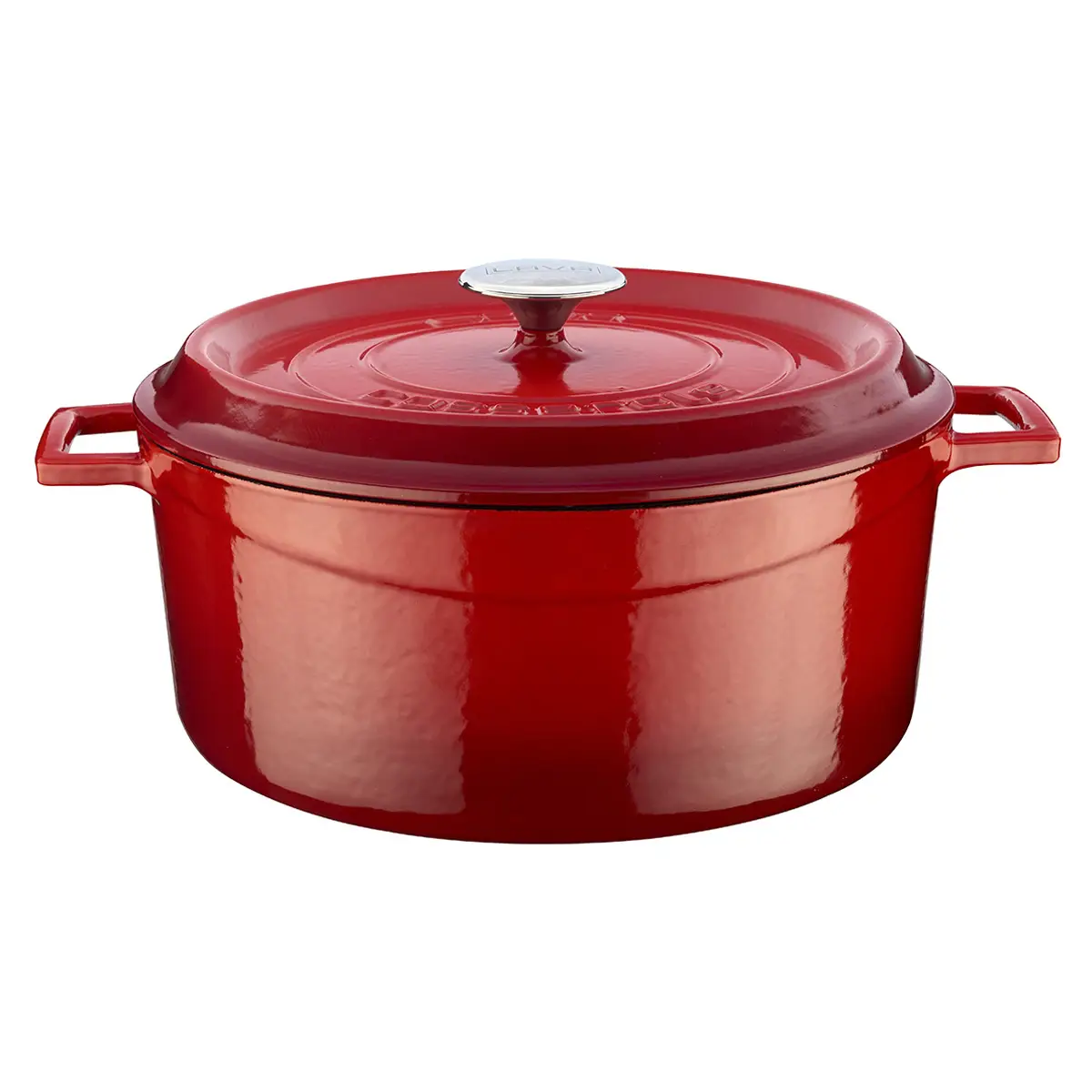
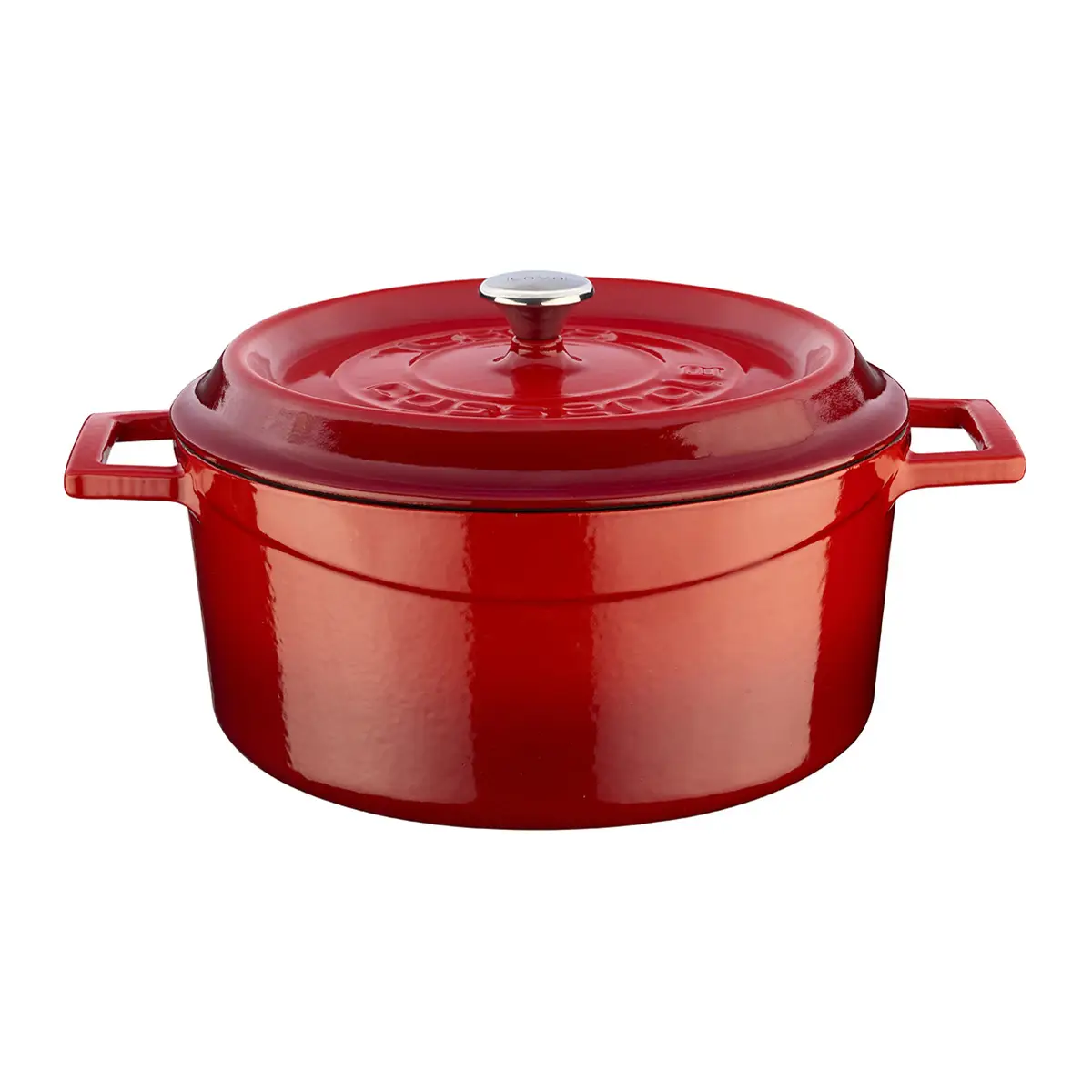
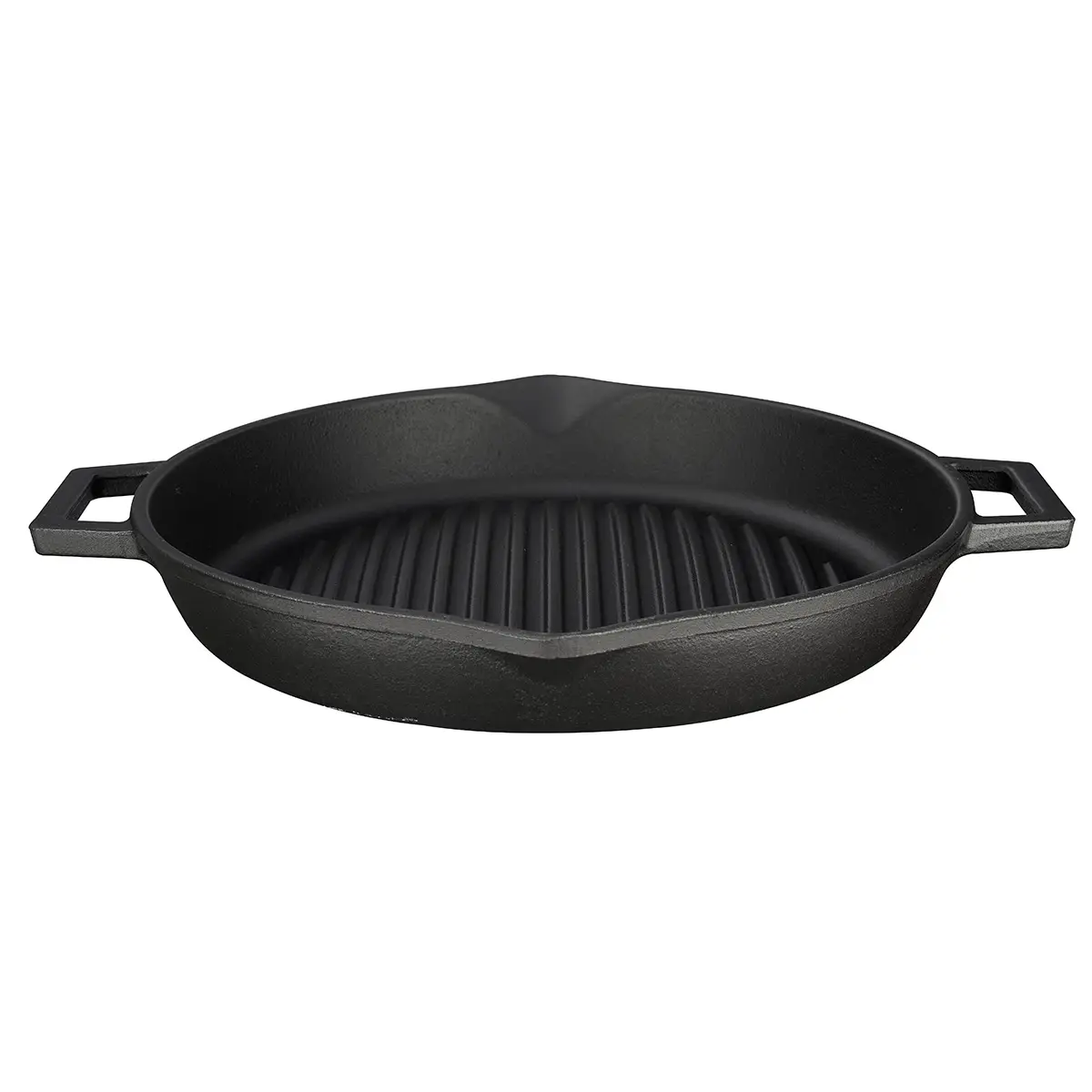
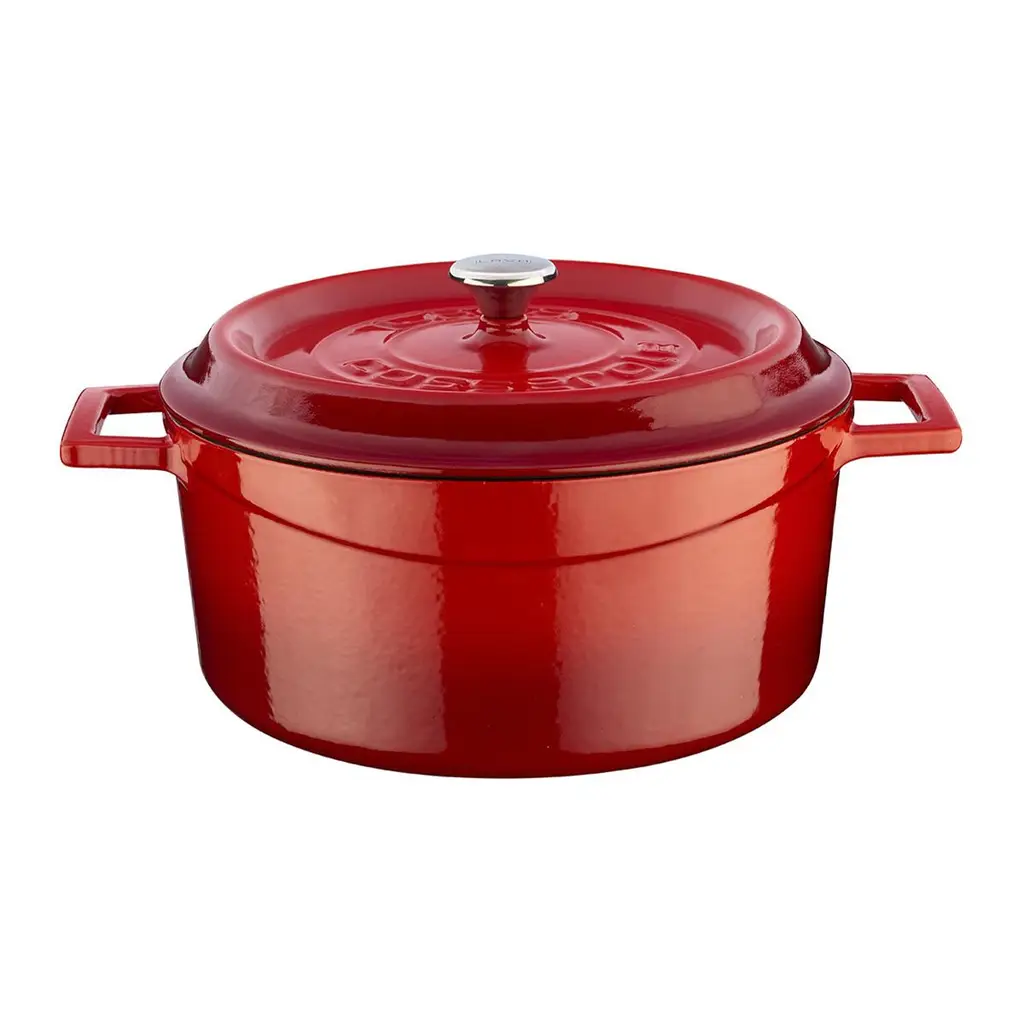
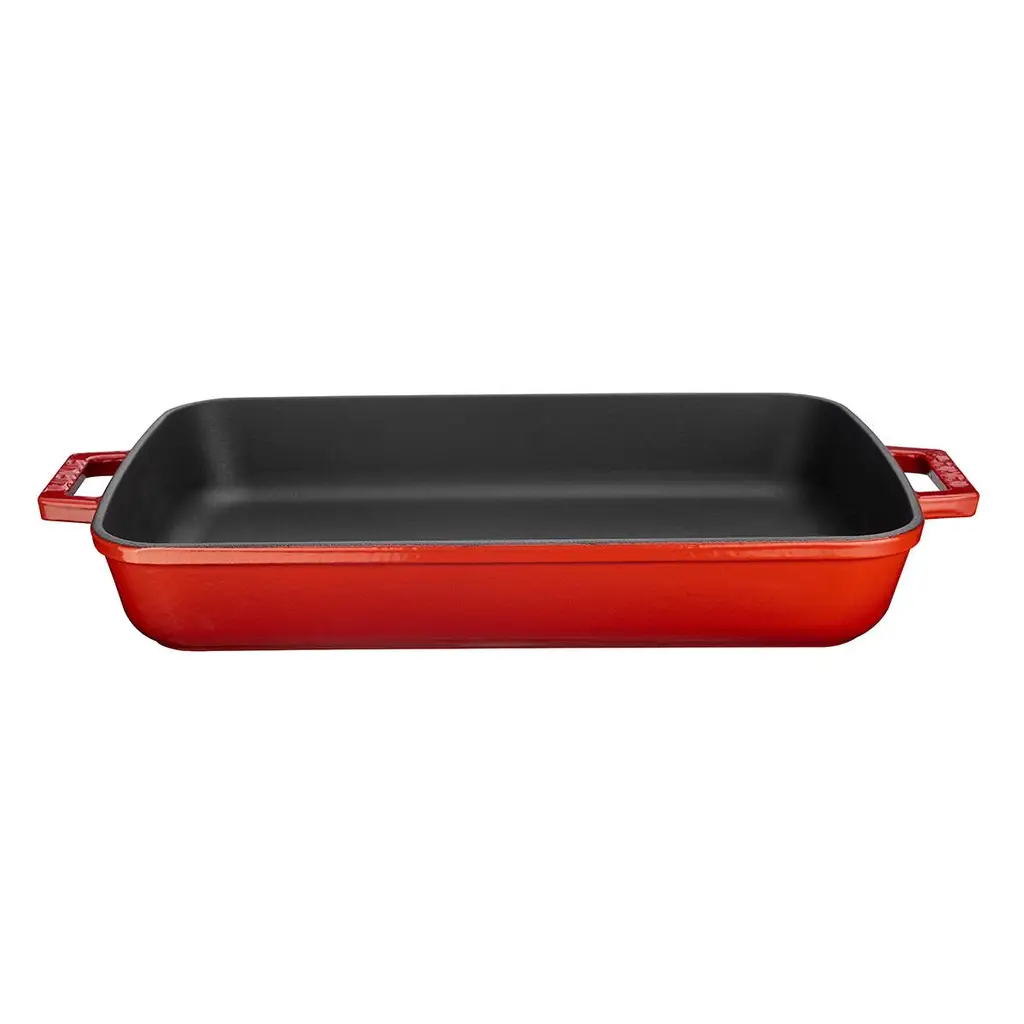
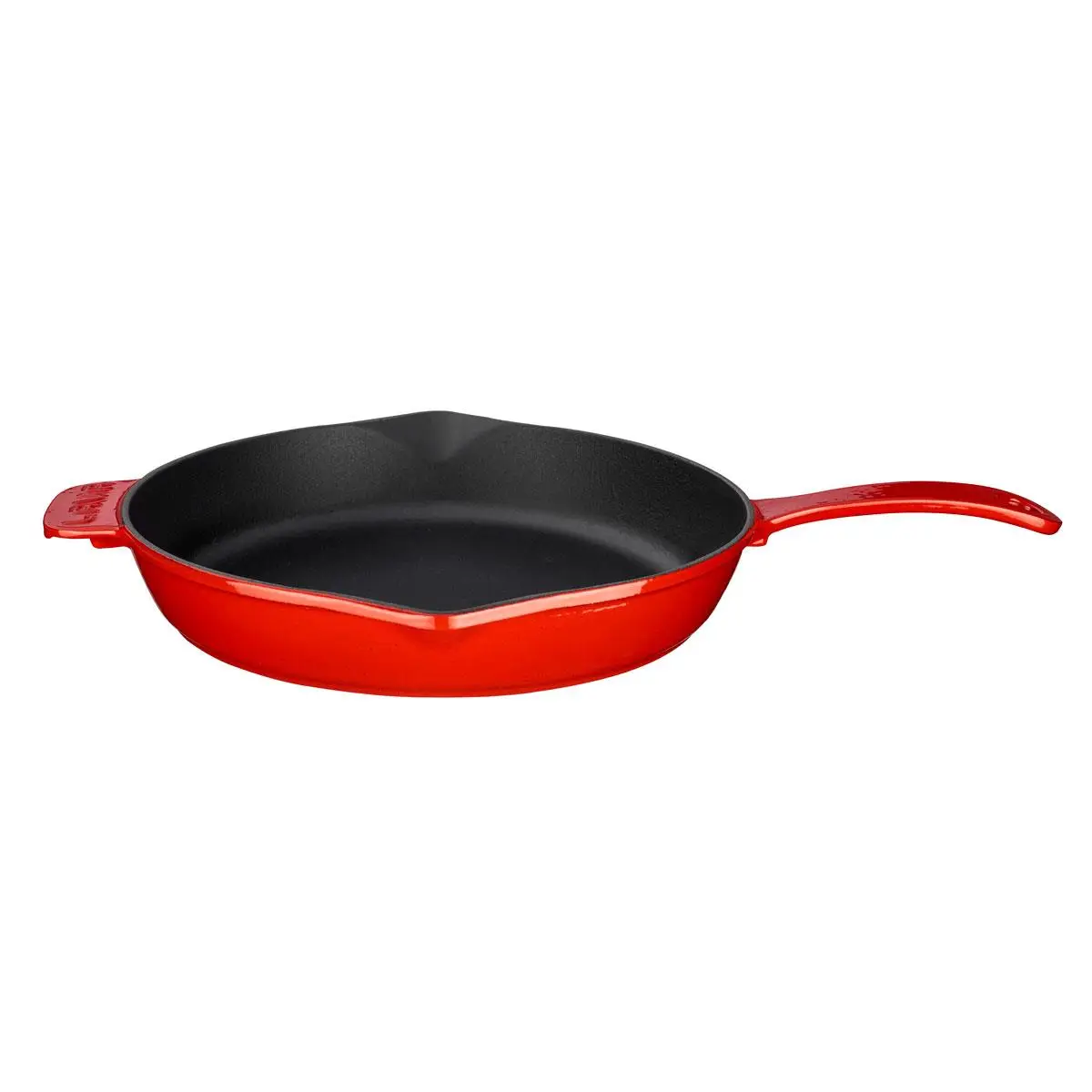
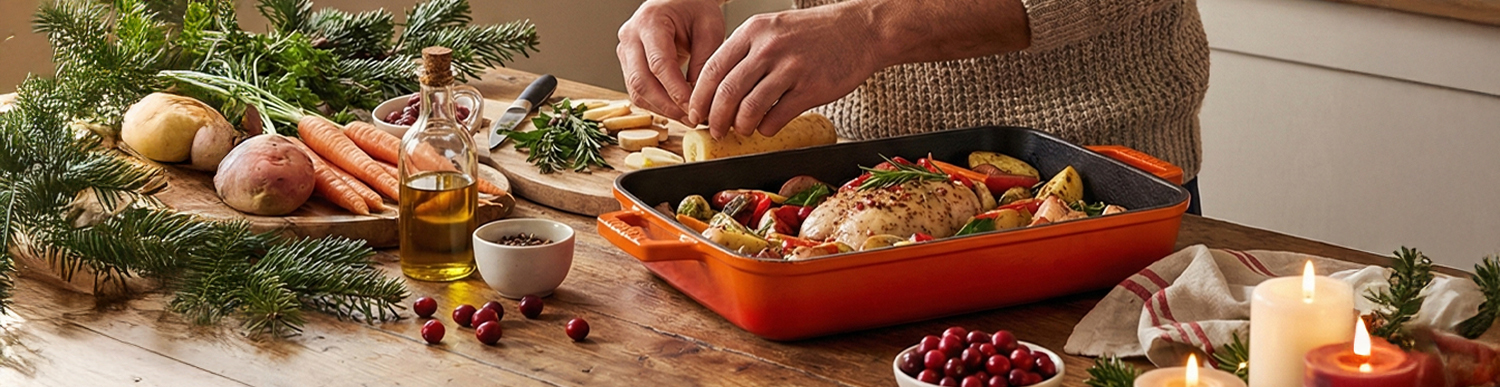
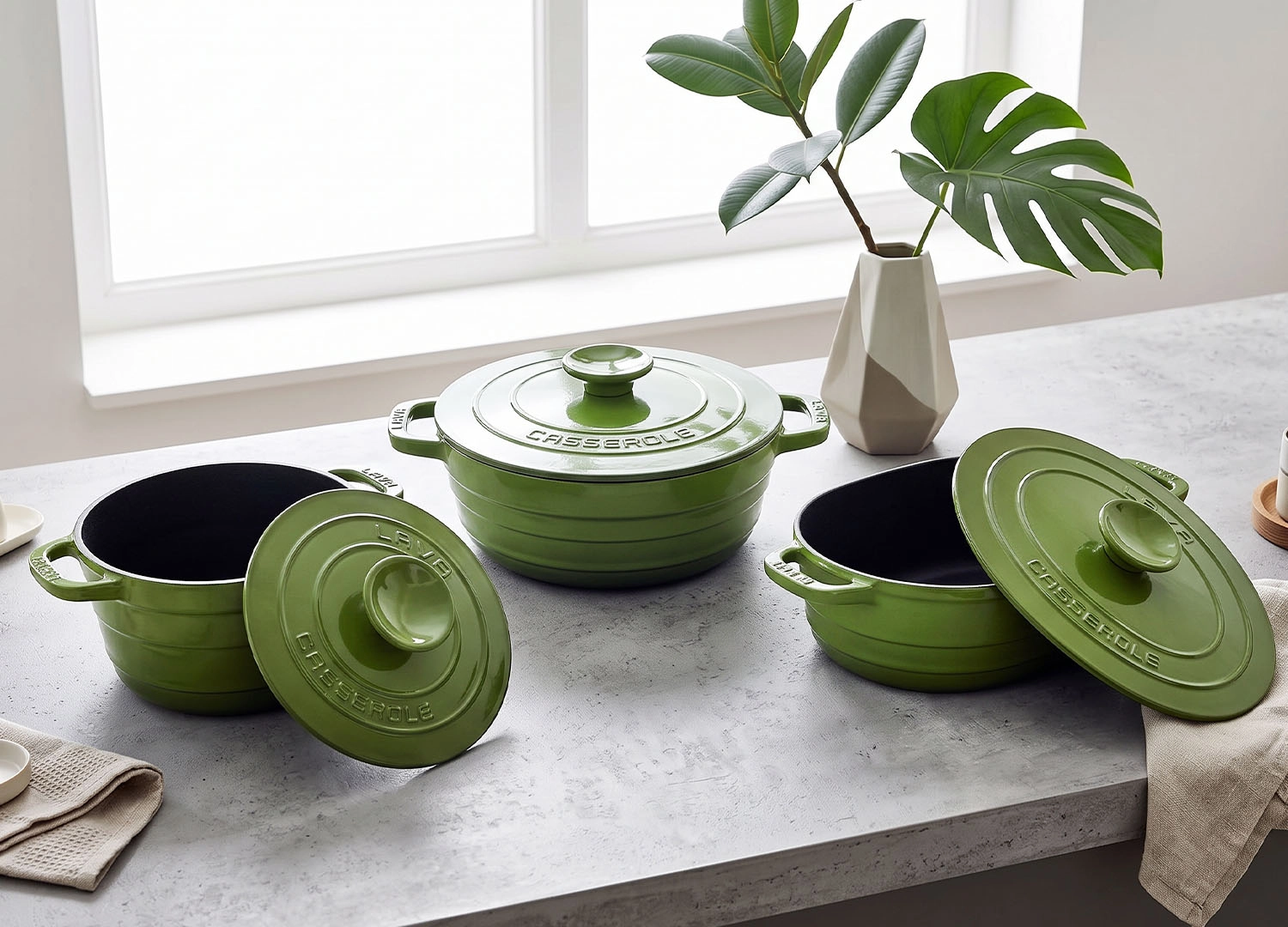
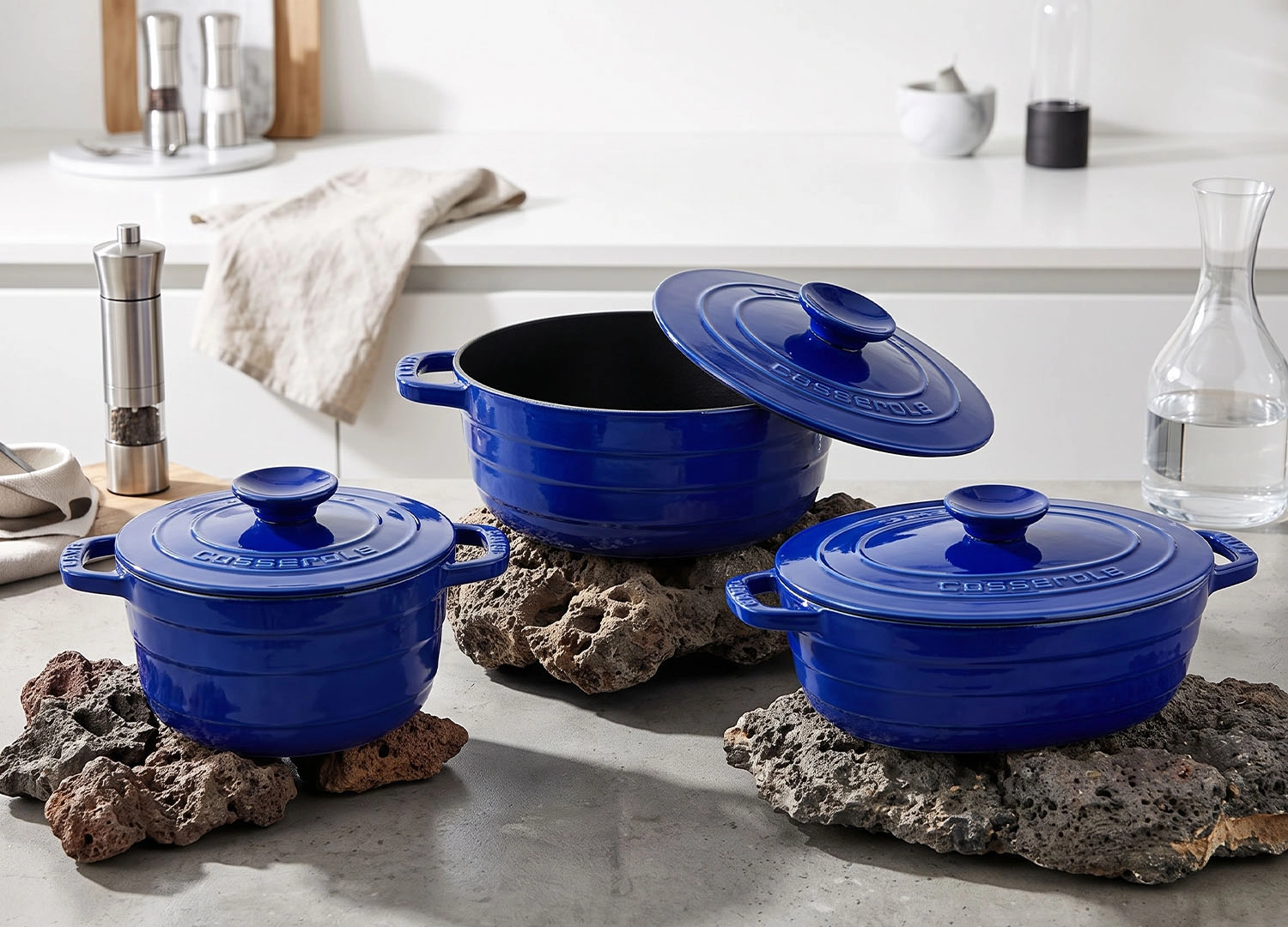
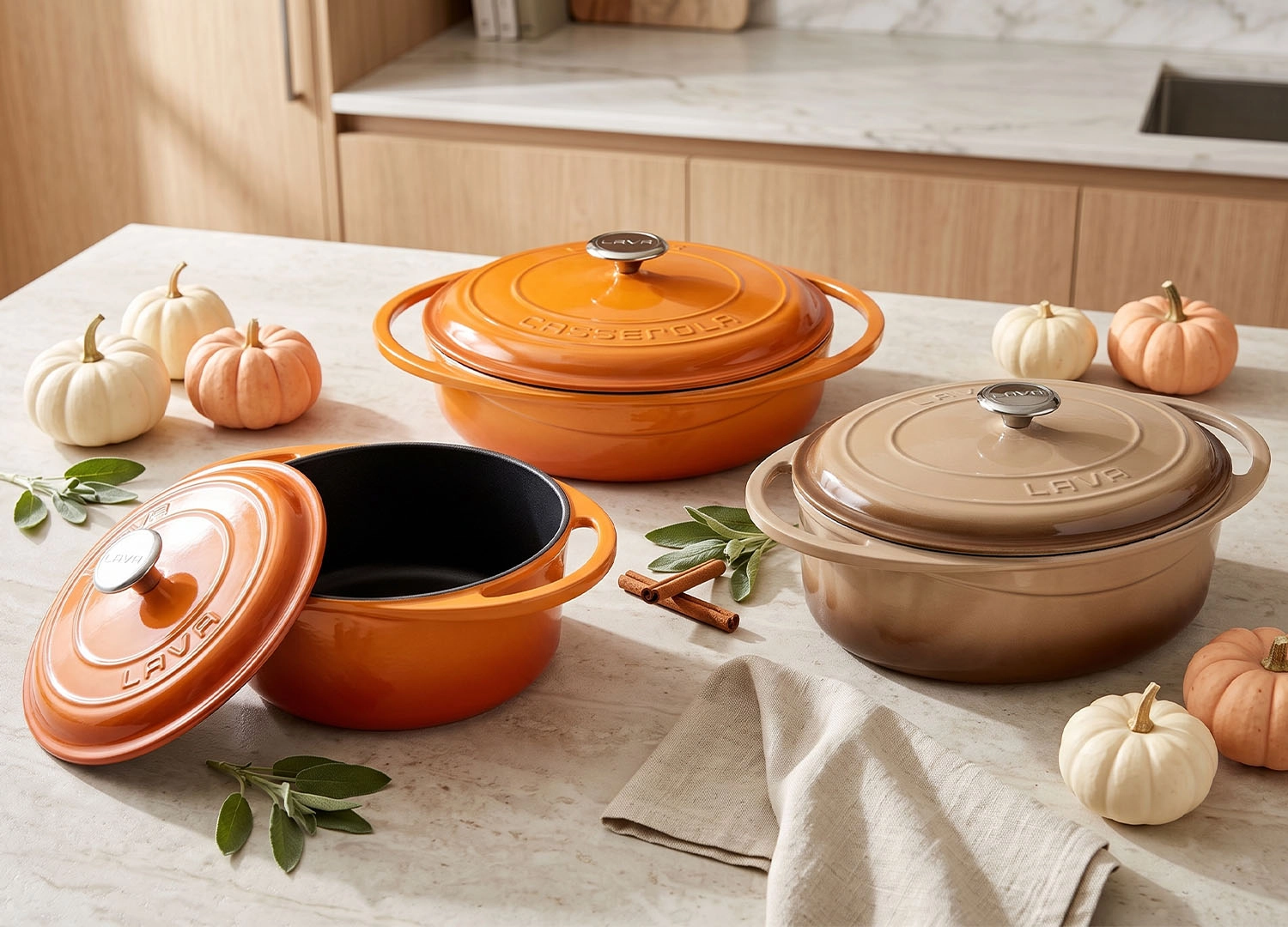
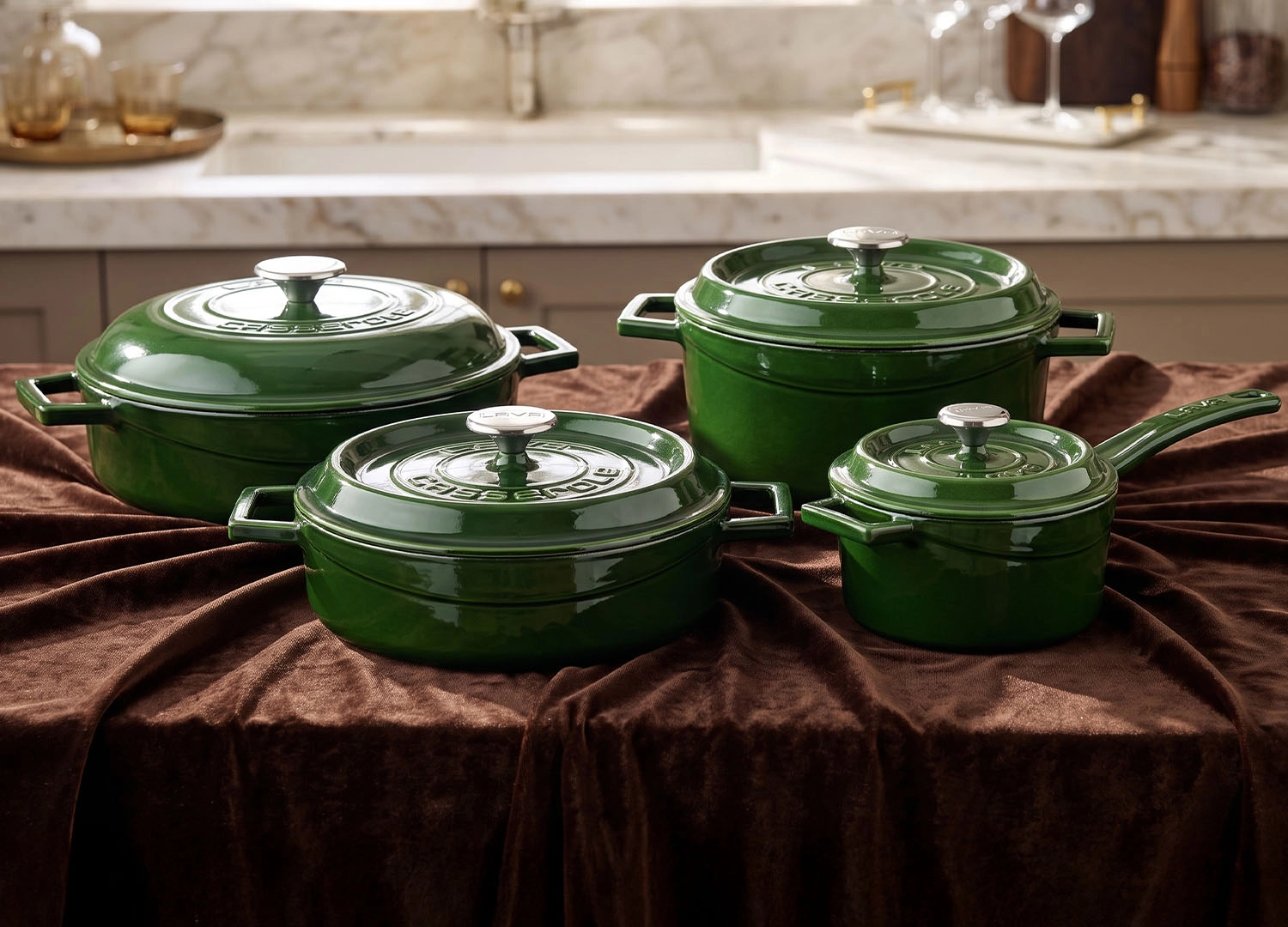
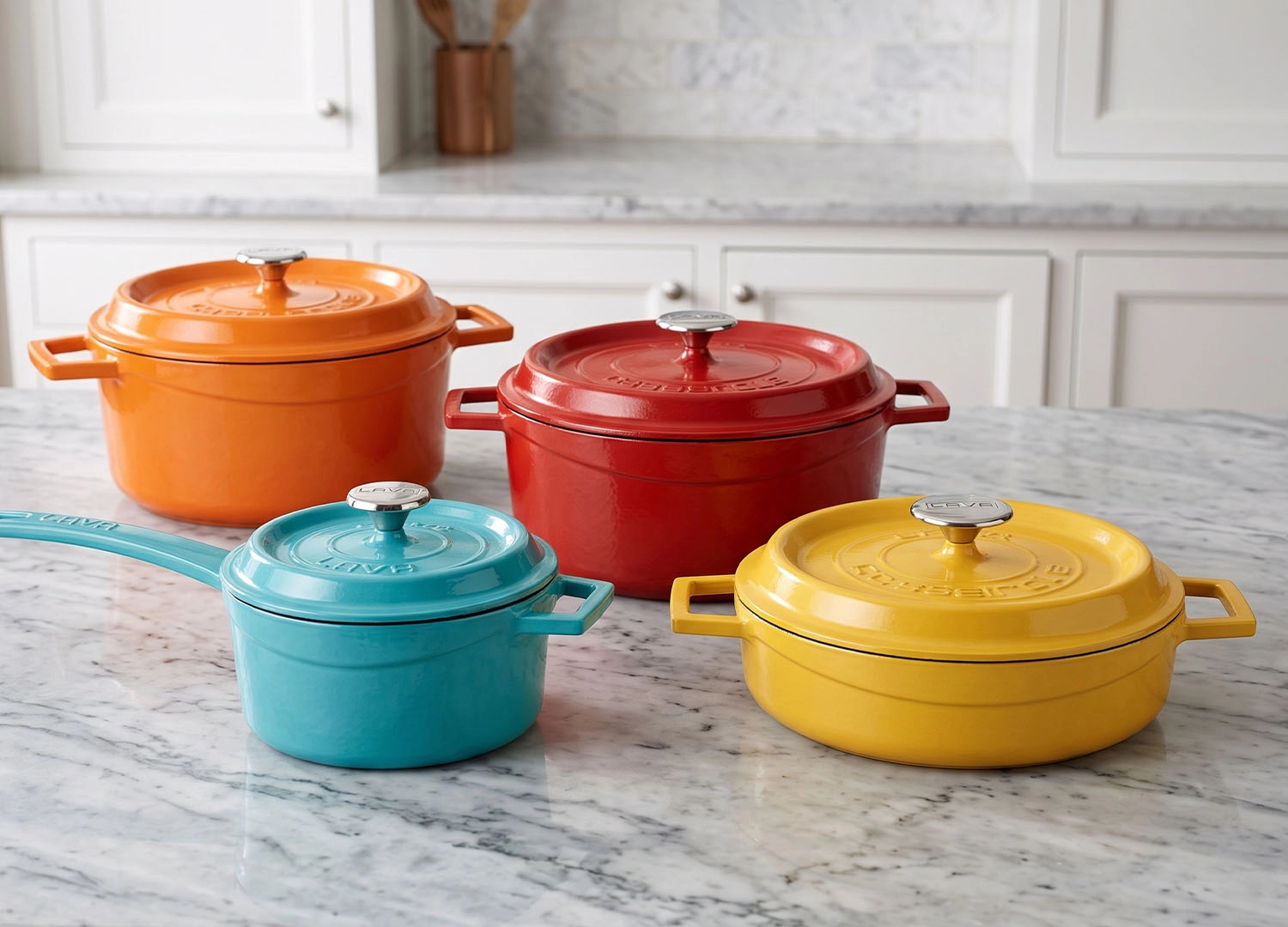
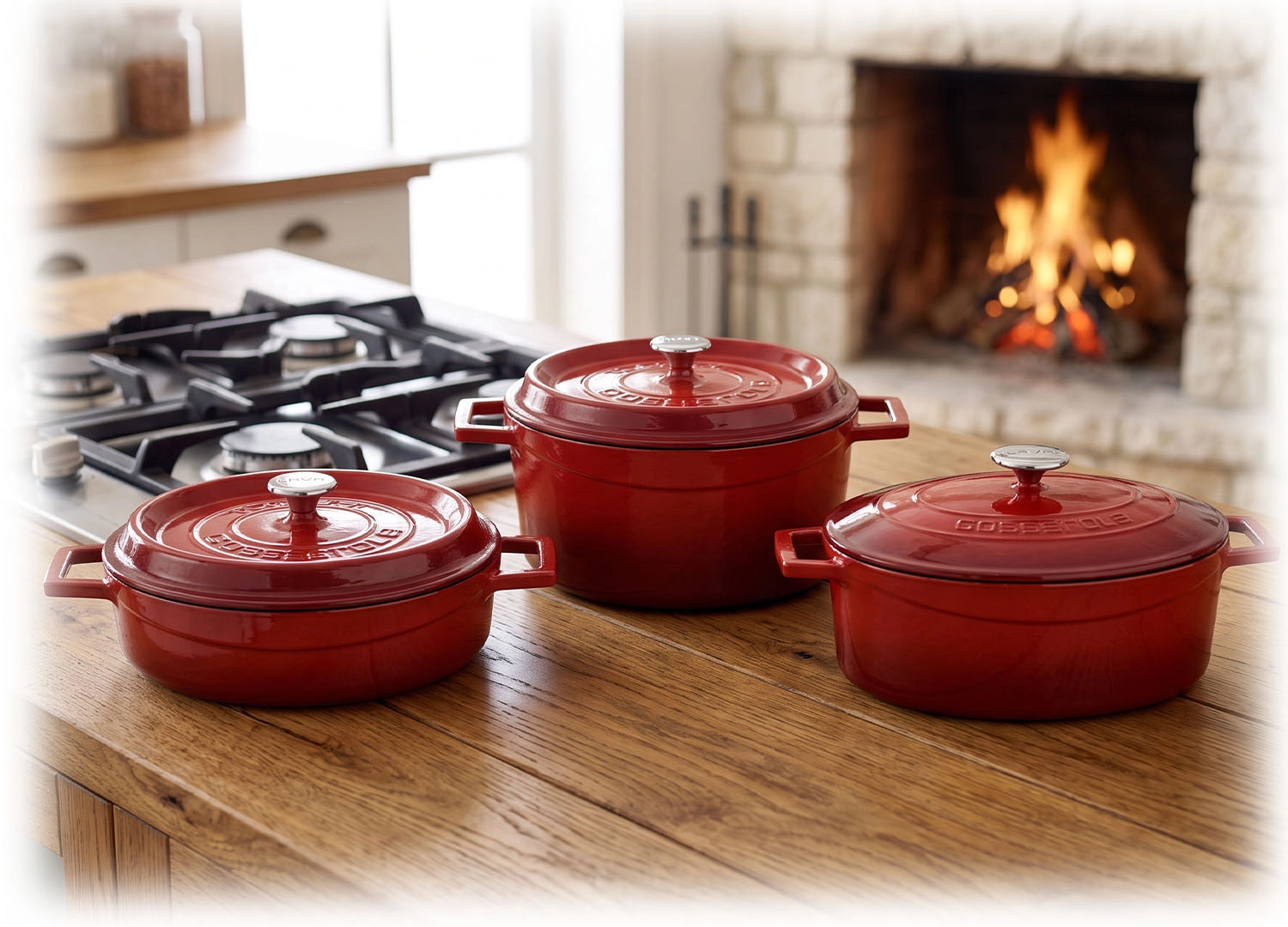
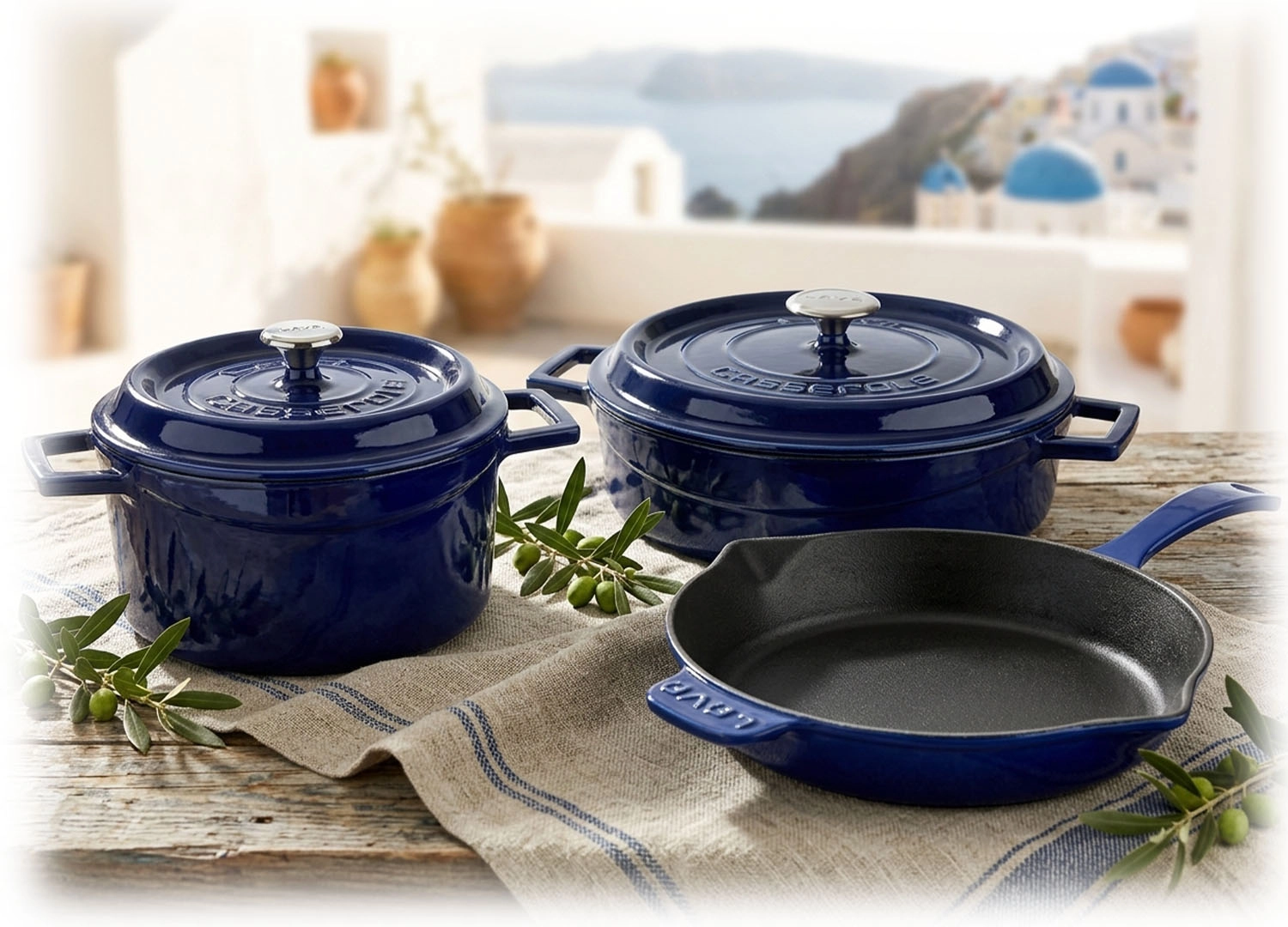
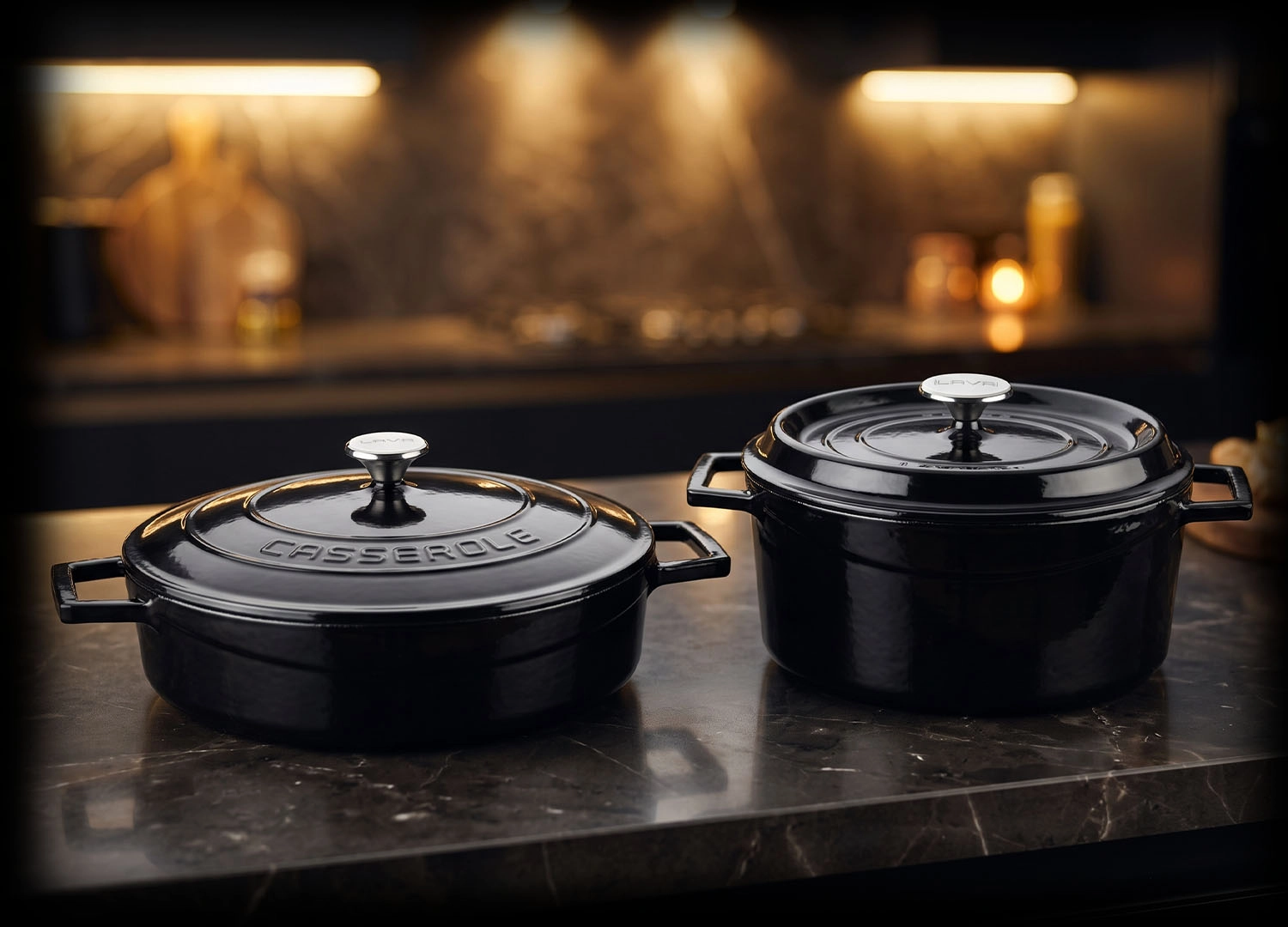
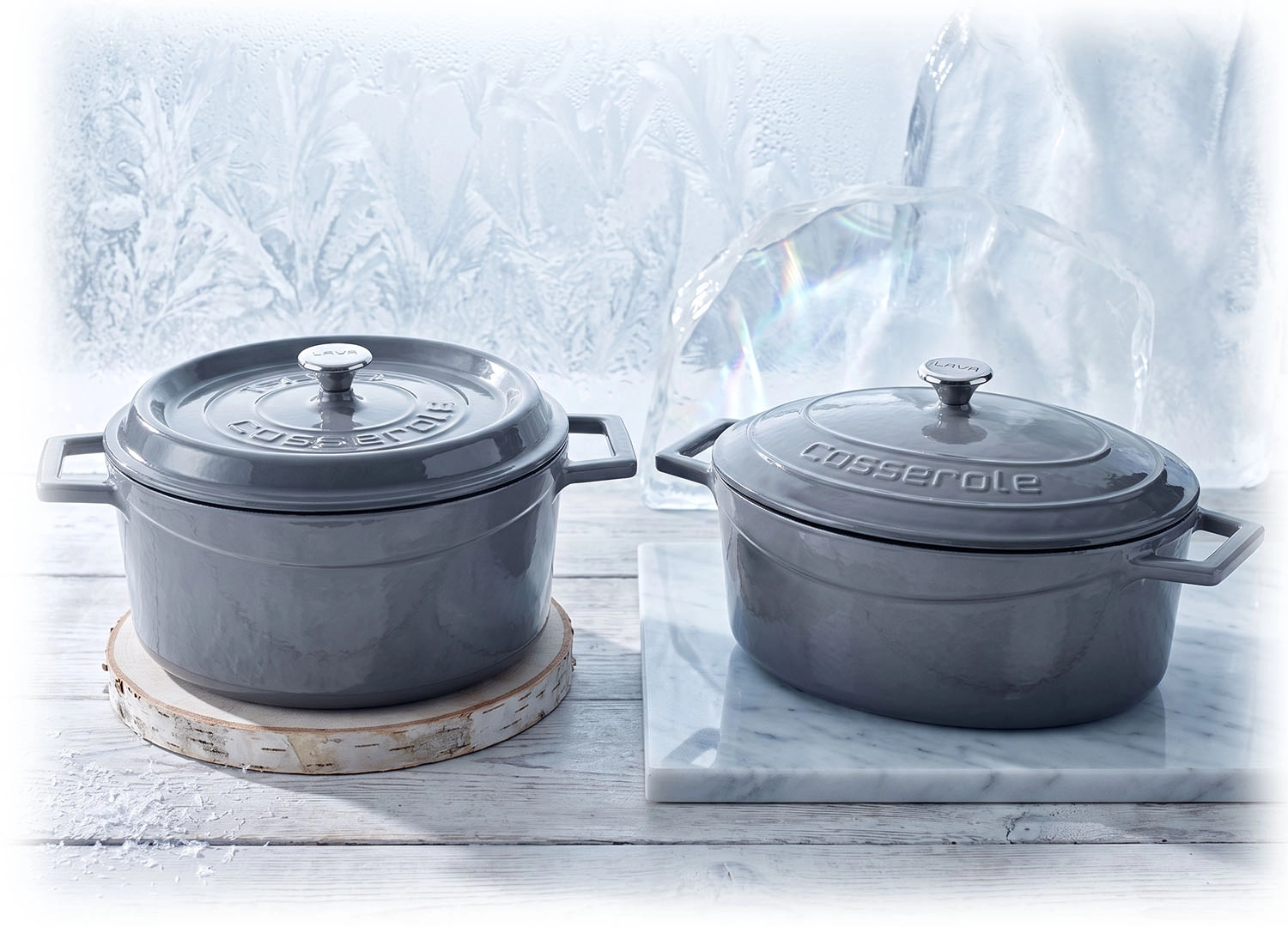
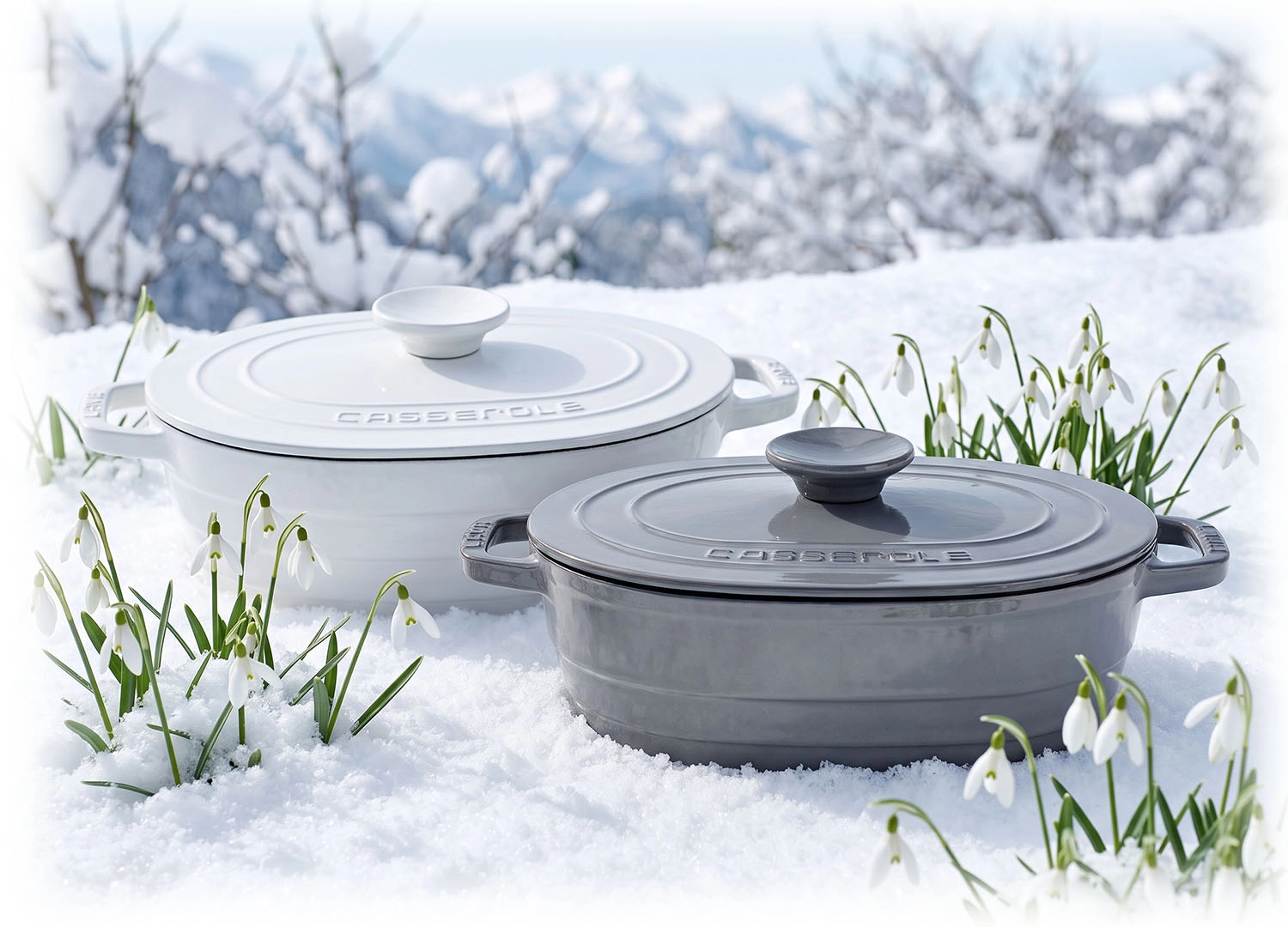
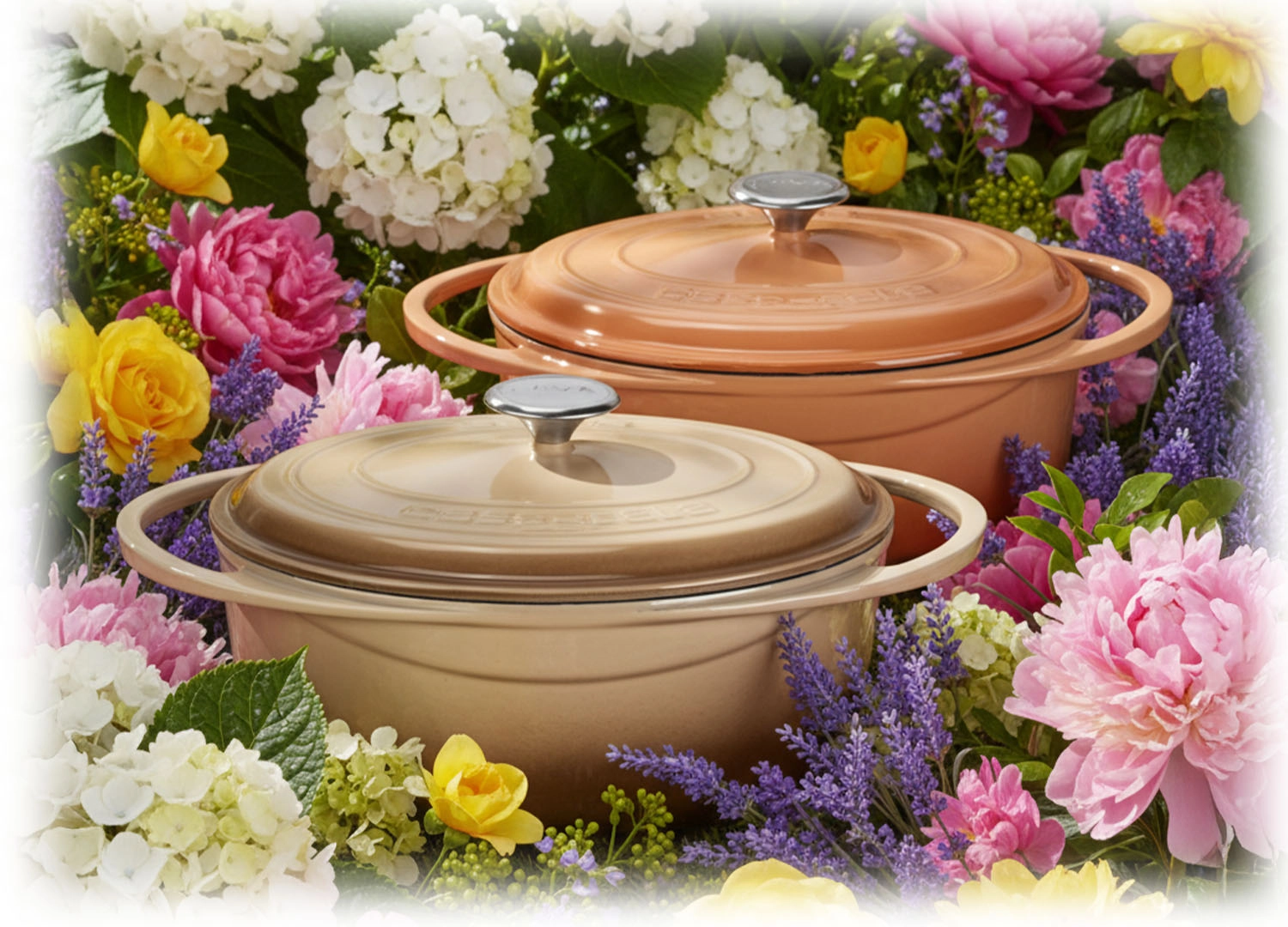
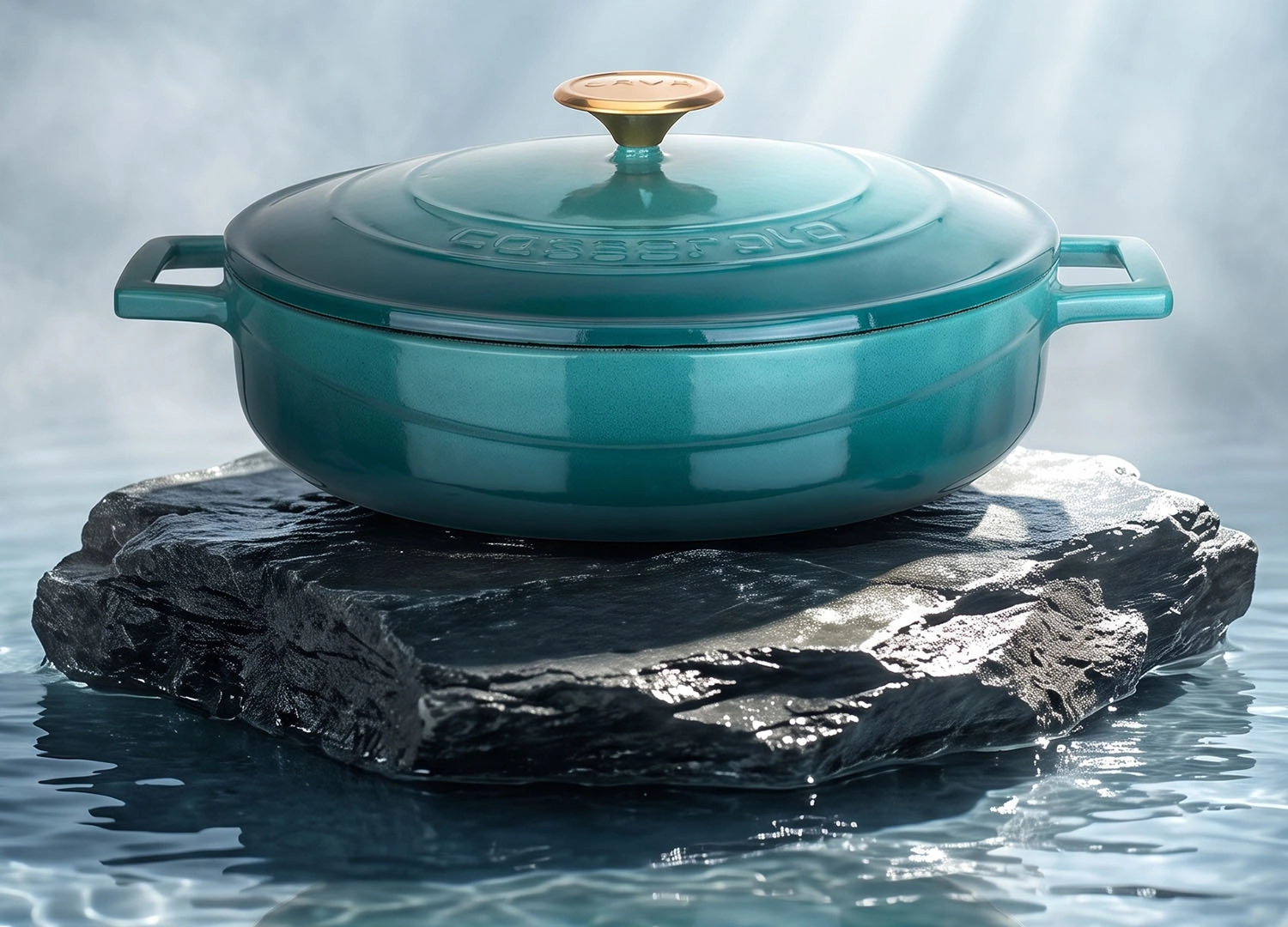
The rise of cast iron cookware—pots, pans, and casseroles—is also part of this movement. Cast iron:
Enhances flavour,
Enables natural cooking without chemical coatings,
Offers a rustic and authentic presentation.
Many chefs now support the formula “minimally processed ingredients + natural cooking techniques” through the use of cast iron.
A similar transformation is evident in home kitchens. People not only want to cook—they want to cook better and more consciously.
Consumers now pay close attention to:
Sugar content,
Additives,
Protein and fibre ratios,
Levels of processing such as pressing, grinding, or fermentation.
Three major trends stand out in home kitchens:
Natural sweeteners,
Minimally processed grains,
Shopping from local producers.
Additionally, there is growing interest in homemade sauces instead of packaged ones, and nuts or fresh fruits instead of processed snacks.
The popularity of air fryers, cast iron cookware, and steam-cooking sets signals a shift toward a less processed, healthier way of cooking.
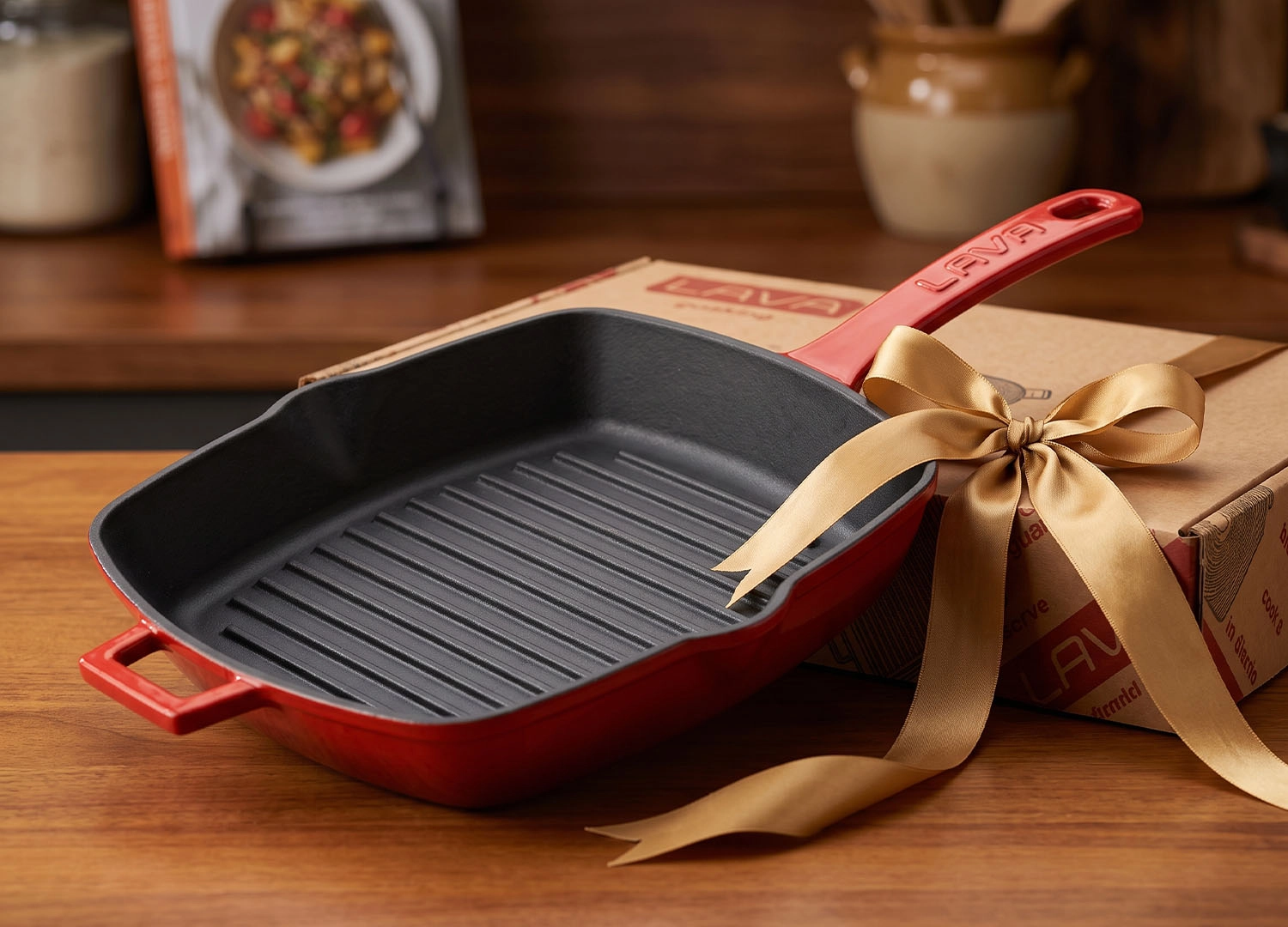
Cast iron provides a safe and natural cooking option because it:
Contains no chemical coatings,
Distributes heat evenly, reducing cooking time,
Enables high performance with little to no oil.
This makes minimally processed food + natural cooking a powerful combination in home kitchens.
Growing demand for transparency is transforming not only consumers’ expectations but also brands’ operational structures.
Both restaurants and households are shifting from long, complicated supply chains to local sourcing.
Lower carbon footprint,
Fresher ingredients,
Direct communication with producers,
Greater control over product quality.
This “farm-to-table” approach has become a global quality criterion—even referenced in international restaurant guides.
Many brands now use QR codes on packaging. By scanning the code, consumers can access:
The origin of the product,
The nutritional chain,
Production processes,
Packaging materials,
Certifications.
Blockchain technology is expected to play an increasingly important role in food transparency. It:
Reduces counterfeiting,
Records every step of the supply chain,
Offers unrivalled traceability.
Consumers’ environmental concerns are driving supply chains and kitchen preferences toward more sustainable models.
Highly processed foods often:
Require multi-stage production,
Consume more energy,
Generate more waste.
In contrast, minimally processed foods:
Have shorter production cycles,
Produce less waste,
Offer lower storage and distribution costs.
Homes and restaurants are increasingly embracing sustainable cooking methods:
Long-lasting cast iron cookware,
Low-energy cooking appliances,
Zero-waste kitchen management,
Composting practices.
The trend toward transparent ingredients and minimally processed foods is not a passing fad; it marks a permanent transformation.
This shift:
Makes restaurant menus simpler, more natural, and more authentic,
Encourages conscious consumption at home,
Restructures supply chains,
Places sustainability at the centre of the food system.
Both professional and home kitchens are moving toward a healthier, more natural, and more ethical food culture.
Consumers now have a clear expectation:
“I want to know what I am eating.”
Brands that want to thrive in the future of gastronomy must listen to this demand.
15.12.2025






Lava Döküm Online Fabrika Satış Mağazası. © 2026 All Rights Reserved.


0
)


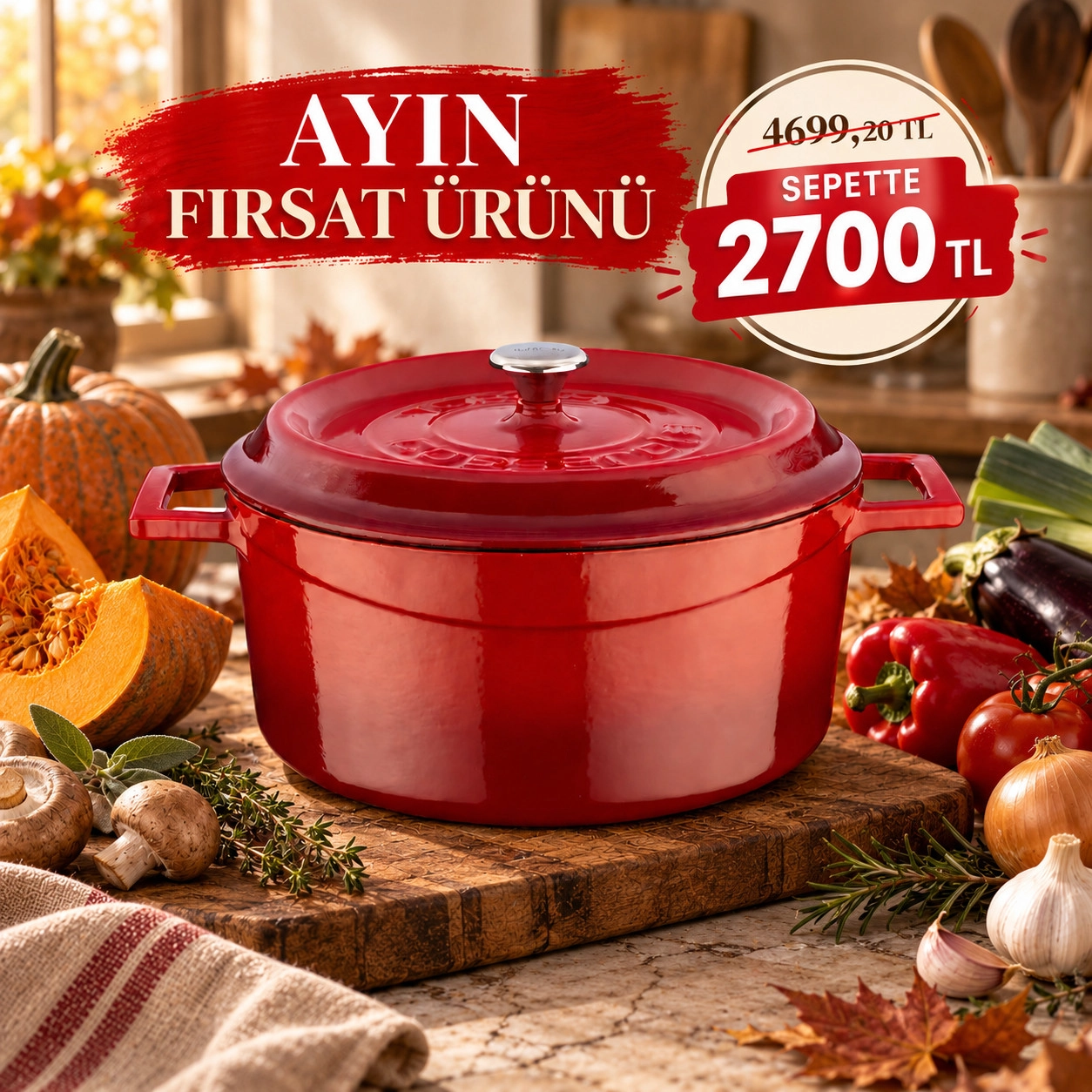 LAVA Round Cast Iron Casserole – Trendy Ø24 cm
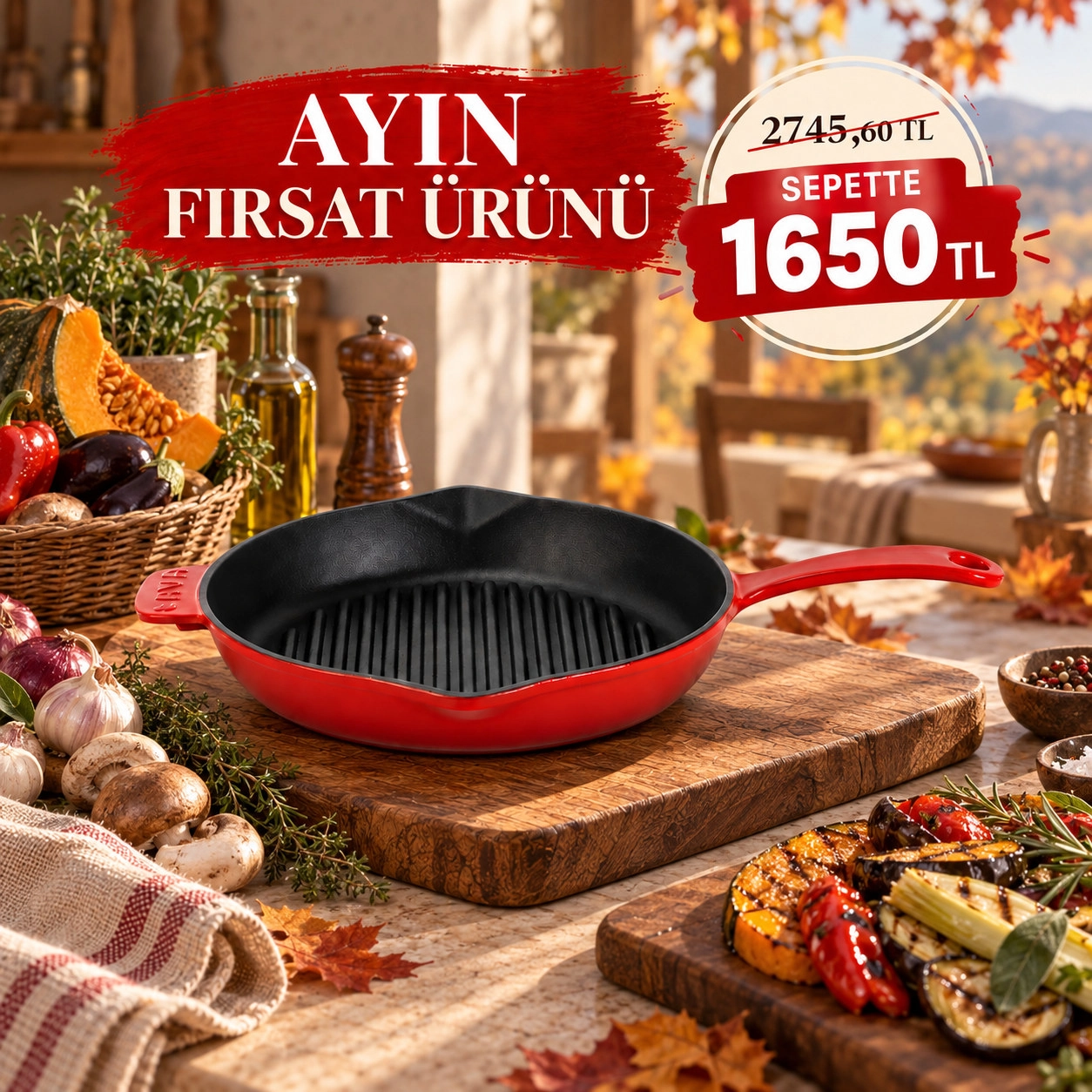 LAVA Round Cast Iron Grill Pan 28 cm Single Handle
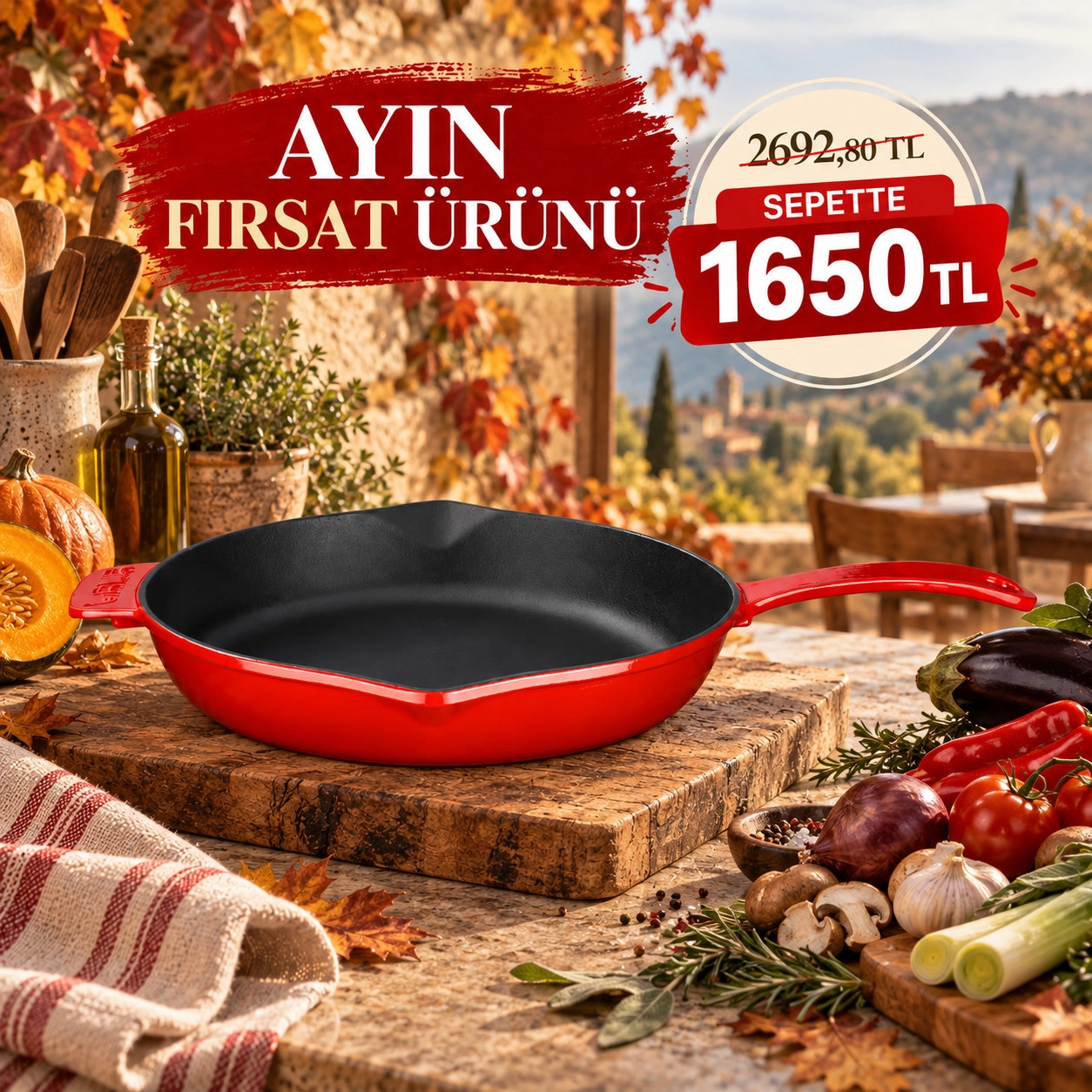 LAVA Round Cast Iron Frying Pan 28 cm Single Handle
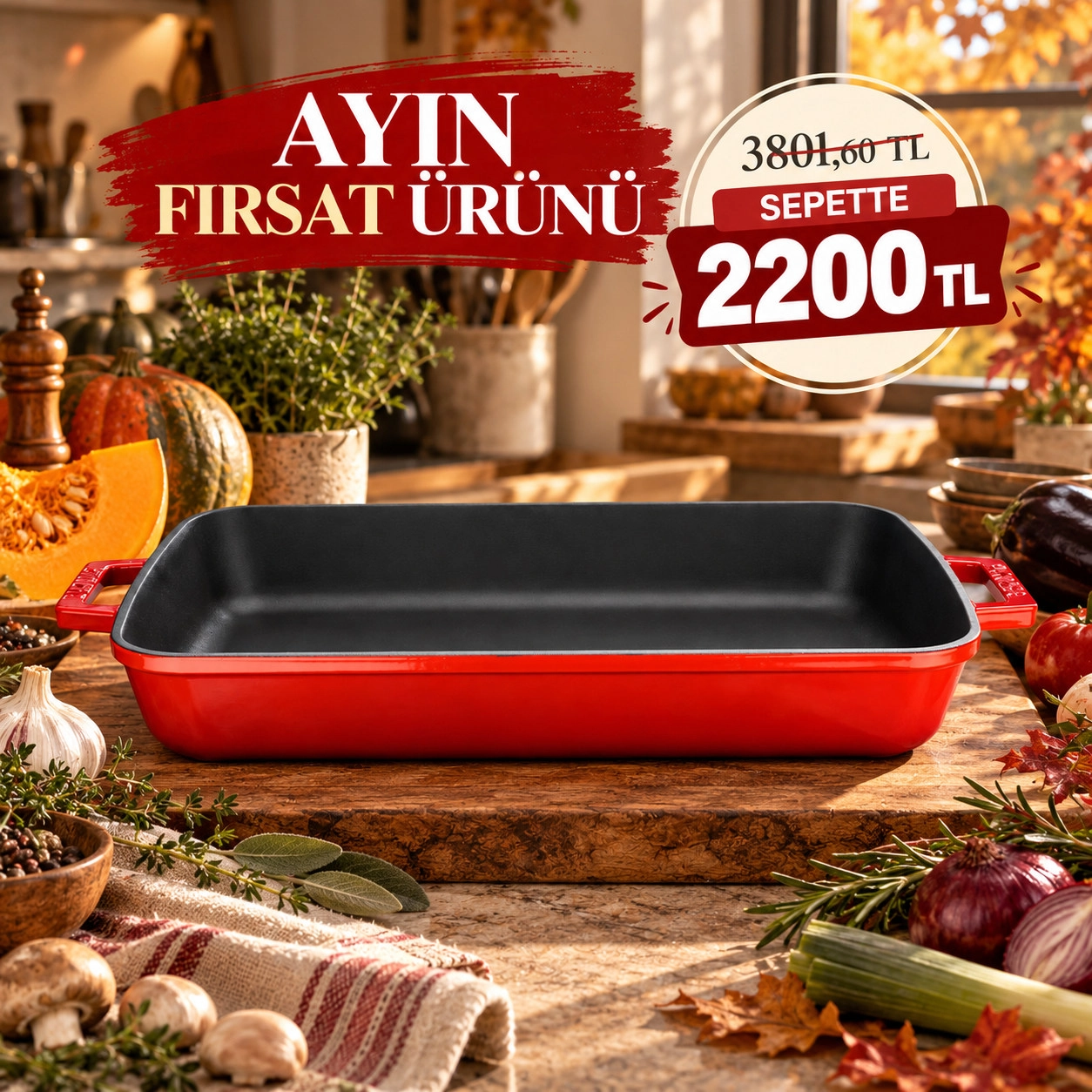 LAVA Rectangular Cast Iron Roasting & Oven Tray 26x40 cm Twin Handles
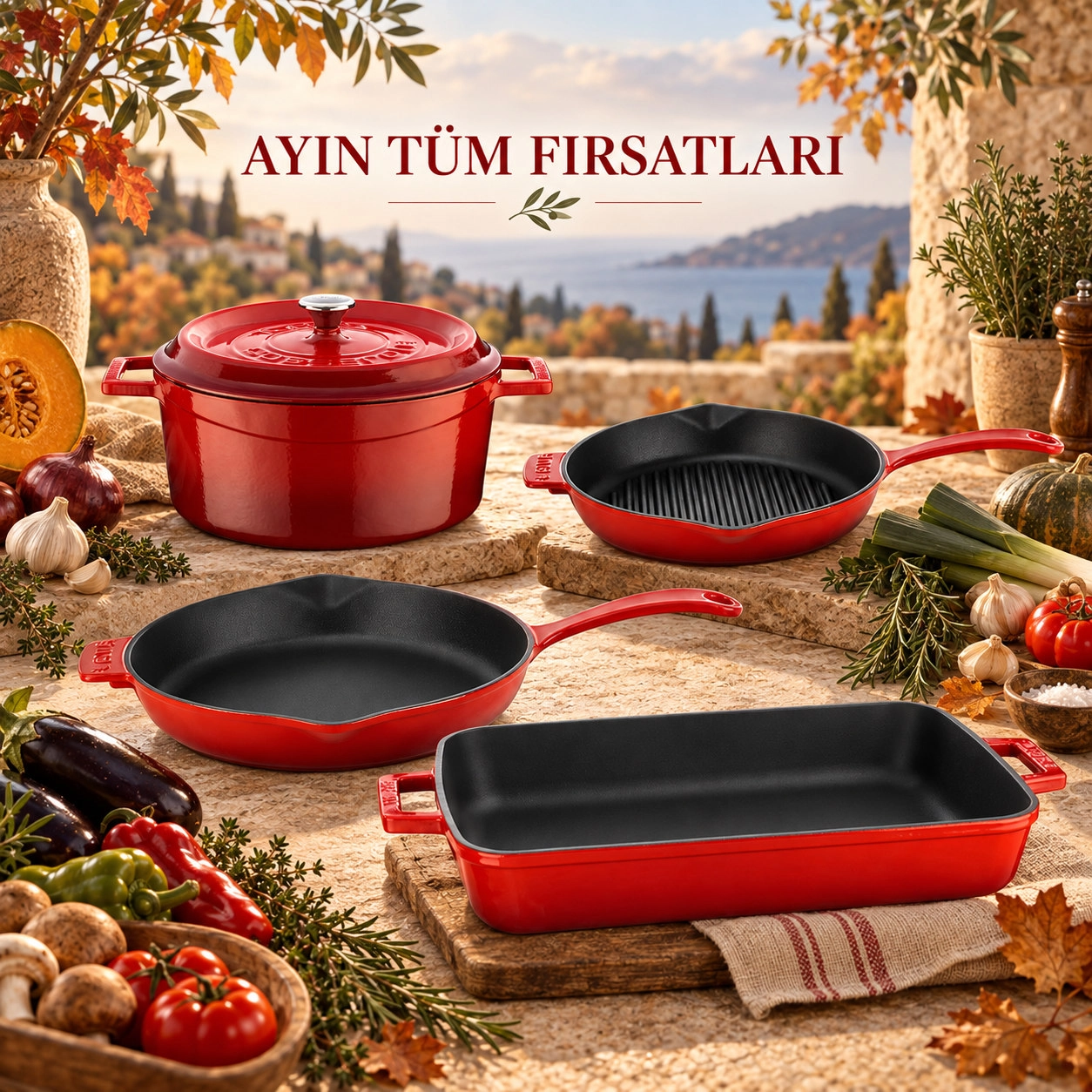 All This Month's Deals