×

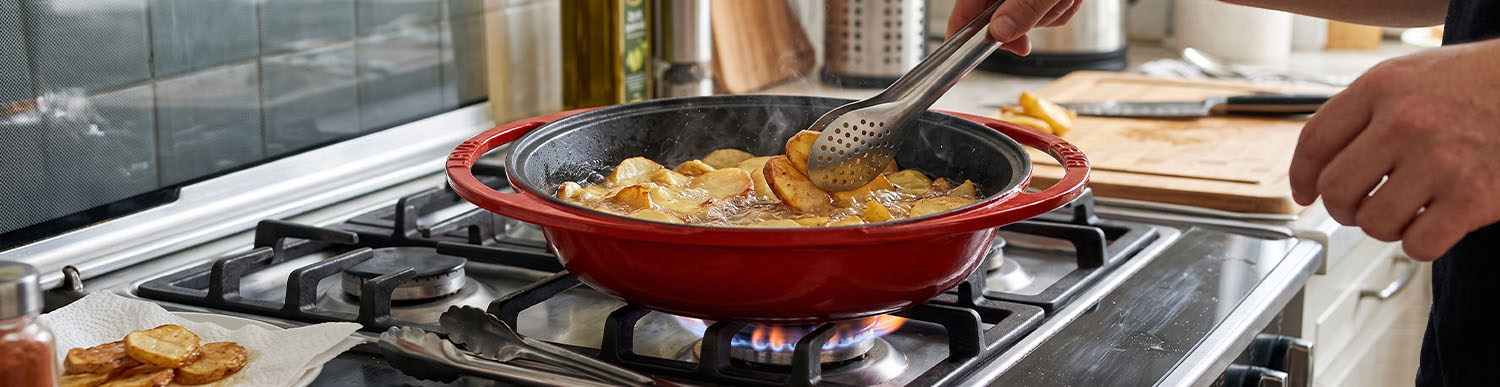
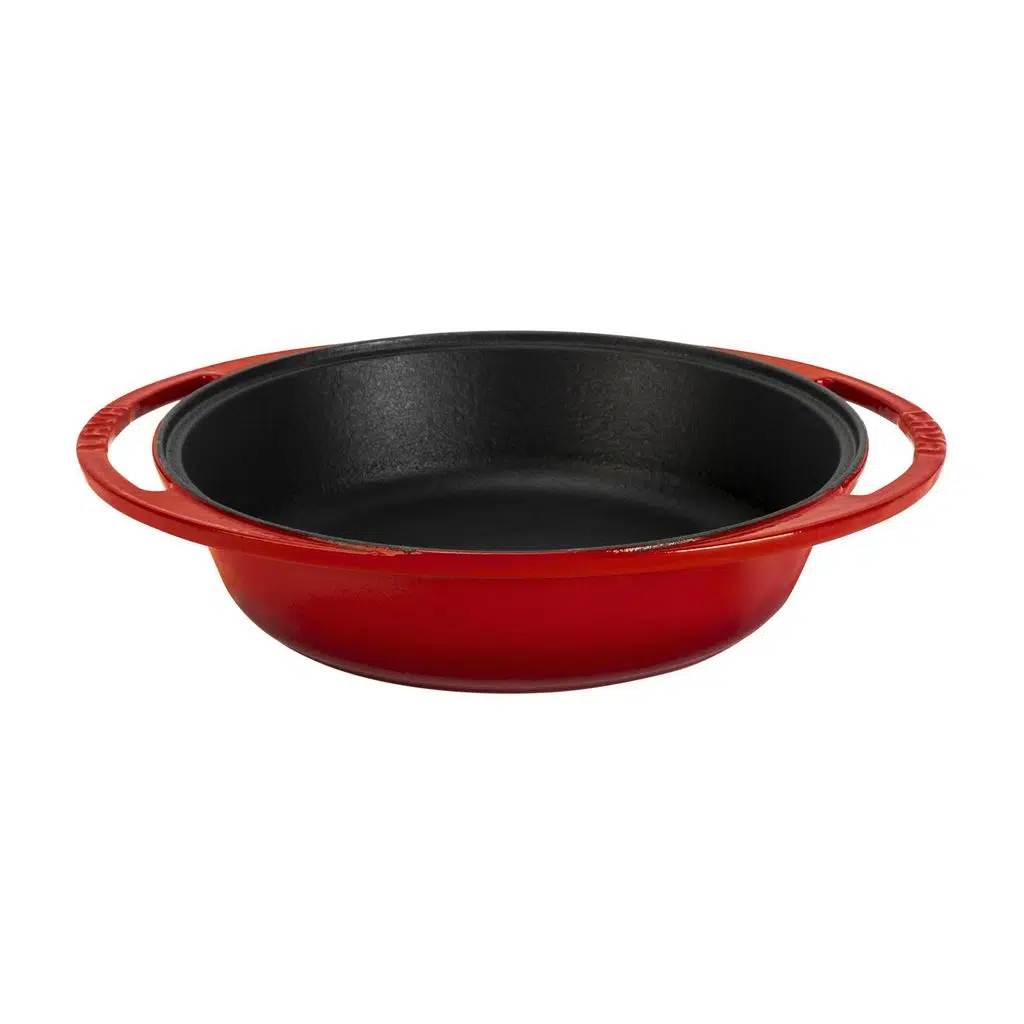
A deep frying pan is a versatile piece of cookware with high sides, making it suitable for frying and a range of other cooking techniques. As well as frying vegetables, meat and fish, it can be used for sautéing, searing and preparing a variety of dishes. The pan's diameter, internal depth, material and handle design all have a direct impact on the cooking experience.
This guide explains what a deep frying pan is, what it can be used to cook, how it differs from a standard frying pan and what to consider when choosing the right one. It also explores the features of cast iron deep frying pans, safe frying techniques and care recommendations.
Estimated reading time: 7 minutes
A deep frying pan is a type of cookware with higher sides than a standard frying pan. This design makes it easier to move food around in the pan and helps you carry out frying, particularly when using oil, in a more controlled way.
Deep frying pans are not limited to deep-frying. Depending on the pan's design and dimensions, they can also be used for sautéing vegetables, cooking meat and fish, searing and preparing a variety of dishes.
In cast iron models, the material's heat retention properties help maintain the cooking temperature. Enamel-coated cast iron cookware also offers the convenience of not requiring seasoning.
The main purpose of a deep frying pan is to make use of its high sides for frying and other cooking techniques. Its wide cooking surface and deep body can make it easier to prepare recipes using a variety of ingredients.
Potatoes, courgettes, aubergines, peppers and similar vegetables can be prepared in a deep frying pan. The high sides help reduce some of the oil splashes that may occur during frying.
For more even browning, avoid adding too much food to the pan at once. Overcrowding can lower the oil temperature and affect the frying results.
Pieces of meat and chicken can be prepared in a deep frying pan with suitable temperature and quantity control. The pan's deep design makes it easier to handle ingredients of different sizes during cooking.
Removing excess moisture from the surface of meat before frying can help with browning. Avoiding overcrowding and turning the food at appropriate intervals also helps ensure more controlled cooking.
Fish and fish portions are among the other foods that can be prepared in a deep frying pan. The pan's internal dimensions should be considered in relation to the size of the fish being cooked.
Patting the fish thoroughly dry before placing it in the pan helps reduce oil splashes during frying. To prevent the fish from breaking apart, use a suitable spatula and avoid turning it more often than necessary.
A deep frying pan is not limited to recipes involving deep-frying. It can also be used for sautéing vegetables, searing meat and preparing different ingredients on the same cooking surface.
Cast iron pans are particularly suitable for searing at an appropriate temperature, thanks to their ability to retain heat.
The main difference between a deep frying pan and a standard frying pan is the height of the body and sides. This structural difference also affects how each type of pan can be used.
| Feature | Deep frying pan | Standard frying pan |
|---|---|---|
| Side design | Higher sides | Generally lower sides |
| Frying | Suitable for deep-frying | Suitable for shallow-frying |
| Sautéing | Can be used with a variety of ingredients | Suitable for everyday sautéing |
| Oil splashes | High sides help contain splashes | More splashing may occur |
| Uses | Frying, sautéing and searing | Frying, browning and everyday cooking |
Both types of pan meet different cooking needs. A deep frying pan may be worth considering if you regularly deep-fry food or need a cooking surface with higher sides.
When choosing a deep frying pan, looking at the diameter alone is not enough. The pan's internal depth, material, weight and handle design should also suit the intended use.
The diameter affects the amount of food that can be prepared at once and the size of the cooking surface. Internal depth is another important feature, as it determines how high the sides are and how the pan can be used for different recipes.
Consider the following points when making your choice:
The amount of food you usually prepare
The size of the ingredients you intend to fry
The available space on your hob
Whether you mainly plan to deep-fry, sauté or use other cooking techniques
The available storage space in your kitchen
Deep frying pans can be made from different materials. The choice of material affects how quickly the pan heats up, how well it retains heat, its weight and its care requirements.
Cast iron pans are known for their heat retention properties. In enamel-coated cast iron models, the cast iron body is covered with an enamel surface. The raw material used to make enamel is glass, and these products do not require seasoning.
The handle design affects ease of use, particularly with deep pans and heavier bodies. Single-handled models can be practical when moving a pan on the hob, while designs with two handles allow the product to be held from both sides.
When choosing a handle design, consider the pan's weight, dimensions and intended use together. Always use suitable heat protection when handling hot cast iron cookware.
Deep frying pans with lids can also be used for cooking methods other than frying. For suitable recipes, a lid helps retain moisture and gives you greater control over the cooking process.
Models without lids, on the other hand, provide easier access to the cooking surface and make it more convenient to turn food while frying.
Cast iron deep frying pans can be used for a variety of cooking needs, thanks to the material's heat retention properties and sturdy construction.
Cast iron can retain heat for a certain period of time. When the pan is preheated properly, this feature can be beneficial for frying and searing. However, cast iron cookware should be heated gradually and carefully to reach the desired temperature.
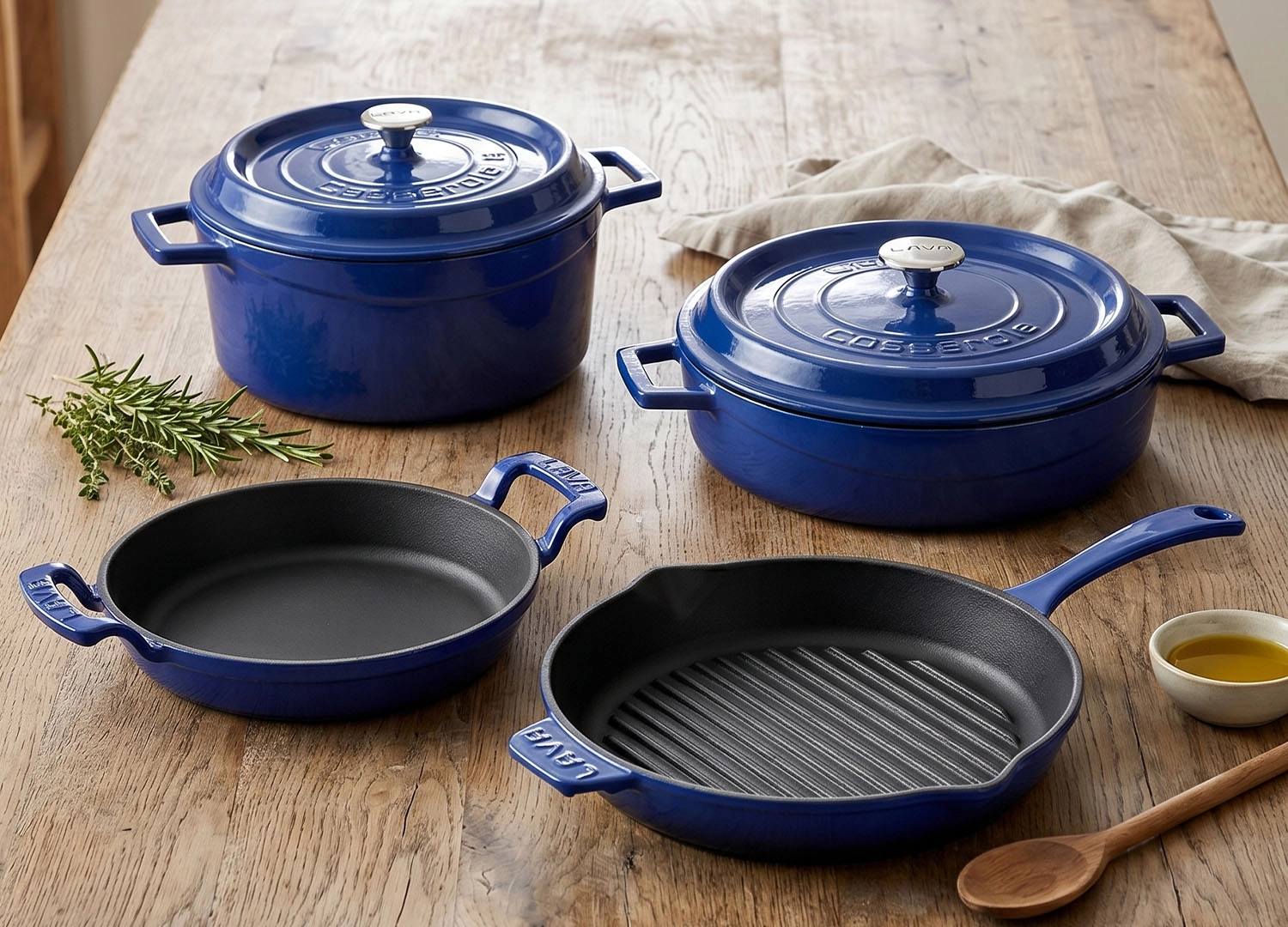
In LAVA enamel-coated cast iron cookware, the cast iron body is covered with an enamel surface. This surface does not require seasoning. The products can be used on heat sources specified in their care and usage instructions; they are not suitable for microwave use.
The weight of cast iron pans is another feature to consider when choosing a product. The pan's dimensions and handle design should be assessed together for ease of use and handling.
To get the best results from a deep frying pan, it is important to prepare the ingredients in advance and monitor the oil temperature.
When using a cast iron pan, gradual heating is recommended rather than immediately applying high heat. Heating the pan in accordance with its usage instructions helps make the cooking process more controlled.
The amount of oil required depends on the type of food being prepared and the frying method. Overfilling the pan during deep-frying can increase the risk of overflowing and splashing. As a basic safety precaution, the oil should not fill more than half of the pan.
Excess moisture on the surface of vegetables, fish and meat can cause hot oil to splatter. For this reason, ingredients should be dried appropriately before frying.
Adding too much food to the pan at once can lower the oil temperature. For more controlled frying, it may be better to cook the ingredients in smaller batches.
Do not leave the pan unattended while frying. Keep track of the oil temperature and check how the food is cooking. Hot oil should never be left unsupervised.
Deep-frying requires care because it involves hot oil. Safe cooking habits are just as important as choosing the right pan.
Make sure the pan is dry before adding oil.
Do not place wet ingredients directly into hot oil.
Do not overfill the pan with oil.
Monitor the oil temperature and do not allow it to overheat.
Add food to the pan slowly and carefully.
Keep children and pets away from hot oil.
Never leave the pan unattended while frying.
Never pour water onto hot oil.
If the oil catches fire, never attempt to extinguish it with water. If it is safe to do so, turn off the heat source and follow appropriate fire safety procedures.
To help maintain your deep frying pan over time, follow cleaning and care instructions appropriate to the material.
Allow enamel-coated cast iron pans to cool before cleaning. Sudden contact between a hot product and cold water can cause thermal shock.
Follow these steps when cleaning:
Allow the pan to cool completely.
Safely dispose of the oil inside.
Remove any remaining food residue using a suitable cleaning method.
Wash the product in accordance with its care and usage instructions.
Dry it thoroughly after cleaning.
Avoid harsh or abrasive cleaning tools that could damage the enamel surface. Always follow the manufacturer's instructions to determine whether the product is suitable for dishwasher cleaning.
Cast iron products should also be protected from drops and hard impacts. Take care when handling and storing the product to help prevent damage to the enamel surface.
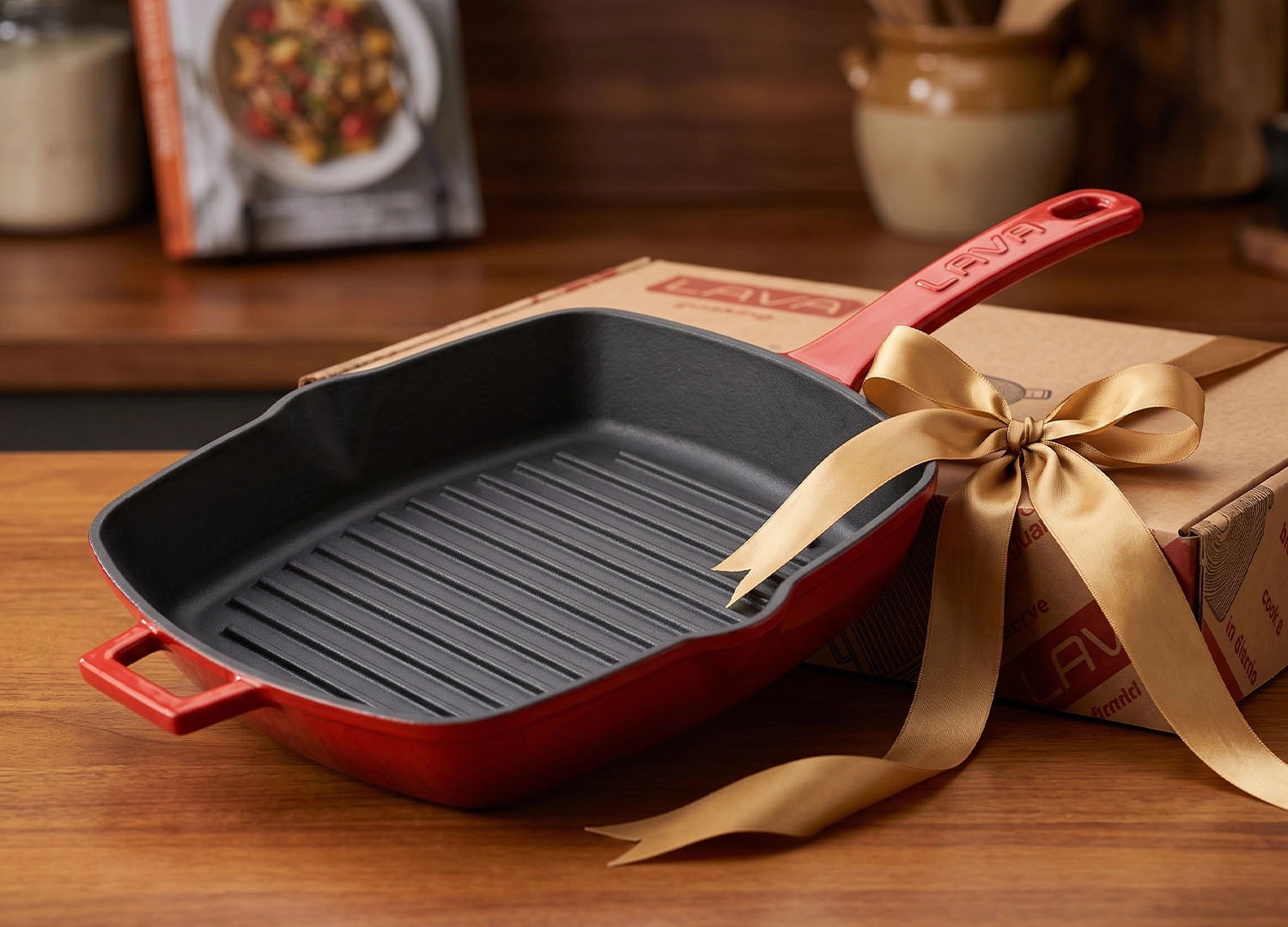
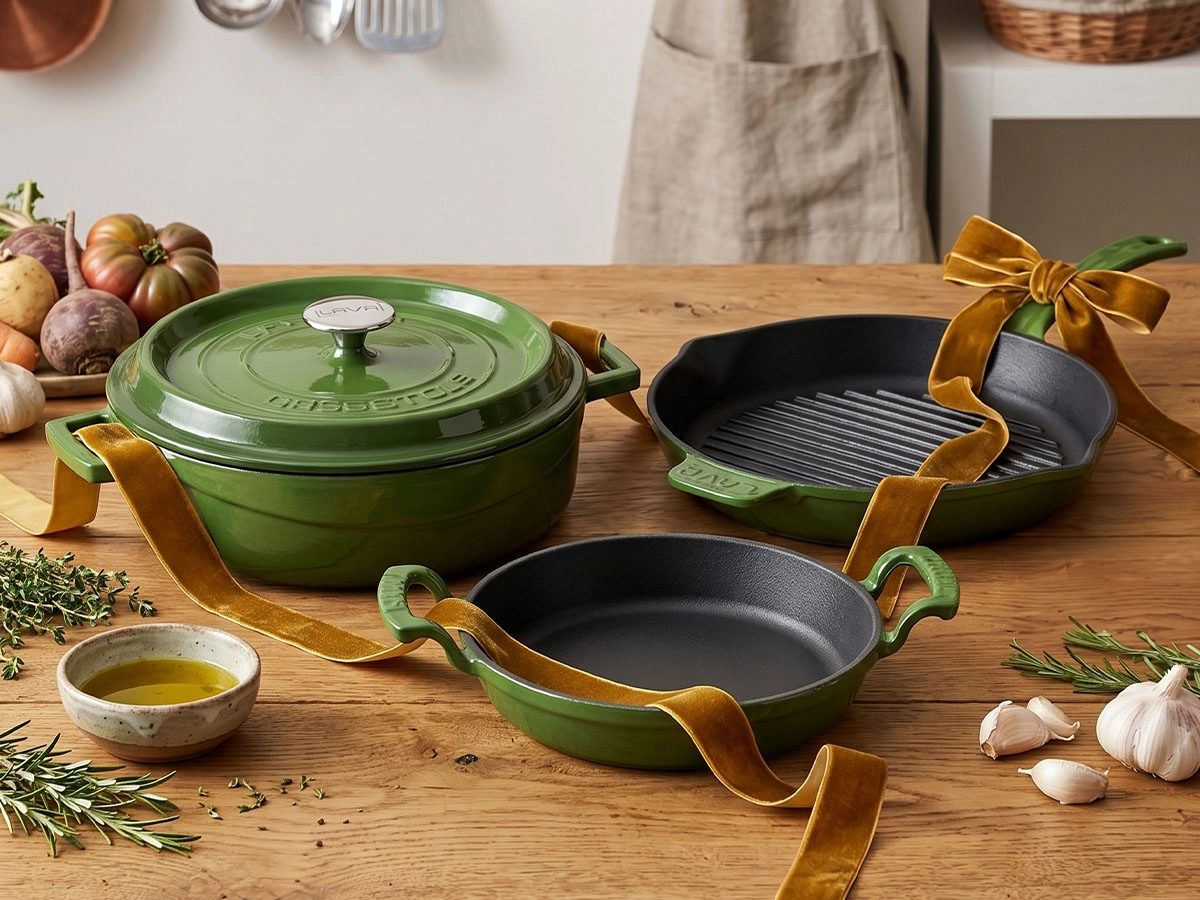
With its high-sided cast iron body, the LAVA deep frying pan can be used for a variety of recipes beyond frying. These include sautéing vegetables and meat, cooking fish and searing food at a suitable temperature.
When choosing a deep frying pan, consider not only your frying needs but also the types of recipes you prepare most often. This can help you choose a product that is useful for a wider range of cooking tasks.
LAVA offers different designs, including deep frying pans and Combo deep frying pans, allowing you to choose according to your preferred dimensions and cooking needs. As the internal depth, body design and handle features may vary between products, it is important to check each model's specifications before making a choice.
To explore the available options, visit the LAVA Frying Pans category.
Designed to meet different cooking needs, the LAVA deep frying pan and LAVA Combo deep frying pan offer different options in terms of dimensions and internal depth.
A deep frying pan can be used for deep-frying, cooking vegetables and meat, sautéing and, where suitable, searing, thanks to its high-sided design.
Vegetables such as potatoes, courgettes, aubergines and peppers, as well as fish, chicken and pieces of meat, can be prepared in a deep frying pan. It can also be used for sautéing vegetables and preparing a variety of pan-cooked dishes.
The main difference is the height of the sides. A deep frying pan has a deeper body with higher sides. This makes it easier to use for deep-frying and cooking methods that require greater depth.
Cast iron deep frying pans can be used for different cooking techniques, including frying and searing, thanks to their heat retention properties. The product's weight, dimensions and care requirements should be considered when choosing one.
The right pan size depends on the amount of food being prepared, the size of the ingredients and your cooking habits. As well as the diameter, you should also consider the pan's internal depth.
Yes. A deep frying pan is not limited to deep-frying. Depending on the pan's design and the recipe, it can also be used for sautéing, searing and other cooking techniques with less oil.
No. Enamel-coated cast iron cookware does not require seasoning. The product can be cleaned and used in accordance with its care and usage instructions.
Allow the pan to cool completely before cleaning it in accordance with the product's usage instructions. Dry it thoroughly afterwards. Avoid harsh or abrasive cleaning tools that could damage the enamel surface.
With its high-sided body, a deep frying pan is a versatile piece of cookware that can be used for everything from frying to sautéing. When choosing the right pan, consider its diameter, internal depth, material and handle design together.
Cast iron models offer the advantage of heat retention, making them suitable for different cooking techniques. Enamel-coated cast iron options also offer the convenience of a surface that does not require seasoning.
When choosing from the LAVA deep frying pan range, consider your cooking habits and the types of dishes you prepare. This will help you select a pan that can be used not only for frying but also for a variety of other cooking tasks.
03.11.2026






Lava Döküm Online Fabrika Satış Mağazası. © 2026 All Rights Reserved.


0
)