×

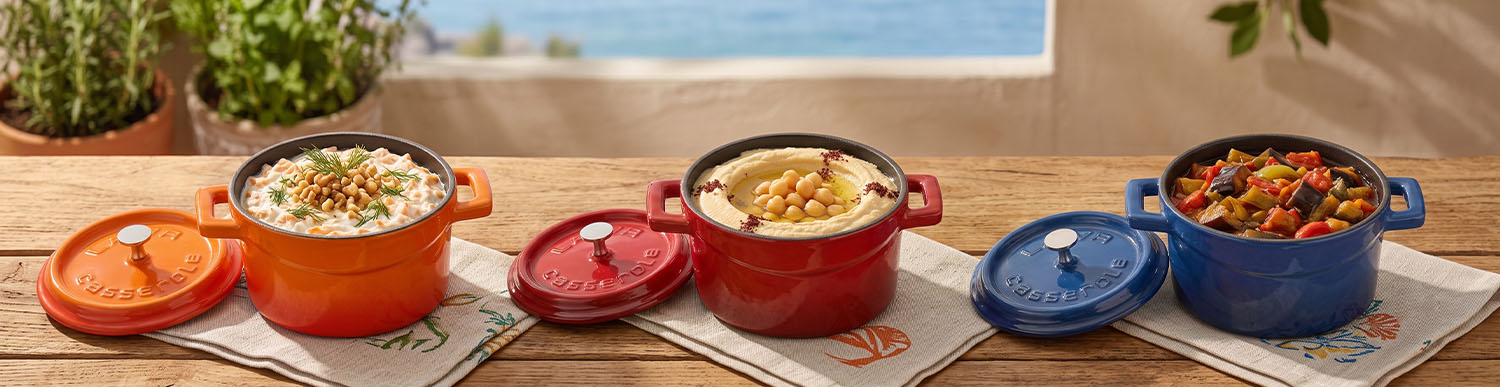
Mezes, which are among the indispensable flavours of summer tables, accompany many menus from invitation tables to barbecue gatherings, thanks to both their light structure and practical preparation. These flavours, ranging from yoghurt-based mezes to olive oil-based recipes, offer a much more aromatic result when prepared with seasonal vegetables. In this article, we have brought together five of the most preferred easy meze recipes for the summer months. You can discover all of these recipes alongside suggestions for more controlled cooking using LAVA’s enamel-coated cast-iron products.
Reading Time: 6–7 Minutes
In tables prepared during the summer months, light, refreshing, and shareable flavours come to the fore. For this reason, meze culture is much more preferred, especially in hot weather.
While yoghurt-based mezes stand out with their cooling nature, olive oil and vegetable-based recipes create a balanced menu alongside main courses. Furthermore, since many mezes can be prepared in advance, they provide great convenience for crowded invitation tables. Indeed, with the right combination, mezes for summer tables can virtually eliminate the need for a main course altogether.
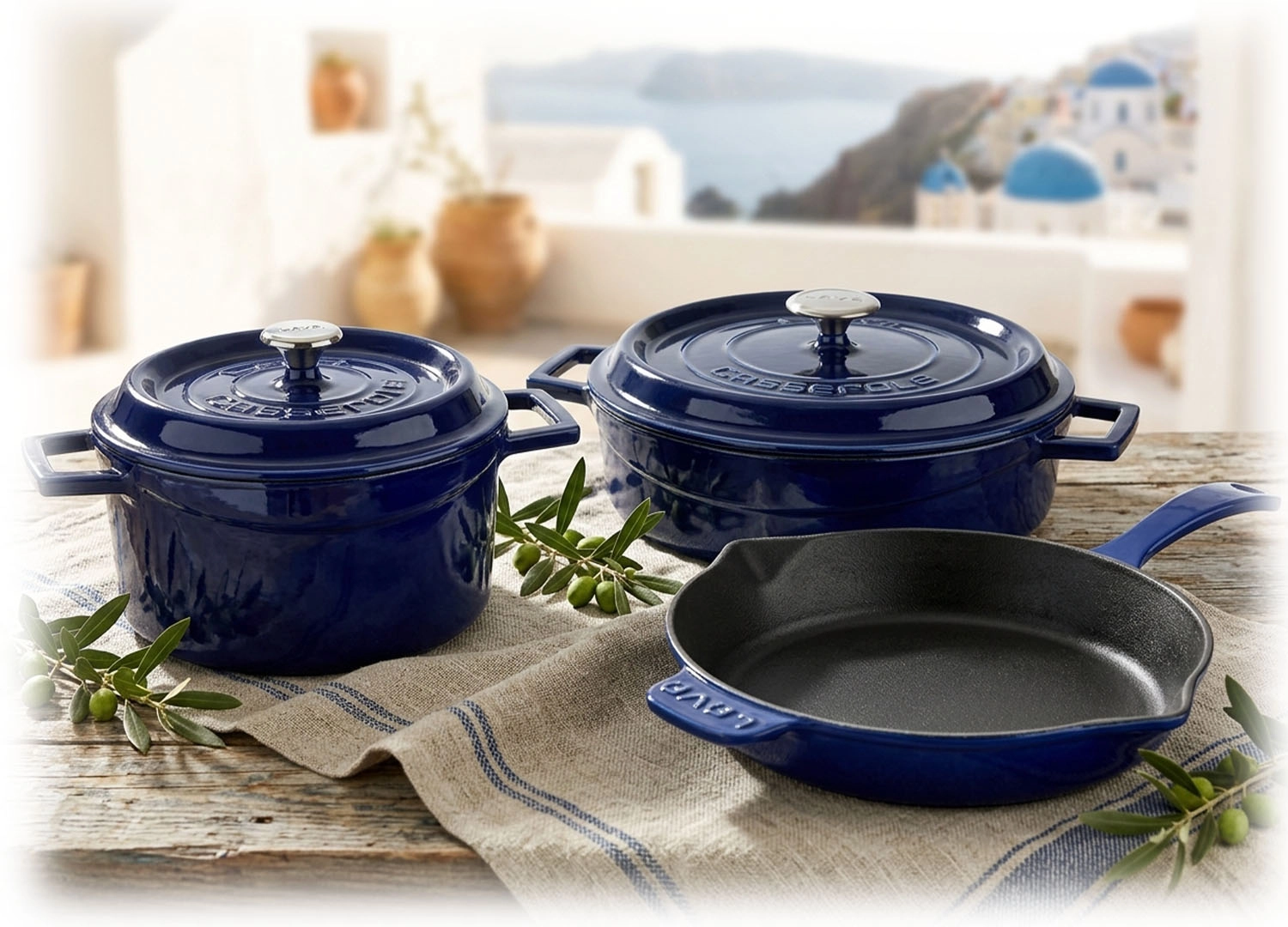
Sautéing or roasting vegetables in a controlled manner helps preserve both their texture and natural aroma. LAVA's enamel-coated cast-iron frying pans can contribute to a more controlled preparation of summer mezes by providing balanced heat distribution at this stage.
Prepared with the freshness of yoghurt and the slightly sweet aroma of roasted carrots, carrot tarator is one of the most popular classic mezes of summer tables. This recipe, which can be served alongside many main courses from grilled meats to fish, is among the essentials of invitation tables due to both its practical preparation and light structure. Roasting the carrots in a controlled manner and preparing the yoghurt to the correct consistency are the most important details that determine the flavour.
Prepared with courgettes, which experience their most delicious period during the summer months, this yoghurt courgette meze is one of the recipes that stands out with its lightness. Meeting garlic yoghurt and fresh herbs, courgette offers a refreshing alternative, especially for barbecue tables and olive oil-based menus. Cooking down the courgette to draw out its water in a controlled manner and combining it with yoghurt at the right time directly affects the consistency of the recipe.
You can examine all the production stages and key tips of the yoghurt courgette recipe.
Prepared with the harmony of boiled chickpeas, tahini, lemon, and olive oil, hummus is one of the most popular mezes not only of Middle Eastern cuisine but also of summer invitations. Thanks to its protein-rich structure, it offers both a healthy and satisfying option. When served alongside flatbread, grilled vegetables, or barbecue menus, it adds richness to tables.
Prepared with the delicious harmony of aubergines, peppers, and tomato sauce, şakşuka is one of the indispensable classics of summer tables. Prepared with seasonal vegetables, this recipe becomes much tastier, especially when served cold. Frequently preferred on invitation tables, barbecue menus, and rich meze platters, şakşuka yields a much more successful result with the correct cooking technique, despite being easy to prepare.
Standing out with its slightly browned exterior and soft texture inside, creamy potatoes are one of the most popular shared dishes served hot, differing slightly from classic mezes. Although it is preferred as a garnish, especially with meat dishes, barbecue tables, and special invitations, it also offers a highly satisfying flavour on its own. This recipe, where thinly sliced potatoes meet cream and cheese, becomes one of the most eye-catching flavours of the table the moment it comes out of the oven.
Use vegetables in season.
Prepare yoghurt-based mezes cold.
Cook vegetables in a controlled manner.
Allow them to rest before serving.
Complete the presentation with fresh herbs.
The most important elements determining the flavour of summer mezes are the selection of fresh and seasonal ingredients, the correct cooking technique, and the appropriate serving temperature. Vegetables such as courgettes, carrots, aubergines, and tomatoes offer a much more intense aroma and bring the natural flavour of the recipes to the fore when used in season. In yoghurt-based mezes, ensuring the yoghurt is thick, cooling it completely before mixing with hot ingredients, and resting it for a short time before serving ensures a more successful result.
In vegetable-based mezes, it is important to adjust the cooking time well. Overcooking vegetables can cause them to lose both their texture and their flavour. Using cooking equipment that distributes heat evenly helps roast or sauté vegetables in a controlled manner, whilst also contributing to preserving their natural colours and flavours.
Another important feature of summer tables is that the majority of mezes can be prepared in advance. When recipes like carrot tarator, yoghurt courgette, hummus, and şakşuka are prepared a few hours before serving and rested in the fridge, their flavours integrate much better. On the other hand, recipes served hot, such as creamy potatoes, retain their consistency and can be portioned more easily when served after resting for a short time after coming out of the oven.
The presentation of mezes is just as important as their flavour. Bringing together mezes with different colours and textures on the same table creates a meze platter that is both visually rich and balanced. Small touches made with fresh greens, olive oil, walnuts, spices, and aromatic herbs add both elegance and flavour to summer tables. Especially in crowded family dinners, invitation tables, and barbecue gatherings, light mezes are among the most delightful accompaniments that complete the main courses.
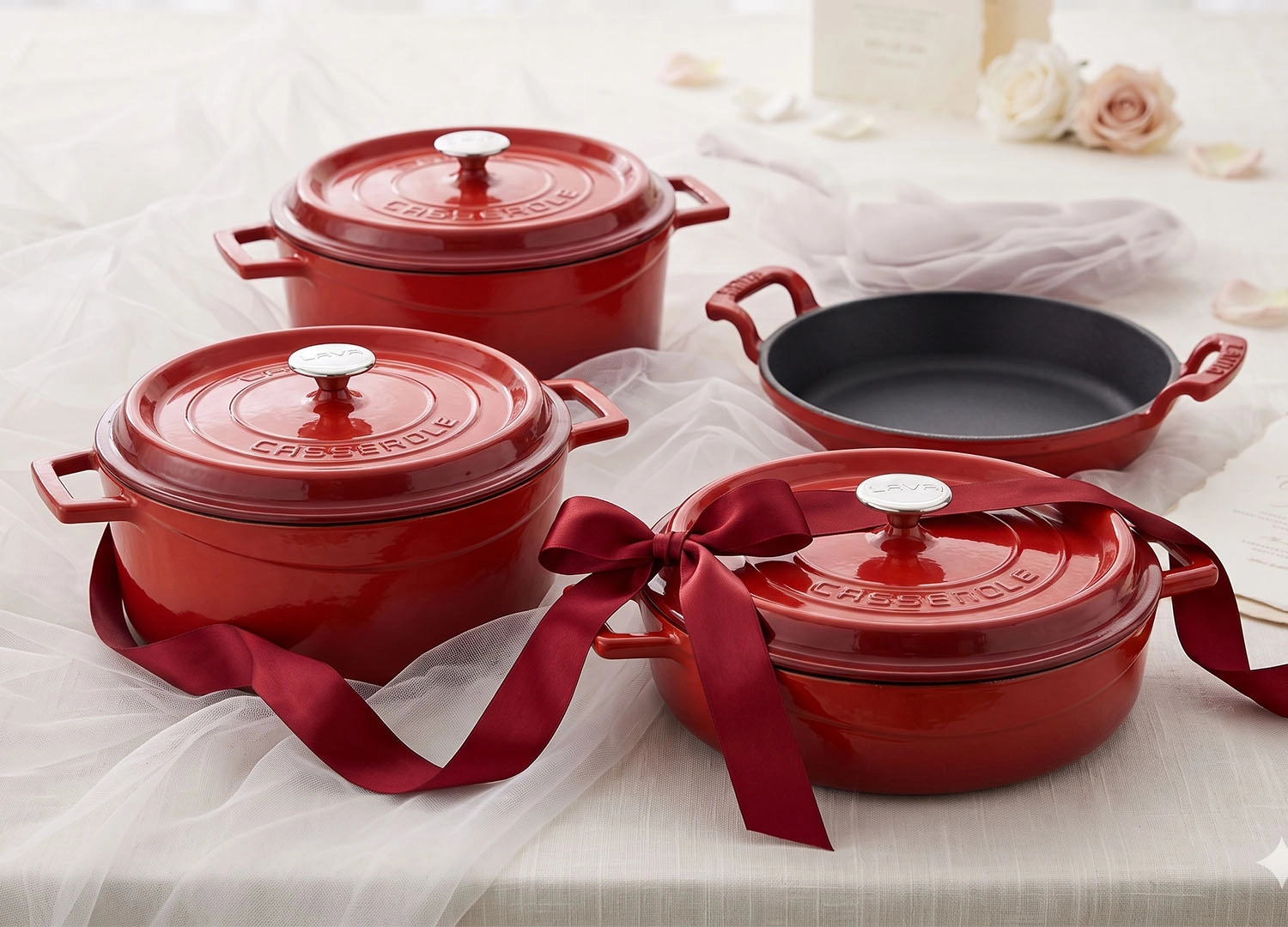
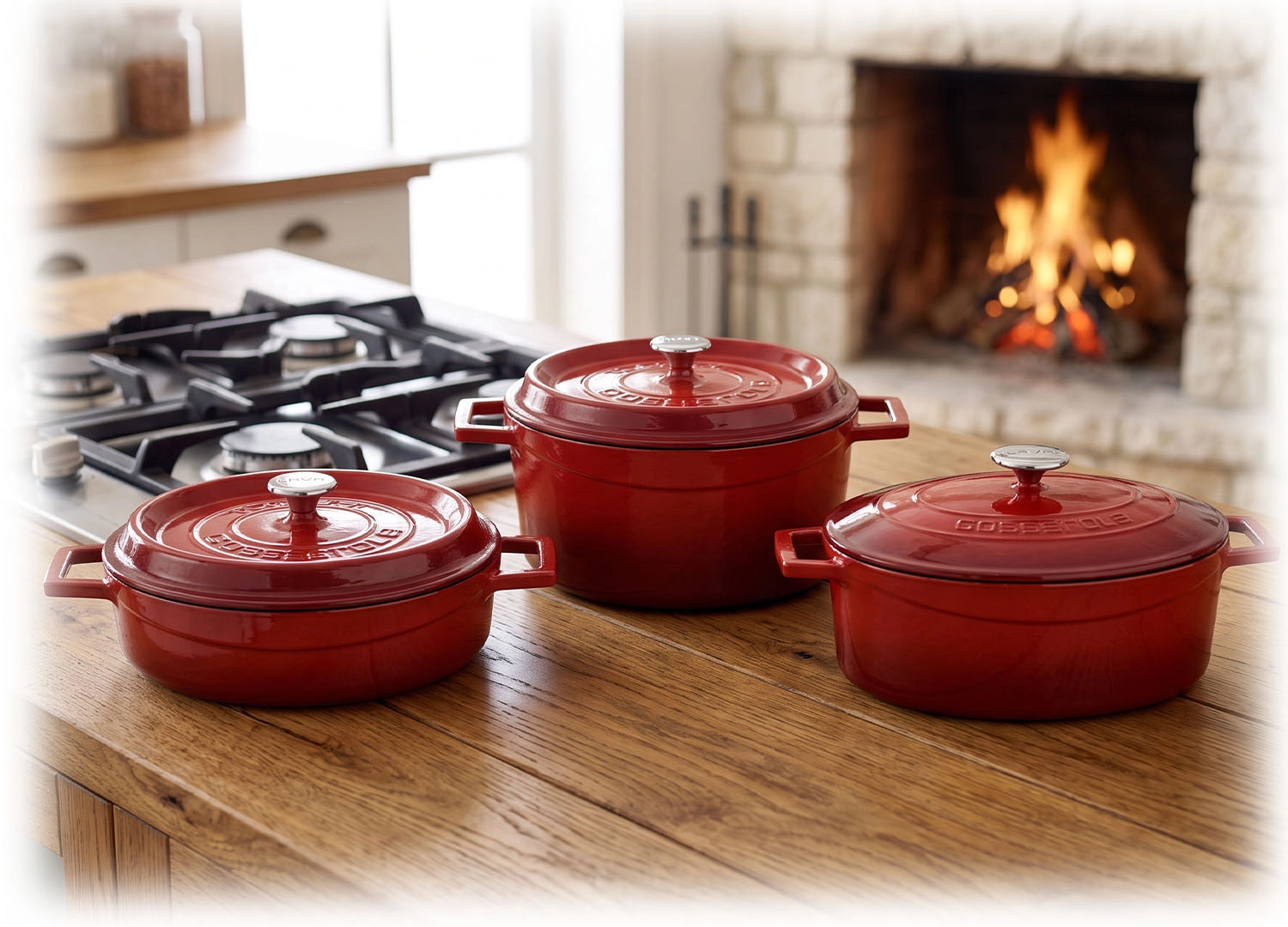
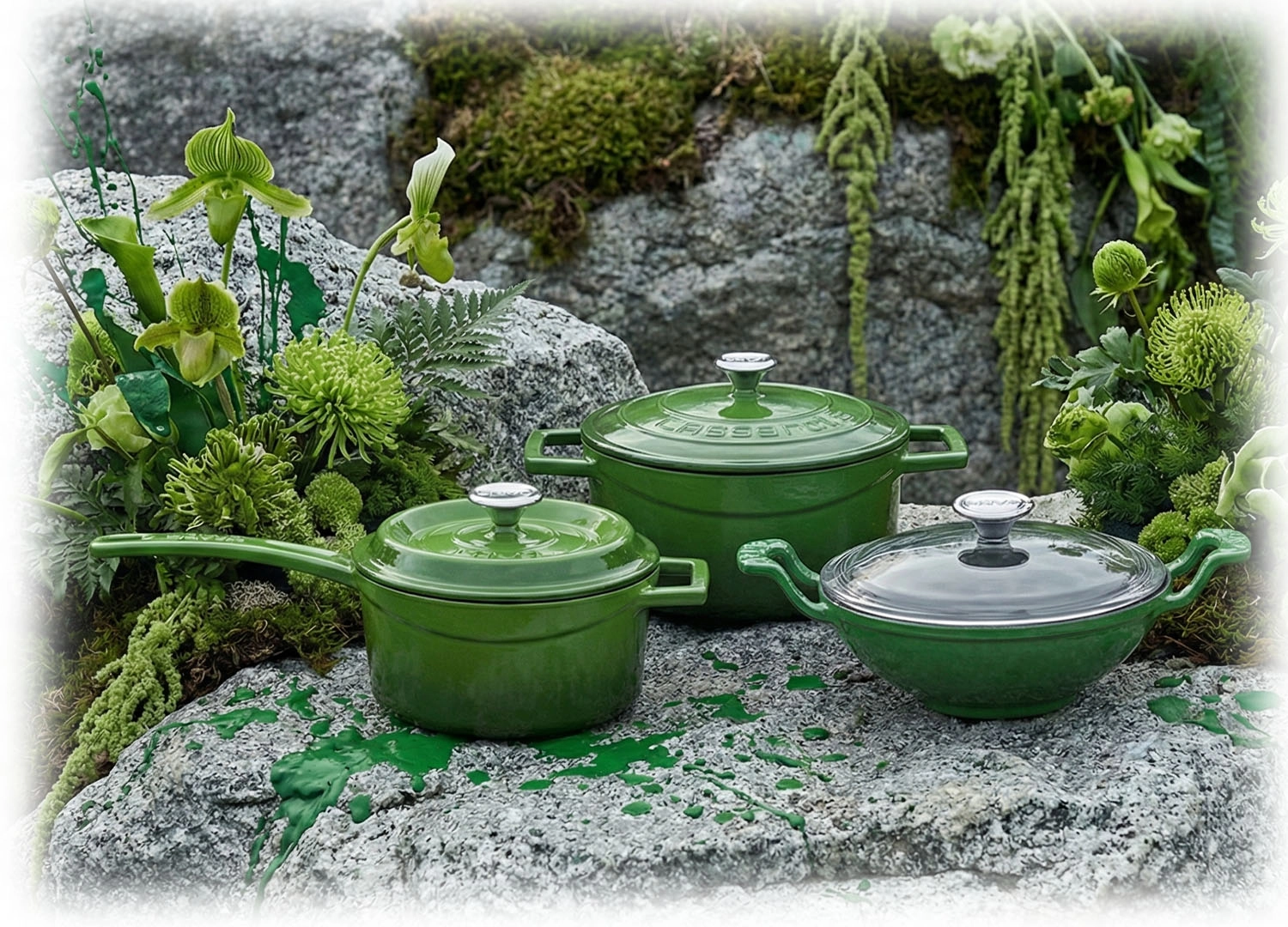
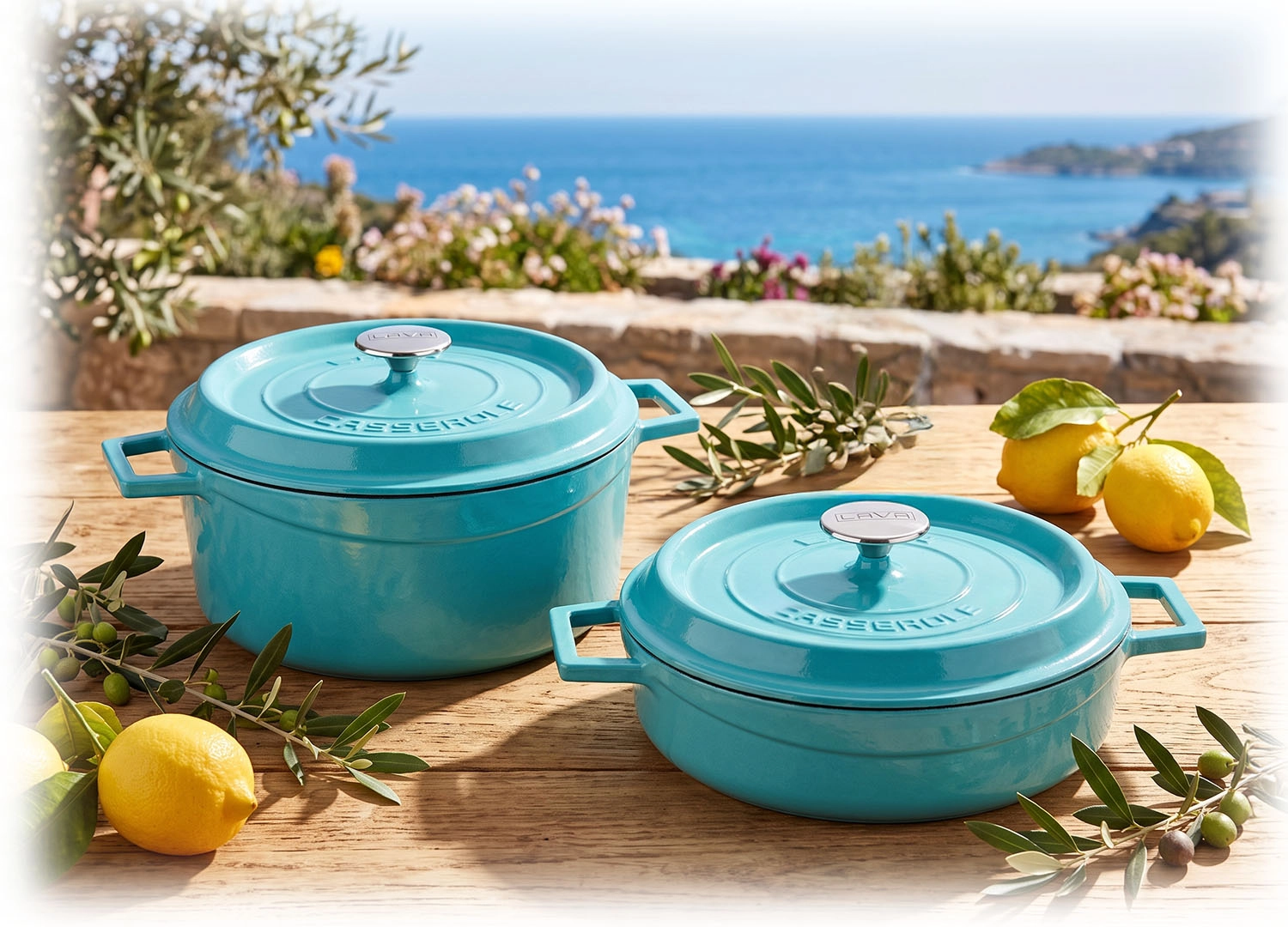
The majority of summer mezes are prepared by sautéing, roasting, or baking vegetables in a controlled manner. Therefore, the cooking equipment used can directly affect both the texture and flavour of the vegetables. Enamel-coated cast-iron products, which distribute heat evenly across the surface, help the cooking process proceed in a more controlled manner whilst contributing to preserving the natural aroma of the vegetables.
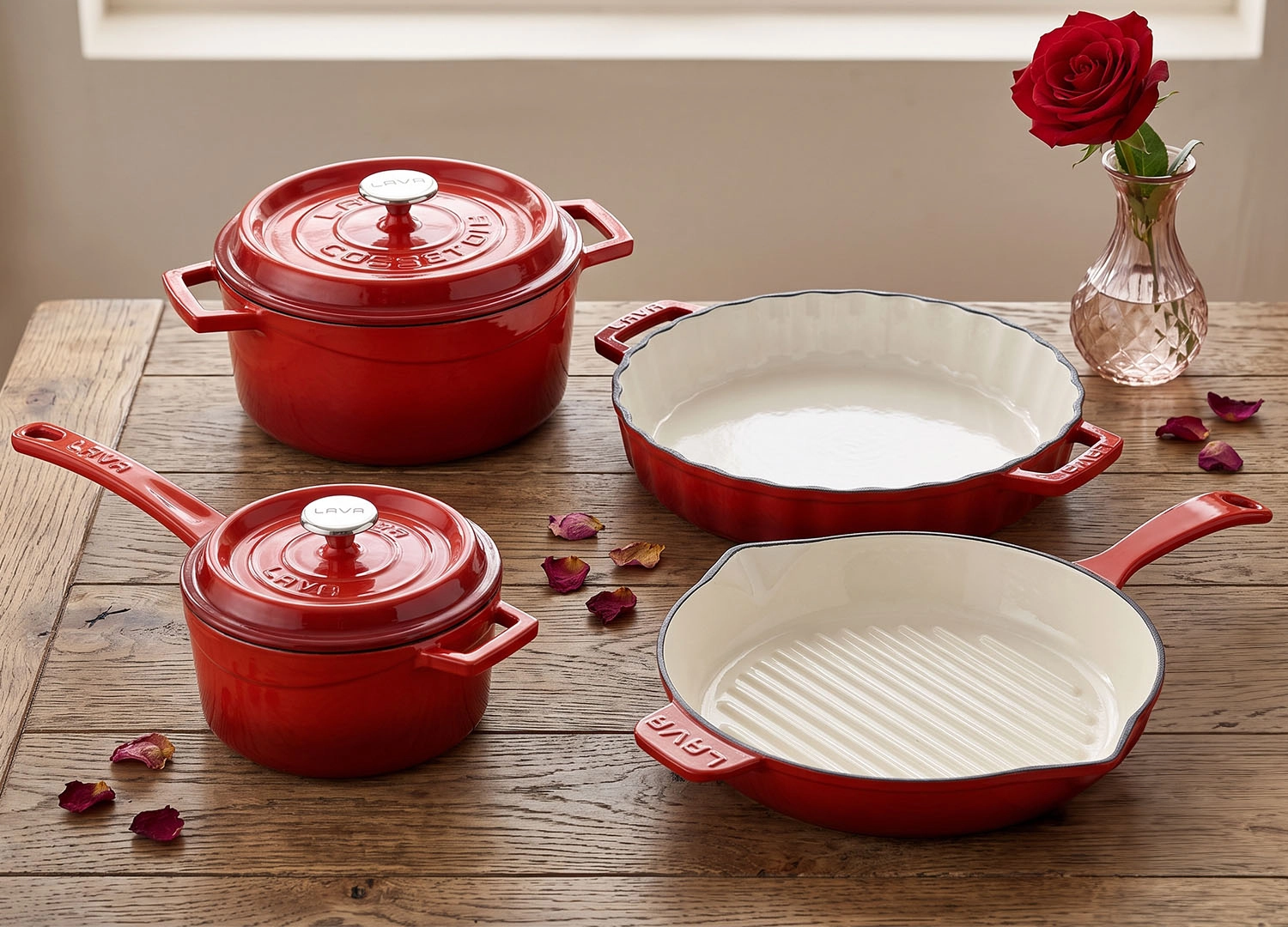
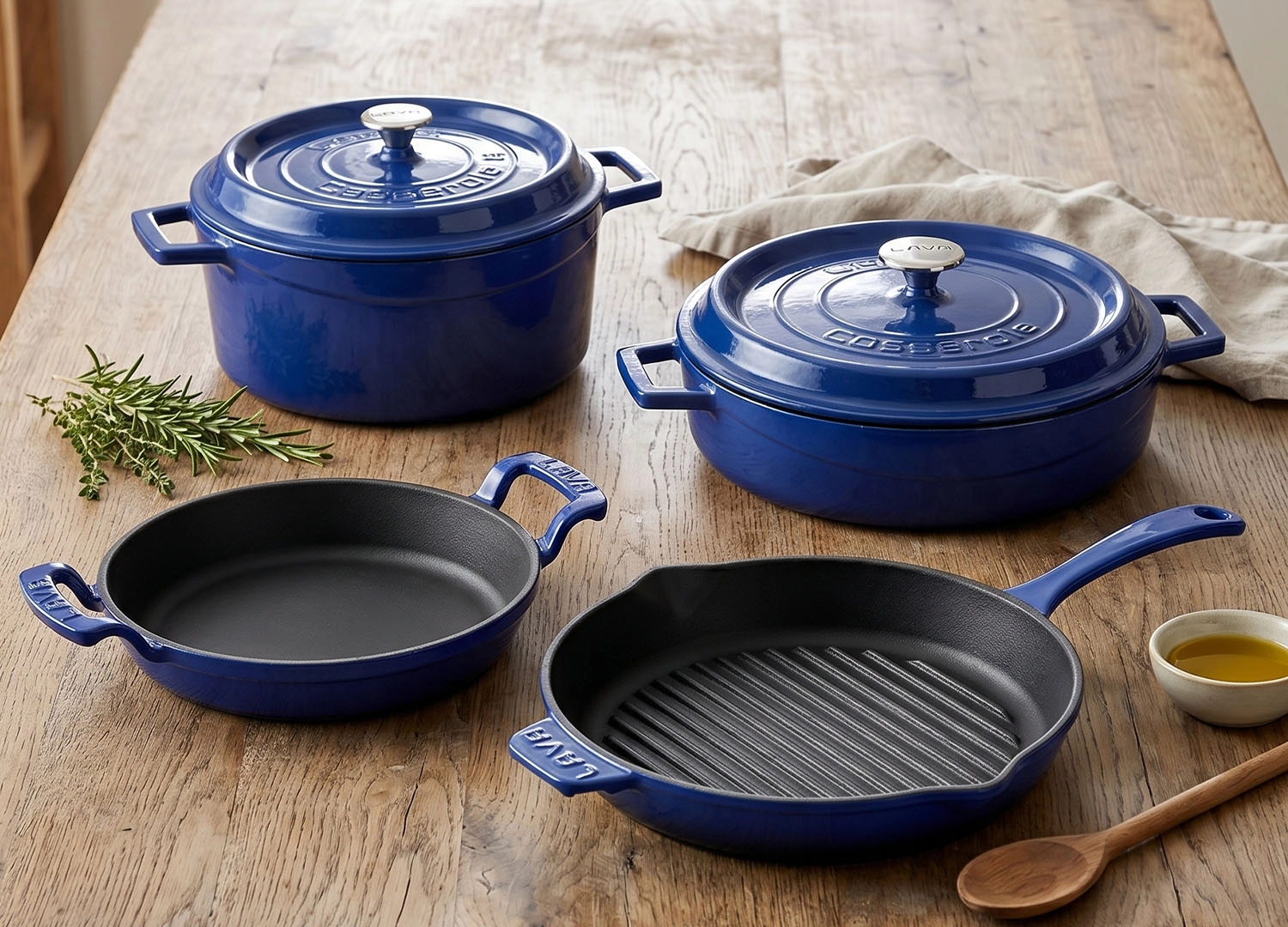
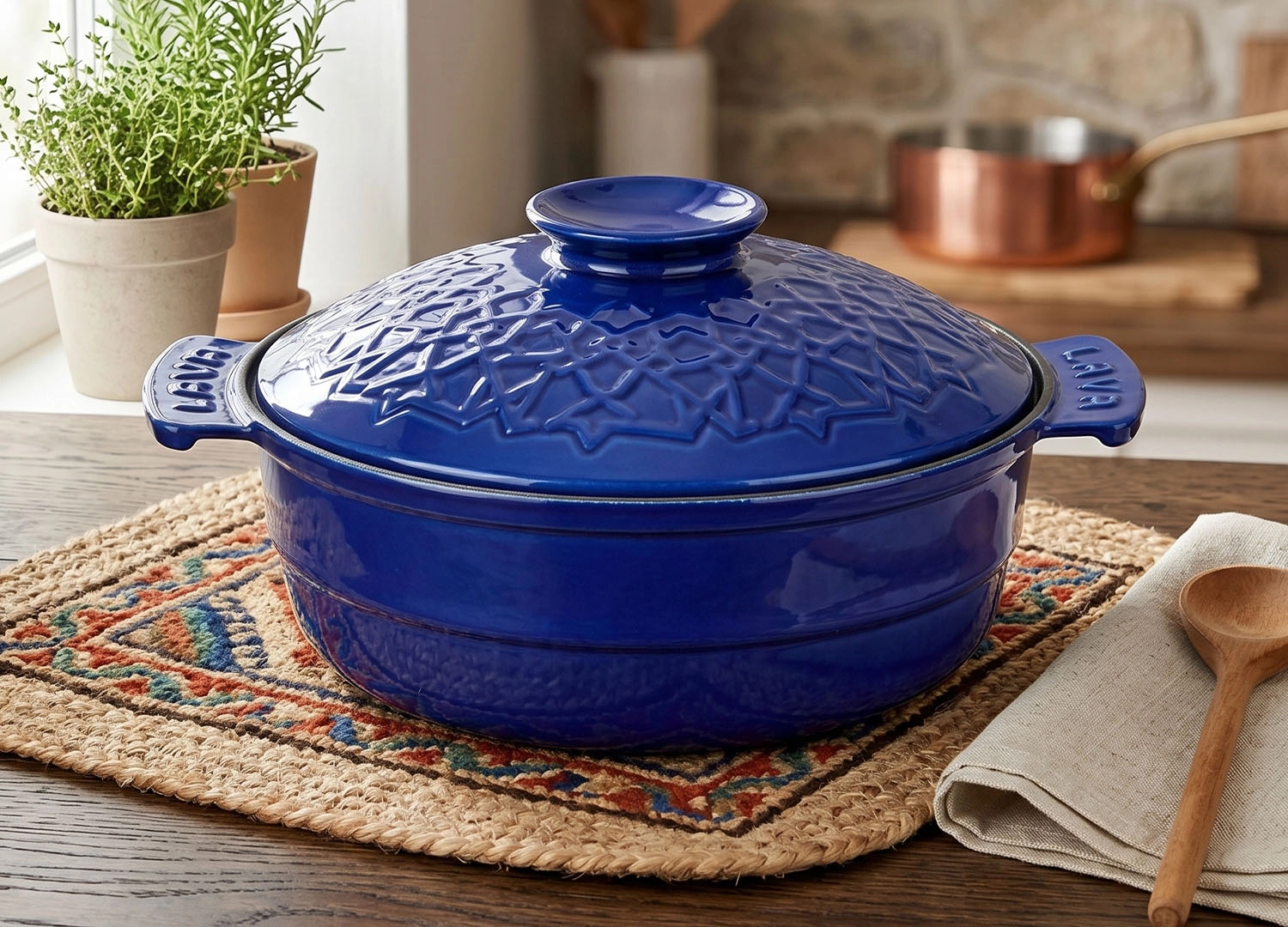
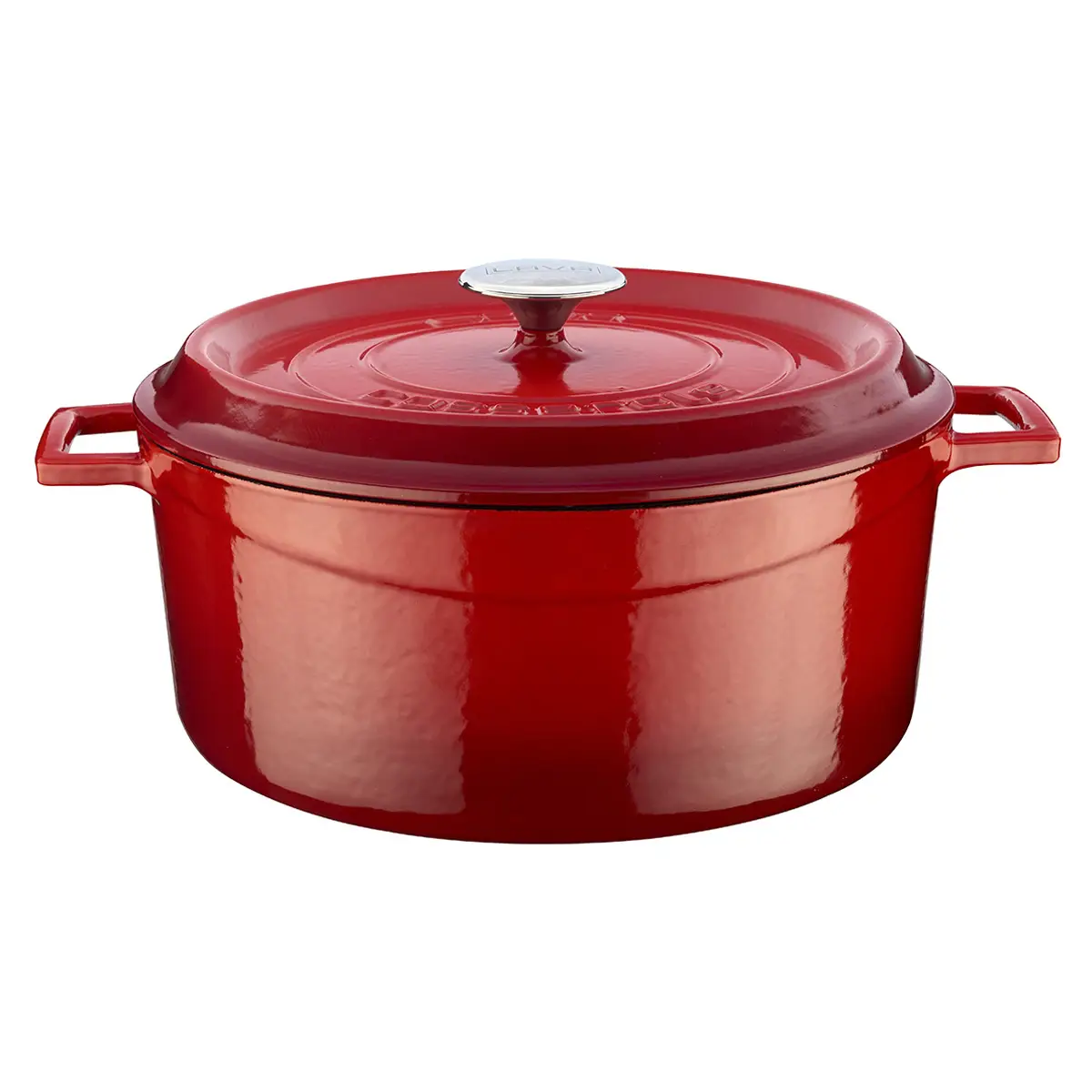
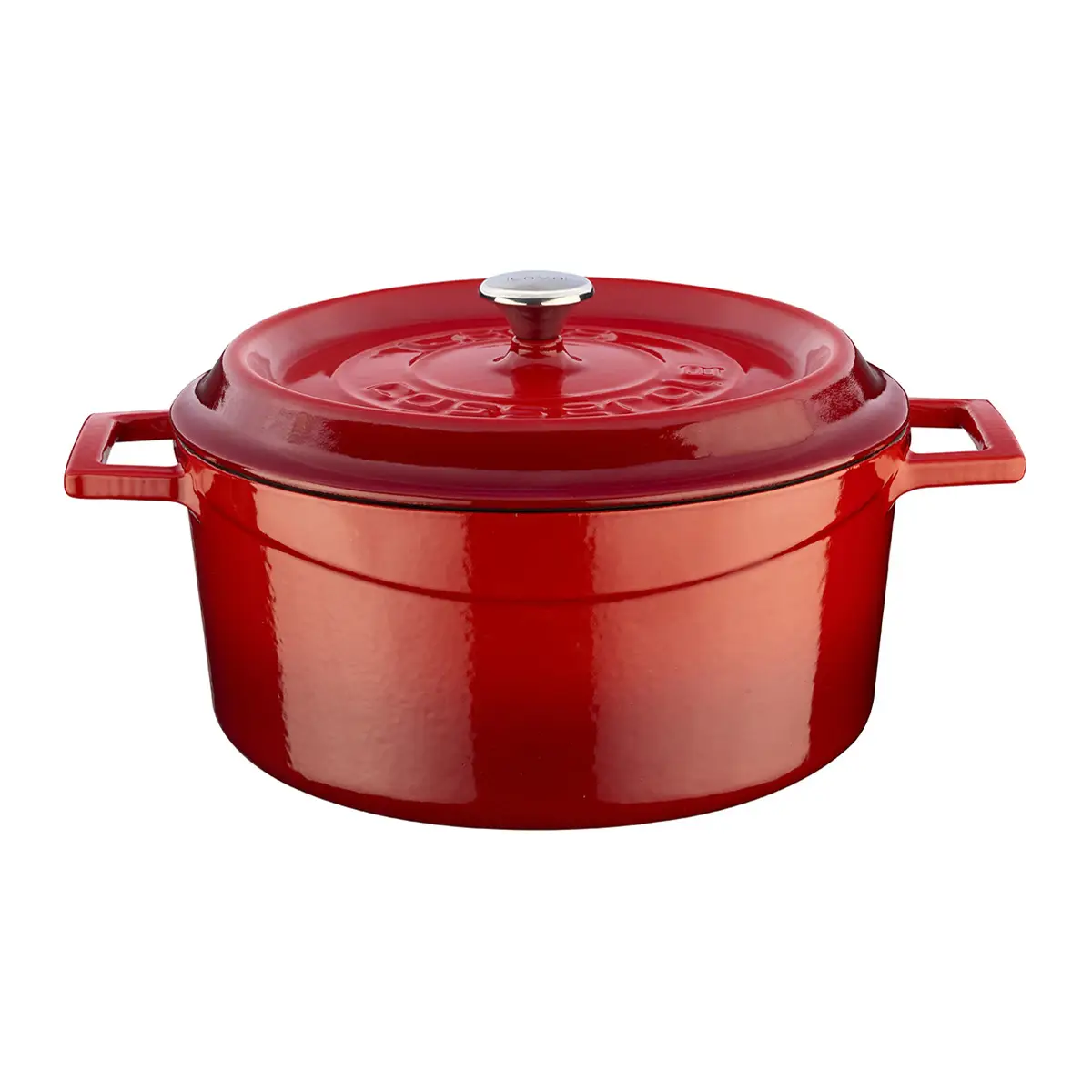
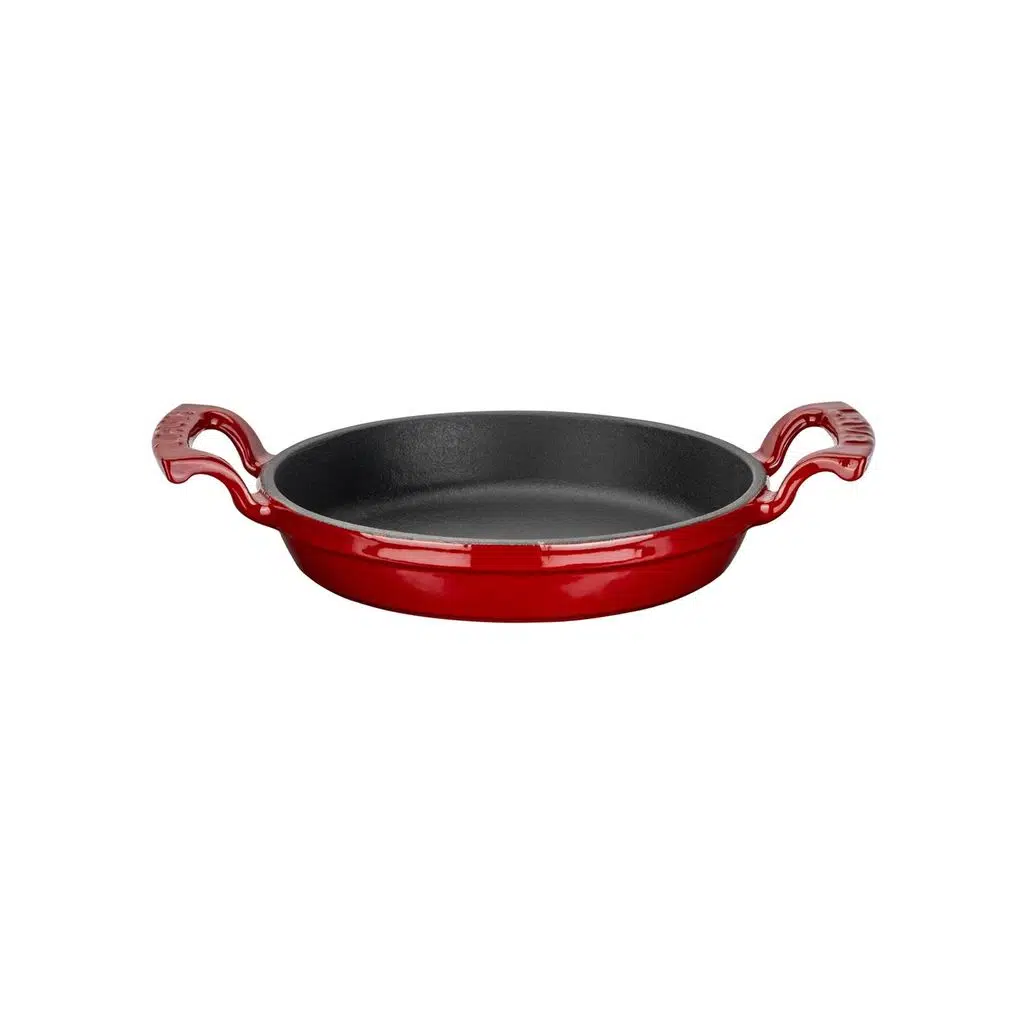
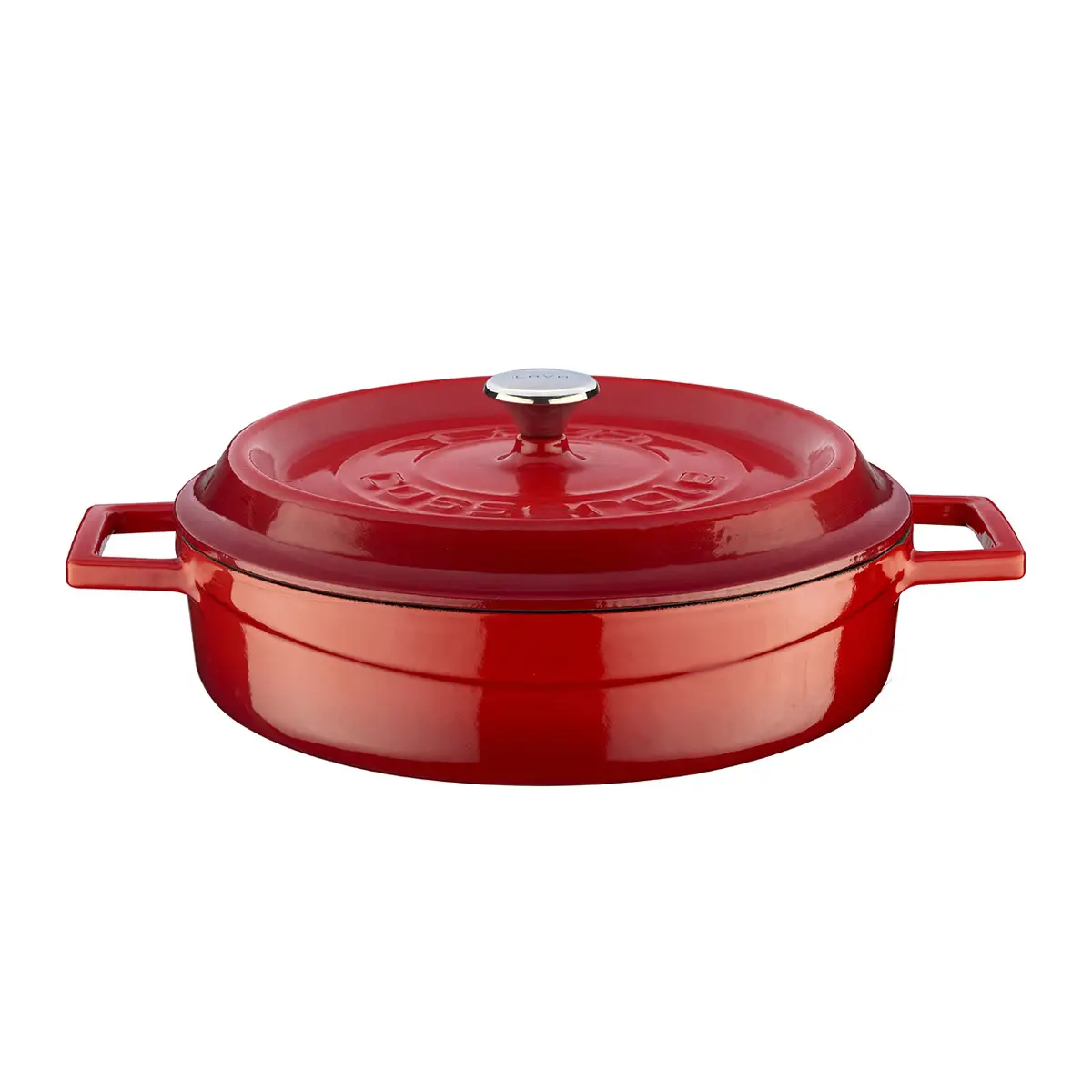
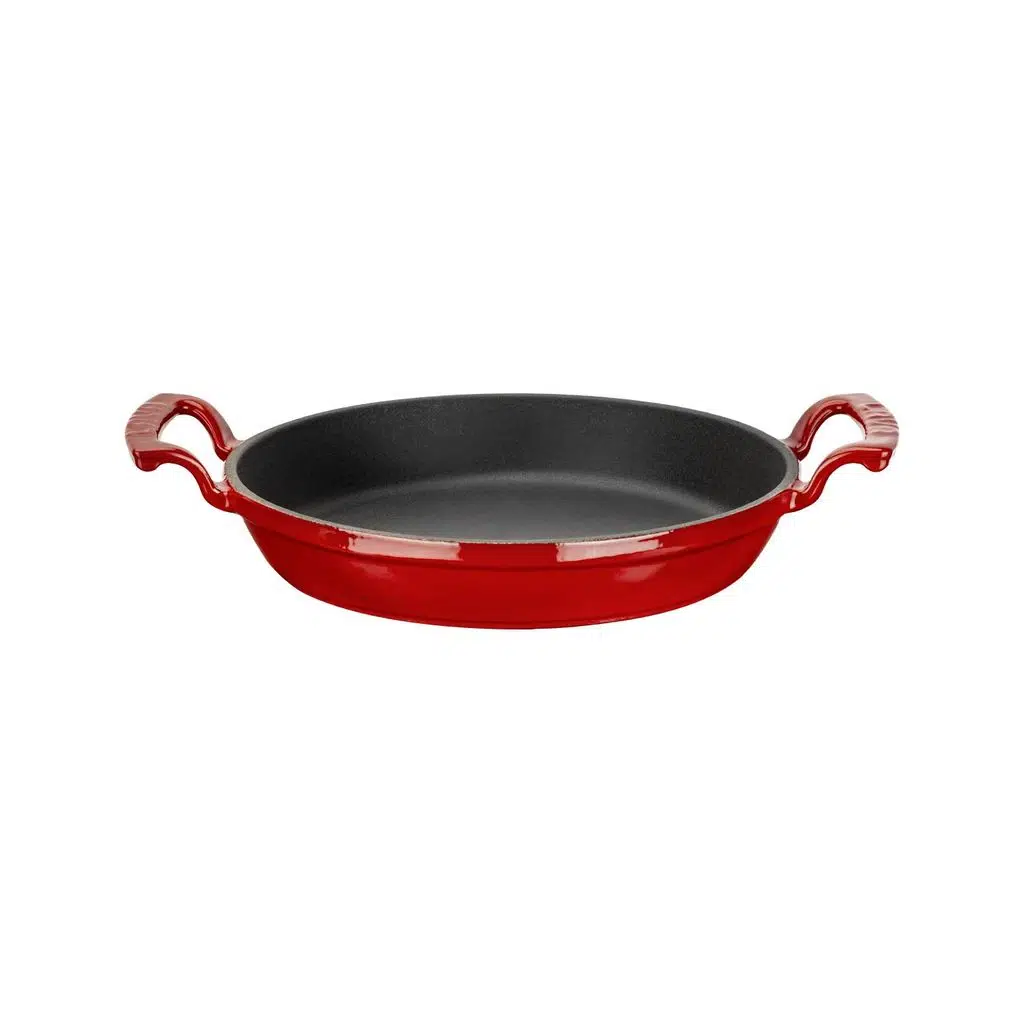
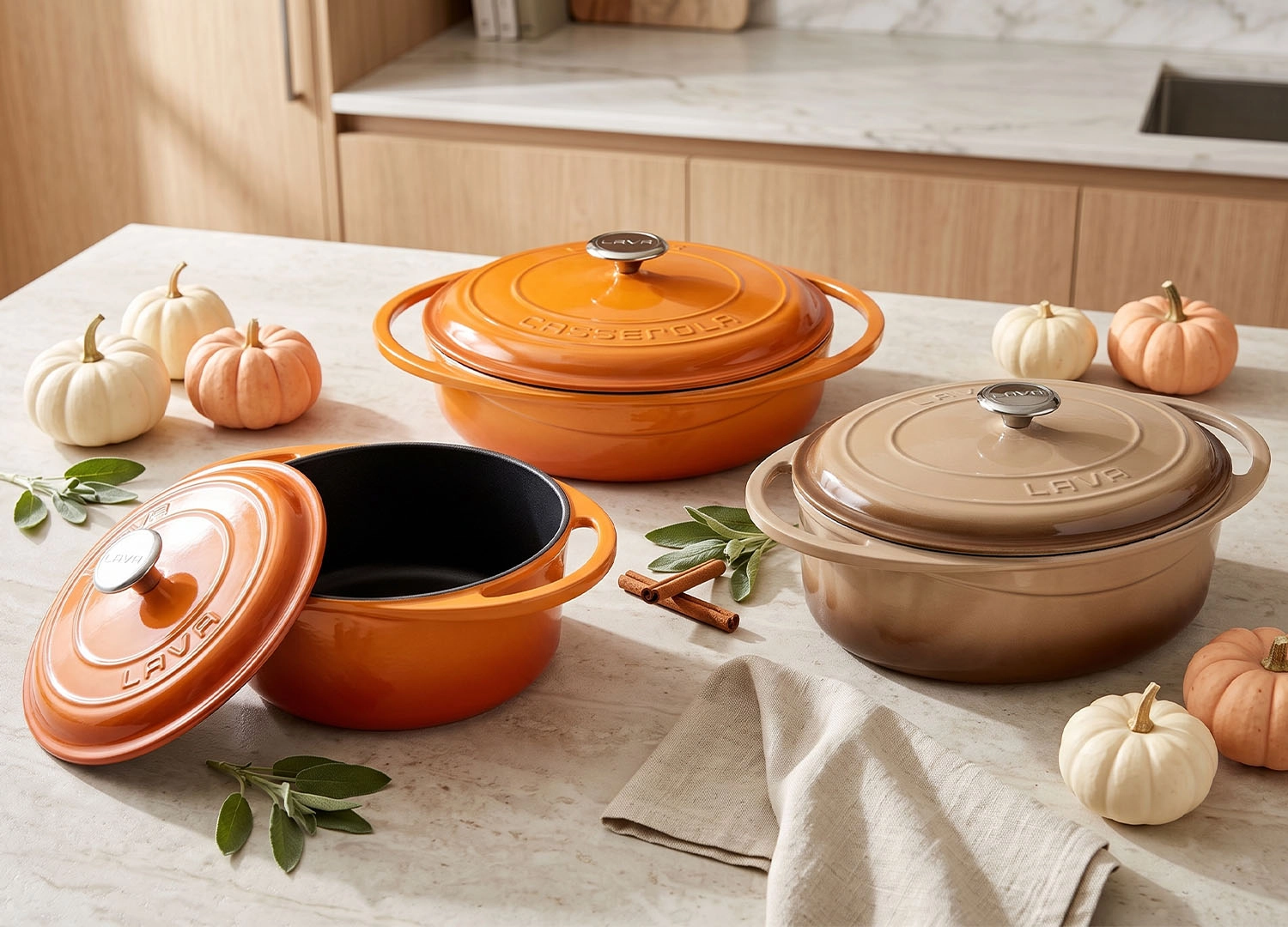
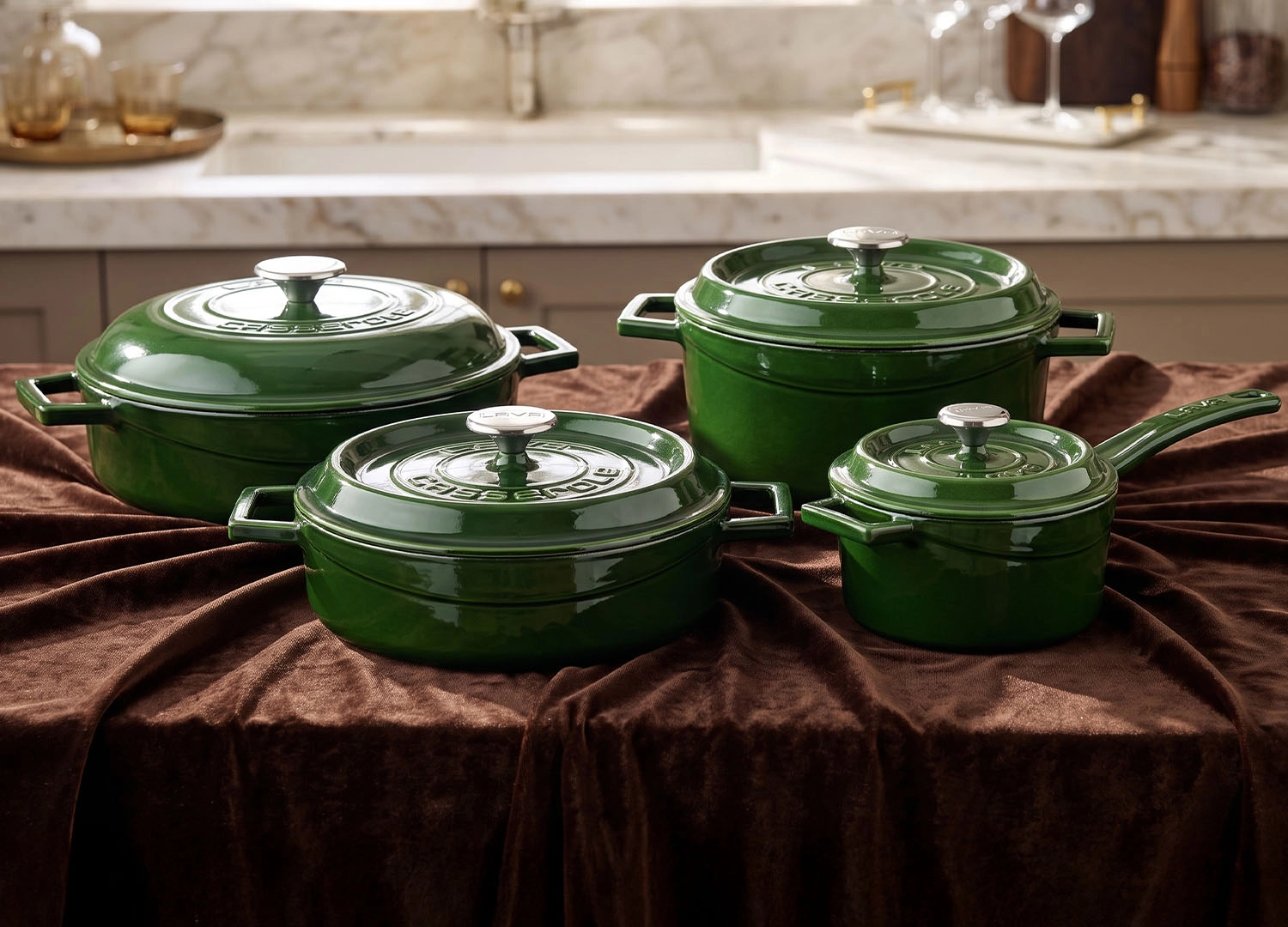
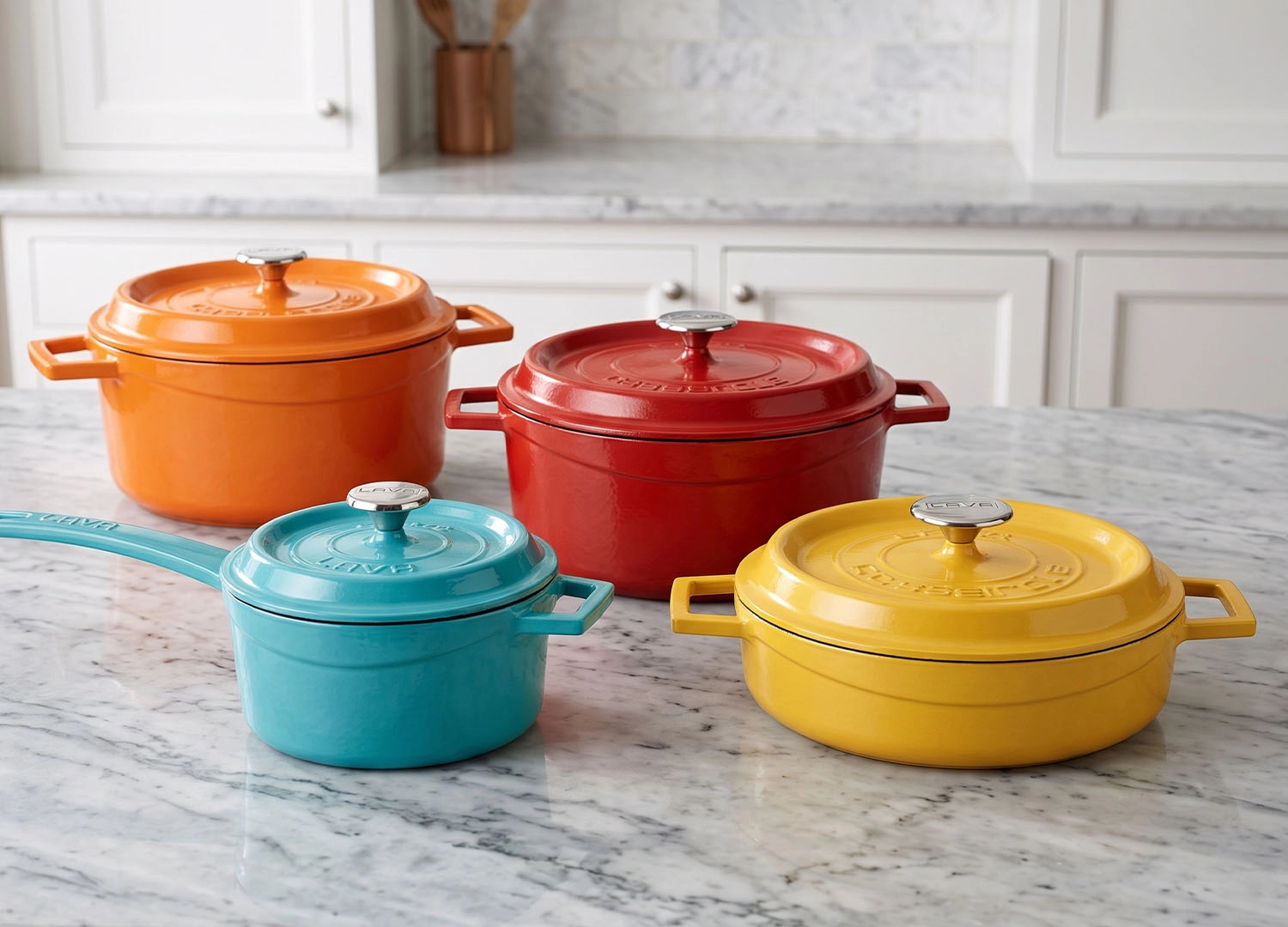
LAVA's enamel-coated cast-iron frying pans can offer an ideal cooking experience for sautéing vegetables in a controlled manner in recipes like carrot tarator and yoghurt courgette. In tomato sauce-based recipes like şakşuka, enamel-coated cast-iron casseroles help the sauce cook homogenously, whilst in oven recipes like creamy potatoes, enamel-coated cast-iron baking trays and gratin dishes support even cooking throughout. In pulse-based recipes like hummus, enamel-coated cast-iron casseroles contribute to boiling the chickpeas in a controlled manner for long periods.
In addition, enamel-coated cast-iron products offer advantages not only during cooking but also at the serving stage. Thanks to their structures that can retain heat for a long time, they help maintain the ideal temperature of recipes served hot, whilst allowing you to bring the food you cook directly to the table with their aesthetic designs. Thus, flavour and elegance can be presented together both in daily family meals and carefully prepared summer invitations.
On summer tables, light, refreshing, and vegetable-weighted mezes are generally preferred. Carrot tarator, yoghurt courgette, hummus, şakşuka, and mezes with olive oil are among the most popular meze varieties of the summer months, as they offer a light alternative in hot weather and harmonise with many main courses.
Yes. Many summer mezes, such as carrot tarator, yoghurt courgette, hummus, and şakşuka, can be prepared one day in advance. As they rest, the aromas of the ingredients blend better, which can enhance their flavour. It is recommended to keep them in the fridge until serving. Recipes served hot, such as creamy potatoes, yield better results when prepared close to the serving time.
Yoghurt-based mezes should be stored in airtight containers in the fridge after preparation. It is recommended not to leave them at room temperature for long periods so that the yoghurt can maintain its consistency and freshness. For the best flavour and texture, consumption within 1–2 days is advised.
Summer mezes can be served alongside grilled meats, chicken, fish, meatballs, kebab varieties, and barbecue menus. In addition, a rich and balanced menu can be created by bringing together different meze varieties on tables featuring olive oil dishes and shared platters.
In summer mezes, it is important to sauté, roast, or cook vegetables in a controlled manner. Enamel-coated cast-iron frying pans, casseroles, gratin dishes, and baking trays that help distribute heat evenly can contribute to achieving successful results in this process. LAVA's enamel-coated cast-iron products are among the options that offer the advantage of controlled cooking and elegant presentation together in different meze recipes.
The common point of the recipes in this article is that they add lightness, colour, and a culture of sharing to summer tables. Whether for family dinners or crowded invitations, mezes prepared with the correct cooking techniques are among the most popular flavours of the table.
To cook the vegetables used in the recipes in a controlled manner and to preserve them at their ideal temperature until serving, LAVA's enamel-coated cast-iron products can be a practical helper in the kitchen.
To discover all the recipes that will inspire your summer tables, you can examine the relevant recipe pages.
While discovering delicious meze recipes that will inspire your summer tables, you can also examine LAVA's collection of enamel-coated cast-iron frying pans, gratin dishes, and baking trays for controlled cooking and elegant presentation.
14.07.2026






Lava Döküm Online Fabrika Satış Mağazası. © 2026 All Rights Reserved.


0
)

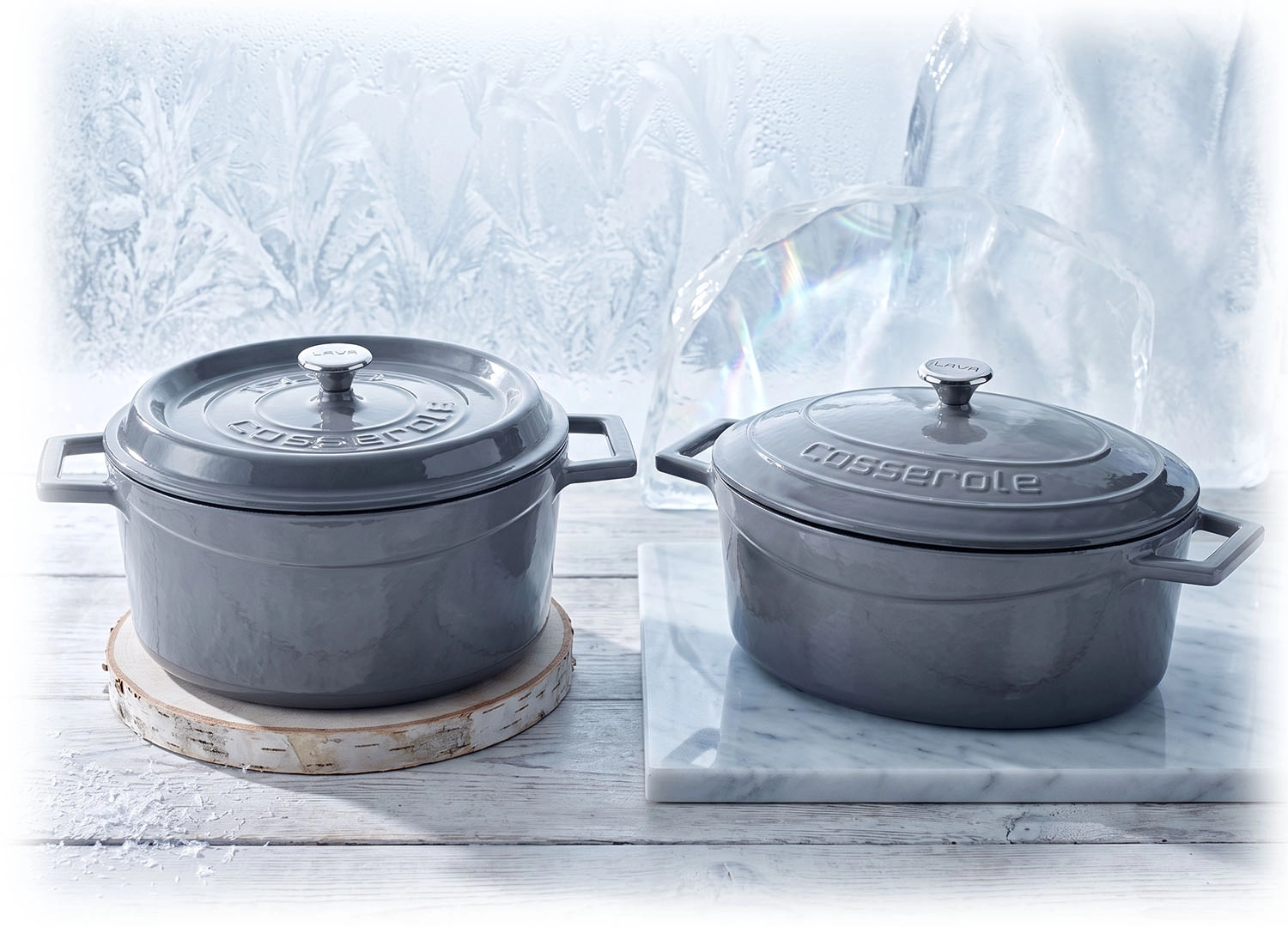
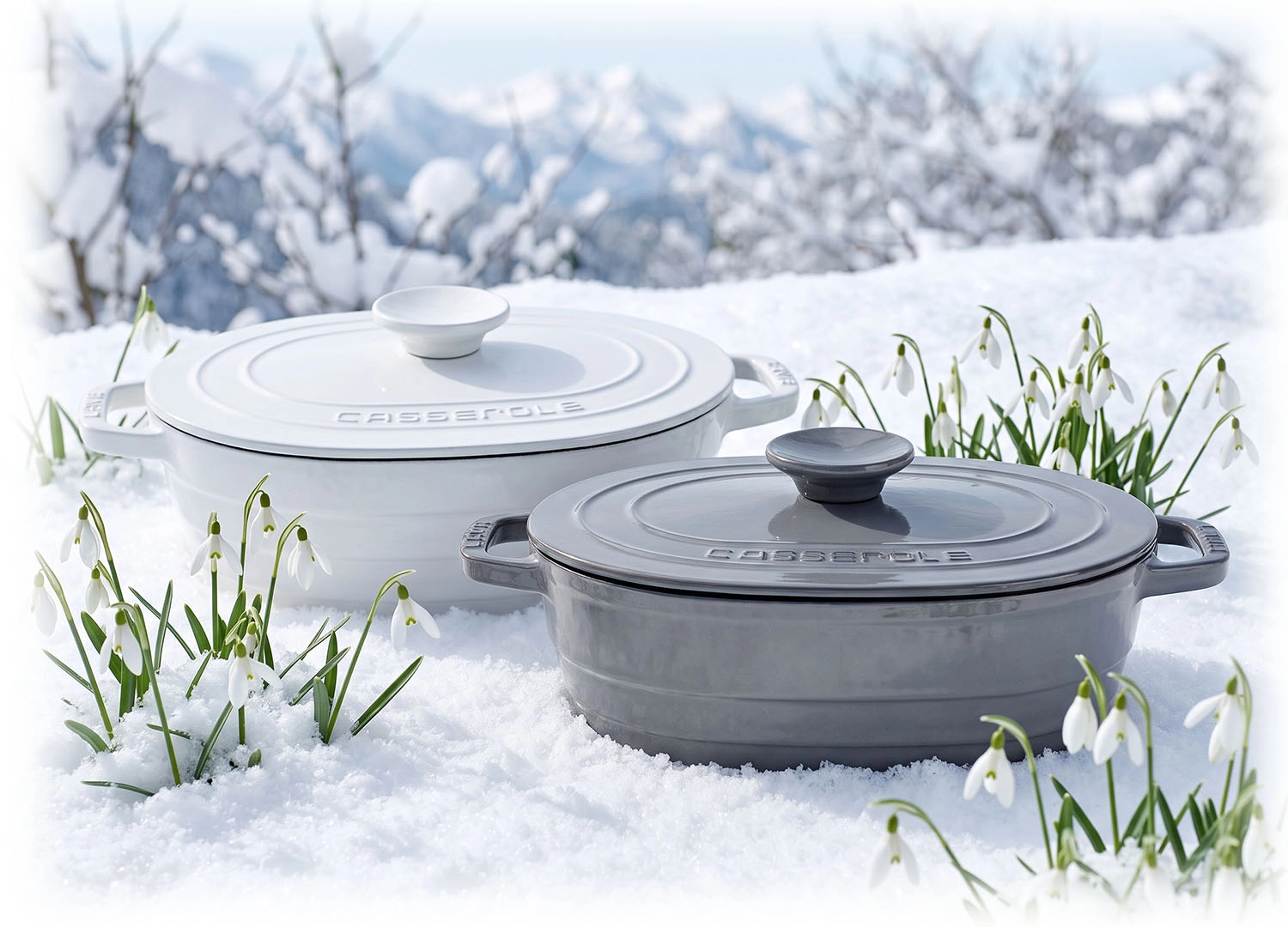
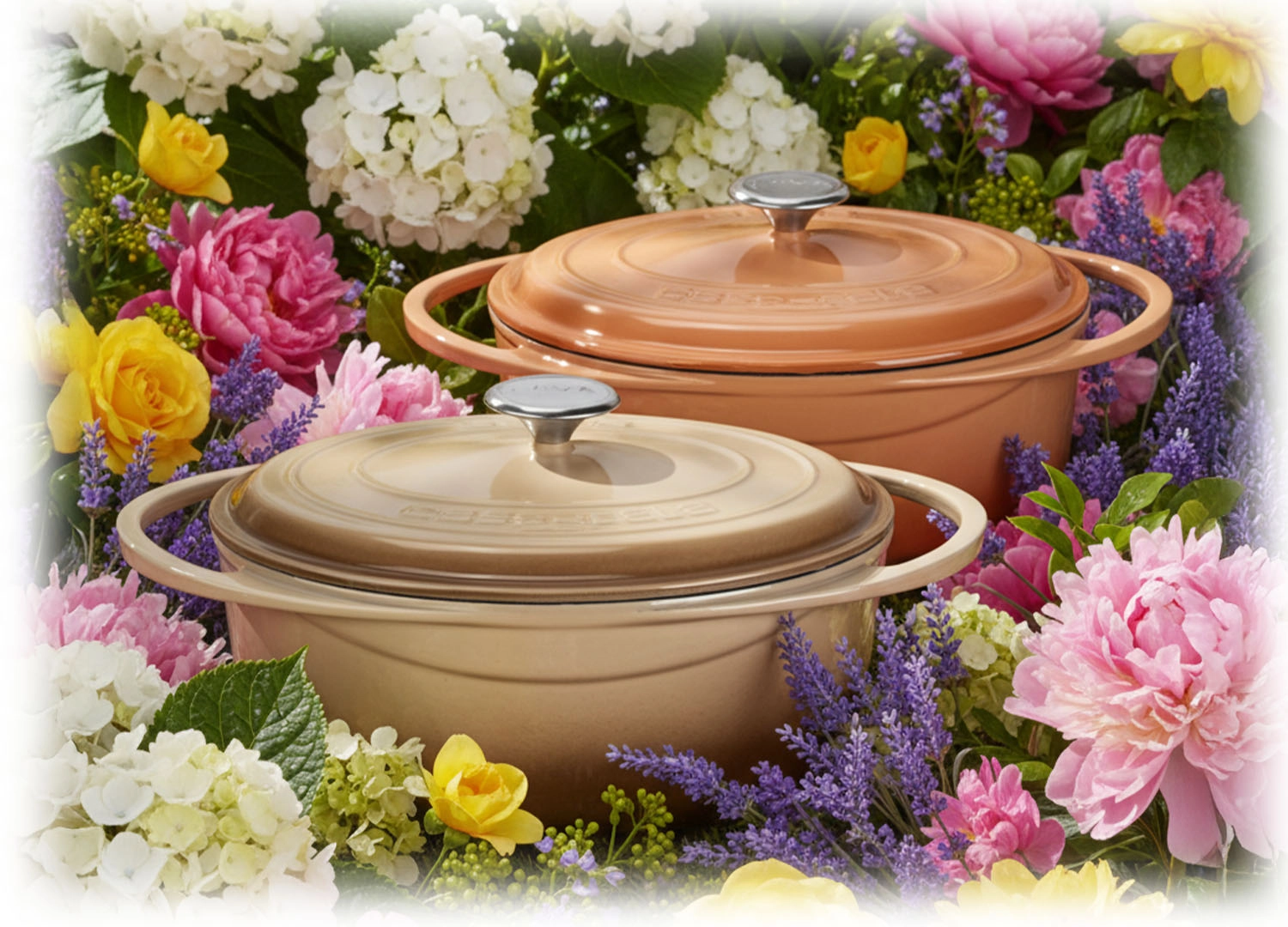
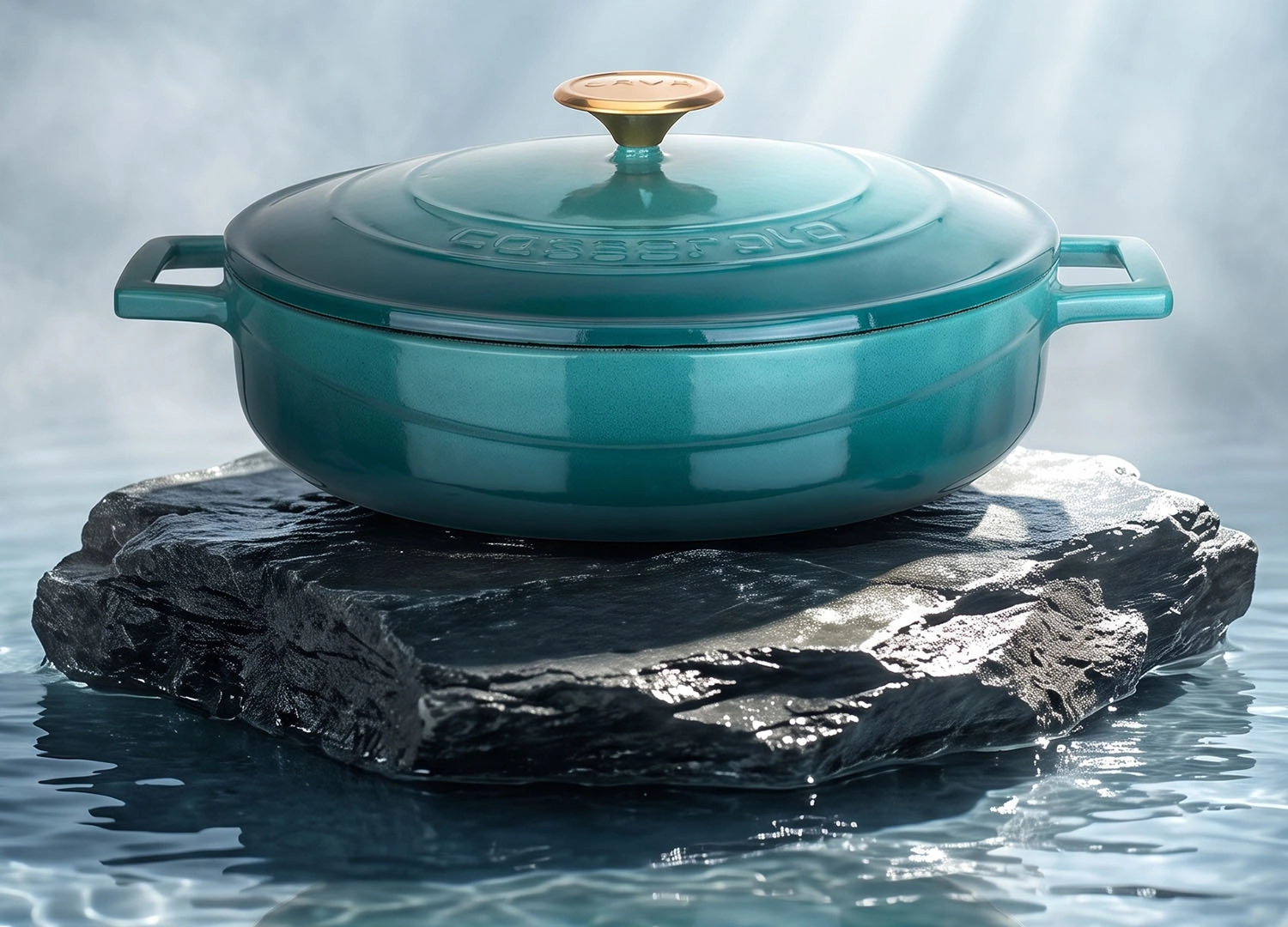
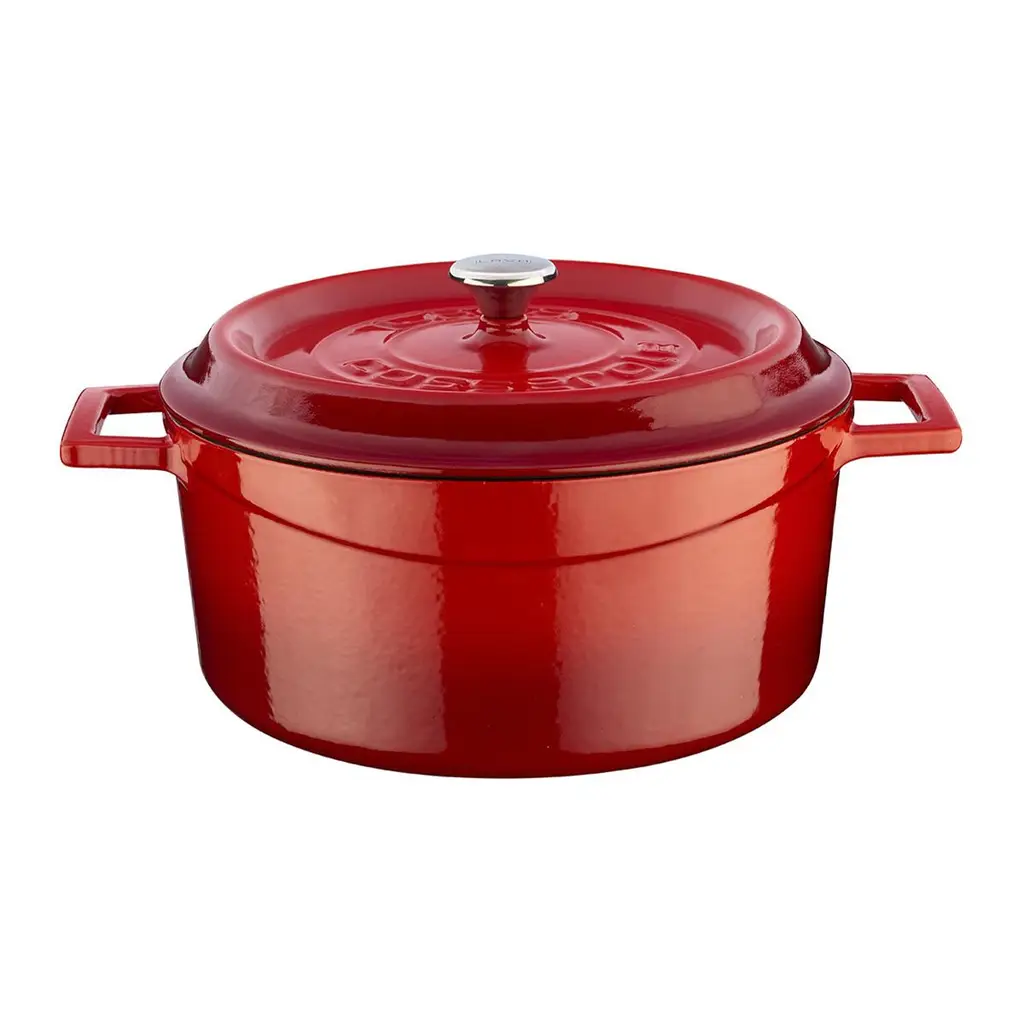
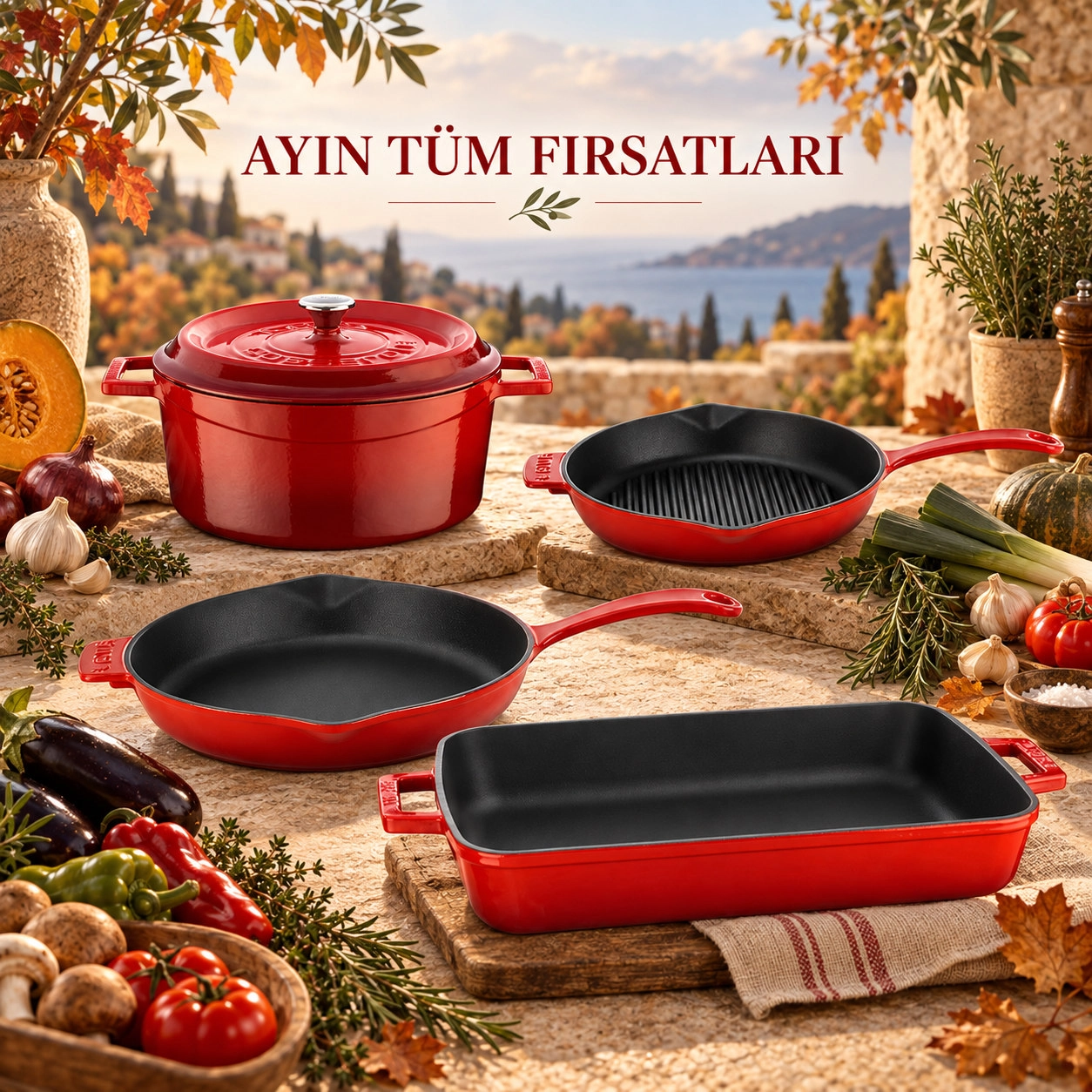
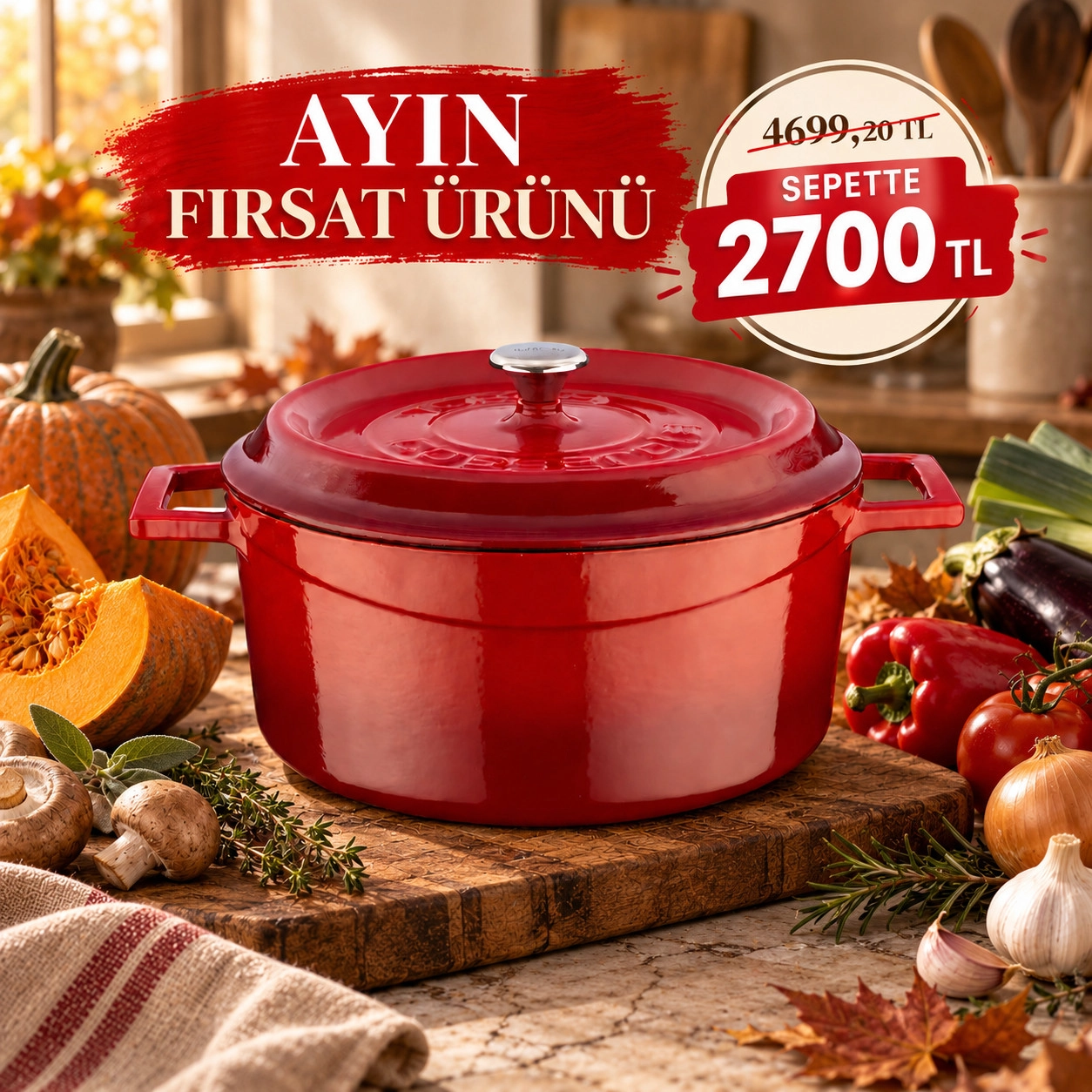 LAVA Round Cast Iron Casserole – Trendy Ø24 cm
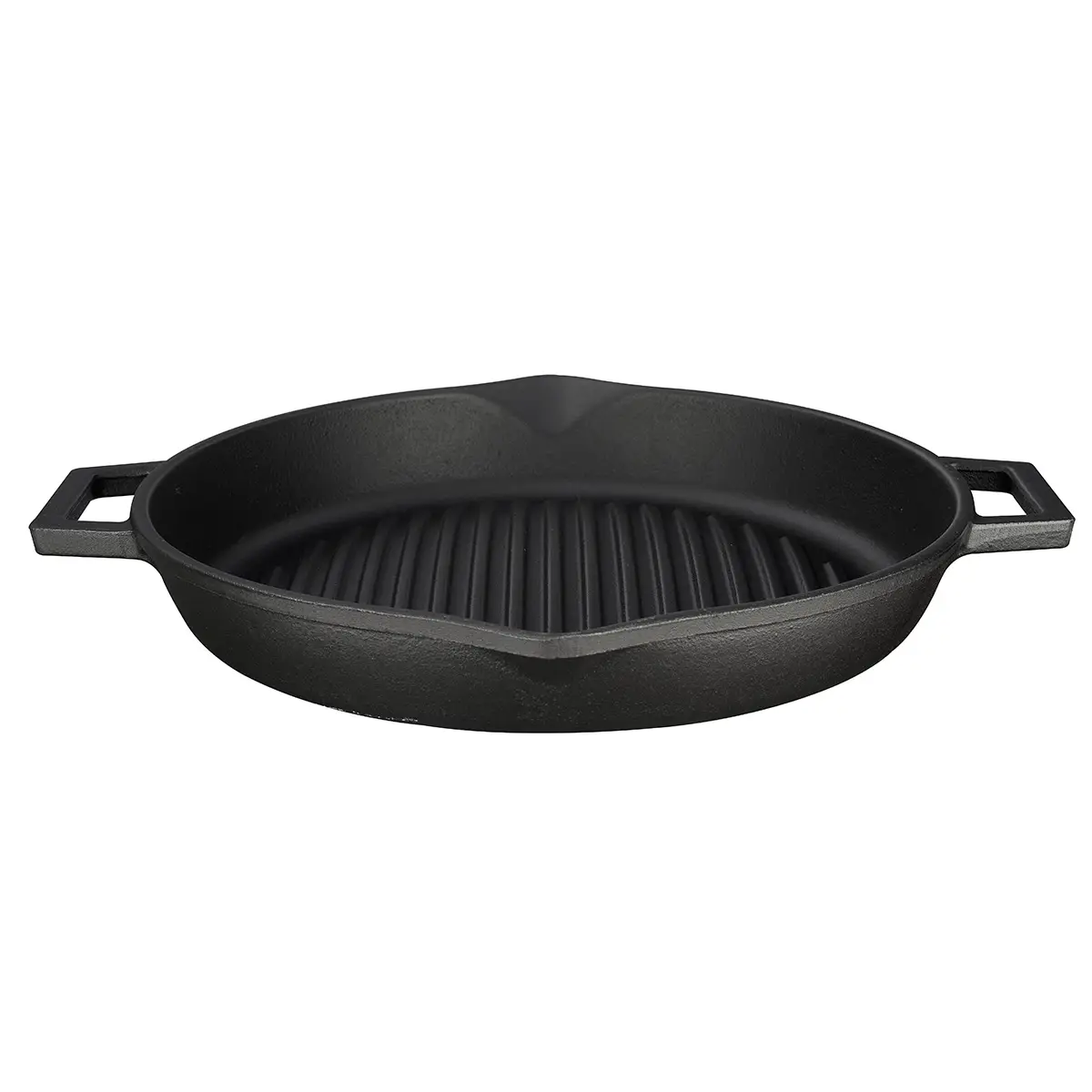
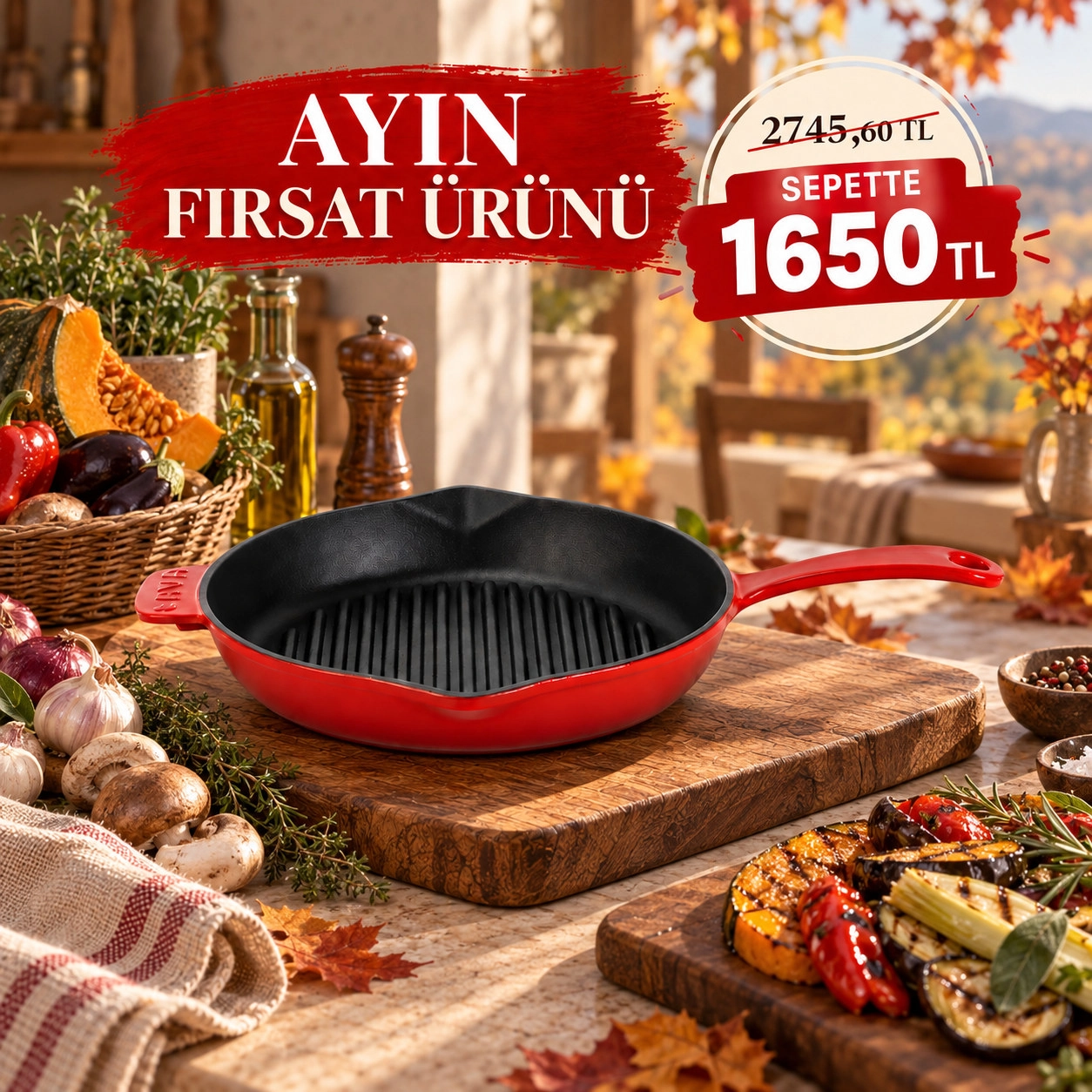 LAVA Round Cast Iron Grill Pan 28 cm Single Handle
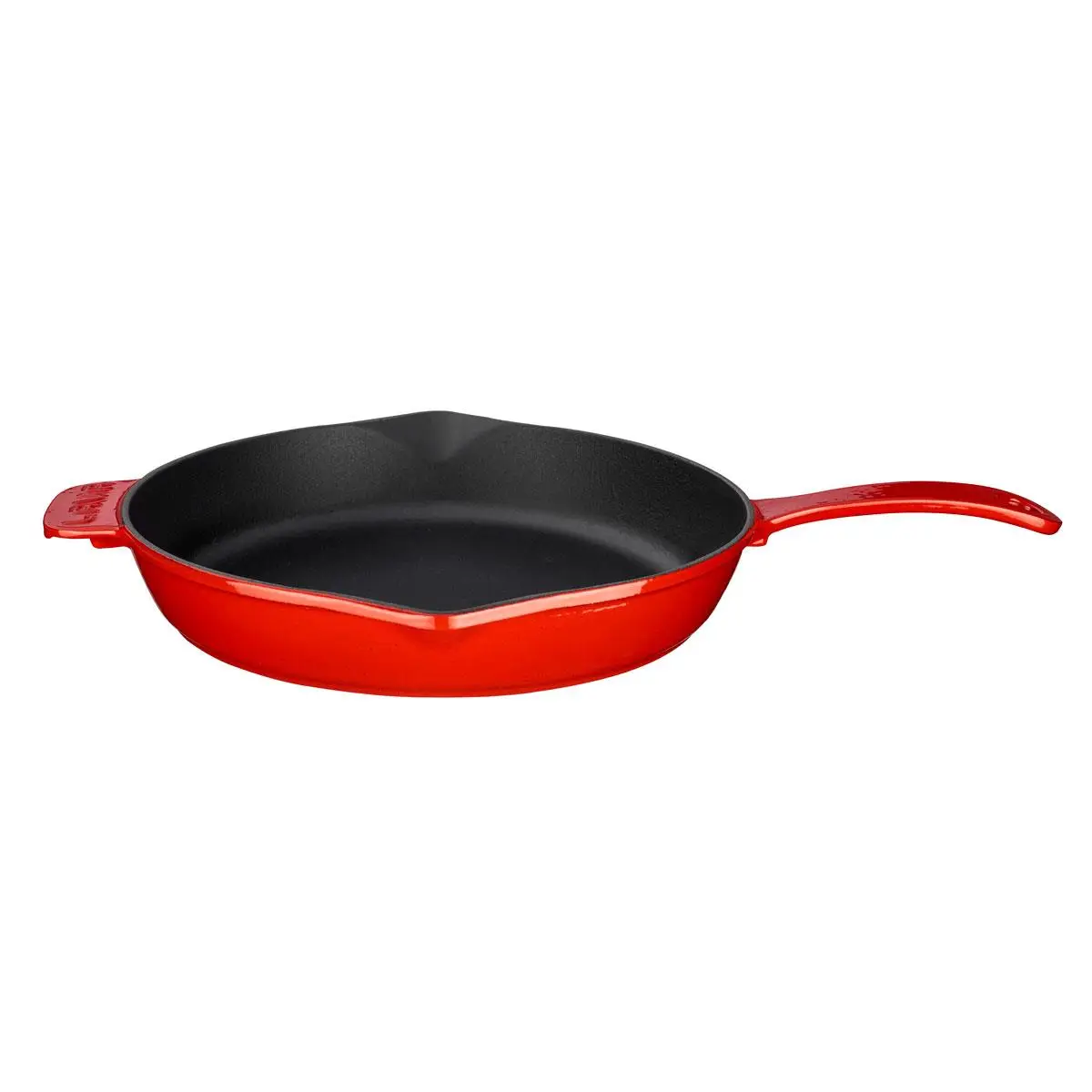
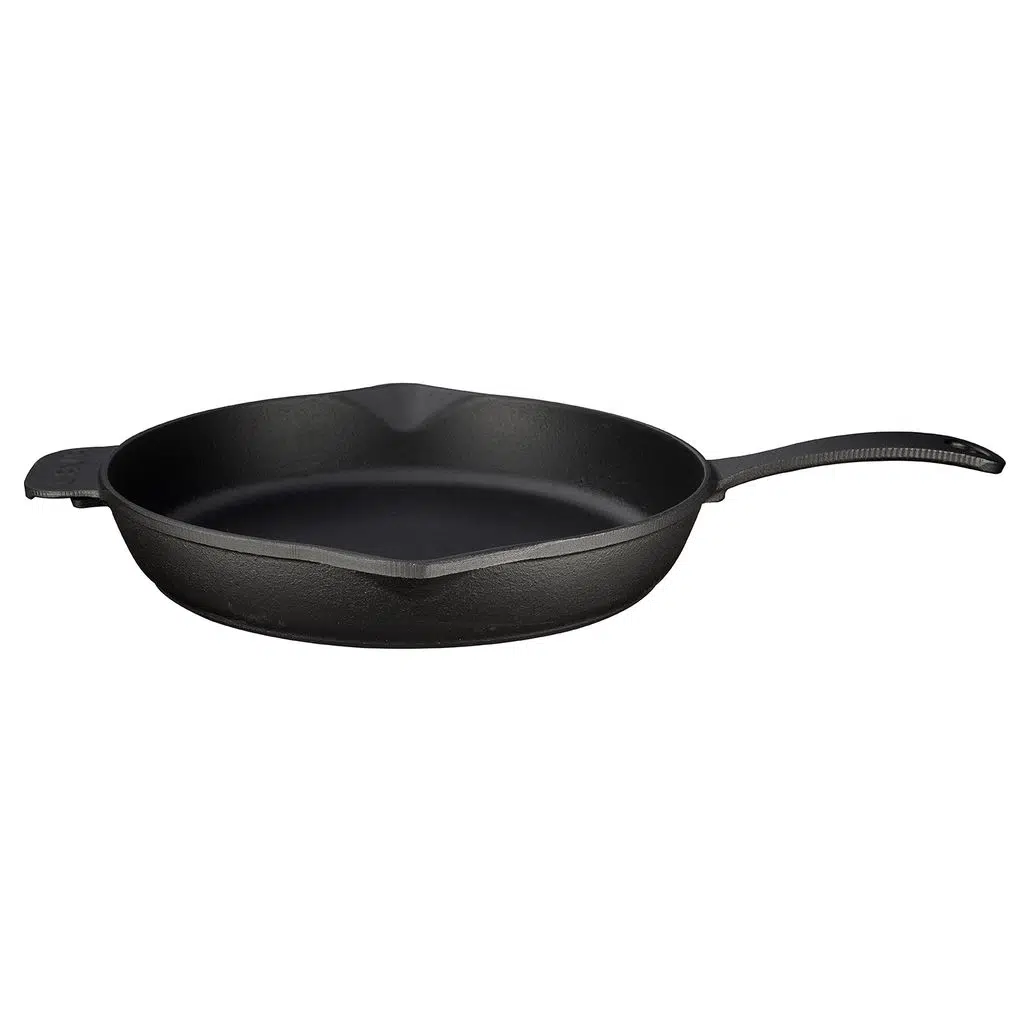
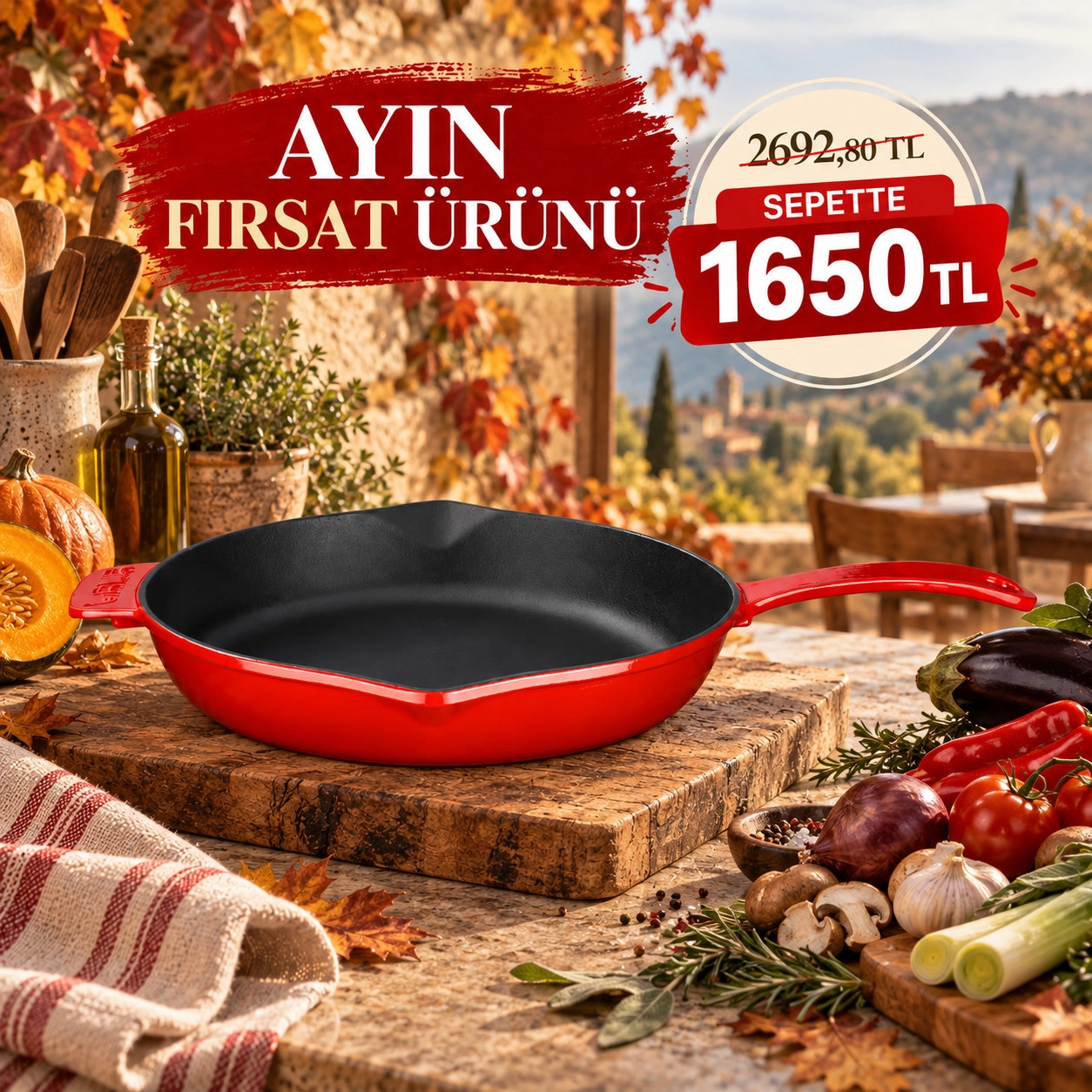 LAVA Round Cast Iron Frying Pan 28 cm Single Handle
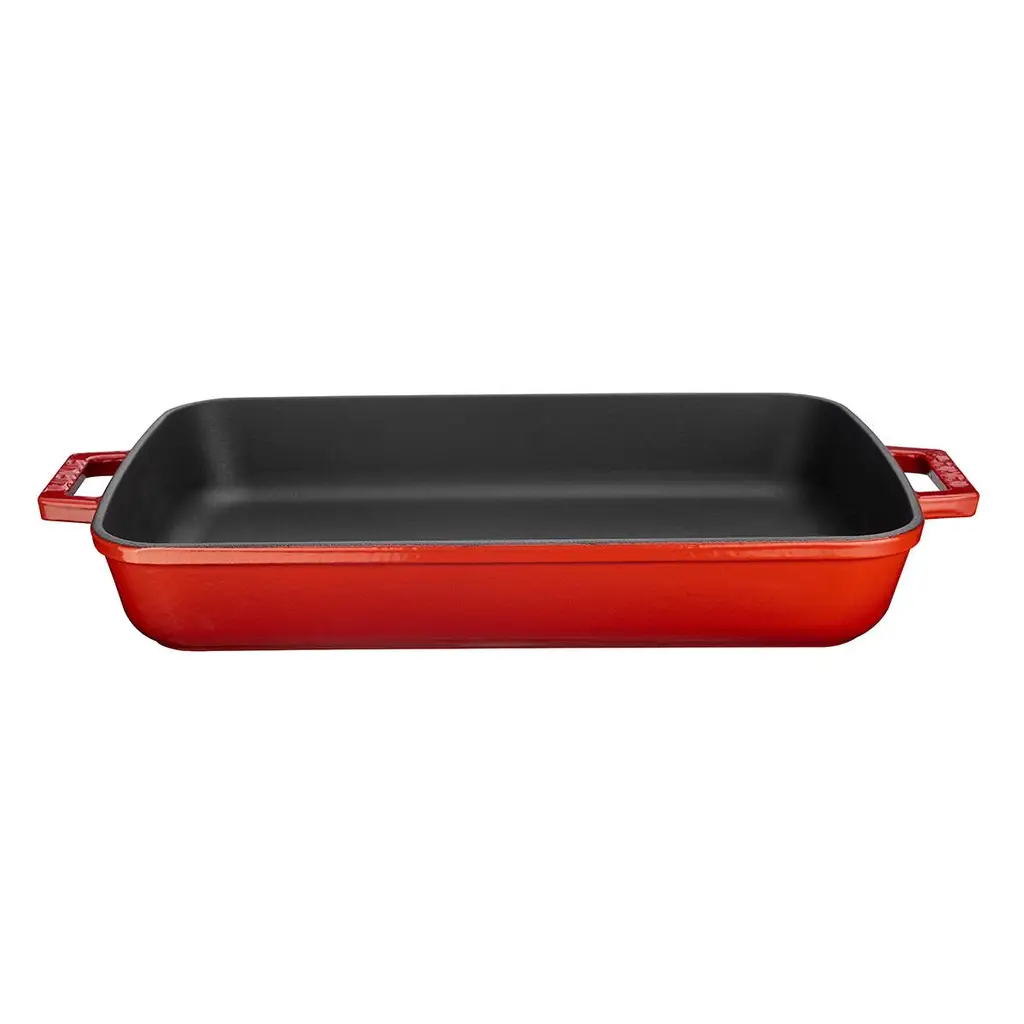
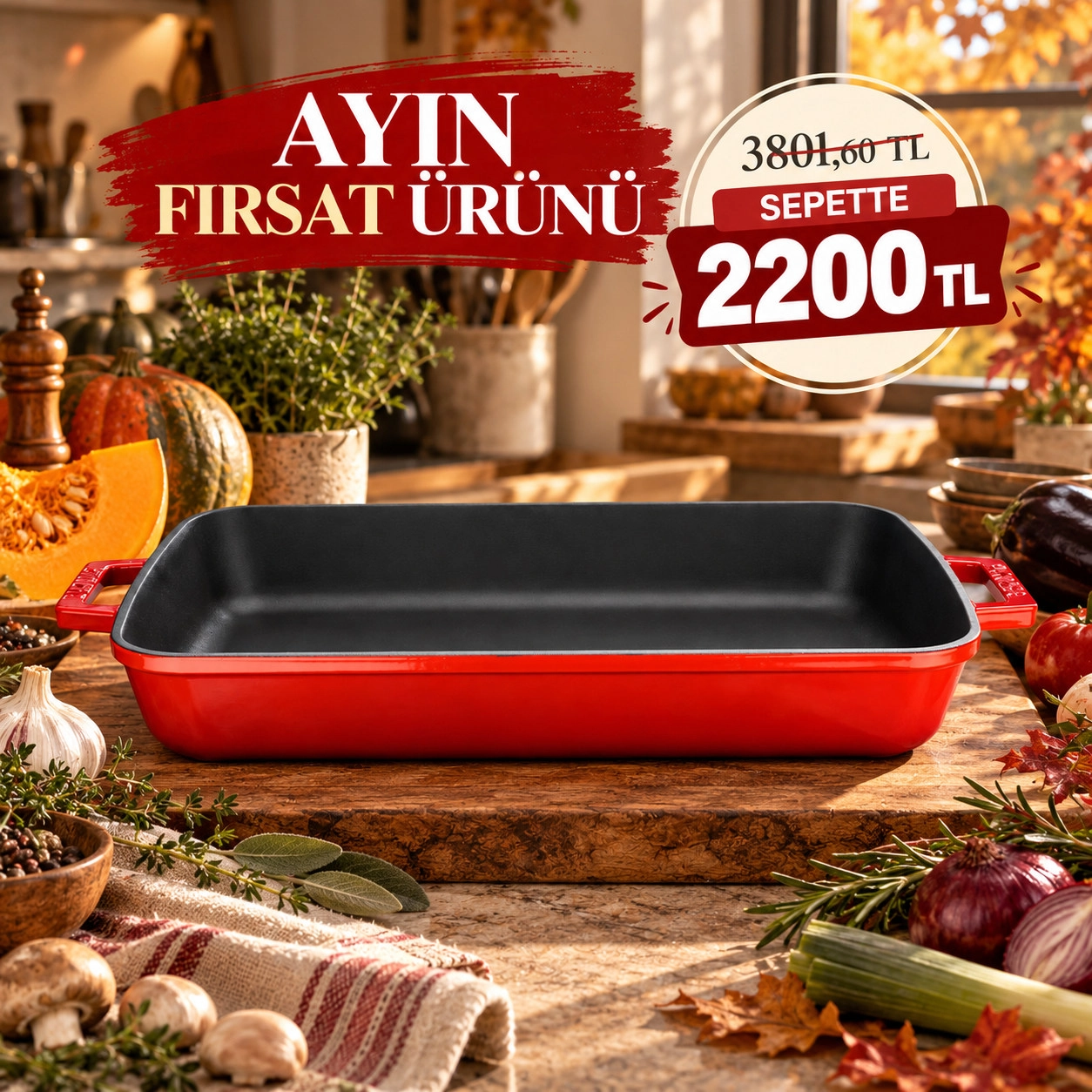 LAVA Rectangular Cast Iron Roasting & Oven Tray 26x40 cm Twin Handles
 All This Month's Deals