×

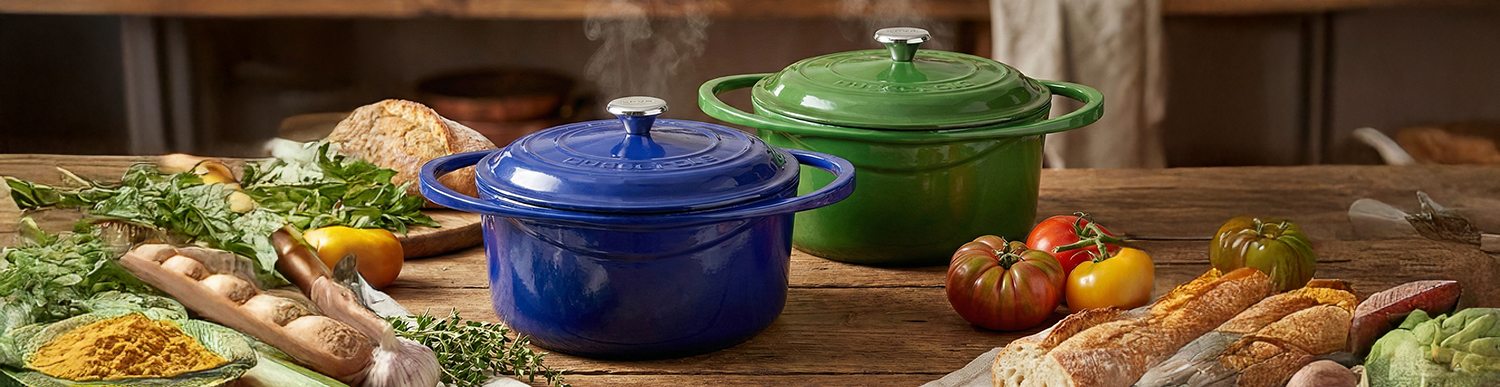
Anatolian cuisine has, for centuries, been shaped around fire, earth and patience. One of the strongest symbols of this culture is undoubtedly the casserole pot. Meats slowly cooked over a wood fire, seasonal vegetables, pulses and traditional recipes were first prepared in clay vessels and, over time, reinterpreted in modern kitchens through the cast iron casserole pot.
Today, as kitchen trends turn towards “slow cooking” and natural cooking techniques, the cast iron casserole dish brings together traditional cooking culture with modern durability. In this article, we explore the journey from Anatolia’s clay casserole to today’s cast iron casserole, along with selection criteria, price ranges and practical advantages.
The casserole tradition is a continuation of cooking techniques carried from Central Asia to Anatolia. In Seljuk and Ottoman kitchens, earthenware pots were preferred because they balanced heat and intensified flavour.
Dishes such as:
Testi kebab
Chickpeas with meat
Keşkek
Vegetable stew (türlü)
Oven-baked casseroles
were prepared in a casserole pot as they require long and even heat.
The porous structure of clay allows food to cook in its own juices, creating a naturally rich aroma. However, over time, the need for greater durability, longevity and improved heat retention led to stronger alternatives. As a result, the cast iron casserole pot gained a firm place in modern kitchens.
While the clay casserole symbolises traditional flavour, the cast iron casserole dish offers the same cooking principle in a more controlled and long-lasting form.
The main advantages of cast iron include:
High heat retention capacity
Even heat distribution
Compatibility with oven and hob
Long-term durability
For this reason, many professional kitchens and HoReCa establishments now prepare traditional casserole recipes using cast iron casserole cookware.
The answer depends on intended use. However, from a technical perspective, the following criteria stand out:
Stable heat is essential for slow cooking. In this respect, a cast iron casserole pot retains heat longer than a clay model.
Clay casseroles are fragile. Cast iron casserole models are more resistant to impact and high temperatures.
Condensed steam returning to the dish enhances flavour. Heavy-lidded cast iron casserole pots offer a clear advantage here.
A cast iron casserole pot that is suitable for oven, hob and induction provides greater functionality in the modern kitchen.
When purchasing a casserole pot, consider:
Clay casserole pot
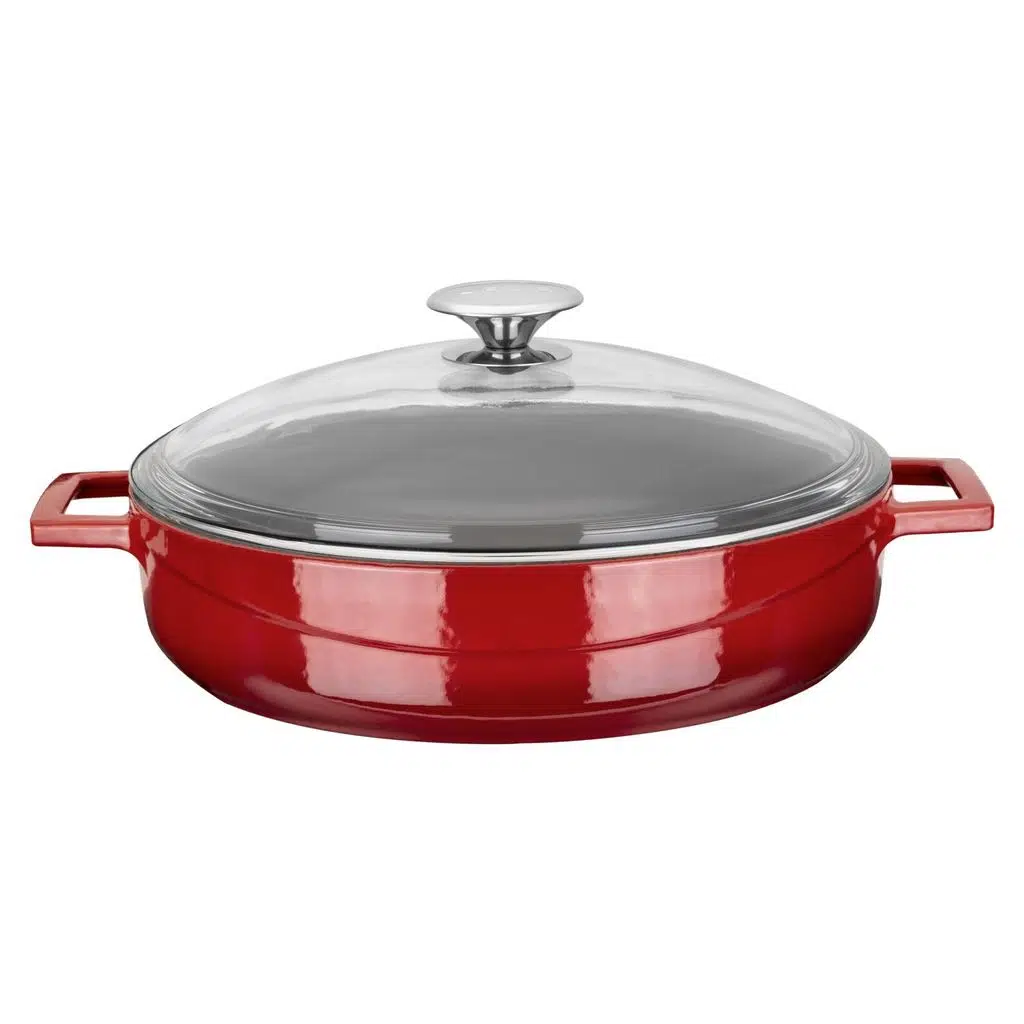
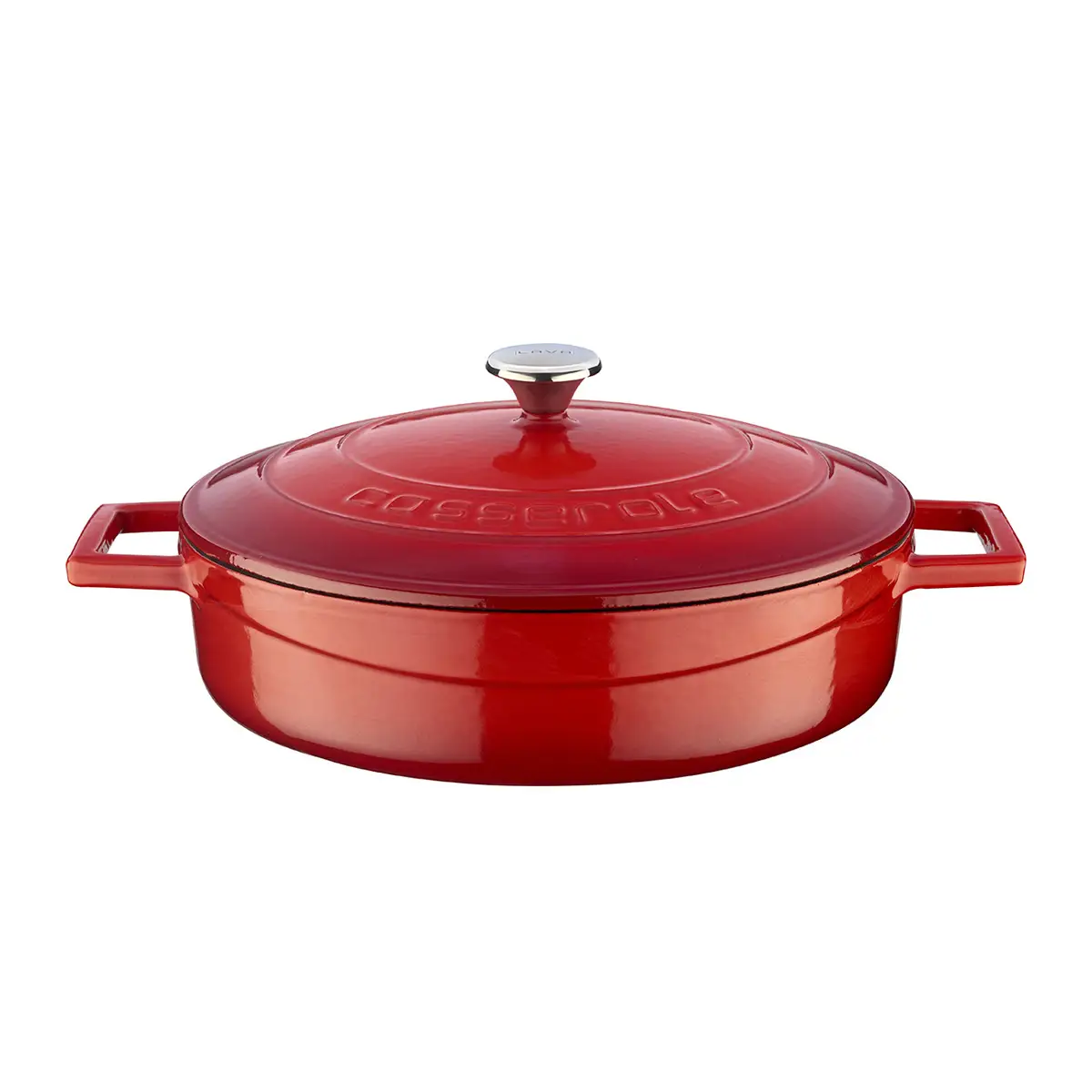
Enamel-coated cast iron casserole
Pure cast iron casserole pot
A thick-walled cast iron casserole pot ensures more balanced cooking.
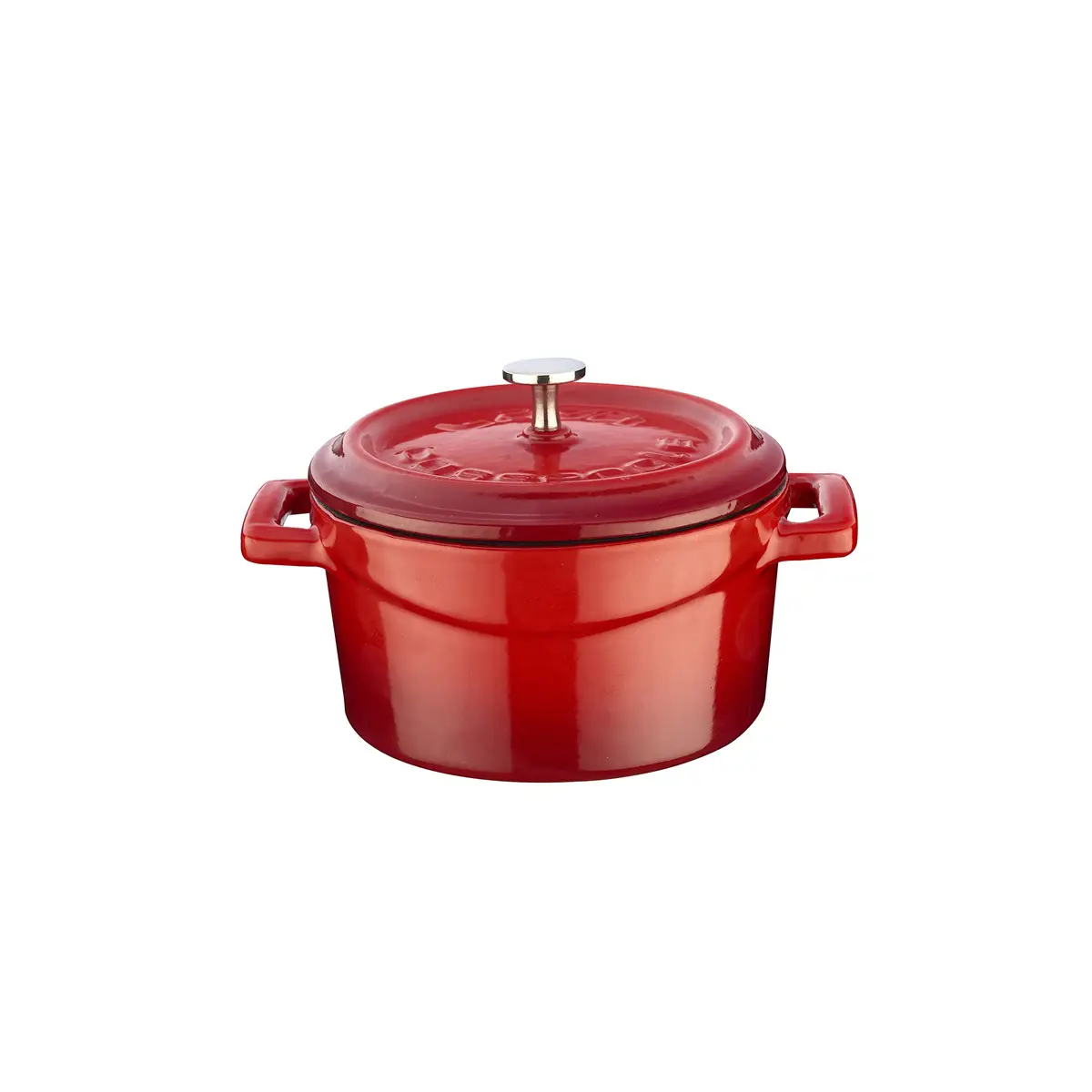
Models range from smaller sizes serving 2–3 people to large family-sized options for 6–8.
Enamel-coated cast iron casserole models are resistant to rust and easier to clean.
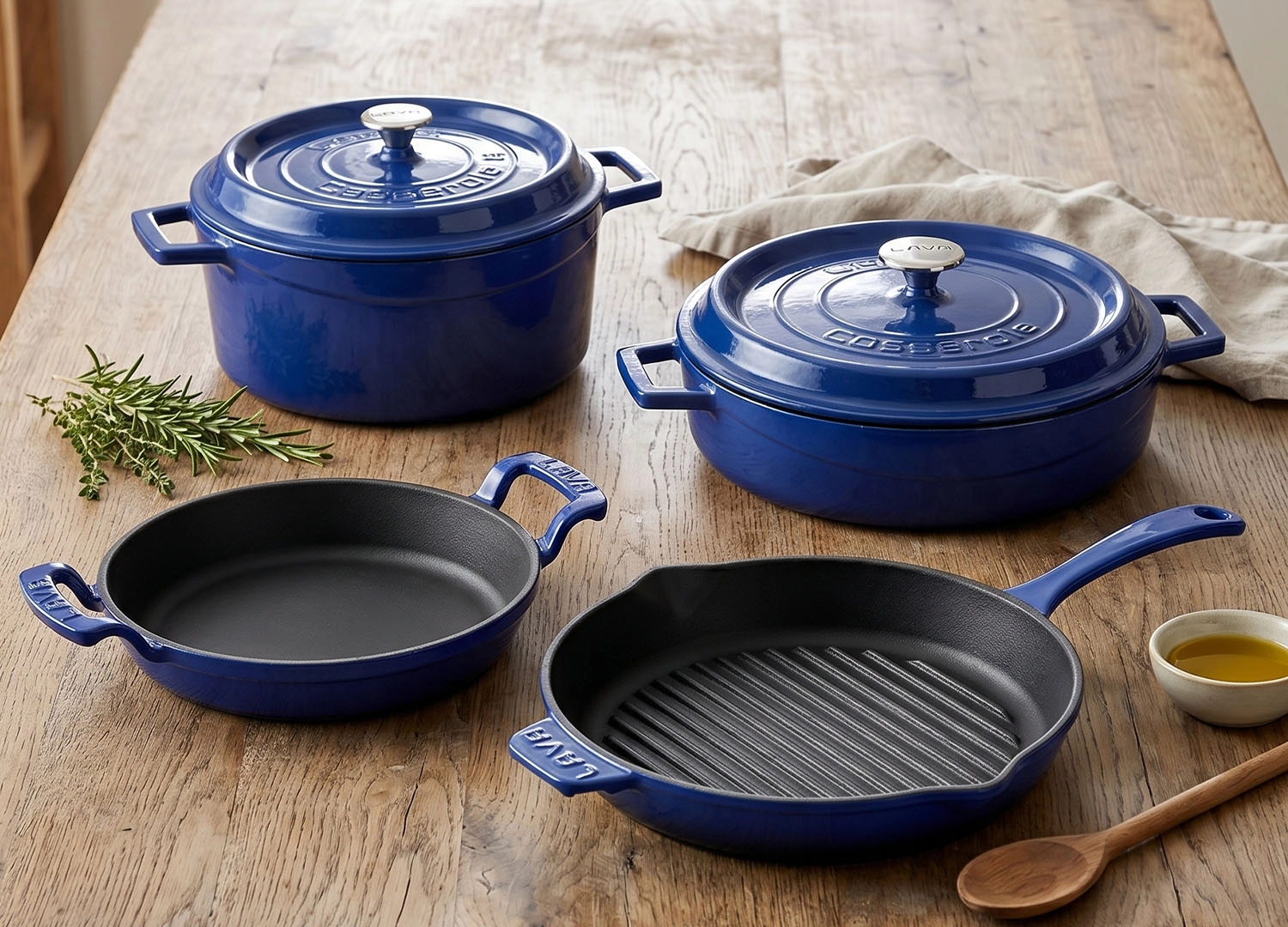
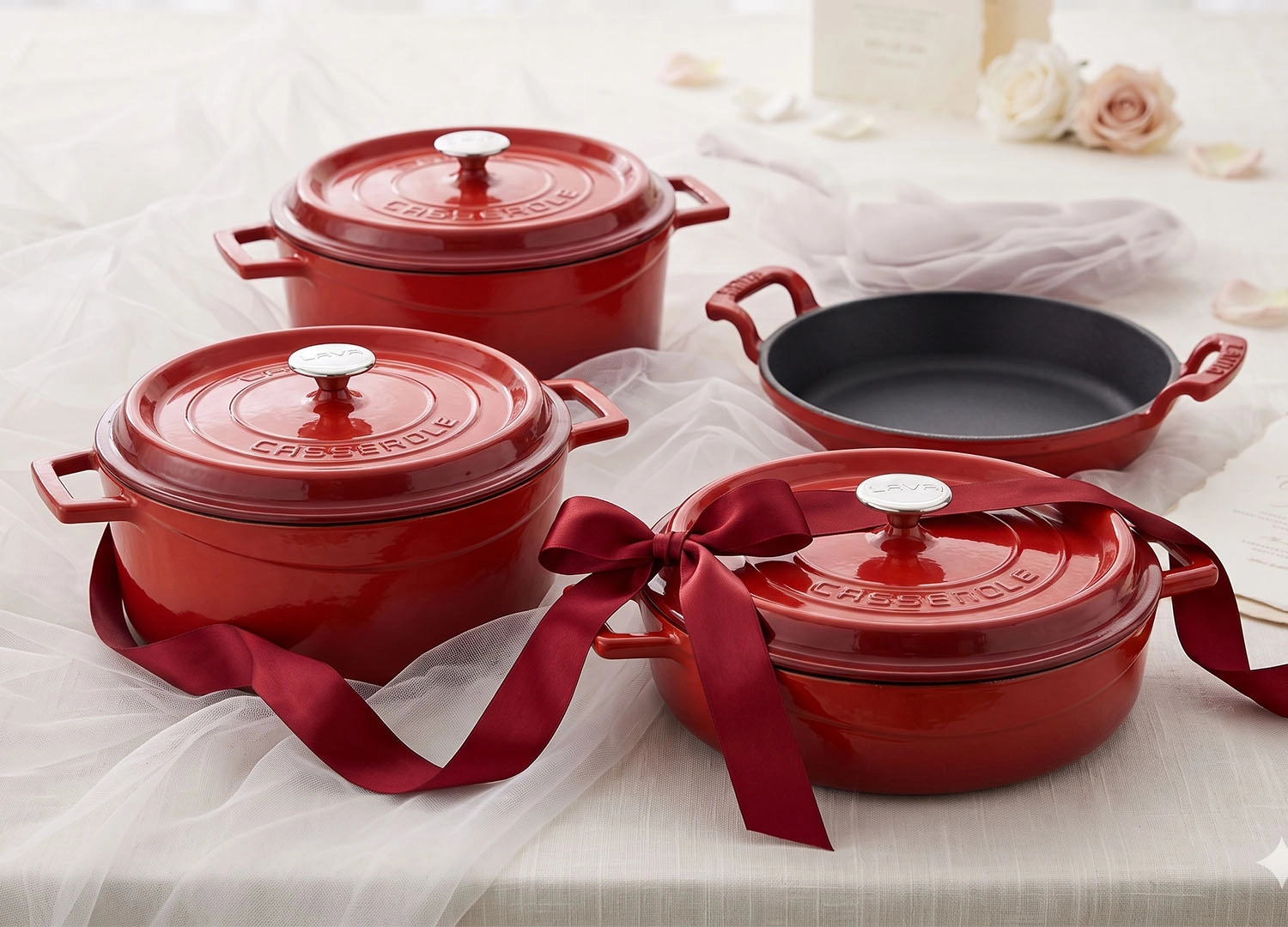
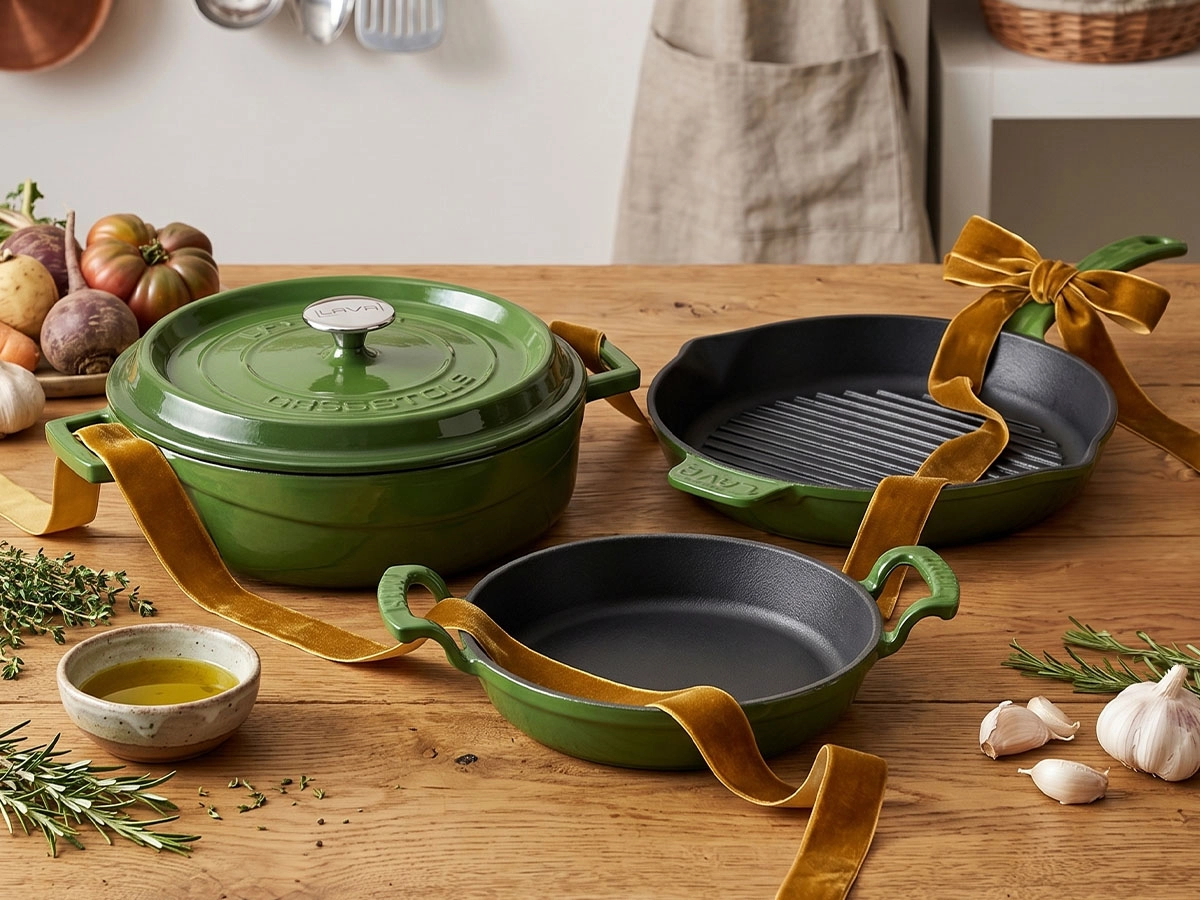
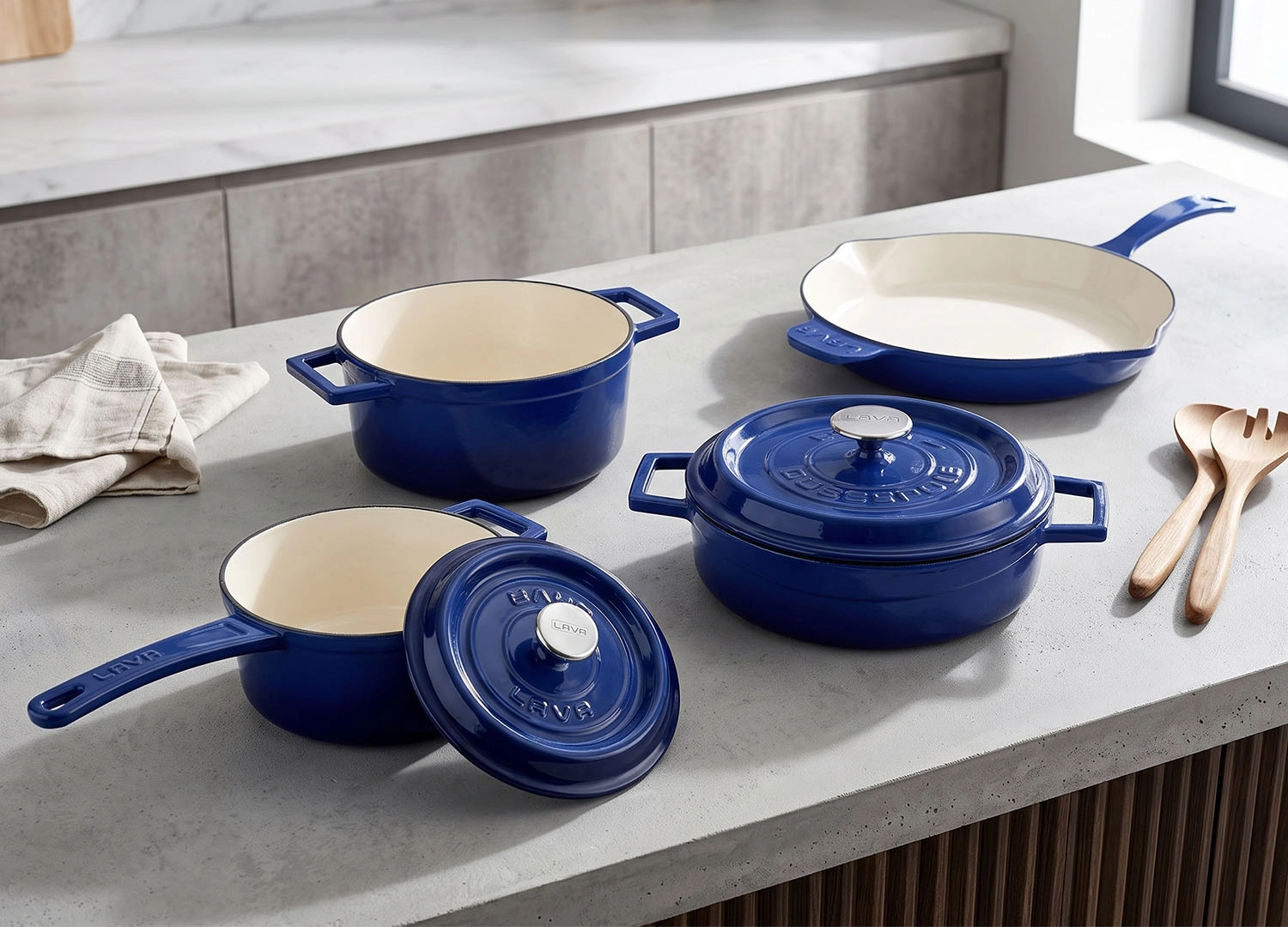
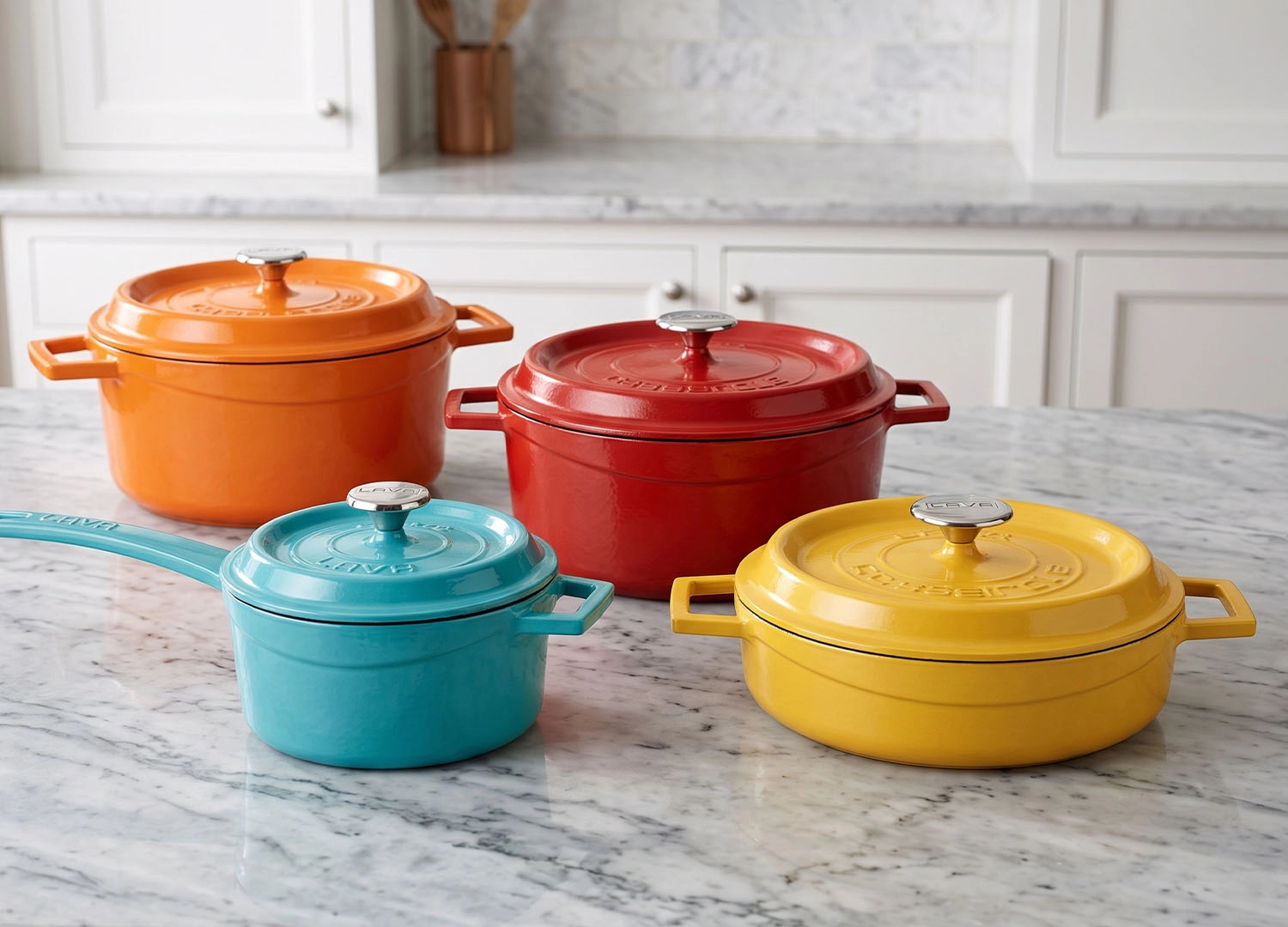
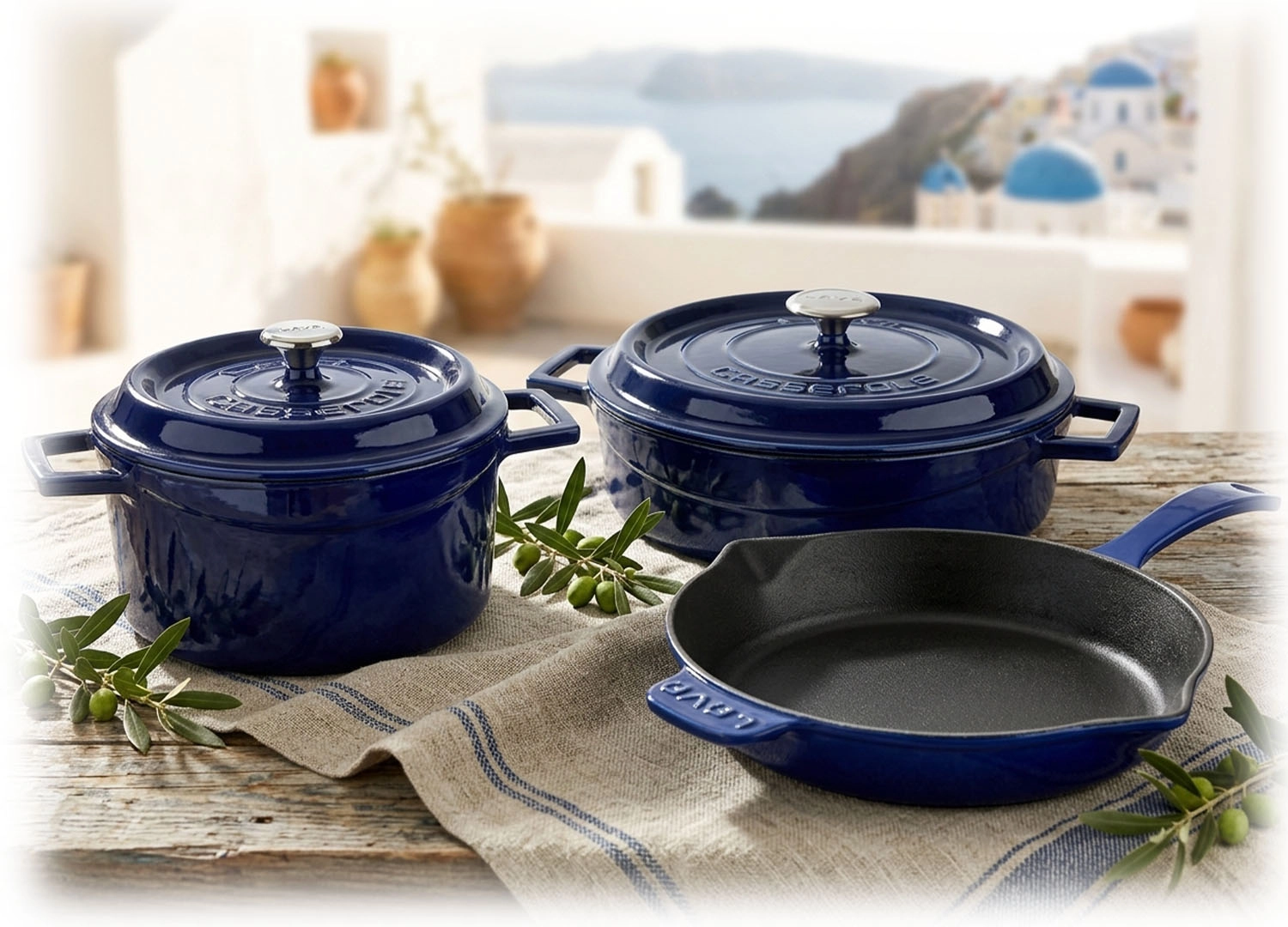
Cast iron cookware extends beyond casseroles and varies according to cooking needs:
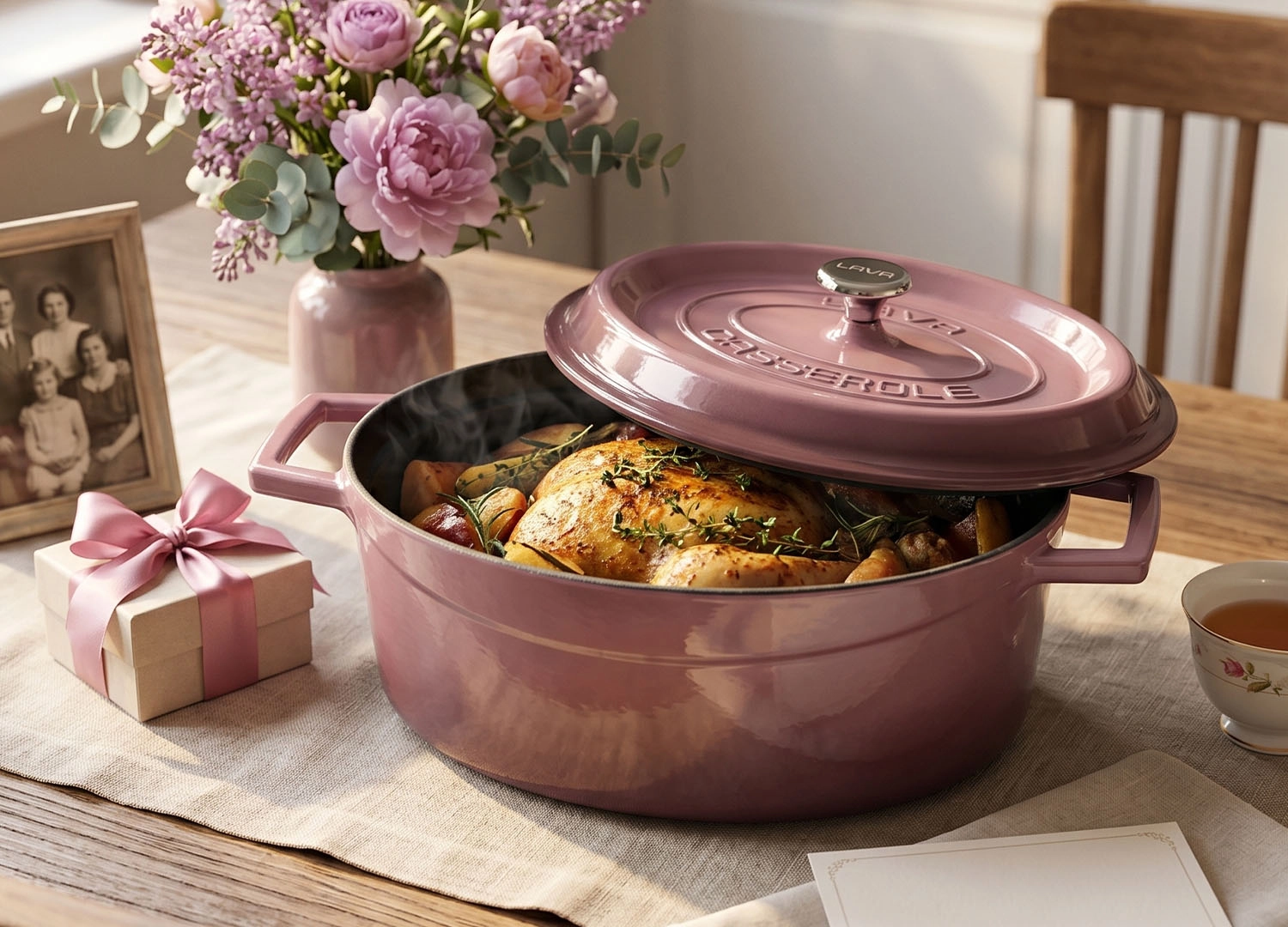
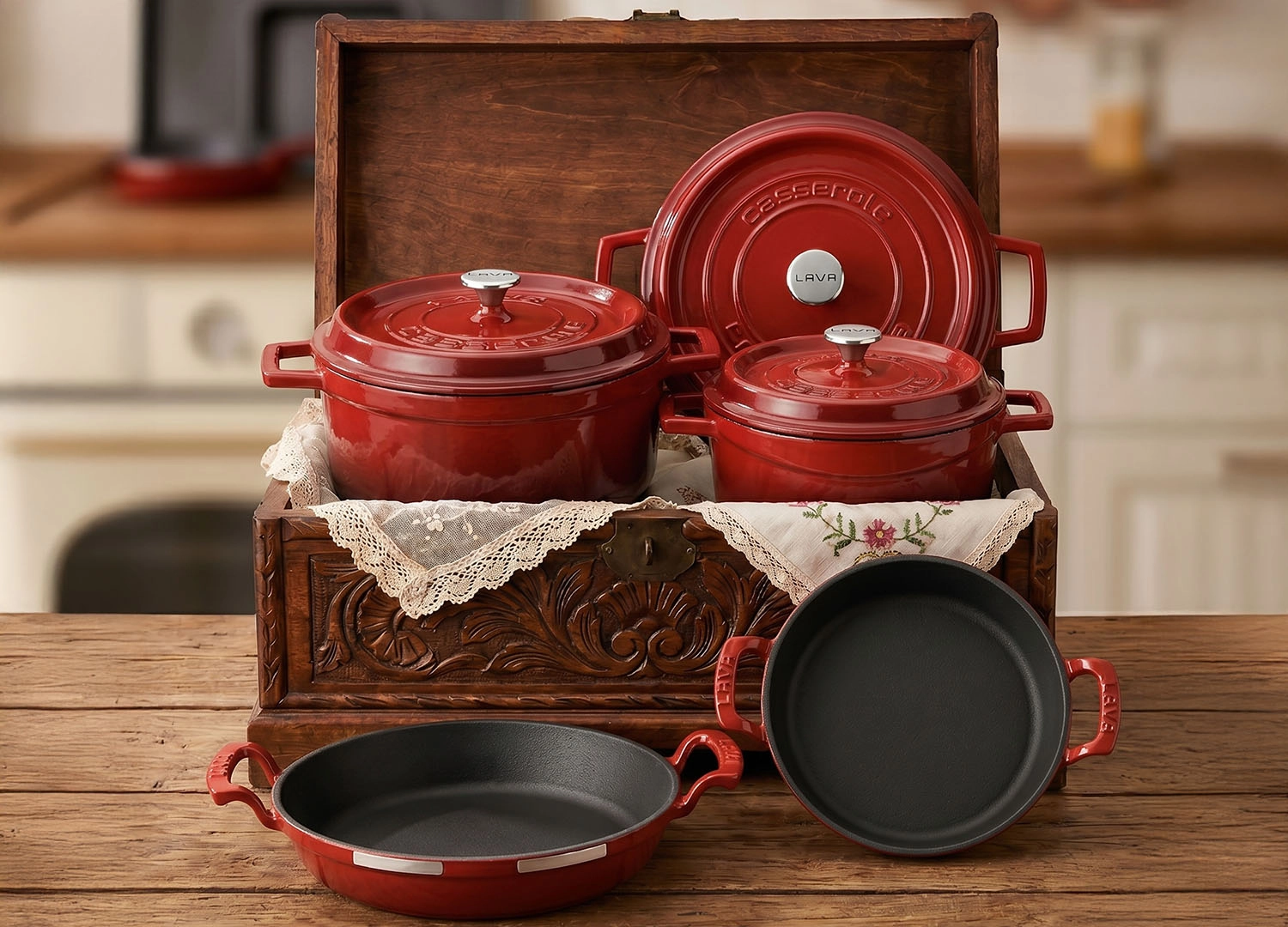
Cast Iron Casserole Pot – For slow cooking and oven dishes.
Cast Iron Cooking Pot – For soups, rice and stews.
Cast Iron Frying Pan – For high-heat searing and frying.
Cast Iron Serving Pan – Ideal for presentation.
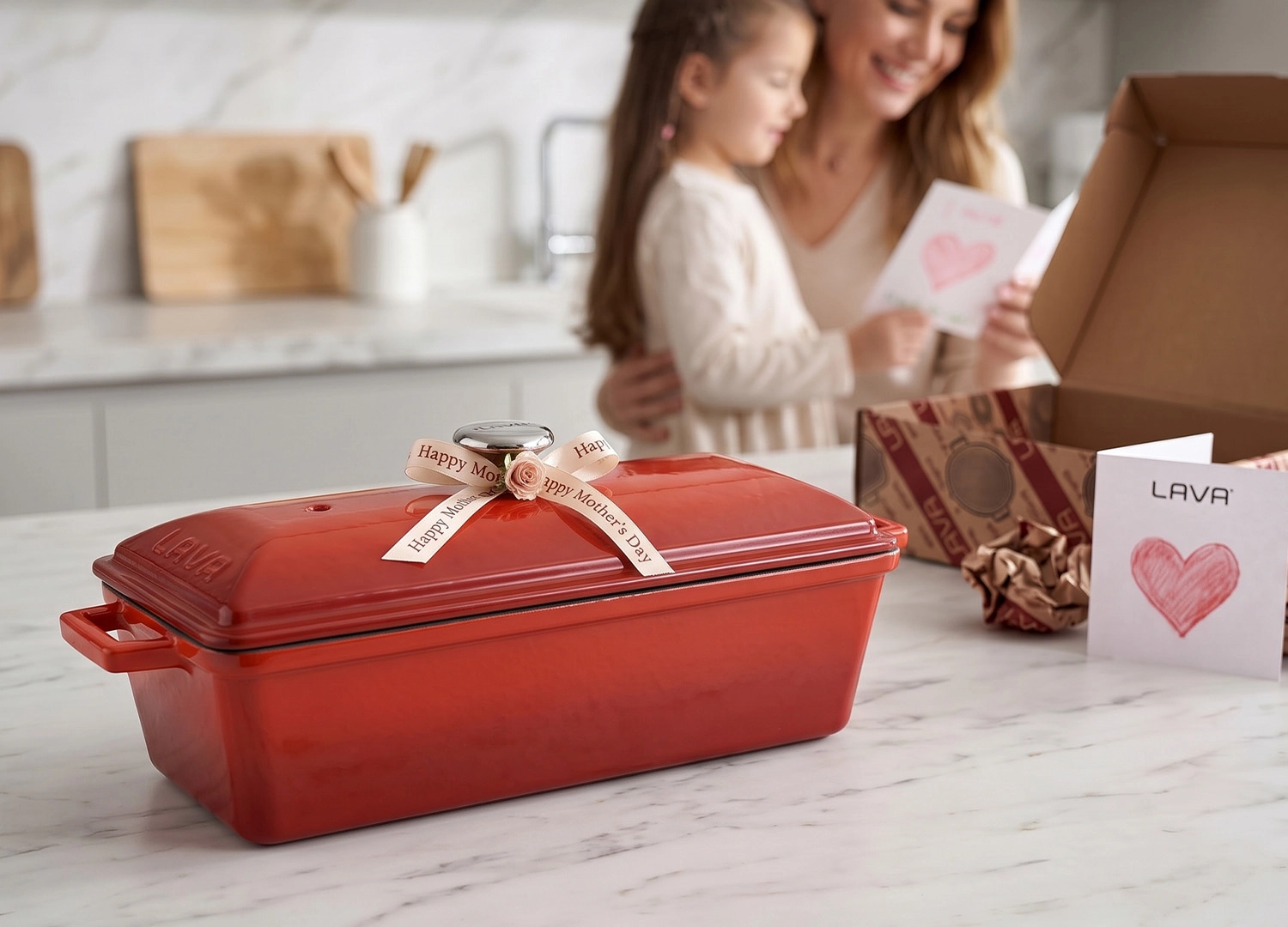
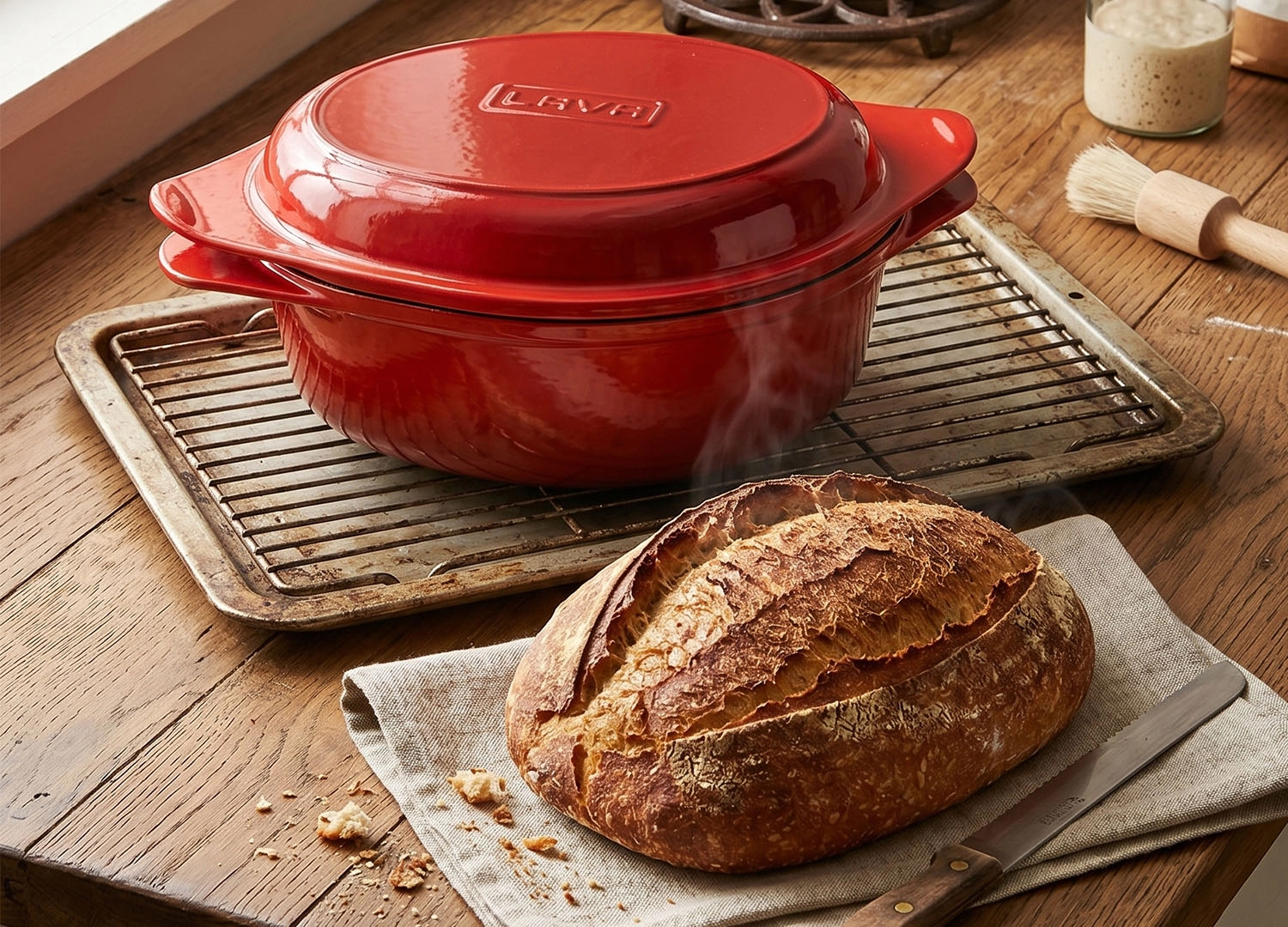
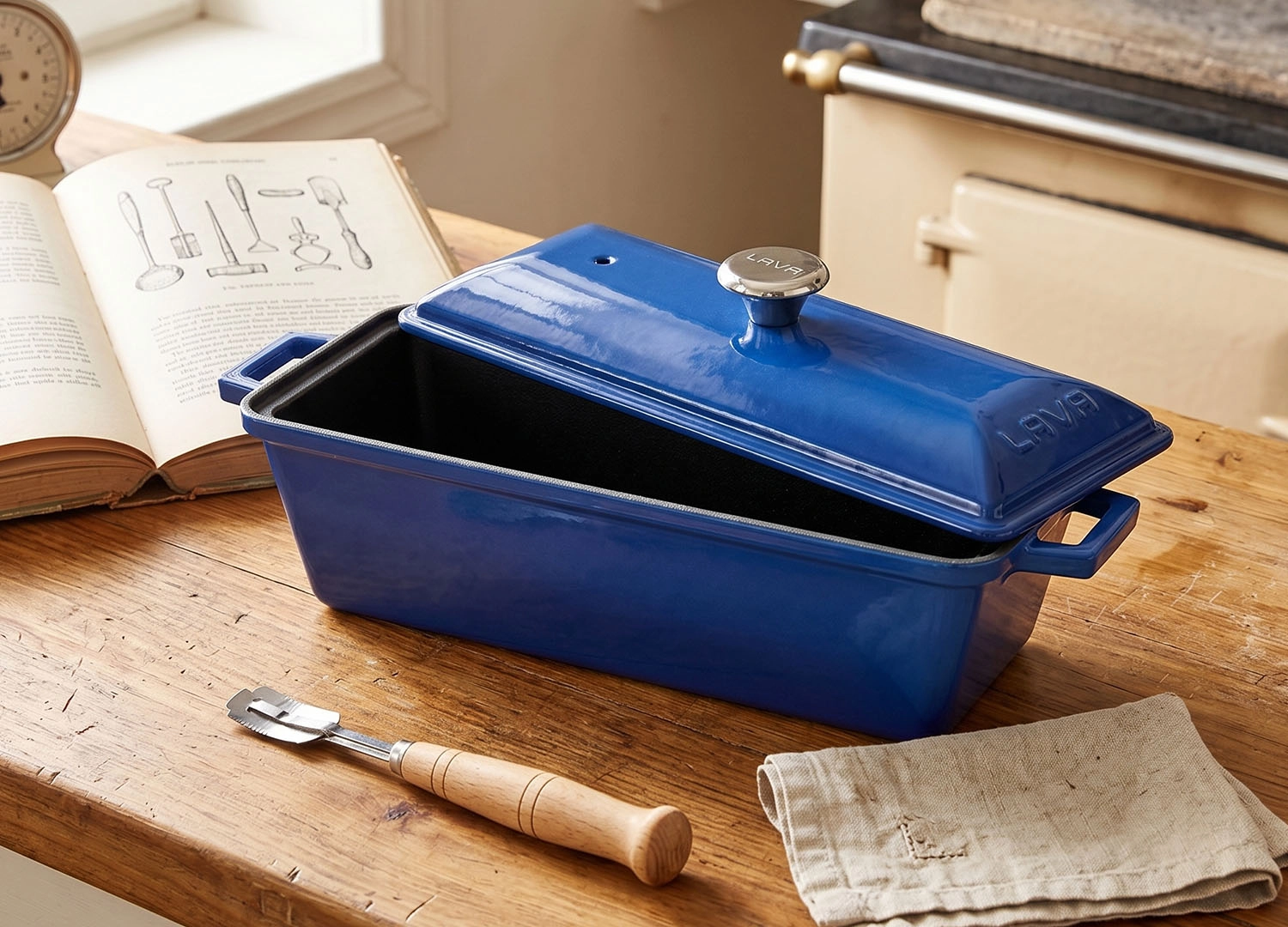
Oven-Ready Casserole Pot – Particularly suited to bread and covered oven recipes.
This variety enables Anatolia’s traditional cooking culture to continue through modern techniques.
This is one of the most common comparisons.
Advantages:
Traditional aroma
Natural material
Disadvantages:
Fragile structure
Difficult heat control
Not long-lasting
Advantages:
Long lifespan
Even heat distribution
High heat retention
Suitable for oven and hob
Disadvantage:
Heavier in weight
If you want both traditional flavour and durability, the cast iron casserole pot is more advantageous in the long term.
Casserole pot prices vary depending on material, brand, coating quality and production technology.
Clay models are generally more affordable.
Enamel-coated cast iron casserole pots sit in a higher price segment.
Premium brands command higher prices depending on quality, warranty period and coating technology.
However, since a cast iron casserole pot is long-lasting, its cost becomes more economical when spread over years of use.
An oven-ready casserole pot typically features a pre-treated interior and is designed for high temperatures.
These models perform exceptionally well in:
Bread making
Covered meat dishes
Slow-cooked recipes
In particular, the cast iron casserole dish retains steam during bread baking, helping to create a crisp crust.
In Anatolian cuisine, patience is the foundation of flavour. The casserole pot is ideal for low-temperature, long-duration cooking. This technique:
Tenderises meat fibres
Deepens spice aromas
Preserves the nutritional value of vegetables
Cast iron casserole cookware brings this tradition into the modern kitchen.
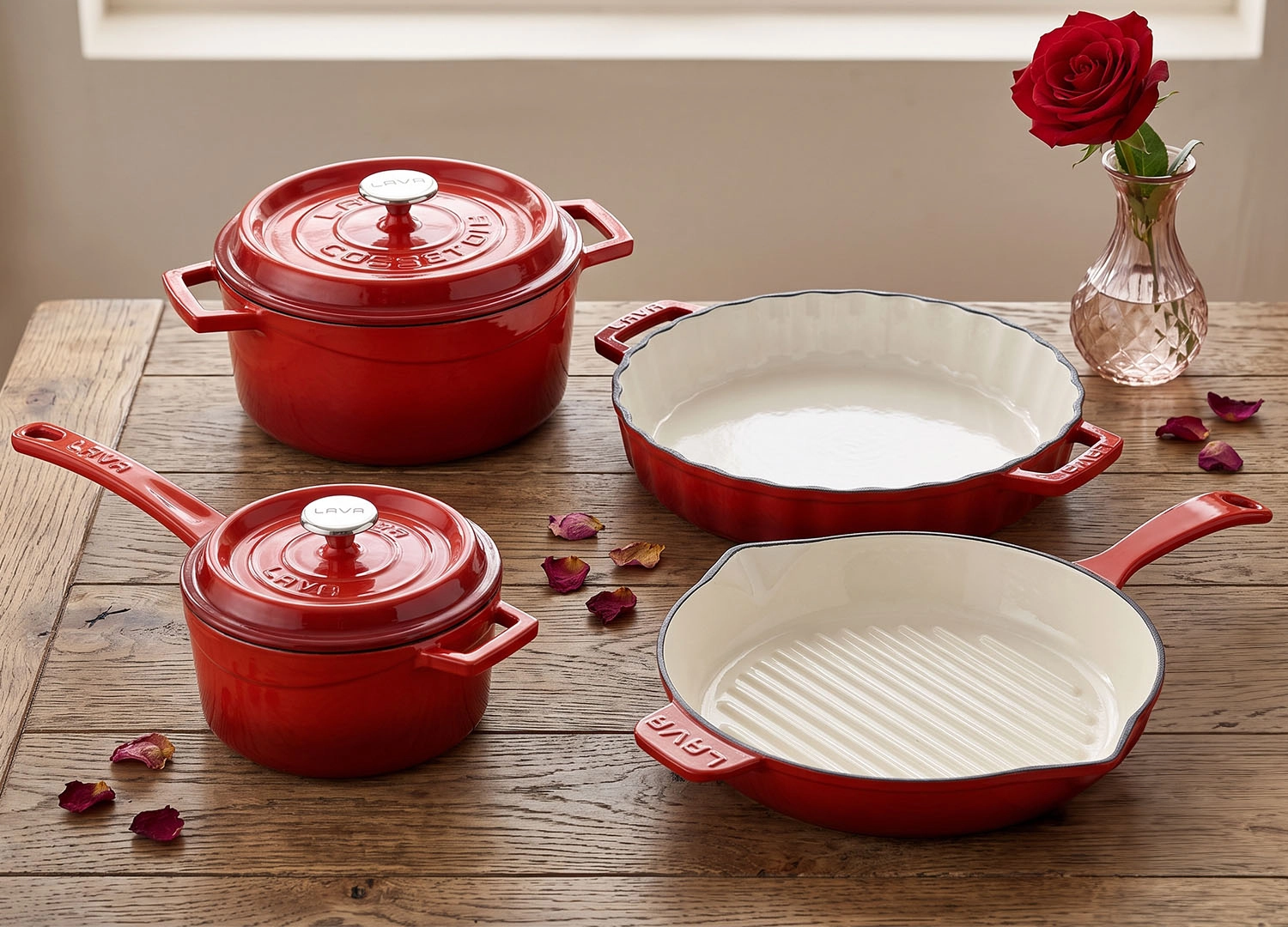
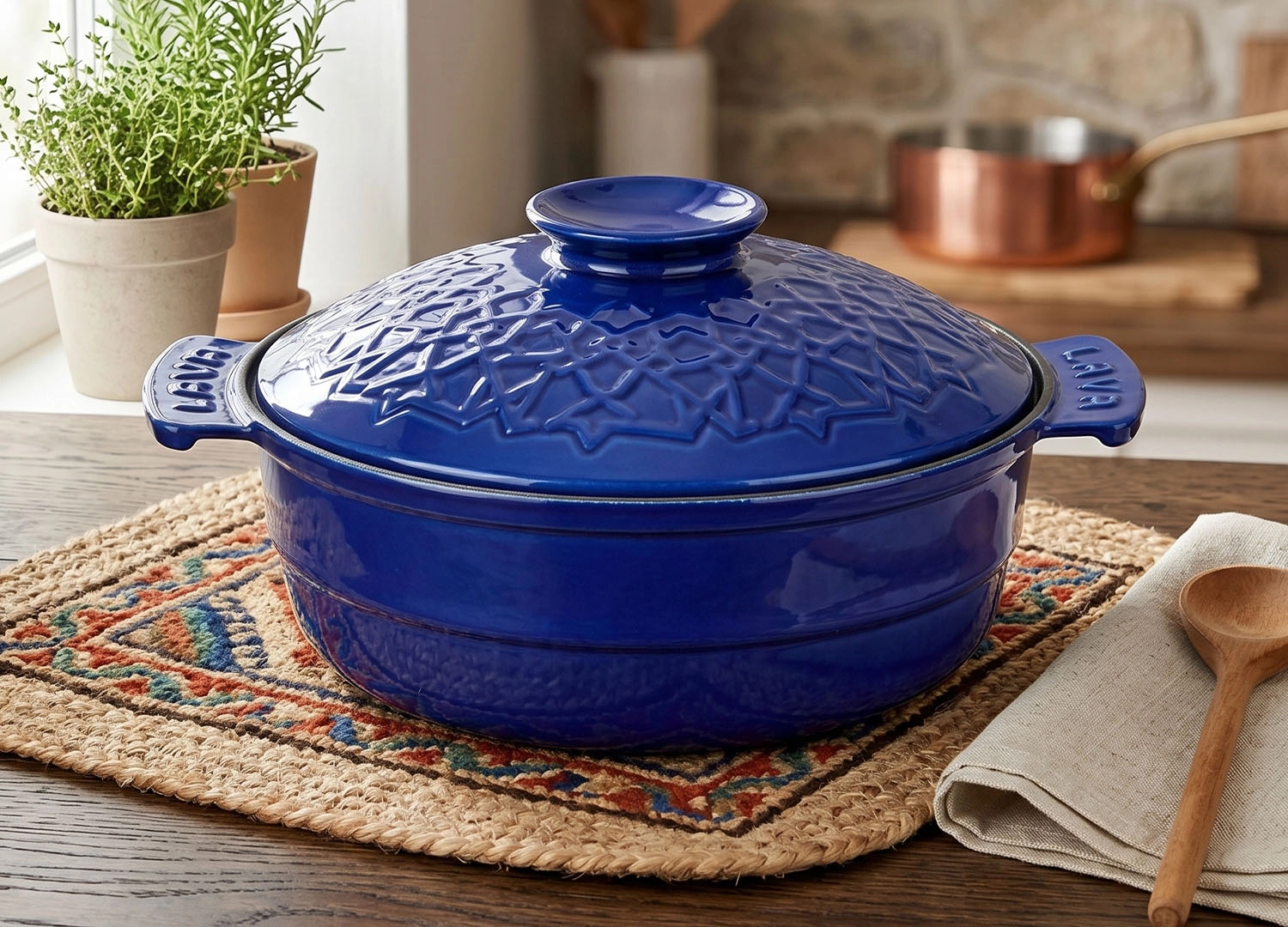
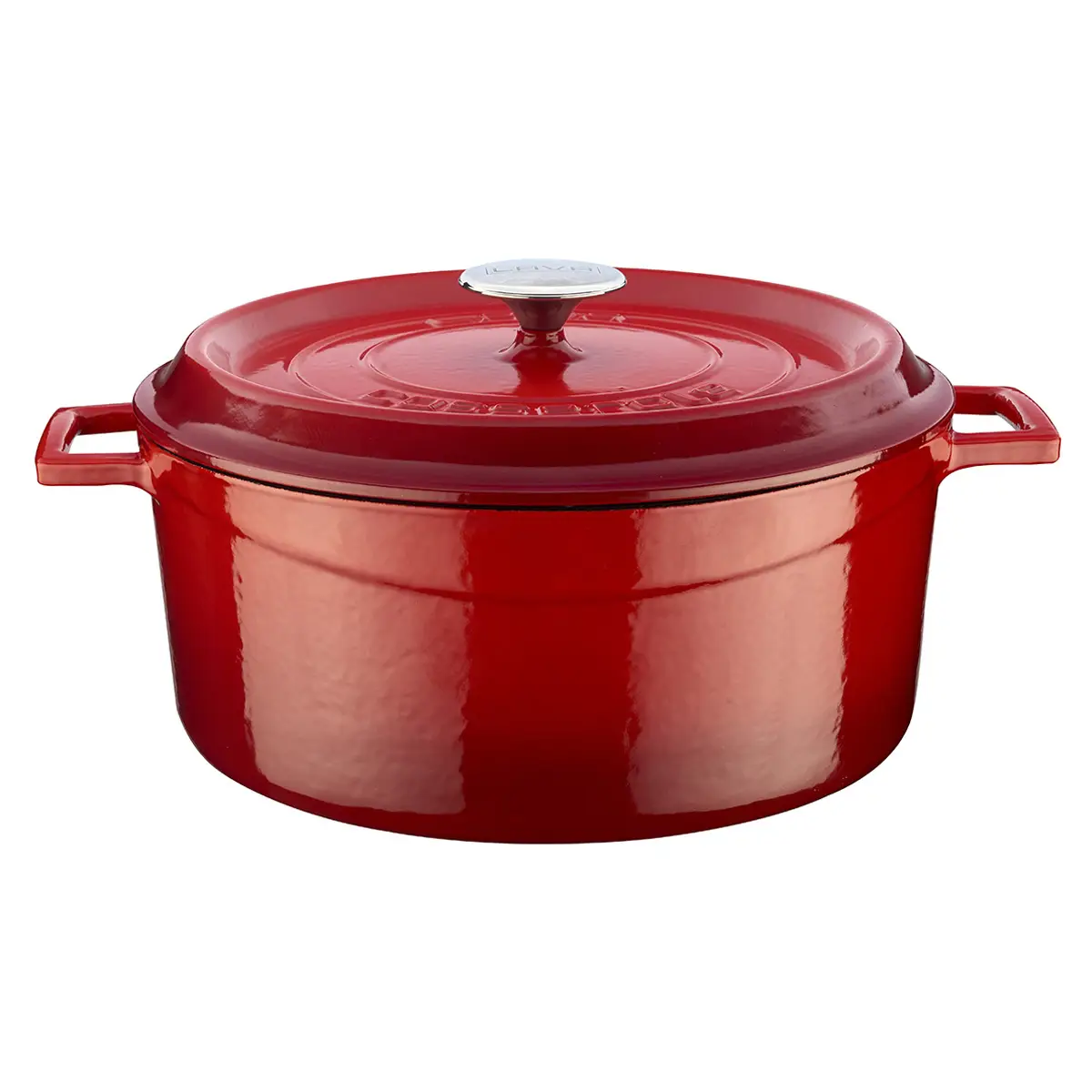
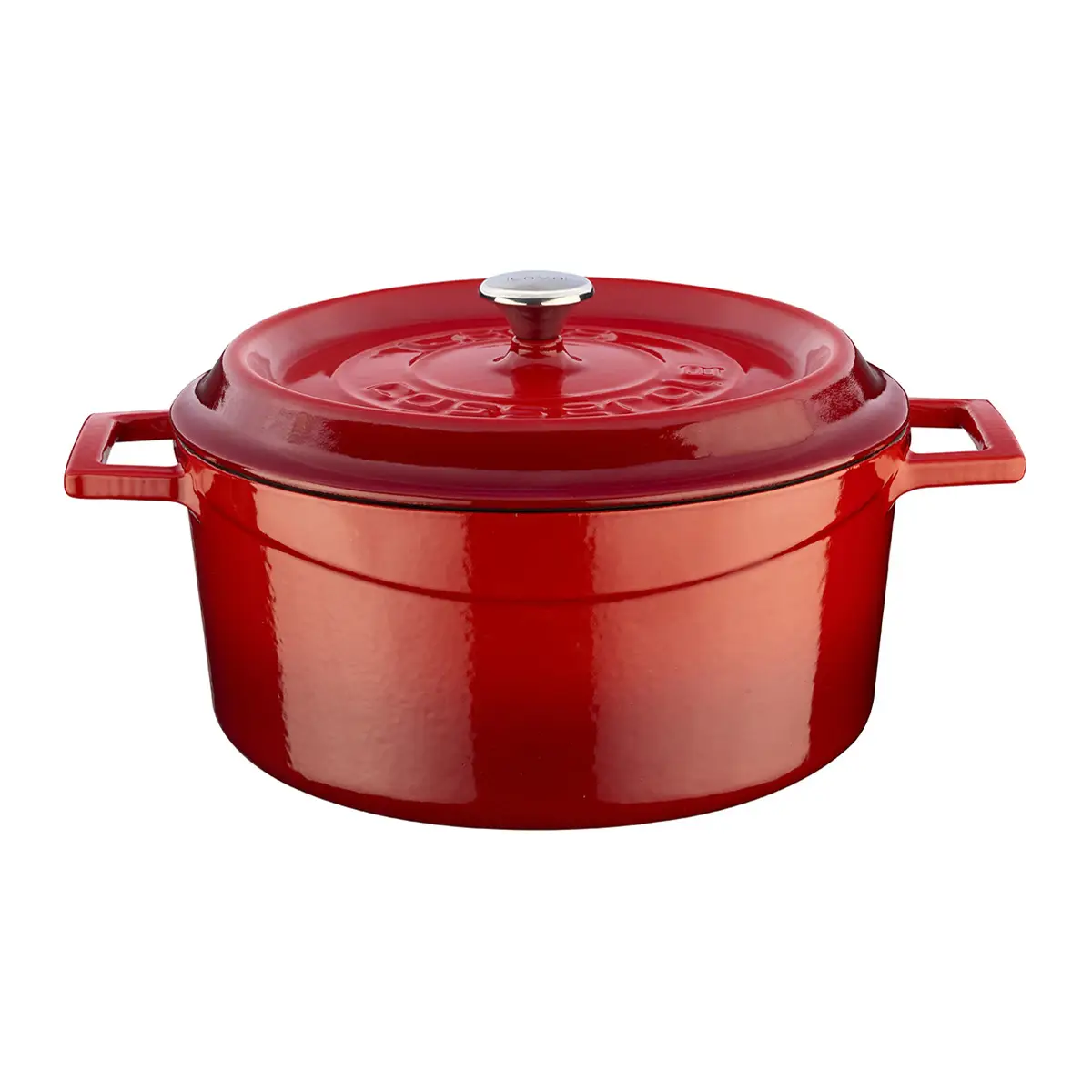
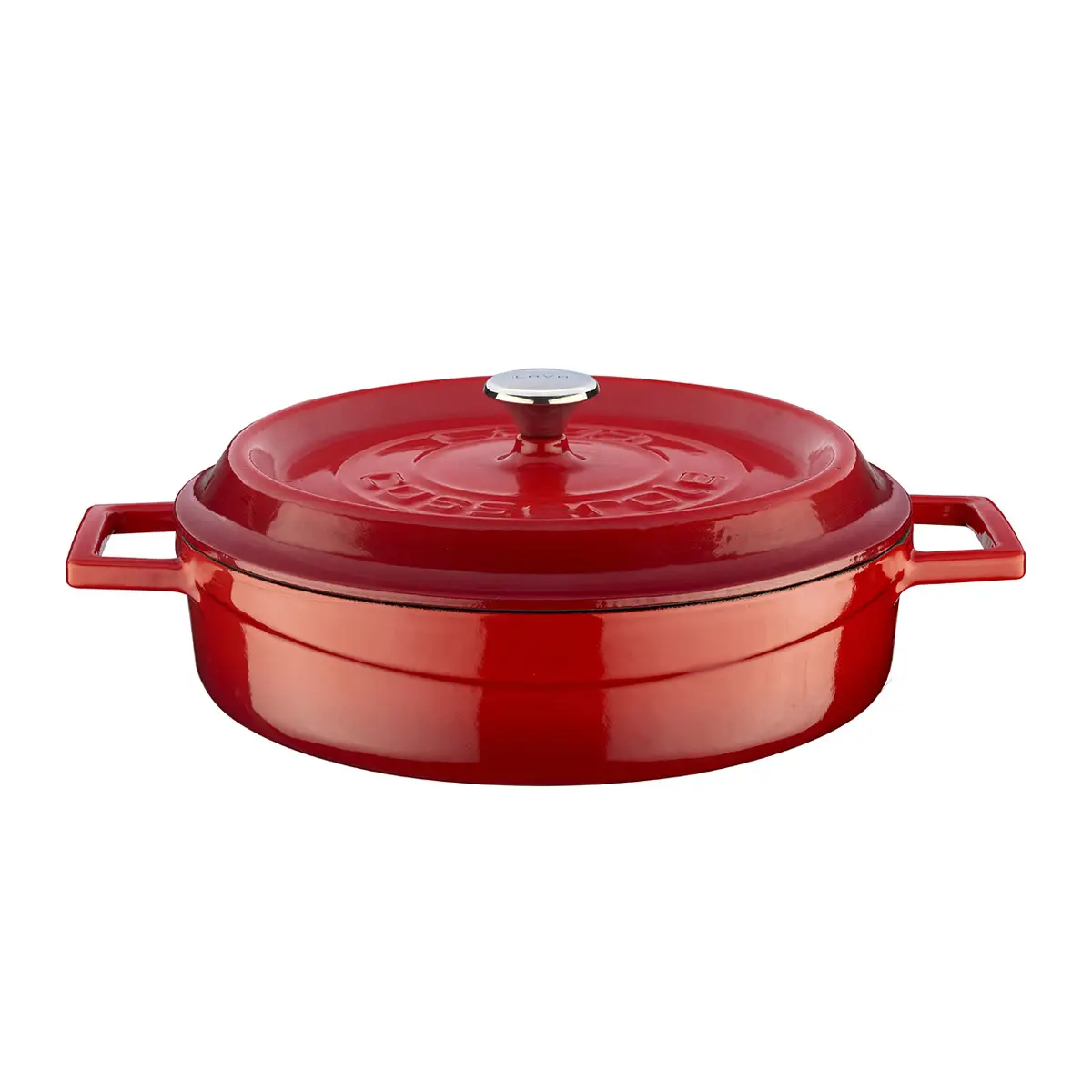
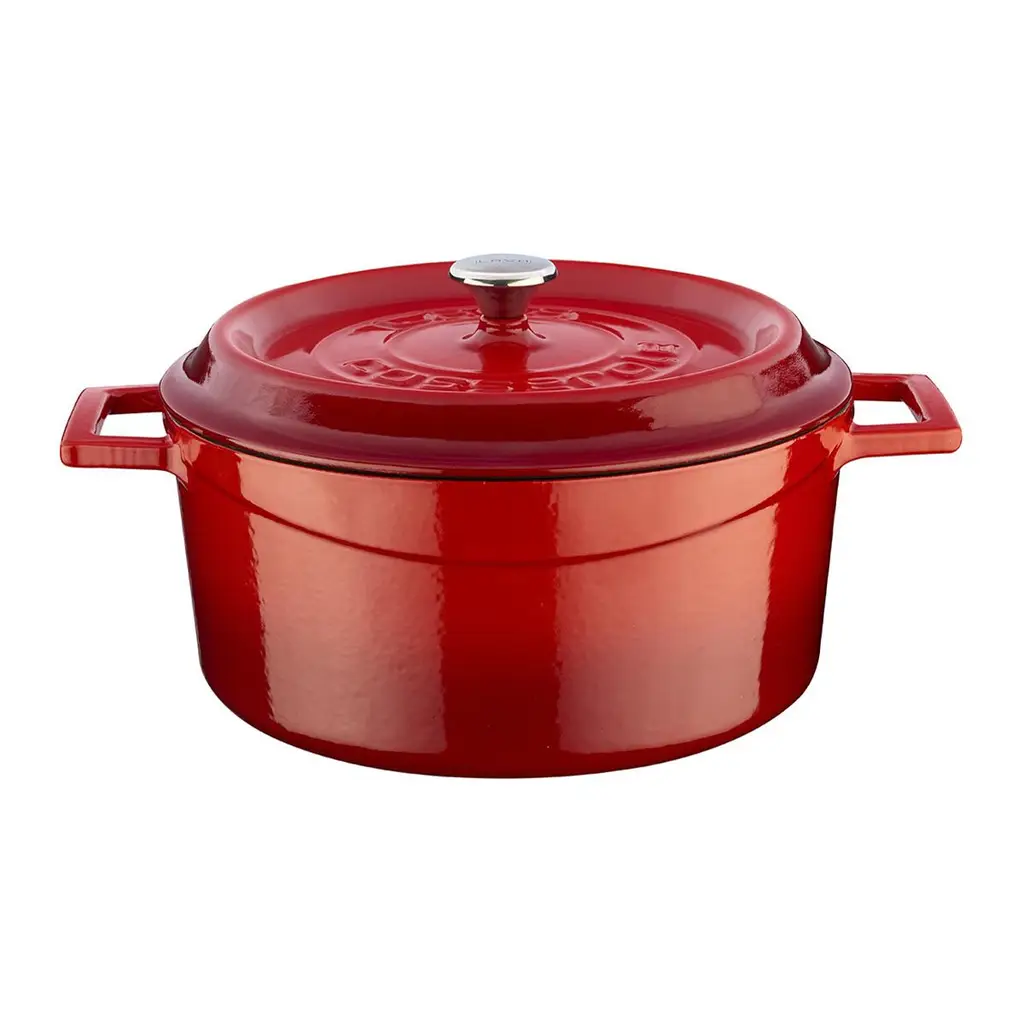
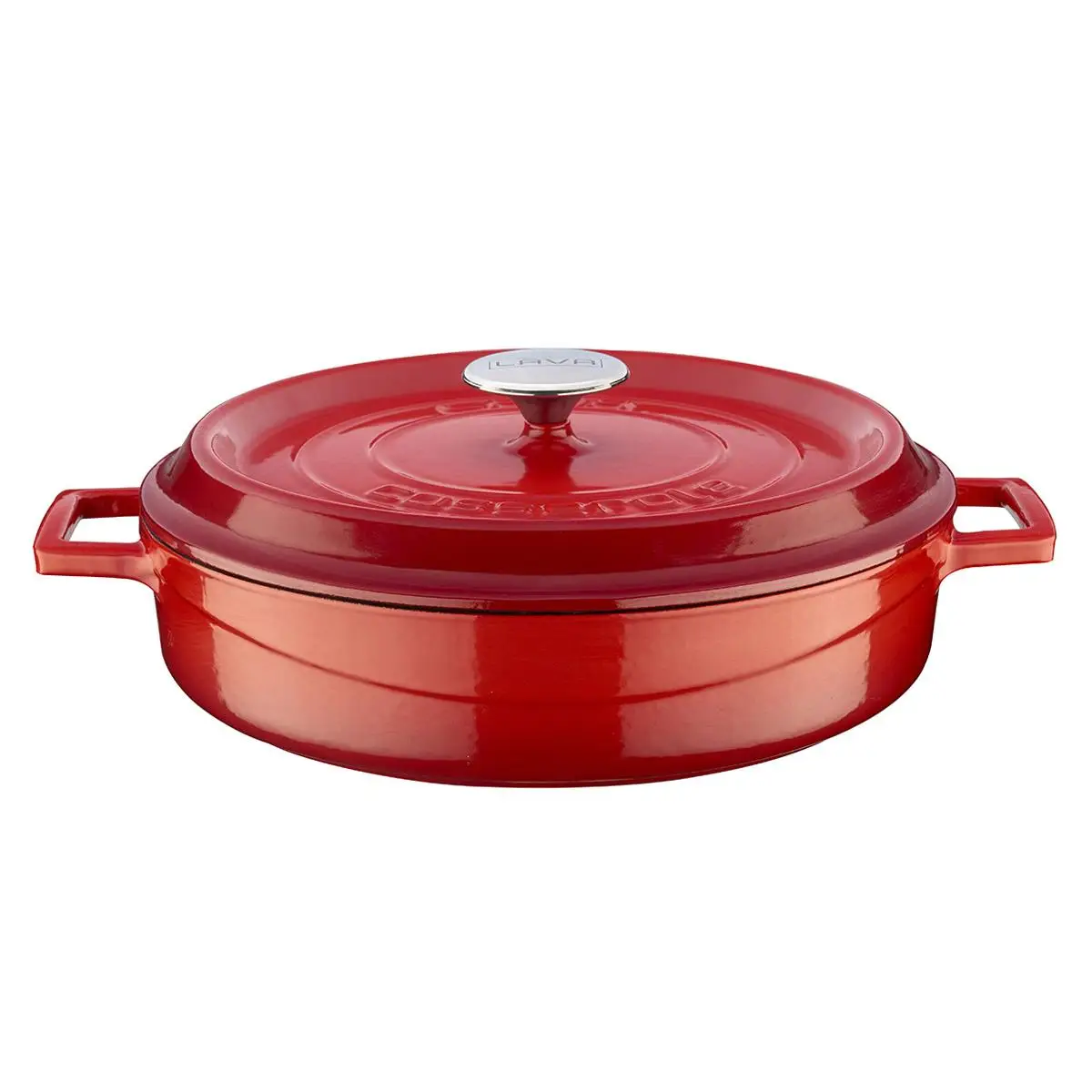
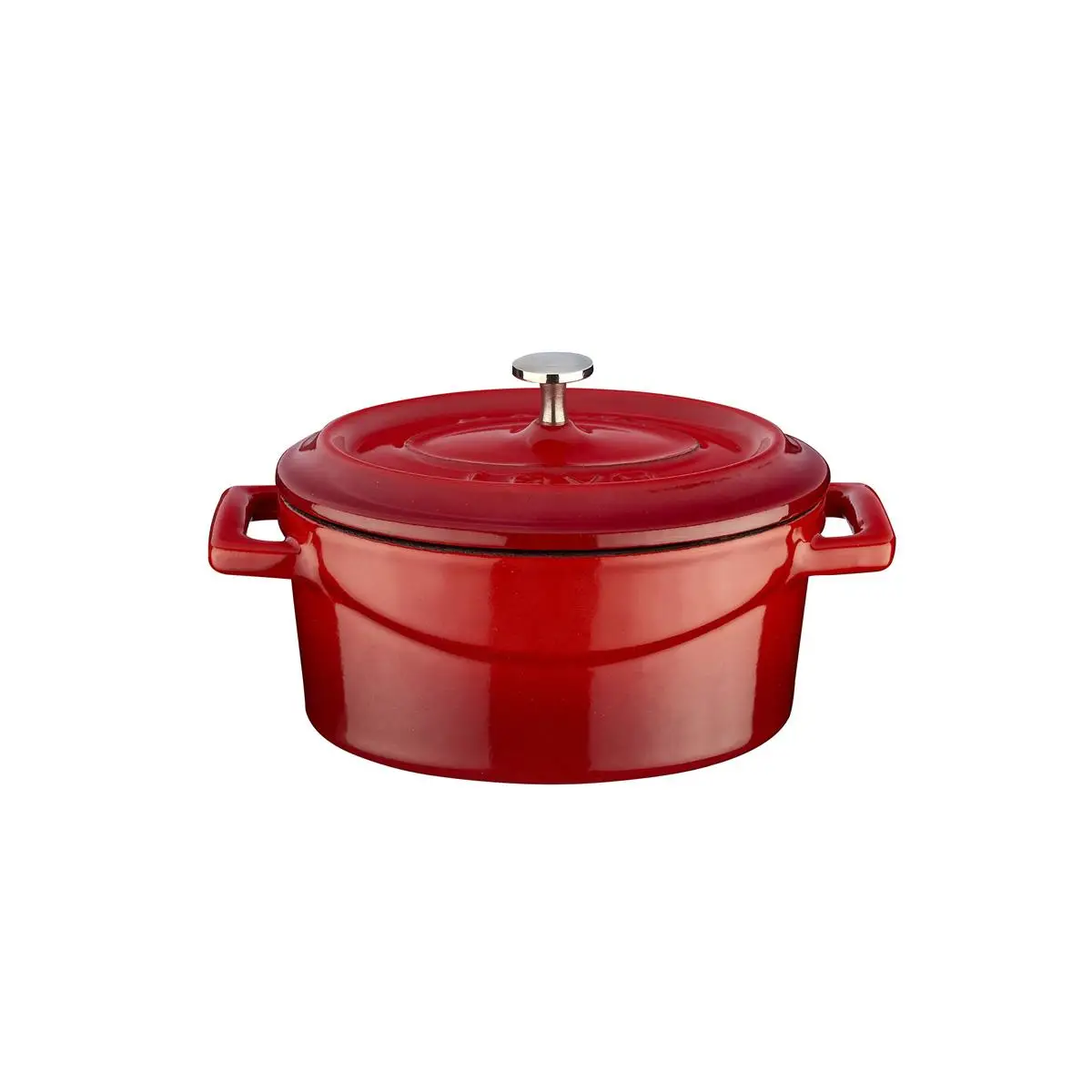
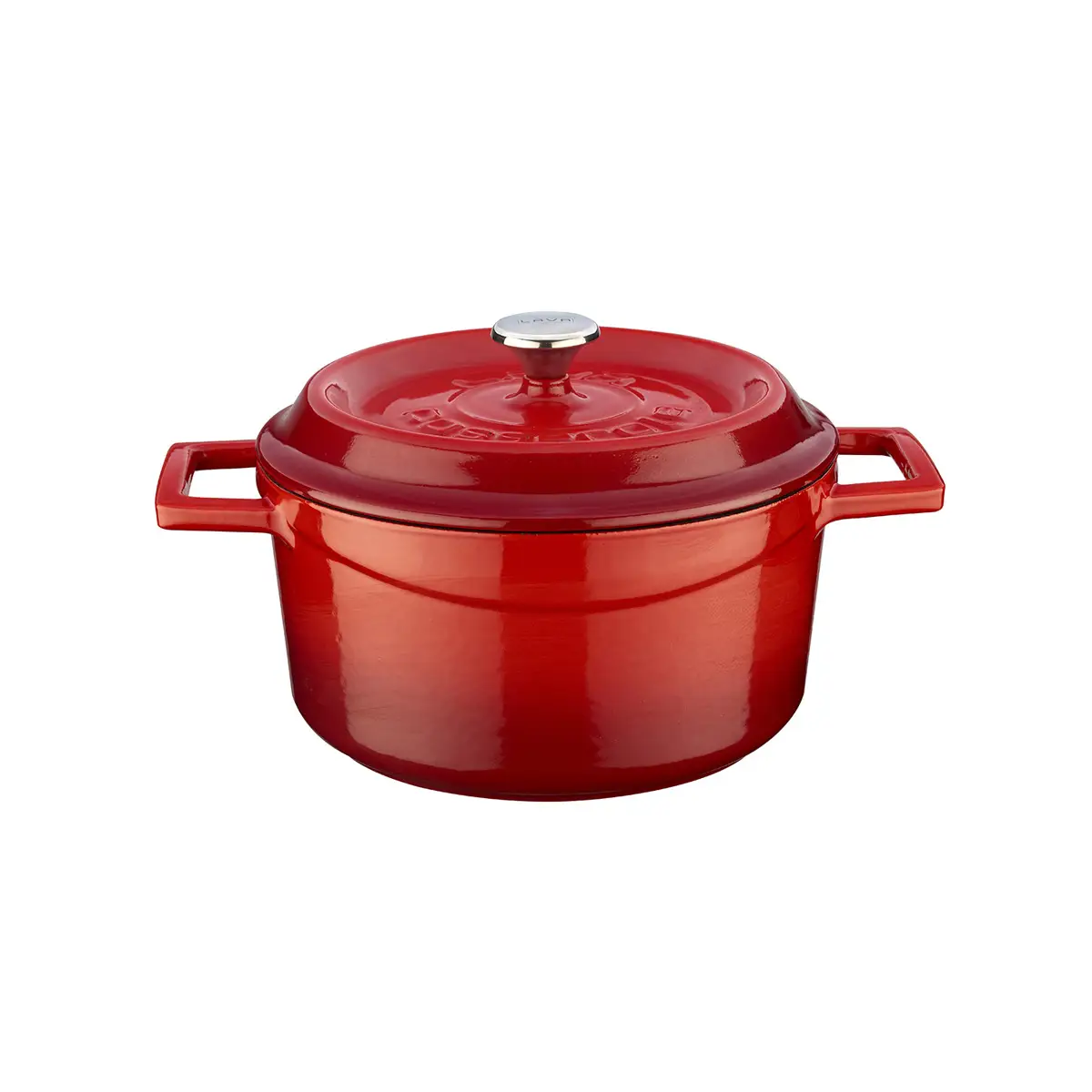
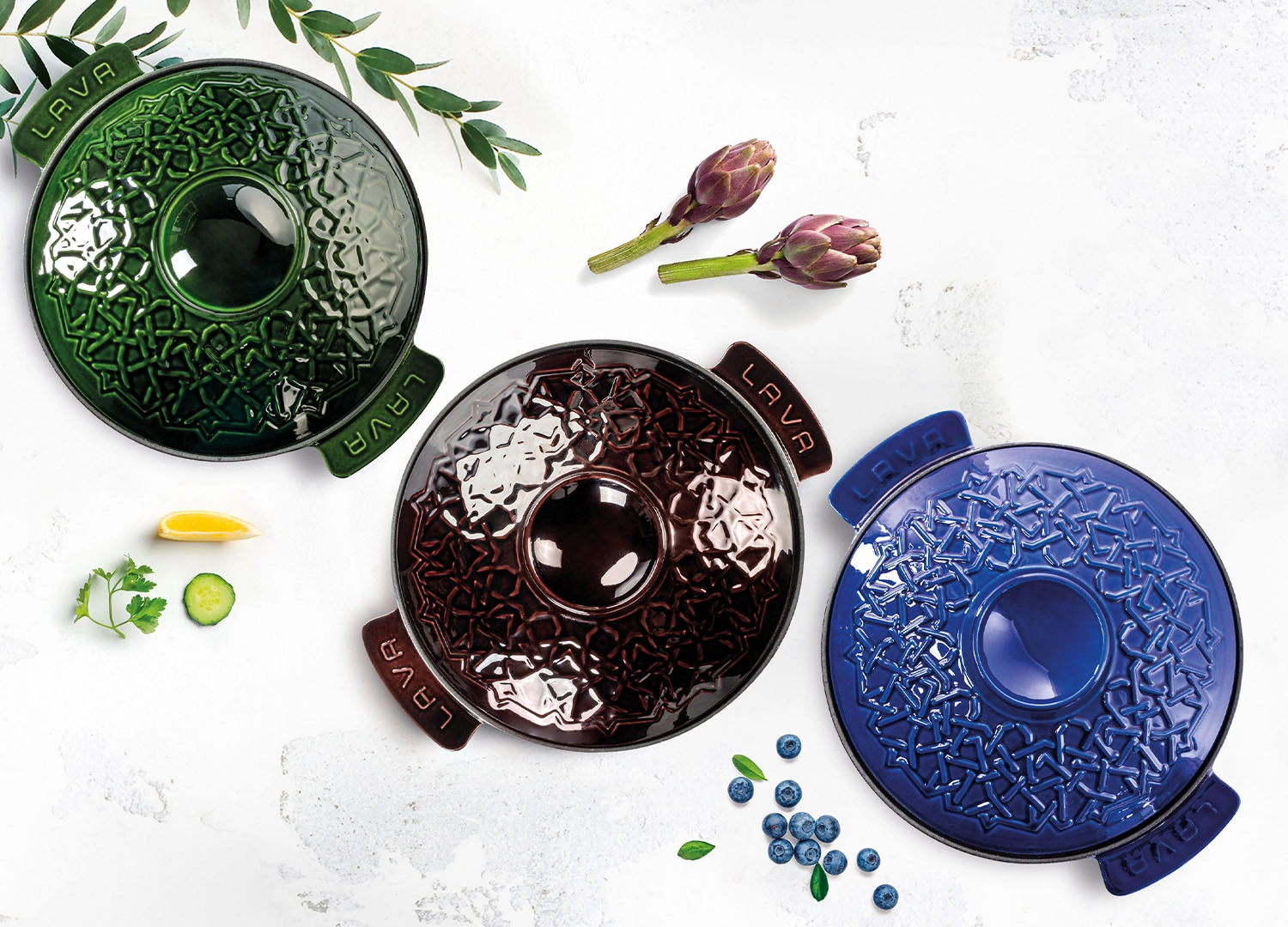
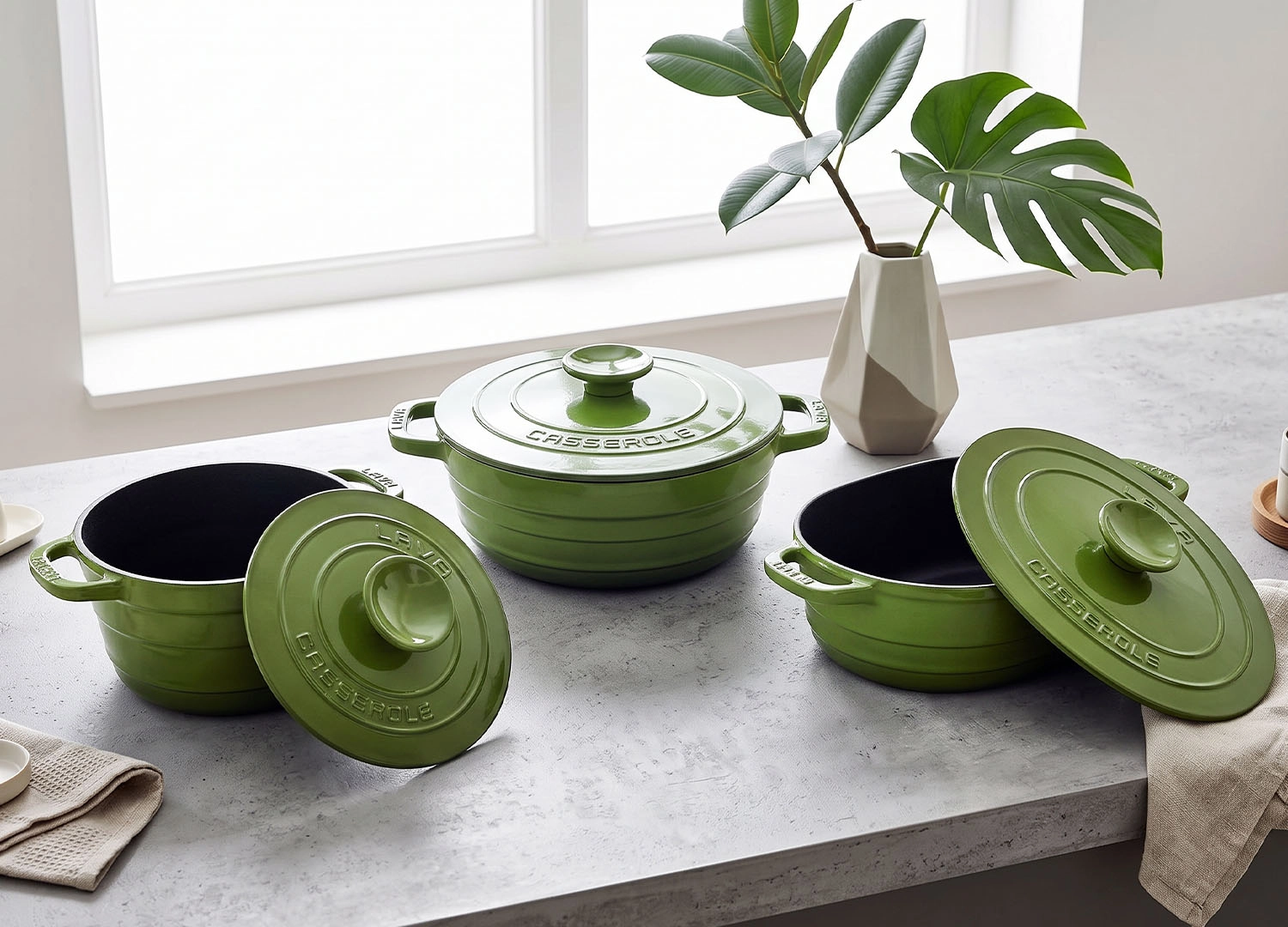
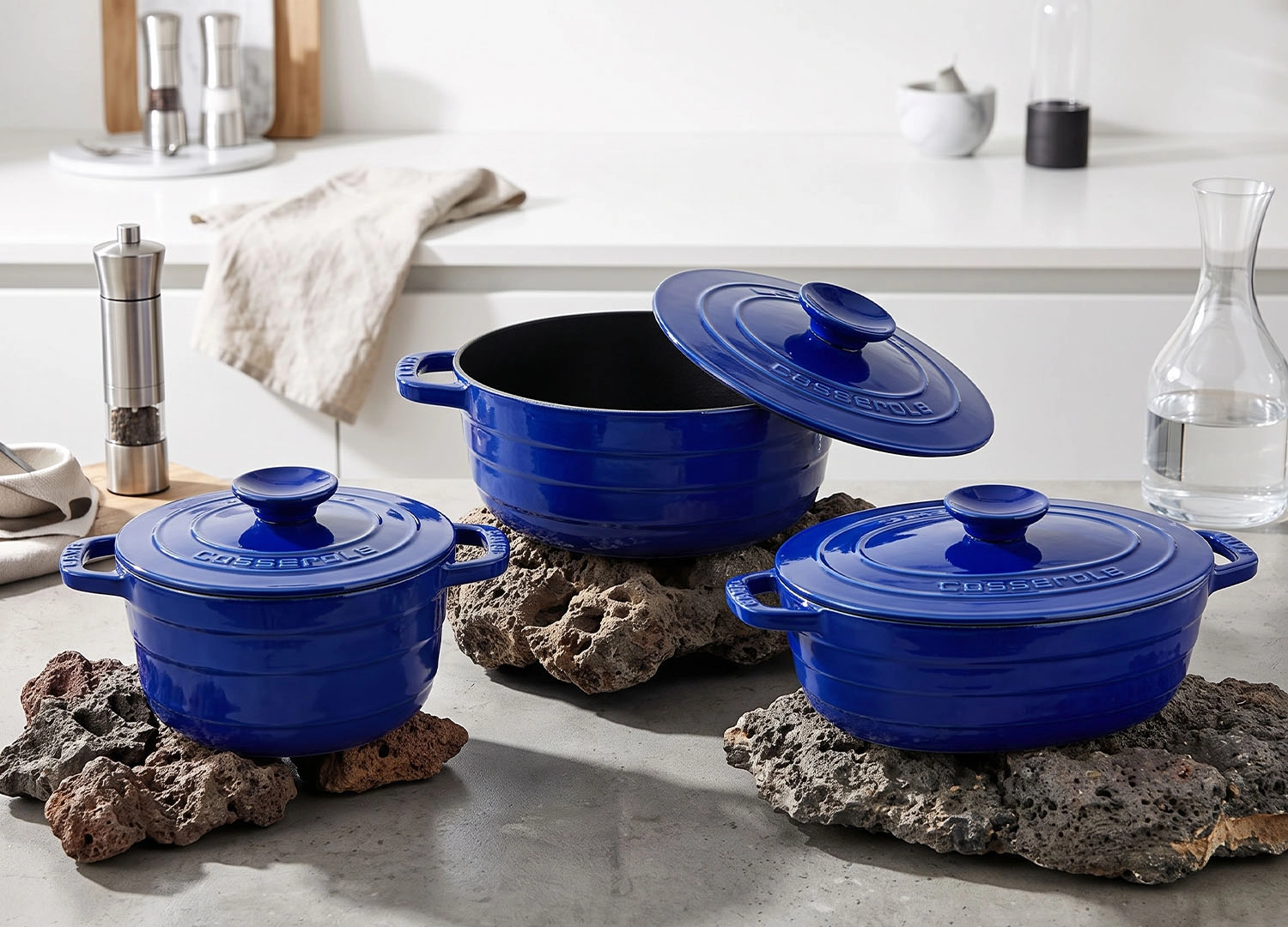
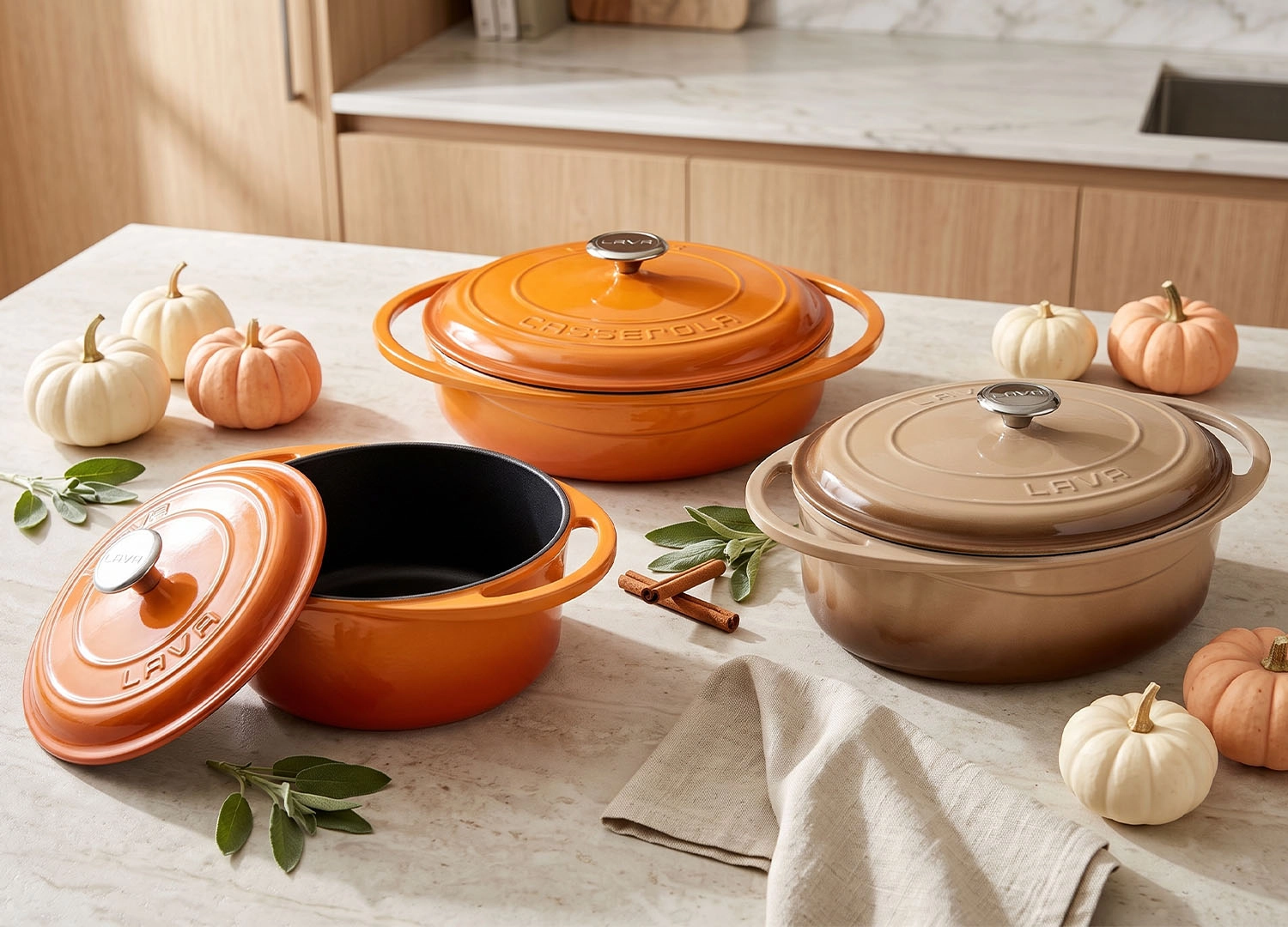
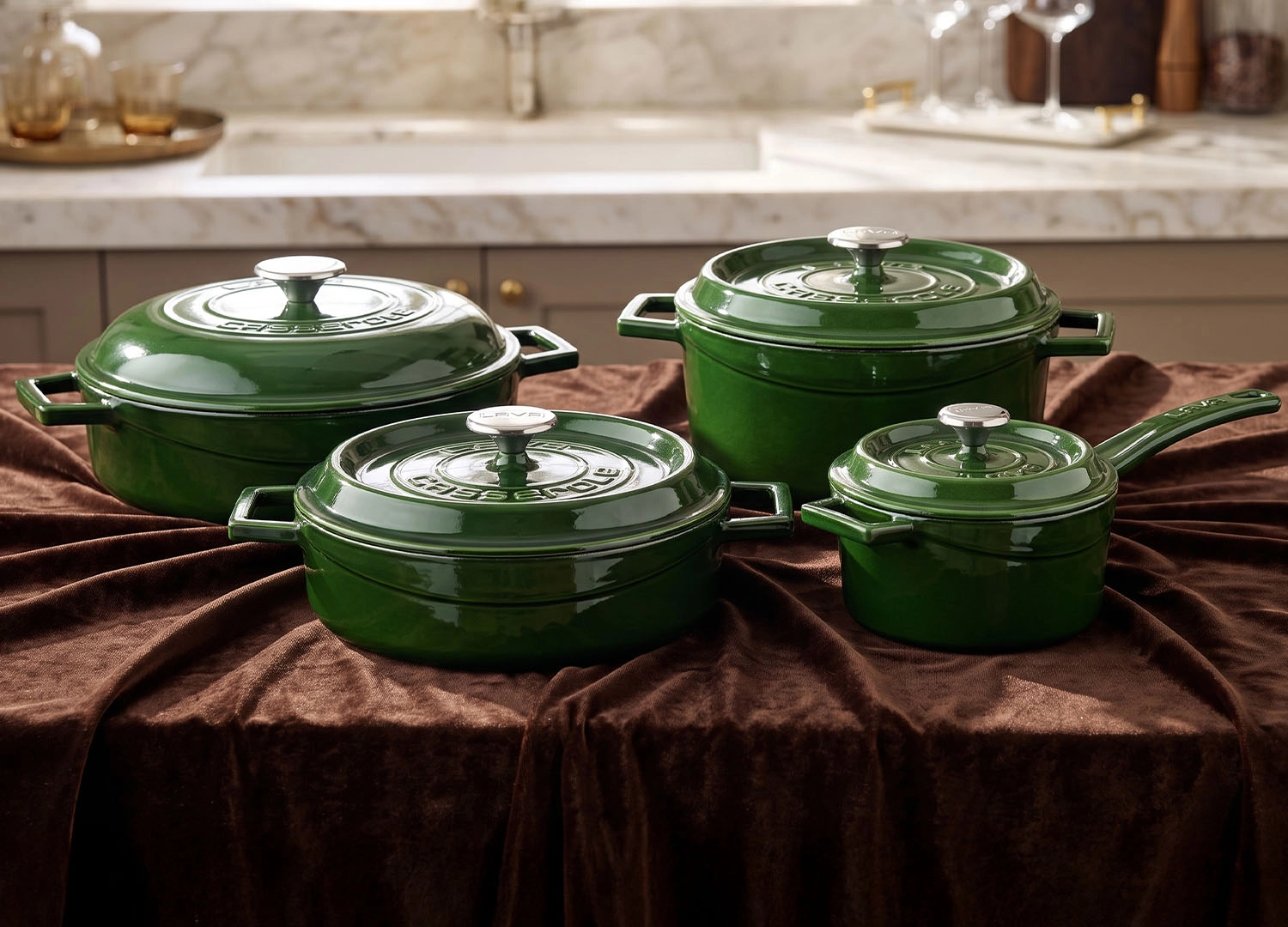
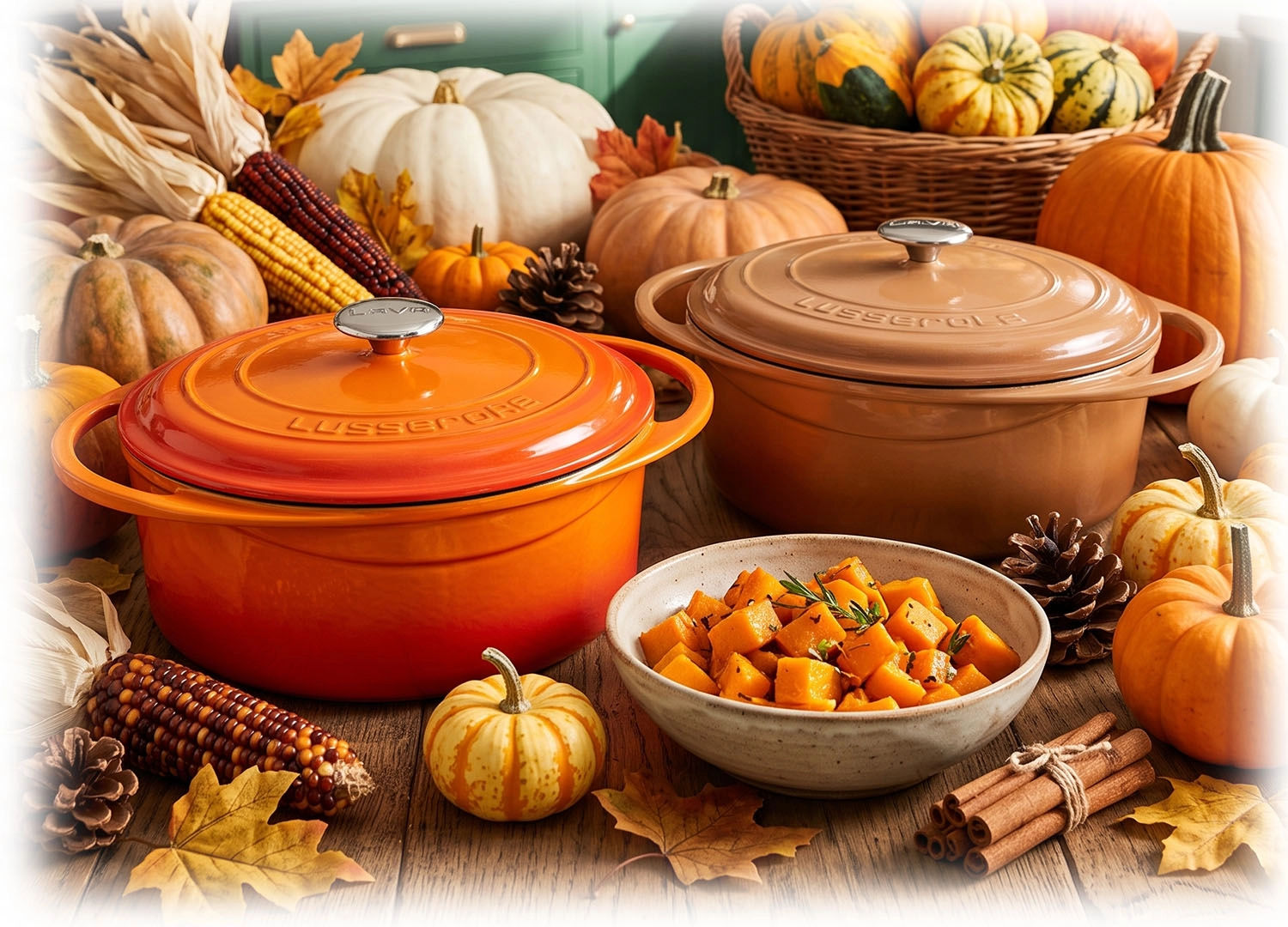
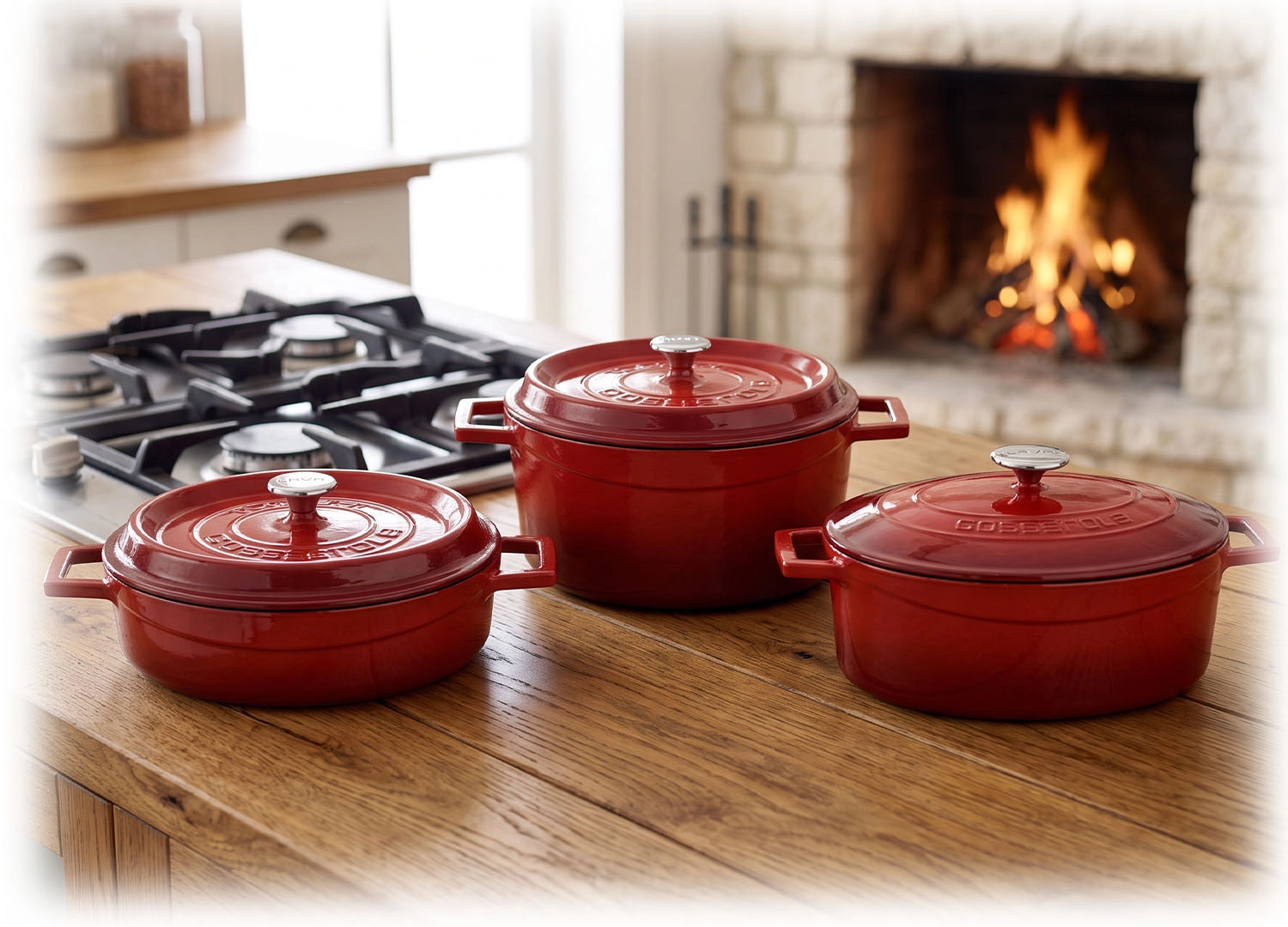
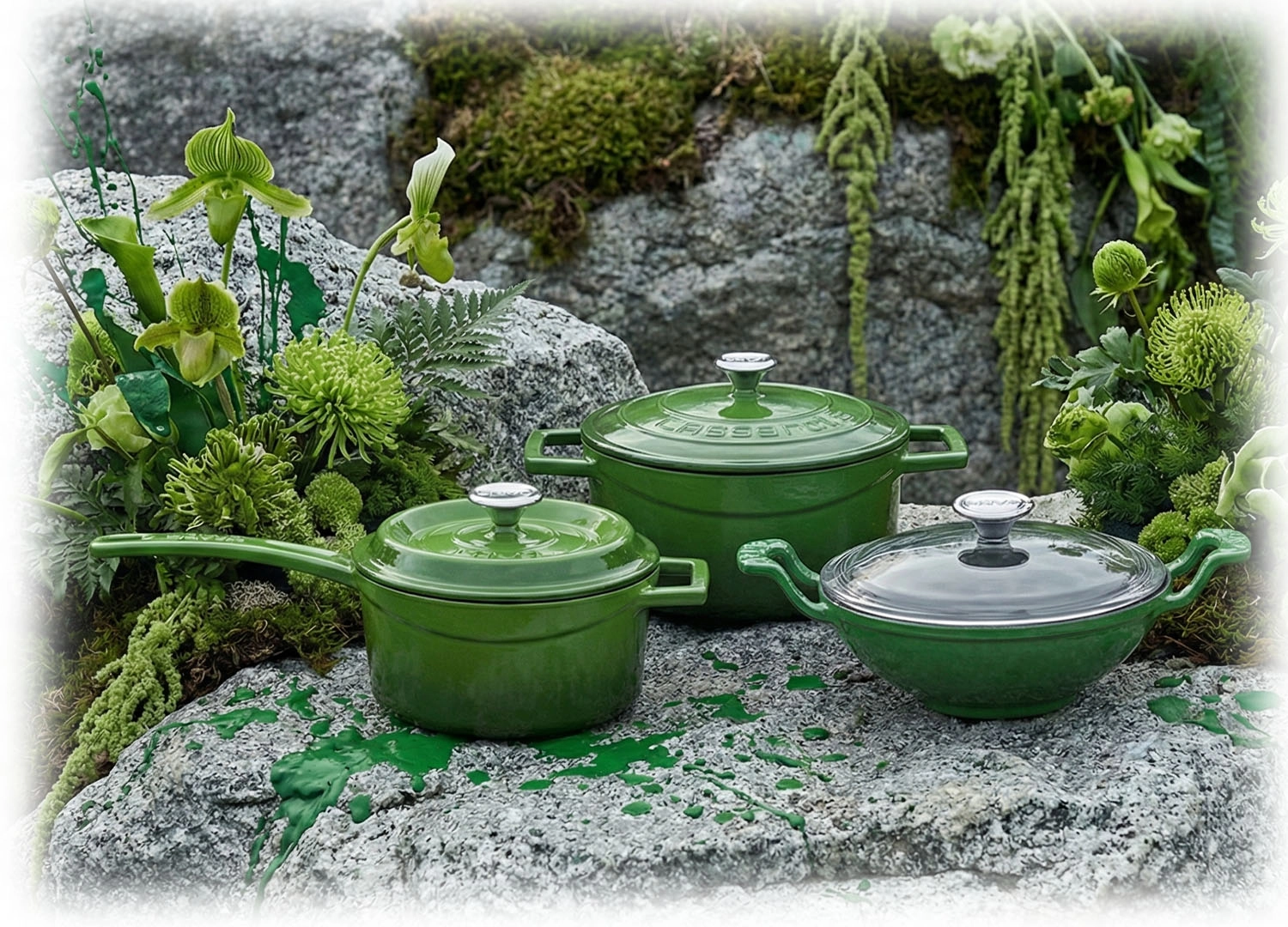
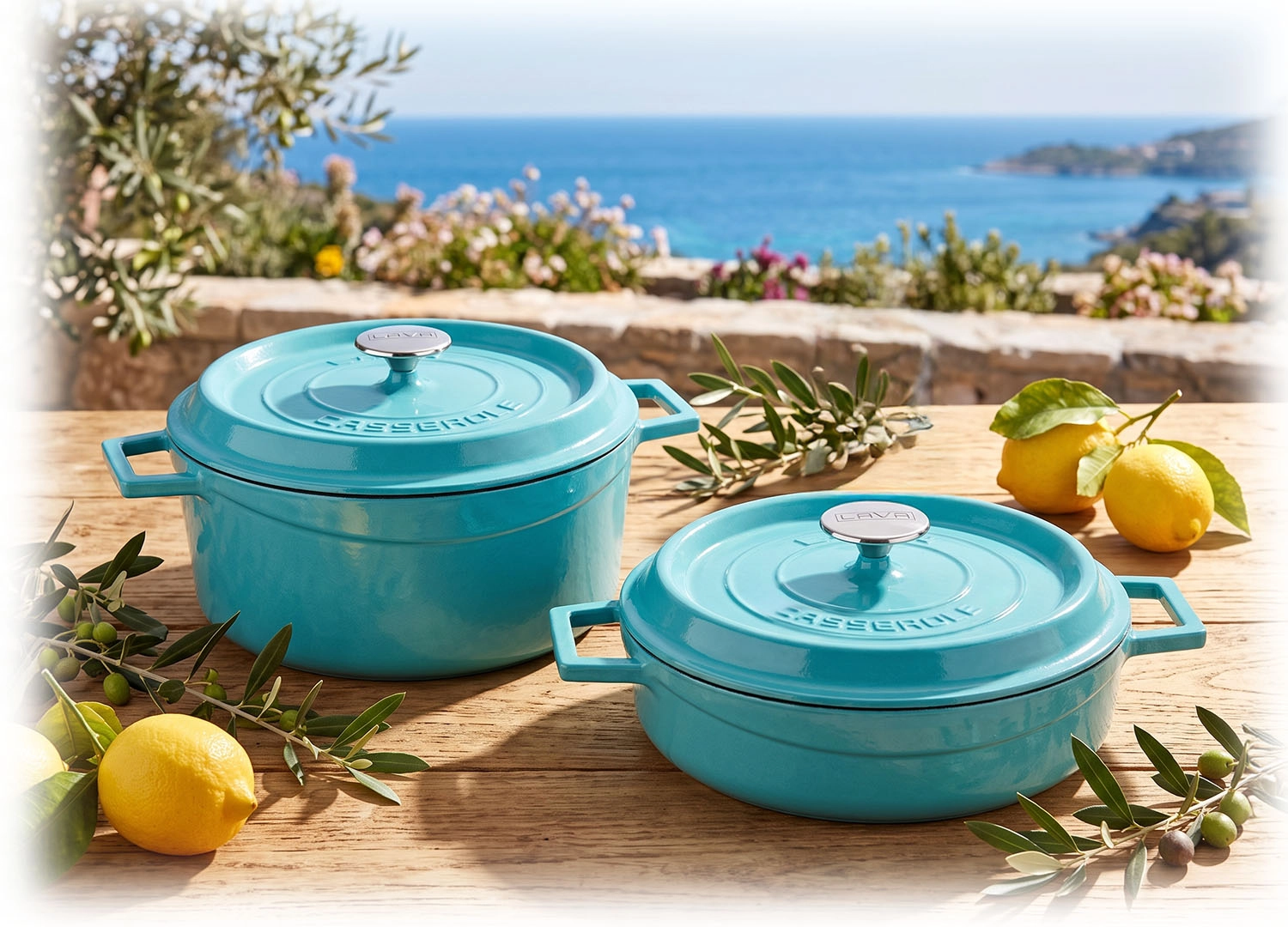
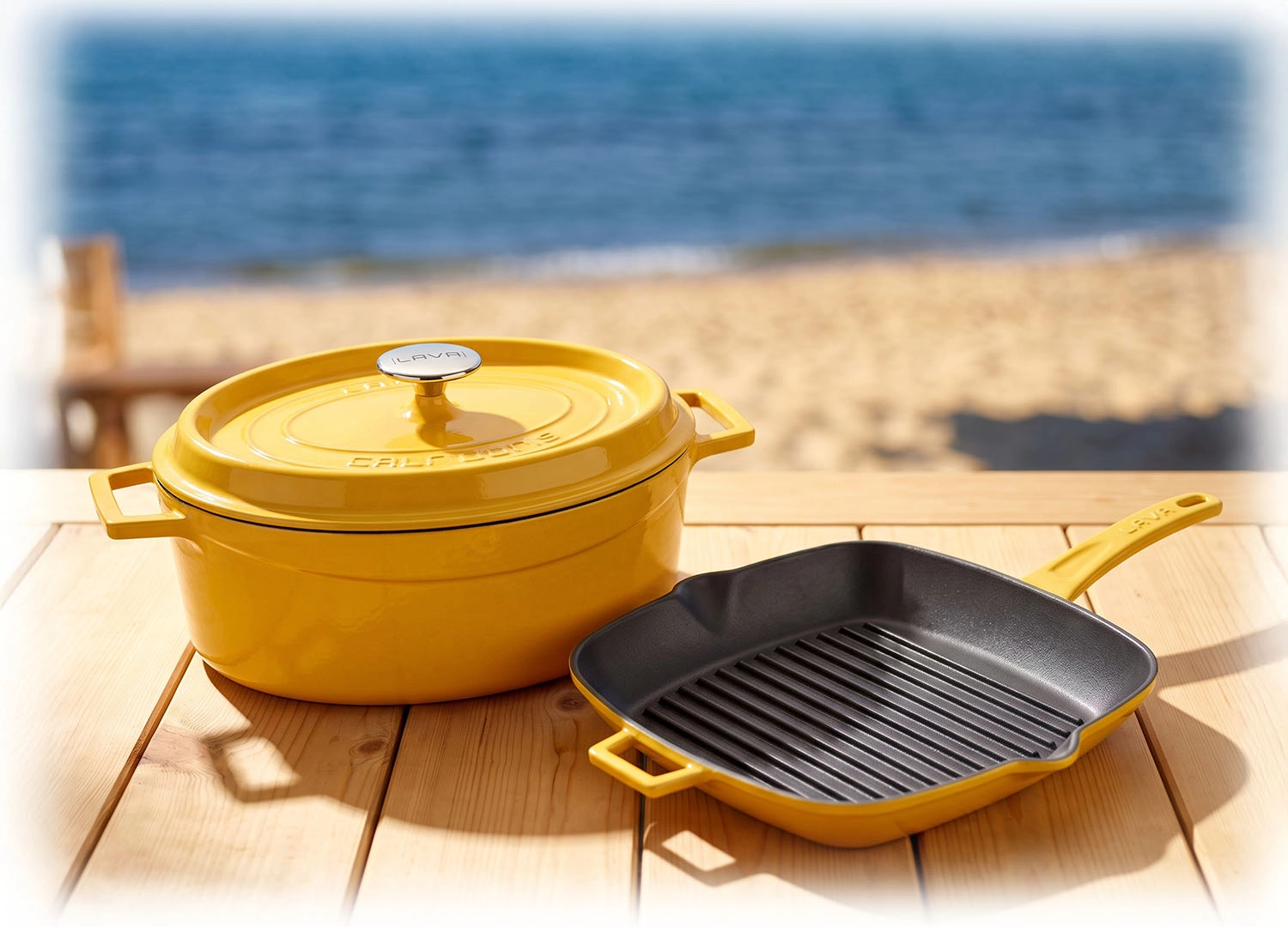
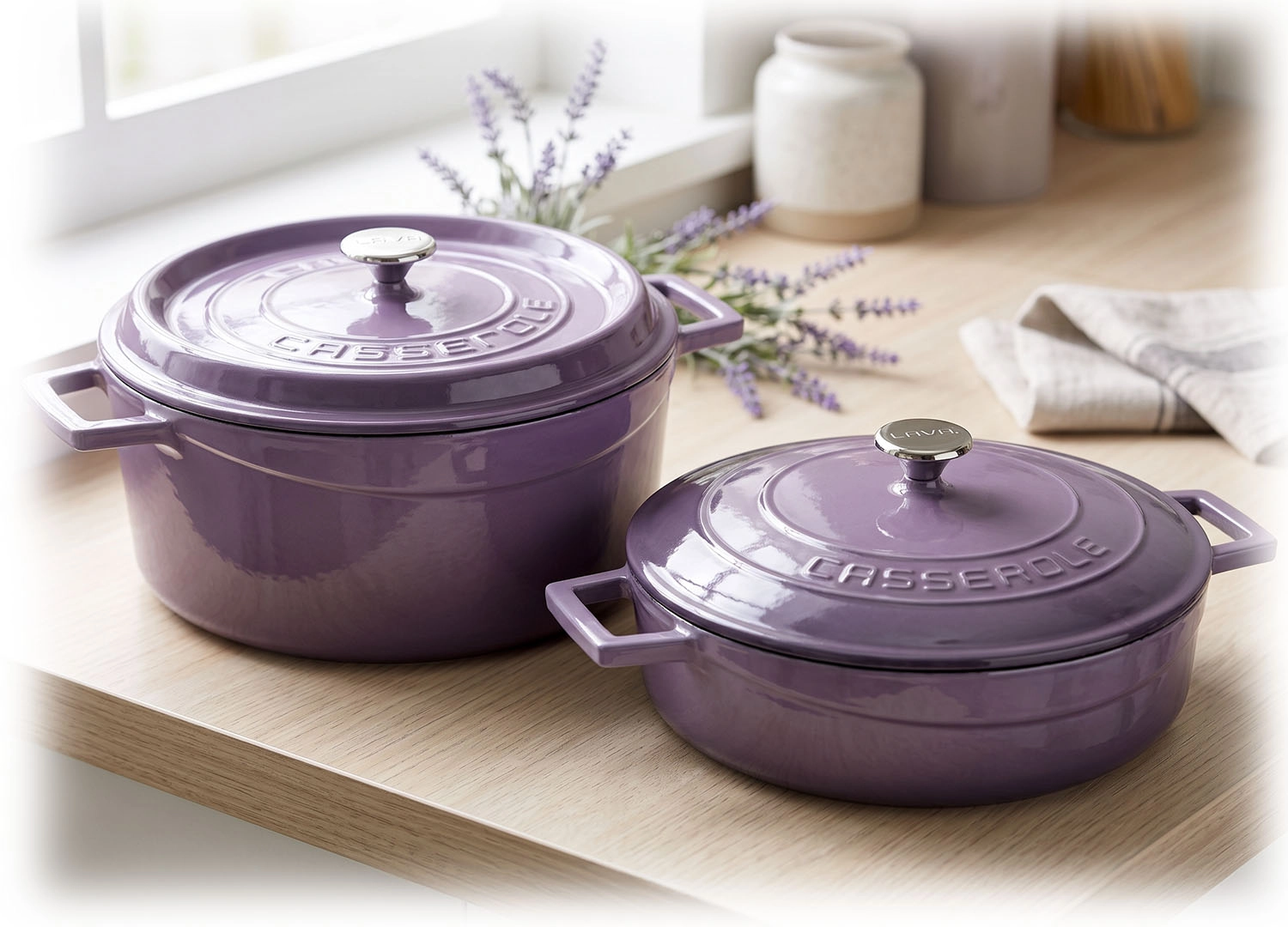
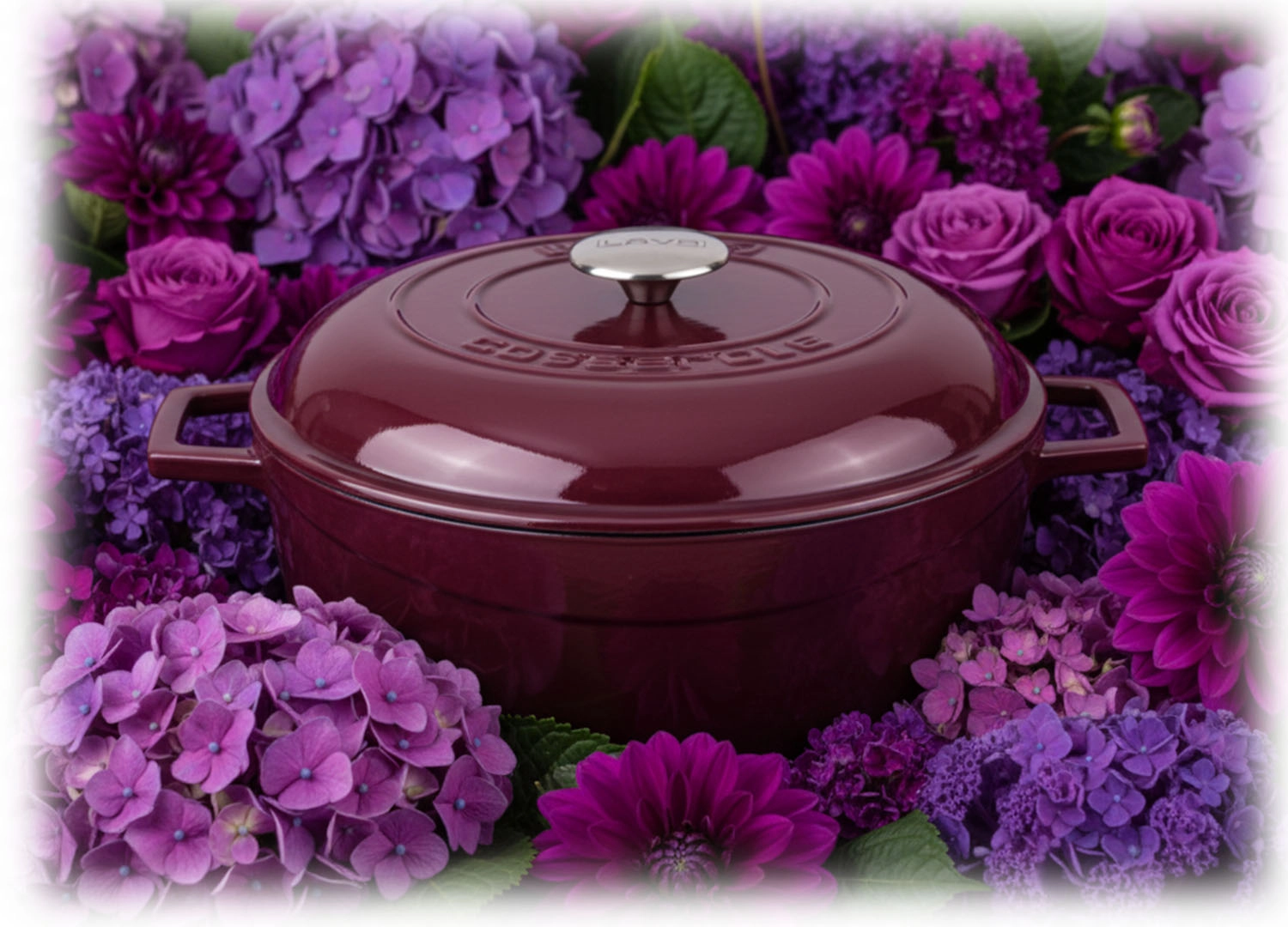
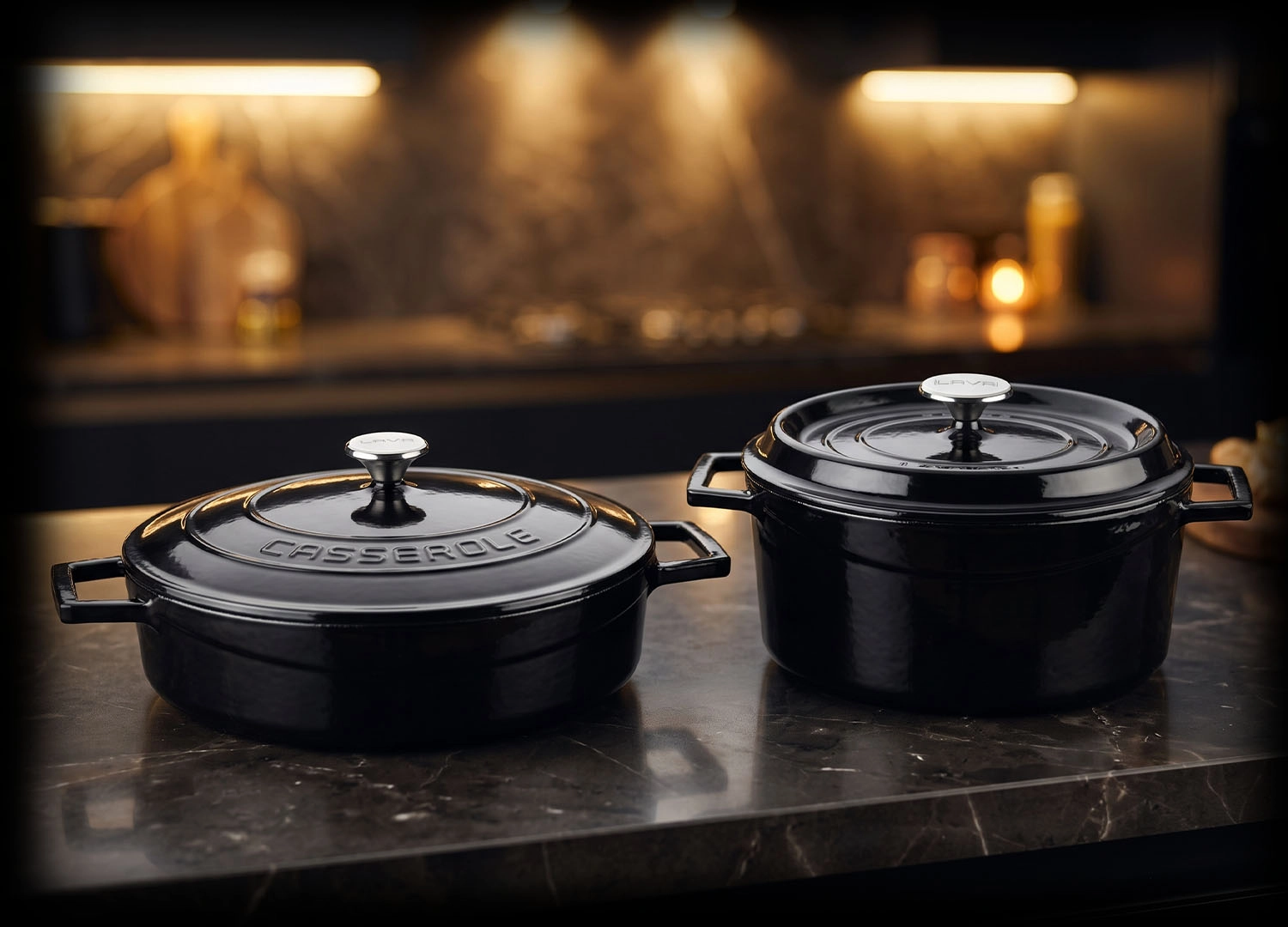
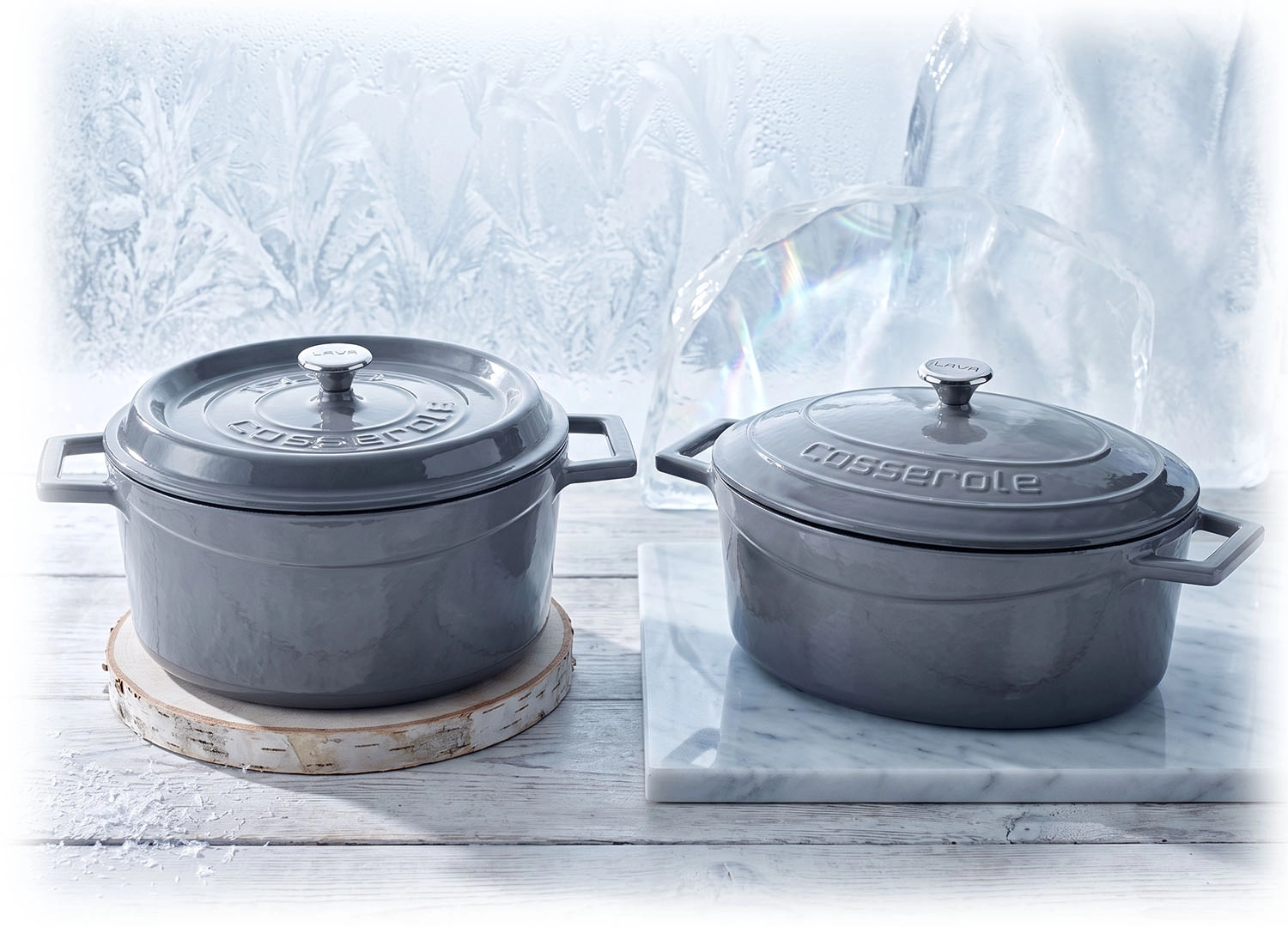
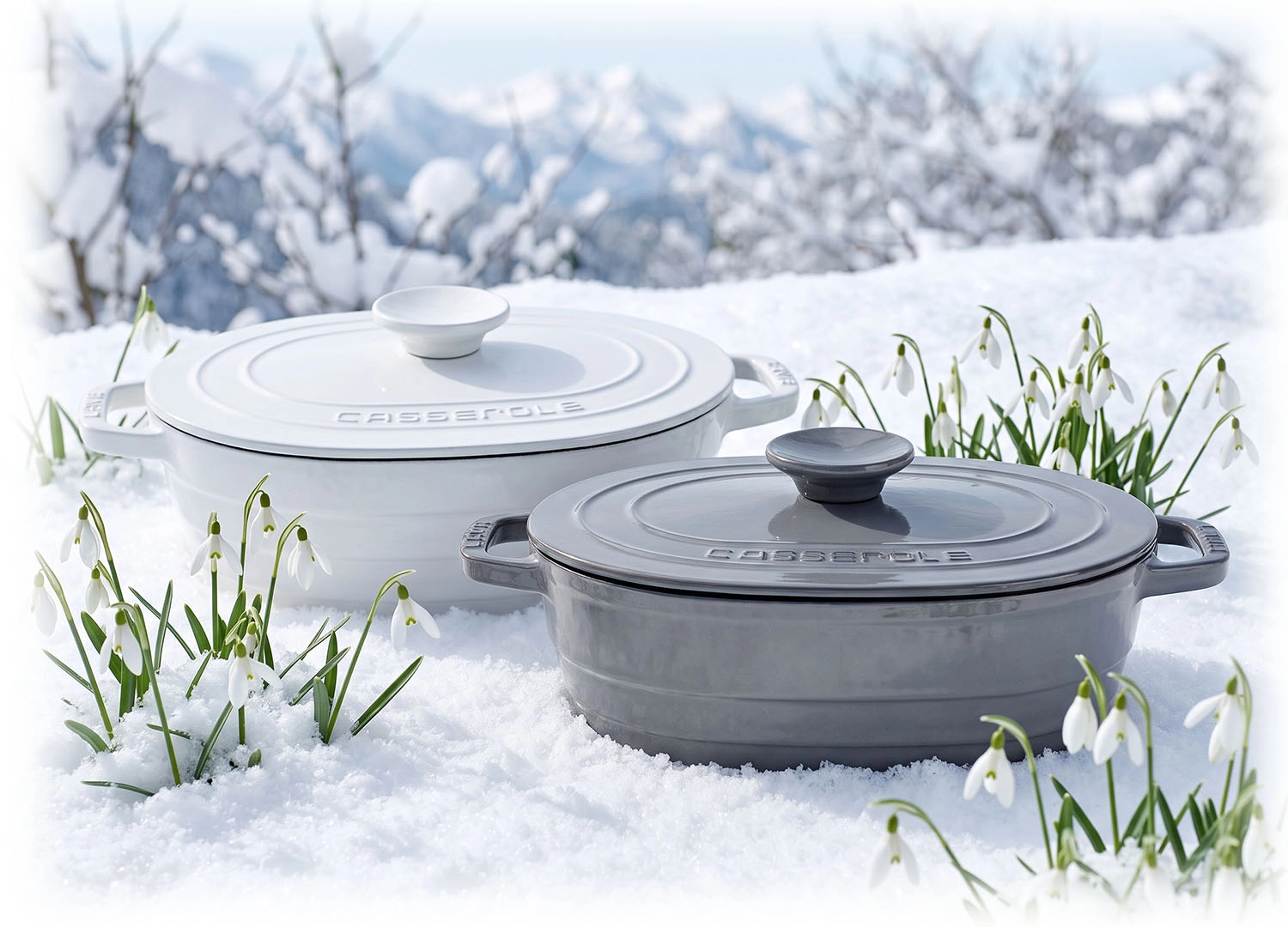
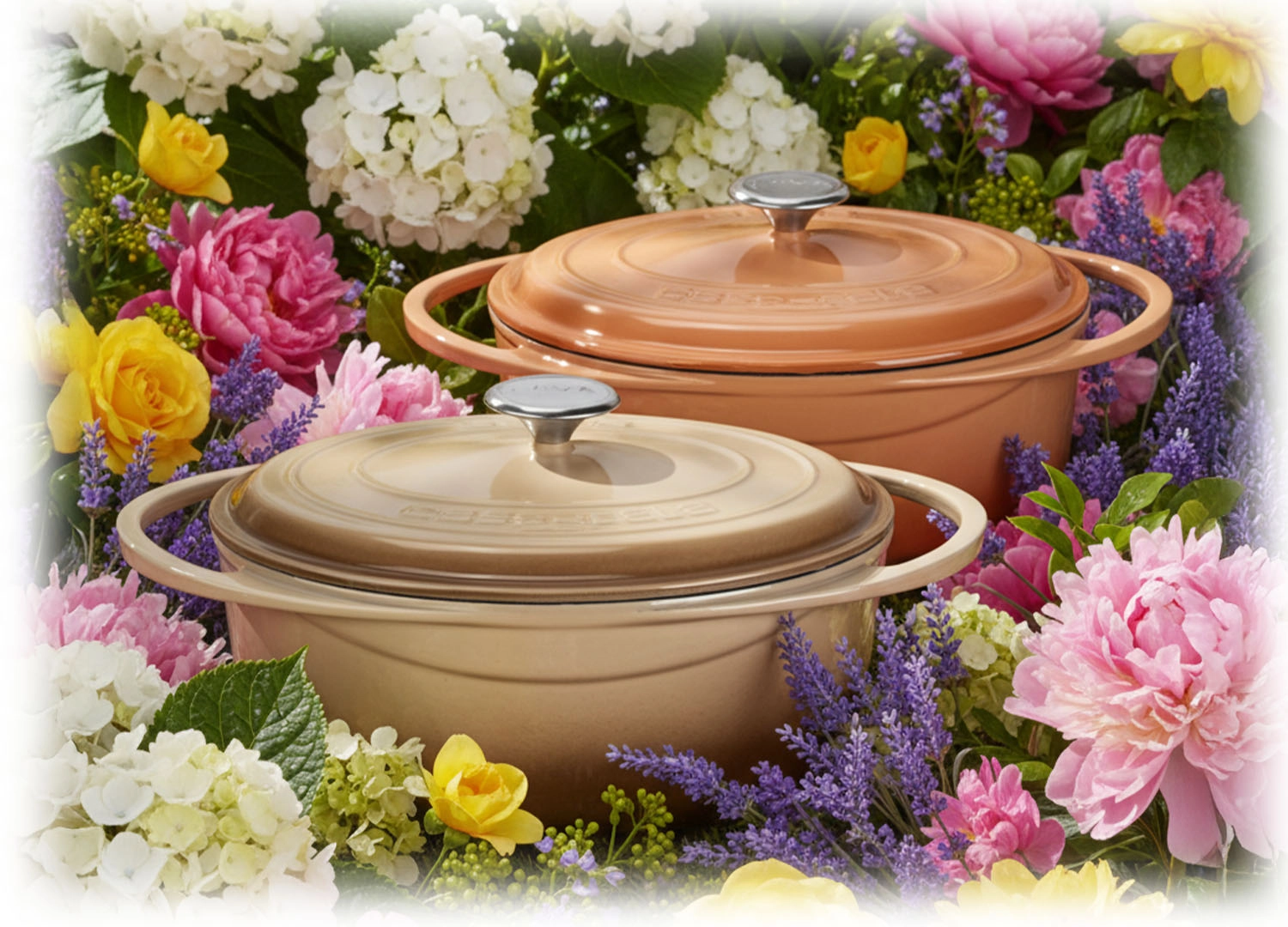
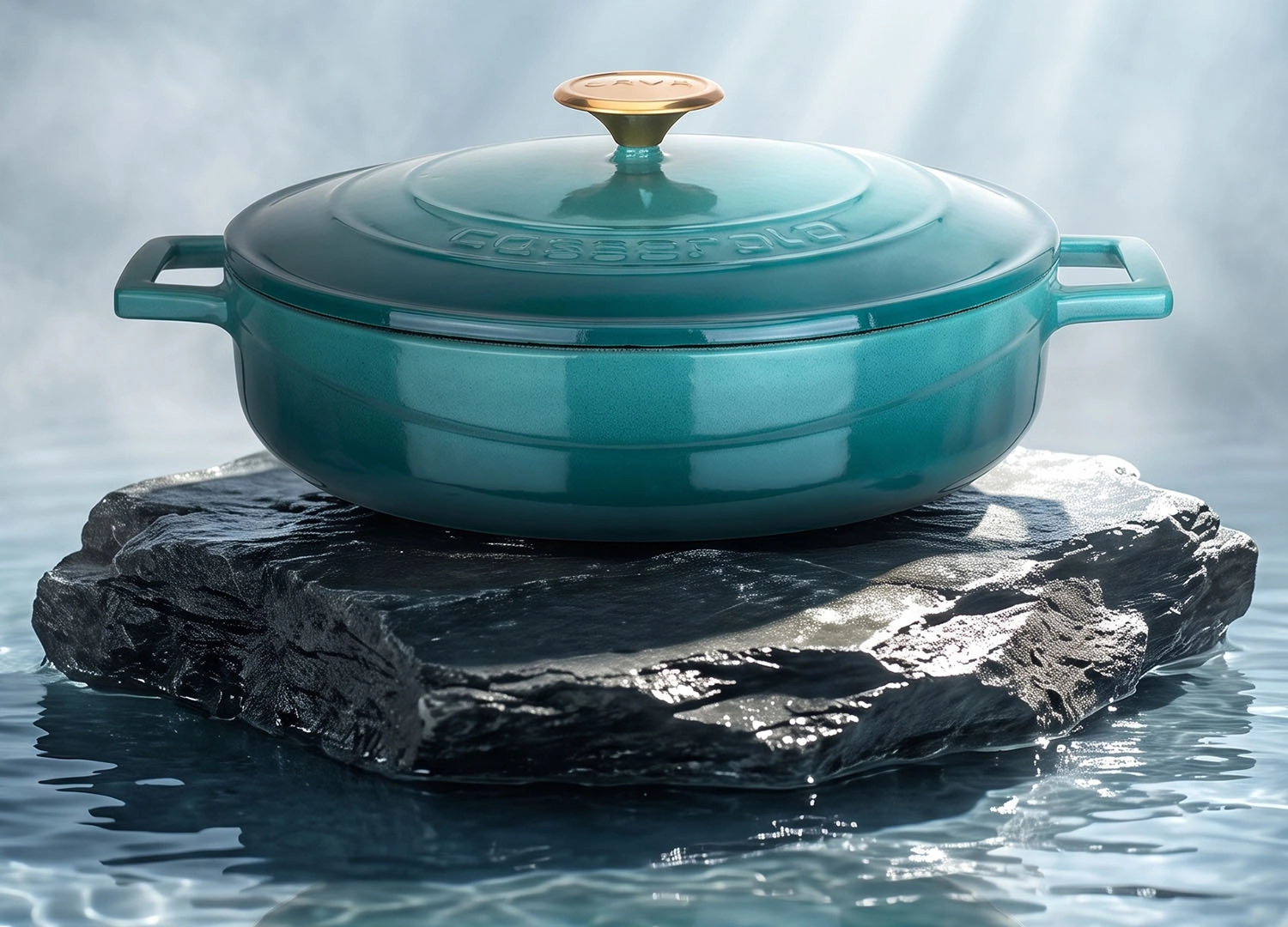
Inspired by Anatolia’s slow-cooking heritage, the LAVA Anatolia Casserole Series combines classic casserole culture with modern cast iron technology.
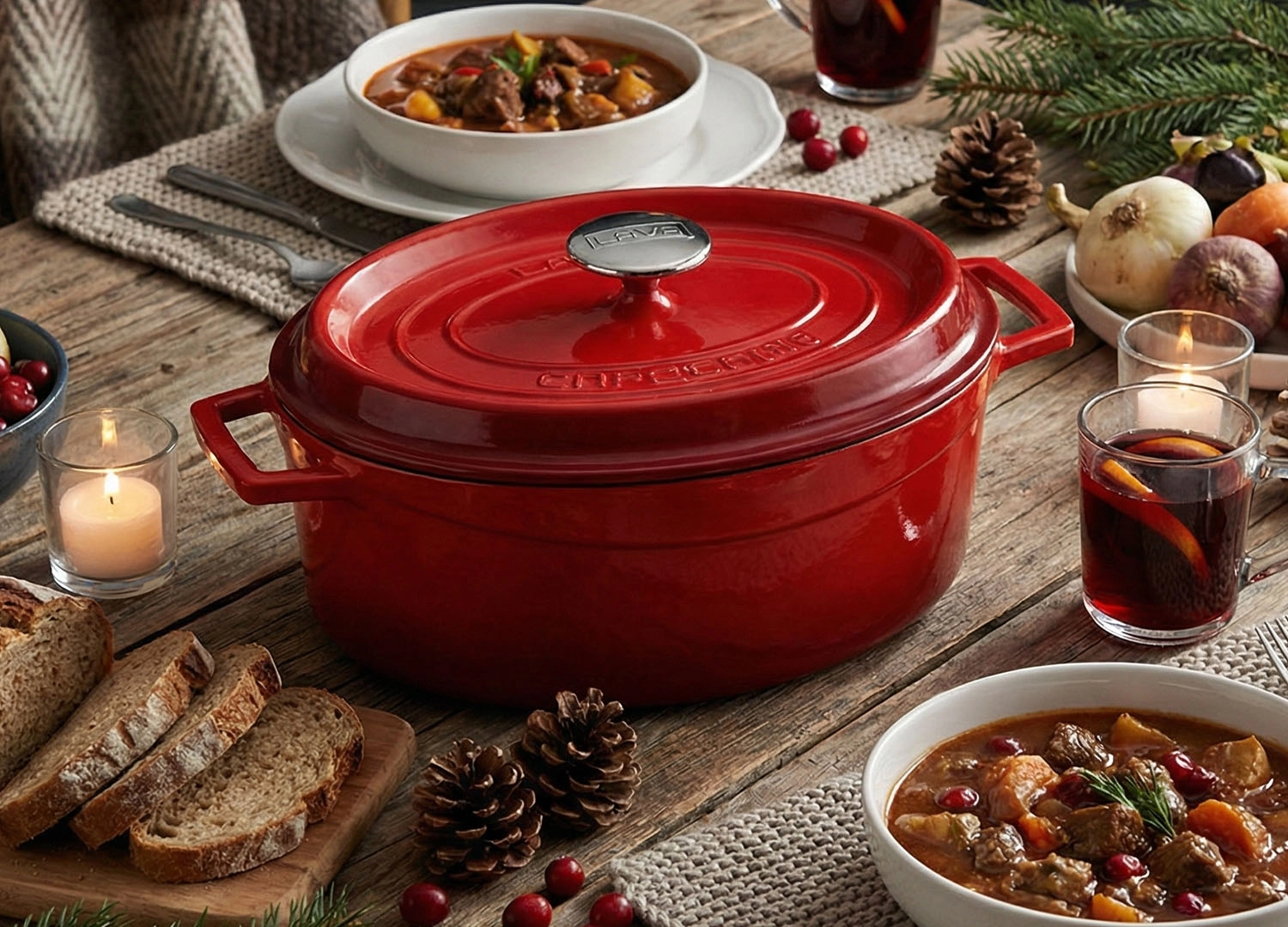
With its thick walls that retain and distribute heat evenly, these cast iron casserole models enhance flavour depth in meat, vegetable and pulse dishes. Their elegant form allows them to move directly from oven to table, offering a strong presence in both home kitchens and professional presentations.
For those wishing to prepare traditional recipes with greater control, balance and durability, the Anatolia Casserole Series carries the spirit of Anatolian cuisine into contemporary kitchens.
Meat and vegetable stew
Oven-baked lamb shank
Vegetable casserole
Baked beans
Covered bread
Rice pudding
The cast iron casserole pot is particularly ideal for searing meat before finishing it with slow oven cooking.
Retains heat for extended periods
Provides an elegant presentation suitable for serving
Enables seamless transition from oven to table
Can be used for many years
For this reason, it is preferred by both home cooks and professional chefs.
The casserole pot symbolises Anatolia’s slow and patient cooking culture. What began in clay vessels has evolved into a more durable and controlled form through the cast iron casserole pot and cast iron casserole dish.
If you wish to preserve traditional recipes while investing in a long-lasting cooking solution, cast iron casserole models are an ideal choice.
Because some flavours cannot be rushed.
And some pots carry not only food — but culture.







Lava Döküm Online Fabrika Satış Mağazası. © 2026 All Rights Reserved.


0
)

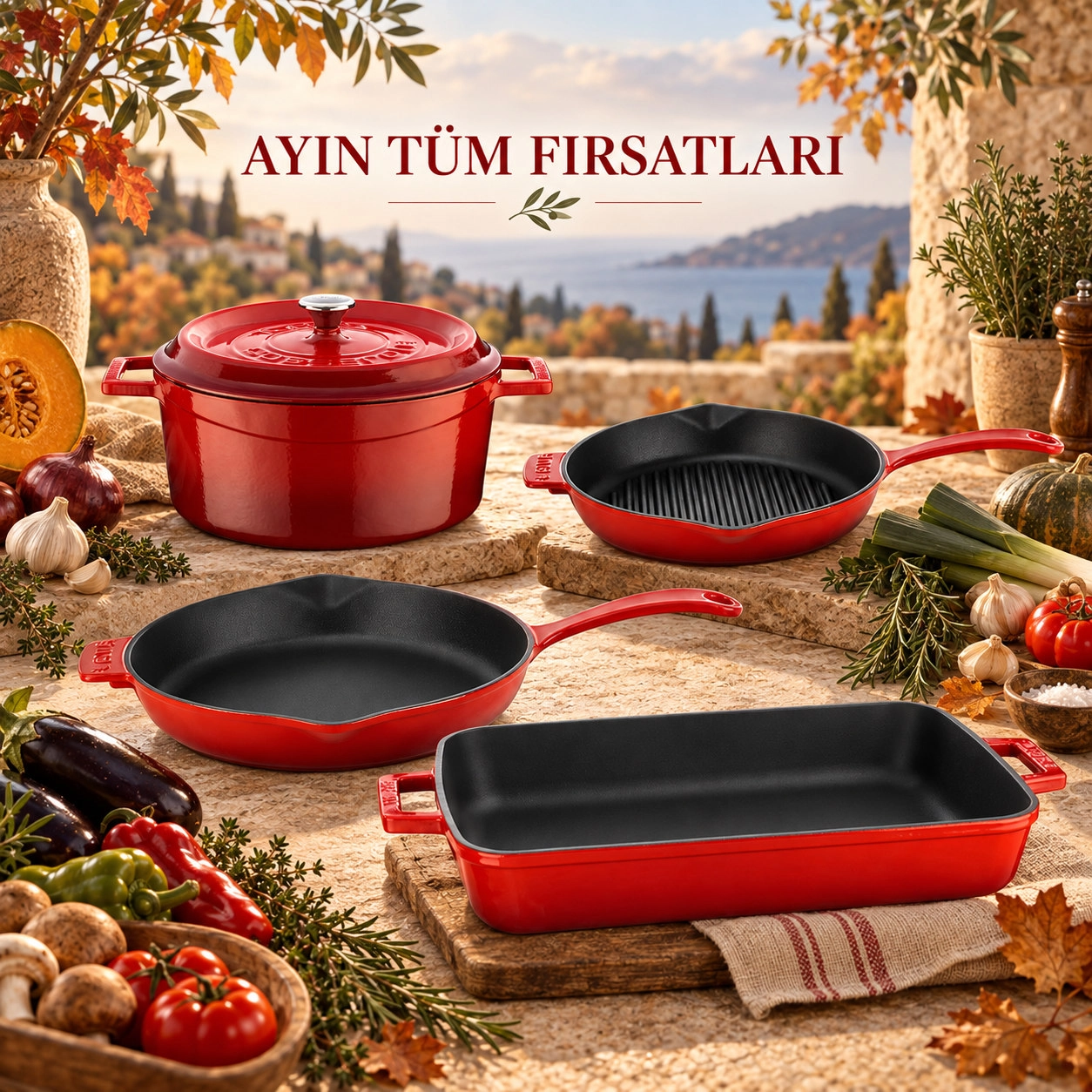
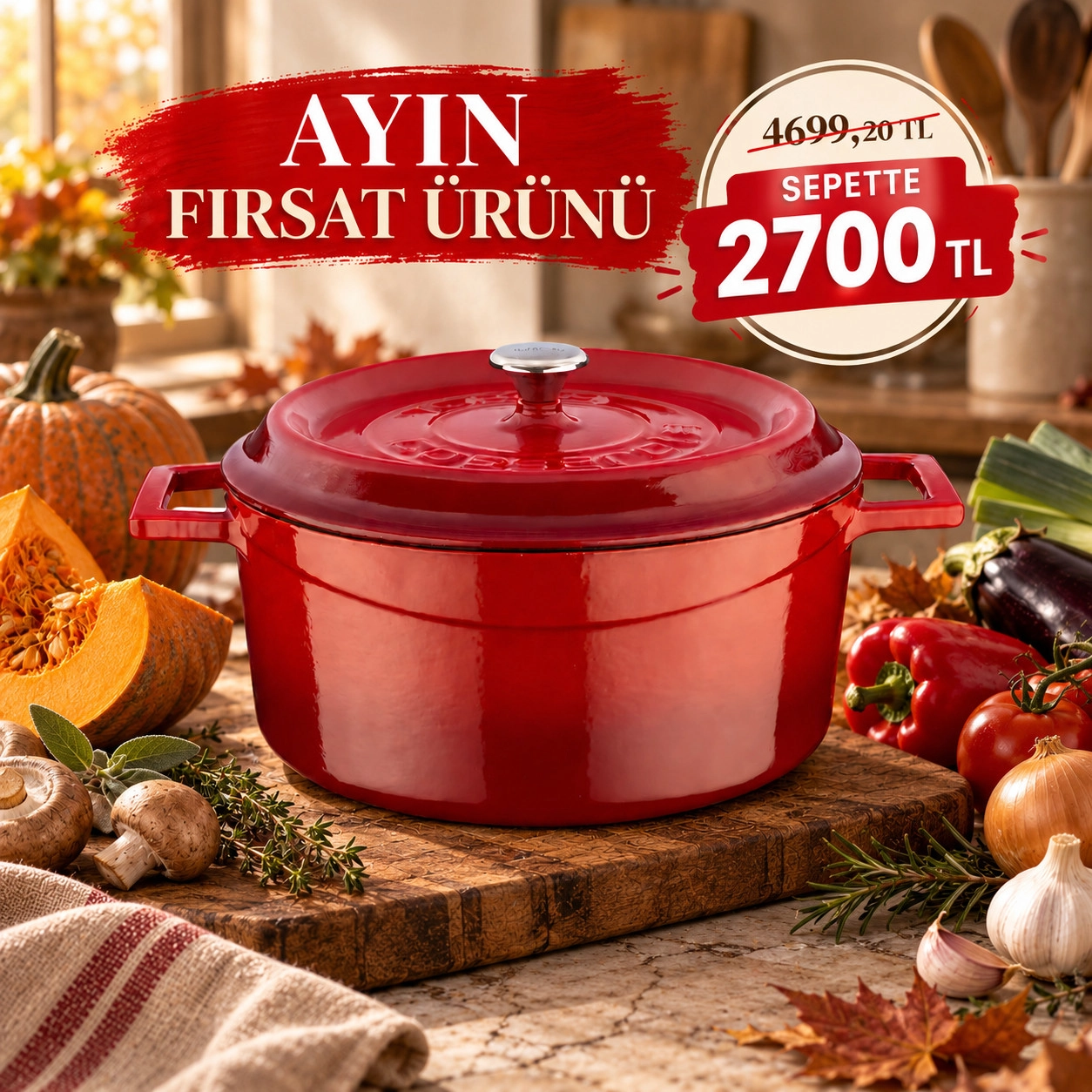 LAVA Round Cast Iron Casserole – Trendy Ø24 cm
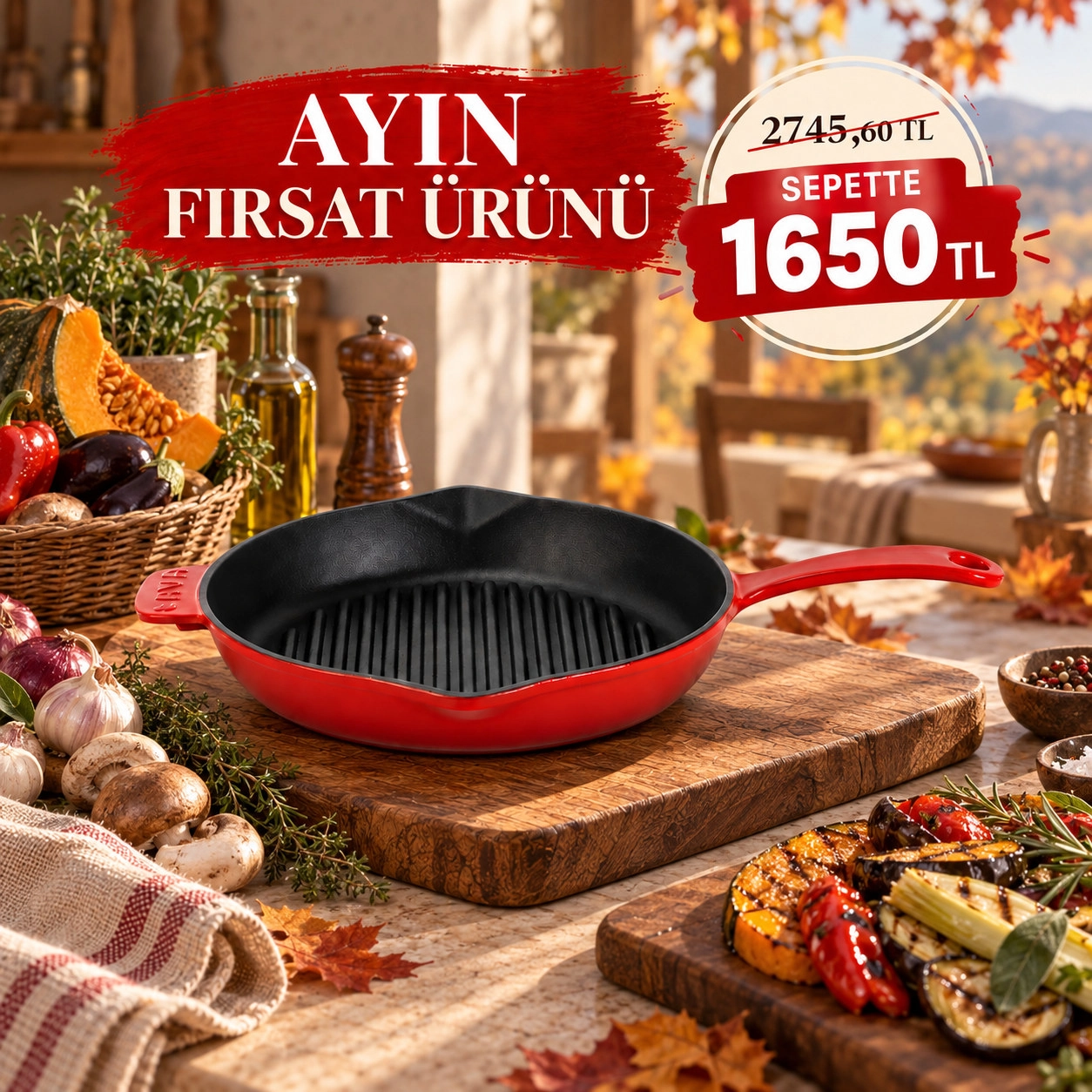 LAVA Round Cast Iron Grill Pan 28 cm Single Handle
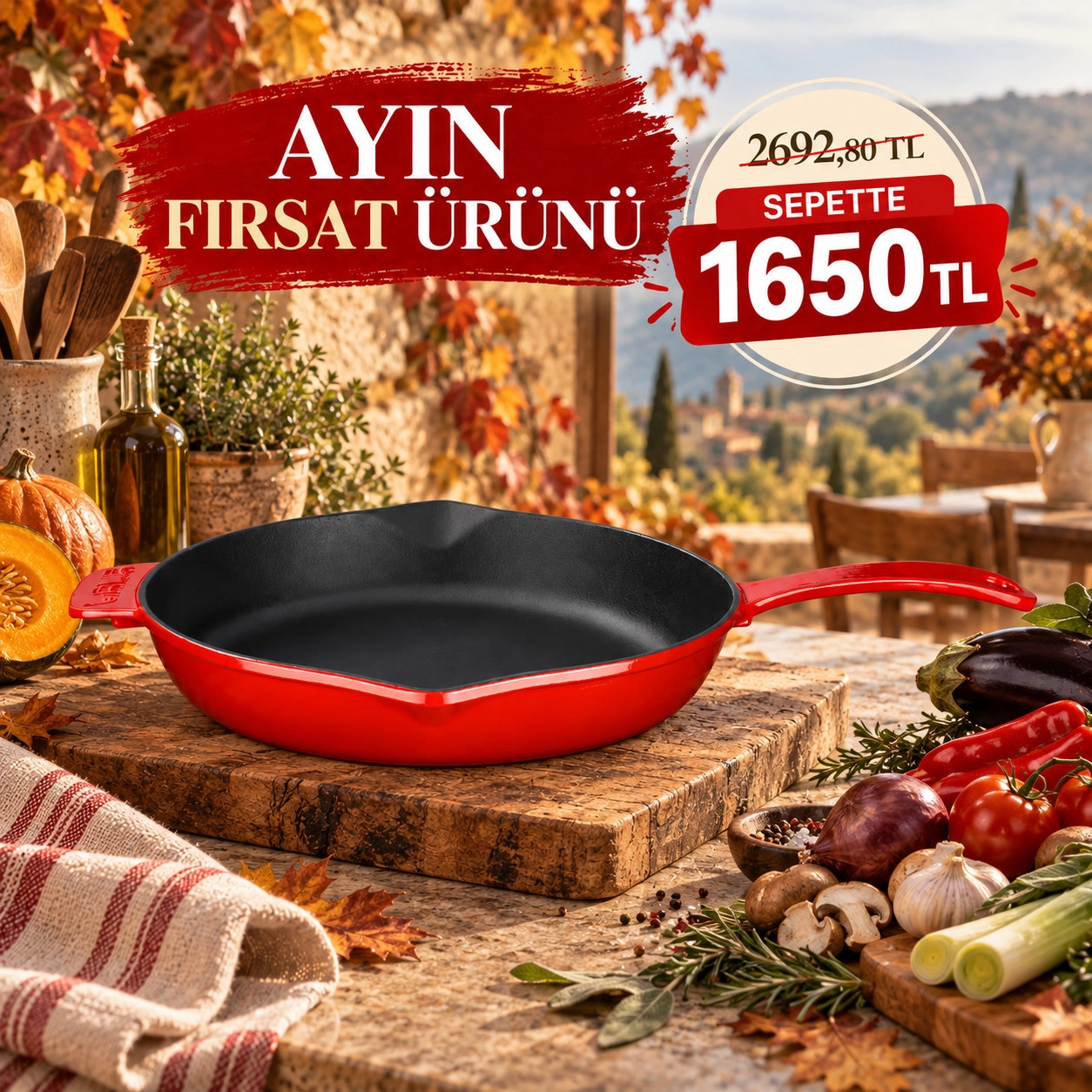 LAVA Round Cast Iron Frying Pan 28 cm Single Handle
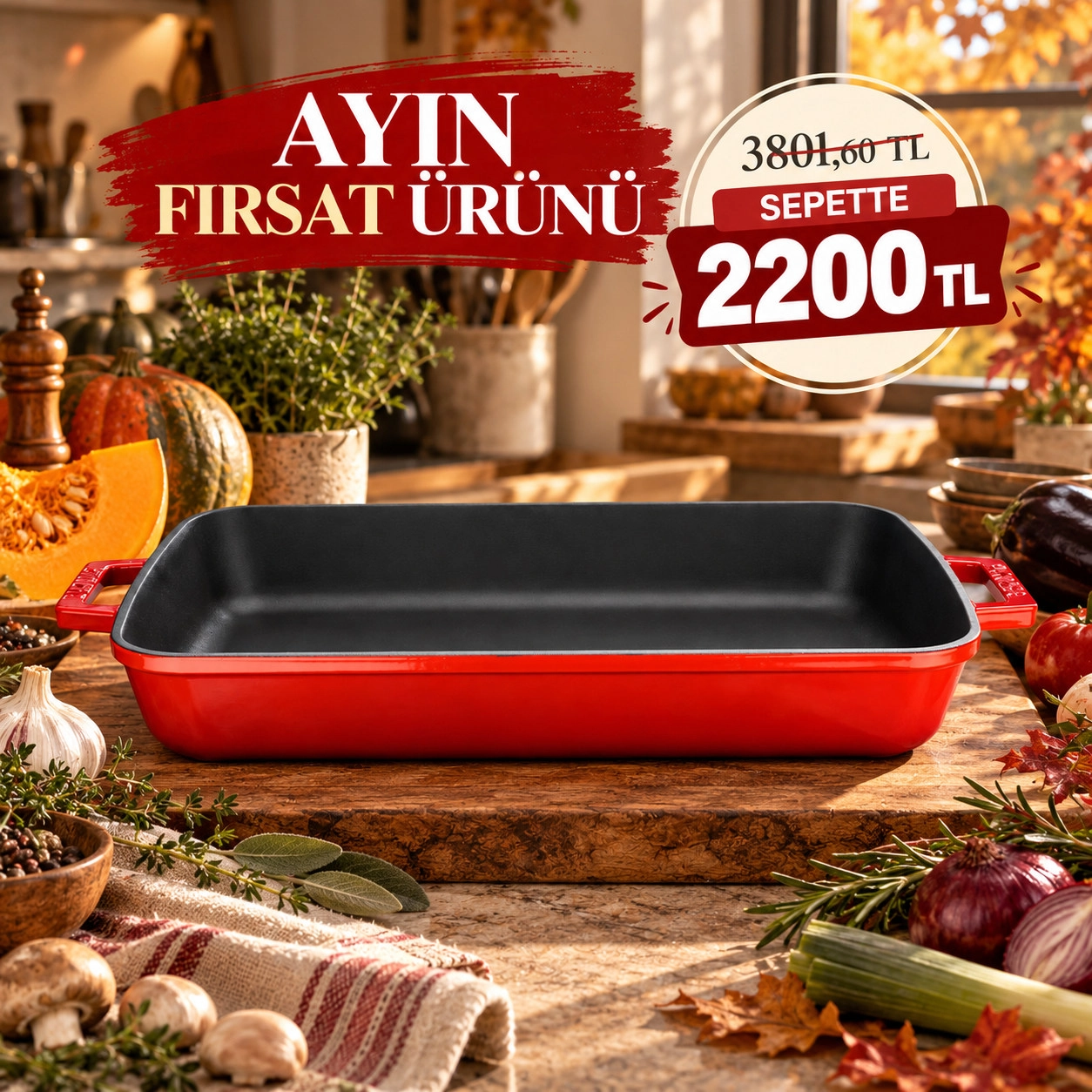 LAVA Rectangular Cast Iron Roasting & Oven Tray 26x40 cm Twin Handles
 All This Month's Deals