×

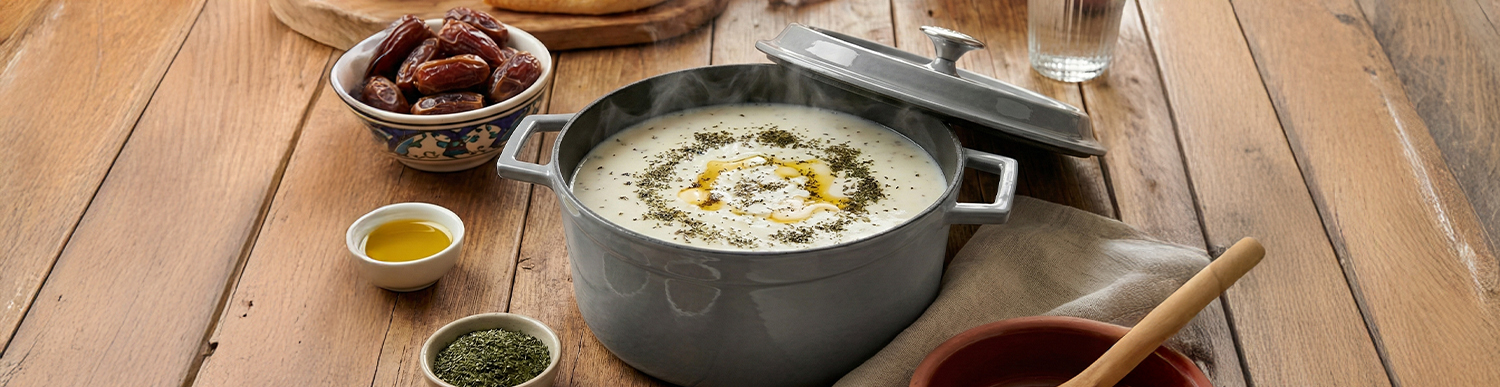
The month of Ramadan is not only a period of fasting; it is also a special time when tables gain deeper meaning, rituals are strengthened, and the culture of sharing is rediscovered. However, maintaining balance at iftar after long hours of fasting, making conscious choices, and nourishing the body without overburdening it are critically important.
At this point, healthy eating during Ramadan goes far beyond the traditional idea of a “diet list”. The goal is not restriction, but thoughtful planning. Not prohibition, but balance.
A Ramadan diet is possible through a sustainable table model built on:
The right cooking techniques
Balanced macronutrient distribution
Portion control
Slow and mindful consumption
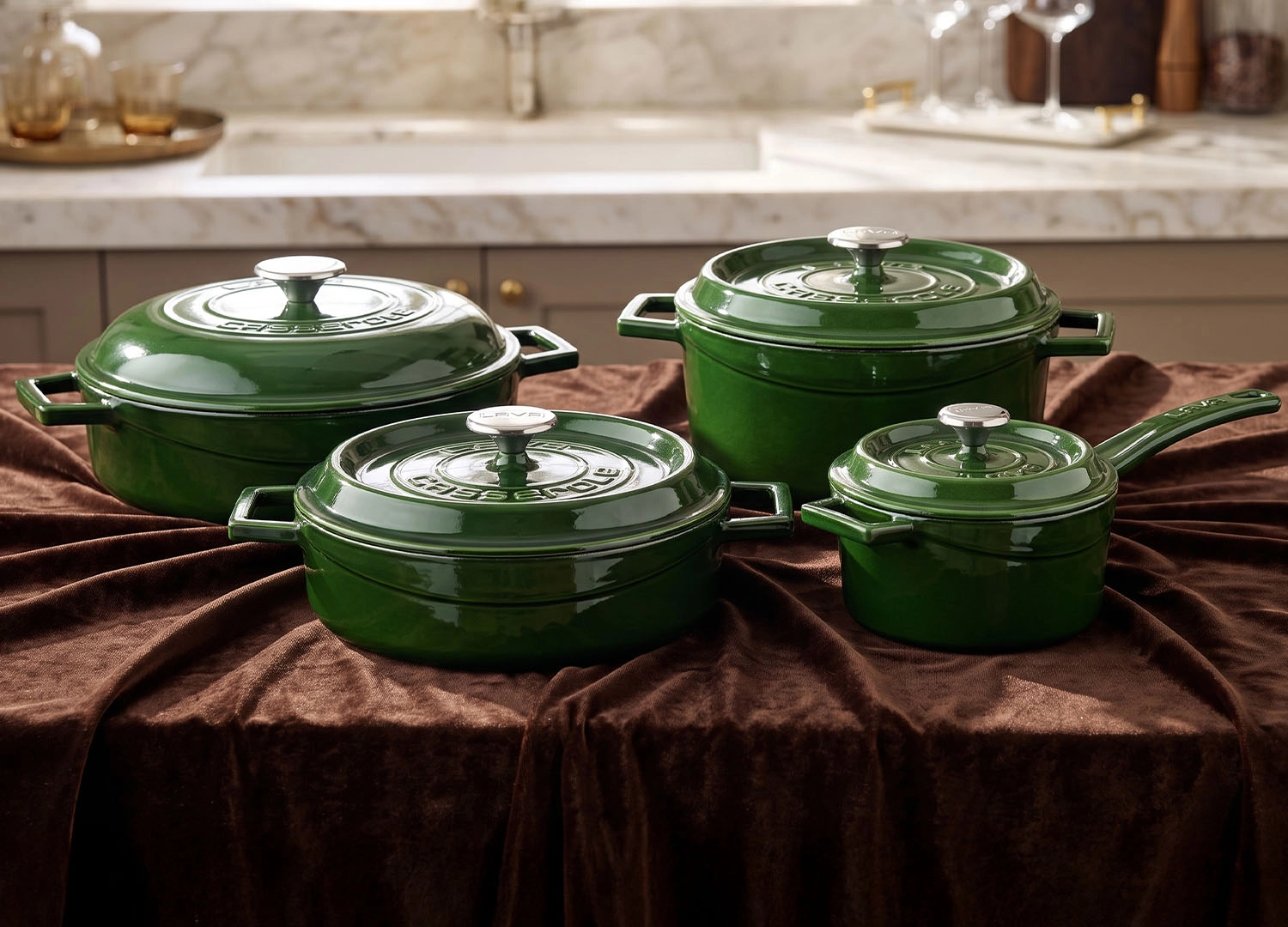
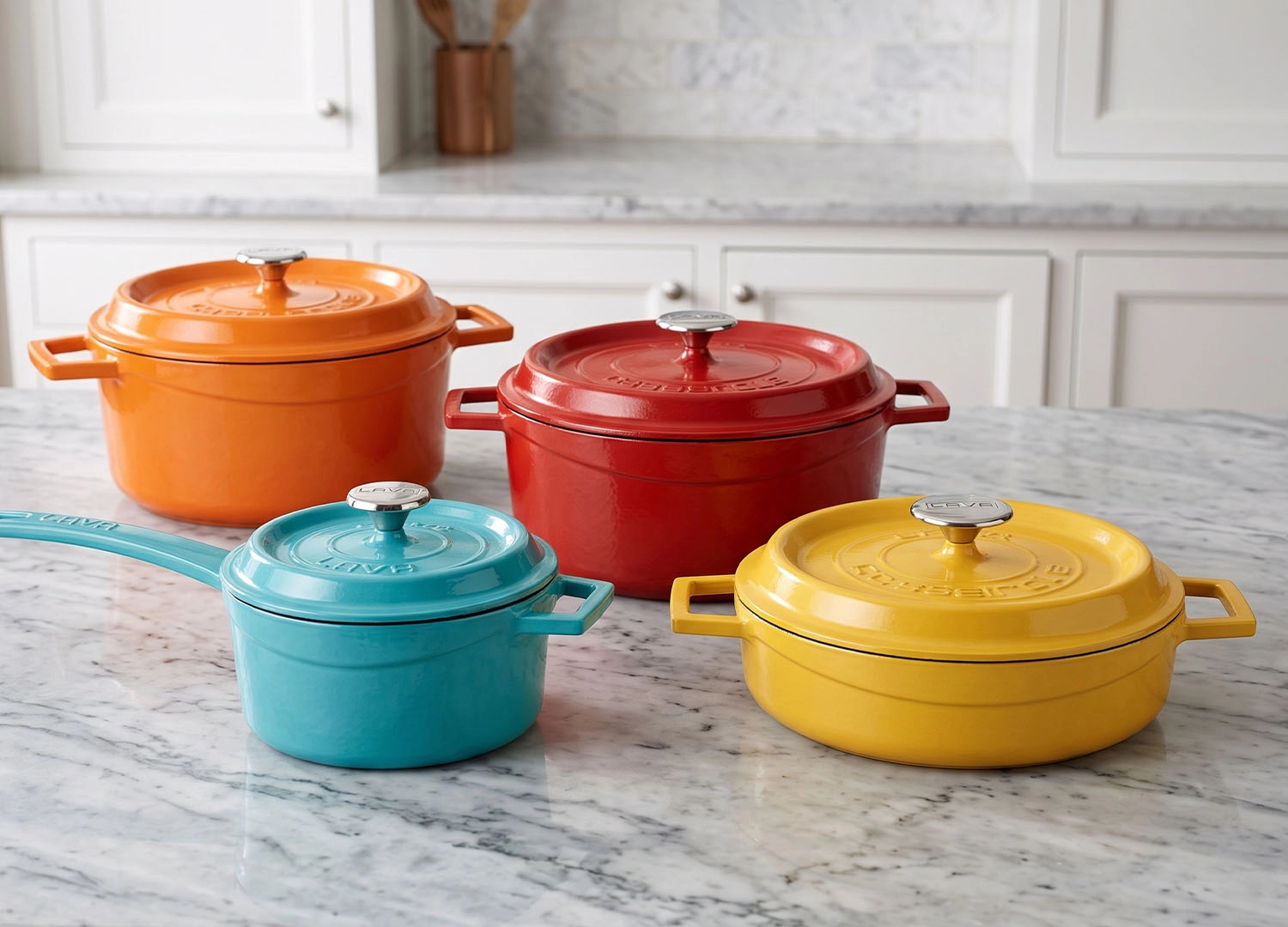
In LAVA kitchens, achieving this balance becomes significantly easier thanks to cast iron’s even heat distribution and the advantage of cooking with less oil.
During Ramadan, the body’s metabolic rhythm changes. After many hours without food, the body tends to consume meals quickly and in large quantities at iftar. This may result in:
Sudden spikes in blood sugar
Stomach and digestive discomfort
Evening bloating
Waking up fatigued
Therefore, healthy eating during Ramadan is not only about what we eat, but also how we cook. Choosing slow, controlled cooking over high-heat frying helps preserve nutritional value and reduces strain on digestion.
The core principle of a Ramadan diet approach is simple:
A controlled transition rather than sudden overload.
Beginning iftar with soup, pausing briefly before the main course, and maintaining plate balance are key strategic steps. With this mindful approach, here are five essential recommendations for balanced eating during Ramadan.
Suhoor is the most critical meal of the day. Poor choices at suhoor may lead to quicker hunger and energy dips throughout the day.
For healthy eating during Ramadan, a suhoor plate may include:
High-quality protein (eggs, cheese, yoghurt)
Fibre sources (whole grains, vegetables, legumes)
Healthy fats (olive oil, avocado, walnuts)
A suhoor consisting solely of white bread and tea causes rapid blood sugar fluctuations. In contrast, a vegetable omelette prepared with minimal oil in a cast iron pan promotes longer satiety and supports stable energy levels.
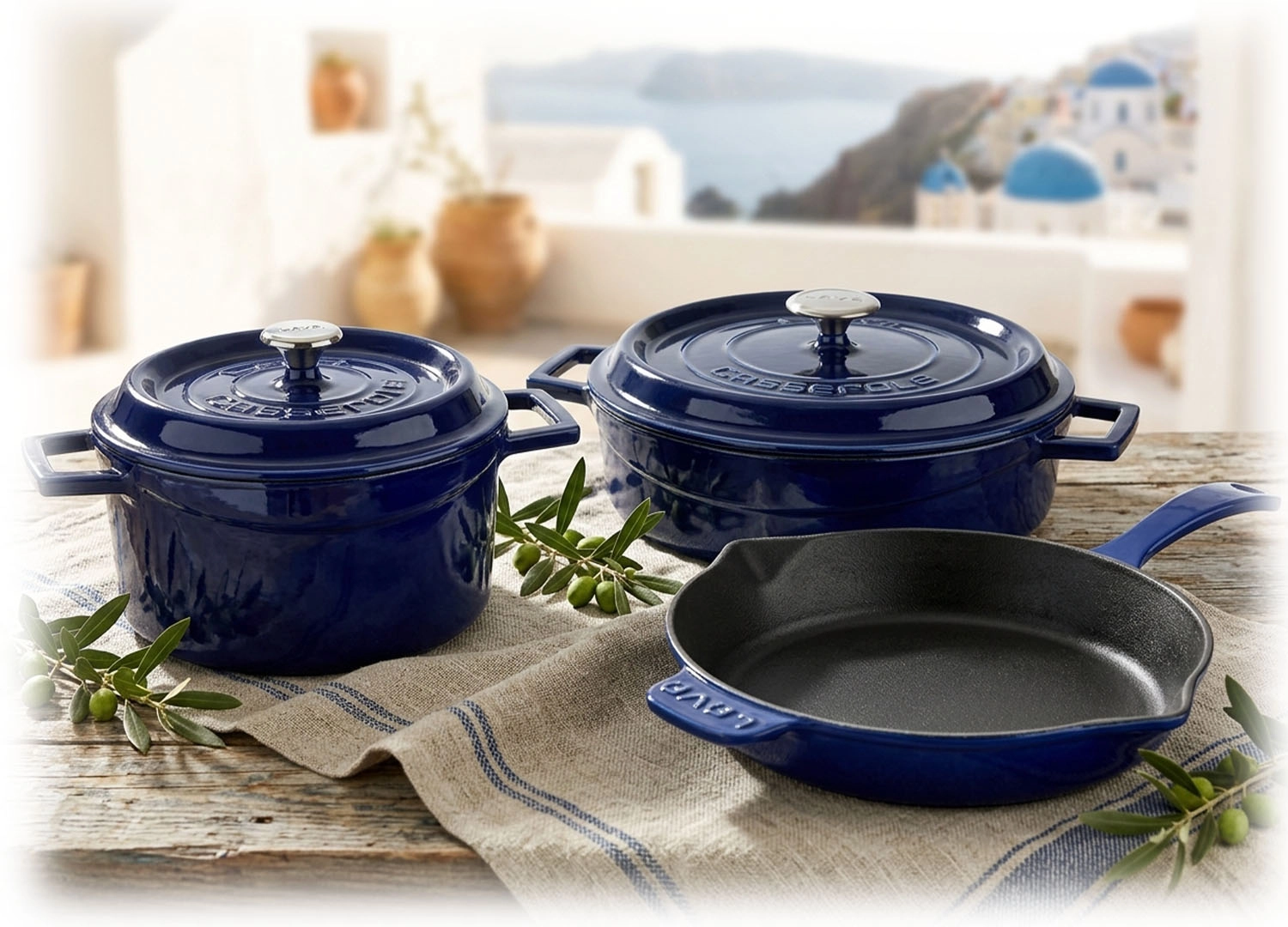
Cast iron distributes heat evenly and does not require high flames. This enables more controlled cooking with less oil — a significant advantage for those following a Ramadan diet.
For more detailed suhoor ideas and recipe pairings, inspiration can be found in LAVA’s “Beautiful Suhoor Menu Guide at LAVA Tables”, where menu plans can easily be adapted to support healthy eating during Ramadan.
Iftar tables are often rich and abundant. However, consuming everything at once in large portions may overwhelm digestion.
An ideal iftar plate may follow this proportion:
50% vegetables and salad
25% protein
25% complex carbohydrates
This model supports a Ramadan diet without creating unnecessary restriction.
Beginning iftar with a light soup prepares the stomach gently. Legume-based or vegetable soups provide both fibre and essential minerals.
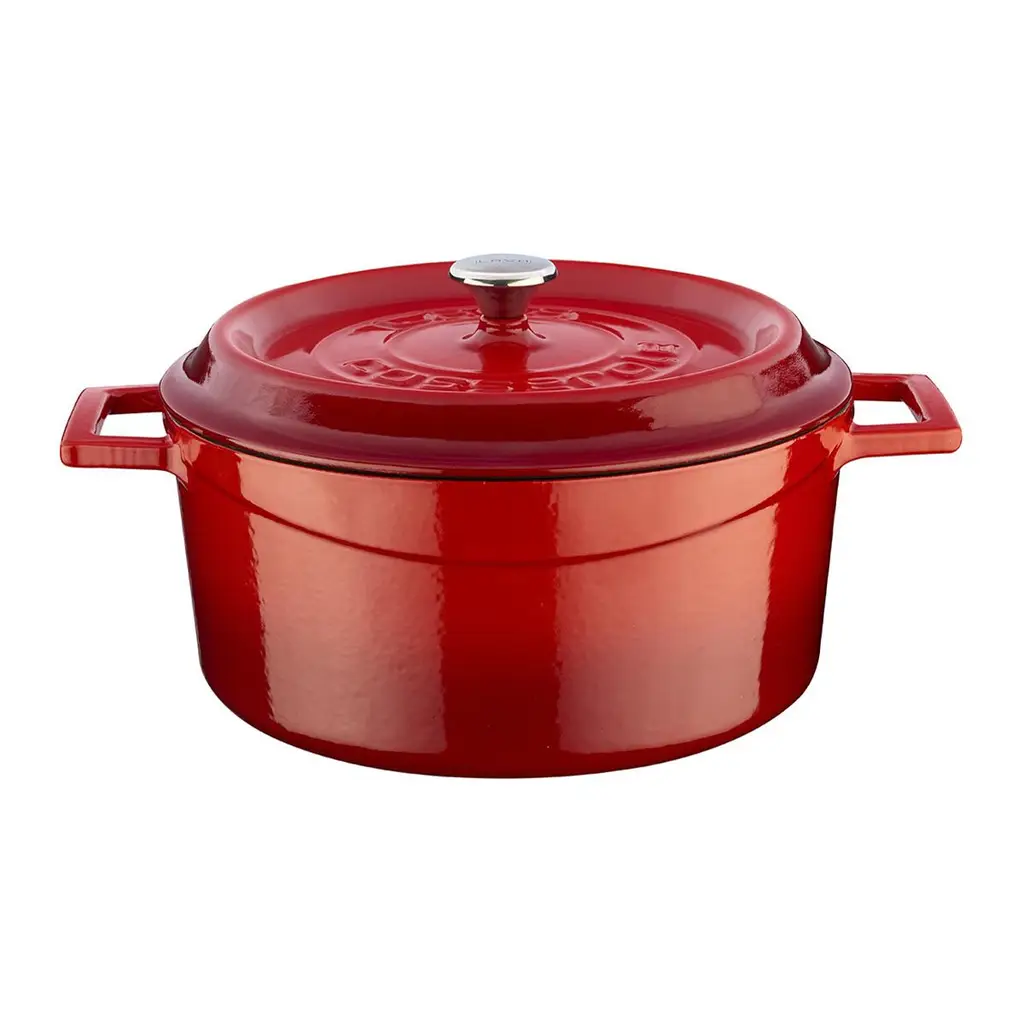
Soups slow-cooked in cast iron pots retain aroma and depth of flavour more effectively. Controlled heat rather than rapid boiling helps preserve nutritional integrity.
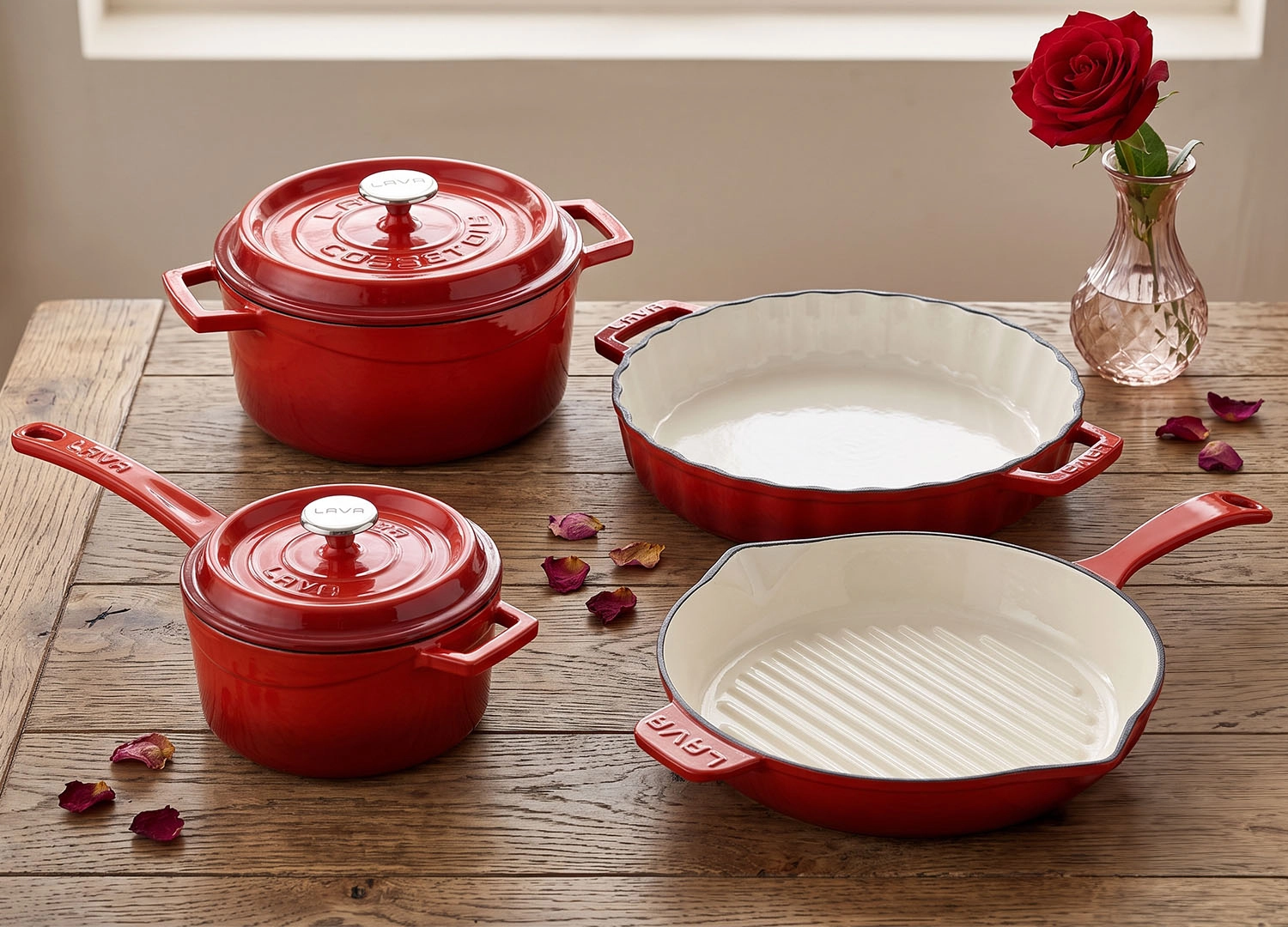
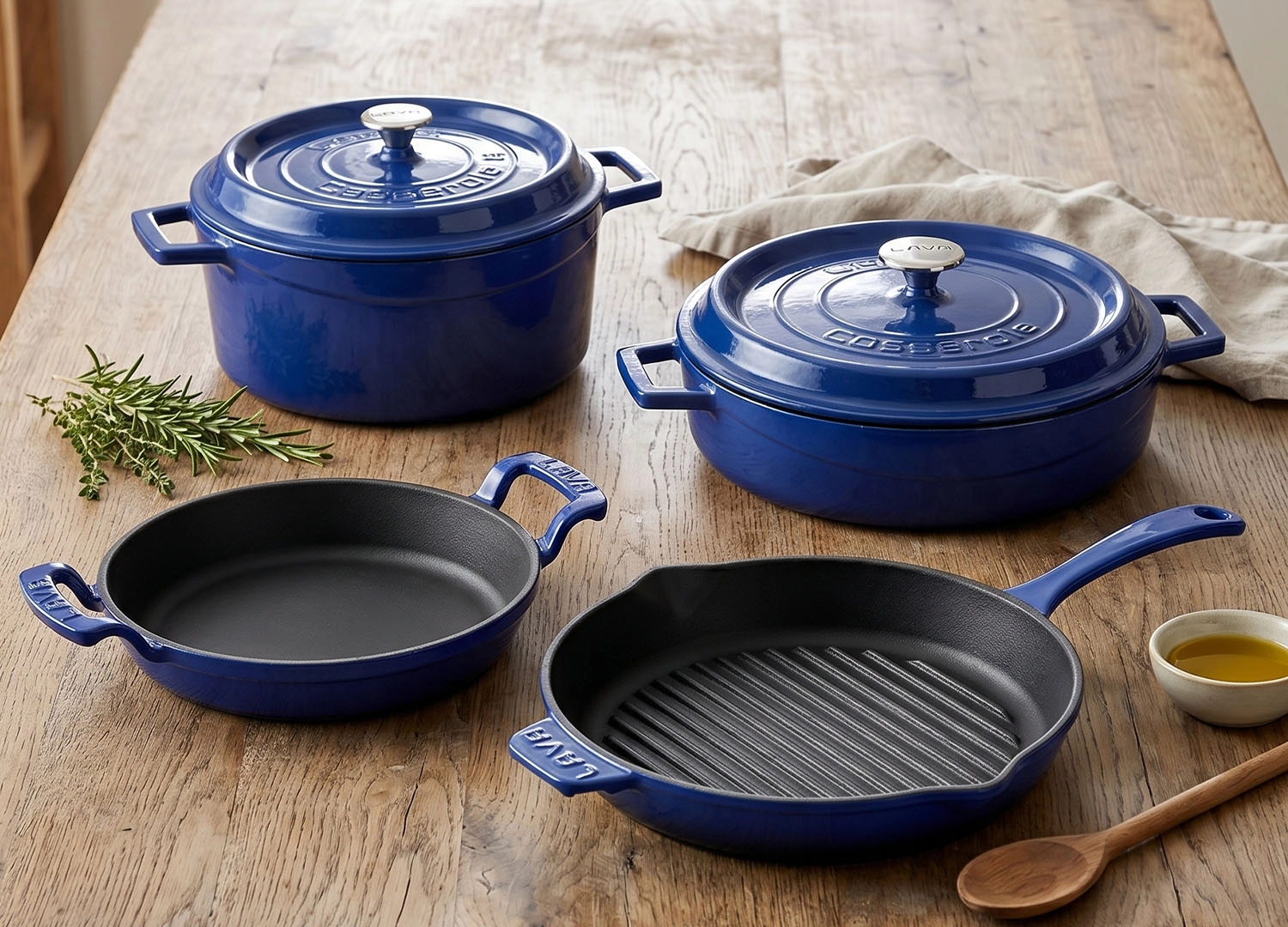
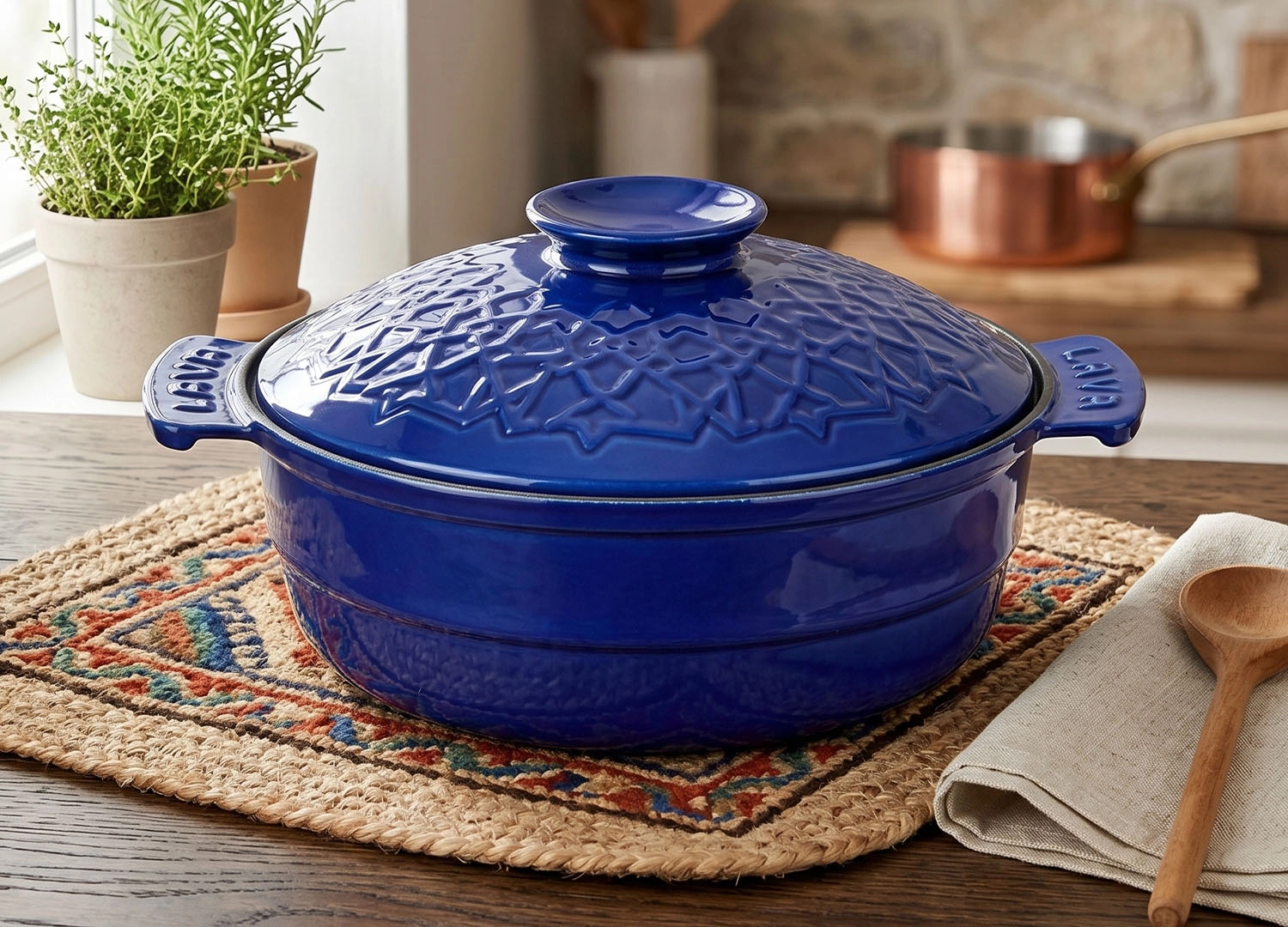
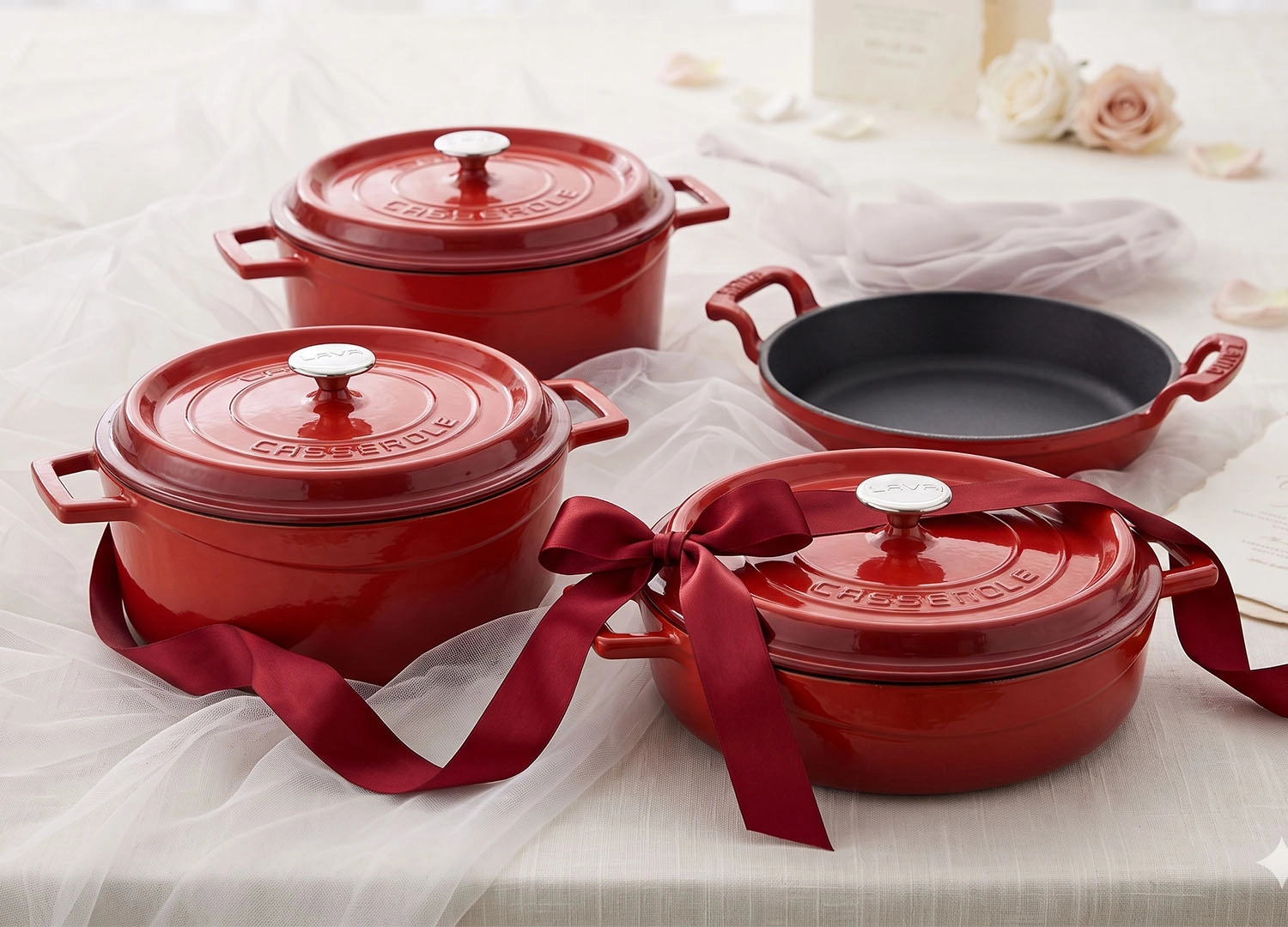
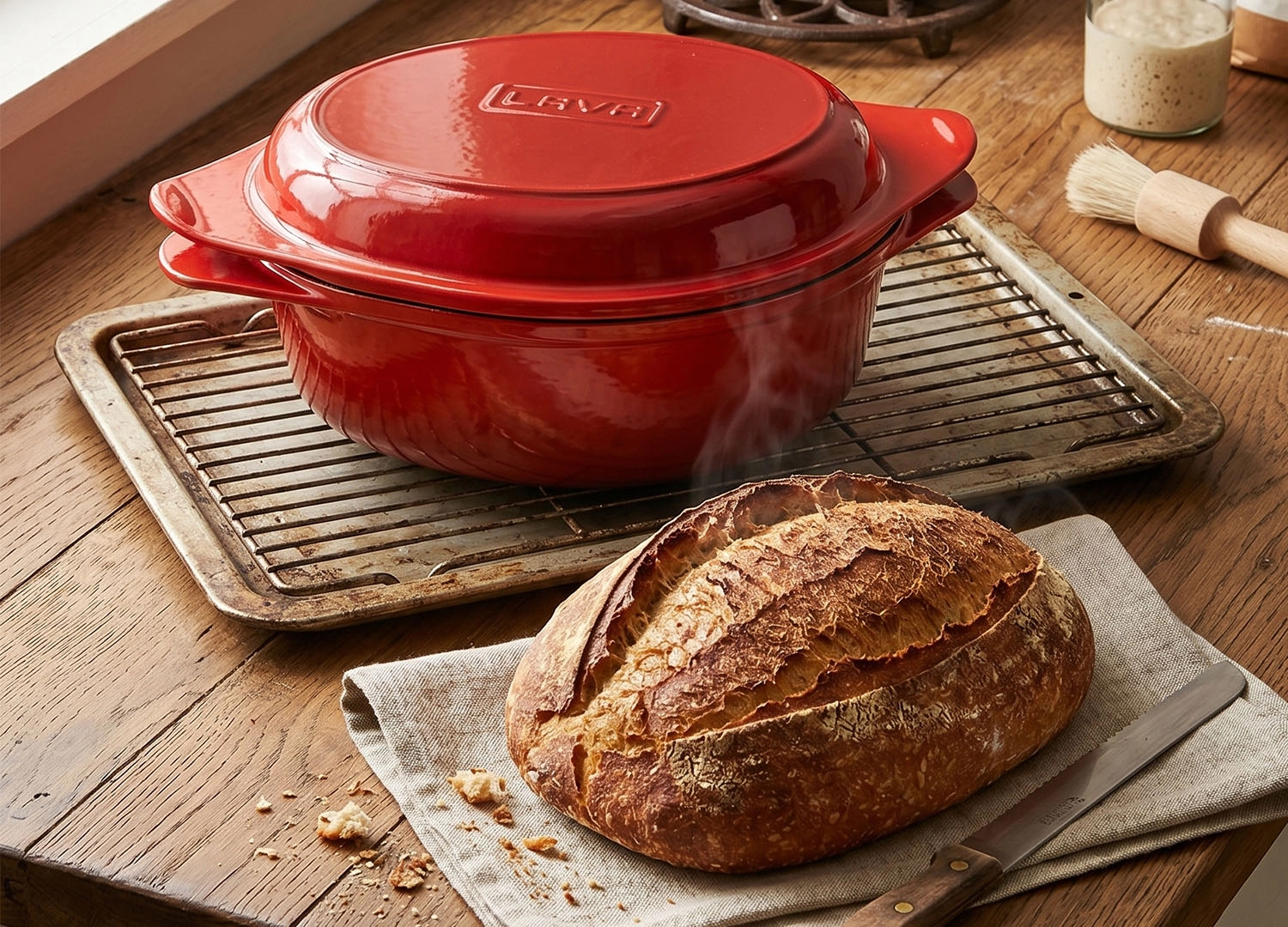
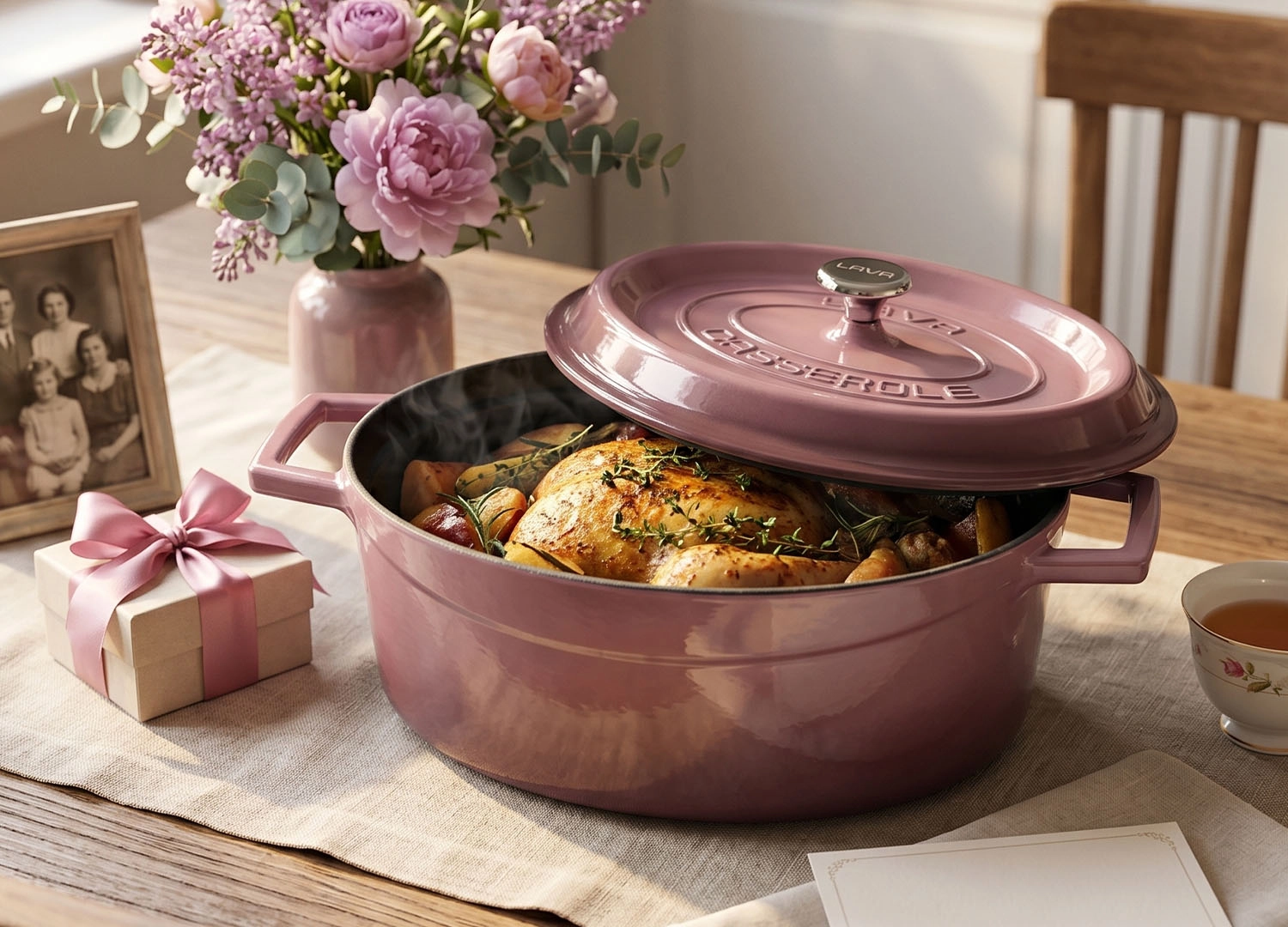
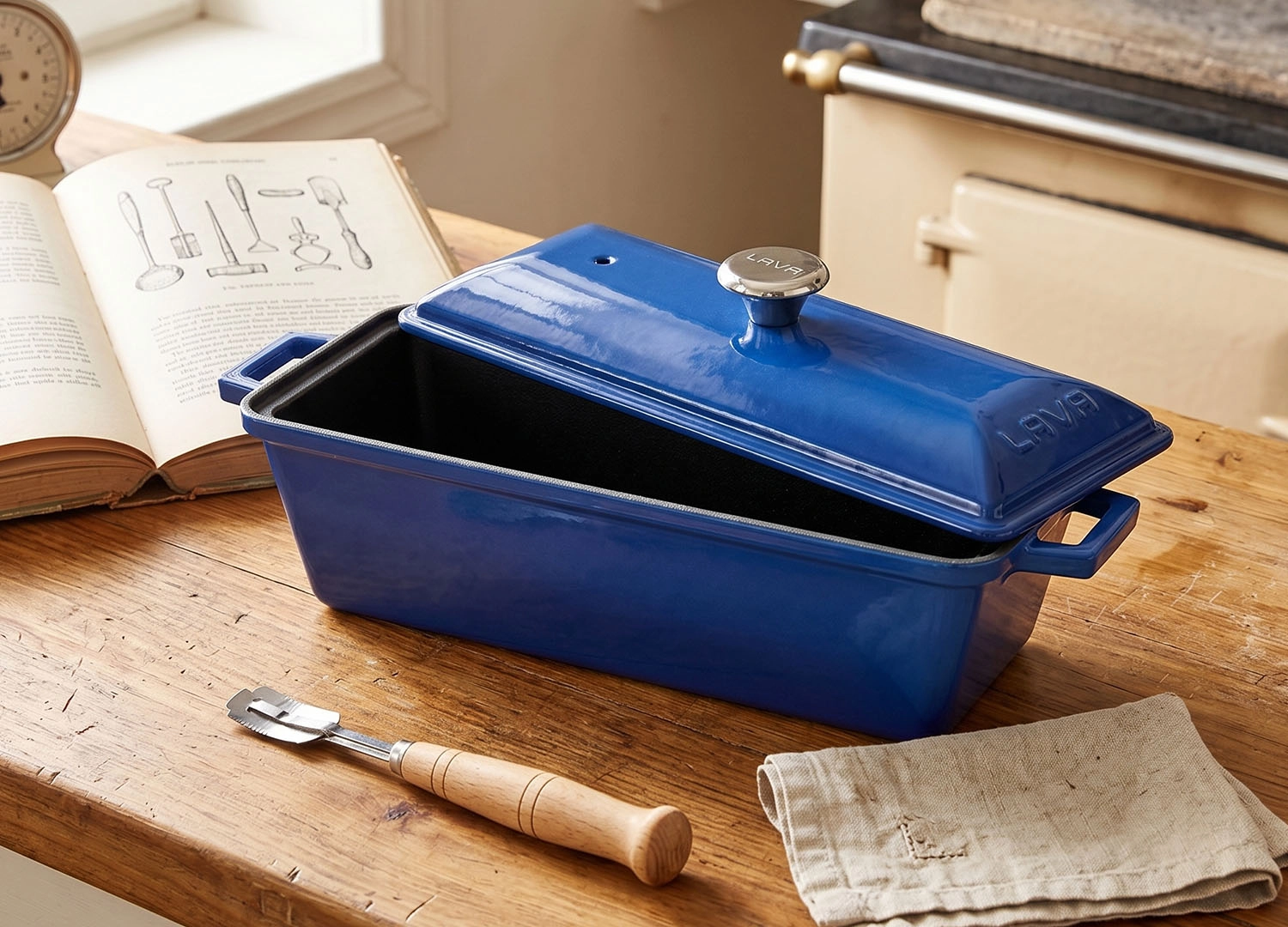
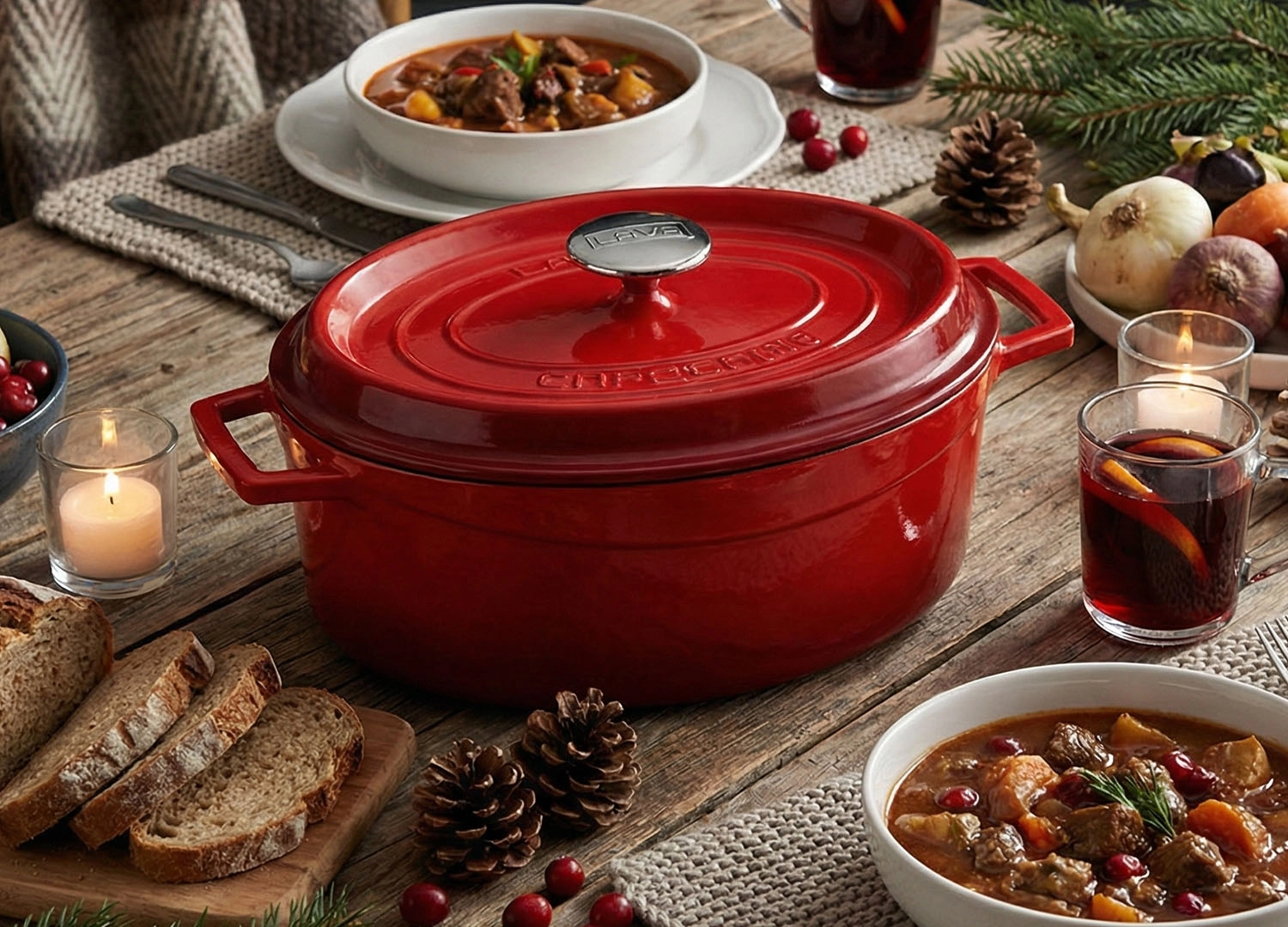
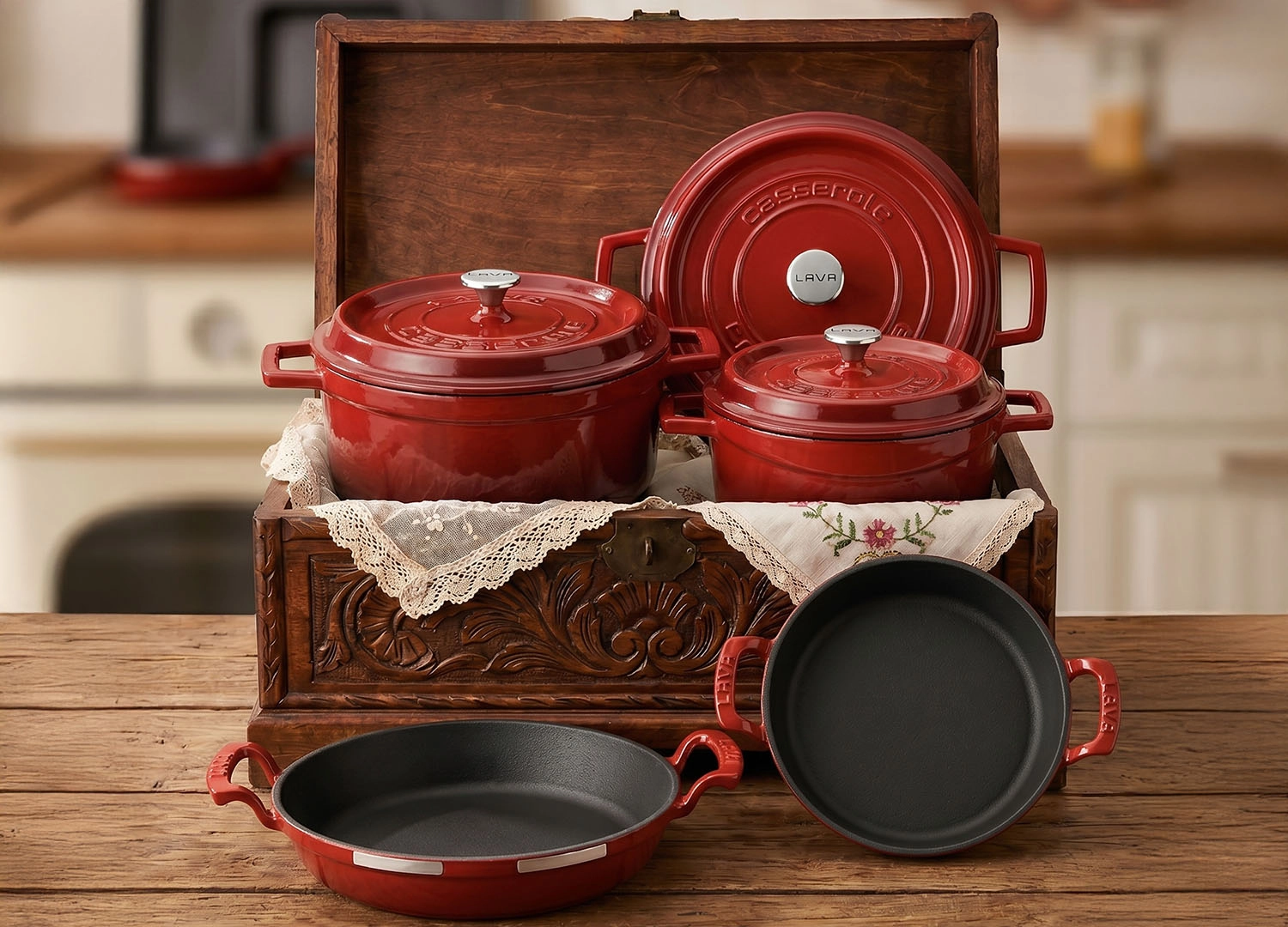
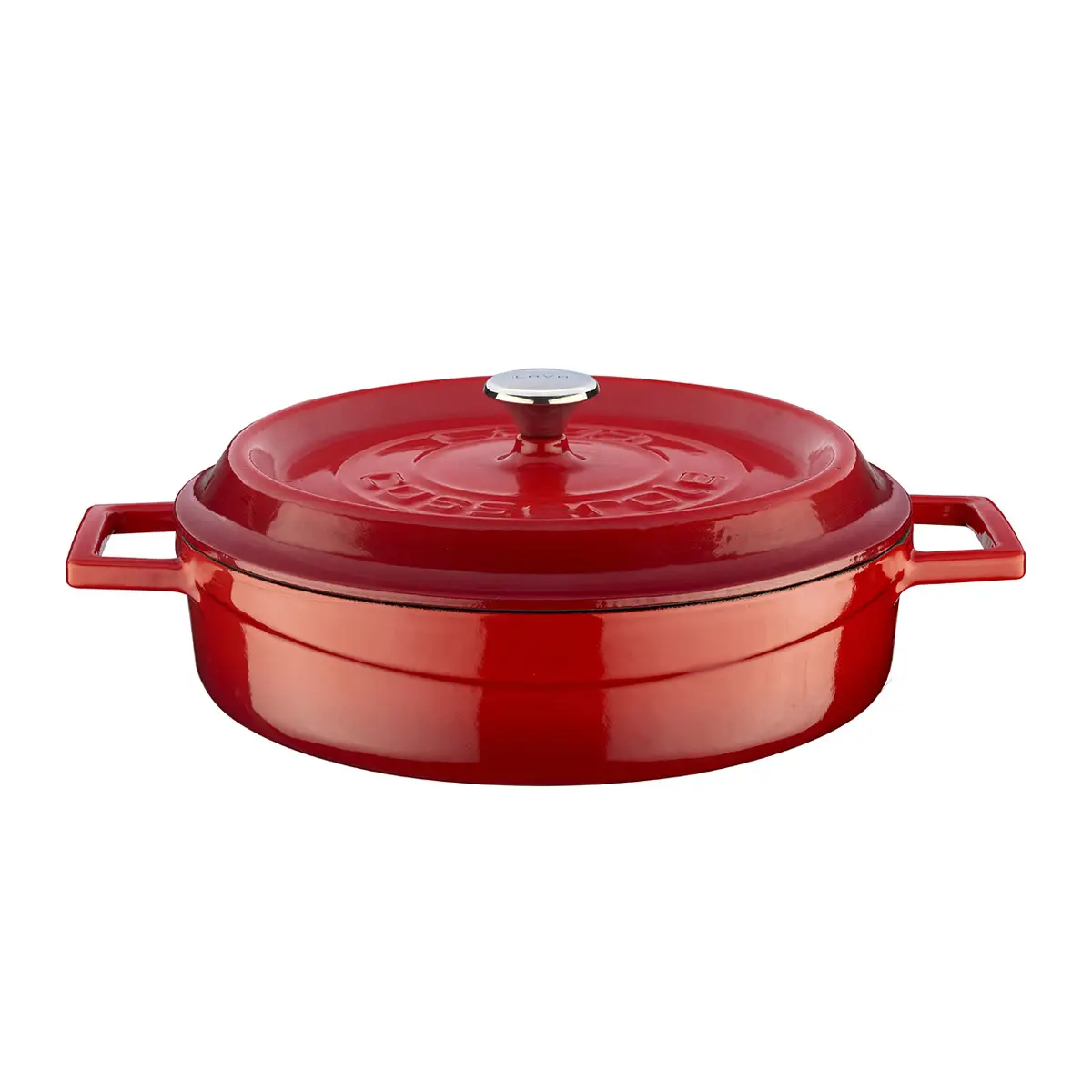
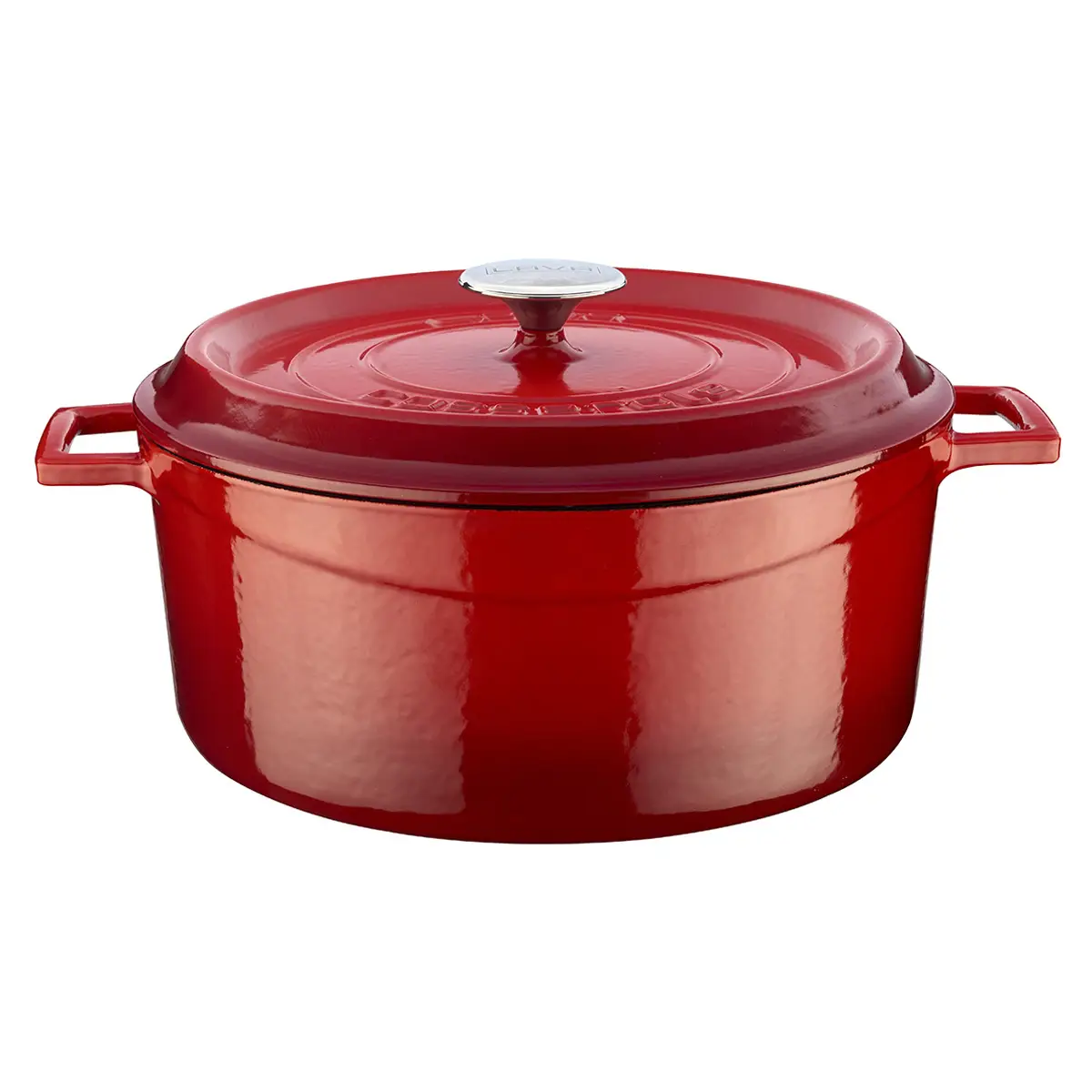
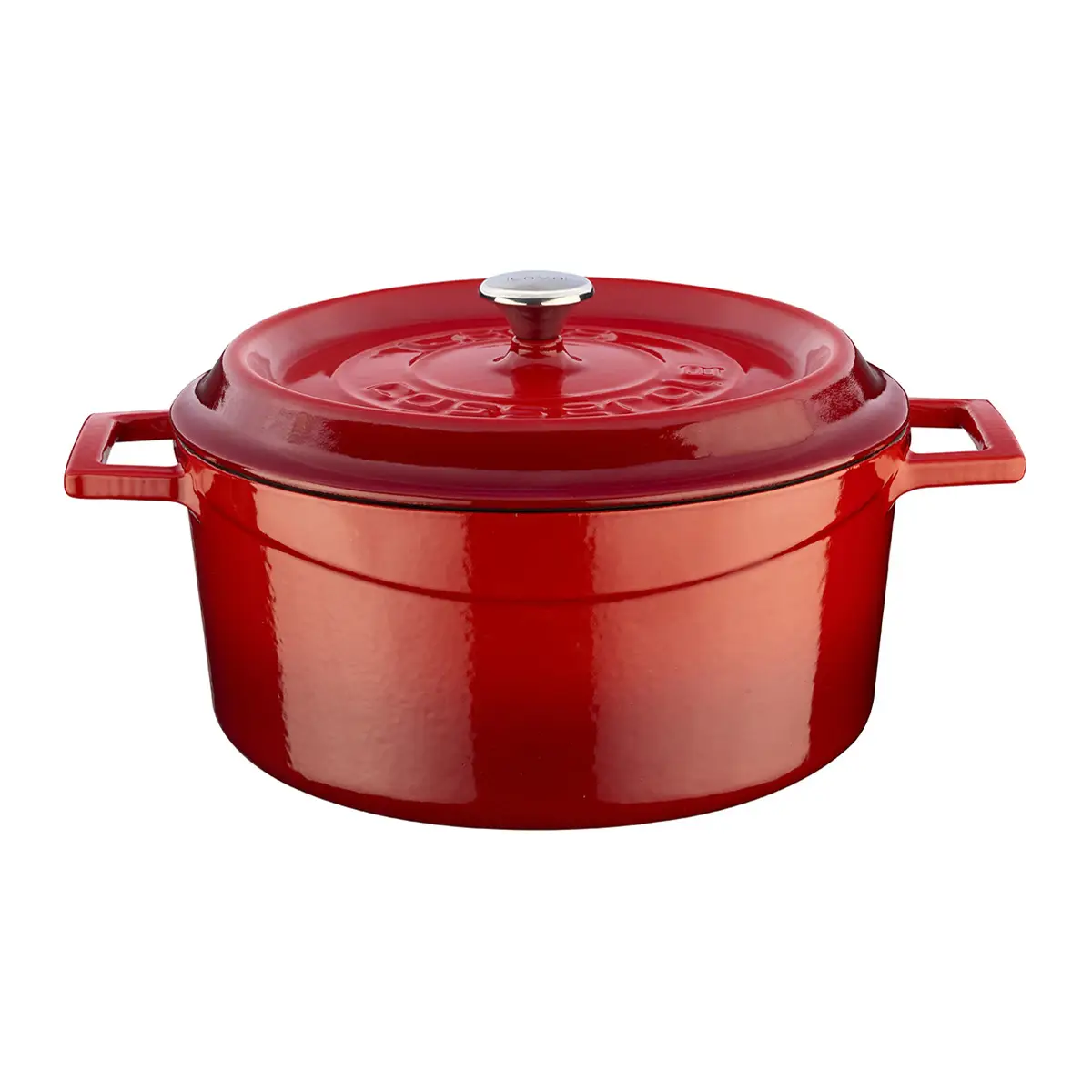
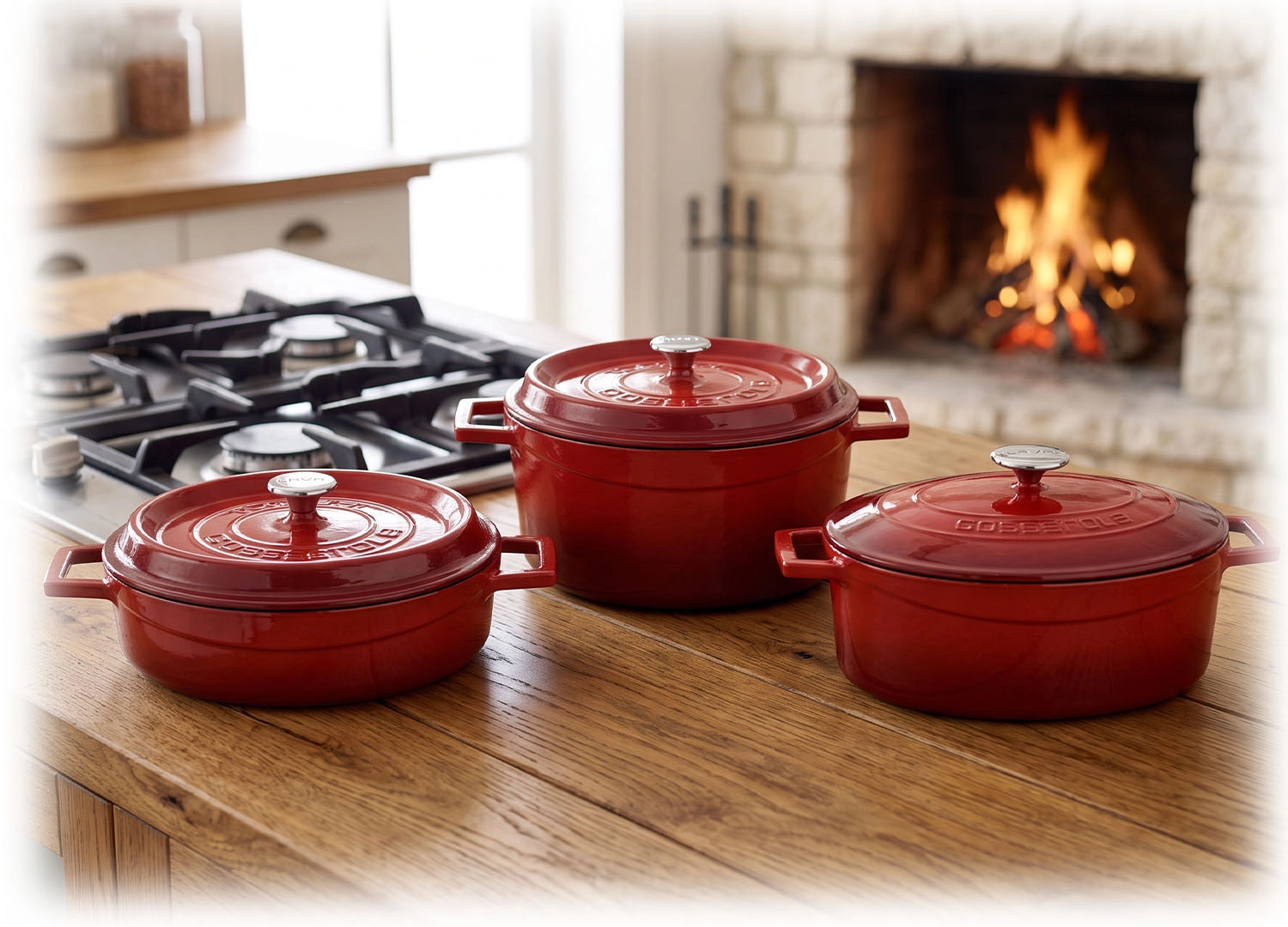
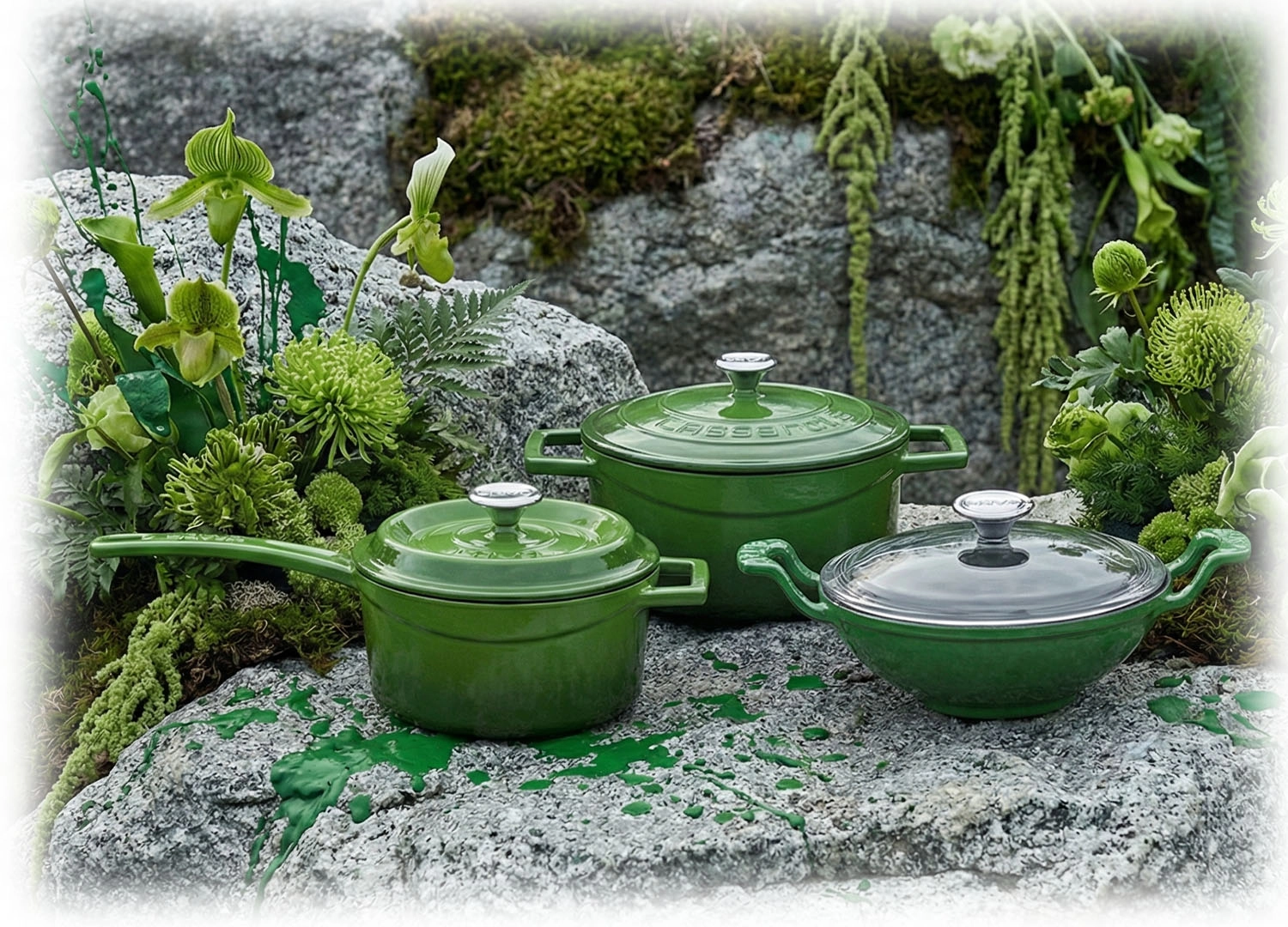
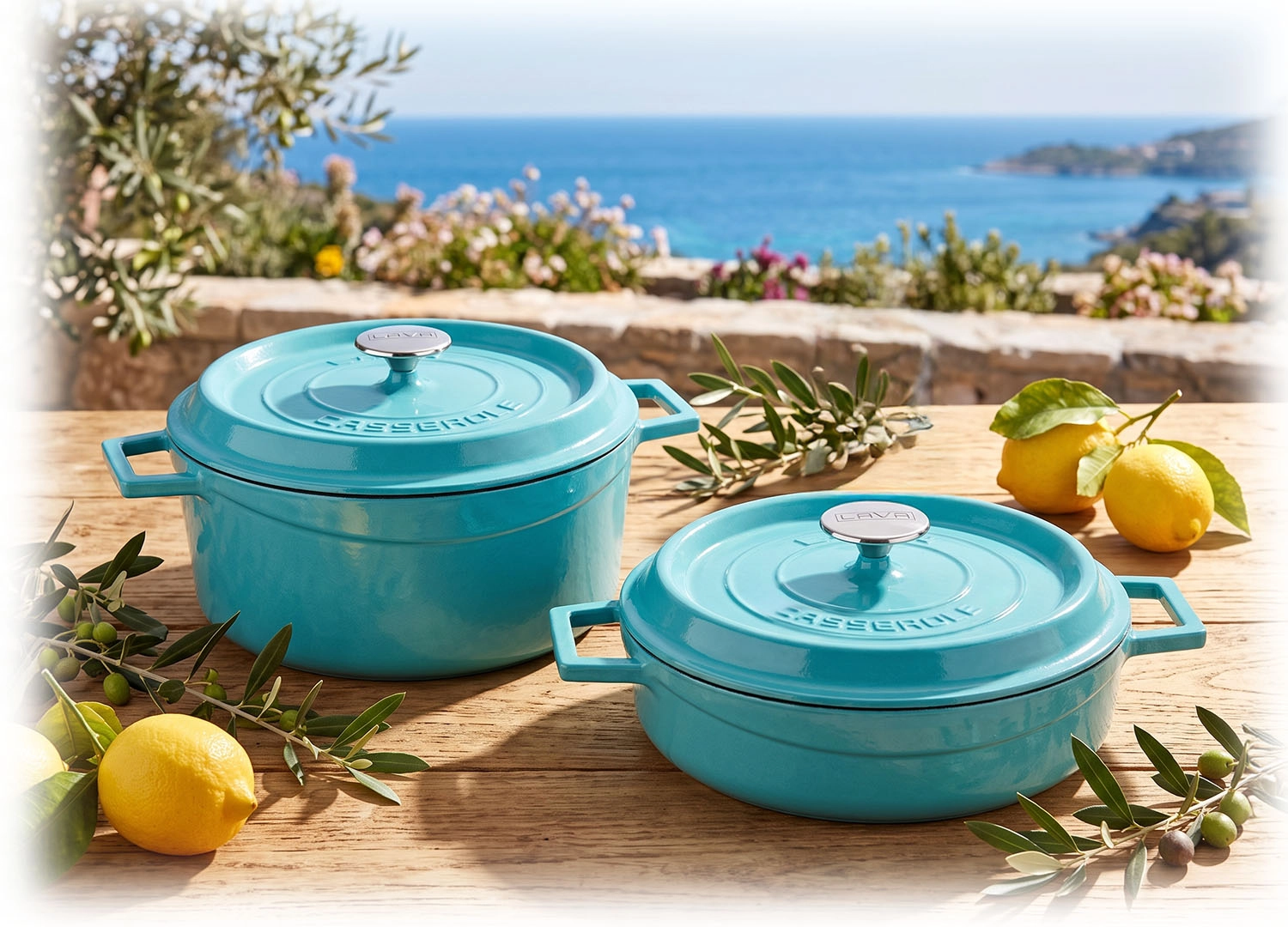
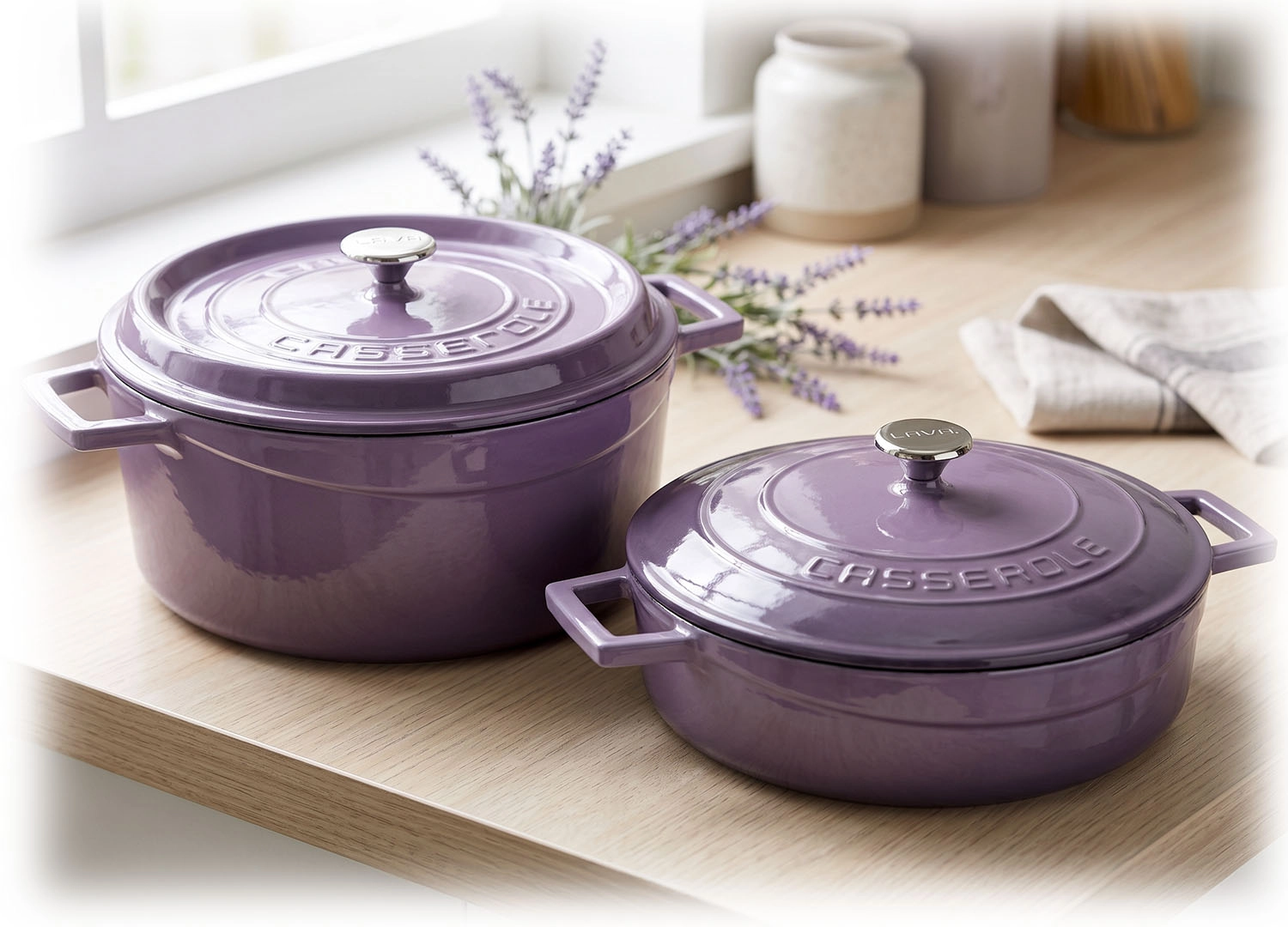
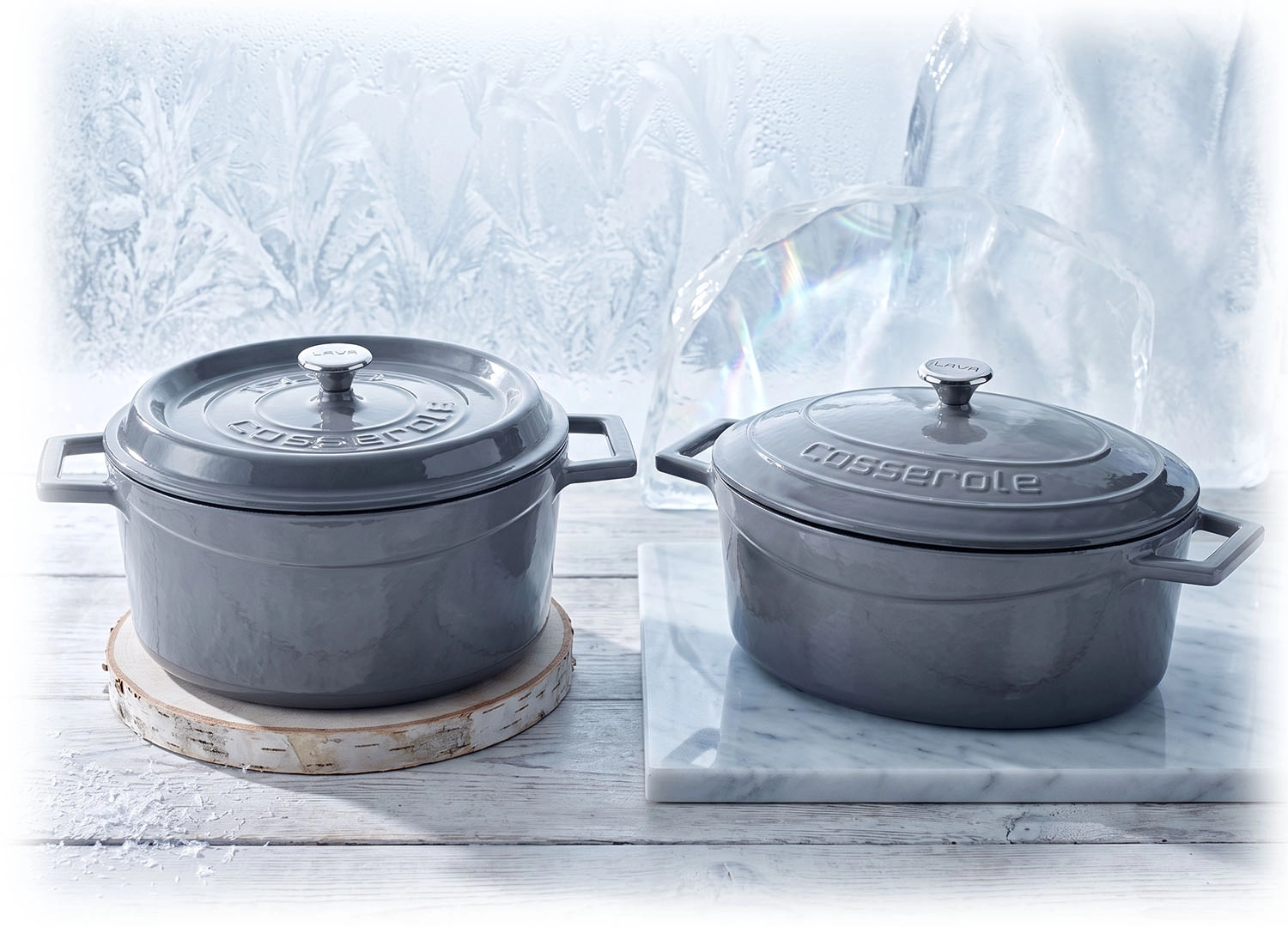
Cast iron pots are also traditionally referred to as “casserole pots”. Over time, different cast iron designs have emerged to suit various dishes. These versatile pots are suitable not only for casseroles but for a wide range of menus.
Instead of frying, consider:
Oven-roasted vegetables
Meat dishes slow-cooked in cast iron
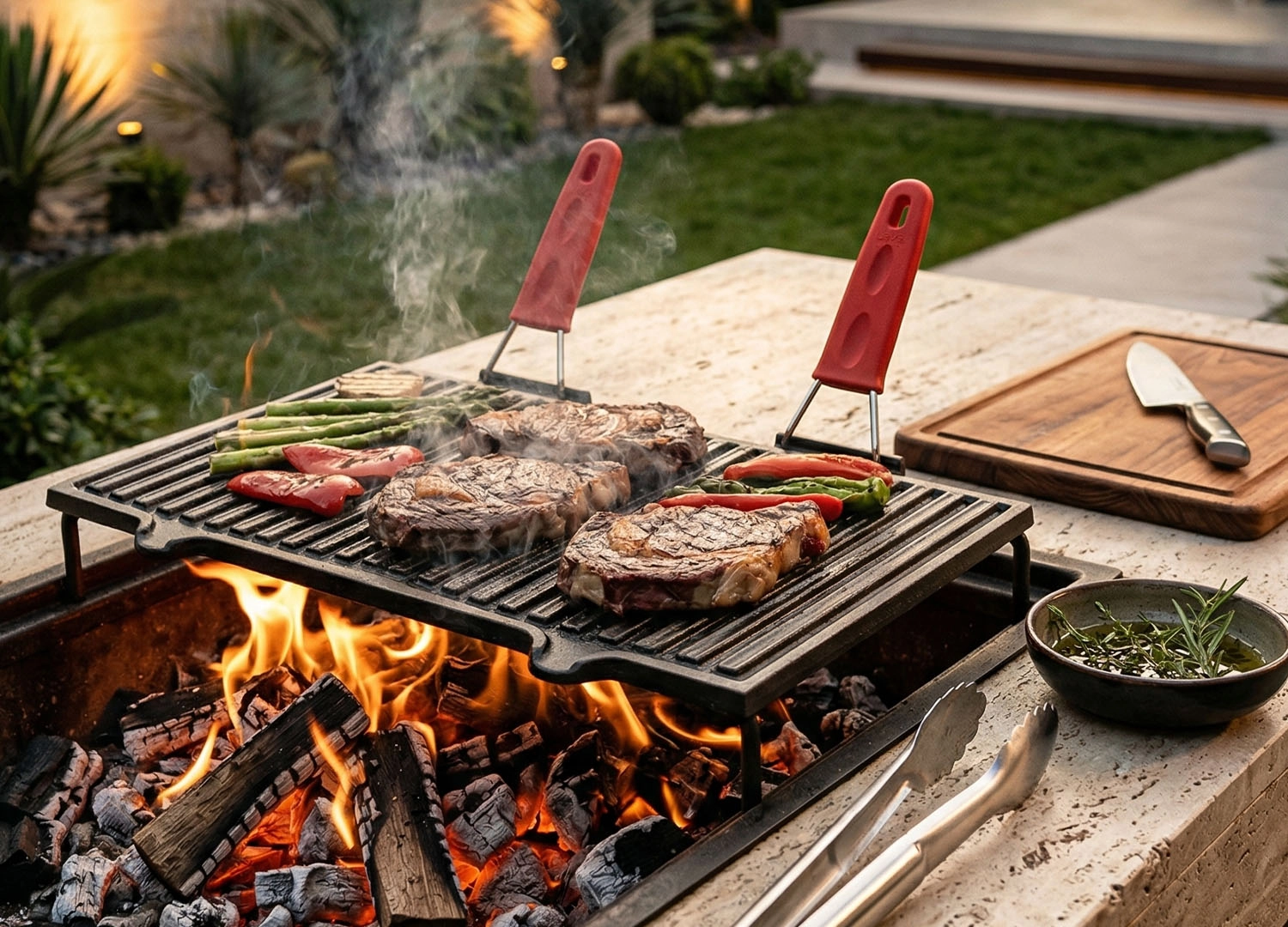
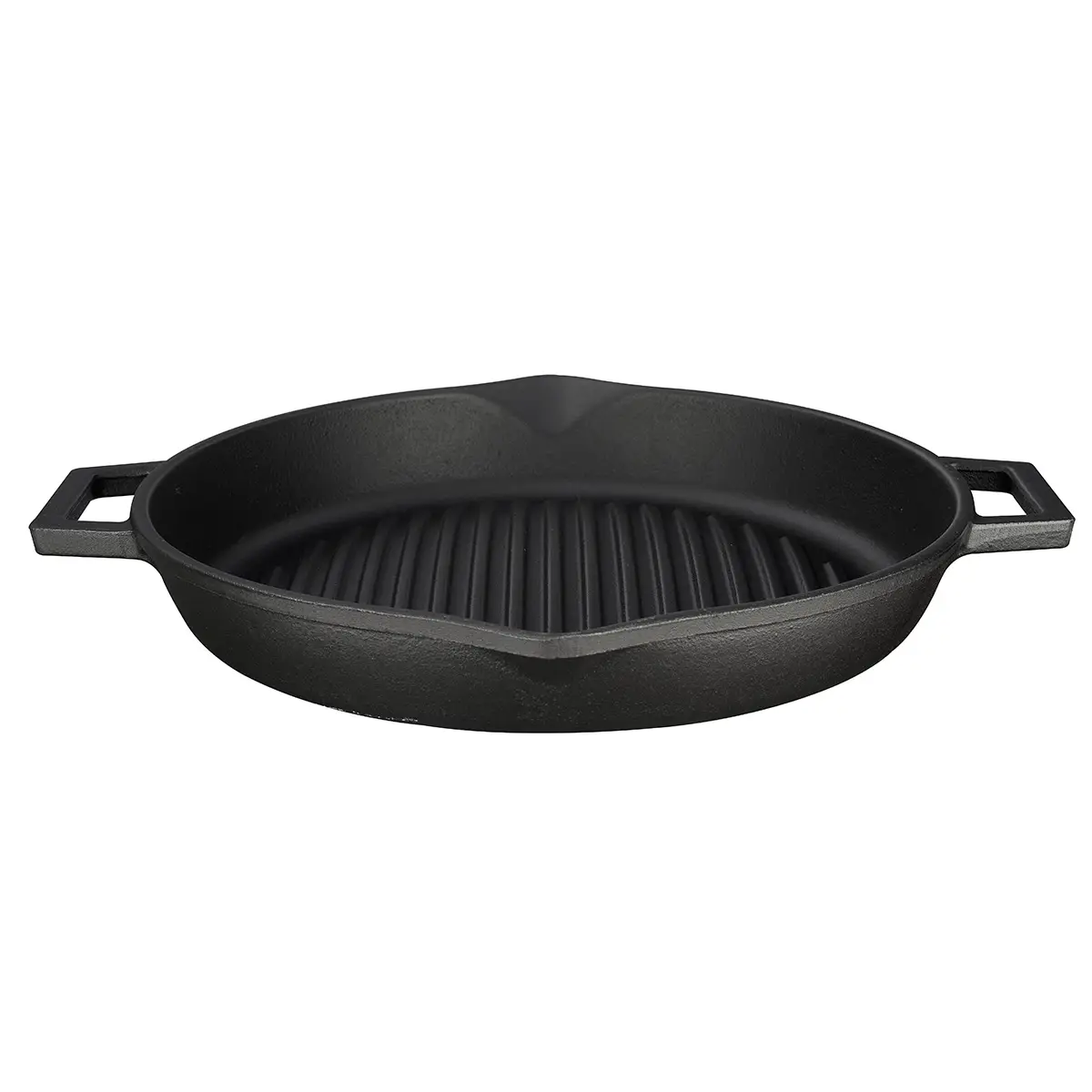
Searing followed by resting rather than direct grilling
Recipes featured in LAVA’s “Beautiful Iftar Menu Guide at LAVA Tables” can be restructured according to healthy eating principles. For instance, slow-cooked meat paired with abundant salad and controlled carbohydrate portions creates a balanced and satisfying menu.
Ramadan cuisine is rooted in tradition. However, traditional recipes can be prepared using lighter techniques.
For example:
Baking instead of frying
Milk-based desserts instead of syrup-heavy options
Reduced-oil legume dishes
Healthy eating during Ramadan is not about eliminating foods, but about transforming cooking methods.
Slow cooking in cast iron enhances flavour while minimising oil use. In this way, following a Ramadan diet becomes a conscious lifestyle choice rather than a sacrifice.
Dessert after iftar is a cultural habit. However, consuming heavy syrup-based desserts daily may lead to blood sugar fluctuations.
A Ramadan diet approach suggests:
Date-based desserts
Baked milk puddings
Small portion sizes
Traditional syrup desserts once or twice a week
Thanks to even heat distribution in cast iron baking dishes, milk-based desserts achieve an ideal consistency, reducing the need for excessive sugar.
Healthy eating during Ramadan is not only about food content but also about eating speed.
Eating rapidly after prolonged fasting:
Strains the stomach
Delays satiety signals
Leads to excessive calorie intake
Therefore:
Begin slowly for the first ten minutes
Take smaller bites
Avoid screens at the table
Extend chewing time
These habits strongly support a Ramadan diet approach.
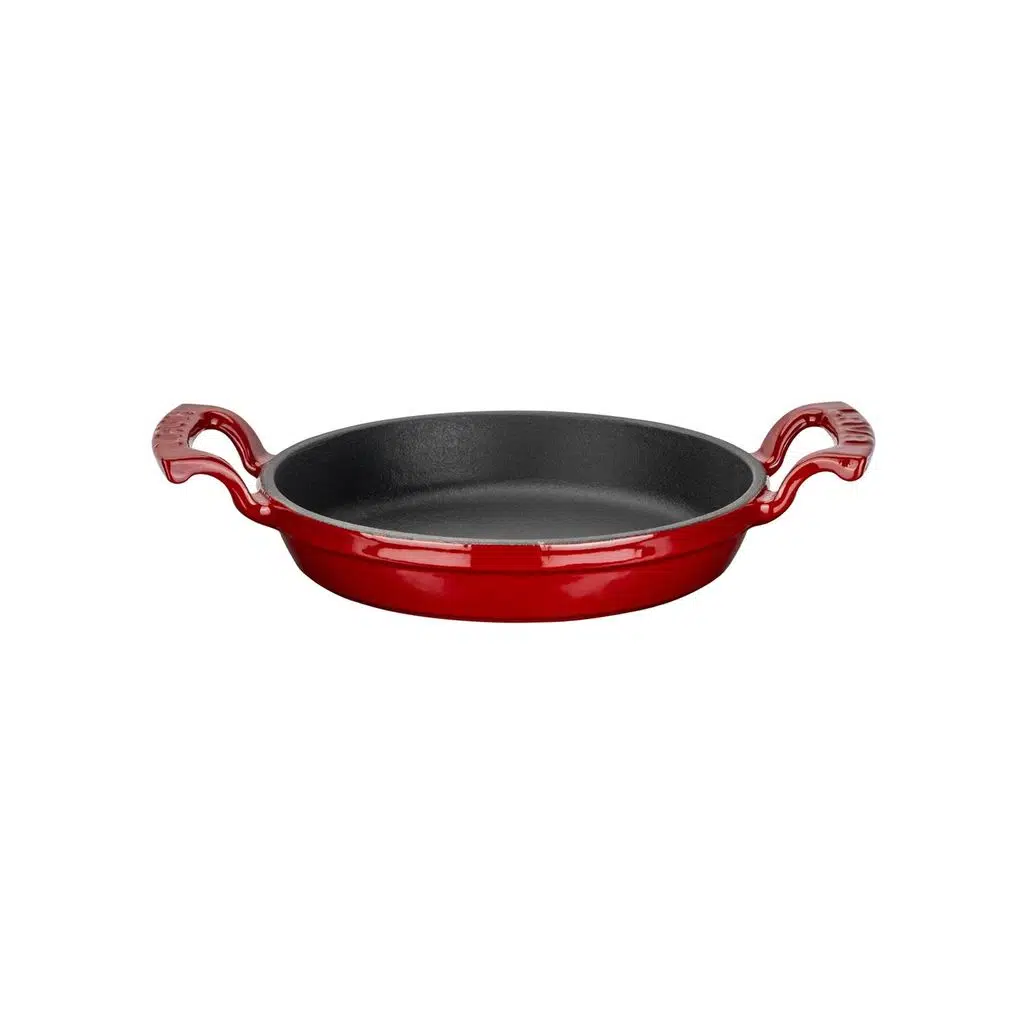
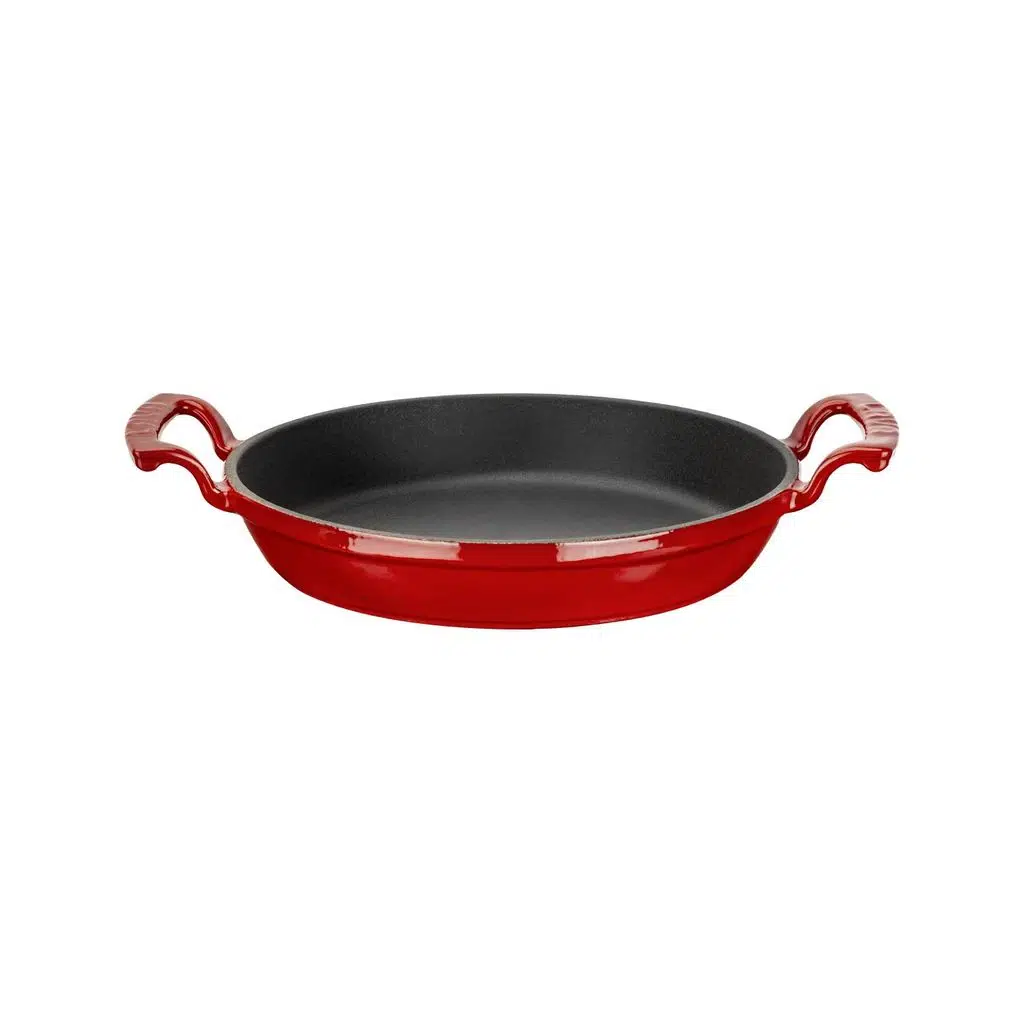
Table setting and aesthetic presentation also influence conscious consumption. Cast iron dishes that move elegantly from oven to table encourage sharing and slower dining.
Healthy eating during Ramadan should not remain theoretical; it must be translated into practice.
Sample menu planning may include:
Balanced protein-focused suhoor plates
Light starters at iftar followed by slow-cooked mains
Milk-based and refined-sugar-free dessert alternatives
The recipe combinations in LAVA’s iftar and suhoor menu guides can be adapted to align with Ramadan diet principles.
A practical menu structure might follow:
Soup
Protein source
Vegetable-focused accompaniment
Controlled carbohydrates
Small-portion dessert
This sequence helps establish a sustainable and balanced system.
Healthy eating during Ramadan is not a temporary diet, but a conscious balance model. A Ramadan diet is not a list of prohibitions, but a sustainable table culture.
This approach can extend beyond Ramadan by integrating intermittent fasting principles into different periods of life. If you are curious about intermittent fasting and healthy nutrition, you may also explore our related article on the subject.
With the right cooking techniques, a balanced plate model, and mindful eating habits, Ramadan tables can be both abundant and balanced.
In LAVA kitchens, health is slow-cooked alongside flavour.
This Ramadan, may our tables be not only generous, but balanced, light and inspiring.
24.02.2026






Lava Döküm Online Fabrika Satış Mağazası. © 2026 All Rights Reserved.


0
)

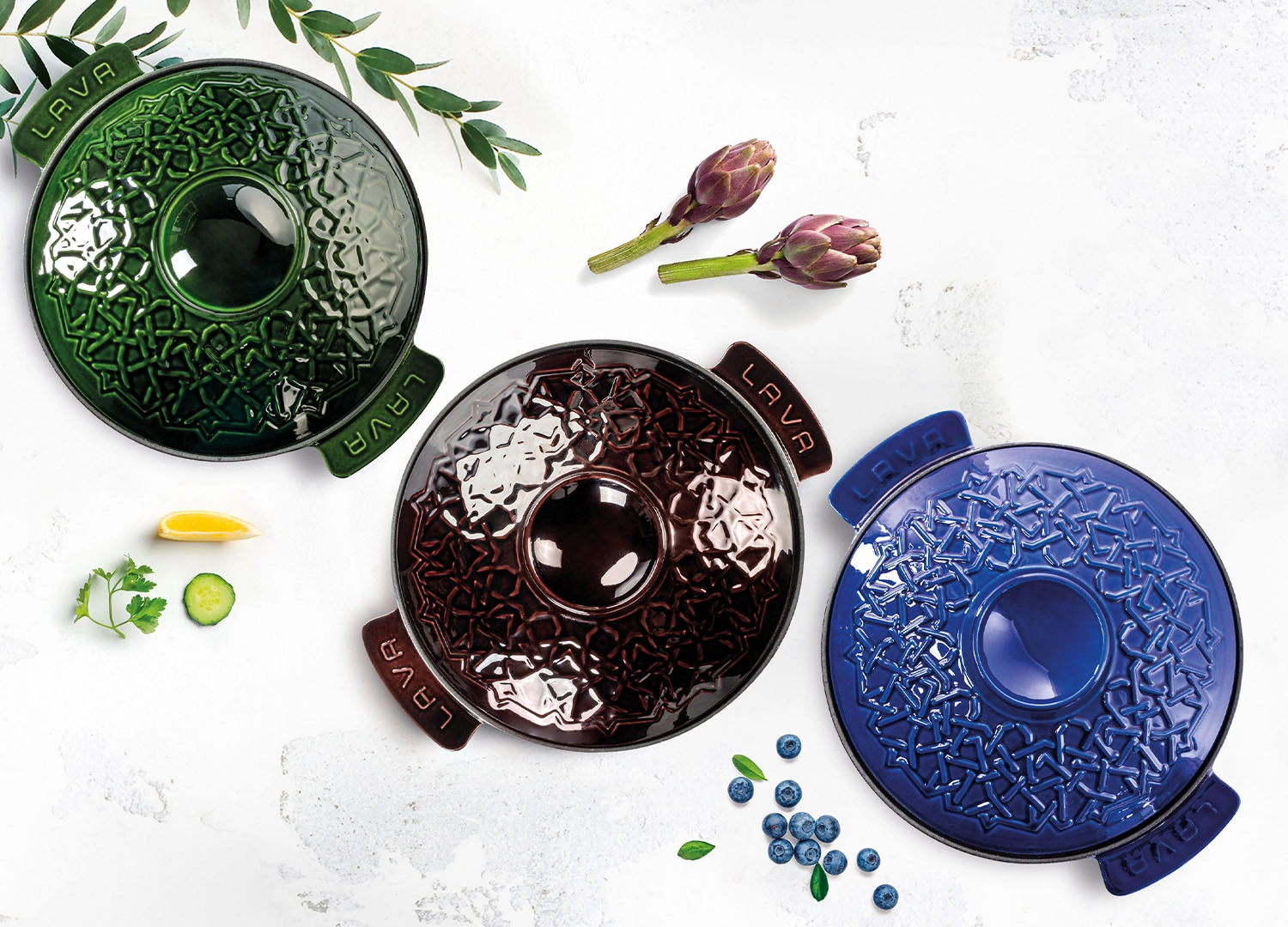
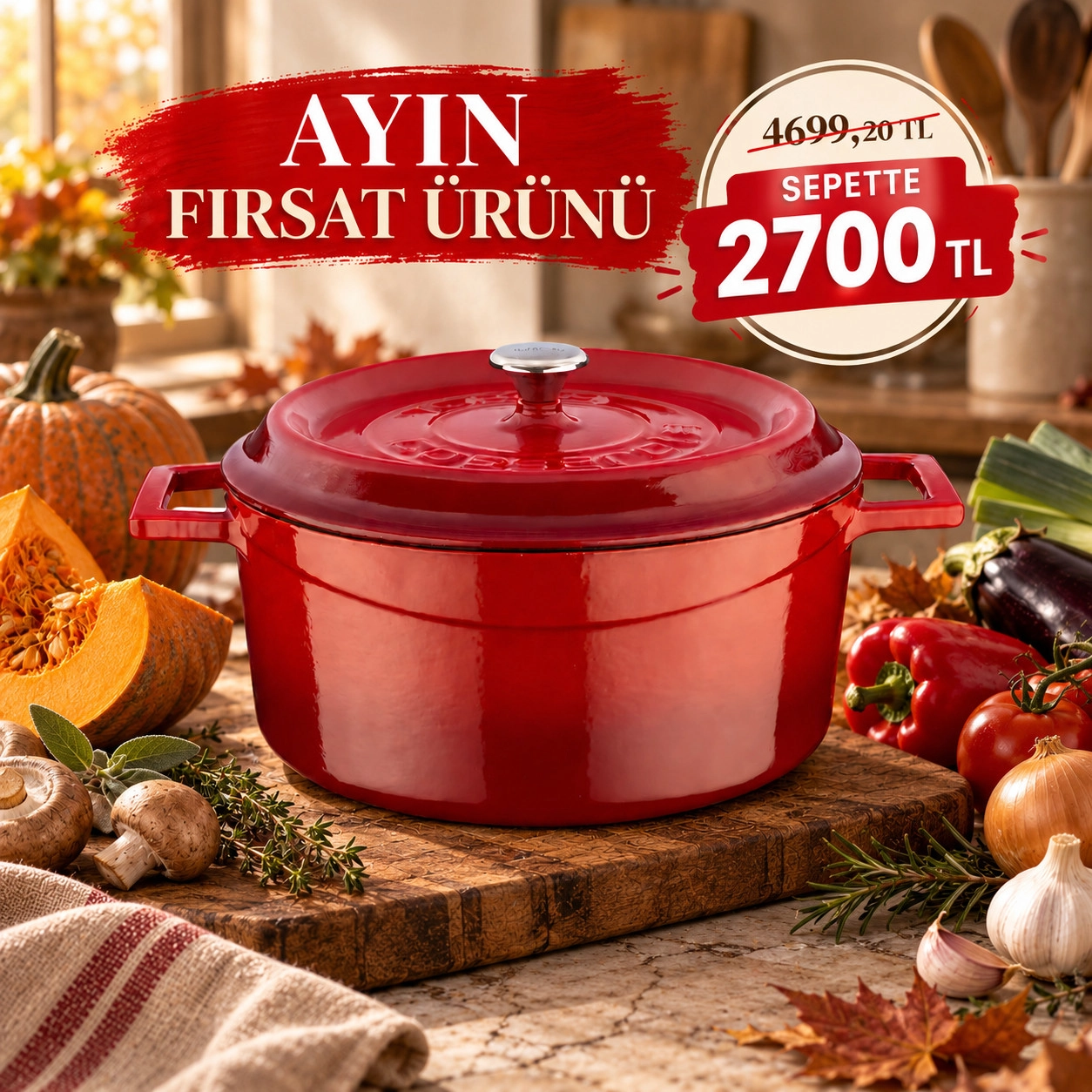 LAVA Round Cast Iron Casserole – Trendy Ø24 cm
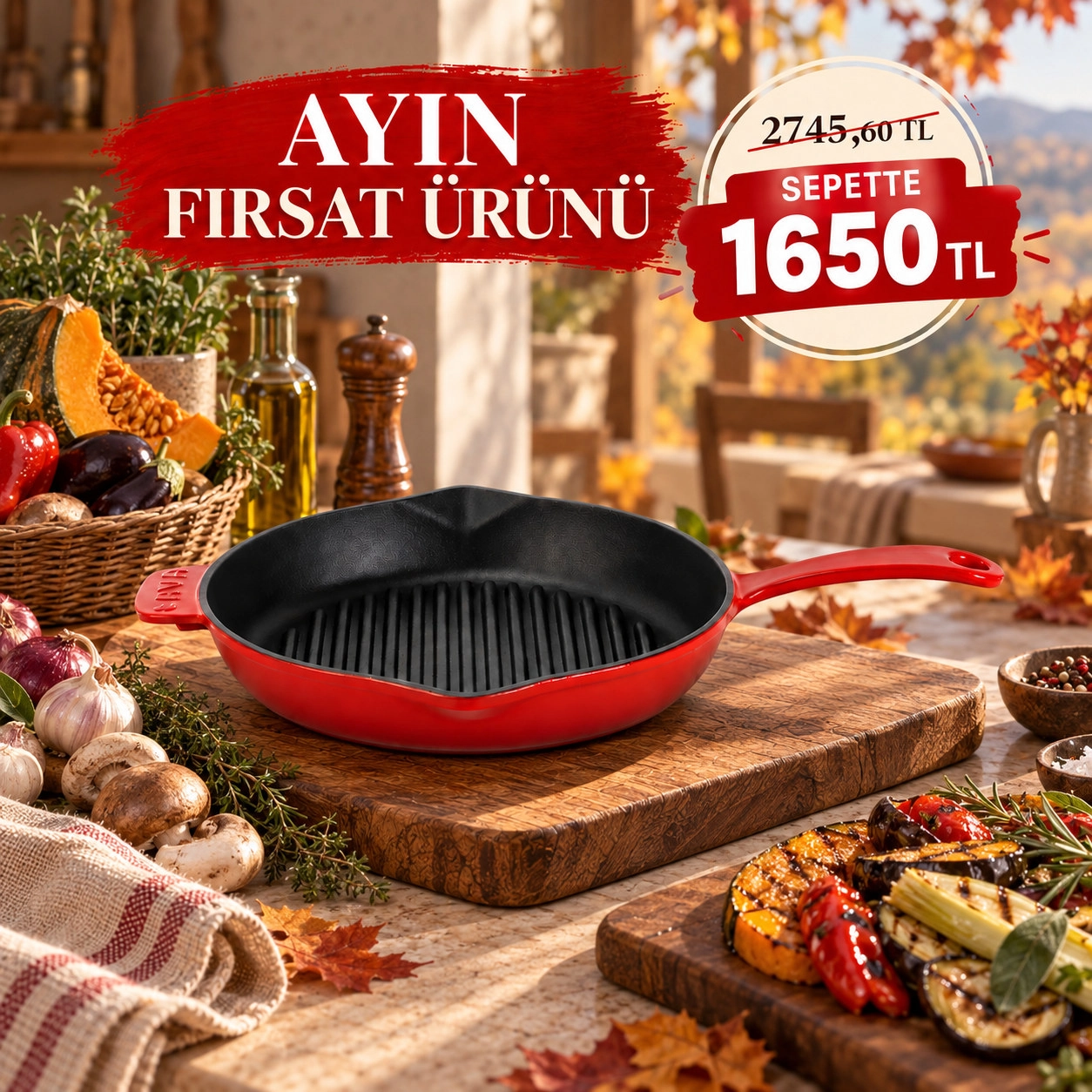 LAVA Round Cast Iron Grill Pan 28 cm Single Handle
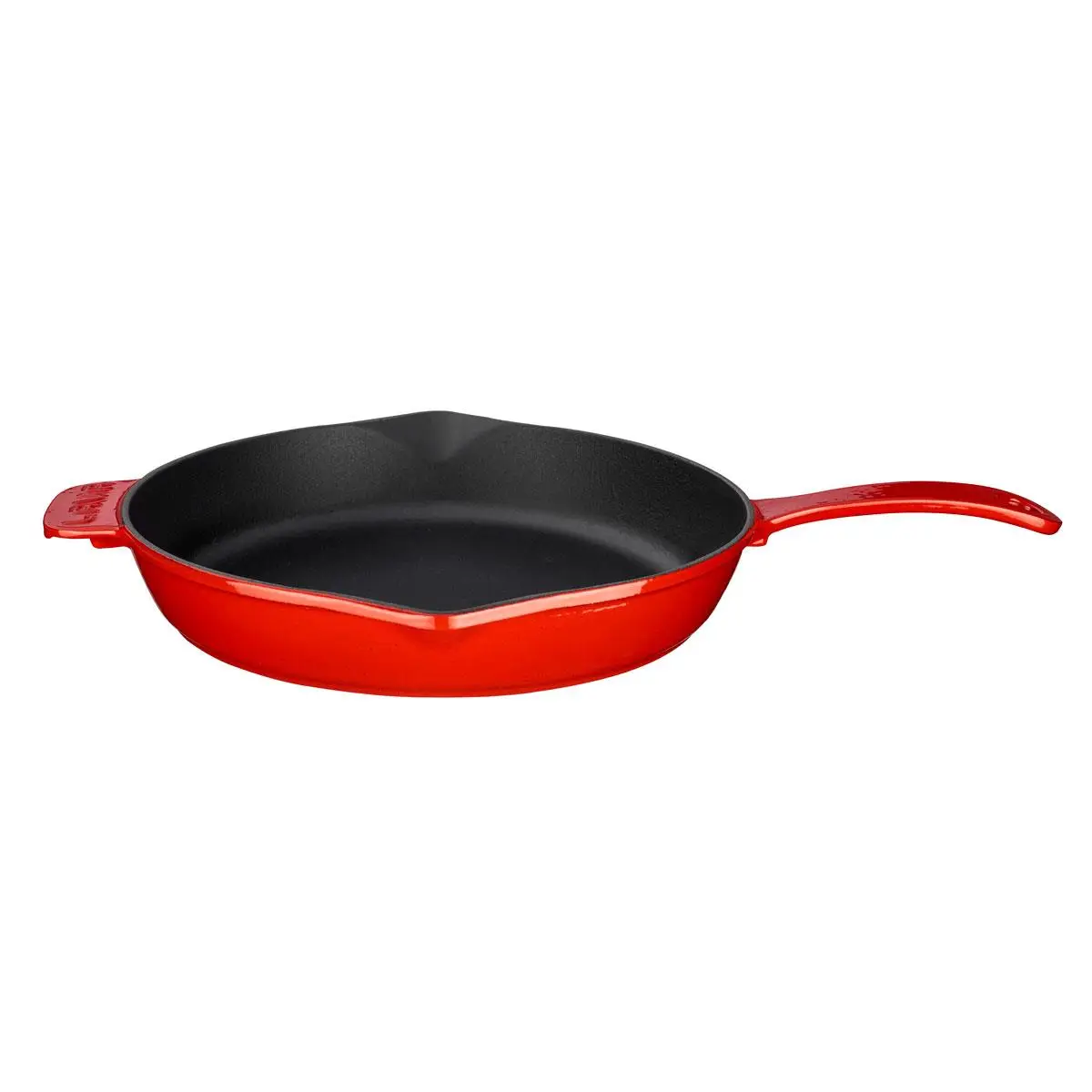
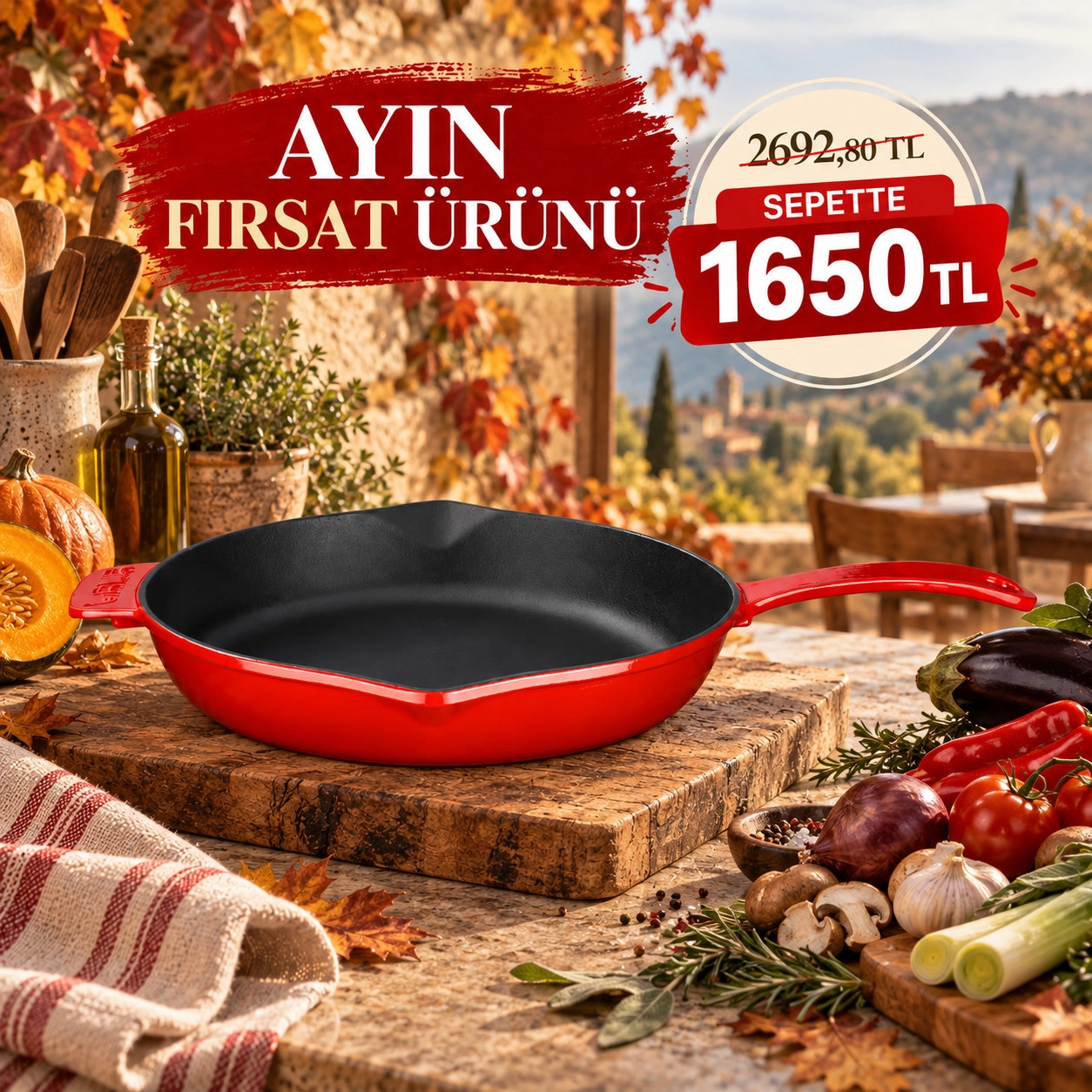 LAVA Round Cast Iron Frying Pan 28 cm Single Handle
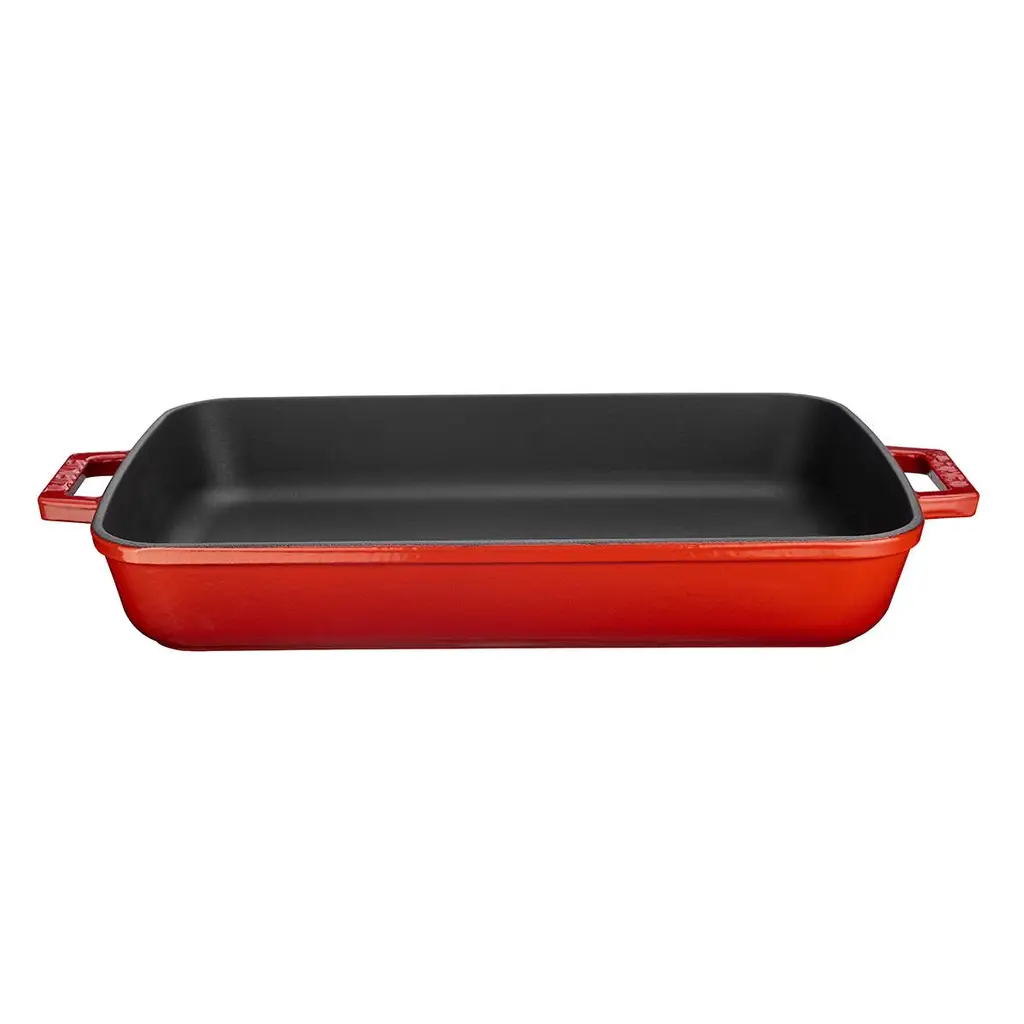
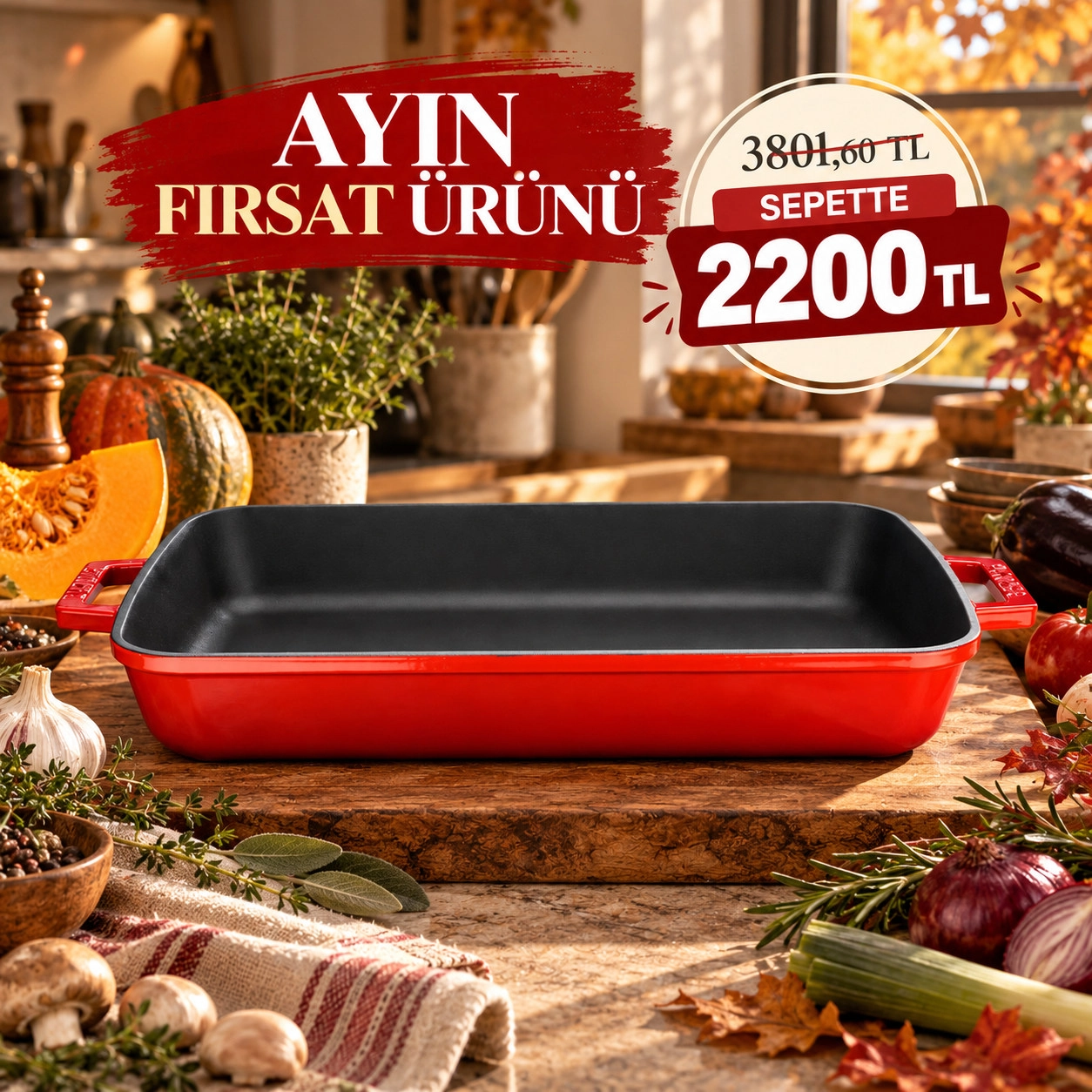 LAVA Rectangular Cast Iron Roasting & Oven Tray 26x40 cm Twin Handles
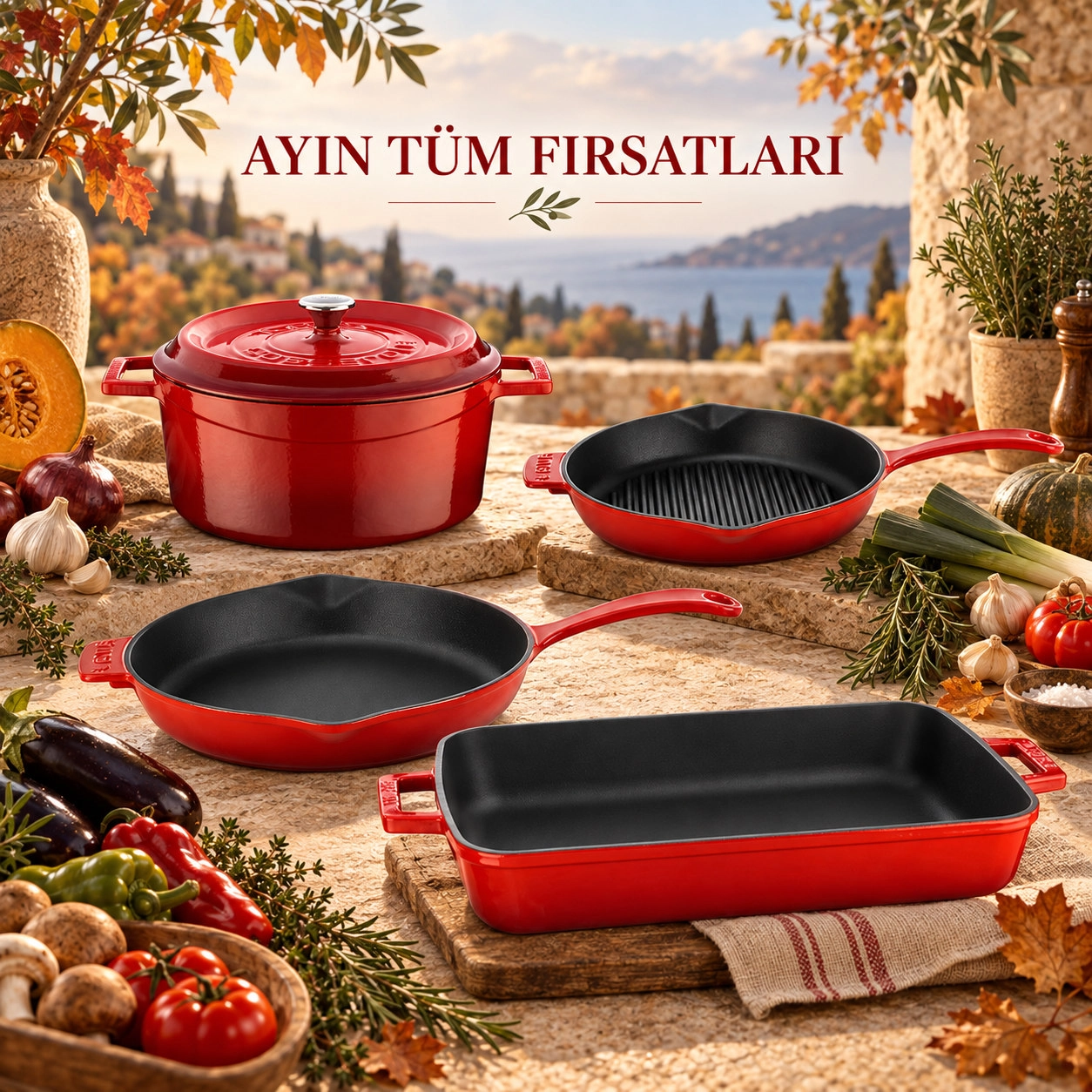 All This Month's Deals