×

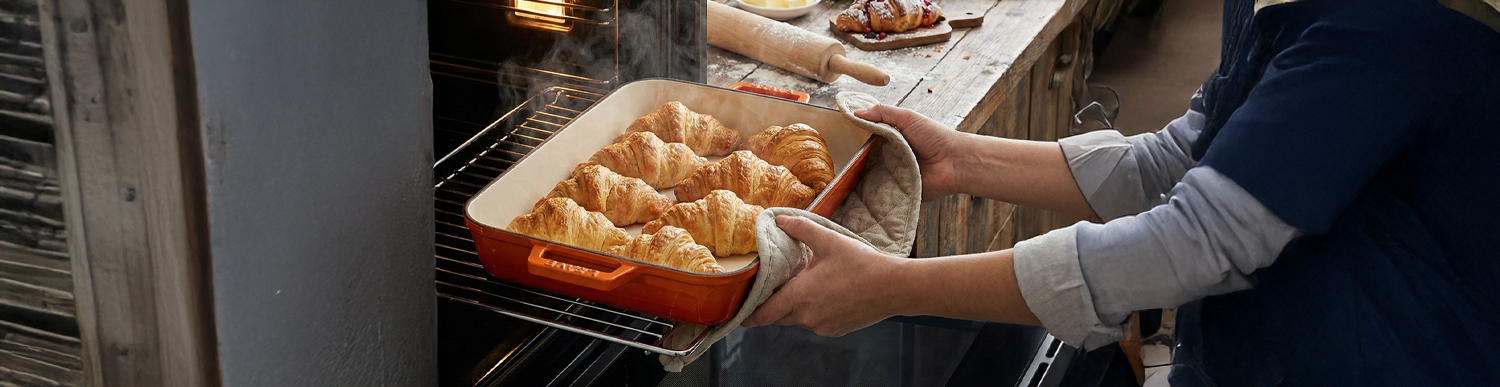
The intense aroma of butter rising from the oven in the early morning hours is more than a promise of breakfast—it is the quiet call of a culinary discipline shaped over centuries. Homemade croissant making is not merely a matter of mixing a few ingredients and placing them in the oven; it is a refined process that requires time, patience, and technical precision. A well-written croissant recipe, supported by the right equipment—especially a high-quality baking tray that distributes heat evenly—can transform a home kitchen into a professional bakery.
Today, the croissant is far more than a baked good. It is a shared language of European culinary history, French breakfast culture, and modern gastronomy. In this article, we explore homemade croissant making not only through the lens of how it is done, but why it is so special.
Contrary to popular belief, the croissant did not originate in France. In the 17th century, a crescent-shaped, denser and simpler pastry known as “Kipferl” emerged in Vienna. Following the Ottoman sieges, the crescent form gained symbolic meaning and became embedded in Austrian culinary tradition.
The fate of the Kipferl changed when Austrian bakers migrated to Paris. The butter-centric philosophy of French cuisine transformed this modest pastry into a delicacy with multiple layers, a crisp exterior, and a rich aroma. Thus, the croissant became the showcase of French pâtisserie.
Homemade croissant making is the contemporary continuation of this cultural transformation. Every home oven becomes a small stop along this long and storied journey.
A real croissant reveals its quality at first glance. Its excellence lies not only in the recipe, but in execution.
The outer surface should be thin and crisp, never hard. This texture is achieved through proper steam balance in the oven and correct placement on a baking tray.
Inside, the crumb should display irregular yet harmonious air pockets—evidence that the butter and dough have formed distinct layers without merging.
No matter how perfect the croissant recipe is, poor-quality butter leads to an ordinary result. A true croissant announces itself by its aroma.
Homemade croissant making is not a process for instant gratification. In fact, most of the time spent in the kitchen is spent waiting.
Lamination is the technique of repeatedly folding and rolling dough and butter to create distinct layers. Each fold directly shapes the final texture of the croissant.
After every rolling stage, the dough must rest in the refrigerator. Dough that is not properly rested releases butter in the oven, causing the layers to collapse. For this reason, homemade croissant making teaches patience.
Because home ovens lack professional steam systems, tray placement and baking-tray selection become critical for achieving consistent results.
Today, croissants are no longer confined to traditional French breakfasts; they are also central players in modern brunch culture.
Chocolate croissant (pain au chocolat)
Almond croissant
Plain croissant served with jam or honey
Croissant sandwiches with avocado, lime, and eggs
Smoked meat and cream cheese fillings
Grilled vegetable and cheese variations
In all these versions, baking time and tray placement must be carefully adjusted so the filling does not soak the dough and the croissant retains its structure.
In French cuisine, the croissant is rarely consumed alone—it is part of a ritual.
Filter coffee: balances the richness of butter
Café au lait: the classic French pairing
Espresso: highlights the crisp crust
The French habit of dipping croissants into coffee stems from this textural harmony and has become a gastronomic reflex.
When evaluating croissants fresh from the oven, consider the following criteria:
Golden hues are ideal. Pale croissants indicate underbaking, while overly dark ones signal excessive heat.
The croissant should rise noticeably, with clearly defined layers.
The bottom should be firm, while the top should remain lightly elastic. This balance is achieved through proper heat distribution and the right baking tray.
The crescent shape of the croissant is a historical symbol.
In France, croissants are traditionally eaten in the morning.
Authentic croissant dough does not contain milk.
Handcrafted croissants typically have more layers than industrial ones.
In professional pastry training, croissants are a fundamental skill test.
Homemade croissant making is a deeply rewarding experience—one that pays back every minute of patience and effort. With a well-crafted croissant recipe, high-quality ingredients, and a baking tray that ensures even heat distribution, it is entirely possible to recreate this legendary pastry at home.
Every layer carries history; every bite reflects craftsmanship. The croissant is one of the rare recipes that truly rewards patience.
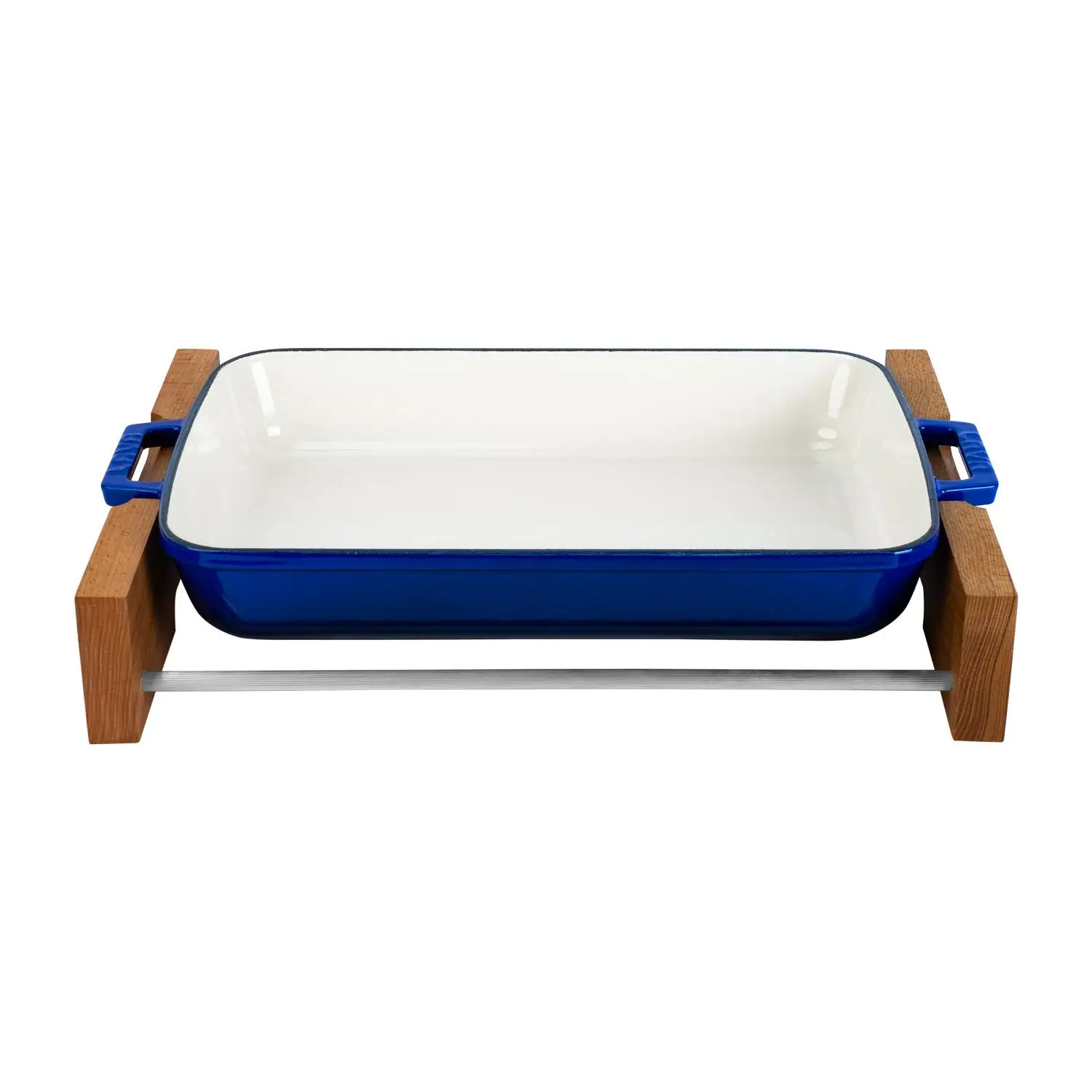
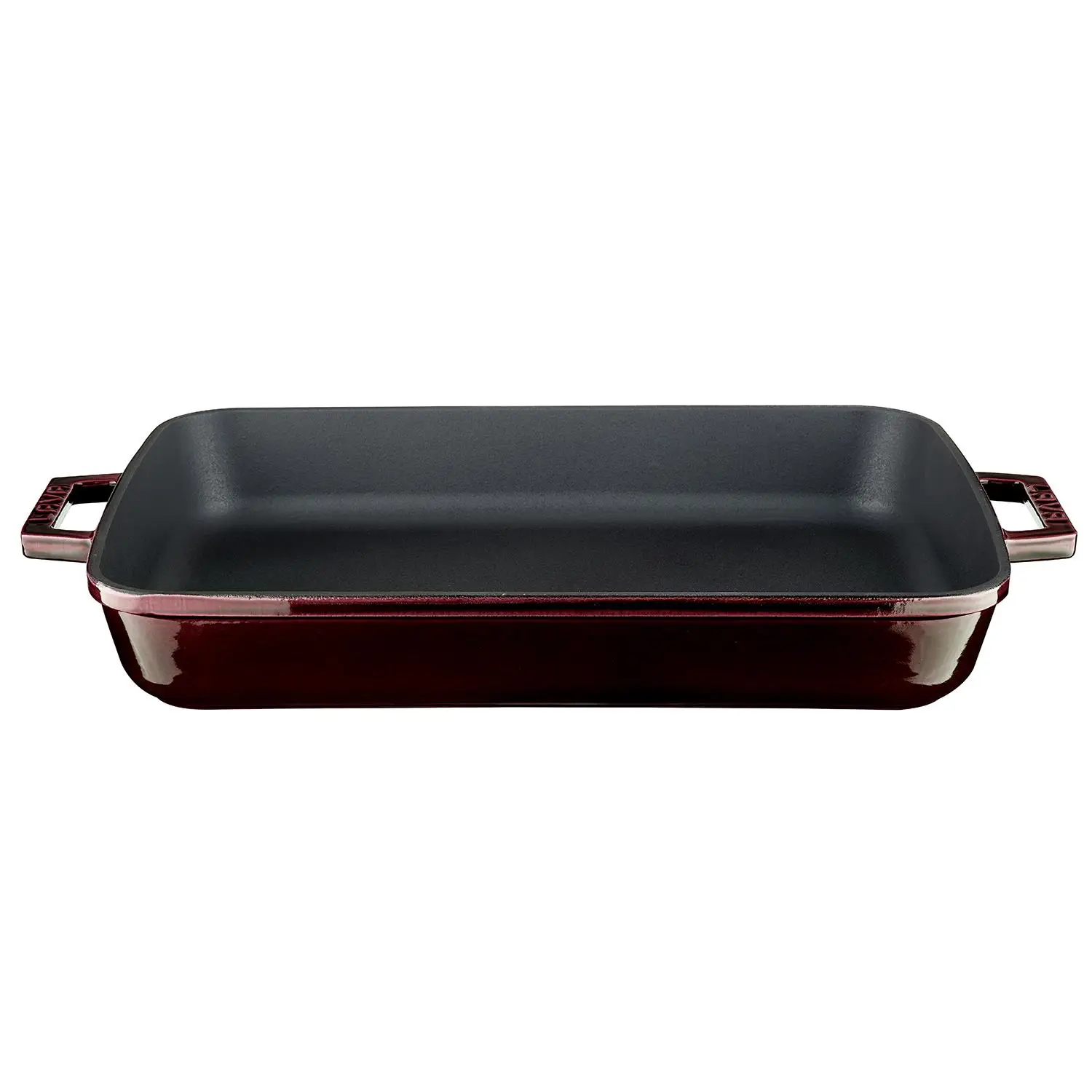
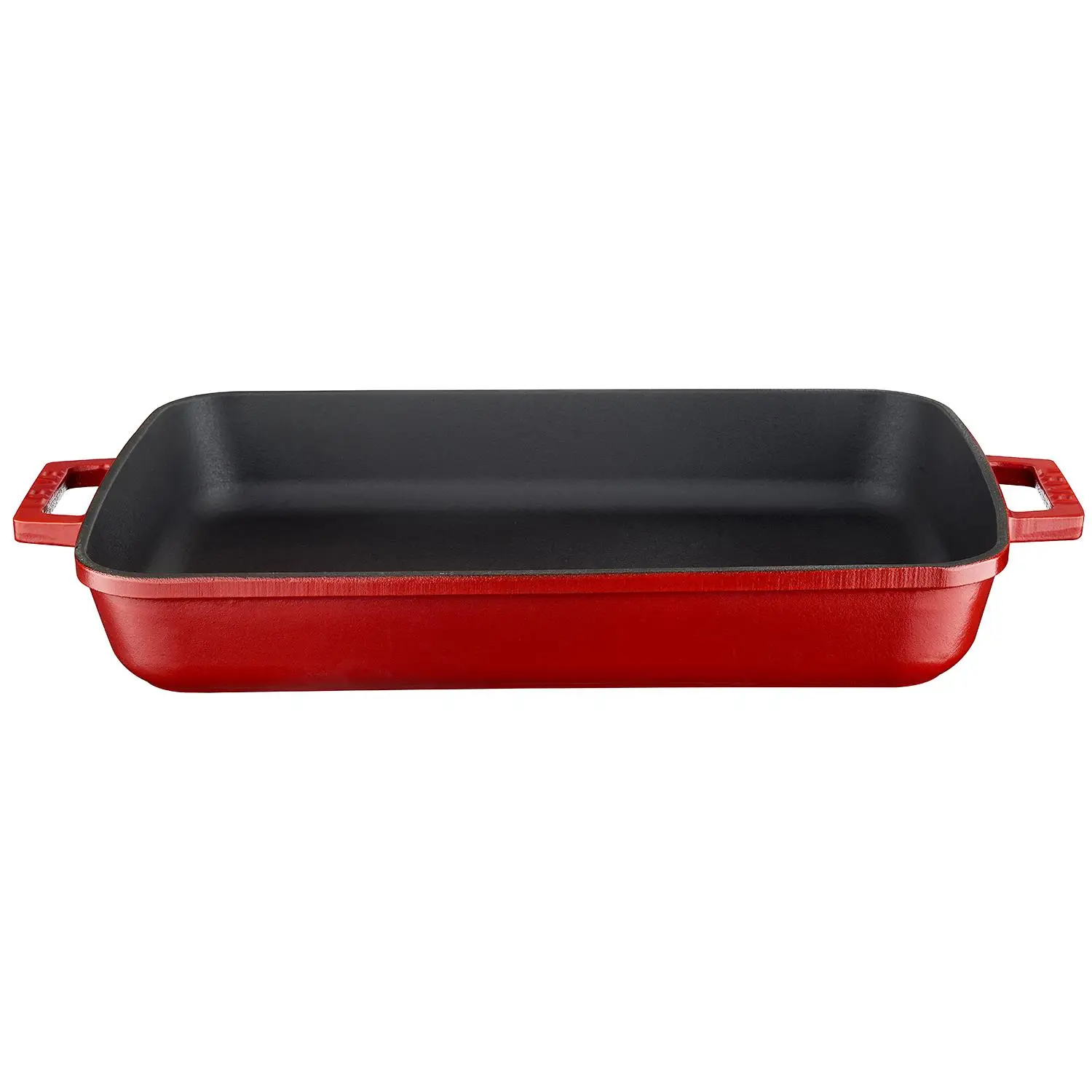
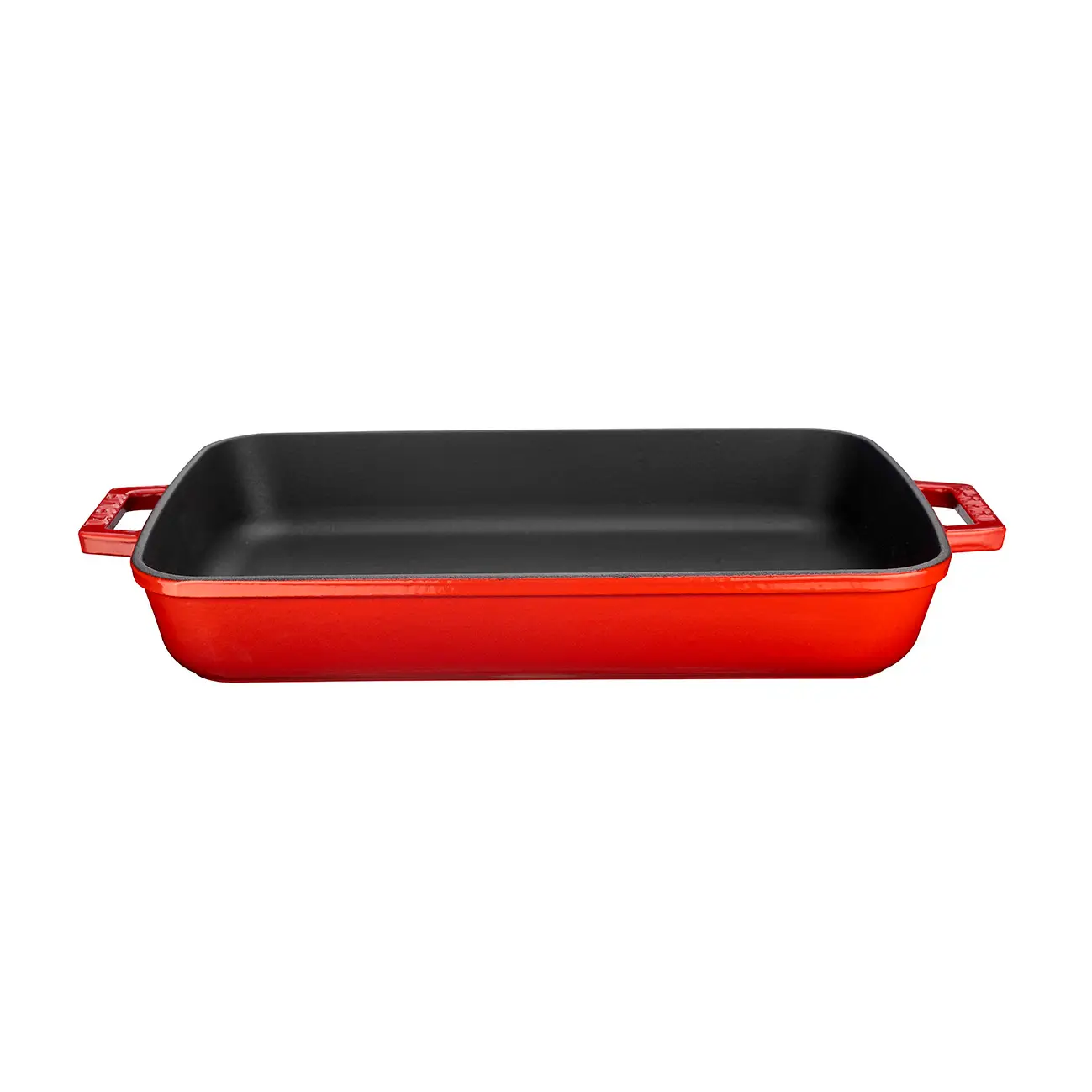
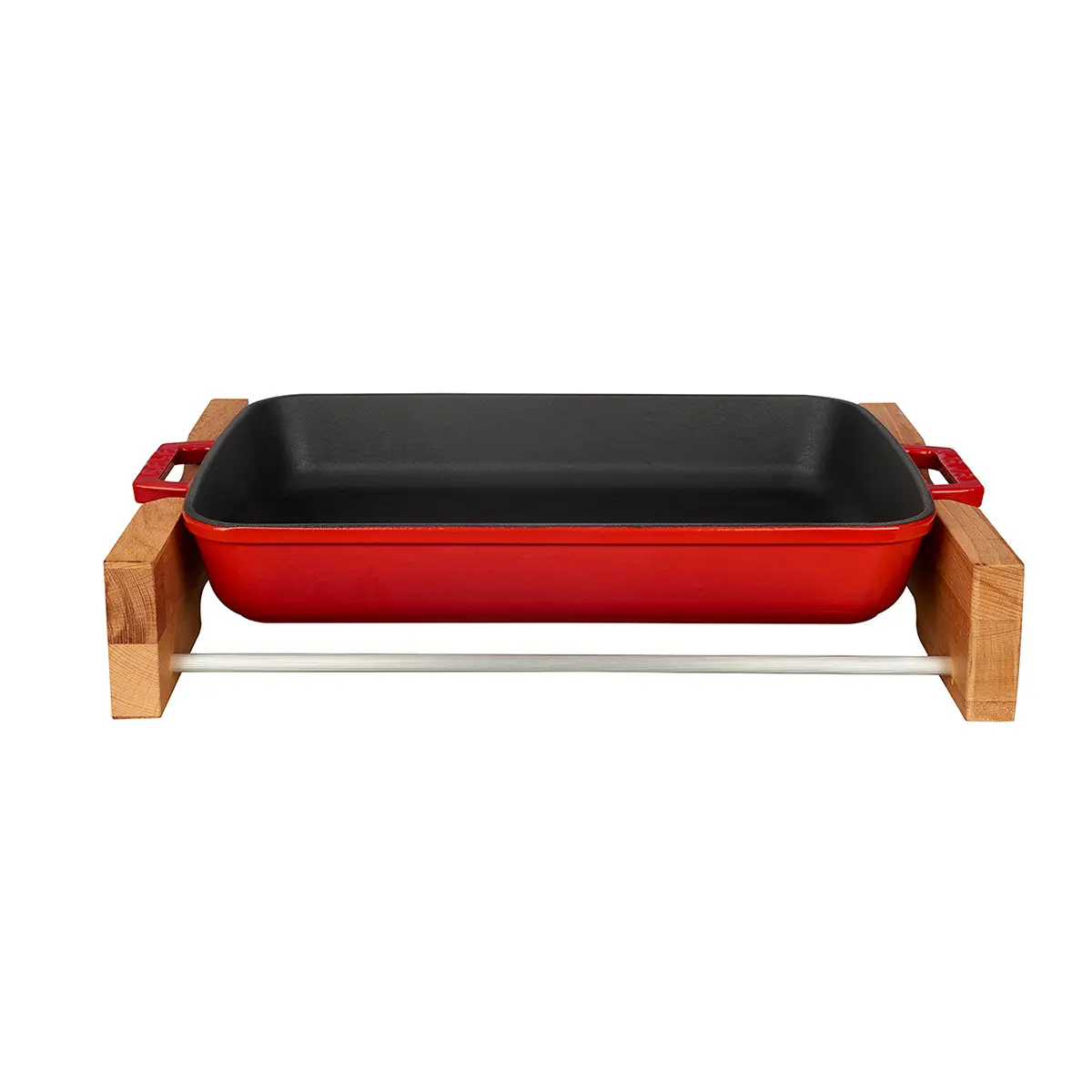
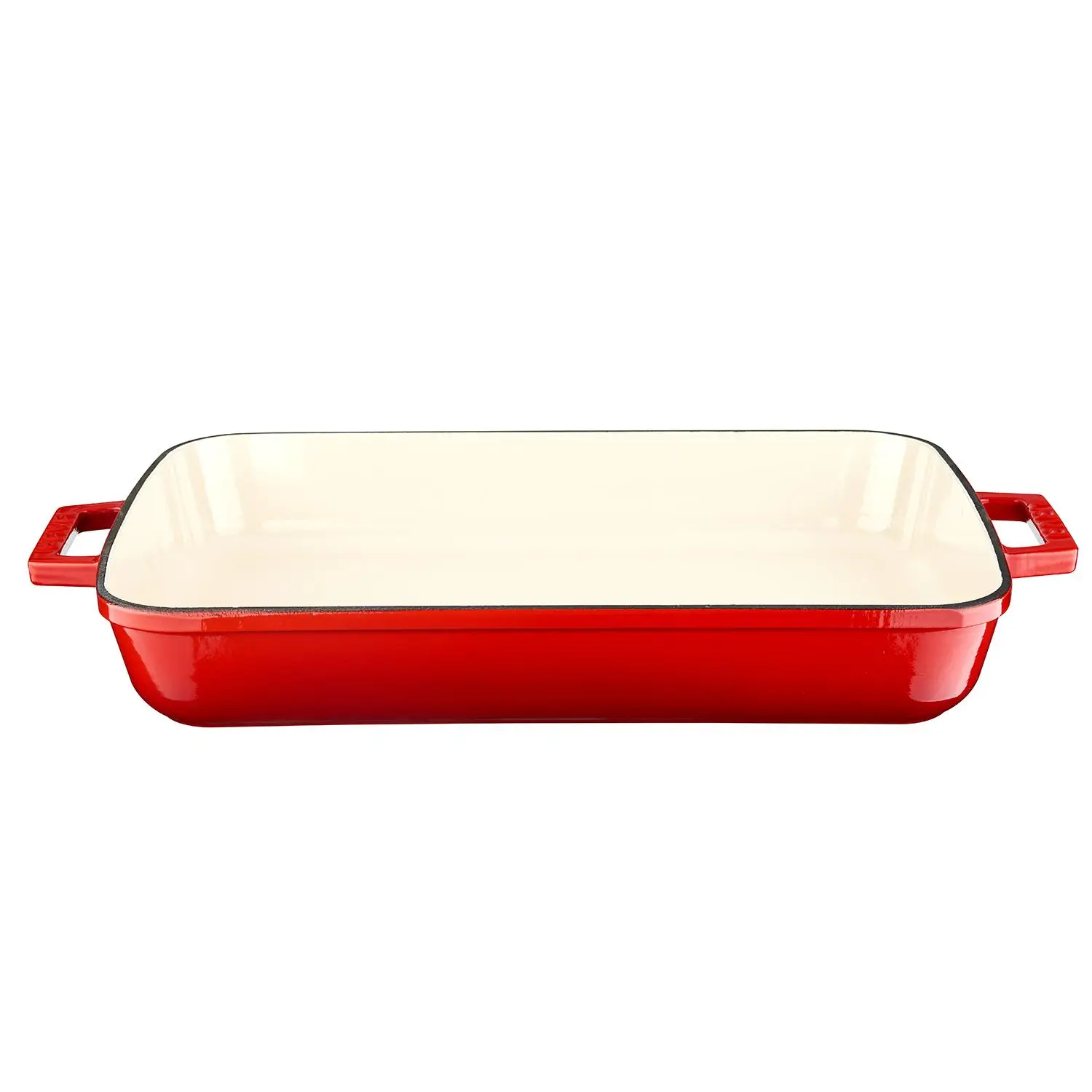
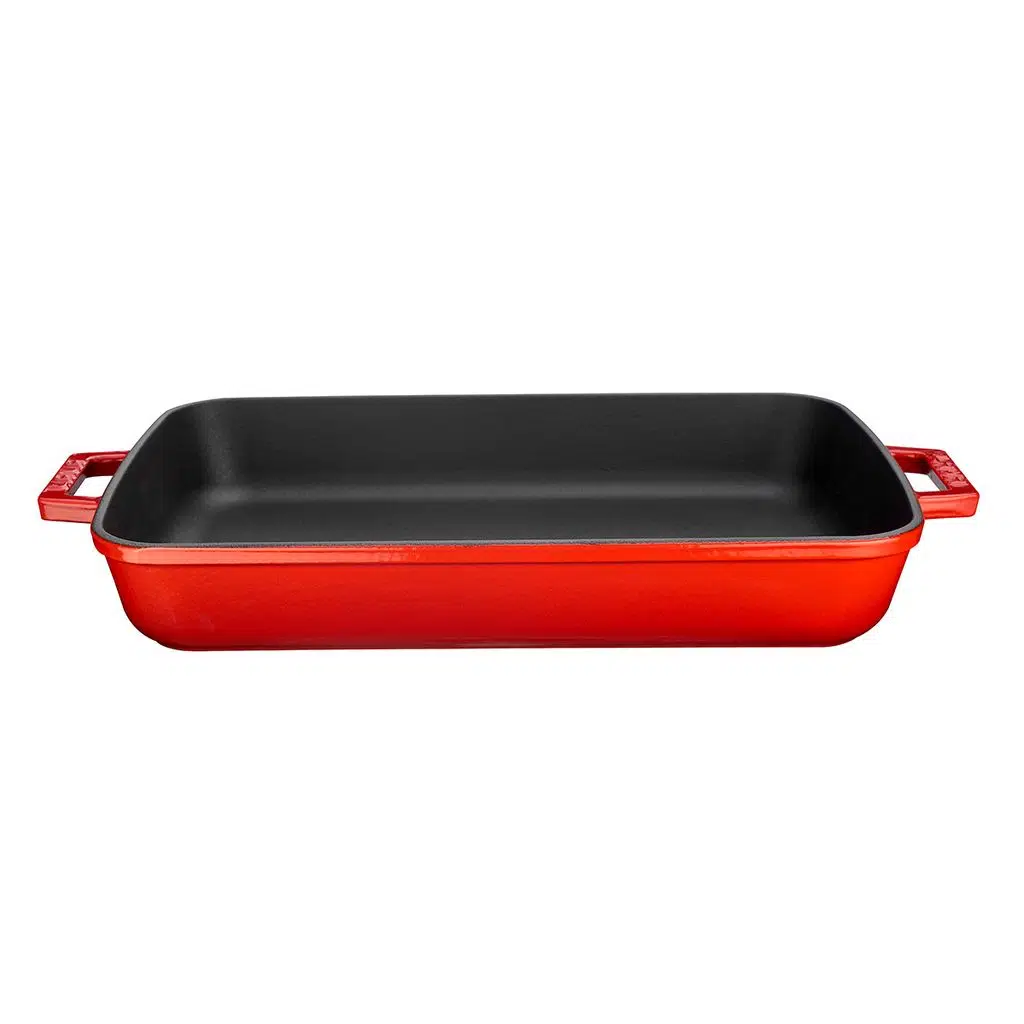
Lava Cast Iron Rectangle Roaster . Dual Handle, With Wooden Platter 22X30cm.
Lava Cast Iron Rectangle Roaster . Dual Handle, With Wooden Platter 26X40cm.







Lava Döküm Online Fabrika Satış Mağazası. © 2026 All Rights Reserved.


0
)