×

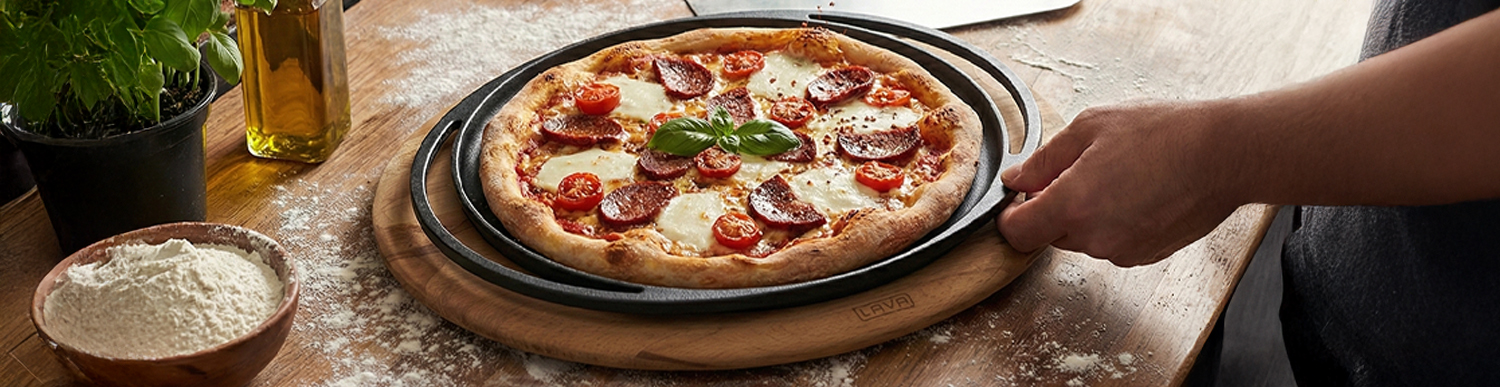
Homemade pizza has evolved in recent years from a simple dinner alternative into a culinary ritual—one that builds a connection with dough, unfolds over time, and ultimately rewards you with genuine flavor. Recreating the taste of restaurant-quality pizza at home requires far more than just choosing the right pizza recipe. Flour selection, fermentation time, the purity of the sauce, the melting behavior of cheese, and oven technique all play a role. It is a matter of balance, precision, and culinary mathematics.
In this comprehensive guide, we walk you step by step through everything you need to know about homemade pizza—from preparing the perfect pizza dough to creating a stone-oven effect in a home oven, and from timeless classics to creative gourmet interpretations.
Seventy percent of a great pizza comes from the dough. Even with the finest toppings, achieving the ideal texture is impossible without properly prepared pizza dough.
When making pizza dough, protein (gluten) content is the most critical factor.
11–12% protein: Ideal for home-style pizza
13% and above: More elastic dough, professional-level results
High-protein flour creates elasticity, preventing tearing while stretching and allowing the dough to rise properly in the oven. Low-protein flours can result in a dense, cracker-like crust.
One of the most common mistakes in homemade pizza is incorrect water temperature.
20–24°C (68–75°F): Controlled, balanced fermentation
Above 30°C (86°F): Can kill the yeast prematurely
Water should be warm, never hot. Proper temperature allows the yeast to ferment slowly and steadily, resulting in a more aromatic pizza dough.
Salt defines flavor while also regulating yeast activity. It should never come into direct contact with yeast. Mix flour and water first, activate the yeast, then add salt to ensure proper fermentation.
Quick recipes may be tempting, but a truly good pizza recipe requires time.
Letting the dough rest in the refrigerator for 24 hours:
Relaxes the gluten structure
Improves digestibility
Develops deeper, more complex flavors
Long fermentation creates a subtle tang and depth of flavor that short fermentation simply cannot achieve.
Feature | 2 Hours | 24 Hours |
Aroma | Mild | Deep |
Texture | Dense | Airy |
Digestibility | Difficult | Easy |
A great pizza sauce highlights the natural flavor of tomatoes rather than overpowering it.
In authentic Neapolitan pizza, the sauce is not cooked.
Freshly grated quality tomatoes
Salt
Olive oil
Fresh basil
This sauce cooks quickly in the oven, preserving its freshness and vibrant flavor.
Since home ovens bake pizzas more slowly, lightly cooking the sauce can help:
Prevent soggy crusts
Achieve a richer, more concentrated flavor
Mozzarella is the star of pizza, but it doesn’t have to perform solo.
Mozzarella: Balanced melt, elastic texture
Kashar: High melt, rich flavor
Parmesan: Does not melt, enhances aroma
Provolone: Slow melt, smoky notes
For best results, combine mozzarella with small amounts of aromatic cheeses.
Professional pizza ovens operate at 400–450°C (750–850°F). With the right techniques, you can mimic this effect at home.
A pizza stone absorbs and transfers intense heat directly to the dough.
Preheat the oven for at least 30 minutes
Place the pizza directly onto the stone
If you don’t have a pizza stone, use:
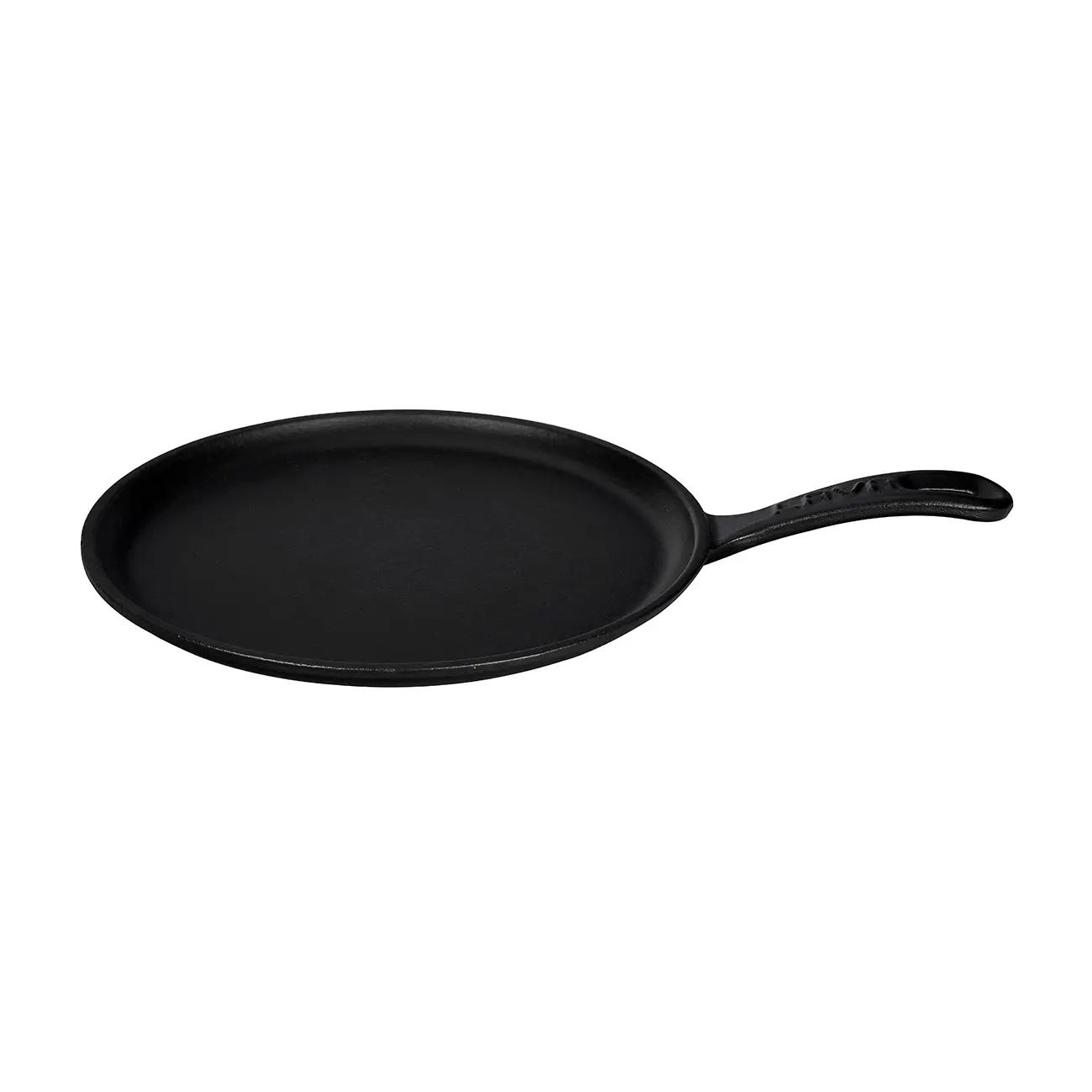
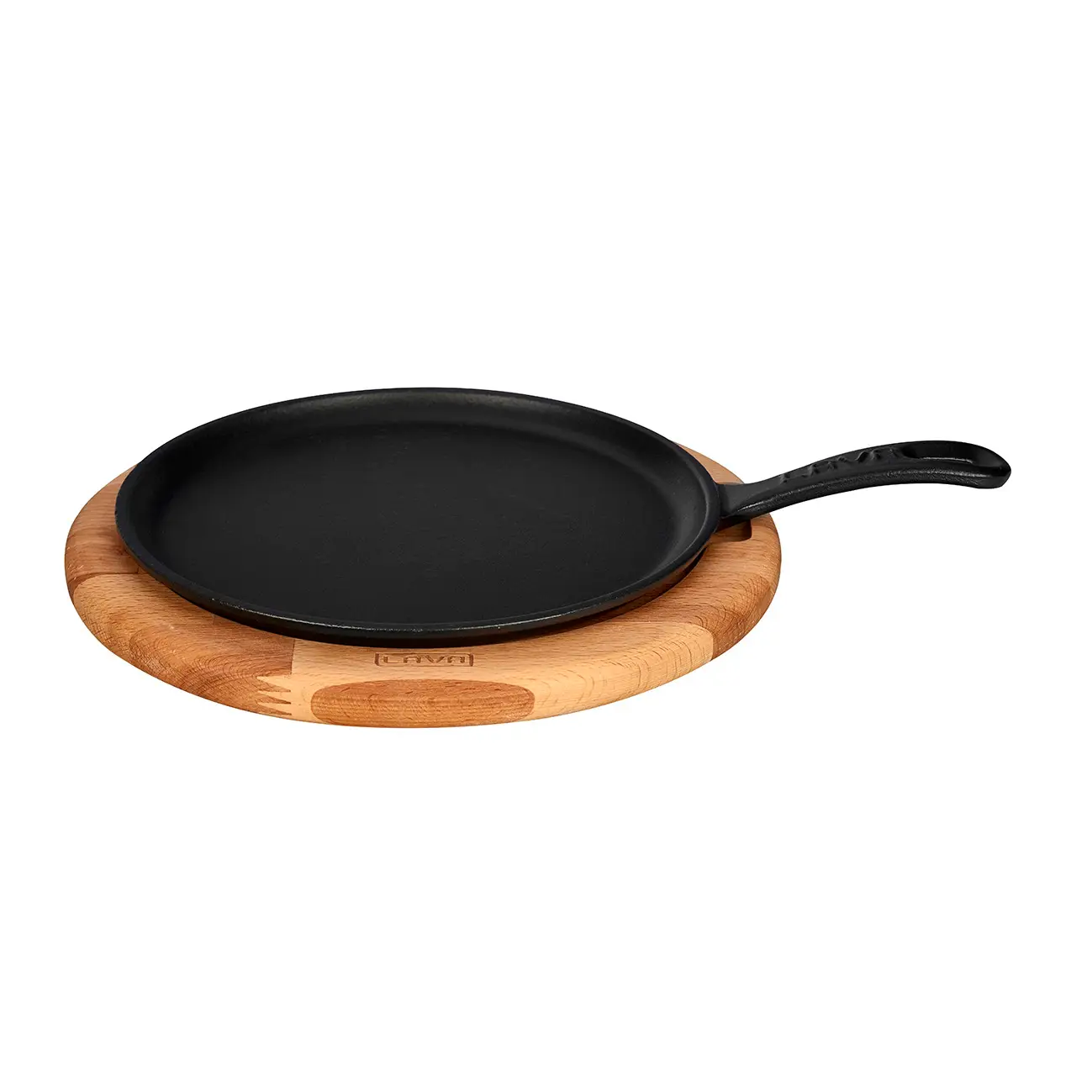
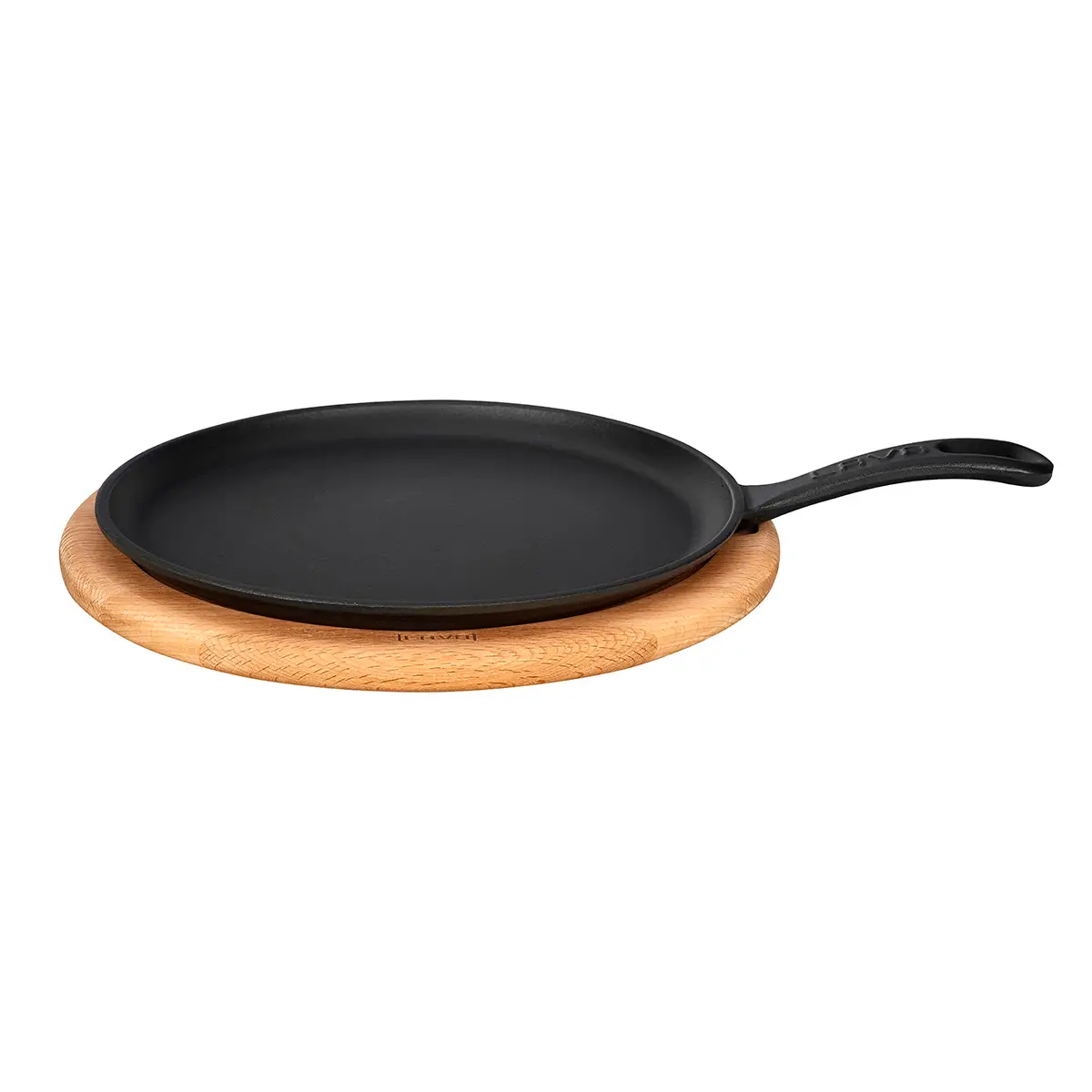
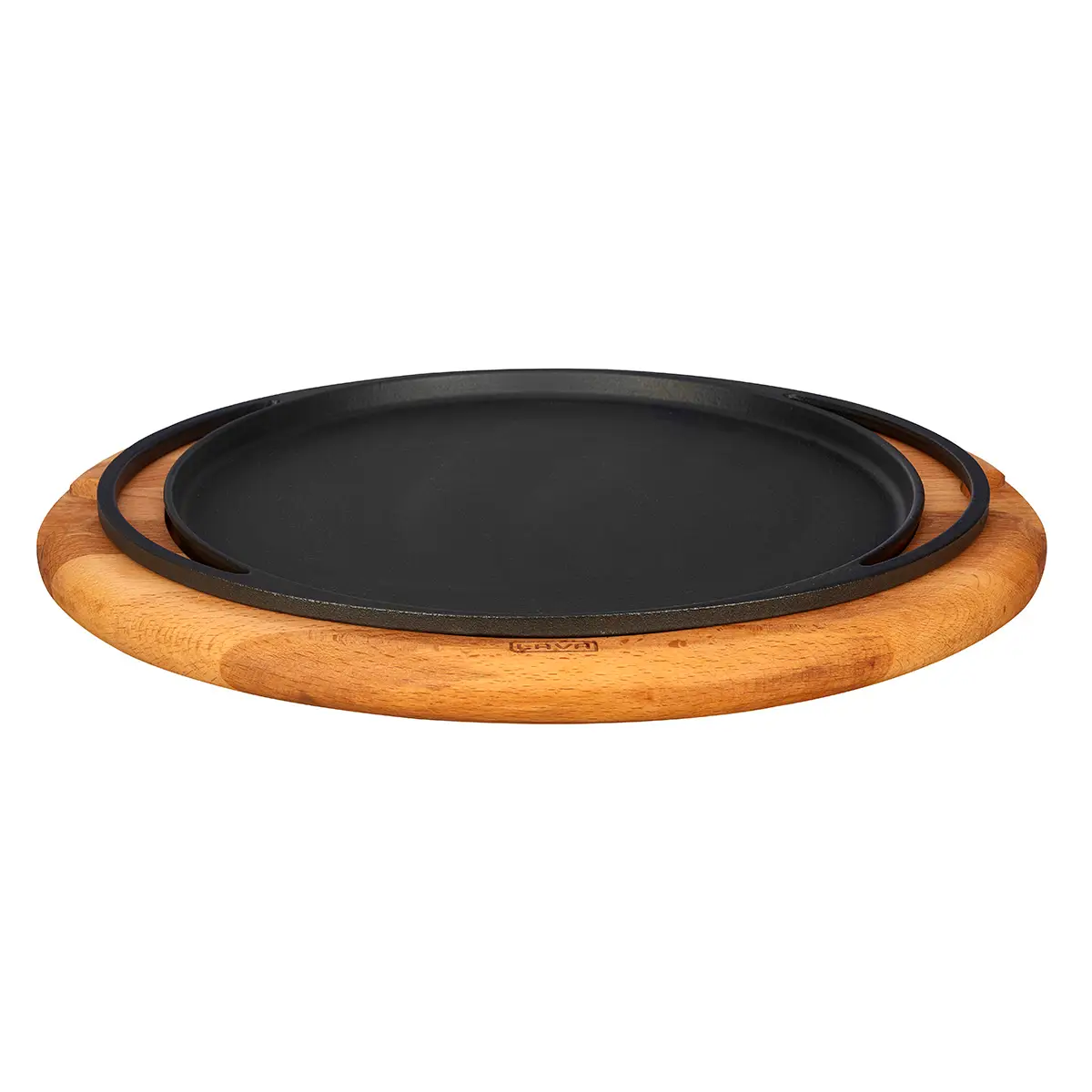
A heavy cast iron pan or pizza pan
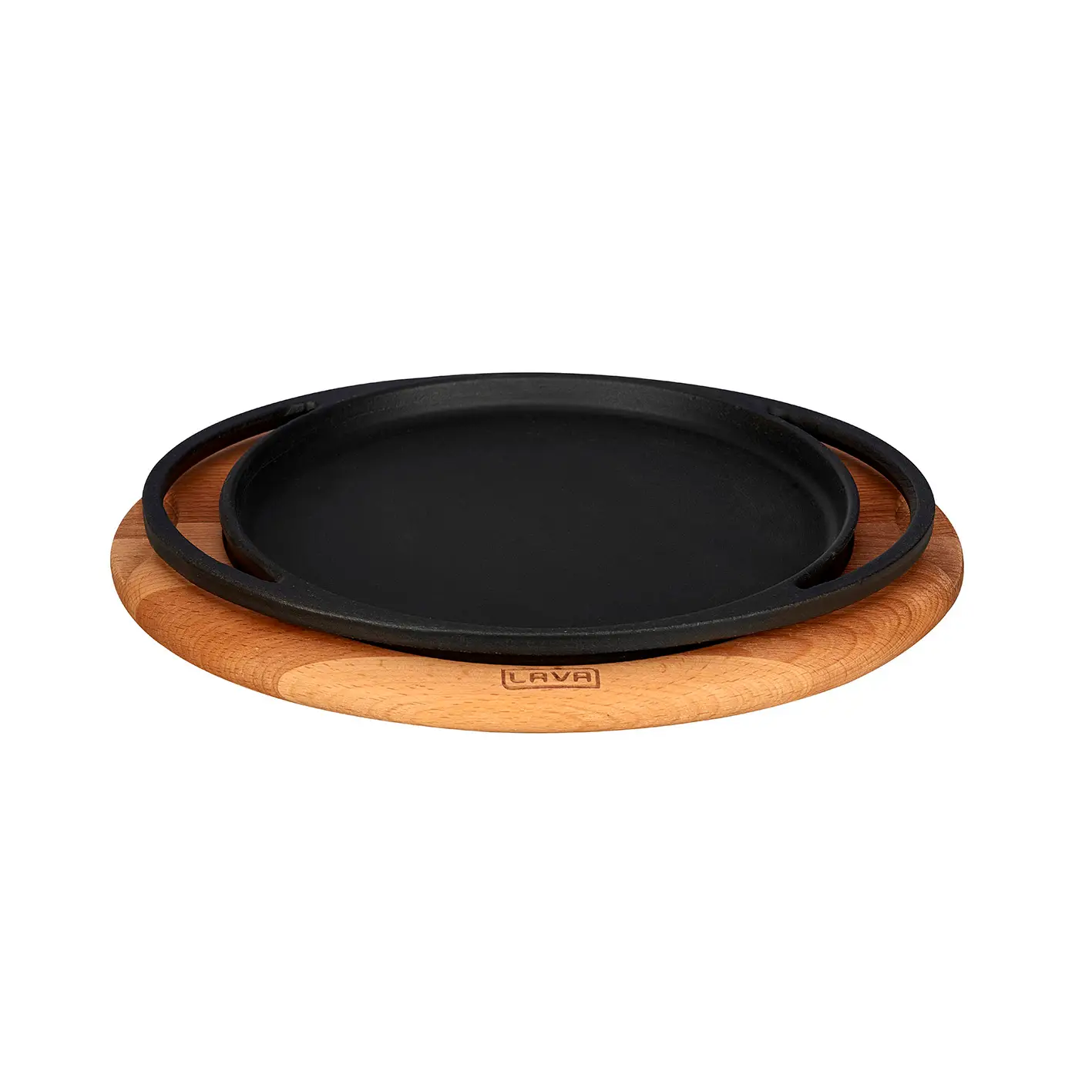
An inverted cast iron baking tray
Both methods help replicate the intense bottom heat of a stone oven.
Incorrect topping order leads to soggy, heavy pizza.
Sauce (thin layer)
Cheese
Vegetables & meats
Final touches (arugula, parmesan)
Watery vegetables like mushrooms or zucchini should be pre-sautéed.
Minimal ingredients
High-quality products
Perfect balance
A well-made Margherita pizza is the ultimate test of craftsmanship.
Pepperoni pizza is rich in fat and flavor.
Thin slices
High heat
Crispy edges
Homemade pizza offers endless room for creativity.
Honey + goat cheese + walnuts
Smoked meats + arugula + parmesan
Pear + blue cheese
These ingredients are typically added after baking.
Rolling out the dough → Stretch by hand
Too much sauce → Apply a thin layer
Cold oven → Always preheat
Overloading toppings → Keep it light
Wrong cheese → Use low-moisture mozzarella
Arugula salad with lemon
Olive oil–braised artichokes
Light garlic yogurt sauces
Fresh, balanced sides complete the pizza experience.
With the right pizza recipe, well-prepared pizza dough, and patiently applied techniques, homemade pizza can surpass anything you order out. Once you apply this guide, your perspective on pizza will change forever.







Lava Döküm Online Fabrika Satış Mağazası. © 2026 All Rights Reserved.


0
)