×

Cast iron pans and pots are among the most reliable cookware in any kitchen thanks to their durability, excellent heat retention, and even heat distribution. With proper use and the right cleaning methods, cast iron cookware can be used safely for many years.
Some of the most common questions users ask include:
How do you clean a cast iron pan?
How do you clean a cast iron pot?
Can cast iron cookware be washed in the dishwasher?
In this guide, you will find everything you need to know about cleaning cast iron pans and pots, along with practical care tips explained step by step.
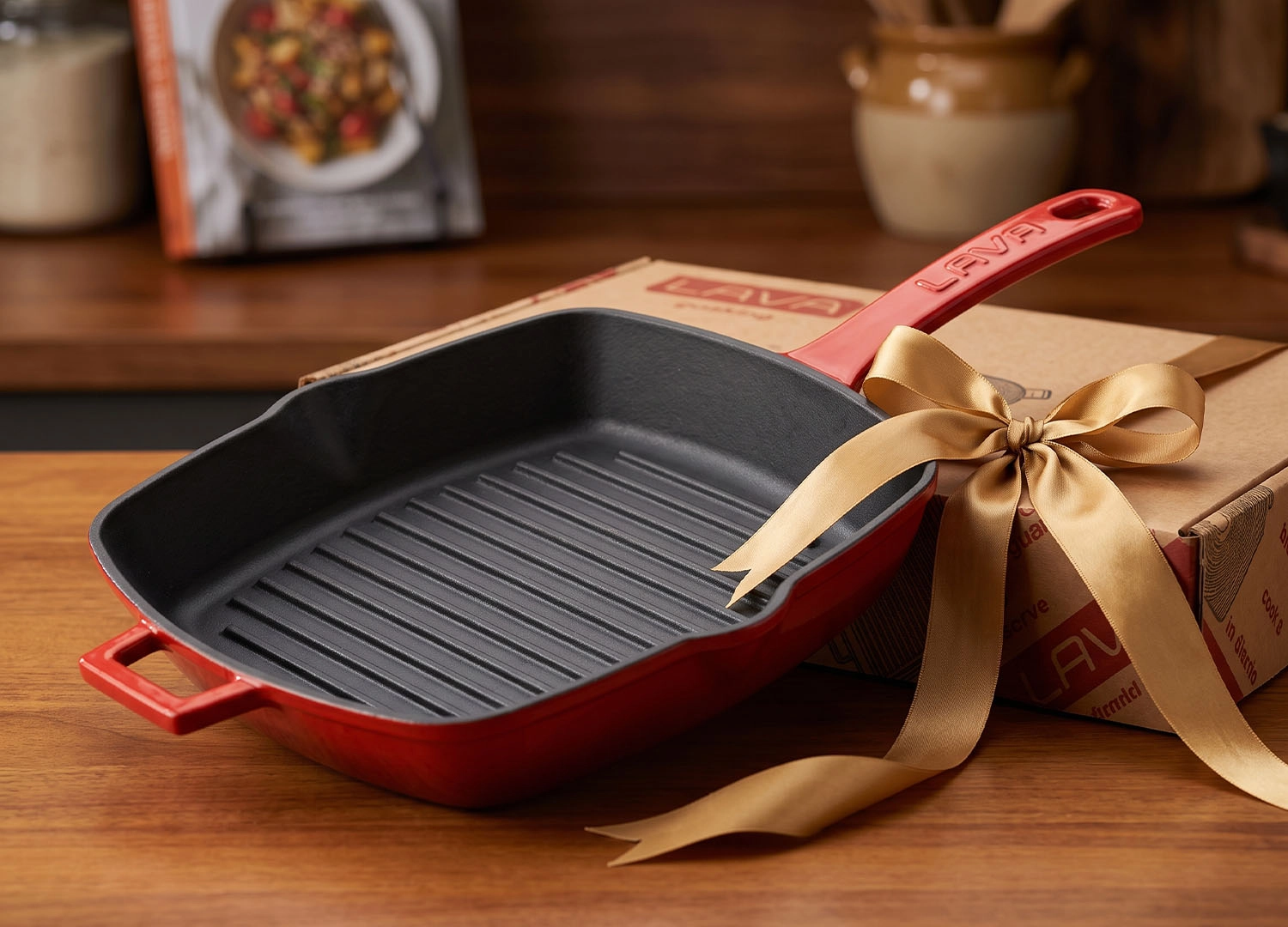
Cleaning cast iron pans is actually very simple. When the correct methods are applied, you can maintain both hygienic cleanliness and the product’s aesthetic appearance.
Cleaning your cast iron pan after every use helps maintain the surface and keep it in good condition.
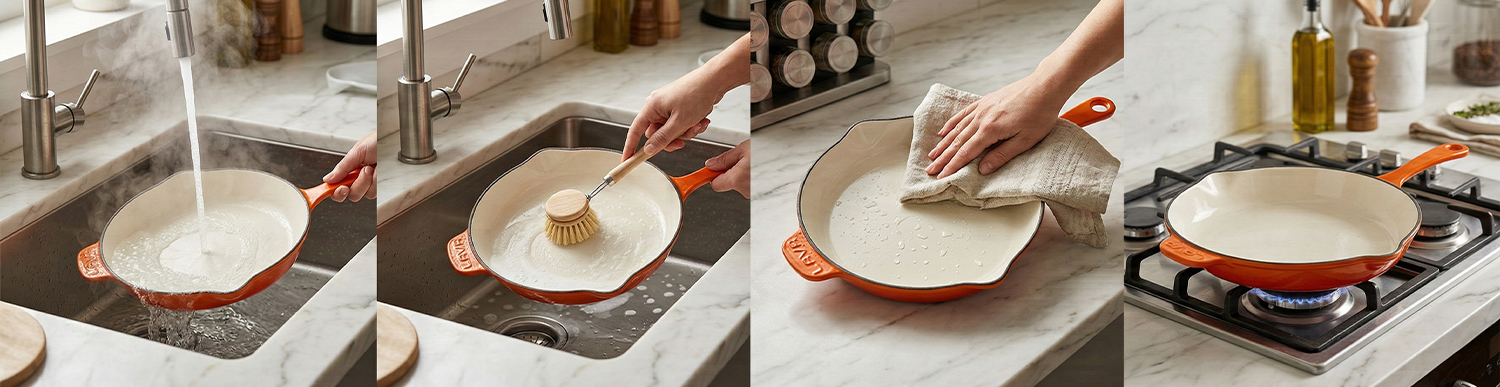
Once the pan has cooled slightly after use, rinse it with hot water.
Begin cleaning using hot, soapy water.
A sponge and the slightly abrasive side of the sponge may be used during cleaning.
Gently remove grease and food residues from the surface.
After cleaning, rinse the pan thoroughly with water.
Finally, dry it completely with a clean cloth or paper towel.
This method is sufficient for everyday cleaning and helps preserve the appearance of your cast iron pan when performed regularly.
After cooking certain foods, stubborn stains or stuck-on residues may remain in the pan. In such cases, the baking soda method can be very effective.
Add 1 tablespoon of baking soda into the pan.
Pour in a small amount of water.
Bring the mixture to a boil on the hob for approximately 25 minutes.
This process helps loosen stubborn residues from the surface.
After boiling:
Empty the pan.
Clean it using hot soapy water and the abrasive side of a sponge.
Finally, rinse thoroughly and ensure the pan is completely dry.
This method effectively removes stubborn residues without damaging the surface of the cast iron pan.
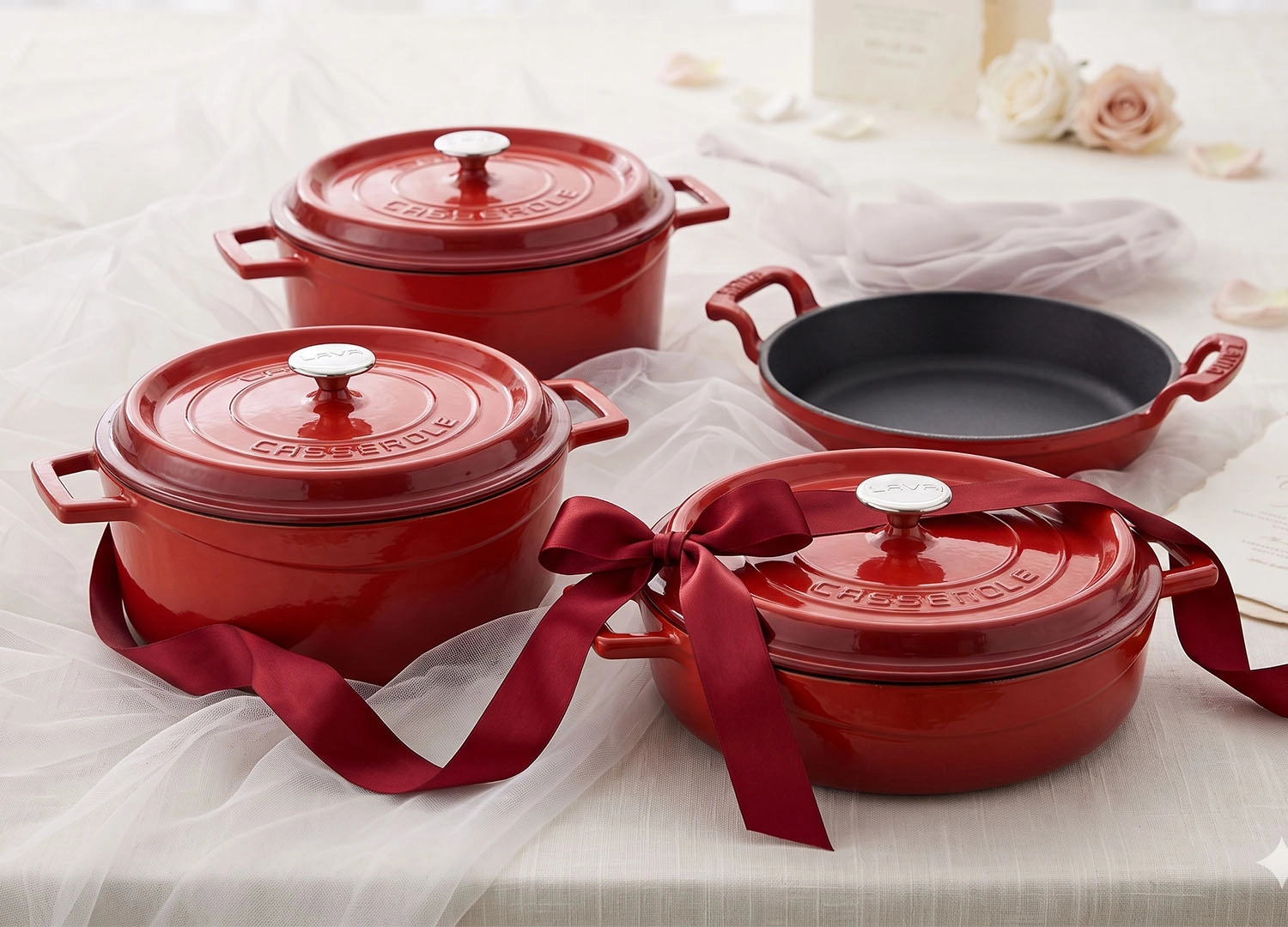
Cleaning cast iron pots is also very straightforward. With the proper cleaning method, both hygiene and long-term usability can be maintained.
After use, allow the pot to cool slightly and wash it with hot soapy water.
A sponge and the abrasive side of the sponge may be used during cleaning.
If necessary, detergent can be used in the desired amount.
Rinse the pot thoroughly with plenty of water.
Finally, dry it completely using a clean cloth.
If food residues remain inside the pot, the baking soda boiling method can be applied.
Add water to the pot until it reaches approximately one quarter of the pot’s capacity.
Add 1 tablespoon of baking soda.
Boil the mixture until the residues begin to loosen from the surface.
After boiling:
Empty the pot.
Clean it with hot soapy water using the abrasive side of a sponge.
Rinse thoroughly and dry completely.
This method is particularly effective for removing stubborn food residues after cooking.
One of the most common questions among cast iron cookware users concerns dishwasher use.
LAVA enamel-coated cast iron products can technically be washed in the dishwasher.
However:
To preserve long-term durability, surface shine, and overall appearance, hand washing is always the safer option.
Although dishwasher cleaning is possible, the recommended method for daily cleaning is hand washing with hot soapy water and a sponge.
When the correct cleaning methods are followed, cast iron pans and pots can be used safely for many years.
In summary:
Cast iron cookware can be easily cleaned with hot soapy water.
A sponge and the abrasive side of the sponge may be used during cleaning.
The baking soda boiling method is effective for stubborn residues.
While dishwasher cleaning is technically possible, hand washing is recommended to preserve the surface shine and appearance.
By following these methods, you can keep your cast iron pans and pots both hygienic and in excellent condition for long-term use.
For more detailed information on this topic, click here to read our article “Can Cast Iron Pots Be Washed in the Dishwasher?”
10.03.2026






Lava Döküm Online Fabrika Satış Mağazası. © 2026 All Rights Reserved.


0
)