×

Shrimp pasta is a practical dish made by combining pasta with an aromatic sauce prepared with garlic, butter and shrimp. By cooking the shrimp briefly and using some of the pasta cooking water, you can create a well-balanced sauce that coats the pasta.
Estimated Reading Time: 4 minutes
250 g pasta
300 g cleaned shrimp
2 tbsp butter
1 tbsp olive oil
2 garlic cloves
1 small kapya pepper
½ tsp chilli flakes
½ tsp black pepper
Salt
½ tea glass pasta cooking water
A few sprigs of fresh parsley, optional
Lemon, to serve
2 tbsp grated Parmesan, optional
Cook the pasta in plenty of boiling salted water according to the time stated on the packet. Cooking the pasta until slightly al dente rather than completely soft gives a better result when it is combined with the sauce.
Set aside approximately half a tea glass of the pasta cooking water, then drain the pasta.
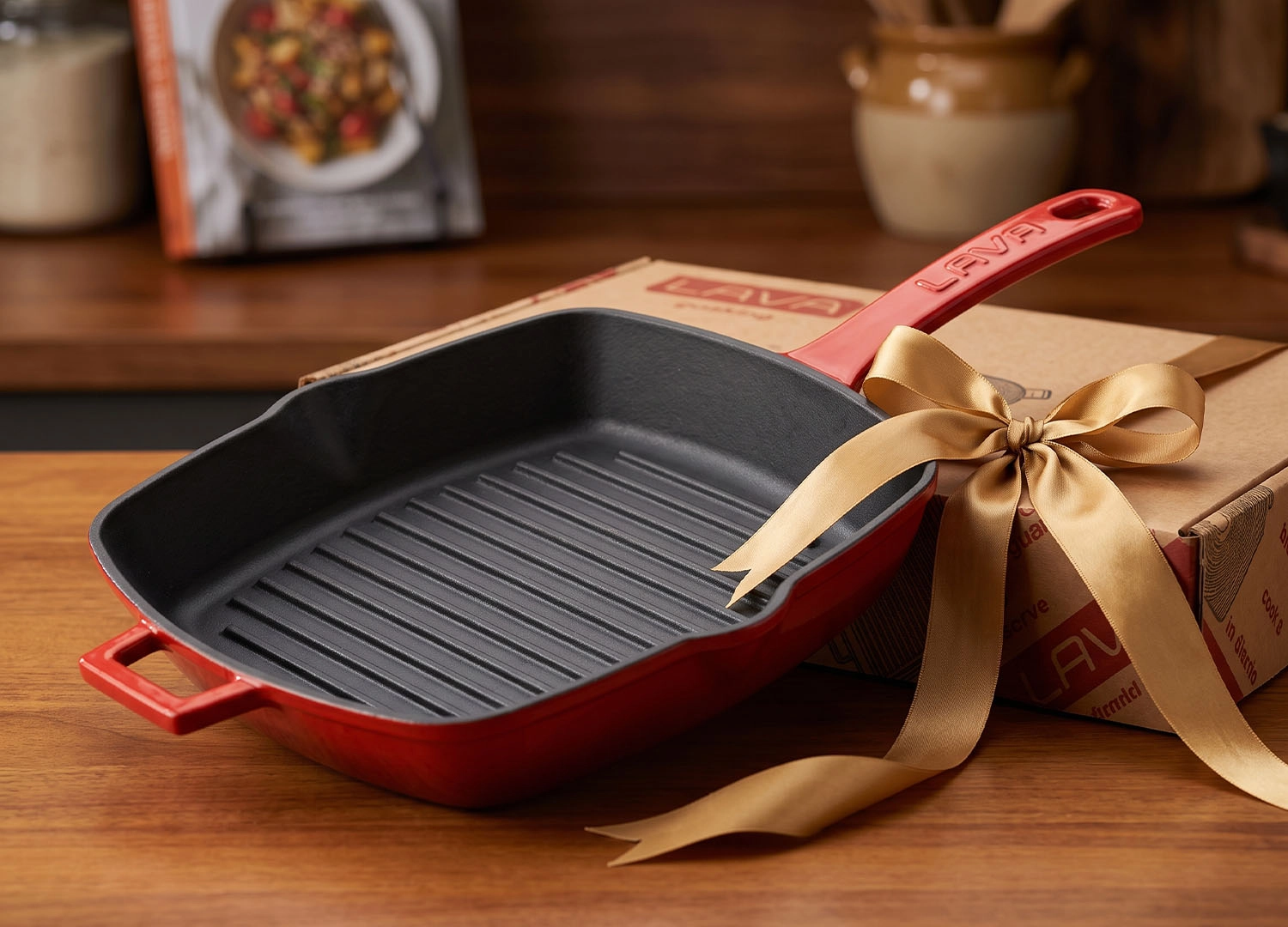
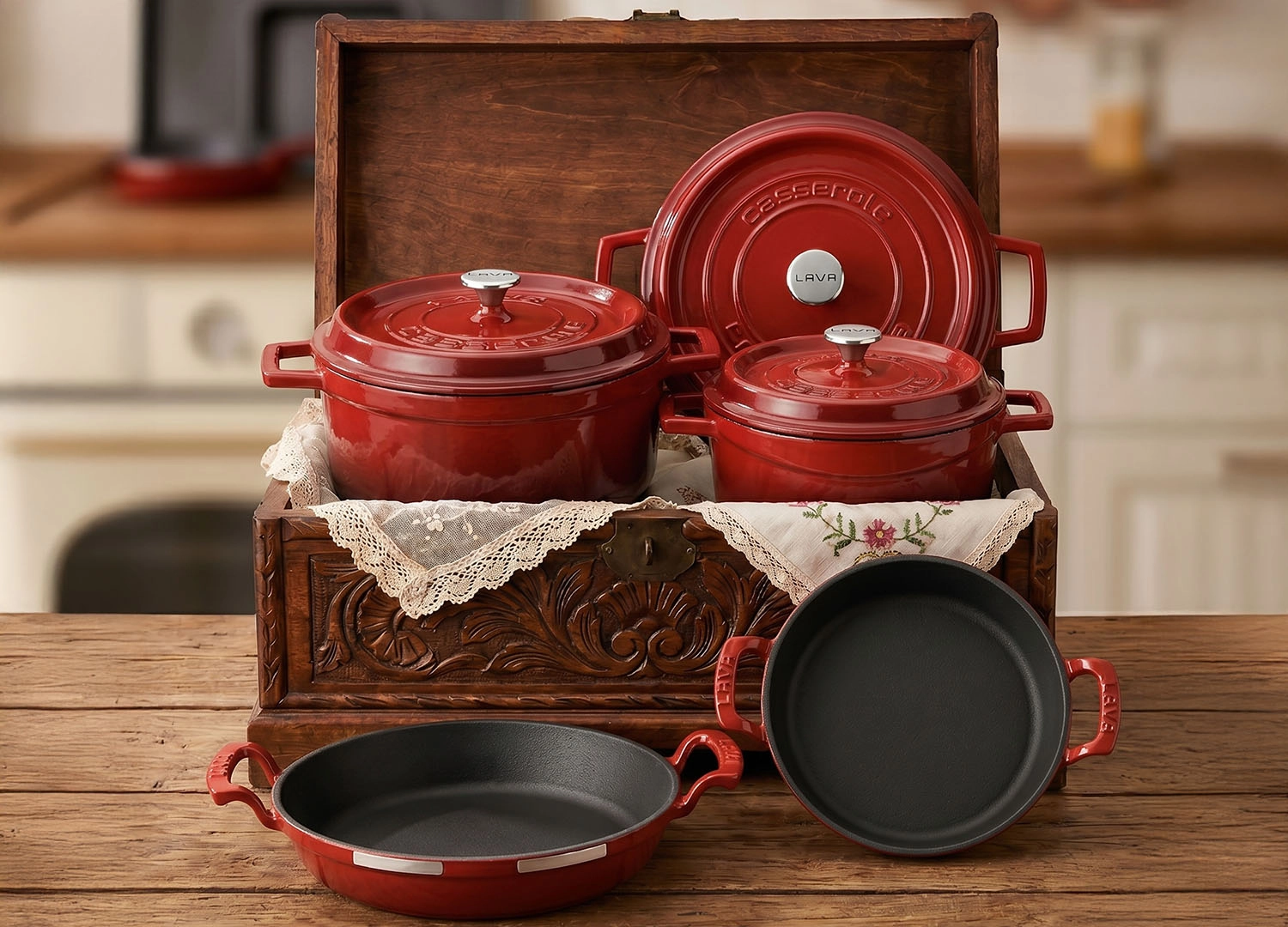
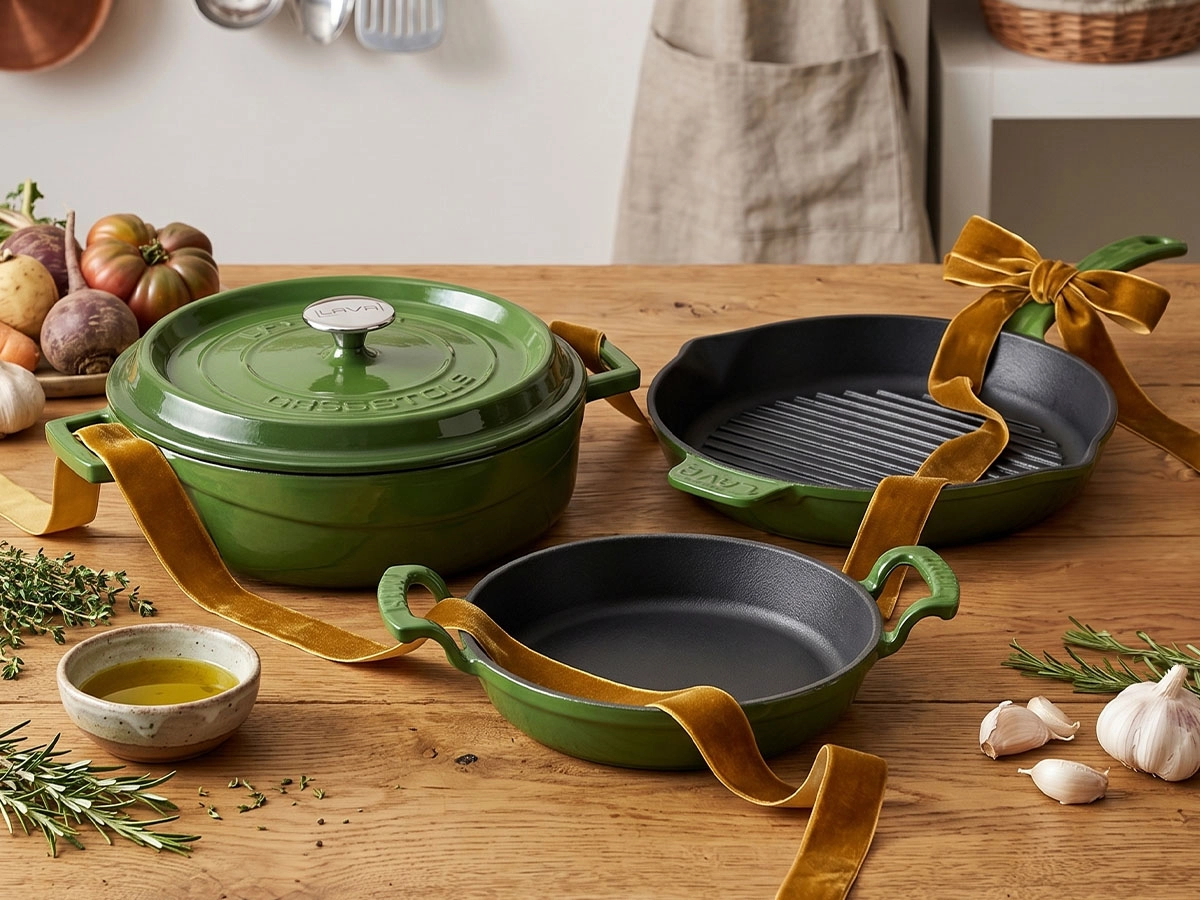
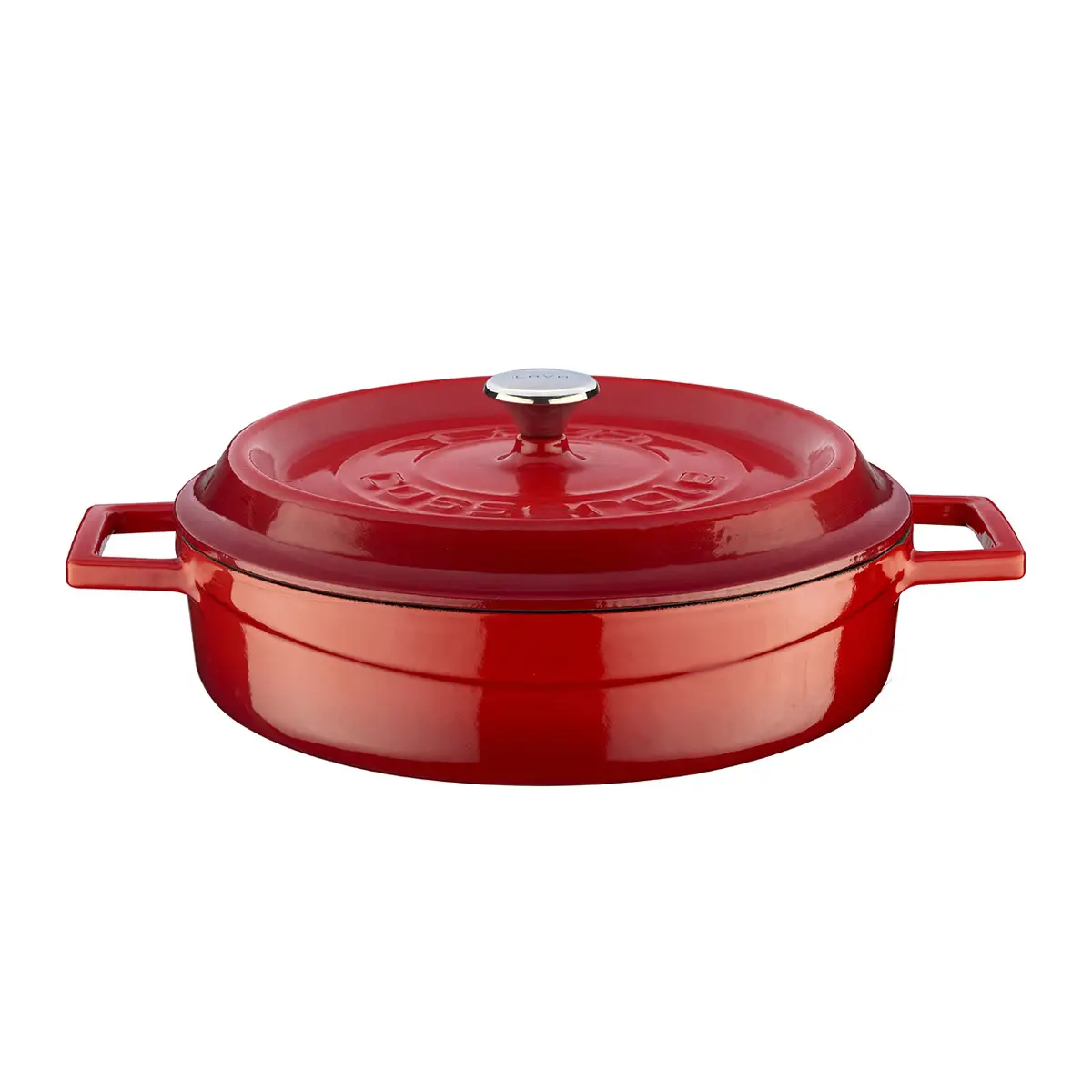
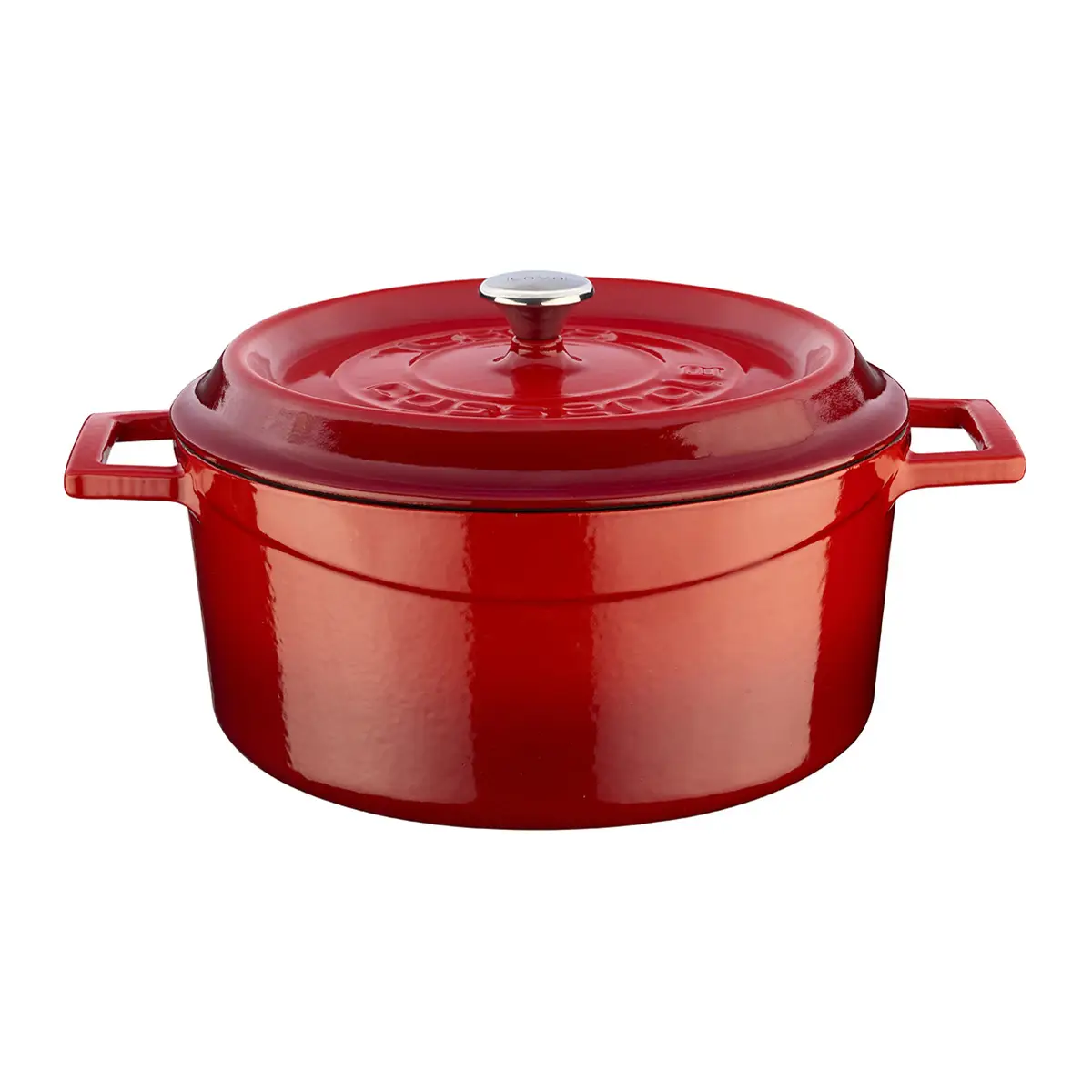
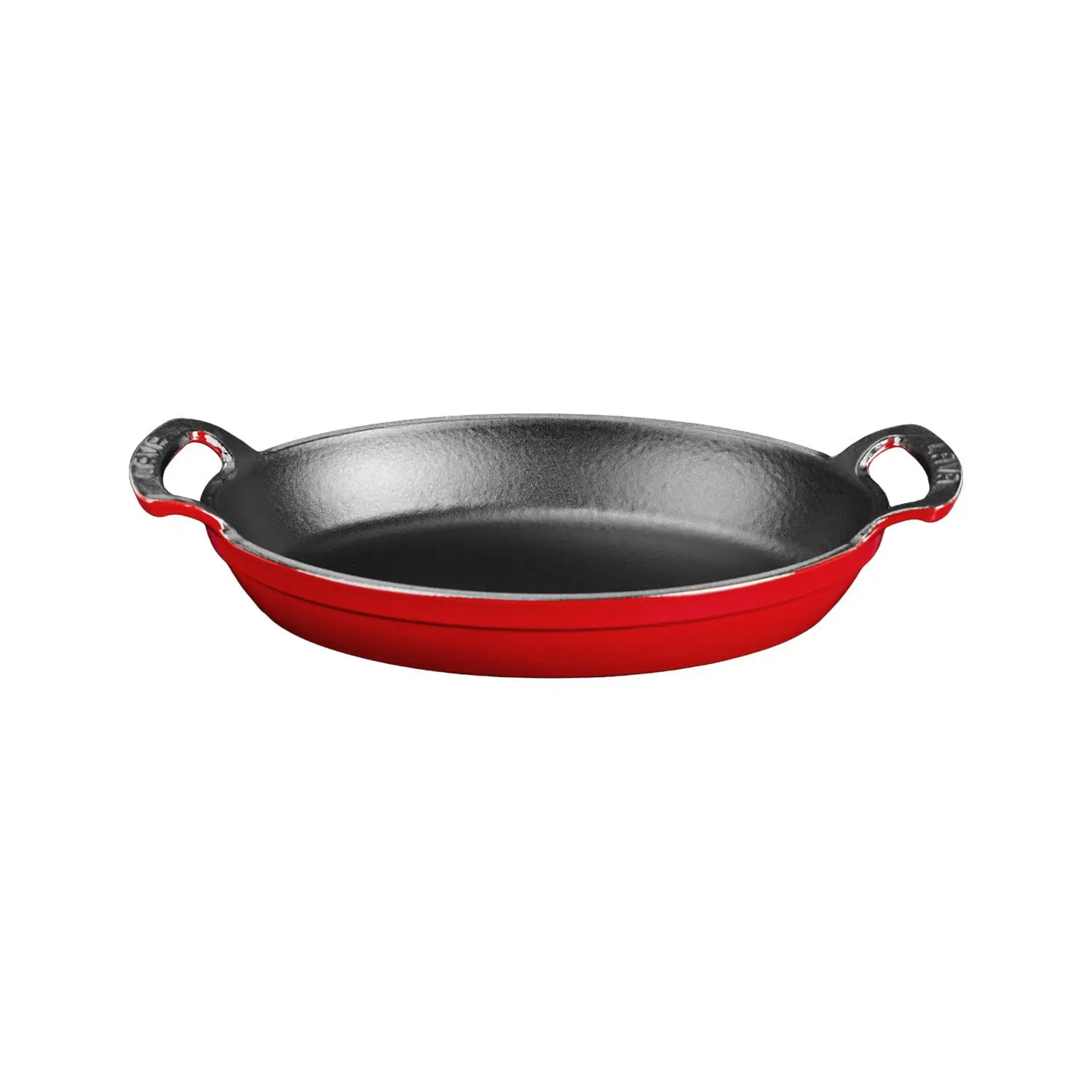
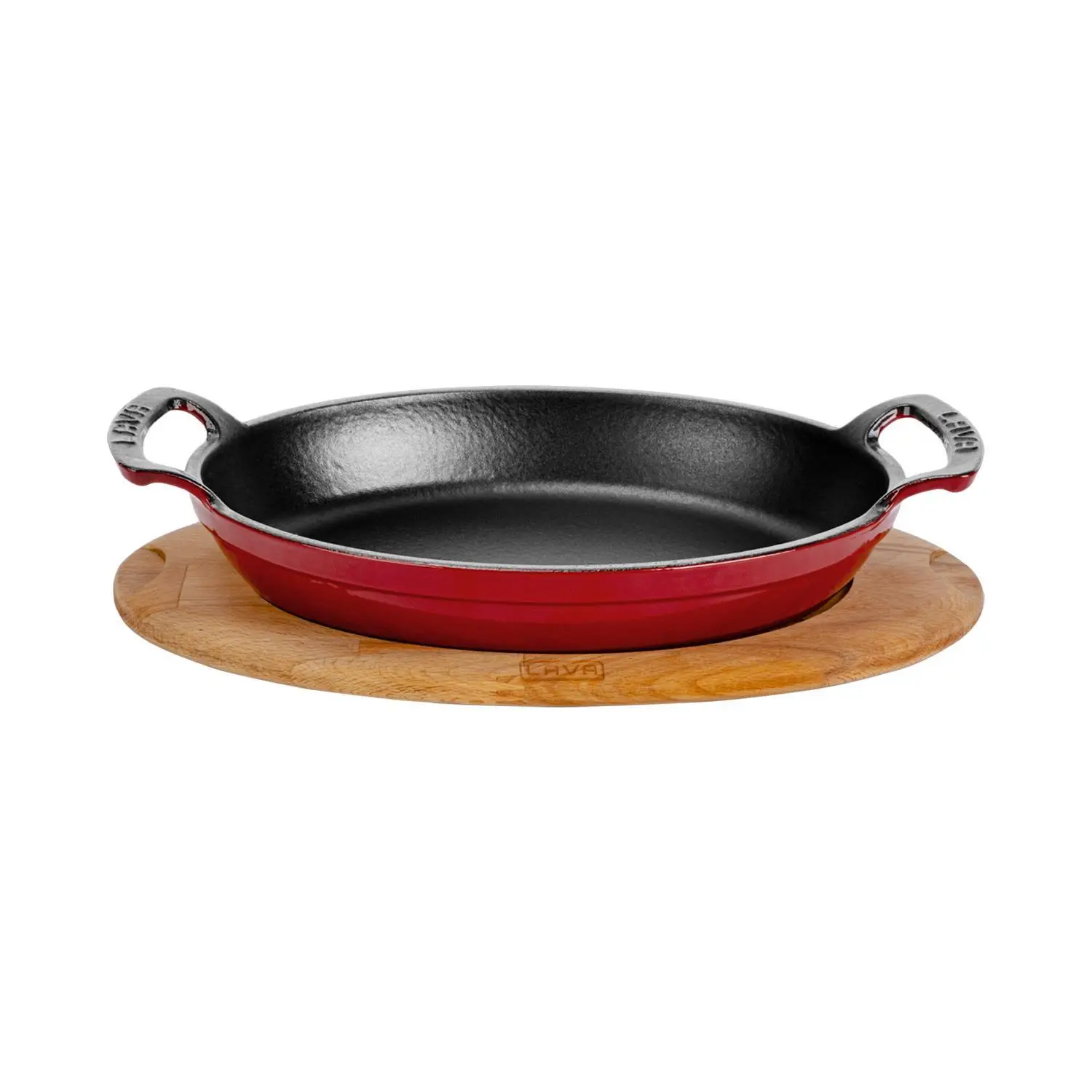
Heat a cast iron pan over medium heat. Add the olive oil and butter.
Add the finely chopped garlic and kapya pepper to the pan and sauté briefly. Add the shrimp and cook both sides over medium-high heat for a few minutes.
Once the shrimp turn pink and become opaque in the centre, add the chilli flakes and black pepper.
Add the cooked pasta to the pan with the shrimp. Gradually add the reserved pasta water while stirring all the ingredients together.
Once the pasta has absorbed the sauce and the ingredients are well combined, remove from the heat. Add chopped fresh parsley and Parmesan if desired.
Avoid overcooking the shrimp, as cooking them for too long can make them tough.
Reserving some of the pasta cooking water helps the sauce coat the pasta more effectively.
Cooking the pasta until slightly al dente gives a better result when it is combined with the sauce in the pan.
Remove excess moisture from the shrimp before adding them to the pan.
Avoid burning the garlic over high heat; a brief sauté is sufficient.
Preheating the cast iron pan helps the shrimp cook quickly.
Shrimp pasta can be prepared in approximately 20–25 minutes, including cooking the pasta and preparing the sauce.
The cooking time for the shrimp can vary depending on their size. A few minutes is generally sufficient; check that the shrimp have turned pink and become opaque in the centre.
Serve the prepared pasta hot. You can add fresh parsley, lemon juice and Parmesan if desired.
The combination of butter, garlic and shrimp sauce with the pasta helps bring out the overall flavour of the dish.
For shrimp pasta, cook the pasta separately. Cook the shrimp briefly in a pan with butter, olive oil and garlic. Add the cooked pasta and some pasta cooking water, then combine everything with the sauce.
Different types of pasta can be used, including spaghetti, linguine, fettuccine and penne. Long pasta varieties work particularly well with shrimp-based sauces.
Shrimp pasta can generally be prepared in 20–25 minutes. Most of the time is spent cooking the pasta, while the shrimp only take a few minutes to cook.
Cream is not essential. A well-balanced sauce can be prepared using butter, pasta cooking water and the flavour of the shrimp. Cream can be added if preferred for a different variation of the recipe.
Cooking shrimp for too long can make them tough. For this reason, it is important to cook the shrimp briefly and remove them from the heat once they have turned pink and become opaque in the centre.
01.10.2026






Lava Döküm Online Fabrika Satış Mağazası. © 2026 All Rights Reserved.


0
)