×


As the New Year approaches, we begin to see a distinctive plant in streets, shop windows, and New Year markets—one dominated by vibrant red and green tones: the Kokina flower.
Although commonly called a “flower,” Kokina is actually a composition of green leaves resembling laurel and bright red berries. Over the years, it has become one of Türkiye’s most symbolic and beloved elements of the New Year season.
For some, it is “the New Year’s flower that brings luck,” for others, it represents “new beginnings,” and for many, it is a cherished tradition passed down through generations.
In this article, we explore the origins of Kokina, its cultural meaning, its importance at New Year, why it has become a popular New Year gift, its place within Christmas Market traditions worldwide, and how it beautifully aligns with LAVA’s New Year spirit.
Not an Actual Flower, but a Tradition in Itself**
The word kokina comes from the Greek word “kokina,” meaning “red.”
Its striking red berries and evergreen leaves have made it an essential part of New Year decorations.
Why is Kokina not considered a real flower?
The green parts come from the plant Ruscus aculeatus.
The red berries, however, belong to a different species and are traditionally wired onto the branches by hand.
This makes Kokina a handcrafted botanical composition rather than a naturally occurring flower.
This artisanal process is the reason Kokina has such a strong and heartfelt presence in Türkiye’s New Year market culture.
Kokina is meaningful not only visually, but symbolically.
It represents hope, renewal, abundance, and prosperity—qualities deeply associated with New Year rituals.
Buying or gifting Kokina during the New Year season expresses a wish:
“May beautiful things come into your life this year.”
Dating back to the Ottoman era, Kokina has been believed to bring abundance into the home.
Thus, it frequently appears on New Year tables, door decorations, and gift wrappings.
The red–green contrast visually embodies the festive spirit.
In Türkiye, Kokina serves as a local counterpart to holiday wreaths displayed at Christmas Markets around the world.
Kokina artisans begin an intense period of production each December, ensuring every bundle is prepared with care.
Thus, Kokina is not just a plant—it is a craft.
Why Is It So Popular?**
Around the world, Christmas Markets highlight handmade goods, natural elements, and traditional decorations.
In Türkiye, Kokina has become one of the most iconic symbols of the New Year season.
Why does Kokina attract so much attention at New Year markets?
It has an ideal decorative appearance.
It is widely used in New Year gift packaging.
It aligns perfectly with the conscious, sustainable gifting trend.
It is believed to refresh the energy of homes.
It adds warmth to New Year dining tables.
For many, New Year markets are not just places to shop—they help keep cultural traditions like Kokina alive.
Absolutely Yes!**
If you are looking for a meaningful, natural, and aesthetically pleasing New Year gift, Kokina is the perfect choice.
Reasons Kokina is preferred as a New Year gift:
It carries a strong symbolic meaning (luck, abundance, renewal).
It stands out as a unique and thoughtful gift.
It captures the atmosphere of New Year markets.
Perfect for lovers of natural décor.
Suitable for all ages and styles.
Gifting Kokina is often described as “gifting the spirit of the New Year itself.”
A Tradition That Meets LAVA**
New Year’s Eve dinners are among the warmest and most joyful gatherings of the year.
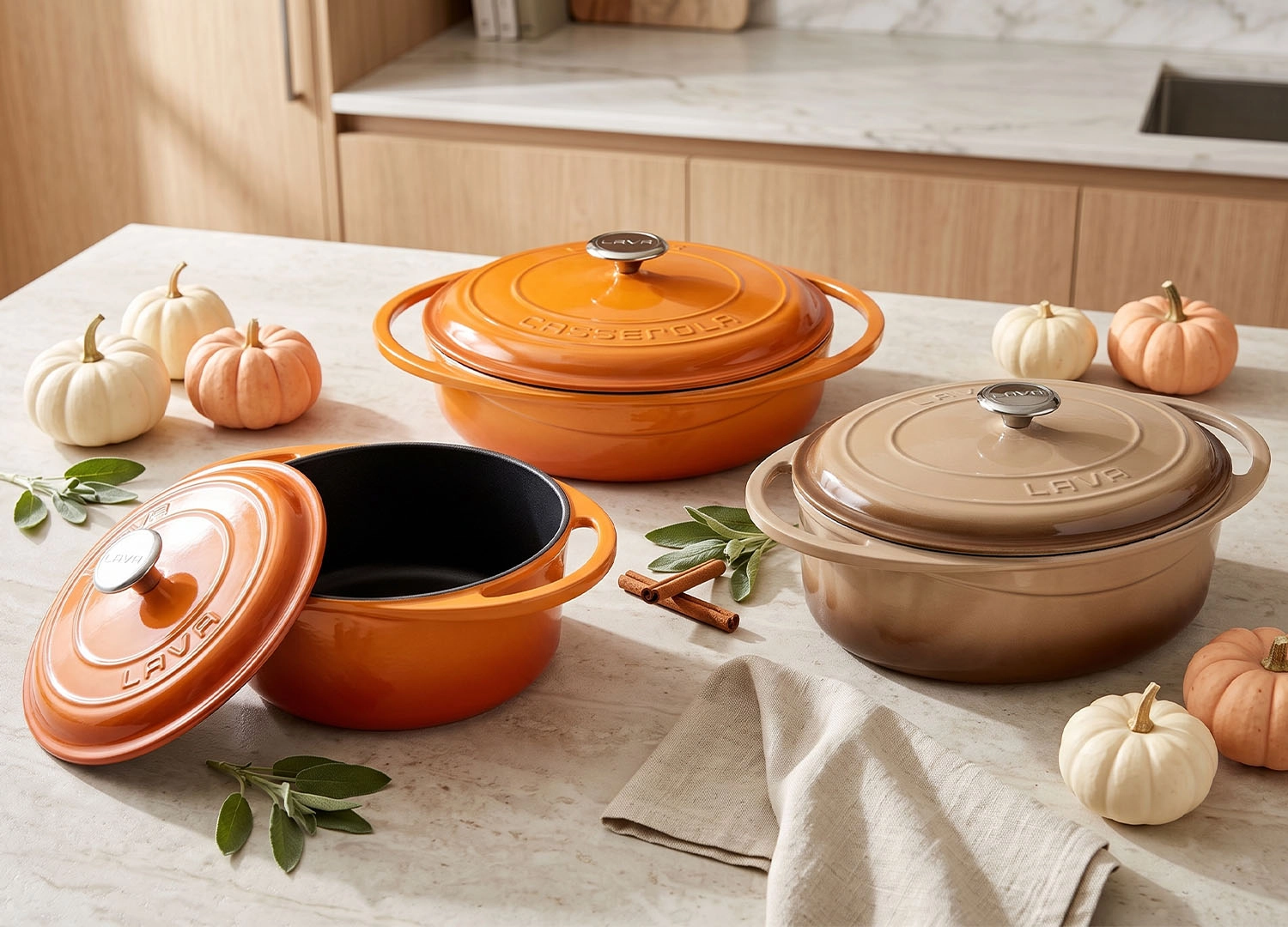
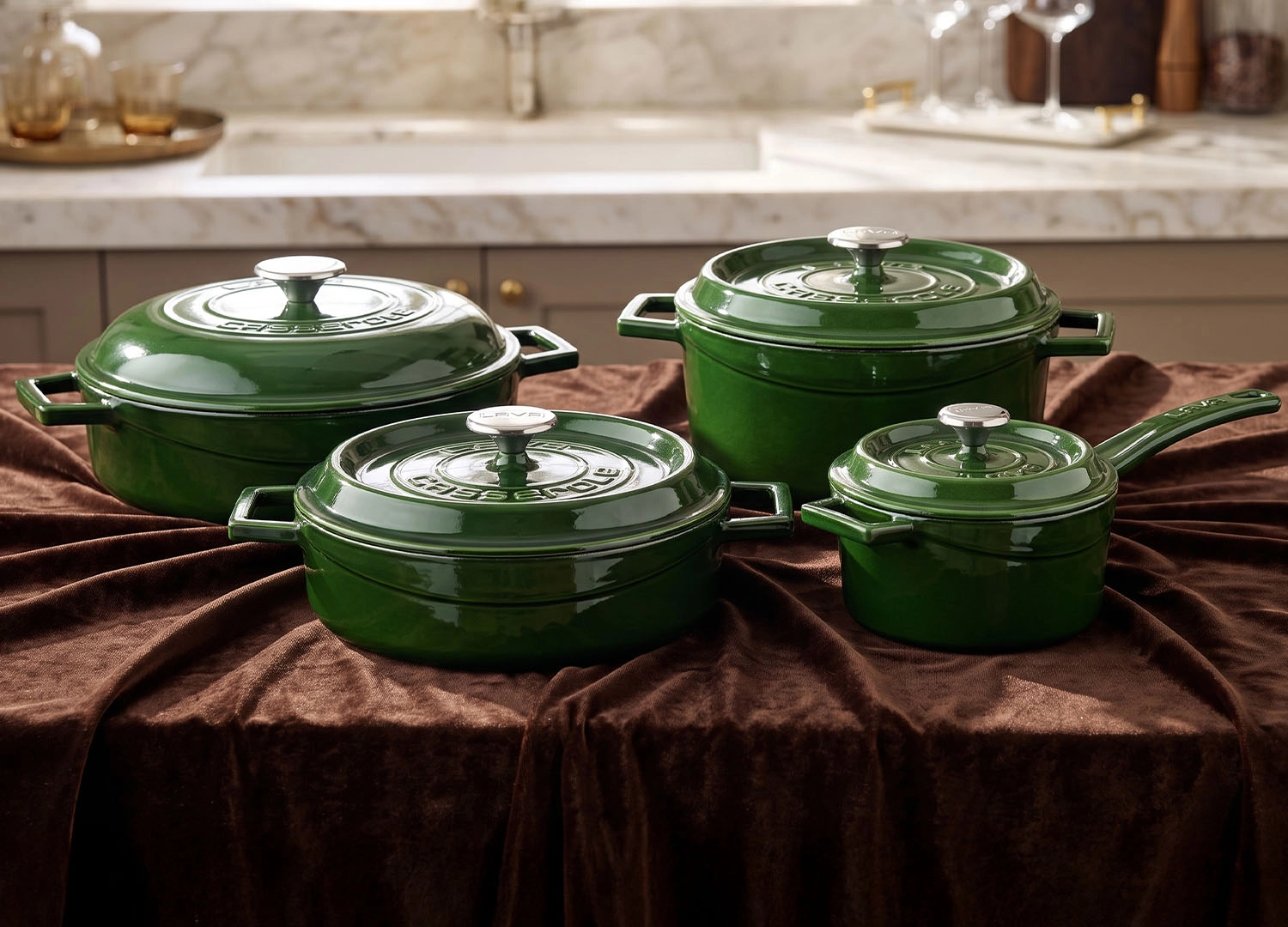
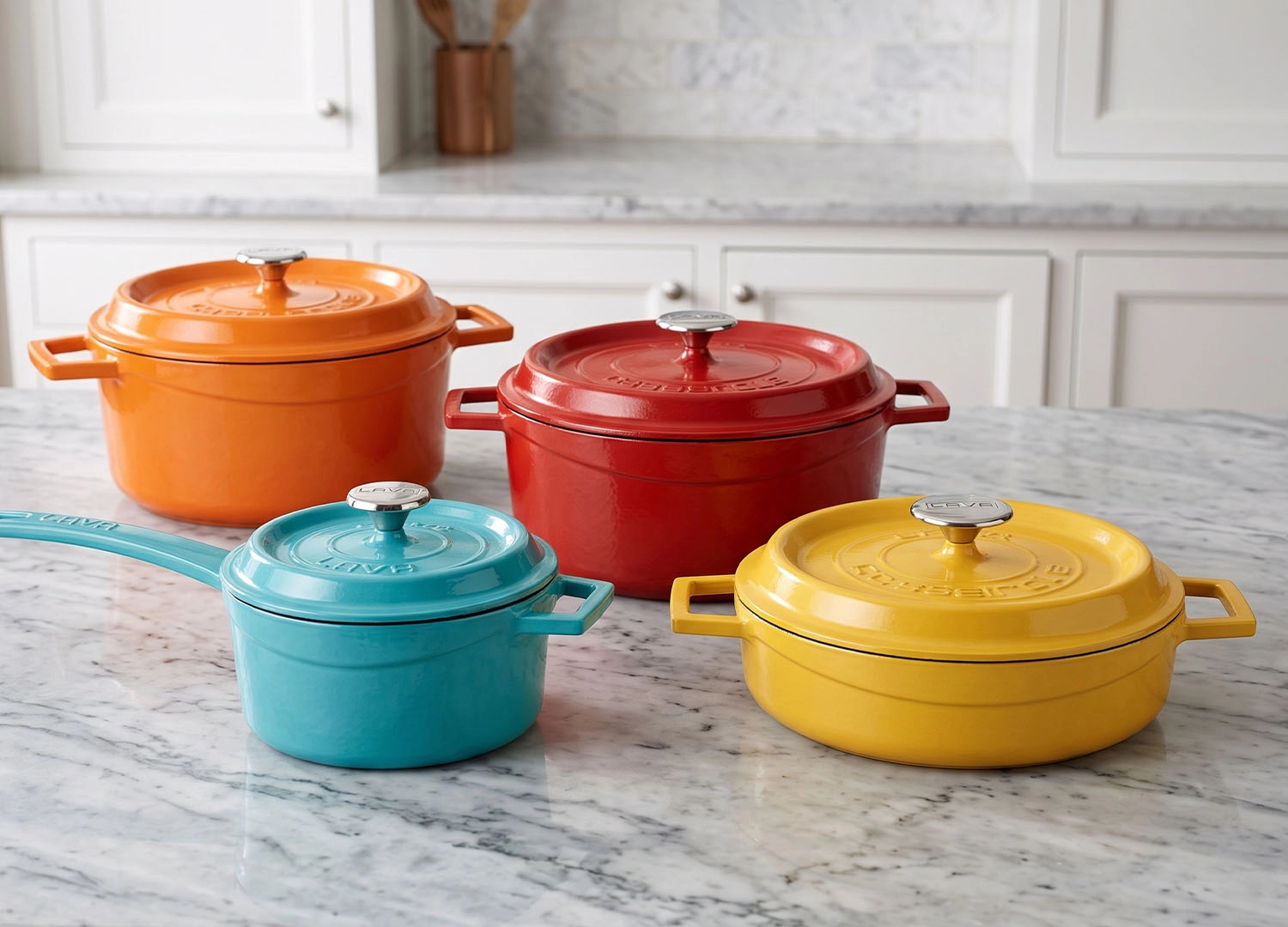
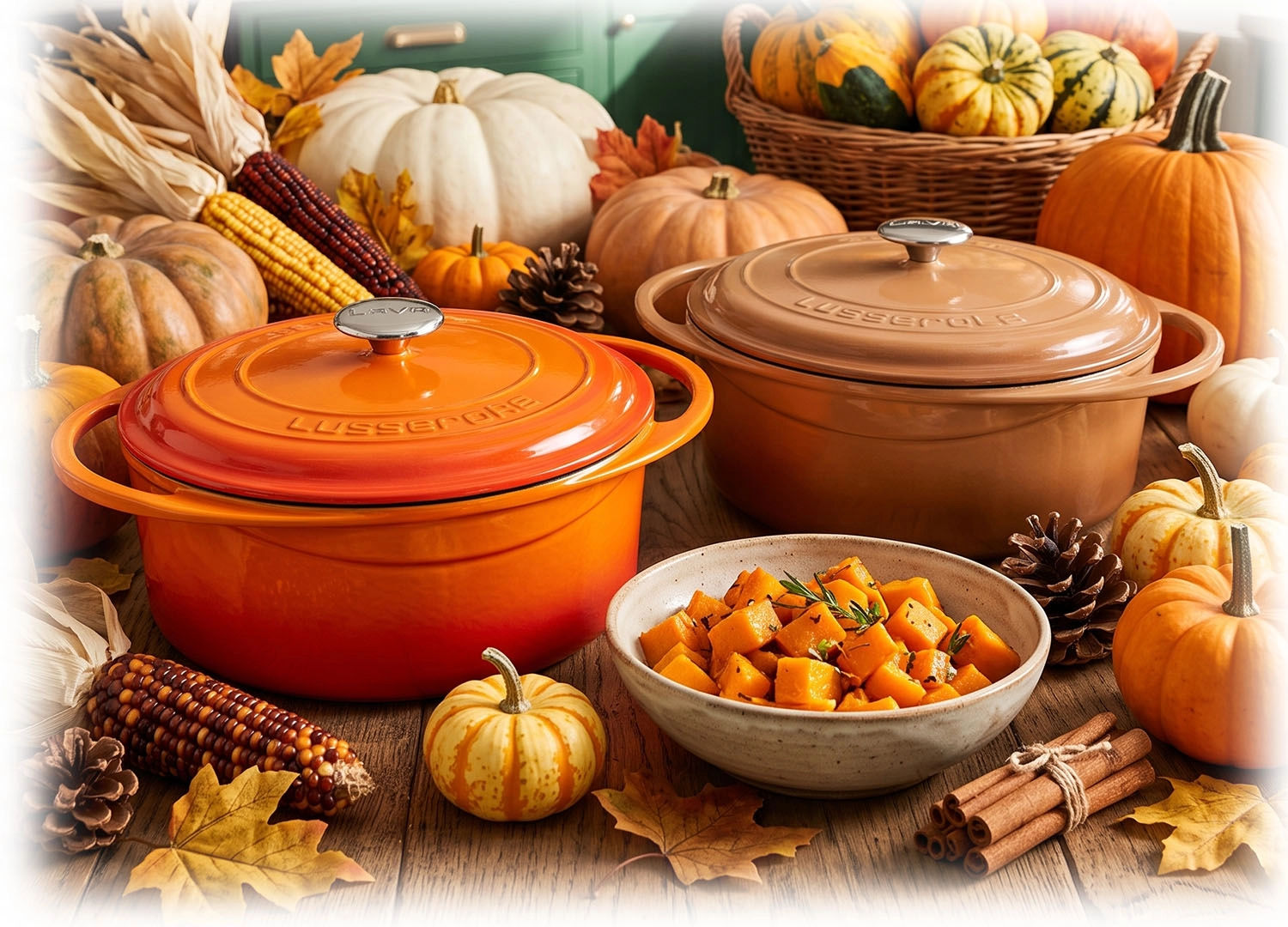
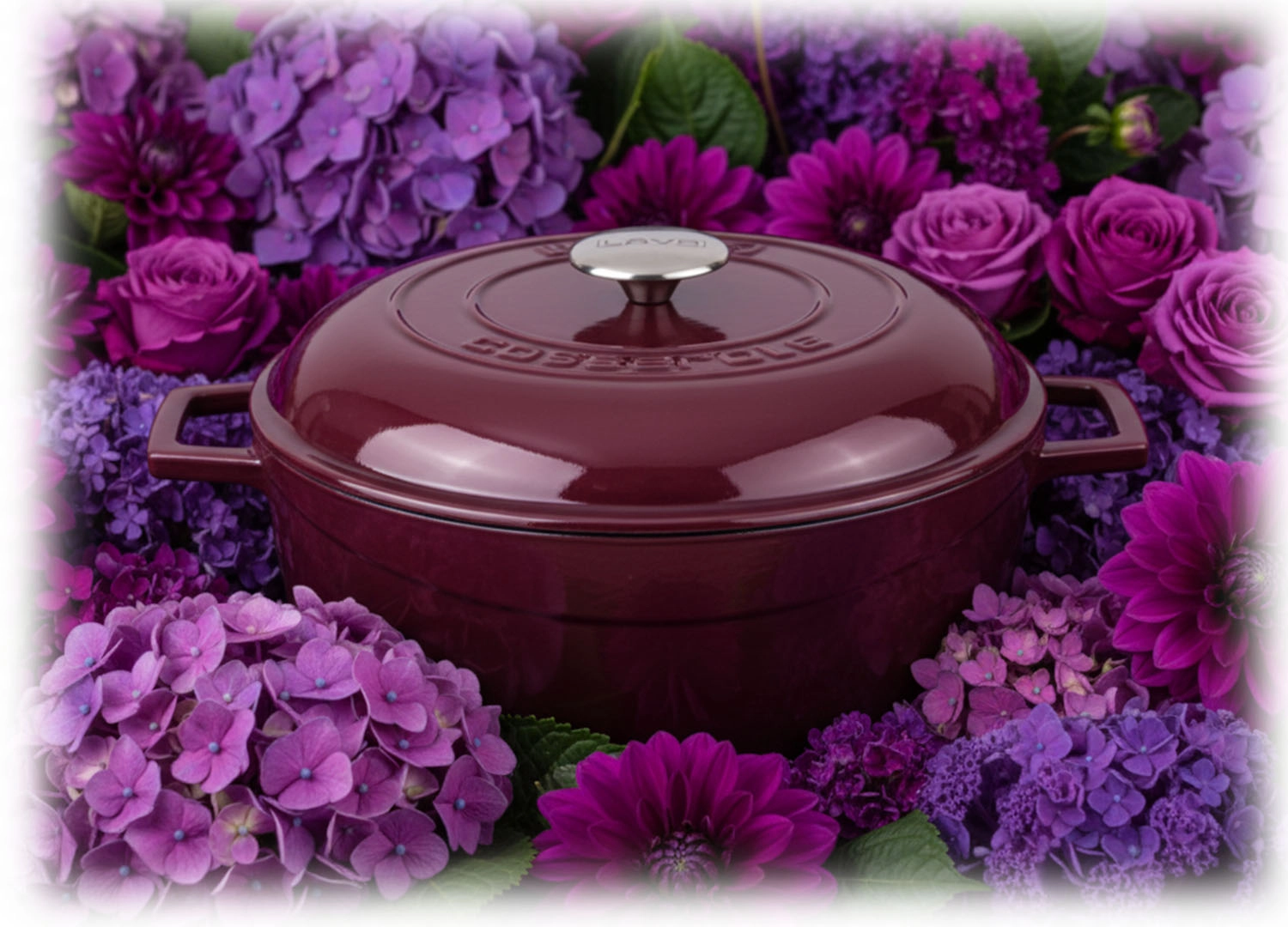
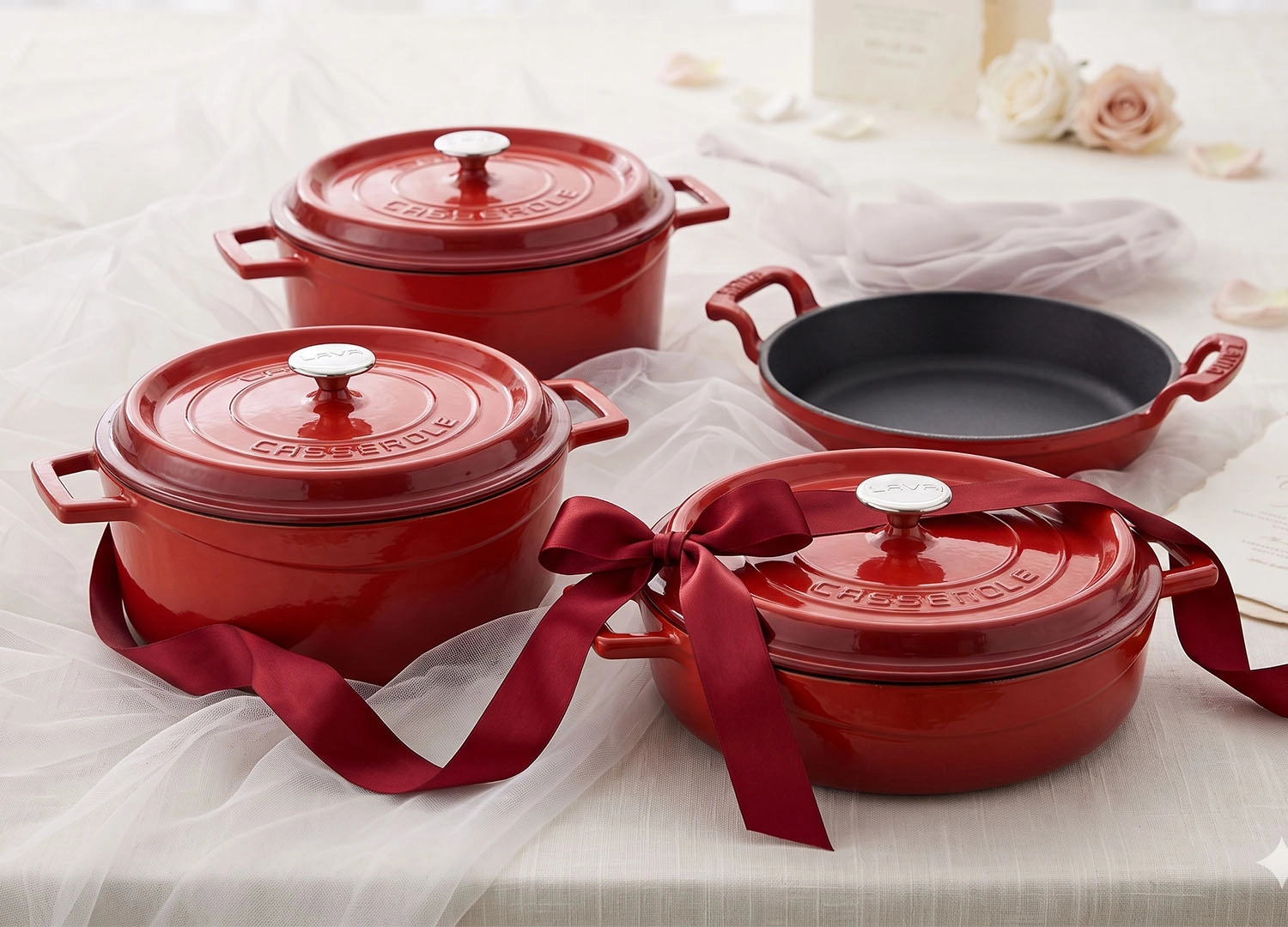
The vibrant red and green tones of Kokina add visual elegance to the table, while LAVA’s cast iron cookware completes the soul of the celebration.
Kokina elevates the decorative energy of the table.
LAVA represents function, flavor, and the soul of home-cooked meals.
Both symbolize long-lasting traditions.
Both celebrate local craftsmanship and production.
Just as Kokina is a natural cultural symbol, LAVA cast iron pieces are a timeless part of Turkish kitchen heritage.
For anyone searching for a meaningful, functional, and lasting New Year gift, LAVA offers the perfect answer.
If Kokina represents the spirit of the New Year, LAVA cast iron cookware represents endurance and longevity.
Gifting LAVA means
“I am giving you something that will accompany you for many years.”
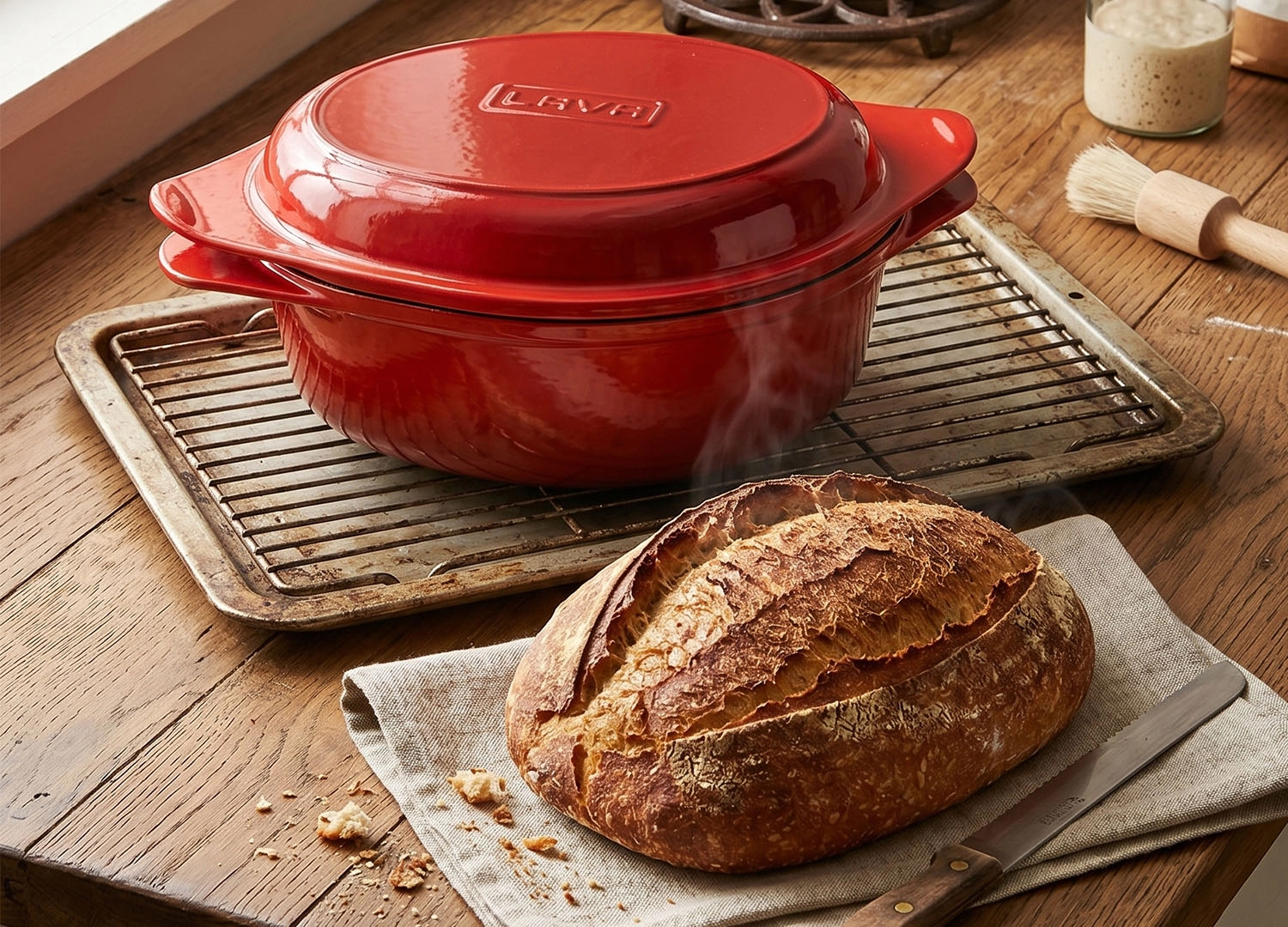
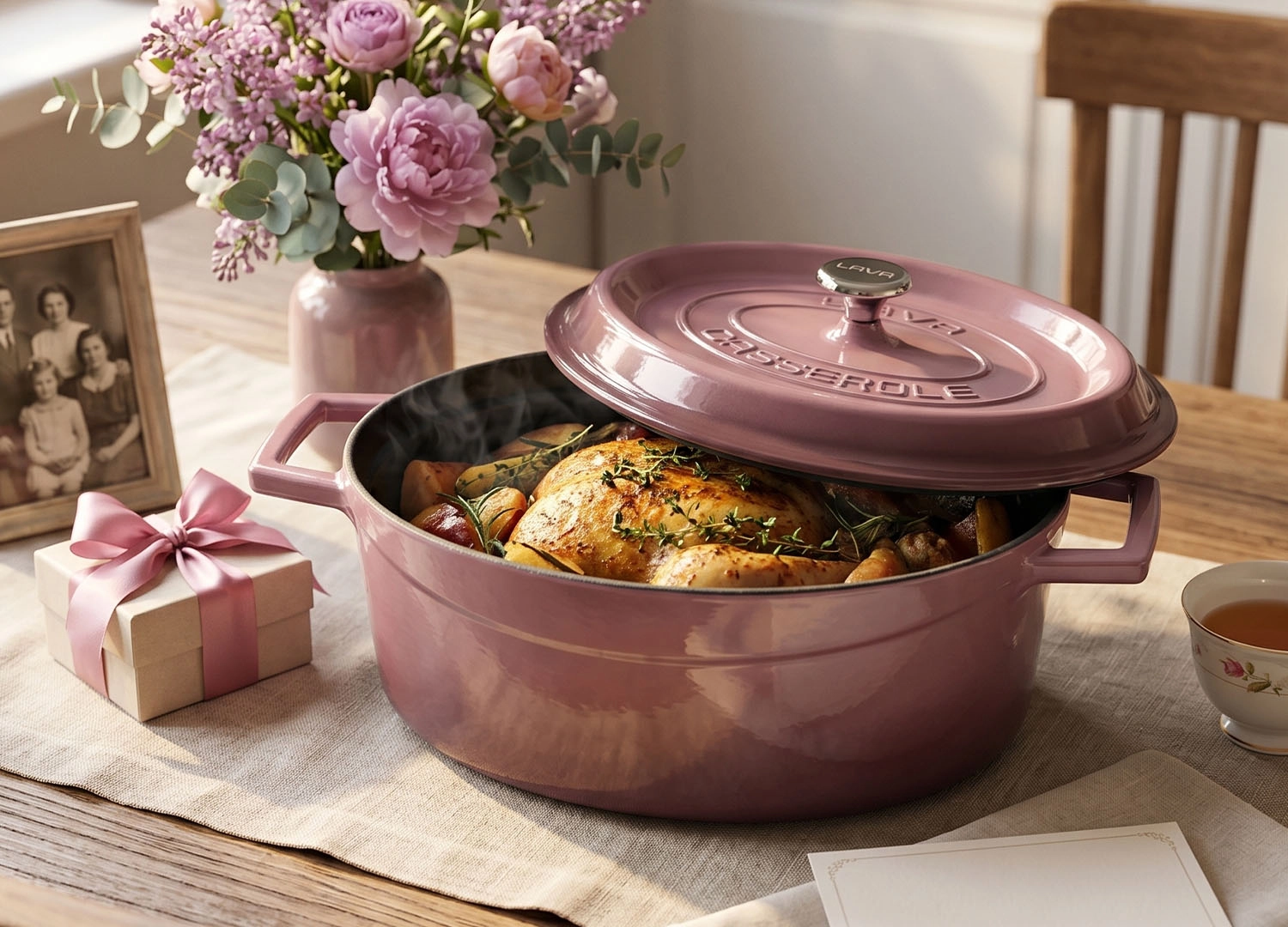
Meals prepared on New Year’s Eve taste even better in cast iron.
LAVA strengthens flavors and enhances the festive presence of the dining table.
For those aiming to build a conscious, eco-friendly kitchen, LAVA is one of the most reliable choices.
Just as Kokina is rooted in traditional craftsmanship, LAVA is produced through the mastery of local engineers and artisans—
making it an even more meaningful New Year gift.
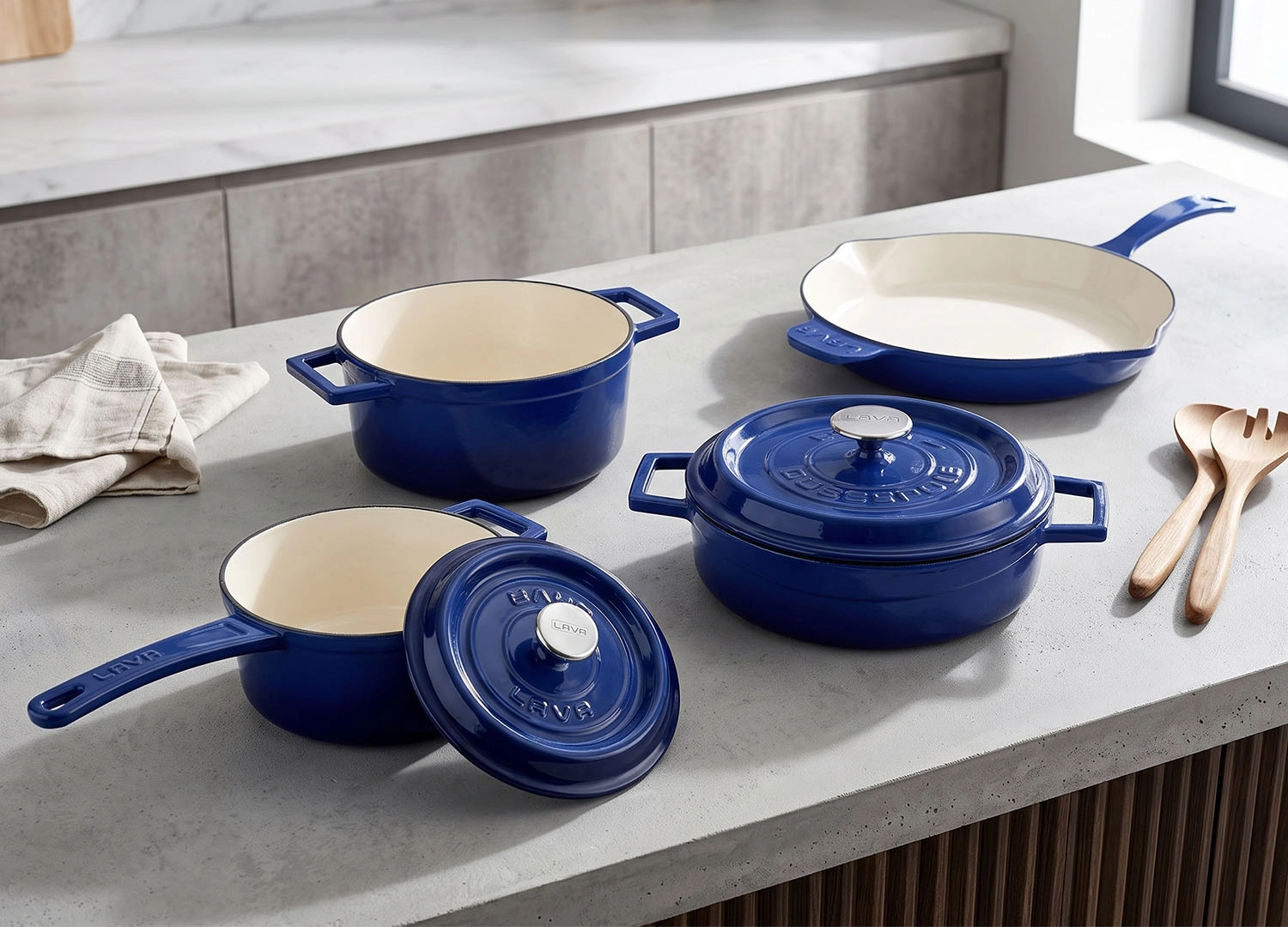
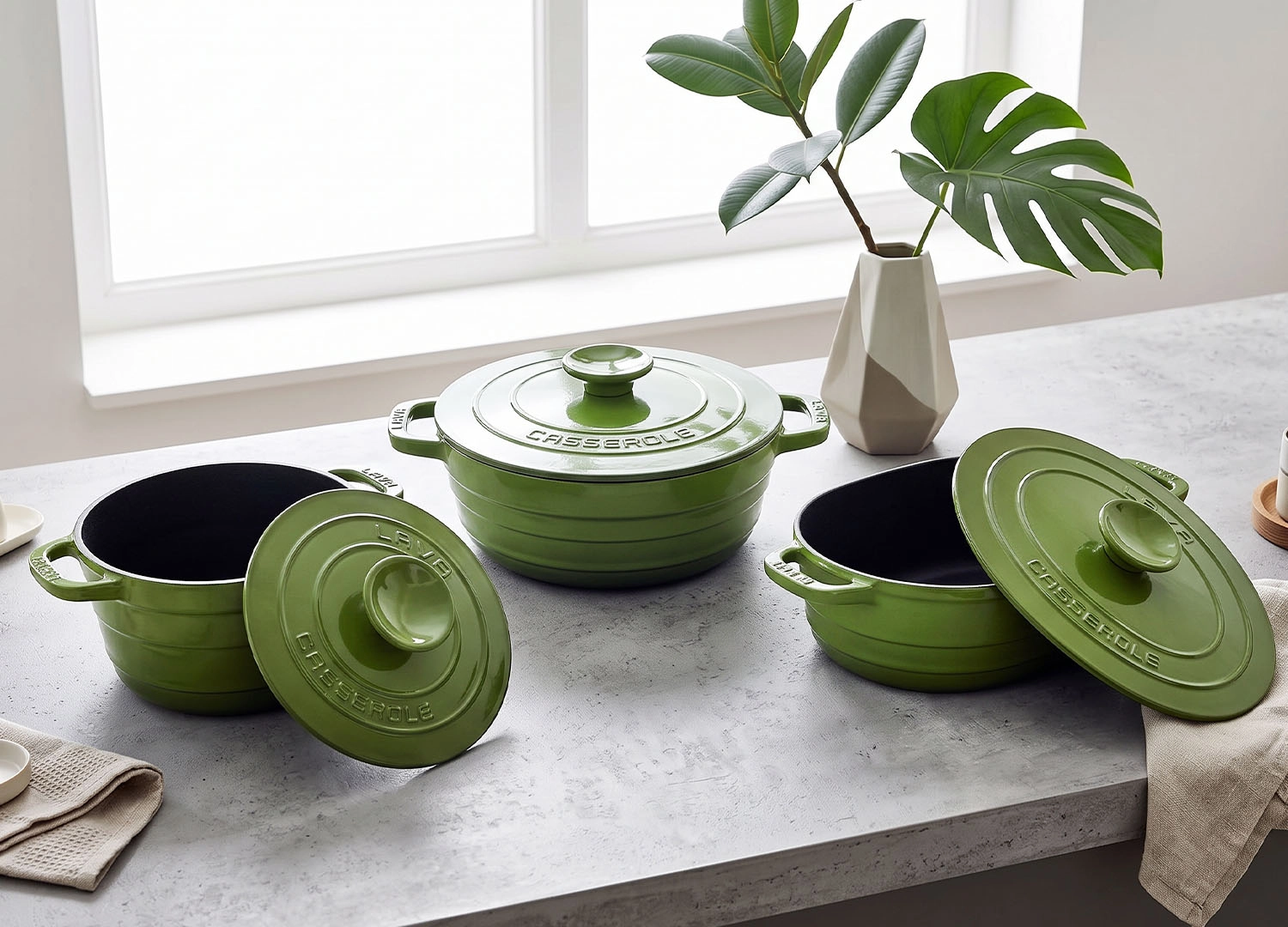
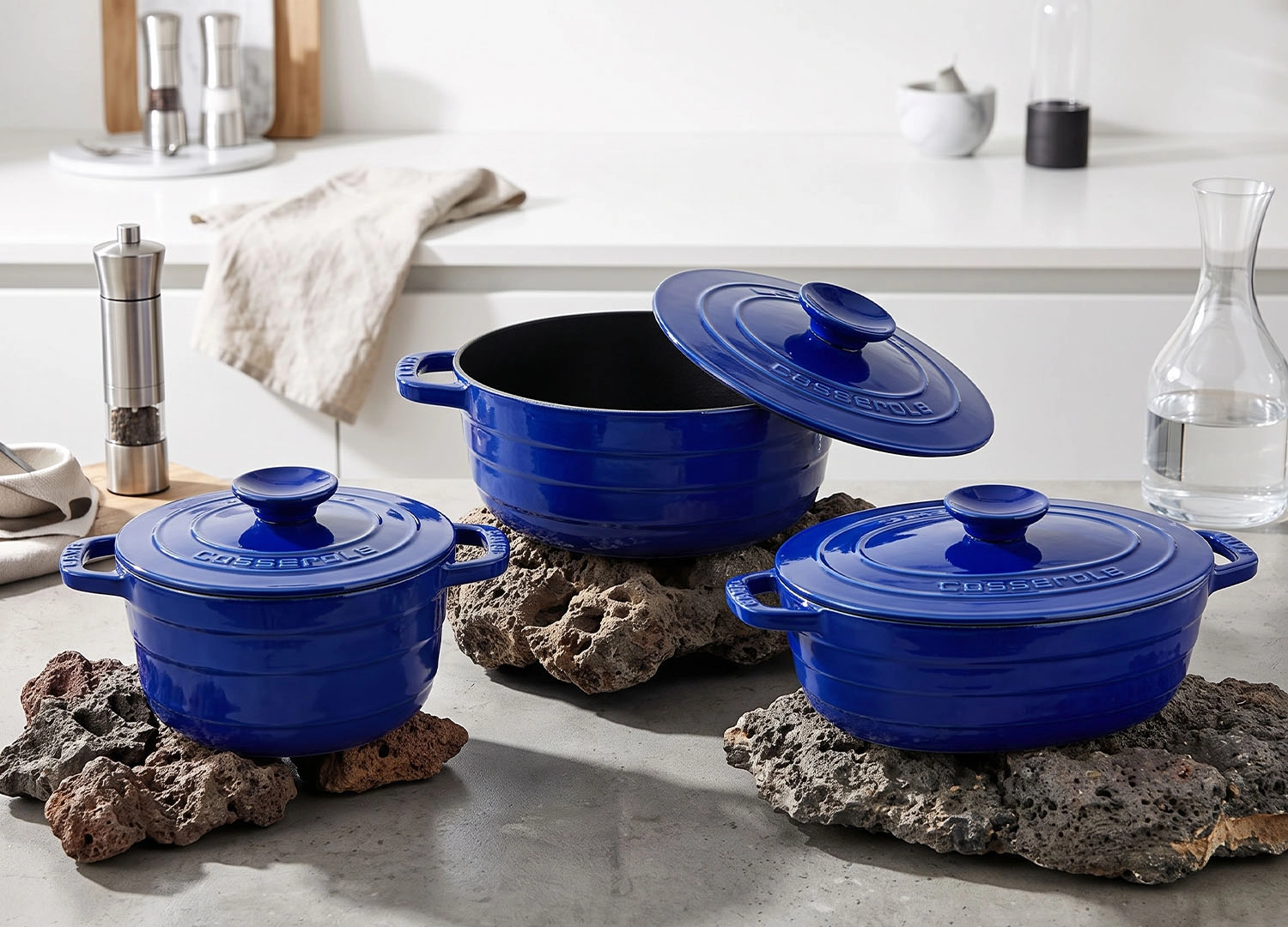
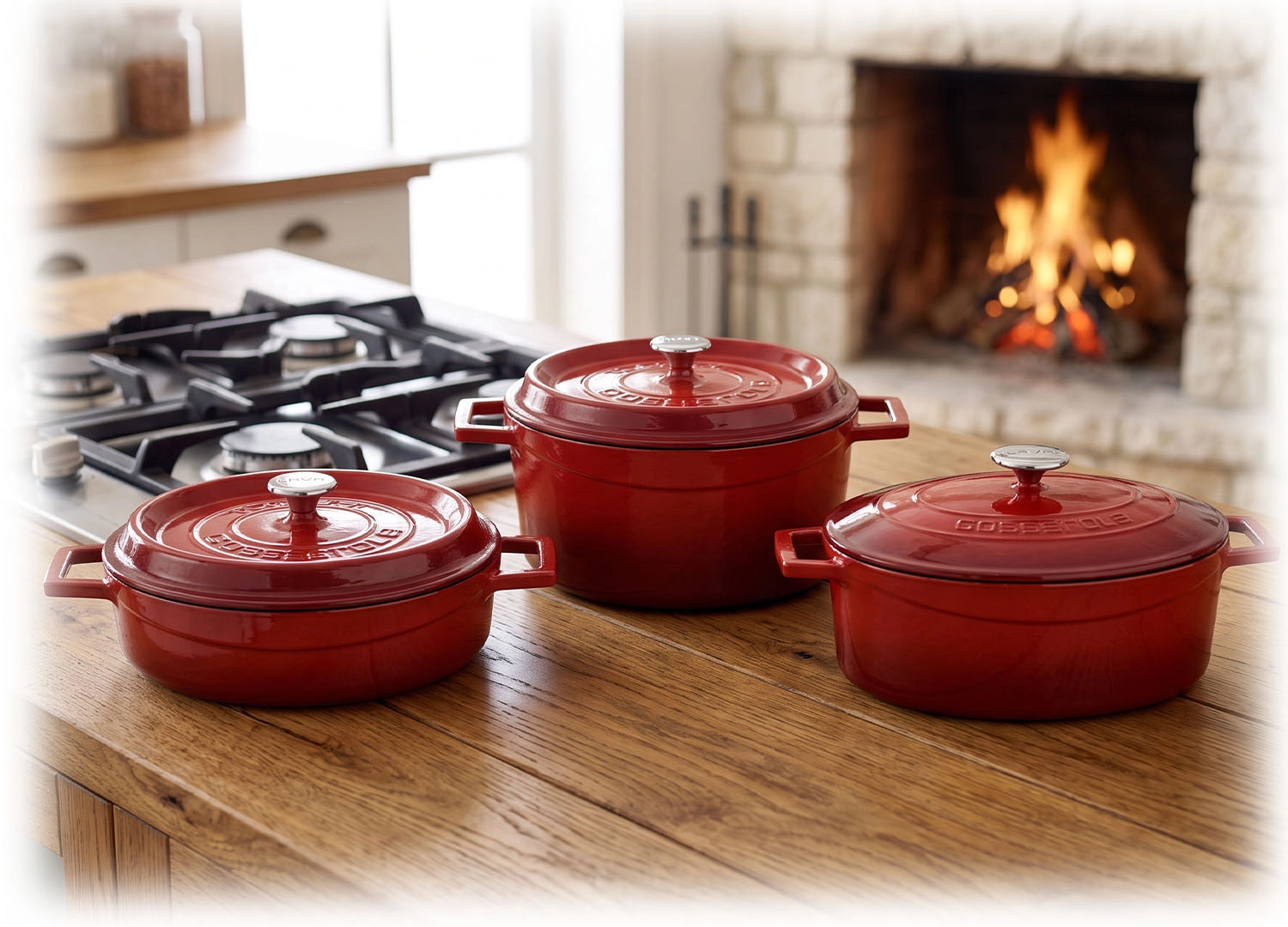
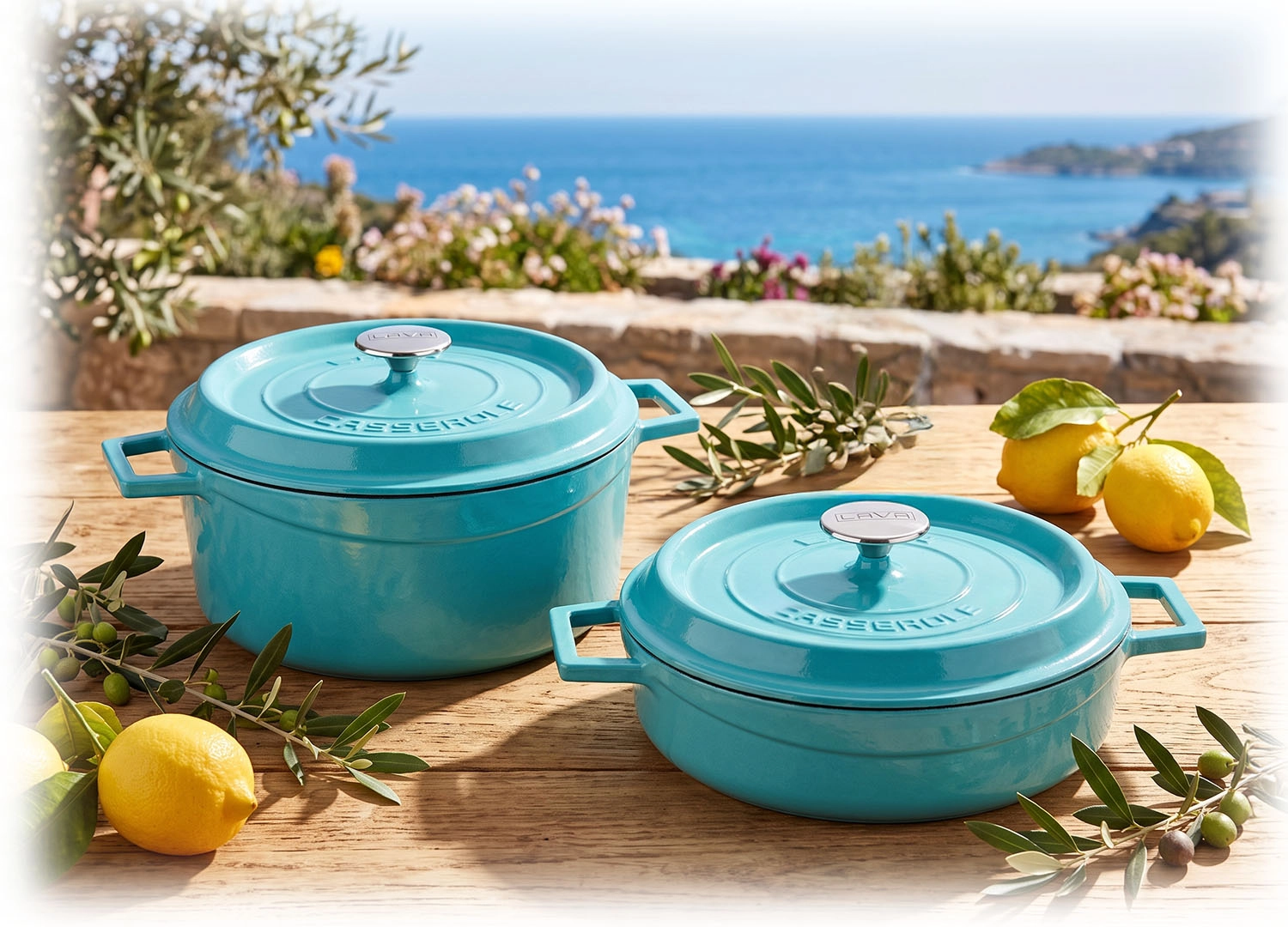
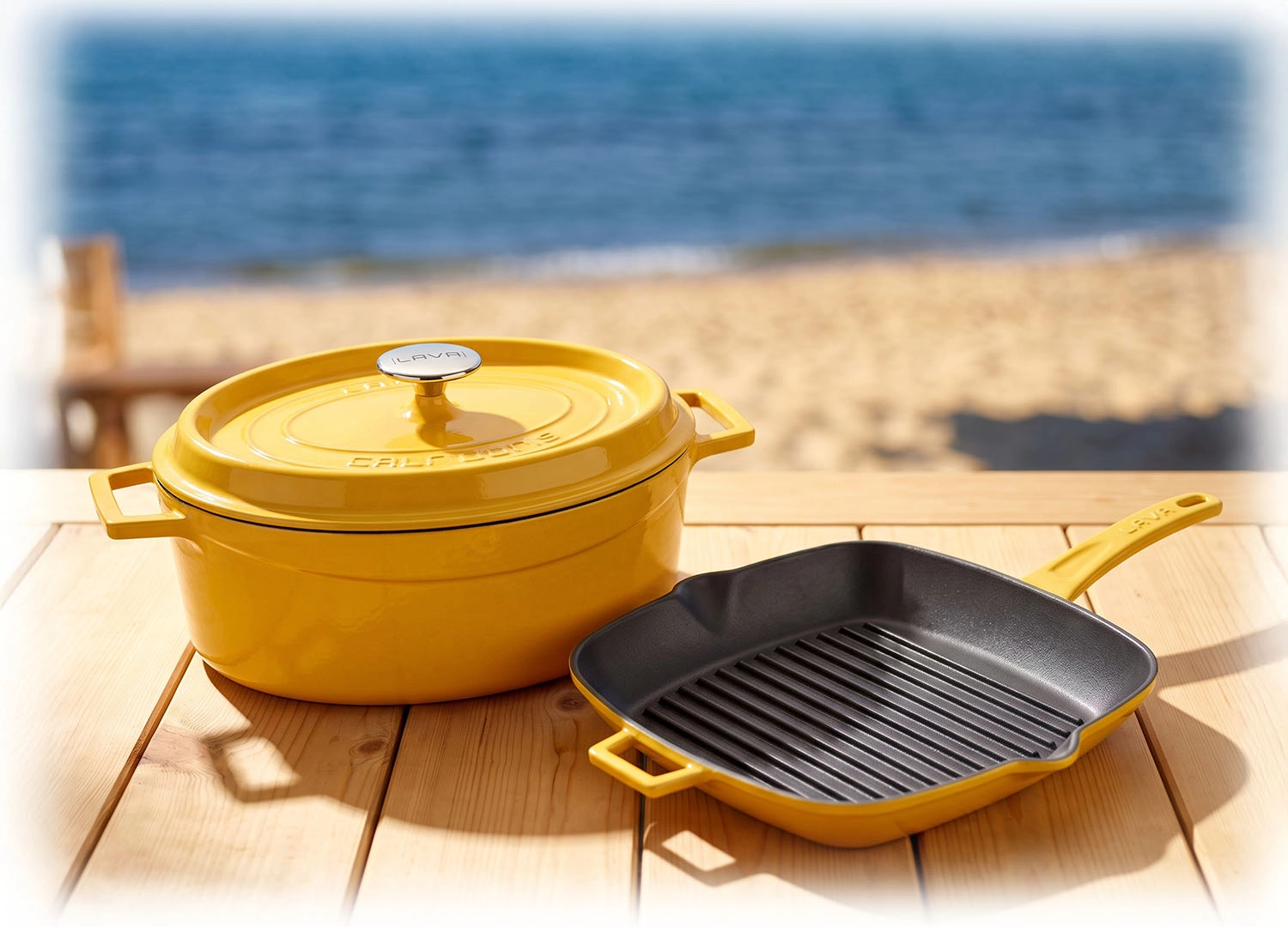
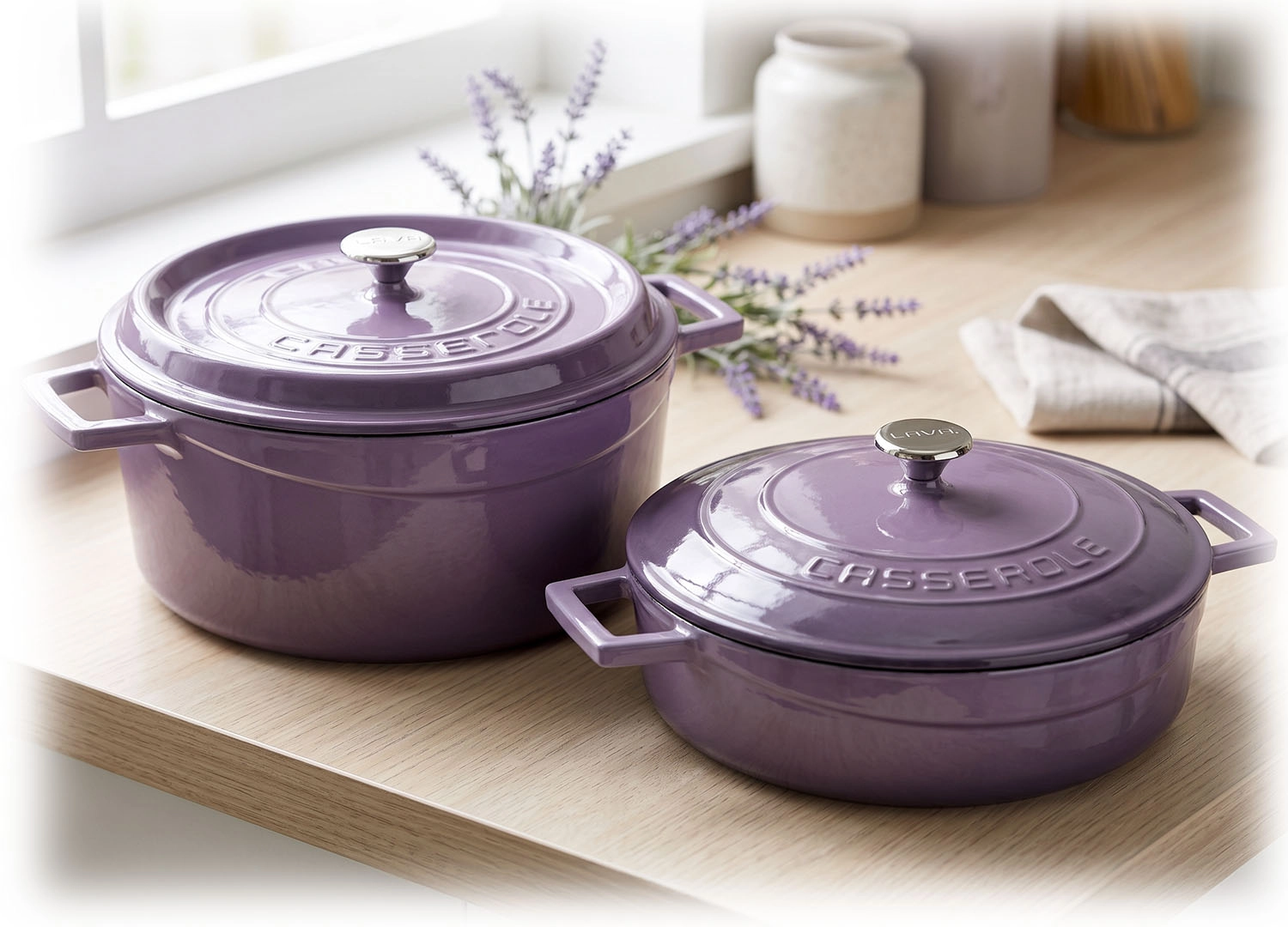
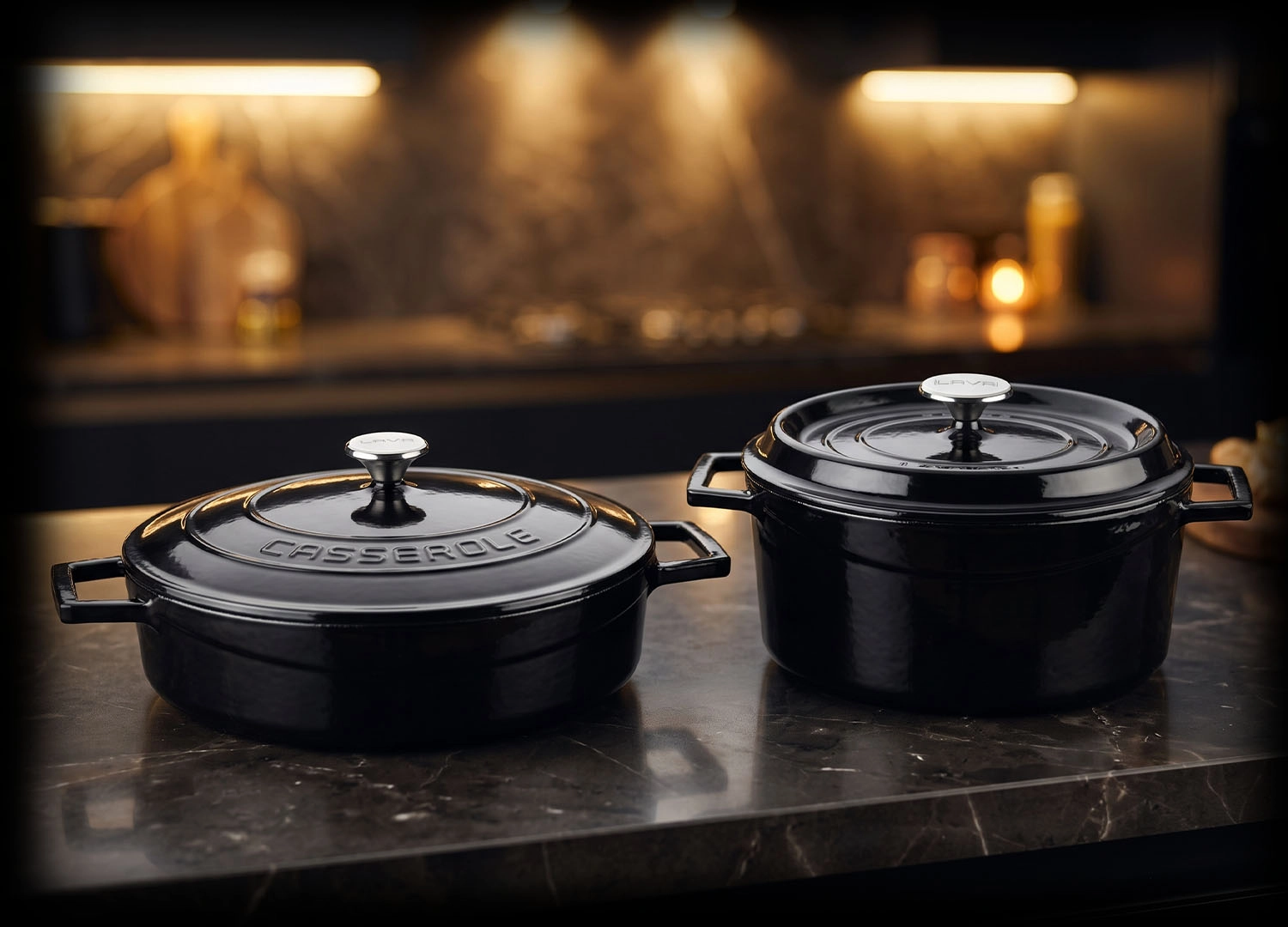
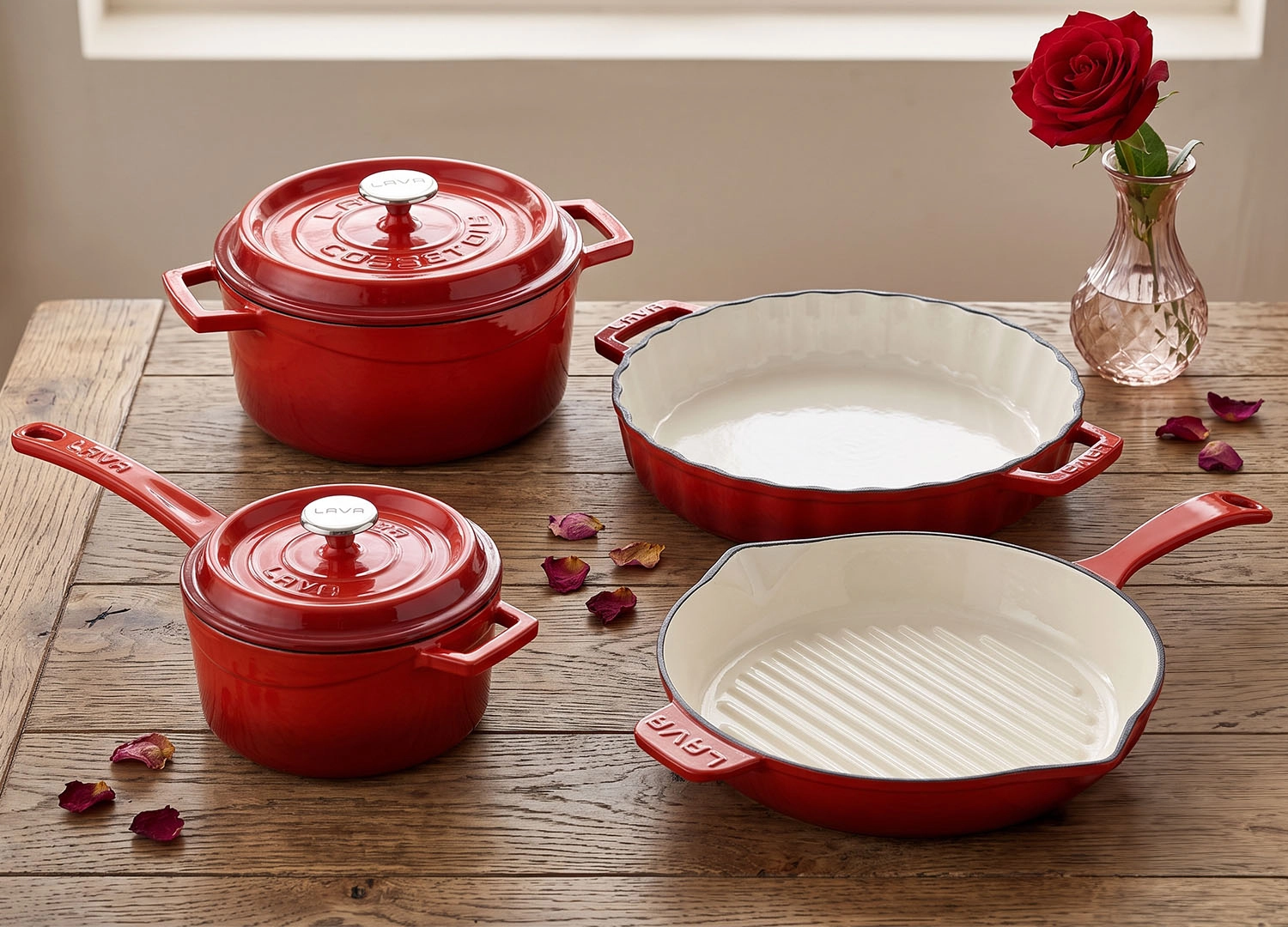
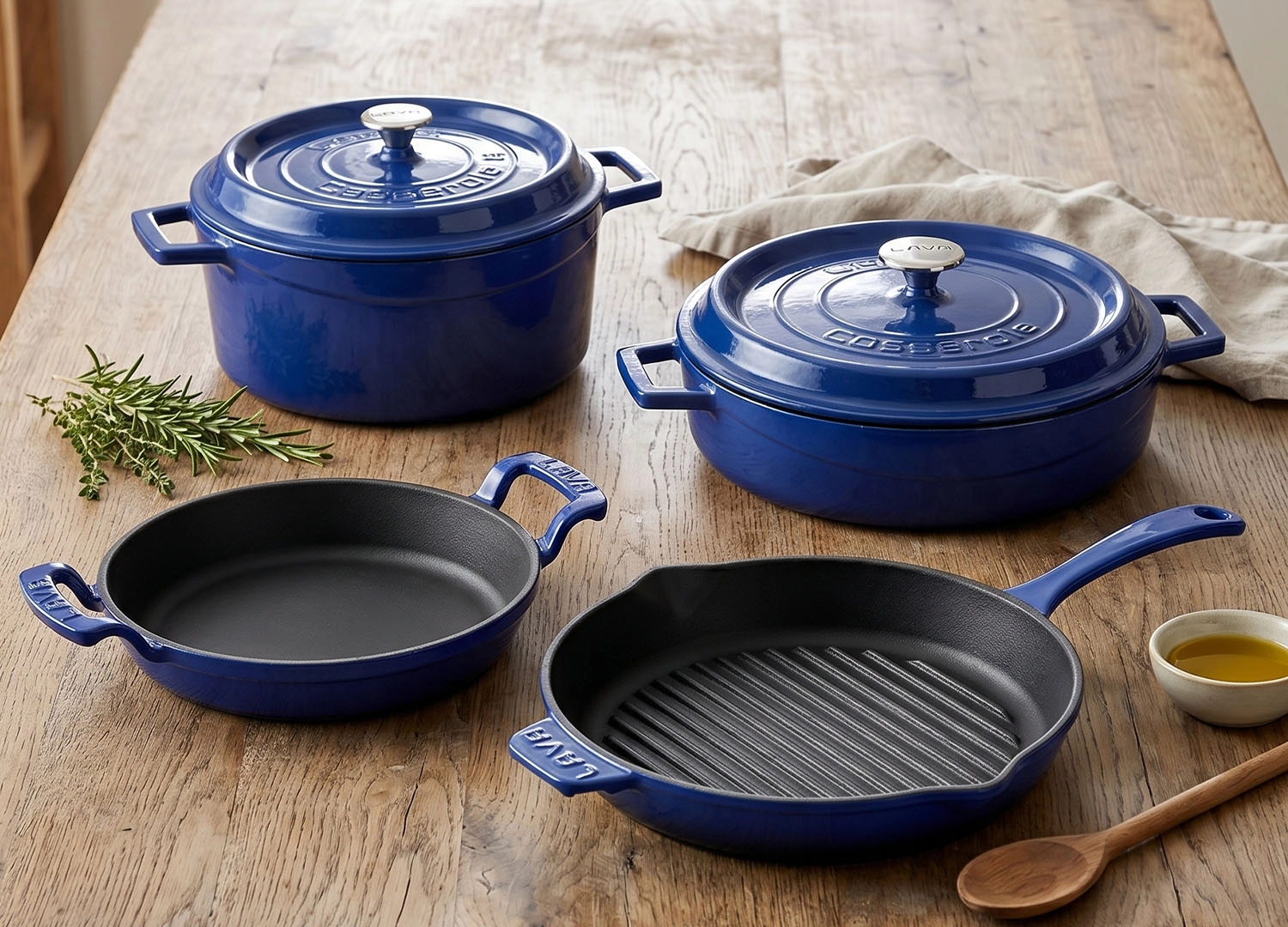
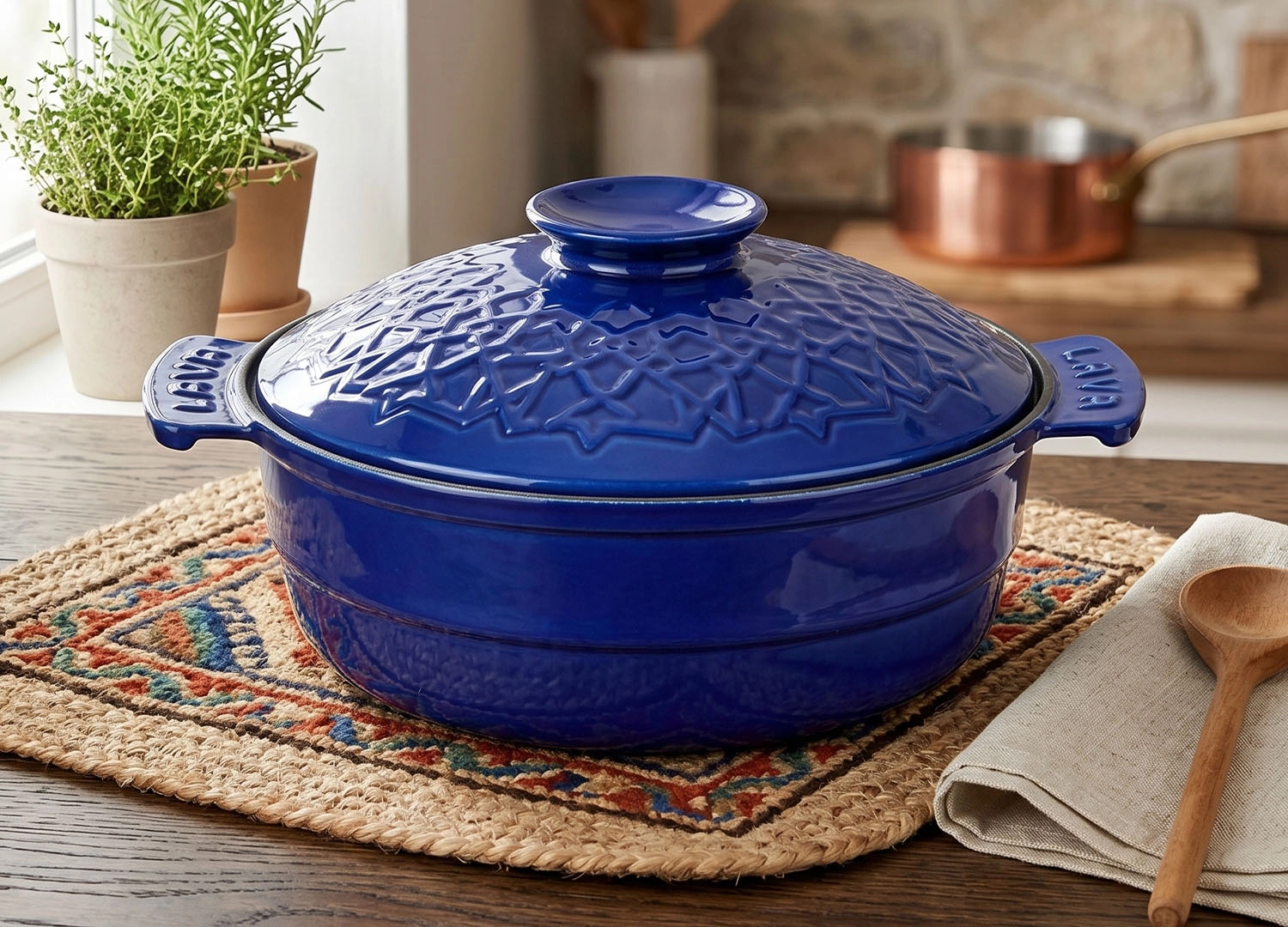
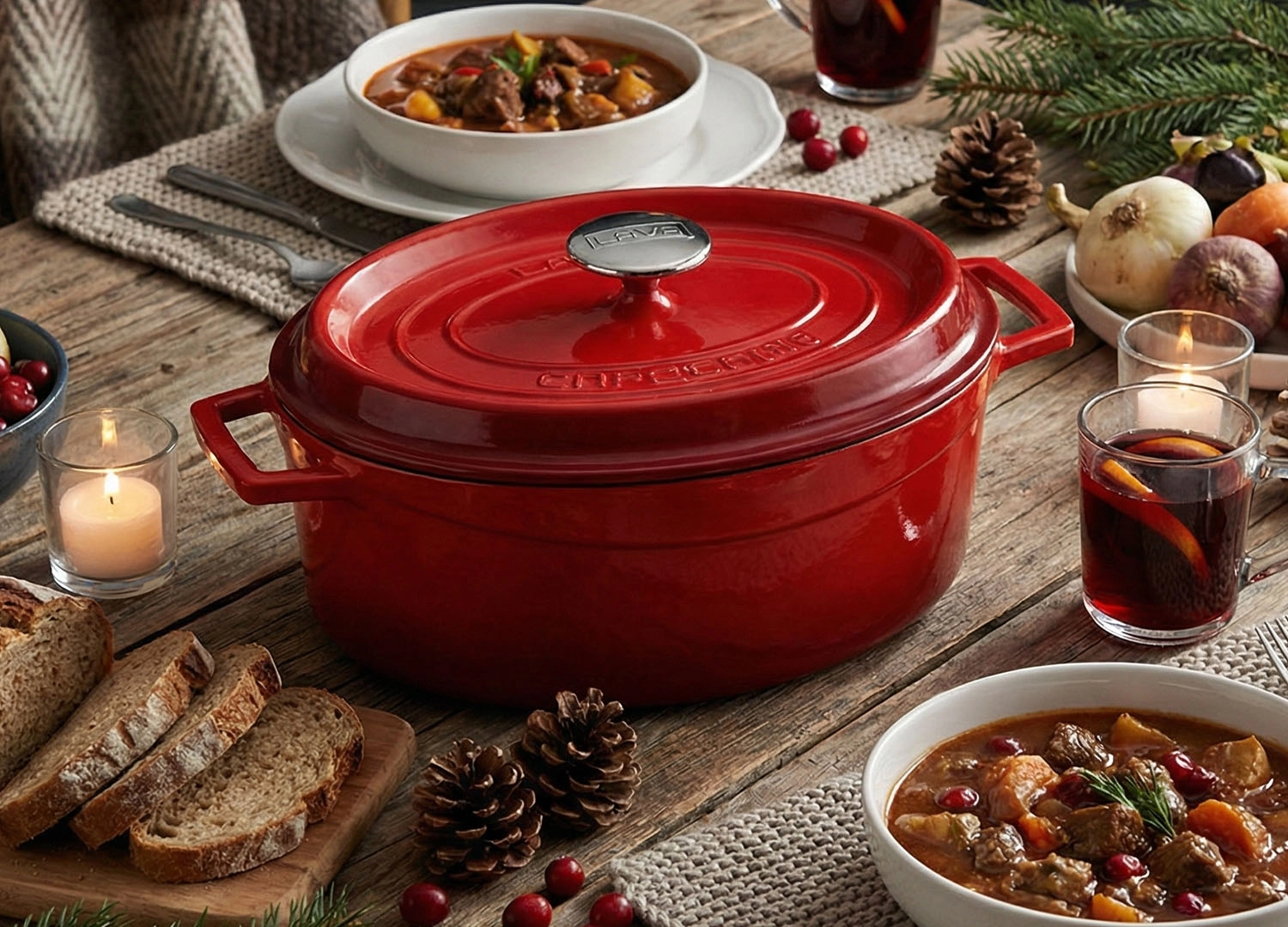
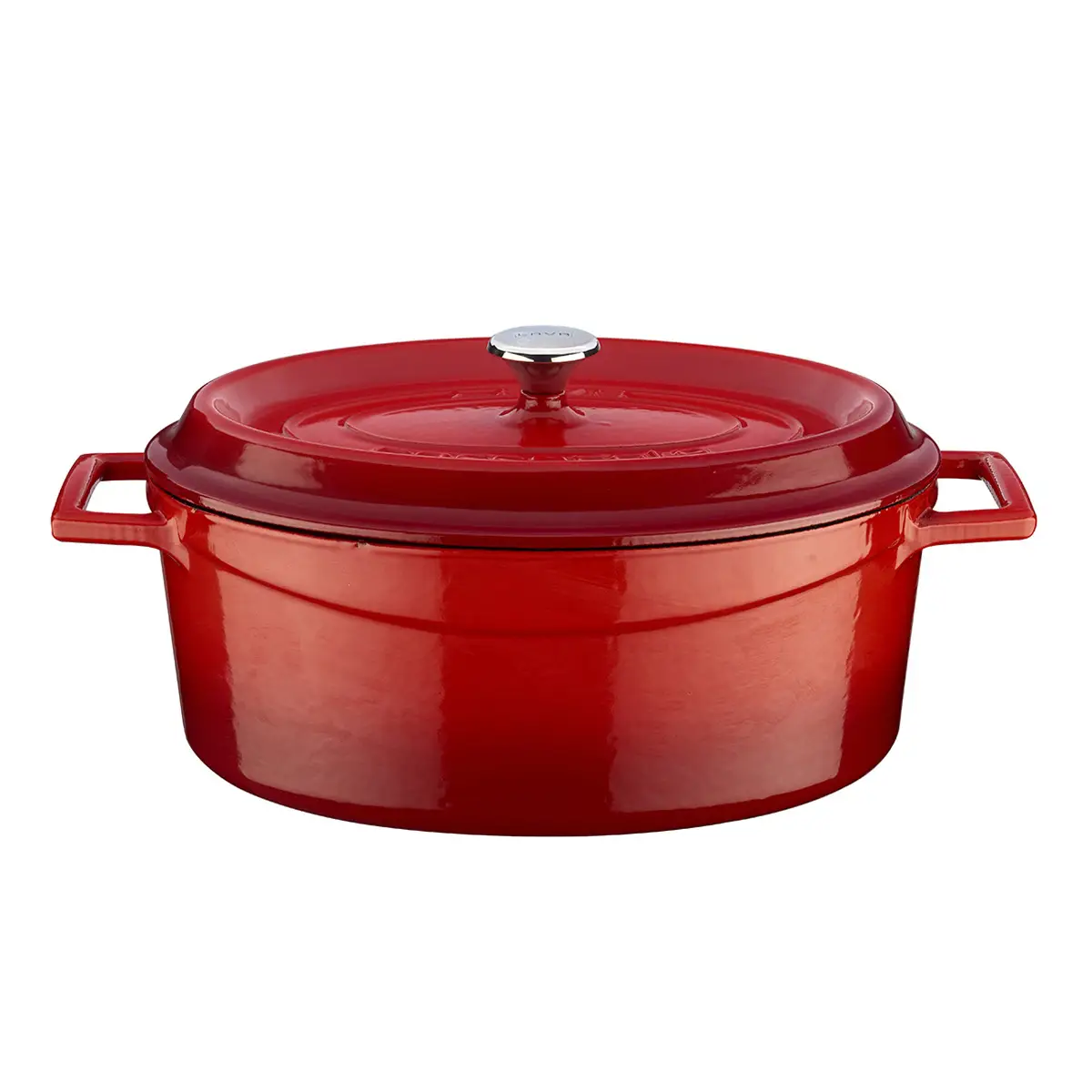
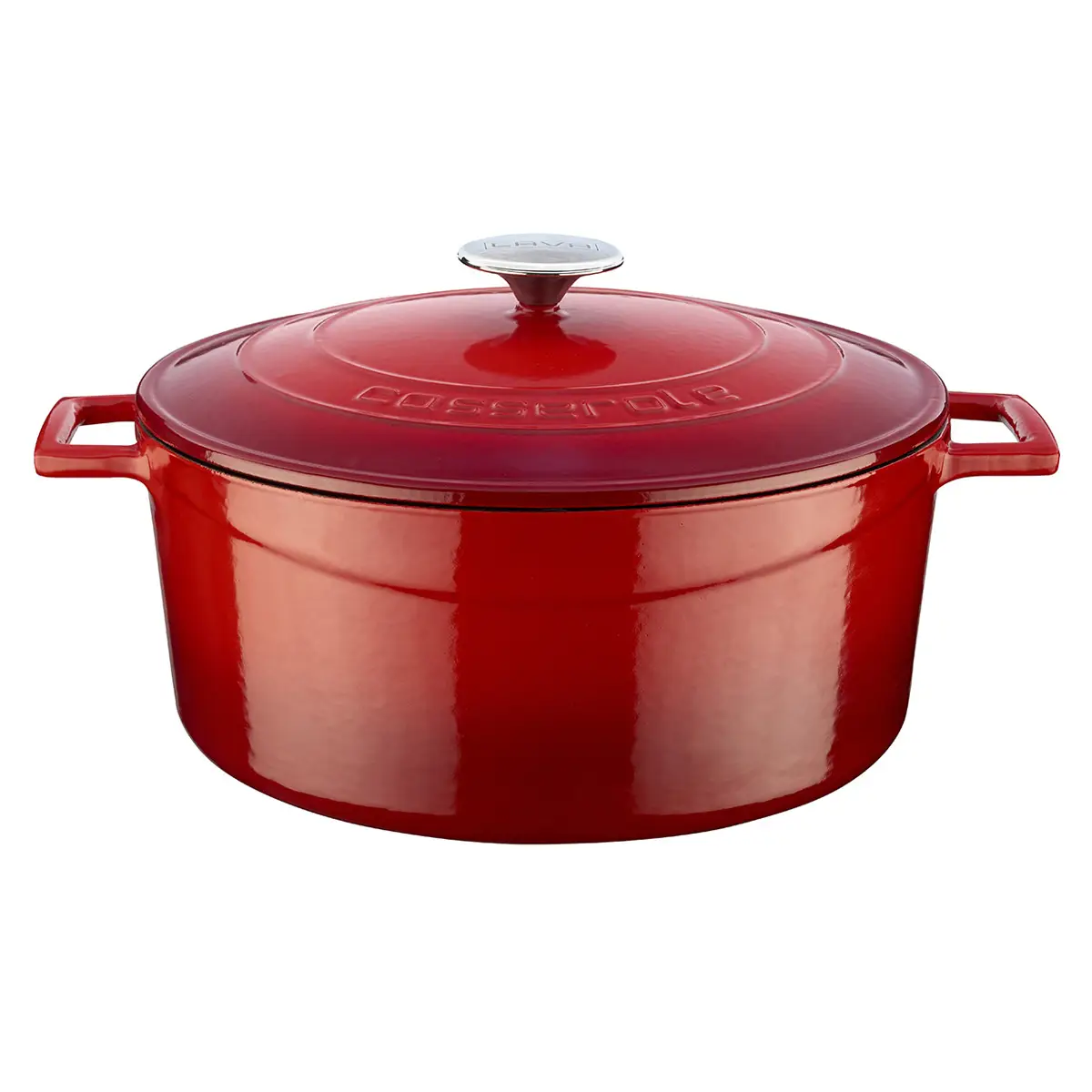
1. LAVA Cast Iron Pot
A classic that endures—ideal for both home cooks and professionals.
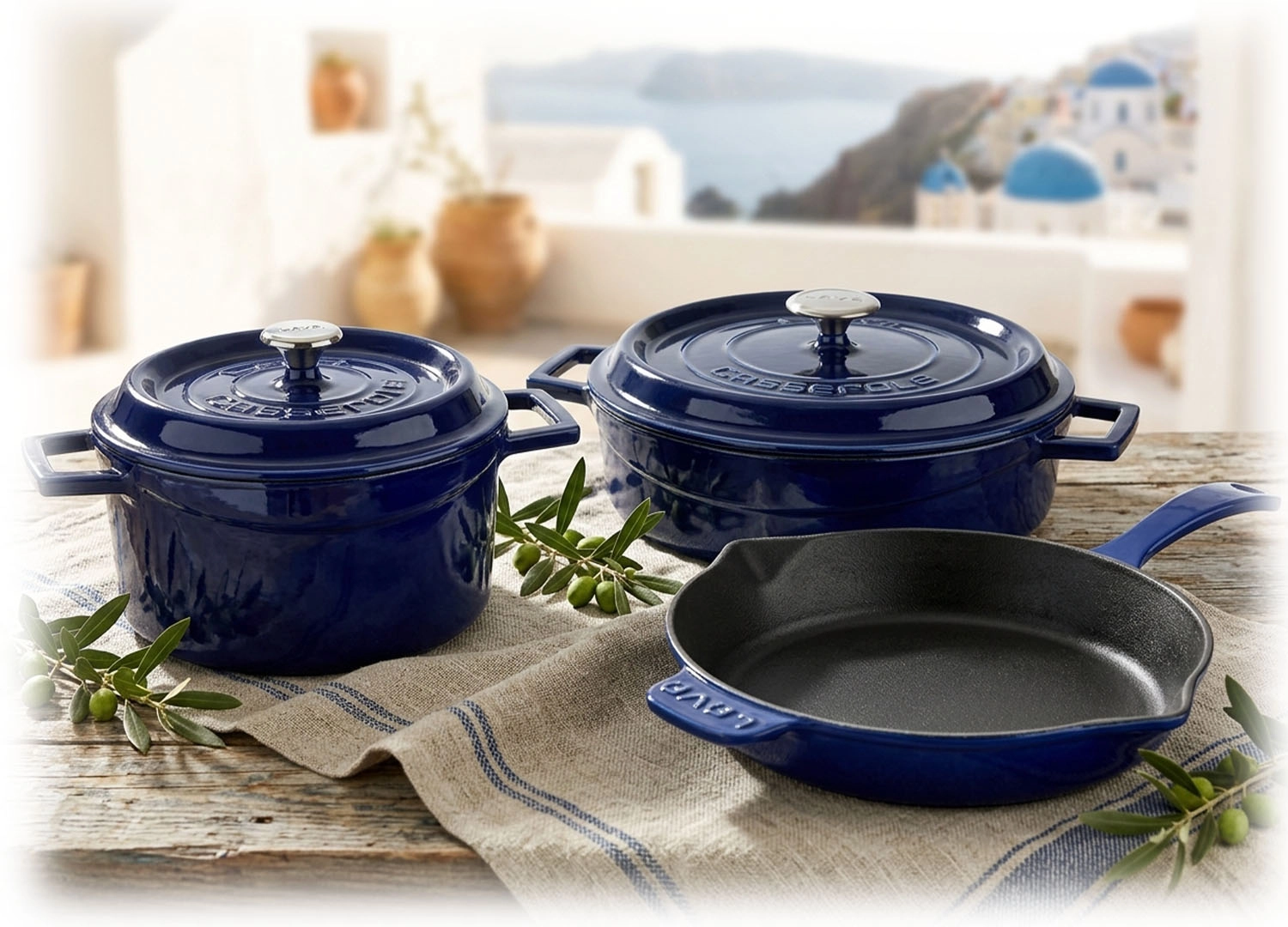
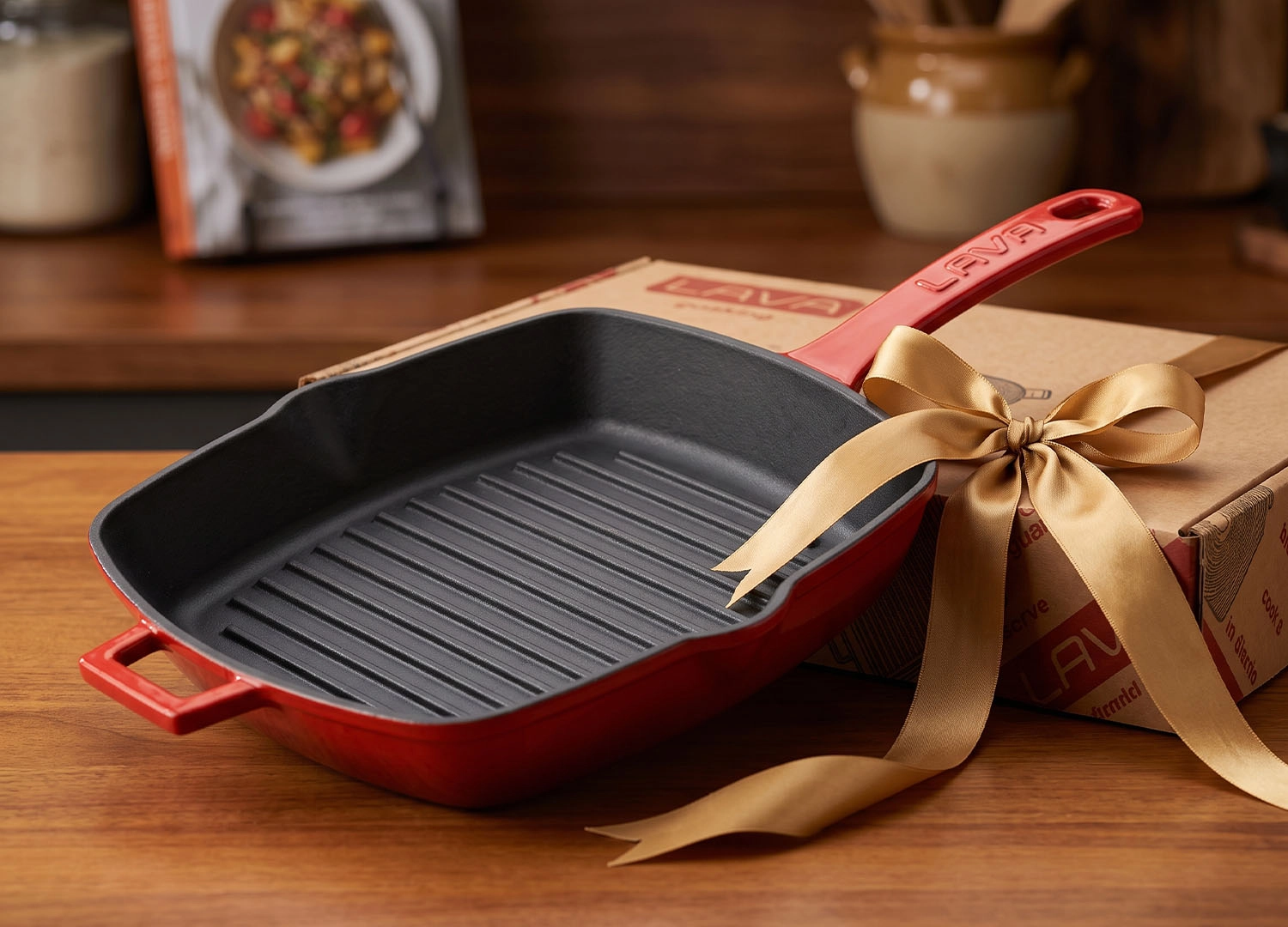
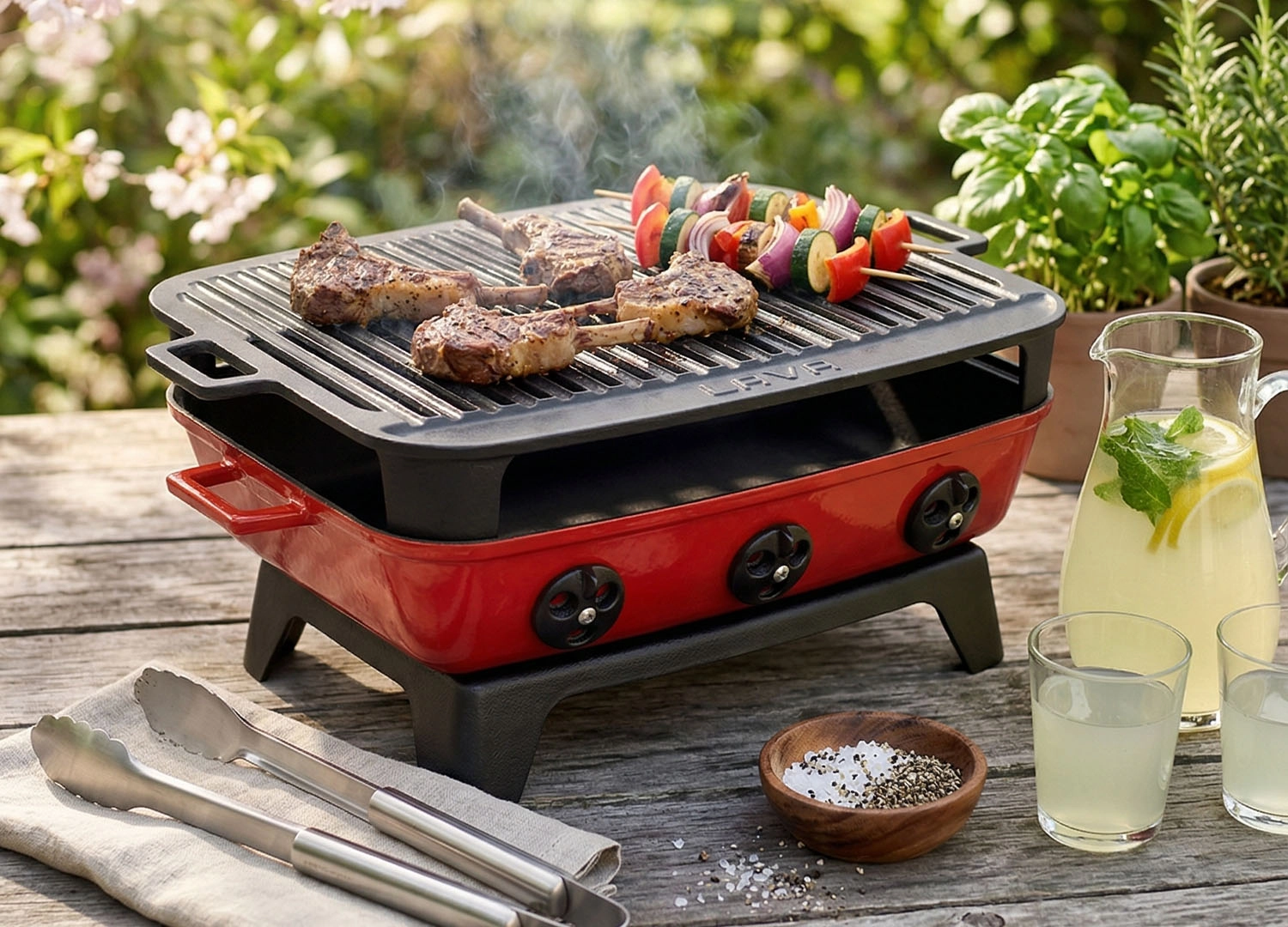
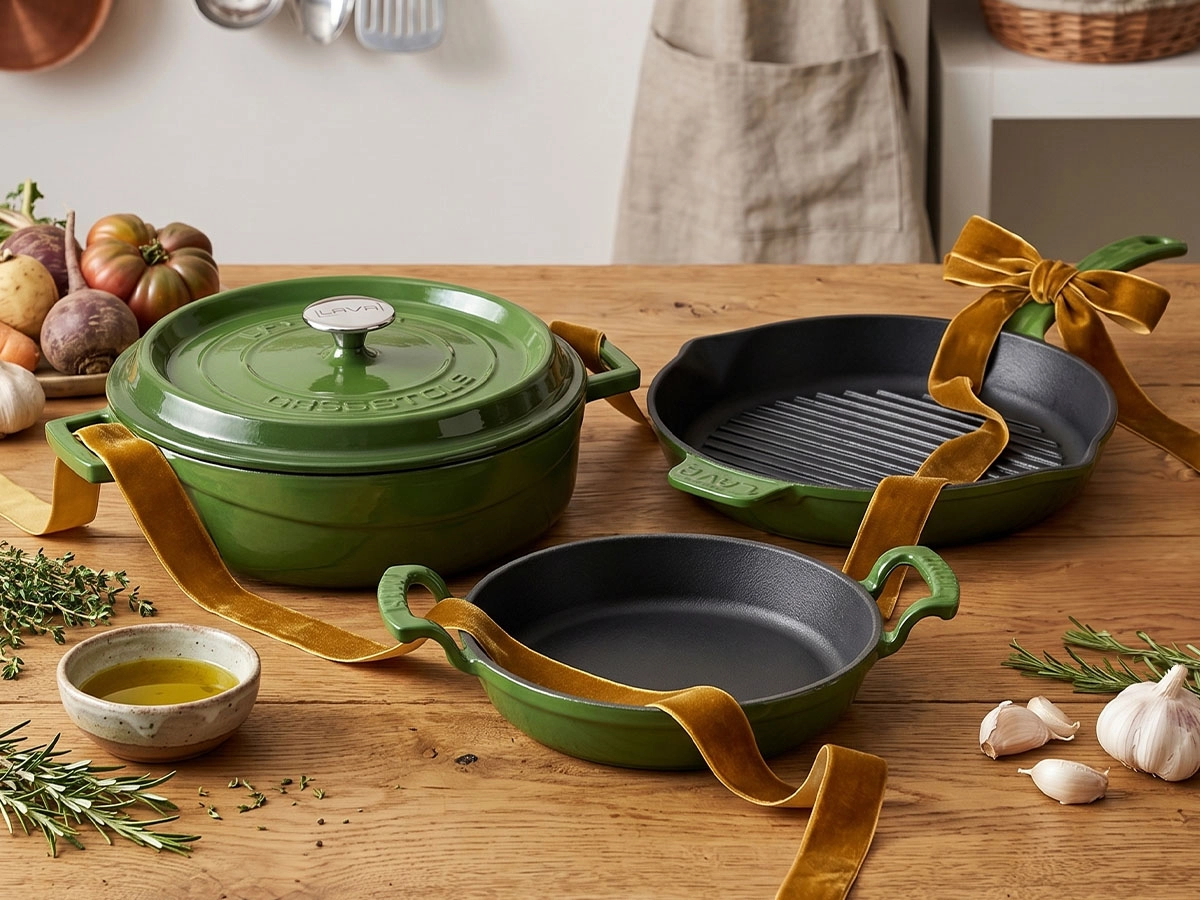
2. Cast Iron Grill Pan
A stylish and healthy option for lovers of grilled dishes.
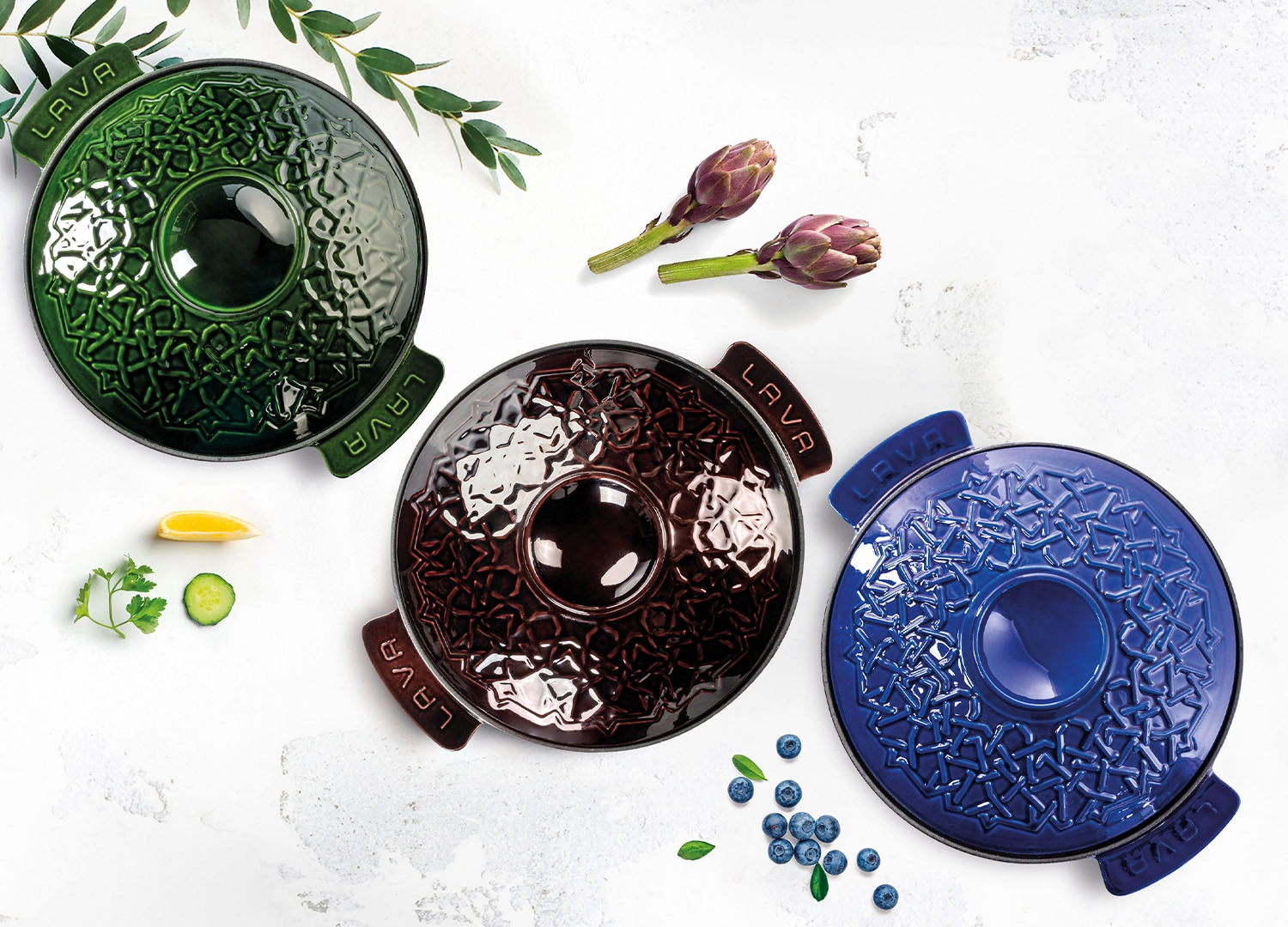
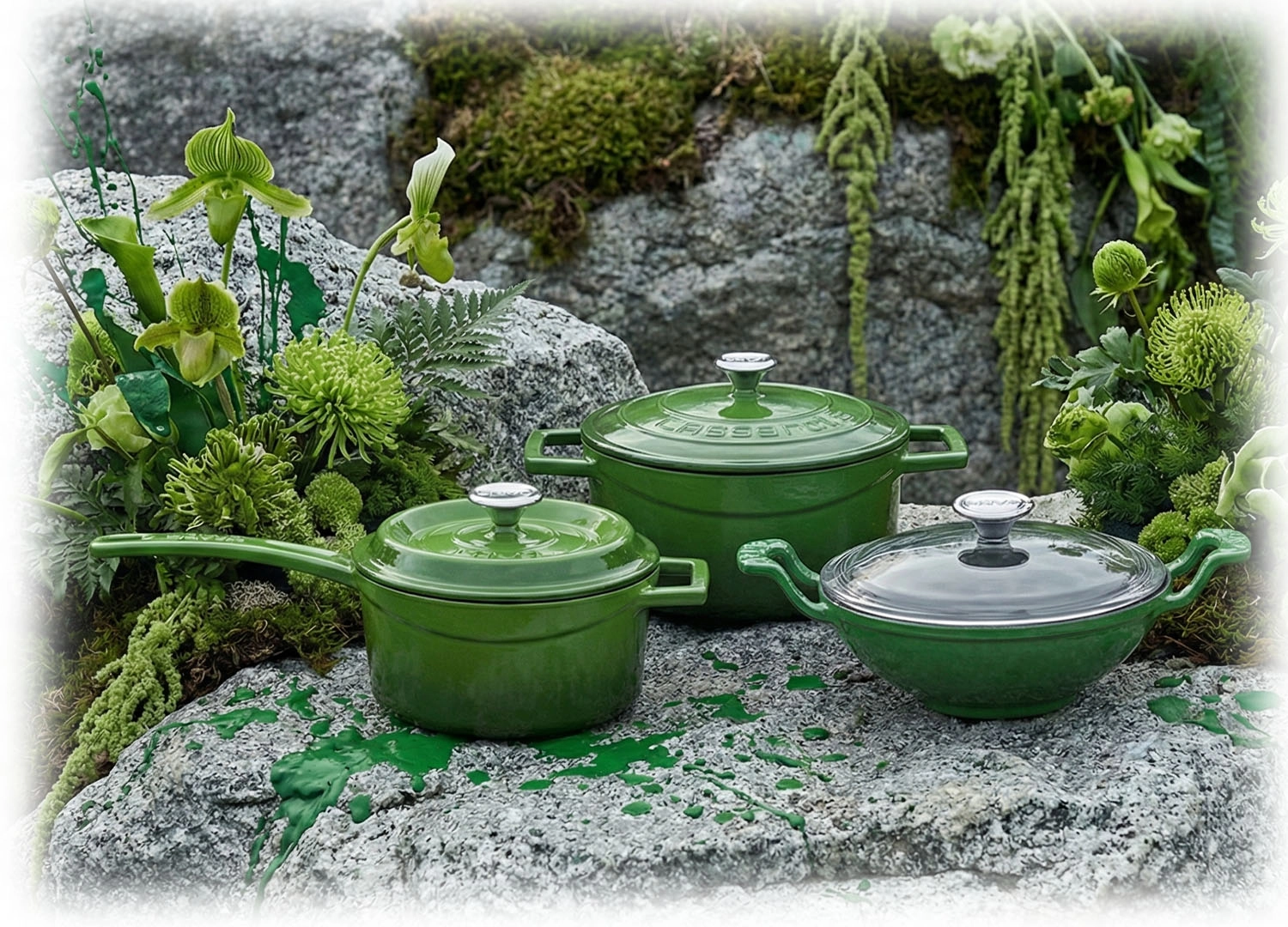
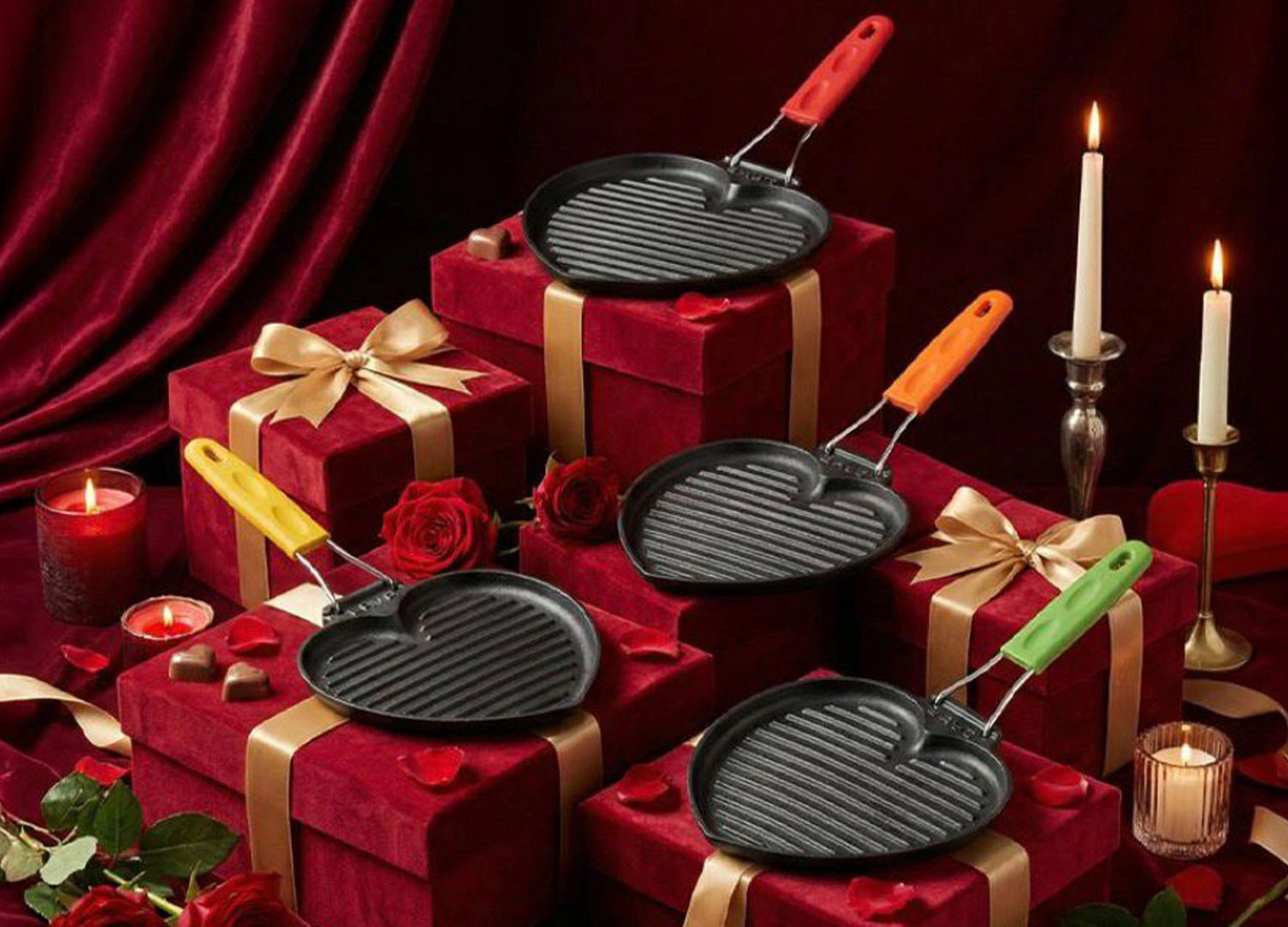
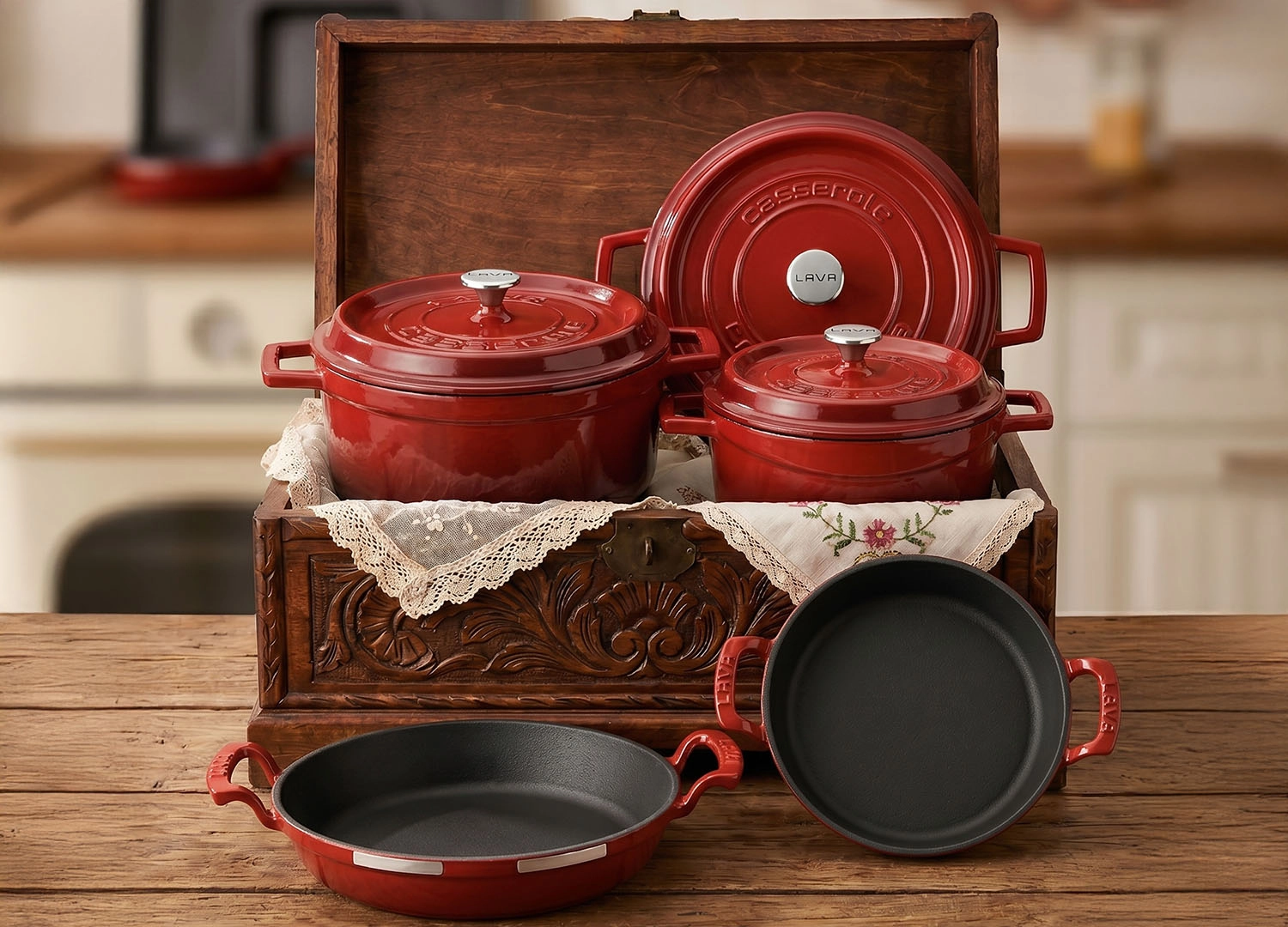
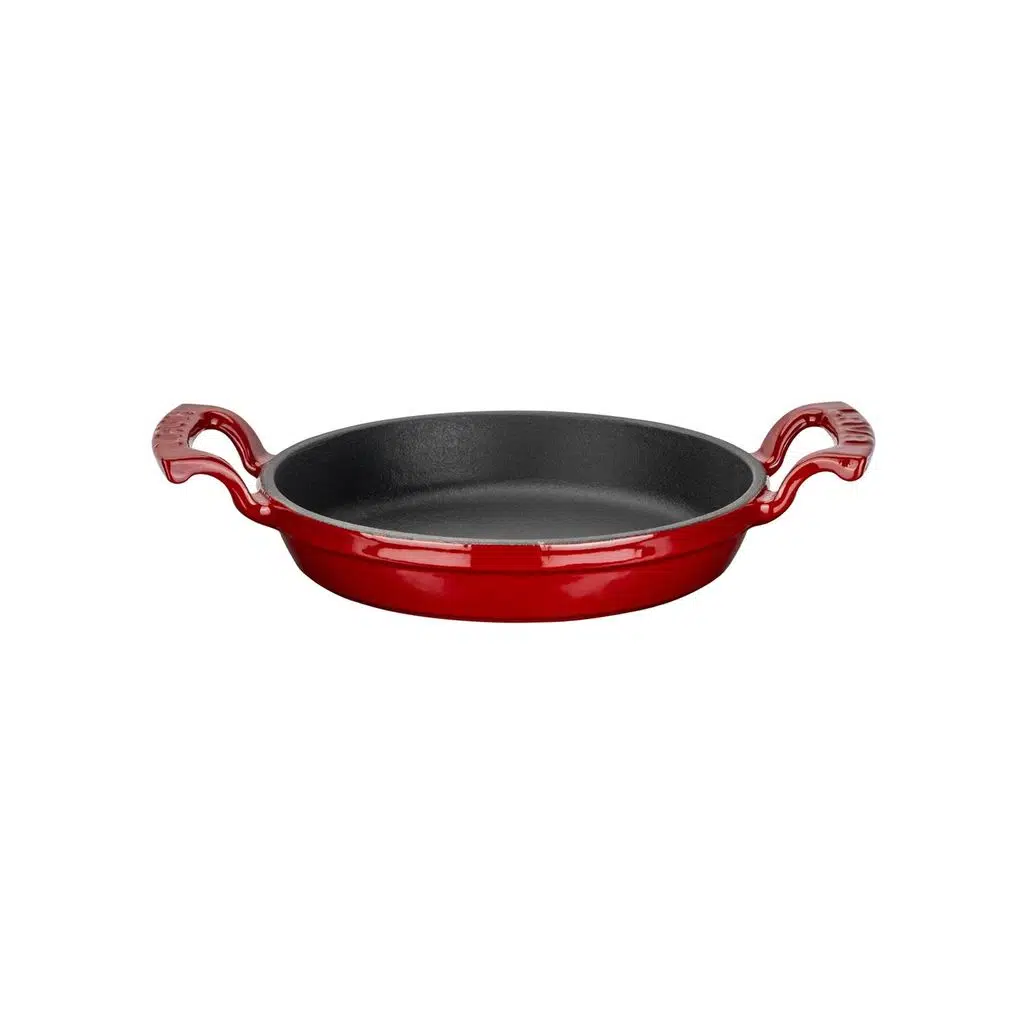
3. Mini Cast Iron Collection
Perfect for stylish presentations and special servings.
4. LAVA Sahan Sets
The star of breakfast tables.
LAVA Represents the Gift That Lasts**
Kokina is more than a decorative plant—
it embodies the hopes, wishes, and emotional energy of the New Year.
Within Christmas Market traditions and Türkiye’s New Year culture, Kokina holds a special place.
As a New Year gift, Kokina is meaningful and symbolic;
LAVA, on the other hand, is lasting, functional, and emotional.
New Year is a time to bring beauty to our homes, tables, and our loved ones.
Uniting the refreshing spirit of Kokina with the timeless durability of LAVA transforms a simple gift into a cherished tradition.
And remember:
“New Year tables feel warmer with LAVA; gifts become more meaningful.”
03.12.2025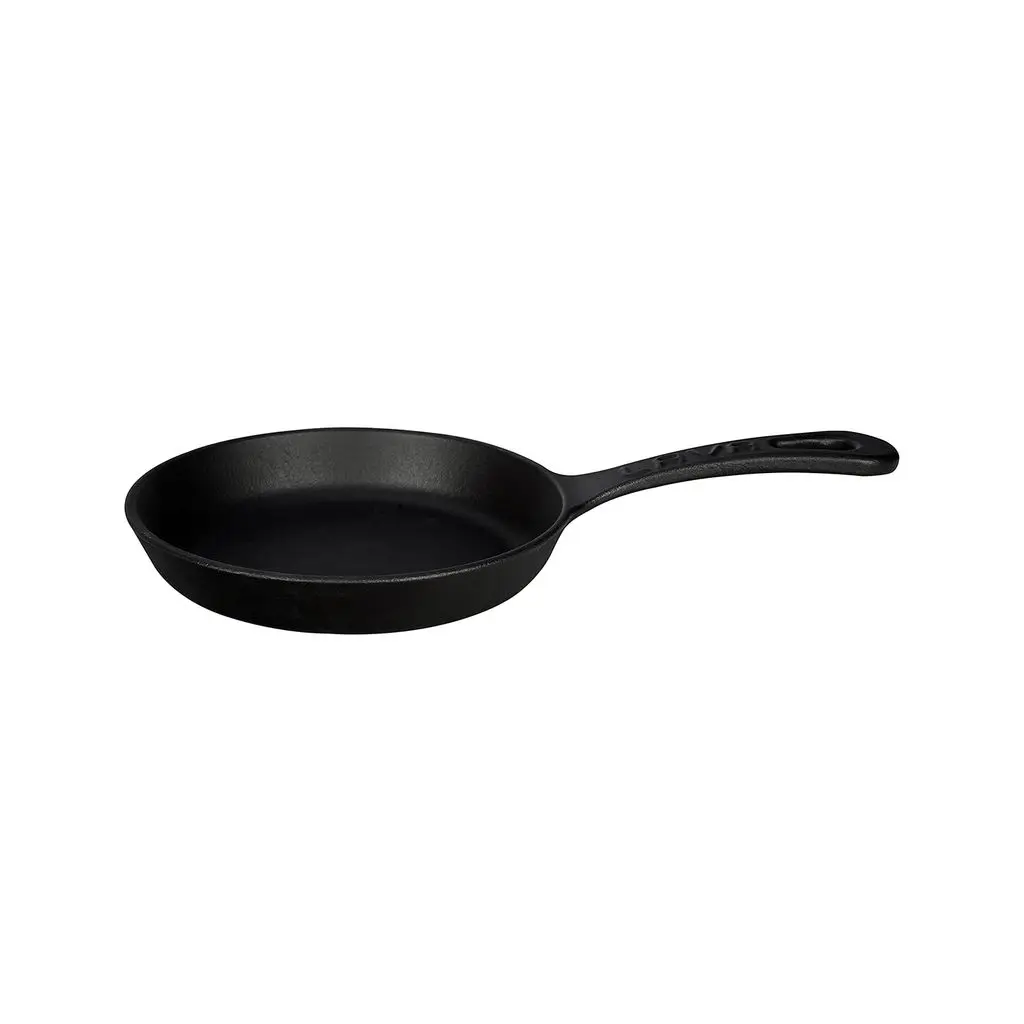
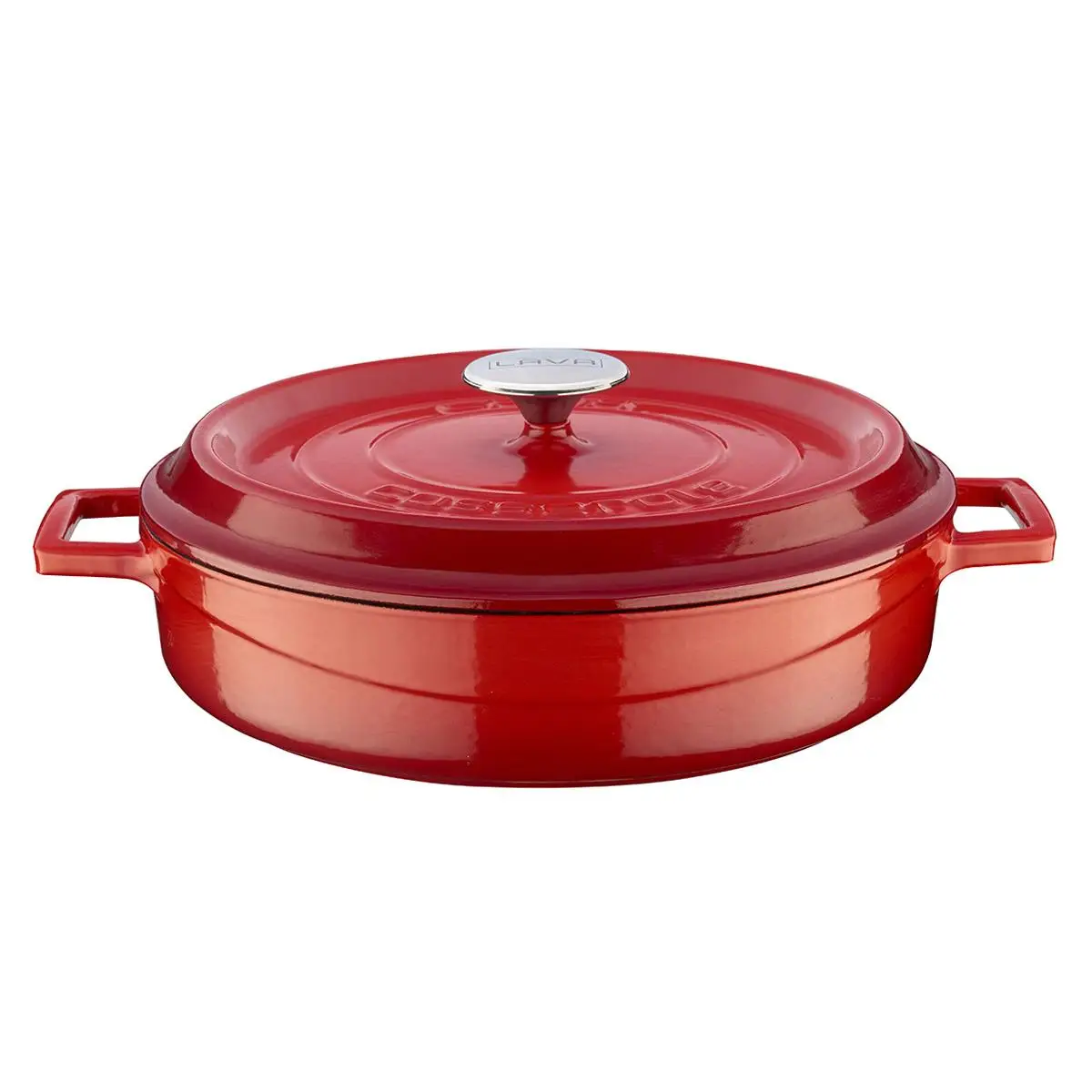
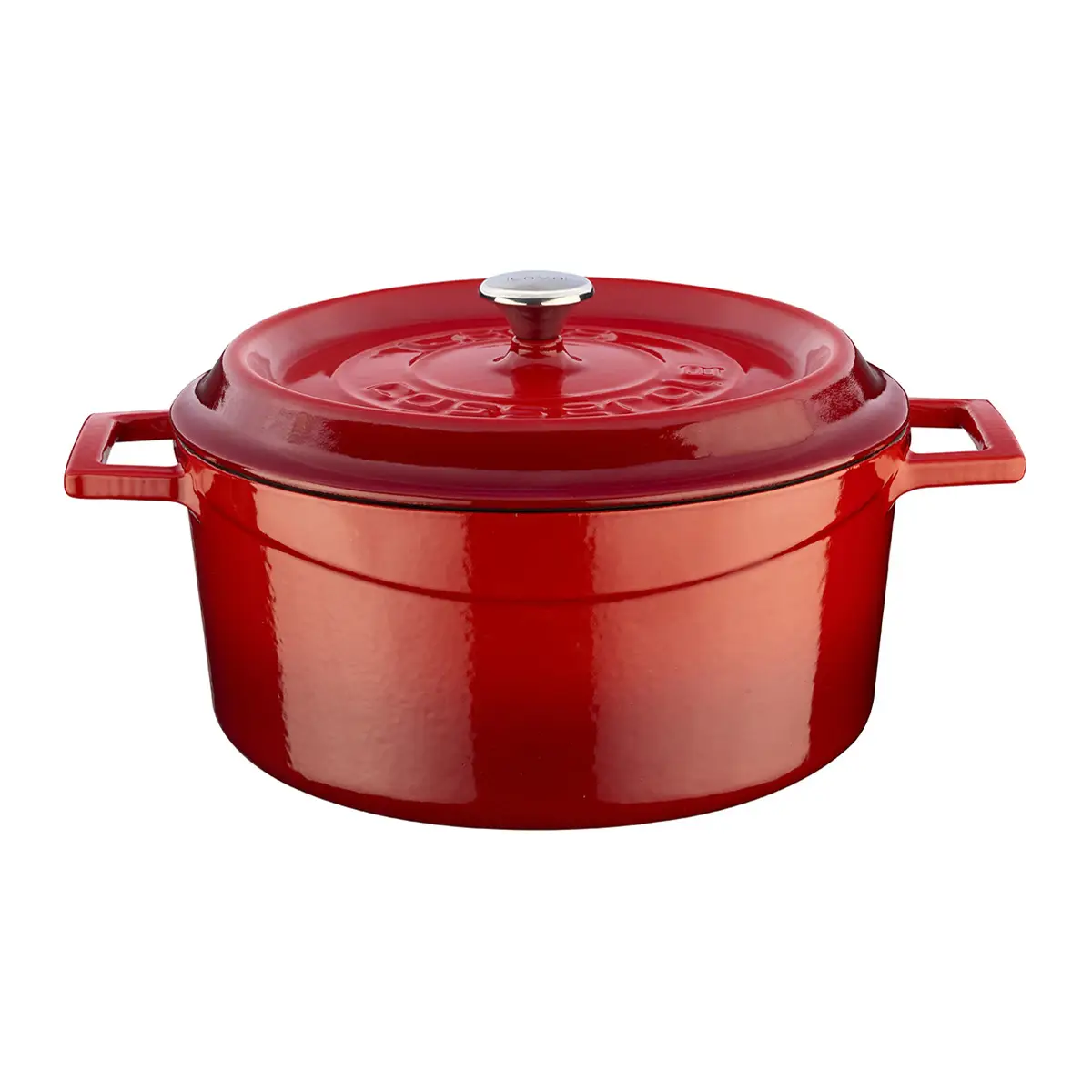
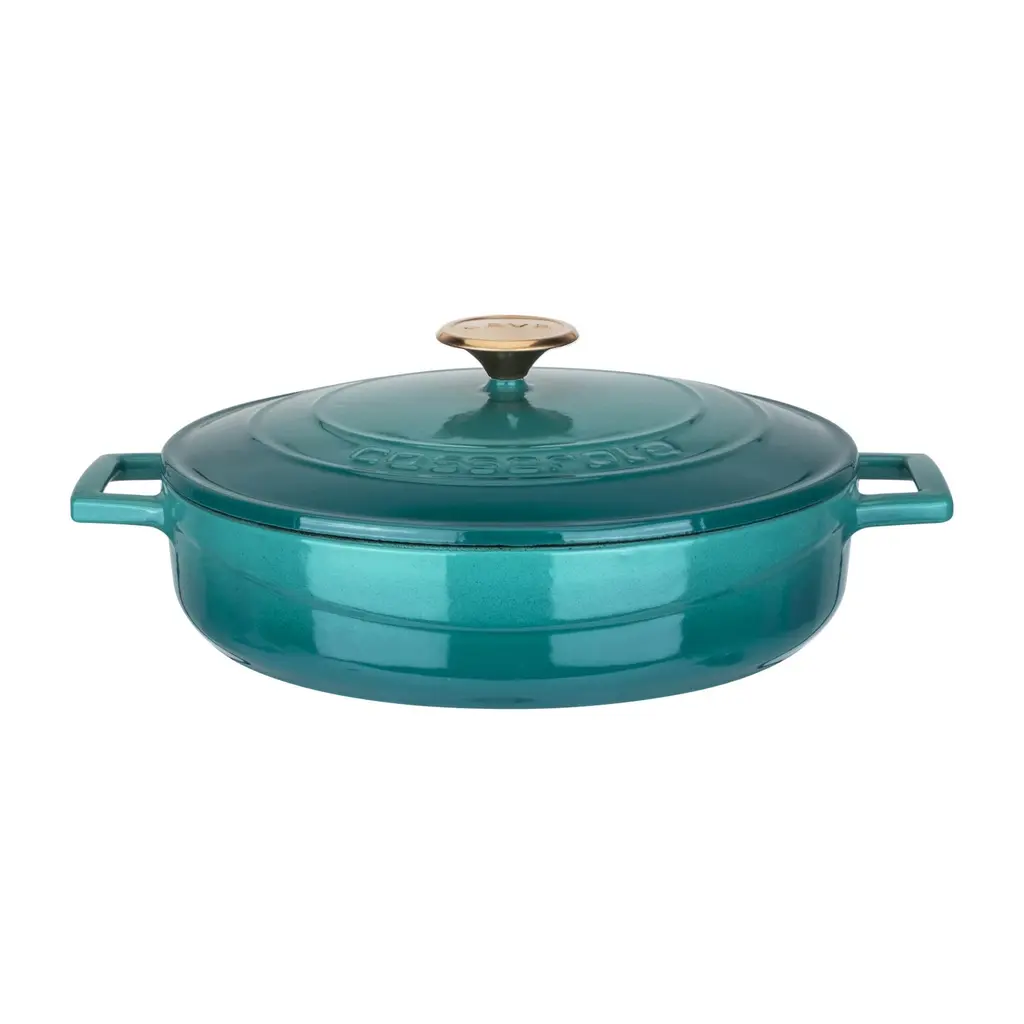
Lava Cast Iron Round Multipurpose Casserole. Trendy, Dia. Ø 28cm.
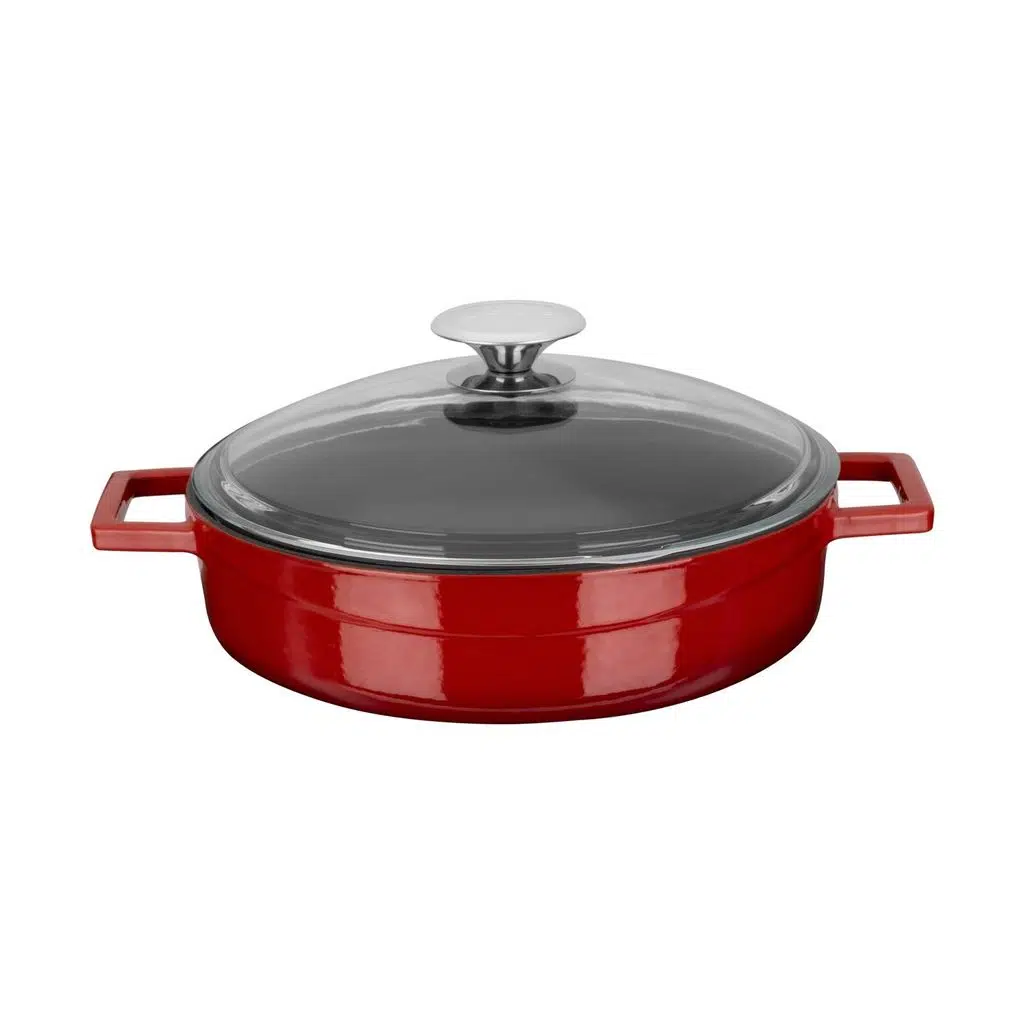
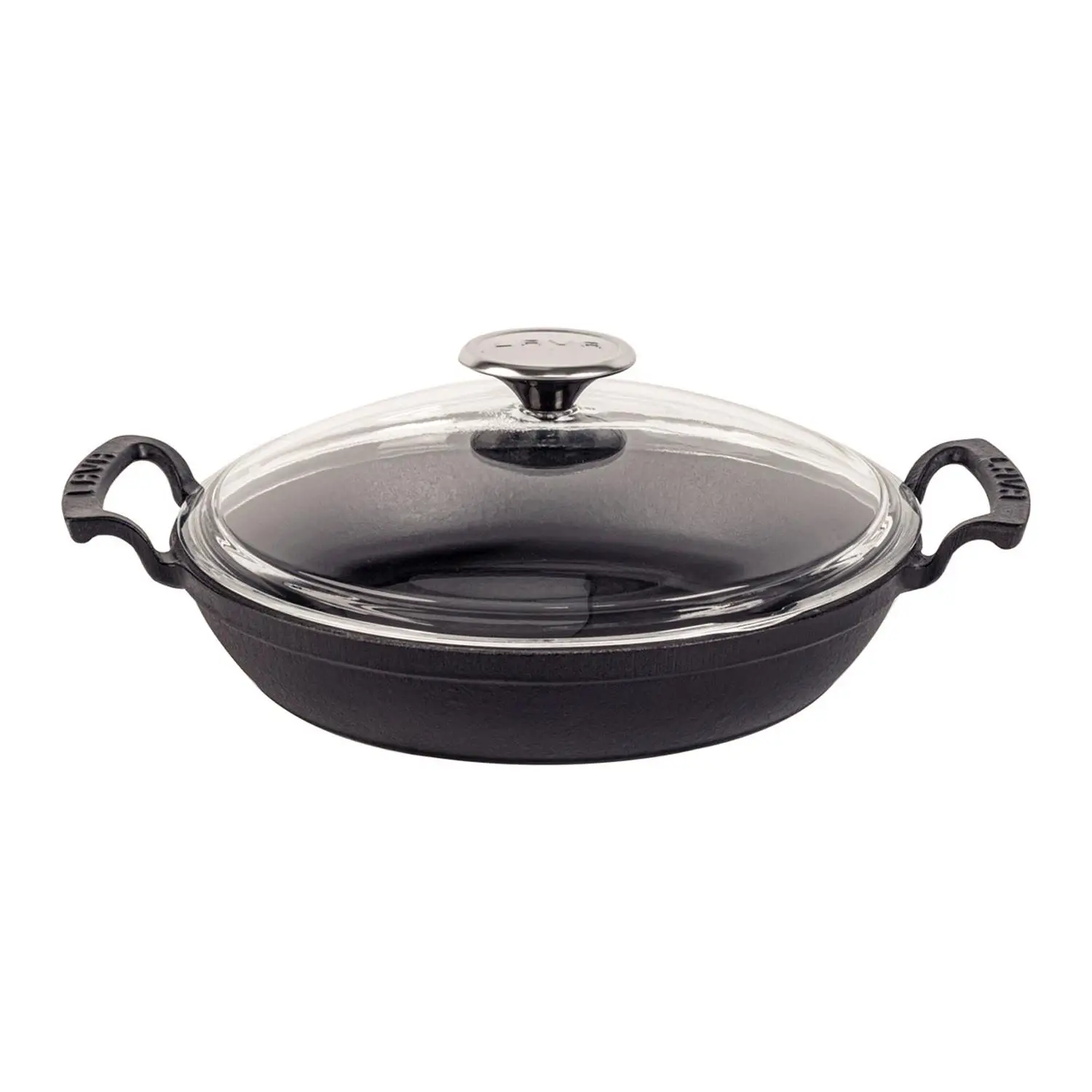
Lava Cast Iron Round Multipurpose Casserole. Glass Lid, Dia. Ø 24cm.







Lava Döküm Online Fabrika Satış Mağazası. © 2026 All Rights Reserved.


0
)