×

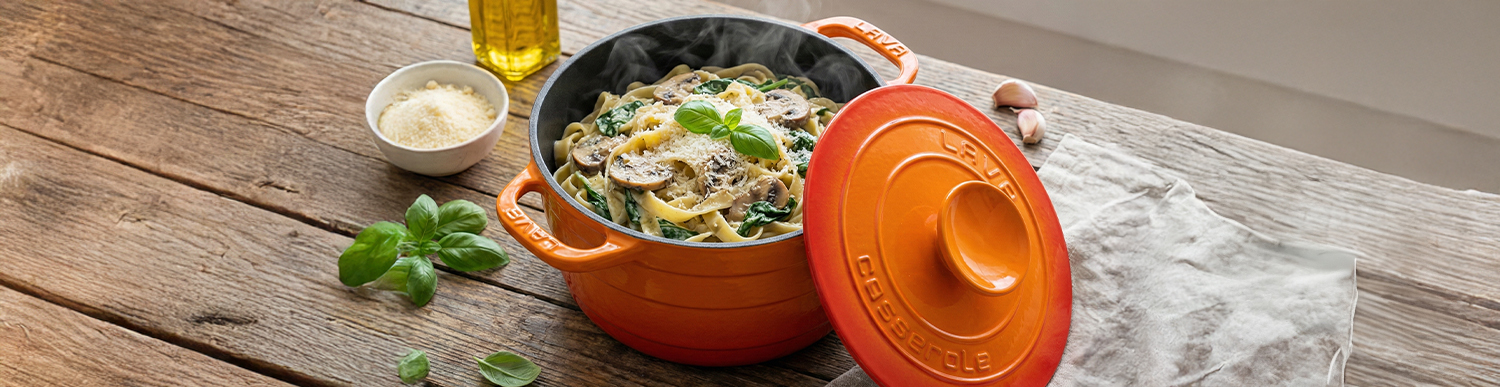
Pasta—economical, filling, practical, and endlessly adaptable—is enjoyed in every corner of the world. When prepared with the right pasta recipe, a well-matched pasta sauce, and quality cookware, it transforms from a simple meal into a sophisticated gastronomic experience. In this article, you’ll find a comprehensive guide to pasta—from its origins and role in nutrition to sauce–shape pairings and homemade pasta techniques. Of course, we will also explore step by step how using Lava-quality cast iron cookware—cast iron pots, cast iron pans, and baking trays—elevates the pasta-cooking experience.
Pasta’s story is a long journey shaped by trade routes and cultural exchange. Although the popular legend says that Marco Polo brought pasta to Italy after his travels to China in the 13th century, we now know that pasta-like foods were consumed in the Mediterranean much earlier. In Ancient Rome, layered sheets of dough called laganum are considered the ancestor of today’s lasagna. Over time, this dough was cut into different shapes, dried for storage, and eventually evolved into the wide variety of pasta forms we know today. With industrial production, pasta became a staple in both home kitchens and restaurants.
Two main theories dominate the discussion about pasta’s origins: China and Italy. In China, noodle-like foods dating back to around 2000 BCE have been discovered. However, this does not necessarily mean pasta arrived in Italy from China. In the Mediterranean, wheat-based dough dishes go back even further in culinary history. The most widely accepted view today is that pasta emerged independently in different regions due to similar needs and later gained its distinctive identity in Italian cuisine. In particular, dried pasta made from durum wheat semolina helped Italy become the global representative of pasta.
Globally, Italy leads pasta consumption by a wide margin. Annual per-capita consumption is approximately 23–25 kg. Tunisia, Venezuela, Greece, and Türkiye follow. In Türkiye, pasta appeals to a broad audience thanks to its affordability and its easy adaptability with different sauces. These figures prove that pasta is not only an Italian dish, but also a global staple food.
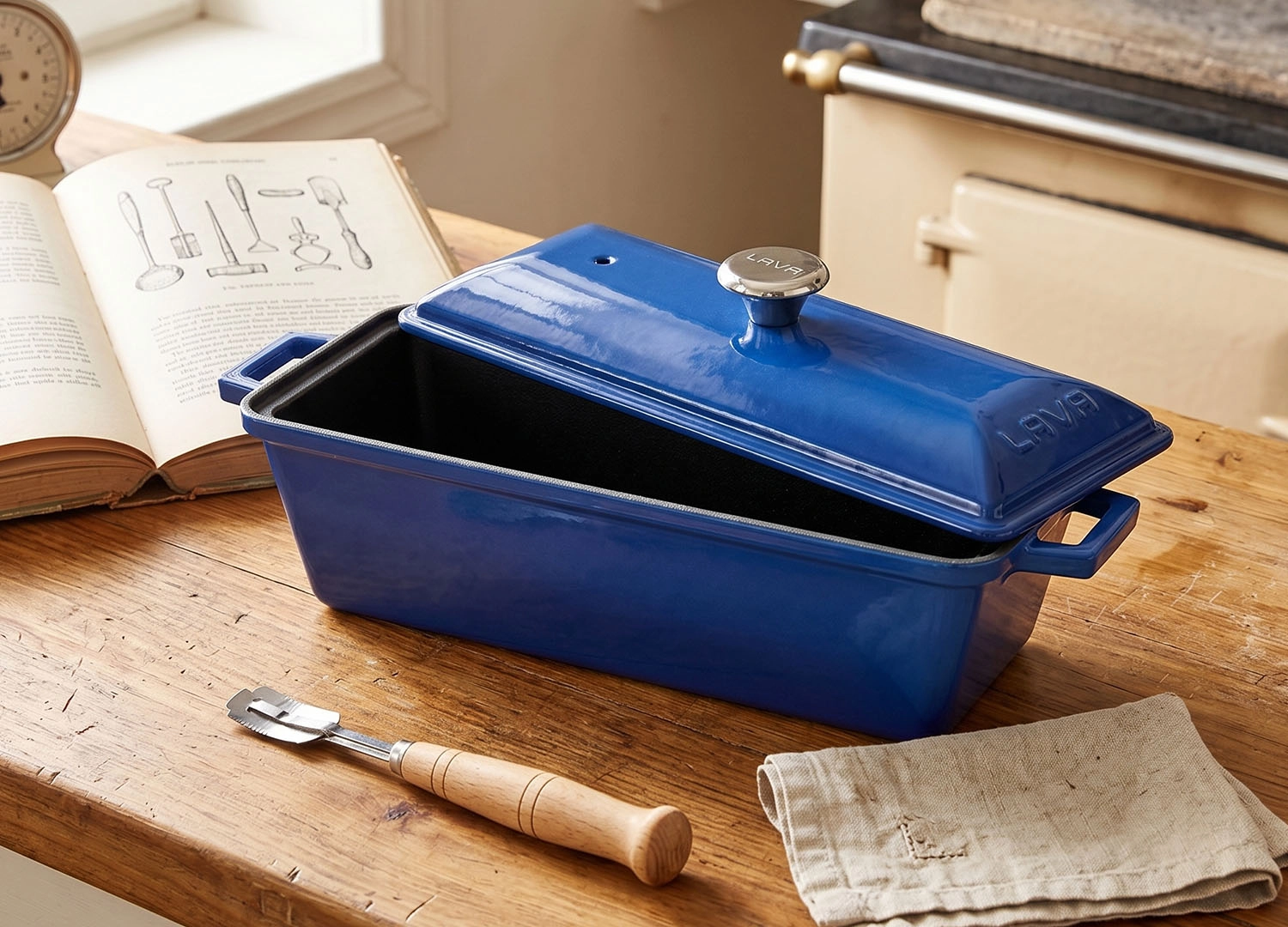
Pasta shapes are not only about visual variety; each form is designed to pair with specific sauces. Thin, long spaghetti is ideal for light sauces such as olive-oil-based or simple tomato sauces. Ridged shapes like penne and rigatoni hold thicker, chunkier sauces. Lasagna and cannelloni are well-suited for baking, and with a baking tray you can create layered, deeply flavored dishes. The right pairing helps the sauce cling to the pasta and ensures balanced flavor in every bite.
One of the main reasons pasta is so widely loved is that it offers high satiety at a low cost. Its long shelf life, easy storage, and quick cooking time make it a lifesaver in modern life. It can also be easily enriched—combined with vegetables, legumes, and protein sources to create a balanced meal.
Al dente means cooking pasta so that it is cooked on the outside while remaining slightly firm at the center.
Use plenty of water.
Add enough salt to the water.
Add pasta to boiling water.
Start checking 1 minute earlier than the package time.
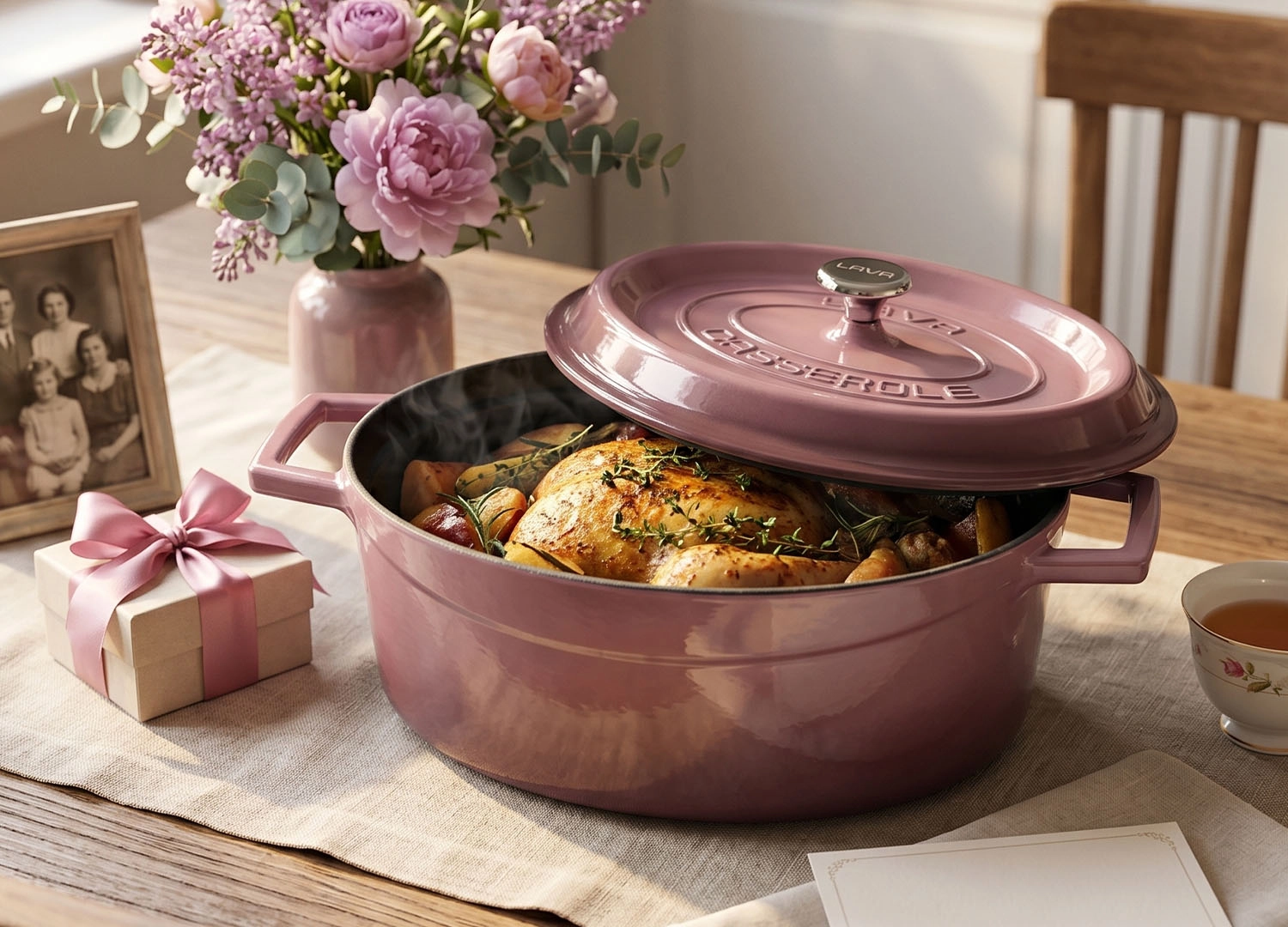
After draining, toss briefly with the sauce in a cast iron pan or cast iron pot.
Pasta is a source of complex carbohydrates, and when consumed in the right portion, it can be part of a balanced diet. Whole-wheat and legume-based alternatives increase fiber content and help raise blood sugar more gradually.
Whole-wheat pasta is rich in fiber. Gluten-free pasta is suitable for people with celiac disease. Lentil- and chickpea-based pasta options offer higher protein content. This variety makes it possible to adapt pasta to virtually any dietary pattern.
Pasta recipes prepared with olive oil, vegetables, seafood, and fresh herbs form a foundation of the Mediterranean diet. Sauces cooked at low heat preserve nutritional value and intensify flavor.
It is possible to see pasta not just as a carbohydrate source, but as part of a balanced lifestyle. Recipes made with olive oil, seasonal vegetables, fresh seafood, and aromatic herbs reflect the Mediterranean diet’s well-known longevity and health principles. The key to making pasta healthier is enriching it with nourishing ingredients instead of heavy, cream-based sauces.
In this process, using a Lava cast iron pot plays a critical role: thanks to cast iron’s ability to distribute heat evenly and gently, sauces can simmer slowly at low temperature without losing their nutritional value. This method preserves vitamins and minerals while allowing aromas to meld together in their most natural and intense form. Choosing whole-wheat pasta, using vegetable essences added to the cooking water, and balancing protein with fresh herbs can transform pasta into a wholesome meal you can enjoy without guilt. Remember: when the right technique meets quality ingredients, pasta becomes not just a dish, but a culture of well-being.
Pasta consumed before exercise helps replenish glycogen stores, providing energy to the muscles. Especially when prepared with simple sauces, it supports easier digestion.
For performance-focused training, the most efficient fuel the body needs is complex carbohydrates. Pasta eaten before exercise breaks down into glucose and optimizes glycogen stores—ready energy that supports muscular performance. This is especially valuable for endurance training, helping prevent early fatigue and supporting stable energy throughout the workout. The key point in sports nutrition is what you pair pasta with: instead of heavy and oily sauces, recipes made with simple sauces, a small amount of olive oil, and mild seasonings are easier on the digestive system and help direct energy toward muscles rather than digestion. A portion of al dente pasta eaten 2–3 hours before training helps keep blood sugar stable and provides the physical power needed to reach your goals. Think of pasta not just as a meal, but as a strategy to level up your performance.
The habit of twirling spaghetti with the help of a spoon may seem practical, but the reality is quite different. In Italian tradition, pasta is eaten only with a fork—there is no place for a spoon at the edge of the plate. At the core of this rule lies a deep respect for pasta’s texture and the sauce that integrates with it. A spoon is not used to collect sauce as a “helper,” because properly prepared pasta is designed to hold sauce on its own. According to Italian dining etiquette, gently twirling a few strands of pasta against the side of the plate preserves the dish’s elegance and ensures the perfect sauce-to-pasta ratio in every bite. Twirling in a spoon—or worse, cutting pasta with a knife—is considered to diminish the character of the dish in this culinary tradition. In short, all you need for a true pasta experience is a fork and a few graceful turns.
There are more than 600 types of pasta worldwide: Not just spaghetti and penne—hundreds of shapes exist, each designed to hold sauces differently.
The first pasta machines appeared in the 18th century: Before the Industrial Revolution, pasta was entirely handmade; machines enabled mass production and global spread.
Drying pasta made it shelf-stable: In the Middle Ages, drying pasta for long sea voyages helped turn it into a global food.
Al dente is not just taste—it’s also about health: Slightly firm pasta has a lower glycemic impact and helps you stay full longer.
Tomato sauce came much later: Until the 1700s, pasta was often eaten with cheese, sugar, and spices; it met tomato sauce in the early 19th century.
It used to be eaten by hand: Until the 18th century—especially in Naples—pasta was street food eaten with hands; forks gained popularity partly because pasta is slippery.
Pasta can boost “happiness hormones”: Complex carbohydrates may support serotonin production in the brain.
The top pasta-consuming country per capita isn’t only Italy: Italy leads, but Tunisia and Venezuela also rank surprisingly high.
Every sauce has a “match”: Thin long pasta (spaghetti) pairs with light, oily sauces; twisted or hollow shapes (fusilli) pair with thicker, meatier sauces.
World Pasta Day is celebrated every year: Since 1995, it has been marked globally on October 25.
Starchy pasta water is ideal for binding sauces. Adding a ladle of it to sauce in a cast iron pan creates a creamy texture.
If you drain your pasta and pour that cloudy water straight down the sink, you’re wasting one of the most valuable ingredients in your kitchen. Often called “liquid gold,” pasta cooking water is a natural binder thanks to the starch and salt released during boiling. It helps sauce cling to pasta properly and gives it a silky, restaurant-quality texture—one of chefs’ best-kept secrets. But its benefits go beyond sauce: this starchy water can help legumes soften faster when used for soaking, improve the texture of bread dough when added to the mix, and even become a natural fertilizer for plants once cooled because of its mineral content. Next time, remember to save a ladleful before draining—you’ll notice the difference immediately.
Timing matters: Scoop the water at the very end of cooking, right before draining—this is when starch concentration is highest.
Watch the salt level: Since pasta water is already salty, taste your sauce before adding extra salt.
Use emulsification: Add pasta water while gently heating the sauce and stir quickly—this helps water and oil bind, prevents separation, and creates a creamy texture.
The real magic that turns pasta into a feast is hidden in those steaming, aromatic sauces. For a truly elevated experience, skip ready-made products and bring your craft into the kitchen.
When making homemade pesto, freshness is everything: combine vibrant basil leaves, a high-quality low-acidity olive oil, and real Parmesan (freshly grated from a wedge). Avoid excessive heat while crushing or blending to preserve pesto’s bright green color and sharp aroma—this is the golden rule.
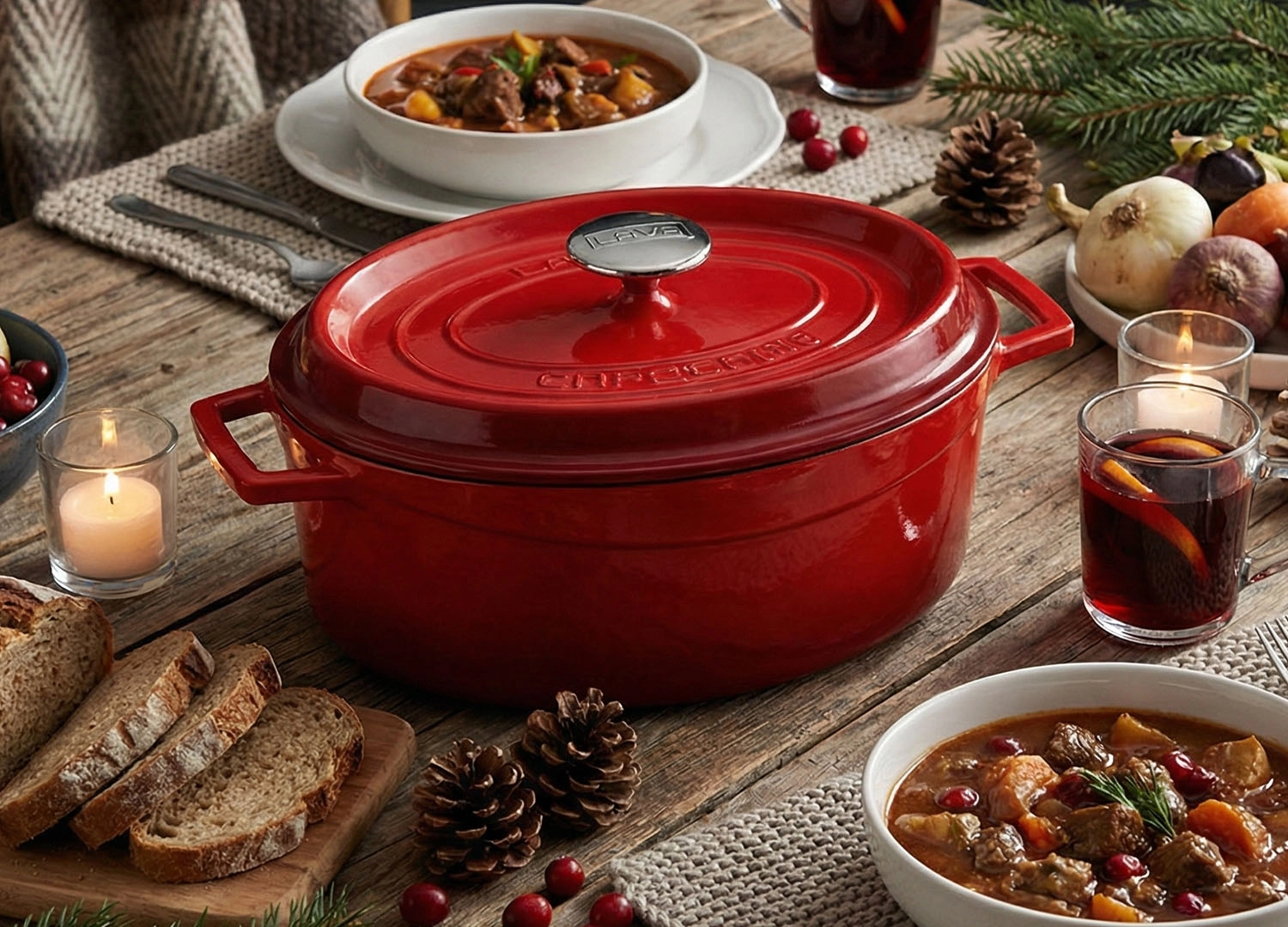
On the other hand, Bolognese—the heart of Italian cuisine—is a true test of patience. To achieve deep flavor, use a cast iron pot and simmer meat, vegetables, and tomatoes over very low heat for hours, until they almost “seal” into one another. Cast iron’s stable heat supports caramelization and unlocks a rich, layered taste. Remember: a great sauce doesn’t just fill you up—it tells a story with every forkful.
Flour, eggs, and a bit of patience—when combined—become one of the most satisfying foods in the world: fresh pasta. Unlike dried store-bought pasta, homemade pasta has a silky texture and a porous structure that absorbs sauce like a sponge, delivering more intense flavor in every bite. But the secret lies not only in ingredients—it is in technique. The effort you put into kneading develops gluten, resulting in a smooth, elastic dough. The most critical step is patience: letting the dough rest at room temperature for at least 30 minutes relaxes the structure and makes it easier to roll out thinly. Whether you use a traditional rolling pin or a pasta machine, your signature of success is dough rolled thin enough to let light pass through. When you drop your first homemade tagliatelle into boiling water, you’ll understand that every minute was worth it.
Creamy Mushroom Penne
Baked Vegetable Lasagna (with a baking tray)
Spaghetti Aglio e Olio (olive oil-based)
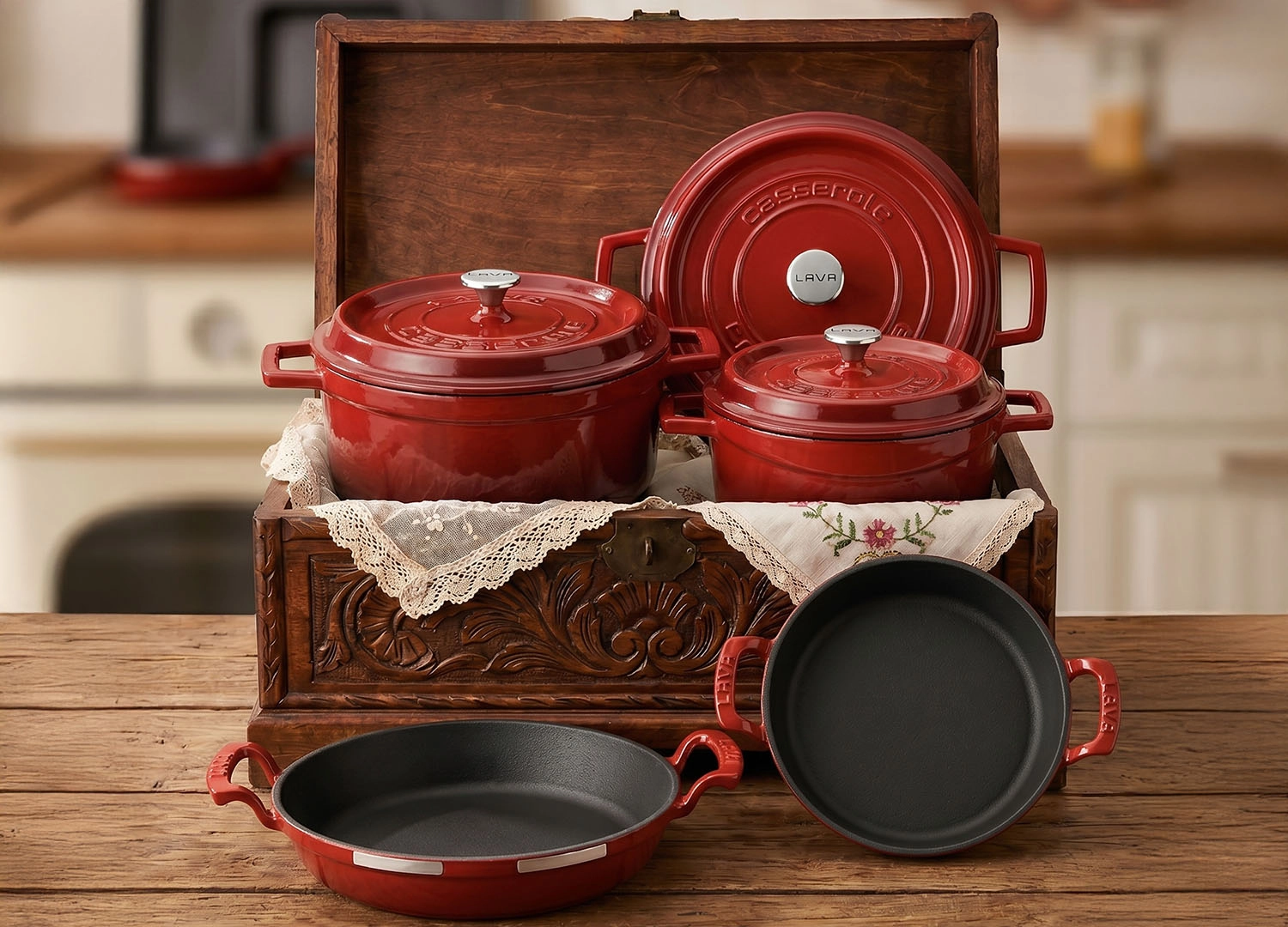
With Lava products, you can distribute heat evenly and achieve maximum flavor in every recipe.
World Pasta Day reminds us that pasta is not just a dish, but also a vehicle of history, culture, and sharing. With the right techniques, quality ingredients, and Lava cast iron cookware, pasta recipes will always take your table one step further.
15.01.2026
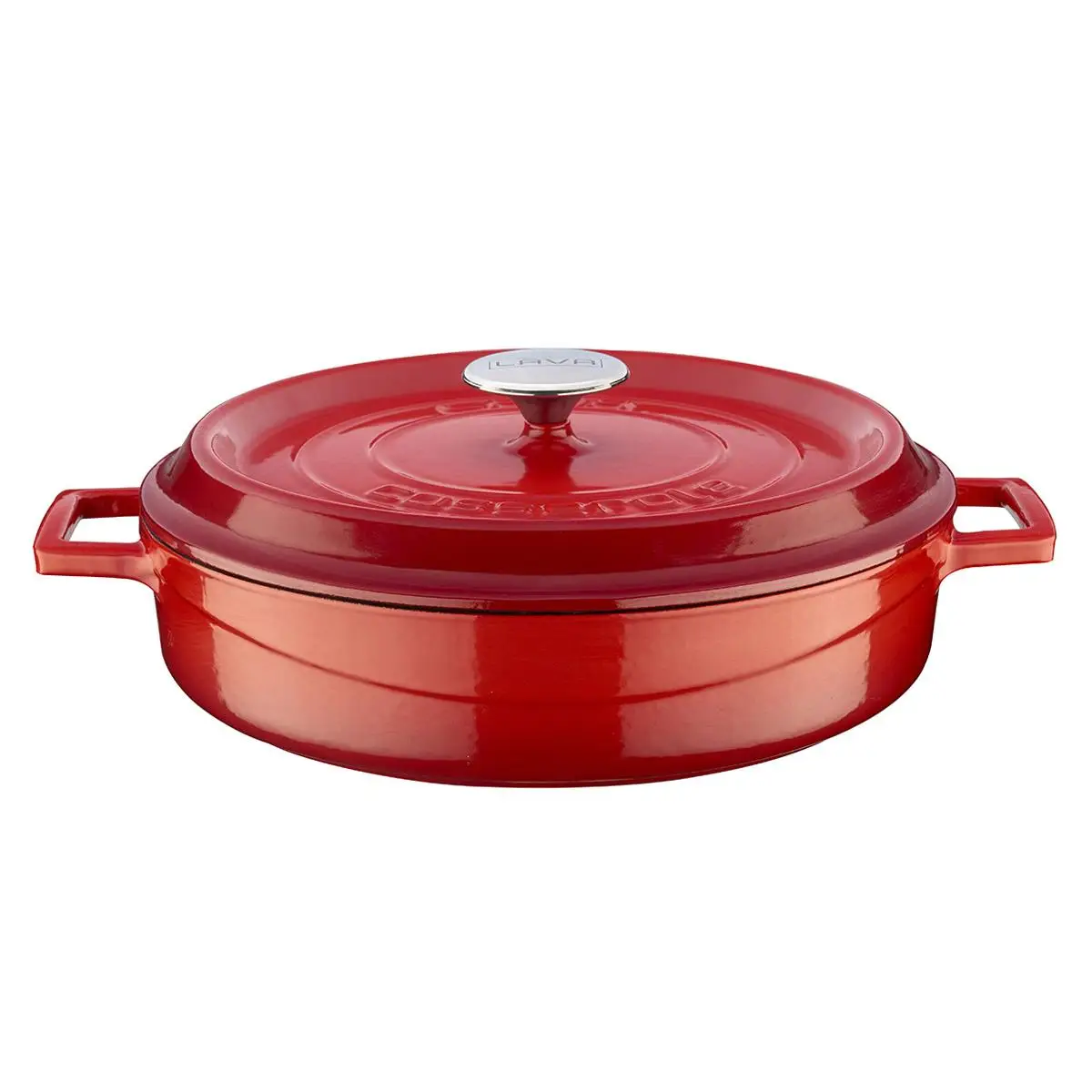
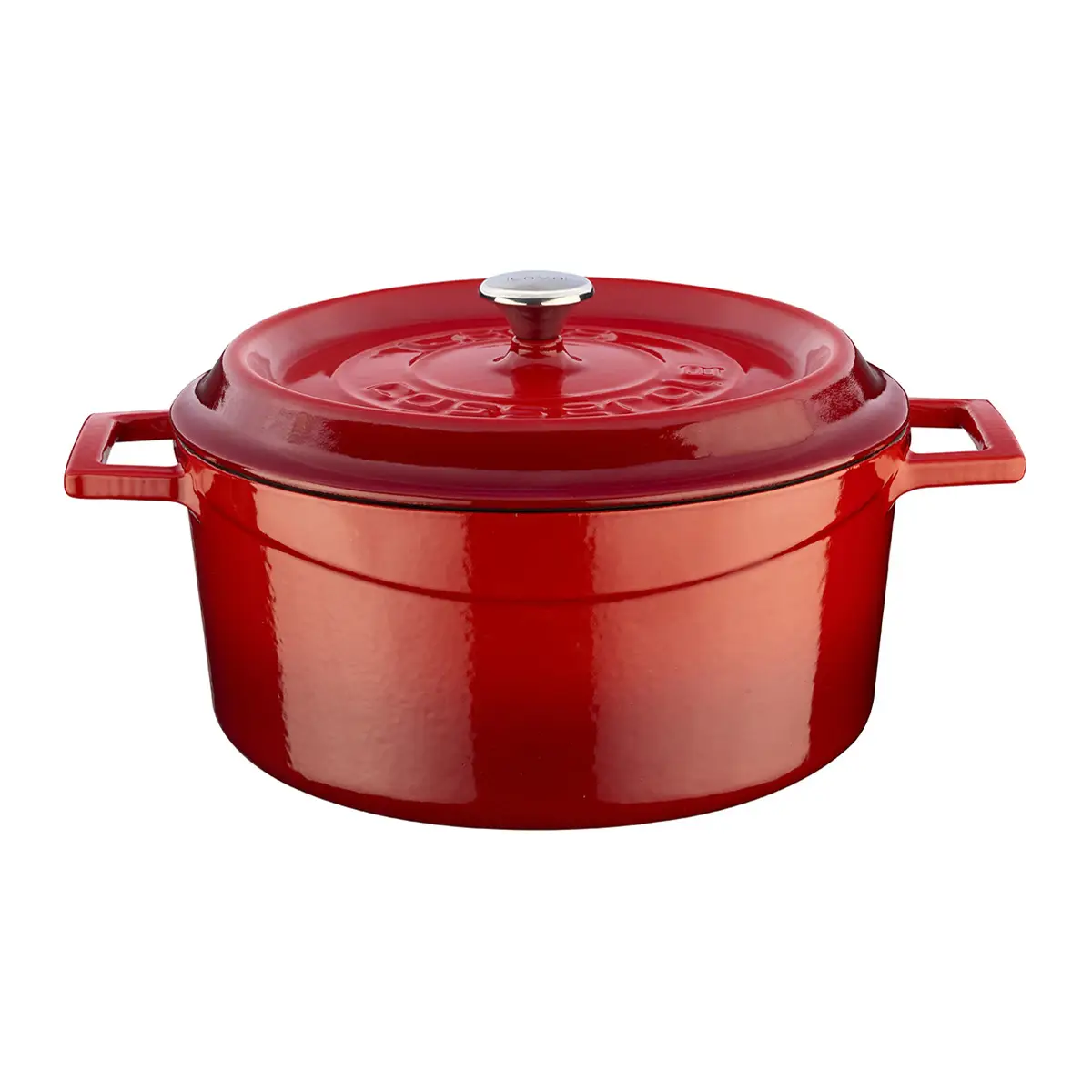
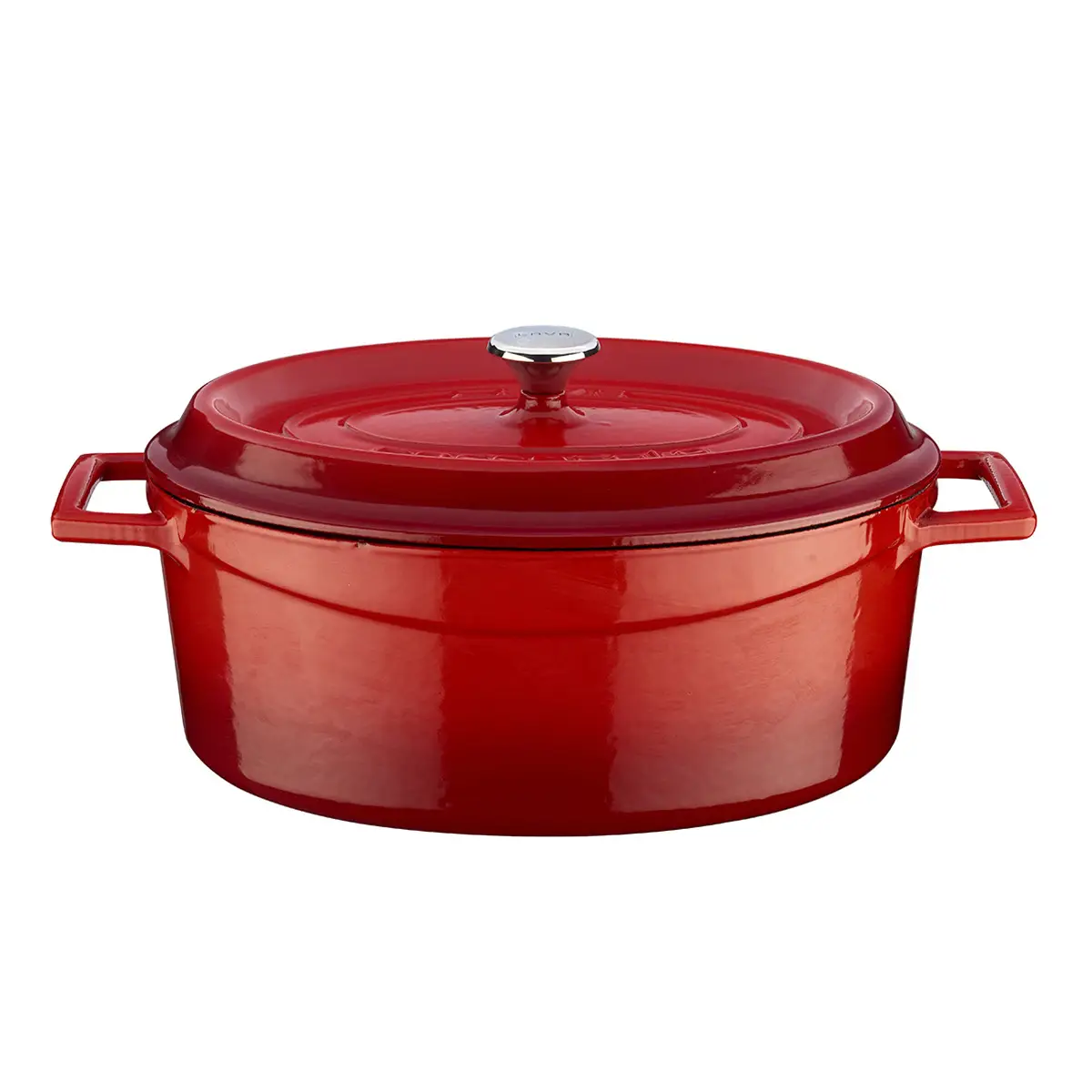
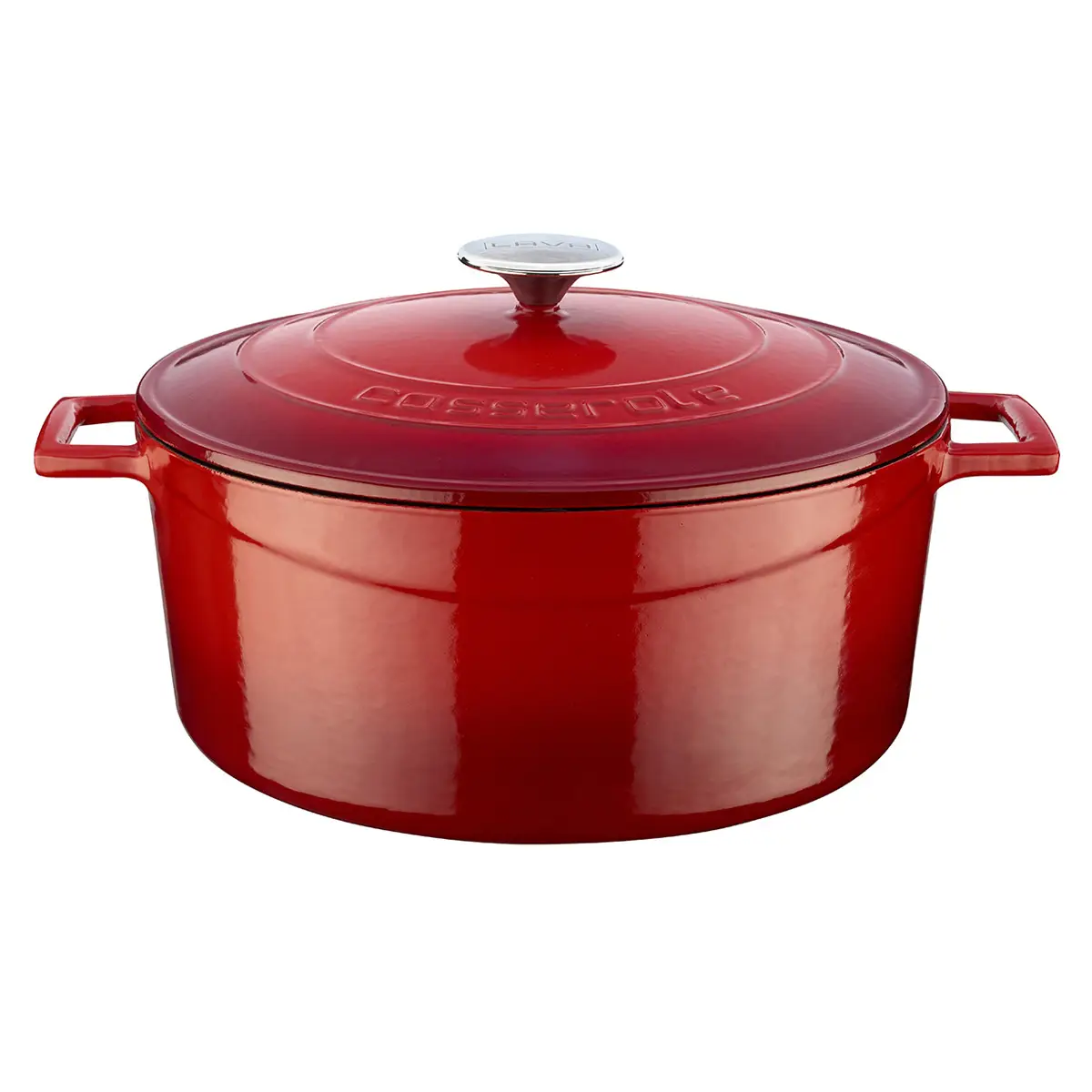
Lava Cast Iron Round Multipurpose Casserole. Trendy, Dia. Ø 28cm.
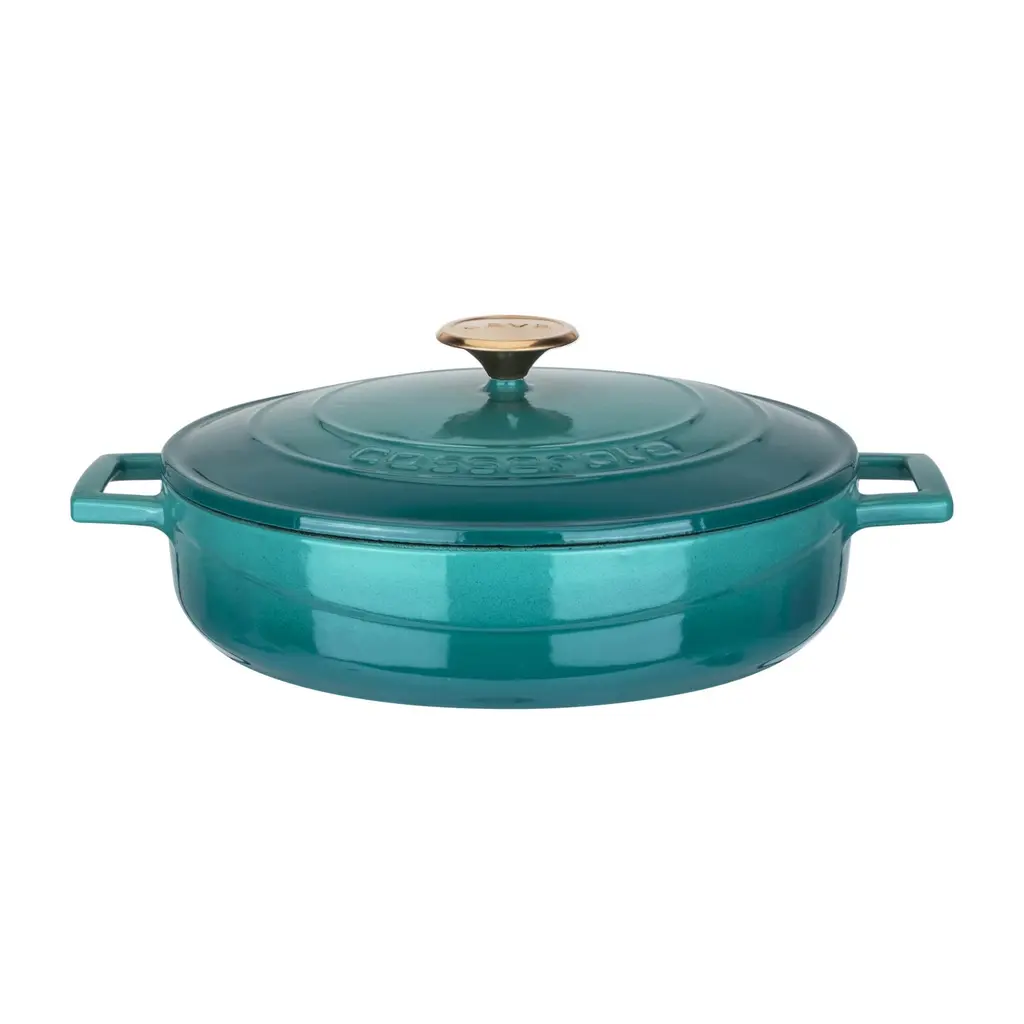
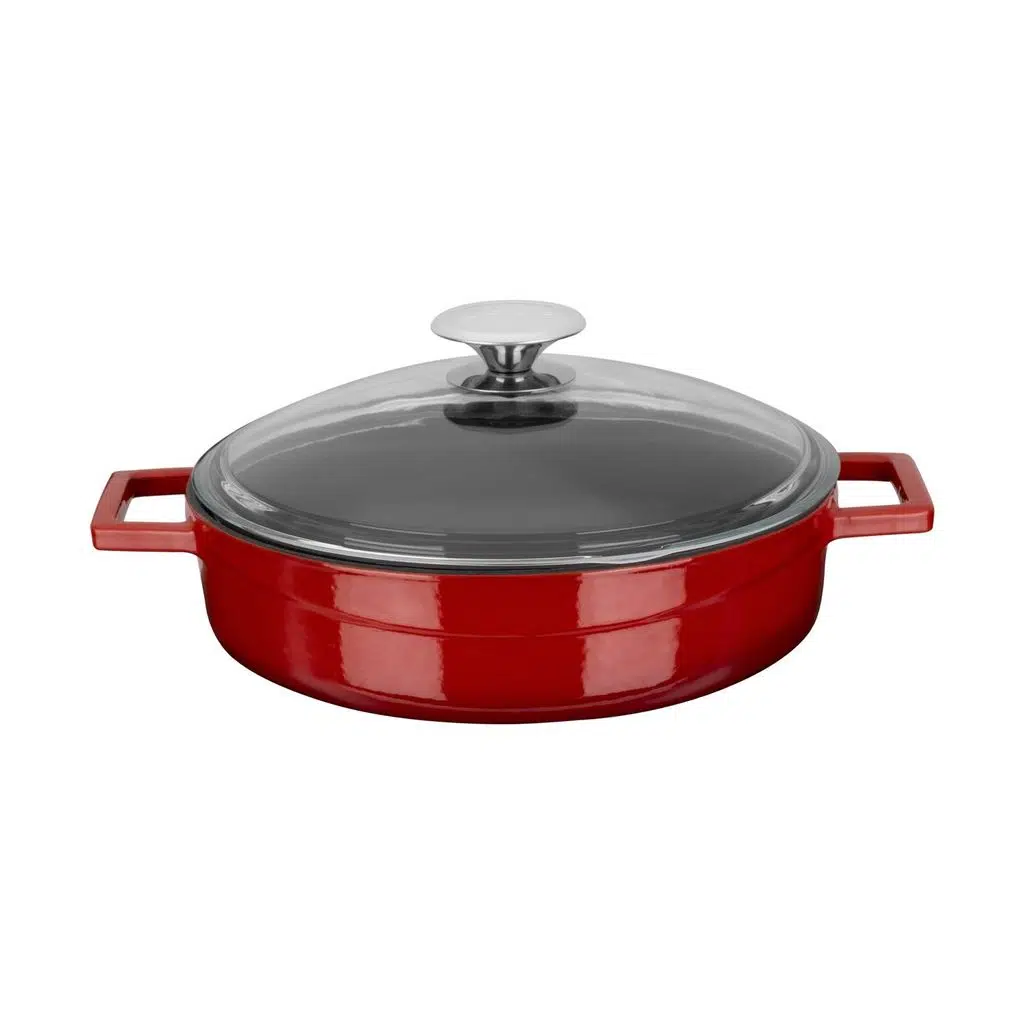
Lava Cast Iron Round Multipurpose Casserole. Glass Lid, Dia. Ø 24cm.







Lava Döküm Online Fabrika Satış Mağazası. © 2026 All Rights Reserved.


0
)