×

April is a special transition period when nature awakens and the seas offer us their freshest and most delicious gifts. As the weather warms up, the joy of barbecuing moves from kitchens to gardens and balconies. When combined with the right fish selection and correct cooking techniques, it turns into an unforgettable gastronomic experience. So, which fish to eat in April? How do fish preferences change across different seas? What are the secrets to cooking fish in LAVA cast iron products without it falling apart, keeping it juicy and perfectly cooked?
In this guide, you will find everything from the April fish calendar to regional differences in global seas, and from the most curious cooking techniques to professional tips.
Being surrounded by seas on three sides, we are quite lucky in April. However, since the temperature and currents of each sea are different, the fat content and flavor of the fish vary regionally.
April is a period when fish that grew fatty during winter in the Black Sea slowly begin their migration.
Turbot: April is the month when turbot is at its most delicious and in peak season. With its gelatinous texture and white meat, it is the king of the barbecue.
Haddock: Known as the "chicken of the sea," haddock becomes abundant this month. Fast searing in a cast iron pan is ideal to protect its delicate meat.
Grey Mullet: Starting to get fatty especially in the spring months, grey mullet creates wonders on a cast iron grill when cleaned properly.
In our southern coasts where warmer waters prevail, the following fish grace the tables:
Red Seabream: With its appetizing color, red seabream is at its firmest and most delicious state in April.
Sea Bass: Although found in every season, wild sea bass peaks in nutritional value during the spring months.
Dentex and Grouper: These noble fish from the depths of the Mediterranean are perfect for searing at high temperatures in a cast iron pan or on a cast iron barbecue.
In fish selection, not only the month but also the salinity and temperature of the water are critical. This is why fish preferences vary from city to city.
Black Sea fish store more fat due to the coldness of the water. This makes them more suitable for barbecuing and grilling. A turbot caught from the Black Sea in April may be fattier and more aromatic than its Aegean counterpart.
In these seas where the salinity is high, fish grow more slowly but their meat is firmer. White-fleshed fish like Red Seabream and Sea Bass have a characteristic marine aroma in this region.
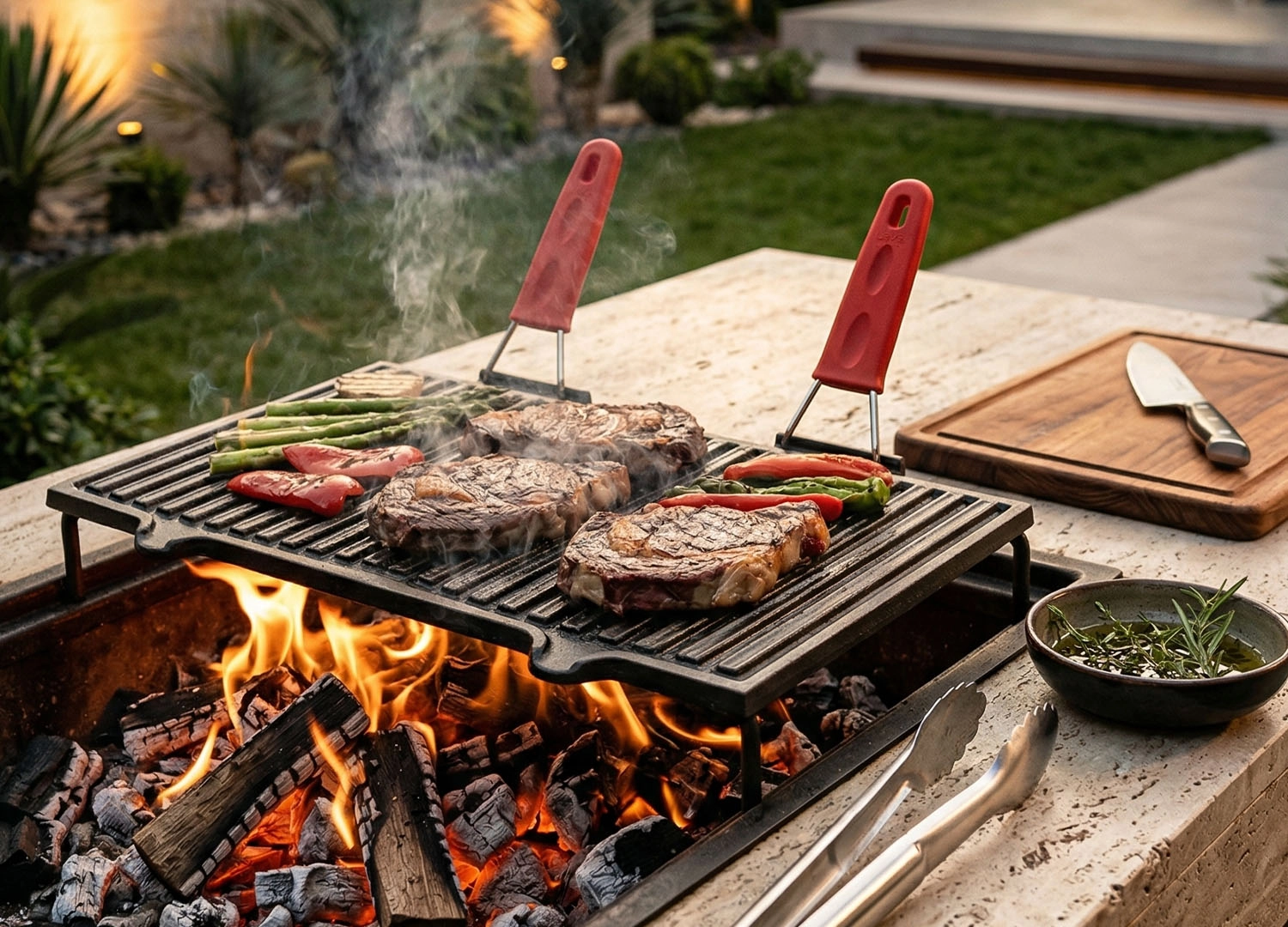
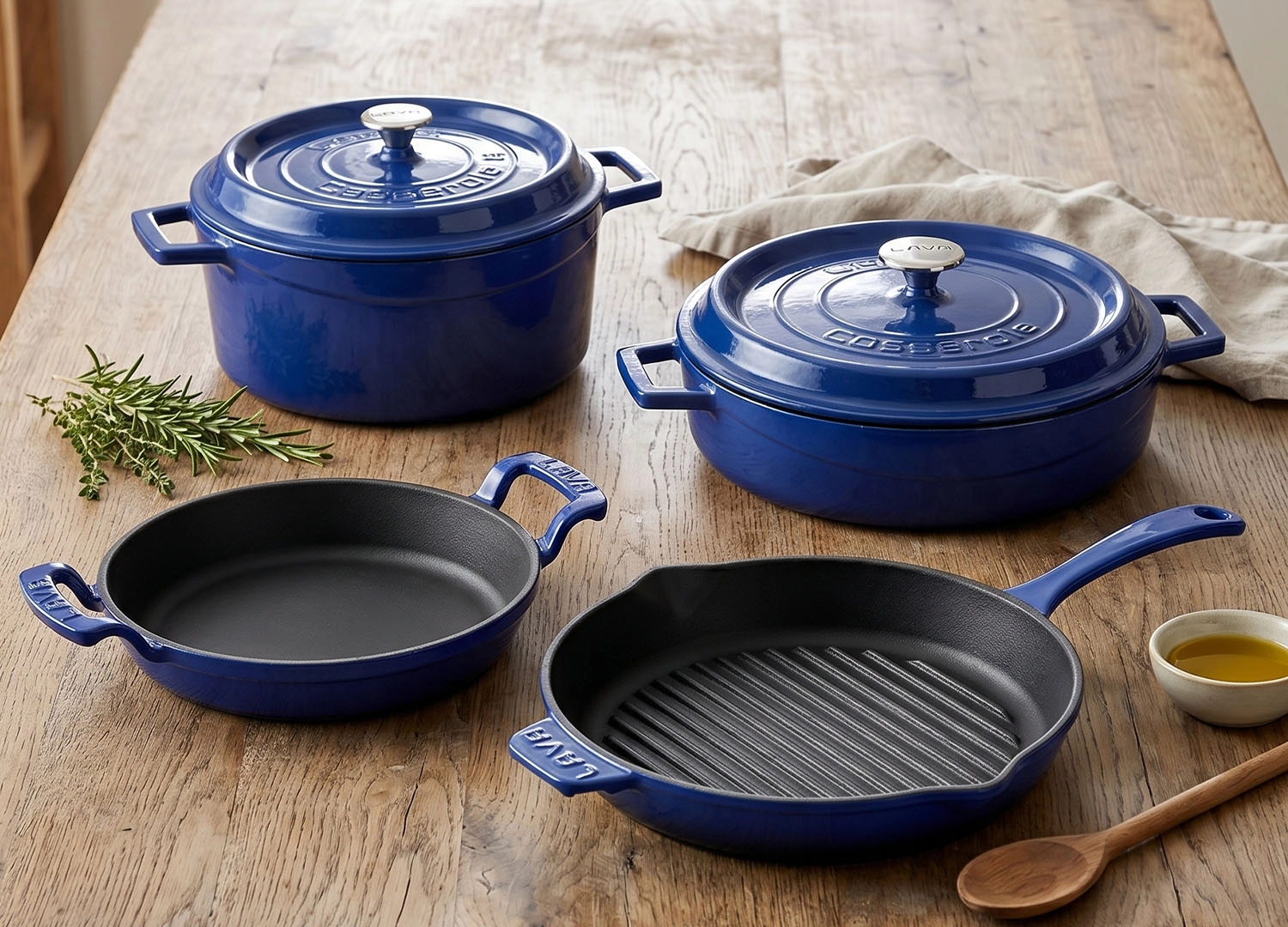
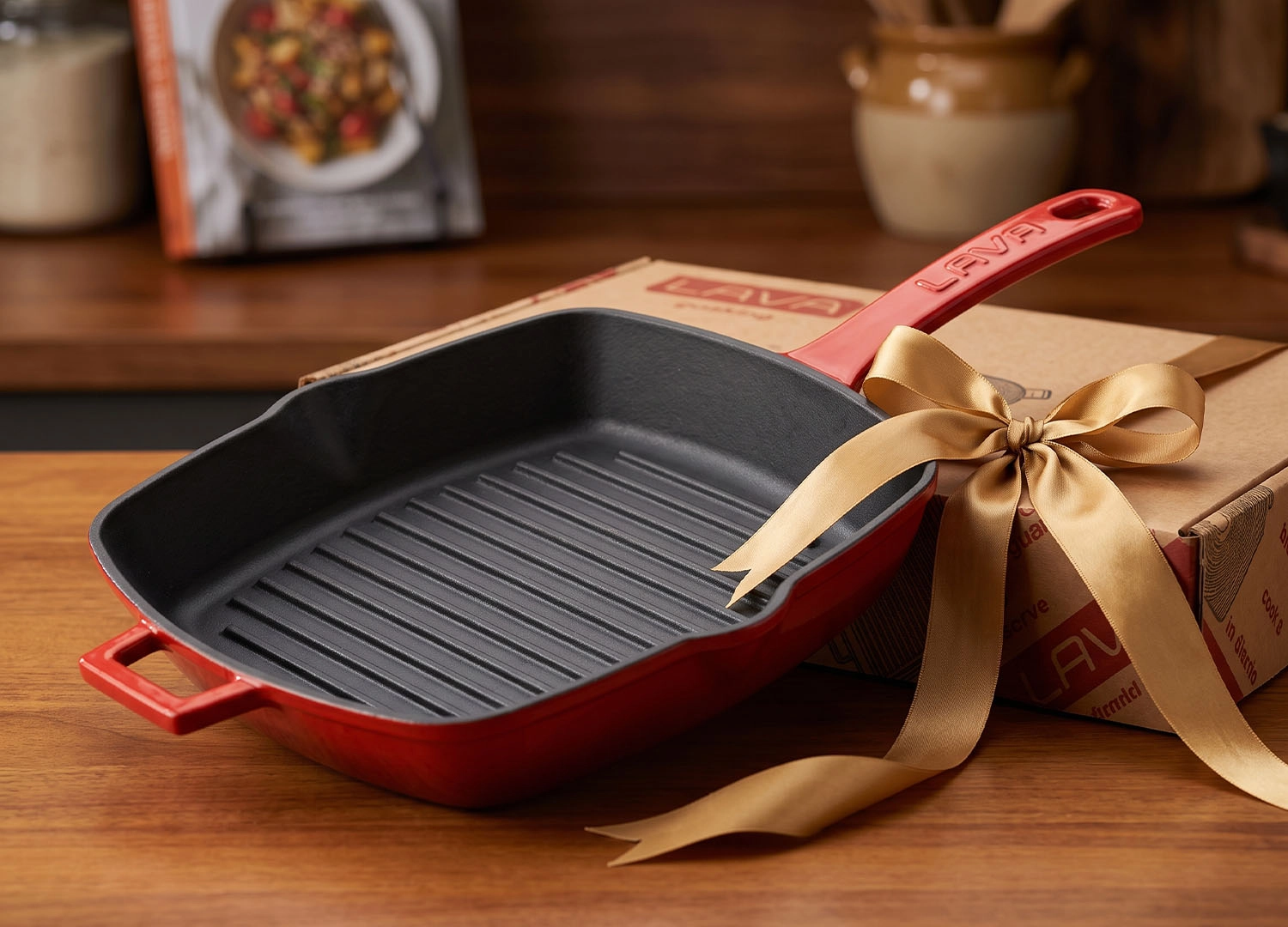
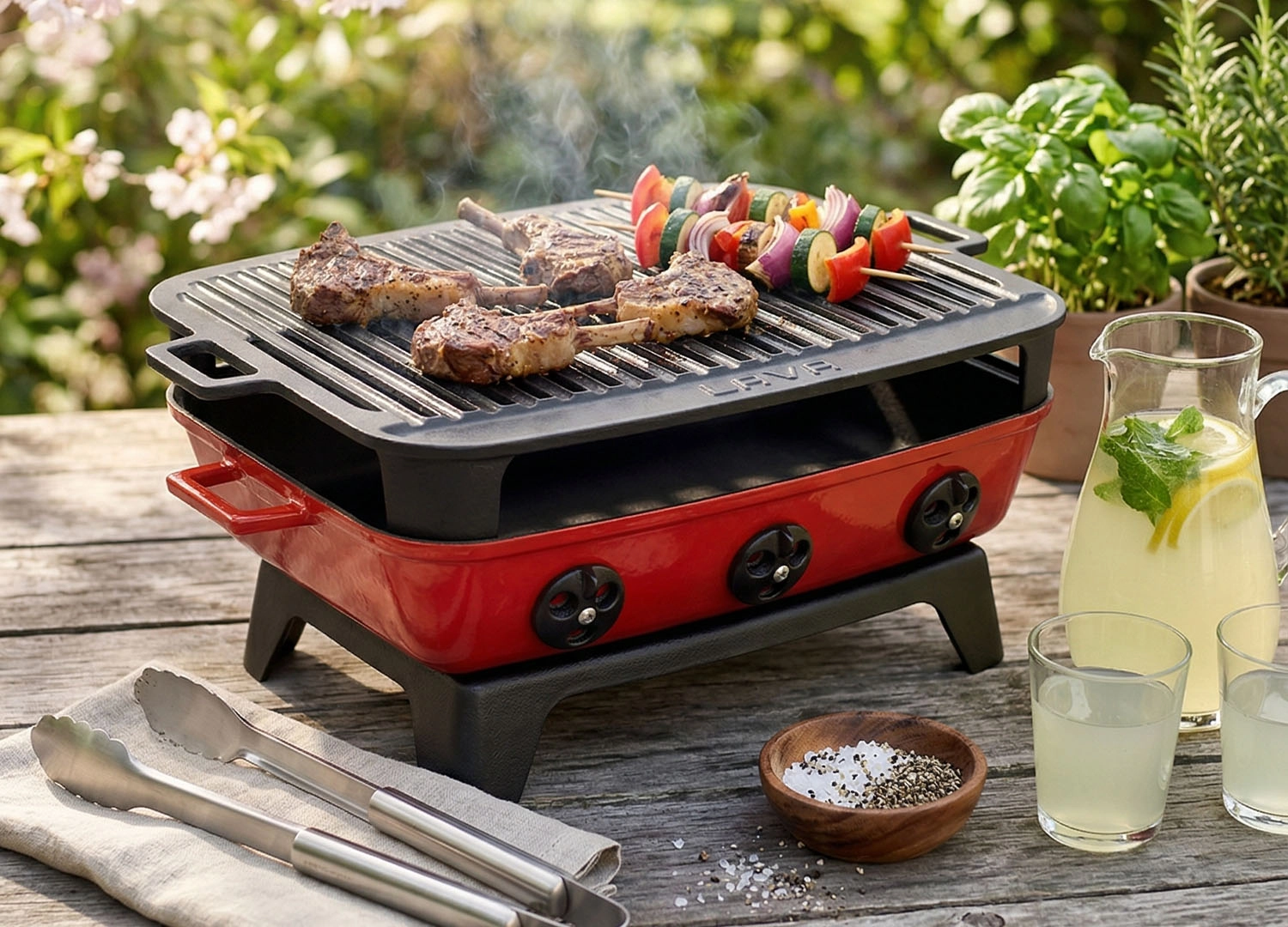
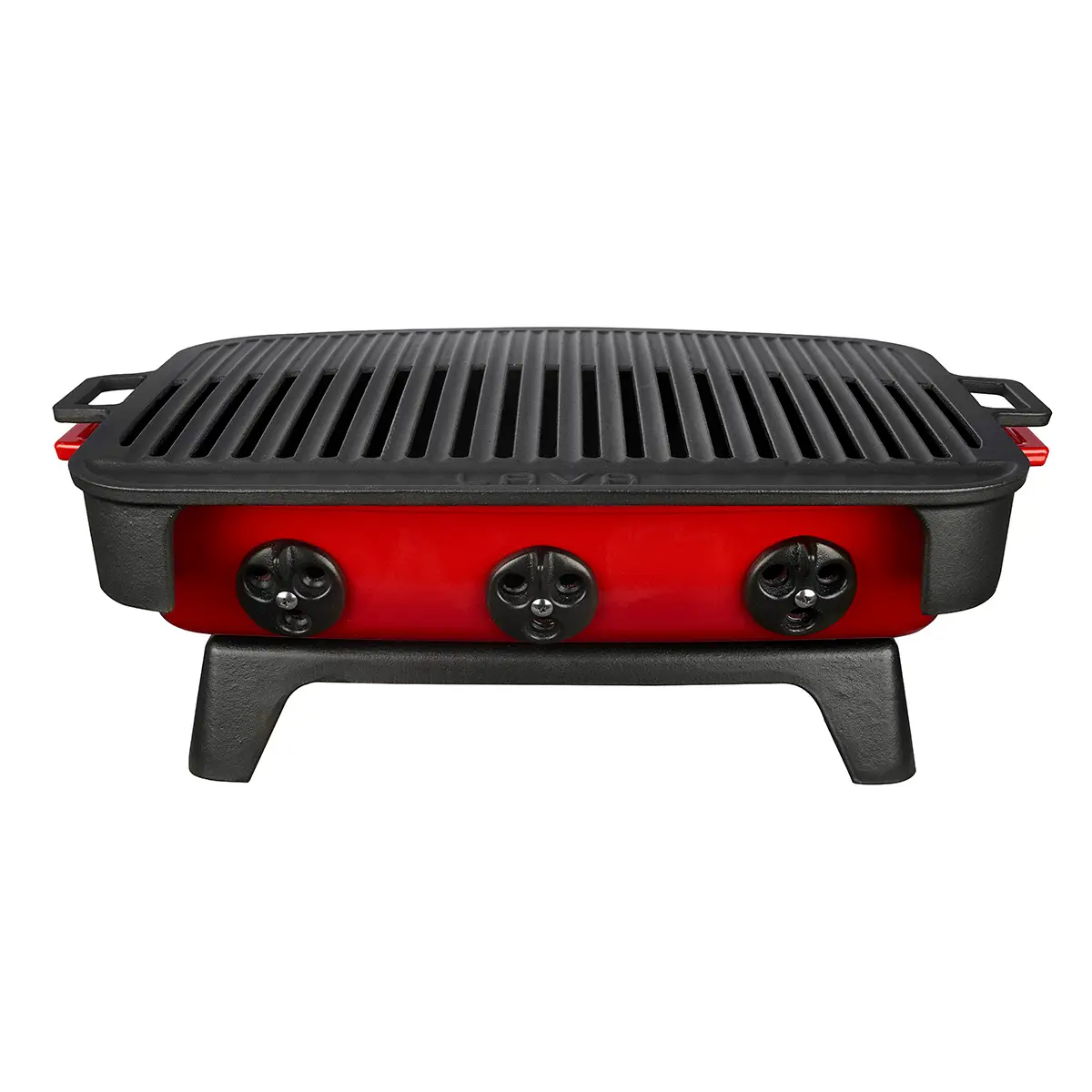
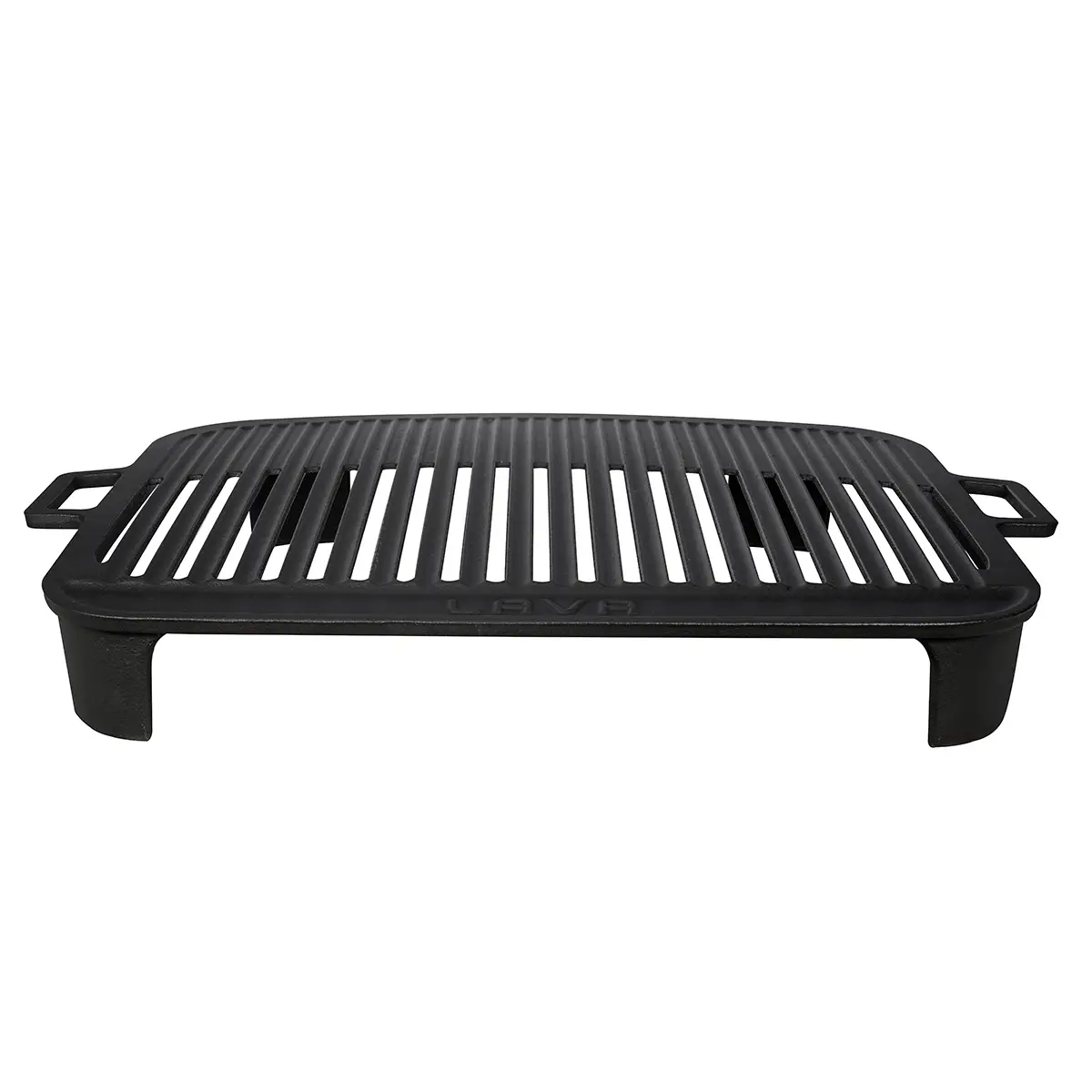
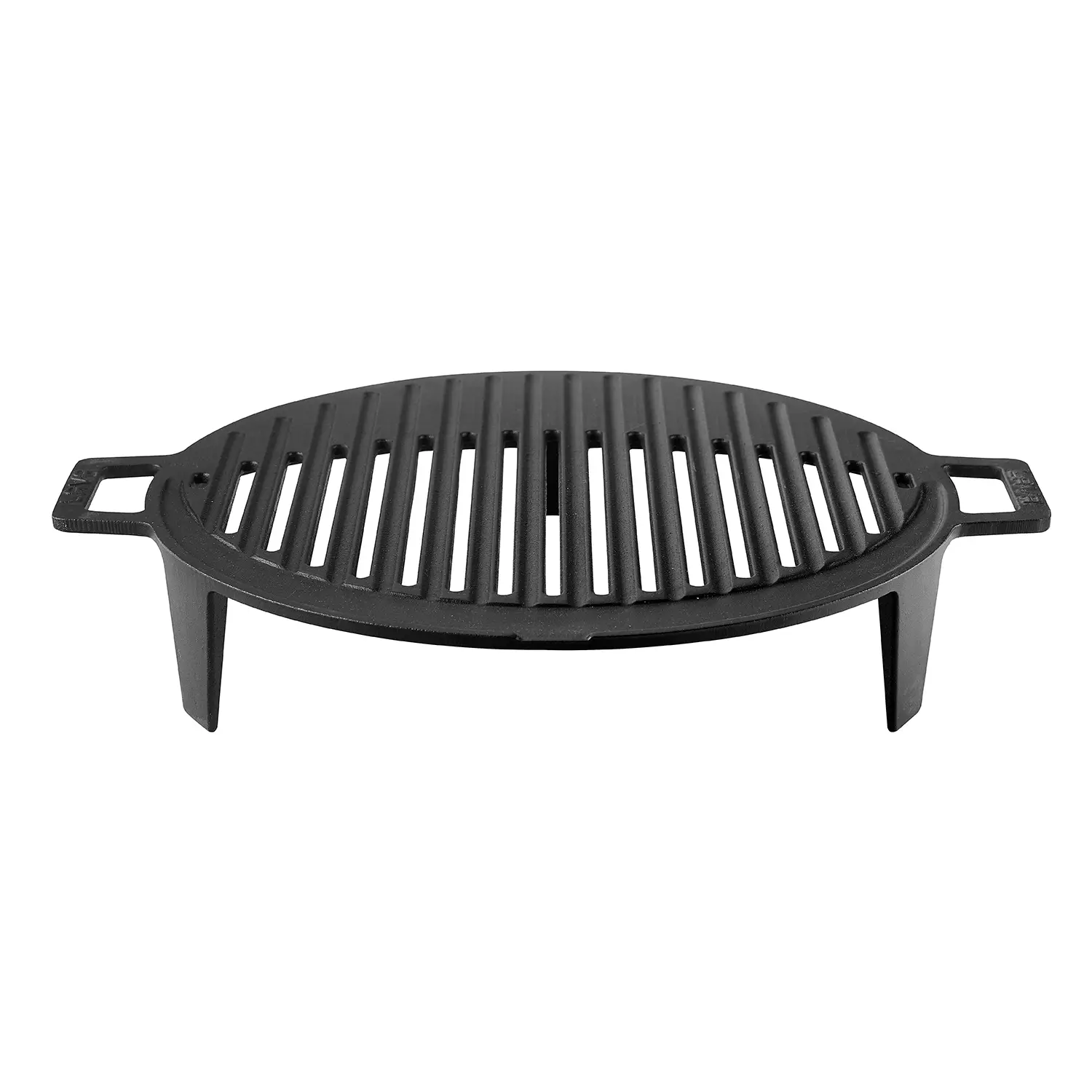
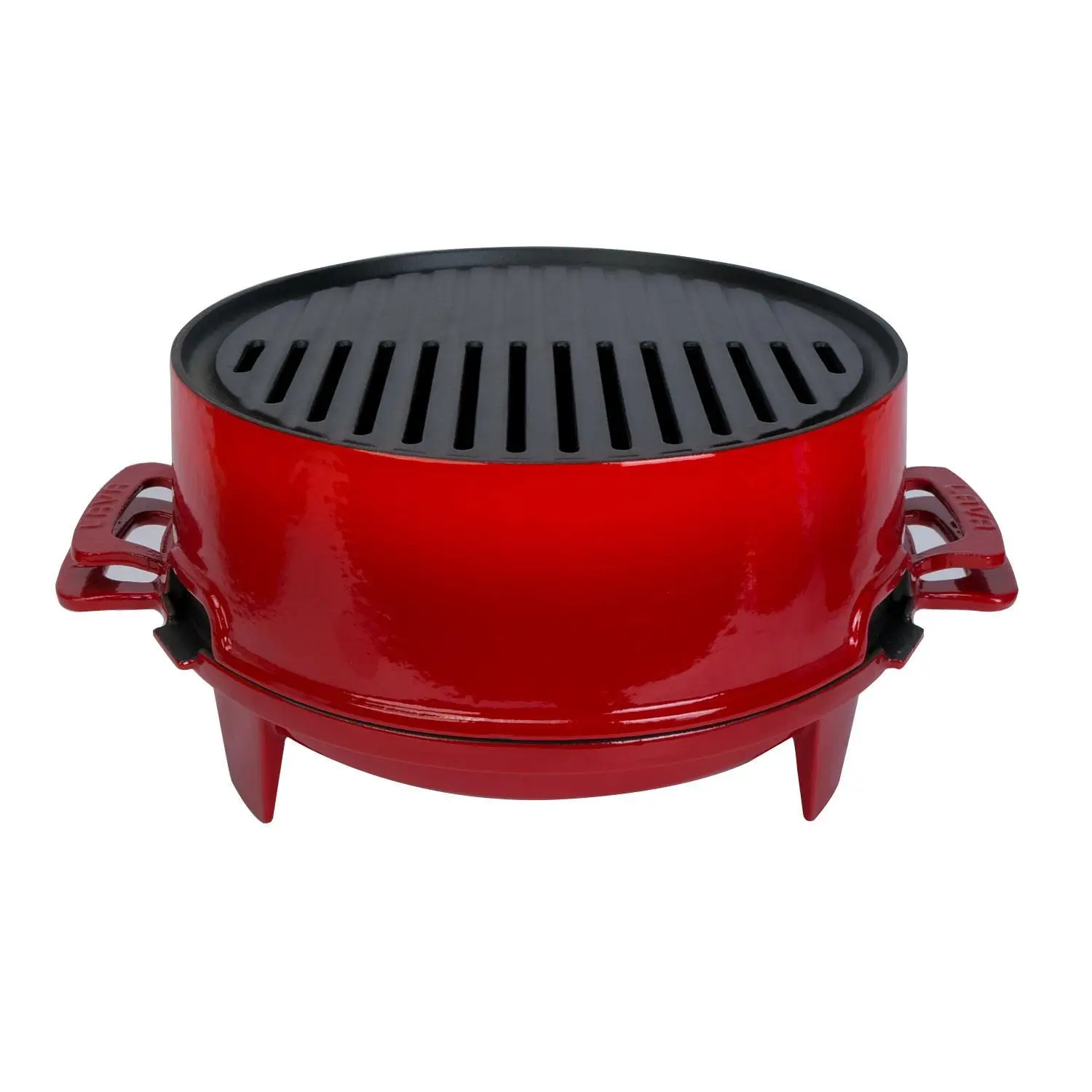
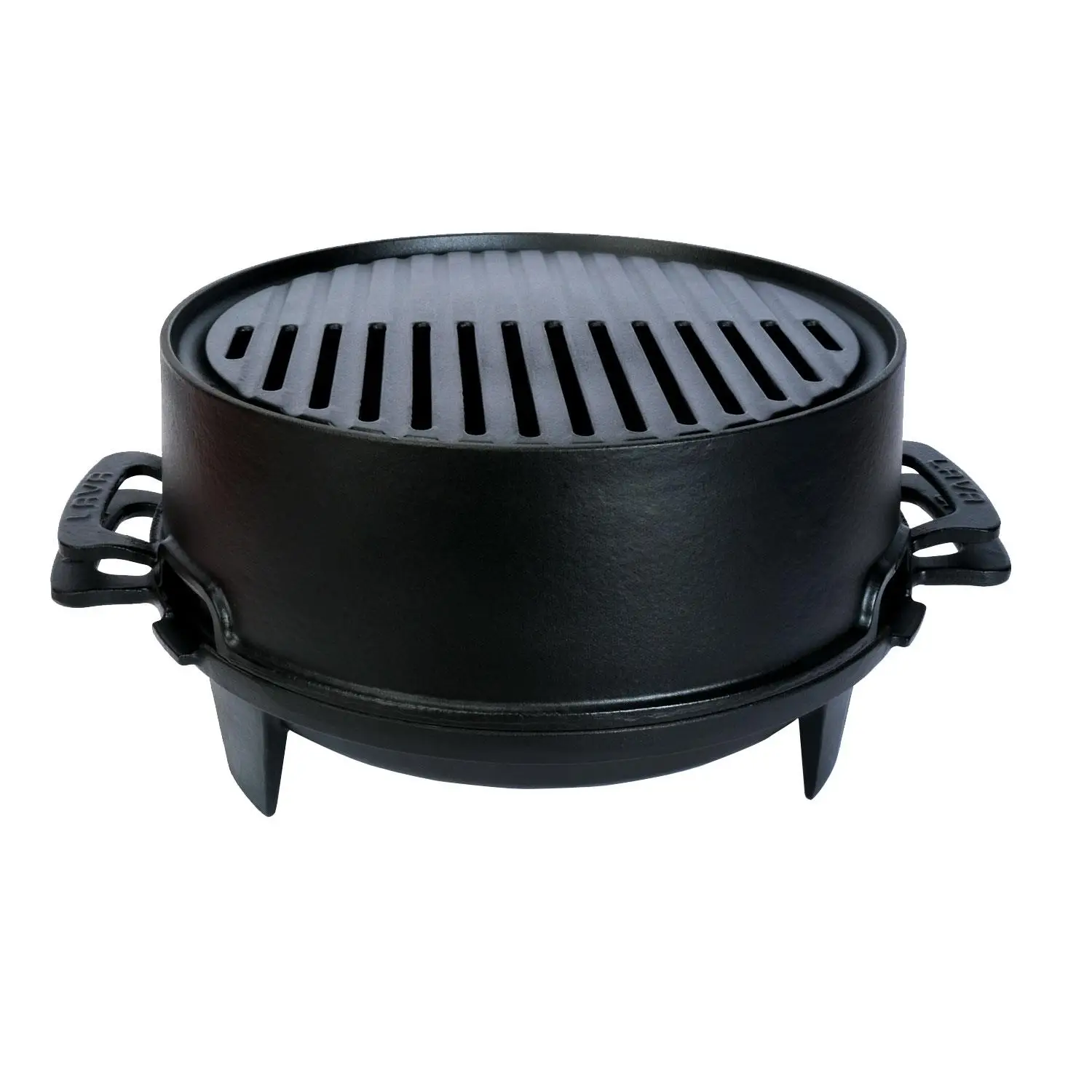
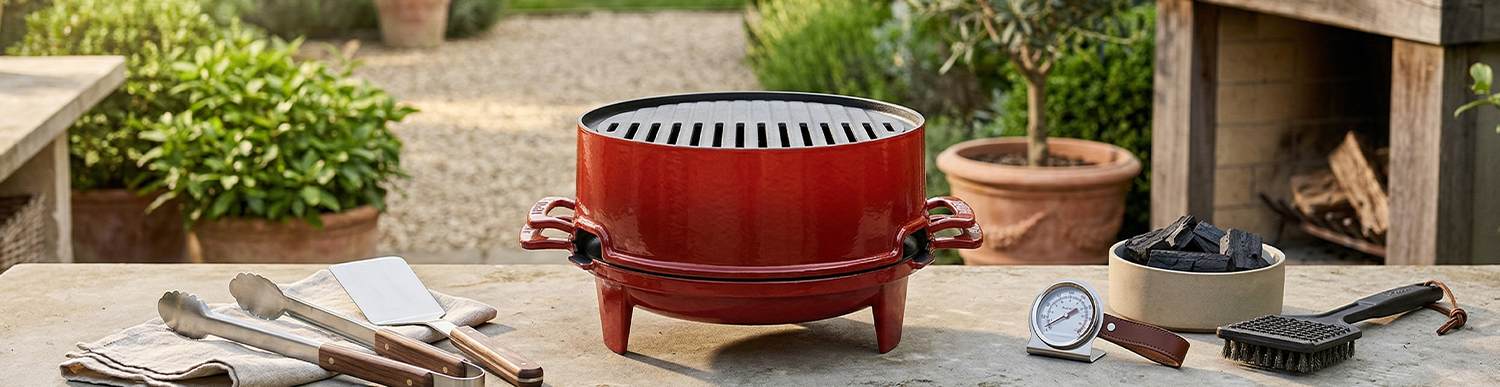
The secret behind those perfect fish you see in our social media posts lies in the ability of LAVA cast iron products to distribute heat evenly and maintain high temperatures. Here are the techniques for cooking fish in a cast iron pan or cooking fish on a cast iron barbecue and grill:
Turbot must not lose its famous gelatinous structure.
Advice: Always cook it on the bone.
To prevent sticking, place the fish only when the cast iron pan, grill, or barbecue is very hot and do not touch it until the skin releases itself completely. LAVA’s surface is your best assistant at this point.
Haddock meat is very delicate and can easily fall apart.
Technique: Lightly coat the fish in cornmeal. Grease your cast iron barbecue, grill, or pan slightly more than usual.
Fast Searing: To avoid losing the moisture inside, sear both sides for only 2 minutes each at high heat and remove from the fire immediately.
The biggest fear with white-fleshed fish is the meat drying out.
Preparation: Make 2-3 shallow scores on the skin. This prevents the skin from tightening and tearing the meat at high temperatures.
Resting: Do not serve the fish as soon as you take it off the fire. Resting it for 2 minutes allows the juices to redistribute back into the meat.
Once you know the tips for grilling fish on a barbecue and cook your fish with this knowledge, you will never forget the flavor you achieve.
How do I know if the fish is cooked?
Answer: If you have a kitchen thermometer, it is perfectly cooked when the internal temperature of the fish is 60-63°C. Alternatively, when you insert a fork into the thickest part and twist slightly, if the meat separates easily from the bone, it is done.
Why does fish stick to the pan?
Answer: There are two main reasons: the pan is not hot enough or the fish skin is damp. Make sure to dry the fish thoroughly with a paper towel before placing it in the pan.
Does the smell of fish remain in the cast iron pan?
Answer: LAVA cast iron pans do not allow odors to penetrate as they are coated with high-quality enamel. Washing with hot water and a natural detergent after cooking is sufficient.
Marinating: Choose marinades that do not overpower the natural taste of the fish. Olive oil, a sprig of rosemary, fresh garlic, and lemon zest are ideal for April fish.
Searing: Make sure your cast iron barbecue is thoroughly heated. You should hear that famous "sizzle" when you place the fish. This sound is the herald of the flavor being trapped inside.
Freshness Check: The eyes of the fish should be bright and the gills should be vibrant red. Fresh fish caught in April should smell like the "sea," never heavy or unpleasant.
April brings different fish rituals in different parts of the world:
Japan: "Sakura-dai" (Cherry Blossom Season Sea Bream) is very popular this month.
Italy: On the Mediterranean coast, oven-baked fish paired with fresh artichokes are the crown jewels of the tables in April.
Scandinavia: Salmon and cod from cold waters are prepared using the smoking method in cast iron pans.
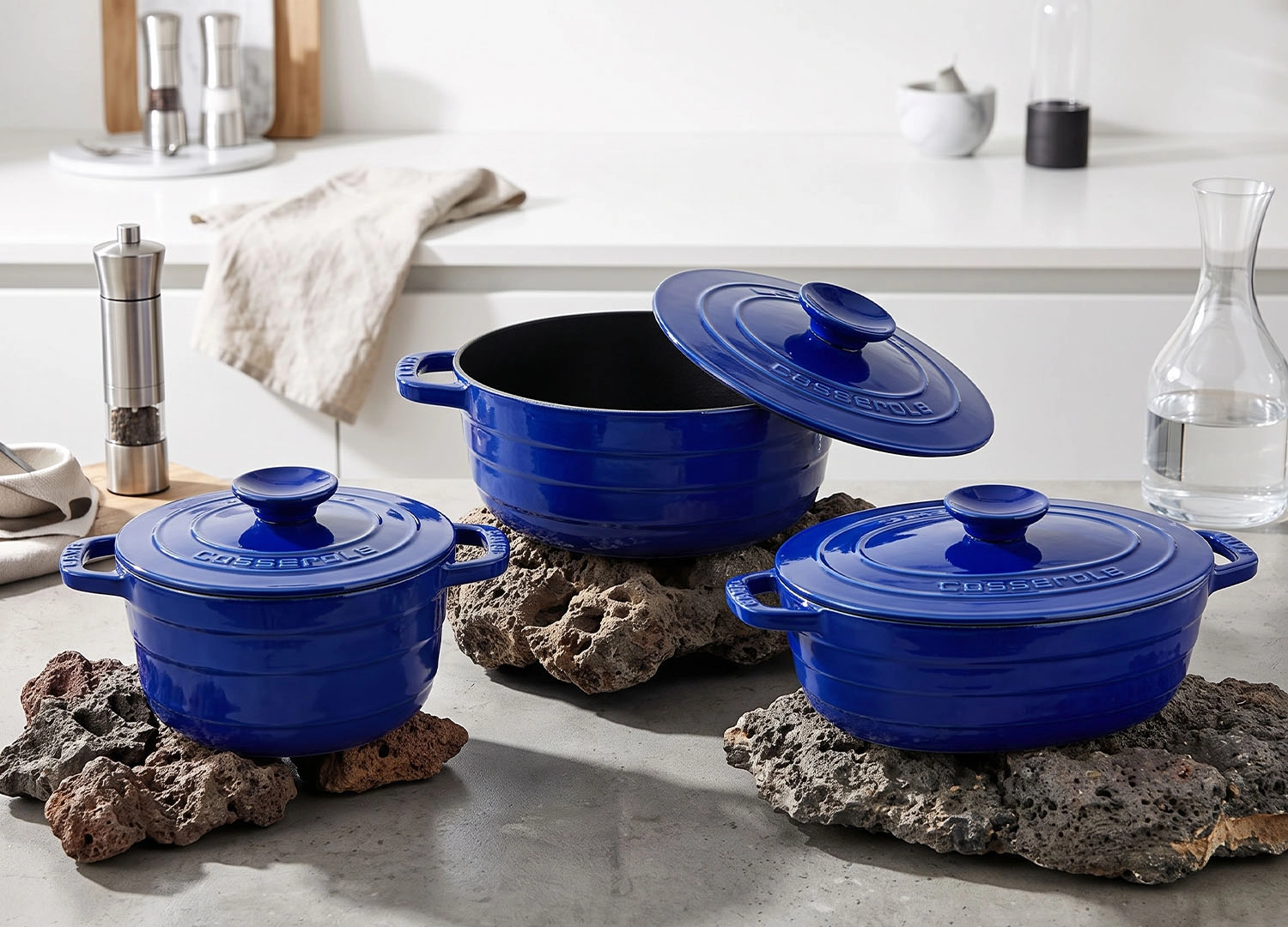
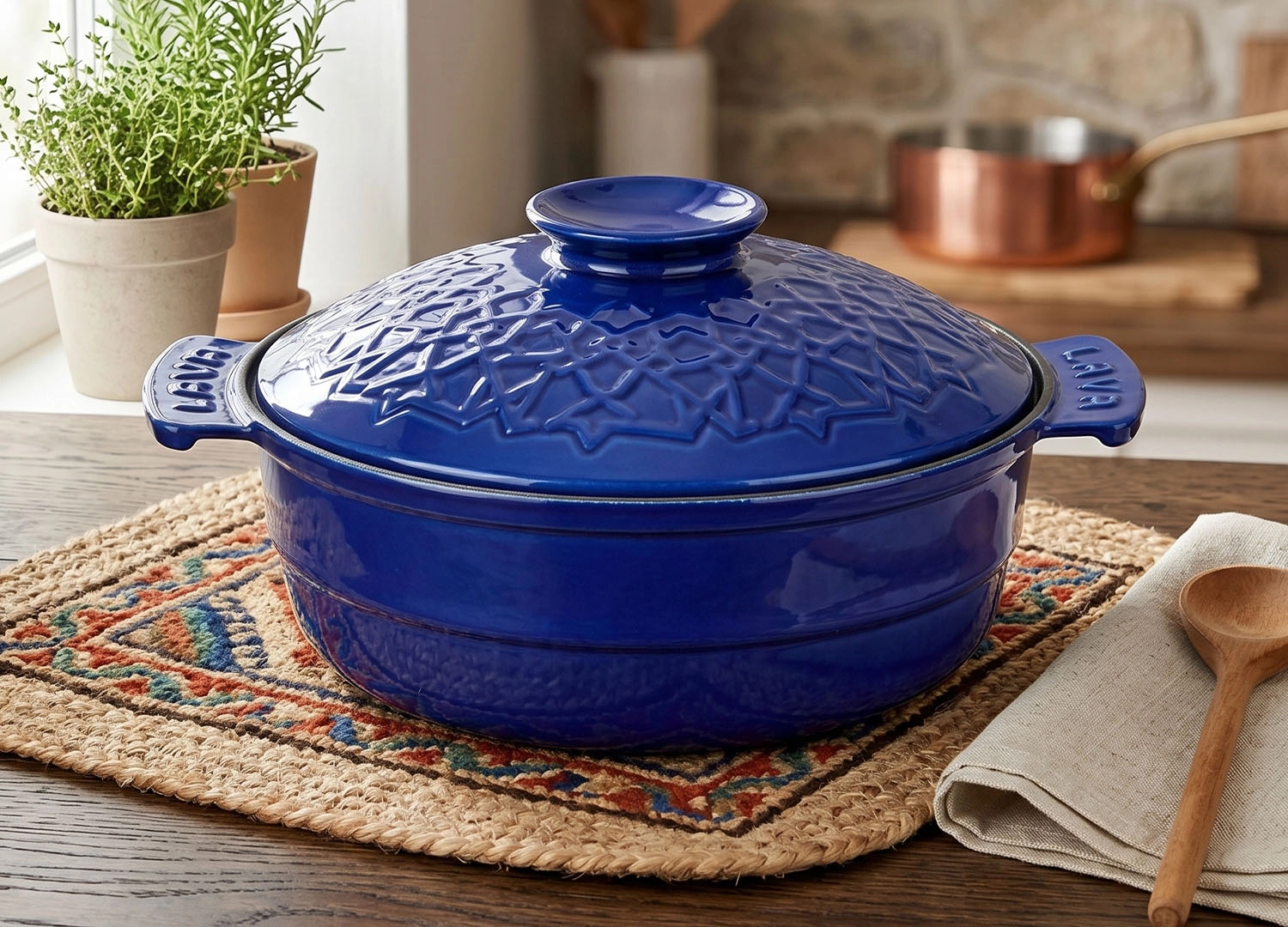
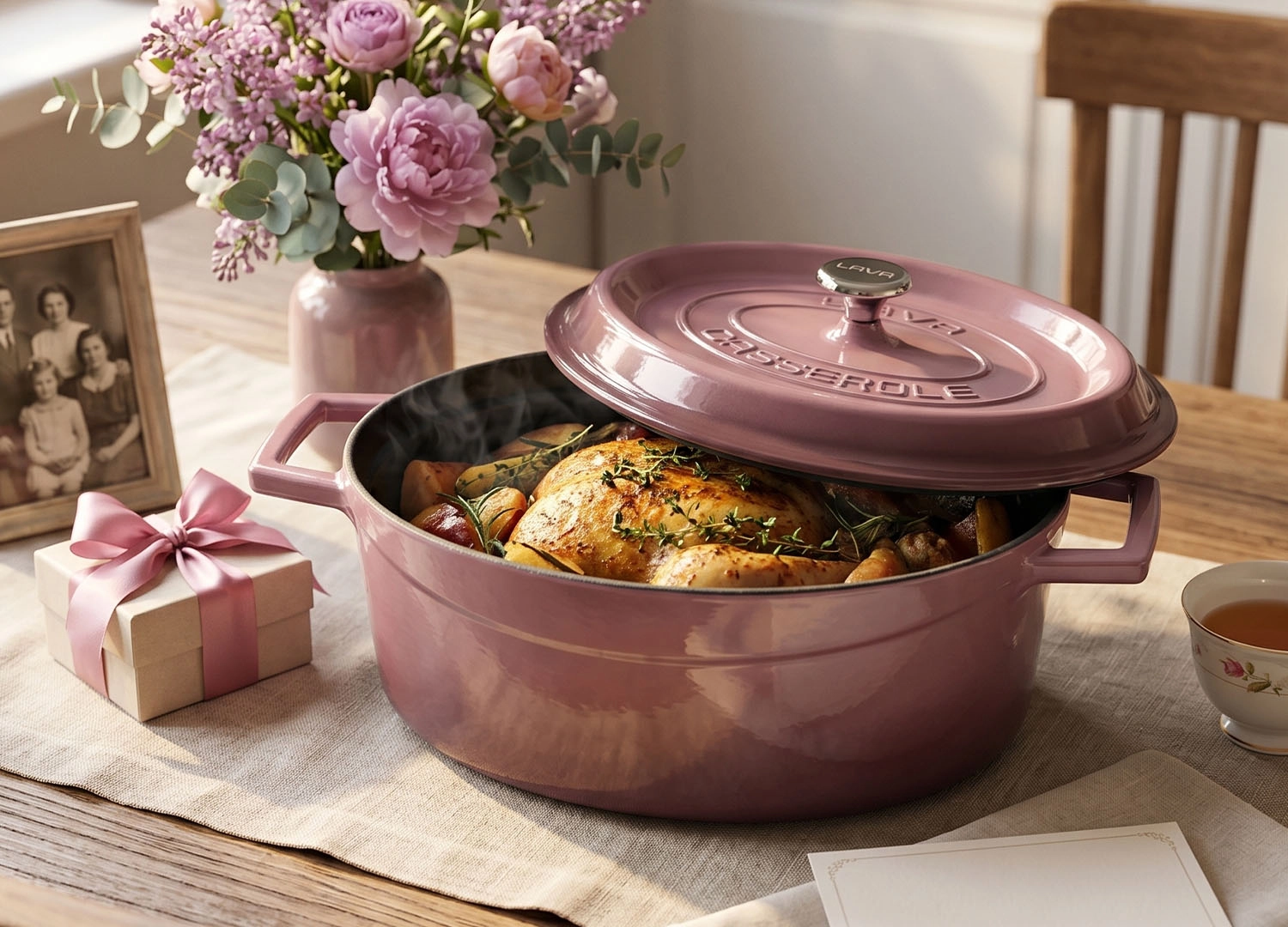
While many people consider cast iron products suitable only for searing meat or slow-cooking stews, cooking fish in a cast iron casserole is actually one of the most preferred methods by professional chefs. These pots trap heat not only at the base but also in the side walls, creating an oven effect; this allows the fish to cook in its own juice using the "steaming" or "light searing" method without losing its nutritional value. Especially in models with lids, the moisture cycle helps the fish meat stay tender as lokum, while the high heat capacity of the cast iron makes it possible to crisp the skin from the outside. The enameled surface of your LAVA cast iron casserole prevents the fish smell from being trapped in the pot. If you want to make fish in the most beautiful cast iron pot, click for the recipe.
April is a month that brings freshness and health to our tables. LAVA cast iron grills, barbecues, or pans are designed for you to cook these valuable nutrients in their most natural and delicious forms. With the right fish selection and the professional touches in this guide, you can be the chef of your own kitchen or garden.
Remember; a good fish is not only well-chosen but also cooked on a good surface, namely LAVA!
15.04.2026Lava Casting Round Barbecue Grill Set Cast Iron Solid Double Handle Diameter (Ø)36cm.







Lava Döküm Online Fabrika Satış Mağazası. © 2026 All Rights Reserved.


0
)