×

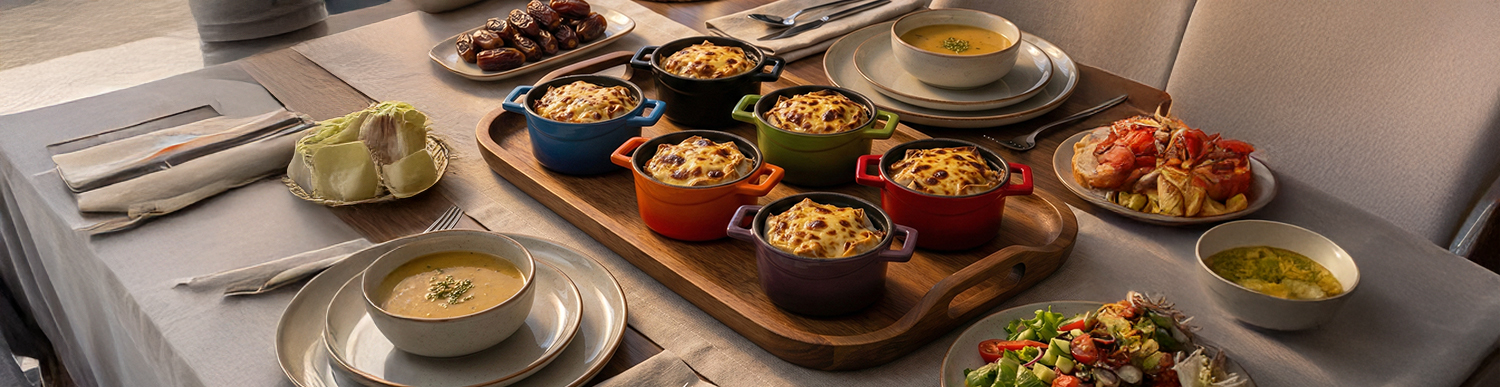
If we are to speak of a dish that reflects the splendour of Ramadan tables and brings together elegance and flavour when entertaining guests, one of the first that comes to mind is Sultans’ Kebab. With its refined presentation and rich composition, this dish truly lives up to its regal name. It is an especially strong choice for those planning a 10th day iftar menu, offering a show-stopping main course.
From a chef’s perspective, Sultans’ Kebab is a dish that requires technique, patience and balance. Yet when prepared correctly, it brings a sense of grandeur to the table. In this article, we will explore the details of the Sultans’ Kebab recipe, its place in Turkish cuisine, and complementary olive oil dishes that can be served alongside it.
Sultans’ Kebab traces its roots back to the Ottoman palace kitchens. In that culinary tradition, food was not merely sustenance; it was an expression of power, magnificence and cultural richness. The silky texture of aubergine, the delicate touch of béchamel sauce and the satisfying depth of tender meat come together to create a dish that is truly fit for royalty.
Kebab culture in Turkish cuisine is remarkably diverse. From the south-east to central regions of the country, there are countless variations. However, Sultans’ Kebab stands apart from traditional skewered or tray-baked kebabs. What makes it distinctive is its parcel-like presentation, its creamy béchamel layer and its beautifully browned, oven-finished structure.
Ramadan is a time when carefully prepared tables bring families and friends together. For those searching for a refined Ramadan dinner recipe, finding a main course that is both satisfying and elegant is essential.
This is precisely where Sultans’ Kebab shines:
It combines both meat and vegetables.
It pairs beautifully with rice and olive oil dishes for a balanced menu.
As it is oven-baked, it can be conveniently prepared close to iftar time.
Visually, it becomes the centrepiece of the table.
For anyone planning a slightly more elaborate 10th day iftar menu, Sultans’ Kebab is an excellent choice.
Now let us step into the kitchen. With the precision of a professional chef, we will prepare a flawless Sultans’ Kebab recipe step by step.
400 grams diced beef (chicken may be used as an alternative)
1 large onion
2 cloves of garlic
1 red pepper
1 green pepper
1 cup peas
1 tomato
2 tablespoons vegetable oil
Salt
Black pepper
Chilli flakes
Dried thyme
3–4 medium aubergines
Vegetable oil for frying
2 tablespoons butter
2 tablespoons plain flour
2 cups milk
Salt
A pinch of nutmeg (optional)
Grated cheddar cheese
Slice the aubergines lengthwise into thin strips. To remove any bitterness, soak them in salted water for approximately 20 minutes. Pat dry thoroughly, then lightly fry in hot oil.
Professional tip: Do not fry the aubergines until crispy. They should remain soft, as they will cook again in the oven.
Heat the vegetable oil in a wide pan. Sear the diced beef over high heat to lock in flavour. Once the meat releases and reabsorbs its juices, add the chopped onion and garlic.
Next, add the diced peppers. Stir in the chopped tomato, peas and seasonings. Allow the mixture to cook gently over low heat. The filling should be moist but not overly watery.
This stage forms the foundation of the Sultans’ Kebab recipe. If the meat is not properly cooked, the final result will lack depth.
Melt the butter in a saucepan. Add the flour and cook until fragrant, being careful not to brown it excessively. Gradually whisk in the milk to avoid lumps. Once thickened, season with salt and nutmeg.
The béchamel should be smooth, creamy and pourable, yet thick enough to coat the back of a spoon.
Place two aubergine strips in a cross shape inside a baking dish. Spoon a portion of the meat filling into the centre. Add one or two spoonfuls of béchamel sauce on top.
Fold the aubergine strips over the filling to form a neat parcel. Repeat until all ingredients are used.
Bake in a preheated oven at 180°C for approximately 20 minutes. Sprinkle grated cheddar over the top and return to the oven for a further 5–10 minutes, until golden and bubbling.
Your classic Sultans’ Kebab is now ready to serve.
As any chef would say, presentation is just as important as flavour.
Plain steamed rice or buttered vermicelli rice pairs beautifully.
A yoghurt-based side dish provides balance.
A fresh seasonal salad adds lightness.
For a well-balanced 10th day iftar menu, consider the following combination:
Dates and soup to begin
A light savoury pastry as a starter
Main course: Sultans’ Kebab
Rice on the side
Olive oil green beans
A traditional milk-based dessert
This structure creates a harmonious and satisfying Ramadan dinner recipe plan.
Ramadan tables should not consist solely of rich dishes; lighter options are equally important for balance. This is where olive oil-based dishes play a crucial role.
In Turkish culinary tradition, olive oil dishes are especially prominent in the Aegean and Marmara regions. Vegetables take centre stage, gently cooked in high-quality olive oil and served at room temperature.
Alongside a rich main course such as Sultans’ Kebab, these lighter plates create contrast and prevent the meal from feeling too heavy.
When serving Sultans’ Kebab, the following options complement it beautifully:
Olive oil green beans
Braised artichokes
Borlotti beans in olive oil
Stuffed vine leaves
Courgettes cooked in olive oil
These cold dishes are particularly gentle after a long day of fasting. They help create a balanced Ramadan dinner recipe and support comfortable digestion.
For a chef, the success of a meal lies not in a single dish, but in the harmony of the entire table.
If Sultans’ Kebab is the chosen main course:
The soup should be light (such as lentil or yoghurt-based soup).
The salad should be simply dressed with lemon.
Dessert should ideally be milk-based rather than syrup-heavy.
This thoughtful balance makes a significant difference when planning a special 10th day iftar menu.
Ensure the aubergines do not absorb excessive oil.
Always sear the meat properly.
Prevent lumps in the béchamel sauce.
Avoid overbaking, as this may dry out the filling.
Allow the dish to rest briefly before serving.
A truly exceptional Sultans’ Kebab recipe cannot be rushed. It rewards patience with remarkable flavour.
In summary, Sultans’ Kebab is one of the most elegant dishes in Turkish cuisine, both historically and gastronomically. Its impressive presentation makes it ideal for special occasions, guest dinners and anyone searching for a distinguished Ramadan dinner recipe.
If you are planning a memorable 10th day iftar menu this Ramadan, placing Sultans’ Kebab at the centre of your table will add both tradition and grandeur.
After all, good food does more than satisfy hunger — it creates lasting memories. And some recipes are truly fit for a sultan.
23.02.2026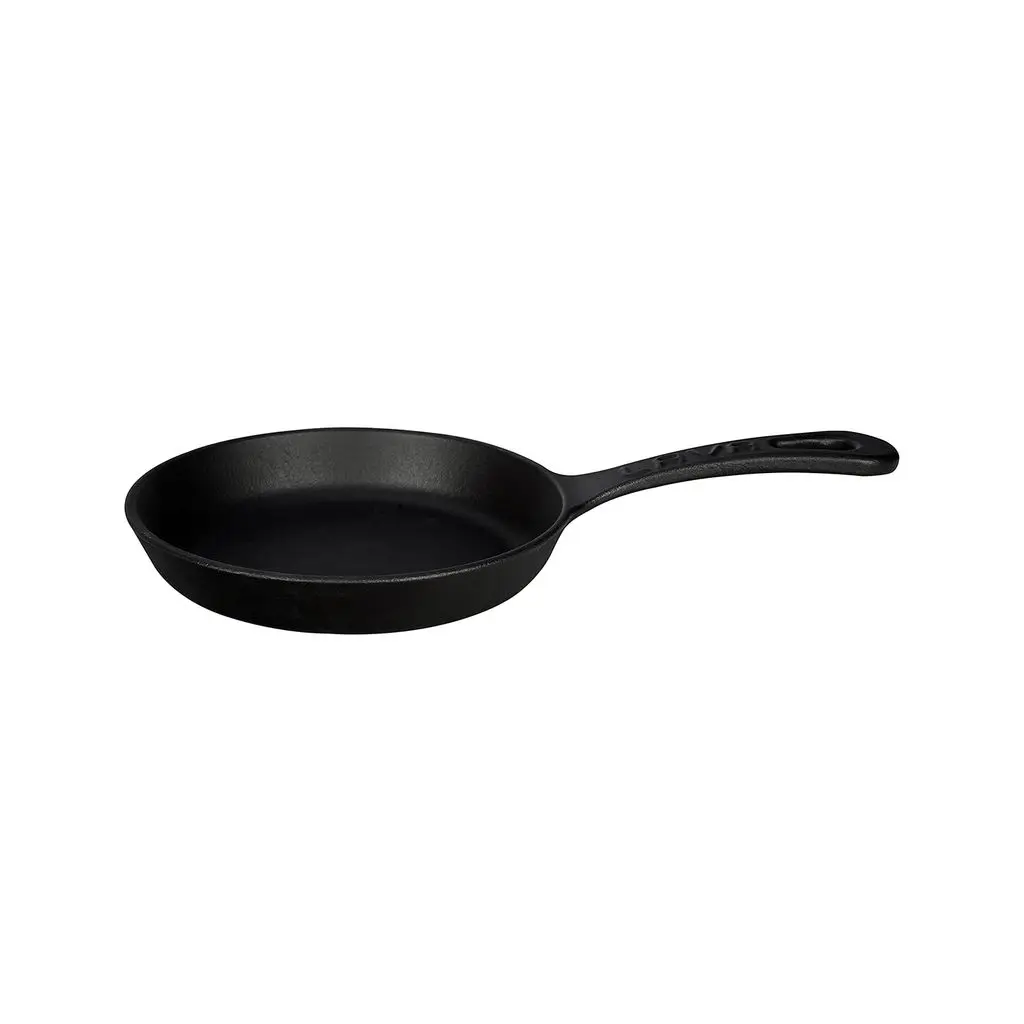
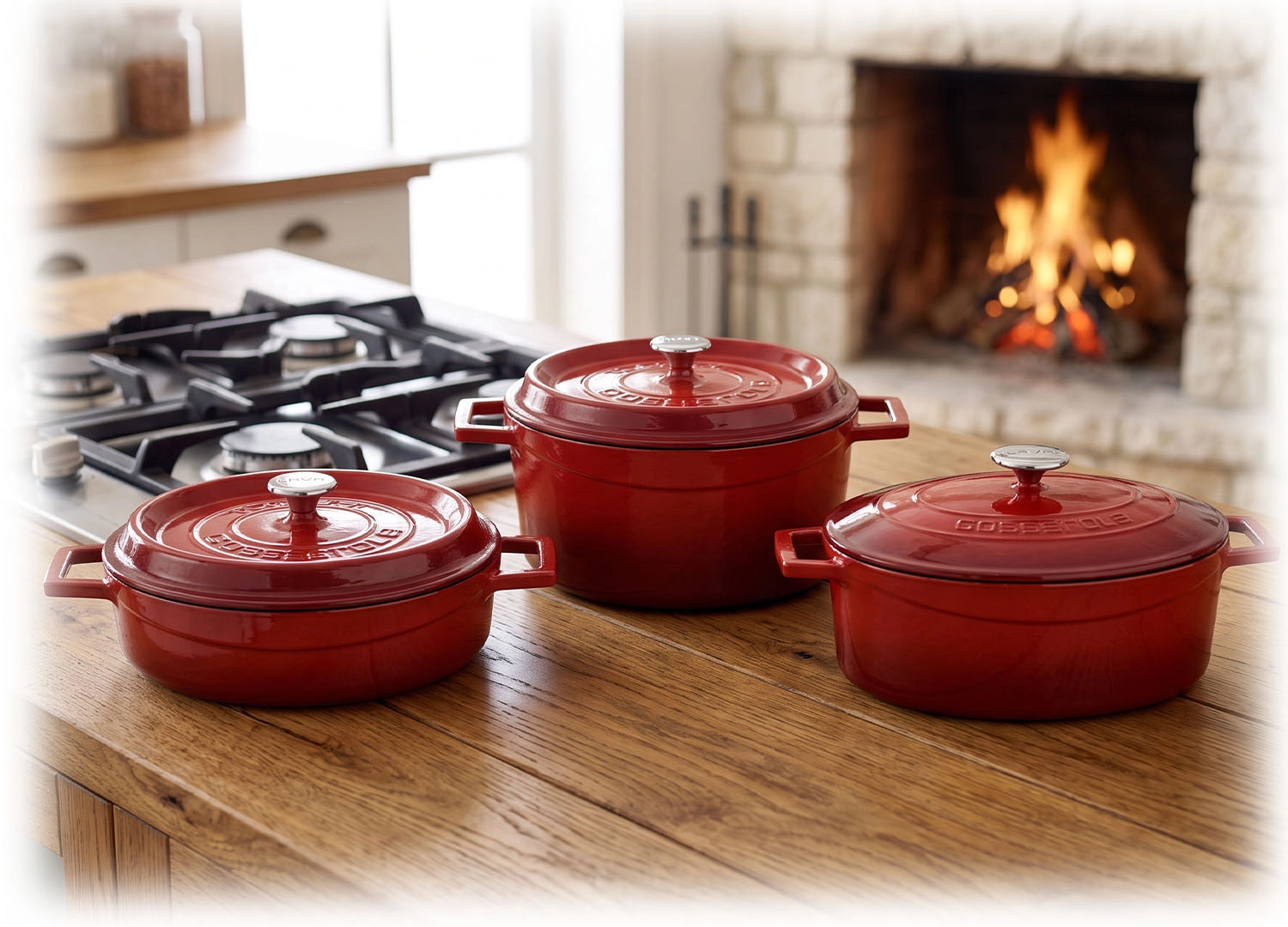
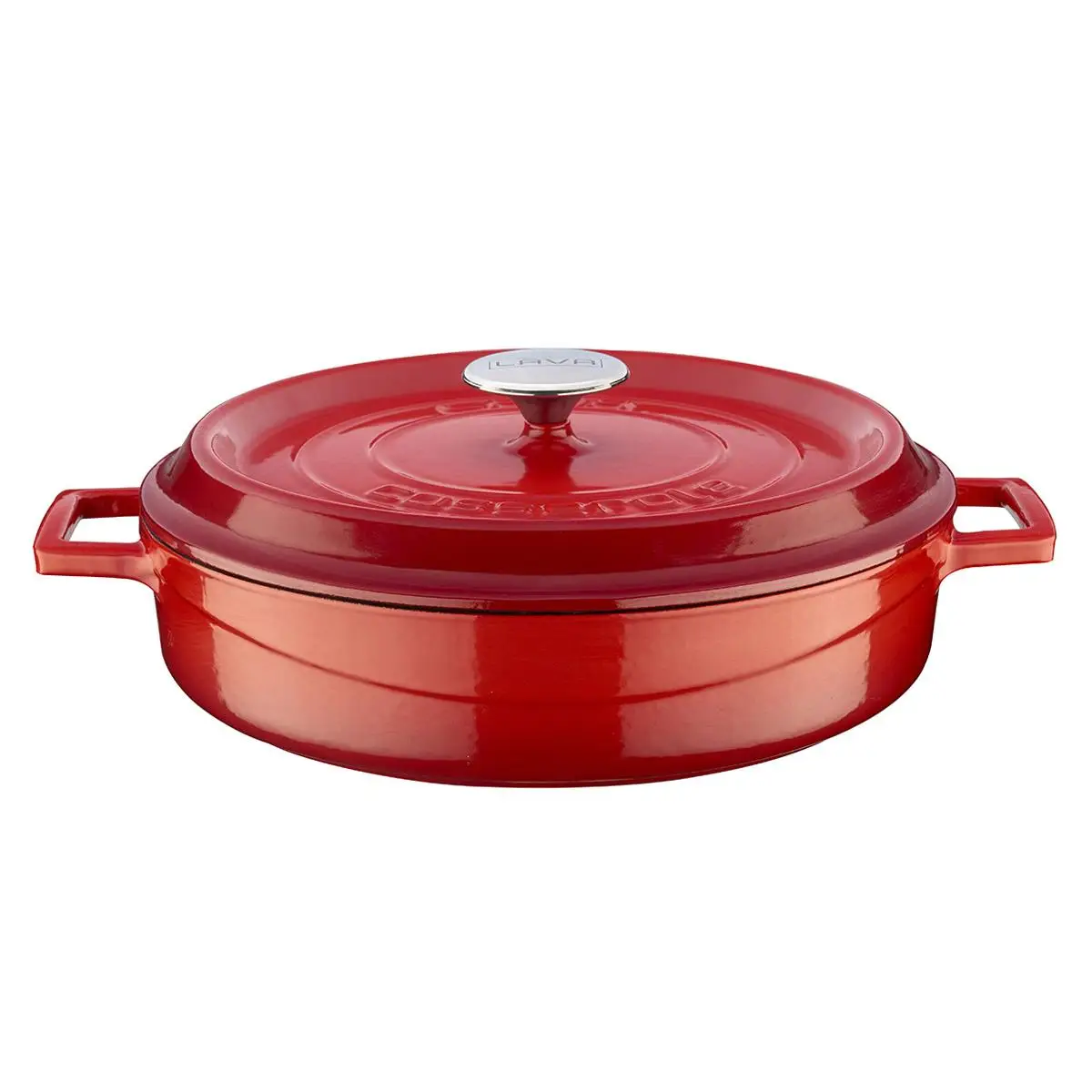
Lava Cast Iron Round Multipurpose Casserole. Trendy, Dia. Ø 28cm.
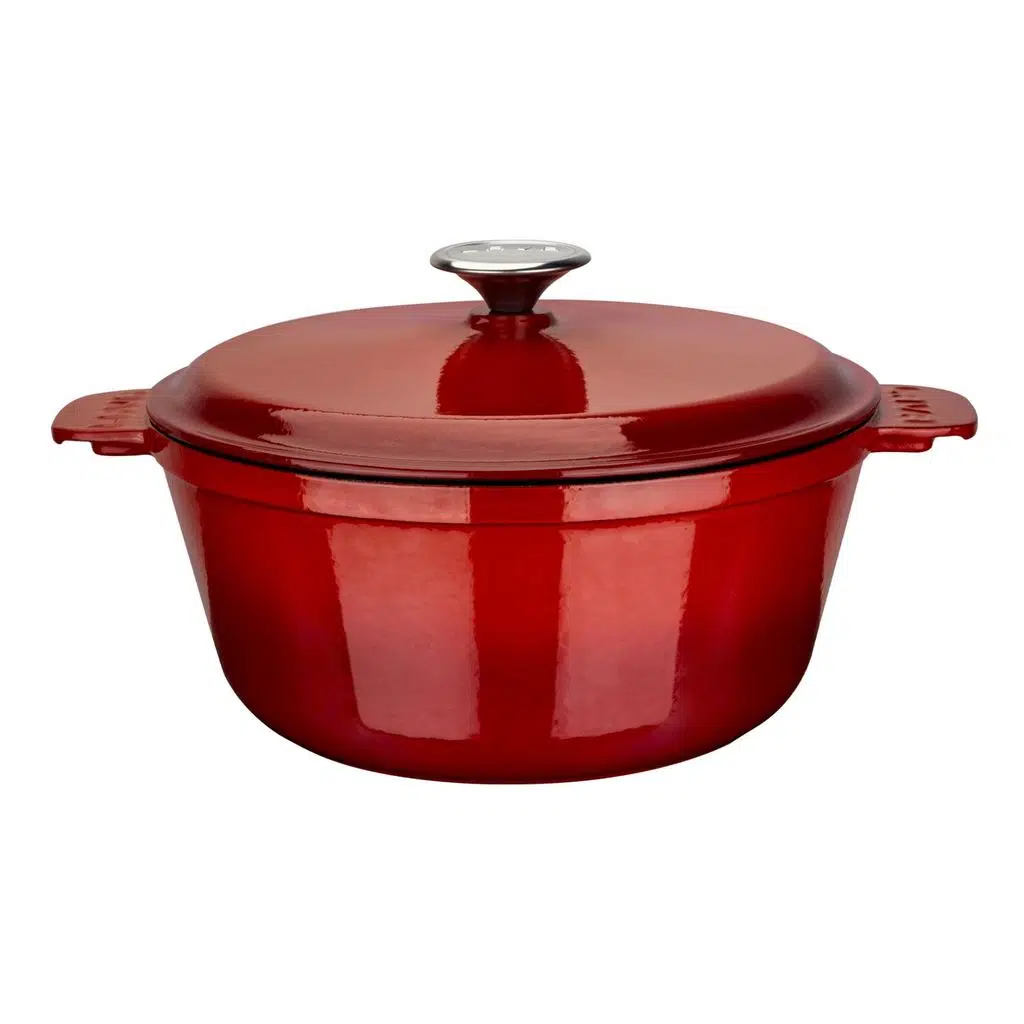
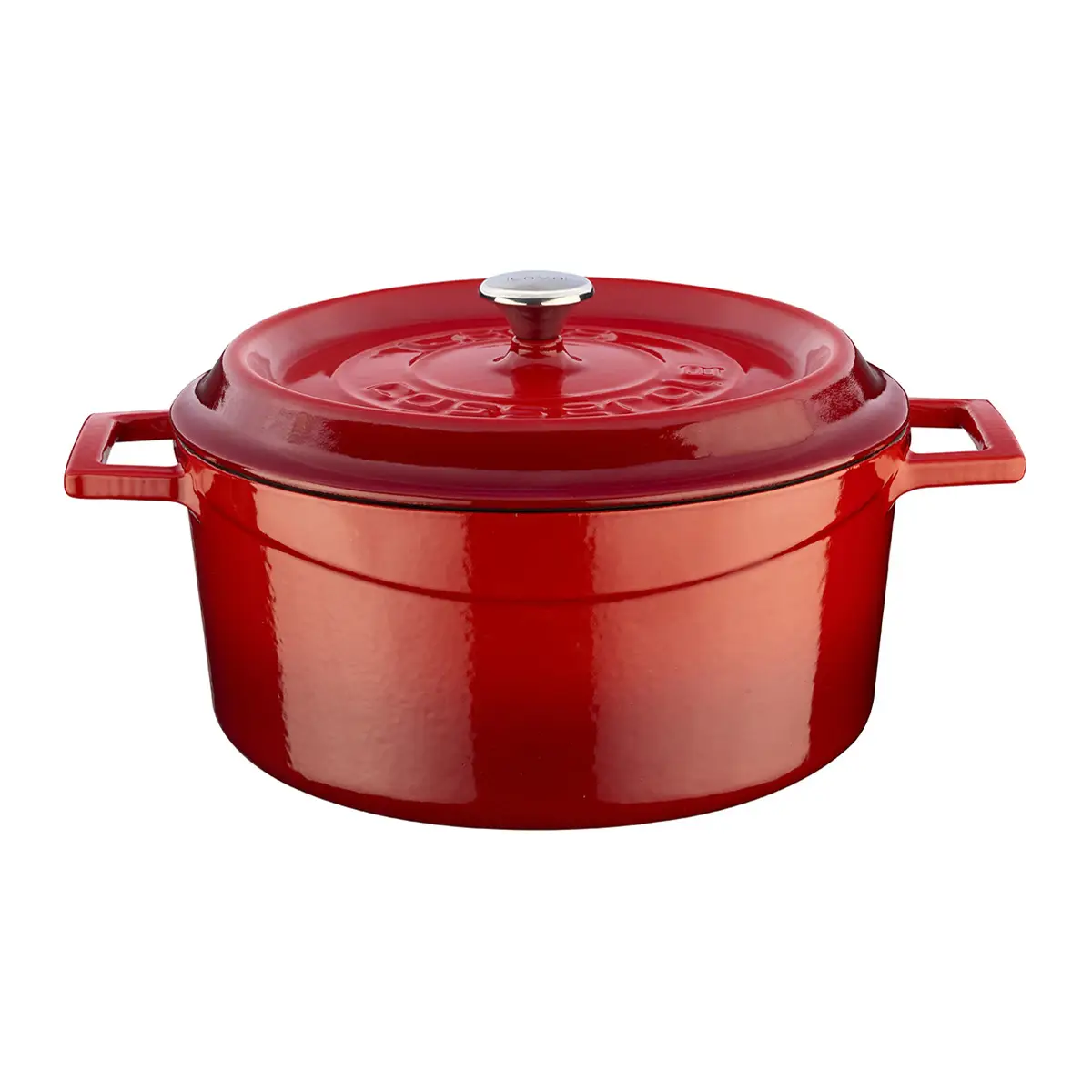
Lava Cast Round Pot with Cast Iron Solid Handle. Diameter(Ø)26cm. - Red
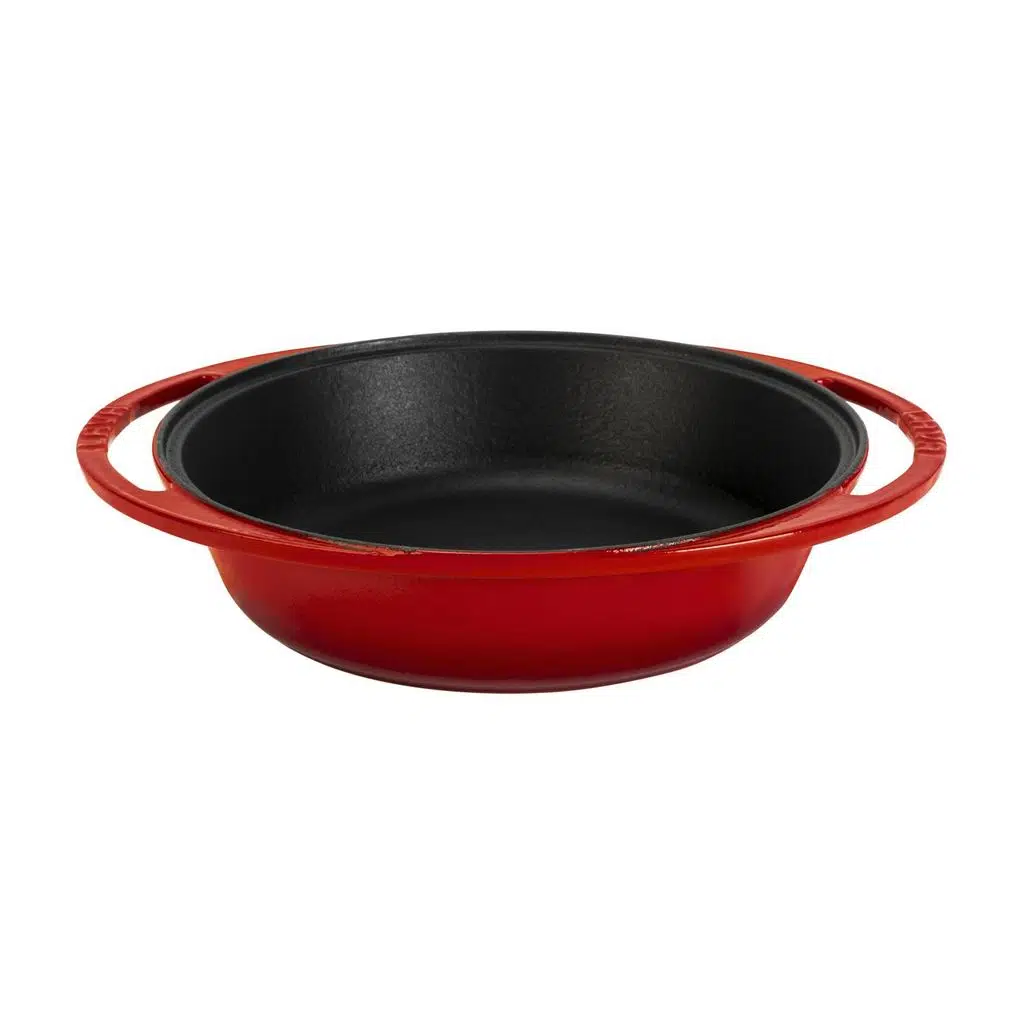
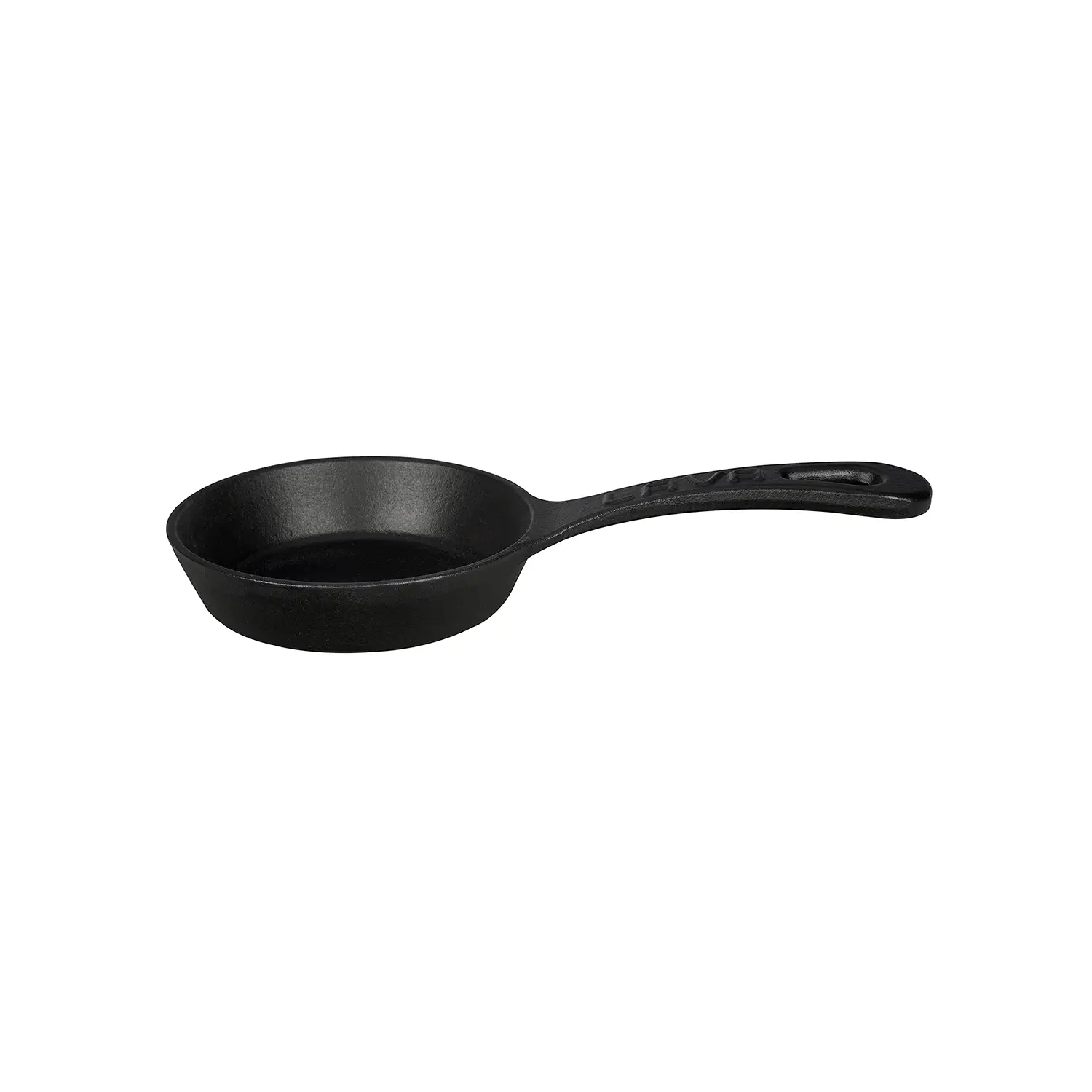
Lava Cast Iron Round Multipurpose Casserole. Trendy, Dia. Ø 24cm.







Lava Döküm Online Fabrika Satış Mağazası. © 2026 All Rights Reserved.


0
)