×

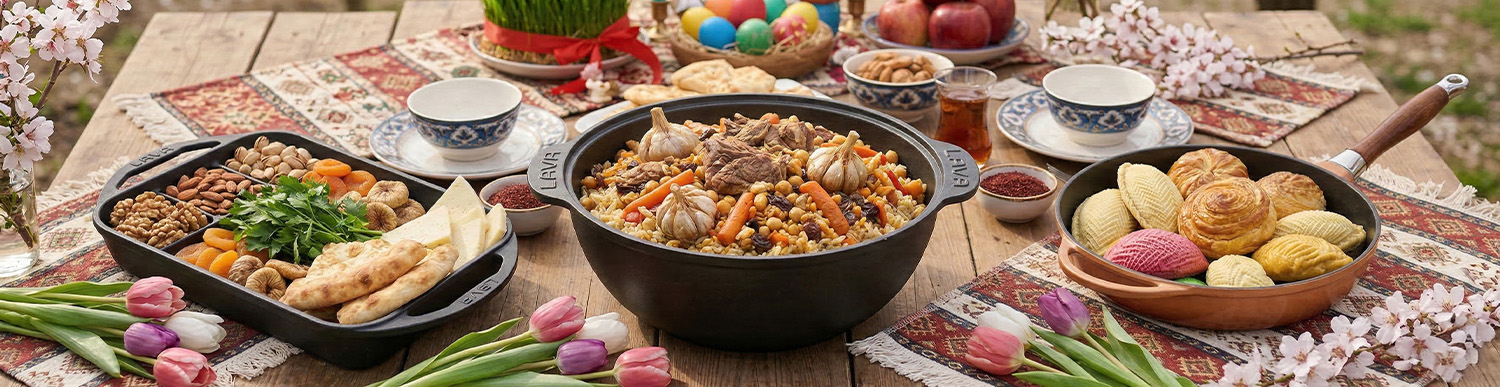
Content Summary: This article explores the profound meaning of the 21st March Nowruz Festival in Anatolian culture, the traditions of the "7 S" (Haft-Sin) table, and the intersection of these ancient rituals with culinary arts. It provides comprehensive information on the symbolic foods of the Nowruz table, regional celebration differences, and how traditional delicacies can be prepared in modern kitchens using Lava cast iron pots and pans for the healthiest and most flavourful results. Discover the awakening of spring through the power of iron on fire and the bounty of the earth.
Every year on the 21st of March, nature awakens from its deep and silent slumber. The snow melts, and the "cemre" (drops of heat) fall first into the air, then the water, and finally into the black soil. In Anatolia, this magnificent cycle of life is called Nowruz. Derived from Persian and meaning "New Day", Nowruz is not merely a calendar change or an astronomical event (equinox); it is the most tangible symbol of hope, resistance, rebirth, and social harmony.
In kitchens across Anatolia, this awakening is celebrated not with ordinary cooking, but with bountiful tables prepared with the precision of a ritual. In this article, while examining the place of this ancient festival in Anatolian wisdom, we will explore why Lava cast iron technology—which brings these flavours into modern kitchens—is the cooking method most suited to the spirit of Nowruz.
In Anatolian lore, Nowruz is also referred to as "Sultan Nowruz" and carries a sacred connotation. This special day is the collective memory of the Turkic world, stretching across a vast geography from the endless steppes of Central Asia to the green valleys of the Balkans.
The Legend of Ergenekon and Freedom through Iron According to Turkic mythology, Nowruz is the day the Turks emerged from a valley surrounded by insurmountable mountains called Ergenekon. To escape this valley, they lit massive fires and melted mountains of iron to spread their wings toward freedom. This is why two elements are never missing from Nowruz celebrations: Fire and Iron. It is believed that jumping over fire purifies the soul and body, while striking iron on an anvil salutes the sanctity of labour, production, and strength.
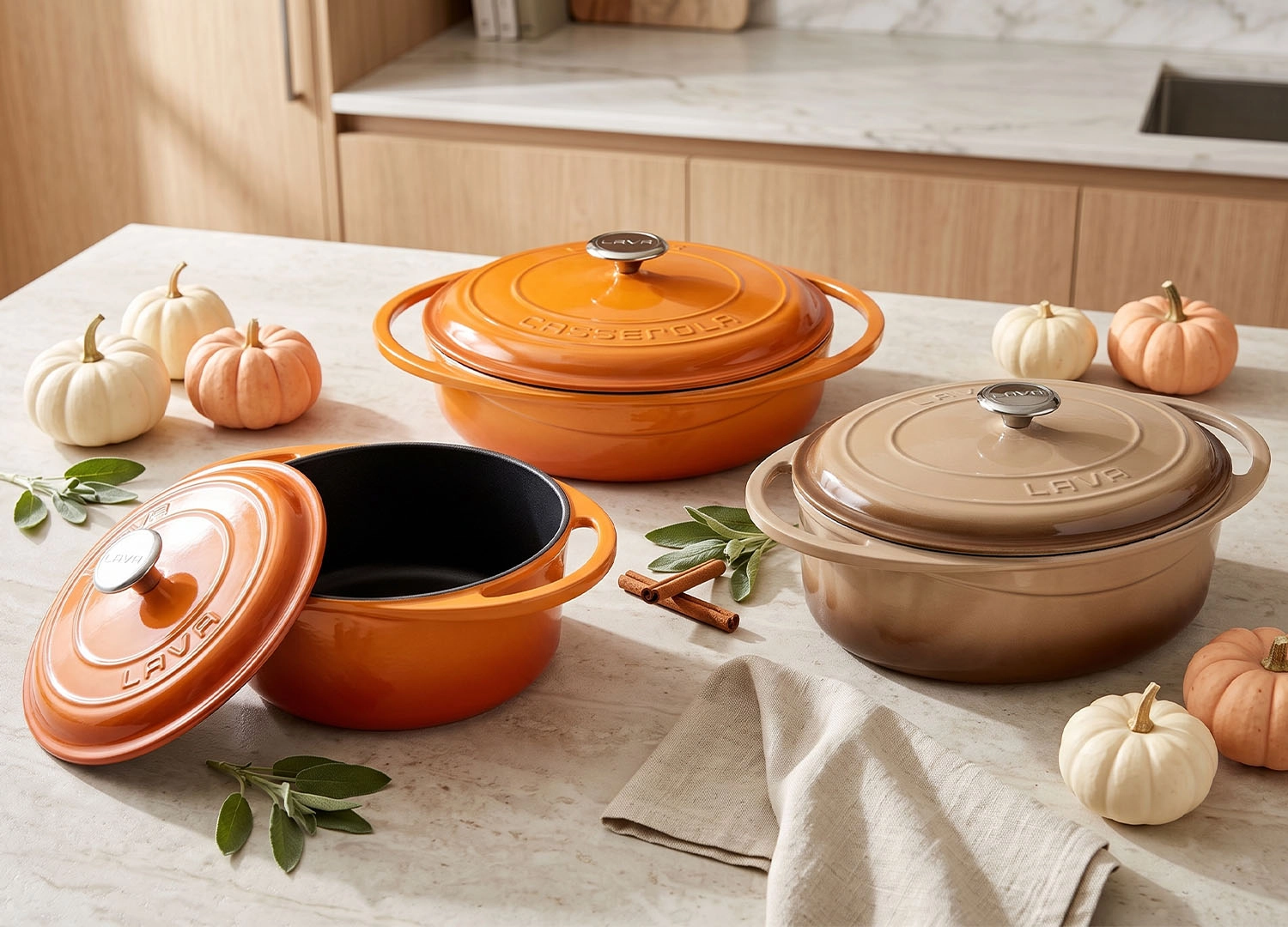
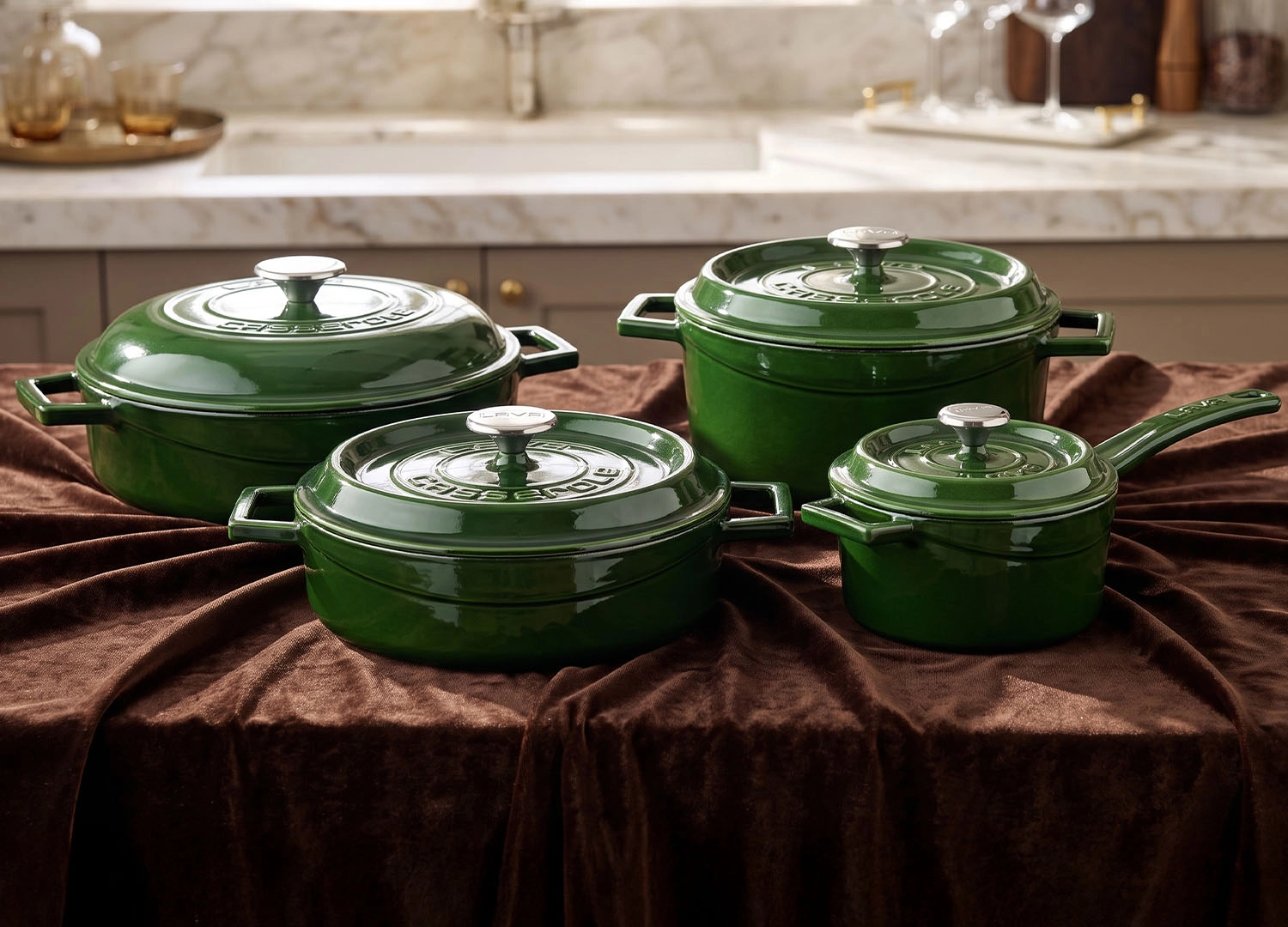
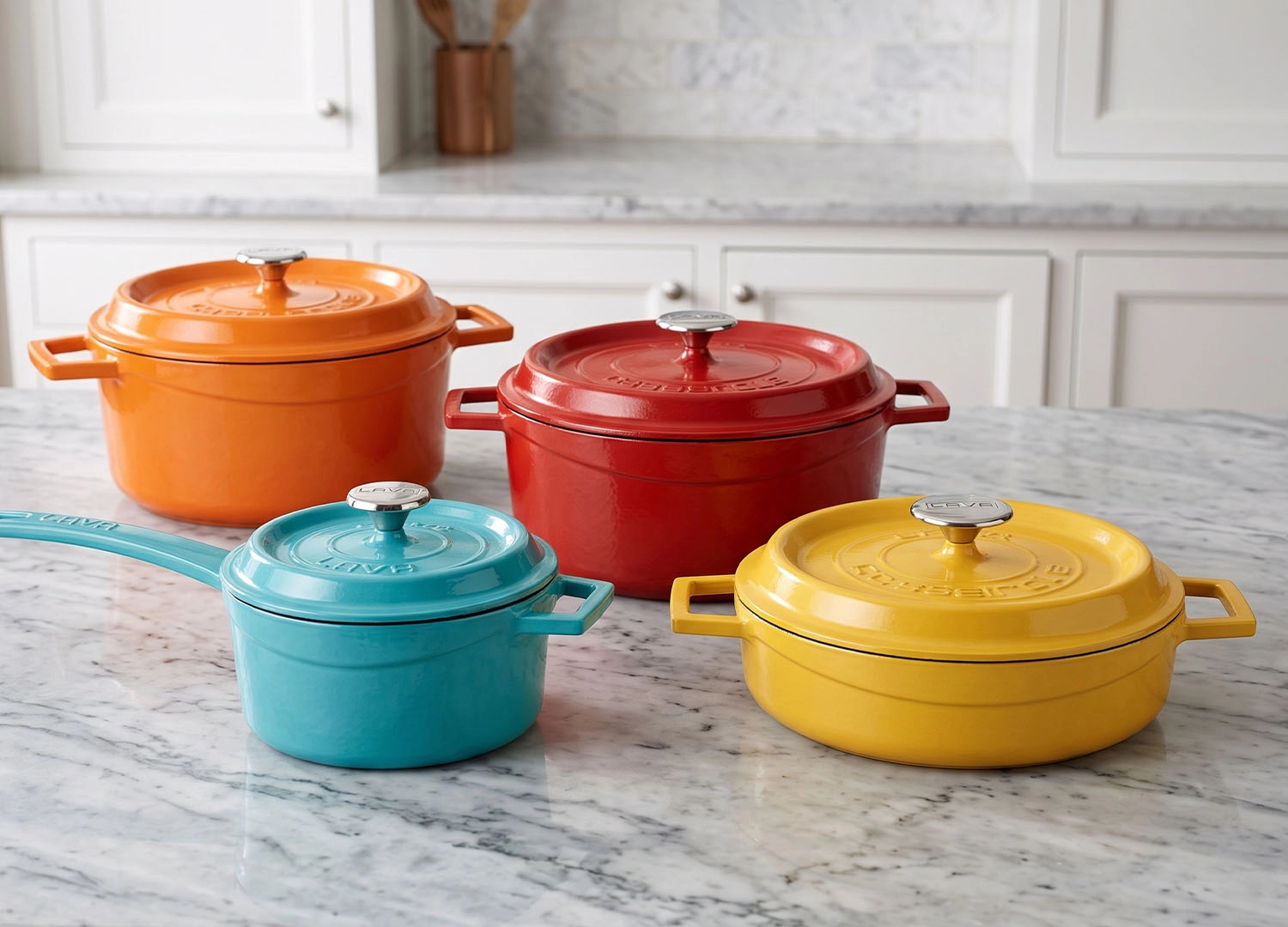
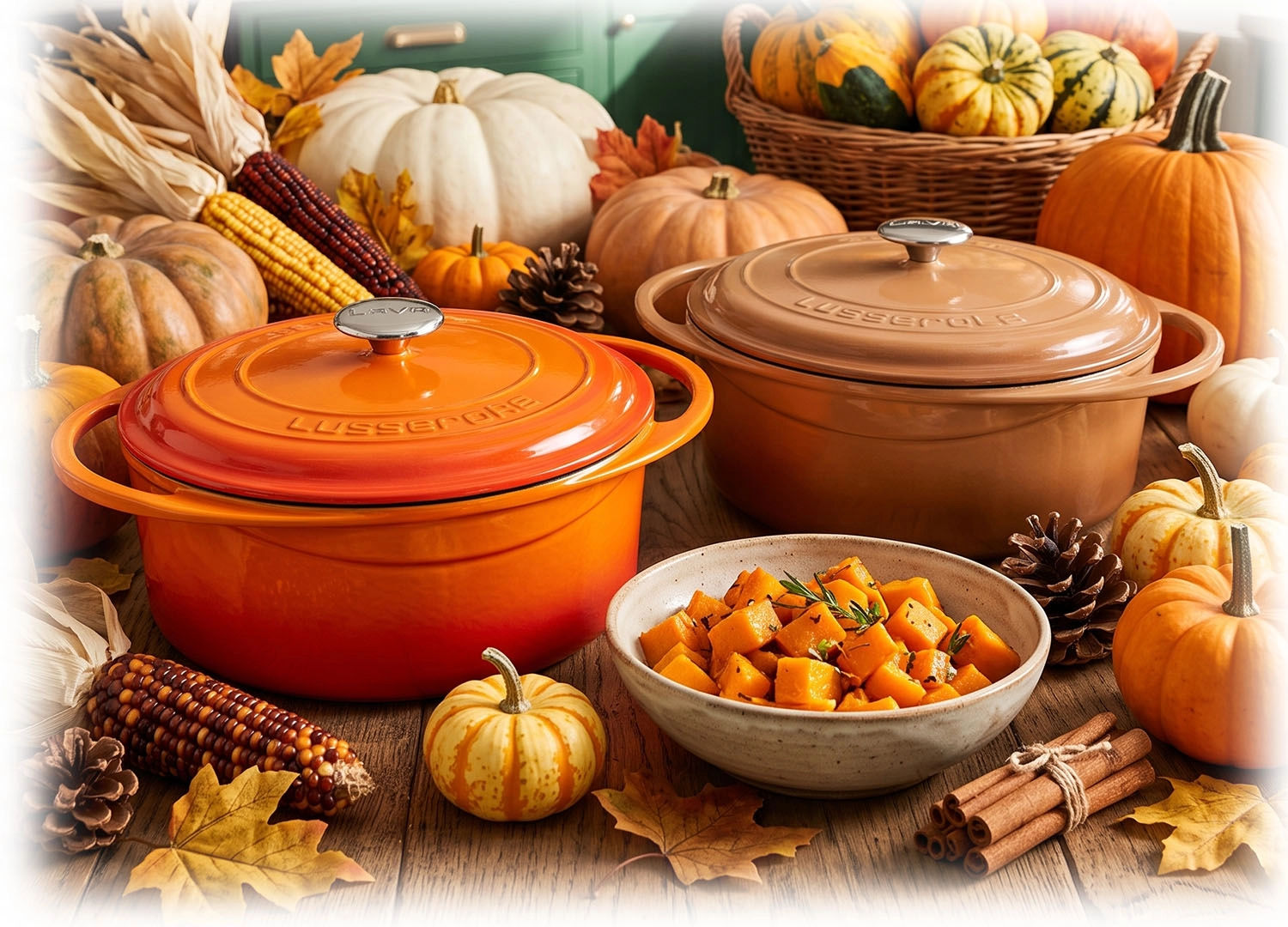
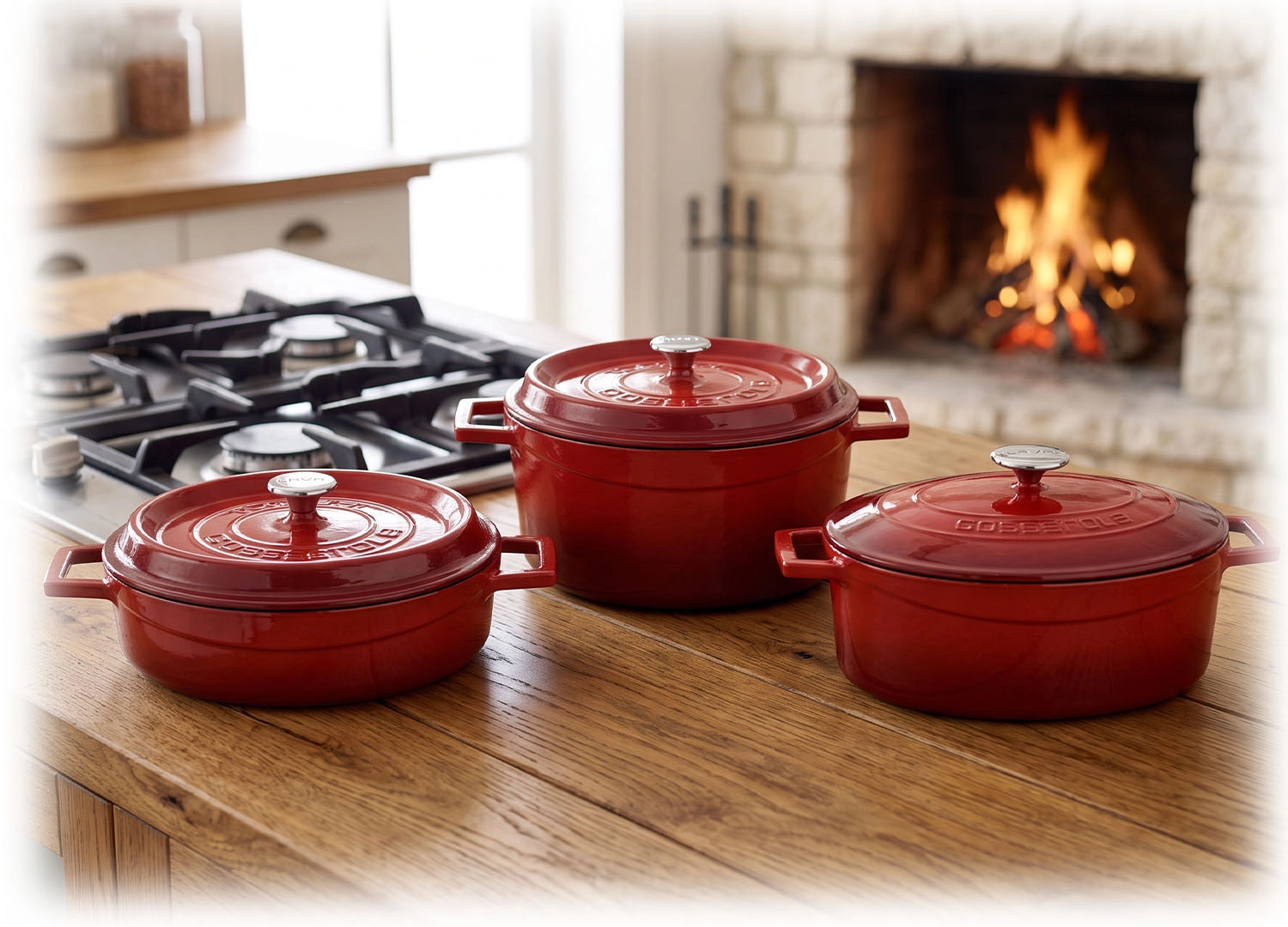
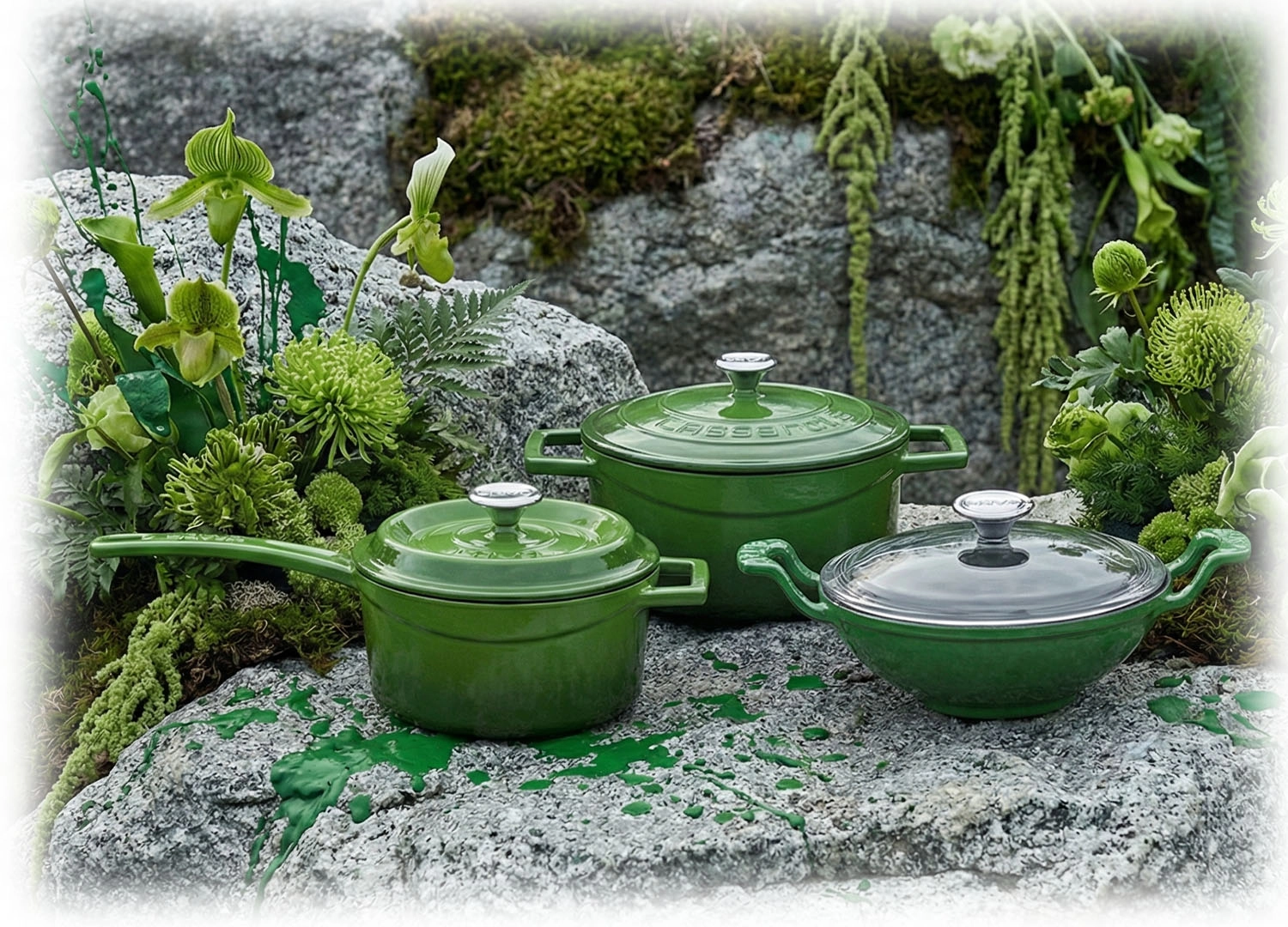
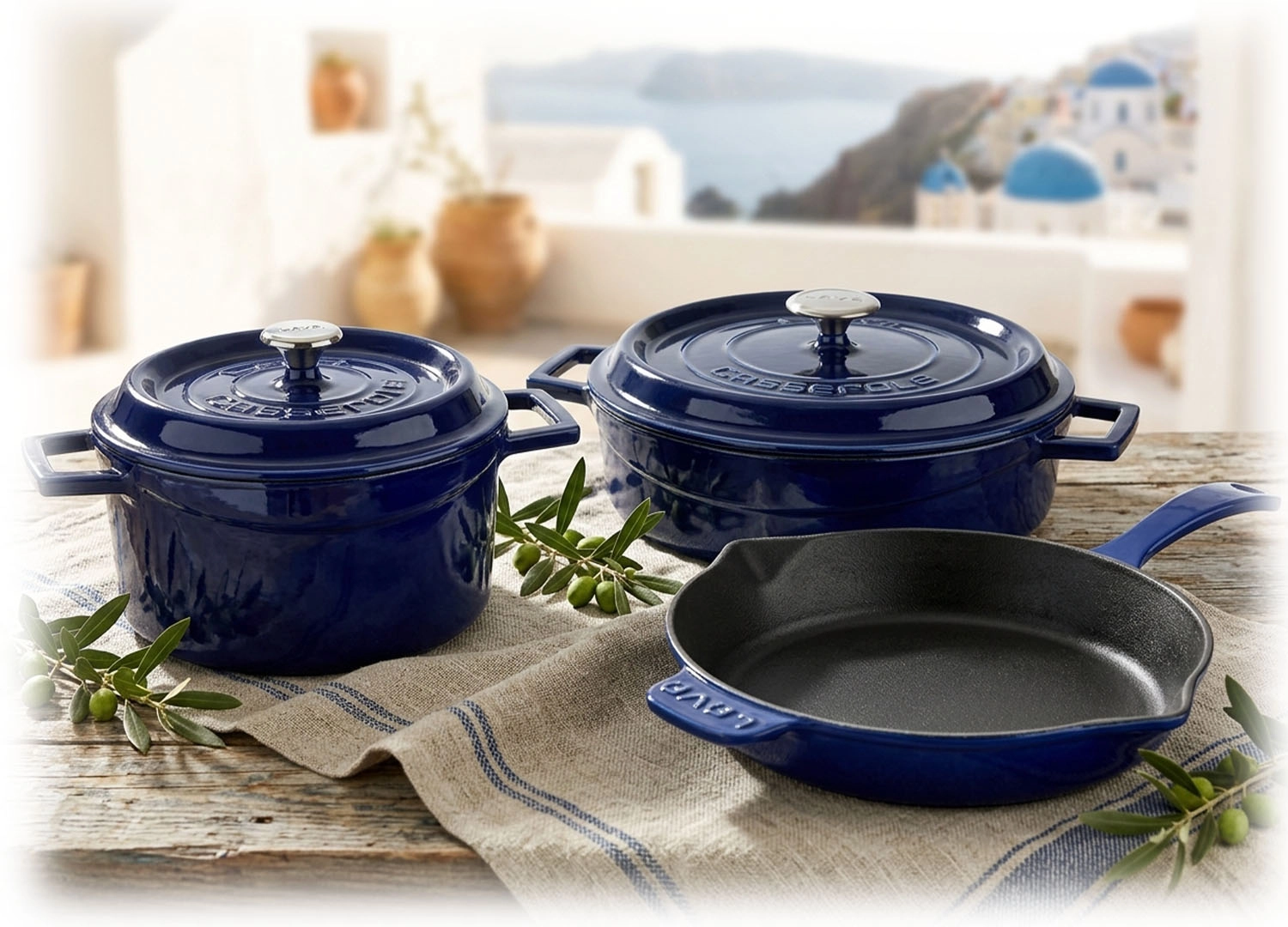
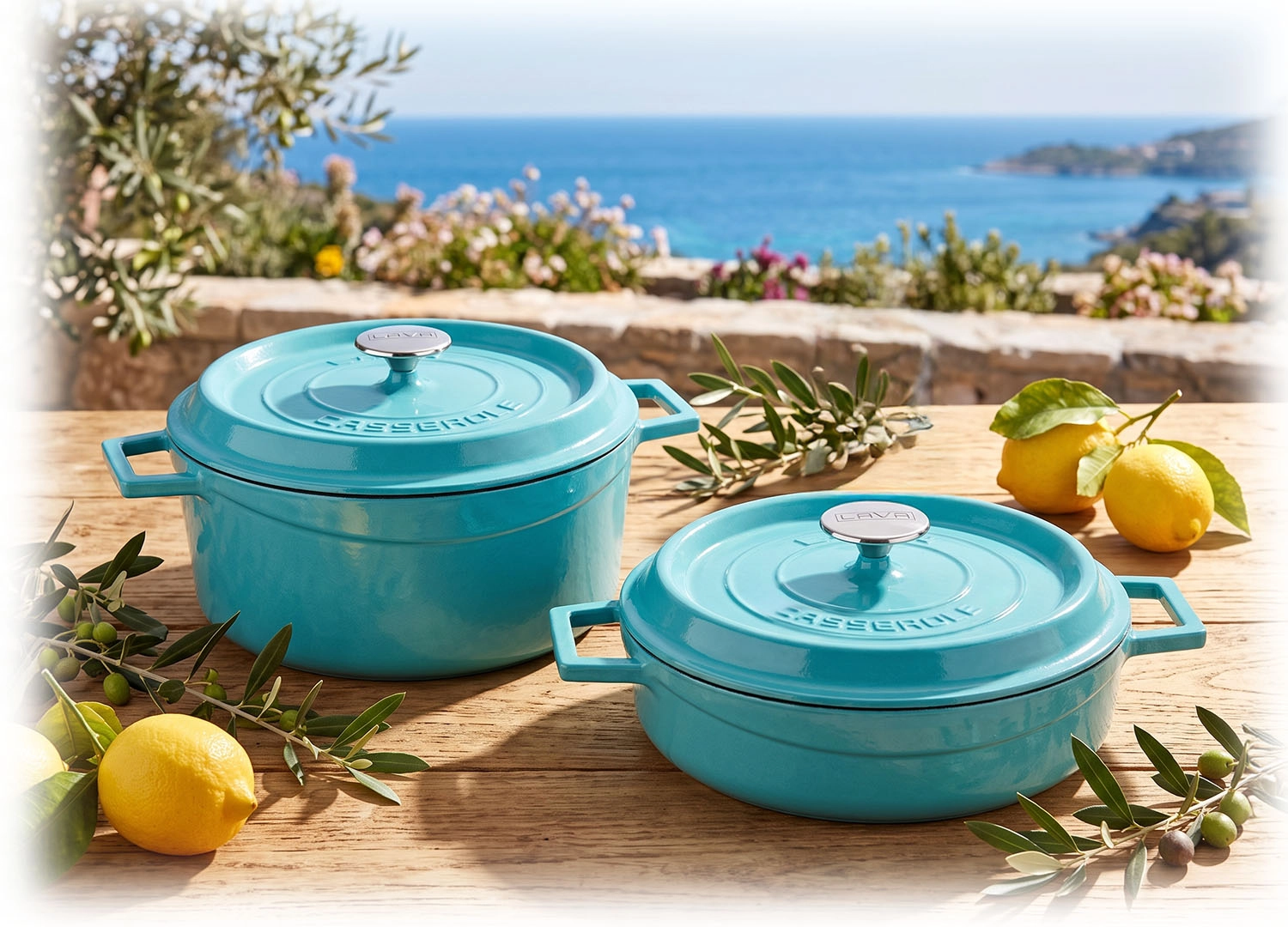
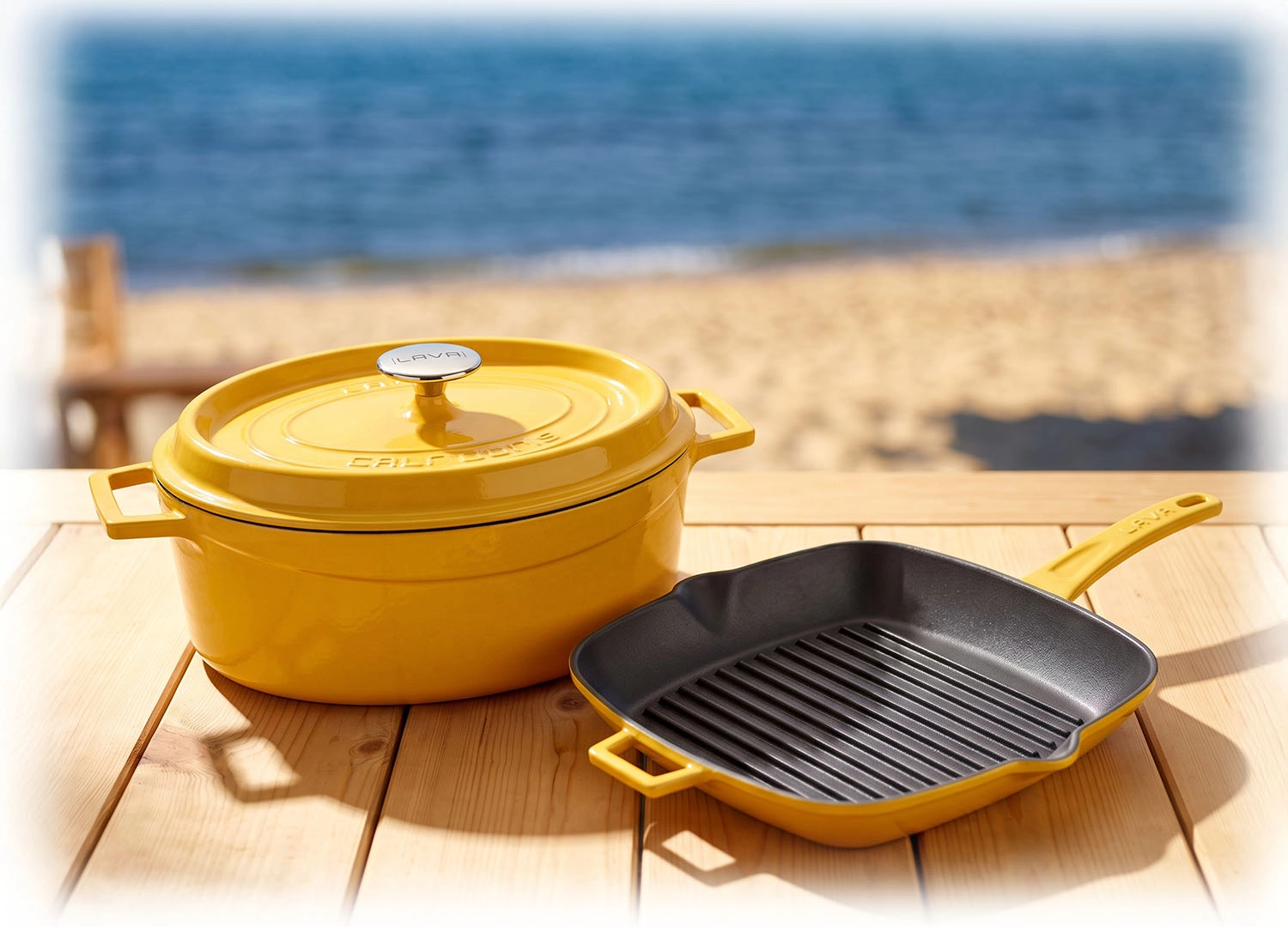
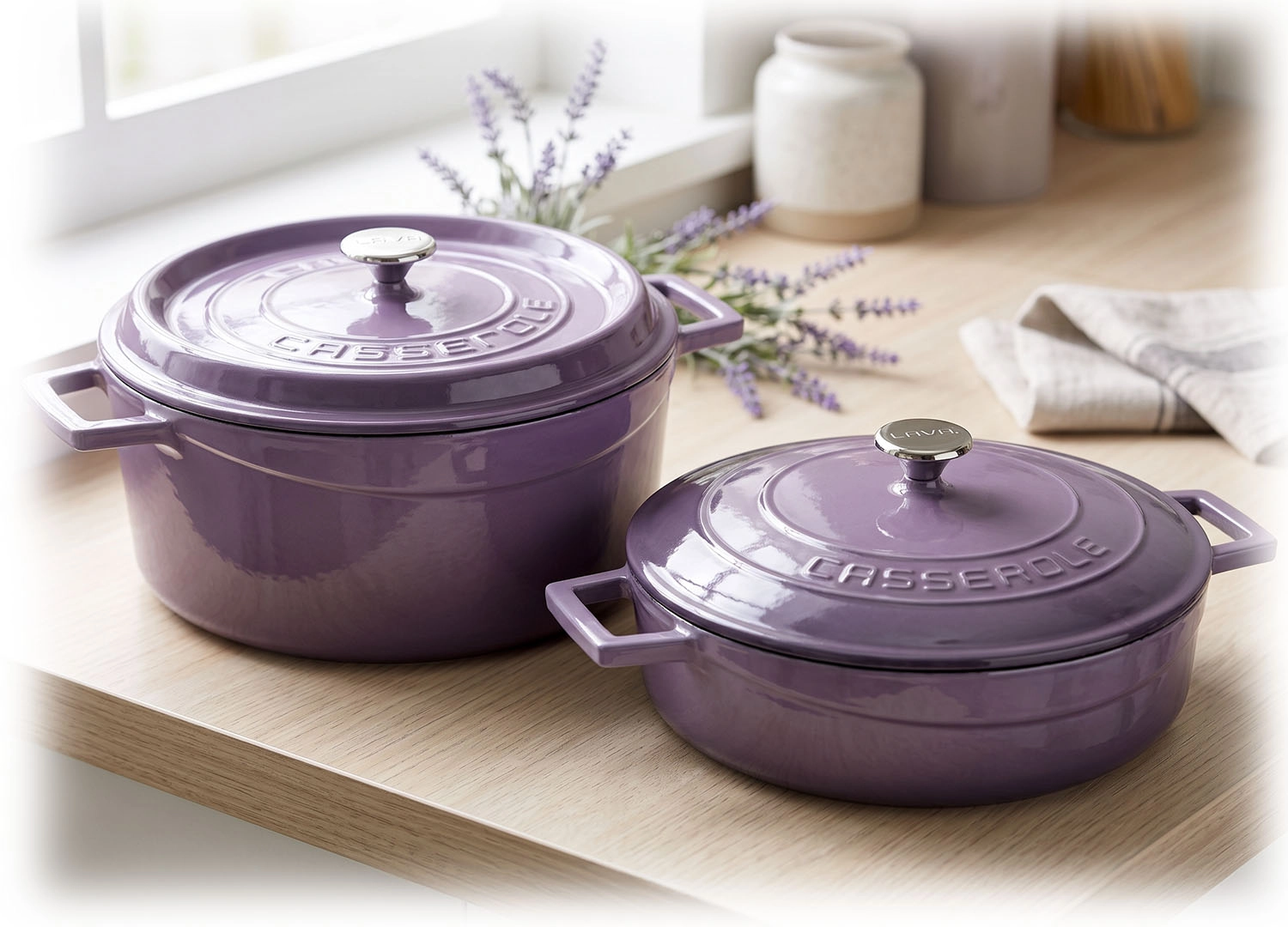
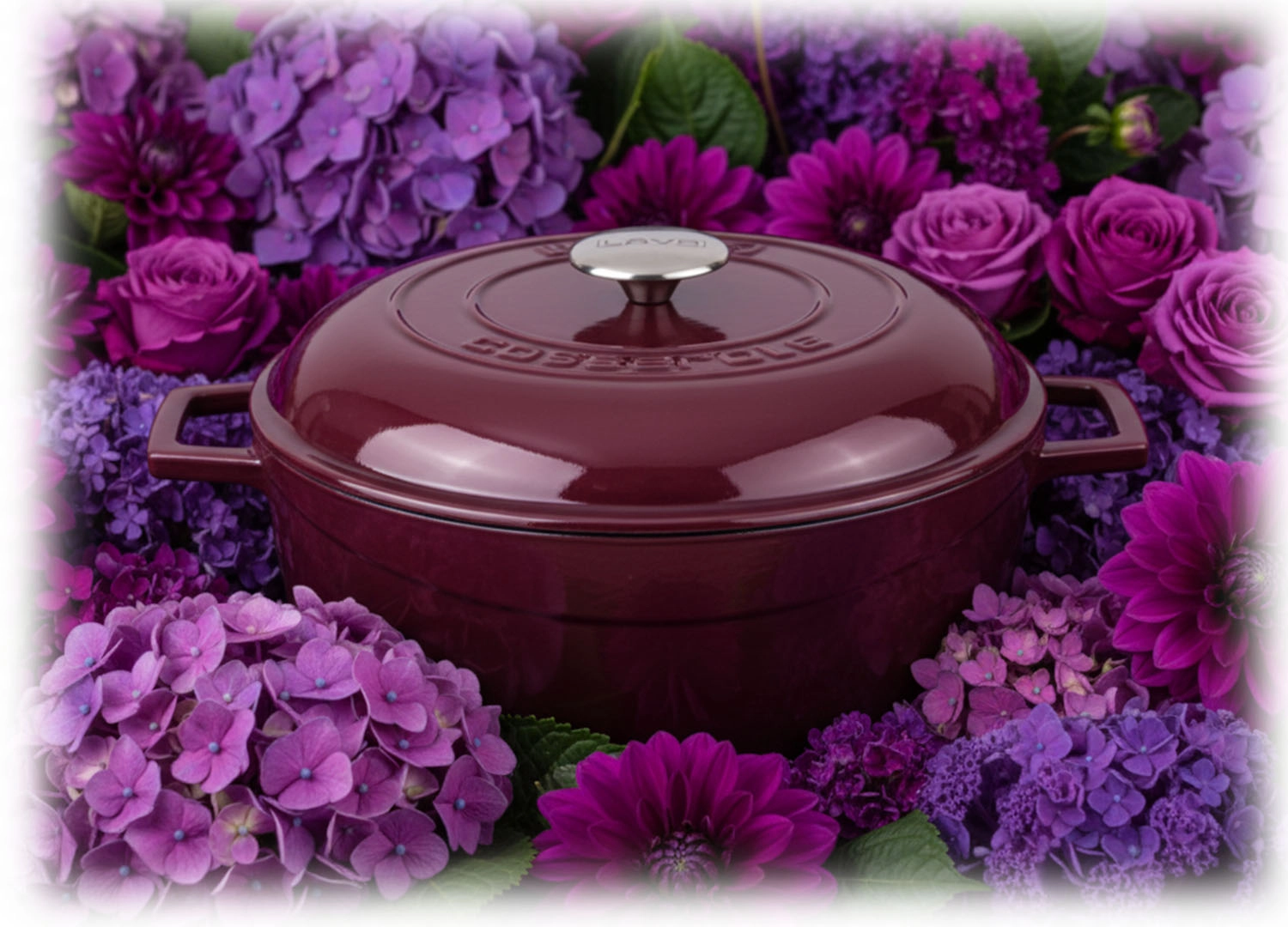
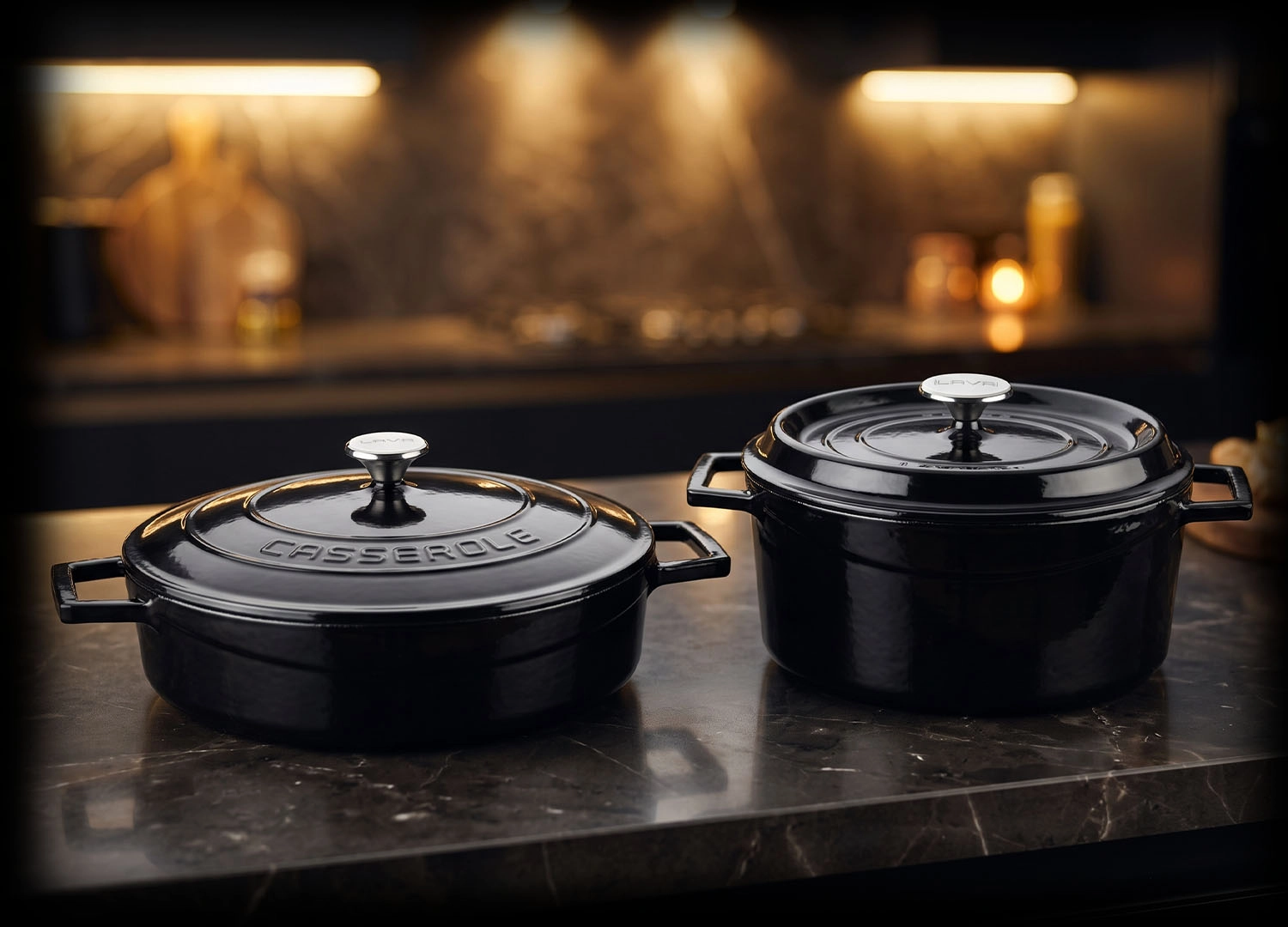
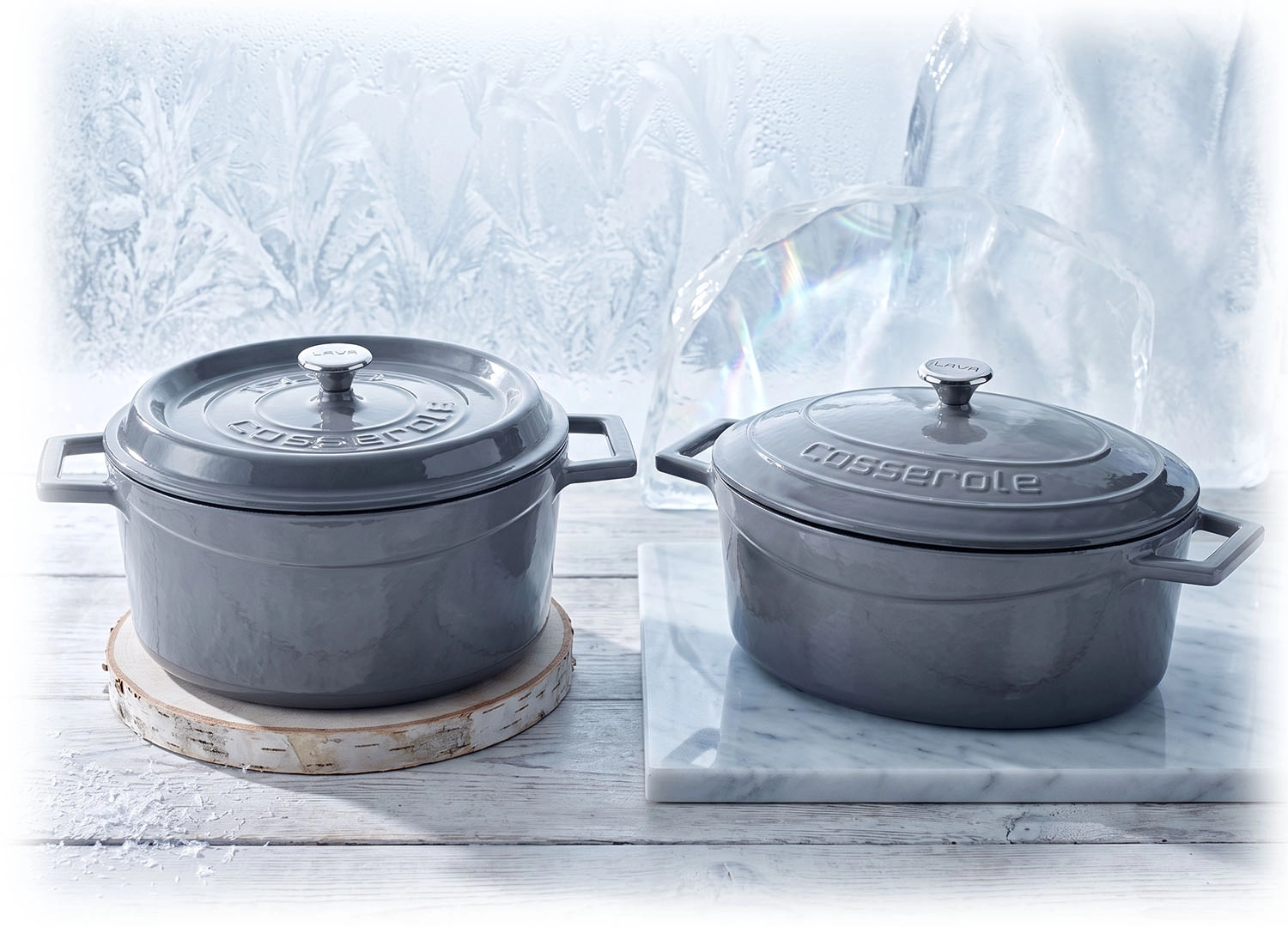
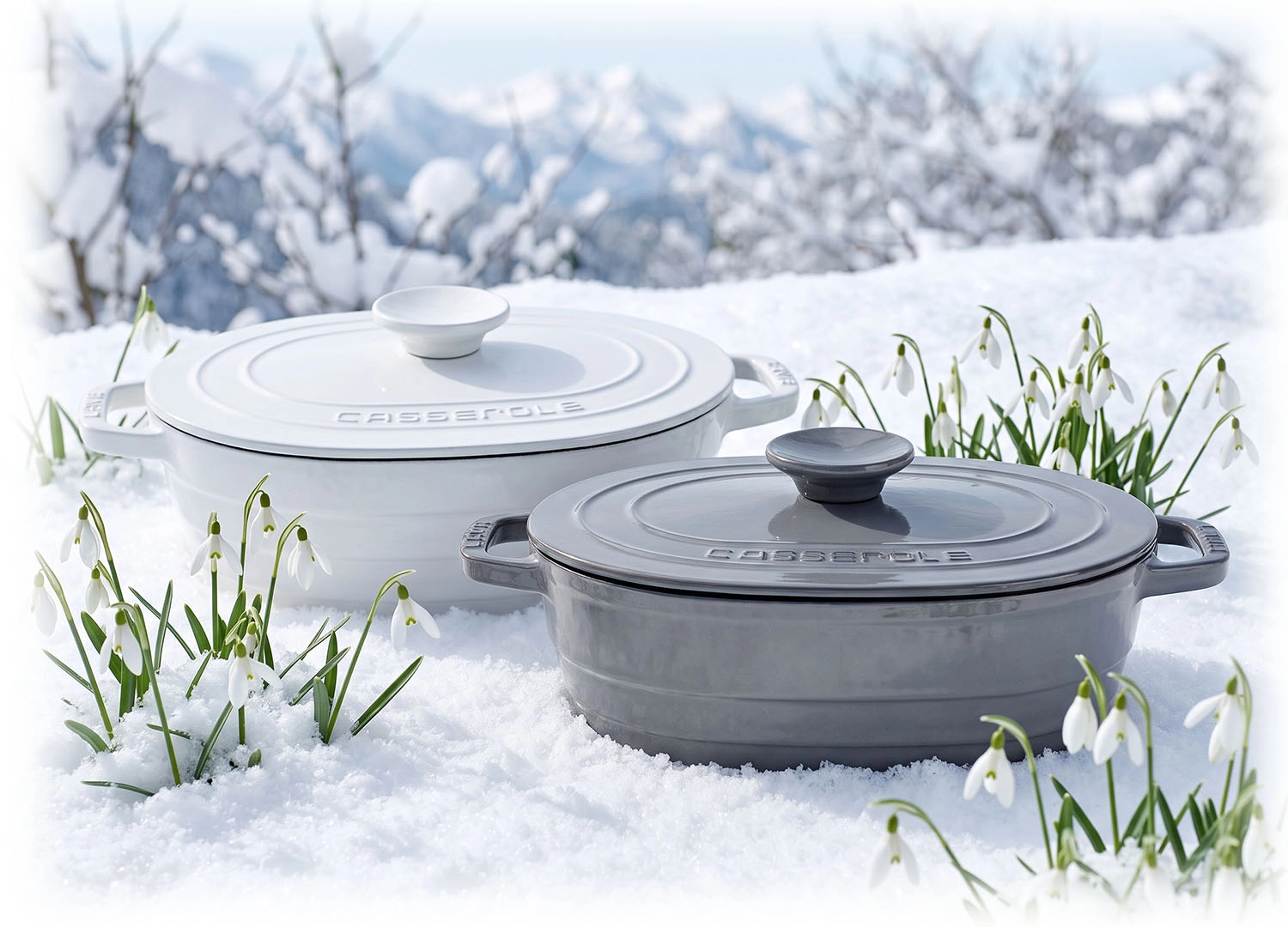
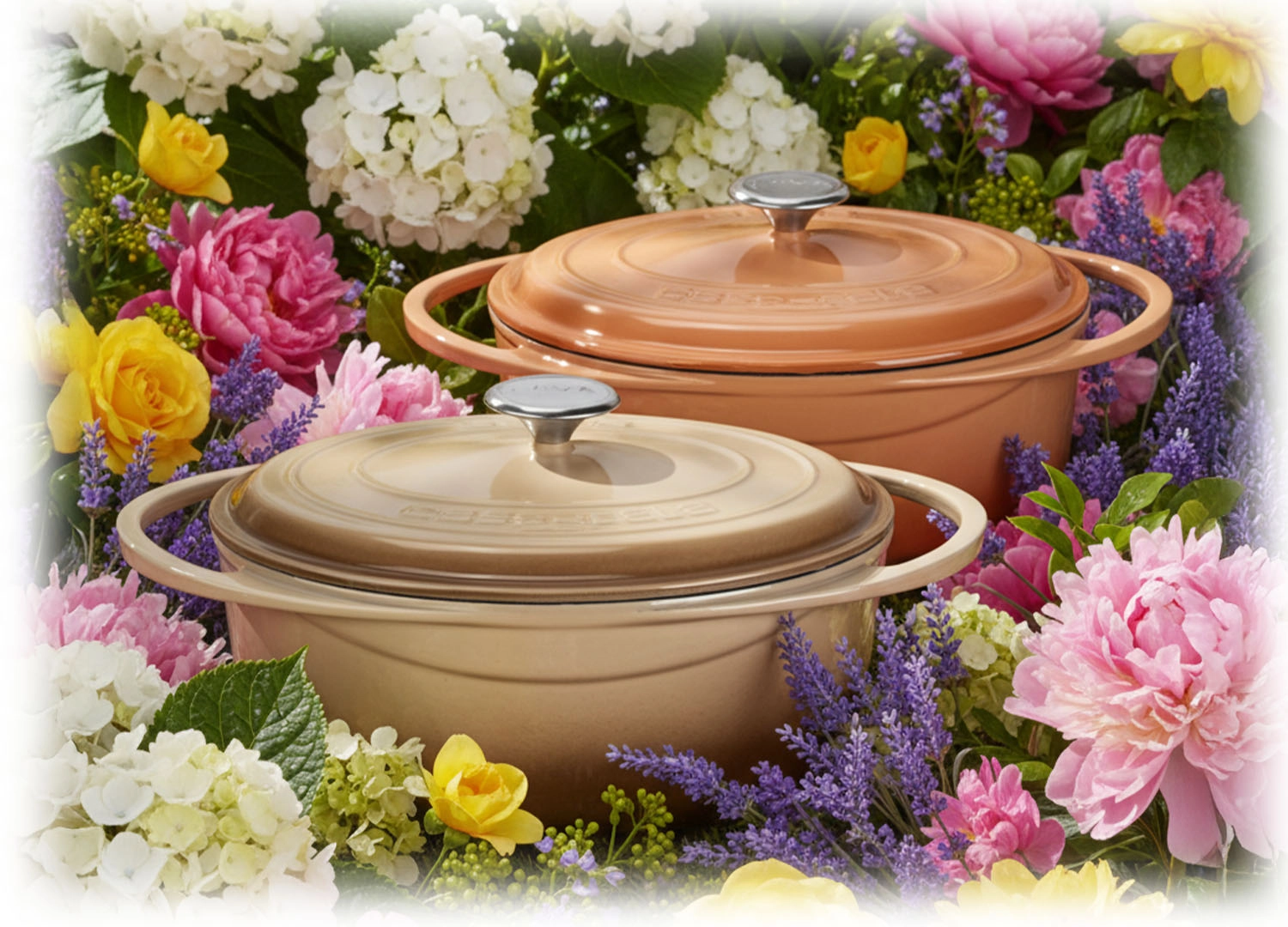
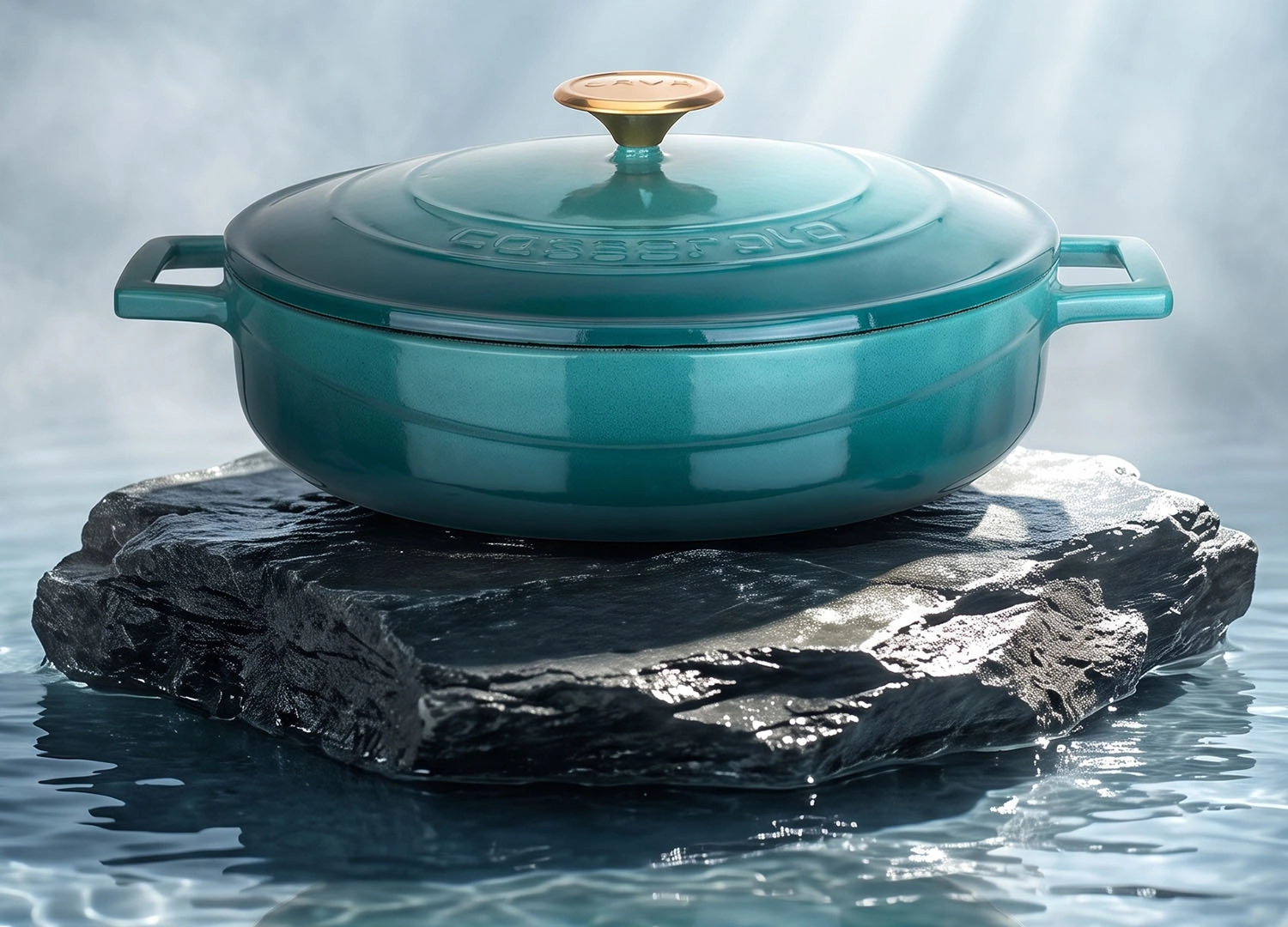
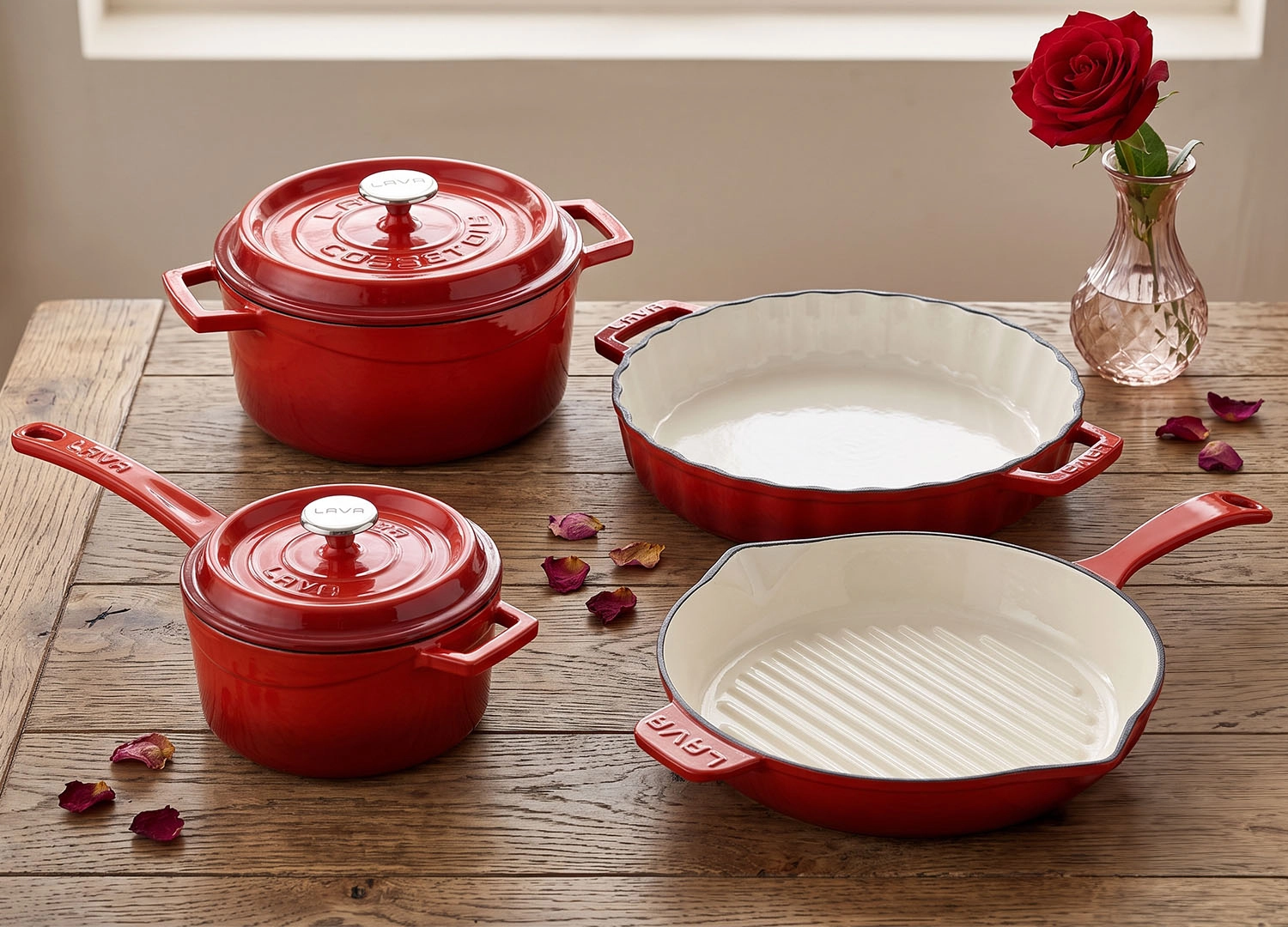
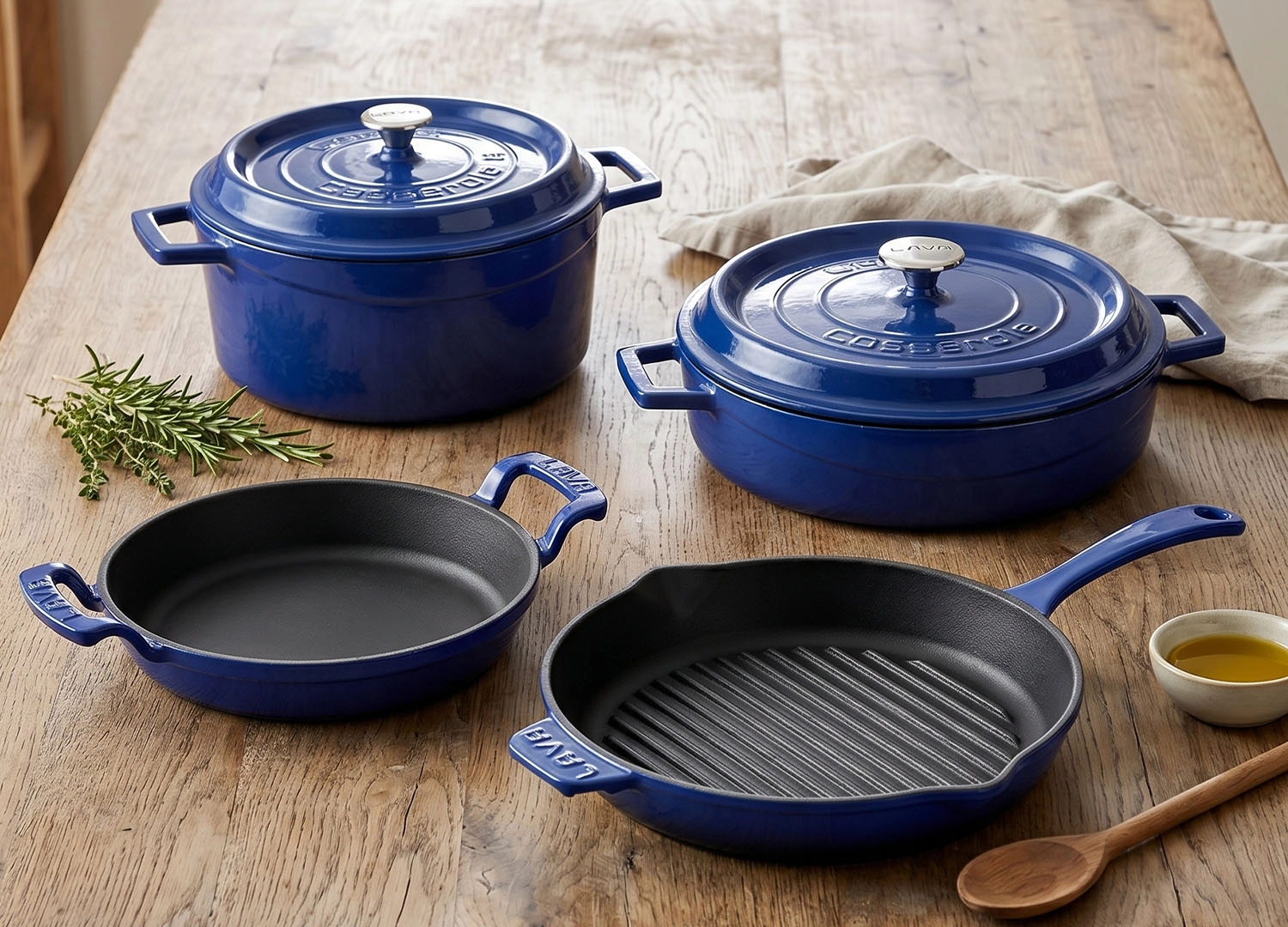
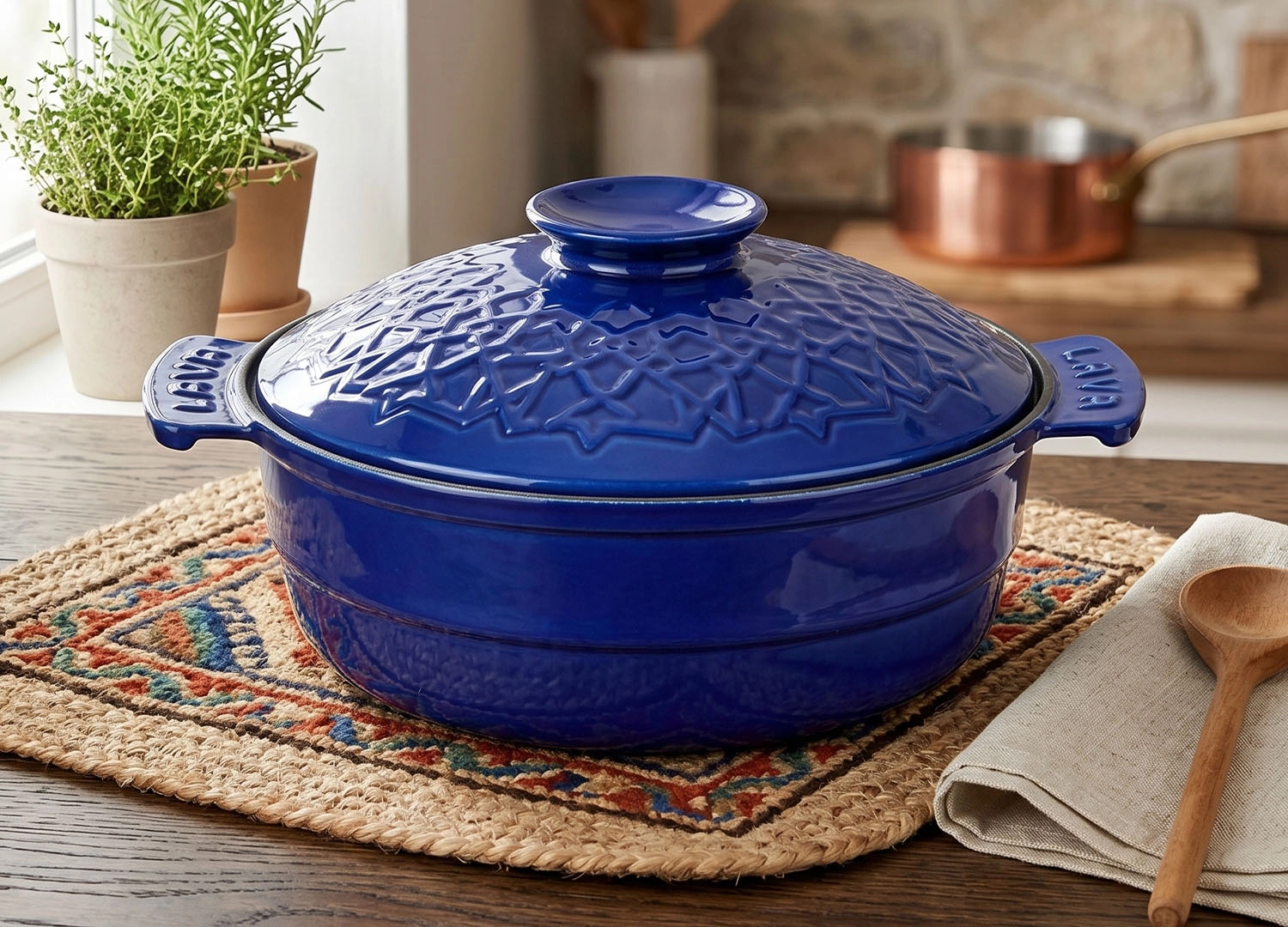
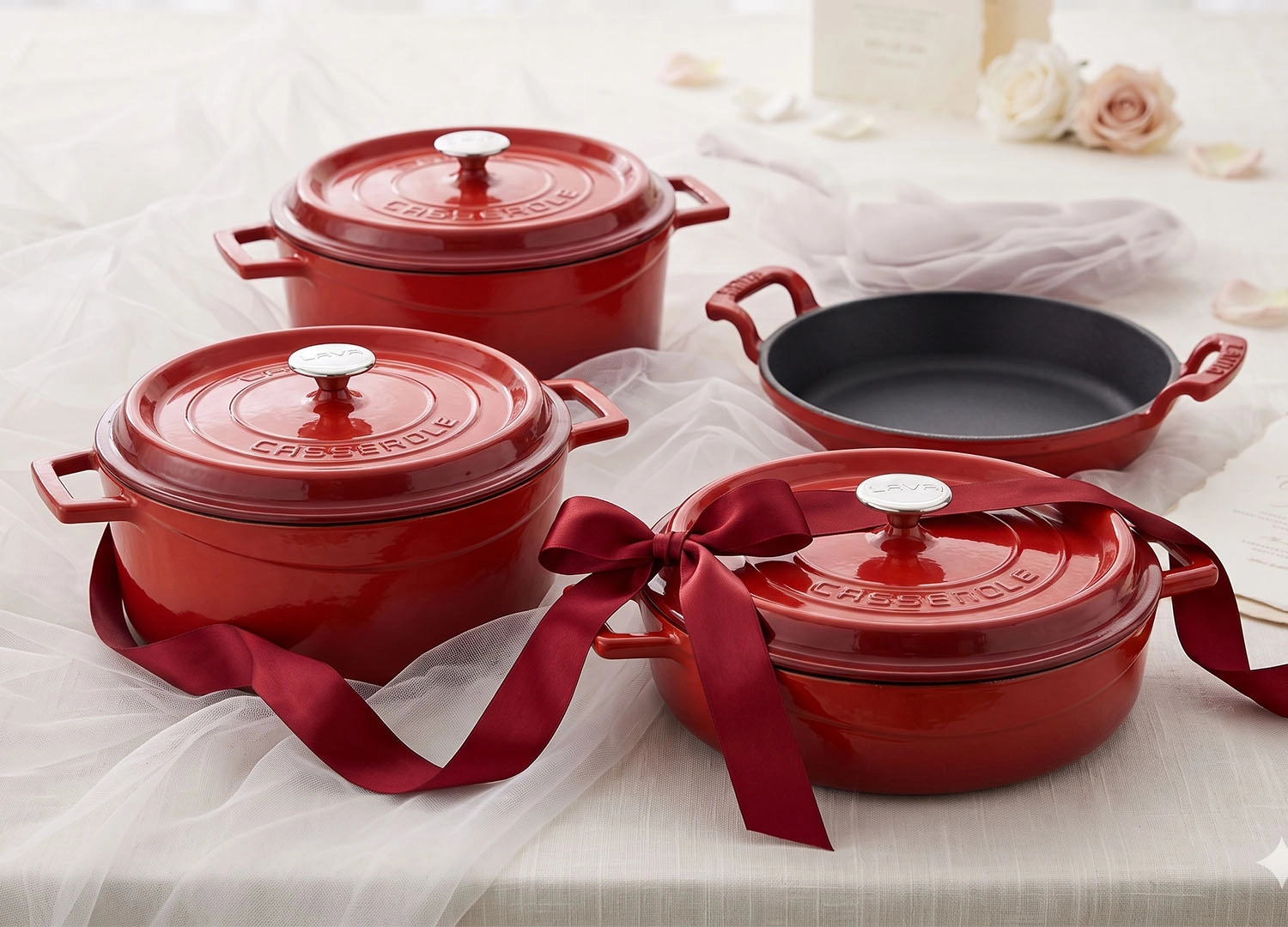
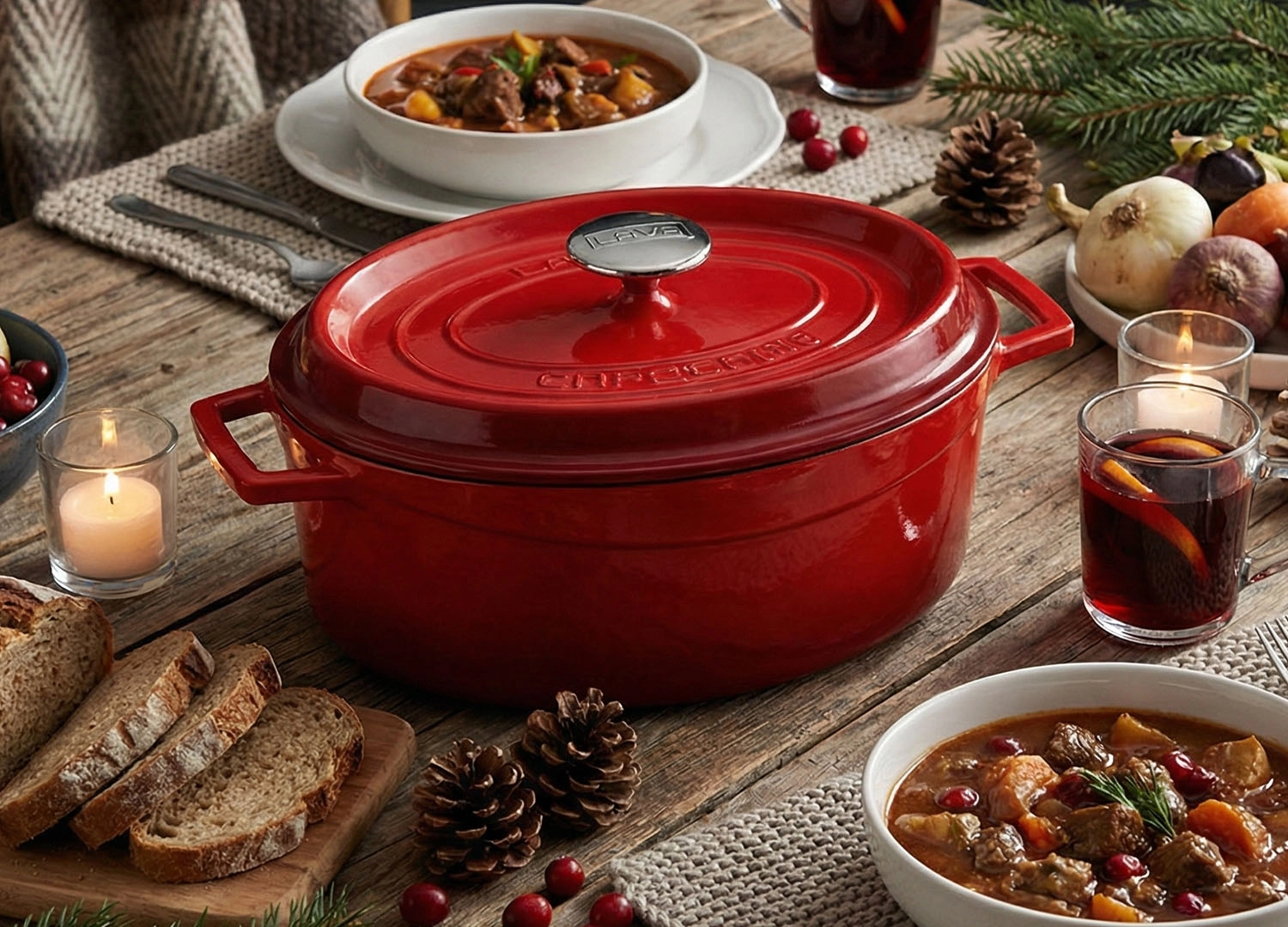
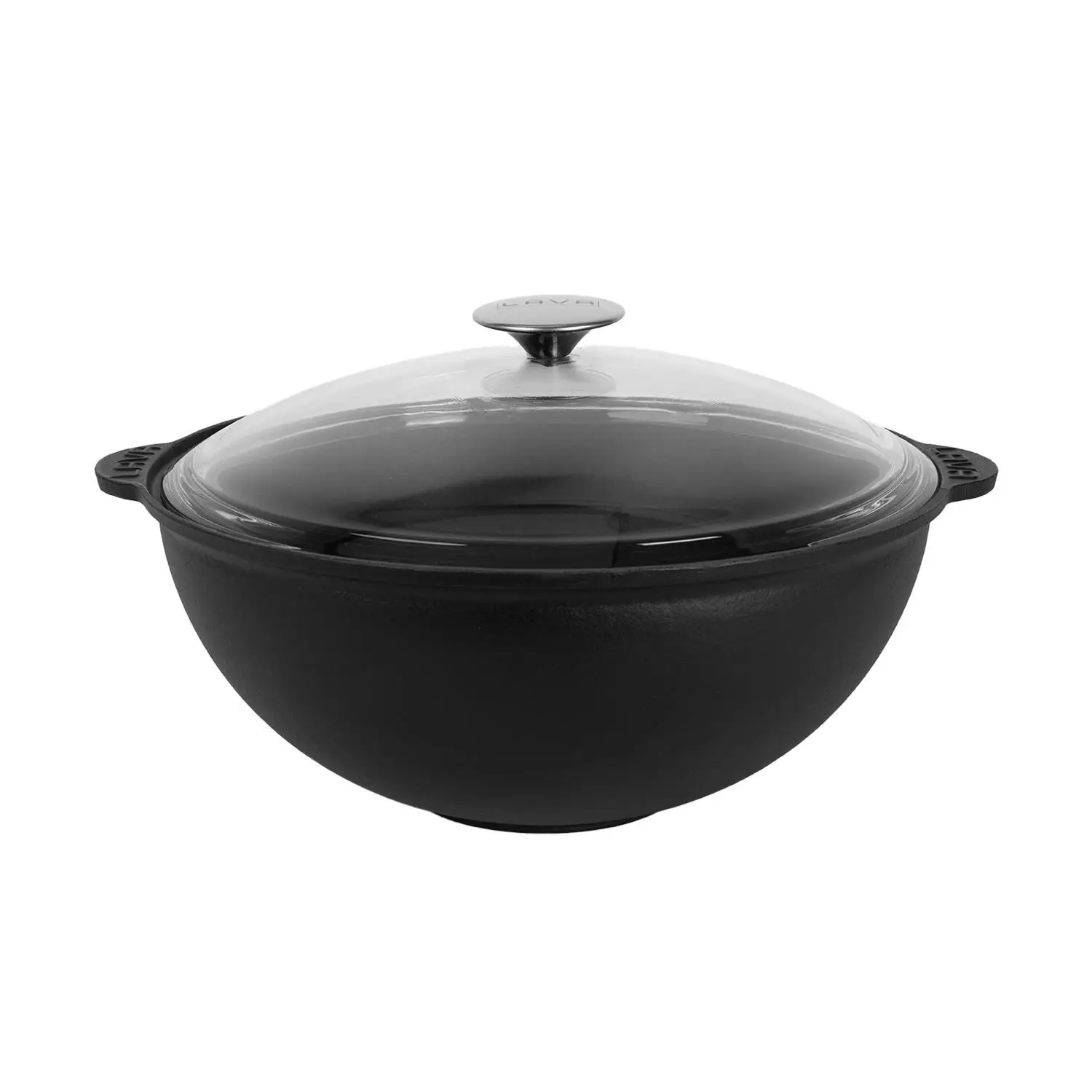
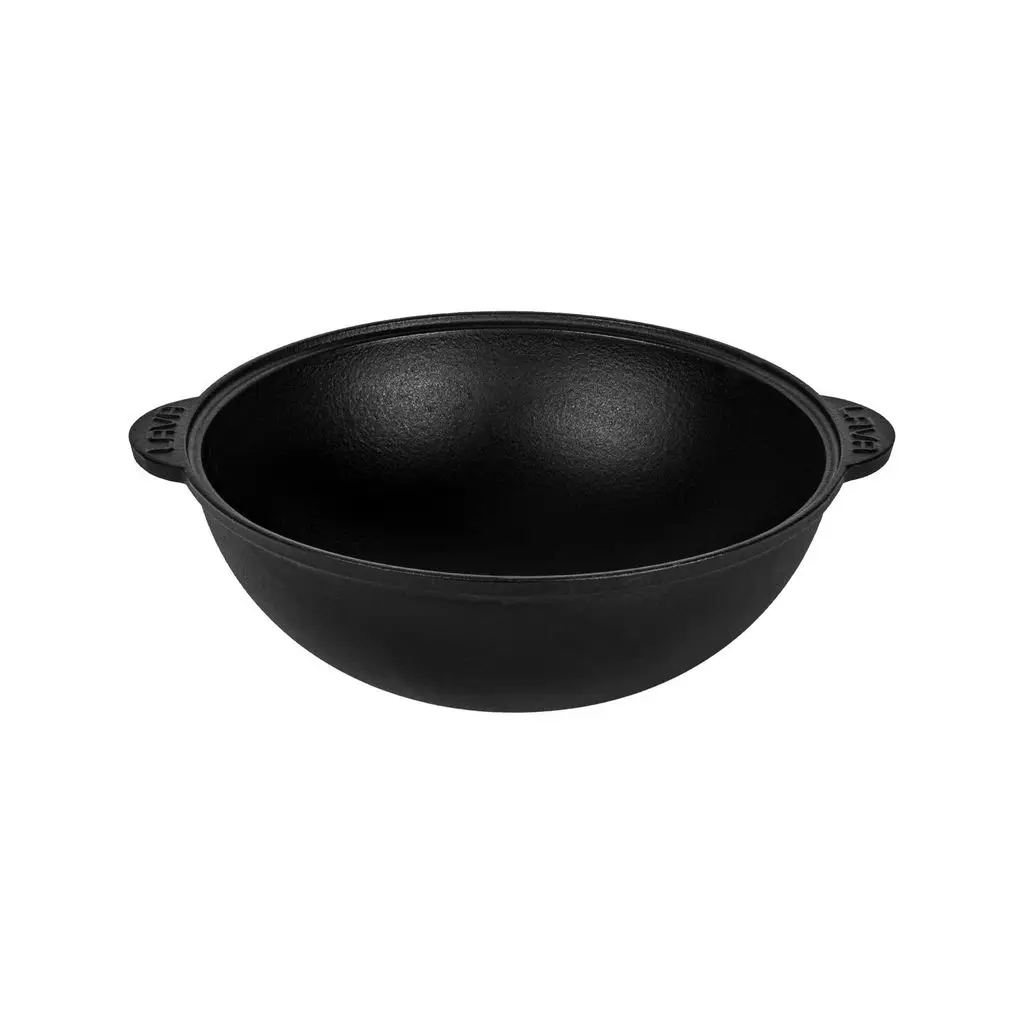
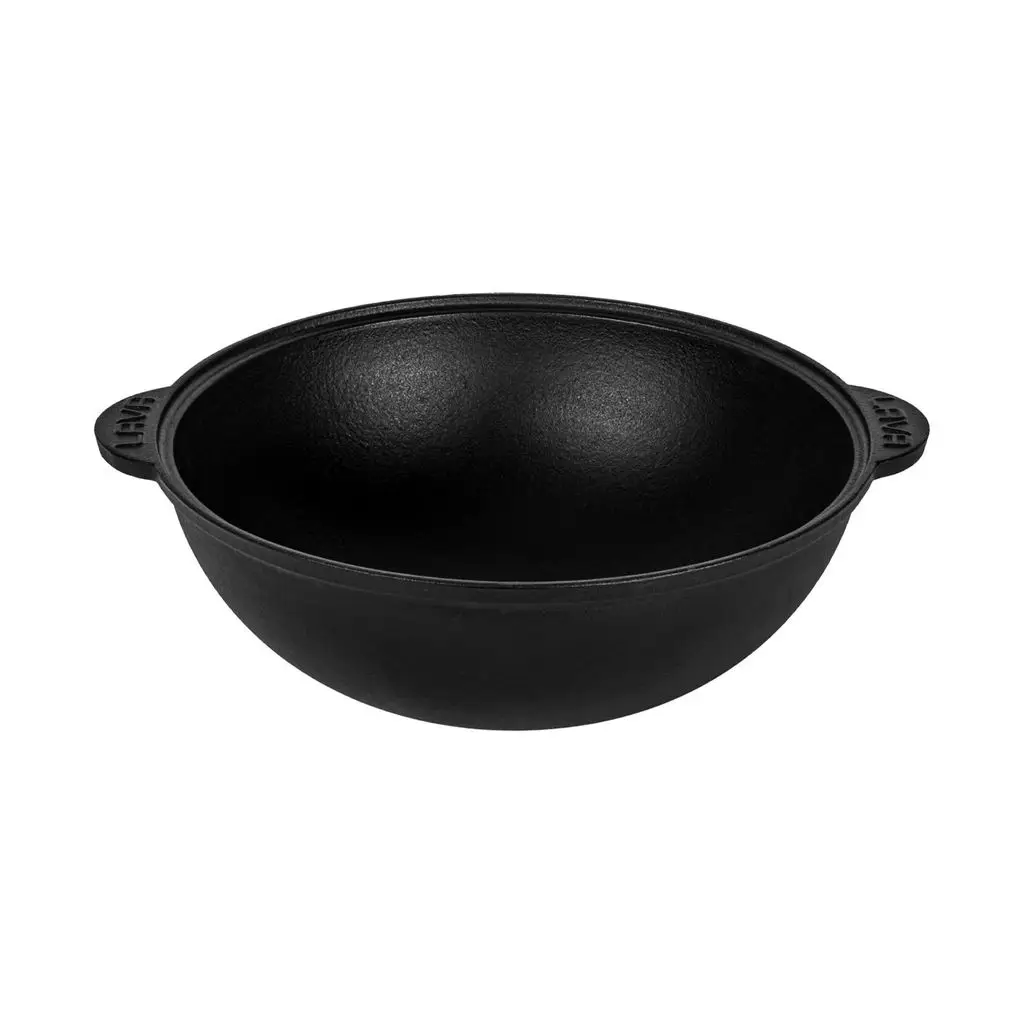
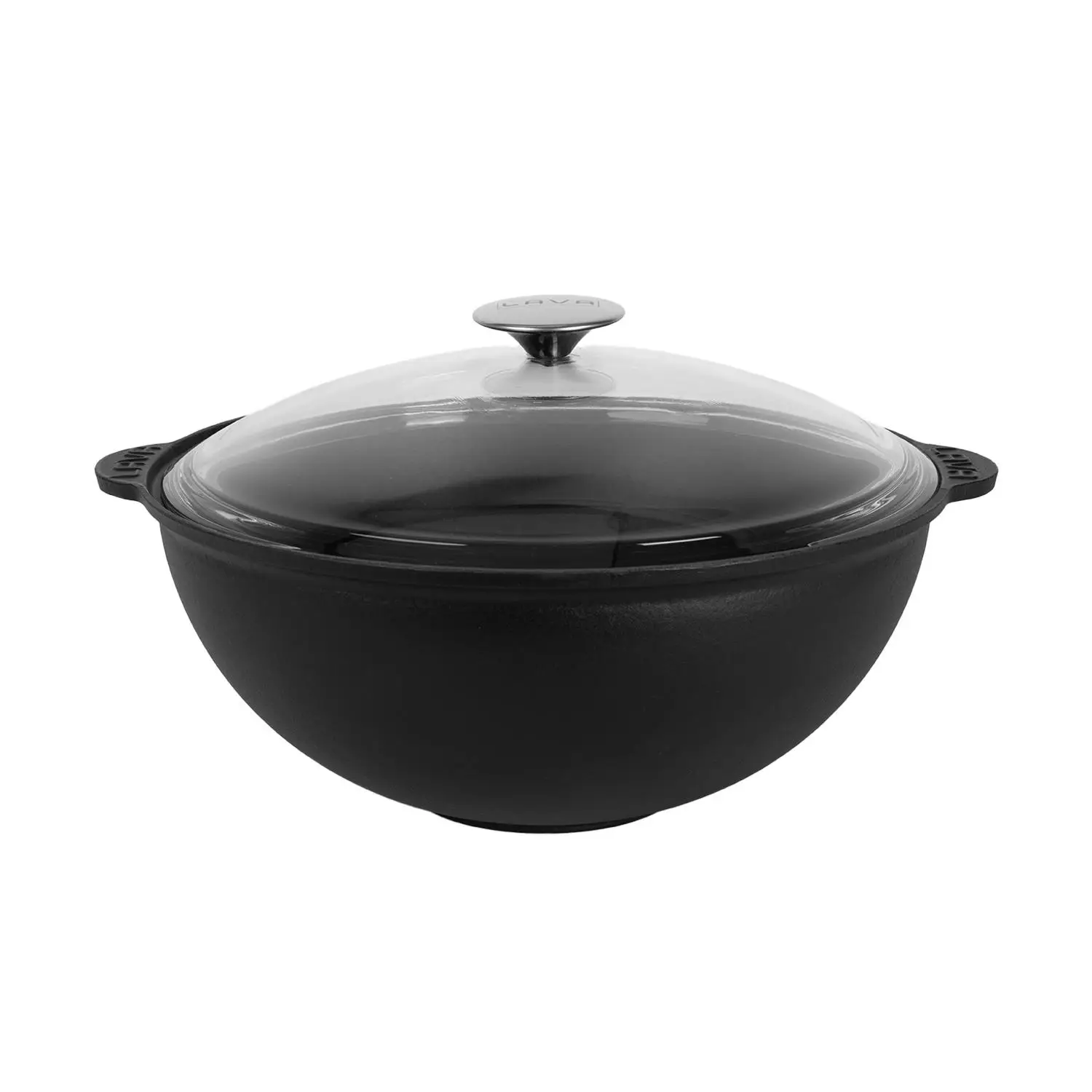
Today, Lava cast iron pots—the most durable and ancient pieces in our kitchens—are the modern representatives of this "iron and fire" cult. Forged through the tempering of iron with fire, these kitchen tools carry the unwavering will of Nowruz to our tables.
A Nowruz table is not just a place for physical nourishment; it is a symbolic map explaining the workings of the universe. In Anatolia, every ingredient placed on these tables sends a message to the cosmos.
The "Heft Sin" (7 S) Tradition and the Anatolian Touch In ancient traditions, it is mandatory to have seven different items starting with the letter "S" on the Nowruz table. Anatolian cuisine has blended this universal rule with its own local ingredients:
Garlic (Sir): Represents health and protection from negative energies.
Vinegar (Serkeh): Symbolises patience and ripening against life's hardships.
Milk and Rice Pudding (Süt/Sütlaç): Represents purity and the "brightness" of the new year.
Sumac (Sumak): Symbolises the life-giving energy of the sun with its sunrise hue.
Apple (Sib): A symbol of beauty, love, and fertility.
Greens and Herbs (Sabzeh): Represents rebirth and the greening of nature.
Dried Fruits and Nuts (Sencer): Symbolises "multiplication" and the sustenance of future generations.
Nowruz dishes share a common trait: they require patience, effort, and correct heat management. In old Anatolian kitchens, these meals were cooked for hours in earthenware jars or heavy cast iron cauldrons over embers. Lava cast iron pots and pans bring this nearly forgotten "slow-cooking" culture back to today’s fast-paced world.
Why Choose Lava for Nowruz Meals?
Even Heat Distribution: The sultan of the table, "Abundance Pilaf" made with seven grains, requires every grain to cook simultaneously. Lava’s thick base spreads heat evenly, preventing sticking and allowing the rice to steam perfectly.
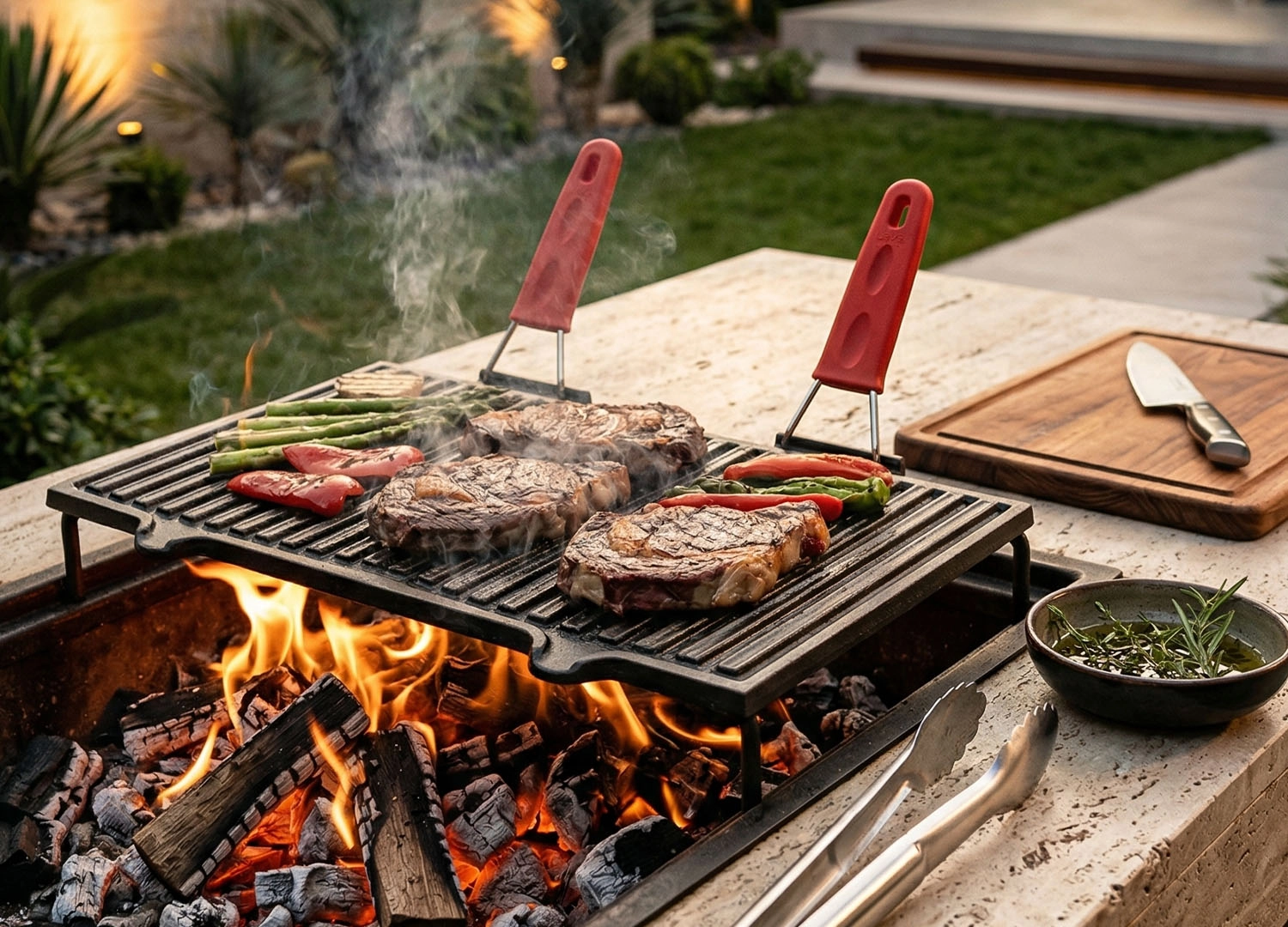
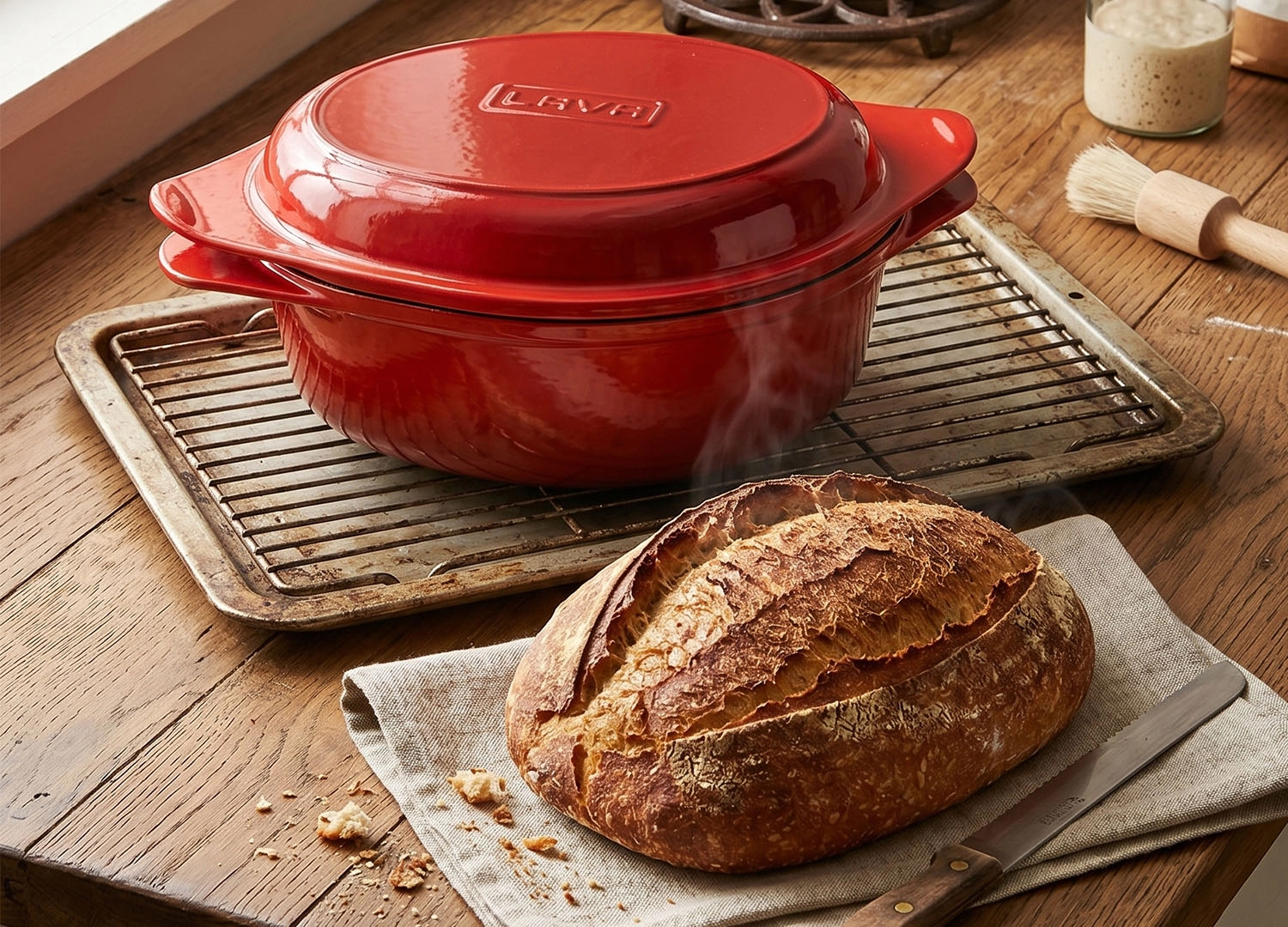
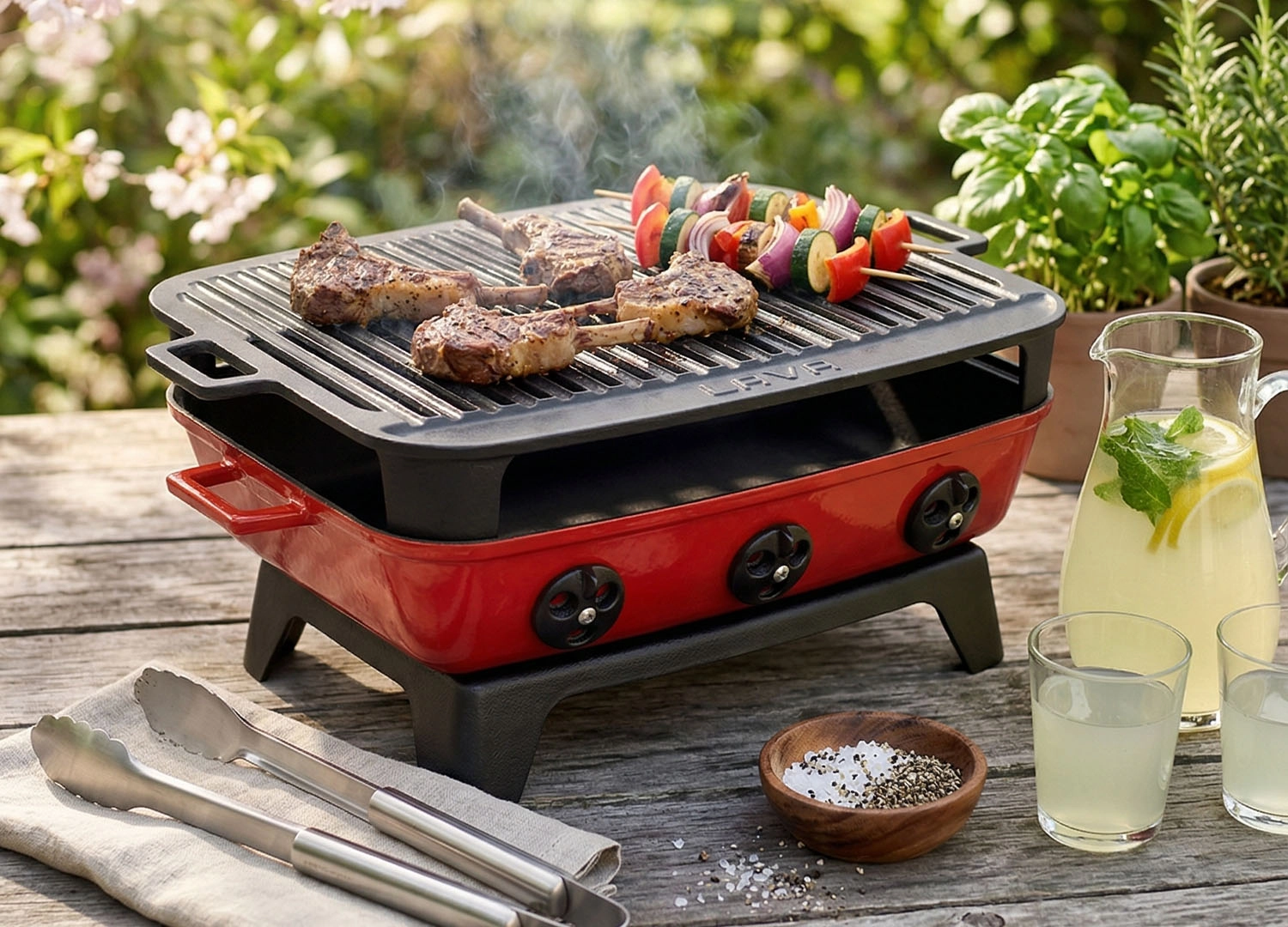
Heat Retention: For the sacrificial meats or lamb tandoori cooked over a slow fire, cast iron is indispensable. Lava seals the meat, keeping the juices inside for a "melt-in-the-mouth" texture.
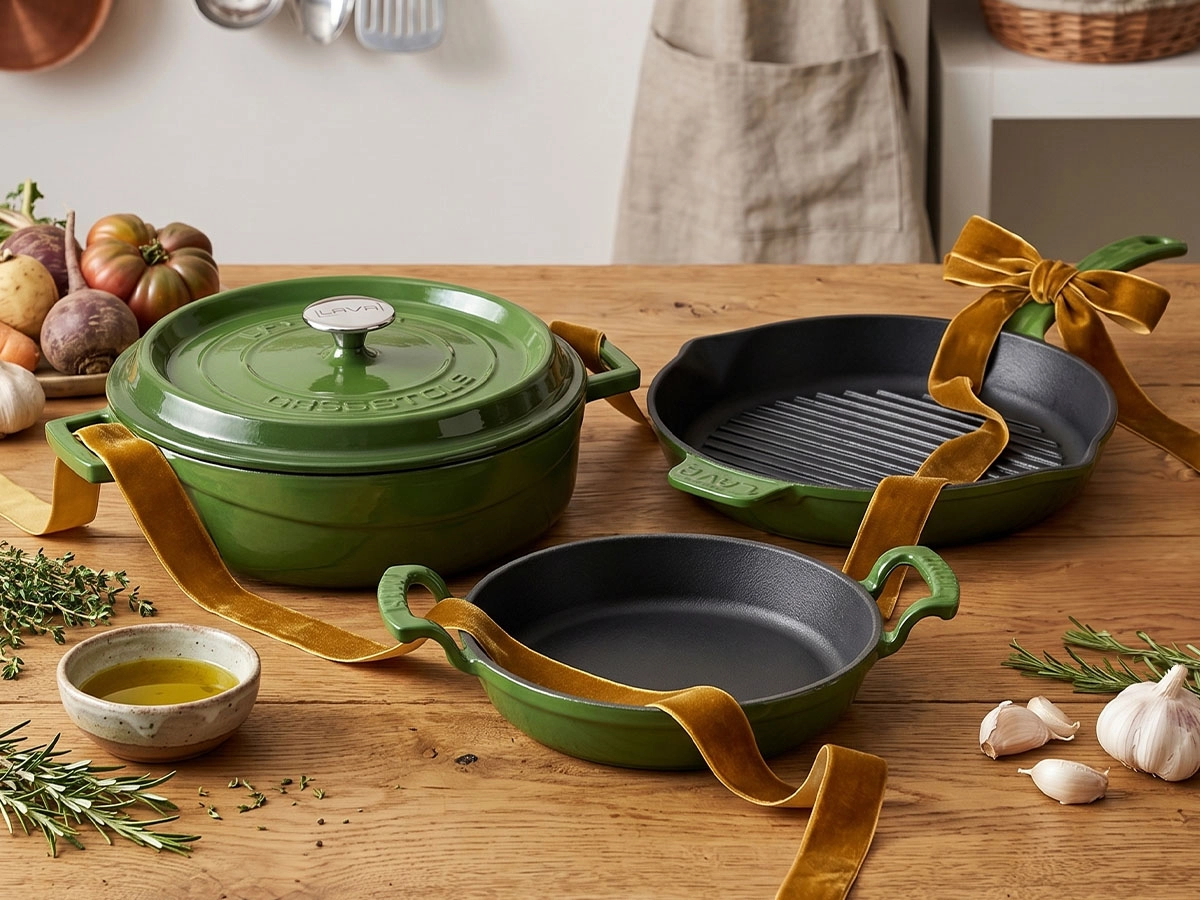
Naturalness and Health: Nowruz is a festival of returning to nature. Lava products are made from natural iron and their enamel coating ensures no chemical reactions, matching the purity of your festival table.
Nowruz visits different flavour stops from Edirne to Kars. In Eastern Anatolia, "Erişte Aşı" (Noodle Soup) cooked in Lava pots is essential, alongside eggs dyed red with onion skins. In the Southeast, the tables are adorned with sizzling kebaps in Lava pans and sumac salads. In Central Anatolia and the Aegean, neighbours come together to bake "Nowruz Buns" or sauté medicinal herbs like "Golden Thistle" (Şevketi Bostan) in cast iron pans.
Preparation (Purification): Wake up early, ventilate your home, and decorate with flowers.
Abundance Pilaf in a Lava Pot: Simmer rice with chickpeas, lentils, currants, and pine nuts.
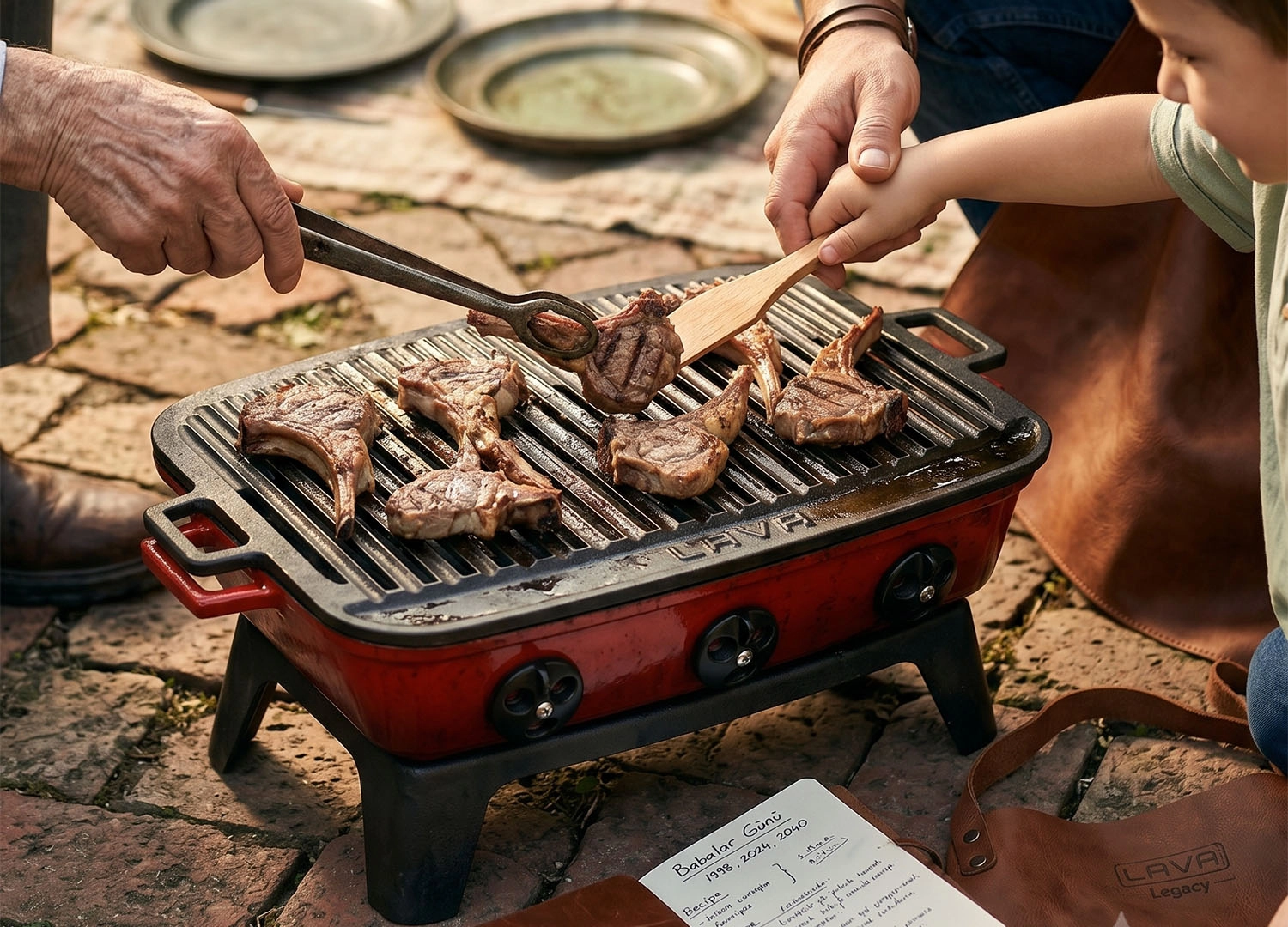
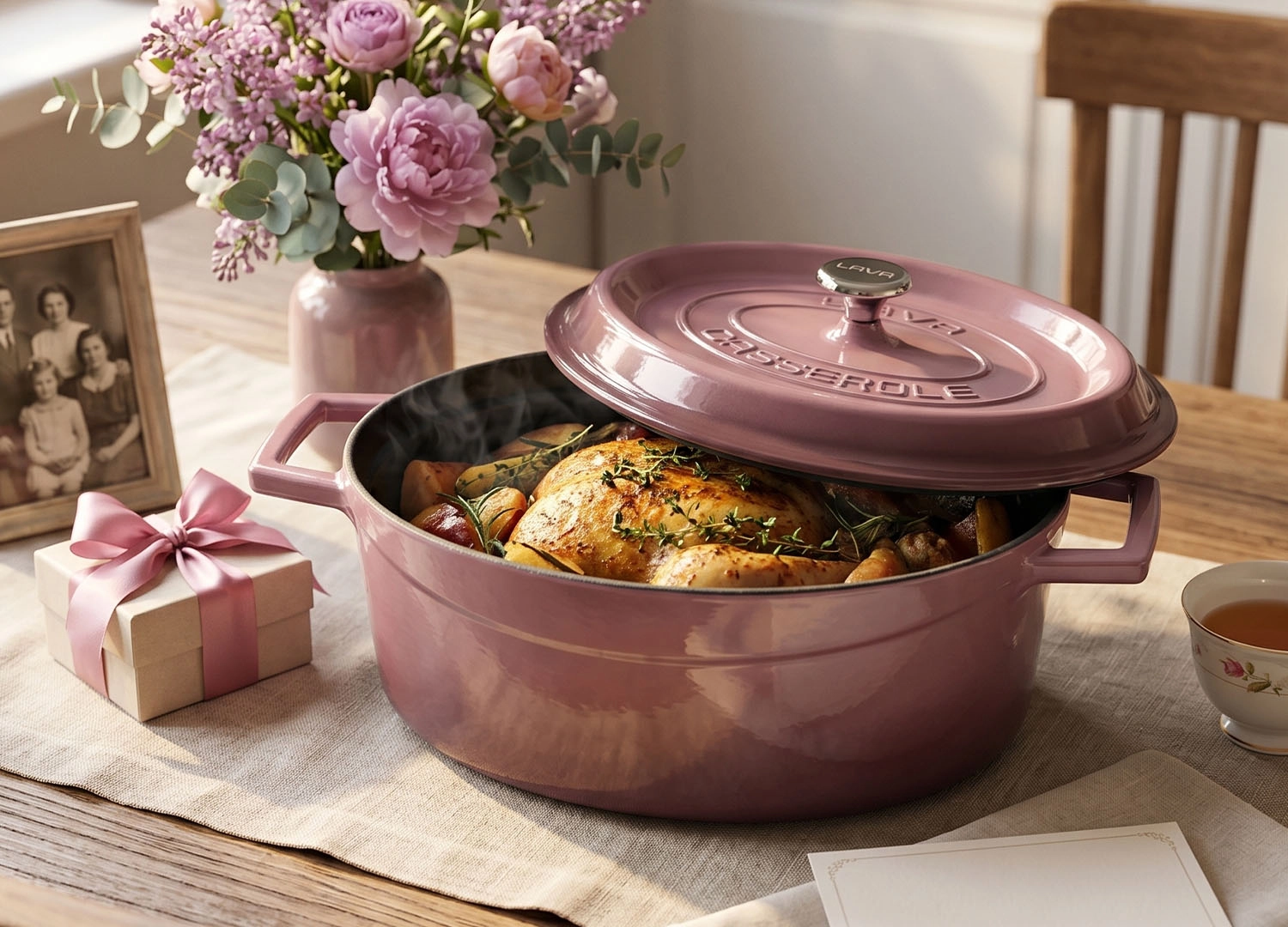
Seared Meat in a Cast Iron Pan: Sear lamb marinated with fresh thyme and zahtar. The cast iron provides that slightly smoky, open-fire taste.
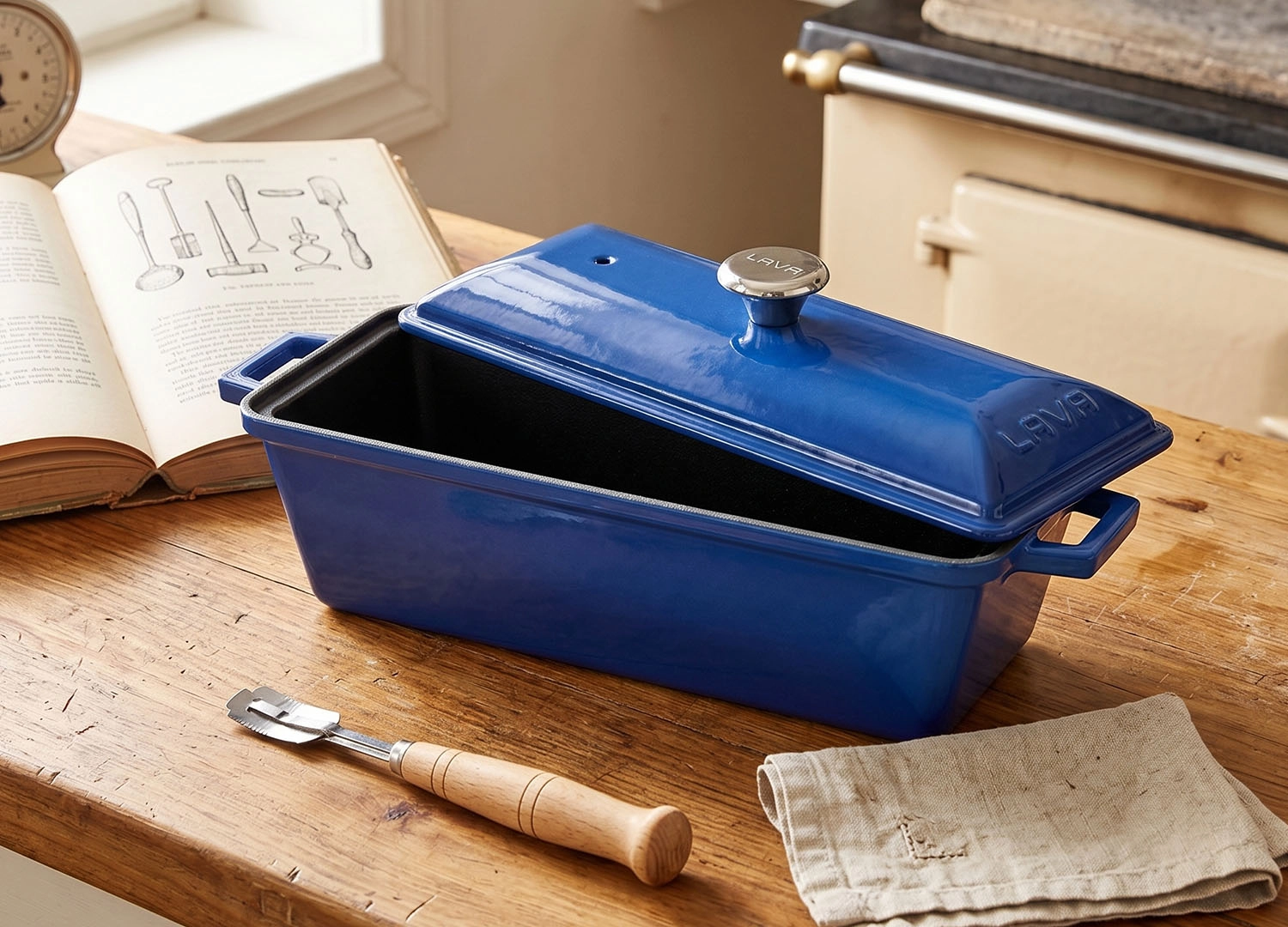
The Purity of White (Rice Pudding): Prepare oven-baked rice pudding. The slightly charred top is a nod to the fire symbol of Nowruz.
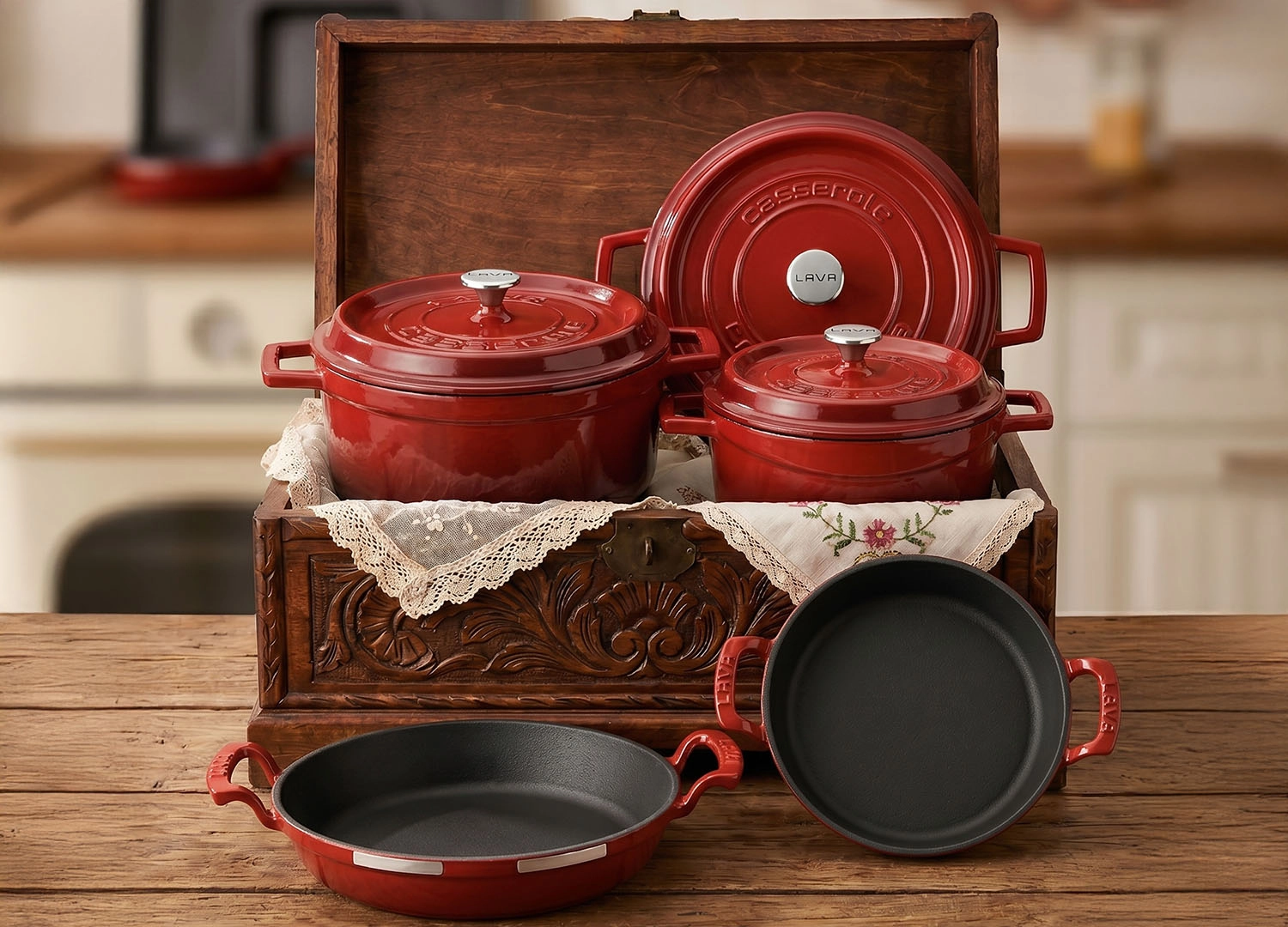
The greatest message of Nowruz is respect for nature. While modern disposable kitchenware contradicts this philosophy, Lava cast iron products can last for generations with proper care. Like a tradition passed down from your grandmother, your Lava pot is a legacy that carries the memories of shared Nowruz tables from one generation to the next.
Nowruz reminds us that every winter ends in spring and every darkness is followed by the sun. May your Nowruz be blessed, your hearth always smoking, and your table cheered by the flavours of Lava!
Why are a mirror and water placed on the Nowruz table? The mirror symbolises a bright and honest start to the new year, while water represents purity and the flow of life.
What makes food cooked in a cast iron pot taste different? Cast iron retains heat for a long time and distributes it evenly, allowing food to cook in its own steam without sudden temperature changes. This enhances the fusion of aromas.
How should I store my Lava cast iron pot after Nowruz? Since Lava pots are enamel-coated, they are very easy to maintain. Simply wash with warm water and a soft sponge, then dry thoroughly before storing.
How does your family celebrate Nowruz? Share your special festival recipes prepared with Lava in the comments below!
18.03.2026






Lava Döküm Online Fabrika Satış Mağazası. © 2026 All Rights Reserved.


0
)