×

When grilling fish, common challenges include the fish sticking to the pan, breaking apart when turned or failing to develop sufficiently crispy skin. For the best results, remove excess moisture from the surface of the fish, preheat the pan to the right temperature and avoid turning the fish more often than necessary. The LAVA cast iron grill pan retains heat for longer, helping you cook fish in a controlled way and achieve better browning on the surface.
In this guide, we explain why fish sticks to the pan, why preheating a grill pan matters, how to turn fish without it falling apart and how to achieve crispy skin, step by step.
Estimated reading time: 5 minutes
The main reasons fish sticks to the pan include excess moisture on the surface, insufficient preheating and attempting to turn the fish too early.
Moisture on the surface: Water left on the fish can delay browning. This can cause the skin to stick to the pan and become damaged when turning the fish.
An insufficiently heated pan: If the pan is not hot enough, the fish may not brown properly, increasing the likelihood of it sticking.
Turning the fish too early: Moving the fish before the underside has cooked sufficiently can cause the flesh to break apart and the skin to separate.
Tip: Before placing the fish in the pan, pat the surface dry with kitchen paper to remove excess moisture. Once the fish is in the pan, allow the first side to cook sufficiently and check whether it releases easily from the surface.
Yes, you should preheat a grill pan before cooking fish.
A preheated pan helps the surface of the fish brown more evenly and in a controlled way. This allows colour and texture to develop on the outside while making the cooking process easier to manage.
Heat the pan gradually over a medium heat. The ideal preheating time depends on the hob's power and the size of the pan, so do not rely on a fixed number of minutes. The aim is to ensure that the surface is sufficiently hot when you add the fish.
Avoid excessively high heat. If the pan becomes too hot, the outside of the fish may brown too quickly or burn before the inside has cooked sufficiently.
Correct timing and a suitable spatula are essential for turning fish without it breaking apart.
Allow the first side to cook: Once the fish is in the pan, avoid moving it repeatedly. Allowing the underside to cook sufficiently helps the fish release more easily.
Use a wide spatula: When cooking fish fillets, the spatula should support as much of the underside as possible.
Move carefully: Gently slide the spatula underneath the fish and turn it in one controlled movement.
Do not force it: If the fish is still firmly attached to the pan, do not try to lift it immediately. Allow it to cook a little longer before checking again.
The ideal time to turn fish varies according to its type, thickness and cooking temperature. Rather than following a fixed time, pay attention to the surface and texture of the fish.
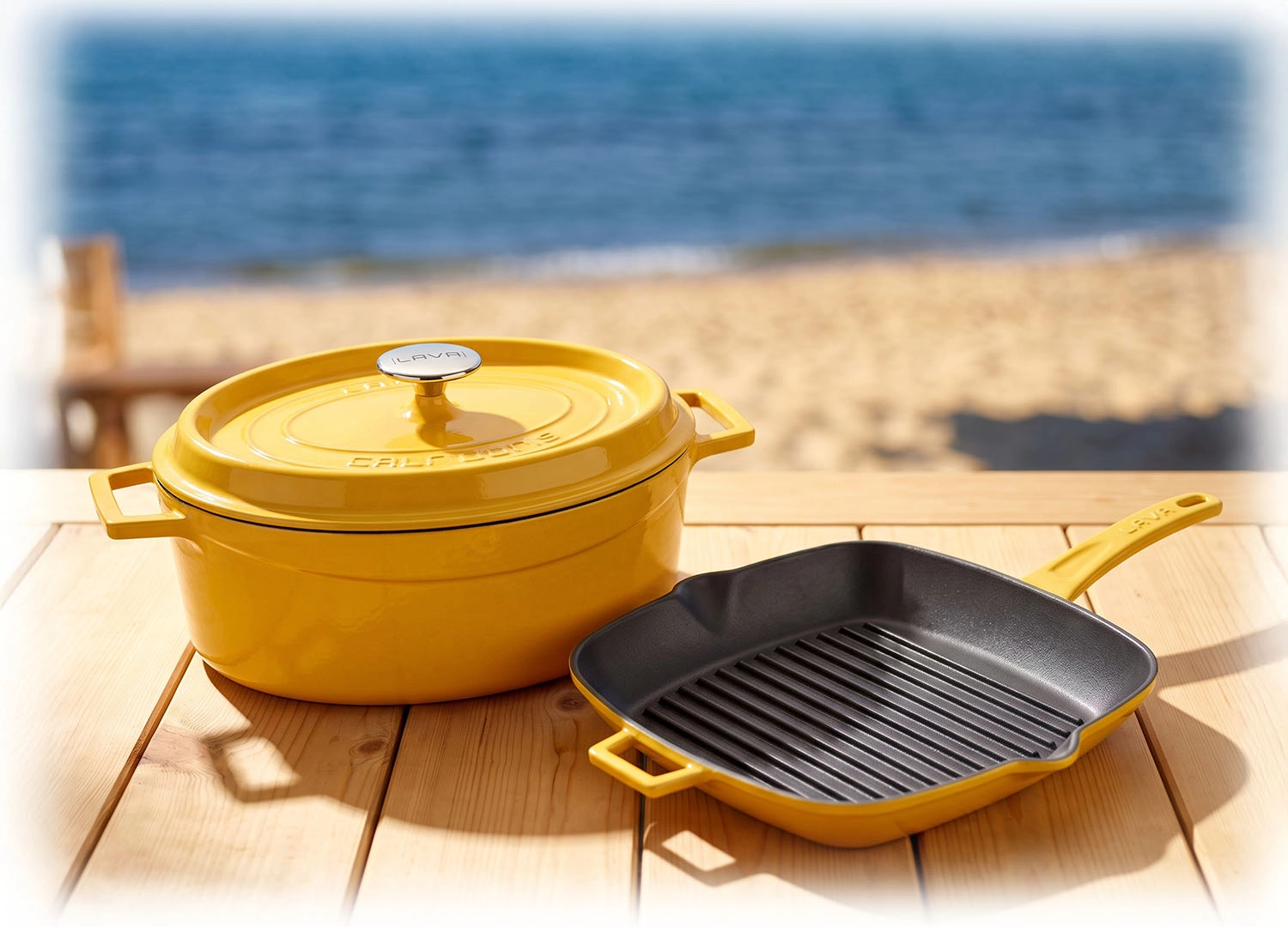
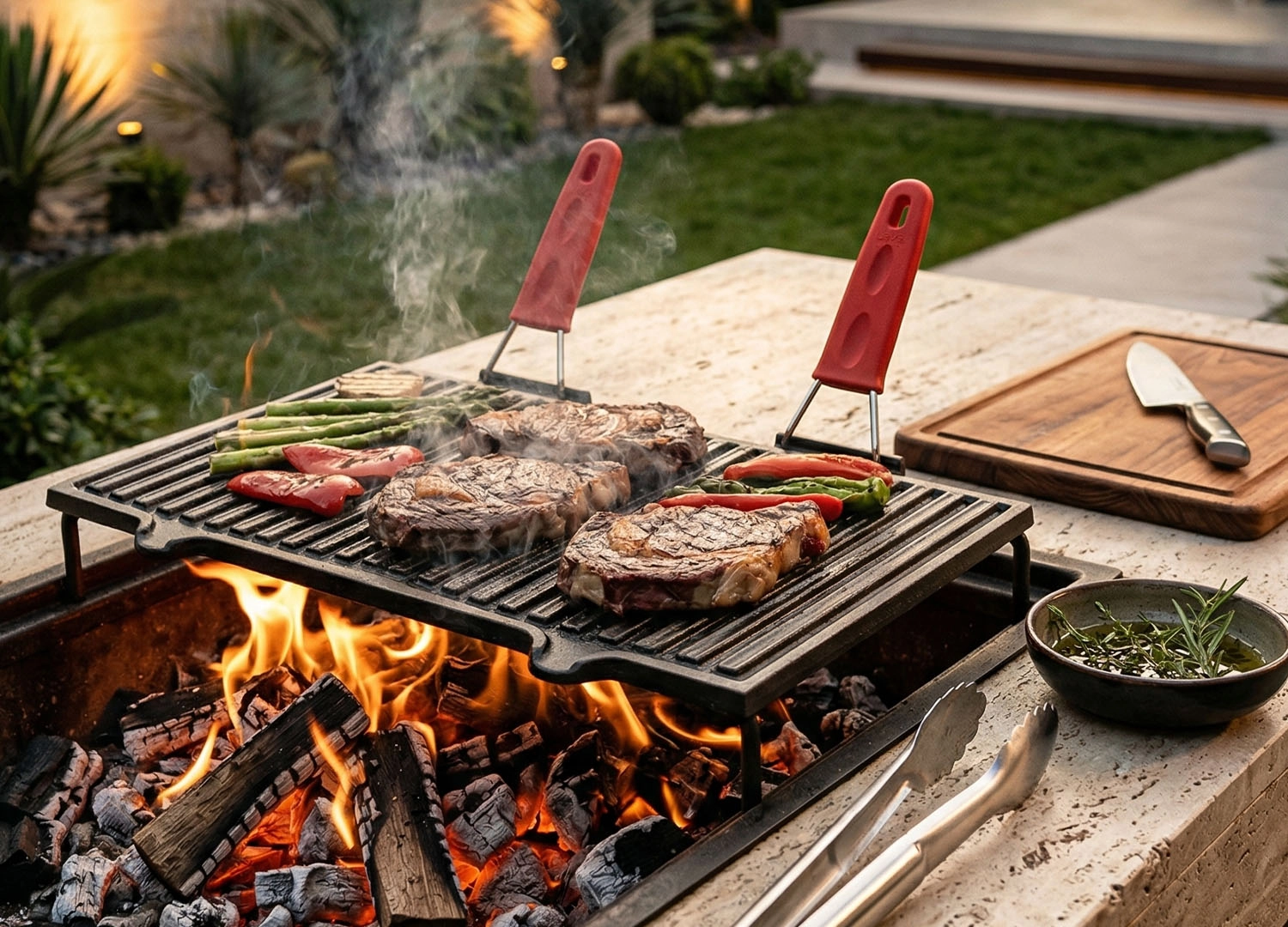
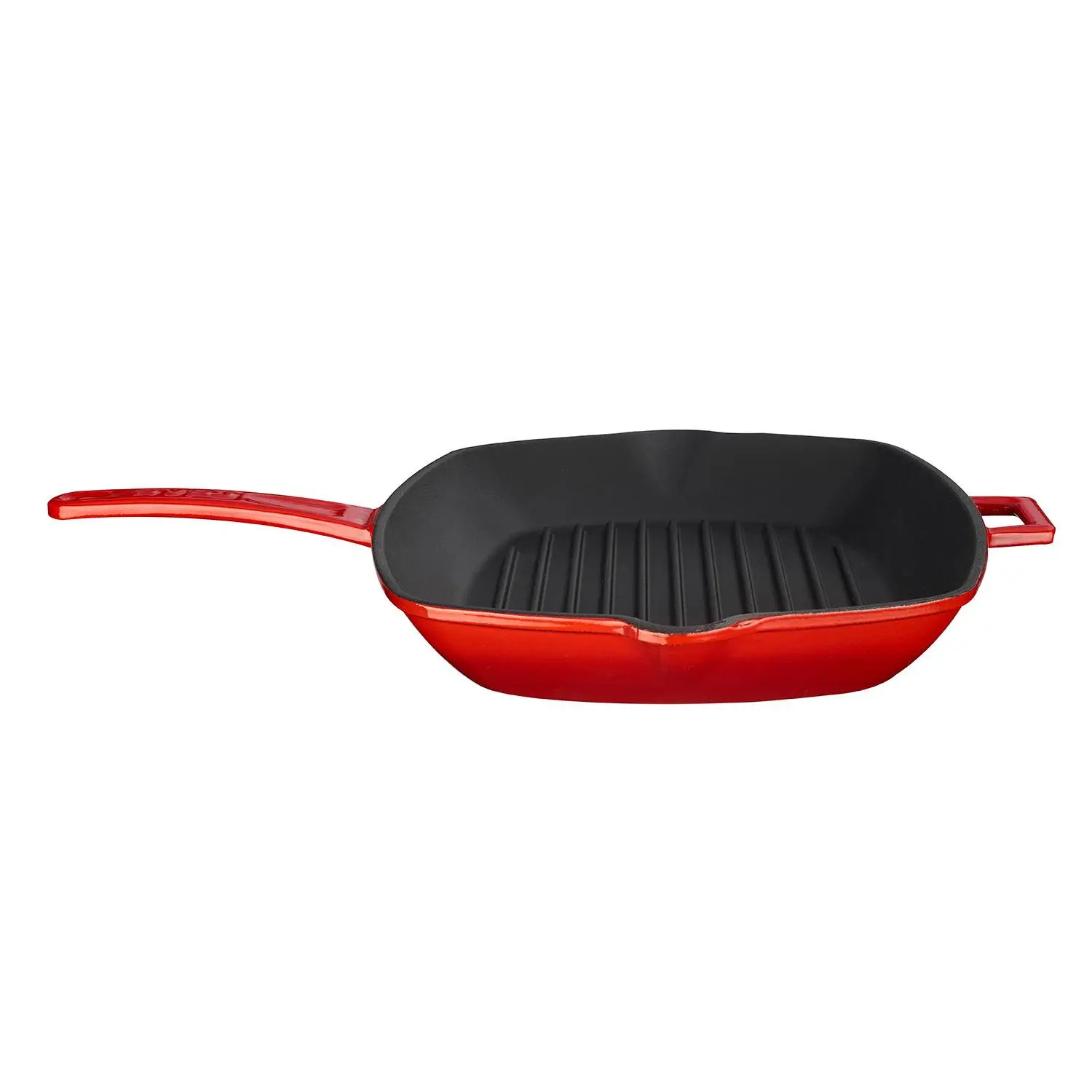
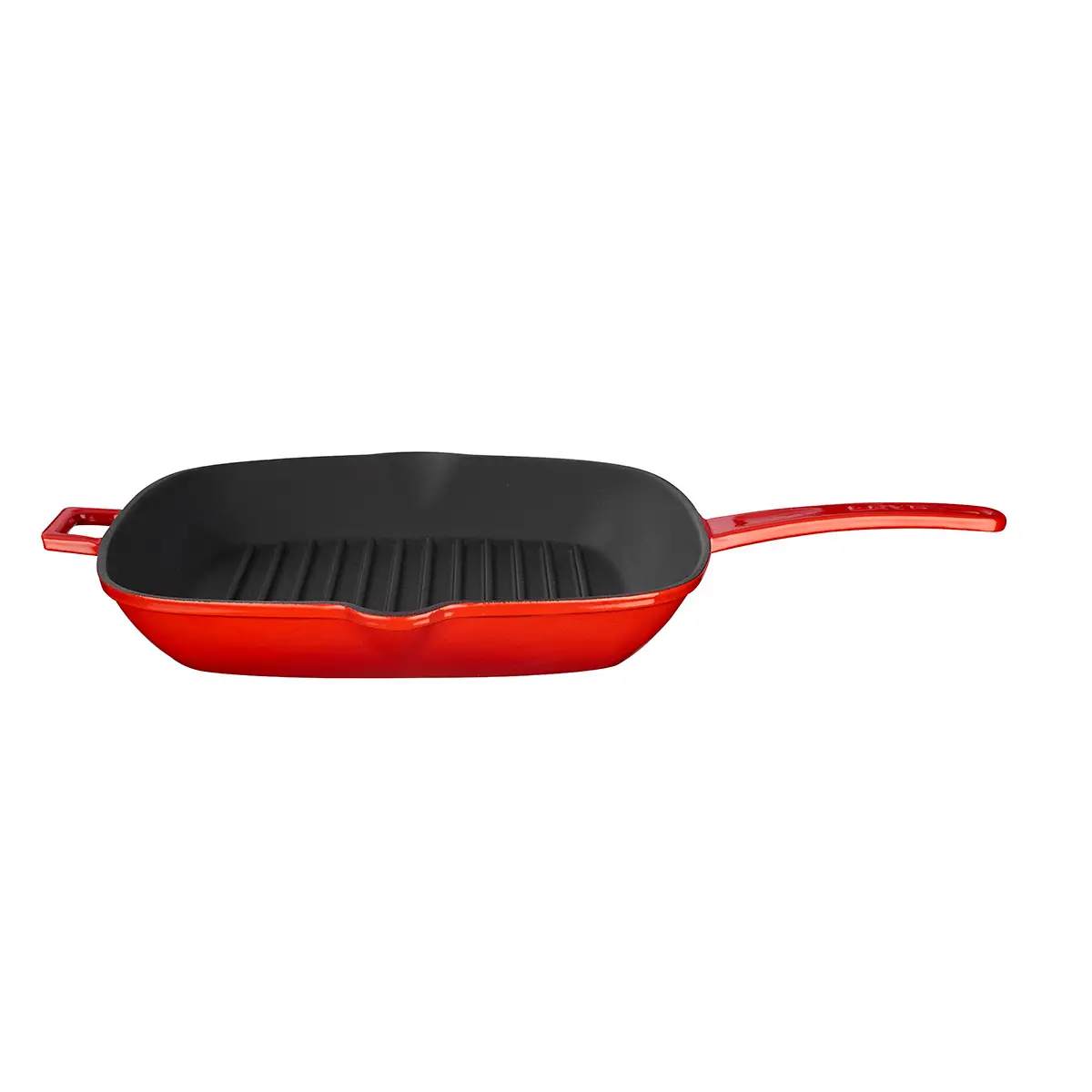
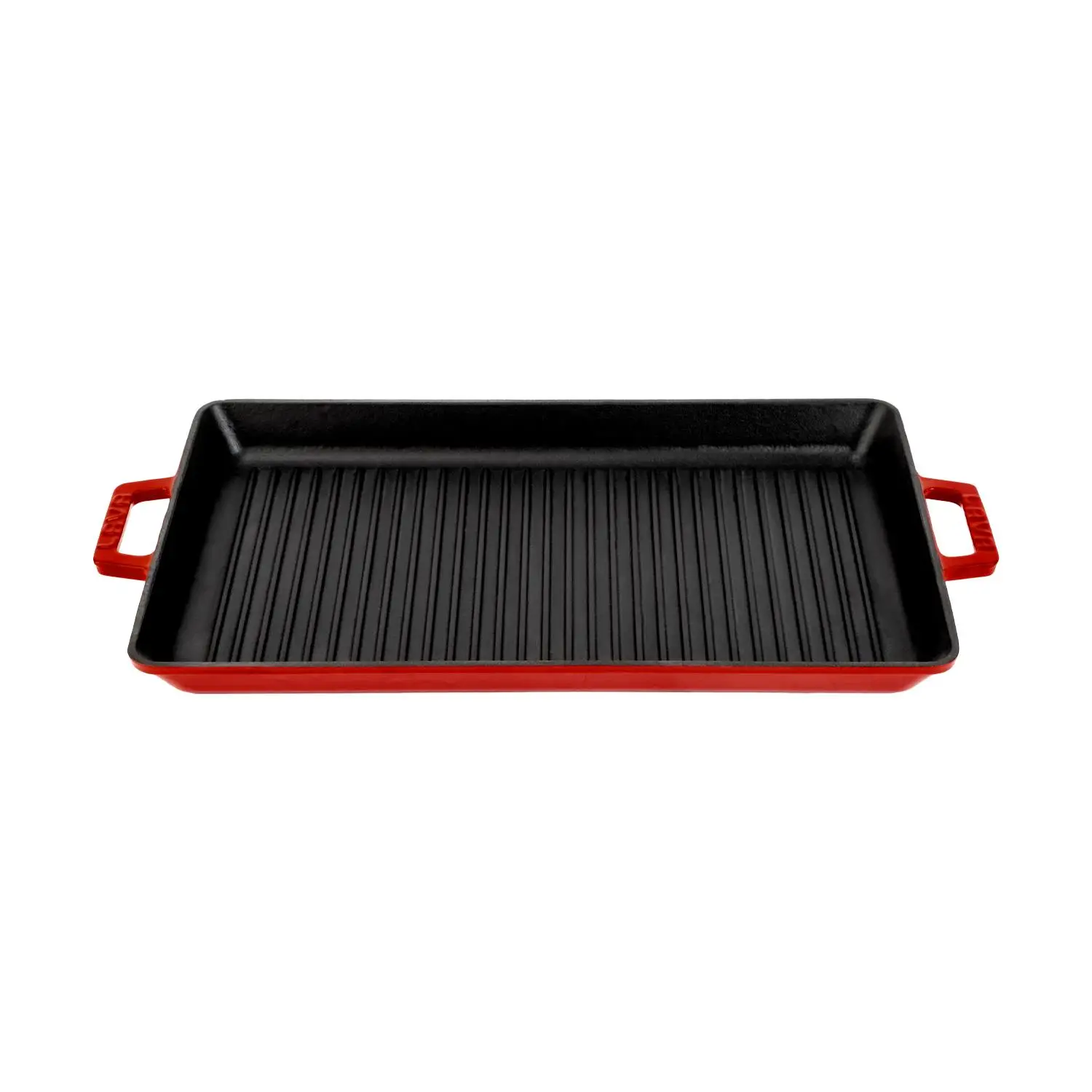
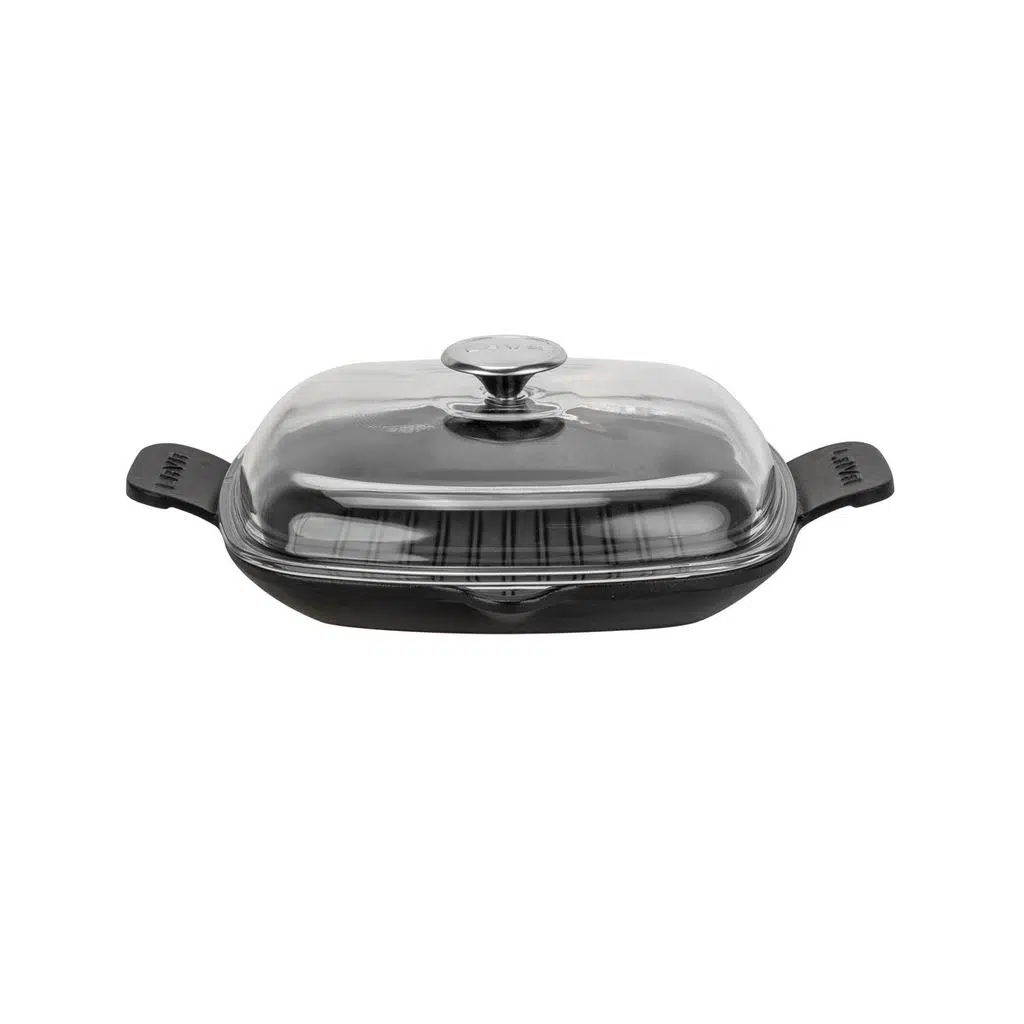
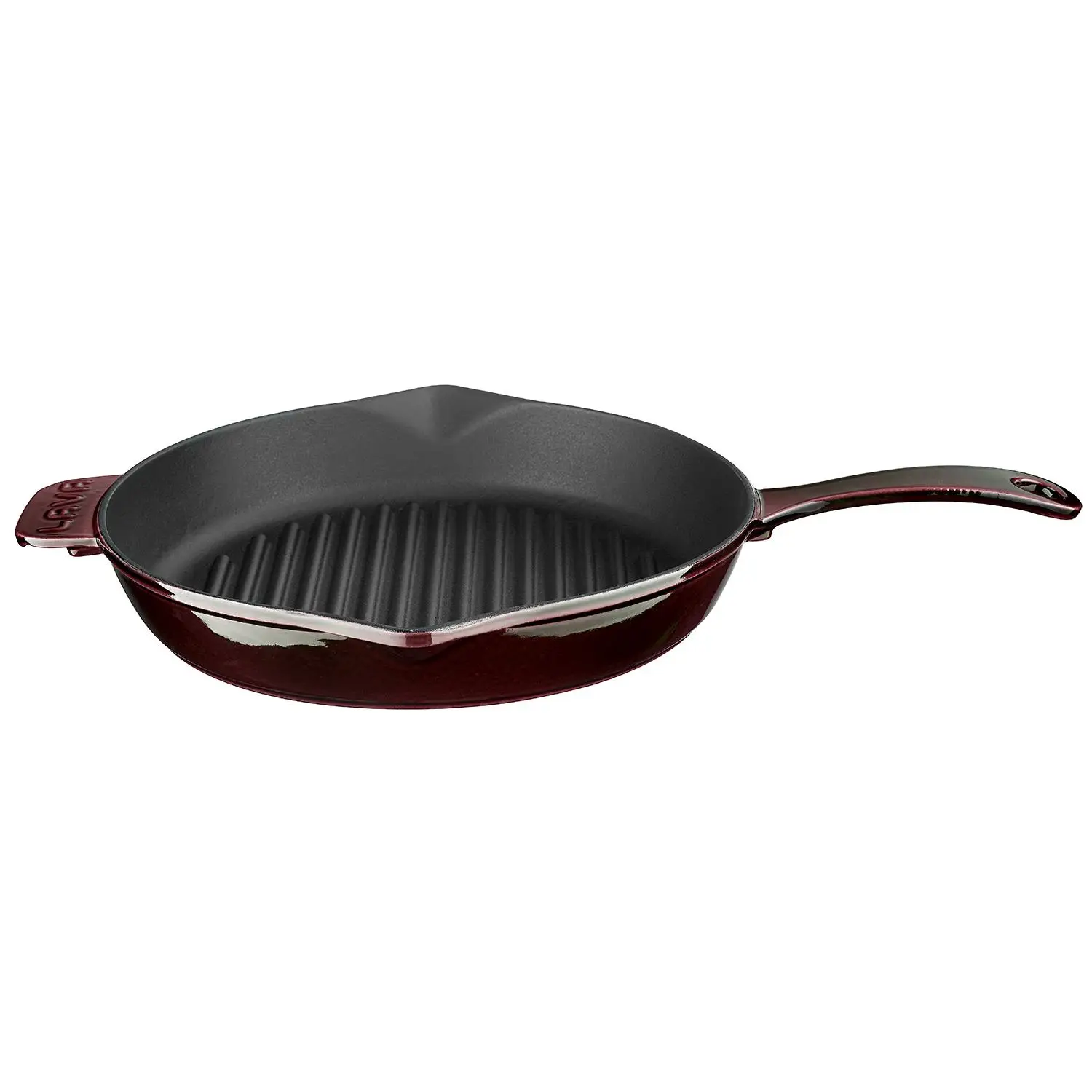
A cast iron grill pan is a suitable option for cooking fish because it retains heat for longer and has a ridged grilling surface. Consistent heat retention helps the surface of the fish cook in a controlled way, while the grill surface can create distinctive grill marks.
Follow these steps when cooking fish in a cast iron grill pan:
Pat the fish dry with kitchen paper to remove excess moisture.
Preheat the pan gradually over a medium heat.
Use an appropriate amount of oil to help reduce the risk of sticking.
Carefully place the fish in the pan.
Avoid unnecessary movement until the first side has cooked sufficiently.
Turn the fish carefully using a wide spatula.
Continue cooking according to the type and thickness of the fish, then serve.
Cooking time varies depending on the type of fish, its thickness and whether it is whole or filleted. Rather than assuming one cooking time applies to all fish, make sure the centre is cooked sufficiently.
For crispy fish skin, remove excess moisture, ensure the pan is sufficiently hot and cook the skin side in a controlled way.
Dry the fish thoroughly: Gently pat the skin with kitchen paper to remove excess moisture.
Cook the skin side first: If you are using fillets, place them skin-side down in a preheated pan.
Avoid moving the fish at first: Allow the skin to cook sufficiently while maintaining contact with the pan's surface.
Avoid applying constant pressure: When placing the fish in the pan, you can apply very light pressure briefly to help the skin make contact with the surface. Avoid pressing continuously, as this can crush the flesh.
Once the skin has browned sufficiently, it may release more easily from the pan and develop the desired crispness. However, the result depends on the type of fish, the thickness of its skin and the heat used.
Both whole fish and fillets can be cooked on a grill. The best choice depends on the type of fish, the cooking method and how you want to serve it.
| Option | Advantages | Cooking tip |
|---|---|---|
| Whole fish, such as sea bass or sea bream | Can be served whole and retains its shape during cooking. | Consider the thickness to ensure the centre cooks sufficiently. Make shallow cuts along the sides if needed. |
| Fillets, such as salmon or sea bass | Easy to portion and generally quicker to cook. | Avoid unnecessary movement, especially when cooking the skin side. Use a wide spatula when turning. |
Whole fish may require more time to cook through. Fillets are more delicate and therefore need extra care when turning. In both cases, follow a cooking time appropriate for the type and thickness of the fish.
In most cases, turning grilled fish once is sufficient. Allowing the first side to cook properly helps the surface brown and reduces the risk of the fish falling apart.
Rather than turning the fish repeatedly, wait for the first side to cook, then carefully turn it with a wide spatula and cook the other side.
However, a single-turn rule does not apply to every type of fish. Consider the fish's type, thickness and cooking method. The key is to avoid unnecessary movement and never force the fish when turning it.
The following steps can help you manage the cooking process more effectively.
Prepare the fish: Remove excess moisture from the surface. Lightly oil and season with salt if desired.
Preheat the pan: Gradually preheat the grill pan over a medium heat.
Place the fish in the pan: Carefully position the fish. If using fillets and aiming for crispy skin, cook them skin-side down first.
Cook the first side: Allow the surface to brown sufficiently without moving the fish repeatedly.
Turn carefully: Use a wide spatula to turn the fish gently.
Finish cooking: Continue cooking according to the type and thickness of the fish, ensuring that the centre is cooked sufficiently.
Serve: Once removed from the pan, allow the fish to rest briefly before serving.
The main reasons are excess moisture on the surface, insufficient preheating and attempting to turn the fish too early. Pat the fish dry, preheat the pan and allow the first side to cook before turning.
Place the fish in the pan once it has been preheated. Gradual heating over a medium heat helps the surface cook in a controlled way. The time needed to heat the pan varies according to the hob and cookware.
Fish can fall apart when it is turned before cooking sufficiently or lifted without adequate support underneath. Allowing the first side to cook and using a wide spatula helps you turn it more carefully.
Dry the skin thoroughly before cooking. Place the fish skin-side down in a preheated pan and avoid unnecessary movement during the initial cooking stage.
In most cases, turning the fish once is sufficient. Allowing the first side to cook properly helps you turn it more easily and achieve better browning.
Yes. A cast iron grill pan is a suitable option for cooking fish because it retains heat for longer and has a ridged grilling surface. Preheating the pan and avoiding unnecessary movement can help achieve good results.
Both can be grilled. Whole fish can be served intact, while fillets are practical for portioning. The cooking method and time should be adjusted according to the type, thickness and form of the fish.
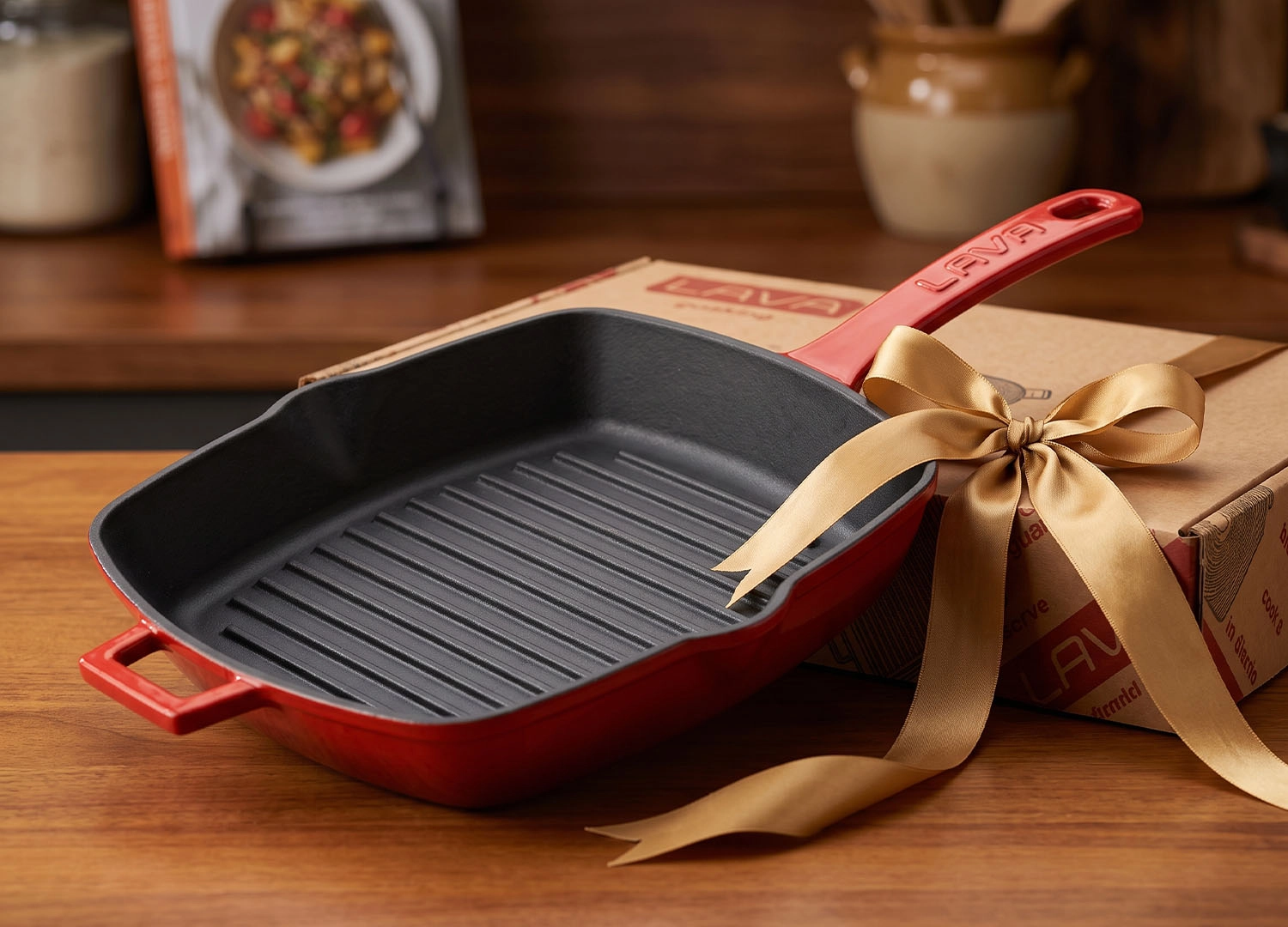
09.10.2026Lava Cast Iron Rectangle Grill Pan. Long-Stem, 26X32cm.







Lava Döküm Online Fabrika Satış Mağazası. © 2026 All Rights Reserved.


0
)