×

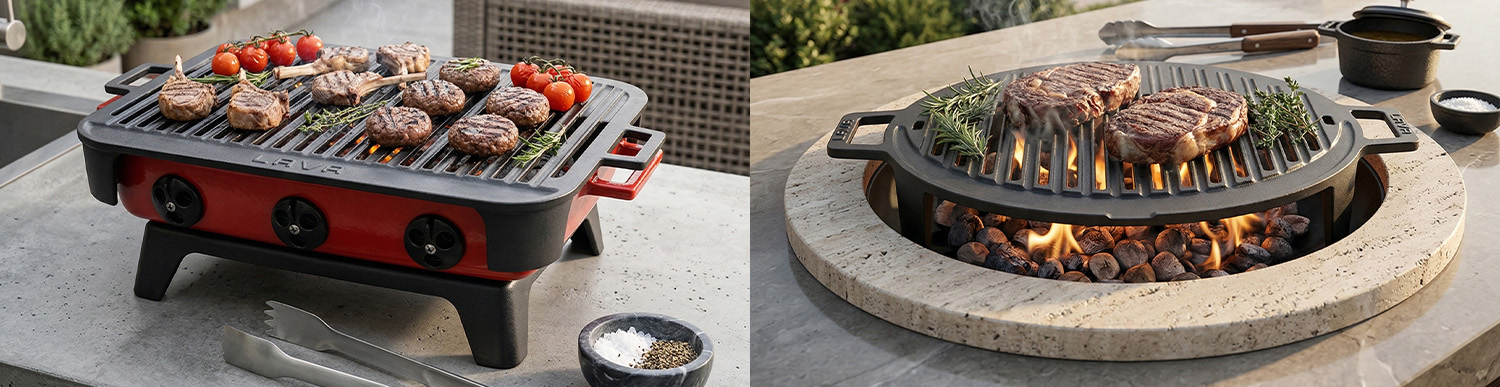
With the arrival of spring, the barbecue season begins, and outdoor cooking once again becomes part of our lives. So, what are the key tips for grilling meat perfectly? In this guide, we explore essential topics step by step, including selecting the right cuts of meat, heat management, searing techniques, and professional meat cooking methods used by chefs.
You will also find detailed insights into how to cook chops perfectly, the advantages of cast iron grill models, and how to create a healthier barbecue experience. Alongside the most common grilling mistakes and their correct practices, this content provides a comprehensive roadmap to elevate your outdoor barbecue experience to a professional level throughout the spring season.
As nature awakens with the arrival of spring, dining also moves outdoors. Time spent in the open air becomes more valuable, and gatherings with family and friends take shape around the barbecue. The barbecue season is not just about cooking—it is an experience, a ritual, and even a demonstration of skill.
However, grilling meat is not simply about lighting a fire and placing meat on the grill. Without the right techniques, meat can dry out, toughen, and lose its flavour. This is why meat cooking techniques play a critical role, especially when it comes to barbecuing.
For more inspiration on spring grilling and outdoor flavours, click here.
The most important element in grilling is not the fire itself, but heat control. Professional chefs divide the grill into three zones:
High heat zone (direct heat) → for searing
Medium heat zone → for cooking
Low heat zone (indirect heat) → for resting and slow cooking
This system ensures that the meat develops a caramelised crust while remaining juicy inside.
The brown crust formed on the surface of the meat is created through the Maillard reaction, which determines up to 70% of the flavour.
For proper searing:
The grill must be fully heated
The surface of the meat must be dry
The meat should not be turned too early
Note: The Maillard reaction is a non-enzymatic browning process in which amino acids (proteins) and reducing sugars react under heat, creating a brown colour, distinctive aroma, and rich flavour. It typically occurs between 140–165°C and contributes to the crisp texture and complex aromas in foods such as meat, bread, and coffee.
The best cuts for grilling include:
Ribeye
Striploin
Chops
Lamb ribs
What these cuts have in common is a balanced fat content. Fat is one of the most important elements that carries flavour during grilling.
Before cooking:
Remove the meat from the refrigerator
Let it reach room temperature (at least 20–30 minutes)
If this step is skipped, the outside of the meat cooks quickly while the inside remains undercooked.
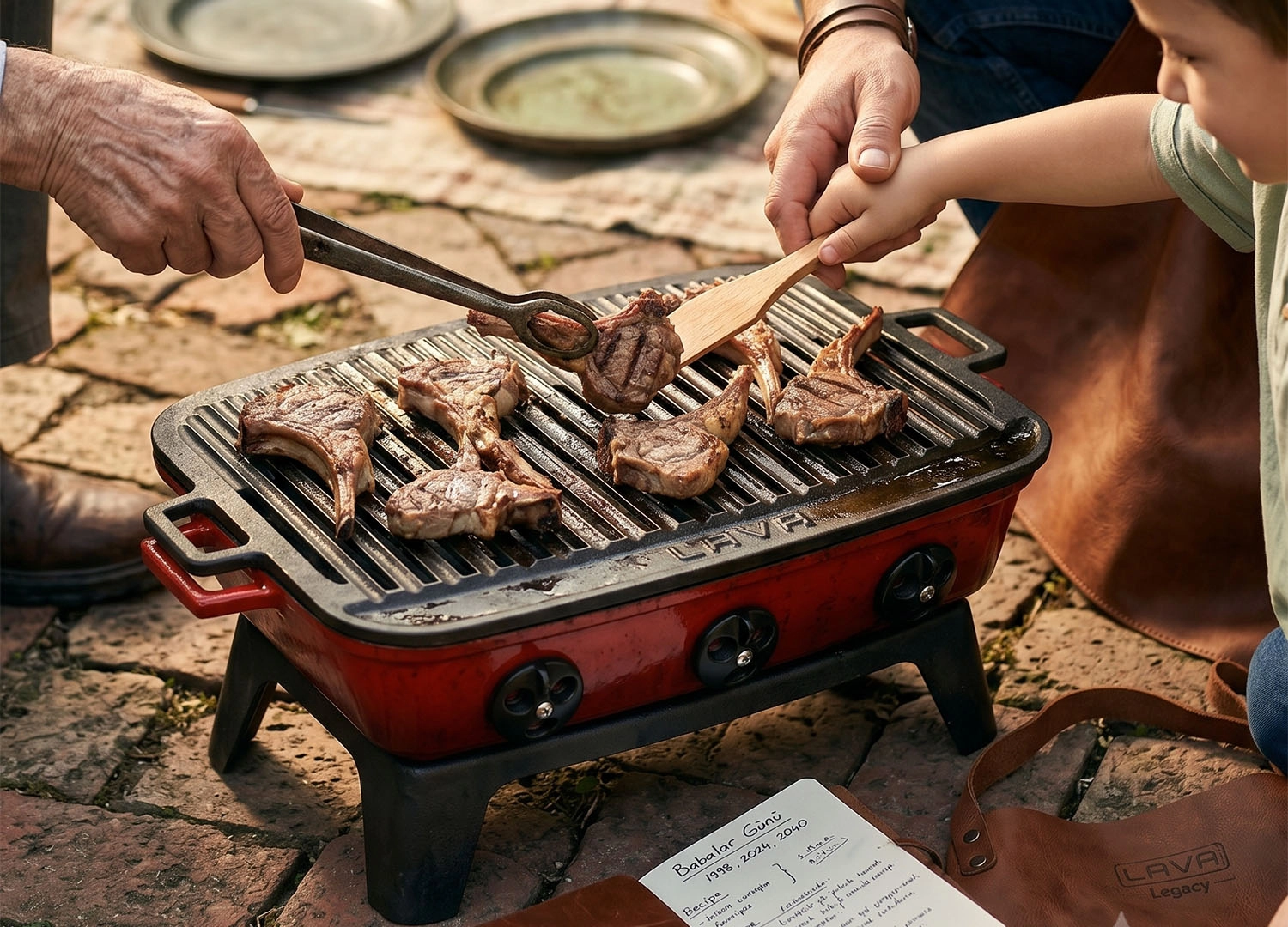
When the tips for cooking chops are properly understood, they can deliver an exceptional flavour experience. However, chops can easily become tough if not cooked correctly.
Do not marinate (high-quality meat does not require it)
Use only salt and black pepper
Sear over high heat
Then move to medium heat
Always rest after cooking (5–7 minutes)
Key detail: Bone-in cuts are always more flavourful because the bone helps distribute heat evenly.
The key to grilling chops perfectly lies not only in cooking time but also in preparation. Before placing the chops on the grill, allow them to rest at room temperature for 20–30 minutes to ensure even cooking. The surface must be completely dry; otherwise, steaming will occur instead of searing, resulting in flavour loss.
One of the most common mistakes when searing chops over high heat is turning them too frequently. The correct technique is to leave the meat untouched until a proper crust forms. Avoid overcrowding the grill, as this lowers the temperature and causes the meat to release its juices.
After cooking, let the chops rest for 5–10 minutes. This allows the muscle fibres to relax and the juices to redistribute. When these steps are followed, grilled chops achieve a perfectly caramelised exterior and a juicy, professional-level result.
The most important factor that elevates the barbecue experience from ordinary to professional is the equipment.
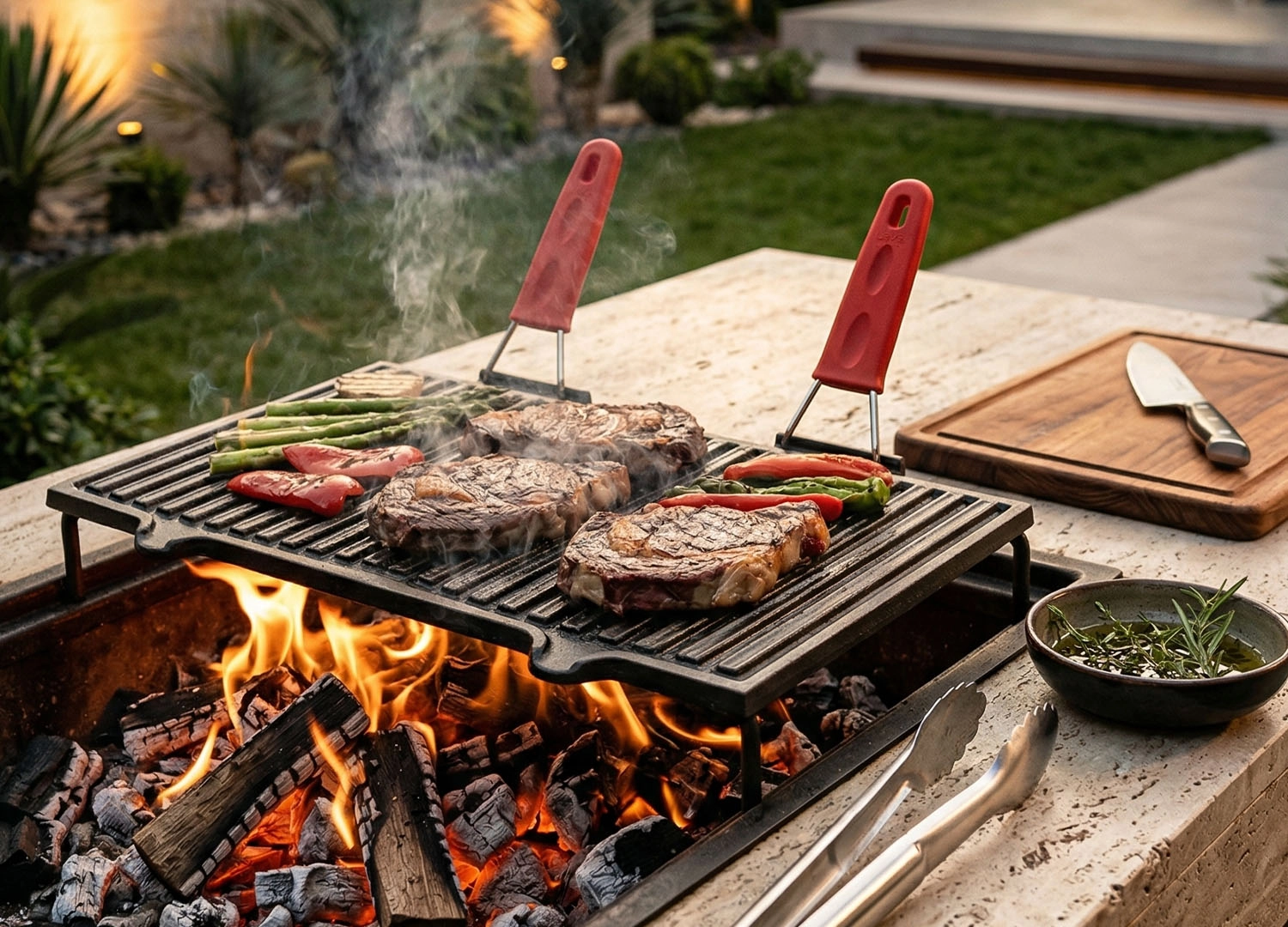
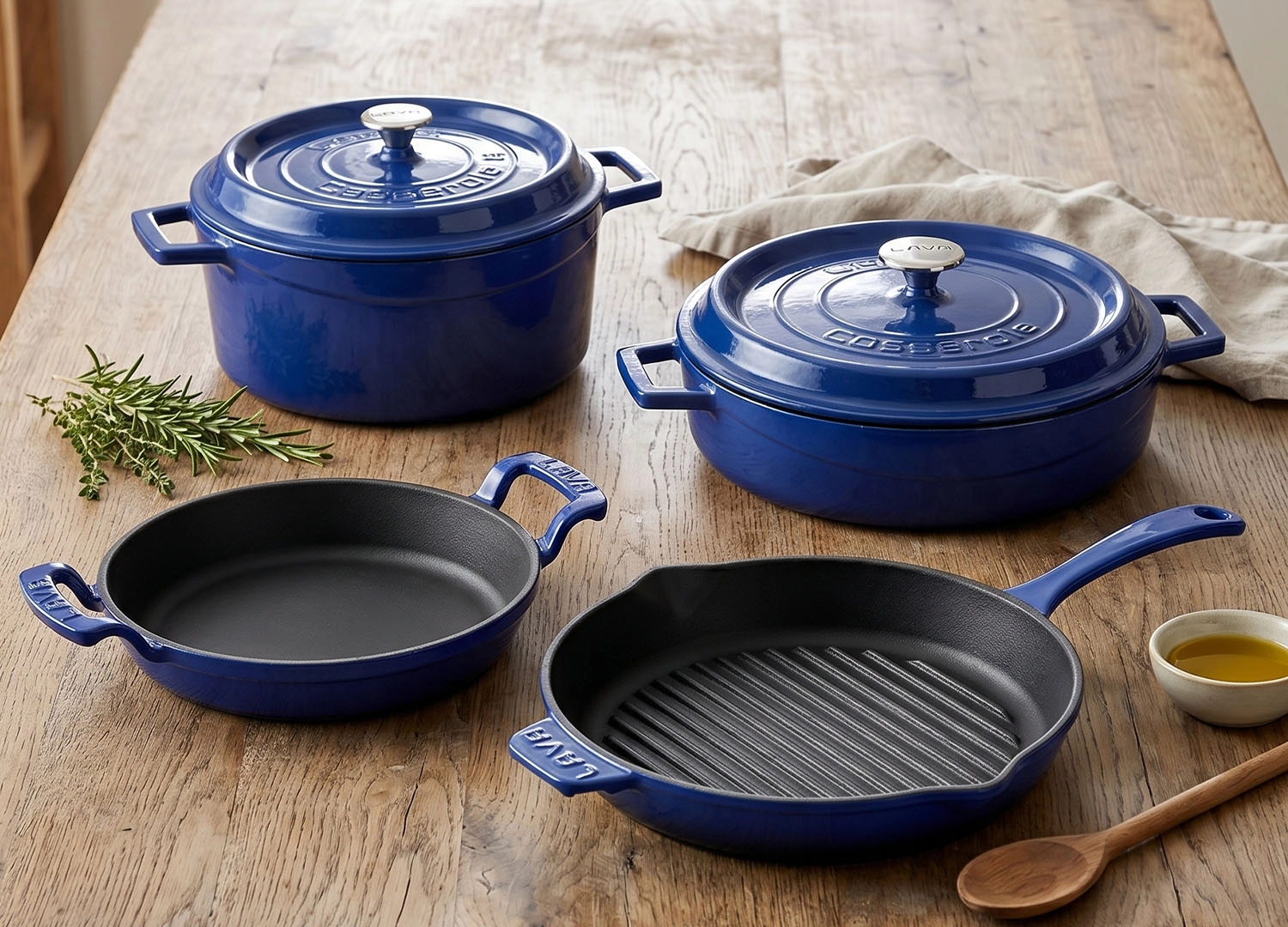
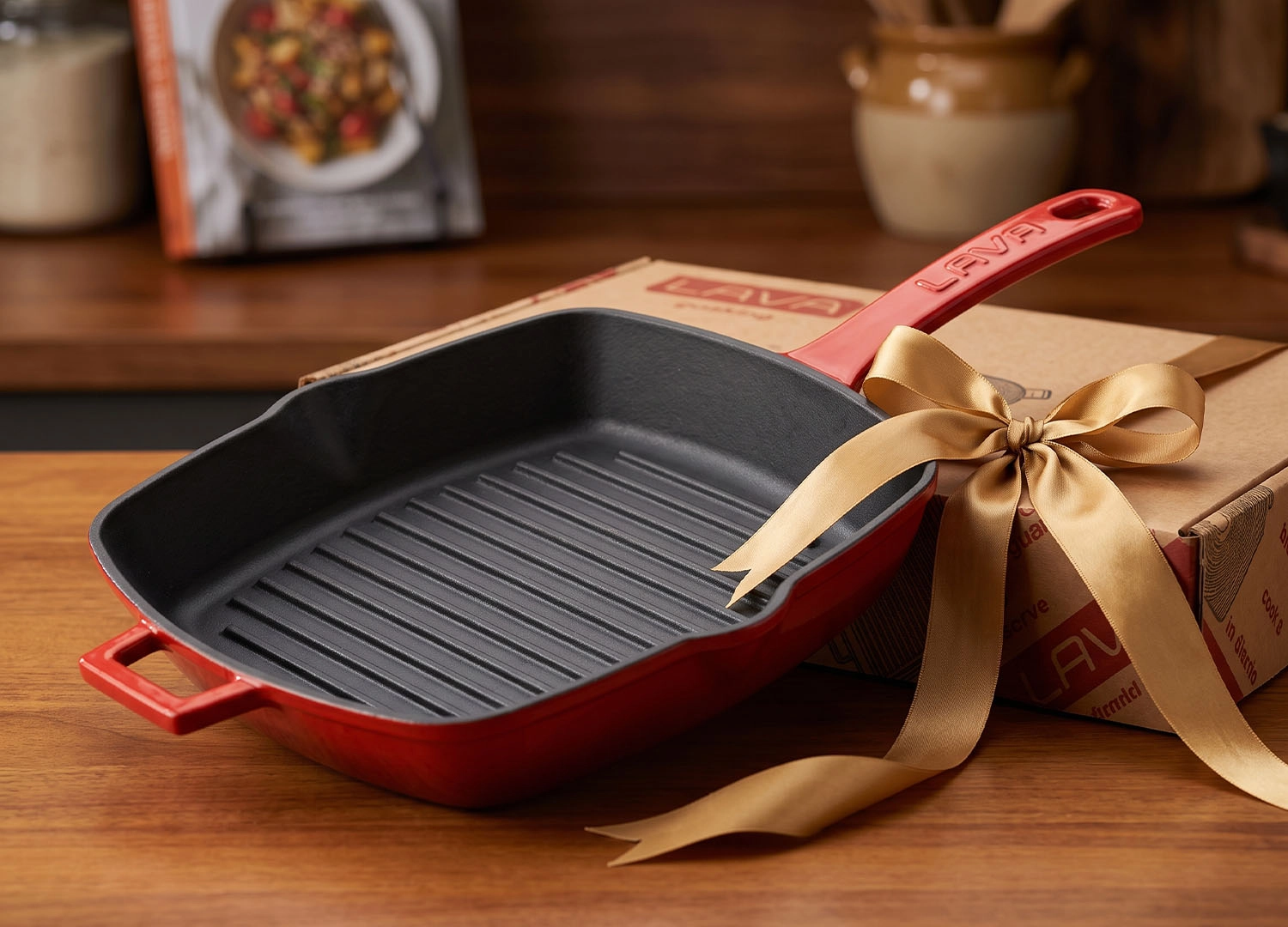
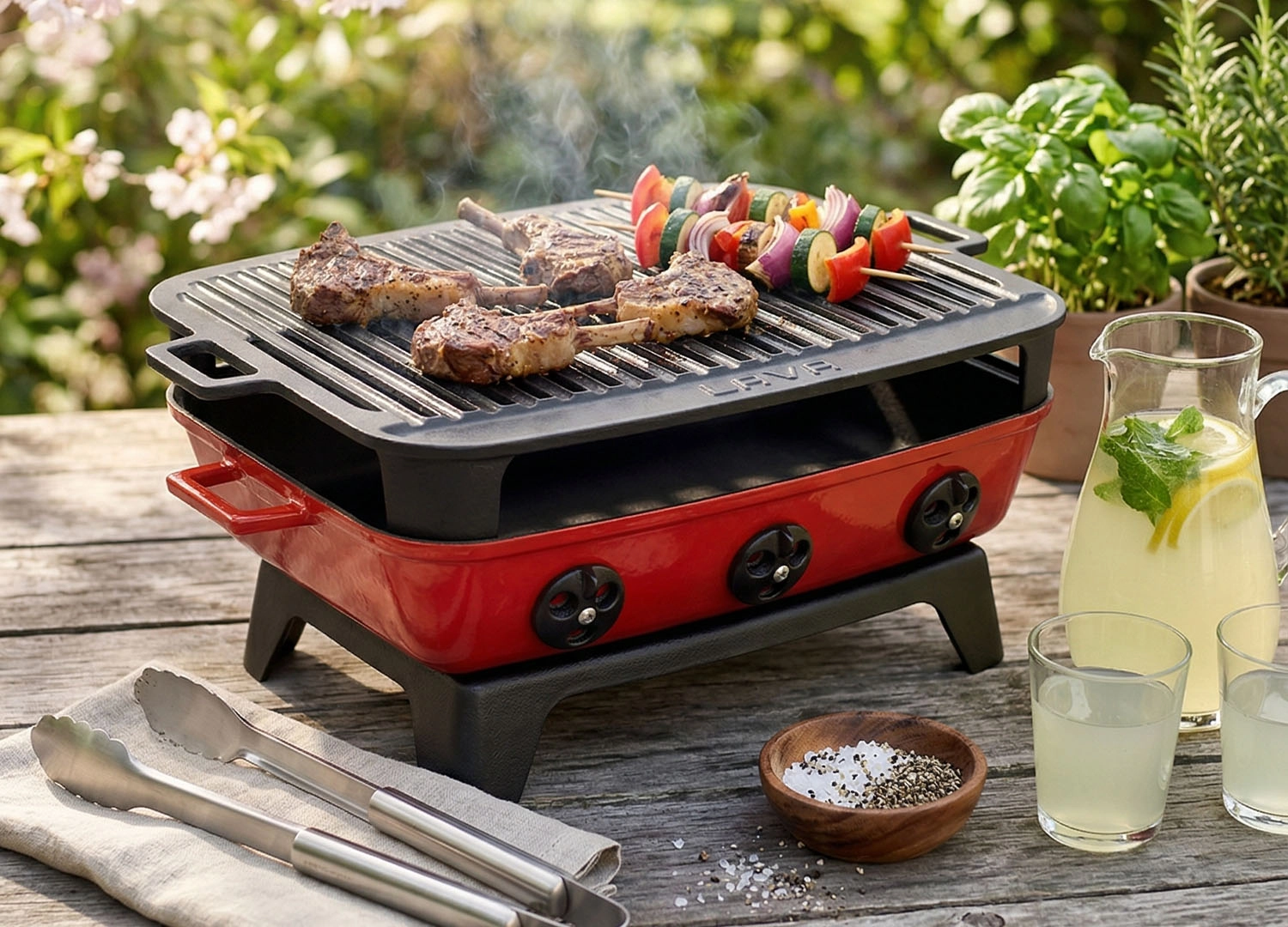
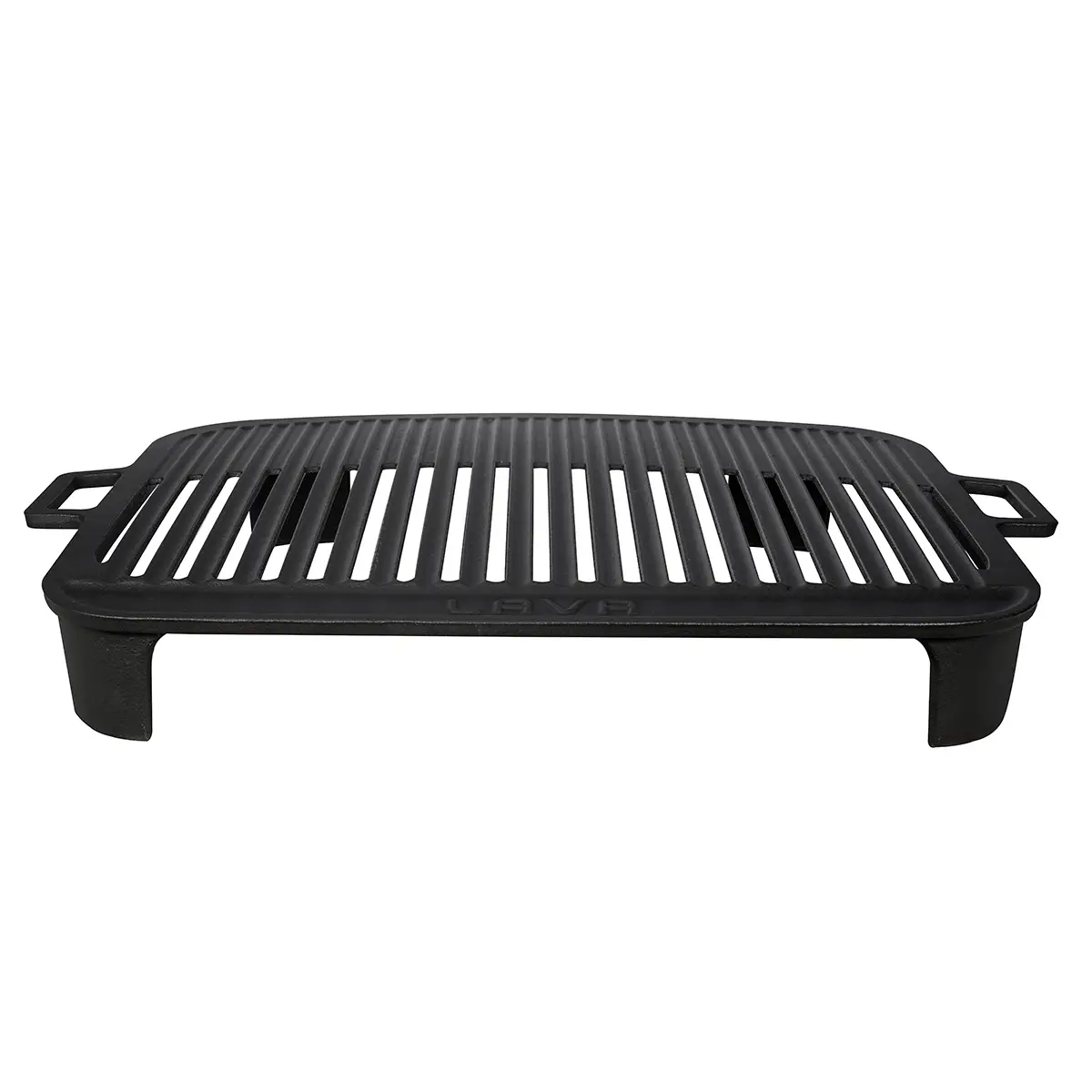
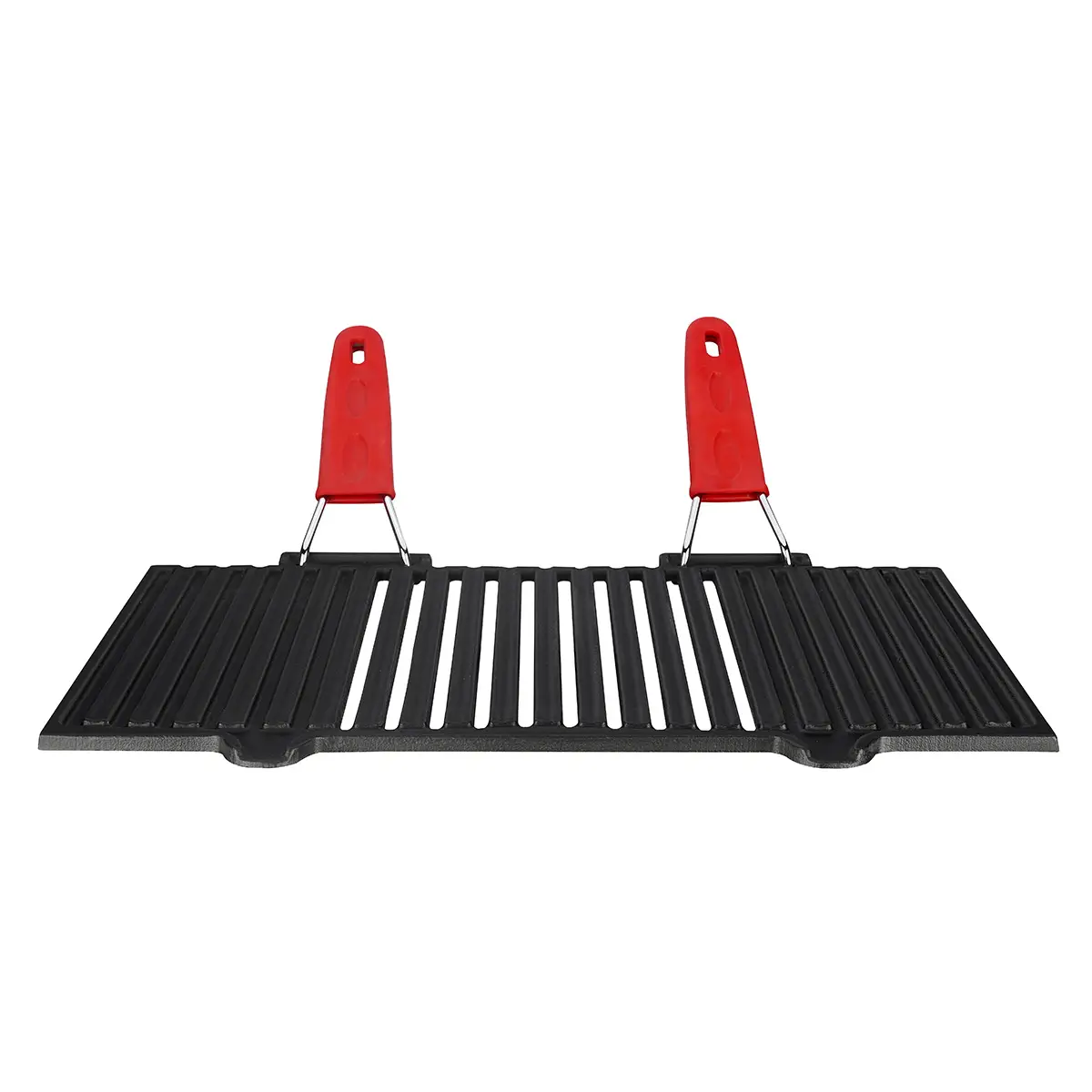
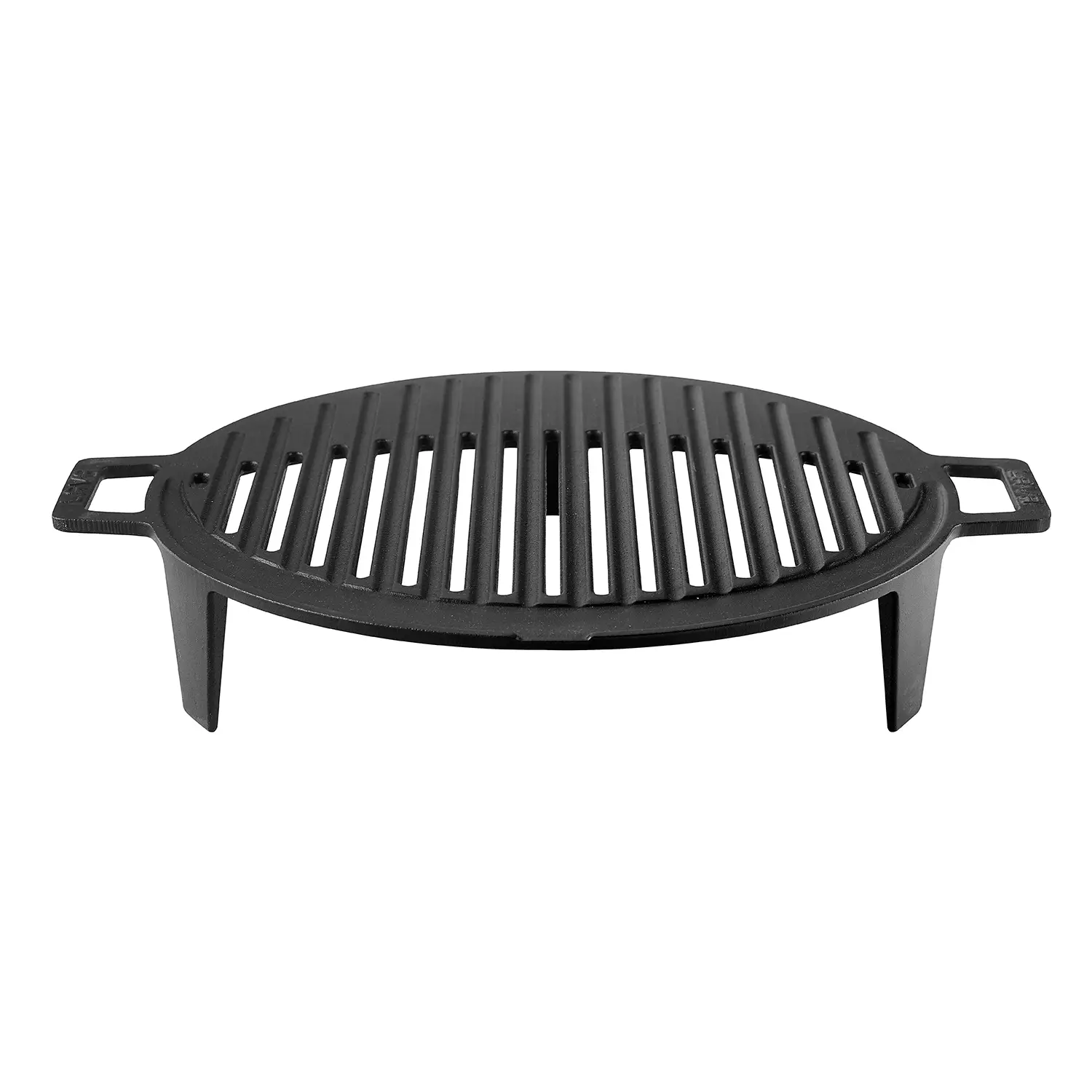
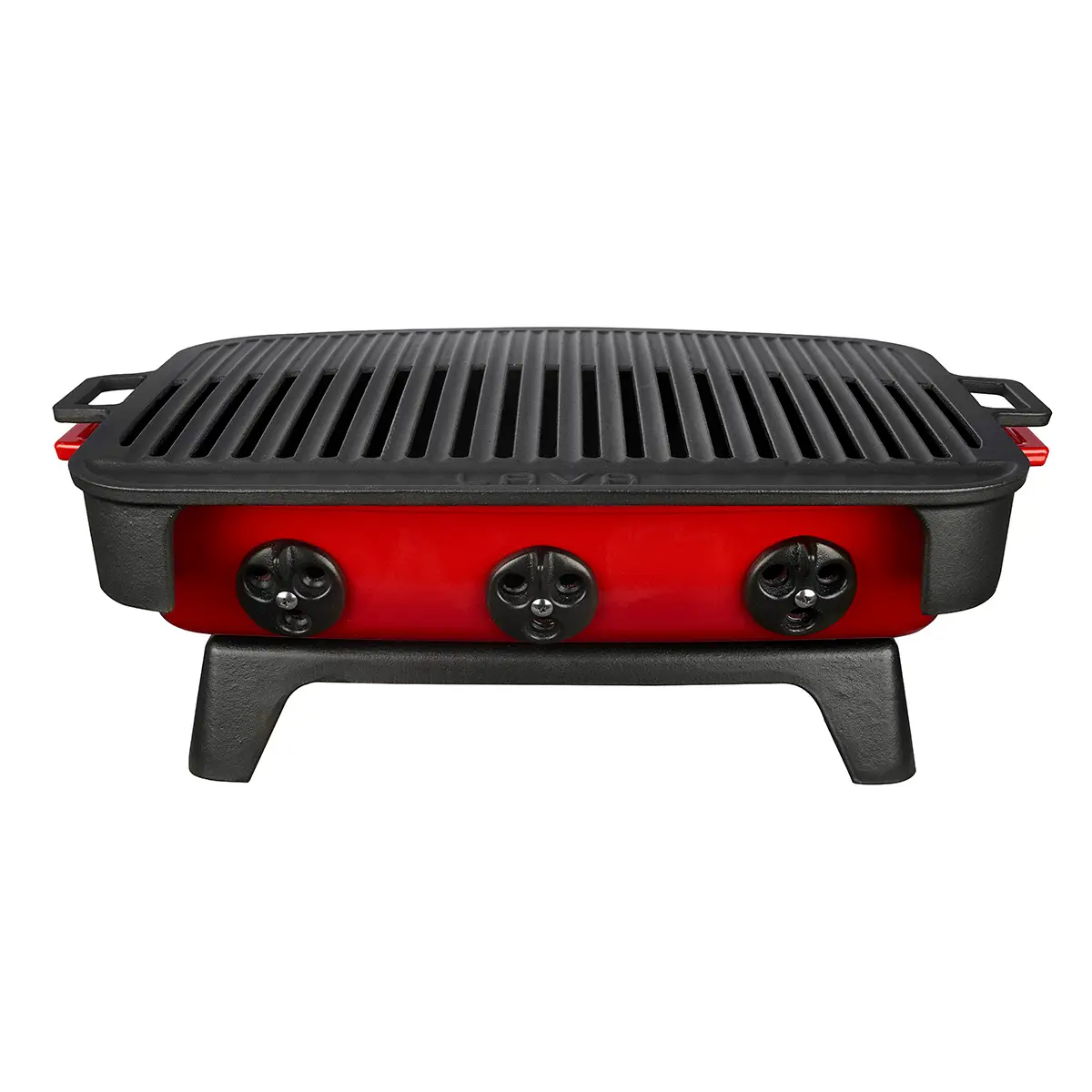
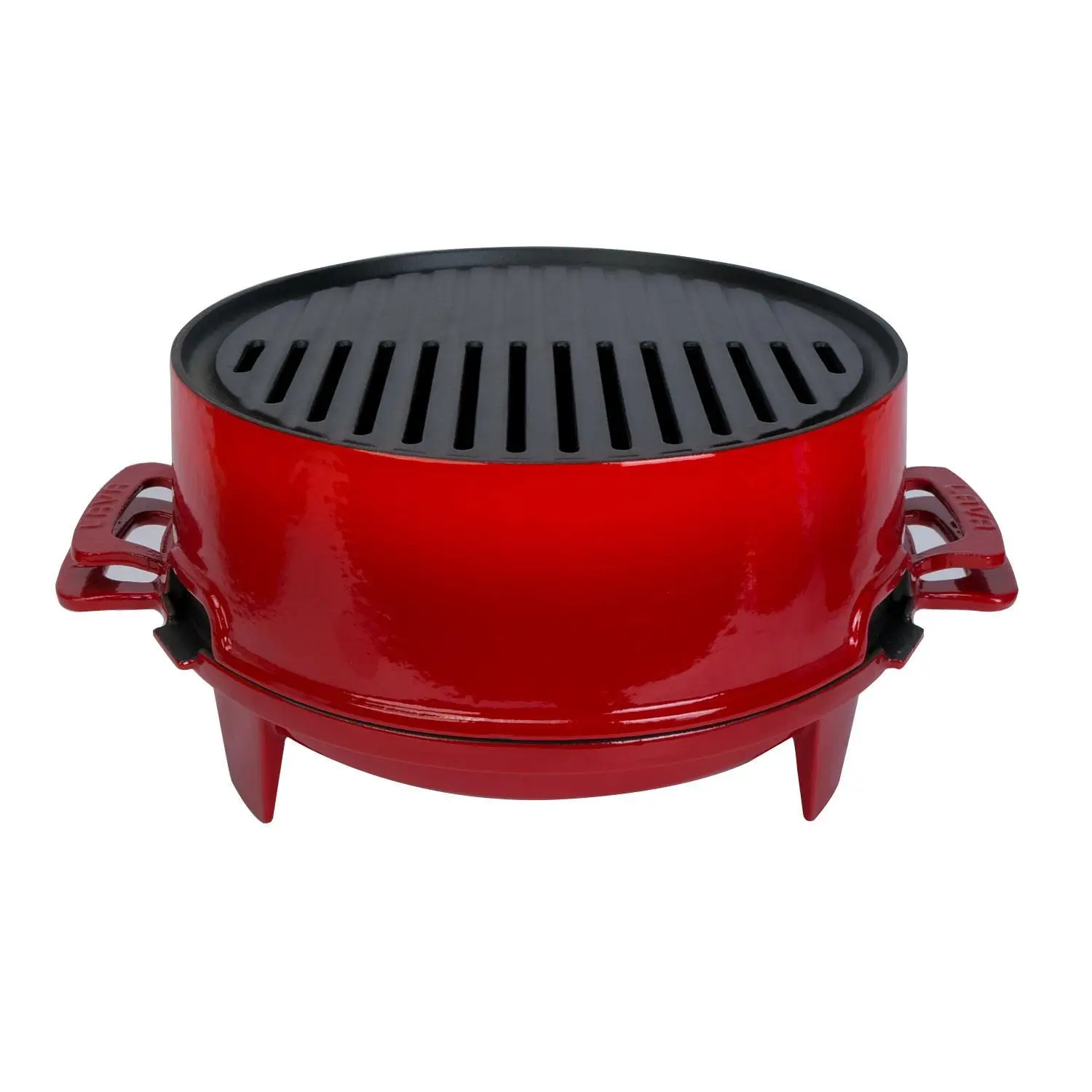
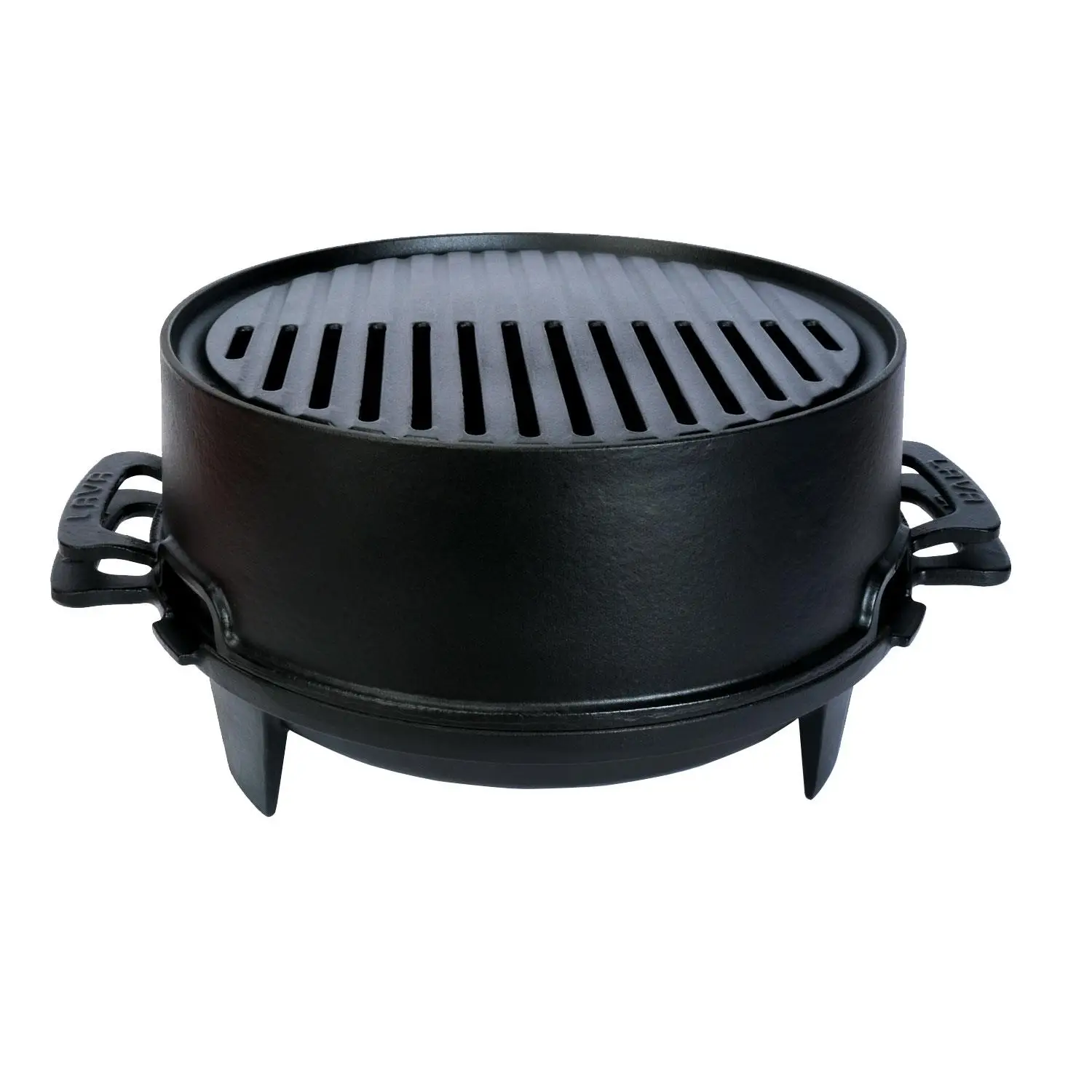
Cast iron grill models offer superior performance compared to traditional grills:
Retains heat for longer
Ensures even heat distribution
Helps keep the meat juicy
Requires less fuel
As a result, meat cooks perfectly inside without burning on the outside.
Click here to explore LAVA cast iron grill models and recipes.
For a healthier barbecue, choosing the right grill is essential. Visit our store to explore authentic cast iron grill options.
When fat drips onto flames, harmful compounds are formed.
Solution: Use cast iron surfaces for controlled cooking
Burnt meat:
Contains carcinogenic compounds
Loses its nutritional value
Sugary marinades accelerate burning
Include on your plate:
Peppers
Courgettes
Onions
Cook slowly over low heat first
Then finish with high heat searing
Produces a more controlled and juicy result
Direct → fast and high heat
Indirect → slow and even cooking
The most common mistake is cutting the meat without resting it.
Resting allows:
Juices to redistribute
A more tender and flavourful result
Small mistakes can significantly impact flavour. These are the details chefs pay close attention to:
Result: Outside cooks quickly, inside remains cold
Let it rest at room temperature for 20–30 minutes
Result: Steaming instead of searing → flavour loss
Pat dry with paper towels
Result: Temperature drops, meat releases juices
Leave space between pieces
Result: No proper crust formation
Turn only after a crust forms
Result: Juices run out → dry meat
Rest for 5–10 minutes
Barbecuing in spring is not just about food—it is a social and lifestyle experience.
The right equipment (cast iron grill)
Proper menu planning
The right environment (nature, garden, picnic area)
Main: Ribeye / chops
Side: Grilled vegetables
Bread: Toasted in a cast iron pan
Sauce: Homemade chimichurri
Turning meat too often → loses juices
Starting at low heat → no searing
Piercing meat with a fork → juices escape
Not resting → dry texture
LAVA’s cast iron technology:
Distributes heat evenly
Saves energy
Delivers professional kitchen performance
This allows you to achieve restaurant-quality results even at home.
Because of:
Poor heat control
Not resting the meat
Choosing the wrong cut
High heat: 2–3 minutes (searing)
Medium heat: 4–6 minutes (cooking)
Do not burn the meat
Prevent fat from dripping onto flames
Use cast iron surfaces
Even heat distribution
Retains juices
Allows controlled cooking
Typically from April and continues throughout the summer
Because the same cut of meat can be up to 50% more flavourful with the right technique
Barbecuing may seem simple, but with the right techniques and equipment, it becomes a true craft. Especially when combined with the outdoor experience of spring, it evolves into more than just cooking—it becomes a lifestyle.
With the right meat selection, proper heat management, and the right equipment, you can elevate your barbecue experience to a professional level.
08.04.2026Lava Casting Round Barbecue Grill Set Cast Iron Solid Double Handle Diameter (Ø)36cm.







Lava Döküm Online Fabrika Satış Mağazası. © 2026 All Rights Reserved.


0
)