×

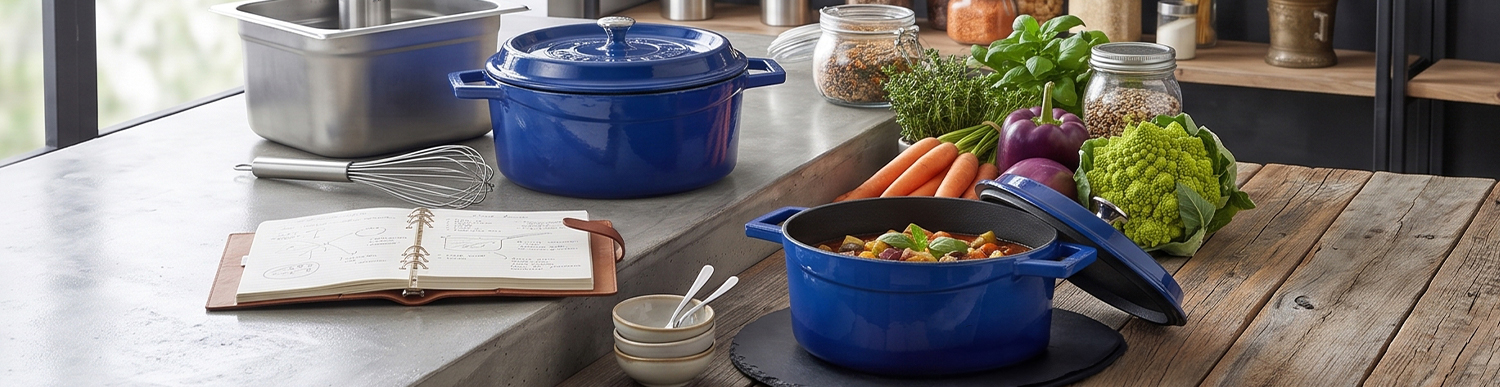
Chefs use cast iron casseroles because they distribute heat evenly, retain heat for longer and are suitable for a range of cooking techniques, including searing, slow cooking and covered cooking. From a nutrition perspective, the important factor is not that the casserole itself is inherently healthy, but that it supports controlled temperatures, appropriate cooking times, limited use of water and balanced ingredients. Enameled cast iron casseroles do not require additional seasoning and can be used for vegetables, pulses, meat, soups and grain-based dishes.
Estimated reading time: 8 minutes
Chefs prefer cast iron casseroles because they distribute heat evenly, retain heat for longer and adapt to different cooking techniques. From a nutritional perspective, however, the key consideration is not simply the material from which the casserole is made, but the combination of controlled heat, appropriate cooking times, the use of a lid and cooking methods that make it easier to prepare balanced meals. Enameled cast iron casseroles bring professional cooking performance and everyday healthy cooking practices together in a single piece of cookware.
However, an important distinction should be made: using a cast iron casserole does not automatically make every meal healthy. The nutritional value of a dish is determined by the ingredients used, the amount of fat and salt, the cooking temperature, the cooking time and the technique applied. The right cookware can help manage all these factors more effectively.
Professional chefs expect more from a casserole than durability alone. Temperature control, consistent results, preserving the texture of ingredients and keeping food at a suitable serving temperature are also important.
With their dense construction and high heat-retention capacity, cast iron casseroles meet many of these fundamental requirements in professional kitchens.
One of the most notable properties of cast iron is its ability to spread heat across the cooking surface once it has reached the desired temperature. This can help prevent excessive heat in certain areas of the casserole and uneven cooking.
Even heat distribution is particularly important when preparing meat dishes, soups, pulses, vegetables and recipes that require longer cooking times. Chefs can therefore more easily avoid unwanted results, such as one part of a dish cooking too quickly while another remains undercooked.
Even heat distribution is not only beneficial in professional kitchens; it can also help achieve more consistent results when preparing everyday meals at home.
Once a cast iron casserole reaches the desired temperature, it is less affected by small changes in the heat source. Even after the hob is turned down, the casserole continues to transfer the heat stored in its body to the food.
Its ability to retain heat for longer is particularly useful for:
Slow and long cooking
Gently tenderising meat and vegetables
Allowing soups and sauces to develop their consistency
Cooking pulses evenly
Keeping food warm during serving
Managing low-temperature cooking more effectively
This makes a cast iron casserole suitable not only for recipes requiring high heat, but also for dishes that benefit from low and controlled temperatures.
In professional kitchens, some recipes are not completed using a single cooking technique. For example, meat may first be seared to develop colour and flavour, followed by the addition of vegetables and liquid before being cooked slowly over a low heat.
A cast iron casserole allows these two stages to be carried out in the same piece of cookware. The casserole is first heated gradually. Once the meat or vegetables have developed colour on the surface, the remaining ingredients can be added. The lid can then be placed on the casserole and cooking continued over a low heat.
This method is particularly suitable for:
Stews and casseroles
Meat and vegetable dishes
Slow-cooked red meat recipes
Chicken dishes
Vegetable and pulse combinations
Rich sauces
Being able to carry out different stages of cooking in the same casserole can support flavour development while also making kitchen workflow more efficient.
Cast iron casseroles with suitable handles and lids can allow recipes started on the hob to be finished in the oven. This means the food does not need to be transferred to another dish when changing cooking methods.
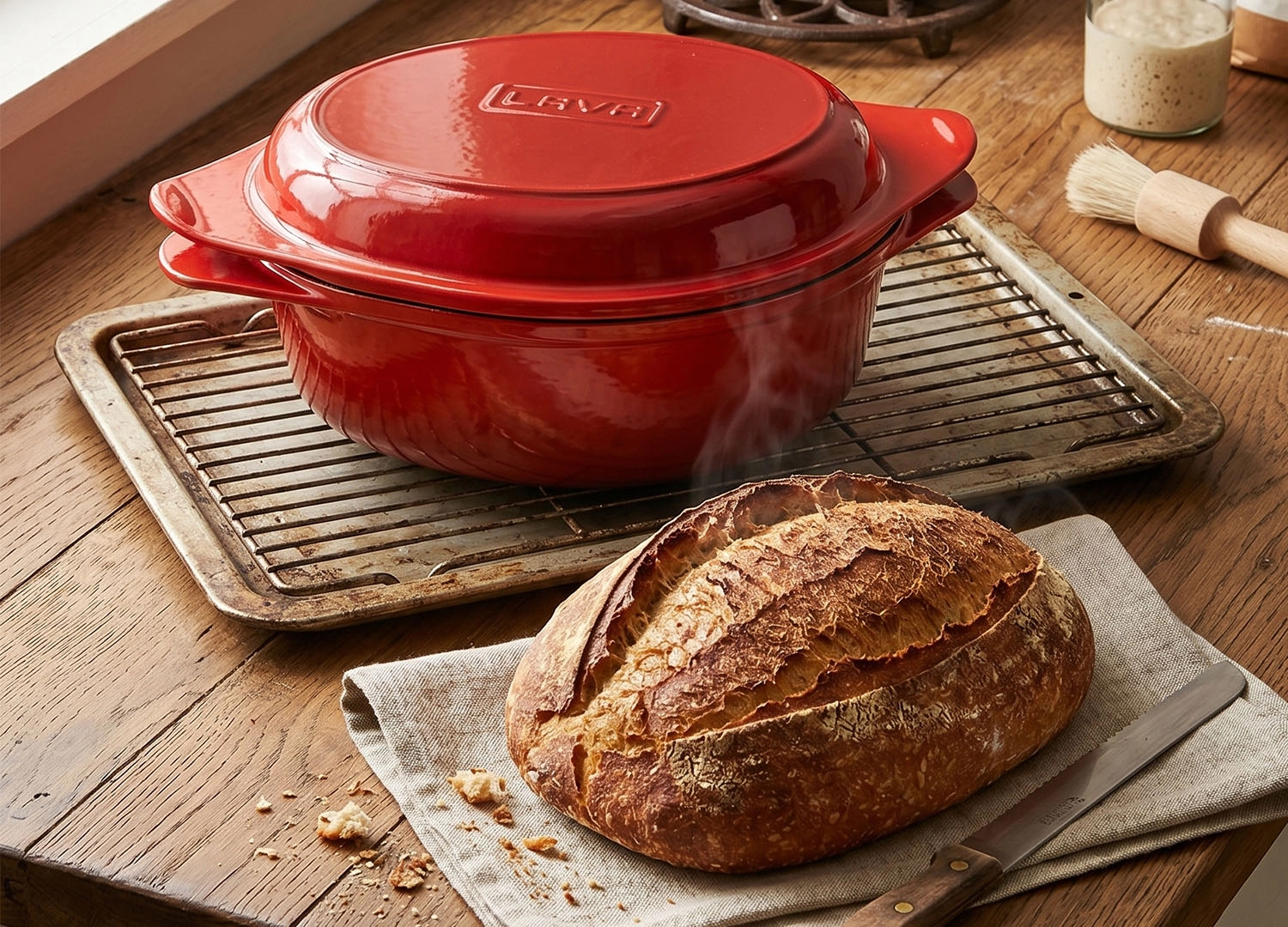
Moving from hob to oven is particularly useful for slow-cooked meat dishes, vegetable casseroles, baked rice dishes, gratins and bread. For chefs, this transition can save time and reduce potential loss of heat or liquid during transfer.
Before using the casserole in the oven, check the specifications of the handles, lid and lid knob, and follow the temperature limits stated by the manufacturer.
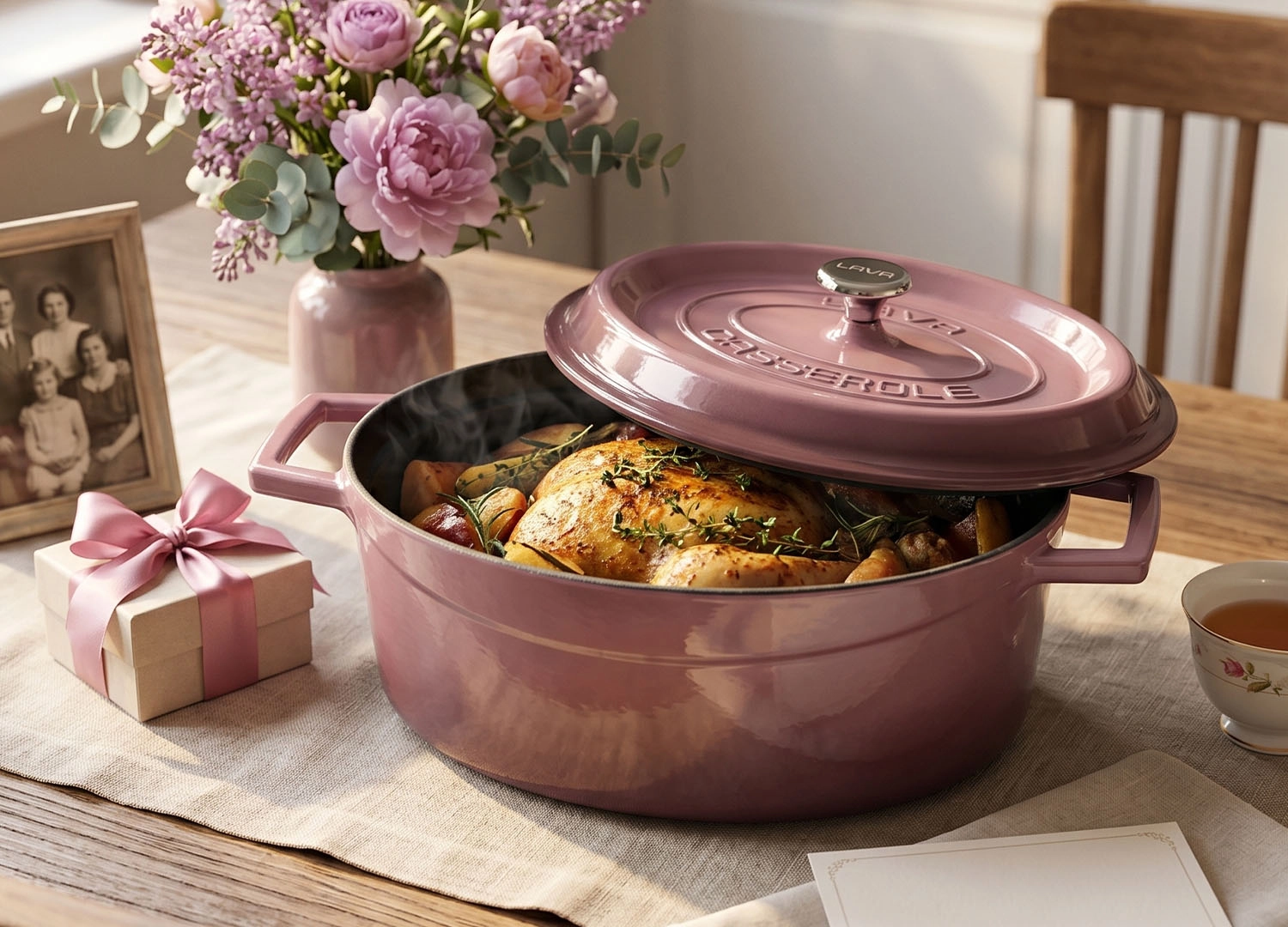
Because cast iron casseroles retain heat for longer, they are suitable for bringing food directly from the cooking area to the table. This is particularly useful for soups, casseroles, hot starters and sharing dishes where maintaining serving temperature is important.
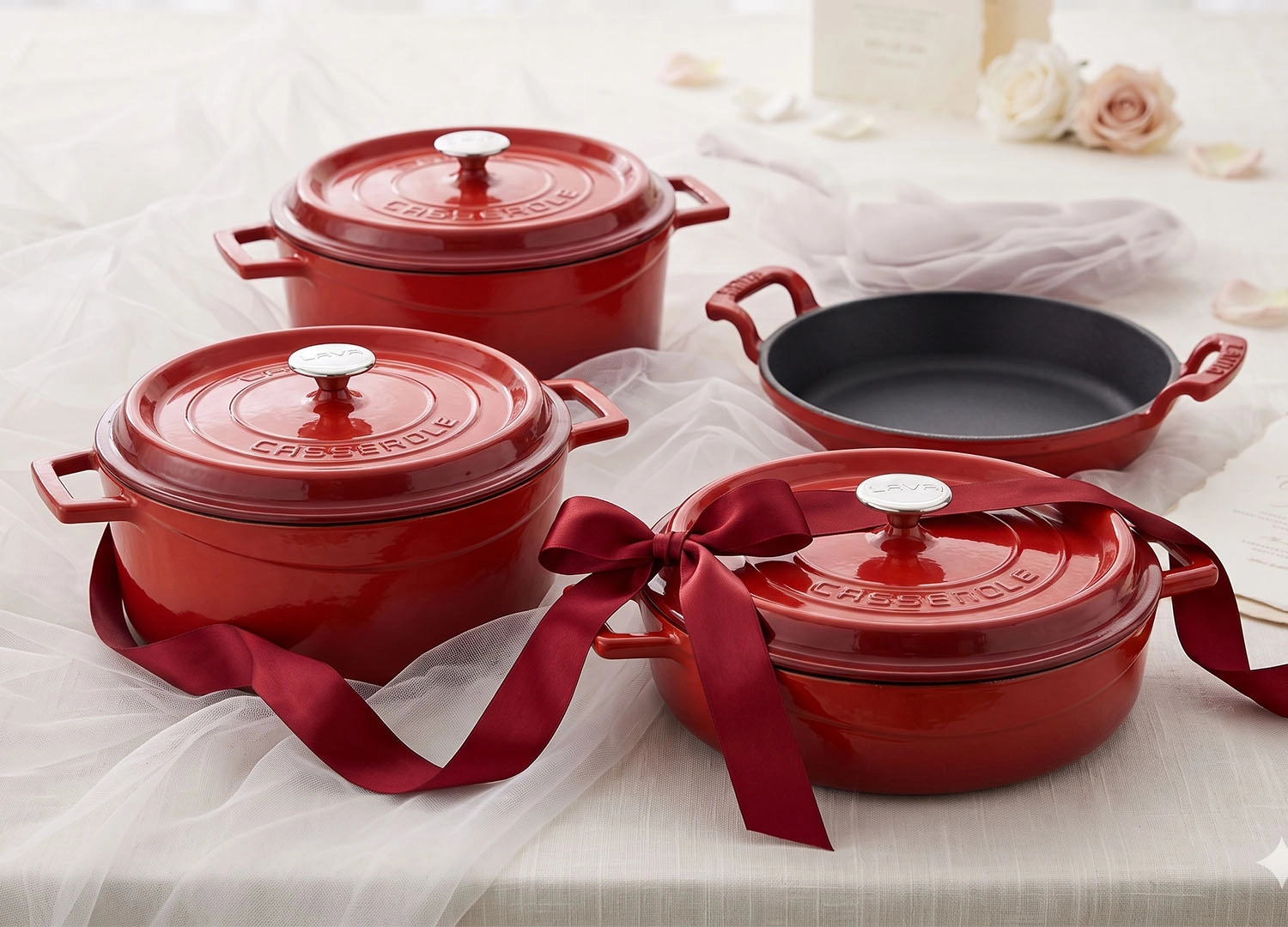
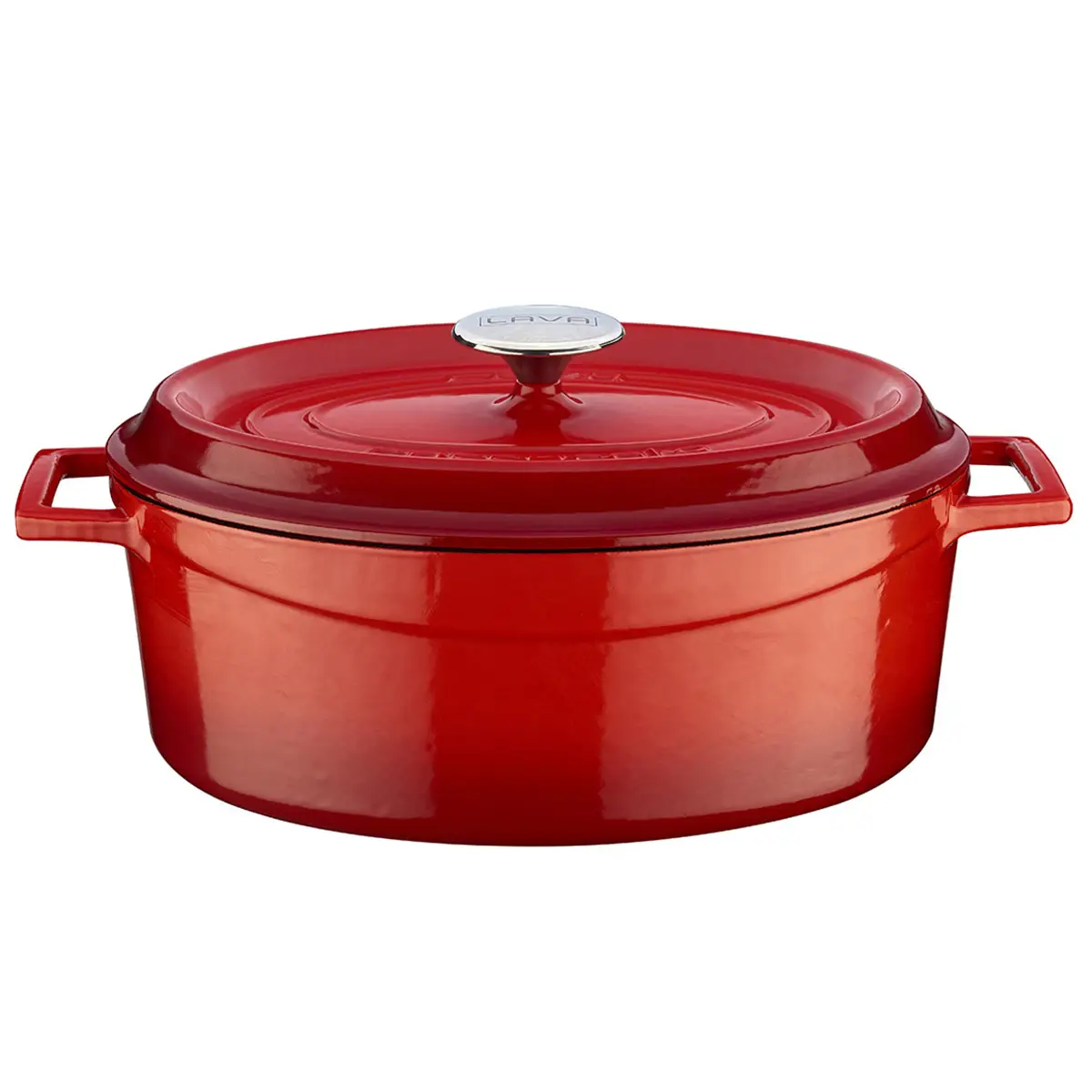
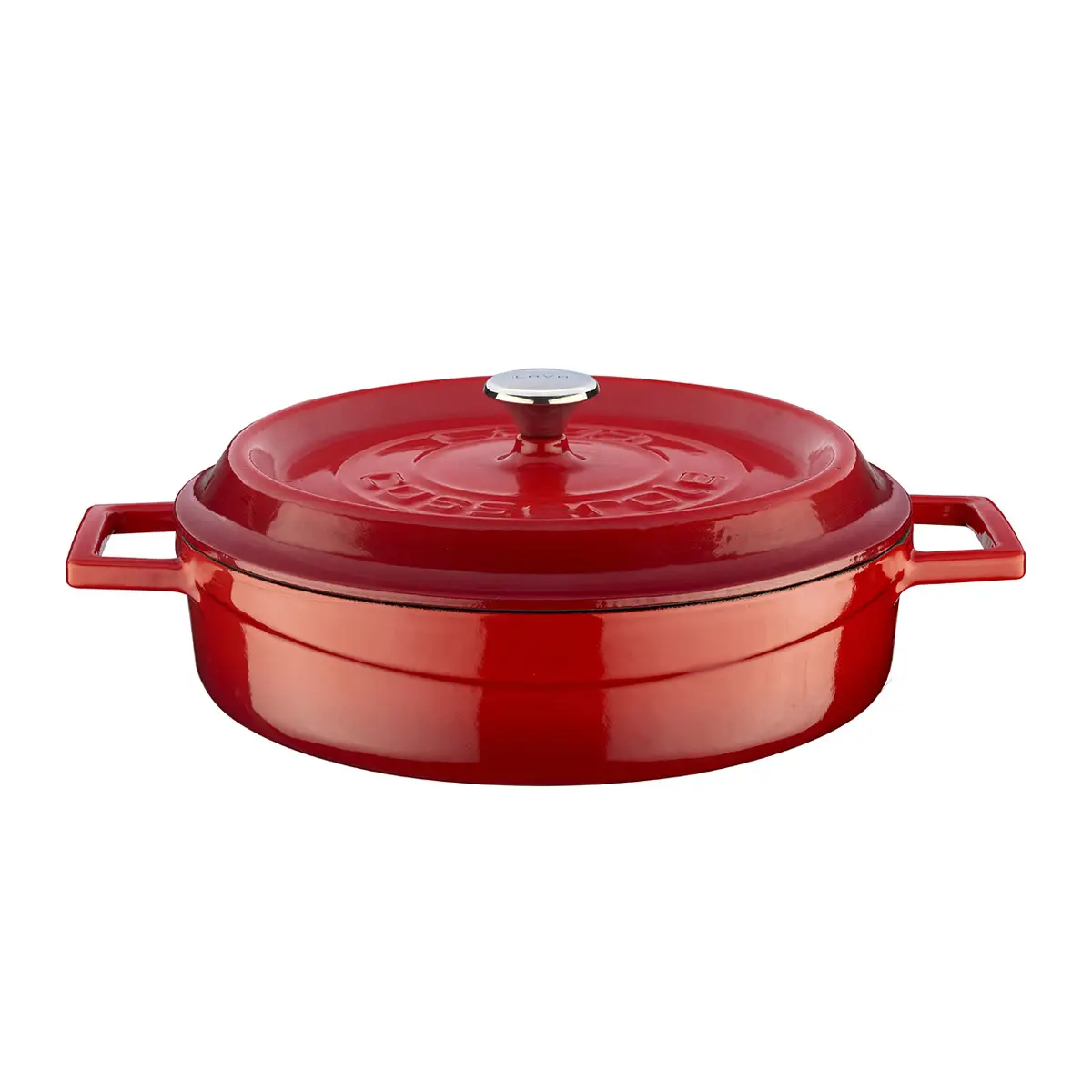
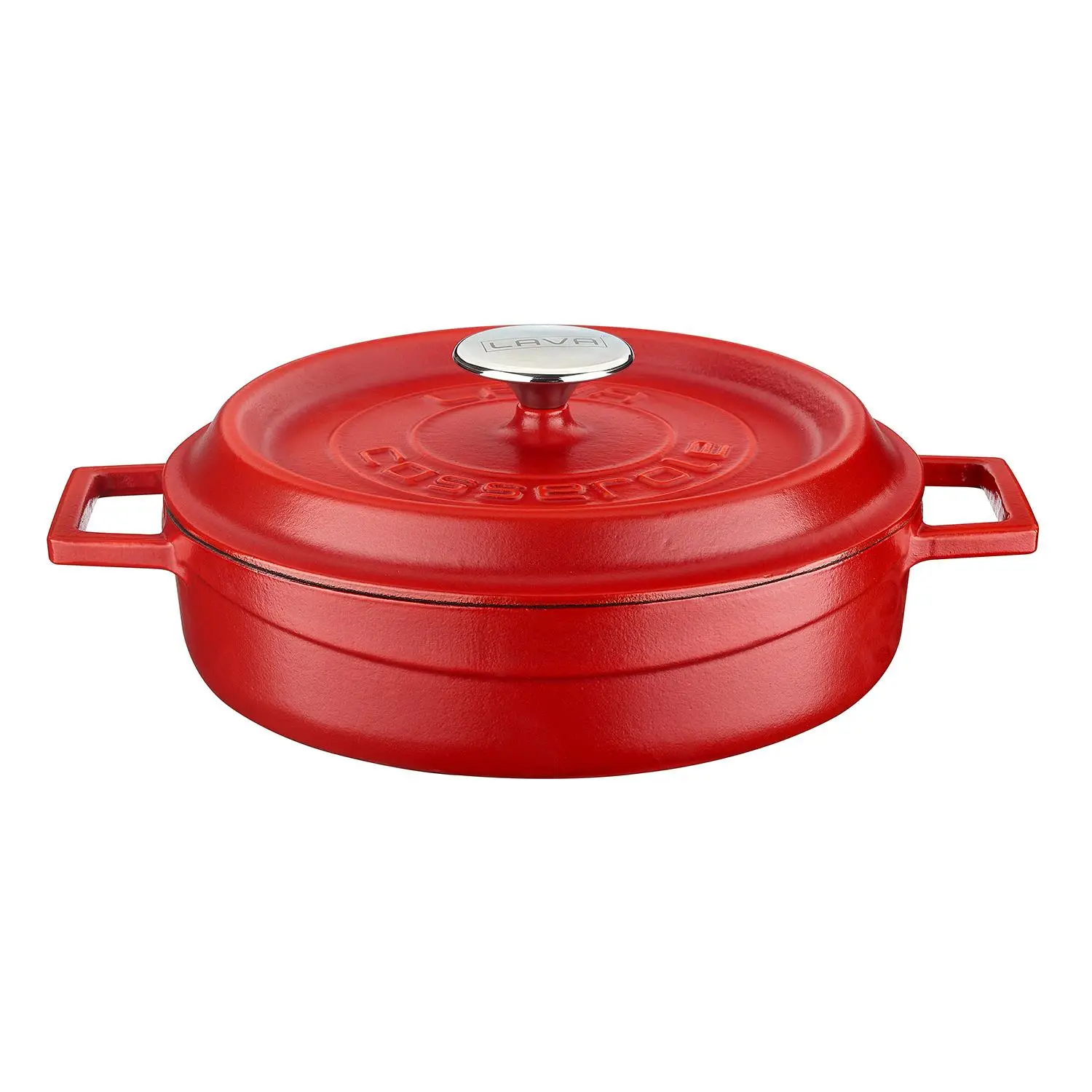
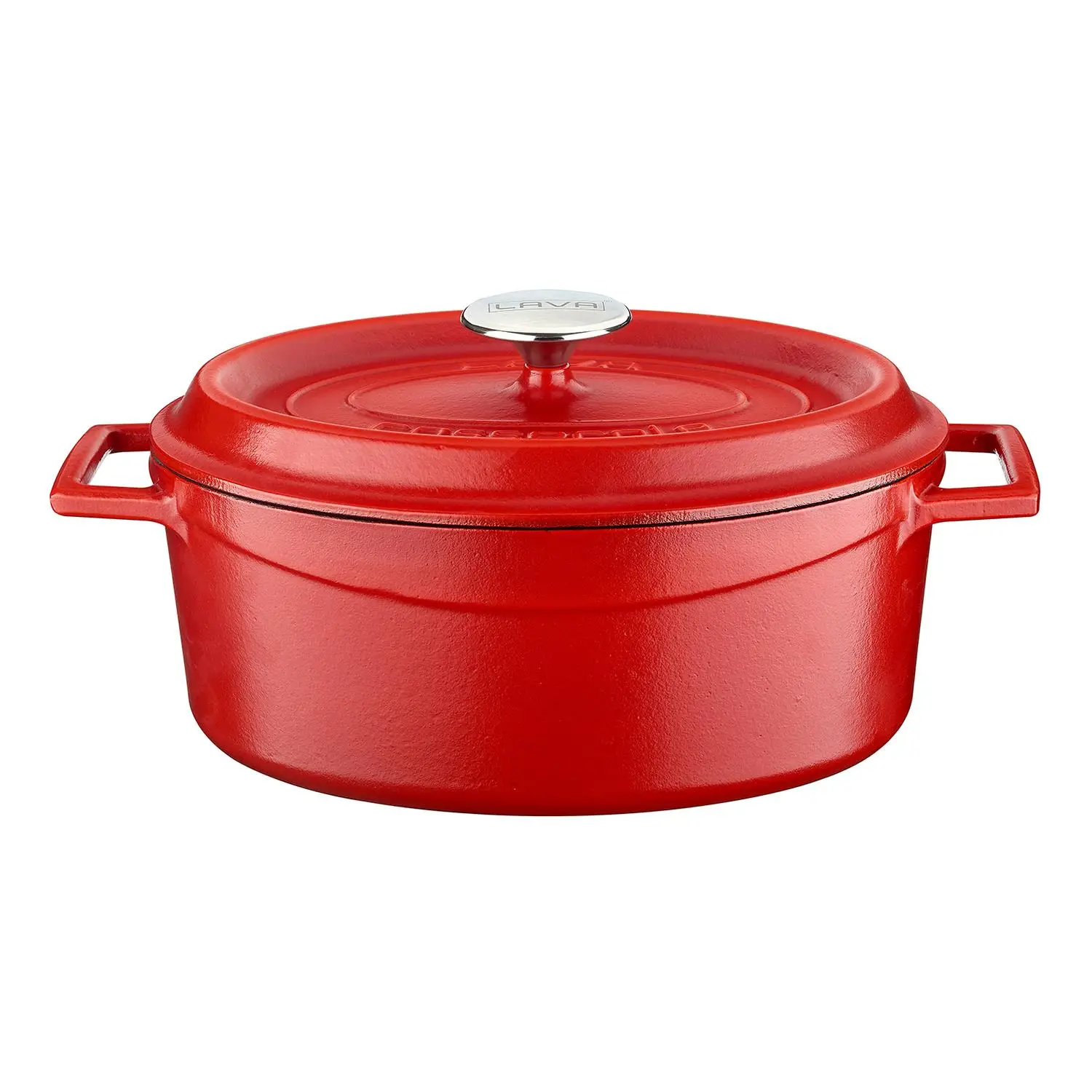
The different colours and shapes available in enameled cast iron casseroles also support a “cook and serve” approach. Food can be taken from the kitchen to the table without transferring it to a separate serving dish. This can help retain heat while also creating an attractive table presentation.
Nutrition experts generally focus on how food is prepared and which ingredients are used rather than declaring a particular piece of cookware healthy on its own.
For this reason, the nutritional value of a cast iron casserole comes from its ability to support controlled-temperature cooking, covered cooking, appropriate use of liquid and balanced meals containing vegetables, pulses, whole grains and quality sources of protein.
Cooking food for unnecessarily long periods or at excessively high temperatures can negatively affect flavour, texture and some heat-sensitive nutrients. However, preserving nutritional value does not depend solely on the type of cookware used.
The main factors affecting the cooking result include:
The type of food
The size of the ingredients
Cooking temperature
Cooking time
Amount of water used
Whether the lid is on or off
Once a cast iron casserole reaches the desired temperature, the heat can usually be reduced. This allows food to be cooked more gradually without maintaining a continuously high temperature.
Boiling vegetables in excessive amounts of water for too long can cause some water-soluble nutrients to pass into the cooking water. If that cooking liquid is not consumed with the meal, some of these nutrients may be lost.
Using a covered cast iron casserole makes it possible to prepare food using the ingredients' own moisture and a more controlled amount of additional liquid. Retaining moisture inside the casserole can reduce the need to add excessive water, particularly when preparing vegetable and meat dishes.
It would not be accurate to claim that “cast iron casseroles preserve all vitamins”. Nutrient retention varies according to the type of food, temperature, cooking time and method. The contribution of cast iron cookware is that it can make these variables easier to control.
The versatility of a cast iron casserole makes it easier to combine different food groups in a single recipe. Vegetables, pulses, whole grains and sources of protein can be prepared together in a balanced way.
Examples of balanced meals that can be prepared in a cast iron casserole include:
Green lentils with vegetables
Bulgur pilaf with chicken and vegetables
Olive oil-cooked seasonal vegetables
Chickpea and vegetable casserole
White beans with meat
Fish with vegetables
Whole-grain vegetable soups
One-pot meals prepared with pulses
The health benefits here do not come solely from the casserole. Cast iron cookware is a practical cooking tool that can support the preparation of recipes containing different food groups at home and under controlled conditions.
The even heat distribution and suitability for covered cooking can make it easier to control the amount of fat used in certain recipes. Vegetables can be cooked in their own juices, while the natural fat in meat and the liquid used in the recipe can be taken into account.
However, it would not be accurate to say that cast iron casseroles allow every dish to be cooked without fat. The appropriate amount of fat depends on the type of dish, the cooking technique and an individual's dietary plan.
The goal is not necessarily to eliminate fat completely, but to use an appropriate type and amount of fat at the right temperature for the recipe.
Sustainable healthy eating is influenced not only by which foods are consumed, but also by cooking habits. One-pot meals can reduce time spent in the kitchen and make portion planning easier.
A vegetable, pulse or meat dish prepared in a large cast iron casserole can be enjoyed in subsequent meals when stored under appropriate conditions. This can make home-cooked meals more accessible and reduce reliance on unplanned meals.
Chefs primarily focus on flavour, texture, temperature and achieving consistent results with every preparation. Nutrition experts, meanwhile, pay attention to ingredient selection, portion balance, the amount of fat and salt used and appropriate cooking methods.
A cast iron casserole is a piece of cookware where these two approaches meet.
| Expectation | Contribution of a cast iron casserole |
|---|---|
| Even cooking | Helps distribute heat across the cooking surface |
| Temperature control | Supports cooking over a lower heat once the casserole is hot |
| Flavour and texture | Suitable for searing, slow cooking and moist cooking |
| Balanced meals | Can bring vegetables, pulses, grains and protein together in one recipe |
| Serving | Can help food retain its temperature for longer at the table |
| Longevity | Can provide many years of use with proper care and handling |
For both areas of expertise, the common principle is to avoid leaving the cooking process to chance and to choose the right temperature and technique for each ingredient.
LAVA cast iron casseroles are made from enamel-coated cast iron. Therefore, the usage and care instructions applicable to bare cast iron cookware should not be directly applied to LAVA products.
Enameled cast iron casseroles do not require seasoning before or after use. It is also not necessary to continually oil the surface.
The main aim when caring for an enameled cast iron casserole is to protect the enamel surface from scratches, impact and sudden changes in temperature. With proper use, the enamel surface can retain its functionality and appearance for many years.
The enamel surface is suitable for preparing a wide range of foods, including vegetables, pulses, soups, meat, chicken and sauces. This versatility makes it easier to use one casserole for different cooking scenarios.
Offering a broad range of uses, from everyday home cooking to slow-cooked recipes, LAVA enameled cast iron casserole ranges can help bring healthy cooking habits and professional cooking techniques together.
Once an enameled cast iron casserole has cooled completely, it can be cleaned with warm water, a soft sponge and an appropriate amount of washing-up liquid.
Although dishwasher suitability varies by model, hand washing is recommended to help preserve the appearance of the enamel surface and the product's service life. Metal scouring pads, hard brushes and abrasive cleaning products should not be used.
For detailed care instructions, see the how to clean a cast iron casserole? guide.
To make the most of the heat-retention benefits of cast iron, the casserole should be used correctly.
Do not leave a cast iron casserole empty over a very high heat for an extended period. Heat it gradually over a low or medium temperature. Once the cast iron body has reached the desired temperature, most recipes do not require high heat.
A controlled high temperature can be used when searing meat or vegetables. For pulses, vegetables, soups and slow-cooked dishes, a low or medium heat is generally preferable.
Using the highest possible temperature for every recipe does not necessarily produce better results. Professional cooking is based on selecting a temperature appropriate to the ingredients.
Moisture can be retained more effectively during covered cooking. Therefore, add water or stock according to the requirements of the recipe and in a controlled amount.
Particularly when cooking vegetables, observing the first stage of cooking and allowing the ingredients to release their own moisture can help prevent unnecessary use of additional liquid.
A cast iron casserole can continue cooking food using the heat retained in its body even after the heat has been reduced or switched off. To prevent food from being overcooked, monitor the cooking time, temperature and consistency regularly.
Use wooden, silicone or enamel-safe cooking utensils. Do not suddenly add cold water to a very hot casserole. Sudden temperature changes can damage the enamel surface.
Before using the product for the first time and when applying different cooking techniques, refer to LAVA's instructions for use.
Cast iron casseroles are highly versatile, but they are not the only option for every kitchen task. A lighter saucepan may be more practical for heating small portions quickly or carrying out very short boiling processes.
By contrast, cast iron casseroles are particularly well suited to:
Long, low-temperature cooking
Searing meat and vegetables
Covered and moist cooking
Recipes started on the hob and finished in the oven
Soups, pulses and casserole dishes
Sharing dishes that need to be served hot
When choosing a cast iron casserole, consider the capacity suitable for the number of people, the diameter and depth of the casserole, the lid design, handle features, hob compatibility and the manufacturer's instructions.
Chefs choose cast iron casseroles for temperature control, even cooking, searing, slow cooking and serving performance. From a nutrition perspective, their value lies in supporting balanced meals containing vegetables, pulses, grains and sources of protein through controlled cooking methods.
A cast iron casserole does not make a dish healthy on its own. However, when appropriate ingredients, a suitable temperature, moderate use of fat and salt and the correct cooking time come together, it becomes a valuable kitchen companion.
With an enamel surface that requires no additional seasoning, versatility across different recipes and excellent heat performance, LAVA cast iron casseroles bring the fundamental cooking techniques used by professional chefs into the home kitchen.
Chefs prefer cast iron casseroles because they distribute heat evenly, retain heat for longer and are suitable for different techniques, including searing, slow cooking and moving from the hob to the oven.
Enameled cast iron casseroles manufactured for food contact are suitable for preparing healthy meals. However, the nutritional value of a dish should be considered in relation to its ingredients, the amount of fat and salt used, the cooking temperature and cooking time.
No casserole can preserve all nutrients on its own. Covered cooking at a controlled temperature and avoiding excessive amounts of water may help reduce certain nutrient losses. The result varies depending on the type of food and the cooking method used.
For suitable recipes, even heat distribution and covered cooking can help control the amount of fat used. However, the appropriate amount depends on the type of dish and an individual's dietary plan.
No. LAVA enameled cast iron casseroles do not require seasoning or continuous oiling. Basic care involves protecting the enamel surface from scratches and sudden temperature changes.
Meat dishes, vegetable dishes, soups, pulses, rice dishes, casseroles, bread and slow-cooked recipes can all be prepared in a cast iron casserole.
Dishwasher suitability should be checked for each product model. However, hand washing is recommended to help preserve the appearance of the enamel surface and extend the product's service life.
Bring the benefits of even heat distribution, controlled cooking and long-lasting use into your kitchen by exploring the different sizes, colours and shapes available in LAVA enameled cast iron casserole ranges.
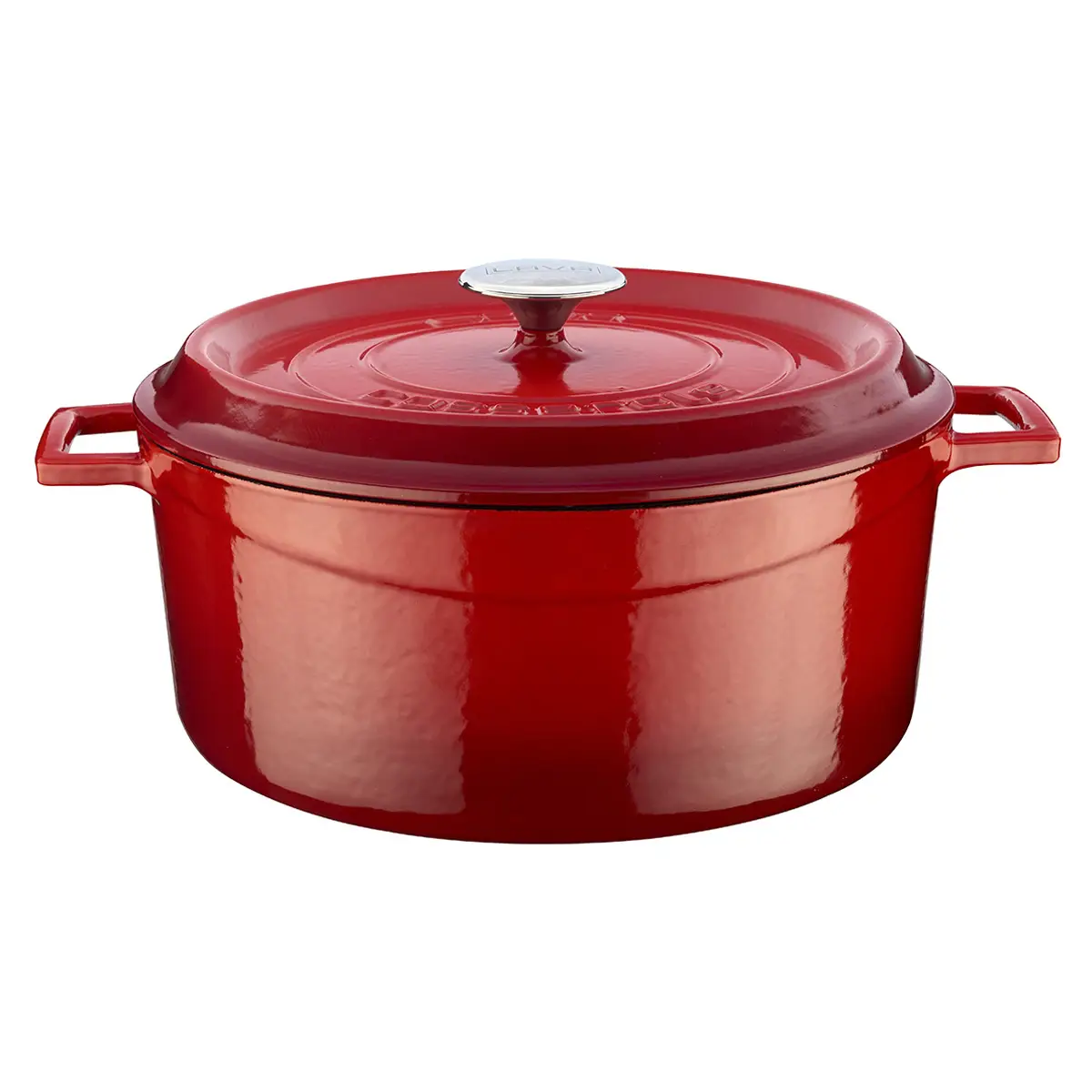
25.08.2026Lava Cast Iron Round Multipurpose Casserole. Trendy, Dia. Ø 28cm.
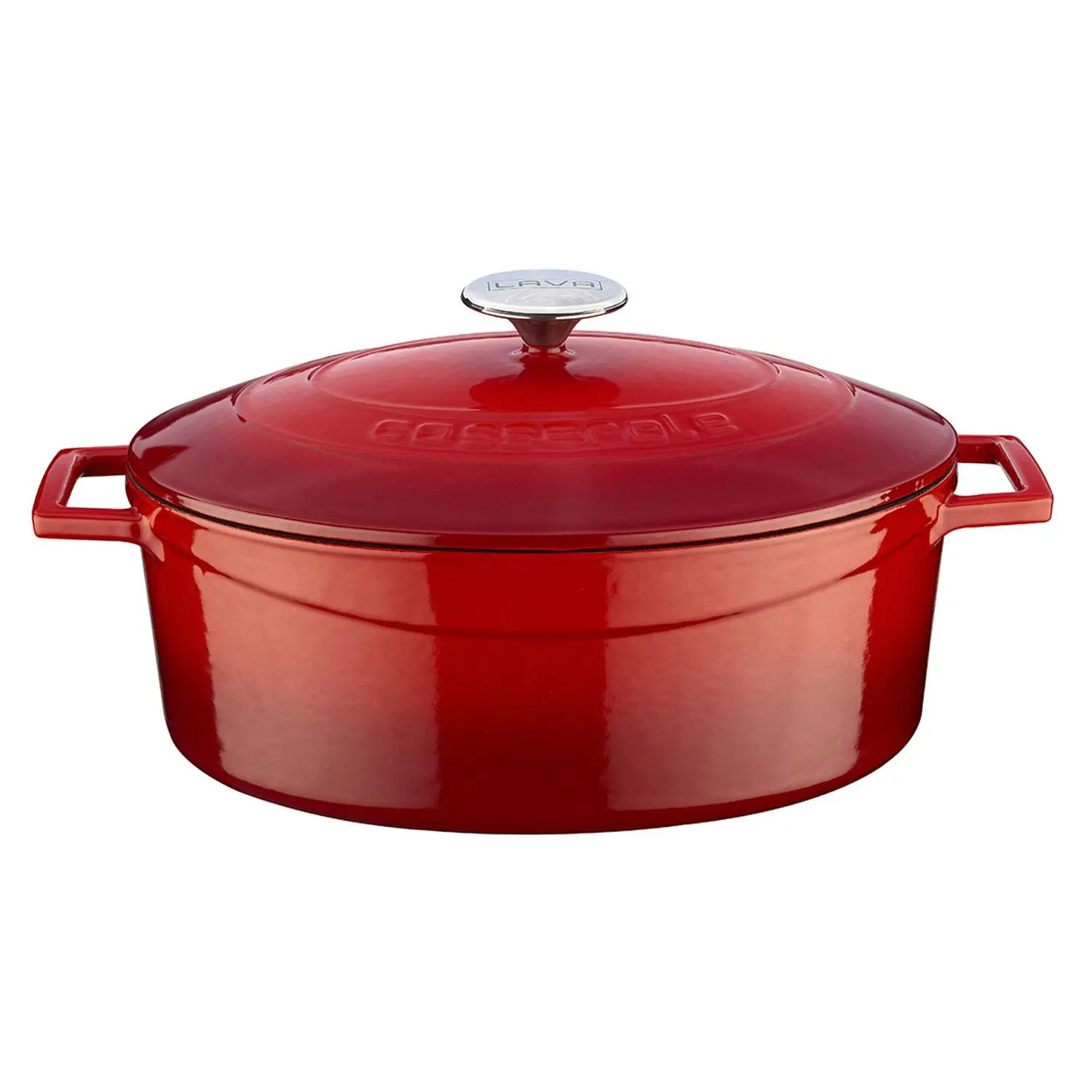
Lava Cast Iron Round Multipurpose Casserole. Trendy, Dia. Ø 24cm.
Lava Cast Iron Round Spring Series Casserole. Trendy, 1-Handle, Dia. Ø 24cm.
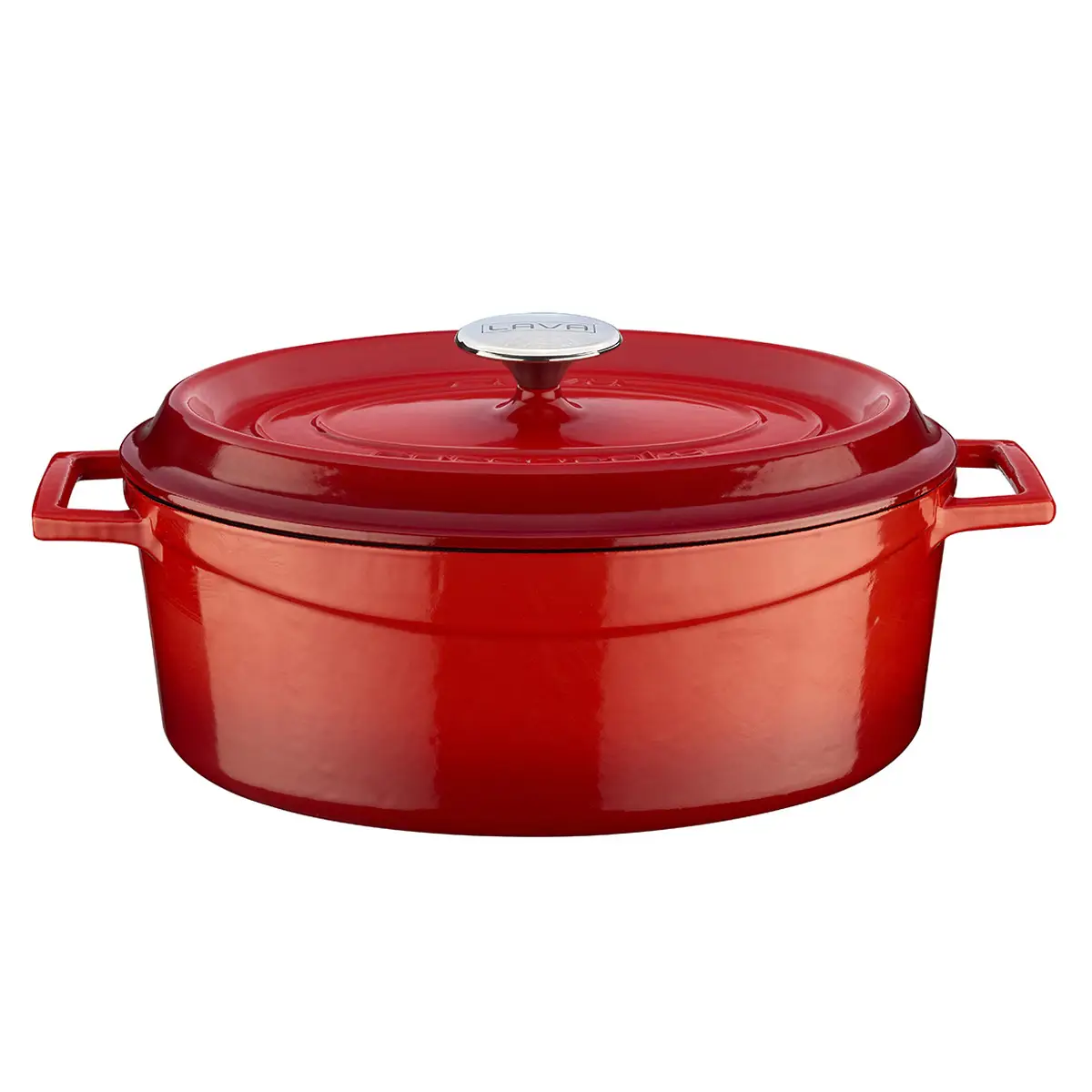
Lava Cast Iron Oval Spring Series Casserole. Trendy, 1-Handle, 21X27cm.







Lava Döküm Online Fabrika Satış Mağazası. © 2026 All Rights Reserved.


0
)