×

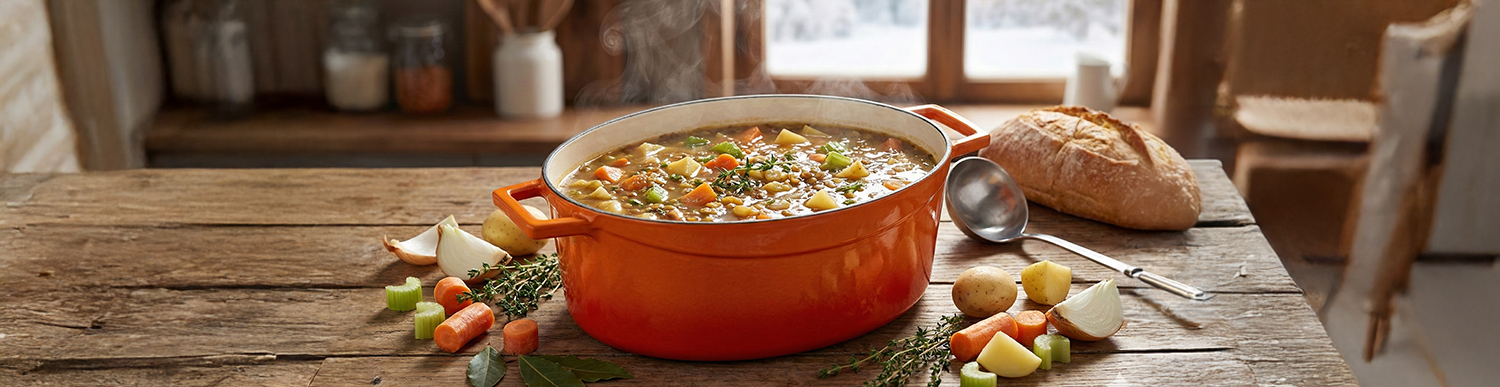
A new year marks not only fresh goals and plans, but also the renewal of rituals created around the table. Winter, in particular, is the season when these rituals feel their warmest. As cold weather sets in, both body and soul seek nourishment—and winter soup and winter soups emerge as a shared cultural language across the world.
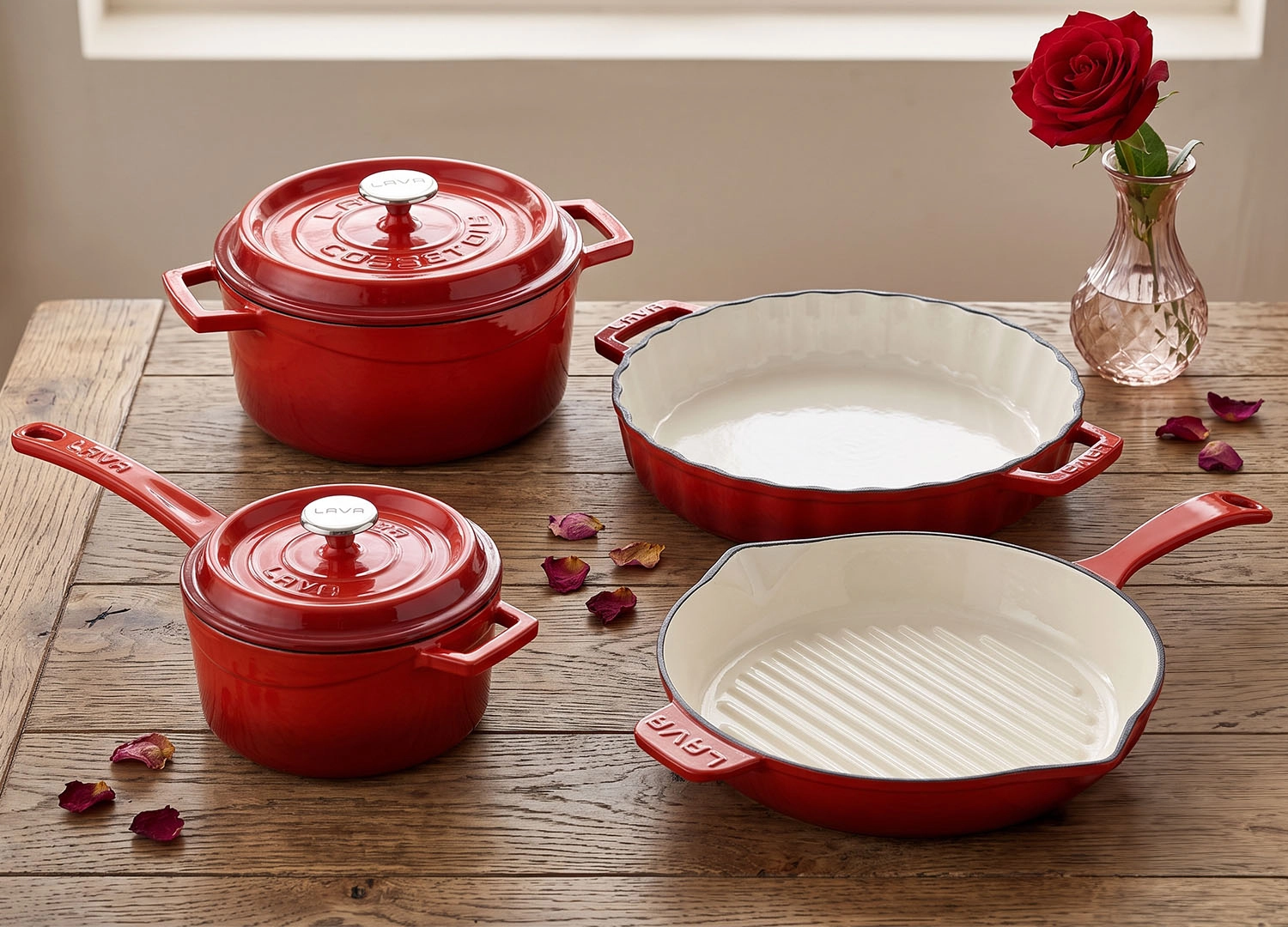
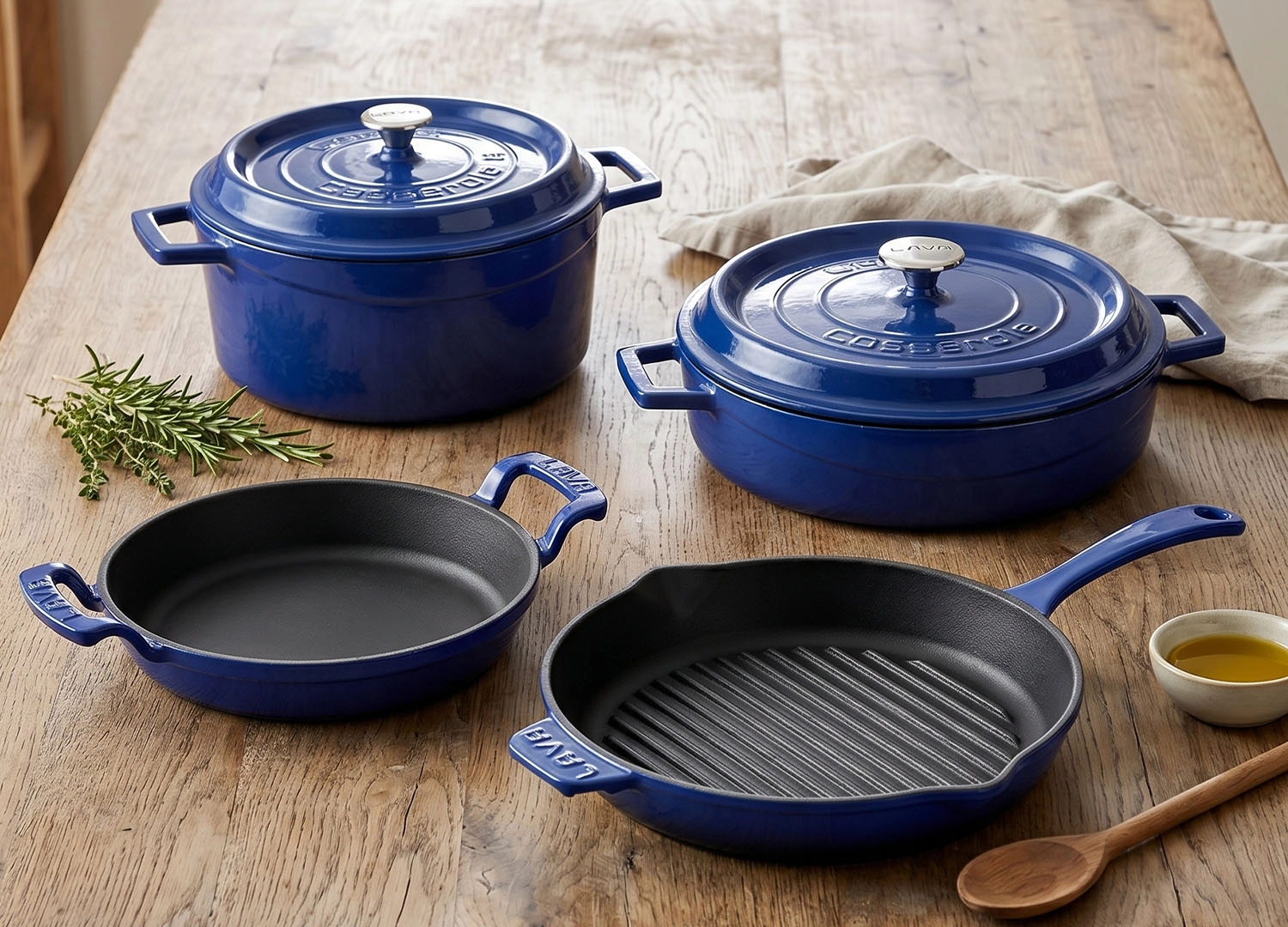
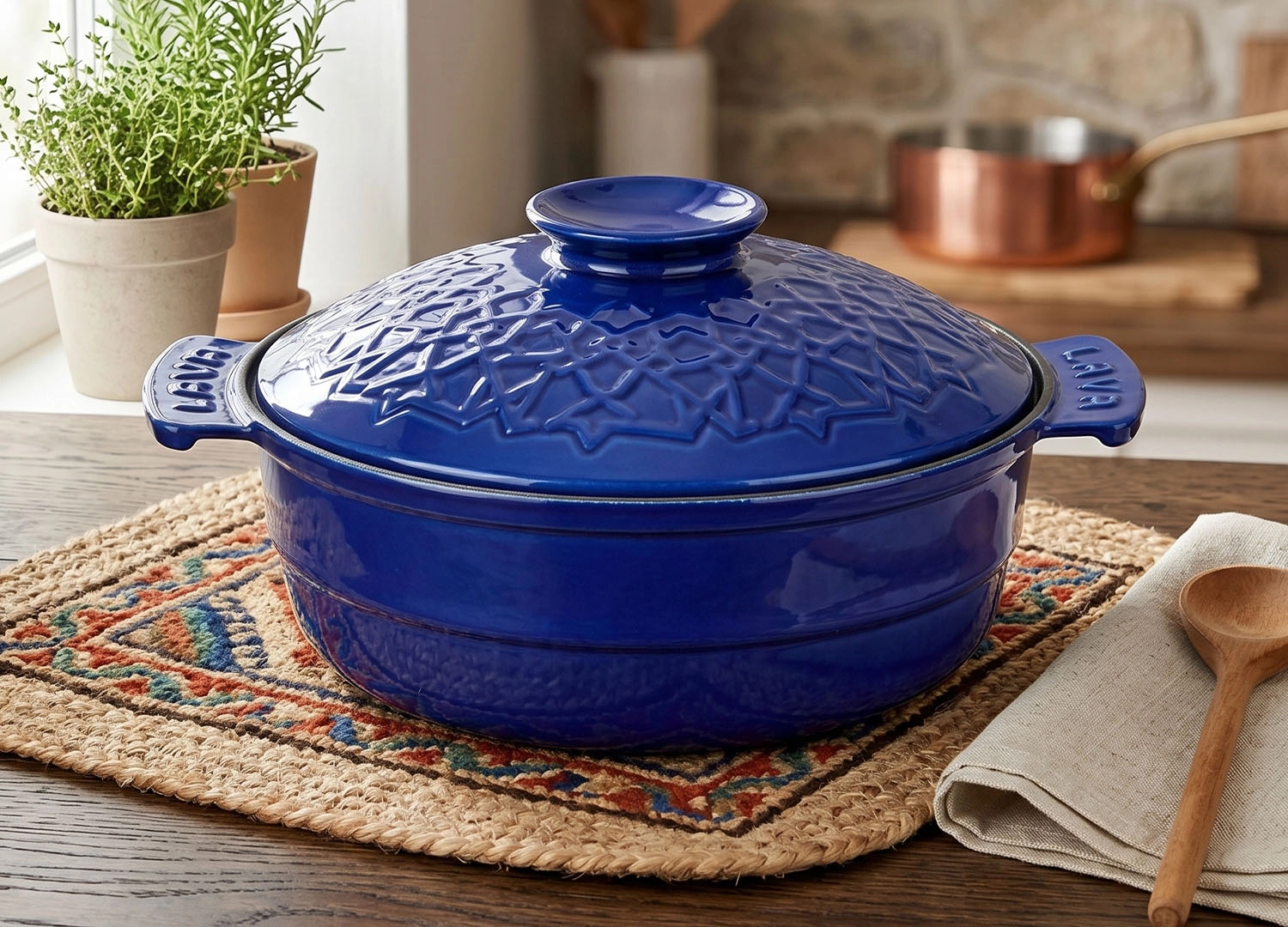
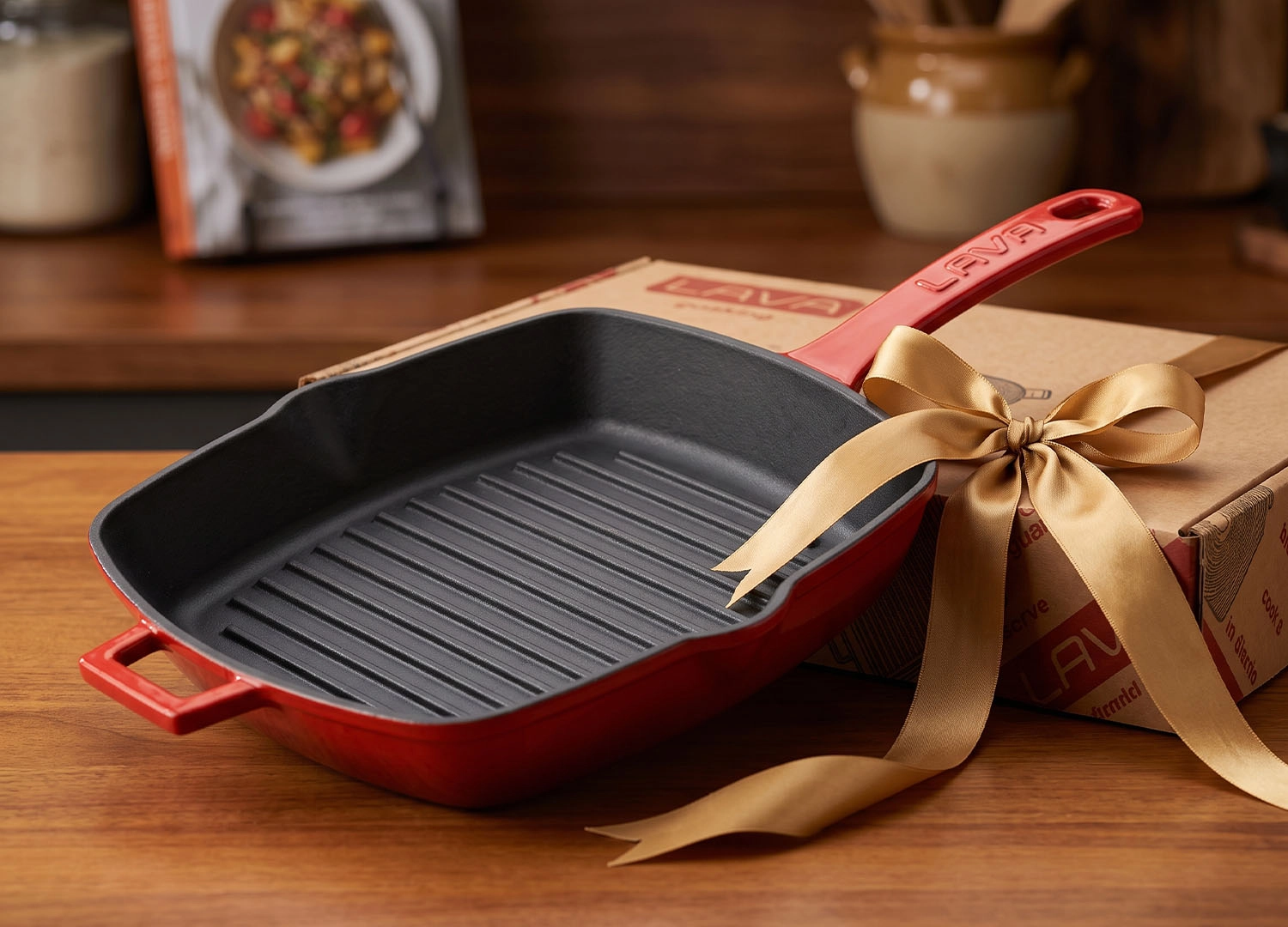
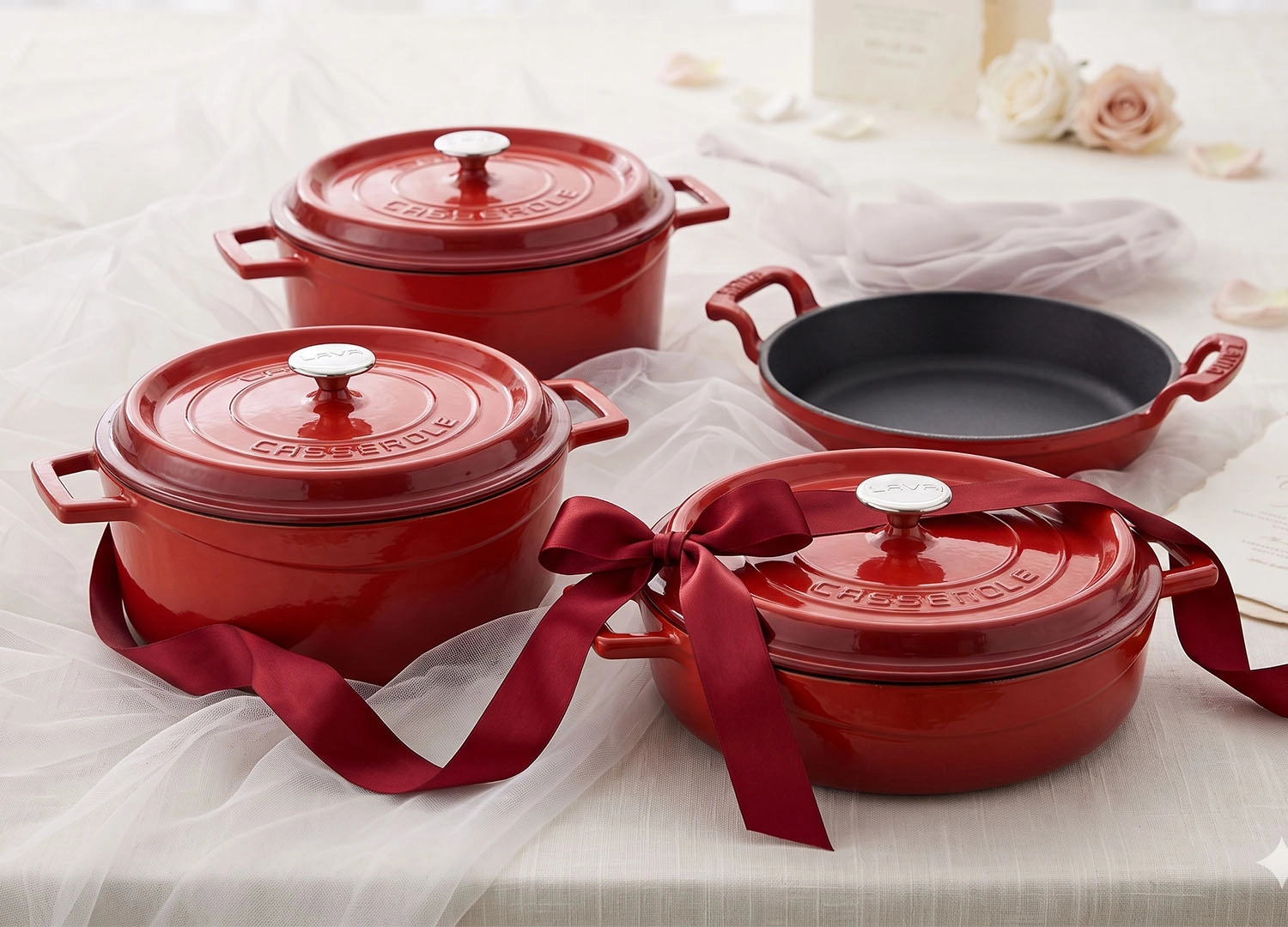
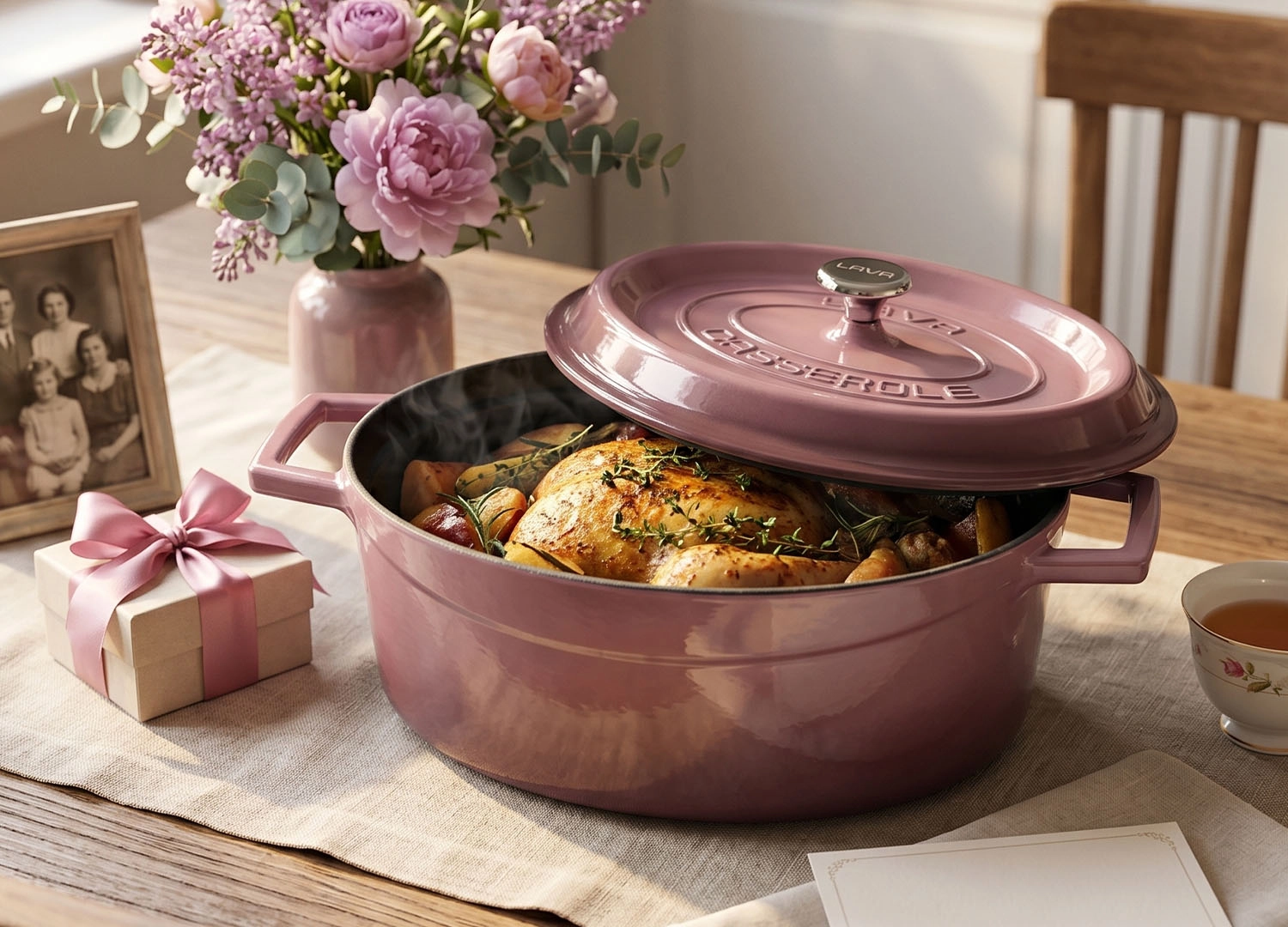
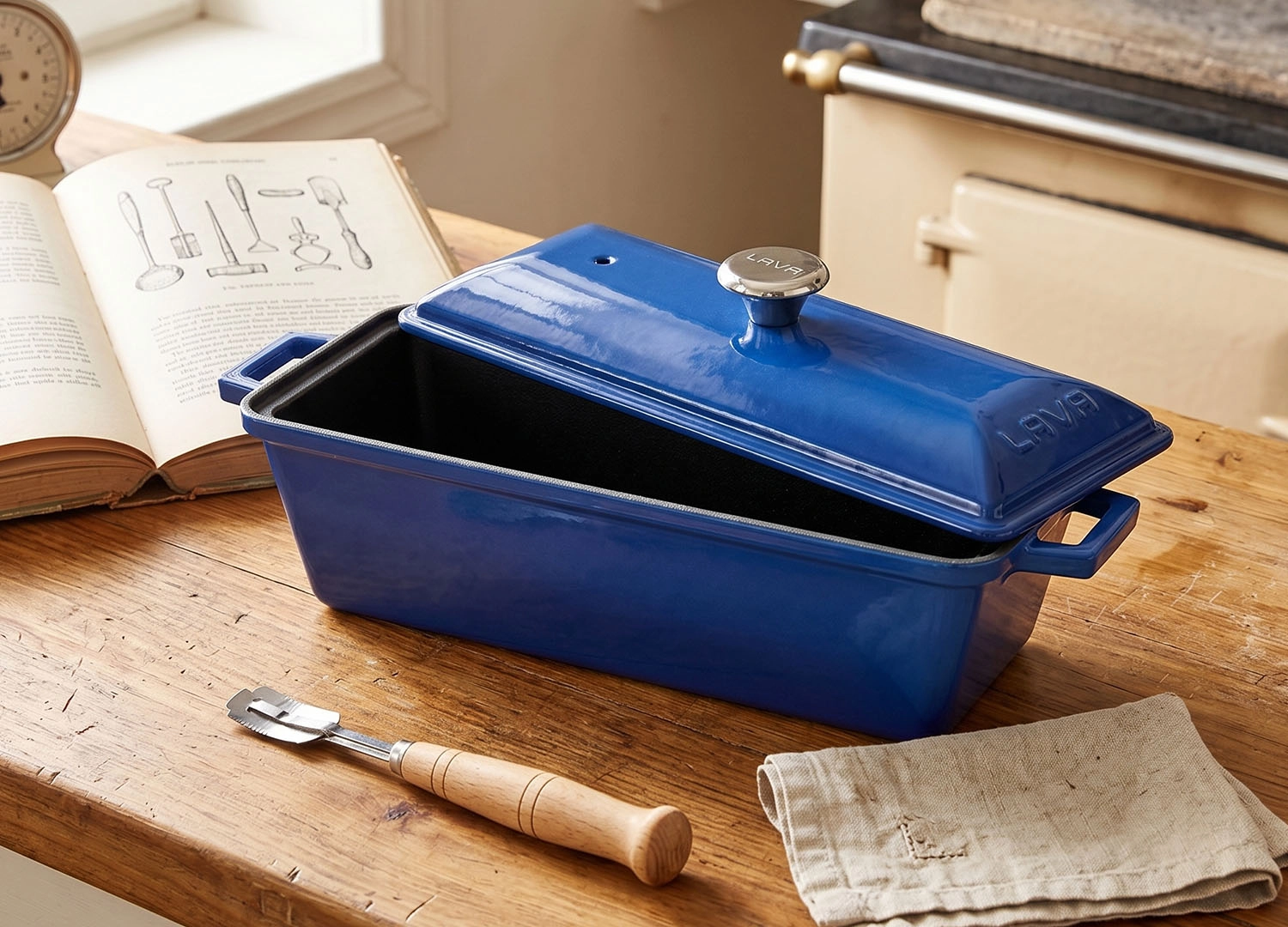
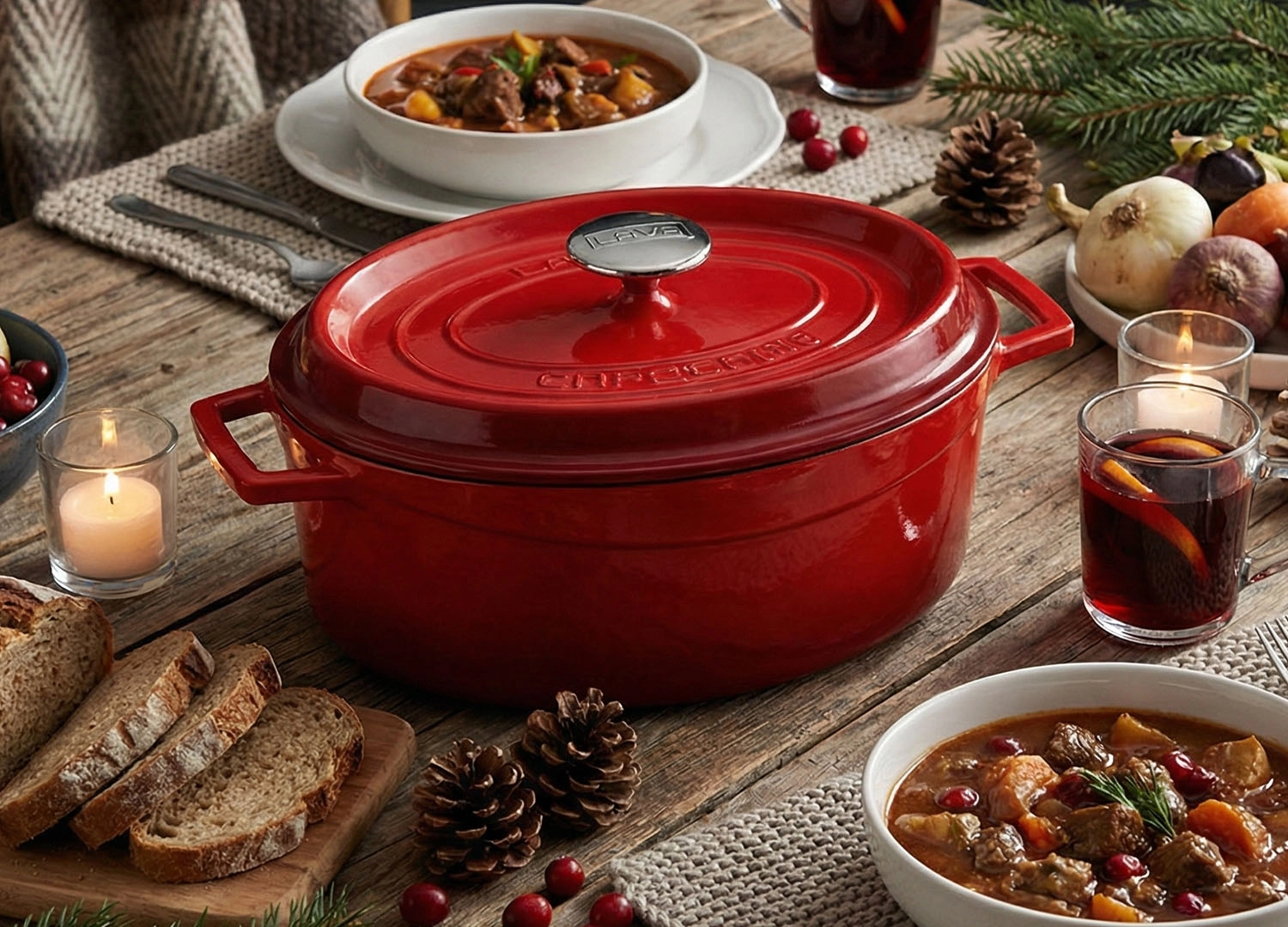
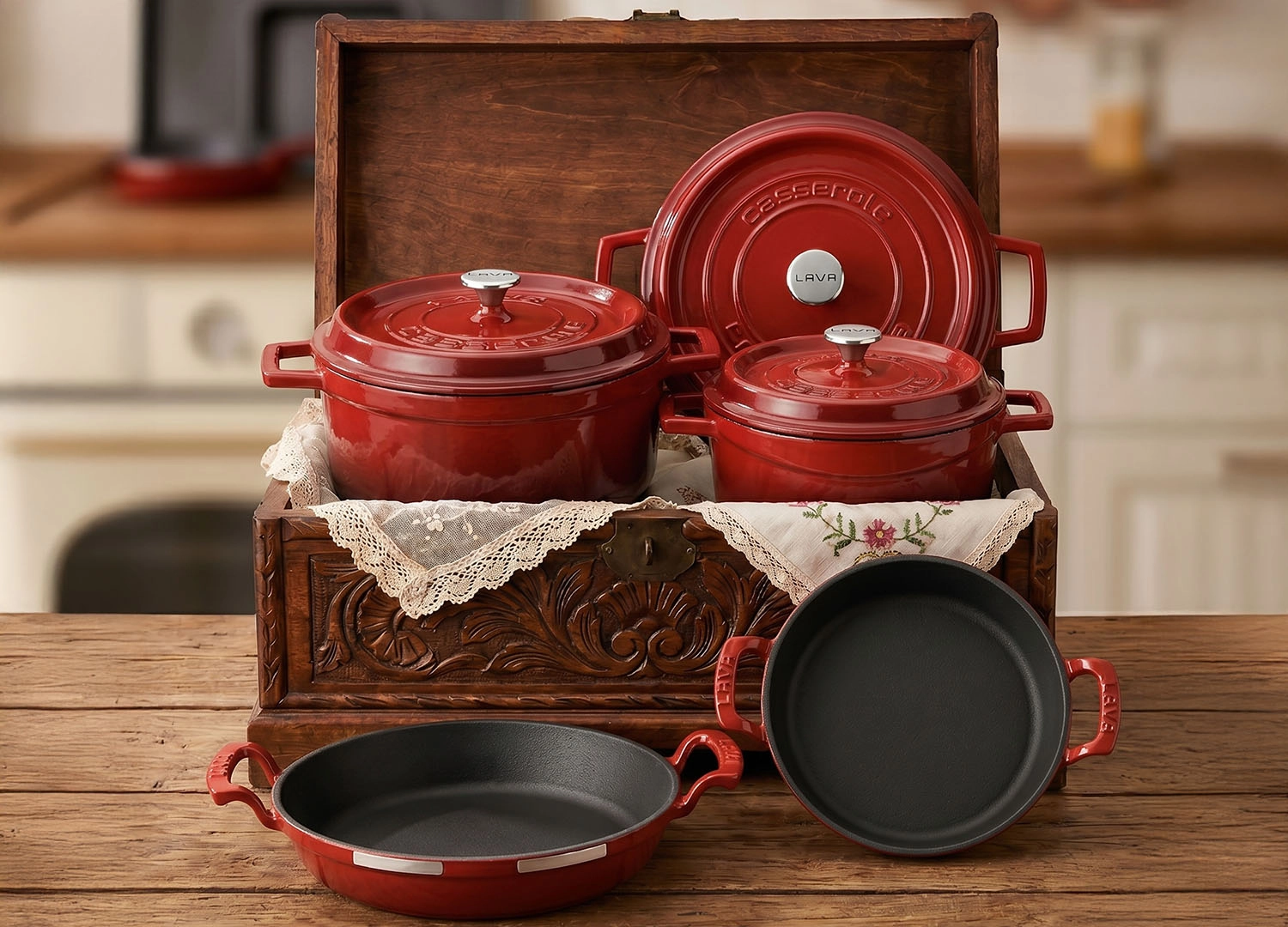
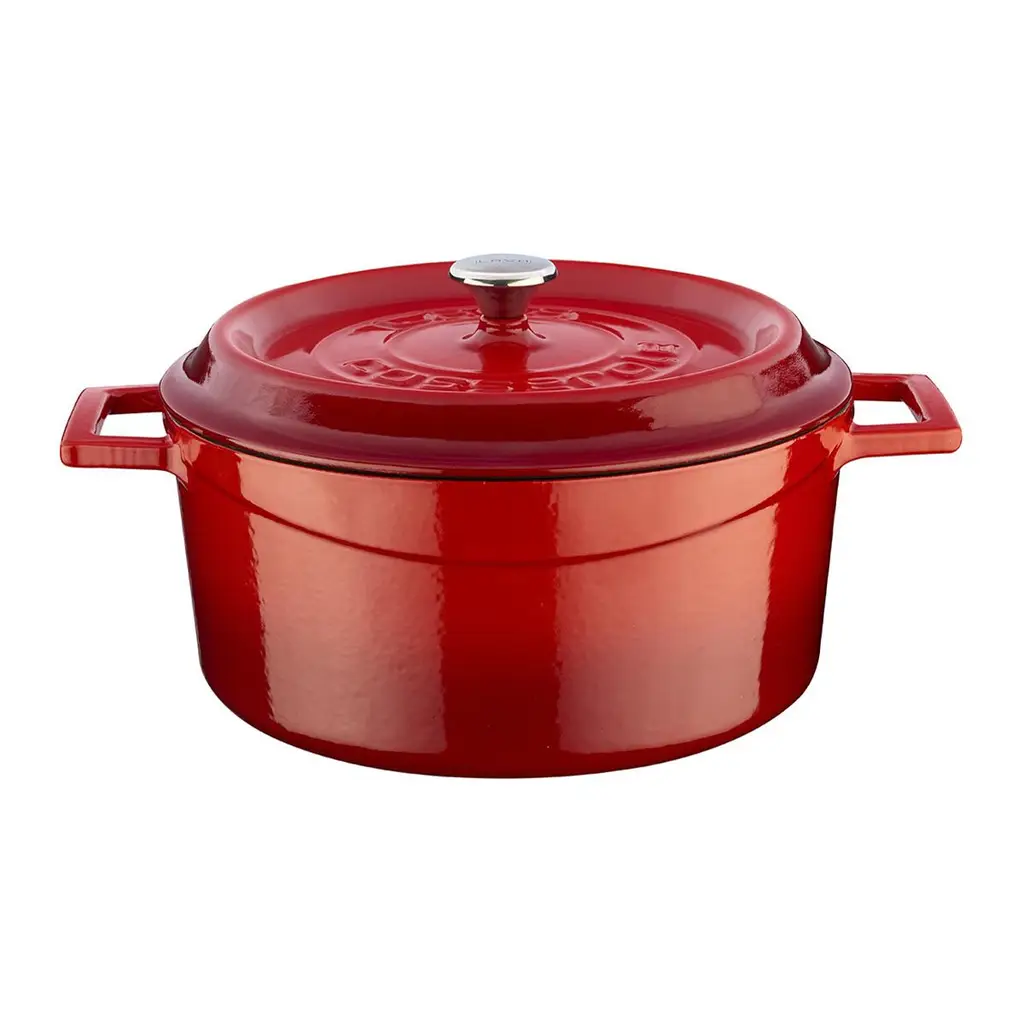
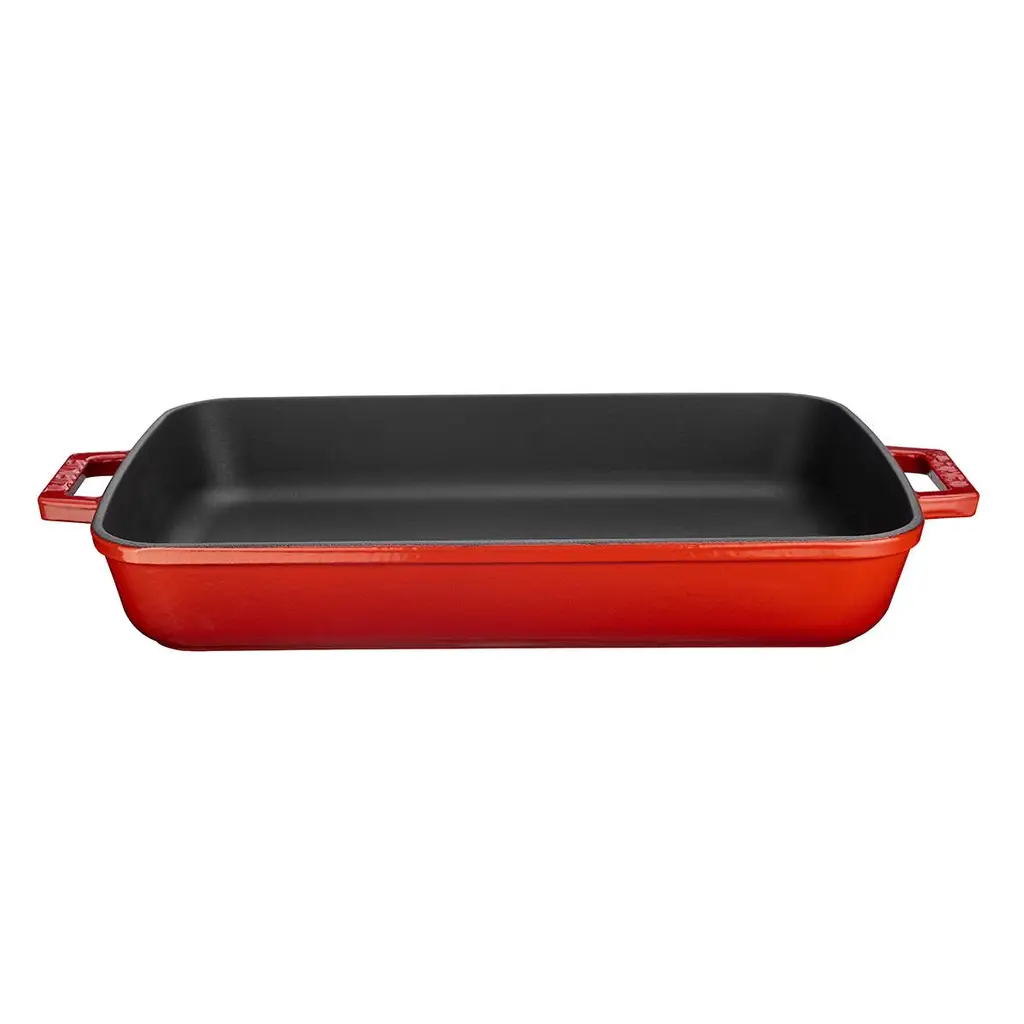
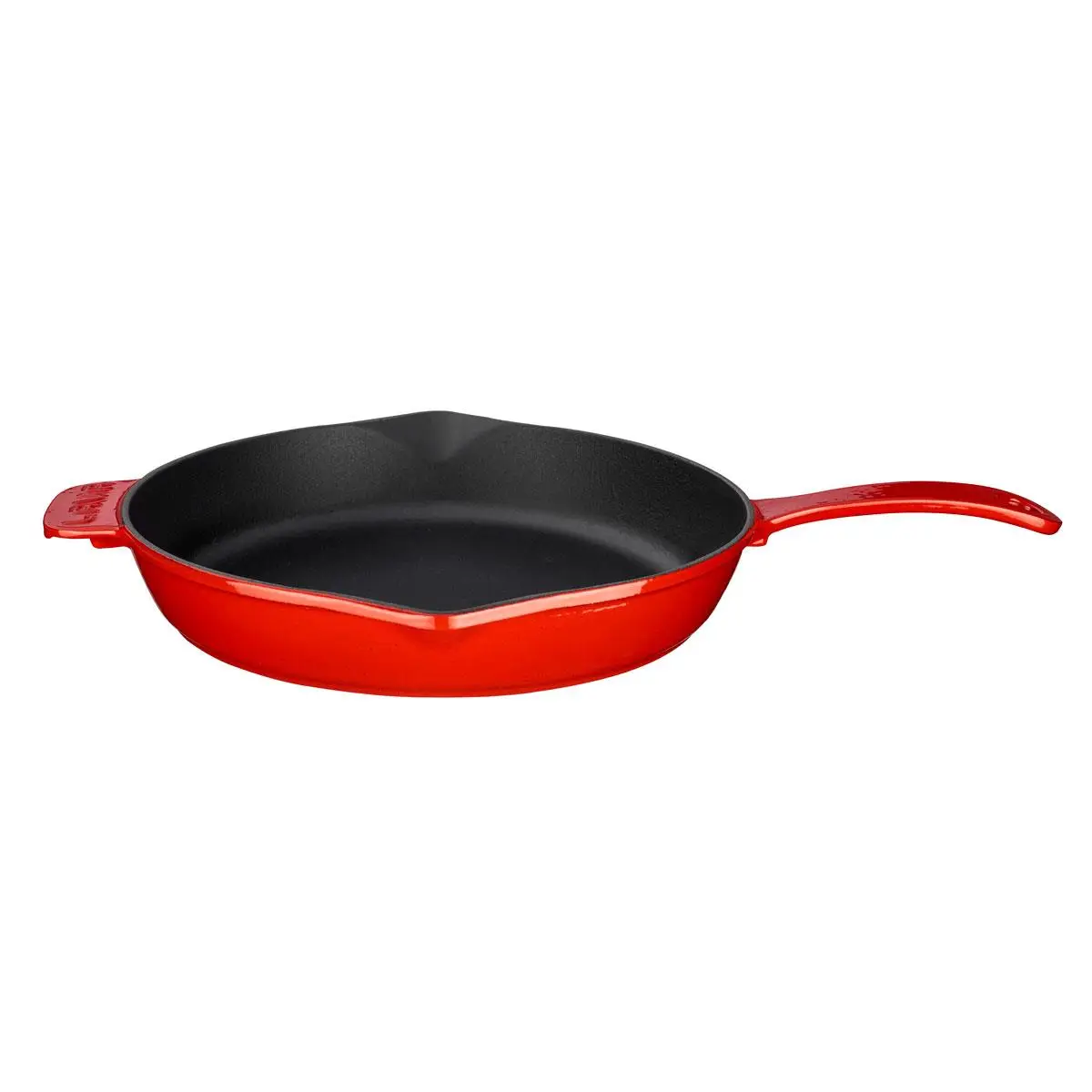
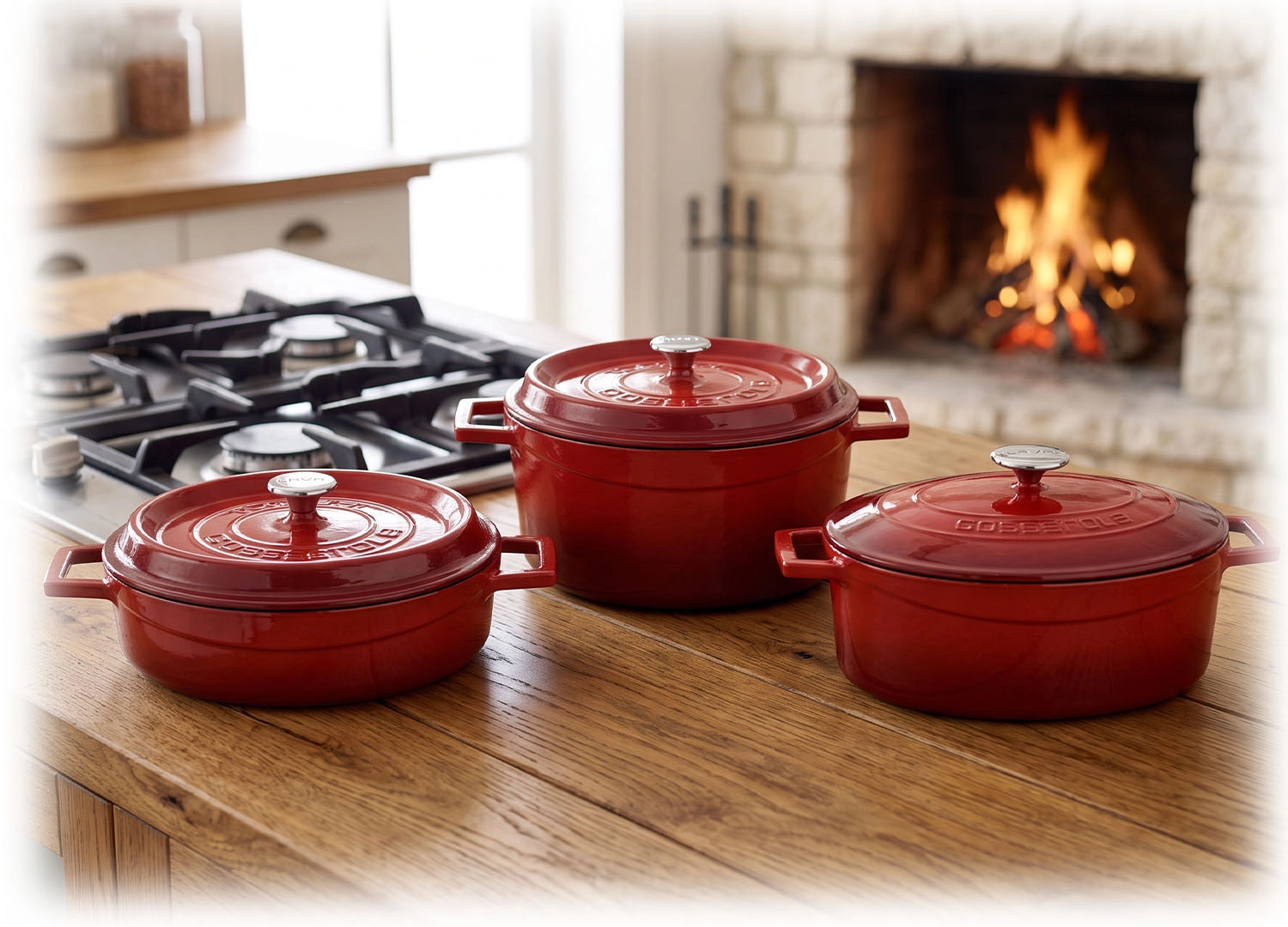
From Anatolia to Eastern Europe, from France to Georgia and Italy, climate, agriculture, history, and family traditions come together in a single pot. Slowly simmered recipes reveal deeper layers of flavour when prepared with cookware that distributes heat evenly, such as a cast iron pot or cast iron pan. Oven-finished soups, meanwhile, gain texture and presentation depth when completed in a cast iron baking tray or a classic baking tray.
In this article, we explore how different regions prepare for winter through five distinctive soups, each carrying its own story. Before each recipe, we take a short journey into the gastronomic memory of its homeland—then step into the kitchen to bring warmth to the table.
Winter soups do more than meet nutritional needs; they carry collective memory. Recipes built on vegetables grown in harsh climates, long-lasting legumes, and nourishing bone broths have been passed down for centuries. A winter soupoften symbolises resilience—making the most of what is available and transforming simplicity into sustenance.
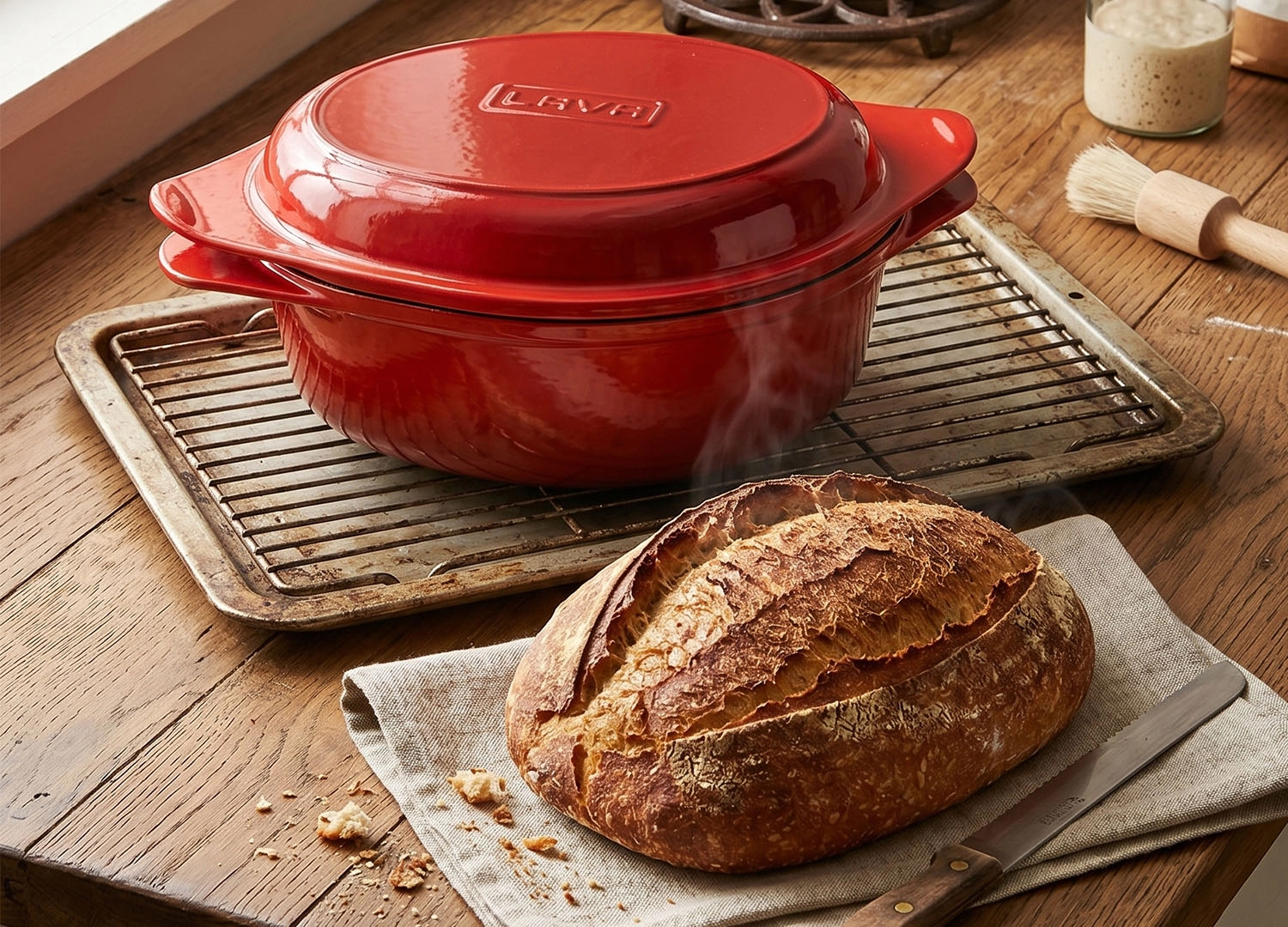
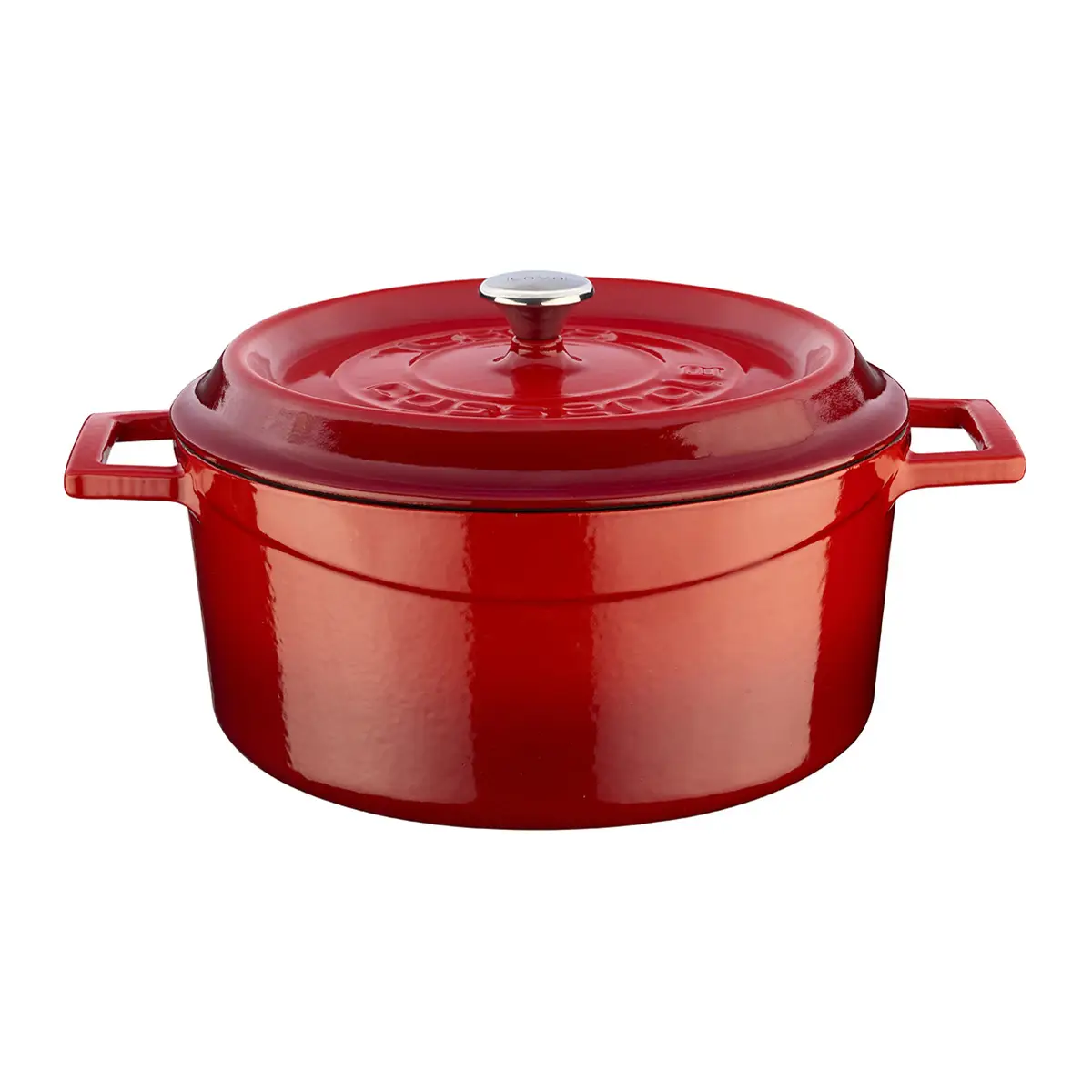
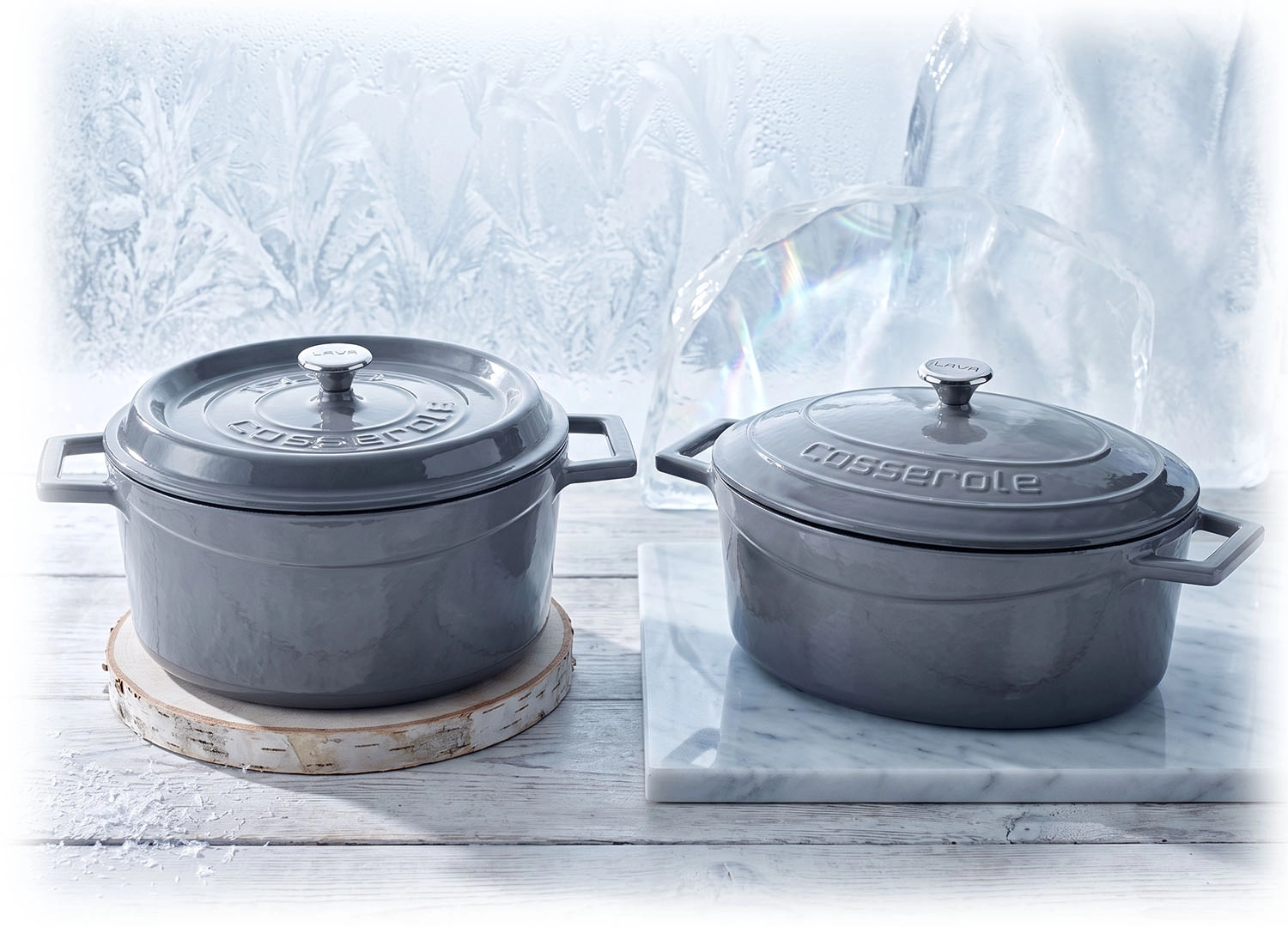
Most of these recipes rely on long, gentle cooking. This is where the cast iron pot becomes indispensable, ensuring even heat distribution and a stable cooking temperature. For soups finished in the oven, a cast iron baking tray serves both as a cooking vessel and a presentation piece, seamlessly bridging kitchen and table.
Gaziantep lies at the edge of the fertile Mesopotamian basin, a geography that has long shaped its culinary identity. Ingredients such as chickpeas, wheat, rice, and yoghurt have formed the backbone of the region’s cuisine for centuries. Lebeniye Soup sits at the intersection of Anatolian and Middle Eastern culinary traditions and is a deeply rooted dish, commonly prepared during winter and festive gatherings.
In Anatolia, yoghurt-based soups are valued not only for flavour but also for their restorative qualities. Lebeniye, with its balanced combination of protein and carbohydrates, once functioned as a complete meal—sustaining working bodies through long winter days.
Key Characteristic: With its yoghurt base, chickpeas, and miniature meatballs, it is a hearty and satisfying winter soup.
Key Ingredients: Strained yoghurt, cooked chickpeas, rice, minced meat, dried mint.
Cooking Note: Lebeniye should be cooked slowly and patiently. A cast iron pot helps prevent the yoghurt from curdling and ensures a smooth, velvety texture.
Serving Suggestion: Finish with melted butter infused with dried mint and serve hot.
Russia and Eastern Europe are known for their severe winters. Root vegetables such as beetroot, cabbage, and potatoes have historically been essential staples in this climate. Borscht is the result of these ingredients coming together—a soup that is both highly nutritious and visually striking.
More than just a winter soup, borscht is a communal dish in Slavic culture, traditionally prepared in large pots to bring families together. Its deep red-purple hue comes from beetroot, which also makes it rich in antioxidants.
Key Characteristic: Its vibrant colour and vitamin-rich composition.
Key Ingredients: Beetroot, cabbage, potatoes, carrots, onions, beef stock.
Cooking Note: To preserve the aroma and integrity of the vegetables, borscht should be simmered gently in a cast iron pot.
Serving Suggestion: Add a spoonful of smetana or strained yoghurt in the centre and garnish with fresh dill.
In French cuisine, onions have been a foundational ingredient for centuries. Their ability to store well made them especially valuable during winter months. French Onion Soup dates back to the 18th century, beginning as a humble dish of necessity before evolving into a symbol of refined comfort food.
The soul of this soup lies in slowly caramelised onions—a process that rewards patience and demands the right cookware.
Key Characteristic: Sweet, deep, and richly layered flavour.
Key Ingredients: Onions, beef stock, butter, stale bread slices, Gruyère cheese.
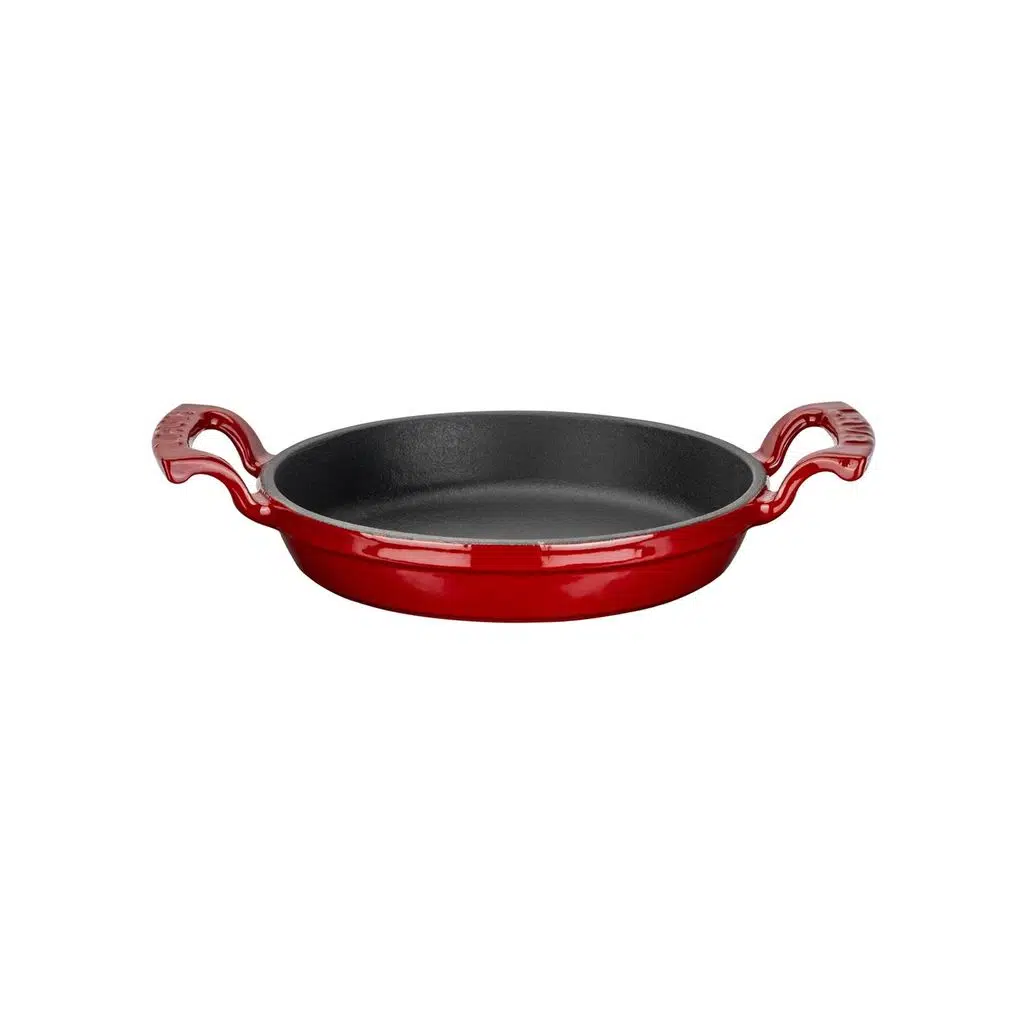
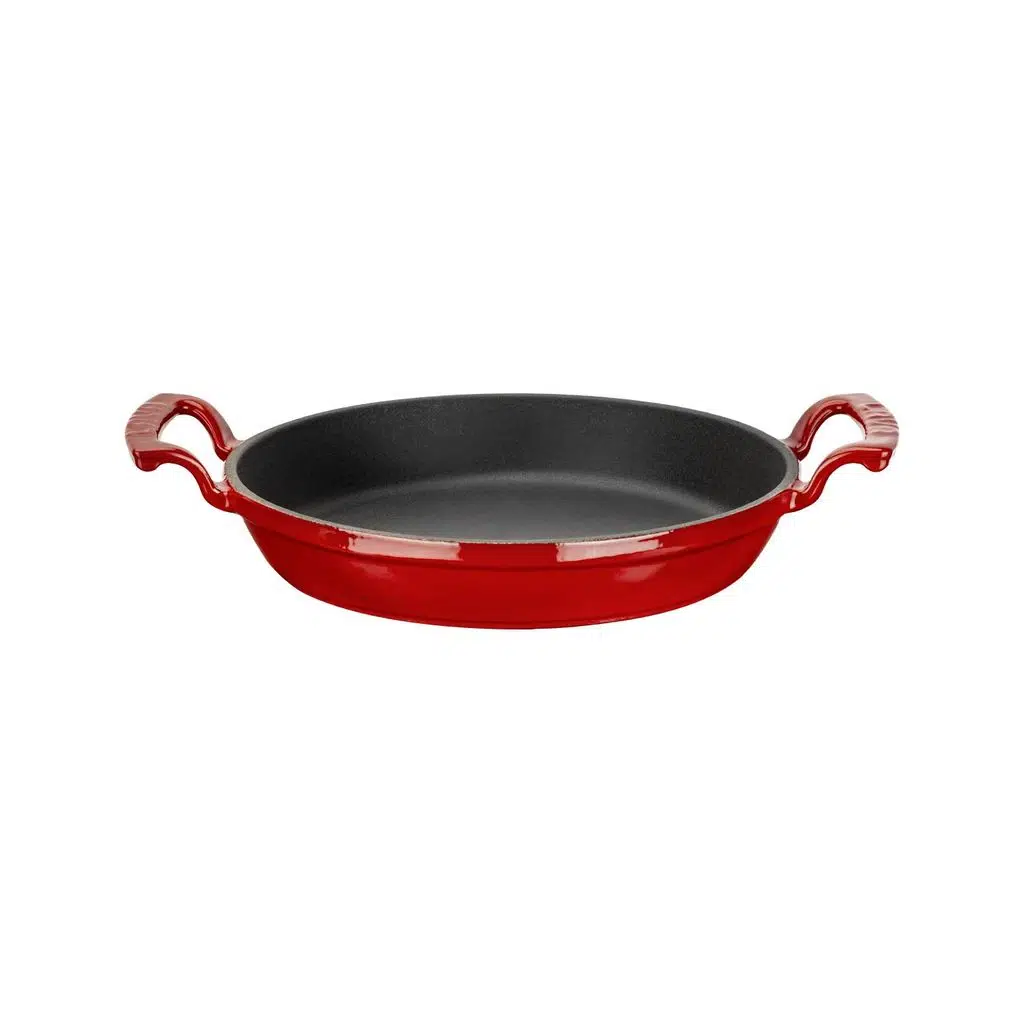
Cooking & Baking: Once the soup is prepared, it is ladled into bowls, topped with bread and cheese, and baked using a cast iron baking tray or oven-safe bowls.
Serving Suggestion: Serve immediately once the cheese has melted and turned golden.
Georgia, nestled at the foothills of the Caucasus Mountains, is renowned for its bold use of spices. Walnuts, coriander, and garlic are defining elements of Georgian cuisine. Kharcho Soup brings these ingredients together with meat and rice to create a powerful winter soup.
Consumed during cold and damp seasons to support immunity, kharcho is also a centrepiece of Georgian social dining culture.
Key Characteristic: Spicy, rich, and intensely aromatic.
Key Ingredients: Diced beef, rice, walnuts, garlic, tomatoes, coriander.
Cooking Note: To allow the spices to fully bloom, kharcho should be simmered for an extended time in a cast iron pot.
Serving Suggestion: Garnish generously with fresh coriander or parsley.
Seasonality is a core principle of Italian cuisine. Minestrone—literally meaning “big soup”—changes its composition according to what is available. In winter, it is built around celery, carrots, zucchini, and legumes, resulting in a light yet nourishing winter soup.
In Italy, minestrone symbolises sustainable cooking, often prepared to make use of vegetables left over throughout the week.
Key Characteristic: Vegetable-forward and rich in vitamins.
Key Ingredients: Celery, carrots, zucchini, beans, tomatoes, small pasta.
Cooking Note: A cast iron pot is ideal for maintaining the texture of the vegetables while allowing flavours to meld.
Serving Suggestion: Finish with fresh basil and grated Parmesan cheese, served alongside toasted bread.
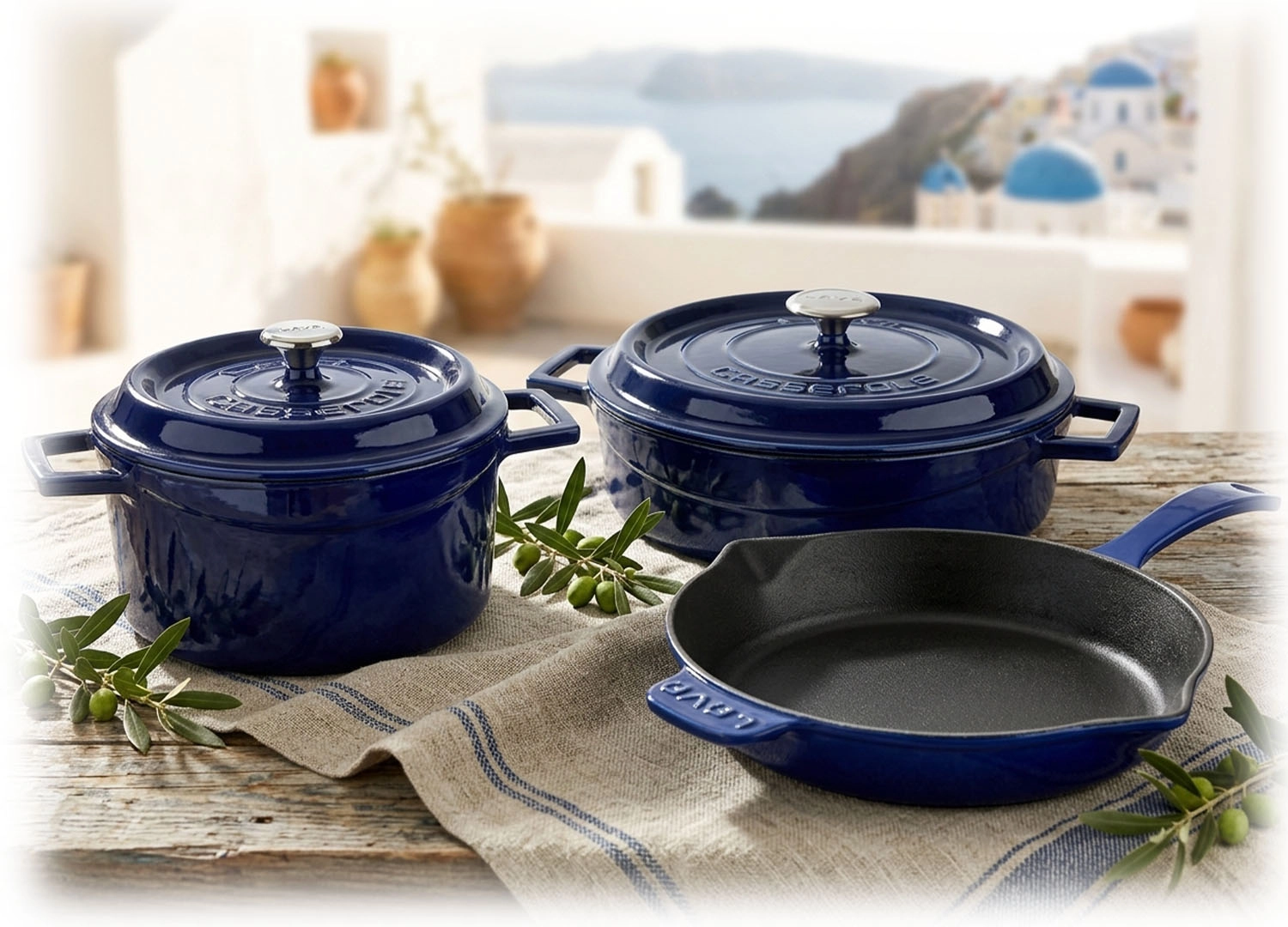
Winter soups answer the same universal need, regardless of geography: warmth, nourishment, and connection. A winter soup often represents memories, family gatherings, and the art of slowing down. When prepared with the right tools—particularly a cast iron pot, cast iron pan, and cast iron baking tray—this experience becomes even more meaningful.
As the new year begins, drawing inspiration from world cuisines allows you to bring warmth to your table and discover a different cultural story in every spoonful.
07.01.2026






Lava Döküm Online Fabrika Satış Mağazası. © 2026 All Rights Reserved.


0
)

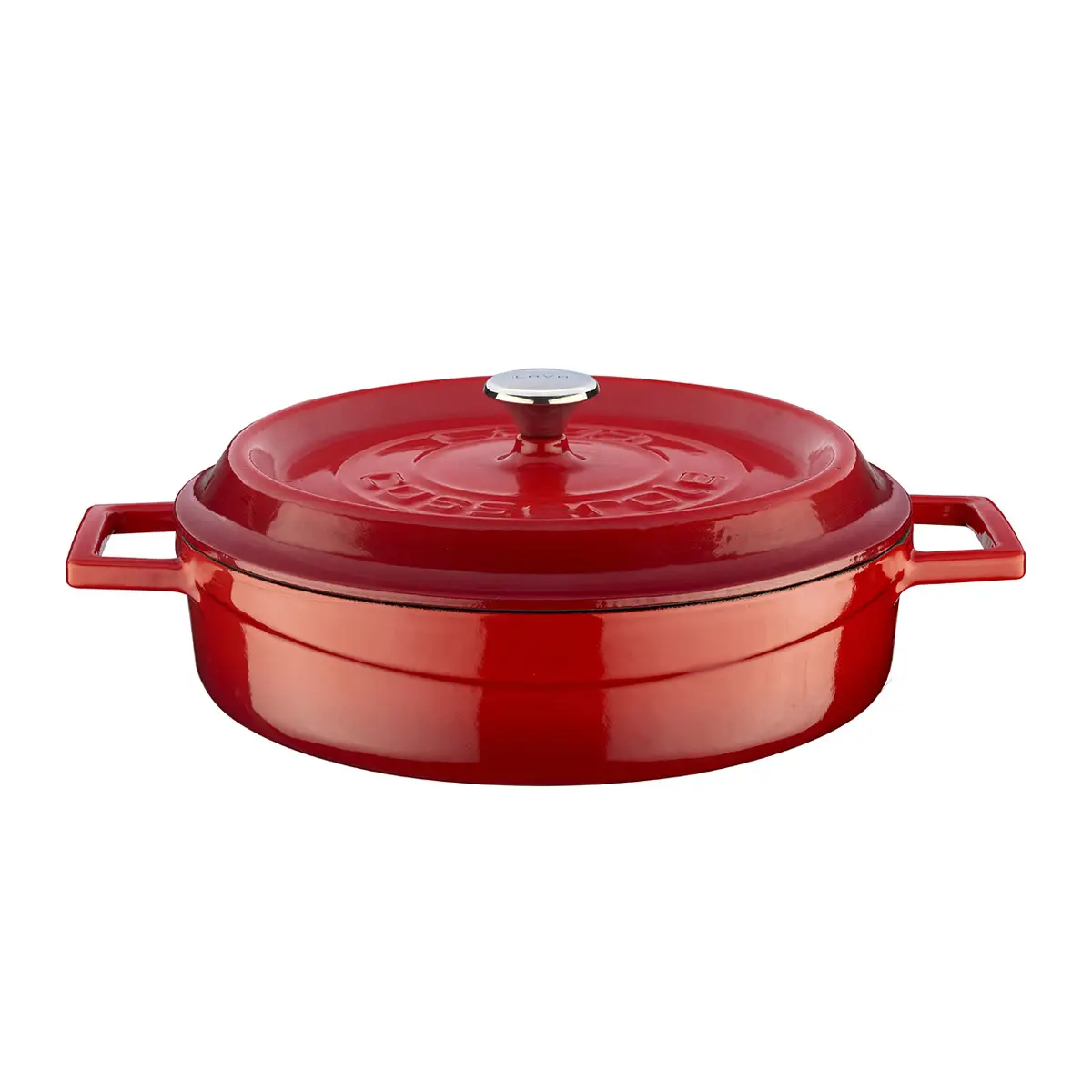
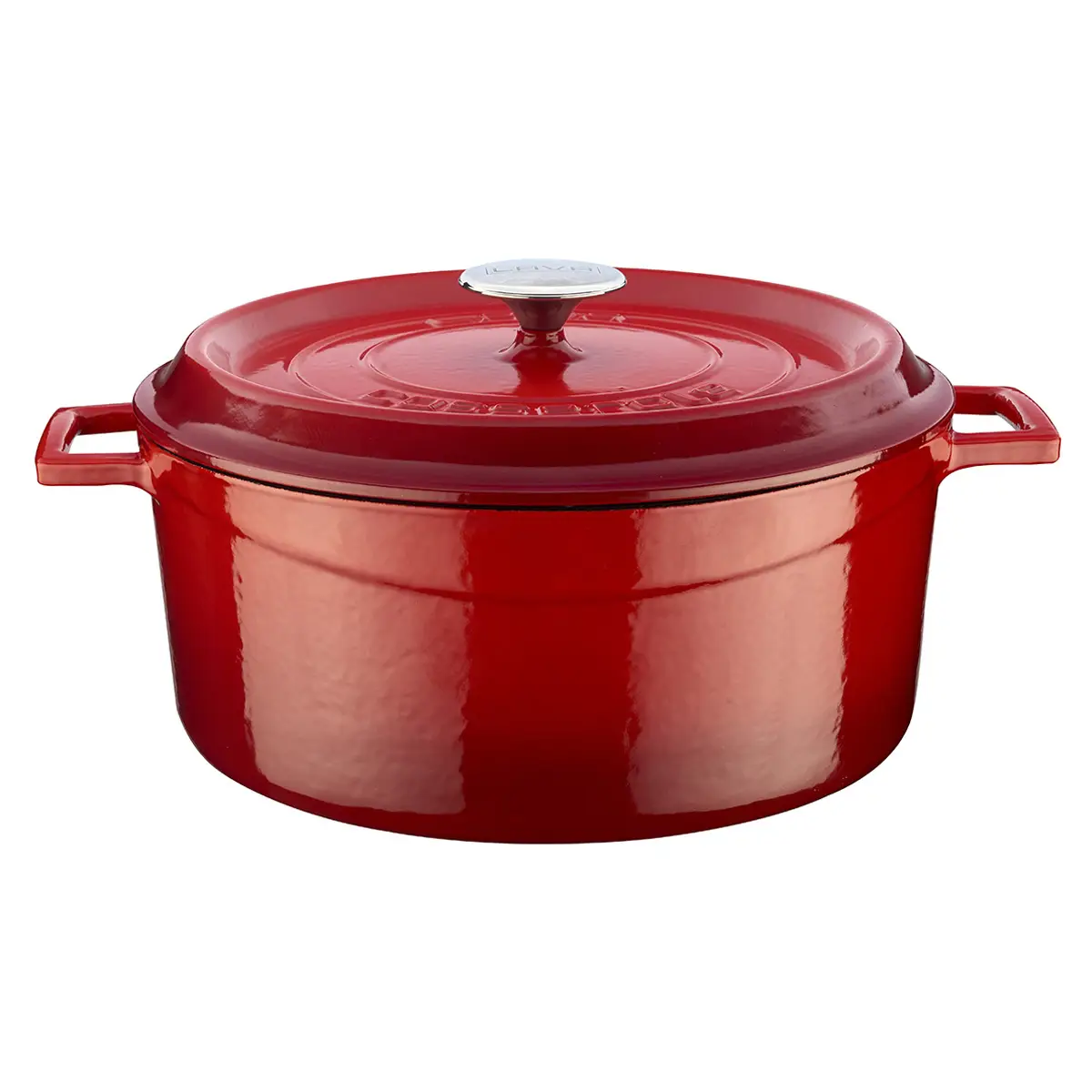
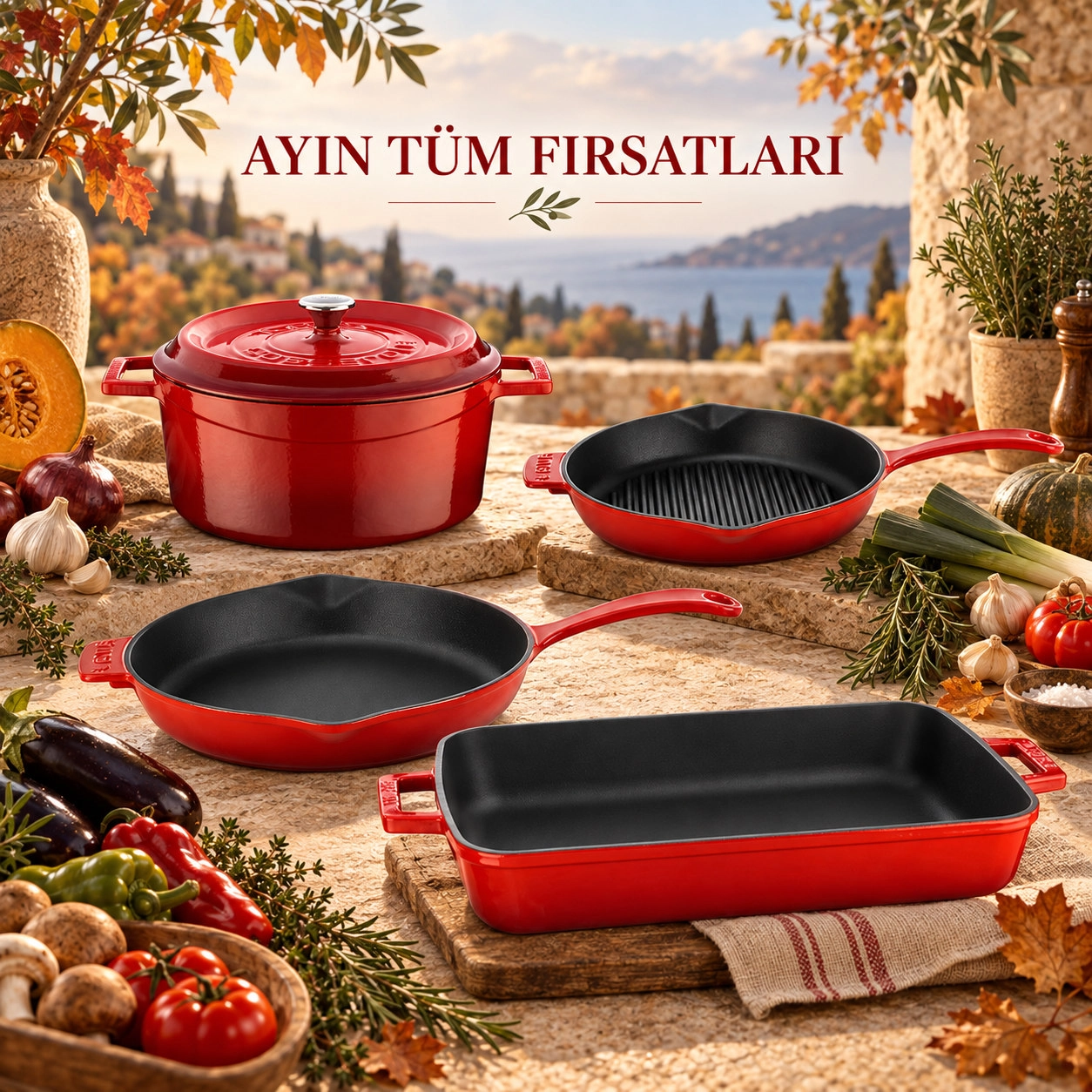
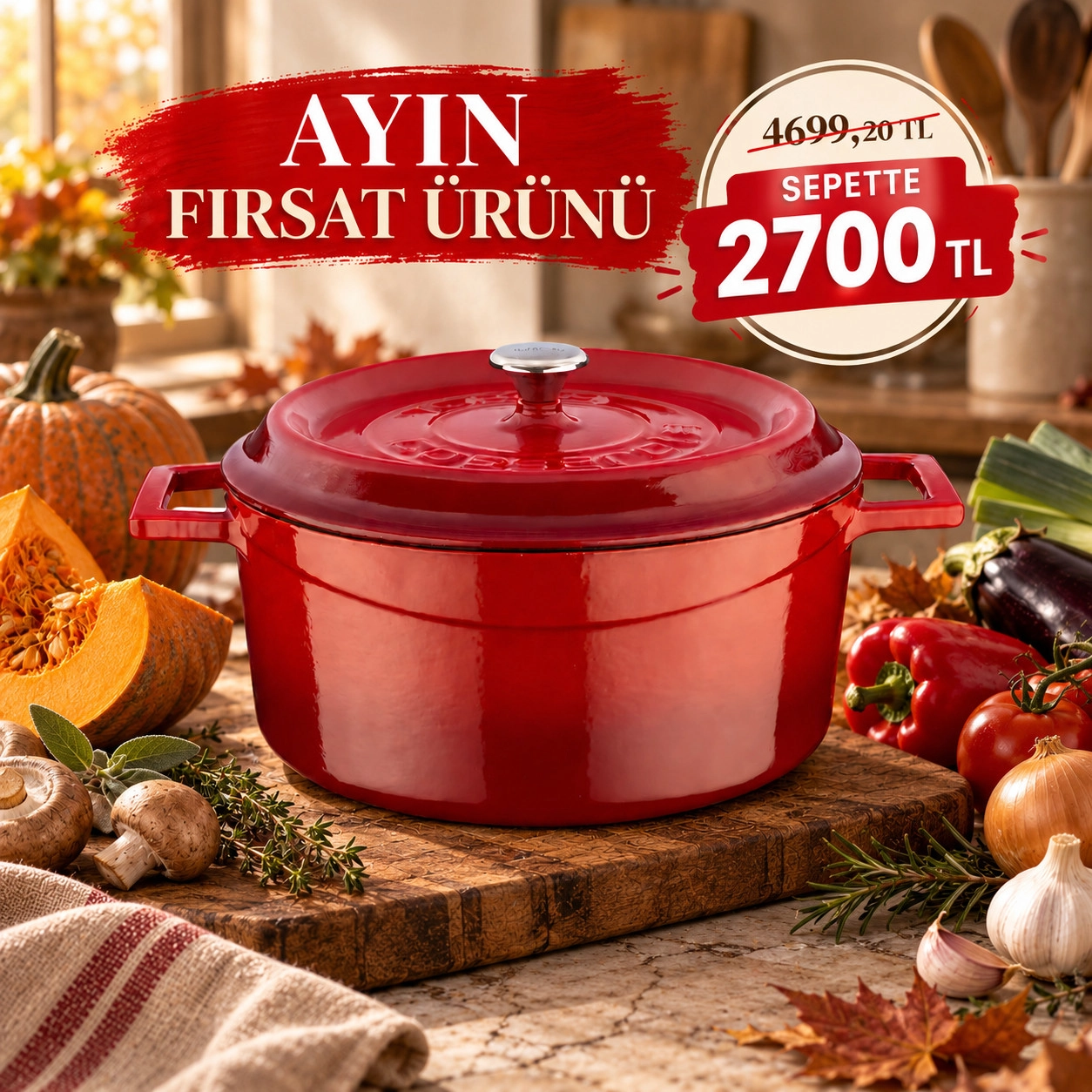 LAVA Round Cast Iron Casserole – Trendy Ø24 cm
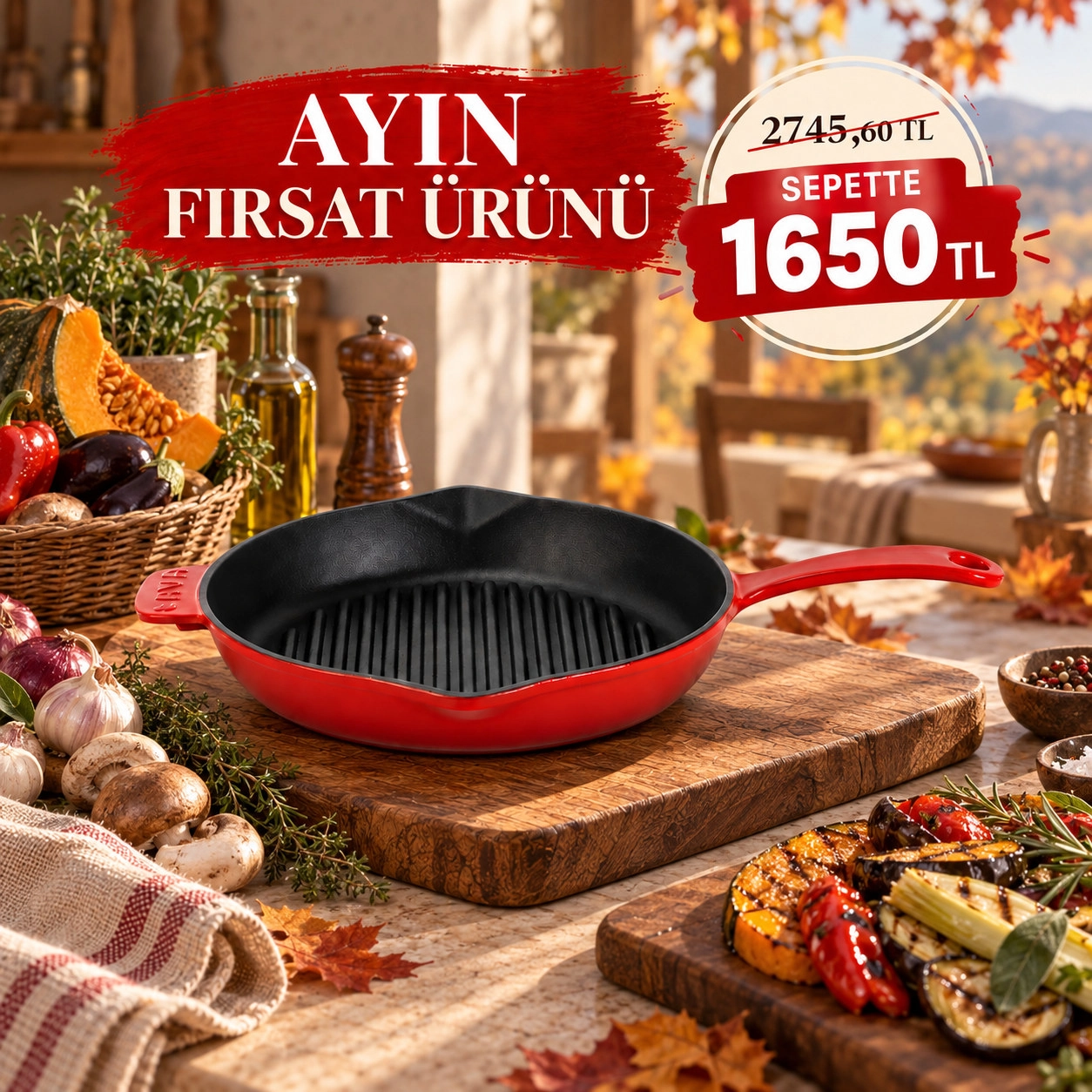 LAVA Round Cast Iron Grill Pan 28 cm Single Handle
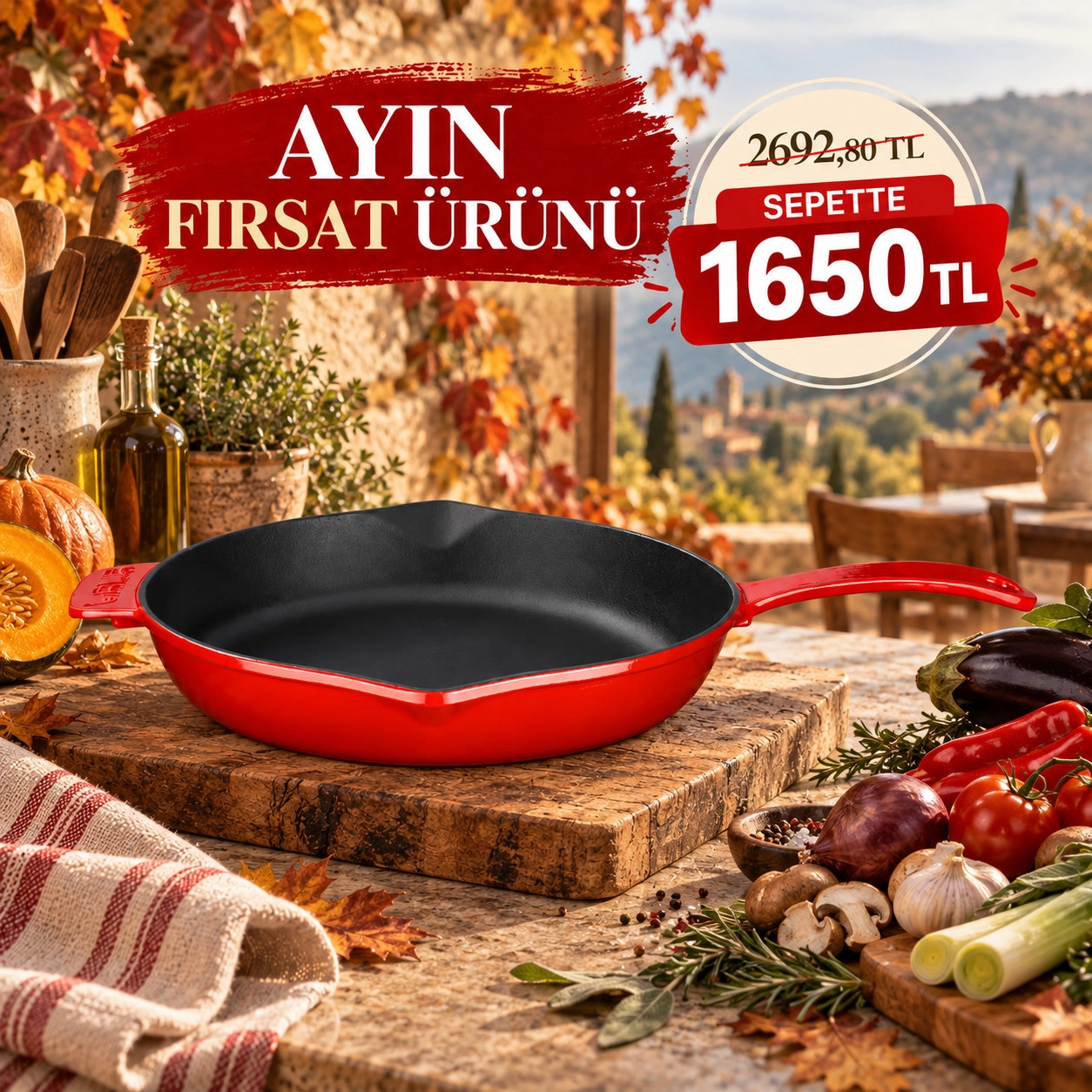 LAVA Round Cast Iron Frying Pan 28 cm Single Handle
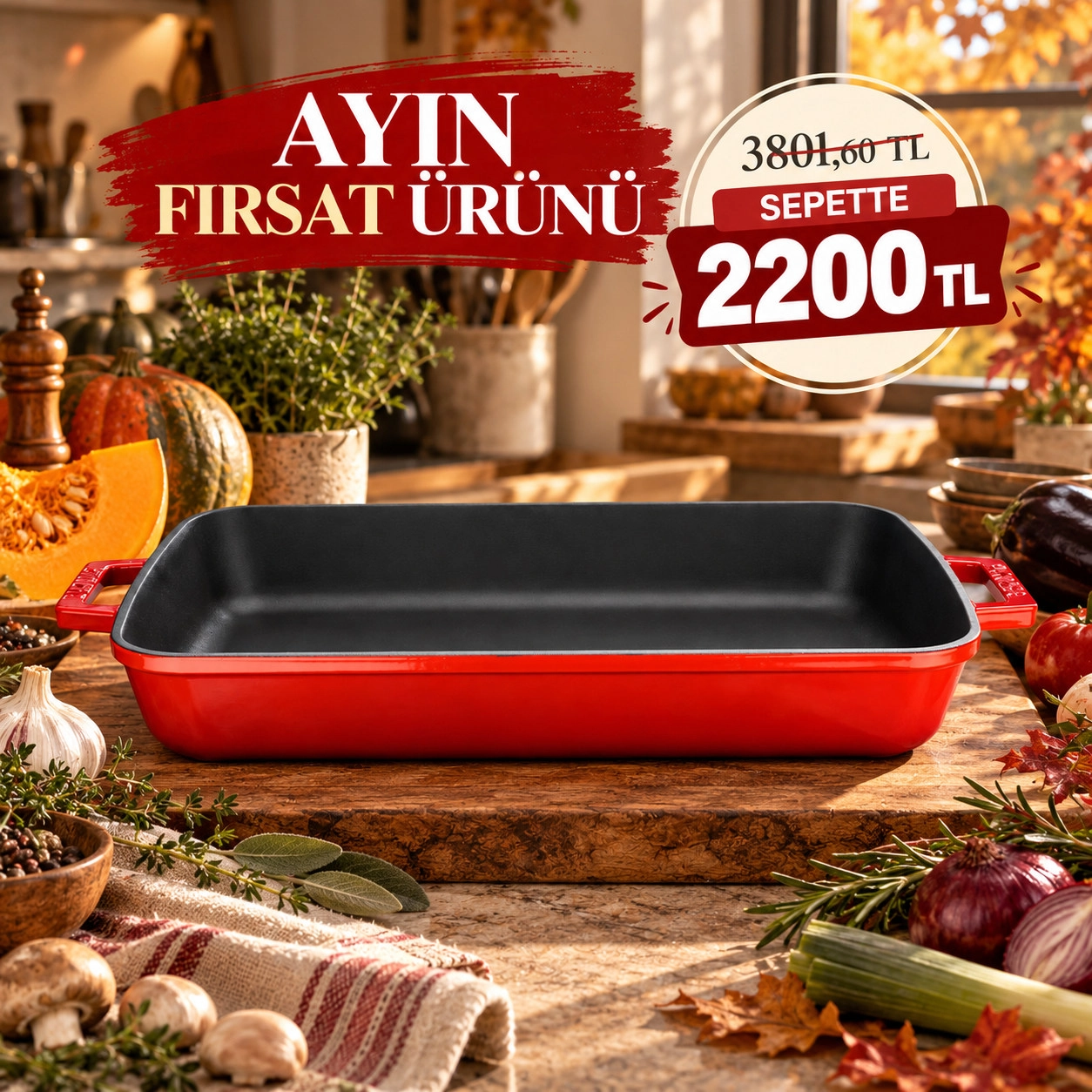 LAVA Rectangular Cast Iron Roasting & Oven Tray 26x40 cm Twin Handles
 All This Month's Deals