×

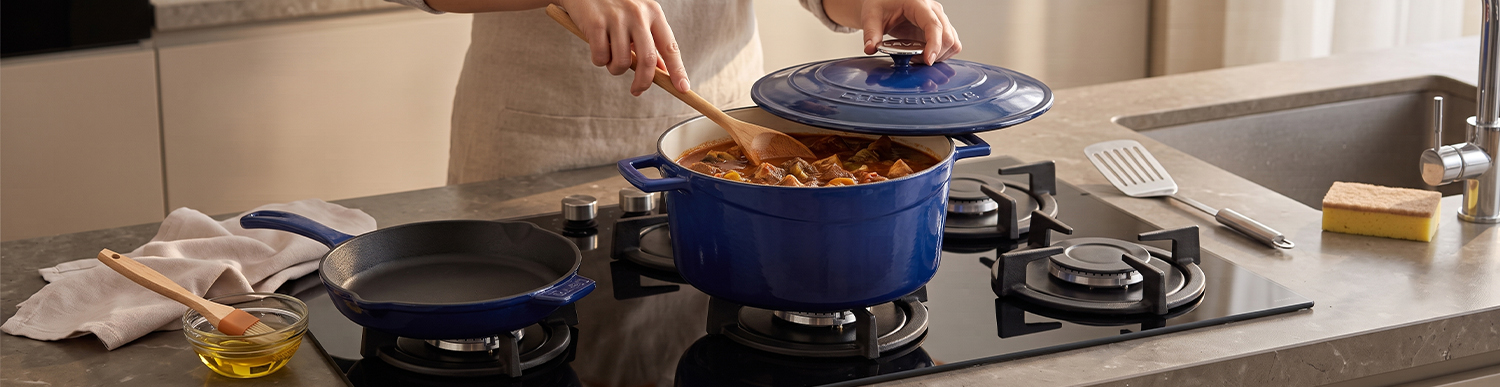
Small mistakes when using cast iron casseroles and pans can directly affect cooking performance and the service life of the product. Heating an empty product over high heat for too long, exposing it to sudden temperature changes, using metal utensils too aggressively or choosing unsuitable cleaning methods are among the most common usage mistakes. In this guide, you will find the correct usage habits for enamelled cast iron products, practices to avoid and practical tips to help maintain your product's performance for many years.
Reading Time
8–9 minutes
Cast iron casseroles and pans are among the cookware products that can provide high performance for many years when used correctly. Enamelled cast iron products in particular are preferred by both home cooks and professional kitchens thanks to their even heat distribution, strong heat retention and ease of use. However, developing the right usage habits is important to make the most of these advantages.
Most performance issues experienced with cast iron products are not caused by production defects but by small mistakes made during use. Leaving the product empty over high heat for too long, exposing it to sudden temperature changes or using unsuitable cleaning methods can affect cooking results and may also have a negative impact on the long-lasting structure of the enamel surface.
In this article, we look in detail at the 10 most common mistakes when using cast iron casseroles and pans, the potential consequences of these mistakes and how to avoid them.
To learn how to use cast iron products correctly step by step, you can also read our How to Use Enamelled Cast Iron Casseroles and Pans guide. This guide covers the key steps from first use and preheating to cooking, cooling and cleaning.
If you would like to review the product usage instructions, you can also visit our Usage Instructions page.
One of the key advantages of enamelled cast iron products is that they do not simply transfer heat but also retain it for an extended period. This makes them suitable for a wide range of recipes, from searing meat and cooking vegetables to baking bread and preparing oven dishes.
However, the high heat capacity of cast iron also requires appropriate usage habits. Some practices that may work with aluminium or thin-based casseroles may not produce the same results with cast iron products.
Correct use can help to:
manage heat more effectively,
make the cooking process easier to monitor,
avoid unnecessarily high temperatures,
protect the enamel surface,
support the product's service life.
Incorrect usage habits can affect not only cooking results but also the appearance and ease of use of the product.
Leaving a casserole or pan empty over high heat for an extended period.
Because cast iron retains heat for a long time, the product can become excessively hot. This can make temperature control more difficult during cooking.
Heat the product gradually and in a controlled manner. Once the casserole or pan reaches a suitable temperature for the recipe, add the ingredients and begin cooking.
Short answer: A cast iron pan should not be heated empty over high heat for an extended period; controlled preheating is preferable.
The idea that “cast iron needs high heat” is a common misconception in the kitchen.
Using the highest hob setting for every recipe.
The outside of the food may cook too quickly while the inside takes longer to cook, and sauces may thicken more rapidly than intended. It can also make the cooking process more difficult to control.
Choose the appropriate temperature for the recipe. Once the product has reached the required temperature, reduce the heat to medium or medium-low when necessary.
Taking a cast iron casserole or cast iron pan from a cool environment and placing it directly over very high heat is not a recommended way to use it.
Exposing a cold product directly to high heat.
A rapid increase in temperature can make cooking control more difficult. Controlled temperature changes are preferable, particularly with enamelled cast iron surfaces.
Start heating the product over low or medium heat and increase the temperature gradually. Then move to the temperature required by the recipe.
Wanting to clean the product quickly after cooking is completely natural. However, placing a cast iron casserole or pan under cold water immediately after removing it from the hob is not recommended.
Exposing a very hot product directly to cold water.
Sudden temperature changes can make the transition in temperature more stressful for the product. Controlled cooling is preferable, particularly with cast iron products that retain heat for an extended period.
Allow the product to cool naturally after removing it from the hob.
Begin cleaning once the product has cooled down.
Use water at a suitable temperature and a soft sponge during cleaning.
Although enamelled cast iron products have durable surfaces, the utensils used during cooking also play an important role in protecting the surface.
Cutting food inside the product with a knife, scraping the surface with hard metal spatulas or applying excessive pressure with metal utensils.
Hard and uncontrolled use may affect the appearance of the enamel surface over time.
For everyday cooking, silicone spatulas, wooden spoons and suitable heat-resistant utensils can be preferred.
Many usage mistakes with cast iron products occur not during cooking but during cleaning.
Using harsh wire scourers, abrasive cleaning products or unnecessarily strong chemicals to remove burnt food residue.
Harsh cleaning methods can negatively affect the appearance of the enamel surface and the overall user experience.
If food residue has become stuck to the surface, adding an appropriate amount of water to the product and leaving it to soak for a while can make cleaning easier. The product can then be cleaned with a soft sponge.
Although LAVA enamelled cast iron products can technically be washed in a dishwasher, hand washing is recommended to help preserve the appearance and surface quality of the product over the long term.
Filling a casserole or pan completely is a common occurrence, particularly when preparing food for a large gathering.
Filling the pan or casserole with more ingredients than its cooking capacity allows.
When ingredients are piled on top of one another, they may cook in their own juices rather than brown properly. This can make it more difficult to achieve the desired texture and colour, particularly with meat, vegetables and mushrooms.
Spread the ingredients across the cooking surface as evenly as possible. If necessary, cook the ingredients in several batches.
The ability to use enamelled cast iron products across different cooking surfaces is an important advantage. However, basic usage rules should be followed on every heat source.
Using the product incorrectly for the heat source or making mistakes such as dragging the product across the hob.
Incorrect handling can make the product more difficult to move and, particularly on glass cooking surfaces, may increase the risk of scratches or surface damage.
Lift the product rather than dragging it across the hob.
Make sure that the product is suitable for the size of the cooking zone.
Do not place a product directly from the oven onto a cold surface.
Follow the conditions specified in the product's usage instructions.
Although cast iron is a durable material, the product should be handled and stored carefully to protect the enamel surface.
Putting the product down heavily in the sink, knocking it forcefully against other products or dropping it onto a hard surface.
The enamel surface may become damaged, particularly around edges and areas affected by impact.
Handle the product carefully when moving it. If you store multiple products stacked together, you can use a suitable protective material between them.
Like any cookware product, enamelled cast iron products can be used more effectively when the manufacturer's recommended usage instructions are followed.
Starting to use the product without first checking its usage conditions.
Important information relating to the product's heat source compatibility, oven use, cleaning or handling may be overlooked.
Read the product's usage instructions before first use. For product-specific usage conditions, refer to the Usage Instructions page.
The following habits can make everyday use of enamelled cast iron products easier and help maintain their performance over the long term.
| Recommended Practice | Benefit |
|---|---|
| Heat the product gradually. | Provides more controlled cooking. |
| Do not leave it empty over high heat for an extended period. | Makes heat management easier. |
| Do not put a hot product under cold water immediately. | Helps avoid sudden temperature changes. |
| Choose wooden or silicone utensils. | Helps protect the enamel surface. |
| Clean with a soft sponge. | Helps preserve the appearance of the surface. |
| Protect the product from impacts. | Supports a longer service life. |
| Follow the usage instructions. | Helps you use the product correctly. |
Enamelled cast iron casseroles and pans are durable cookware products that can provide high performance for many years when used correctly. Recognising small mistakes made during use and developing the right habits can improve the cooking experience while supporting the product's service life.
Gradual preheating, avoiding unnecessarily high heat, preventing sudden temperature changes, using suitable kitchen utensils and choosing the correct cleaning methods are the key principles of using cast iron cookware correctly.
Insufficient preheating, adding ingredients before the pan is sufficiently hot or overfilling the pan can cause food to stick. Proper temperature management and suitable cooking techniques can help produce better results.
No. Because cast iron retains heat for an extended period, medium heat is sufficient for many recipes. Using unnecessarily high heat does not necessarily produce better results for every recipe.
Silicone, wooden or suitable heat-resistant utensils can help protect the enamel surface.
Some LAVA enamelled cast iron products can technically be washed in a dishwasher. However, hand washing is recommended to help preserve the appearance and surface quality of the product over the long term.
Heat the cast iron casserole gradually, add the ingredients once it has reached a suitable temperature for the recipe, and use controlled heat during cooking. After use, protect the product from sudden temperature changes, then clean and dry it completely.
Heat the cast iron pan gradually, add the ingredients once it has reached a suitable temperature, and use controlled heat during cooking. After use, protect the pan from sudden temperature changes, then clean and dry it completely.
Common mistakes include heating the product empty over high heat for too long, exposing a hot product to cold water, using unsuitable cleaning methods and handling the enamel surface too aggressively.
The basic approach is to heat the product gradually, use controlled temperatures during cooking, avoid sudden temperature changes, use suitable utensils and follow the product's usage instructions.
Getting many years of use from cast iron cookware is possible with the right usage habits. To use your LAVA enamelled cast iron products correctly, you can also refer to our usage and care guides.
30.07.2026






Lava Döküm Online Fabrika Satış Mağazası. © 2026 All Rights Reserved.


0
)

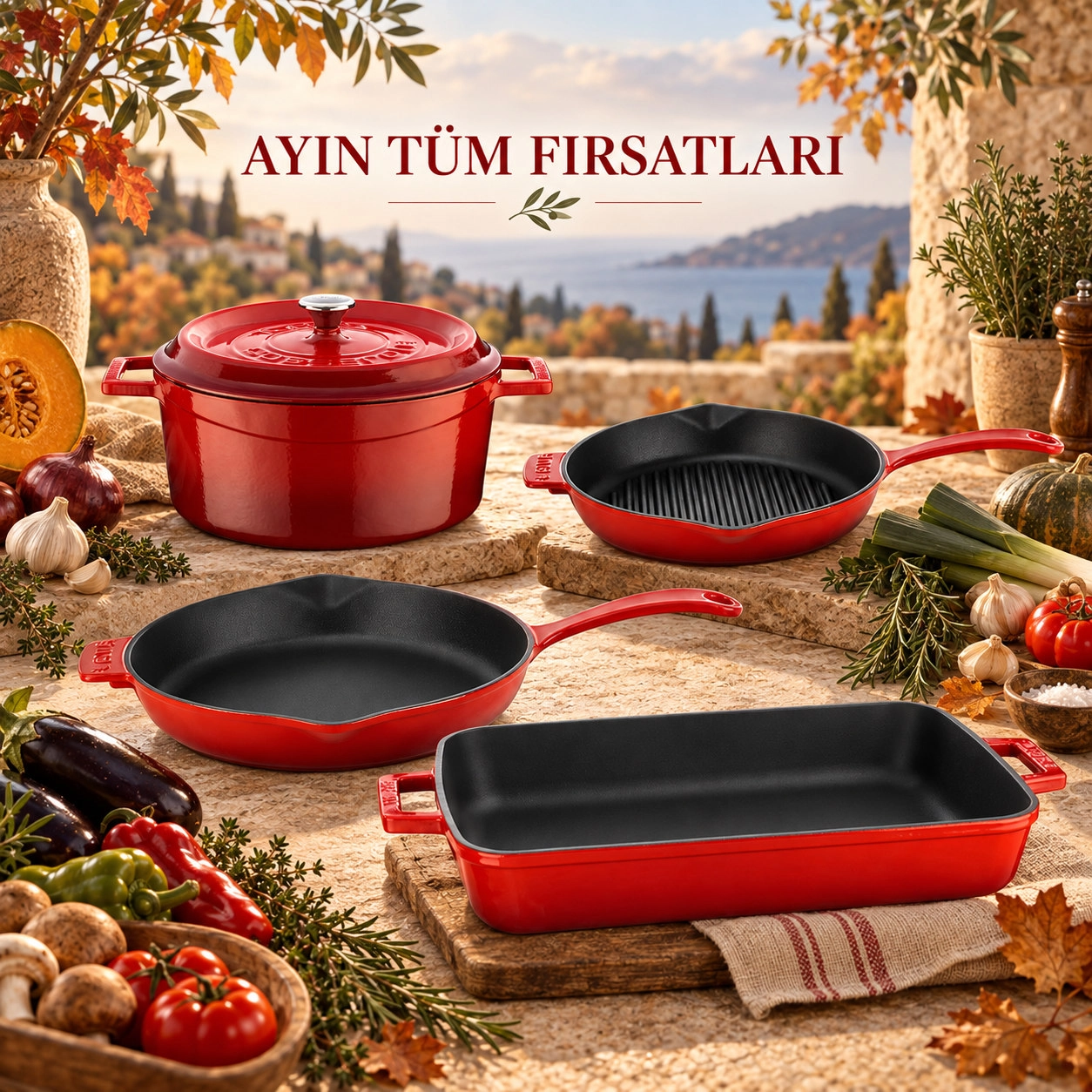
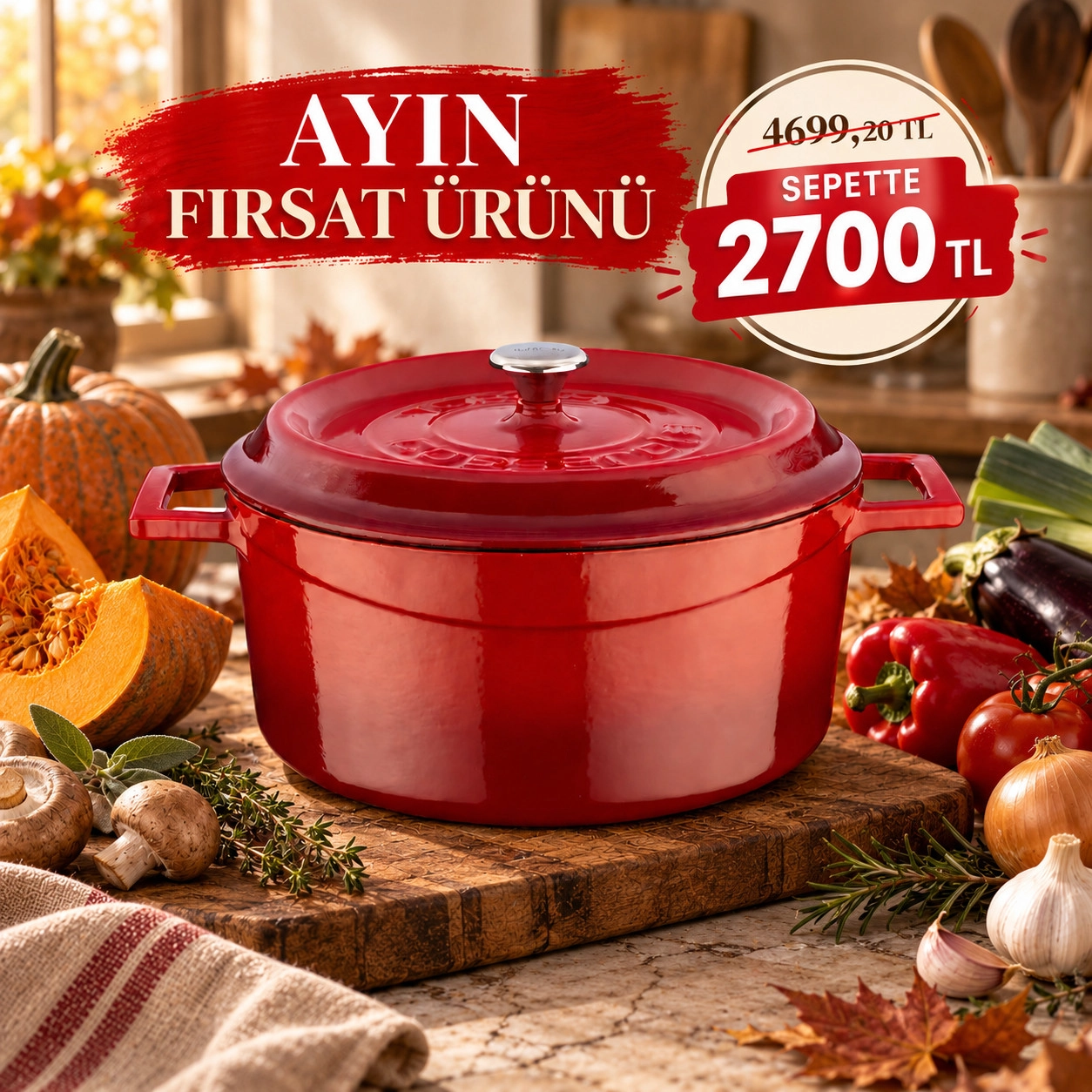 LAVA Round Cast Iron Casserole – Trendy Ø24 cm
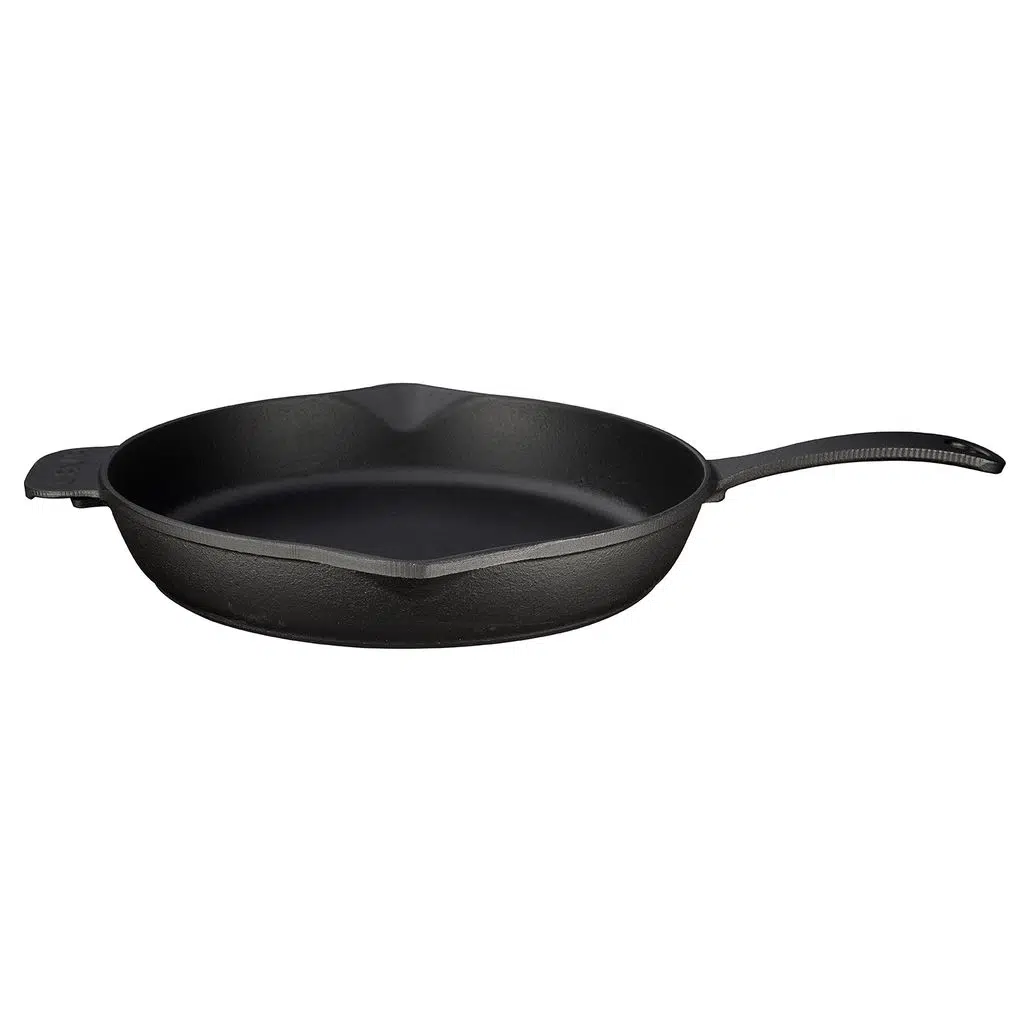
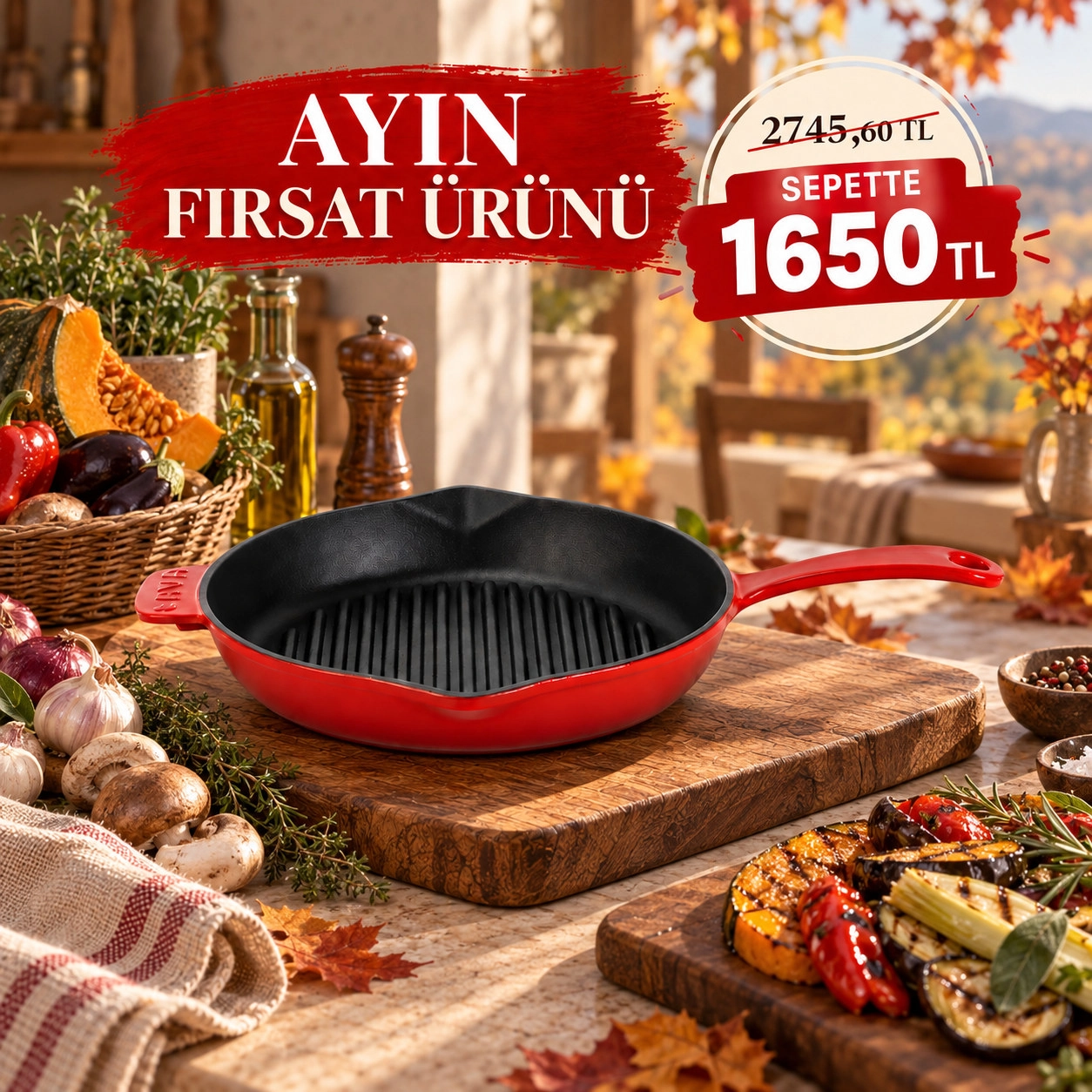 LAVA Round Cast Iron Grill Pan 28 cm Single Handle
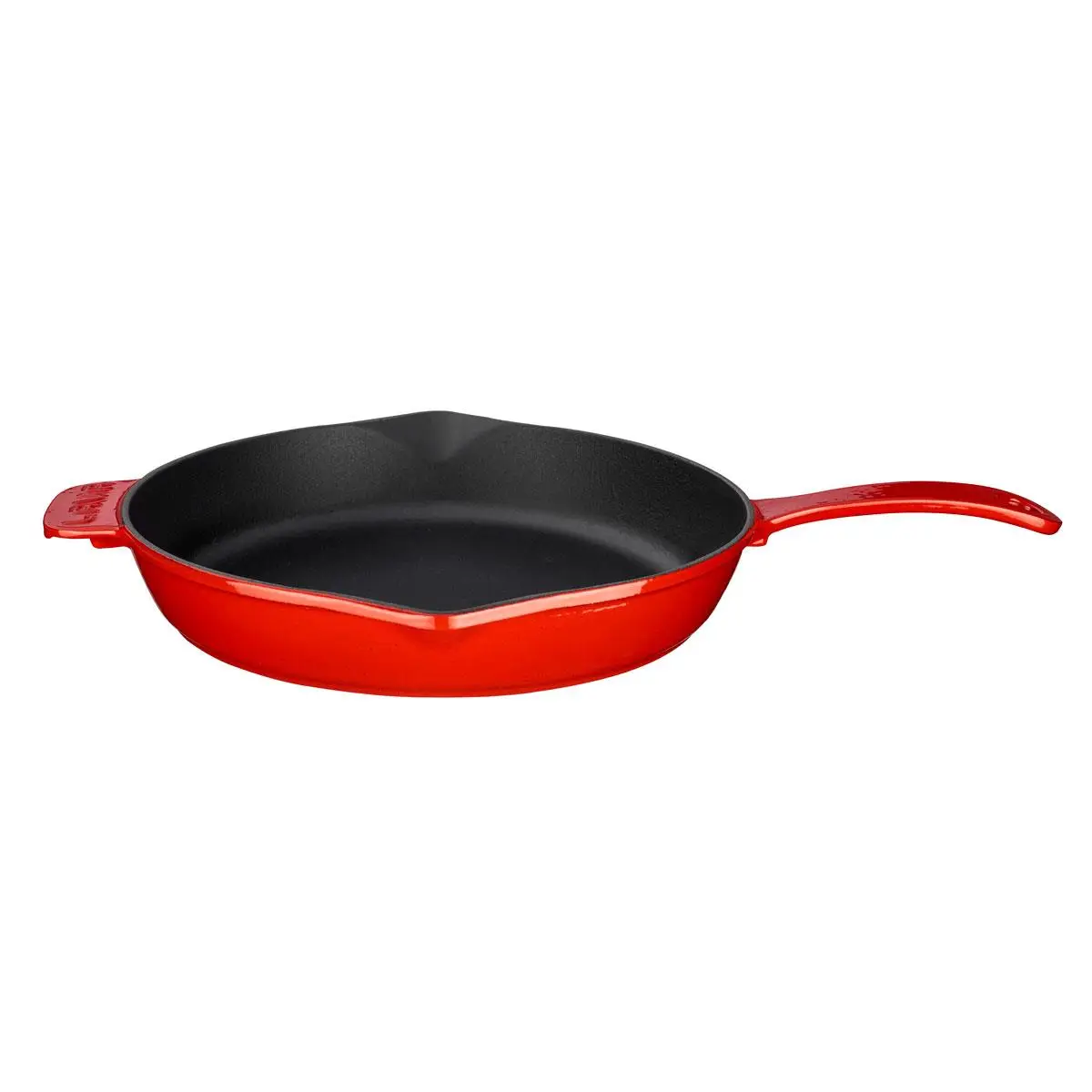
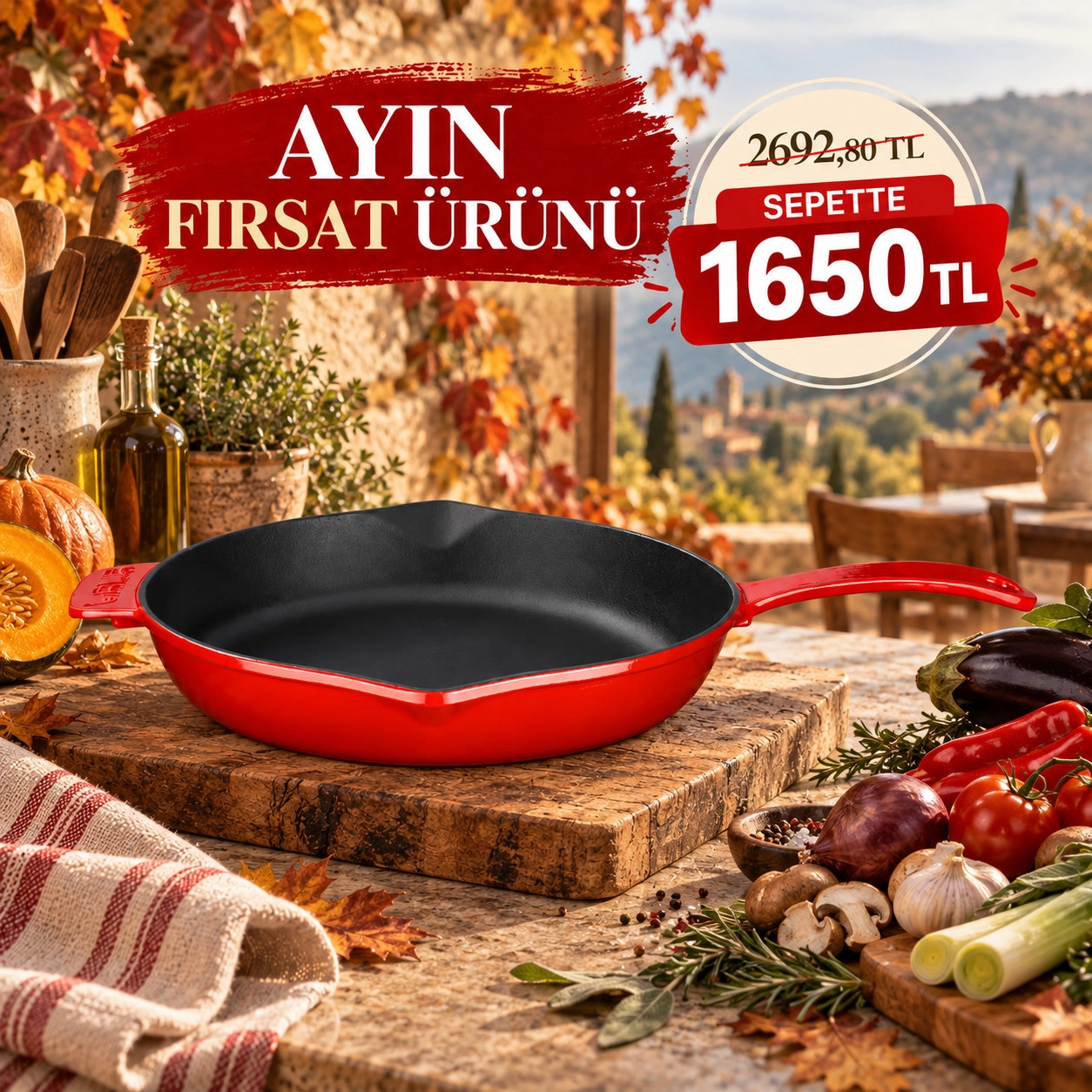 LAVA Round Cast Iron Frying Pan 28 cm Single Handle
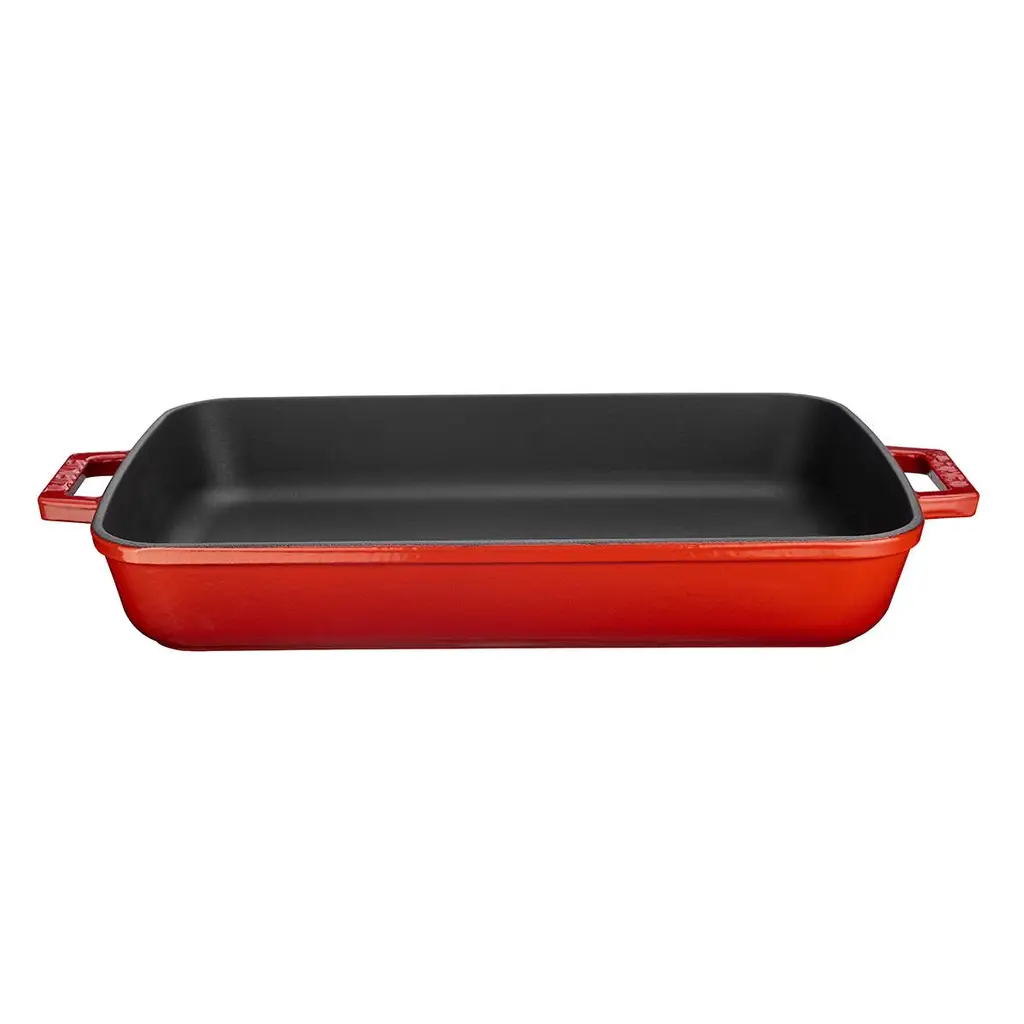
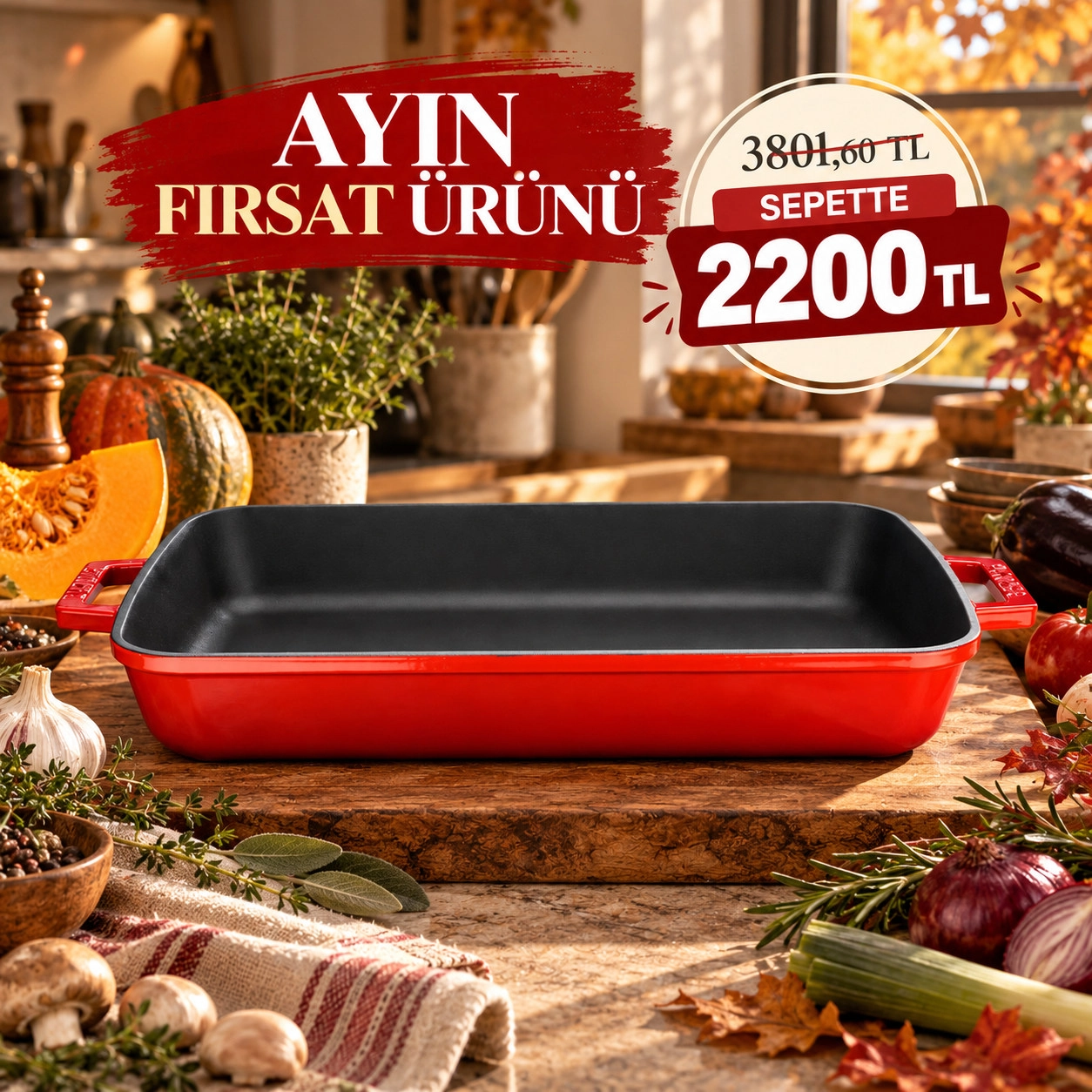 LAVA Rectangular Cast Iron Roasting & Oven Tray 26x40 cm Twin Handles
 All This Month's Deals