×

When using an enamel-coated cast iron casserole or pan, it is important to heat the cookware gradually, use an appropriate cooking temperature, and avoid sudden temperature changes. Correct use helps you make the most of the cast iron body's heat performance while also helping to preserve the enamel surface for many years. In this guide, you will find essential recommendations for using enamel-coated cast iron cookware efficiently, from first use to everyday cooking habits.
Reading Time
7 Minutes
Enamel-coated cast iron cookware is versatile kitchen equipment that adapts to a wide range of cooking techniques thanks to its excellent heat performance and long-lasting durability. However, to get the best possible performance from these products, it is important to use them correctly. Those using cast iron cookware for the first time may wonder how to use a cast iron casserole or how to use a cast iron pan.
Correct use not only improves cooking performance but also helps protect the enamel surface and ensures the cookware can be used safely for many years. In this guide, we explain step by step how to make the most of your enamel-coated cast iron casseroles and pans in everyday cooking.
Enamel-coated cast iron cookware differs from bare cast iron cookware. Thanks to the enamel coating, there is no need to season the surface regularly with oil. For everyday use, the main objective is to adopt cooking habits that help protect the enamel surface.
Before first use, simply wash the cookware with warm water and a soft sponge, then dry it thoroughly. This removes any dust residue that may have accumulated during manufacturing and packaging, leaving the product ready for cooking.
For first use, it is also recommended that you:
Do not leave the cookware empty over high heat for an extended period.
Increase the heat gradually.
Add your ingredients only after the casserole or pan has reached the appropriate cooking temperature.
Avoid overfilling the cookware during cooking.
For model-specific guidance, please follow the recommendations on the LAVA Care and Recommendations page.
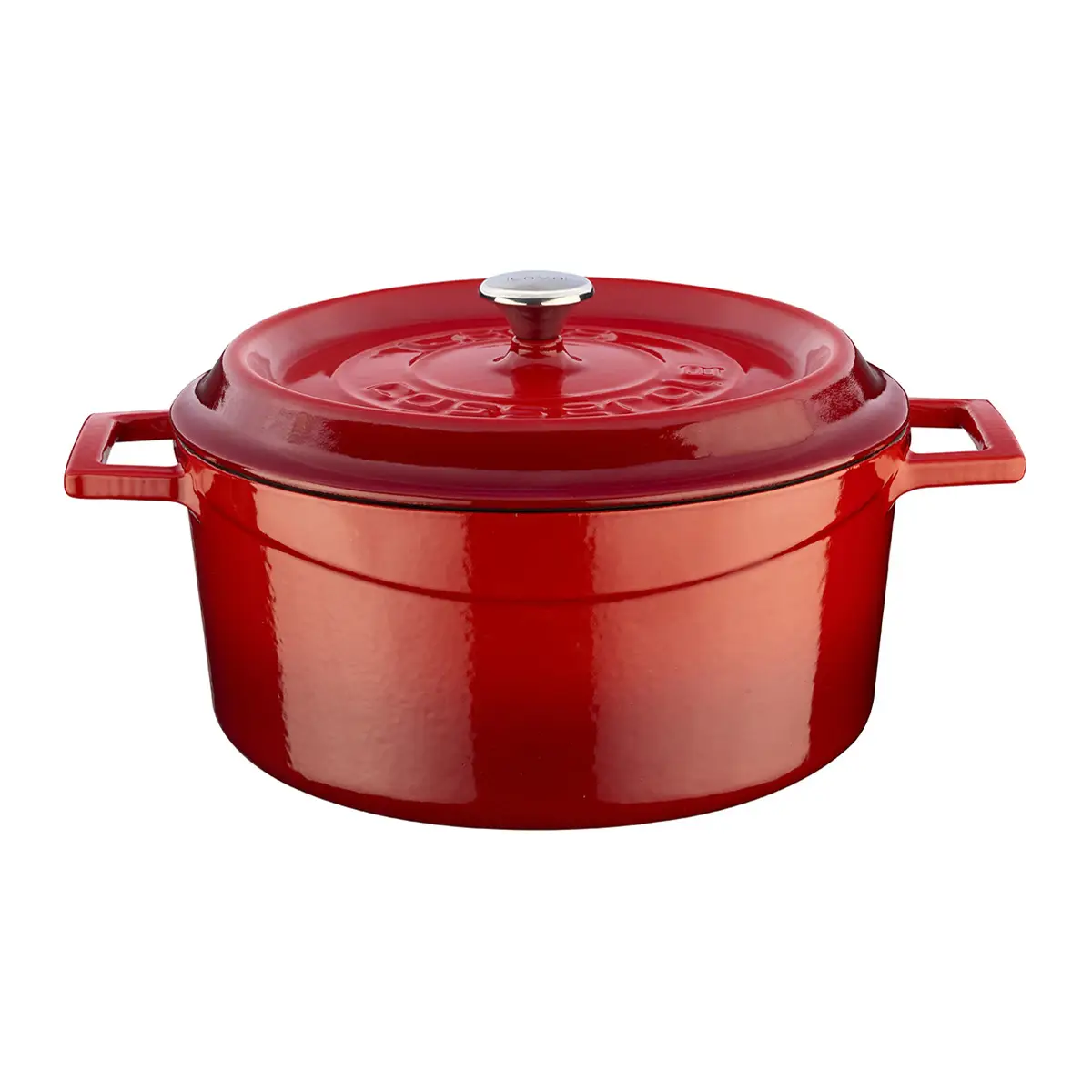
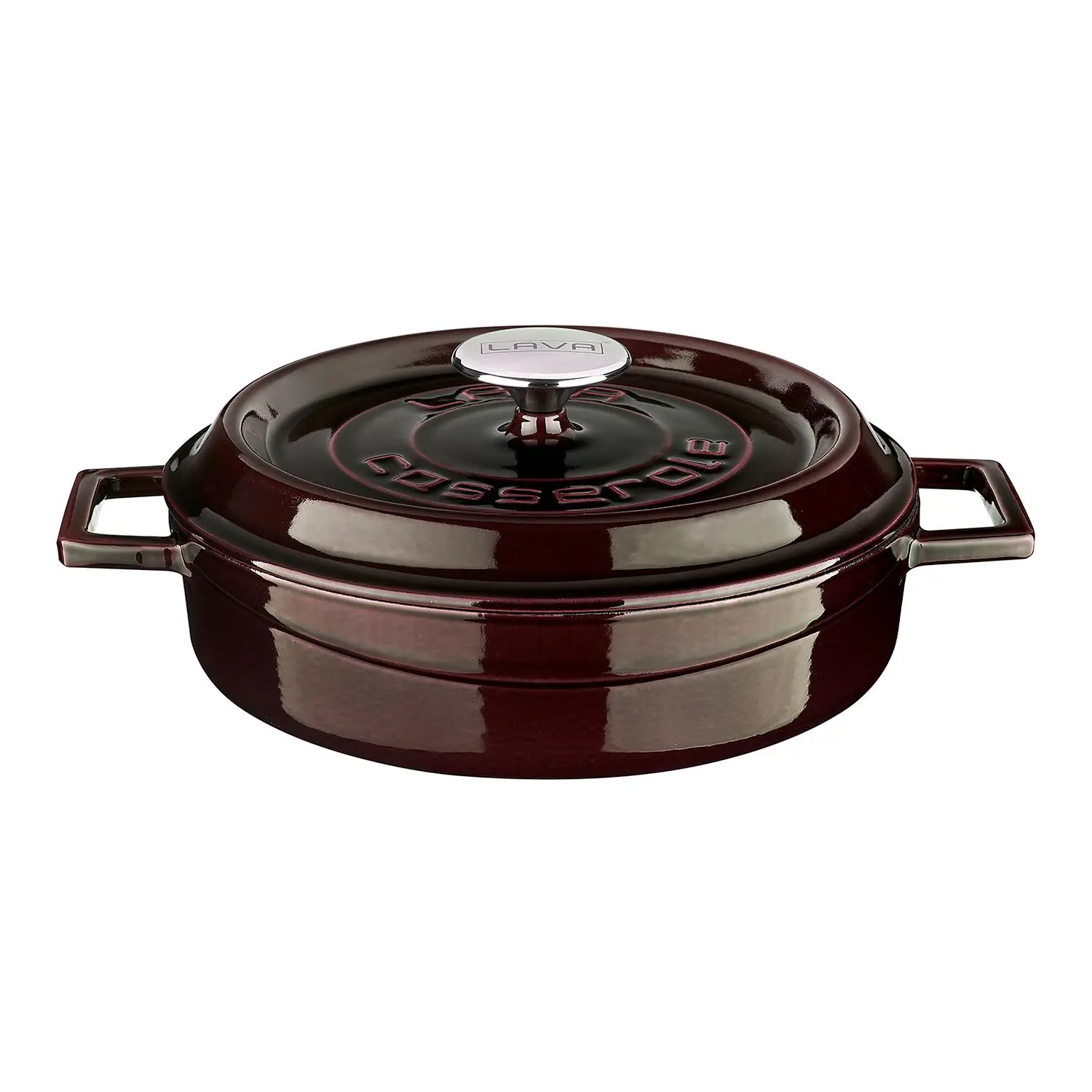
The answer to the question how to use a cast iron casserole varies depending on the dish you are preparing, but the basic principles remain the same.
The first step is to heat the casserole gradually over a medium or low heat. Rather than heating up quickly, the cast iron body absorbs heat slowly and evenly. For this reason, there is usually no need to begin cooking over high heat. Once the cookware reaches the desired temperature, cooking performance improves and heat is retained more evenly.
Enamel-coated cast iron casseroles are particularly well suited to:
Slow-cooked meat dishes
Vegetable dishes
Casseroles and stews
Soups
Rice dishes
Oven-baked recipes
Keeping the lid closed during cooking helps circulate steam inside the casserole, allowing ingredients to cook in their own moisture, particularly in slow-cooked recipes.
As the cookware retains heat for a long time after cooking, it is also worth considering this feature when serving your meal.
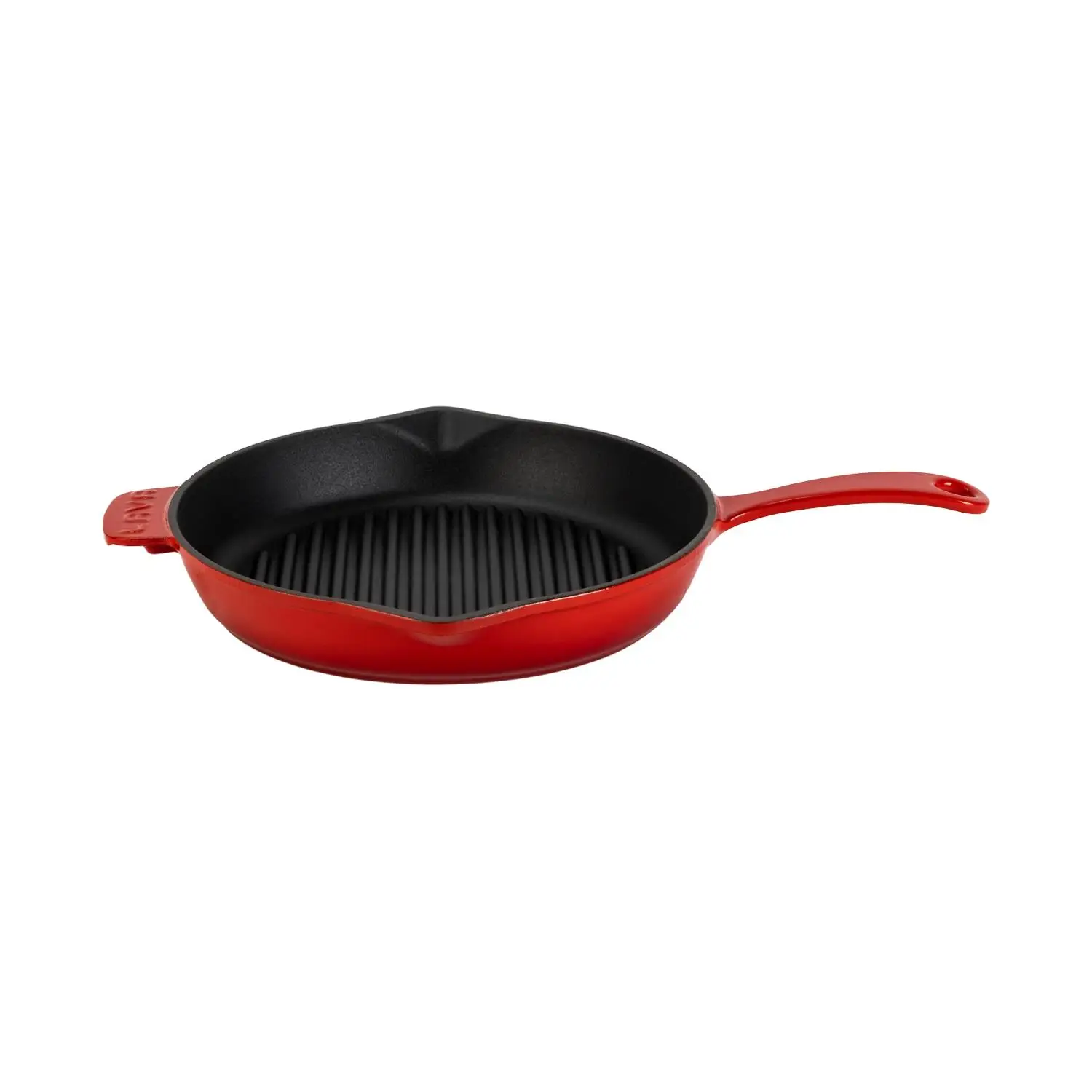
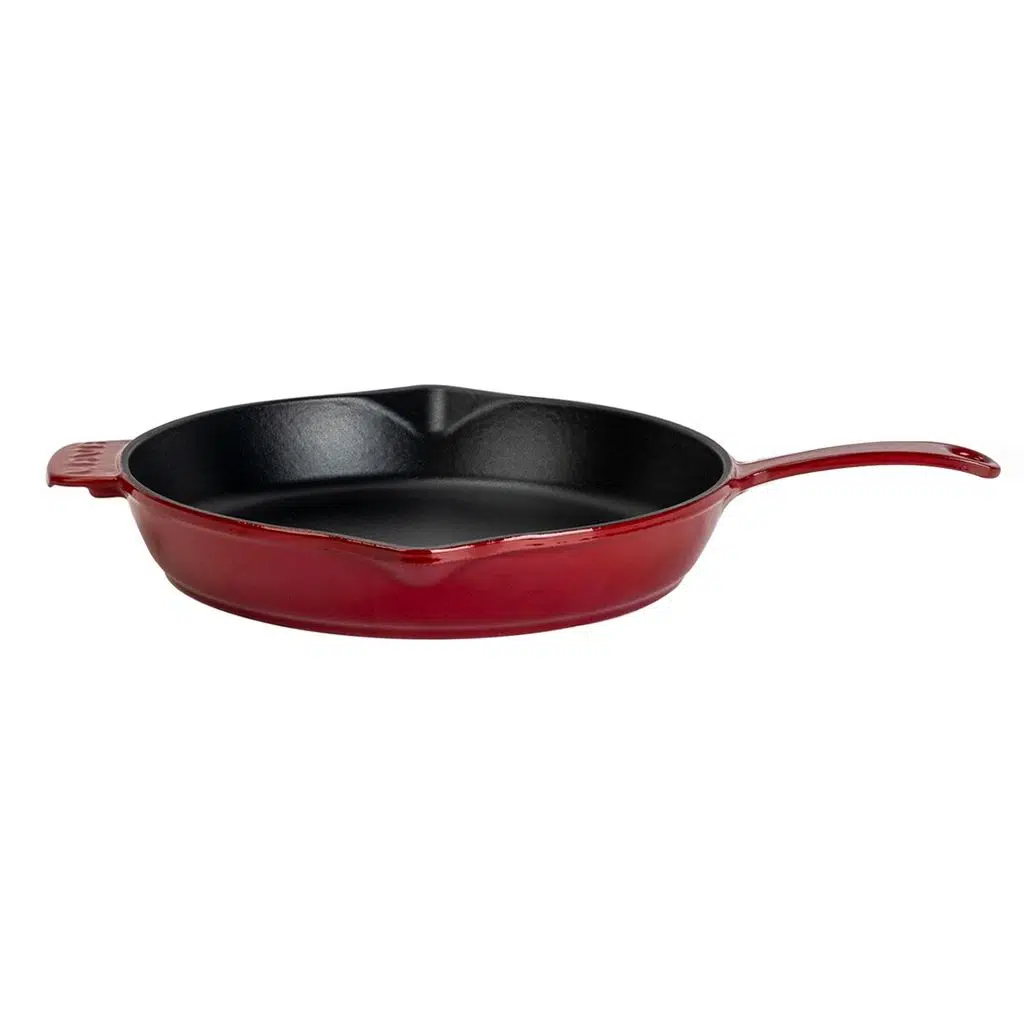
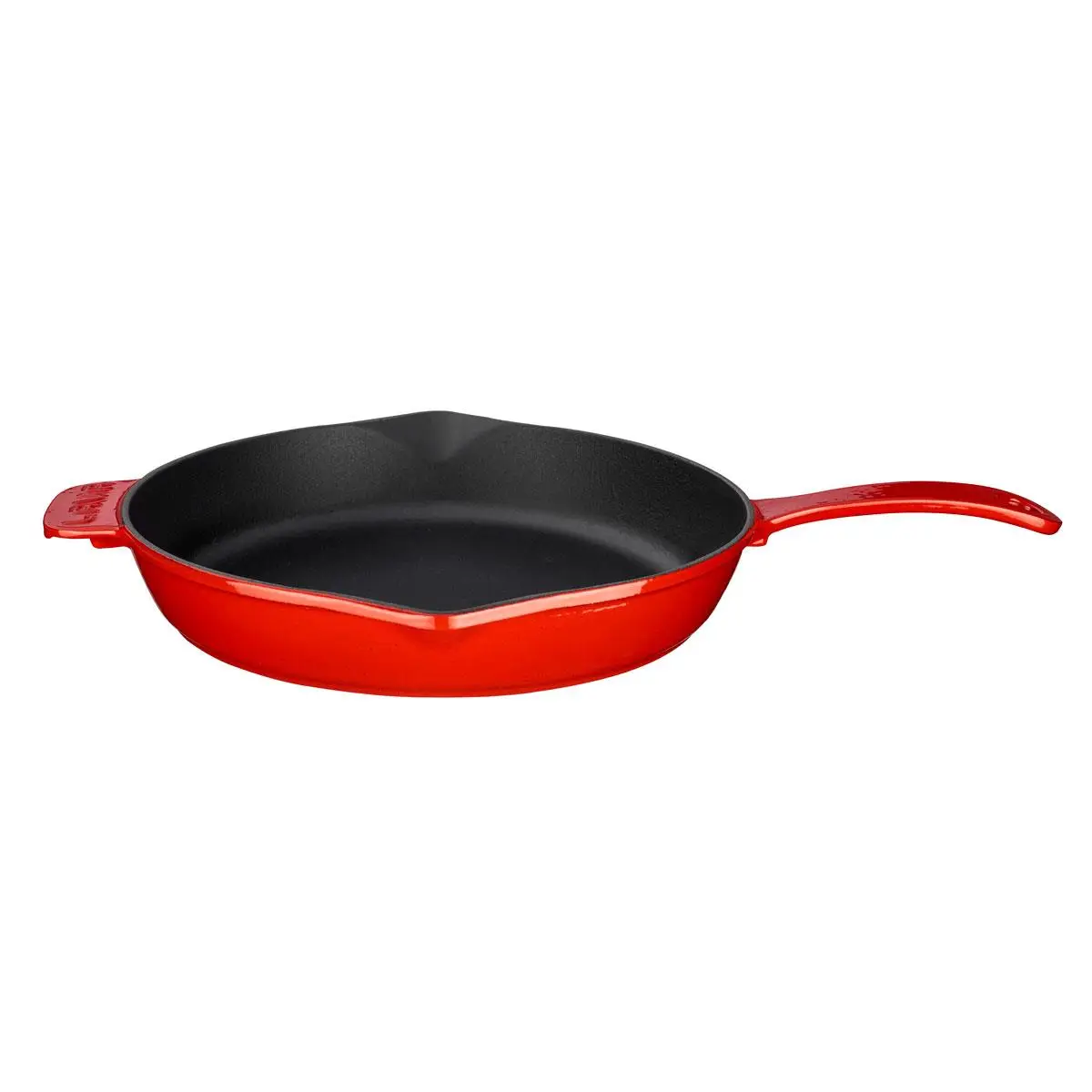
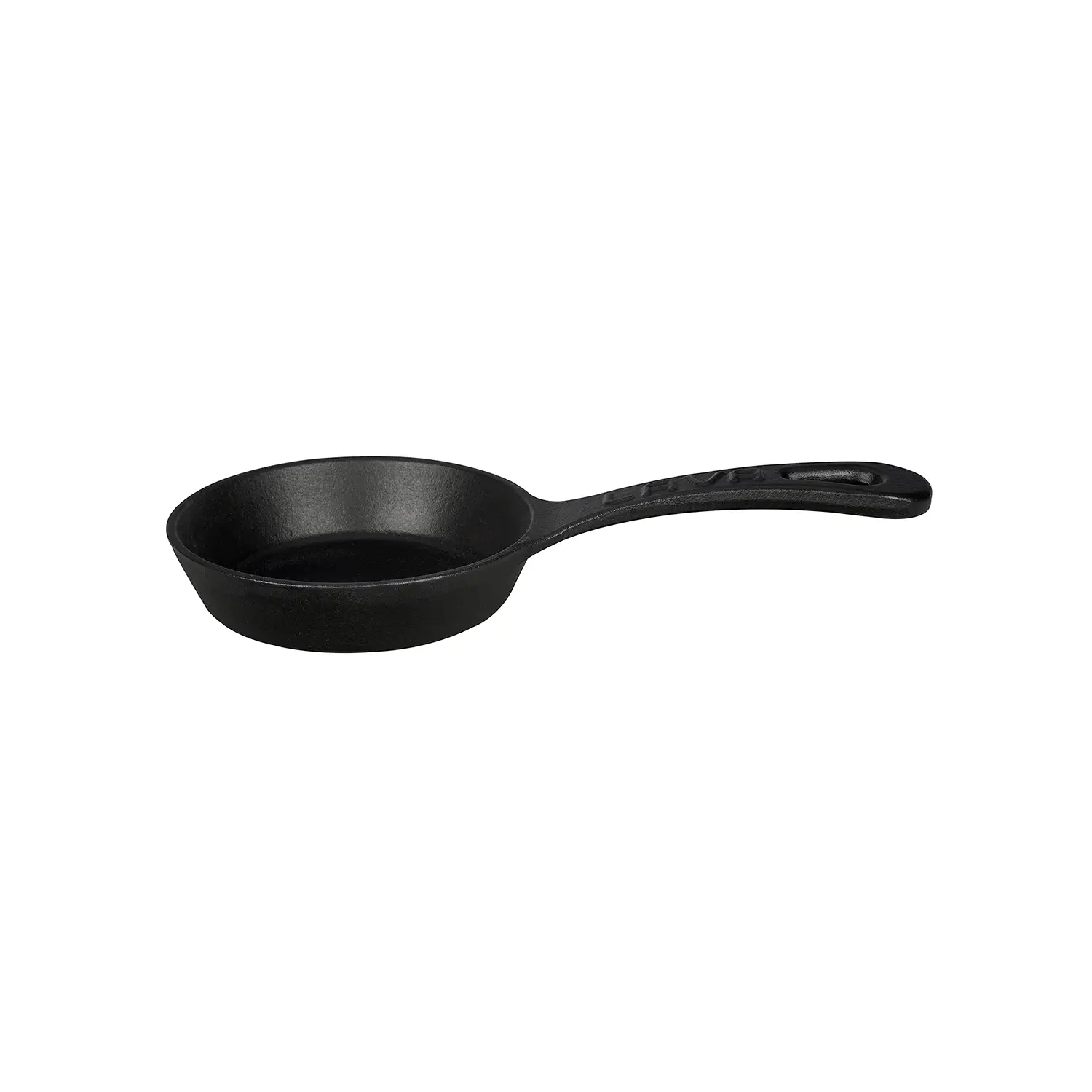
The key to how to use a cast iron pan is proper preheating.
Before cooking meat, poultry, fish or vegetables, it is recommended to preheat the pan over a medium heat for a few minutes. Once the cast iron pan has reached the correct temperature, ingredients make better contact with the cooking surface, improving cooking performance.
Cast iron pans are particularly suitable for:
Searing meat
Cooking poultry and fish
Sautéing vegetables
Preparing breakfast dishes
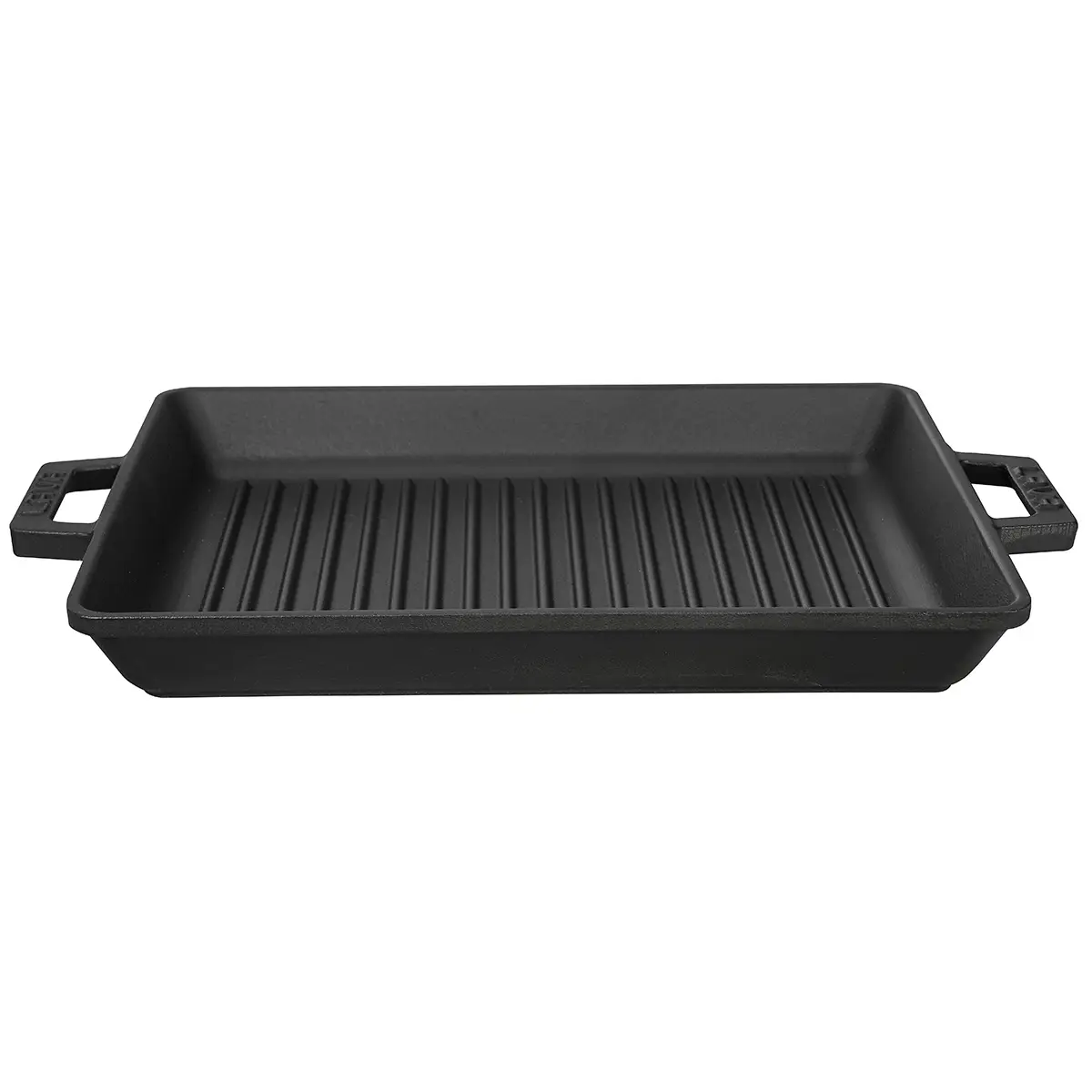
Recipes that require a grilled flavour
Rather than cooking over unnecessarily high heat, taking advantage of cast iron's excellent heat retention provides more controlled cooking results. Once the pan has reached the ideal temperature, a medium heat is sufficient for most recipes.
When using a cast iron pan, it is generally better to allow food to cook naturally in contact with the surface instead of turning it continuously immediately after placing it in the pan.
The key to achieving the best performance from enamel-coated cast iron cookware is proper heat management. Cast iron is not designed to heat up rapidly; instead, it absorbs and distributes heat evenly across the cooking surface. For this reason, gradually heating the cookware provides a more efficient cooking experience than starting with high heat.
For best results, preheat the cookware over a low to medium heat for a few minutes. This allows the cast iron body to warm evenly, ensuring that the entire cooking surface reaches a consistent temperature.
For techniques such as searing meat, sautéing vegetables or preparing slow-cooked recipes, continuing to cook once the cookware has reached the correct temperature generally produces better results than cooking continuously over high heat.
It is also advisable to avoid leaving empty enamel-coated cast iron cookware over high heat for prolonged periods, as this helps protect the enamel surface.
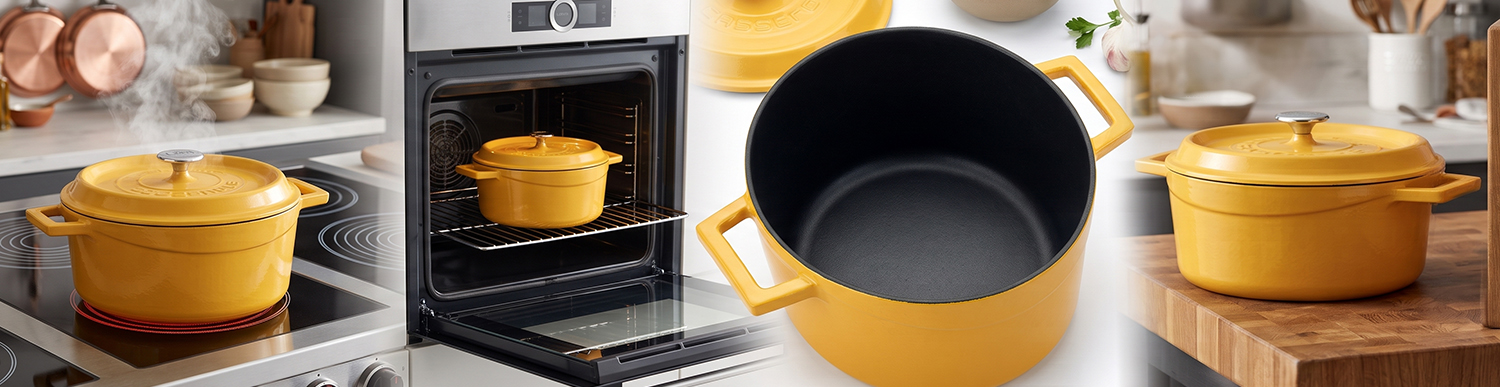
One of the main advantages of enamel-coated cast iron casseroles and pans is that many models can be transferred directly from the hob to the oven. This allows you to sear ingredients on the hob before finishing the cooking process in the oven, or to serve a one-pot meal directly from the cookware.
When transferring cookware from the hob to the oven, keep the following points in mind:
Ensure that your cookware is suitable for oven use.
Check the specifications of the lid knob and side handles.
Increase the temperature gradually rather than exposing the cookware to sudden extreme heat.
Place oven-hot cookware on a heat-resistant trivet instead of directly onto a cold surface.
These simple precautions help support cooking performance while contributing to the long-term durability of the cookware.
Once cooking is complete, enamel-coated cast iron cookware retains heat for a long time due to the natural properties of cast iron. For this reason, allowing the cookware to cool naturally is the best approach.
It is not recommended to place very hot cookware directly under cold running water or expose it to sudden temperature changes. Rapid temperature fluctuations may create unnecessary thermal stress on the enamel surface.
After serving, allow the cookware to cool to approximately room temperature before cleaning.
For more detailed cleaning advice, please refer to our "How to Clean a Cast Iron Casserole?" and "How to Clean a Cast Iron Pan and Can It Go in the Dishwasher?" guides.
The kitchen utensils you use can also influence your experience with enamel-coated cast iron cookware.
Wooden, silicone and heat-resistant plastic utensils are among the most suitable choices for everyday cooking. These utensils provide a gentler contact with the enamel surface.
When using metal utensils, the way they are used is important. As with any cookware, hard impacts or contact with sharp edges should be avoided to help protect the enamel surface.
You can adopt the following habits to get the best performance from your enamel-coated cast iron cookware:
These simple practices help enhance cooking performance while allowing you to enjoy your cookware for many years.
Proper cleaning is just as important as proper use when it comes to preserving the performance of enamel-coated cast iron cookware for years to come. However, cleaning should not begin immediately after cooking; instead, allow the cookware to cool naturally until it is warm before cleaning.
The most suitable cleaning method depends on the type of cookware, how it has been used, and the food that has been prepared. For this reason, it is always best to follow the manufacturer's care recommendations rather than relying on a single cleaning method.
With the right care and usage habits, enamel-coated cast iron casseroles and pans can remain an essential part of your kitchen for many years. The following recommendations will help maintain your cookware's performance.
Cast iron is designed to absorb and distribute heat slowly and evenly. Preheating the cookware over low to medium heat for a few minutes before cooking helps achieve more consistent results.
Enamel-coated cast iron retains heat exceptionally well. Once the cookware has reached the desired temperature, medium heat is sufficient for most recipes.
Rather than placing hot cookware directly into cold water or adding frozen food to an extremely hot cooking surface, allow temperature changes to occur gradually. This helps protect the enamel surface.
Each product may have different technical specifications. Always refer to the manufacturer's instructions regarding hob compatibility, oven use, lid specifications, and other product-specific guidance.
The utensils you use can affect your cooking experience. Silicone, wooden, or heat-resistant plastic utensils are recommended for everyday use.
Once cooking is complete, allow the cookware to cool naturally before cleaning. This supports both safe handling and proper care.
Enamel-coated cast iron cookware is designed for regular use. From meat dishes and vegetable recipes to soups and oven-baked meals, frequent use allows you to enjoy the balanced heat performance that cast iron provides.
The answer to how to use a cast iron casserole and how to use a cast iron pan comes down to proper heat management, suitable cooking techniques, and following the manufacturer's recommendations. Enamel-coated cast iron cookware not only delivers outstanding cooking performance but, when used correctly, also provides long-lasting durability for years of reliable use.
If you're new to enamel-coated cast iron cookware, start by reading our "Advantages of Enamel Coating on Cast Iron Cookware" guide, then explore "Why Choose an Enamel-Coated Cast Iron Casserole and Pan?" to discover the benefits these products offer. If you're still deciding which product is right for you, our "What to Consider When Buying Enamel-Coated Cast Iron Cookware?" guide will help you make the right choice.
When using a cast iron casserole, it is recommended to heat it gradually, cook over medium or low heat, and allow it to cool naturally after cooking.
Before cooking, preheat the pan over medium heat in a controlled manner. Add your ingredients once the pan has reached the correct temperature and take advantage of cast iron's excellent heat retention.
Once the cookware has reached the desired temperature, medium heat is sufficient for most recipes. Rather than using excessively high heat, taking advantage of cast iron's natural heat retention provides more controlled cooking results.
Many enamel-coated cast iron products are suitable for hob-to-oven cooking, depending on the model's technical specifications. Always check the manufacturer's instructions before use.
Yes. Once cooking is complete, allowing the cookware to cool naturally before cleaning is recommended for both safe handling and proper care.
Proper use is the key to preserving the performance of quality cast iron cookware for years to come. Explore LAVA's collection of enamel-coated cast iron casseroles and pans to find the ideal model for your kitchen, and make the most of your cookware with our care, maintenance, and cooking guides.
Note: The technical specifications and manufacturer recommendations for enamel-coated cast iron cookware may vary between products. Before using your cookware, we recommend consulting LAVA's official User Instructions.
30.07.2026






Lava Döküm Online Fabrika Satış Mağazası. © 2026 All Rights Reserved.


0
)