×

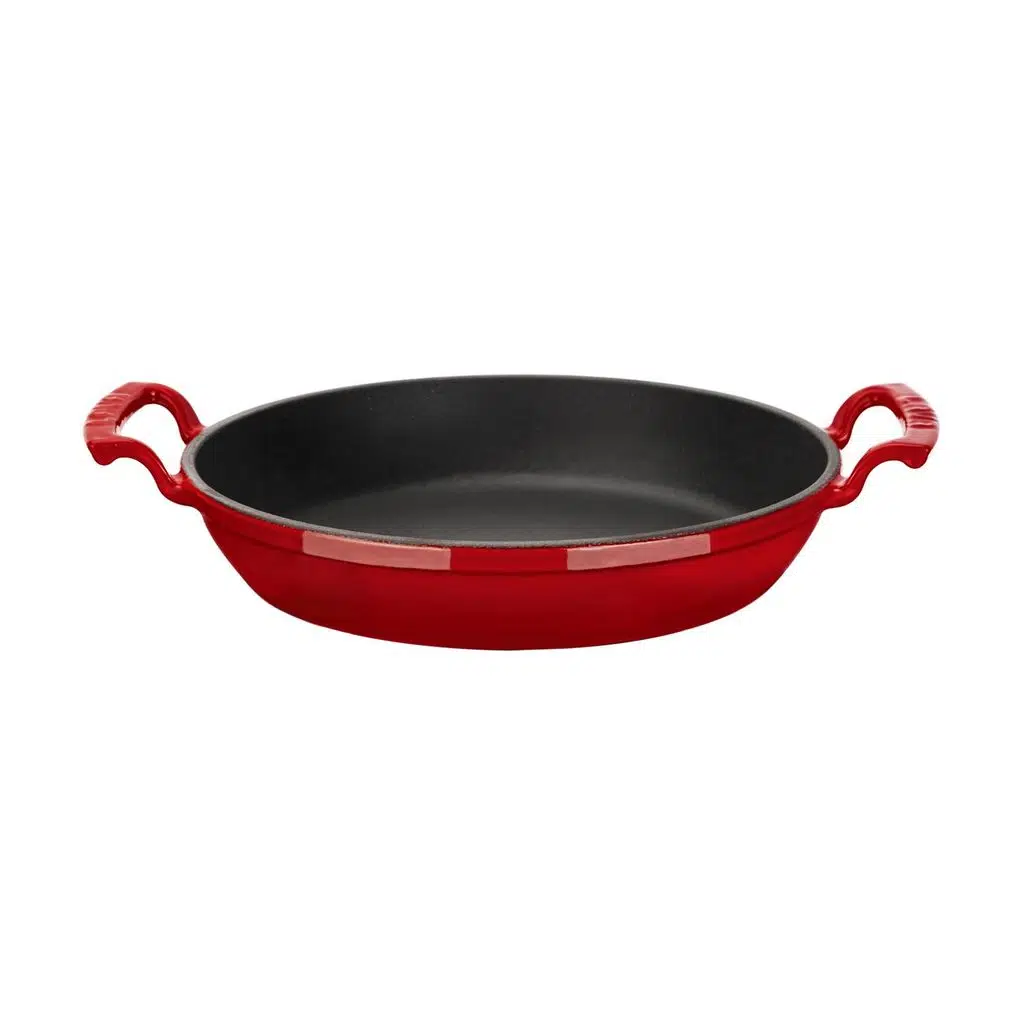
Enamel coating is the process of covering the surface of cast iron with a glass-like protective layer at high temperatures. This coating helps protect the product against rust, eliminates the need for additional seasoning, and makes cleaning easier. Enamelled cast iron cookware delivers excellent cooking performance across a wide range of recipes—from meat and vegetables to bread and desserts—thanks to its even heat distribution. In this article, we'll explore the advantages that enamelled cast iron products bring to everyday cooking.
Reading Time: 8–10 minutes
Enamel coating is one of the most important technologies that makes cast iron cookware more durable, practical, and user-friendly. In particular, enamelled cast iron cookware has become a preferred choice for both professional chefs and home cooks thanks to its excellent heat performance, long-lasting durability, and easy maintenance.
So, what exactly is enamel coating, and why is it so important? While preserving the natural strength of cast iron, the enamel surface makes cookware easier to use by helping protect against rust, reducing maintenance requirements, and providing reliable performance across a wide variety of cooking techniques. In this guide, we'll take a closer look at the benefits of enamel coating, its applications, and best practices for everyday use.
Enamel coating is the process of covering a cast iron surface with a specially formulated glass-based coating that is fused to the cookware at very high temperatures. This creates a smooth, durable, and hygienic surface while preserving the natural strength of the cast iron underneath.
In simple terms, enamel coating is a specialised surface technology that protects cast iron from external factors while making it easier to use and maintain.
Thanks to the enamel surface, the cookware:
For these reasons, enamelled cast iron casseroles and frying pans are widely used in both domestic and professional kitchens.
During the manufacturing process, a specialised glass-based enamel coating is applied to the cast iron surface before the product is fired at extremely high temperatures. This process permanently bonds the enamel to the cast iron body, creating a durable and long-lasting cooking surface.
Although manufacturing methods vary between brands, the main objectives remain the same:
The enamel finish used on LAVA's cast iron products is designed to retain the natural cooking performance of cast iron while making everyday use even more convenient.
Traditional raw cast iron cookware often requires periodic seasoning by applying oil to the cooking surface.
By contrast, enamelled cast iron cookware does not require this maintenance routine.
The enamel surface is ready for everyday use from the very beginning. Simply clean it properly after cooking and take care to protect the enamel finish.
This makes enamelled cookware particularly convenient for first-time cast iron users.
Because of its natural composition, untreated cast iron may develop rust if not cared for properly.
The enamel coating creates a protective barrier between the cast iron and the surrounding environment, helping reduce the risk of rust formation.
This is one of the reasons why enamelled cast iron casseroles and frying pans are trusted for many years of everyday cooking.
One of cast iron's greatest strengths is its outstanding heat retention.
The enamel coating does not diminish this quality. Instead, it supports the cast iron body's ability to distribute heat evenly across the cooking surface.
As a result:
Ease of cleaning is one of the factors many people consider when choosing cast iron cookware.
One of the key benefits of enamel coating is that it simplifies everyday cleaning.
Once the cookware has cooled completely, it can be cleaned using warm water, a soft sponge, and a suitable washing-up liquid. To protect the enamel surface, abrasive cleaning tools should be avoided.
For the longest service life, LAVA recommends hand washing rather than using a dishwasher.
The enamel surface offers exceptional versatility.
A single piece of enamelled cast iron cookware can be used to prepare:
It can also be used for tomato- or lemon-based recipes when used according to the recommended care instructions.
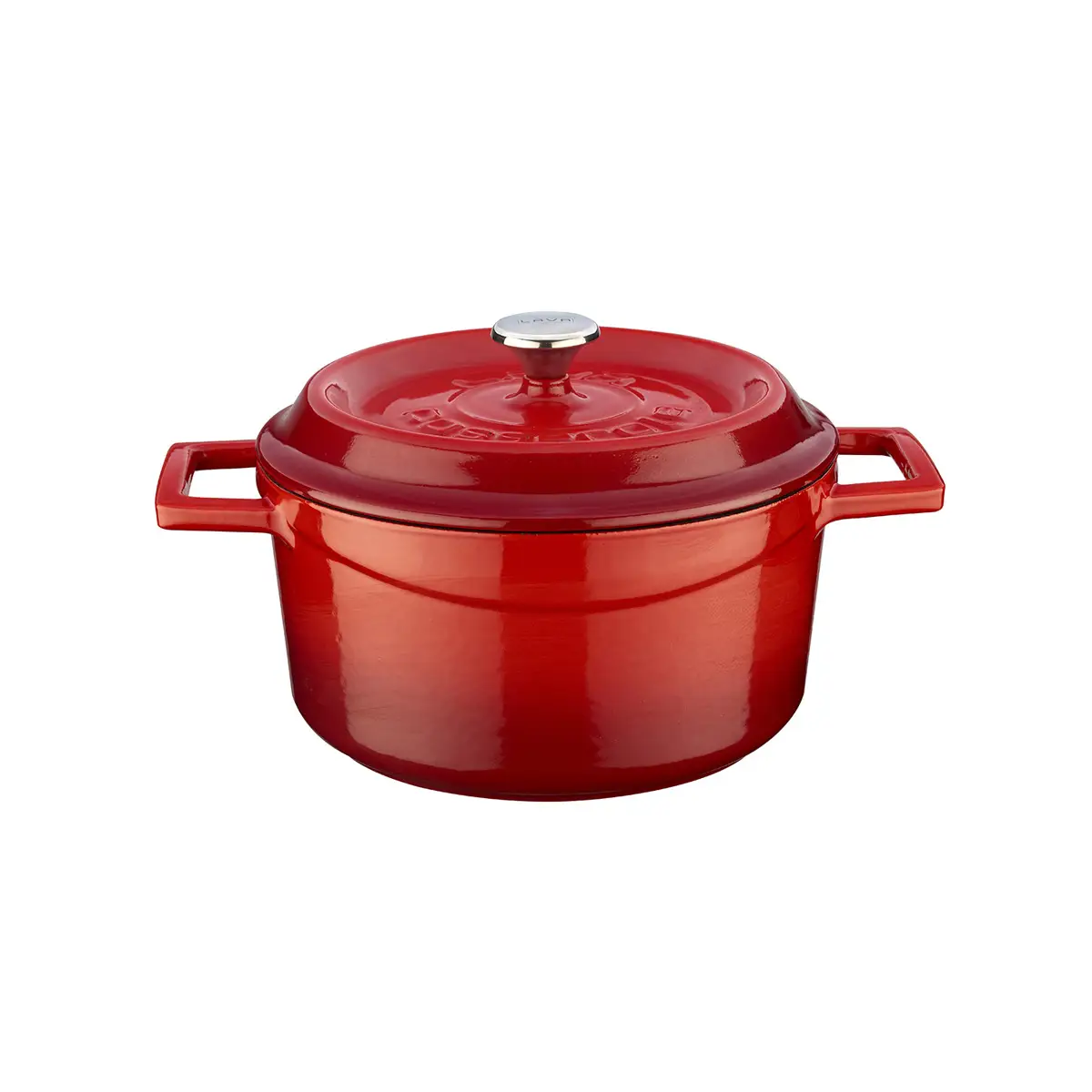
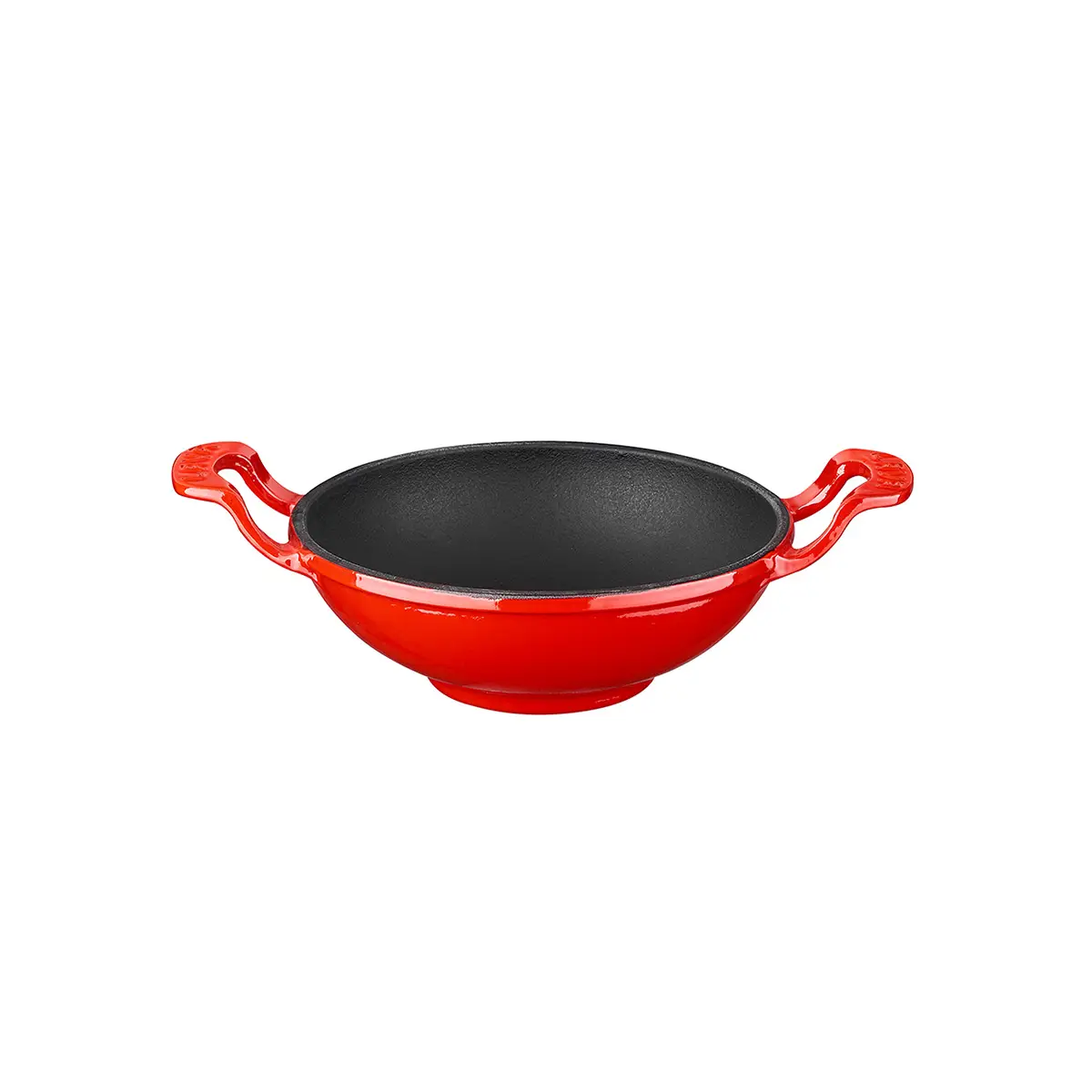
LAVA's enamelled cookware is available in a variety of attractive colours that enhance both cooking performance and kitchen aesthetics.
With proper use and care, the enamel surface can retain its original appearance for many years.
As a result, these products are suitable not only for cooking but also for elegant table service.
Today, enamelled cast iron extends far beyond traditional casseroles.
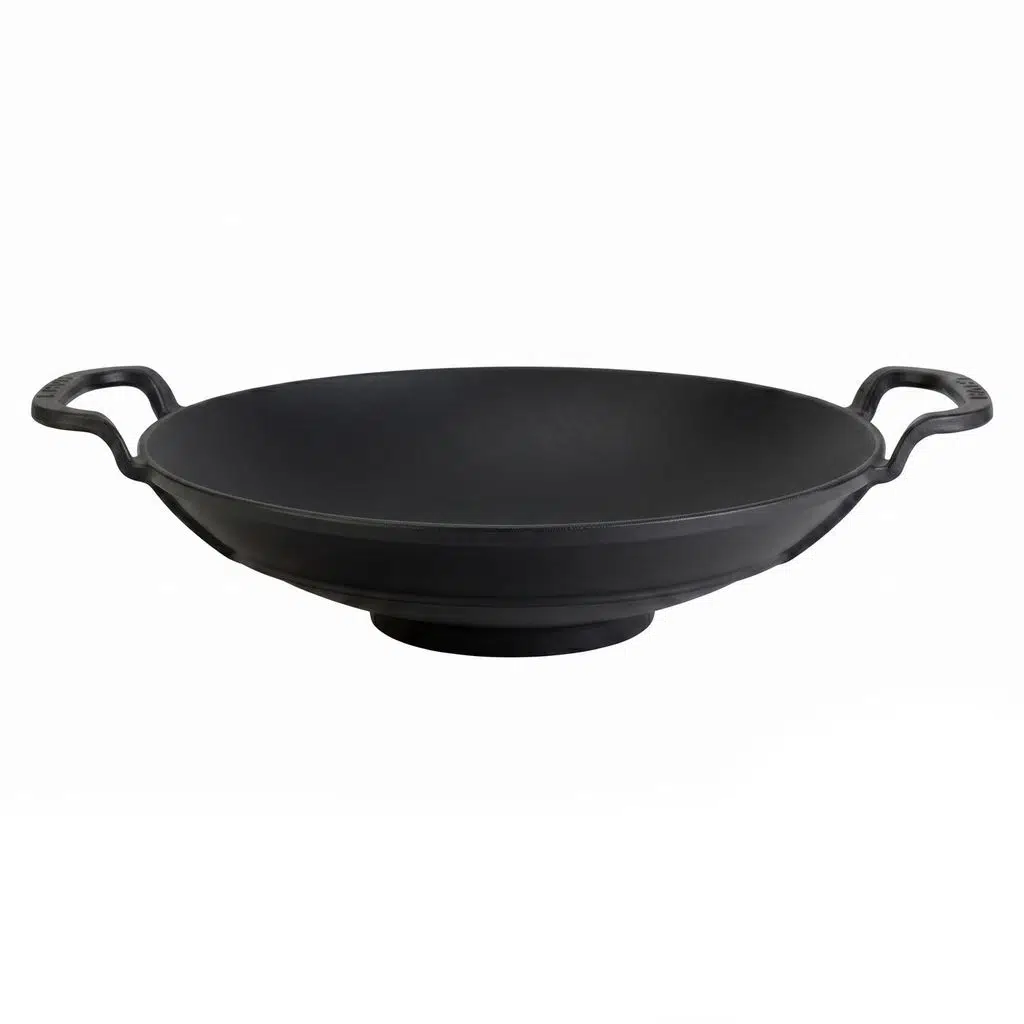
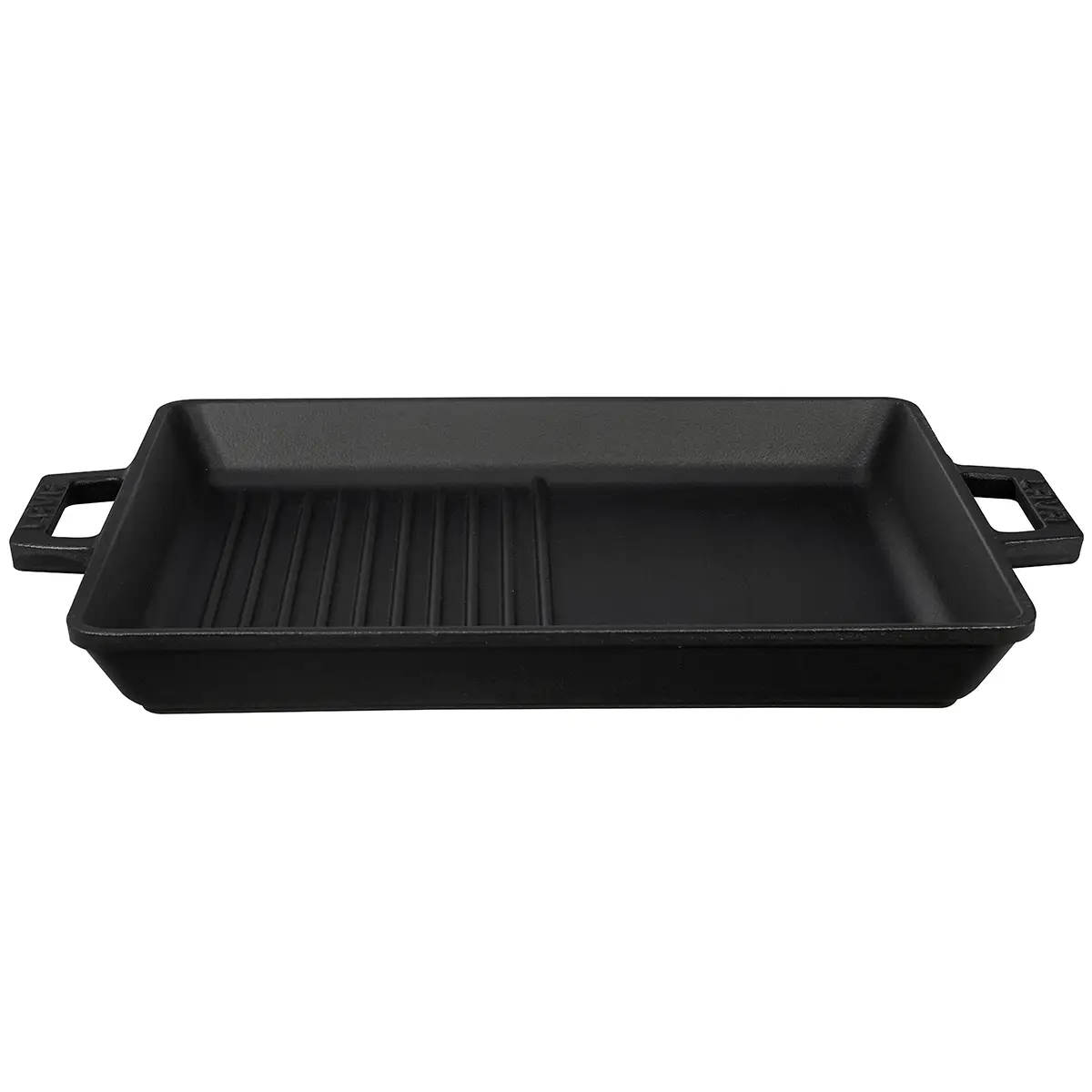
Enamel coating technology is used across a wide range of cookware, including:
The ability to move seamlessly from hob to oven and then directly to the dining table while retaining heat for longer is one of the standout advantages of enamelled cast iron cookware.
Healthy cooking depends not only on ingredients but also on the cookware you choose.
Because cast iron distributes heat evenly, many recipes can be cooked more consistently at low to medium temperatures.
Enamelled cast iron performs particularly well for:
LAVA's healthy cooking guides also offer a wide variety of recipes and practical cooking advice.
To enjoy your enamelled cookware for many years, follow these simple recommendations:
These simple habits help preserve the enamel surface and maintain excellent cooking performance over time.
Enamel coating combines the outstanding heat performance of cast iron with the convenience required for modern kitchens. By helping protect against rust, eliminating the need for additional seasoning, simplifying cleaning, and supporting a wide range of cooking techniques, it provides an excellent solution for both everyday home cooking and professional kitchens.
If you're looking for cookware that offers durability, elegant design, and exceptional versatility, enamelled cast iron casseroles and frying pans are a worthwhile investment that can serve your kitchen for many years.
Enamel coating is the process of covering a cast iron surface with a protective glass-based layer at high temperatures. This surface helps improve durability while making cookware easier to use and maintain.
Properly manufactured enamelled cast iron cookware, when used according to the manufacturer's instructions, is designed to provide a safe cooking surface.
The enamel surface is highly durable, but it can be damaged by heavy impacts or improper use. Careful handling is therefore recommended to help preserve the enamel finish.
The enamel coating helps protect the cast iron from external elements, significantly reducing the risk of rust. As long as the enamel remains intact and the cookware is used correctly, it provides effective protection against corrosion.
The advantages of enamel coating include eliminating the need for additional seasoning, making cleaning easier, supporting even heat distribution, helping protect against rust, and maintaining an attractive appearance for many years. These qualities make enamelled cast iron cookware a popular choice for both home cooks and professional chefs.
24.07.2026Lava Cast Iron Round Pan Cast Iron Solid Double Handled Diameter (Ø)24cm.







Lava Döküm Online Fabrika Satış Mağazası. © 2026 All Rights Reserved.


0
)