×

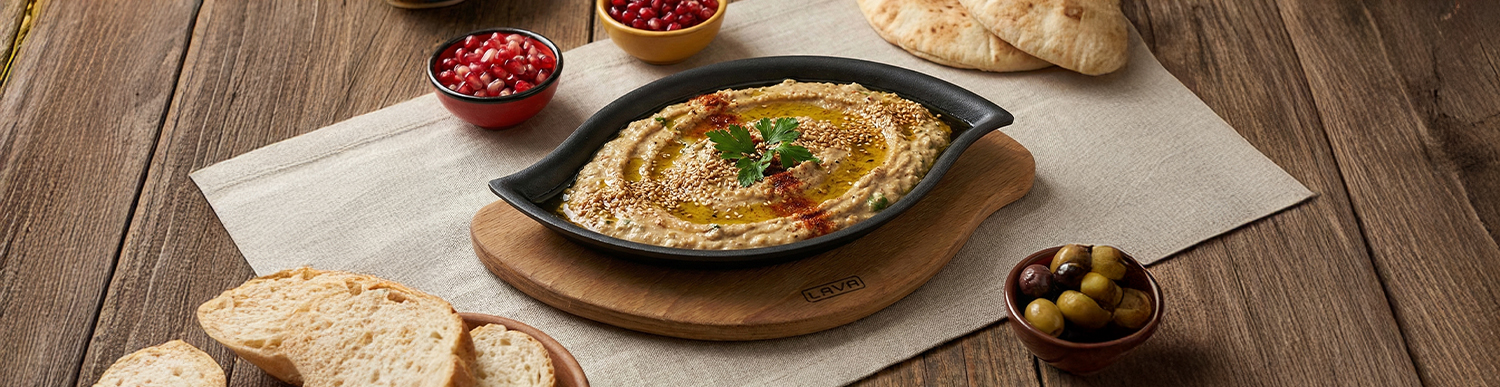
Hibeş is a simple yet deeply flavorful culinary heritage born from the union of tahini and spices, stretching from the ancient food culture of Antalya and the Lycian region to the Ottoman palace kitchens. According to legend, hibeş was frequently prepared along the southern coasts of Anatolia, especially during winter months, as a nourishing and energizing meze. Over time, it entered Ottoman cuisine as an “appetizer.”
In palace kitchens, it was sometimes served as a cold starter and at other times as an energy-boosting spread alongside military campaign meals. When the warm character of tahini, the earthy aroma of cumin, and the sharpness of garlic come together, this meze emerges as a dish that sustained household tables even in times of scarcity, while symbolizing abundance and generosity during times of prosperity.
Still an essential part of traditional Antalya tables today, hibeş holds a unique place as one of the quiet yet powerful flavors of both Anatolian and Ottoman culinary history.
Highly nourishing and filling due to its tahini base
Supports digestion thanks to cumin and garlic
Known to have been served as an appetizer in Ottoman palace cuisine
4 tablespoons tahini (Antakya or Antalya tahini preferred)
2 cloves garlic, crushed
1 tablespoon cumin (Gaziantep cumin is the most aromatic)
1 teaspoon ground red pepper
1 teaspoon black pepper
1 teaspoon salt
Juice of half a lemon
3–4 tablespoons olive oil (Hatay olive oil pairs beautifully)
Optional:
A pinch of chili flakes or sumac
For garnish:
Chopped parsley
Extra olive oil for drizzling
1. Start by combining tahini and lemon juice.
In a mixing bowl, whisk together the tahini and lemon juice. When combined, the mixture thickens slightly and reaches a creamy consistency.
2. Add the garlic.
Stir in the crushed garlic. Garlic forms the core flavor profile of hibeş.
3. Add the spices.
Mix in the cumin, ground red pepper, black pepper, and salt. Using cumin generously enhances the characteristic aroma of hibeş.
4. Adjust the texture with olive oil.
Slowly add the olive oil to bring shine and harmony to the flavors. If desired, you may add 1–2 tablespoons of water to loosen the consistency.
5. Serve and present.
Transfer the hibeş to a serving plate, drizzle with olive oil, and sprinkle with chili flakes or sumac. Add a touch of color with chopped parsley.
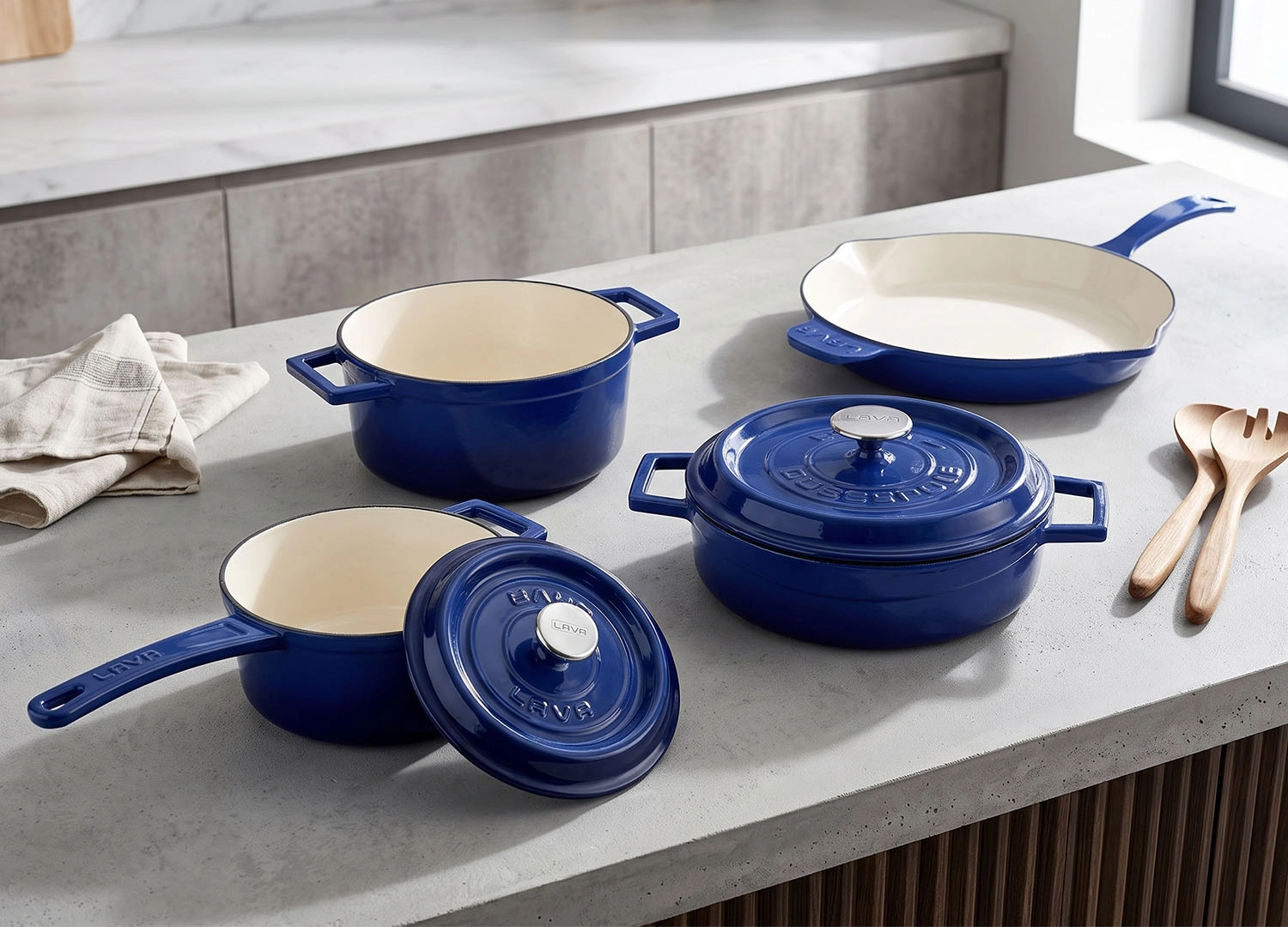
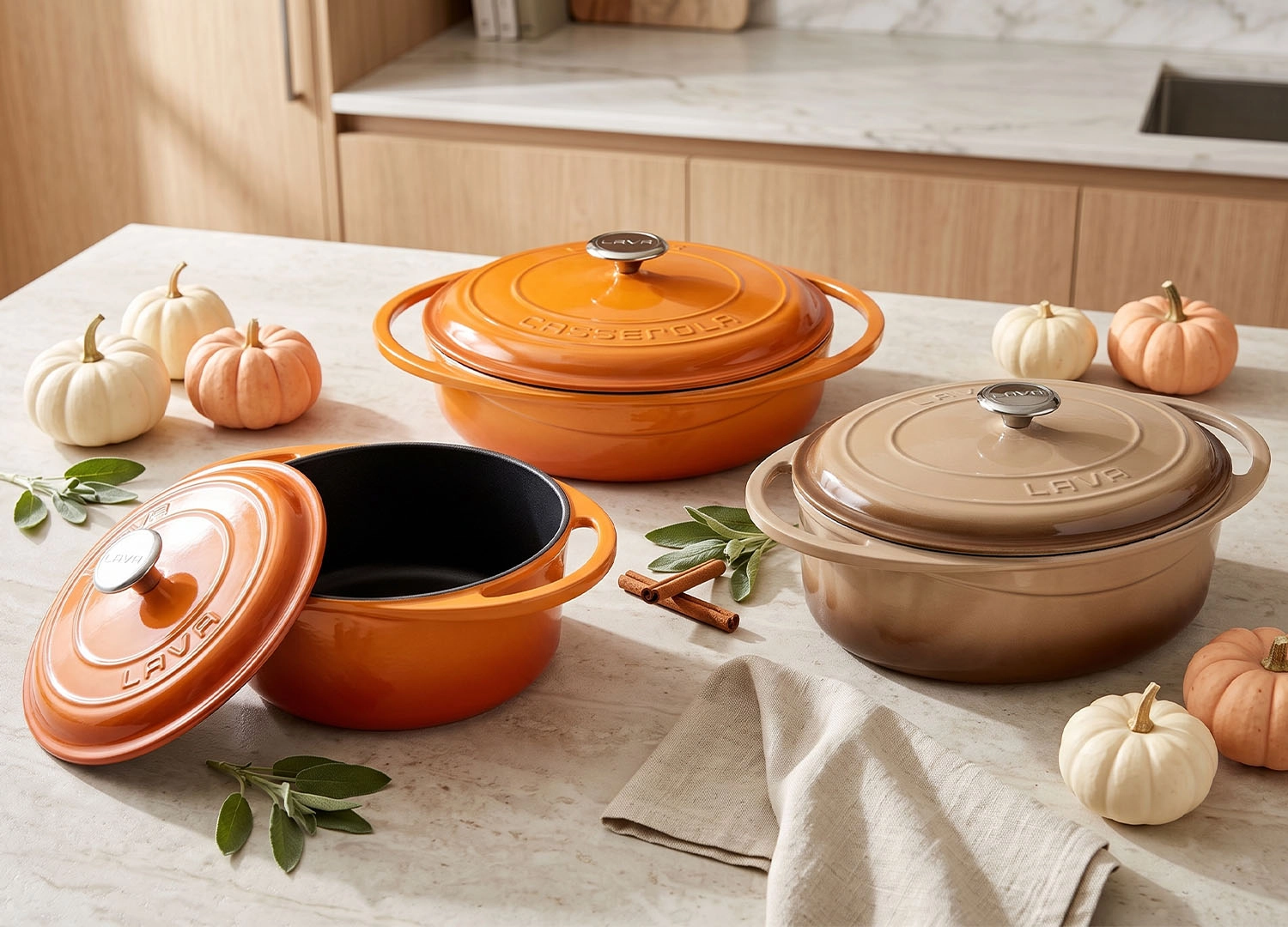
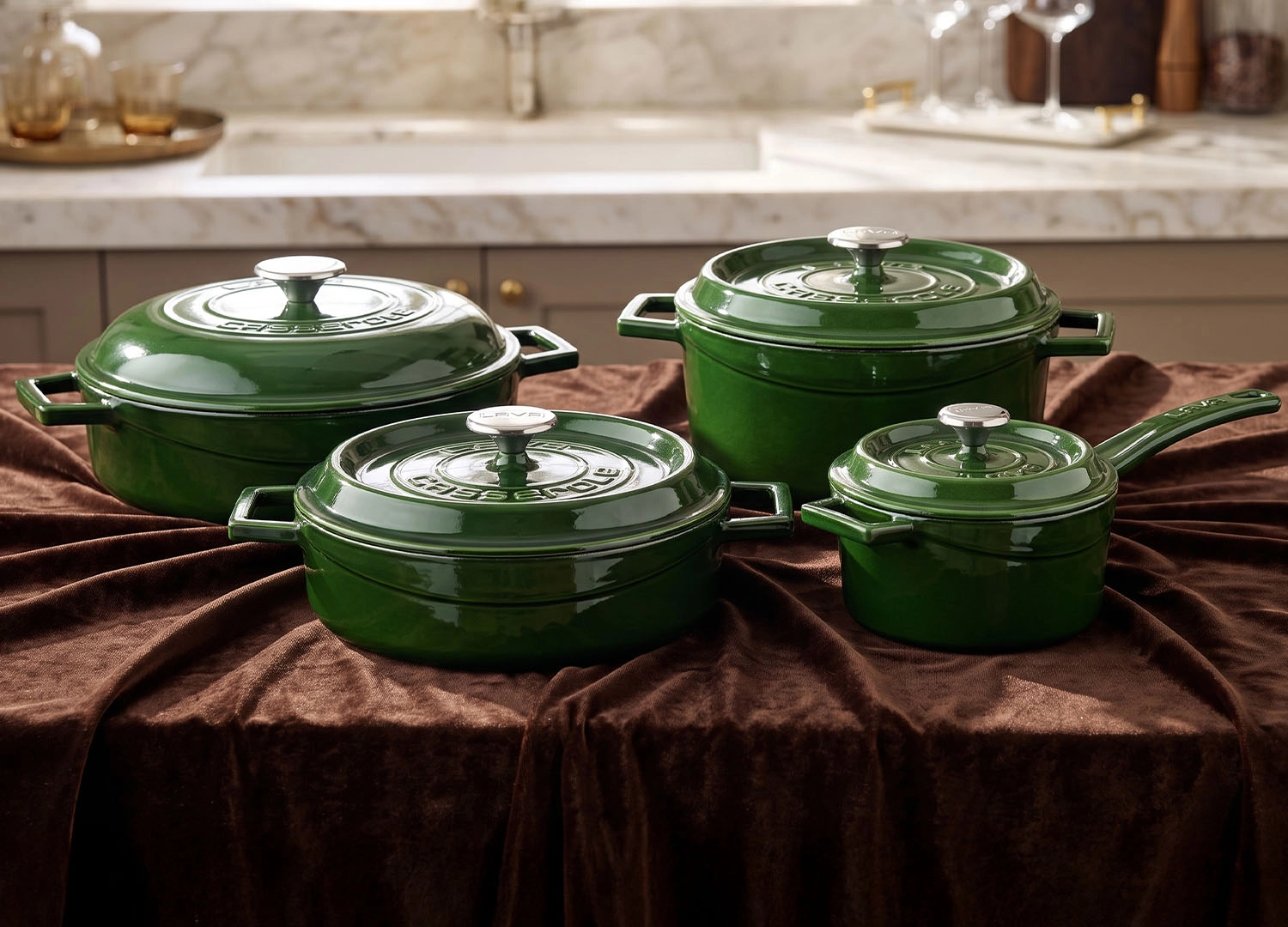
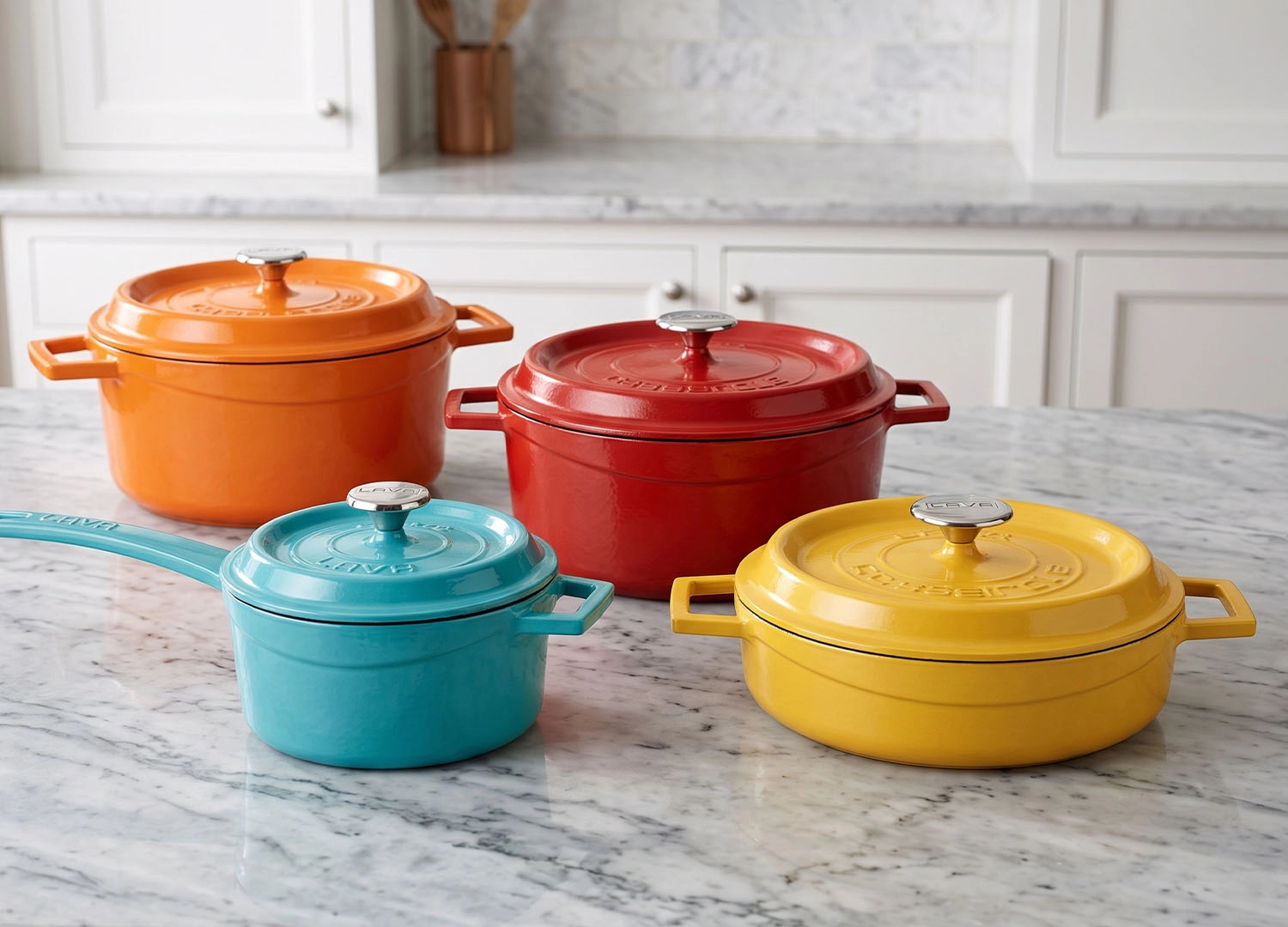
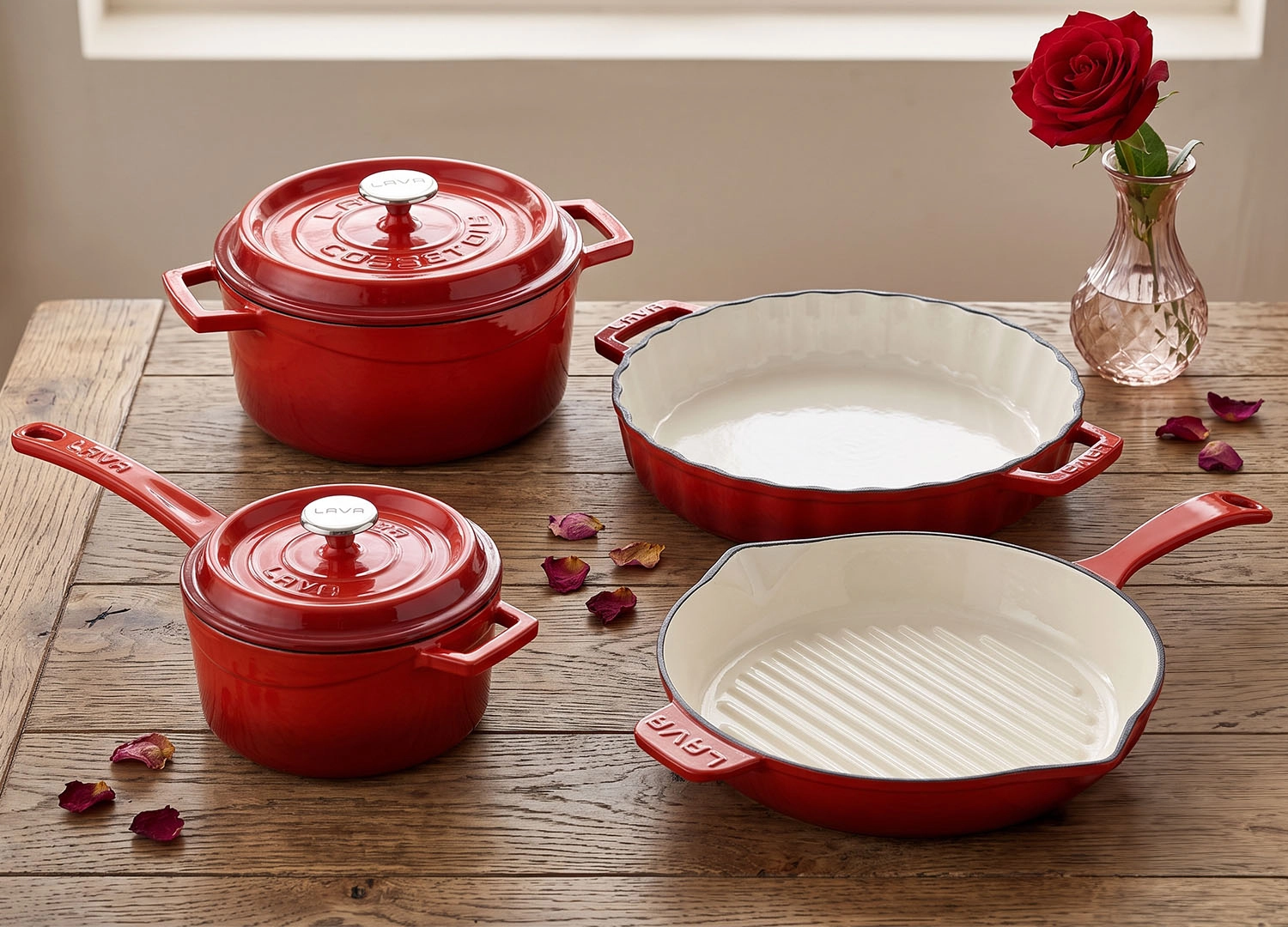
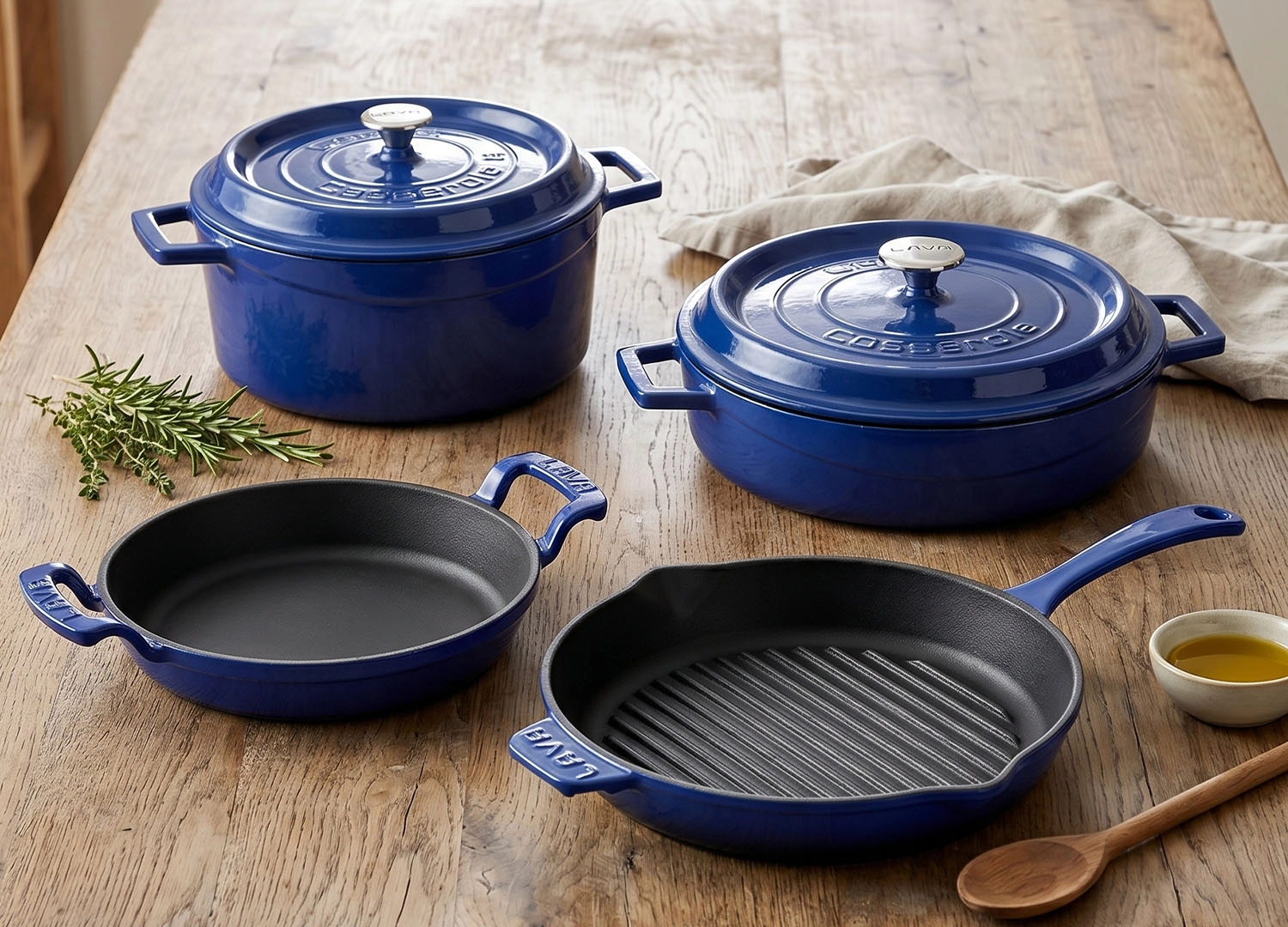
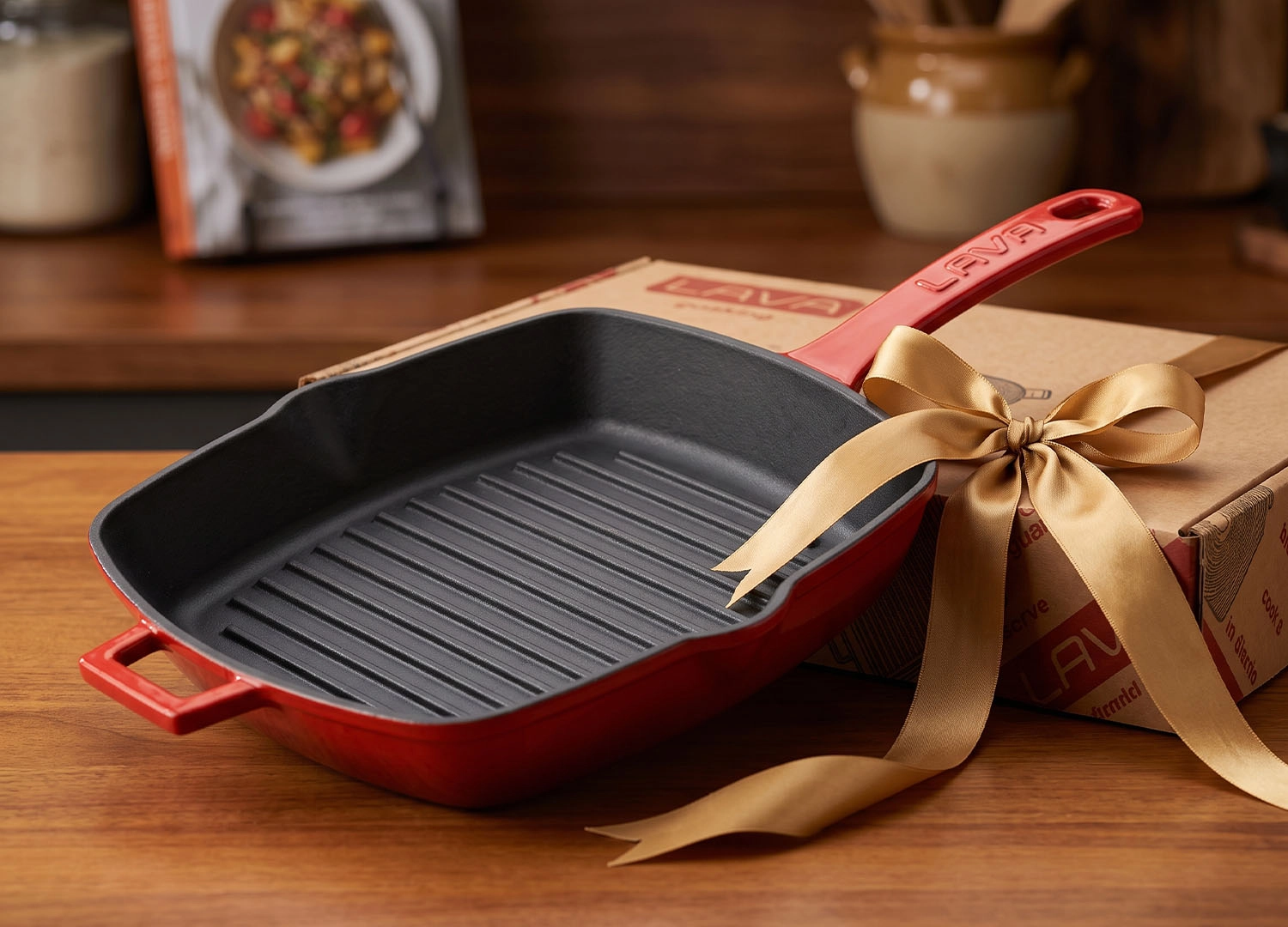
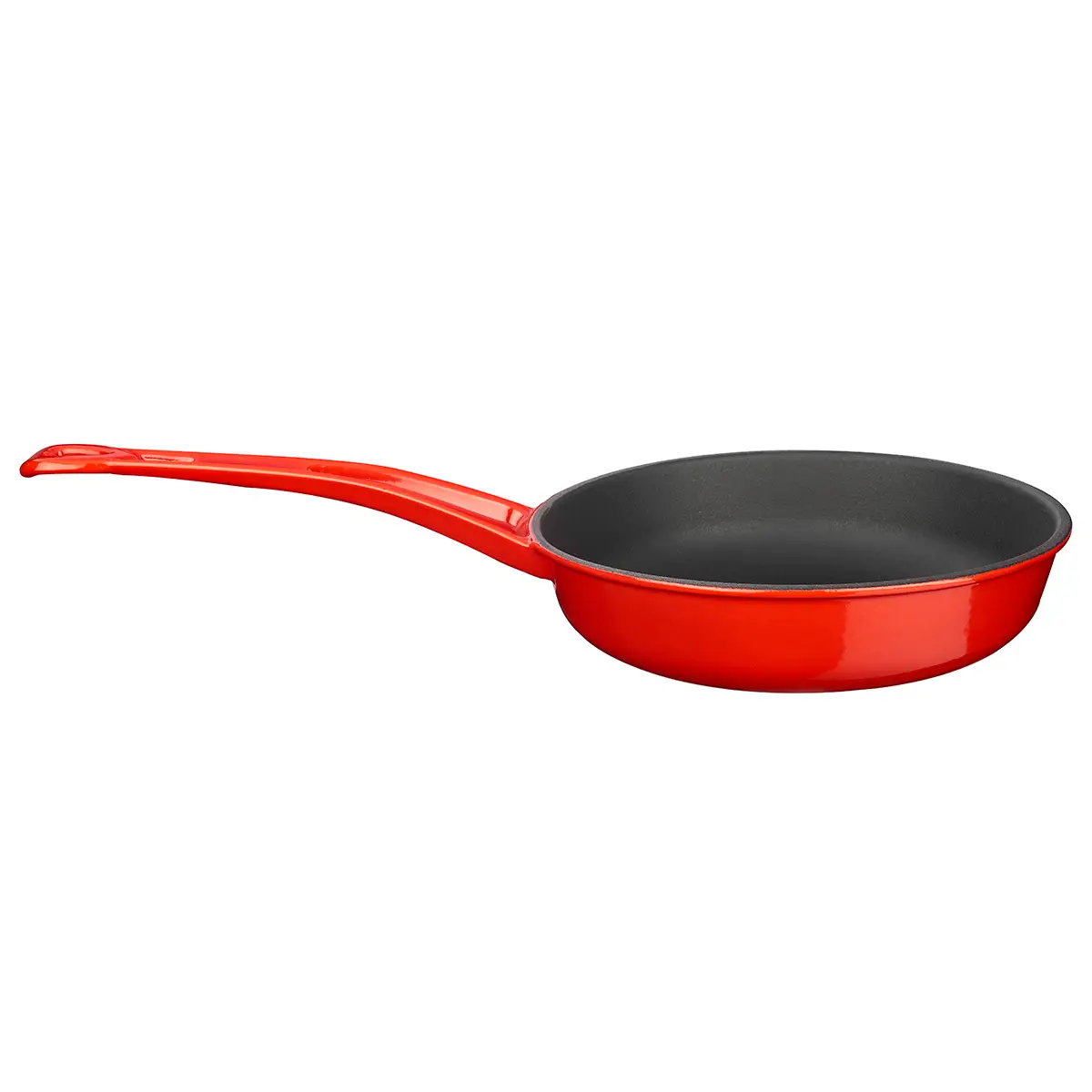
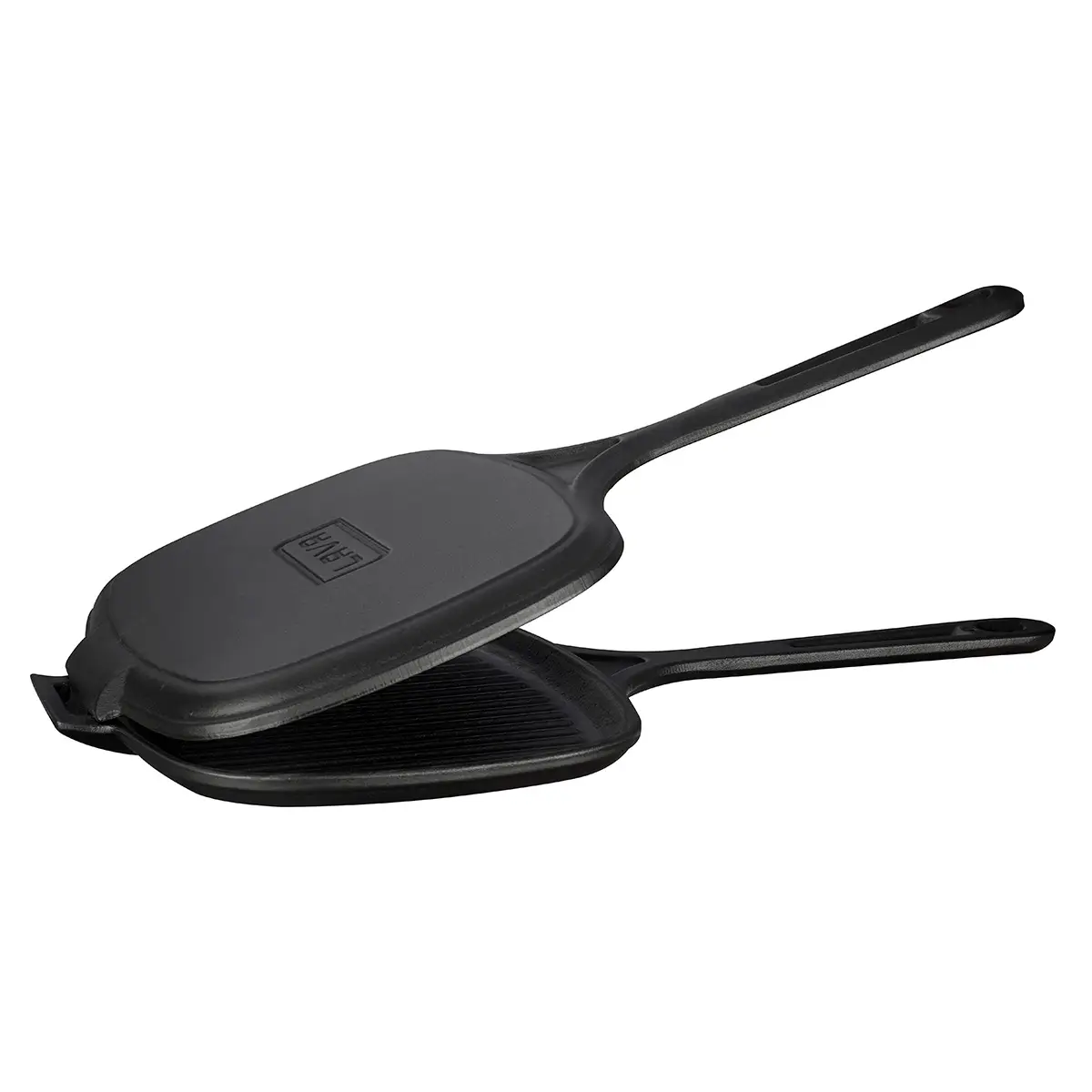
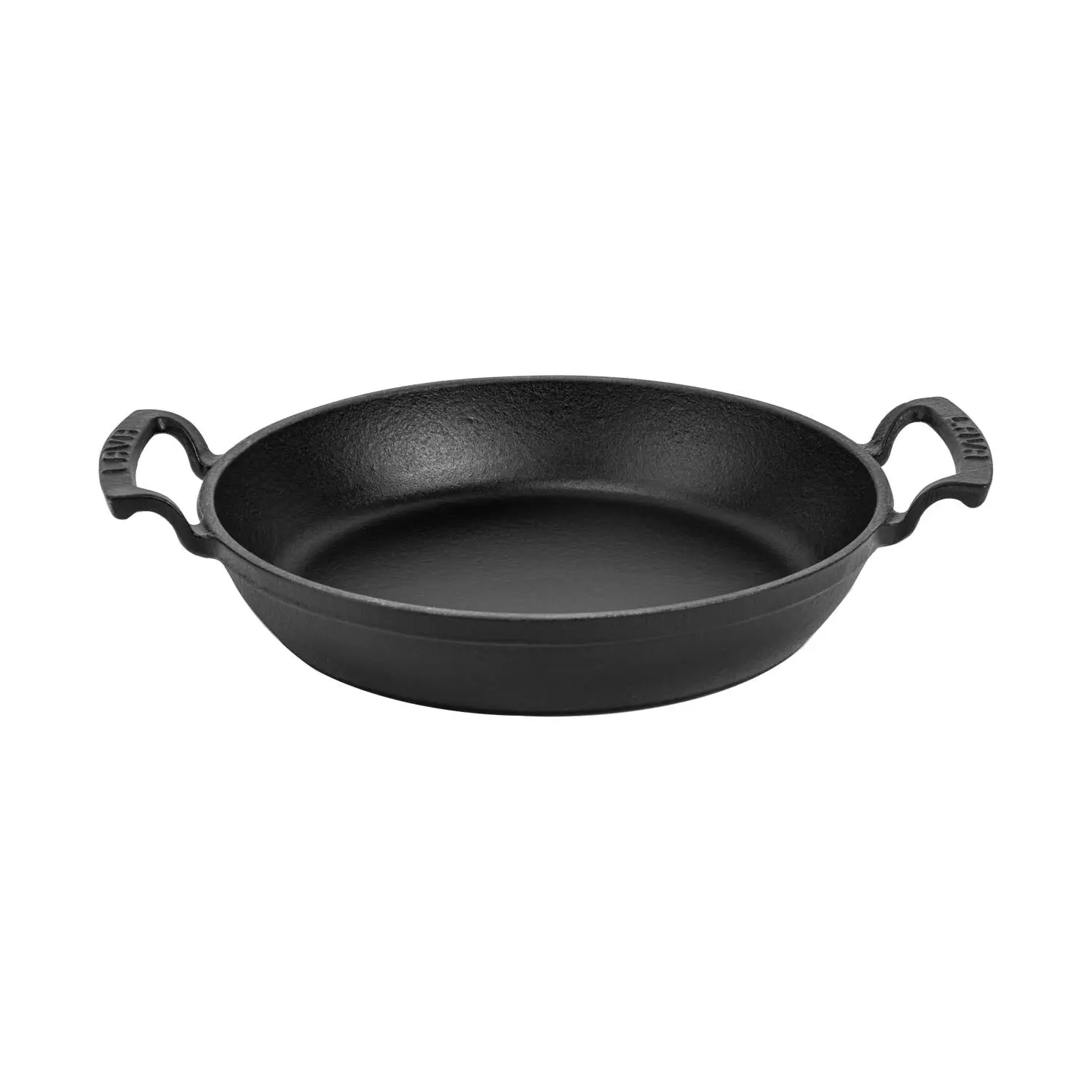
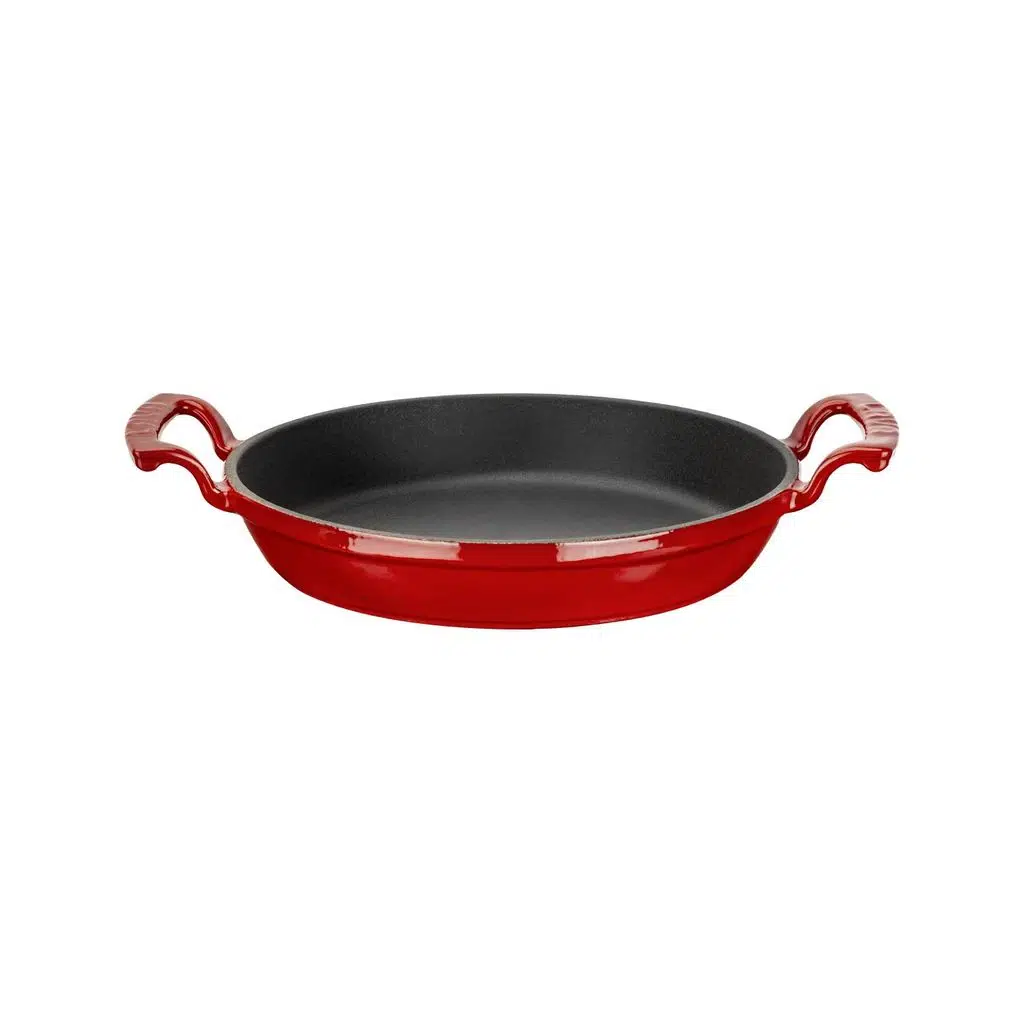
Before serving, you can briefly heat the spices in a LAVA cast iron pan to intensify their aromas.
Lightly warm the cumin and ground red pepper for 5–7 seconds. When added to the tahini mixture, this step gives hibeş a much deeper, warmer, and more aromatic flavor profile.
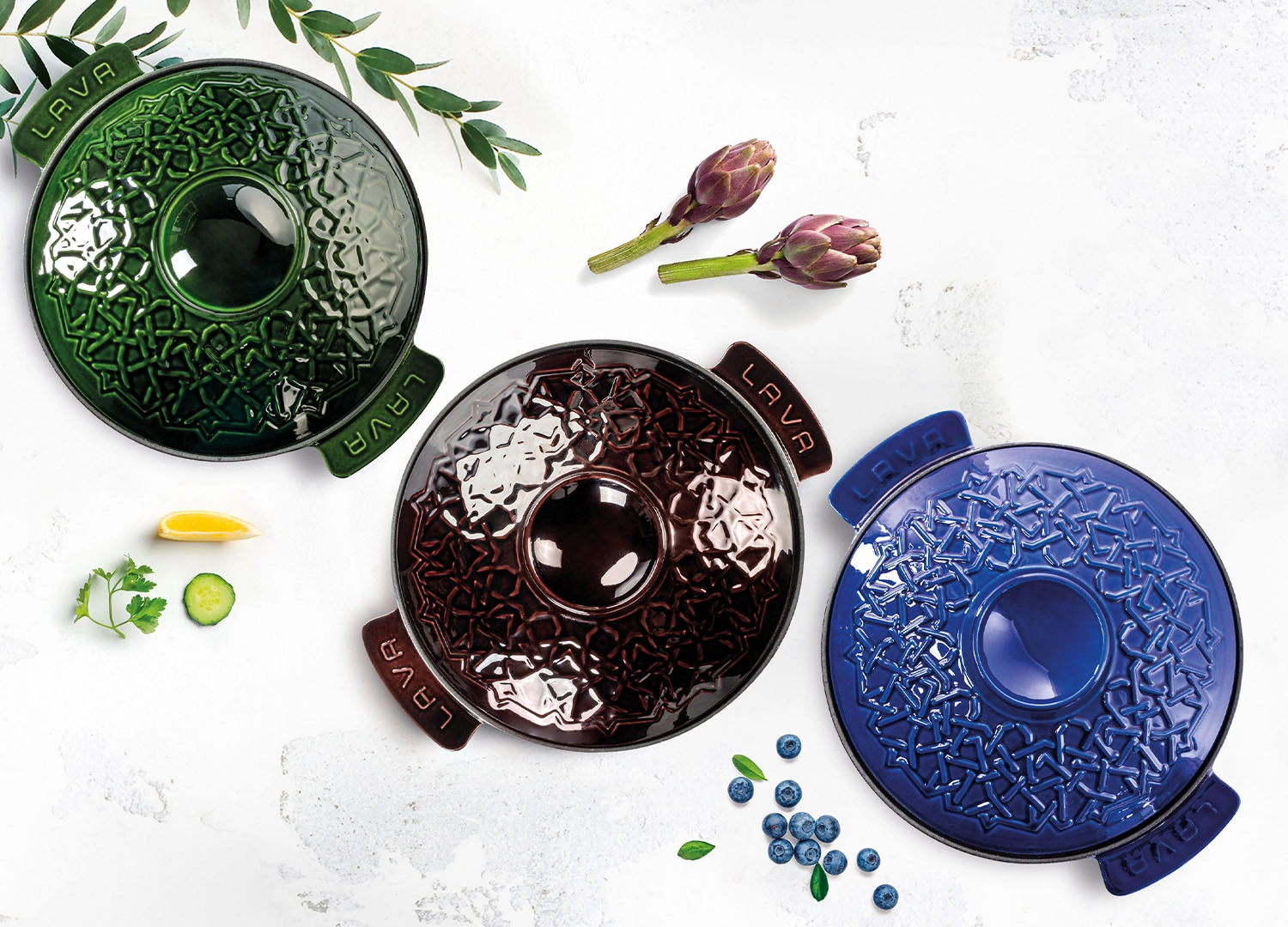
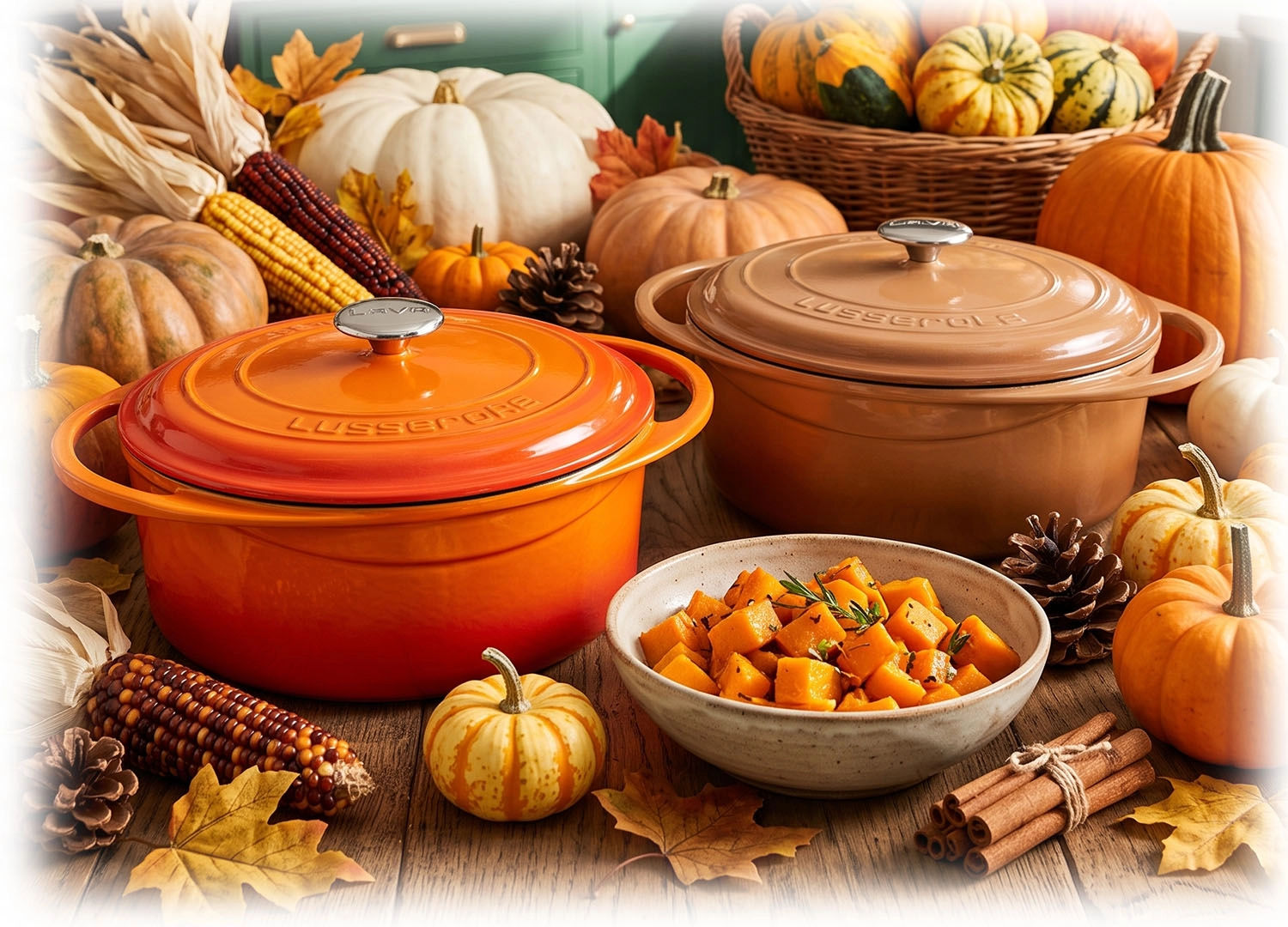
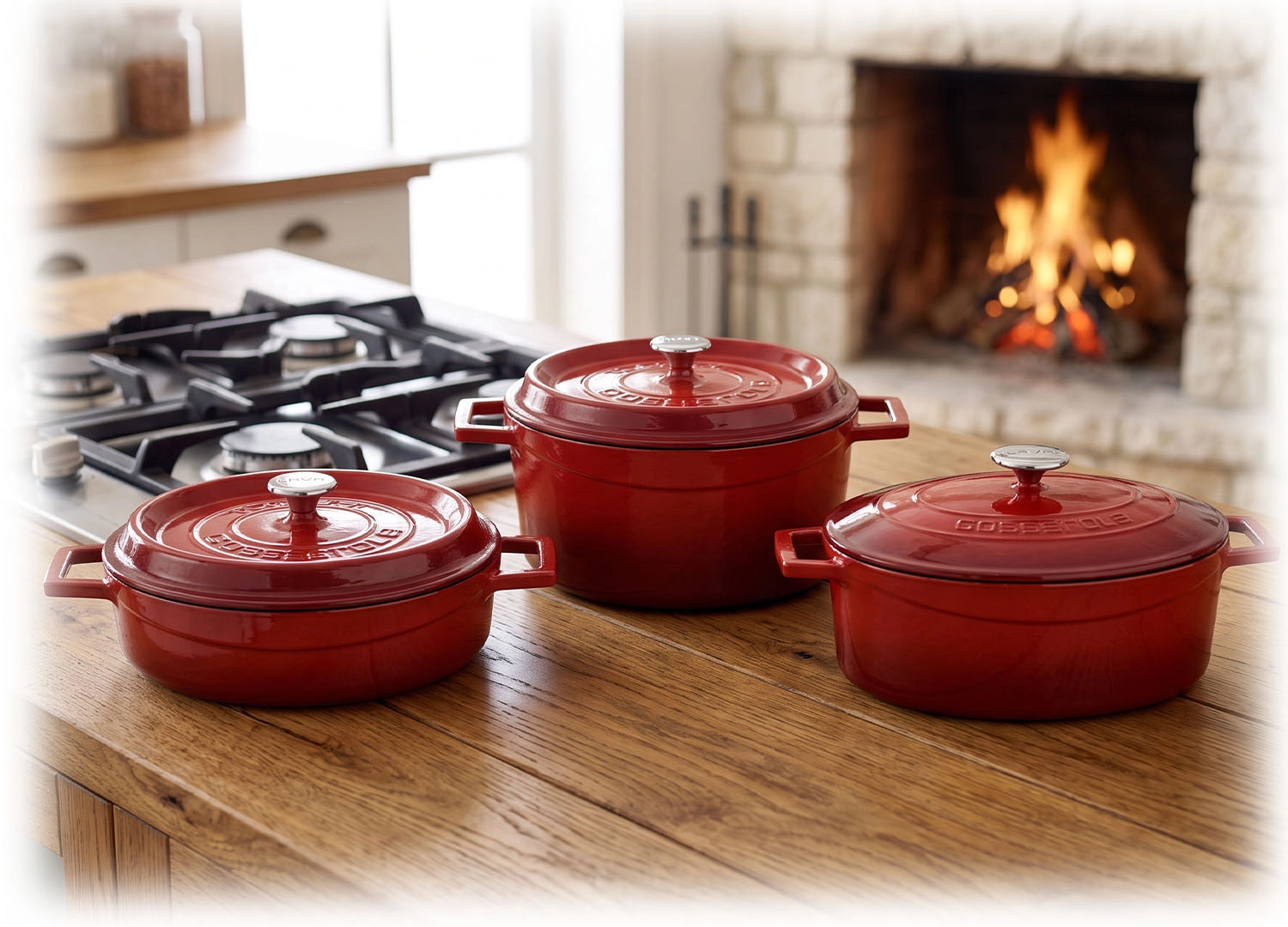
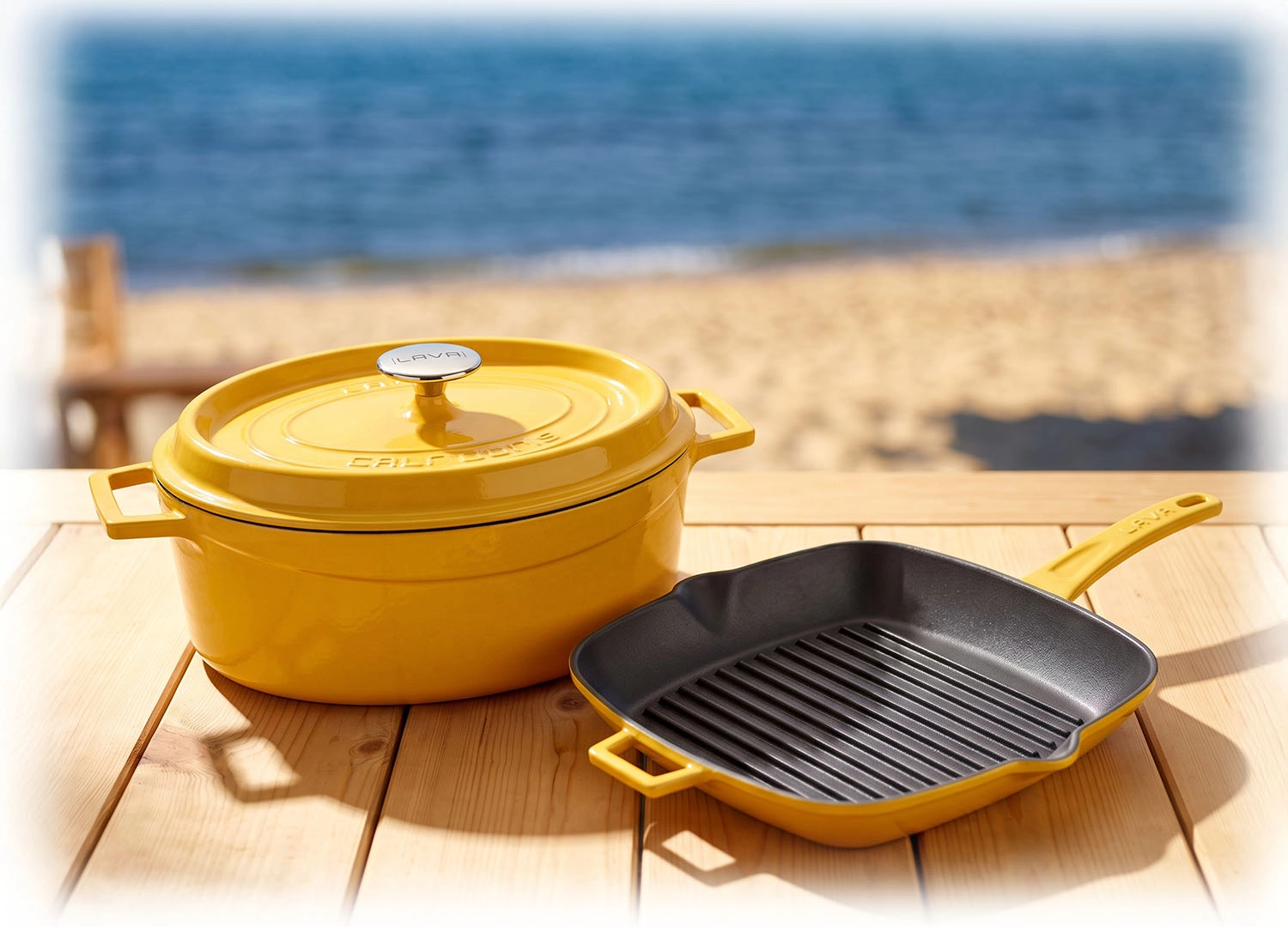
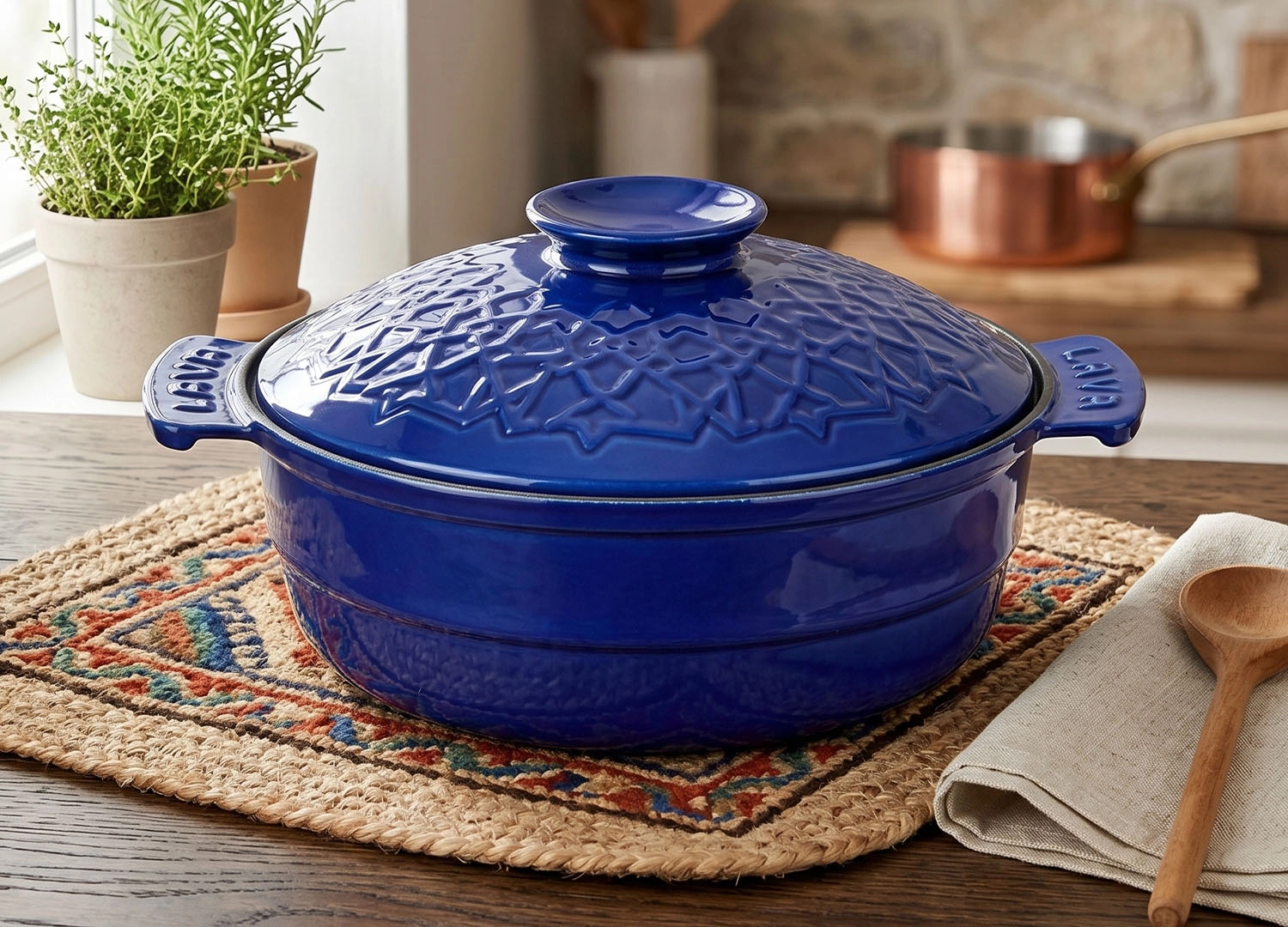
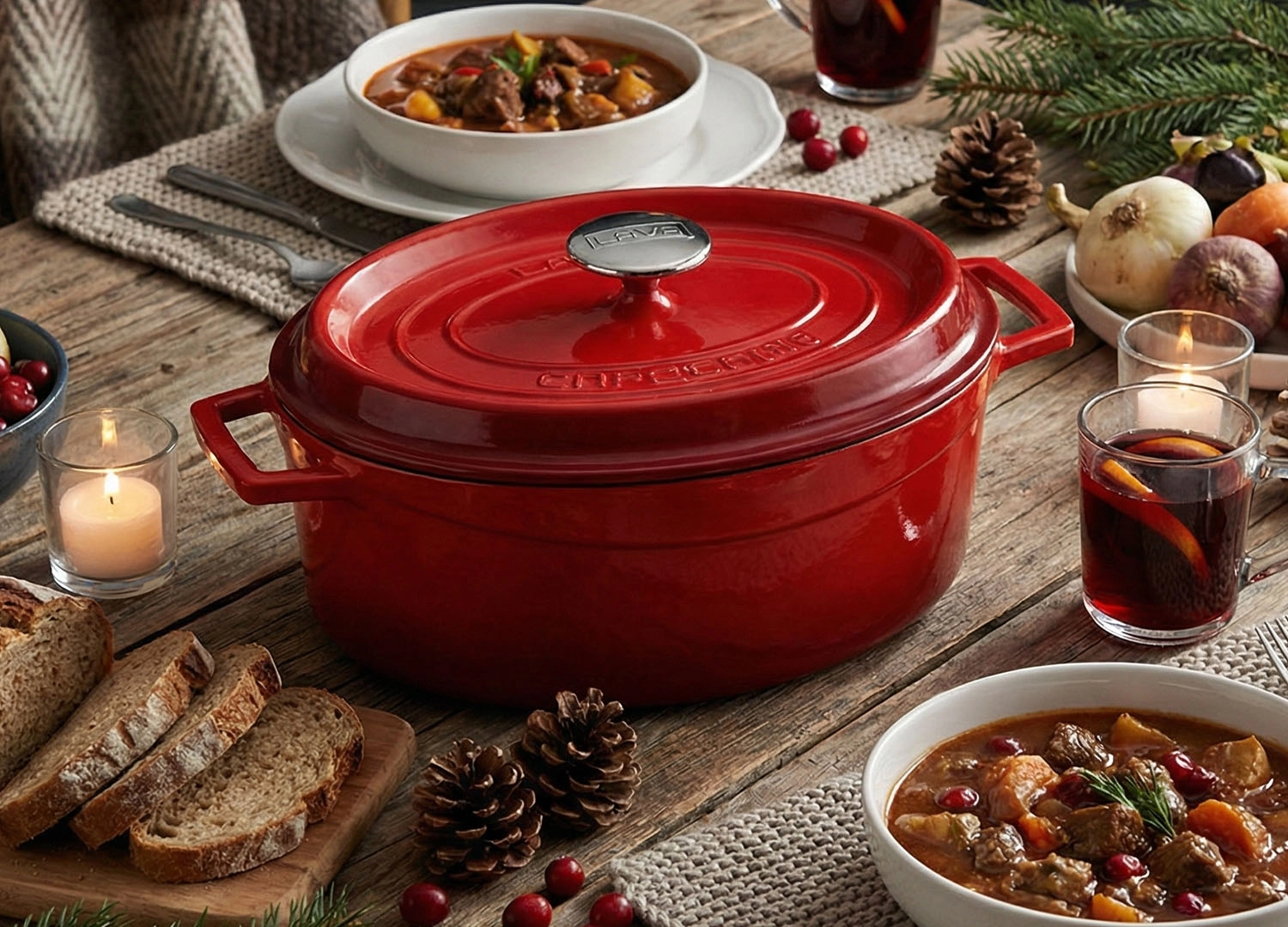
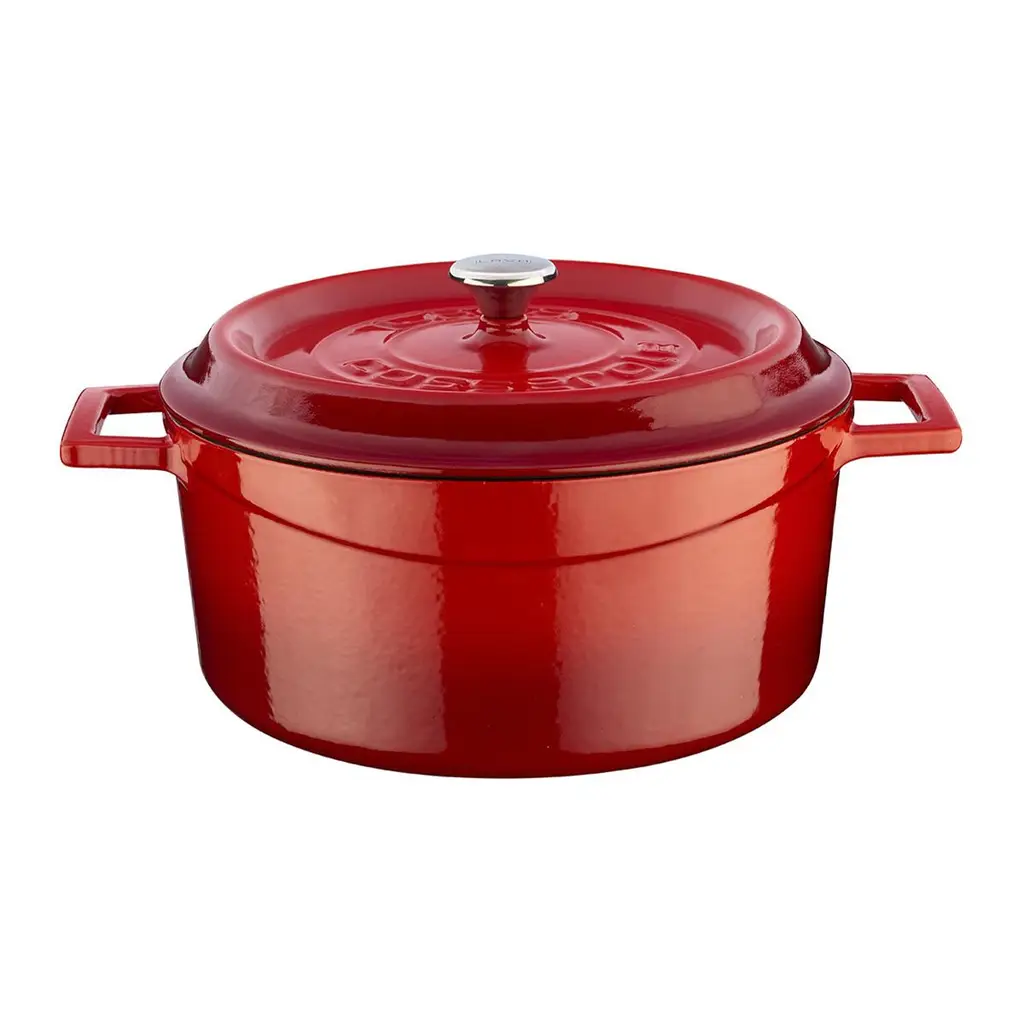
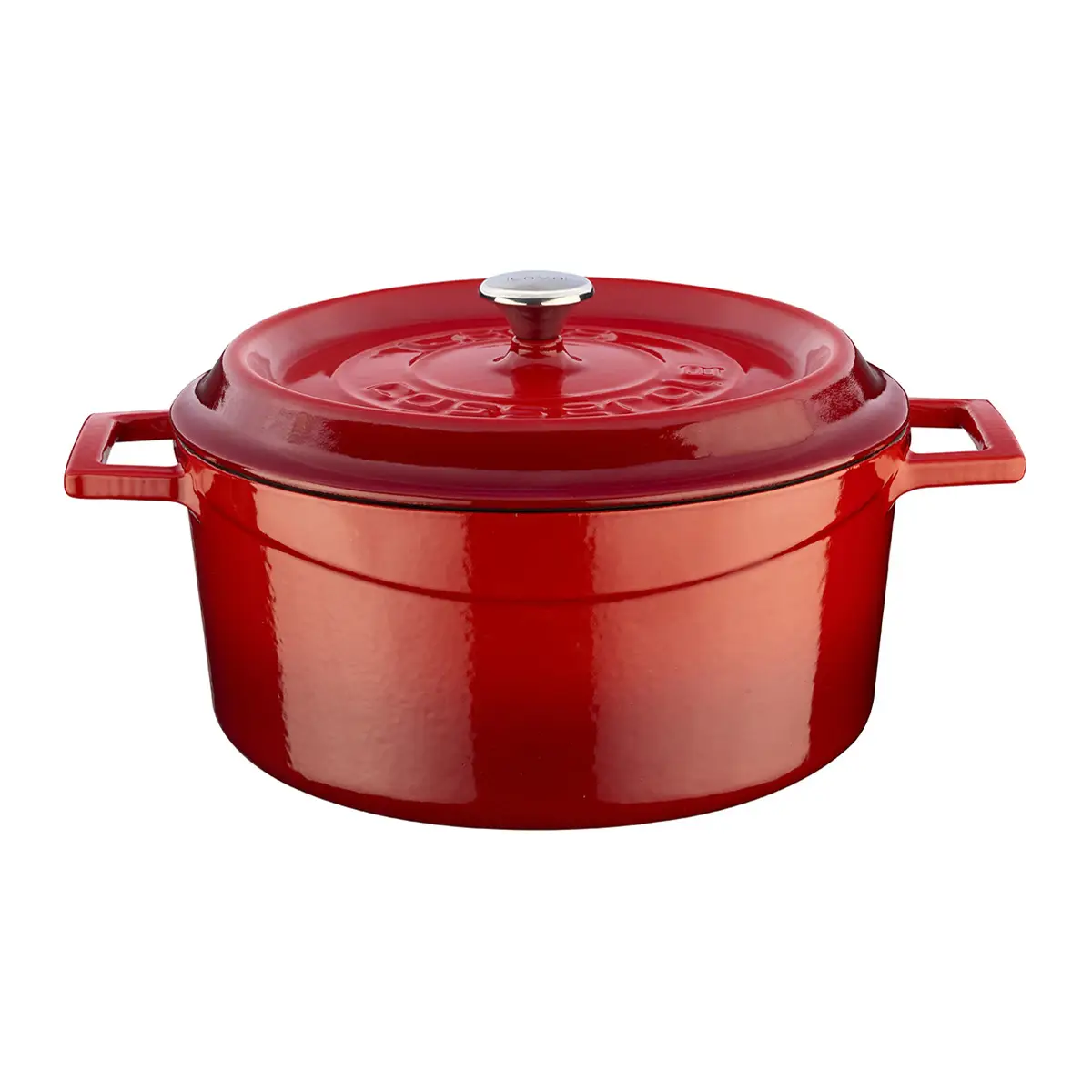
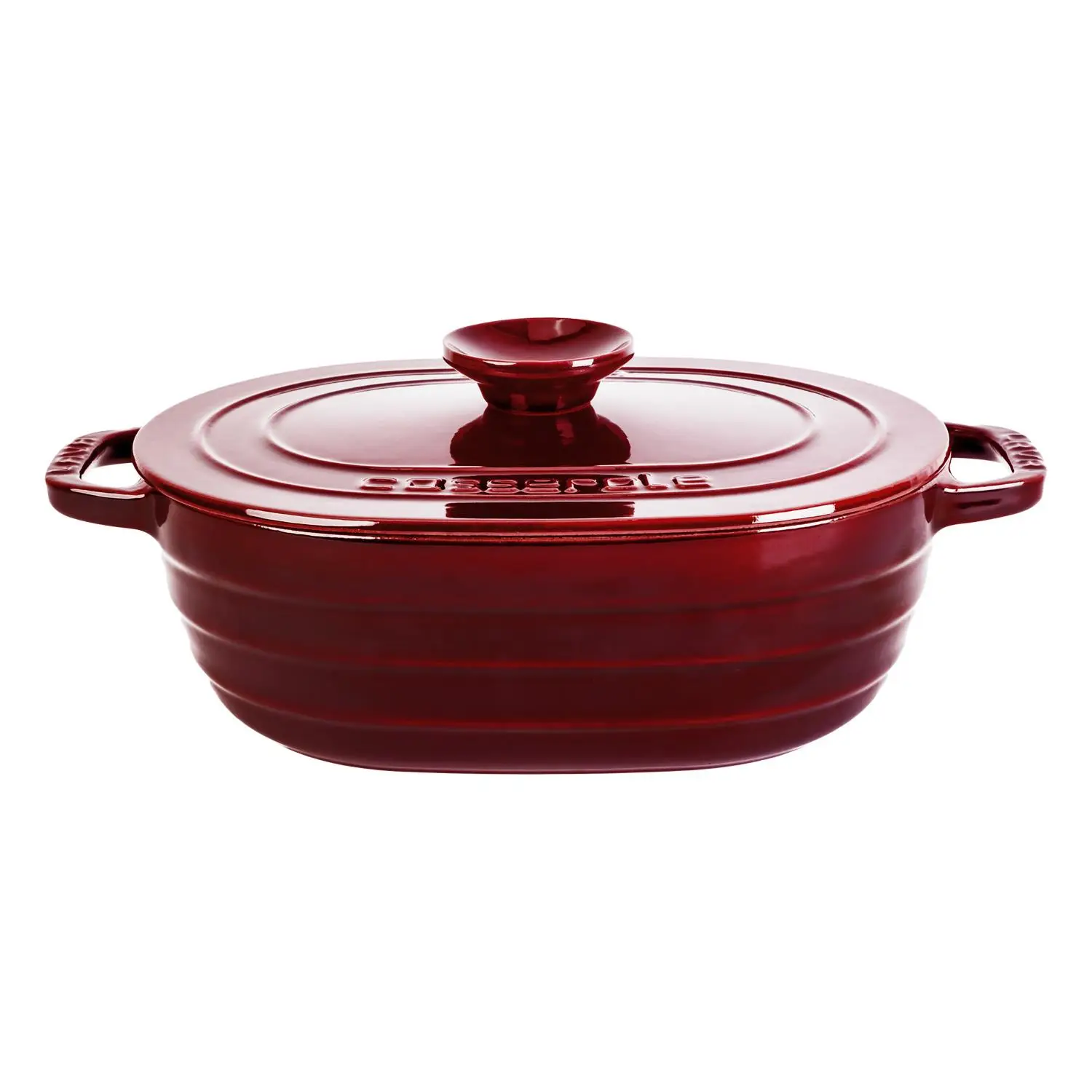
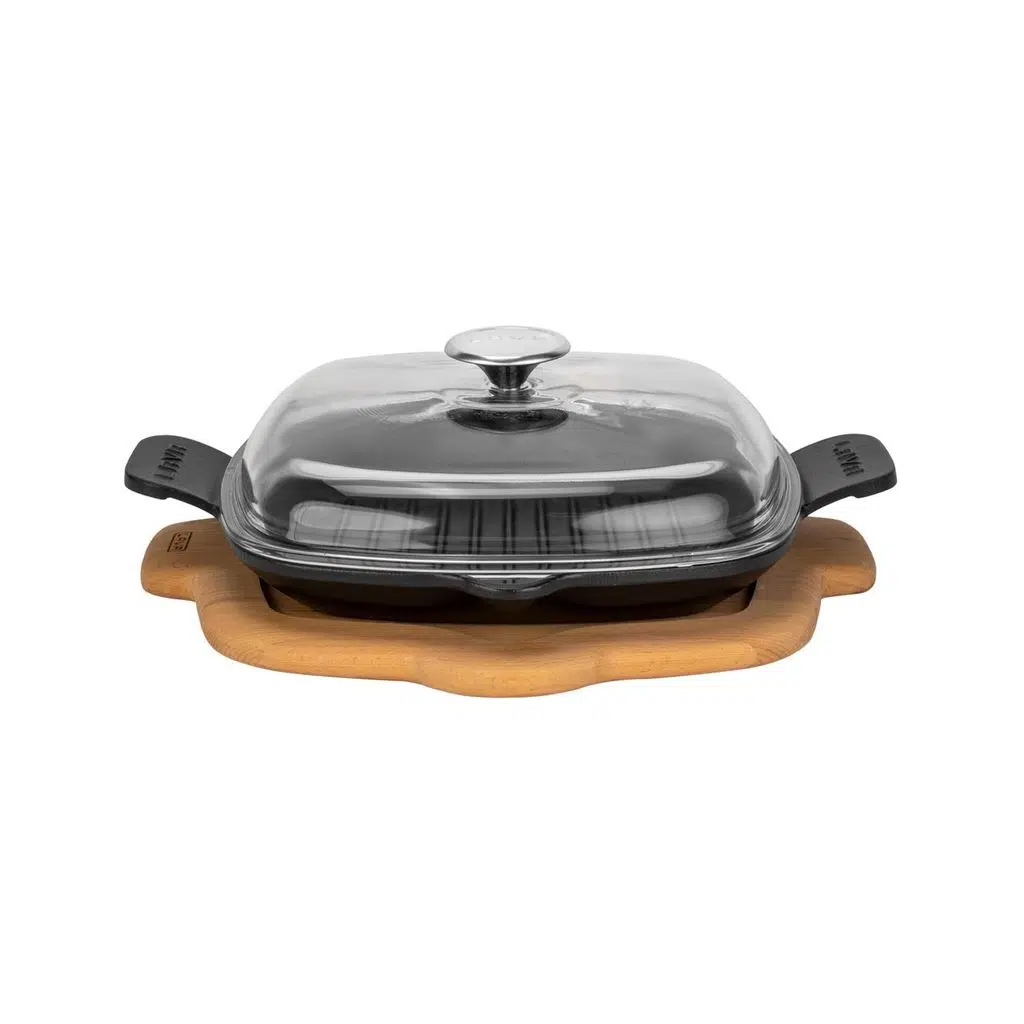
Lava Cast Oval Pot Cast Iron Cover Experience Majolik Series Dimension 24x33cm.







Lava Döküm Online Fabrika Satış Mağazası. © 2026 All Rights Reserved.


0
)