×

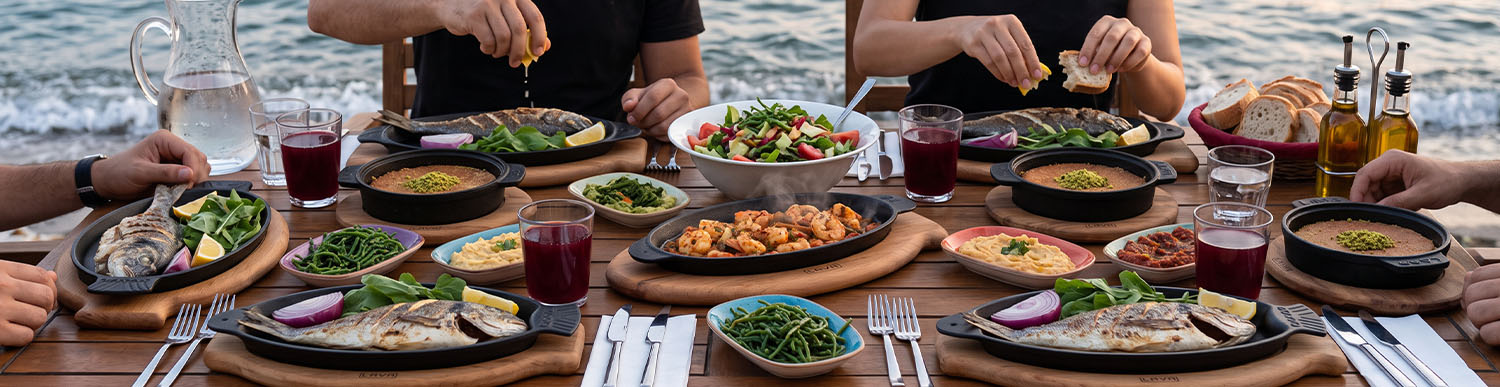
When planning a fish dinner, the side dishes, salads, hot starters and table setting should all be considered alongside the main course. Choosing accompaniments that complement the cooking method, serving dishes in the right order and timing hot dishes carefully can help create a well-balanced meal. In this guide, you will discover the essential steps for preparing a fish dinner, from everyday meals to dinner parties.
Estimated reading time: 7 minutes
You can start planning a fish dinner by choosing the main course. Whether the fish is grilled, pan-fried, oven-baked or gently steamed will help determine which mezze, salads and hot starters to serve alongside it.
For example, grilled fish pairs well with a lemon-dressed green salad and olive oil-based mezze. For fish dishes prepared with vegetables, simpler accompaniments can help create a balanced menu.
Follow these steps when planning your fish dinner:
Choose the main fish dish.
Select mezze that complement the flavour of the fish.
Prepare a seasonal salad.
Add a hot starter if it suits the menu.
Plan your serving dishes and table layout in advance.
Coordinate the fish cooking time with the serving schedule for the other dishes.
This approach makes preparation easier and helps ensure that the dishes work well together.
A balanced fish dinner can include a main course, a few mezze dishes, a salad and an optional hot starter. Rather than preparing too many dishes from each category, choose a selection that offers different flavours and textures.
Fish such as sea bass, sea bream, bonito and mackerel can be prepared using different cooking methods. When choosing between grilling, pan-frying, oven-baking and steaming, consider the type of fish, the overall menu and the time available for preparation.
Grilled fish is a good option if you want a browned surface, while steamed fish can be prepared with vegetables and aromatic ingredients. The accompaniments you choose may also vary according to the cooking method.
To learn more about grilling fish, explore the Grilled Bonito recipe. For a different cooking method, try the Sea Bass Stew in a Cast Iron Casserole recipe.
Mezze add variety to a fish dinner. You can choose from vegetables dressed with olive oil, roasted vegetables, yoghurt-based dips and seasonal cold starters.
It is important to select dishes that complement rather than overpower the main course. For example, fresh, lemony flavours work well alongside vegetables dressed with olive oil. A few options with contrasting textures and aromas can create a more balanced menu than several similar mezze dishes.
Preparing mezze in advance gives you more time to focus on cooking and serving the fish. Remember to store cold mezze under appropriate conditions until they are ready to serve.
Salad adds freshness and colour to a fish dinner. Rocket, parsley, lettuce, red onion and seasonal greens can all work well in salads served alongside fish.
Choose the ingredients according to the rest of the menu. If you are already serving several vegetable-based mezze, a simple green salad may be enough. Adding the dressing shortly before serving helps preserve the texture of the leaves.
Hot starters can make a menu more substantial, particularly when entertaining guests. Consider vegetable soup or a small vegetable-based starter. Hot seafood dishes may also be suitable, depending on the overall menu.
However, if the main course, mezze and salad already make up a generous meal, a hot starter is not essential. The aim is to create a menu in which the dishes complement one another and guests can enjoy a relaxed dining experience.
The dishes you serve will depend on the number of guests, the type of fish and whether you are preparing an everyday meal or hosting a dinner party. You can adapt the following menu ideas to suit your needs.
Main course: Grilled or oven-baked fish
Mezze: One or two olive oil-based or yoghurt-based dishes
Salad: Seasonal greens with lemon dressing
To serve: Lemon wedges and fresh herbs
This menu is ideal if you want to combine different flavours without spending too much time on preparation.
Main course: Grilled, oven-baked or steamed fish
Mezze: A selection of dishes with different textures and aromas
Salad: A salad made with seasonal greens
Hot starter: An optional vegetable-based dish
Presentation: Separate serving dishes for the main course and accompaniments
When preparing a dinner for guests, make the most of mezze that can be prepared in advance. This makes it easier to manage the fish cooking process and serve it at the right temperature.
As well as fish, seafood such as prawns, octopus and squid can add variety to the table. Rather than serving everything at once, plan the order in which the main course and accompaniments will be served.
Seafood casseroles can be a good choice for meals where hot presentation is important. Explore the Prawn Casserole recipe on LAVA Shops and the Octopus Casserole recipe for ideas on adding different seafood dishes to your menu.
Once the Squid Casserole recipe is published, a link can also be added to this section.
When arranging your table, visual appeal is just as important as practicality. Guests should be able to reach the dishes easily, serving vessels should be appropriately sized and hot food should be served at the right time.
Use a suitably sized serving plate for the main course, small bowls for mezze and a wide bowl for the salad. Arranging dishes according to the size of the table helps prevent the serving area from becoming overcrowded.
Serving dishes in different sizes make it easier to present food without mixing the different items together. Plan the placement of plates, forks, knives and glasses in advance, too.
Fish, vegetables, leafy greens and mezze bring a variety of colours to the table. Complement these with coordinated colours for your tablecloth, napkins and serving accessories.
Not every serving item needs to have the same colour or pattern. Simple details and a balanced colour scheme can help the food stand out.
Lemon wedges, parsley and other fresh herbs can be used to garnish fish dishes. Make sure the garnishes complement the flavour of the main course.
It is also worth choosing garnishes that can be eaten with the dish rather than using them solely for decoration.
To preserve the temperature and texture of fish, coordinate cooking with serving time. Mezze can be prepared in advance, the salad can be finished shortly before serving and the fish can be cooked as close to mealtime as possible.
If you are serving a hot starter, plan the interval between it and the main course. This helps maintain the flow of the meal without leaving guests waiting too long for the next dish.
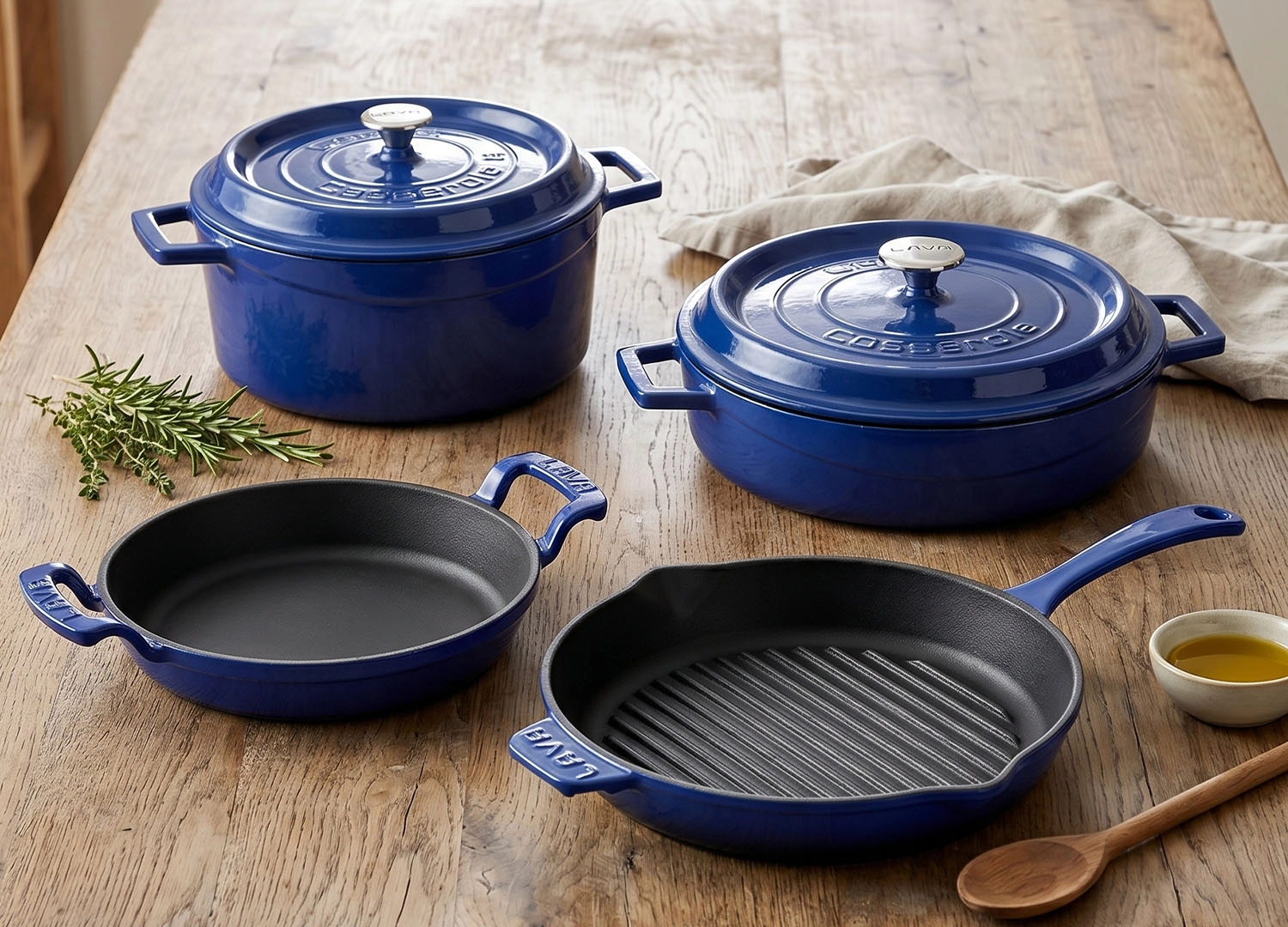
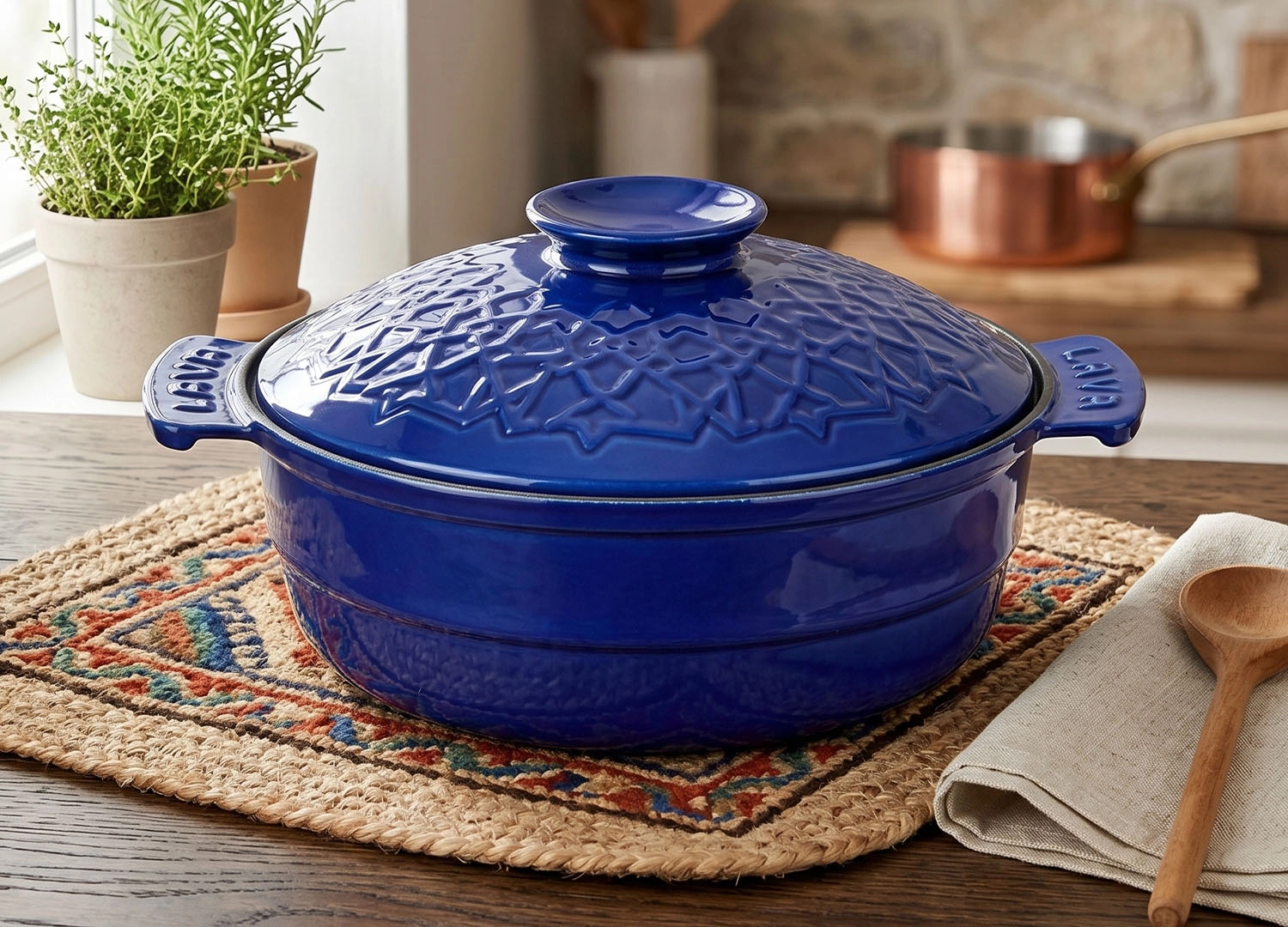
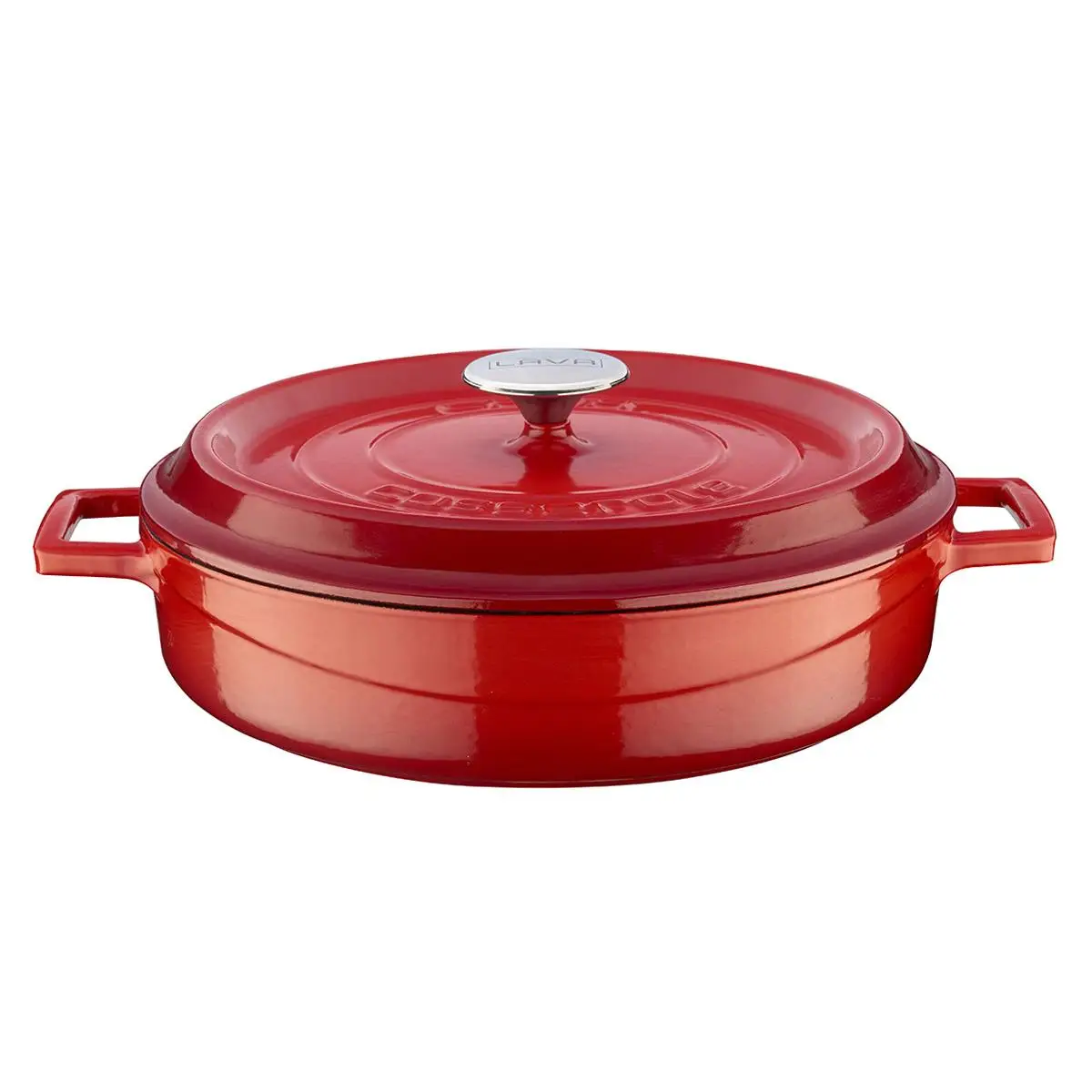
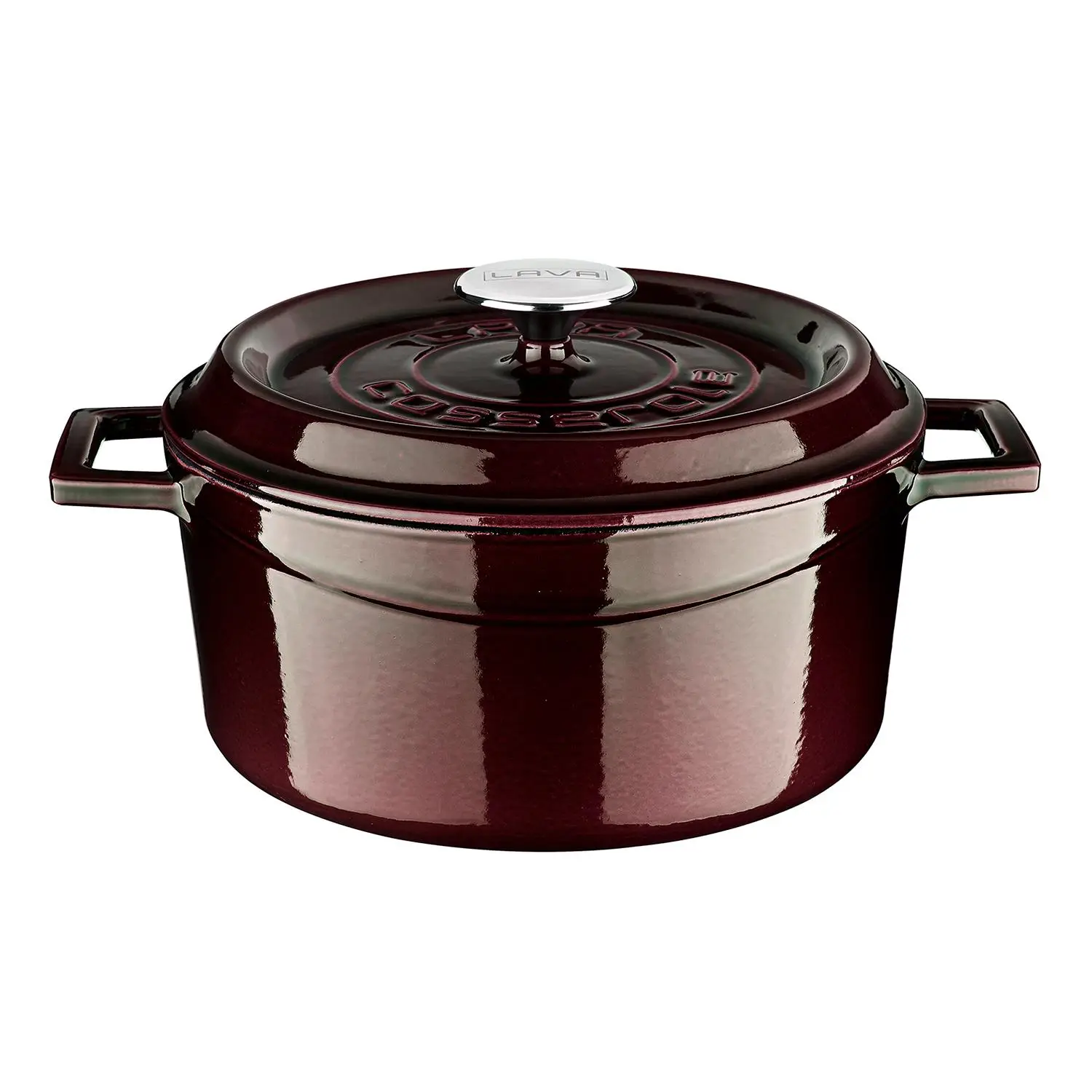
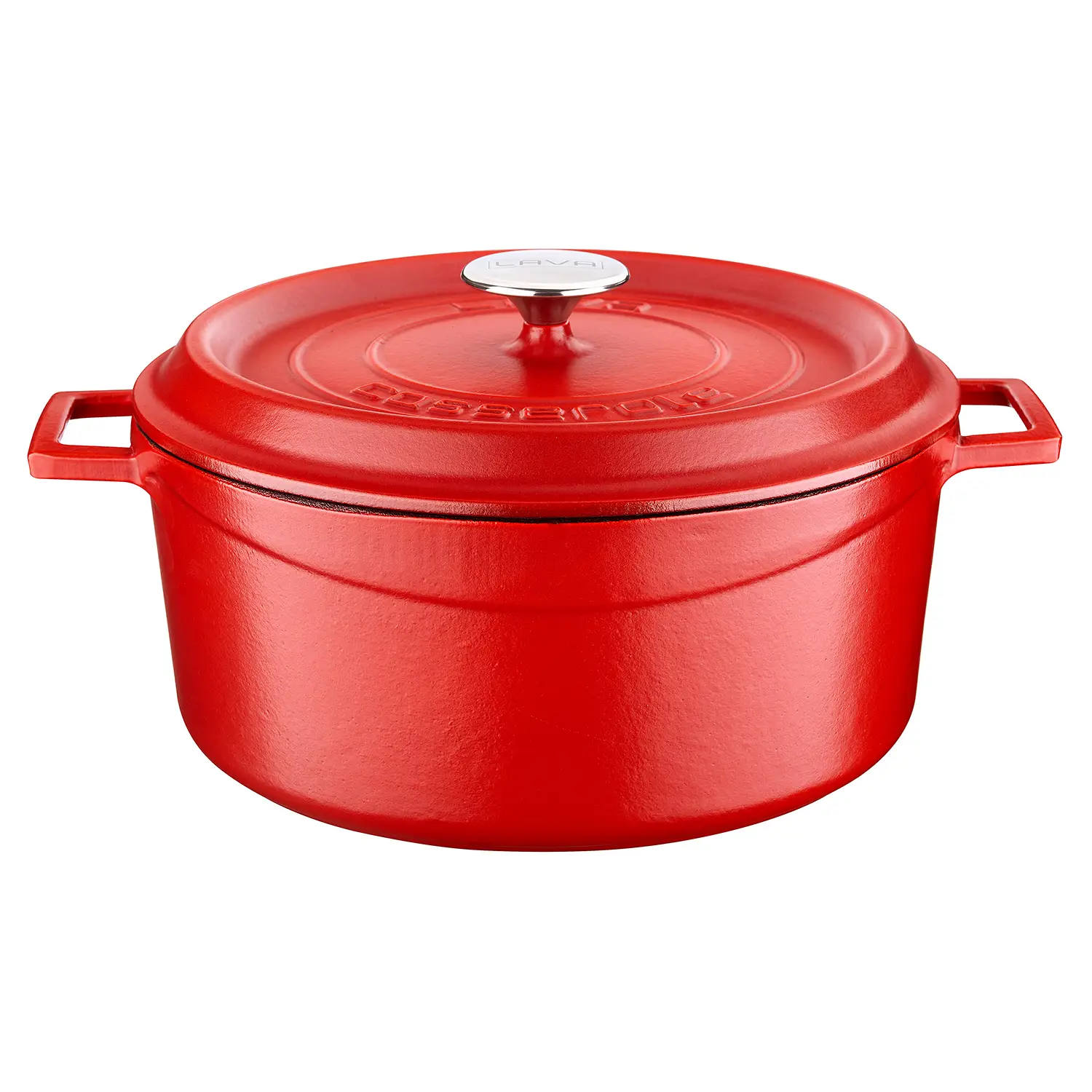
Cast iron frying pans and casseroles can be used to cook fish in recipes suited to the cookware's intended use. Cast iron cookware can also be useful for hot serving because it retains heat. However, use heat-resistant holders when moving or serving hot cookware, and remember that the vessel itself may be hot.
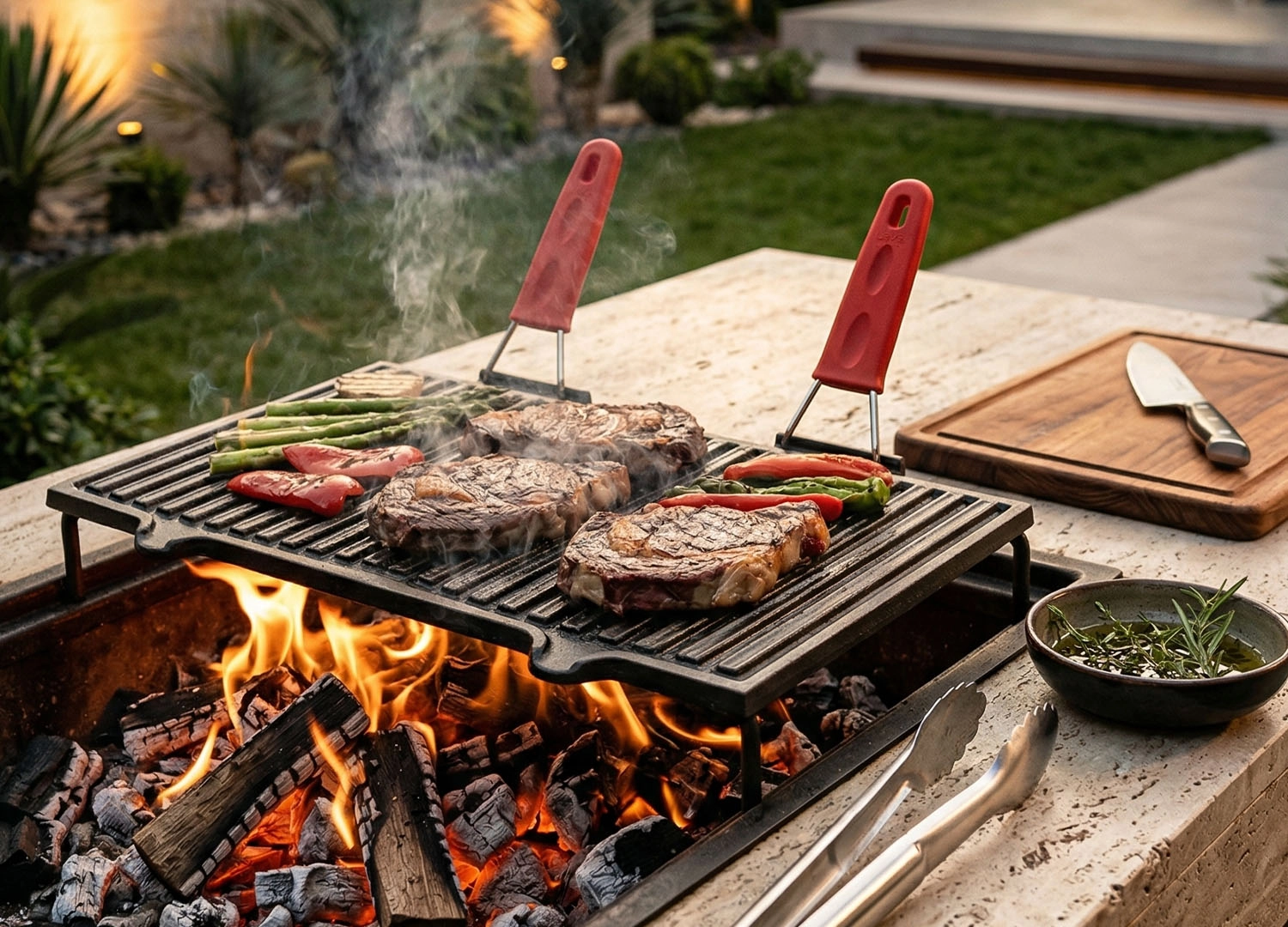
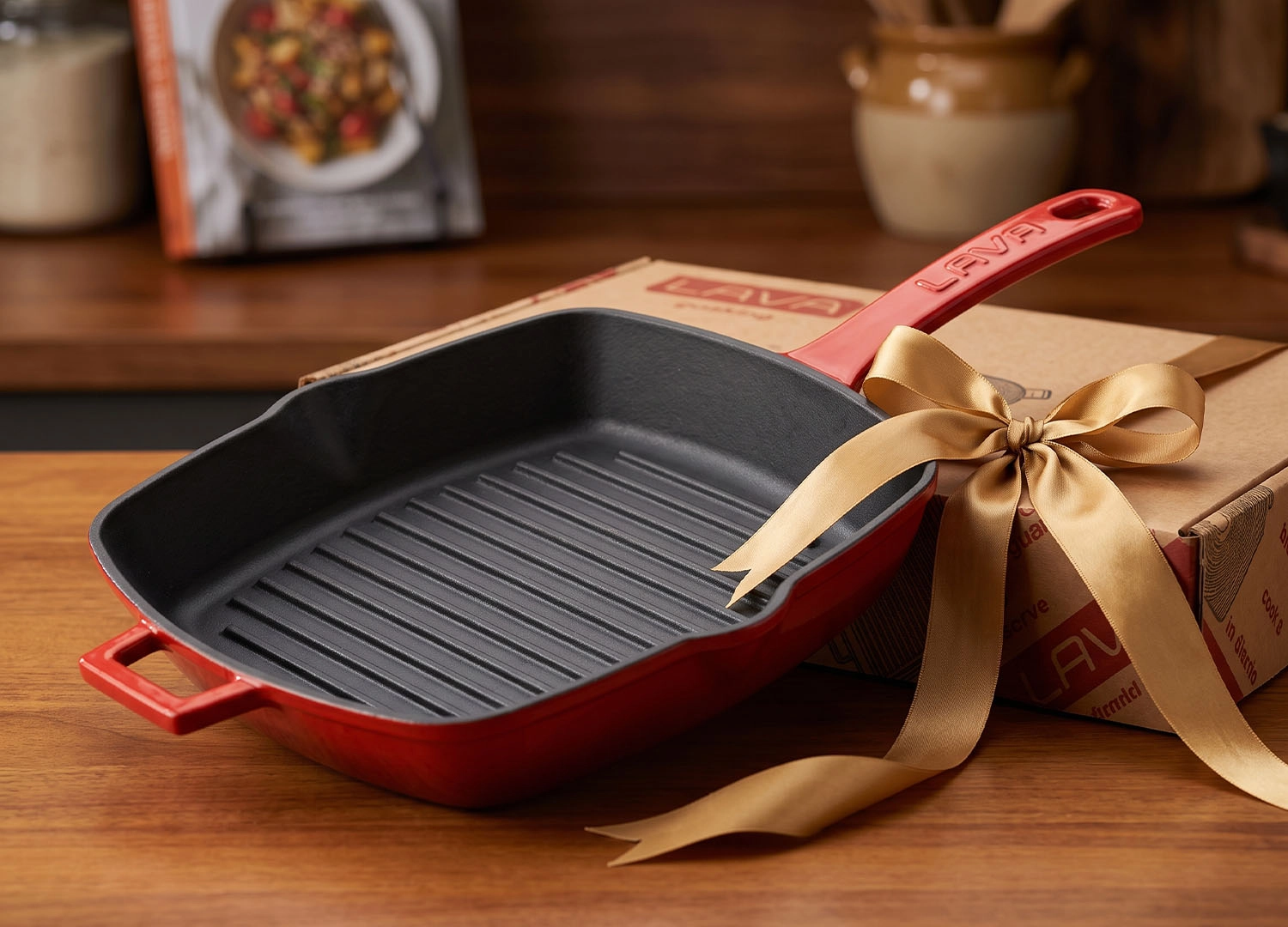
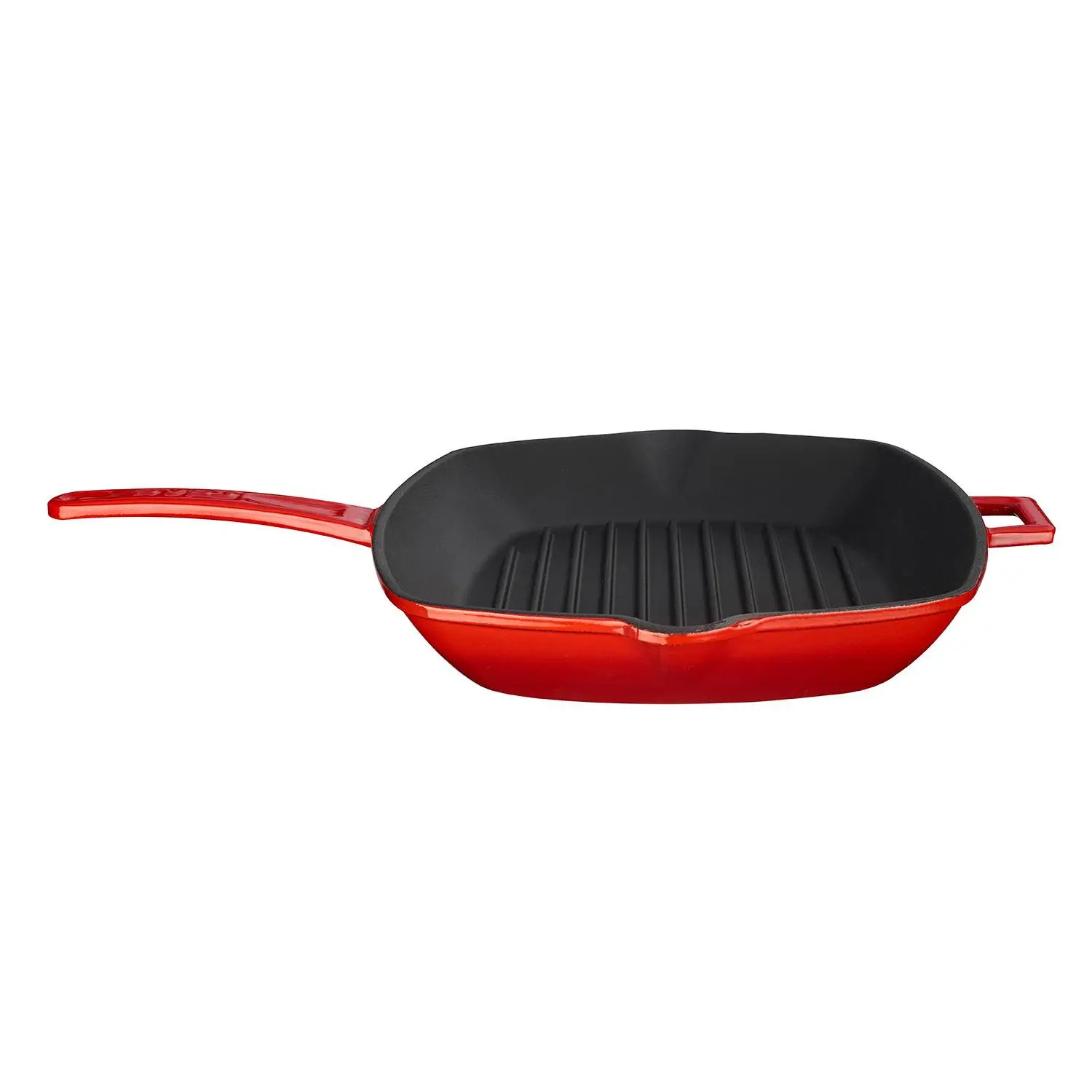
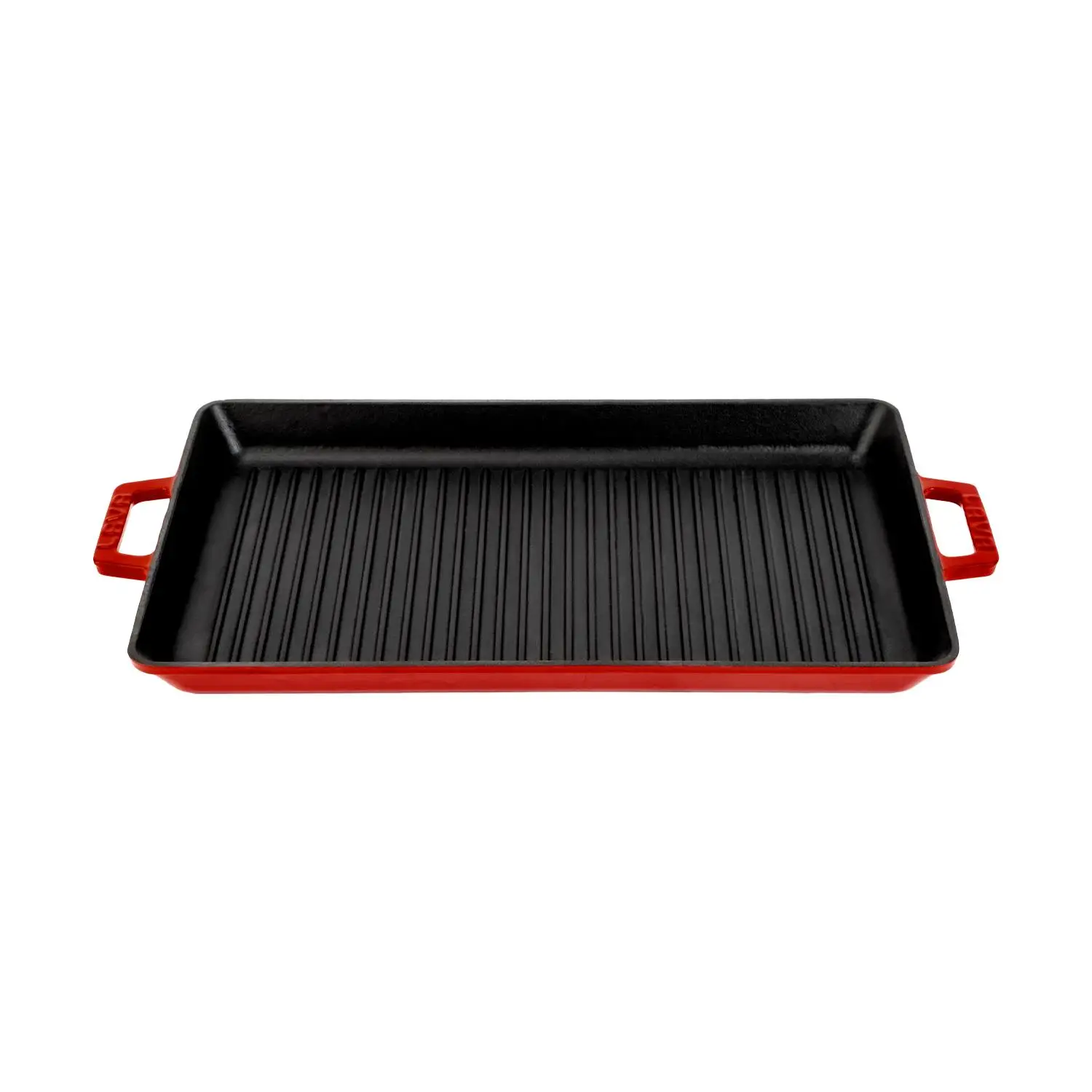
When choosing cookware for a fish dinner, consider the type of dish you are preparing and the cooking method. A cast iron grill pan can be used for grilled fish recipes, while a cast iron casserole is suitable for covered cooking methods such as steaming.
Choose cookware according to its intended use and product instructions, rather than appearance alone.
Explore these LAVA Shops guides for different cooking methods:
Making too many mezze and starters can complicate the preparation process. Ensure that each dish has a purpose in the menu, and reduce the number of options that are too similar.
Strong sauces that overpower the fish or too many mezze with similar flavours can affect the balance of the menu. Choose accompaniments according to the type of fish and the cooking method.
The temperature and texture of fish can change if it is left standing for too long after cooking. Completing the preparation in advance and scheduling the fish around mealtime helps ensure that dishes are served at the right moment.
Placing every dish on the table at once can leave little room for serving. Depending on the size of the table, serve some dishes in stages and leave enough space for guests to move comfortably.
A fish dinner can include fish as the main course, accompanied by mezze, a seasonal salad and an optional hot starter. The menu can be adapted according to the cooking method and the scale of the meal. Lemon, fresh herbs and suitable serving dishes can also help complete the table.
Vegetables dressed with olive oil, roasted aubergine or peppers, fava bean dip, samphire and yoghurt-based mezze can all accompany fish. Combining dishes with different textures and flavours without overpowering the fish helps create a balanced menu.
Lemon-dressed salads made with rocket, parsley, lettuce, red onion and seasonal greens are excellent accompaniments to fish. A simple salad with tomatoes and cucumber is another option. Adding the dressing shortly before serving helps keep the greens fresh.
Vegetable soup, roasted vegetables or a small hot starter suited to the menu can work well. If you are preparing a more substantial meal, make sure the starter does not overshadow the main course. Seafood dishes such as prawn casserole can also be considered as part of the main menu plan.
Cooking the fish as close to serving time as possible helps preserve its temperature and texture. Preparing plates and serving equipment in advance prevents the fish from sitting for too long after cooking. Suitable heat-retaining cookware may also be used. When handling hot cast iron cookware, always use heat-resistant holders.
For a dinner for four, plan an appropriate portion of fish for each person, then add two or three types of mezze, a salad and an optional hot starter. Adjust quantities according to the type of fish and your guests' appetites. To make preparation easier, prepare the mezze in advance, finish the salad shortly before serving and cook the fish around mealtime.
Use a suitably sized serving plate for the fish, small bowls for mezze and a wide bowl for the salad. Lemon wedges and fresh herbs can complete the presentation. Arrange the dishes so that everyone can reach them comfortably, balancing visual appeal with practicality.
Preparing a fish dinner involves more than simply choosing the main course. Considering mezze, salad, hot starters, serving order and table layout together helps create a more cohesive dining experience.
Whether you are preparing an everyday fish meal or a more elaborate dinner for guests, start with the main course and select the accompaniments accordingly. Explore fish and seafood recipes on LAVA Shops for inspiration and find options that suit your cooking method and style of entertaining.
09.10.2026Lava Cast Iron Rectangle Grill Pan. Long-Stem, 26X32cm.
Lava Cast Iron Round Multipurpose Casserole. Trendy, Dia. Ø 28cm.
Lava Cast Iron Round Premium. Trendy, 1-Handle, Dia. Ø 24cm.
Lava Cast Iron Round Spring Series Casserole. Trendy, 1-Handle, Dia. Ø 28cm.







Lava Döküm Online Fabrika Satış Mağazası. © 2026 All Rights Reserved.


0
)