×

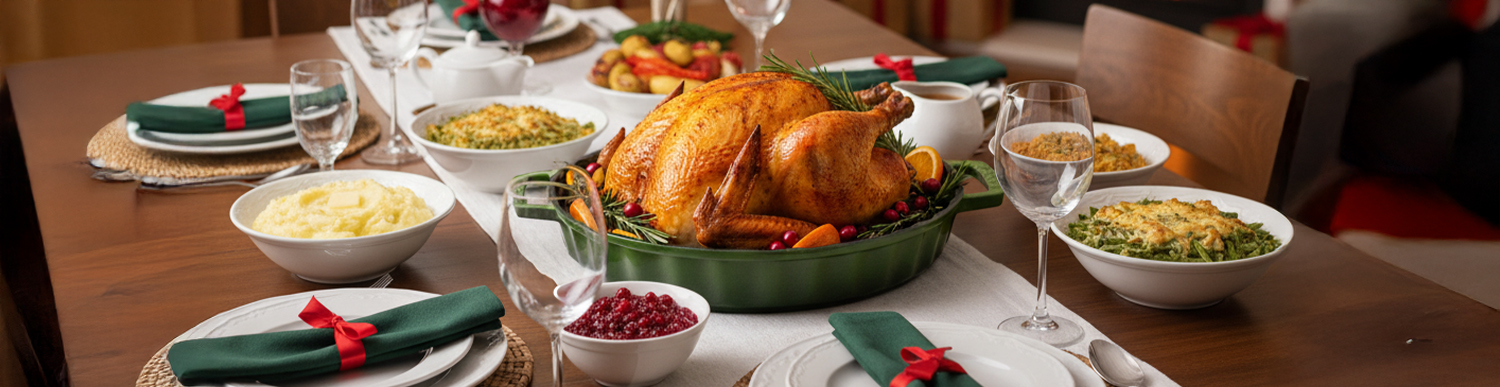
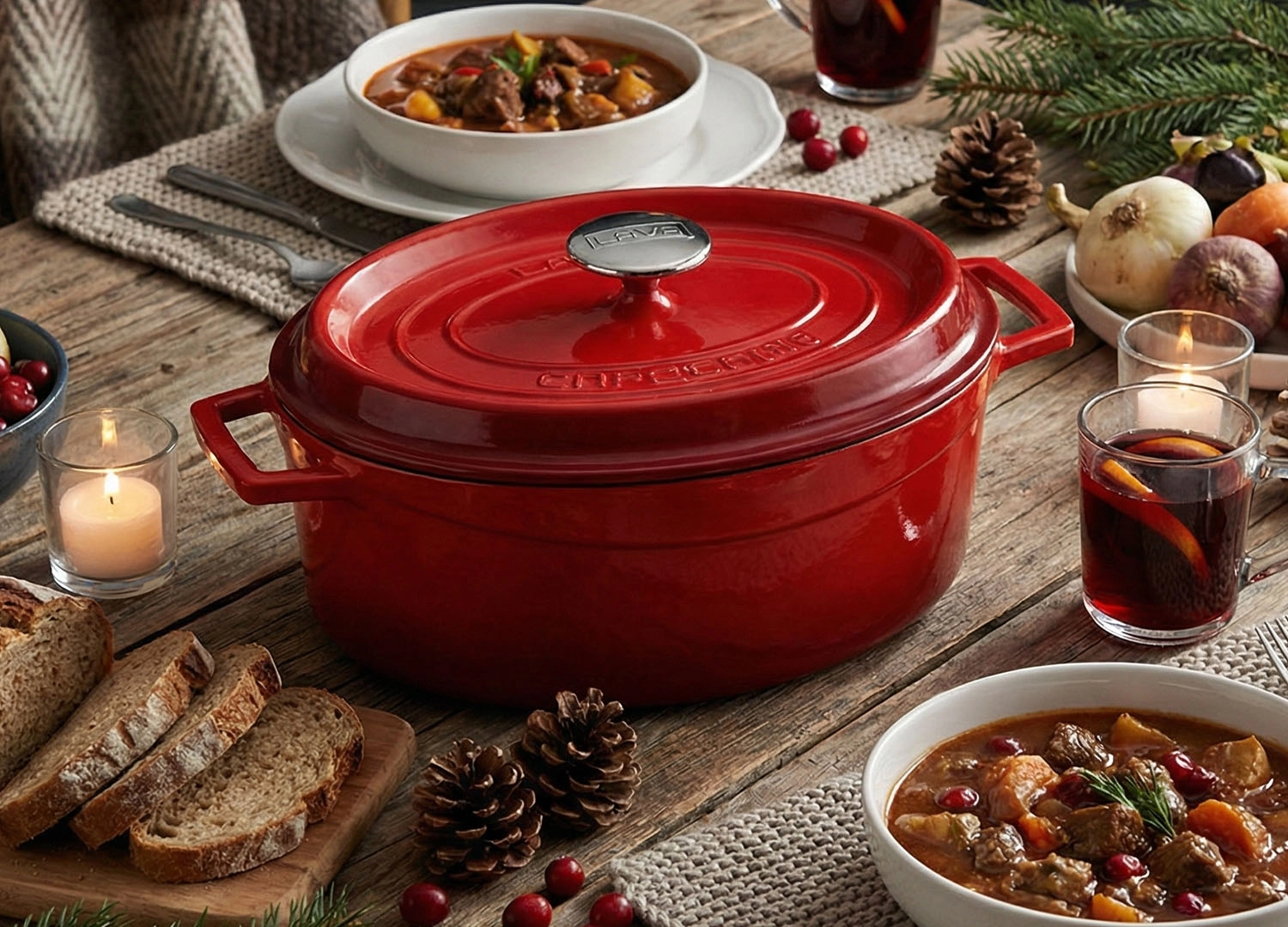
The New Year’s table is one of the most meaningful gatherings of the year—a moment where we celebrate the end of one chapter and welcome a new one filled with hope, joy, and togetherness. Coming together around the same table brings back the warmth of family traditions, the comfort of familiar recipes, cheerful conversations, and the excitement of children eagerly waiting for their New Year’s gifts. The festive spirit that lives within all of us transforms these year-end meals into cherished memories. The aroma of dishes simmering in the kitchen, the crackling sound of roast turkey in the oven, and the comforting warmth of soup bubbling in a cast iron pot…
All these details turn the New Year’s table into more than just a meal—they transform it into a celebration of connection and shared joy.
To welcome the New Year with abundance, luck, joy, and unity, we have crafted a special menu prepared entirely with LAVA cookware. This menu brings together the richness of Anatolian ingredients, the elegance of Ottoman cuisine, and modern cooking techniques—all brought to life using LAVA cast iron pots and pans.
If you’re ready, let’s explore the festive New Year’s menu that will make your celebration truly unforgettable.
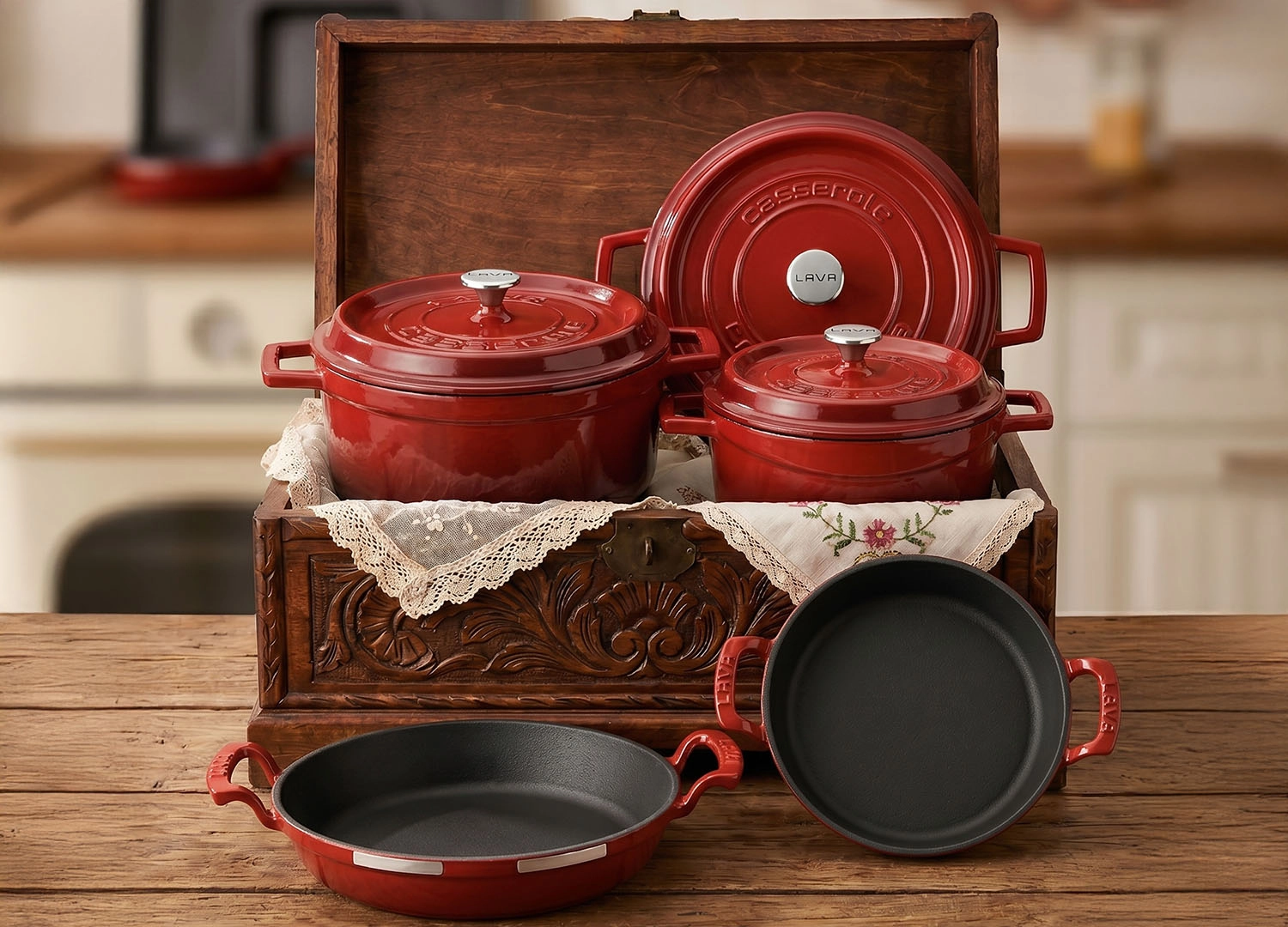
The star of any New Year’s table is, of course, the food. And the secret behind delicious dishes lies not only in quality ingredients but also in proper cooking techniques and the right cookware. Cast iron pots and pans have been beloved by both home cooks and professional chefs for generations. Especially for New Year’s menus involving slow-cooked dishes and aroma-rich recipes, cast iron offers significant advantages.
It distributes heat evenly.
It delivers maximum aroma in recipes that require slow cooking.
It creates ideal texture and flavor in pilaf, soups, sauces, and more.
Thanks to their high heat retention, cast iron pans:
Enhance the natural aroma of vegetables used in mezes.
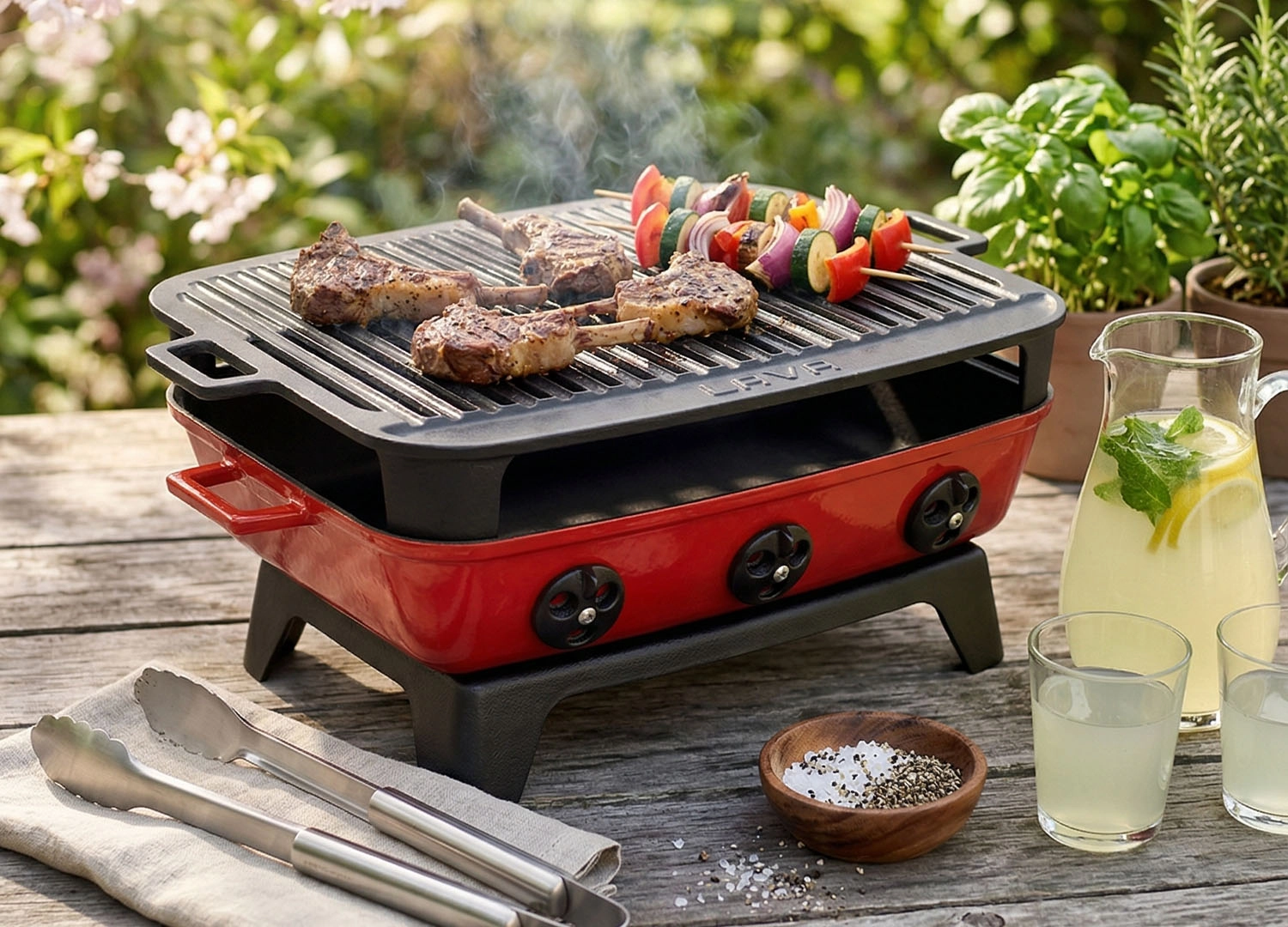
Deepen the smoky, charred flavor.
Preserve the traditional texture of dishes inspired by Ottoman cuisine.
Choosing cast iron for your New Year’s preparations doesn’t just simplify the cooking process—it elevates every dish to a restaurant-quality level.
As a warm and elegant opening to your New Year’s feast, pumpkin and chestnut come together to bring both color and richness to your table.
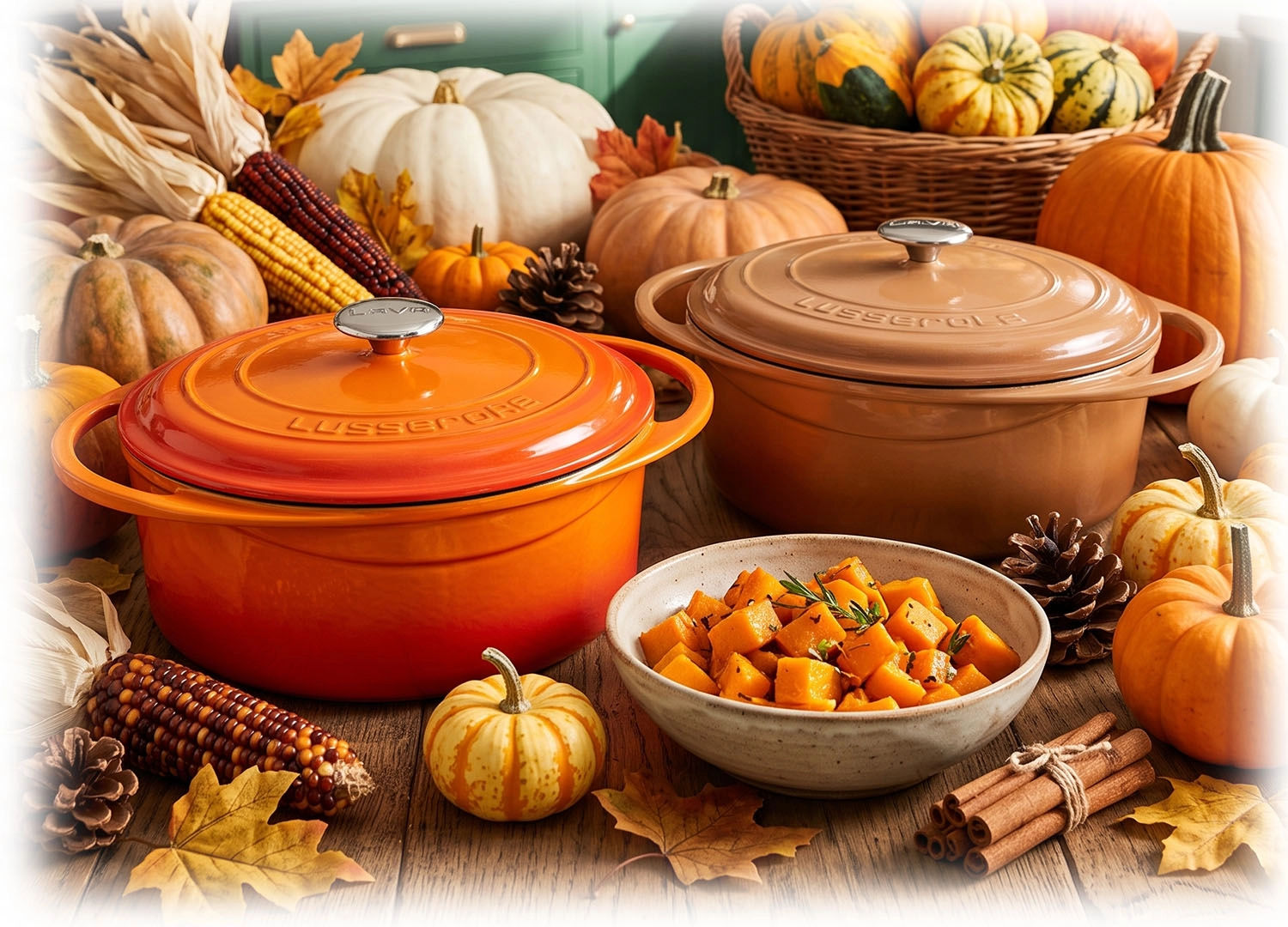
This velvety soup, prepared in a LAVA cast iron pot, reveals the deep, layered aromas of winter vegetables.
Pumpkin: Sweet and flavorful pumpkins from the Thrace region form the base of this comforting soup.
Chestnut: Bursa’s Uludağ chestnuts add a silky texture and natural sweetness.
Nutmeg & Cinnamon: Aromatic spices carried from Ottoman culinary traditions infuse the soup with festive warmth.
Slow-cooking the soup in a LAVA cast iron pot enhances its creaminess, draws out the pumpkin’s natural sugars, and preserves the chestnut’s texture. Two beloved winter ingredients—pumpkin and chestnut—come together to create a surprising yet delightful harmony.
In Anatolian culture, pomegranate symbolizes abundance and good fortune, making it an essential component of New Year’s celebrations.
This bright and refreshing winter salad is a must on any festive table.
It symbolizes prosperity.
Pomegranates from Mersin and Antakya carry exceptional aroma and sweetness.
They bring color, texture, and vibrancy to winter dishes.
Paired with arugula, walnuts, pomegranate molasses, and olive oil, this salad offers both freshness and the signature flavors of Anatolia.
A New Year’s table is never complete with just one main dish—mezes carry the spirit of celebration across centuries.
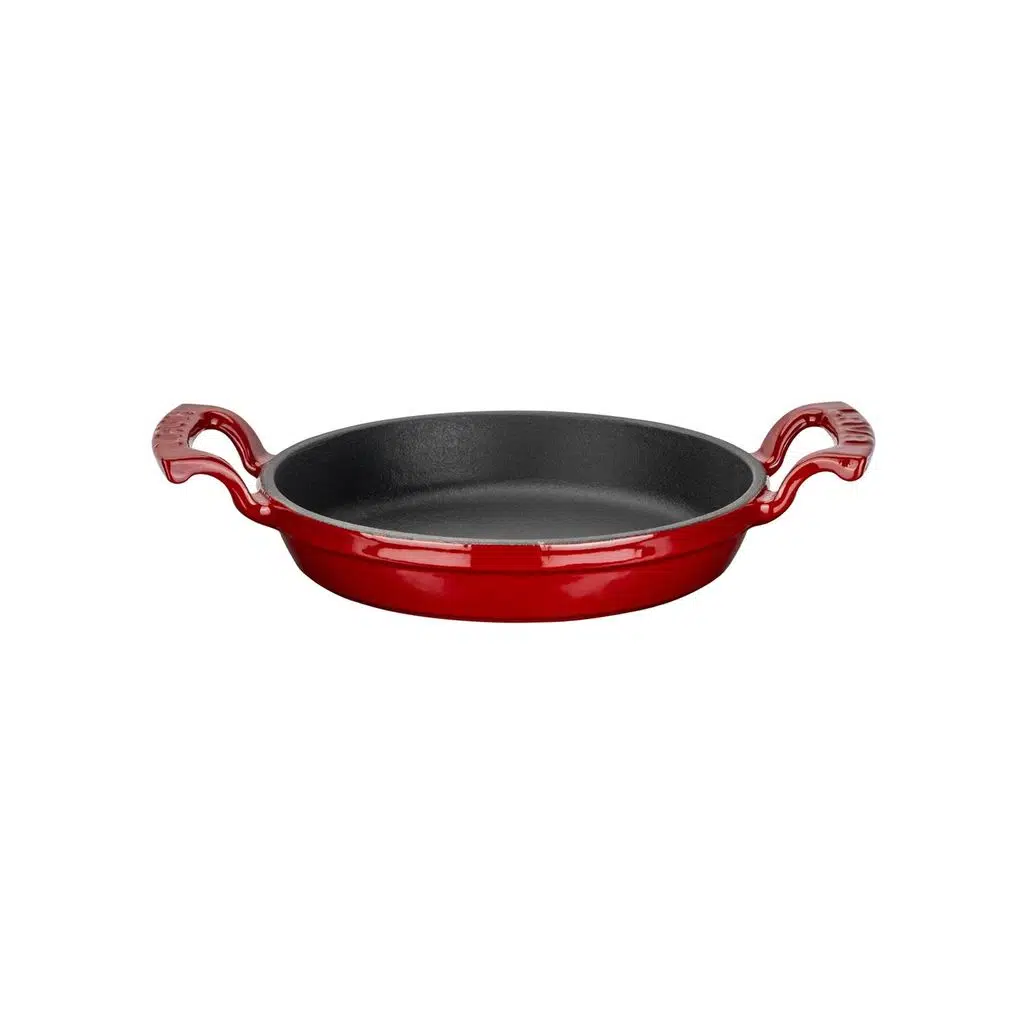
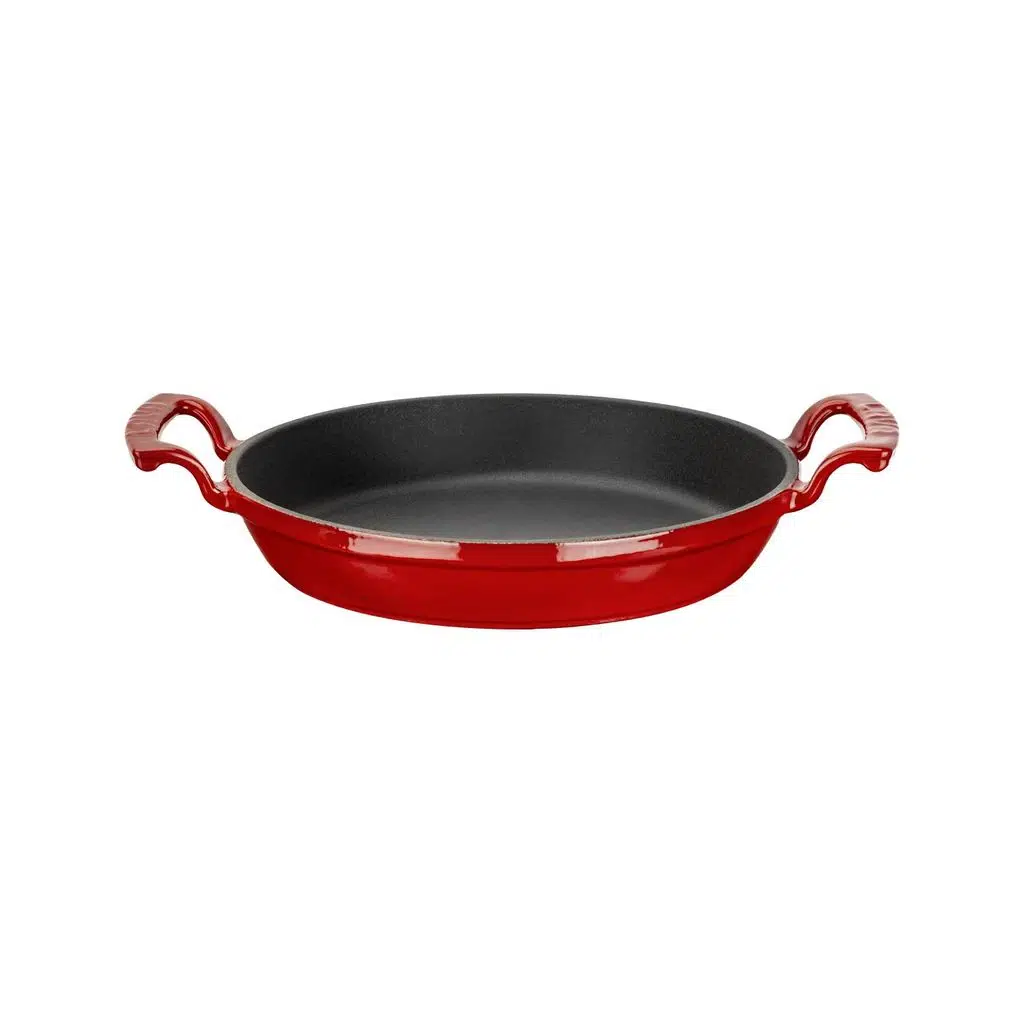
Two traditional mezes, prepared in a LAVA cast iron pan, bring historical depth and storytelling to your festive spread.
Dating back to the 15th century, hibeş was served as an appetizer in Ottoman palaces. But its connection to the New Year’s table carries a deeper cultural meaning.
Anatolia has long been home to many civilizations, belief systems, and stories—and one of these stories belongs to Saint Nicholas, known worldwide as Santa Claus.
Legend has it that Saint Nicholas, born in the fertile lands of Antalya’s Patara region, embodied generosity and compassion. In the same region, hibeş—a humble blend of tahini, garlic, and cumin—has long been prepared as a nourishing and restorative food. According to local lore, Saint Nicholas would leave this hearty paste at the doors of those in need on cold winter nights.
And so, serving hibeş during New Year’s celebrations becomes a symbolic nod to his true Anatolian story—one rooted in kindness, sharing, and the abundance of these lands.
Tahin: Rich Antakya tahini deepens the aroma.
Cumin: The high-oil Gaziantep cumin gives it its signature fragrance.
LAVA cast iron pan: A brief warming of the spices enhances the aroma significantly.
Originating from the culinary traditions of Aleppo and Antakya, babagannuş has long been cherished on Ottoman tables.
The deep, smoky aroma of roasted eggplant
Gently caramelized peppers in a LAVA cast iron pan
Fruity, aromatic olive oil from Hatay
Its warm and smoky profile makes it a perfect transition dish on any New Year’s table.
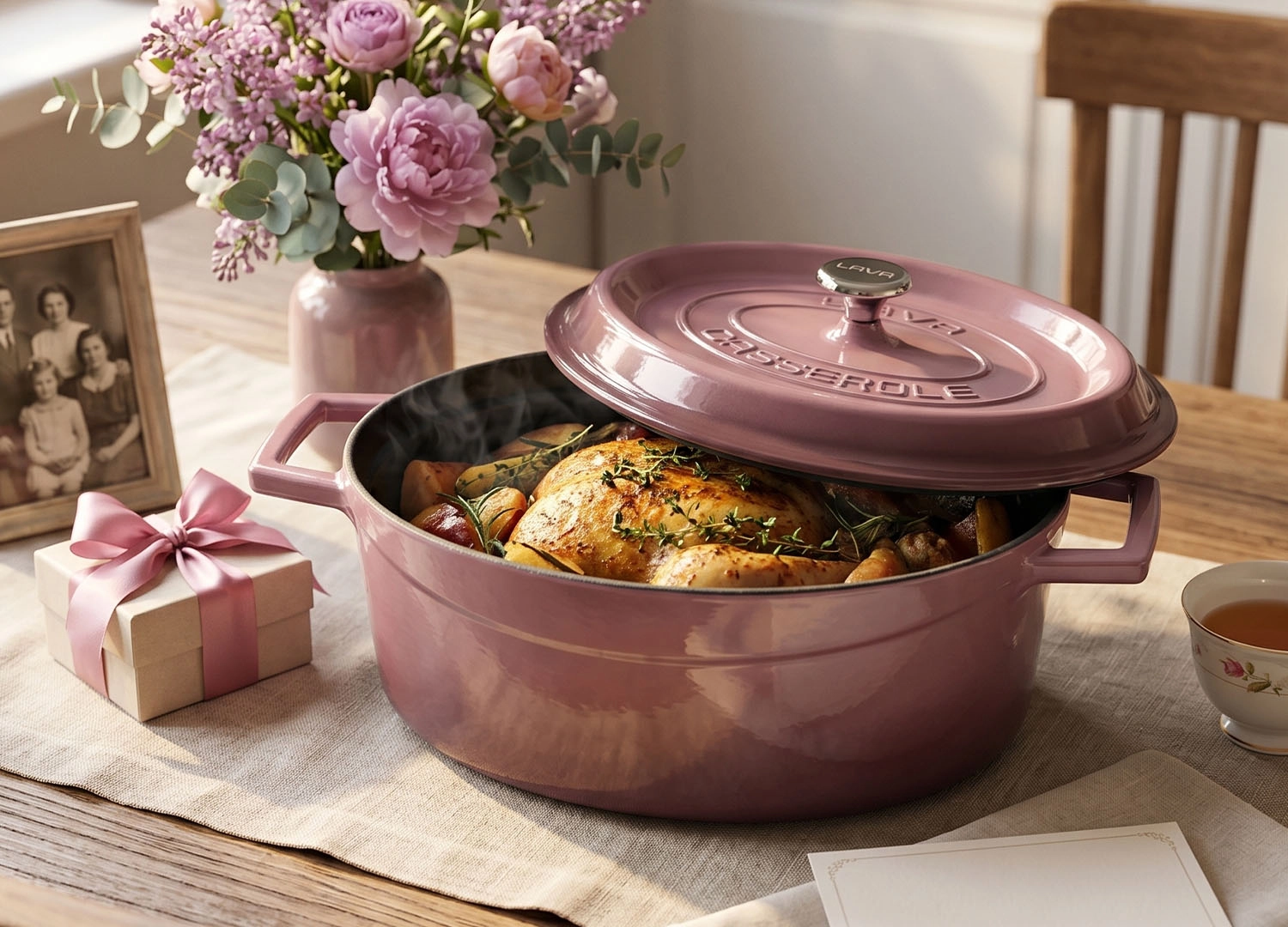
The most anticipated highlight of the New Year’s feast is undoubtedly the roast turkey.
With its impressive presentation and symbolic representation of prosperity, it holds a special place in many cultures.
Prepared using LAVA cast iron cookware, this recipe delivers both perfect technique and exceptional flavor.
(Click here for the full recipe.)
With the right cookware:
The skin becomes perfectly crisp and golden.
The inside remains tender and succulent.
The two most essential components are the stuffed pilaf and the sauce.
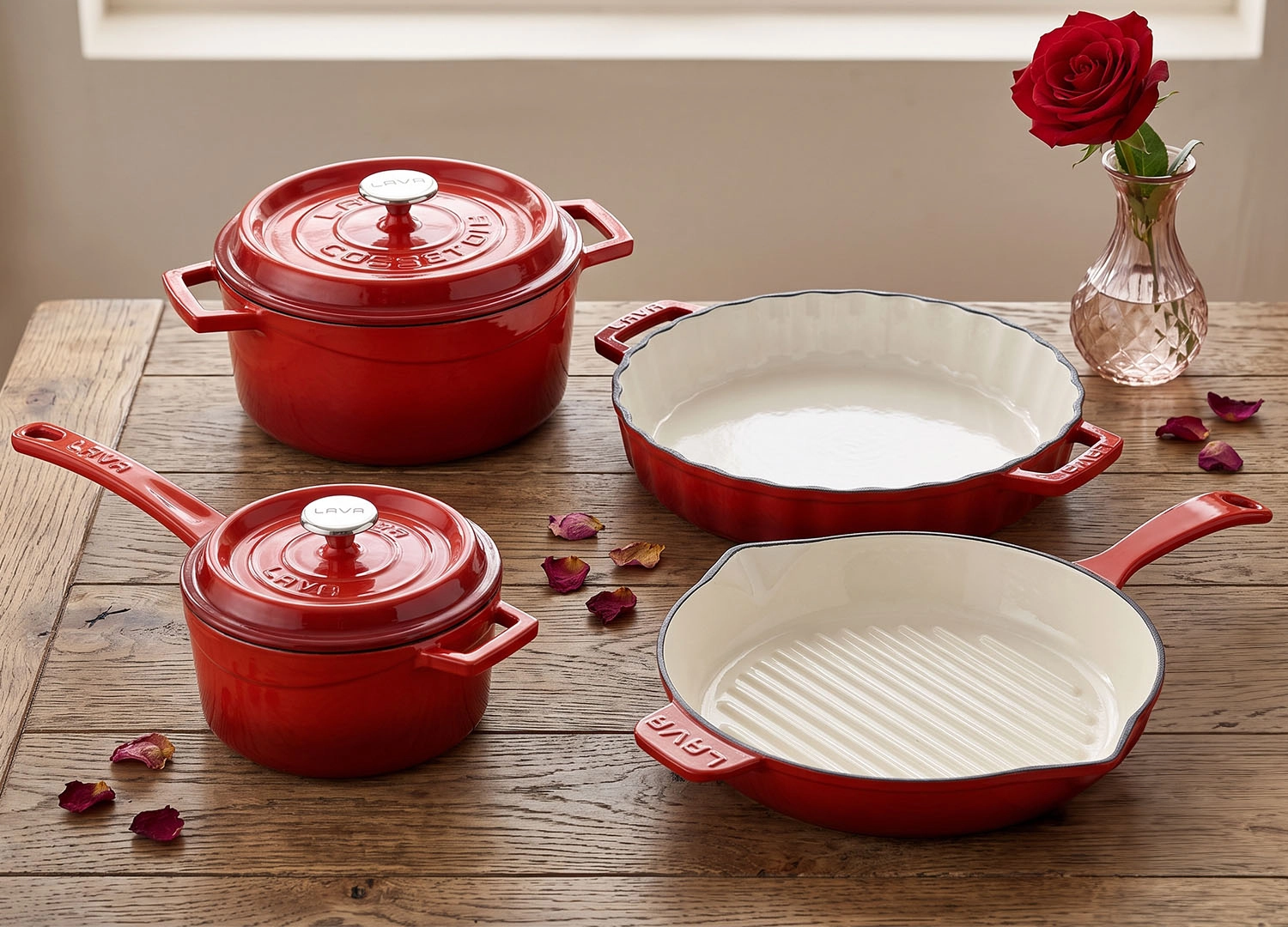
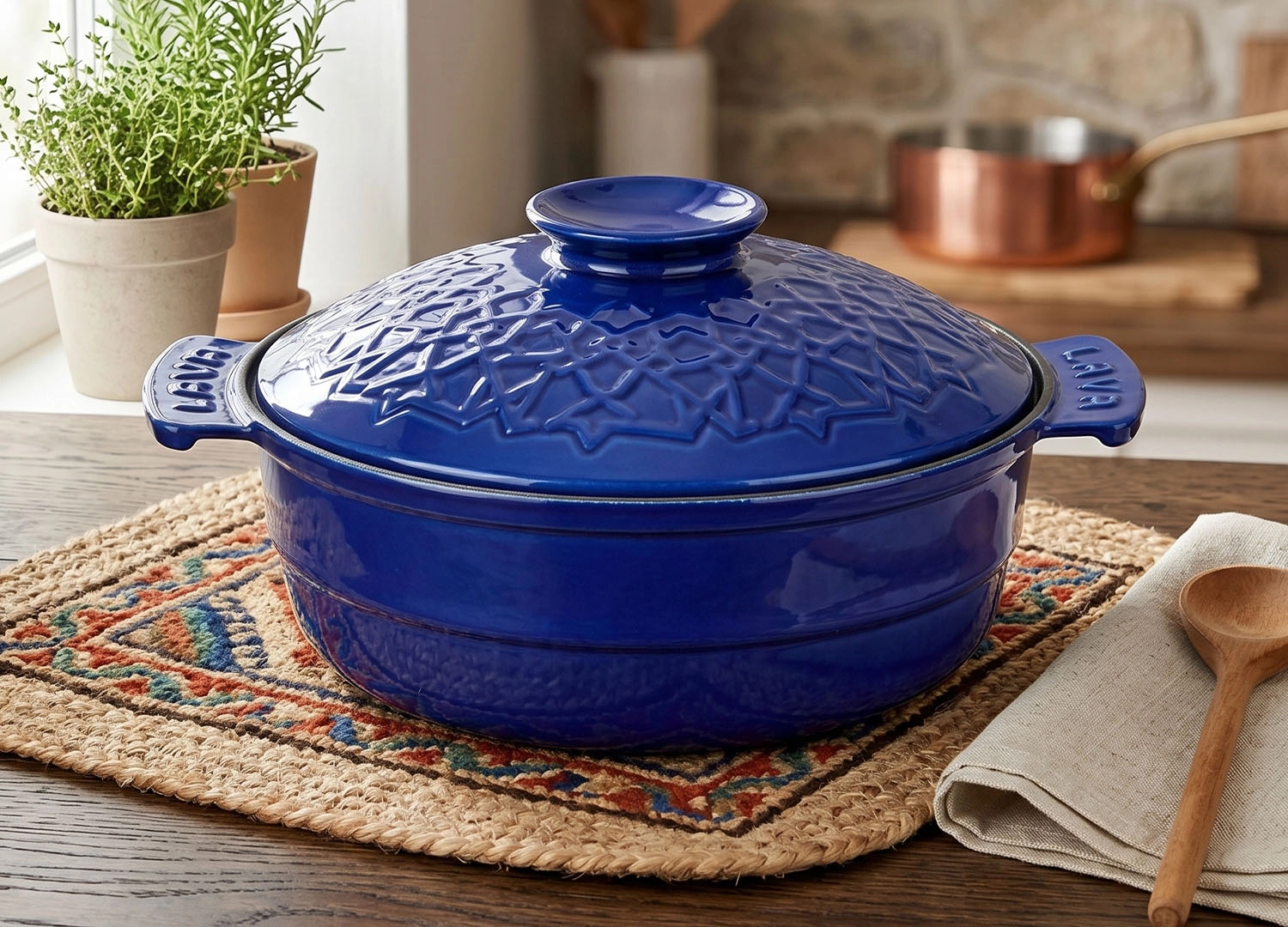
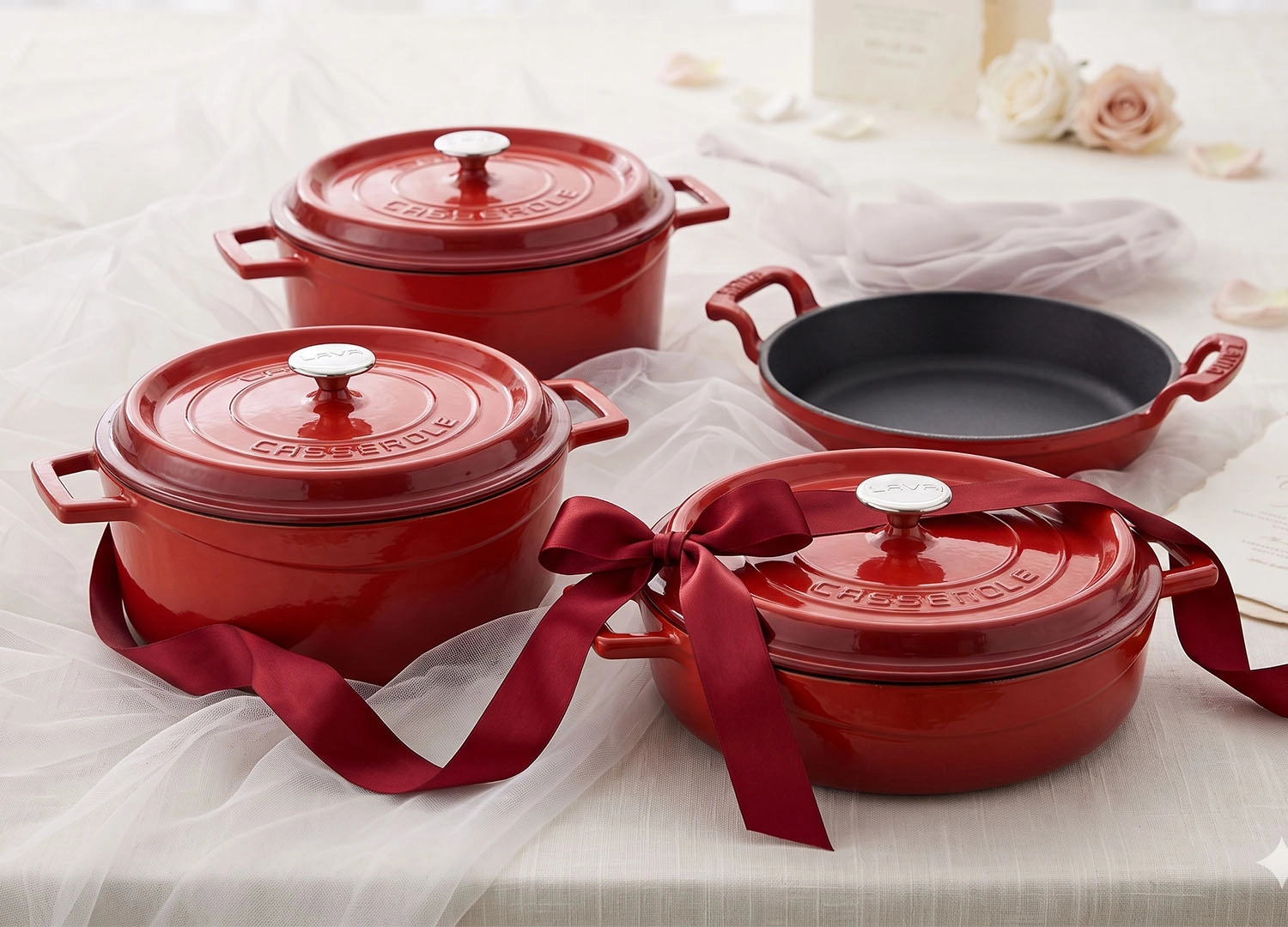
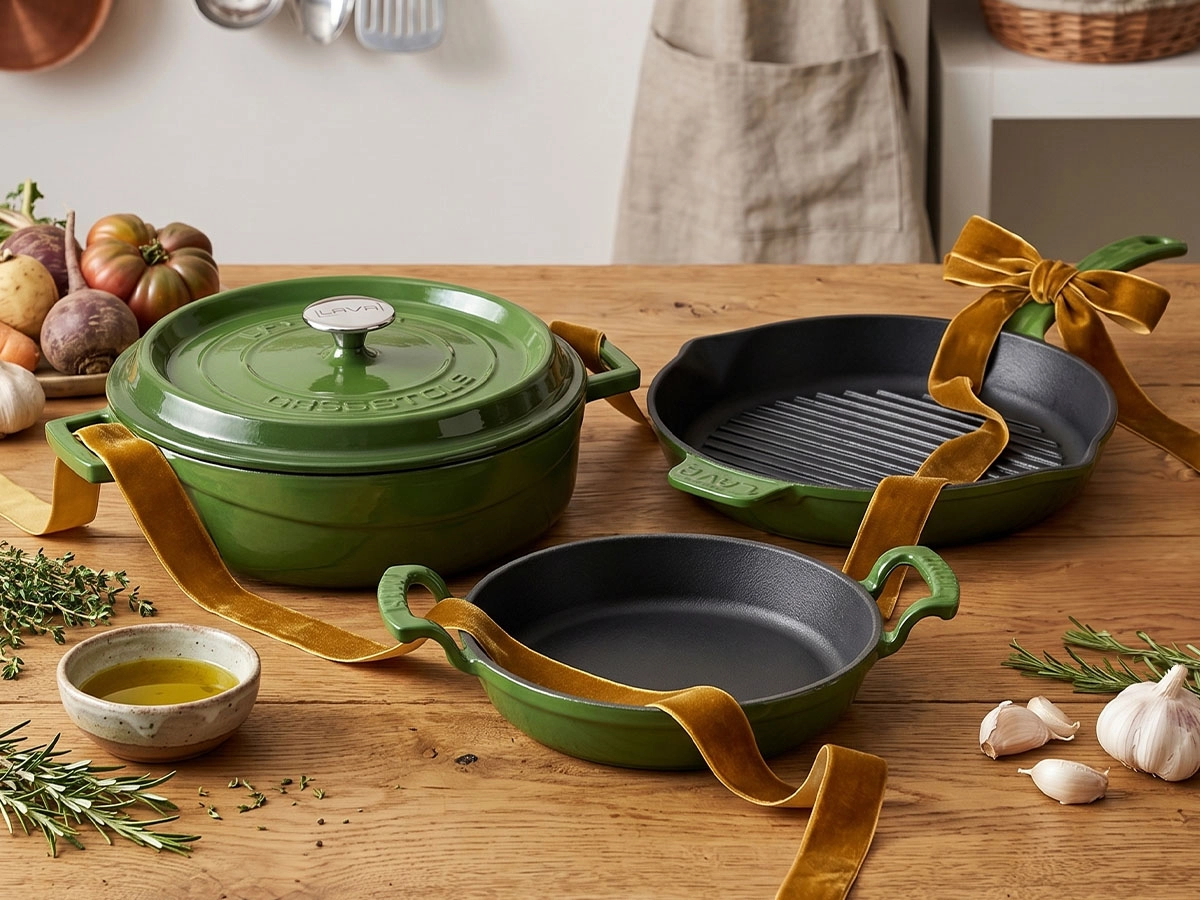
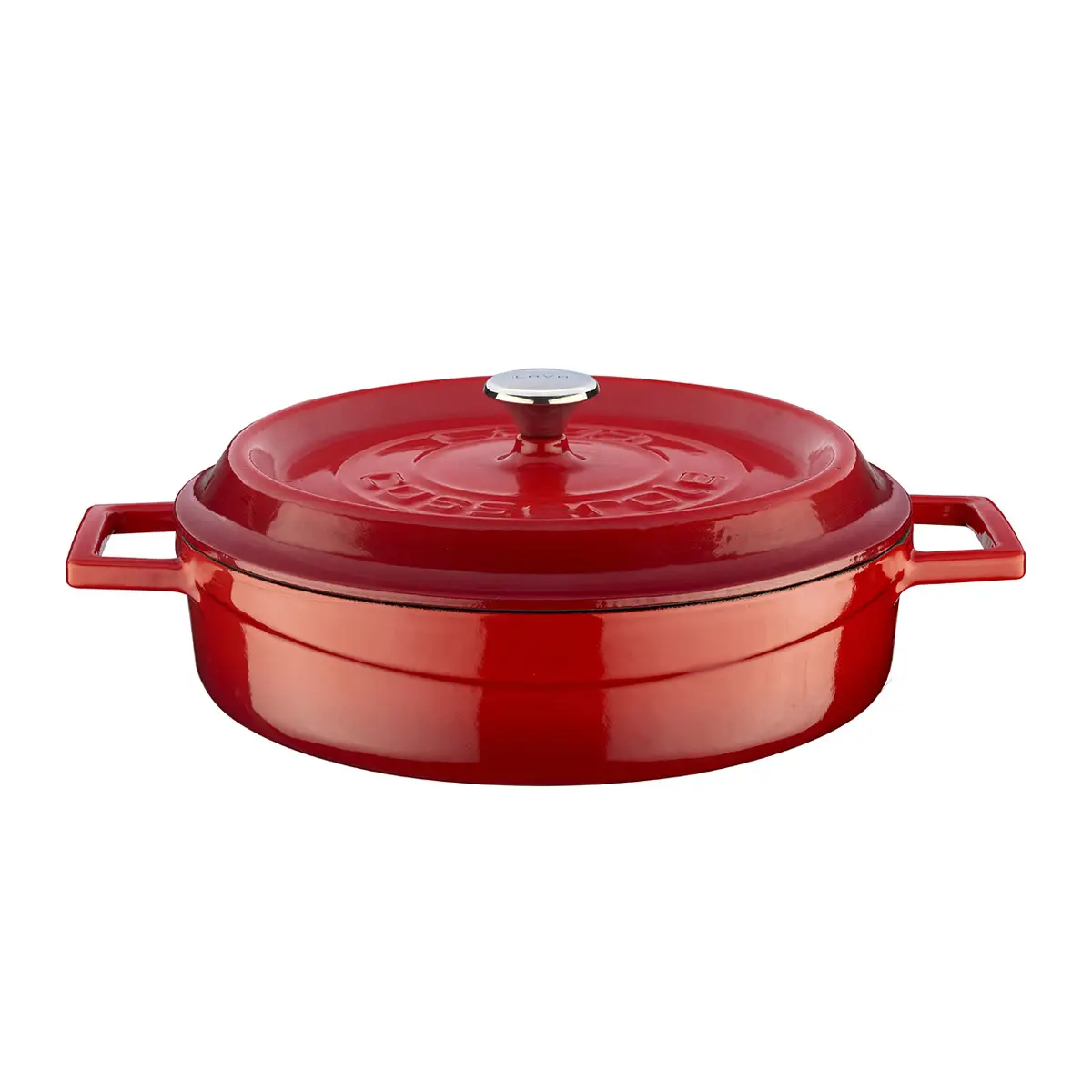
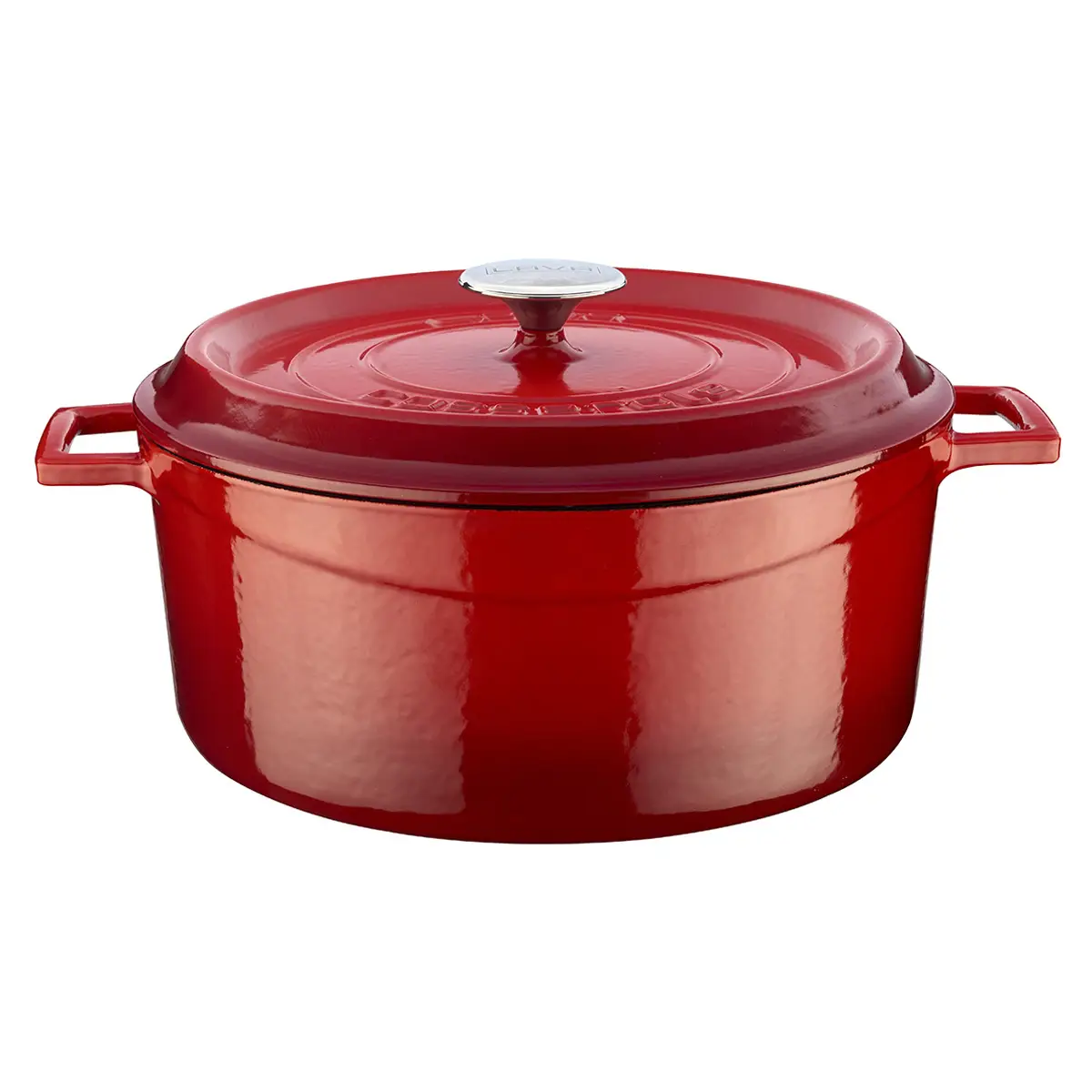
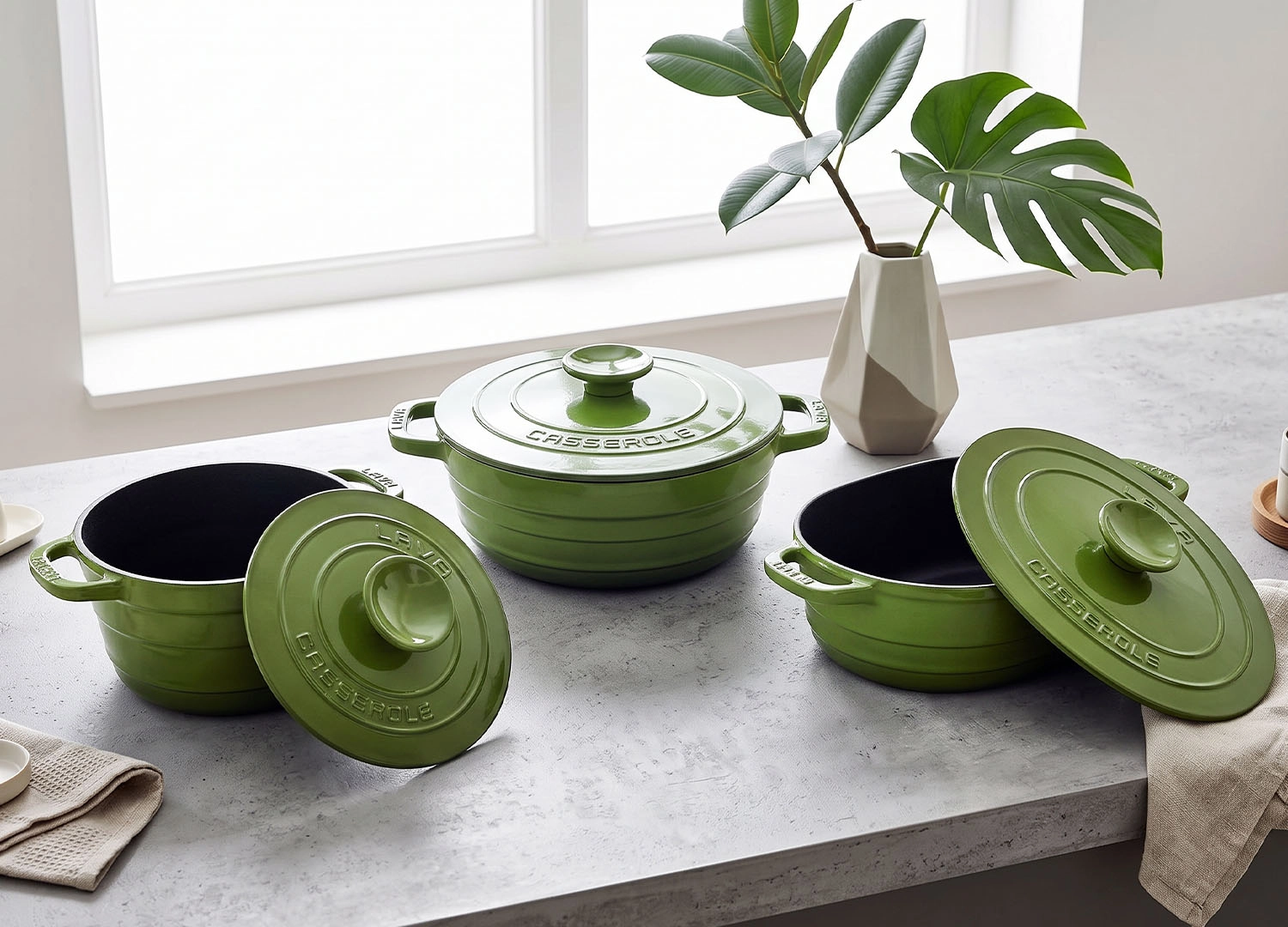
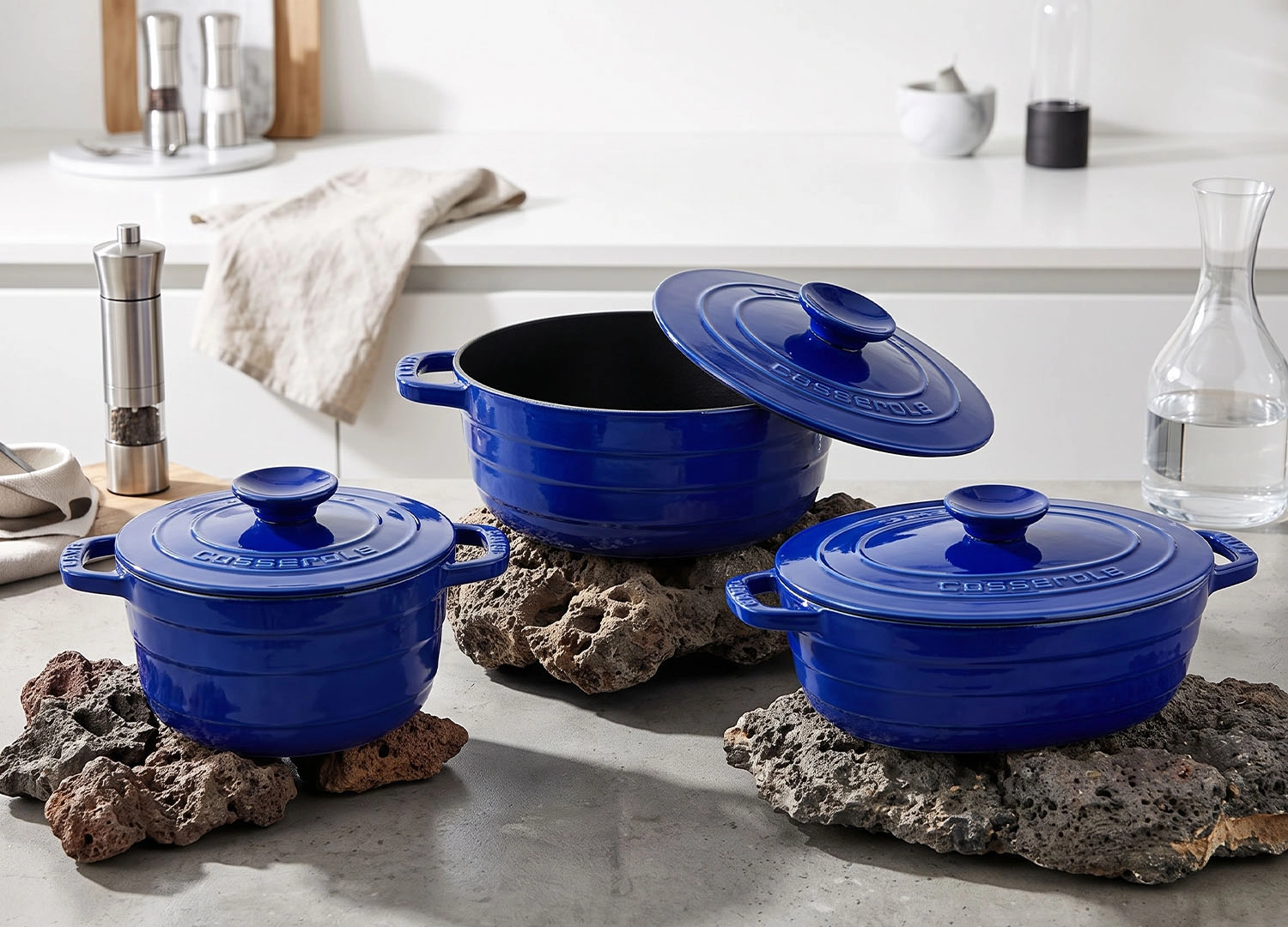
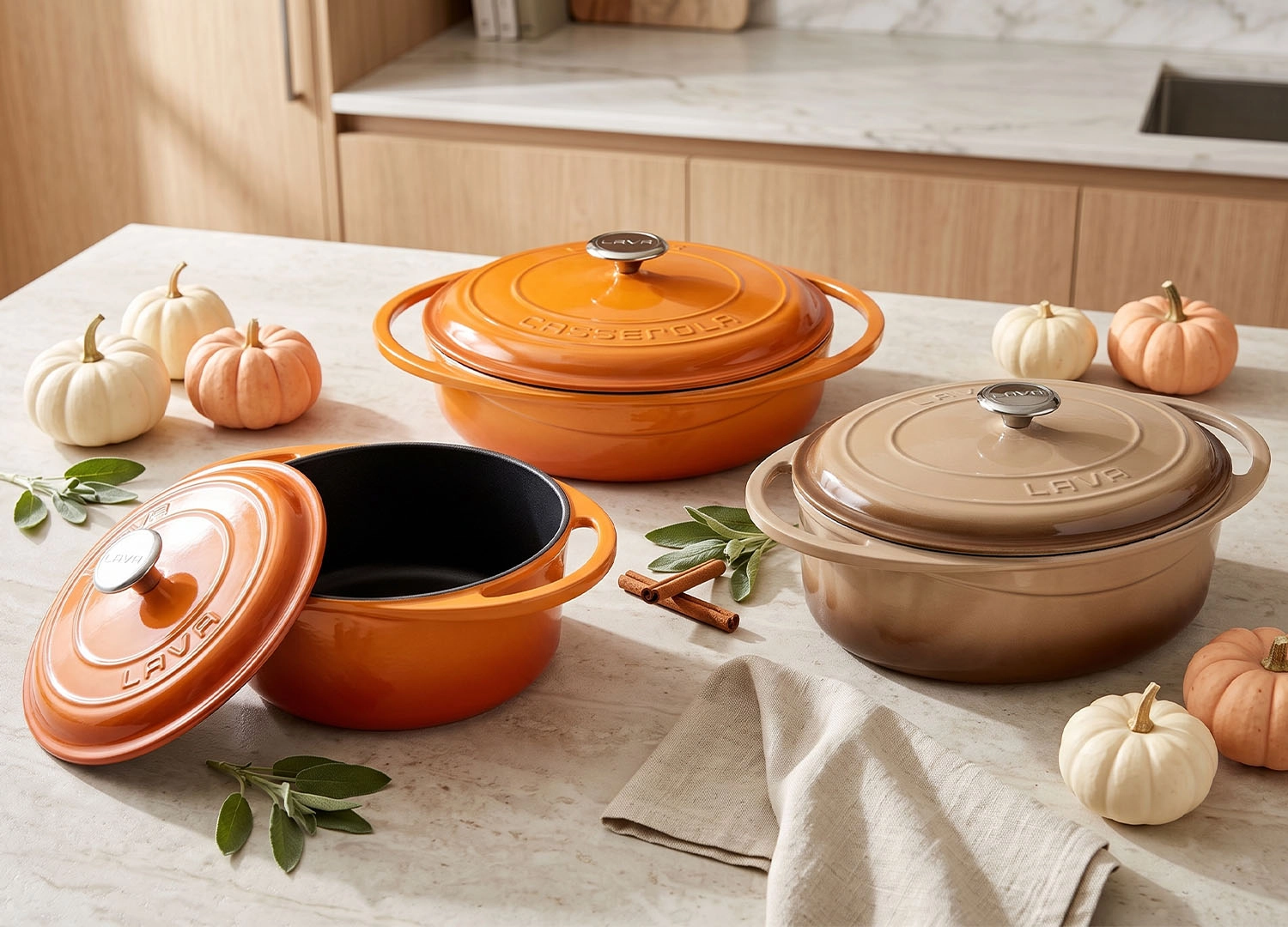
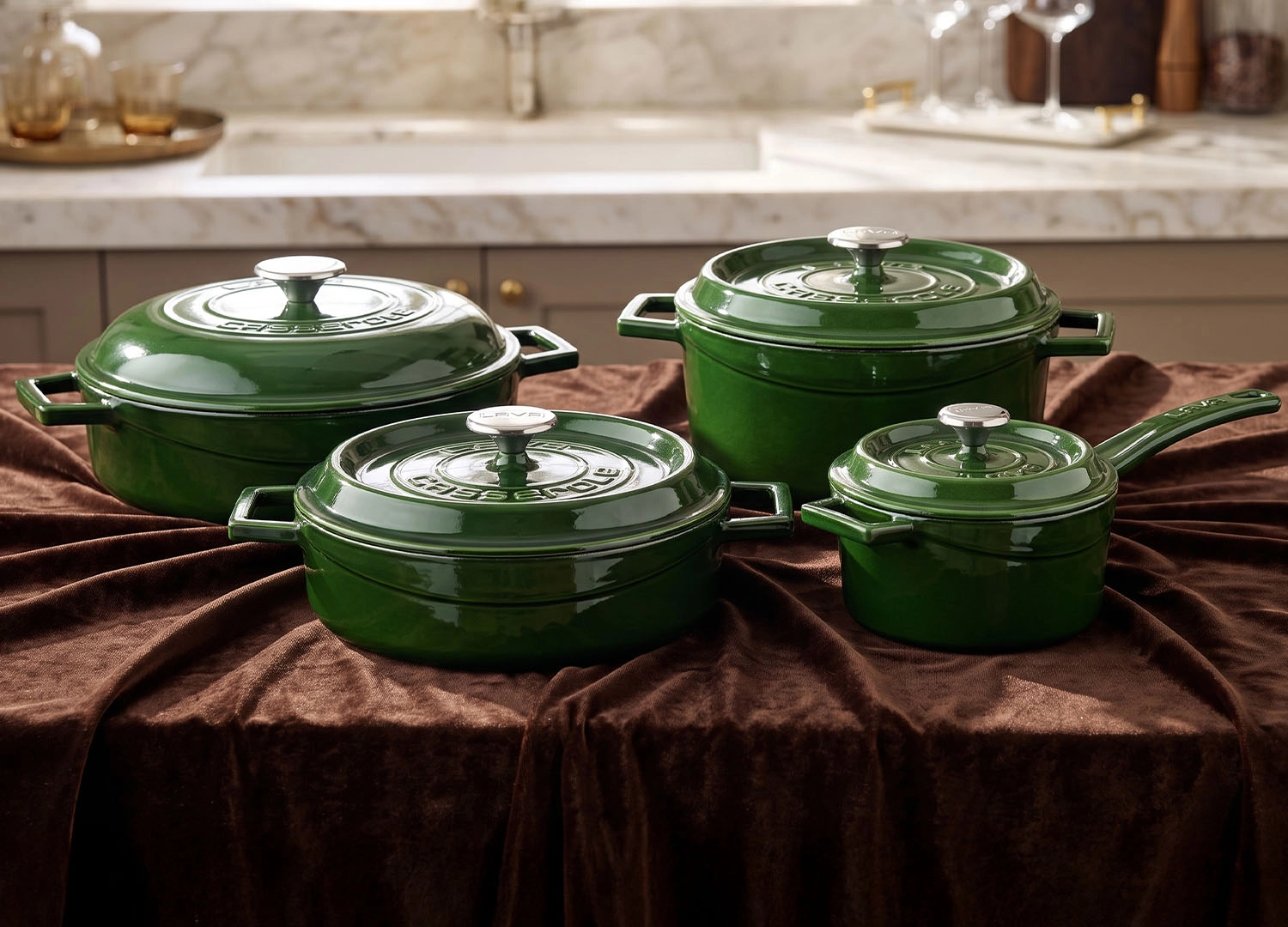
The heart of the New Year’s meal is the aromatic stuffed pilaf—made flawlessly in the LAVA Glaze Series Cast Iron Wide Pot.
Gönen Baldo Rice: Light and beautifully separate grains.
Pine Nuts: Rich, oily pine nuts from Silifke.
Currants: Sweet, fruity notes from Manisa vineyards.
Spices:
Cinnamon: Adds warmth and depth.
Black Pepper: Provides sharp, aromatic brightness.
The even heat distribution of the cast iron pot ensures the pilaf cooks gently—without burning oils or breaking the grains.
The secret behind the turkey’s glossy, caramelized crust lies in the sauce itself.
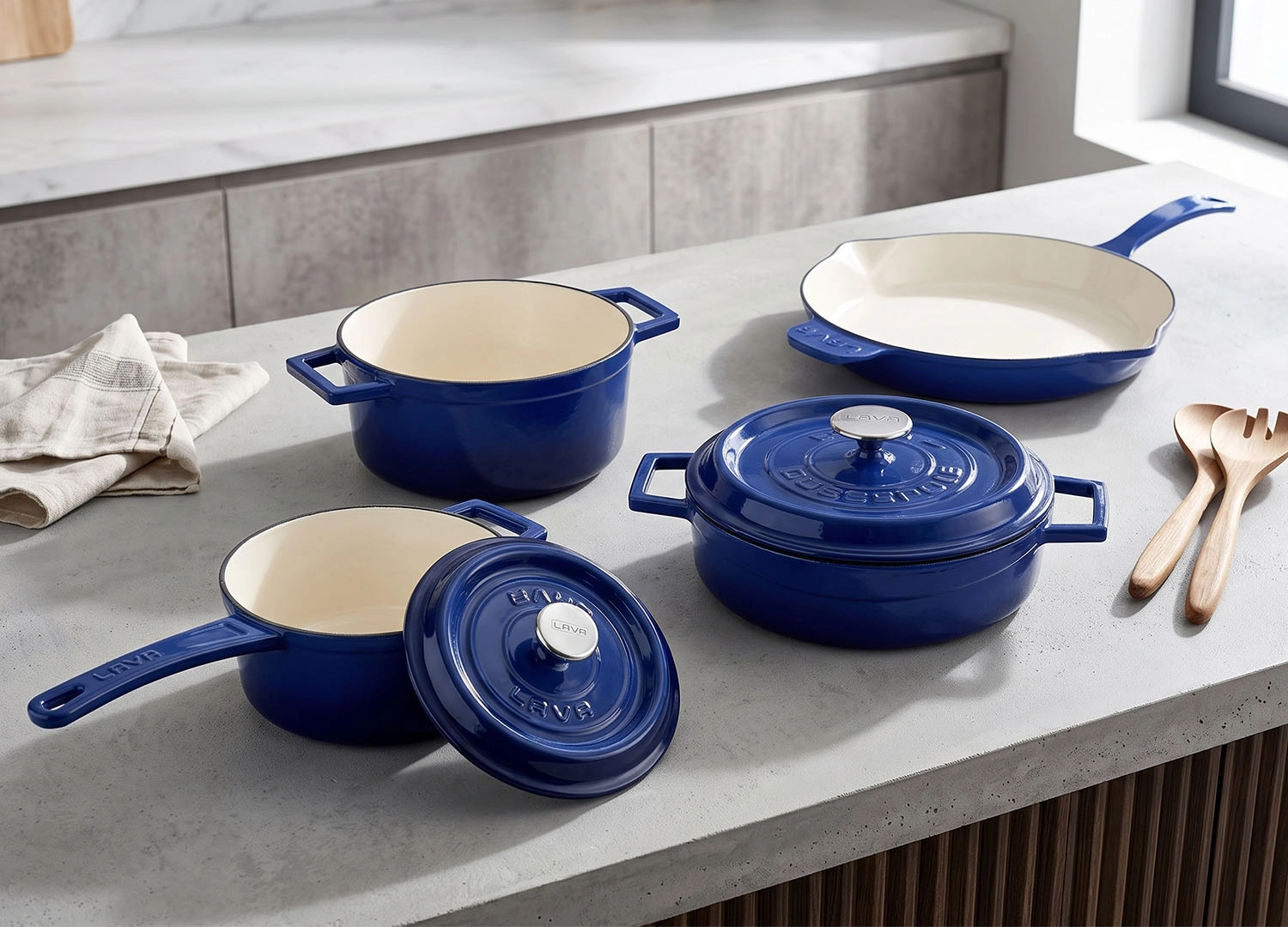
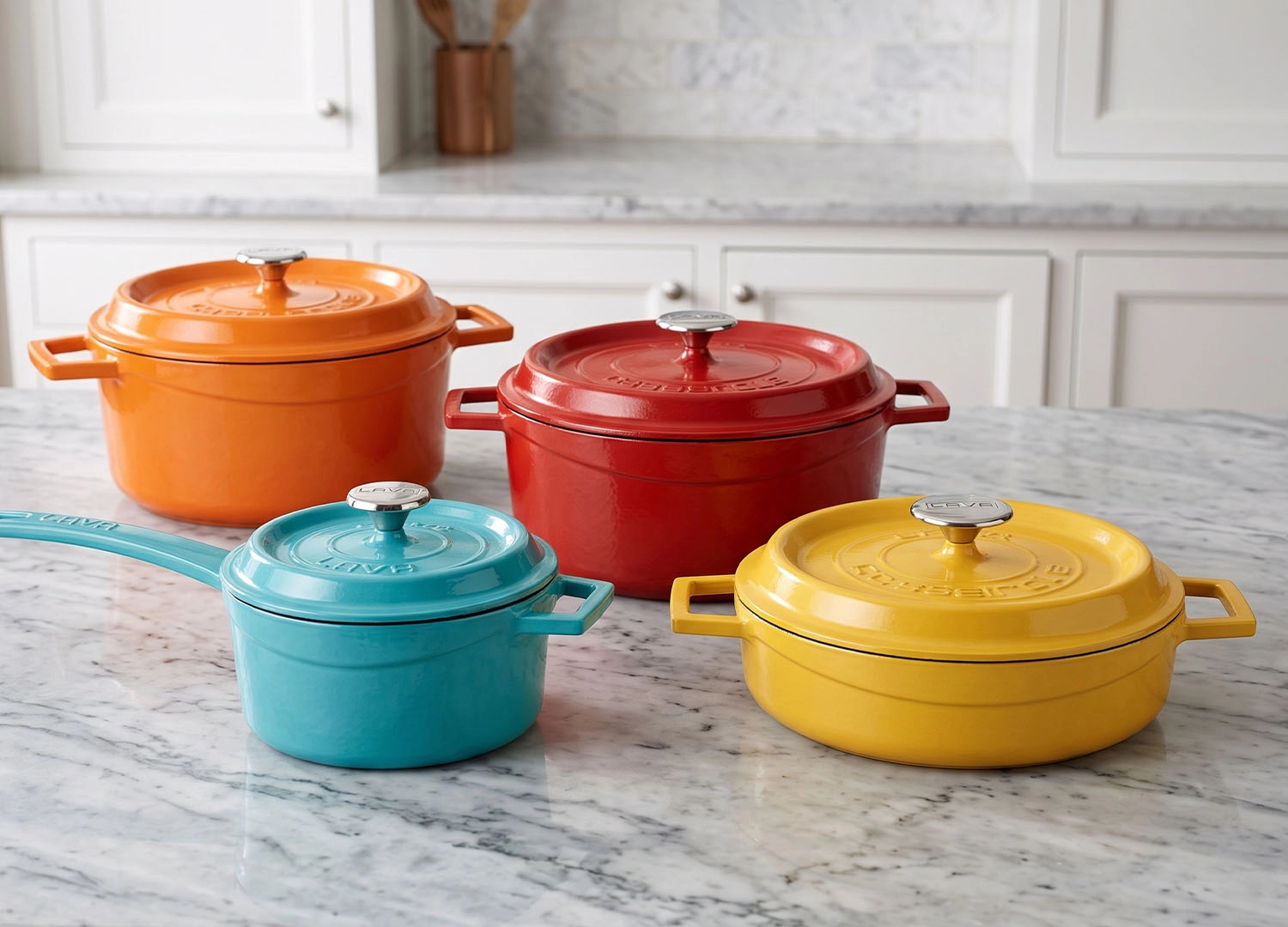
For this, the LAVA Trendy Series Cast Iron Saucepan is the perfect companion.
Rosemary: Resinous and vibrant, sourced from Fethiye.
Thyme: Intensely aromatic mountain thyme from Isparta.
Citrus: Lively lemons and oranges from Mersin.
Butter: Pure, rich flavor from the Kars highlands.
Slow cooking these ingredients together creates a fragrant sauce that fills the home with festive warmth.
No New Year’s table is complete without a dessert.
We end the menu with a sweet classic—reimagined with Anatolian touches.
The Yule Log originated from 19th-century European traditions symbolizing the ritual of "welcoming the New Year with fire."
Bursa chestnuts
Pomegranate seeds symbolizing abundance
A Turkish coffee–infused chocolate ganache
Serving the Yule Log on a LAVA cast iron platter keeps it warm while adding a modern, elegant touch to your table.
A New Year’s table is much more than a meal—it is a ritual that brings together memories, togetherness, and hopes for the coming year.
This carefully curated menu—featuring soup, mezes, roast turkey, and dessert—uses LAVA cast iron cookware to achieve perfect flavor, balance, and presentation.
With LAVA products:
flavors deepen,
ingredients shine,
every dish gains a professional finish.
Welcoming the New Year with a LAVA-crafted table transforms your celebration into a meaningful tradition—filled with warmth, taste, and connection.
23.12.2025






Lava Döküm Online Fabrika Satış Mağazası. © 2026 All Rights Reserved.


0
)

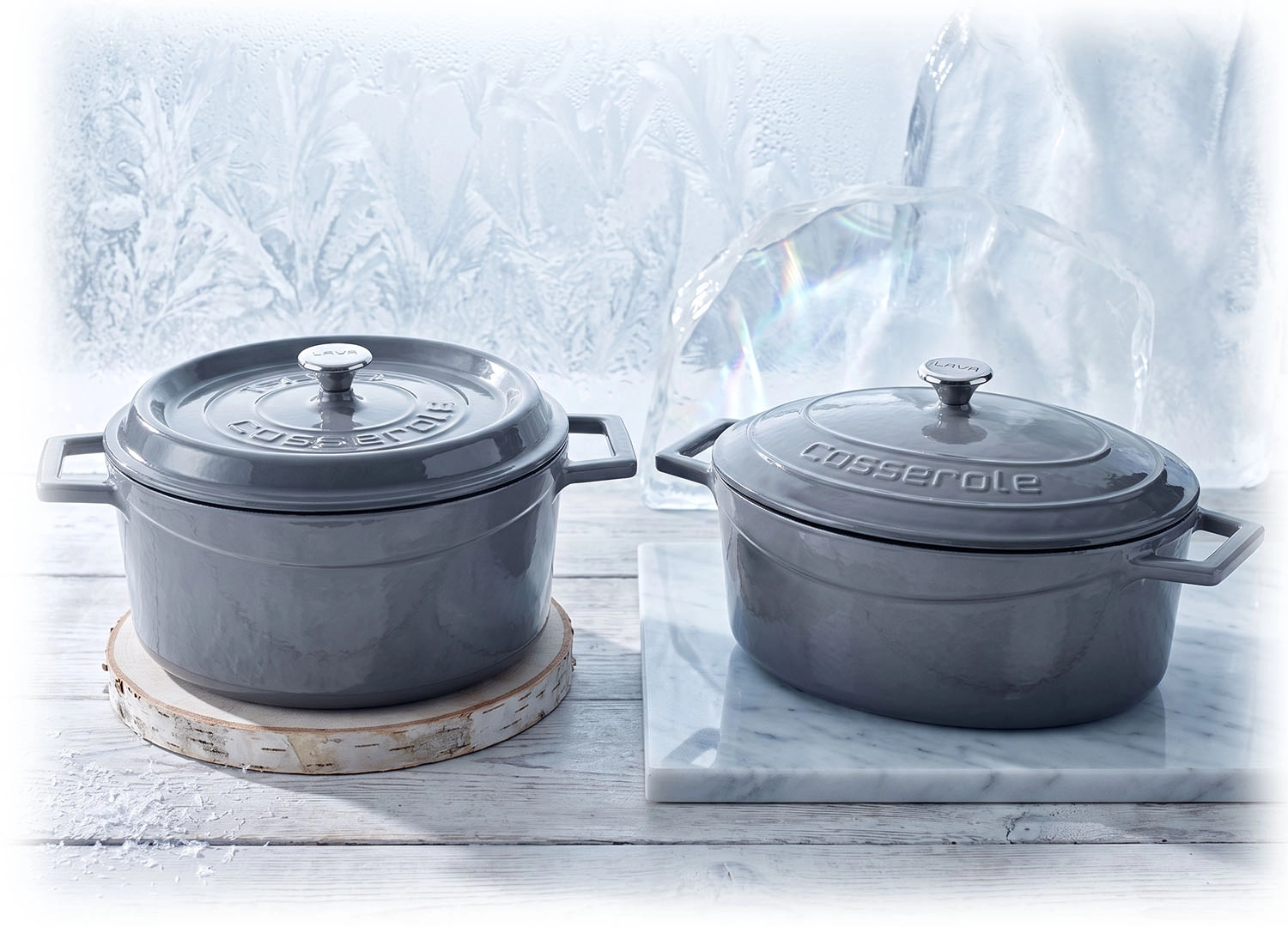
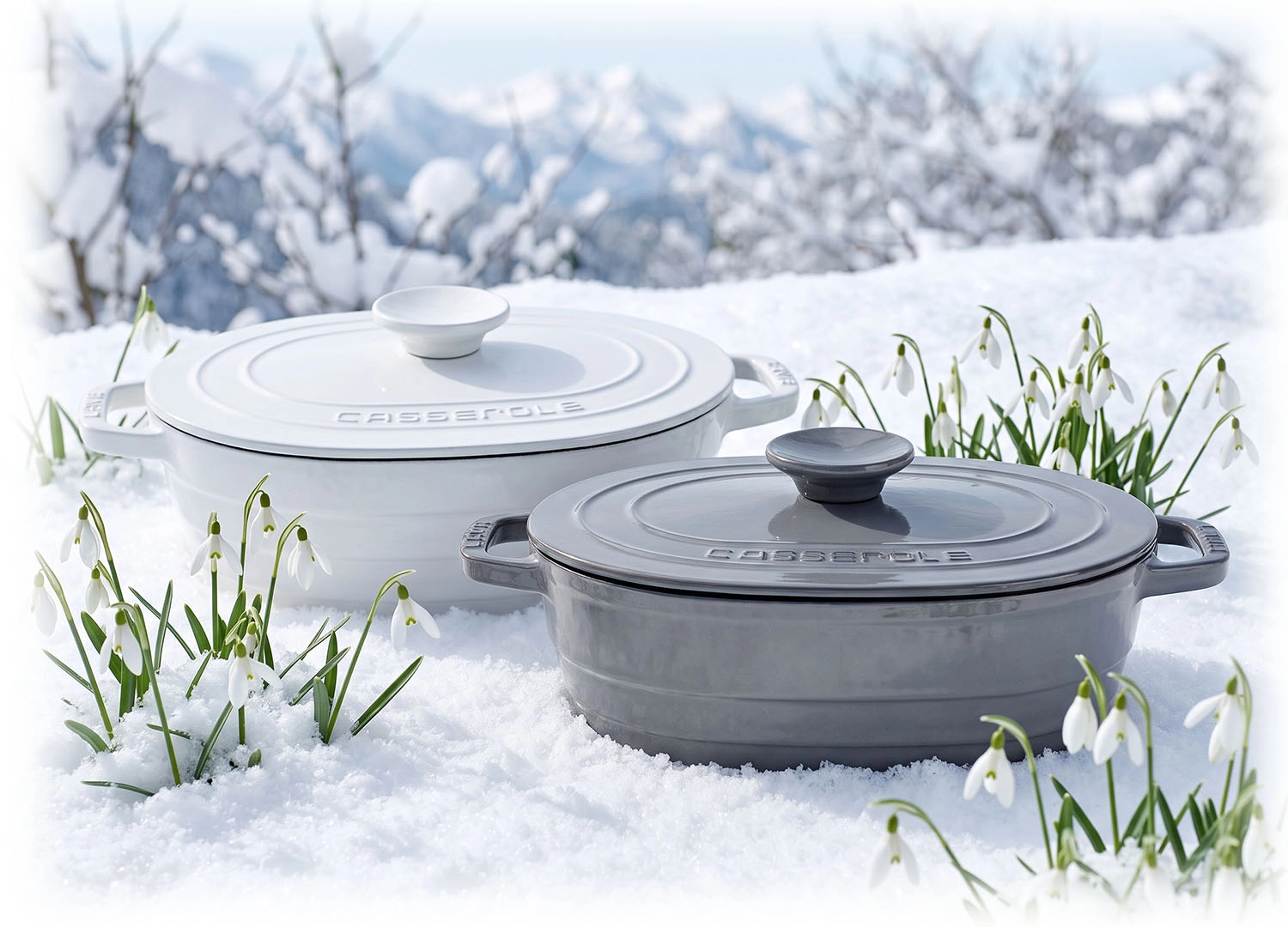
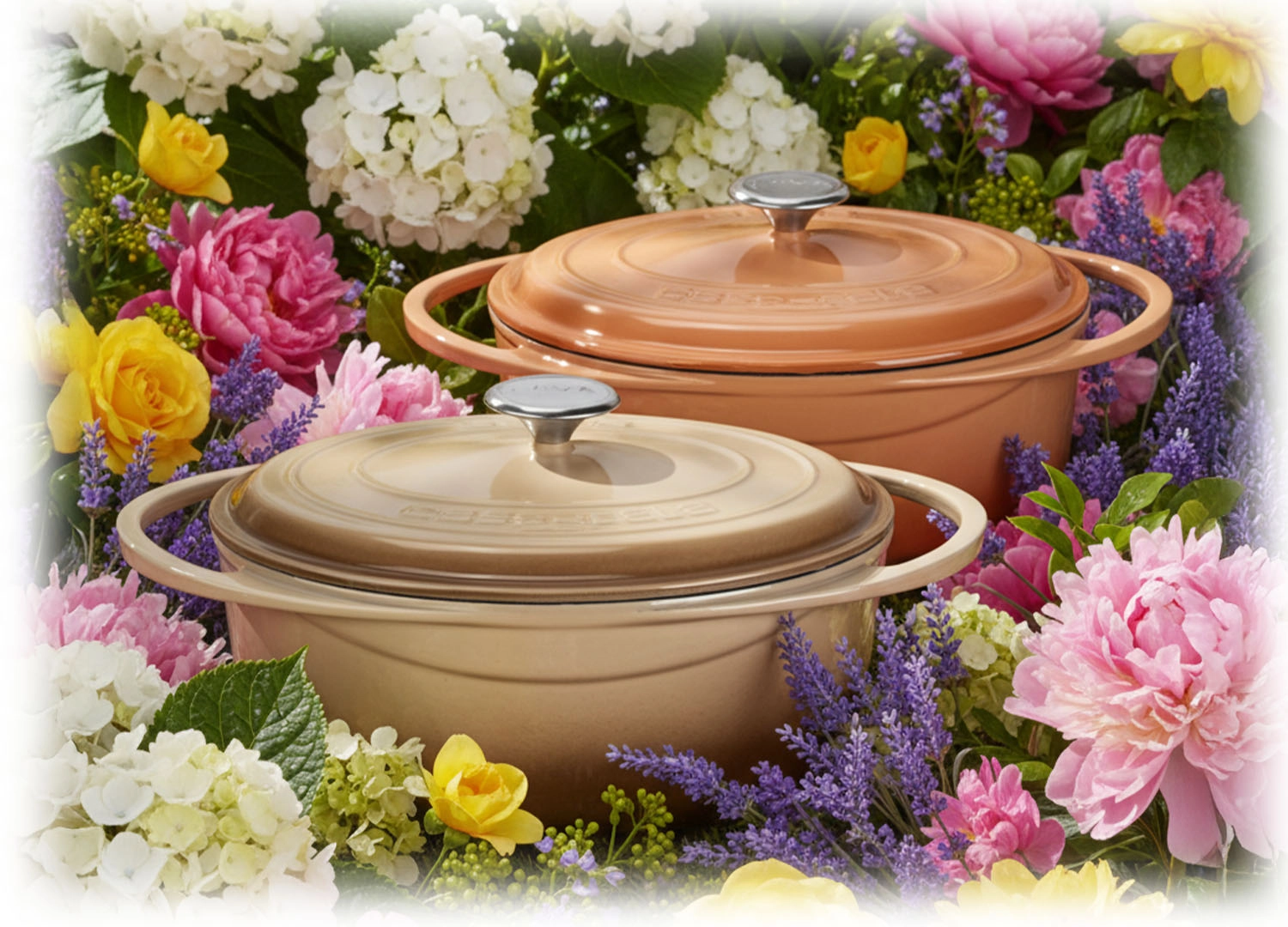
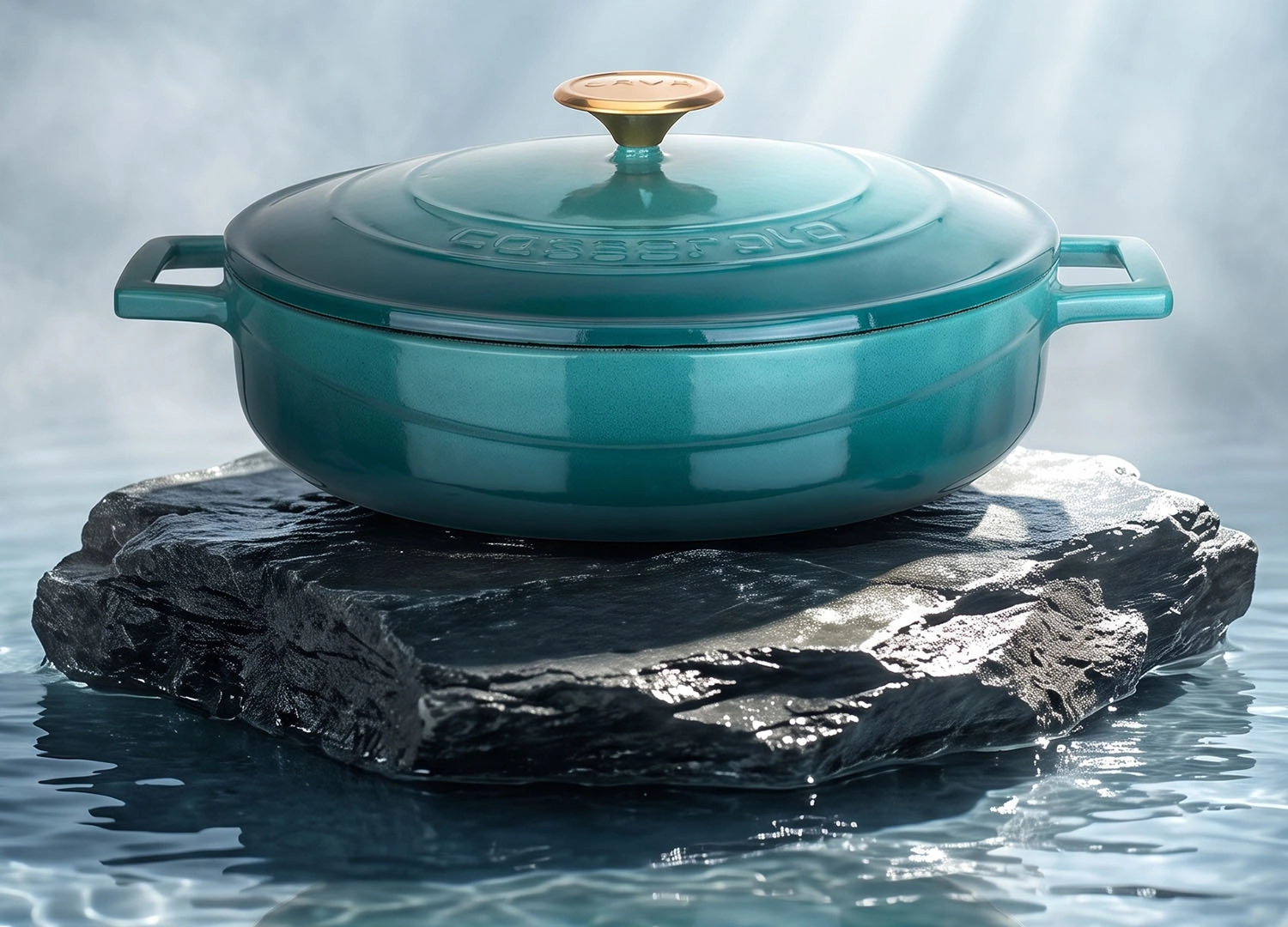
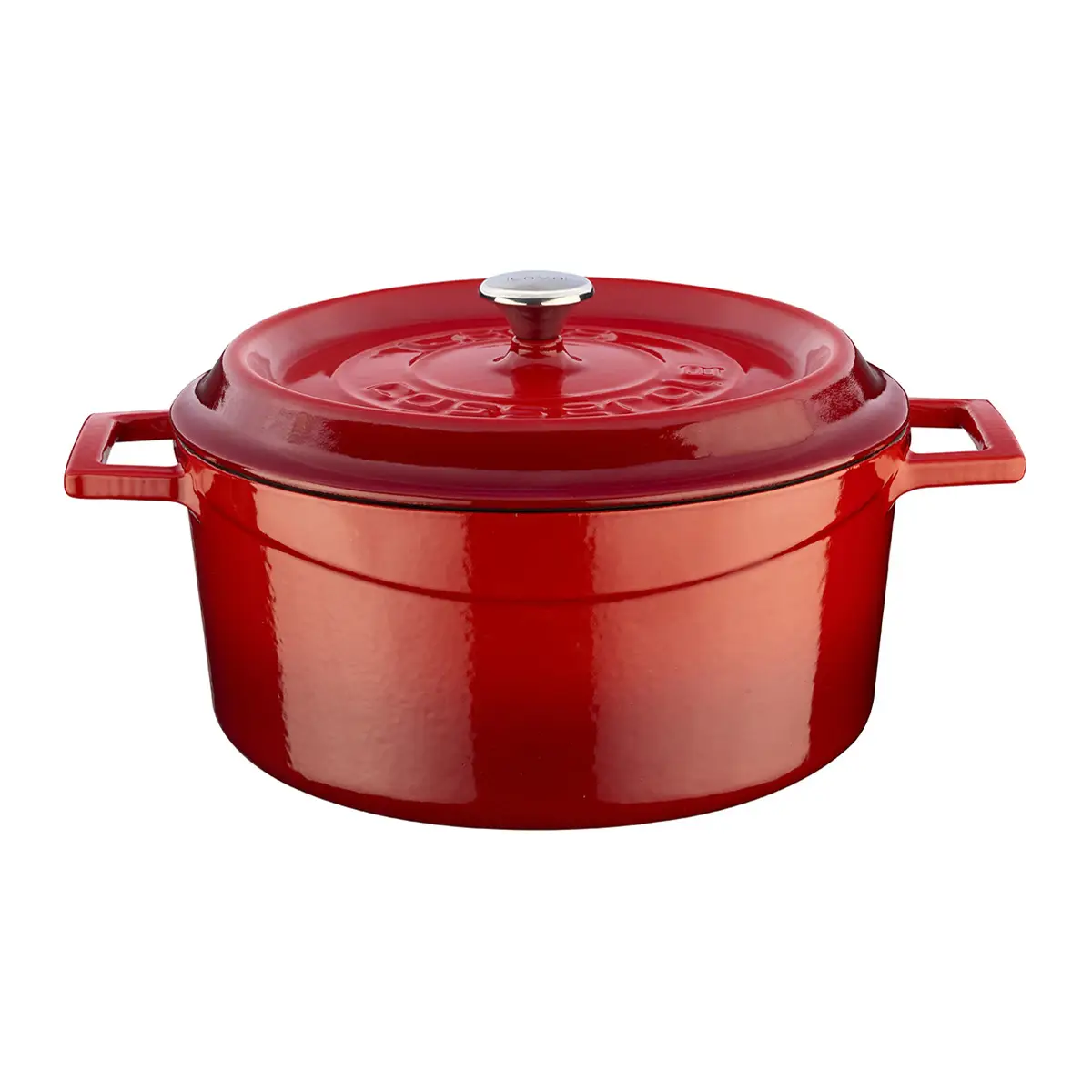
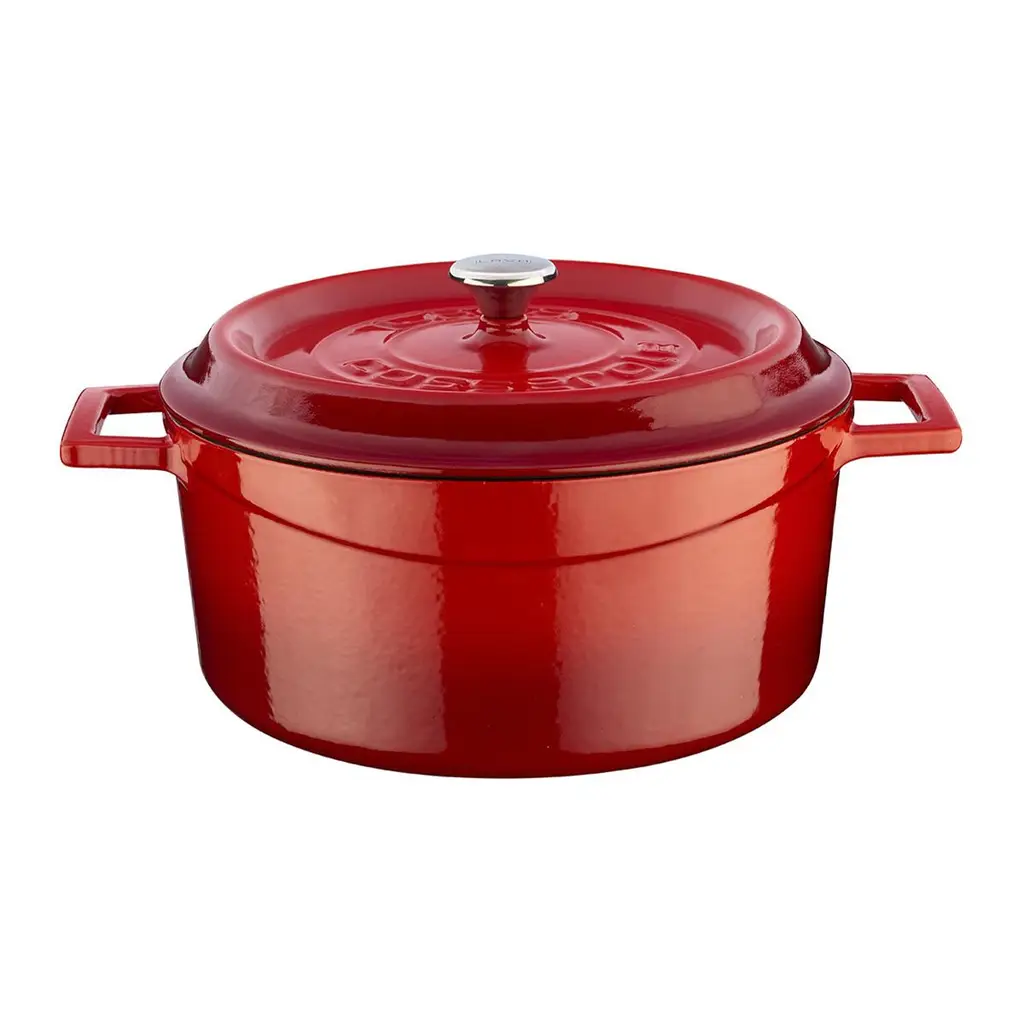
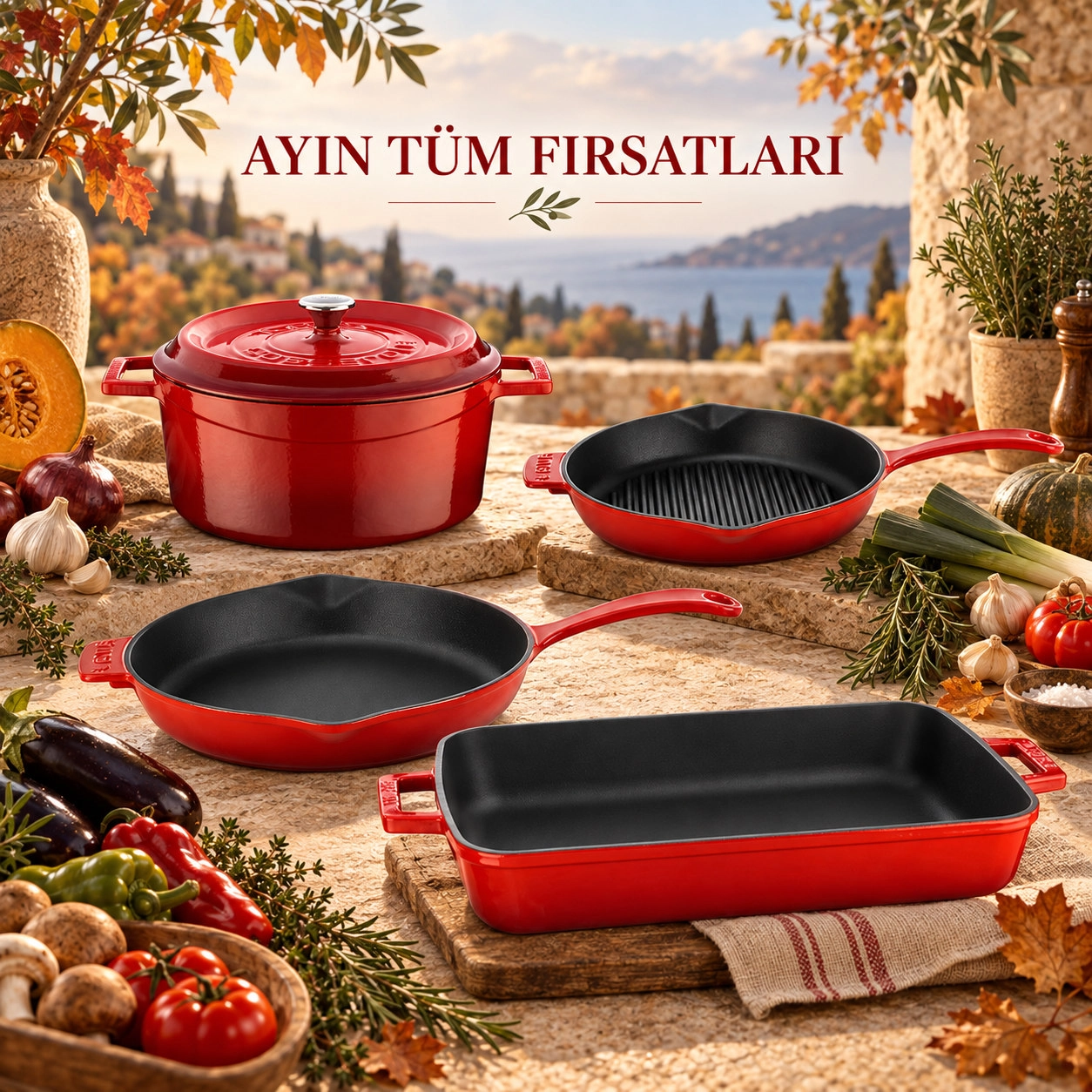
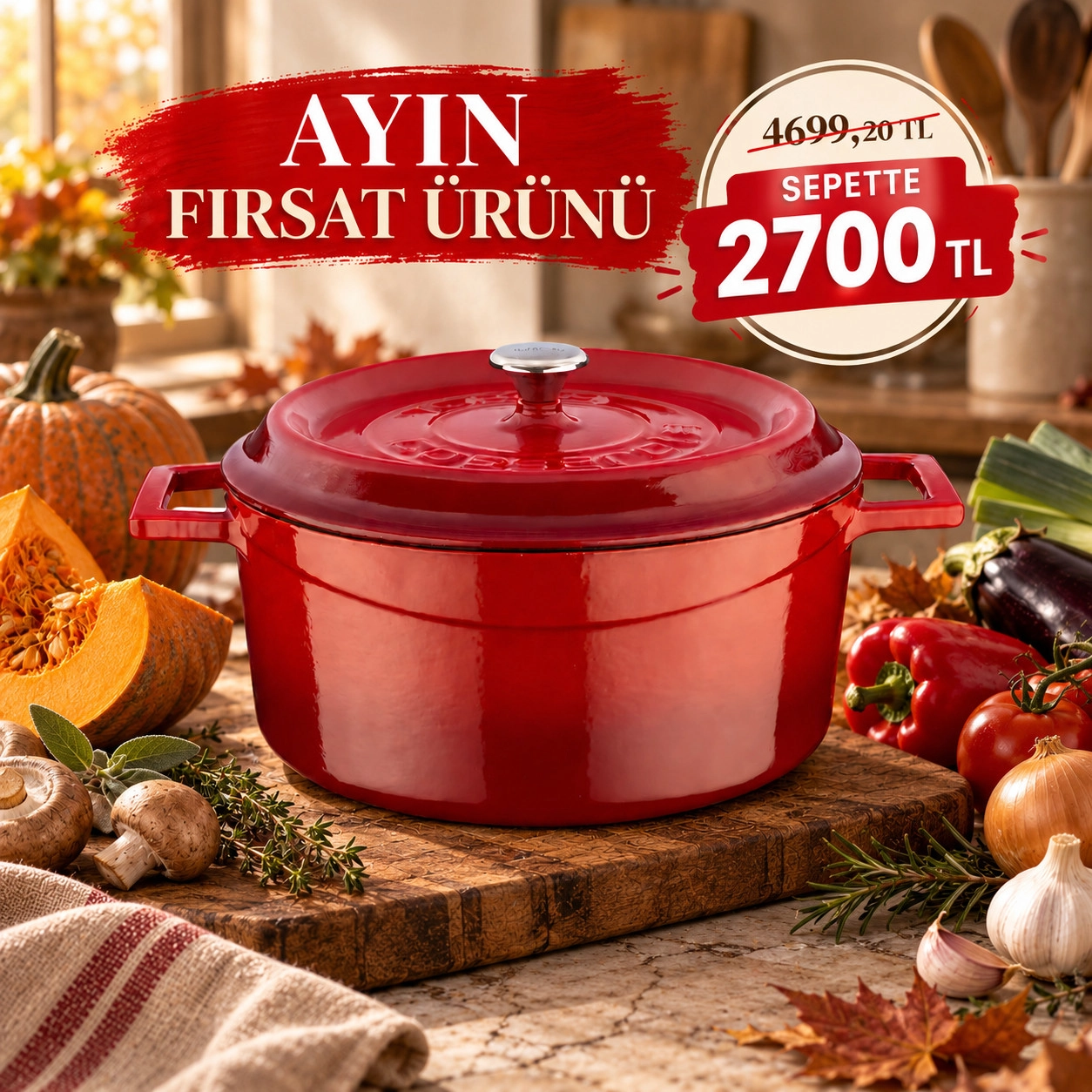 LAVA Round Cast Iron Casserole – Trendy Ø24 cm
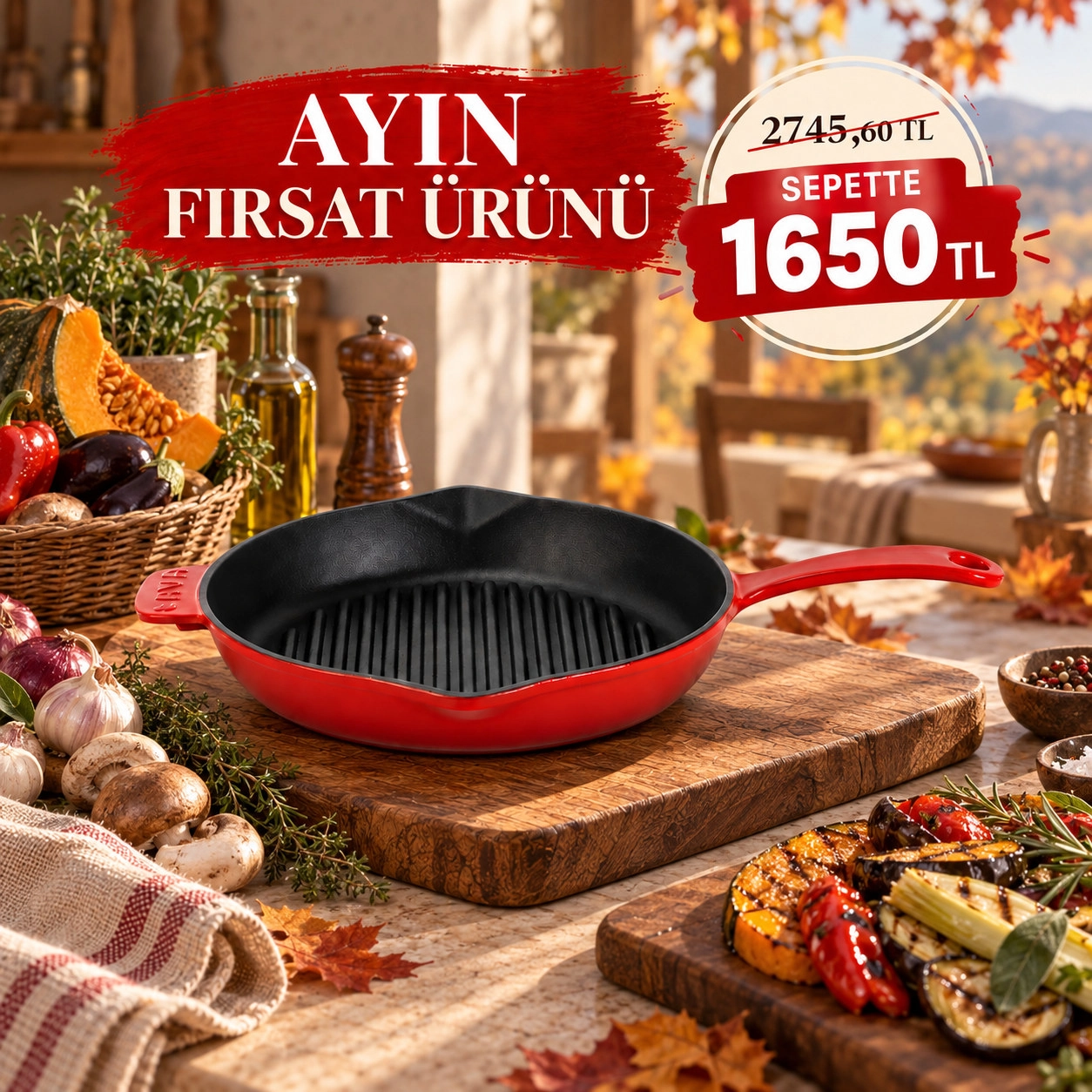 LAVA Round Cast Iron Grill Pan 28 cm Single Handle
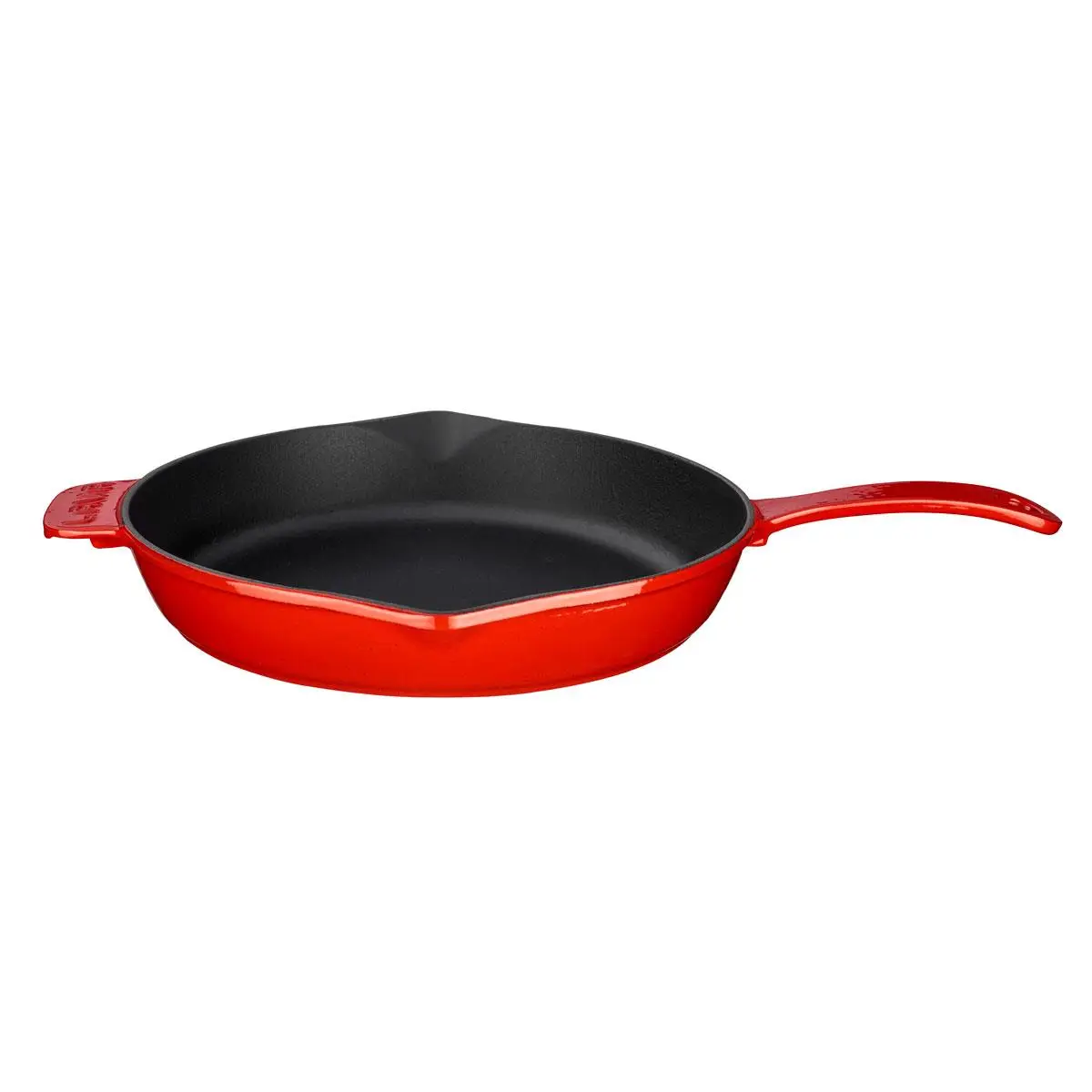
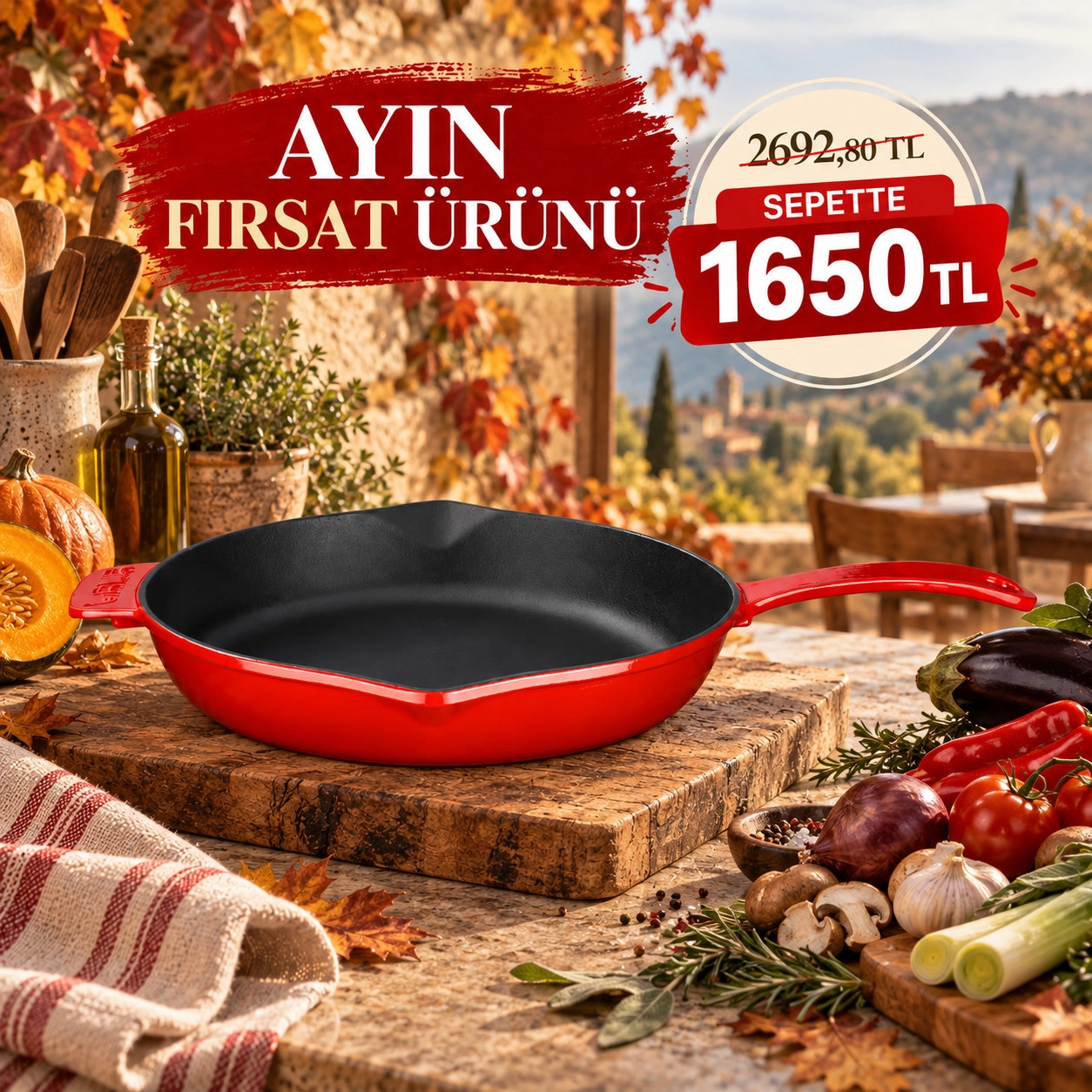 LAVA Round Cast Iron Frying Pan 28 cm Single Handle
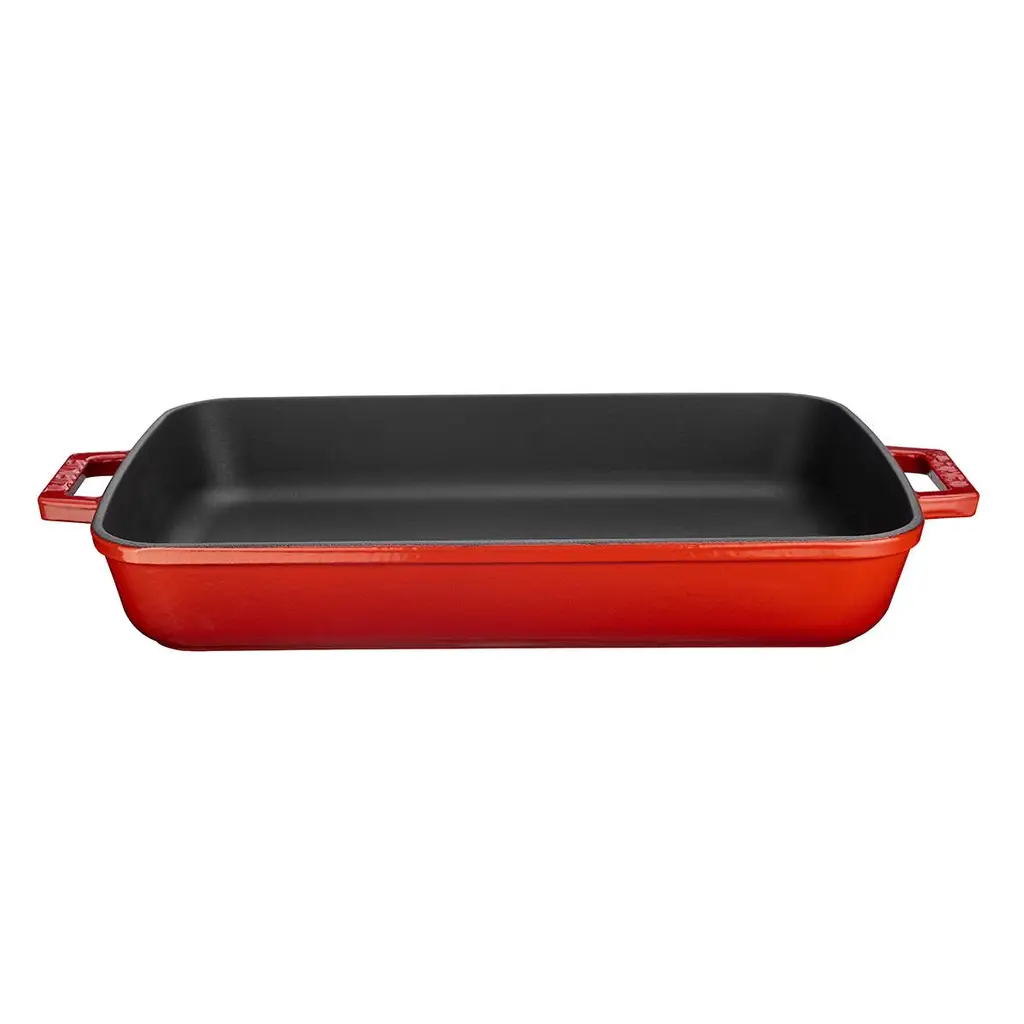
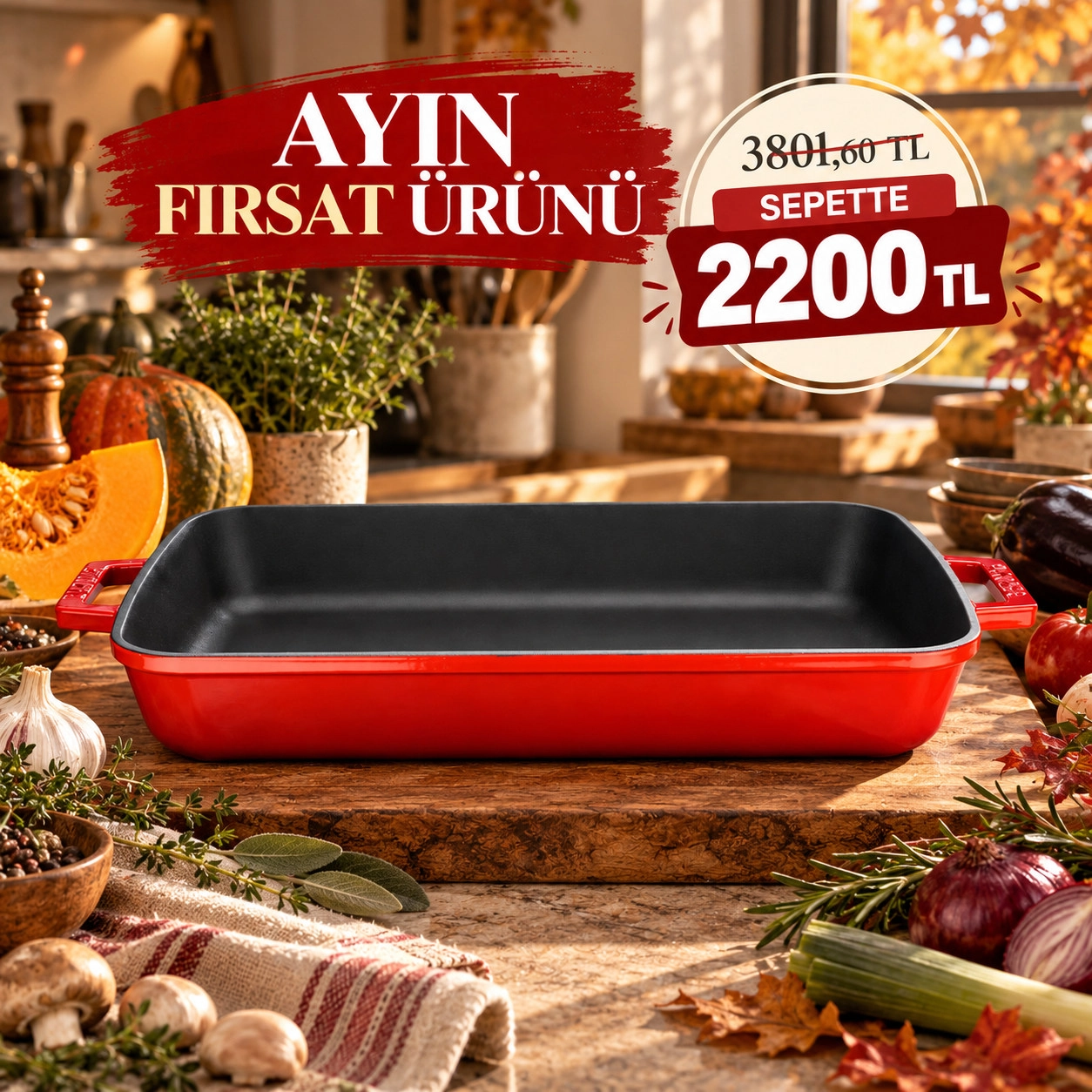 LAVA Rectangular Cast Iron Roasting & Oven Tray 26x40 cm Twin Handles
 All This Month's Deals