×

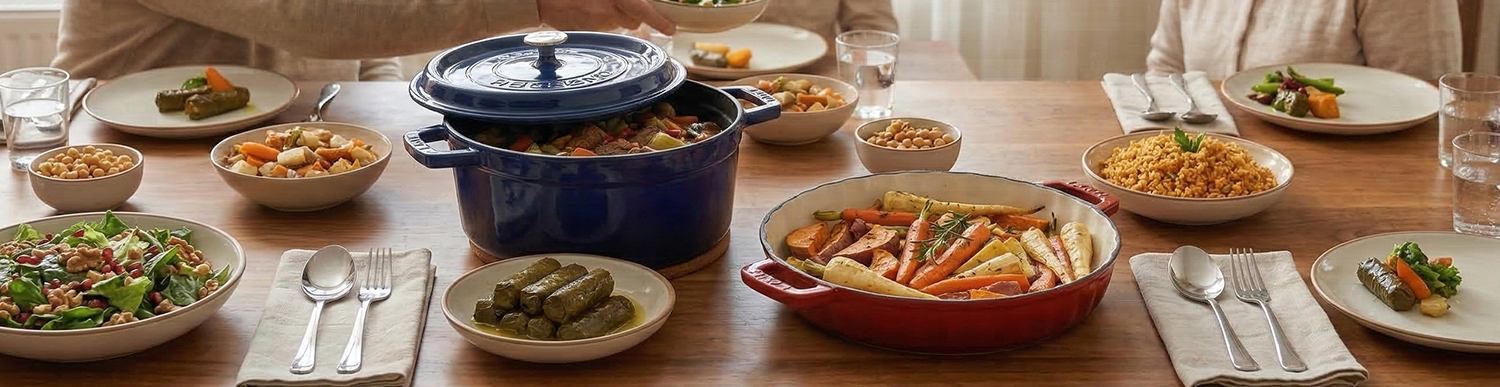
Ramadan Feast (Eid al-Fitr) is a special time that celebrates sharing, unity and togetherness. Also known as Şeker Bayramı (Sugar Feast), this period brings families around feast tables, preserving traditions and passing cultural values from one generation to another. Across Turkey, these tables reflect hospitality and strong social bonds.
The warmth of Ramadan Feast brings us together around the same table with our loved ones. On this meaningful occasion, we wish all LAVA lovers a joyful celebration filled with abundance, peace and togetherness.
Feasts are not just dates on a calendar; they are moments when emotions, memories and traditions come alive again. At LAVA, we believe that what is shared at the table is not only food, but also culture and connection.
Ramadan Feast marks the end of a month of fasting and symbolises spiritual purification, gratitude and generosity.
During the feast:
Families visit each other
Elders are respected
Children are delighted
Those in need are supported
In this sense, Ramadan Feast is not only the completion of a religious practice but also a time when social ties are strengthened.
Ramadan Feast is commonly referred to as Şeker Bayramı (Sugar Feast) due to its strong association with sweets and treats.
During visits:
Sweets
Turkish delight
Traditional desserts
are offered to guests. For children especially, the feast becomes a joyful experience of collecting sweets and receiving small gifts.
This tradition enhances the festive spirit and explains why the name “Şeker Bayramı” has become widely used.
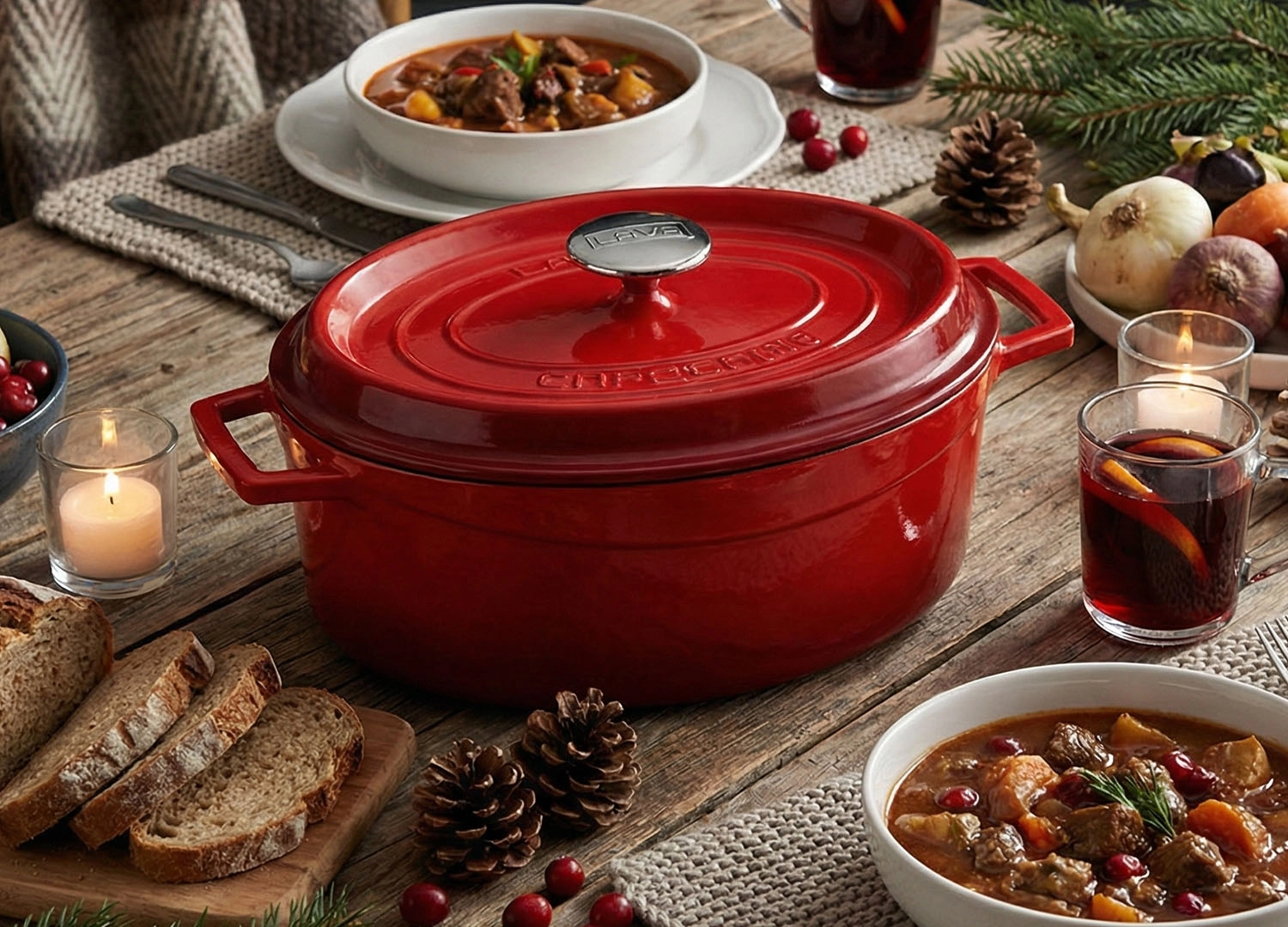
Feast tables are not just places where meals are served; they are spaces where families reconnect, memories are revisited and bonds are strengthened.
Traditionally:
Large family tables are set
Visits continue throughout the day
Guests are warmly welcomed
Serving food during the feast is considered a sign of respect and generosity in Anatolian culture. The belief that “guests bring abundance” lies at the heart of these tables.
Turkey’s culinary diversity is beautifully reflected in its feast tables:
Olive oil dishes, artichokes, stuffed vine leaves and lighter desserts take centre stage.
Cornbread, stuffed black cabbage and hearty soups are commonly served.
Meat dishes, rice and pastries form the foundation of feast meals.
Rich desserts like baklava and kadayıf, alongside meat-based dishes, are essential.
This diversity highlights that feast tables are not only about food but also about cultural heritage.
The essence of feast tables lies in sharing. Meals are prepared not only for family but also for neighbours, guests and those in need.
This tradition:
Strengthens social solidarity
Reinforces family ties
Sustains cultural continuity
The table becomes more than a physical space—it becomes a cultural and emotional meeting point.
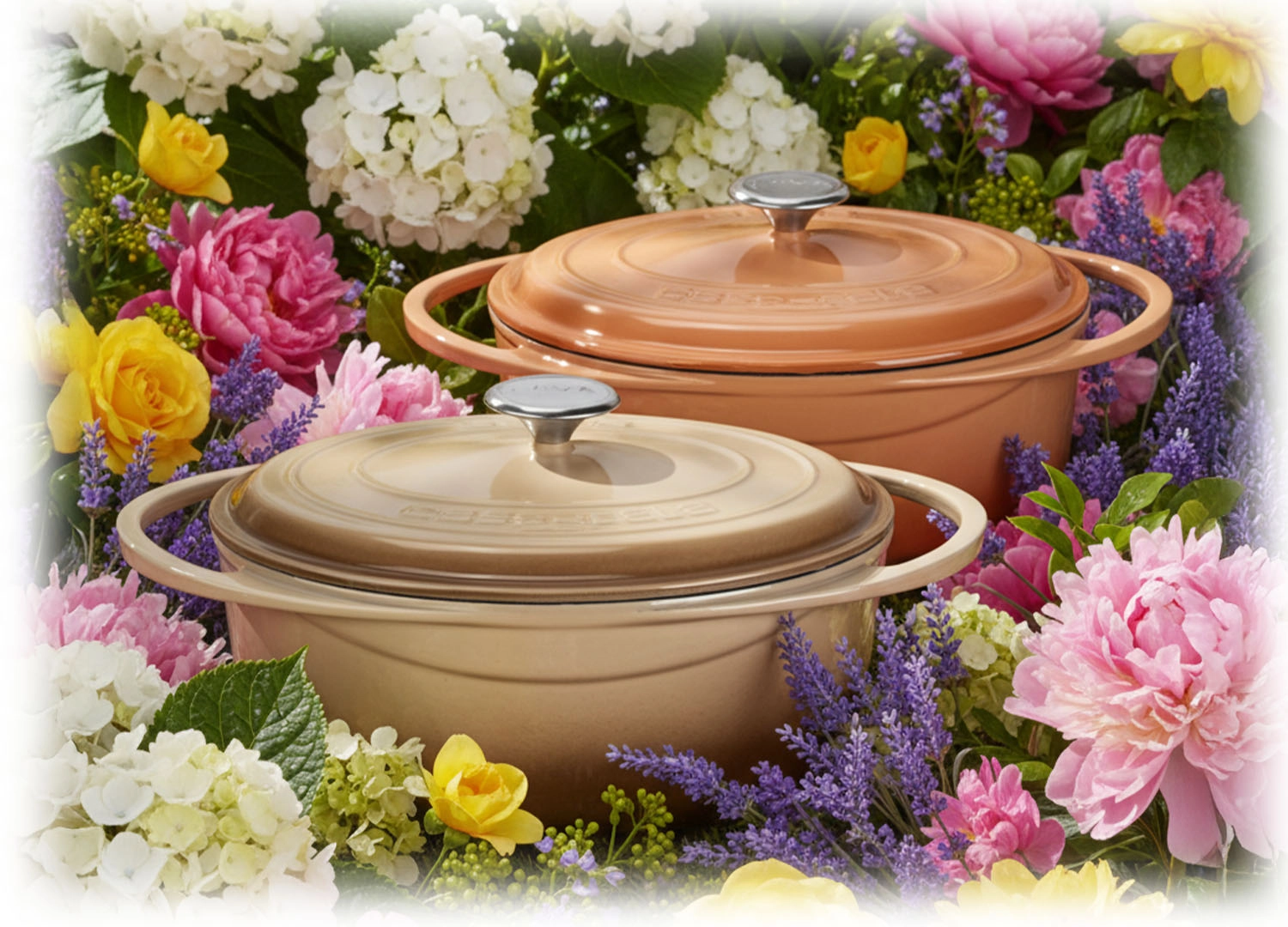
Nevruz symbolises the arrival of spring and the renewal of nature. Like Ramadan Feast, it reflects themes of unity and sharing.
Nevruz tables:
Represent abundance and prosperity
Feature fresh, seasonal ingredients
Bring people together
Click here to learn more about Nevruz tables.
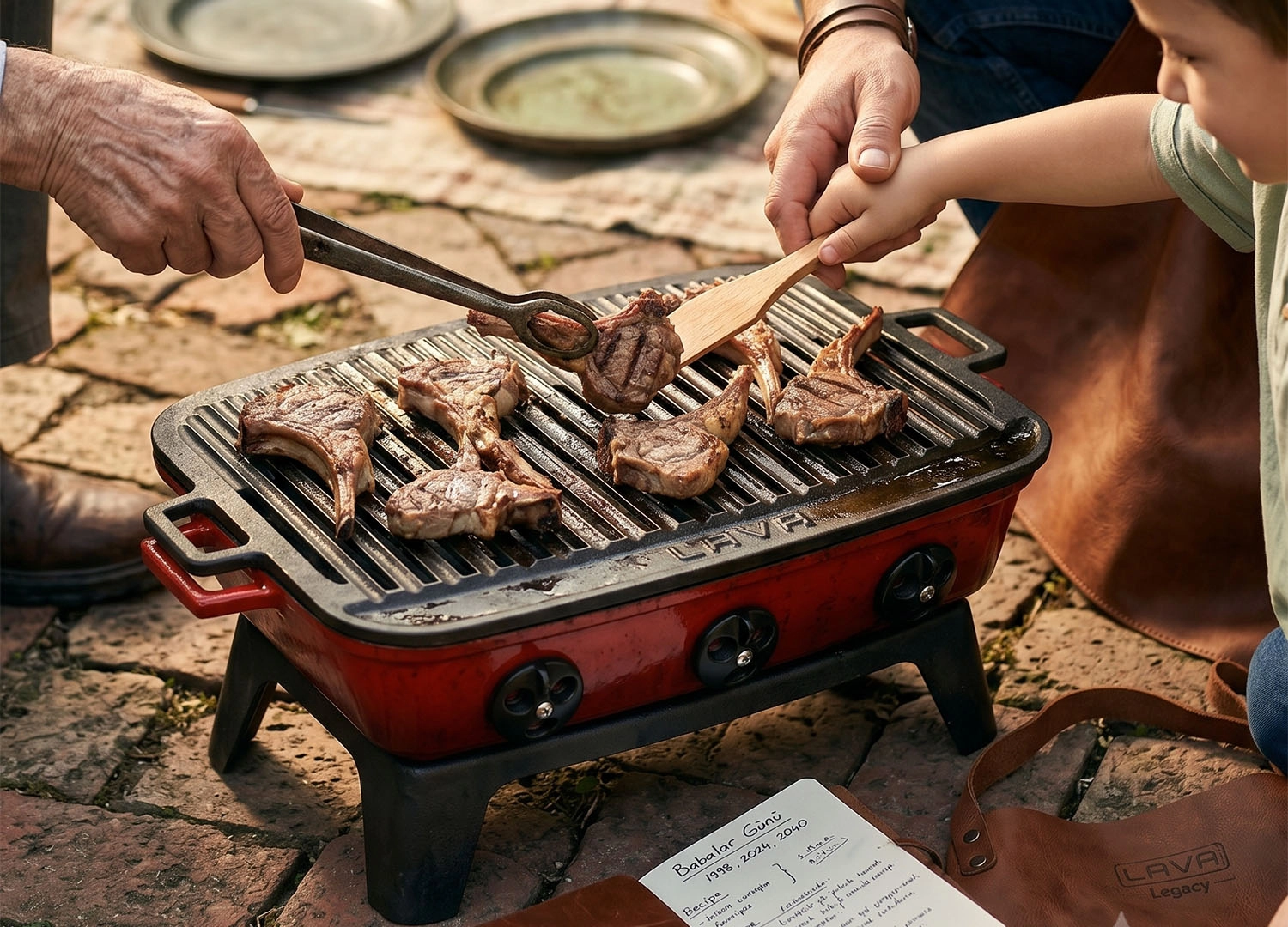
Feast tables are where recipes, traditions and memories are passed down through generations.
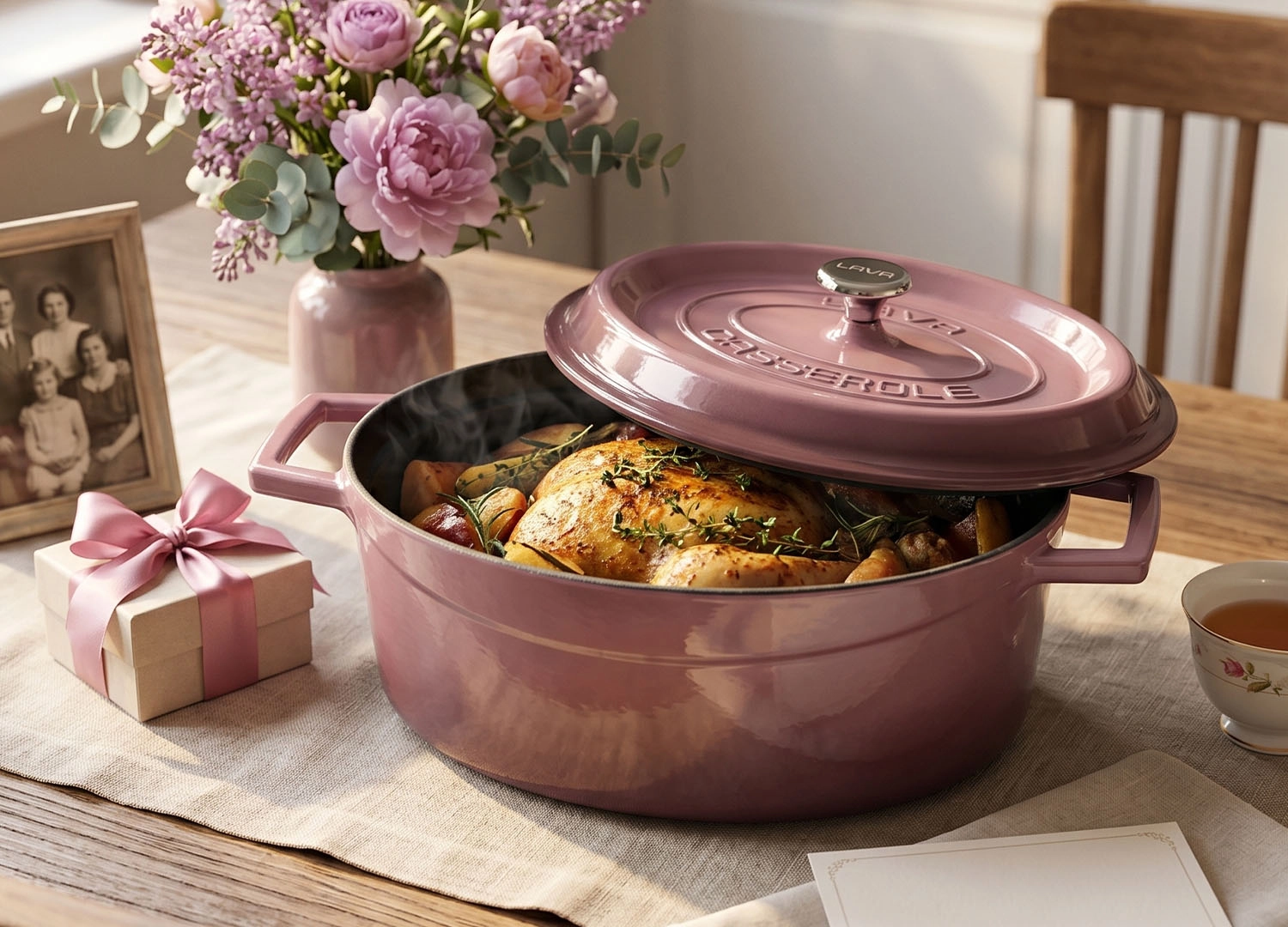
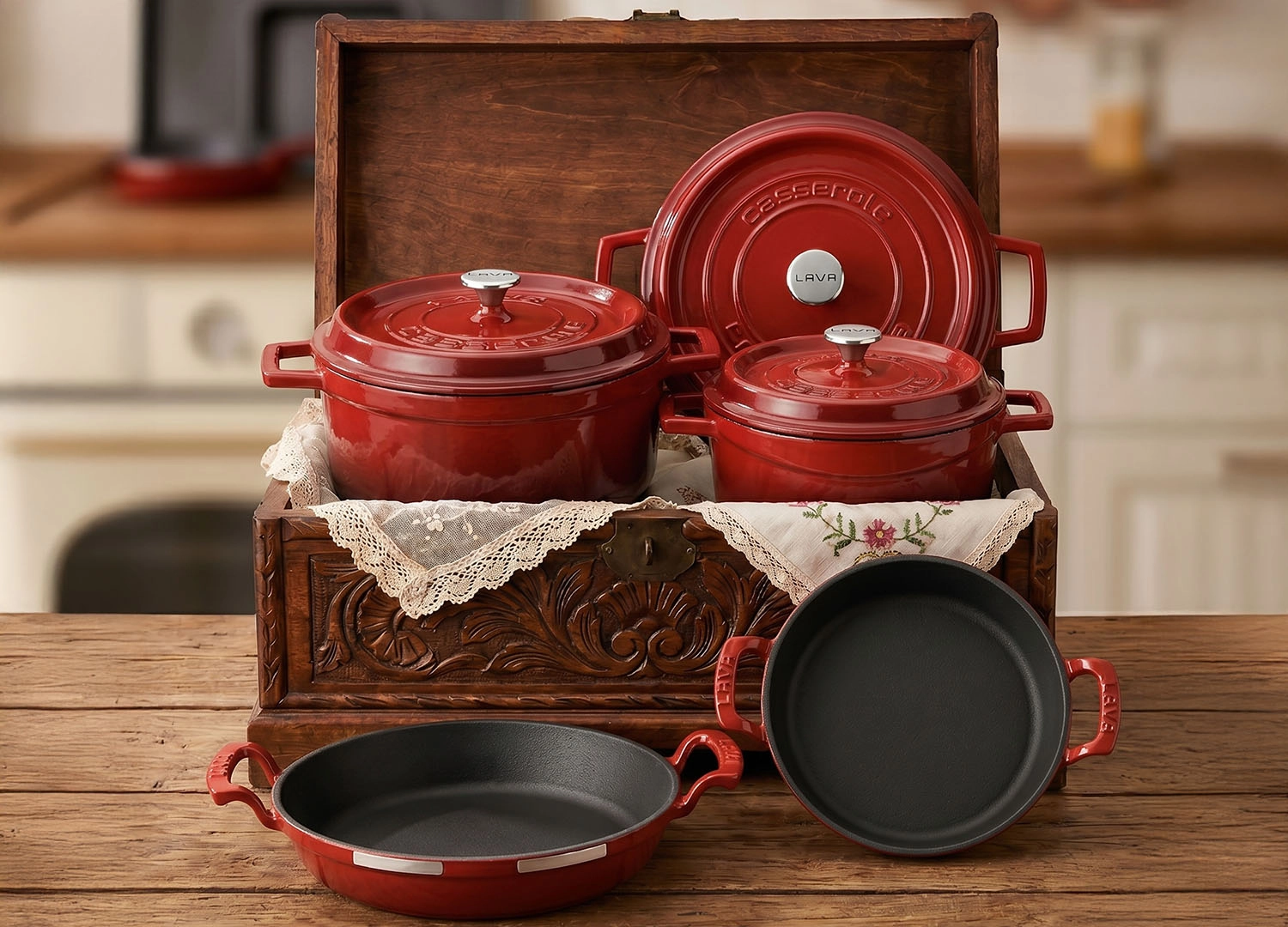
A recipe inherited from a grandmother and recreated today represents continuity. Cooking the same dish in the same pot over years strengthens this cultural bond.
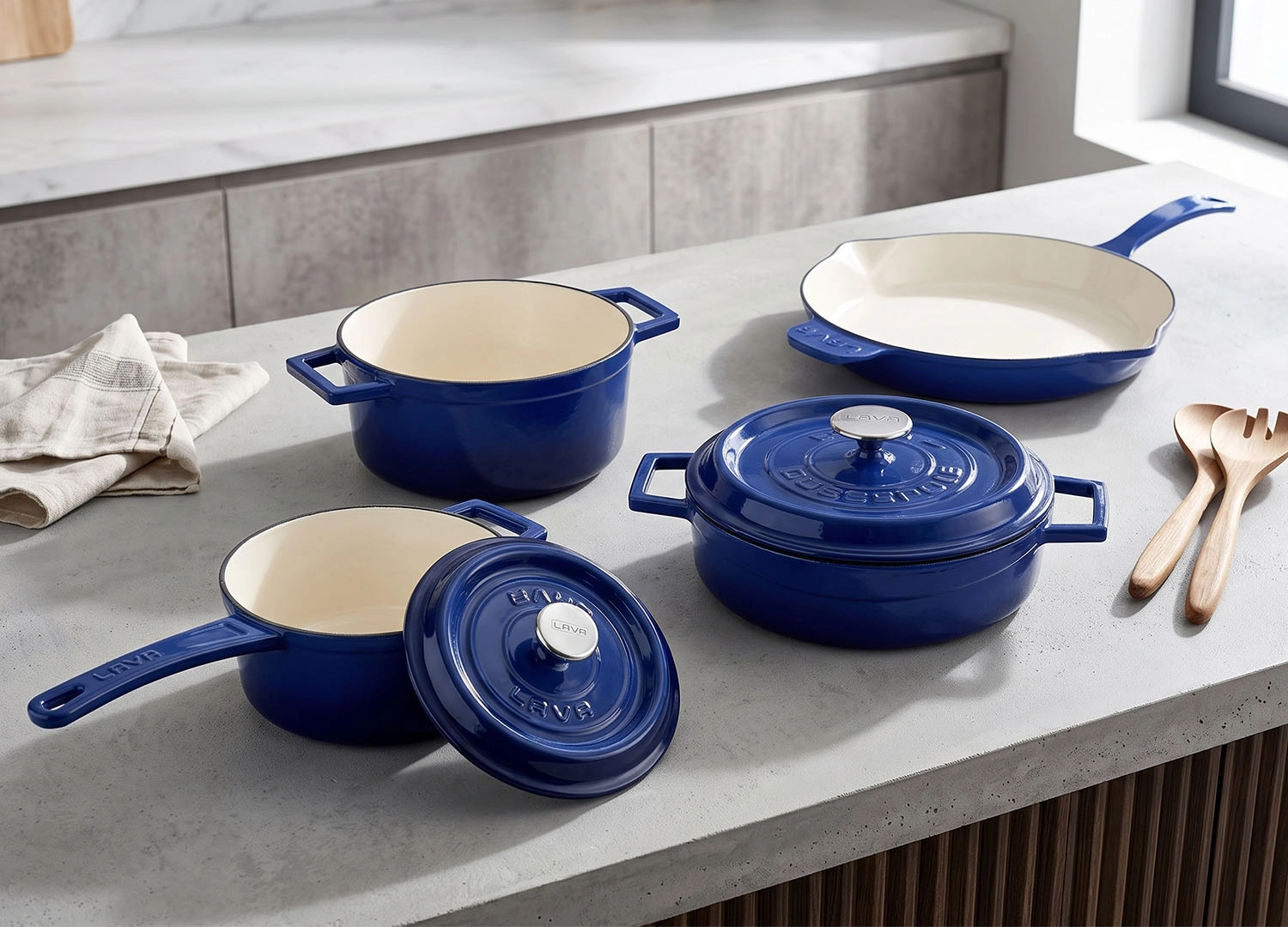
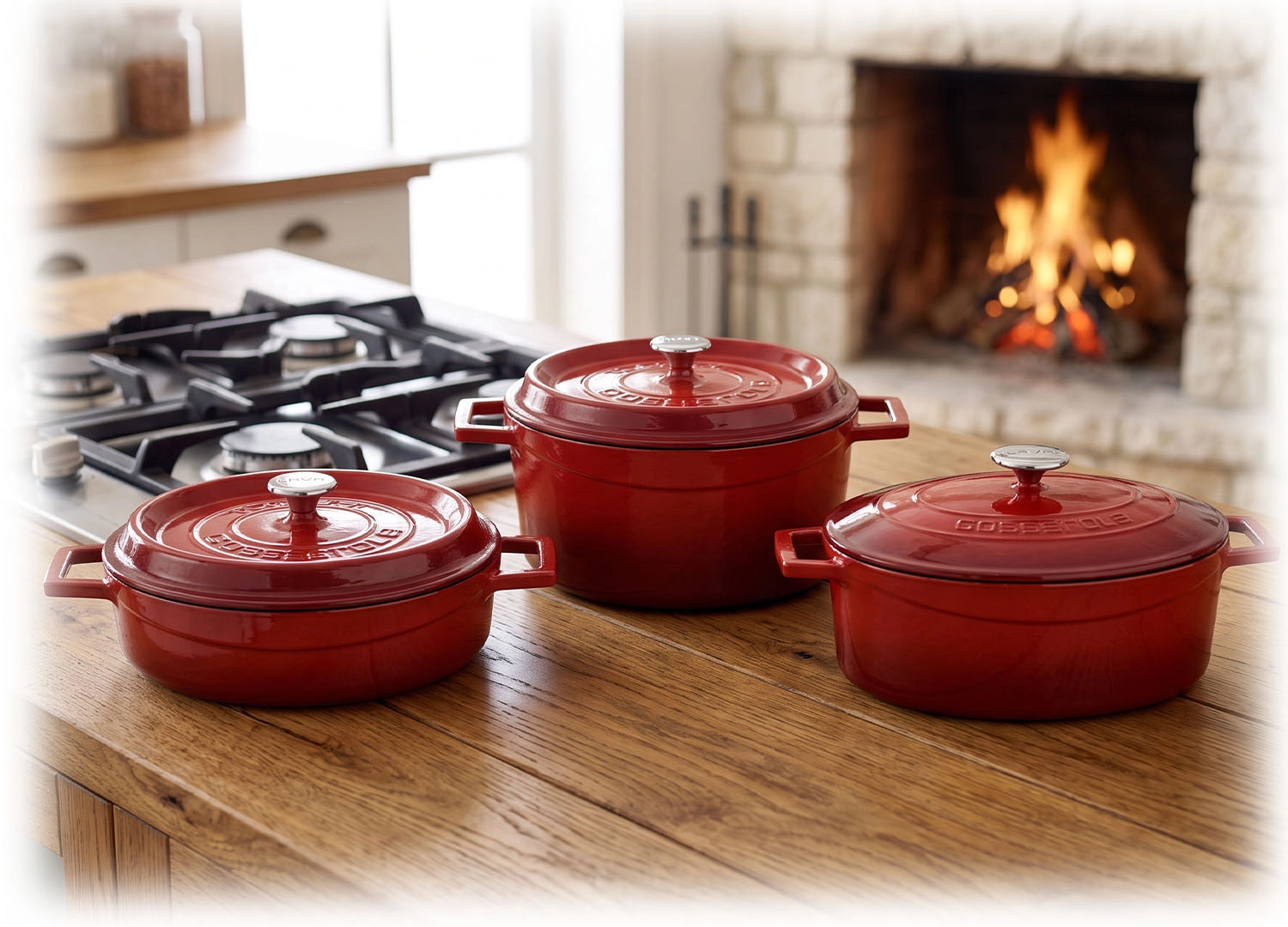
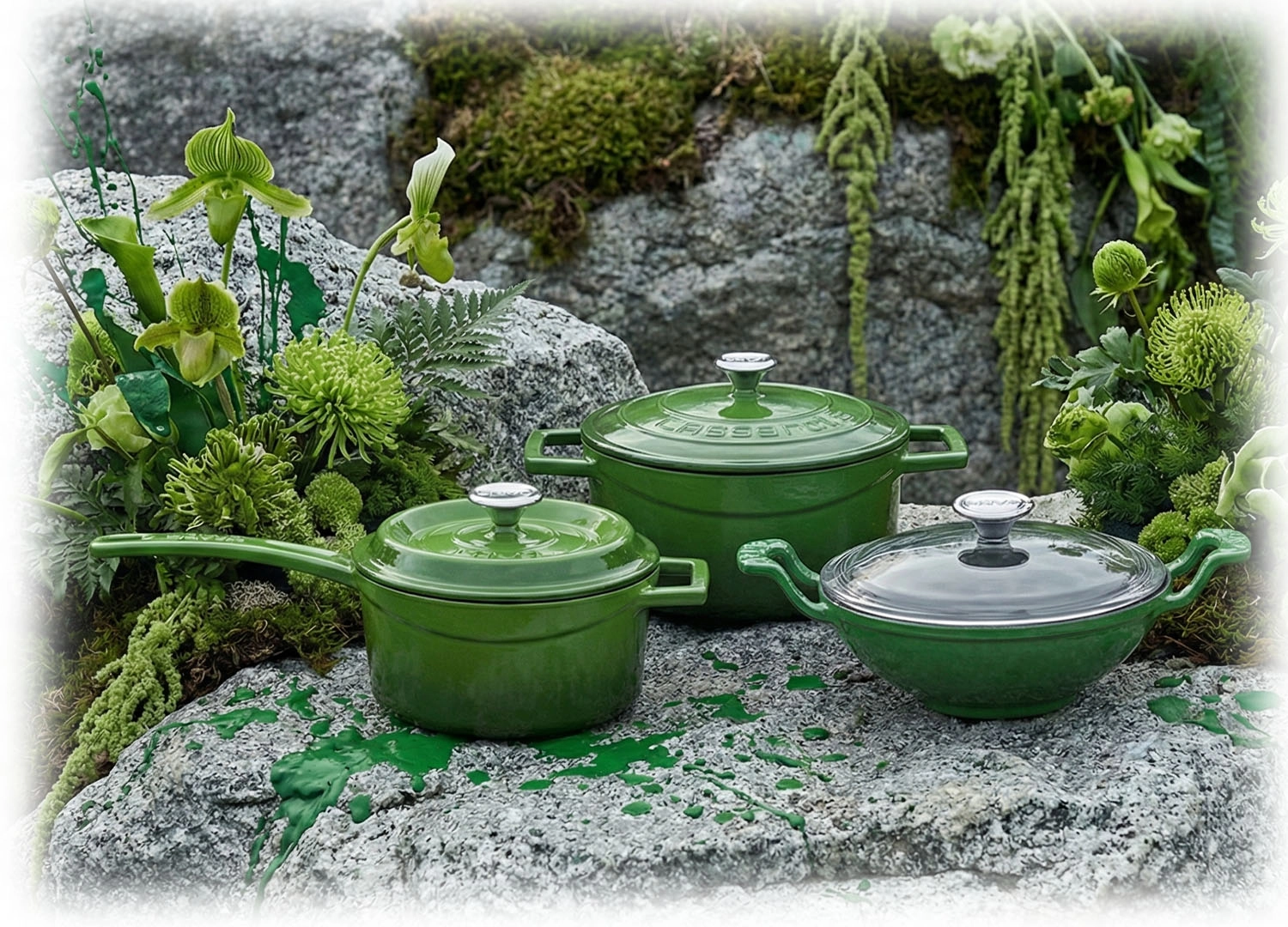
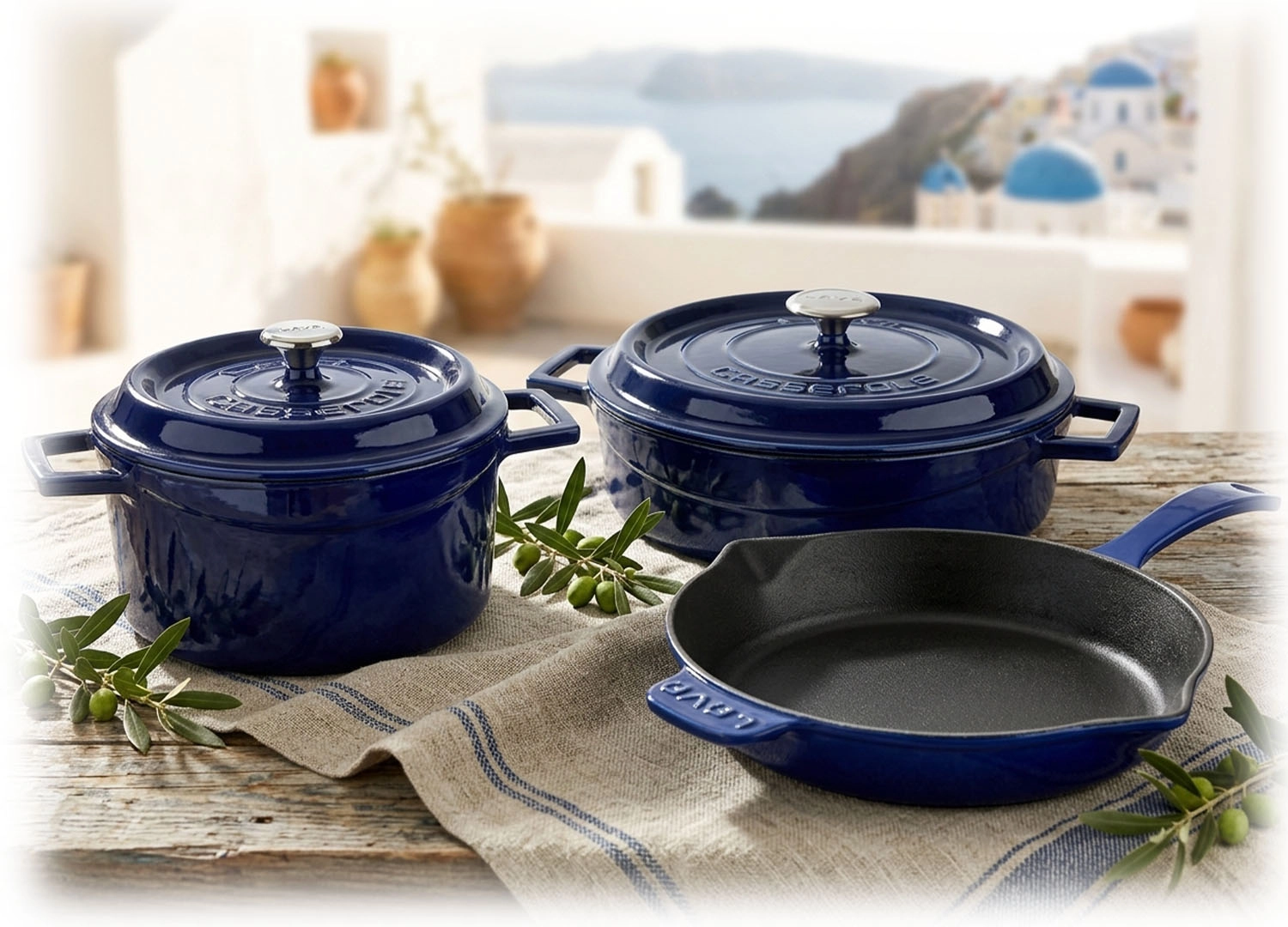
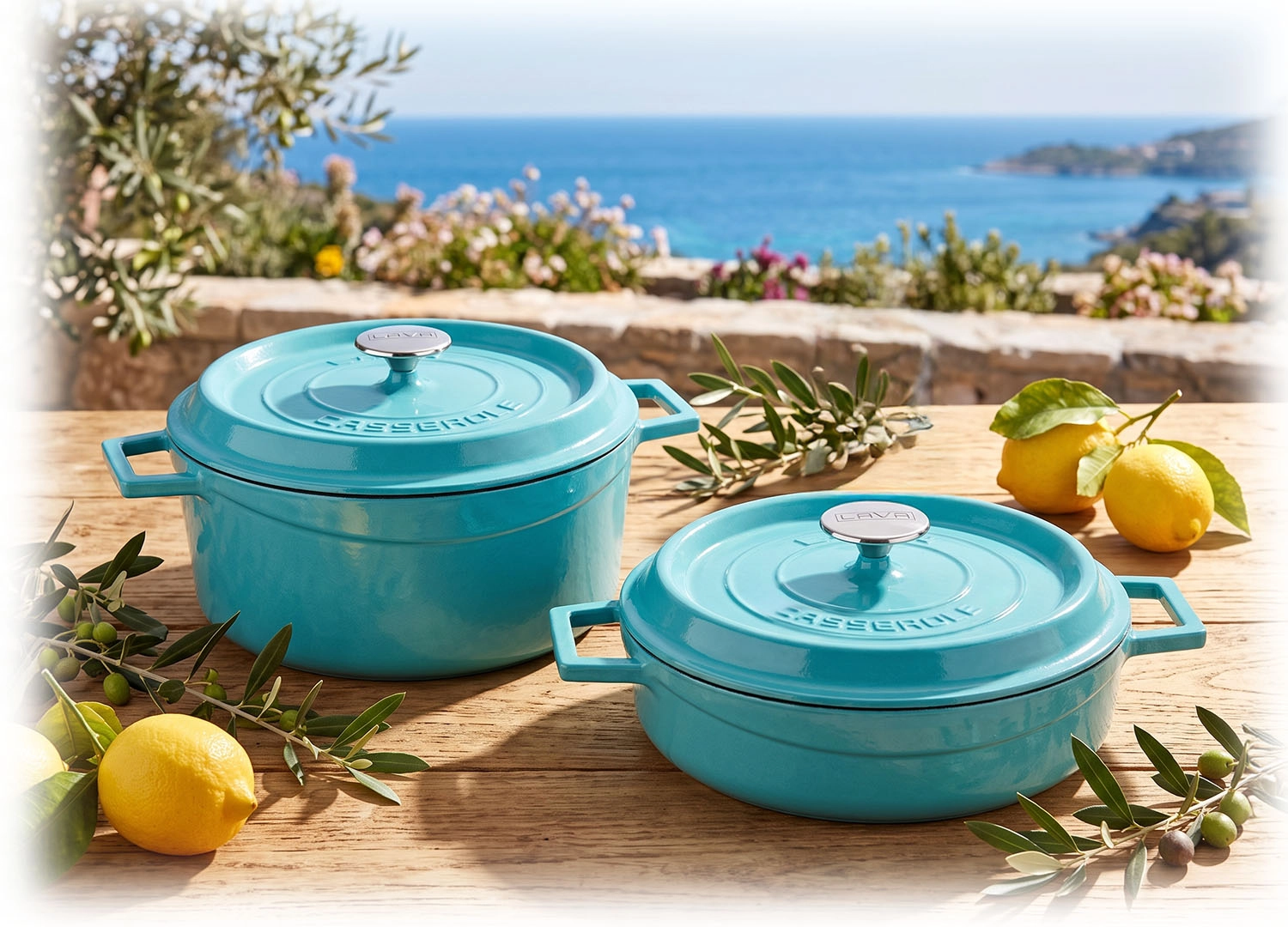
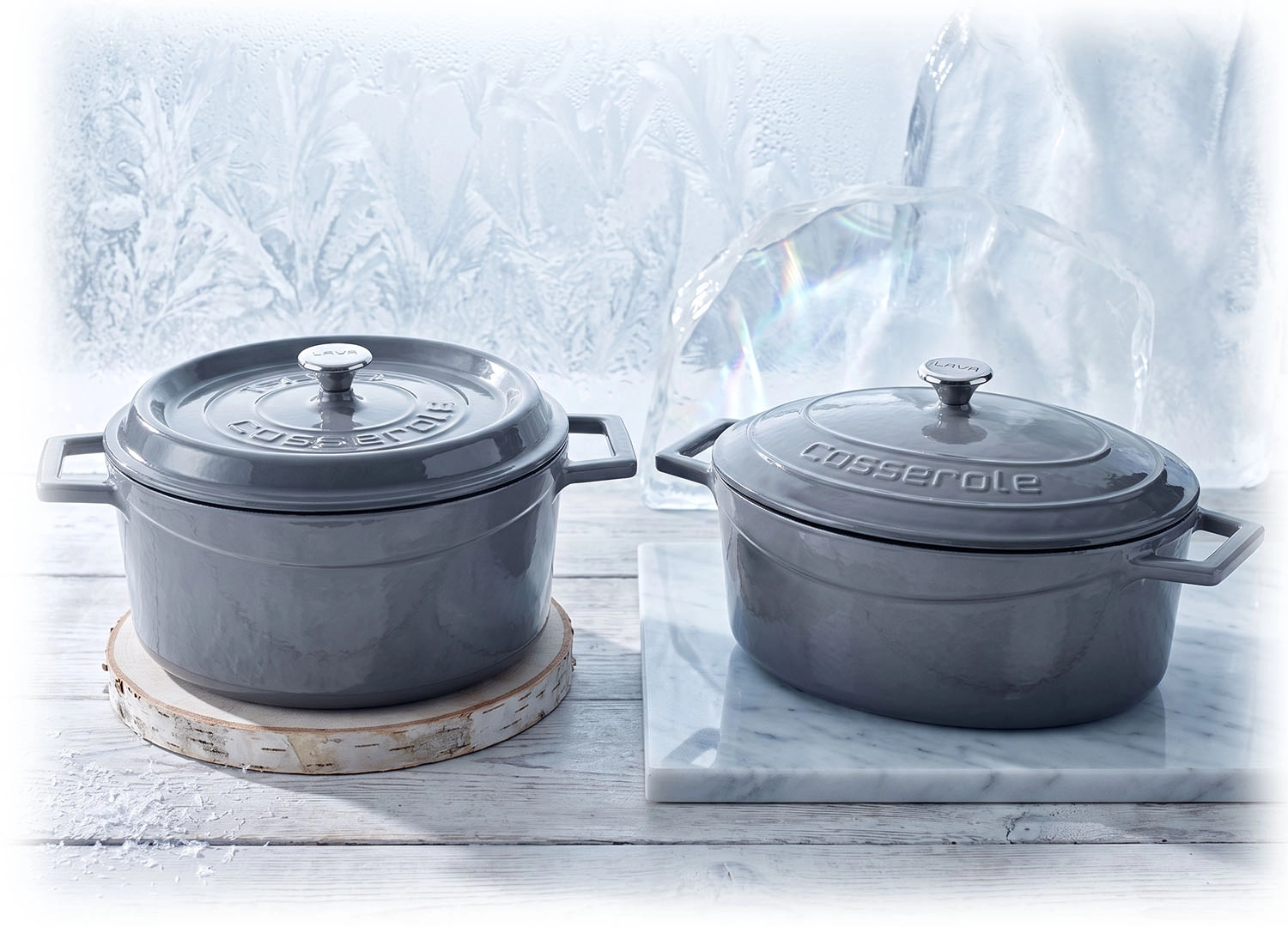
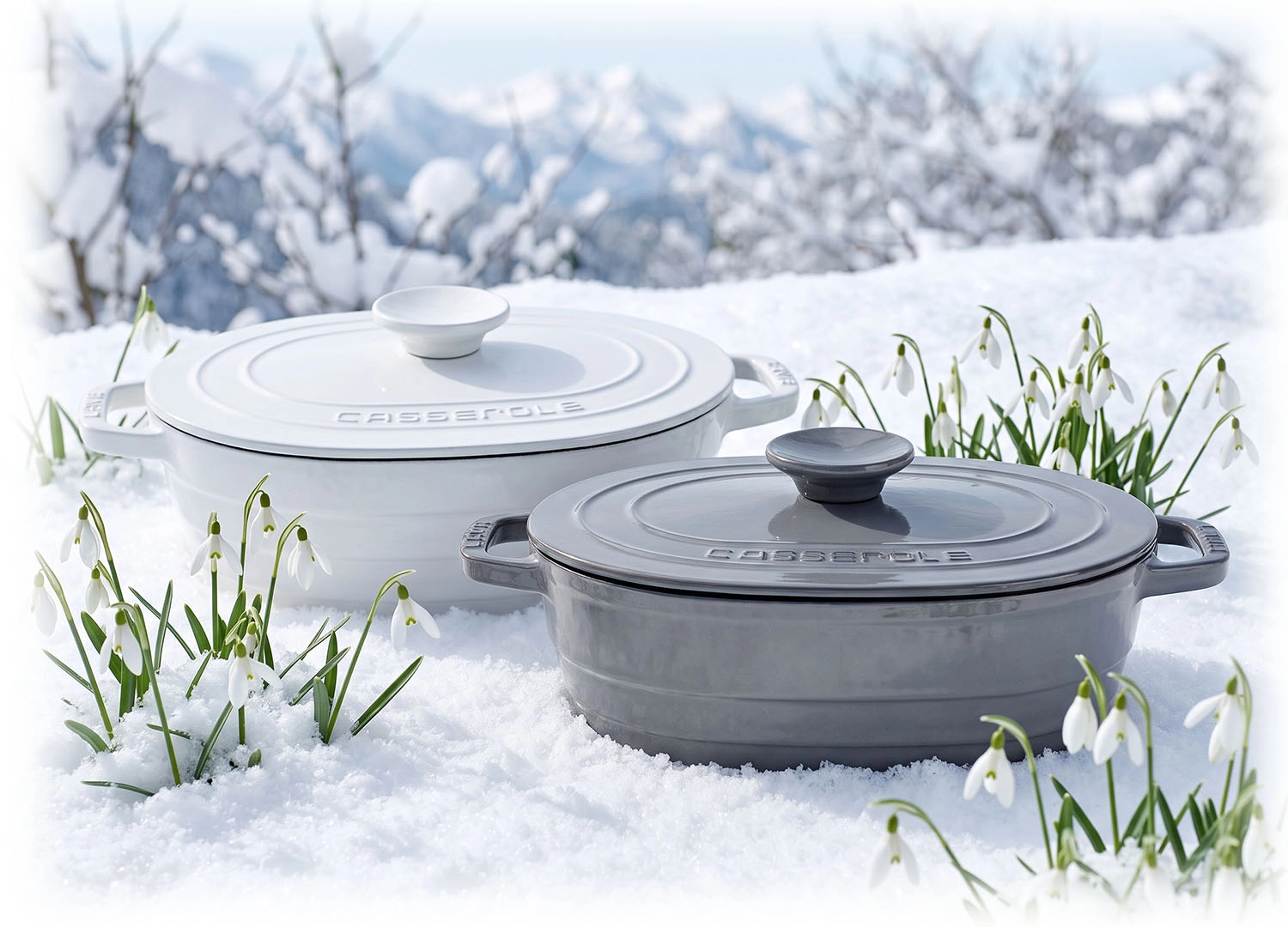
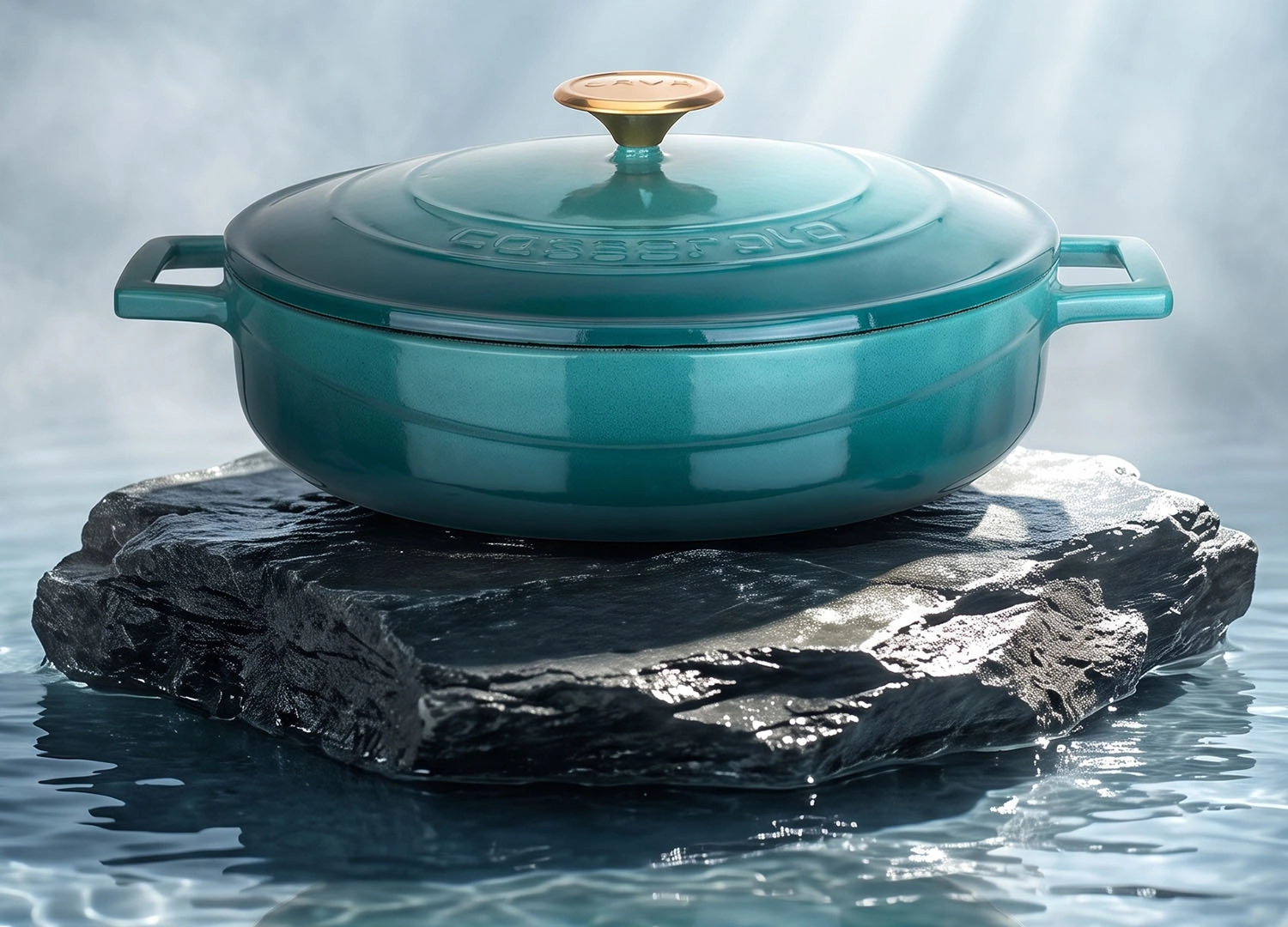
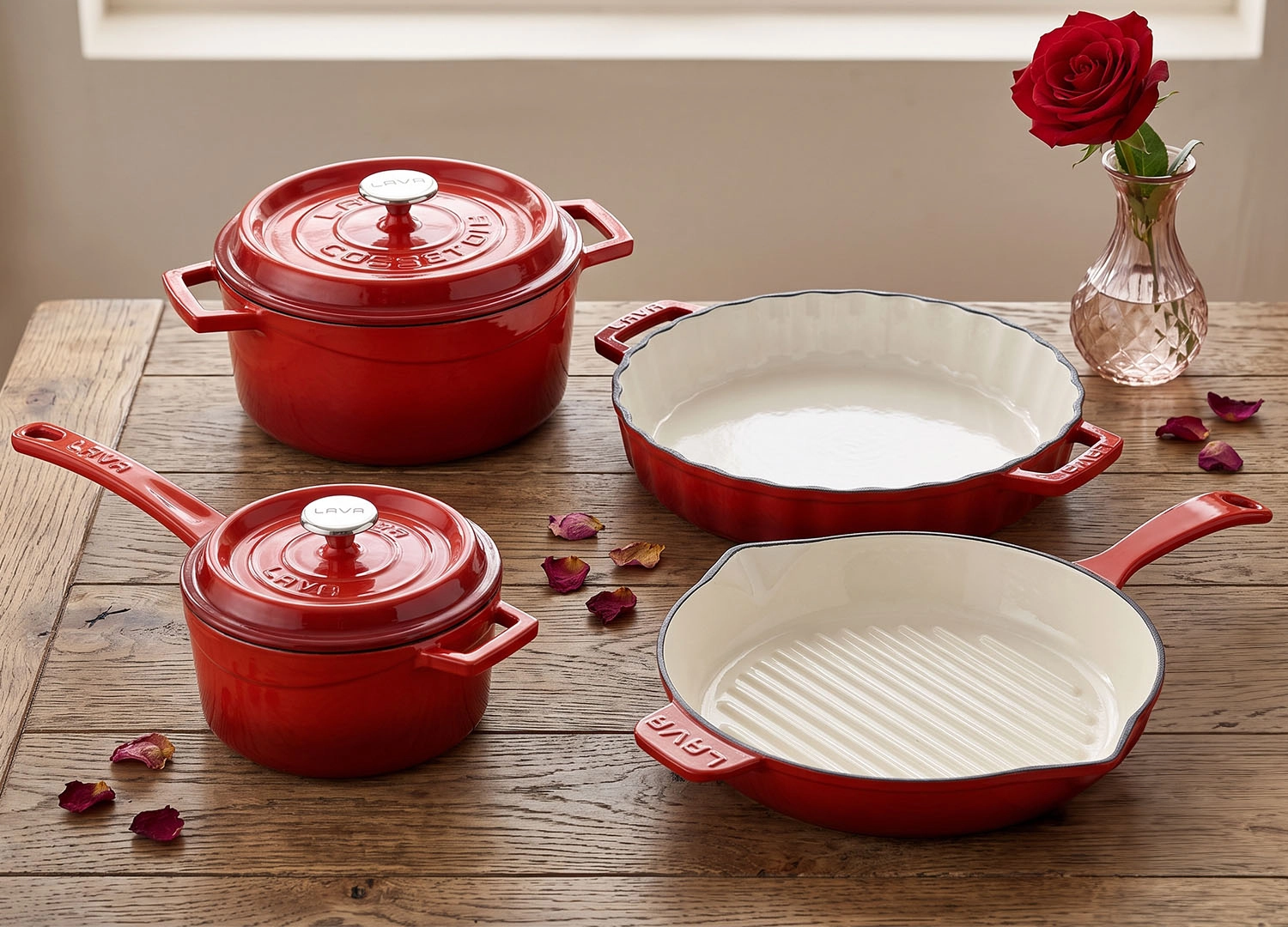
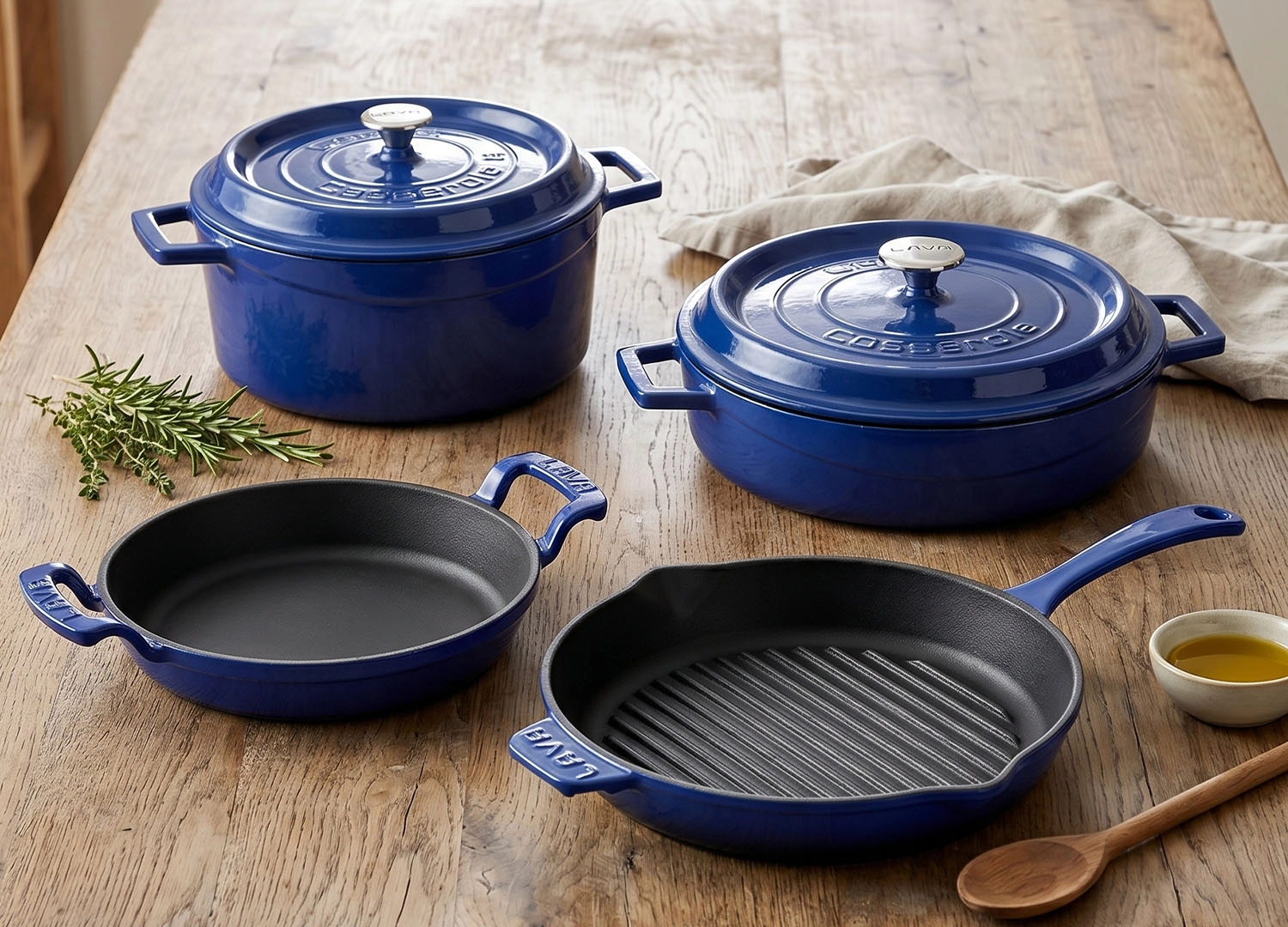
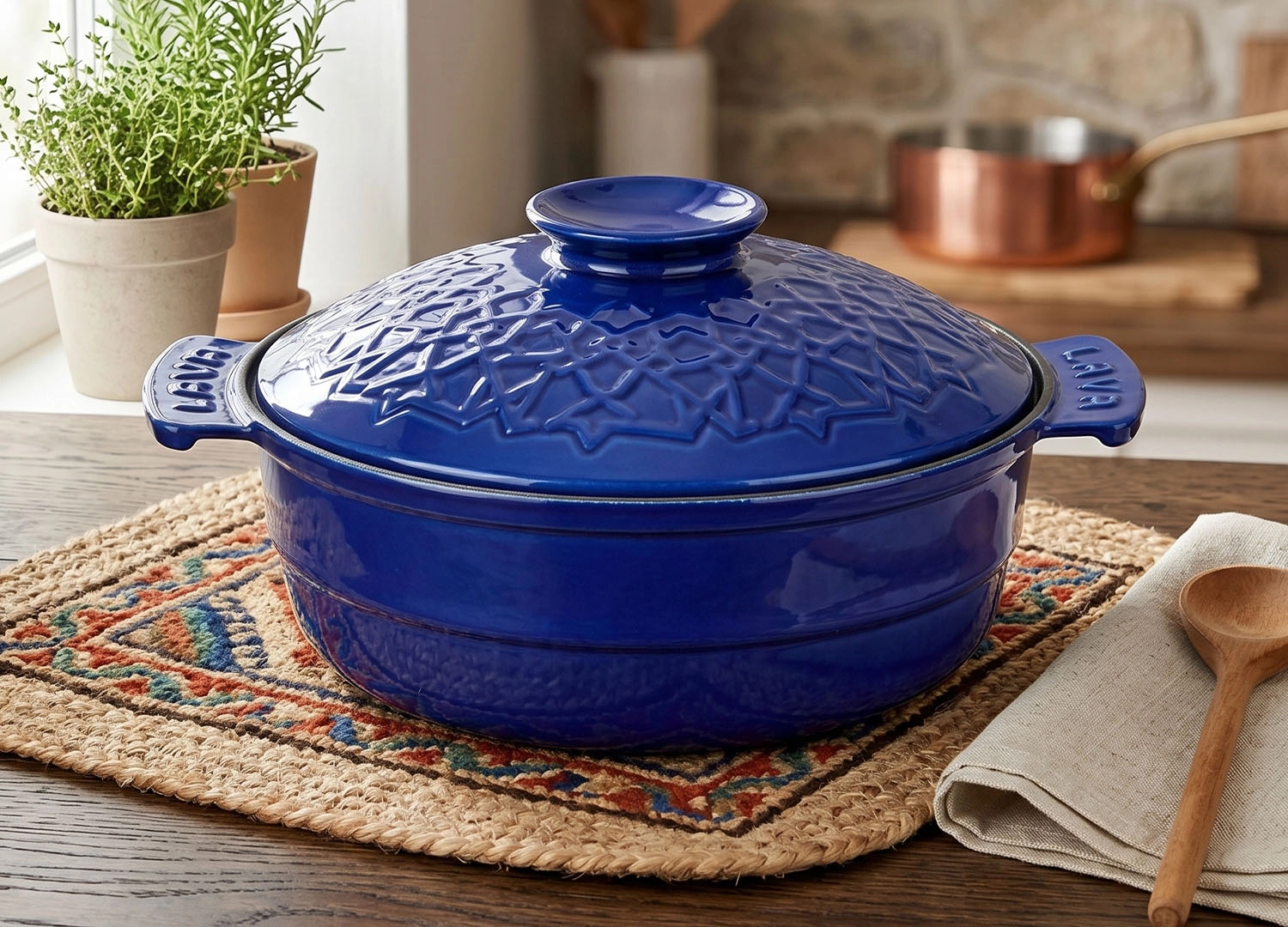
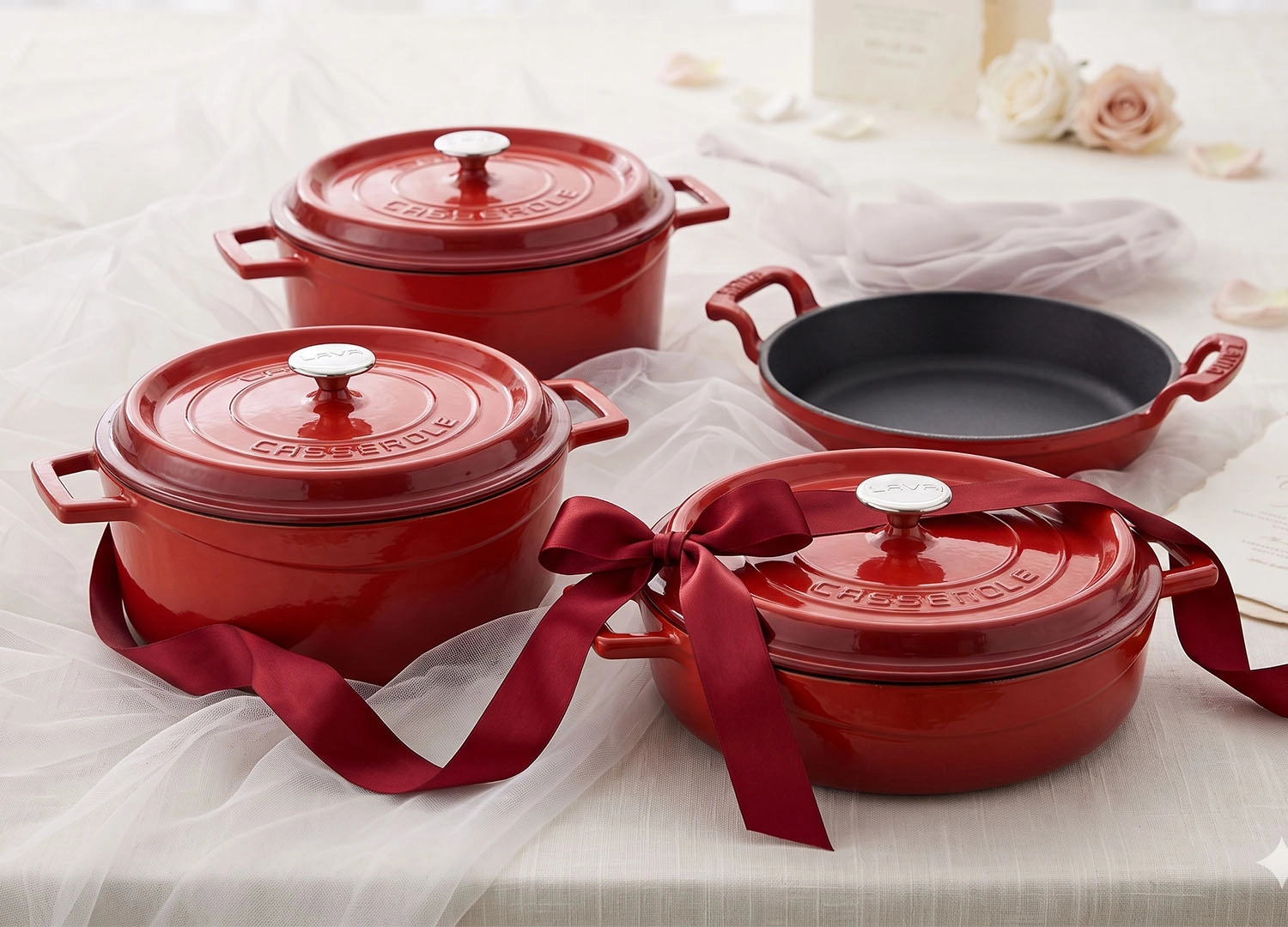
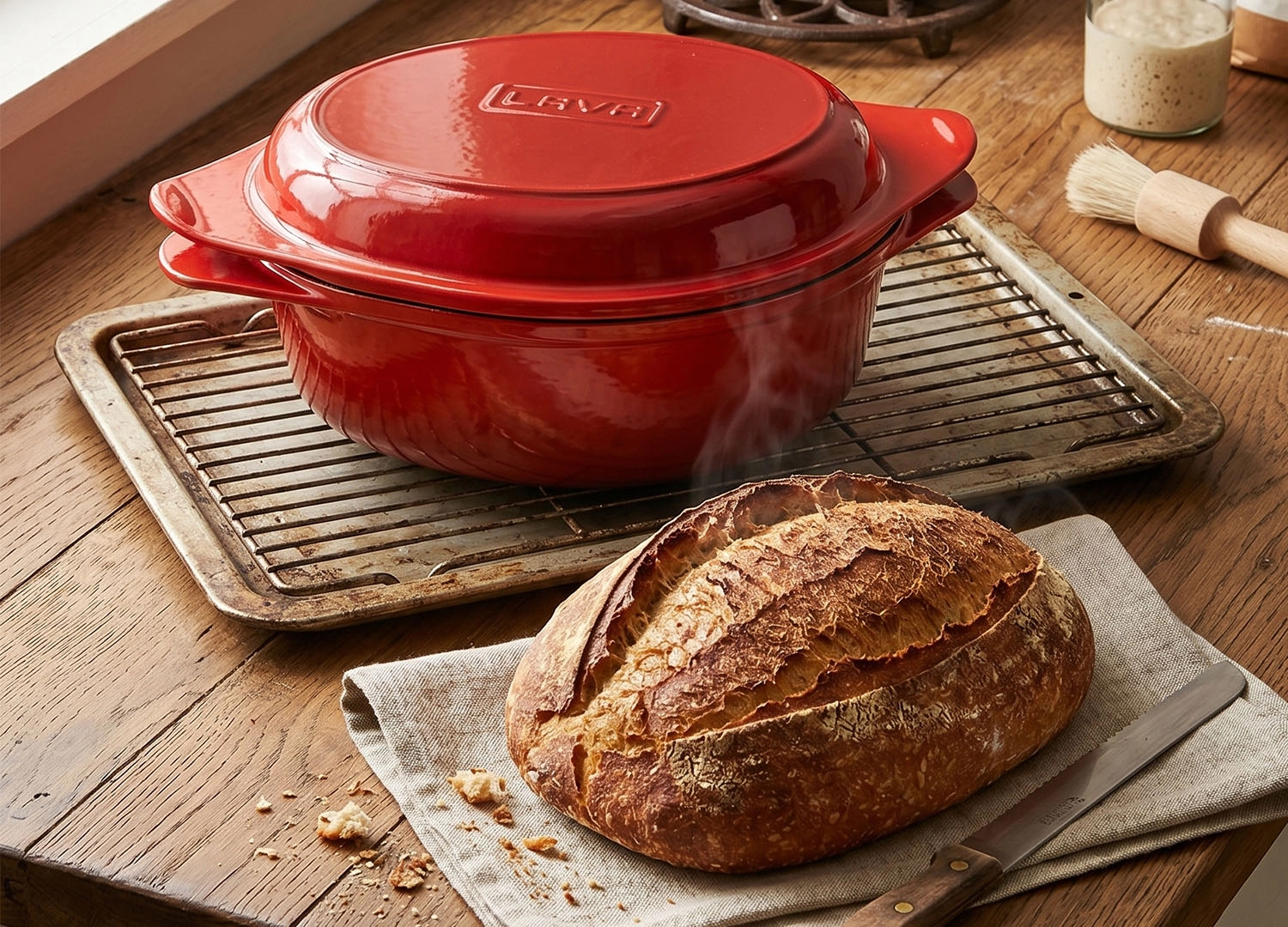
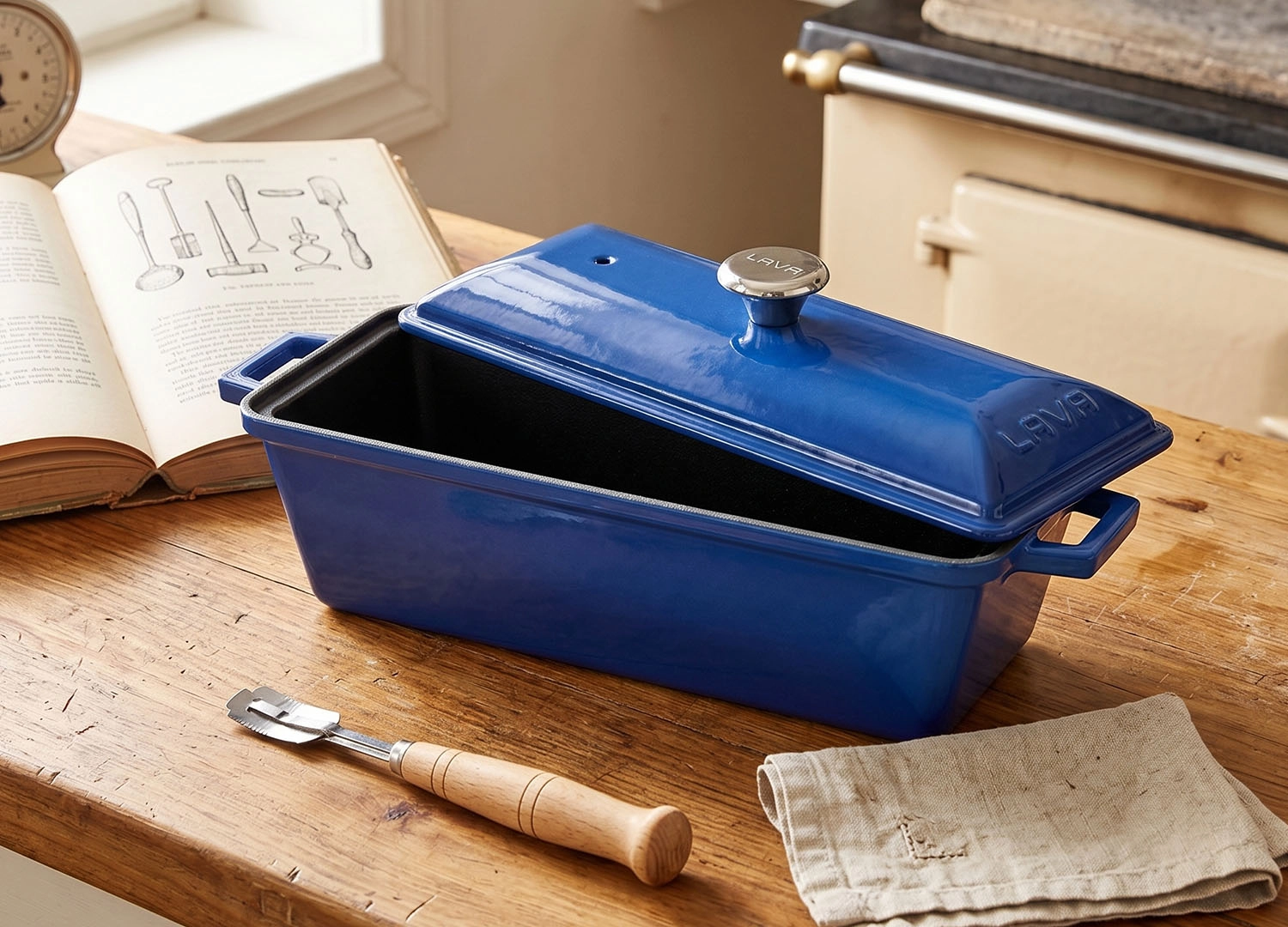
LAVA cast iron cookware:
Distributes heat evenly
Retains warmth for long periods
Lasts for generations
This makes it not just cookware, but a carrier of tradition.
Ramadan Feast is one of the most meaningful times that celebrates unity and togetherness. Feast tables are its most tangible expression.
Even as lifestyles change, the unifying power of the table remains constant. Every shared meal and every visit keeps traditions alive.
At LAVA, we are proud to be part of these tables and to help carry this culture into the future.
18.03.2026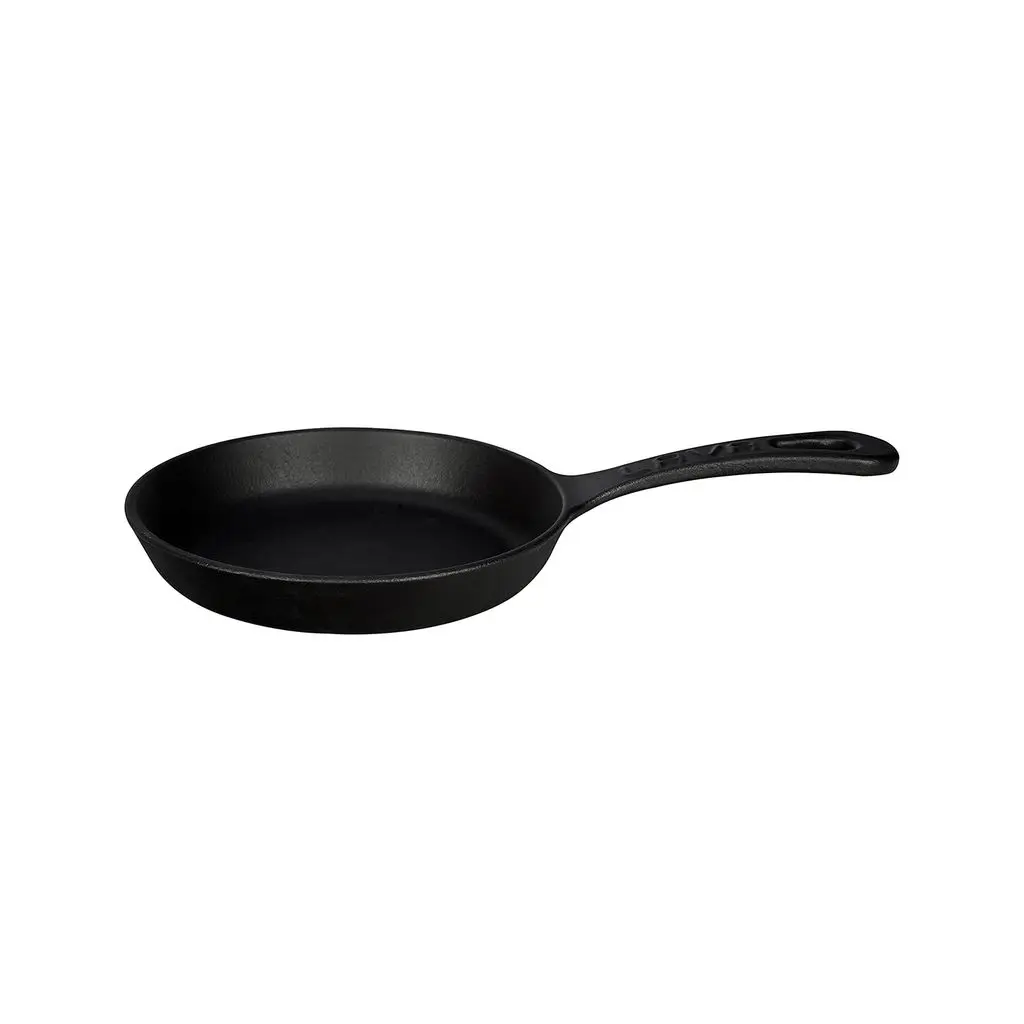
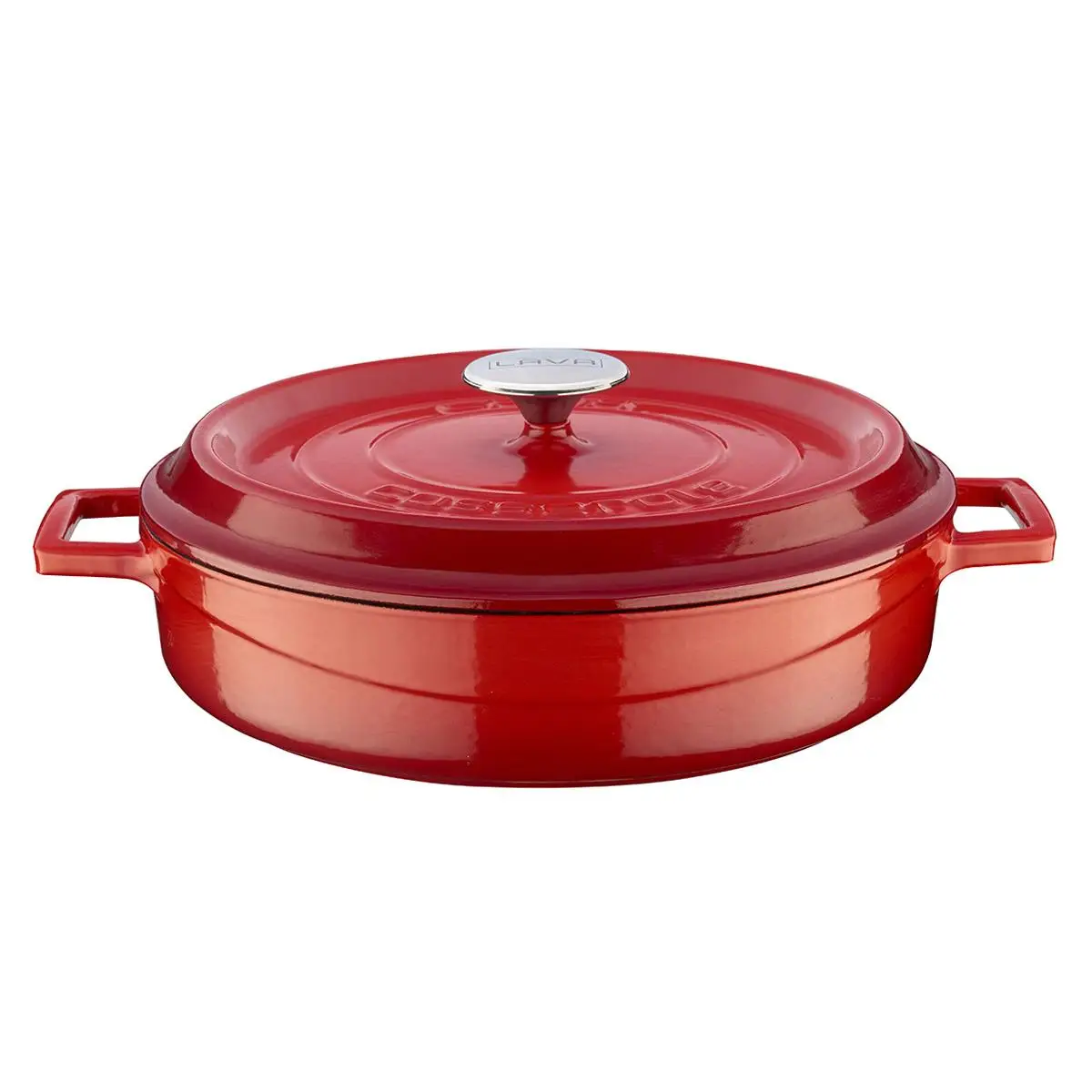
Lava Cast Iron Round Multipurpose Casserole. Trendy, Dia. Ø 28cm.
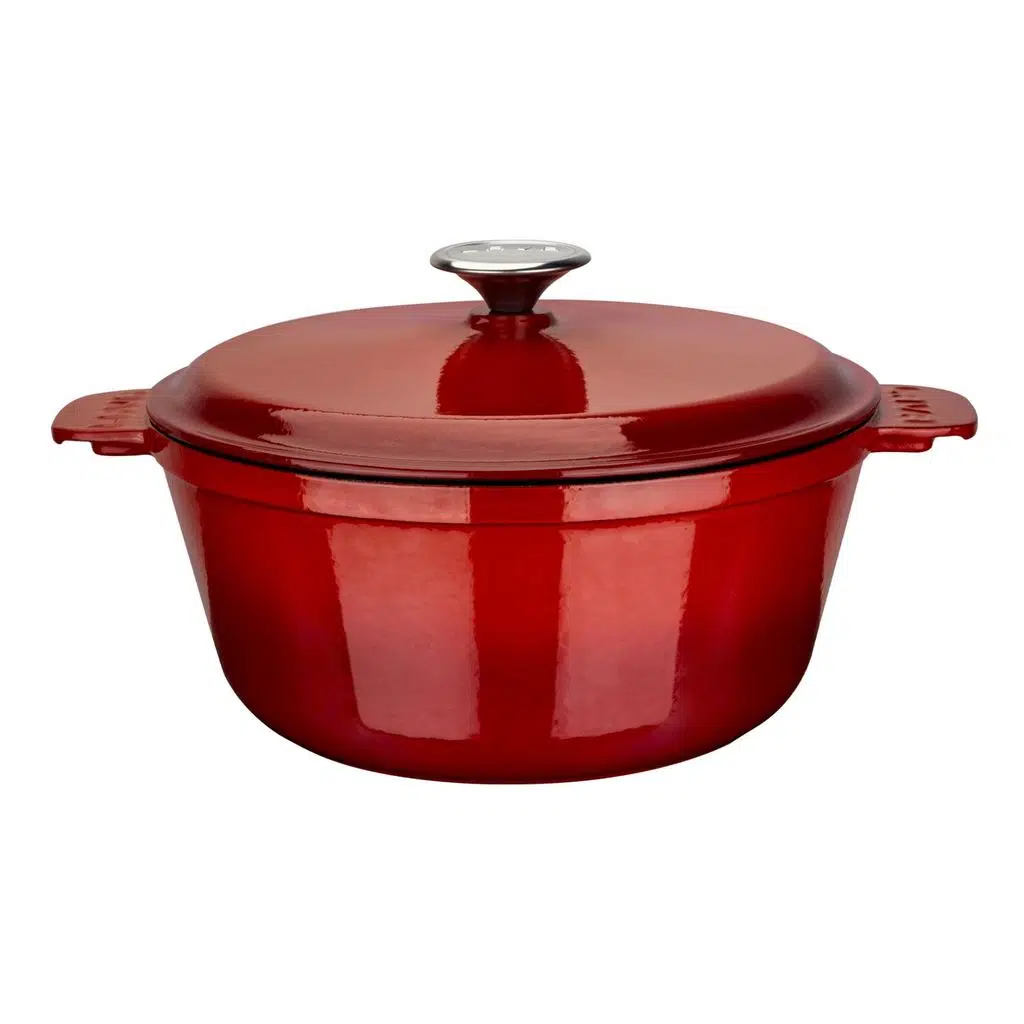
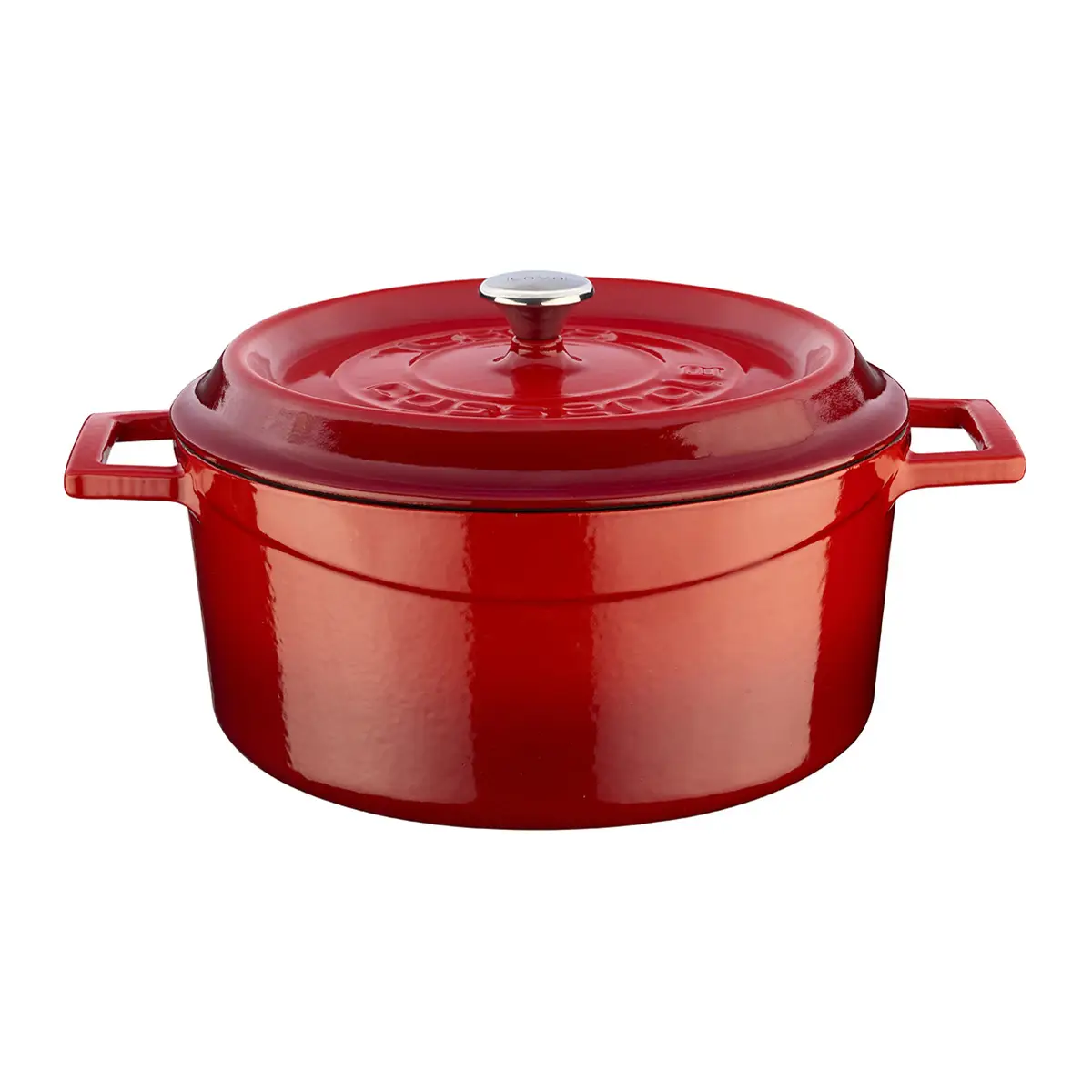
Lava Cast Round Pot with Cast Iron Solid Handle. Diameter(Ø)26cm. - Red
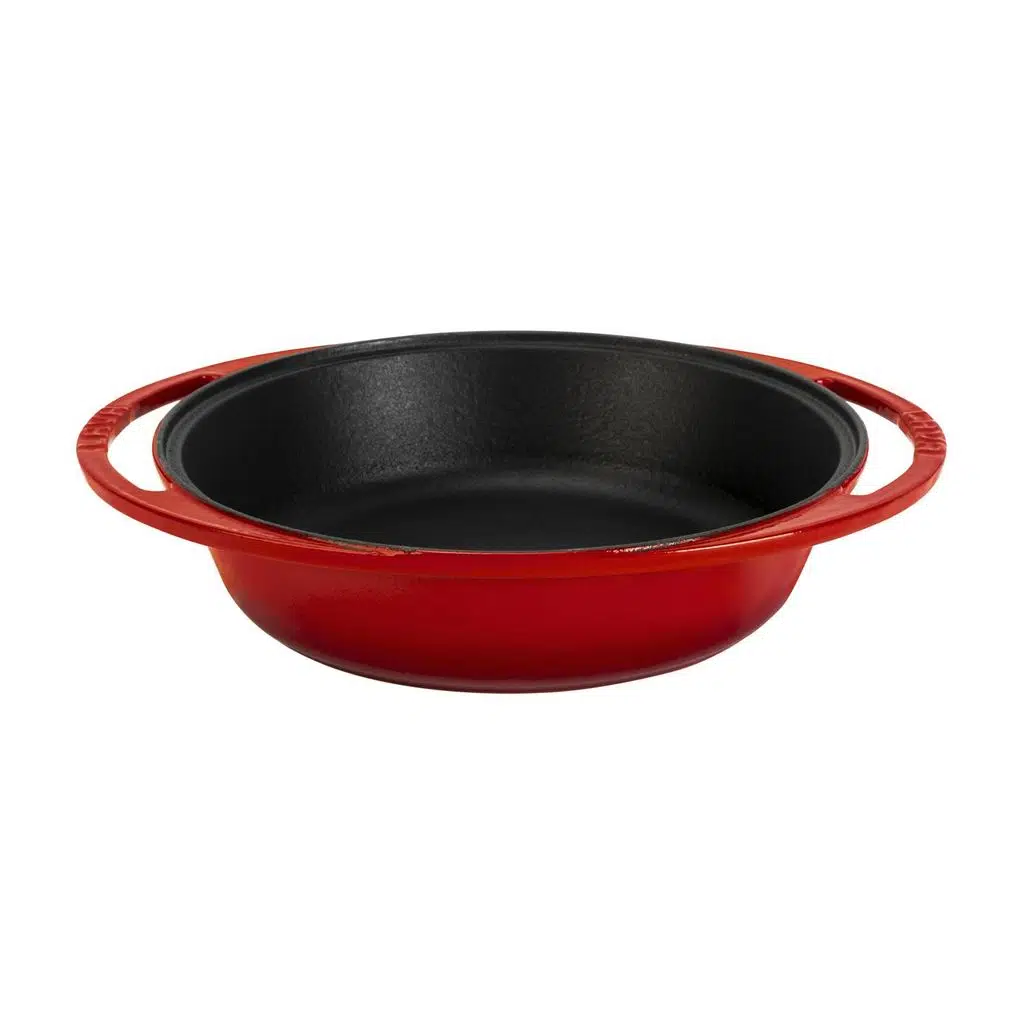
Lava Cast Iron Round Multipurpose Casserole. Trendy, Dia. Ø 24cm.







Lava Döküm Online Fabrika Satış Mağazası. © 2026 All Rights Reserved.


0
)