×

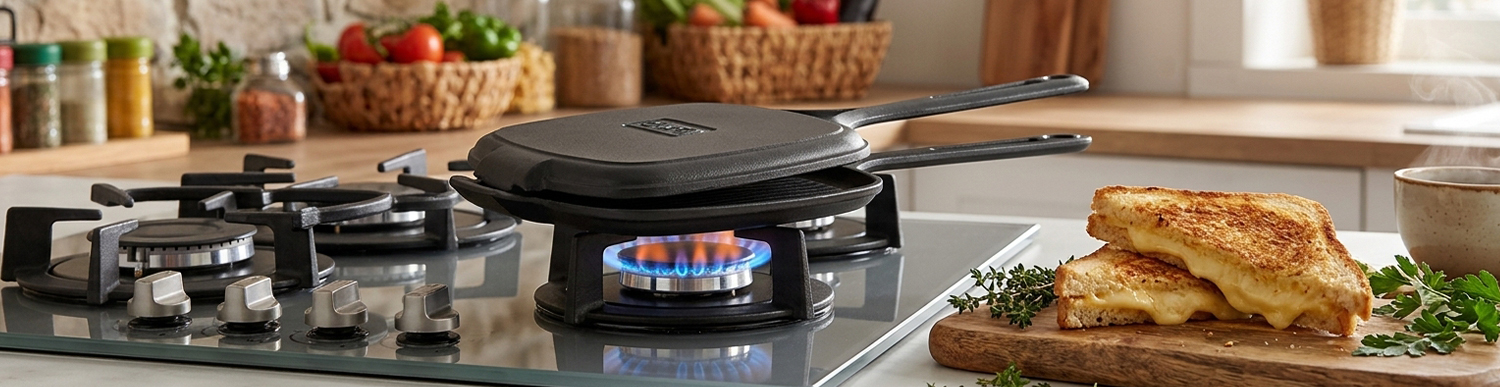
A stovetop toast maker is used on a compatible hob or other suitable external heat source, while an electric toast maker operates using its own heating elements. Cast iron stovetop models stand out for retaining heat for longer, working independently of an electrical connection and adapting to a range of grilling recipes. Electric models, on the other hand, may offer thermostats, temperature settings and more automatic operation. The right choice depends on your cooking habits, available kitchen space, the recipes you want to prepare and how much manual control you prefer over the cooking temperature.
Estimated reading time: 8 minutes
When choosing a product for making toast, you may come across two main options: a stovetop toast maker and an electric toast maker. Although both can be used to prepare toast and hot sandwiches, they differ in how they generate heat, control temperature, are stored and can be adapted to different recipes.
For this reason, there is no single answer to the question, “Should I choose a stovetop toast maker or an electric toast maker?” A feature that is practical for one user may be limiting for another. The right choice depends on how often you plan to use the product, whether you want to prepare only toast or also different grilled recipes, how much space you have in your kitchen and how much control you want during cooking.
In this guide, we compare both product types using the same criteria to help you choose the option that best suits your needs.
The most fundamental difference between a stovetop toast maker and an electric toast maker is their heat source. A stovetop model does not have its own electric heating mechanism. The product is heated on a gas, electric or induction hob, or another heat source specified as compatible by the manufacturer.
An electric toast maker, by contrast, operates using heating elements built into the appliance. The user plugs the appliance into a socket and controls the cooking process using the temperature setting or programme available on the model.
| Comparison criterion | Stovetop toast maker | Electric toast maker |
|---|---|---|
| Heat source | Hob or compatible external heat source | Electric heating elements |
| Temperature control | Manual control via the hob | Thermostat or temperature settings |
| Electrical connection | Not required for the product itself | Required |
| Heat retention | High in cast iron models | Varies according to plate material |
| Where it can be used | Home, caravan or suitable outdoor conditions | Areas with access to a power socket |
| Versatility | Toast and different grilled recipes, depending on the product design | Varies according to programmes and plate design |
| Storage | No cable, although cast iron models can be heavy | Requires space for the appliance and cable |
| Cleaning | Depends on material and coating | Depends on whether the plates are fixed or removable |
| Potential repairs | Generally simpler mechanical construction | Contains electrical components and heating elements |
When comparing the two, you should not look only at whether the product is “stovetop” or “electric”. Material, weight, plate design, surface coating and manufacturing quality can also have a direct impact on the cooking experience.
With a stovetop toast maker, heat is transferred from the hob to the base and then to the cooking surfaces. The temperature is controlled by adjusting the heat level of the hob.
With an electric toast maker, the heating elements inside the appliance generate the heat. Some models operate with a simple on/off system, while others may offer different temperature settings or automatic programmes.
This difference also affects how the products are used. With a stovetop model, the user monitors and adjusts the cooking temperature and time more directly. With an electric model, a thermostat or programme may help maintain the temperature within a specific range.
Stovetop models generally consist of two cooking surfaces, one above and one below. On some products, the plates can be separated and used individually as a grill pan.
In electric toast makers, the cooking plates, heating elements and outer body operate together as one appliance. Depending on the model, the plates may be fixed, removable, flat or ribbed.
The term “cast iron toast maker” does not always mean that the entire product is made from cast iron. Some electric models may only have cast iron cooking plates. With a cast iron stovetop toast pan, the materials used for the body and plates should be checked separately in the product specifications.
Cooking performance should not be assessed solely by how quickly a product heats up. Heat distribution across the surface, heat retention, contact between the food and both plates, and the user's ability to control the temperature can also affect the result.
The heating time of electric toast makers varies according to wattage, heating element design and plate material. A powerful electric model may reach its operating temperature quickly.
Cast iron stovetop models heat up more gradually. Once cast iron reaches the desired temperature, it retains heat within the material and helps maintain it throughout cooking. This can support controlled cooking when preparing toast or sandwiches.
The important distinction is:
Fast heating does not always mean more even cooking.
Longer heat retention does not automatically produce better results for every recipe.
The result should be assessed together with product quality, temperature and cooking method.
With both product types, keeping the toast evenly positioned between the two surfaces is important. Contact between the upper and lower plates allows heat to transfer to both sides.
In electric models, the upper plate is generally attached to the body with a hinge. Some models feature a floating upper plate that can accommodate sandwiches of different thicknesses.
With stovetop toast pans, the product design, weight of the plates and the way the plates close are important factors. The weight of a cast iron plate can naturally press down on the toast. However, contact between the surfaces may be reduced when sandwiches are particularly thick or unevenly positioned.
The final cooking result depends on:
Bread thickness
Amount of filling
Cooking surface temperature
Contact between the upper and lower plates
Cooking time
Surface and hinge design
Temperature control in electric toast makers varies according to the features offered by the appliance. Some models include a thermostat, ready indicator light or different cooking levels. This can provide a more automated experience for users who prefer to manage the temperature through the appliance.
With a stovetop toast maker, control remains directly with the user. The cooking process is managed by increasing or reducing the hob temperature. As cast iron retains heat, the cooking surface may remain hot for some time even after the hob has been turned off.
Manual control can be useful for users who want to adjust the cooking process themselves. However, users who prefer the appliance to manage the temperature automatically may find an electric model more convenient.
Ease of use depends on personal habits. A feature one user considers “practical” may require additional preparation or control from another user.
An electric toast maker can be kept on the worktop and used by simply plugging it in. Models with thermostats or indicator lights may show the user when the appliance is ready.
A stovetop toast maker is positioned on the hob and its temperature is controlled by the user. Since it does not have a separate electrical body or cable, it can be stored more like a pan.
For everyday use:
Users who want the appliance to manage the temperature automatically may prefer an electric model.
Those who are accustomed to cooking on the hob may find a stovetop model more natural.
Users who want to keep the product permanently on the worktop should consider the available kitchen space.
Those who plan to store the product in a cupboard should consider its weight and dimensions.
A stovetop toast maker does not contain a cable, heating elements or a large electrical outer body. However, cast iron models can be more difficult to carry than lightweight electric appliances because of their weight.
Electric toast makers are stored together with their body, cable and plate system. Models that can be stored vertically can help save space, although this feature is not available on every appliance.
When deciding between the two, consider the following:
Will the product stay on the worktop or be stored in a cupboard?
Can the cupboard shelf safely support its weight?
Is there enough space for the electrical cable?
Will you use the product in different locations such as a campsite or caravan?
Are you comfortable lifting and carrying a heavy cast iron product?
When choosing a toast maker, it is worth considering more than just cheese or mixed toast. Some products can also be used for hot sandwiches, flatbreads, gözleme, vegetables and other grilled recipes.
The versatility of a cast iron stovetop toast pan depends on its plate and surface design. Models with detachable plates can also be used as individual grill surfaces.
Depending on the technical specifications of the product, you may be able to prepare:
Hot sandwiches
Bazlama and gözleme
Grilled vegetables
Halloumi or other cheeses
Meatballs
Chicken
Hot breakfast snacks
Electric toast makers can also be used for different recipes. However, their range of uses depends on factors such as the opening angle, plate design, temperature settings and the manufacturer's recommendations.
Some electric models open to 180 degrees to create a larger grilling surface. Others may be designed primarily for closed toast preparation.
Therefore, the answer to “Which is more versatile beyond toast?” does not depend solely on whether the product is electric or stovetop. Whether the plates can be separated, fully opened and the size of the cooking surface should also be considered.
A stovetop toast maker does not have its own electrical system, so it can be used on a suitable camping stove or other outdoor heat source approved by the manufacturer. This can make it useful for caravan or camping applications.
However, the weight of the cast iron product, the stability of the stove and safe positioning should all be considered. Not every stovetop product is suitable for an open flame or barbecue. The manufacturer's compatibility instructions should always be checked before use.
An electric toast maker requires access to a safe electrical connection. It can be used in a caravan if a suitable socket and sufficient power capacity are available, but it cannot be used where electricity is not accessible.
Both product types require cleaning and maintenance. Ease of cleaning depends not only on whether the product is electric or stovetop, but also on the surface coating, plate design and product weight.
Enamelled cast iron toast pans have different care requirements from uncoated cast iron products. In general:
Allow the product to cool completely before cleaning.
Do not apply cold water to a hot surface.
Do not use abrasive sponges or metal scouring pads.
Dry the product completely after cleaning.
Check the manufacturer's instructions regarding dishwasher use and cleaning.
For detailed usage and care instructions, see the “Stovetop Toast Maker: Use and Care Guide”.
Before cleaning an electric toast maker, switch it off, unplug it and allow it to cool completely.
The cleaning method depends on the model:
Removable plates can be cleaned separately according to the manufacturer's instructions.
Fixed plates can be wiped with a suitable damp cloth.
The electrical body must not be immersed in water.
Heating elements, connections and cable areas must be protected from water.
Abrasive materials should not be used on the plate surfaces.
An electric model with removable plates may be easier to clean than a heavy product with fixed plates. However, the electrical body must not come into contact with water, which requires additional care during cleaning.
A stovetop product does not contain electrical components, so its overall construction may be simpler to wash. However, the weight of a cast iron model and the design of its grill channels may make cleaning more demanding.
The main factors affecting ease of cleaning include:
Whether the plates can be removed
Cooking surface coating
Depth of the grill channels
Product weight
Dishwasher compatibility
Restrictions on exposing the electrical body to water
A stovetop toast maker does not have its own electrical heating element. However, this does not mean that it uses no energy. The product receives its heat from the hob on which it is used.
An electric toast maker, meanwhile, consumes electricity according to its wattage and operating time.
The energy consumption of an electric toast maker depends on:
Appliance wattage
Preheating time
Cooking time
Selected temperature level
Frequency of use
How the thermostat operates
It cannot be assumed that an appliance with a higher wattage will necessarily consume more energy during every use. A higher-powered appliance may heat up more quickly and therefore operate for a shorter period. Power and operating time should be considered together for a meaningful comparison.
A stovetop toast maker does not consume electricity itself; it receives heat from the hob being used.
A gas hob uses natural gas or LPG, while electric and induction hobs use electricity. Total energy consumption depends on the efficiency of the hob, the power level used and cooking time.
Without technical measurements, it would not be accurate to declare one product type definitively more economical than the other.
When comparing costs, consider:
Unit price of the energy source
Efficiency of the hob or appliance
Preheating time
Total cooking time
Frequency of use
Purchase price
Maintenance and potential repair costs
Expected service life
An economical choice should therefore be assessed not only by the energy cost of a single use, but also by the product's total period of use.
Does not require a separate electrical body.
Can be used on a hob or another technically compatible heat source.
Cast iron models can retain heat for longer.
Depending on the product design, it can be used for different grilled recipes as well as toast.
Can be used in suitable outdoor conditions where there is no access to an electrical connection.
Has a simpler construction without an electric heating element or electronic control unit.
Models with detachable plates can provide different cooking surfaces.
Cast iron models can be heavy.
Temperature is controlled manually by the user.
The product surface and handles can become very hot.
Cast iron can take longer to cool down.
The product must be dried completely after cleaning.
Not every model is compatible with every hob or outdoor heat source.
Stable positioning on the worktop or hob is important.
Has its own heating system.
Depending on the model, it may offer a thermostat and temperature settings.
May include a ready indicator light or automatic programme.
Works independently of the hob as long as a power socket is available.
May feature removable plates.
Some models open to 180 degrees to create a larger grilling surface.
Can provide more automatic temperature control.
Requires an electrical connection.
Requires storage space for the body and cable.
Electrical components must not come into contact with water.
Plate material and surface quality vary between models.
Heating elements or electronic components may require repair over time.
Outdoor use depends on access to a safe electrical connection.
Not all models have removable plates.
When choosing between stovetop and electric models, factors such as frequency of use, cooking needs and available space can be considered alongside cast iron toast maker prices. The right choice depends more on the user's expectations than on the technical superiority of one product type.
A stovetop toast maker may be suitable for users who:
Want a stovetop product rather than an electric appliance
Prefer the heat retention properties of cast iron
Want to control the temperature manually
Plan to prepare different grilled recipes as well as toast
Want to use the product without depending on an electrical connection
Are considering camping or caravan use
Are comfortable with the weight and longer cooling time of cast iron
Prefer a simpler product without electronic components
An electric toast maker may be suitable for users who:
Want to control the temperature through the appliance
Prefer a more automated cooking experience
Have regular access to a power socket
Want to keep the appliance ready on the kitchen worktop
Consider thermostats and programme settings important
Want removable plates or a 180-degree opening function
Do not want to carry a heavy cast iron product
Before making a purchase, consider the following questions:
Will I use the product only for toast?
Do I want to prepare vegetables, cheese or other grilled recipes as well as toast?
Am I comfortable controlling the temperature manually?
Do I want an automatic thermostat or temperature settings?
Do I have enough worktop space for the appliance?
Will I store the product in a cupboard after every use?
Can I comfortably lift and carry a heavy cast iron product?
Do I plan to use it while camping or in a caravan?
Are removable plates important to me for cleaning?
Do I need to use the product without an electrical connection?
A stovetop toast maker is suitable for users who want manual heat control, operation without an electrical connection and versatile cooking with cast iron models. An electric toast maker, on the other hand, may be more suitable for those who prefer to control the temperature directly on the appliance and enjoy a more automated cooking experience. For more detailed information on using and caring for a stovetop toast maker, see the guide “Stovetop Toast Maker: Use and Care Guide”.
For both types of product, it is important to consider the material, surface quality, plate construction and the manufacturer’s instructions. The right product is the one that best suits your cooking habits and the recipes you want to prepare.
A stovetop toast maker is not necessarily better than an electric model for every user. A stovetop product offers manual temperature control and operation without an electrical connection, while an electric model may provide a thermostat and a more automated cooking experience.
A cast iron toast pan can meet the need for preparing toast and hot sandwiches. However, its temperature control, method of use and cooking experience differ from those of an electric toast maker. These differences should be considered according to your expectations.
Product lifespan depends on the material, manufacturing quality, frequency of use and maintenance. A simpler construction without electronic components may reduce certain repair risks, but the operating method alone cannot be used to make a definitive comparison of service life.
The result depends on the type of hob, energy tariff, preheating time and wattage of the electric appliance. Without technical measurements, it cannot be stated that one product type necessarily consumes less energy than the other.
It can be used if the product is technically compatible with a suitable camping stove or outdoor heat source. The weight of the cast iron product, stability of the stove and manufacturer's instructions should all be taken into account.
If the surface and plate design are suitable, the product can be used to prepare hot sandwiches, bazlama, gözleme, vegetables, cheese and various grilled recipes. The permitted uses of each product should be checked against the manufacturer's instructions.
Ease of cleaning depends on the product's weight, surface coating, plate design and whether the plates can be separated. Enamelled cast iron models should be cleaned according to the manufacturer's care instructions.
If you prefer the manual control offered by a stovetop product, the heat retention of cast iron and a cooking surface that can be adapted to recipes beyond toast, a cast iron toast pan may be suitable for your needs.
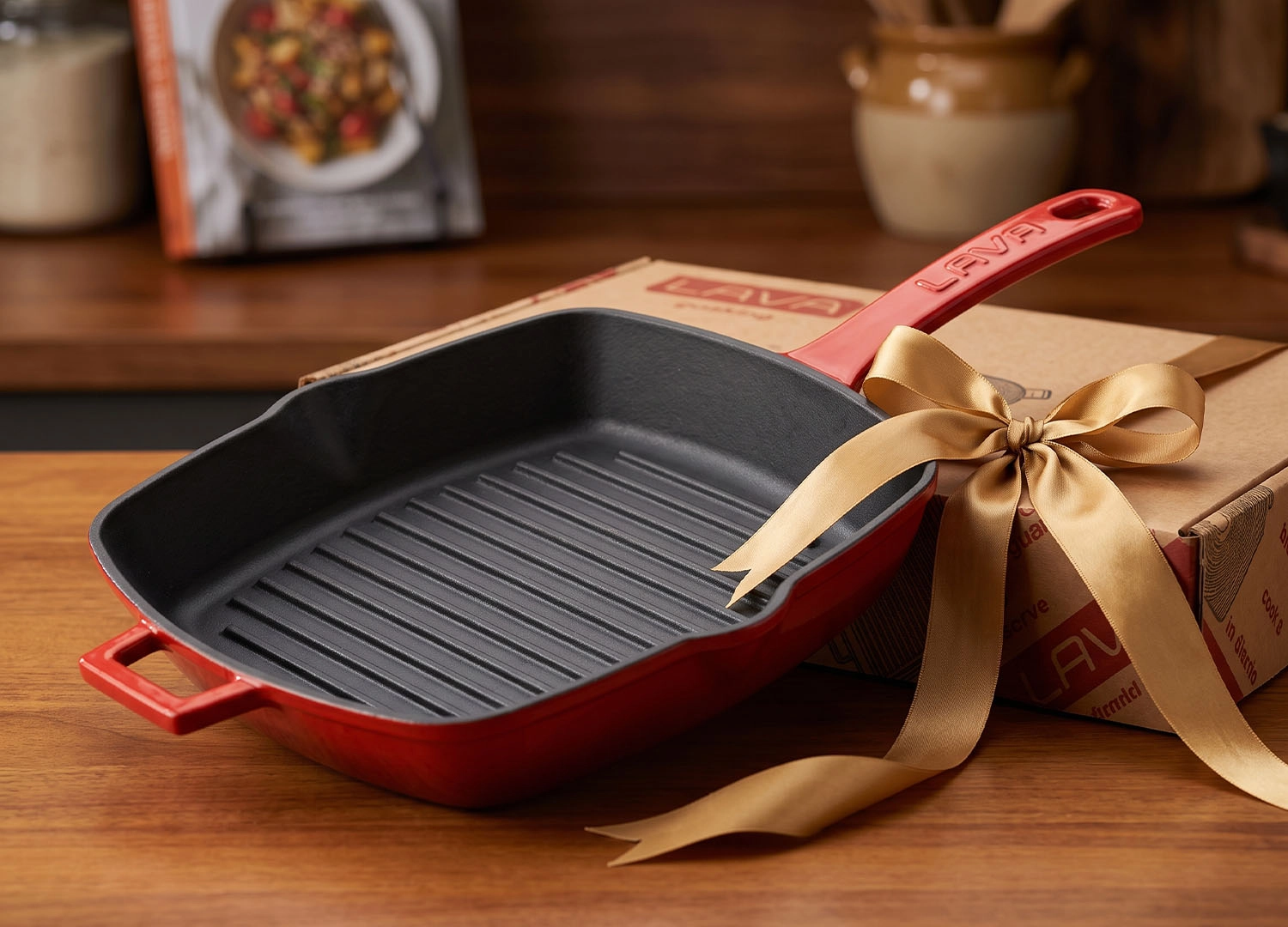
LAVA's 18 × 26 cm rectangular grill toast pan, made from enamelled cast iron, is designed for 1–2 people. Its two cast iron plates can be separated and used as individual grill surfaces for suitable recipes.
For preparing toast, hot sandwiches and different grilled recipes on the hob, explore the LAVA 18 × 26 cm Rectangular Cast Iron Grill Toast Pan.
25.09.2026






Lava Döküm Online Fabrika Satış Mağazası. © 2026 All Rights Reserved.


0
)

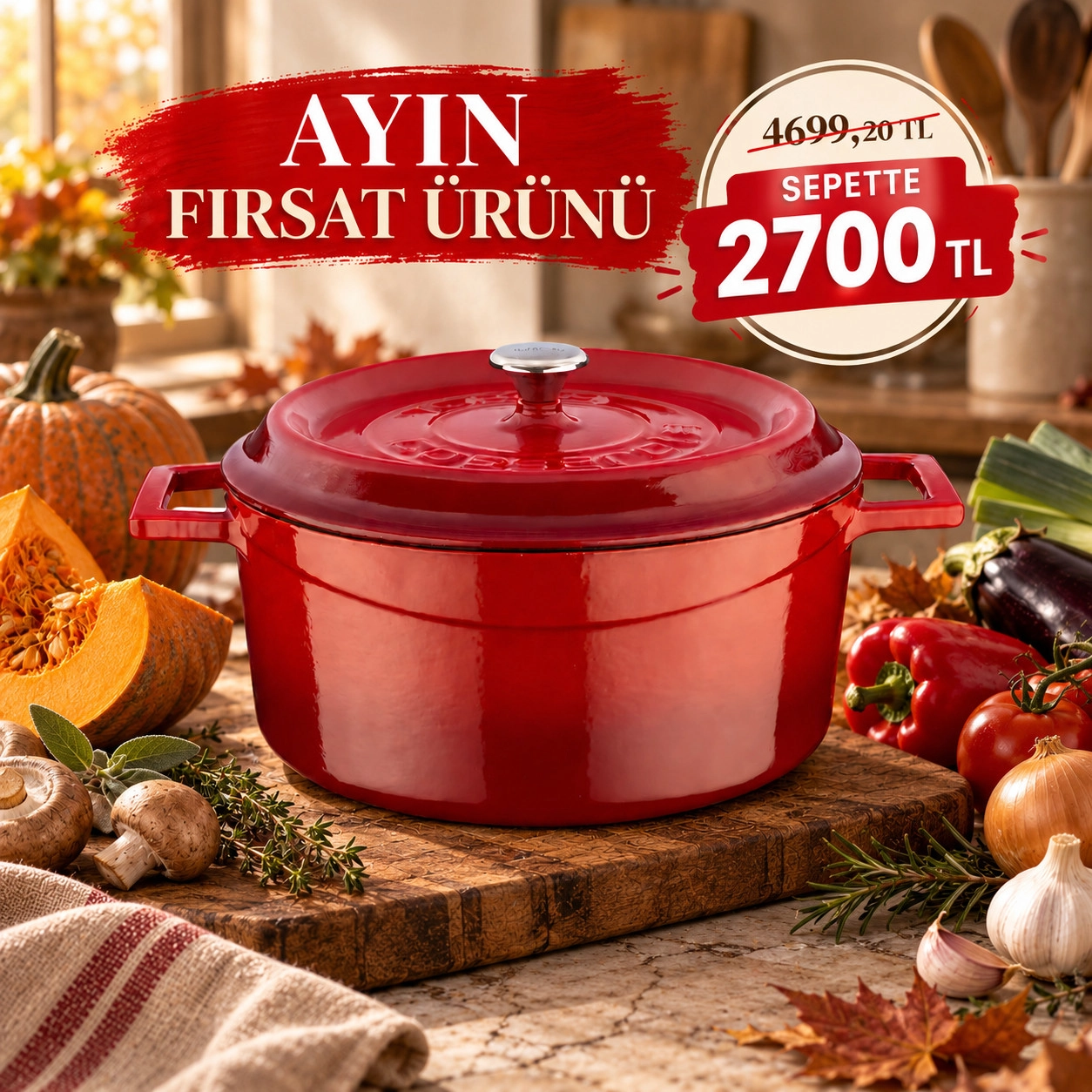 LAVA Round Cast Iron Casserole – Trendy Ø24 cm
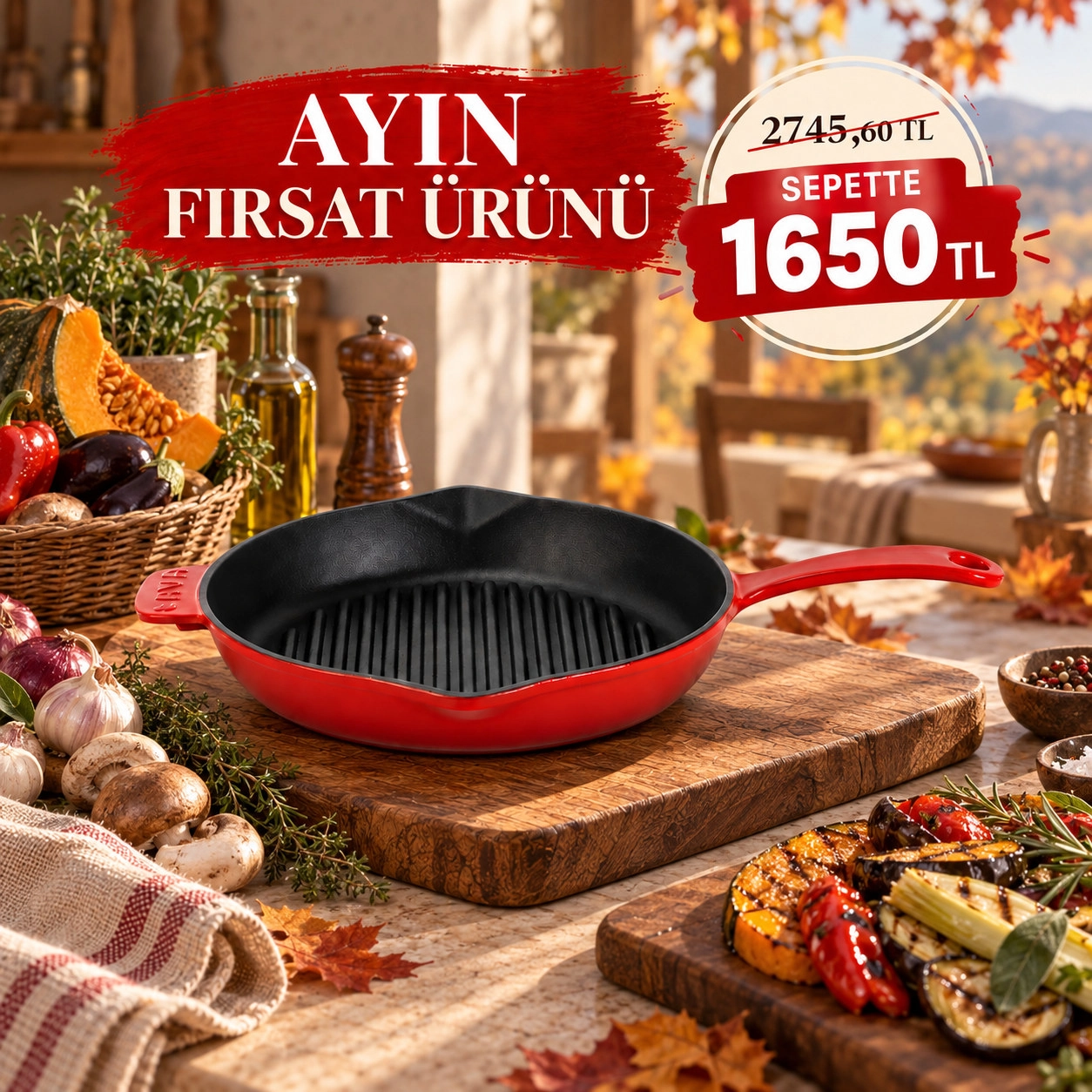 LAVA Round Cast Iron Grill Pan 28 cm Single Handle
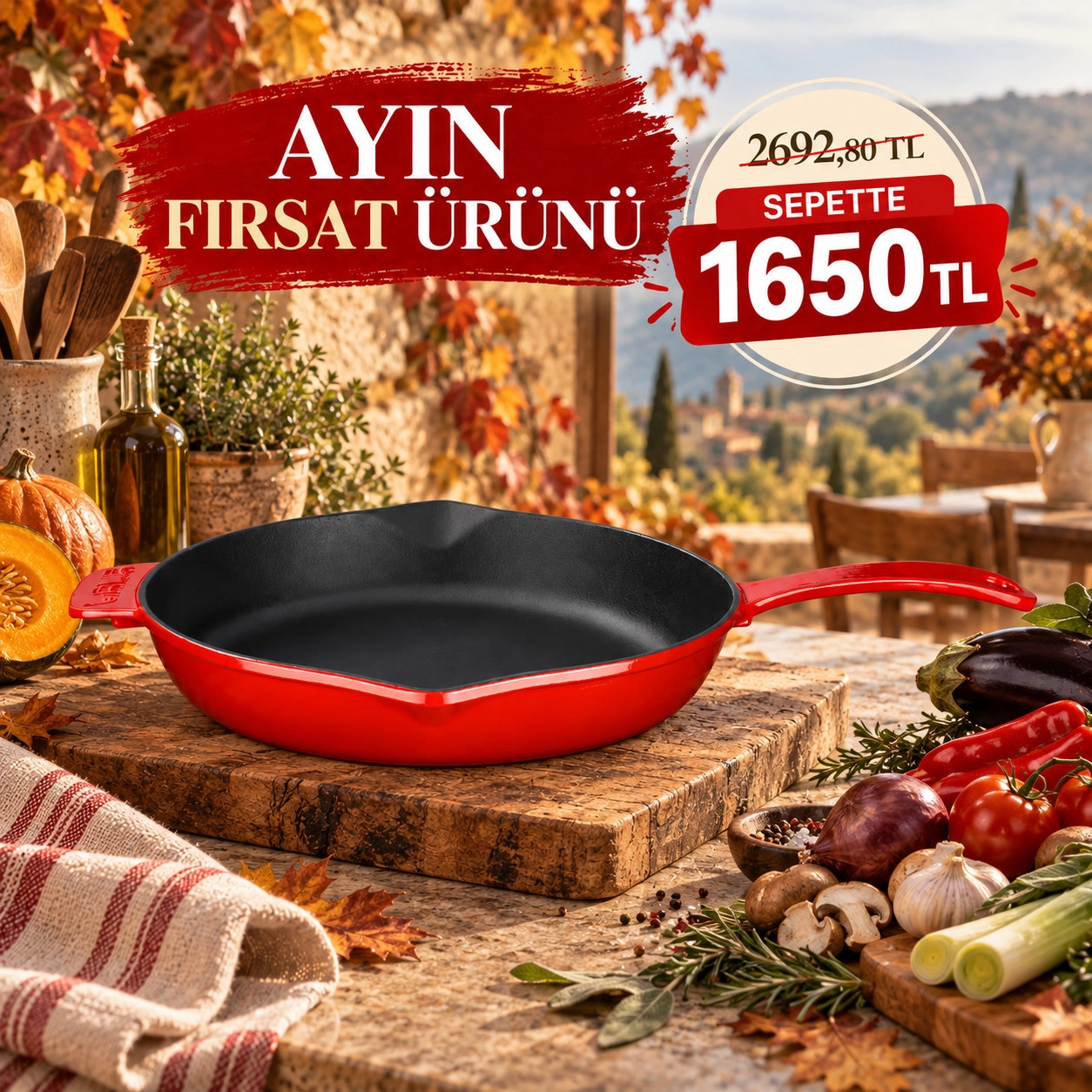 LAVA Round Cast Iron Frying Pan 28 cm Single Handle
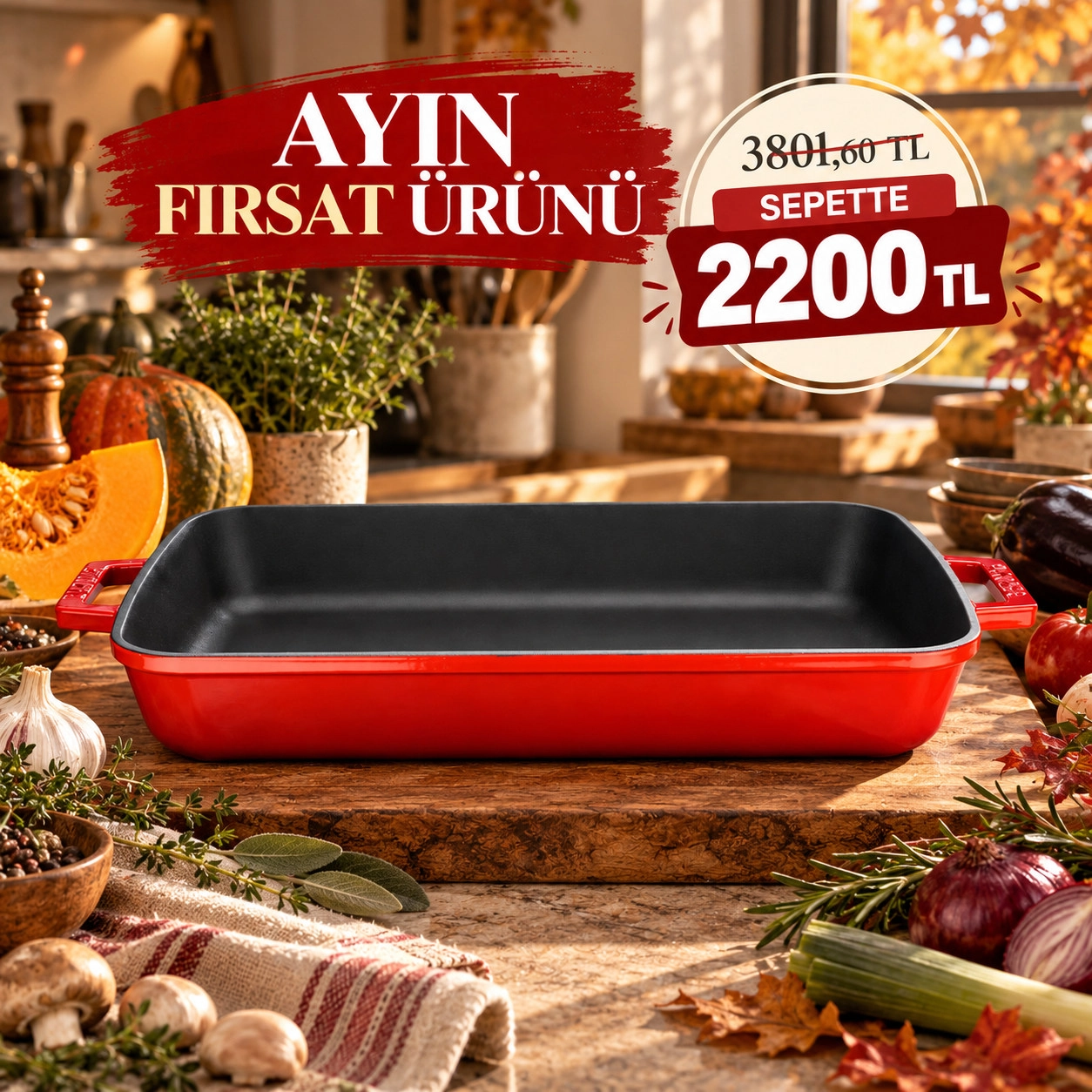 LAVA Rectangular Cast Iron Roasting & Oven Tray 26x40 cm Twin Handles
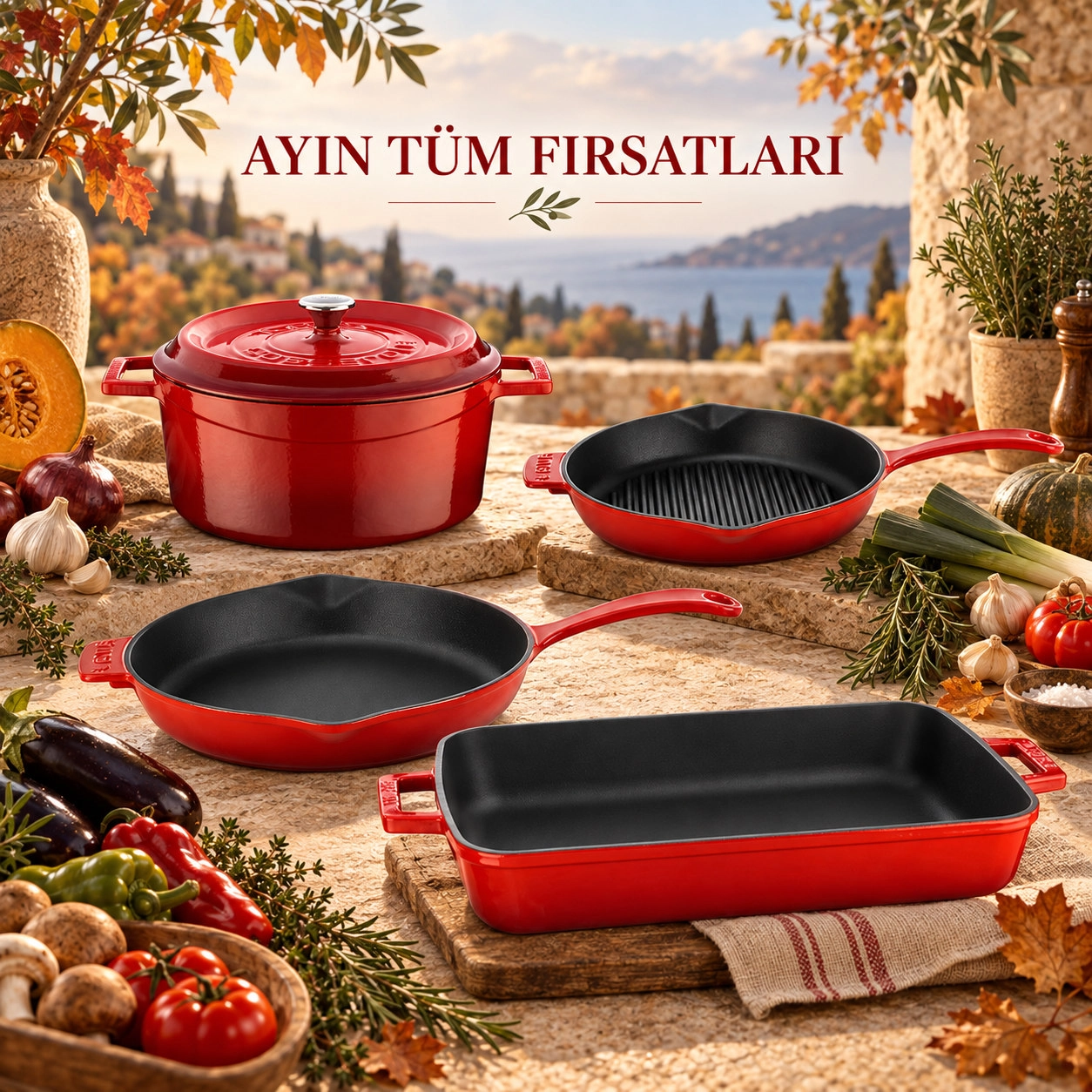 All This Month's Deals