×

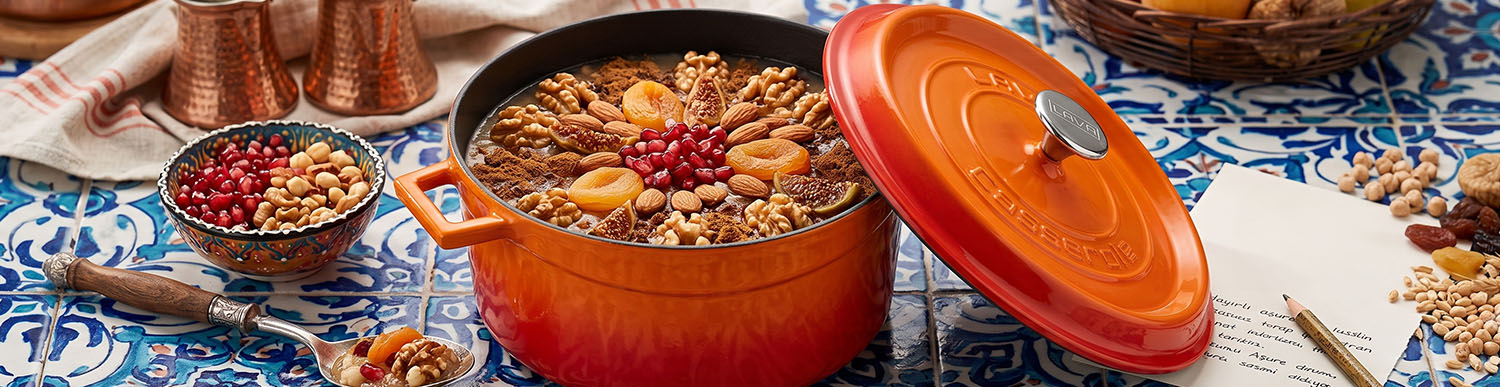
The most crucial tips for making Ashure are preparing the wheat and pulses correctly, adding the ingredients in the right order, incorporating the sugar at the right time, and cooking the Ashure at a controlled temperature. In recipes requiring long simmering, enamel-coated cast-iron pots that distribute heat evenly can help develop the perfect consistency in a controlled manner. Prepared with the correct cooking techniques and quality ingredients, Ashure is one of the most special desserts that brings the sharing tradition of the month of Muharram to our tables.
Reading Time: 8–9 Minutes
For centuries, Ashure, prepared as a symbol of abundance, sharing, and unity, has been one of the most deeply rooted traditions in Turkish cuisine. Bringing together many different ingredients—from wheat and chickpeas to dried haricot beans and dried fruits—this special recipe is passed down from generation to generation, not only for its exceptional flavour but also for its cultural significance.
Prepared every year during the month of Muharram, Ashure is part of a powerful tradition of sharing that brings family members, neighbours, and friends together around the same table. However, many people share the same questions: How do you make Ashure? How do you get the perfect consistency? When should the sugar be added? Are the pulses cooked together? What is the best pot for Ashure, or which pot should Ashure be cooked in?
The secret to preparing a delicious Ashure lies not only in choosing the right ingredients but also in maintaining a controlled cooking process, following the correct order, and exercising patience for a recipe that requires long simmering. This is precisely why LAVA cast-iron pots offer you the ultimate cooking experience, ensuring that all the vitamins and minerals of the pulses are preserved within the Ashure without losing their nutritional value, while enhancing its overall flavour. In this article, we have gathered answers to many curious questions, ranging from the history of Ashure to the meaning of the month of Muharram, and from its nutritional value to the top tips for achieving the perfect consistency.
Ashure is one of the most traditional desserts in Turkish cuisine, prepared by combining wheat, pulses, dried fruits, and nuts. The coming together of different ingredients in the same pot is widely accepted as a symbol of sharing and abundance.
Although minor variations can be seen in recipes depending on the region, staple ingredients such as wheat, chickpeas, and dried haricot beans remain indispensable components of Ashure. Cinnamon, walnuts, pomegranate seeds, hazelnuts, and dried fruits are used as complementary ingredients to enrich both its flavour and presentation.
In this slow-cooked recipe, the aim is to ensure that each ingredient retains its own texture while beautifully blending into a harmonious, collective flavour. For this reason, Ashure is a traditional recipe that demands patience and controlled cooking.
Ashure is prepared during Muharram, the first month of the Hijri (Islamic) calendar. In particular, the tenth day of Muharram is observed as "Ashure Day", a tradition that has been kept alive in Anatolia for centuries.
One of the most common popular narrations is the story that the very first Ashure was prepared after the Great Flood, by bringing together the last remaining provisions on Noah's Ark. Although there are different historical and cultural narratives, the common ground is that Ashure represents sharing, abundance, and solidarity.
Consequently, many families do not prepare Ashure solely for their own tables; they also offer it to their neighbours, relatives, and loved ones to keep this beautiful tradition alive. The making of Ashure is a tradition of abundance that has spread from Anatolia to the entire world.
Ashure Day corresponds to the tenth day of the month of Muharram according to the Hijri calendar. Since the Hijri calendar is calculated based on the lunar year, it falls on different dates each year in the Gregorian calendar.
Therefore, even though Ashure preparations take place on changing dates every year, the tradition remains unchanged; the culture of sharing and tables of abundance continue to be set with the same excitement.
If you are planning to make Ashure, it will be helpful to check the Muharram calendar for the current year to plan your preparations in advance. Ashure Day is the 10th day of Muharram. In 2027, Ashure Day falls on Thursday, 25 June. You can make and share Ashure with your loved ones until 15 July. If you wonder when the month of Ashure ends, it concludes 20 days after Ashure Day.
Ashure is a rich recipe created by combining different food groups rather than a single ingredient. Thanks to the wheat, pulses, dried fruits, and nuts it contains, it offers a well-balanced nutritional diversity.
Depending on the ingredients used, Ashure:
Can be a recipe rich in dietary fibre.
Contains plant-based protein sources.
Brings together various vitamins and minerals.
Can contain healthy fats thanks to the nuts.
Is one of the traditional desserts that can be preferred in balanced nutrition programmes with proper portion control.
Naturally, the amount of sugar and the portion size used in Ashure should be adjusted wisely according to your personal dietary plan.
In Ashure recipes that have been prepared for many years, seemingly small details can drastically alter the final result. Here are the most critical tips to help you prepare a successful Ashure:
Wheat, which forms the foundation of Ashure, requires a long cooking time. Soaking it in water overnight helps shorten the cooking time and allows you to achieve a more homogeneous consistency. If the wheat does not soften sufficiently, it will directly affect the texture of the Ashure, making this preparation step highly important.
One of the most common mistakes made when preparing Ashure is attempting to cook all the pulses at the same time. Since chickpeas and haricot beans have different cooking times, boiling them separately beforehand ensures a more controlled result. This way, each ingredient can be added to the Ashure once it reaches its ideal tenderness. Additionally, removing the skins of the pulses is a very important tip for a smooth Ashure recipe.
Adding sugar too early can delay the softening of the pulses. Therefore, you should wait for the wheat and pulses to reach the desired tenderness before incorporating the sugar. This method helps both balance the consistency and preserve the natural texture of the ingredients.
Dried apricots, figs, raisins, and other dried fruits impart both a wonderful aroma and natural sweetness to Ashure. However, adding all these ingredients at the very beginning of the cooking process can cause the fruits to over-soften and fall apart. Adding dried fruits during the final stages of cooking helps preserve both their appearance and flavour.
When Ashure is taken off the hob, it may initially appear more fluid than you expect. This is completely normal. During the cooling and resting process, the wheat and other ingredients will absorb some of the liquid, causing the consistency to thicken naturally. For this reason, trying to thicken it excessively during cooking can result in an overly dense Ashure once it cools down.
Because Ashure is a dessert that simmers for a long time, it is often thought that it needs to be stirred constantly. However, over-stirring can cause the wheat to become mashed, the pulses to break apart, and the consistency to become overly thick. Stirring it gently at regular intervals after the ingredients have combined is sufficient. Especially in wide-bottomed pots, the even distribution of heat provides a more controlled cooking process.
Nuts such as walnuts, hazelnuts, pistachios, and almonds add both flavour and visual richness to Ashure. However, adding these ingredients during cooking can cause them to soften and lose their crunchiness. For the best result, it is recommended to add the nuts during the serving stage. This ensures they retain their texture and give the presentation an aesthetic look.
Dried apricots, figs, raisins, and other dried fruits possess a naturally sweet aroma. Therefore, adjusting the amount of sugar used in the recipe according to your choice of ingredients can yield a more balanced result. Adding sugar gradually helps the natural flavours of the ingredients take centre stage.
From time to time, water may need to be added while Ashure is cooking. However, adding too much water weakens the consistency, while using too little water can make the Ashure too dense. Simmering it at a steady heat for a long time and adding hot water in small amounts when necessary helps you manage the consistency much better.
Ashure is one of those traditional recipes whose flavour develops as it rests. Allowing it to rest for a few hours after it reaches room temperature contributes to the ingredients blending together harmoniously. Therefore, do not forget to let your prepared Ashure rest before serving.
For a detailed Ashure recipe and list of ingredients, please click here.
When preparing a delicious Ashure, certain minor mistakes can negatively impact both the consistency and the aroma. You can achieve a much more successful result by paying attention to the points below:
| Mistake Made | What to Consider |
| Not soaking the wheat sufficiently | Soaking it overnight can make the cooking process much easier. |
| Adding sugar too early | It is recommended to add it after the pulses have softened. |
| Cooking all ingredients together | Boiling pulses separately can yield a more balanced result. |
| Stirring continuously | It should be stirred gently so that the ingredients do not break apart. |
| Adding dried fruits too early | Adding them at the final stage helps preserve their texture. |
| Thickening the consistency completely on the hob | It should not be forgotten that it thickens naturally while resting. |
Ashure is one of those traditional recipes that must be simmered gently and under control for a long time. The cookware used during this process can significantly influence your overall cooking experience.
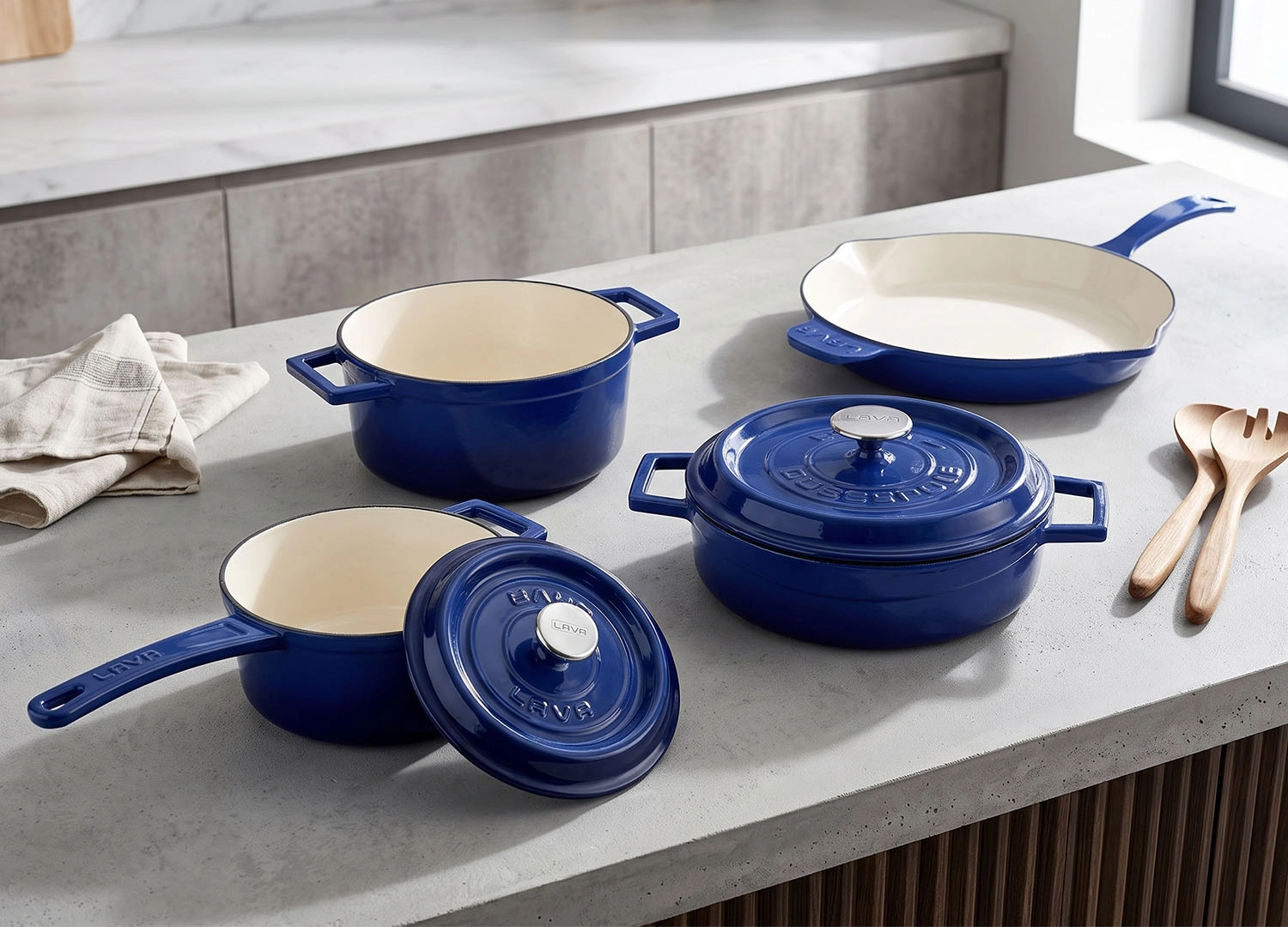
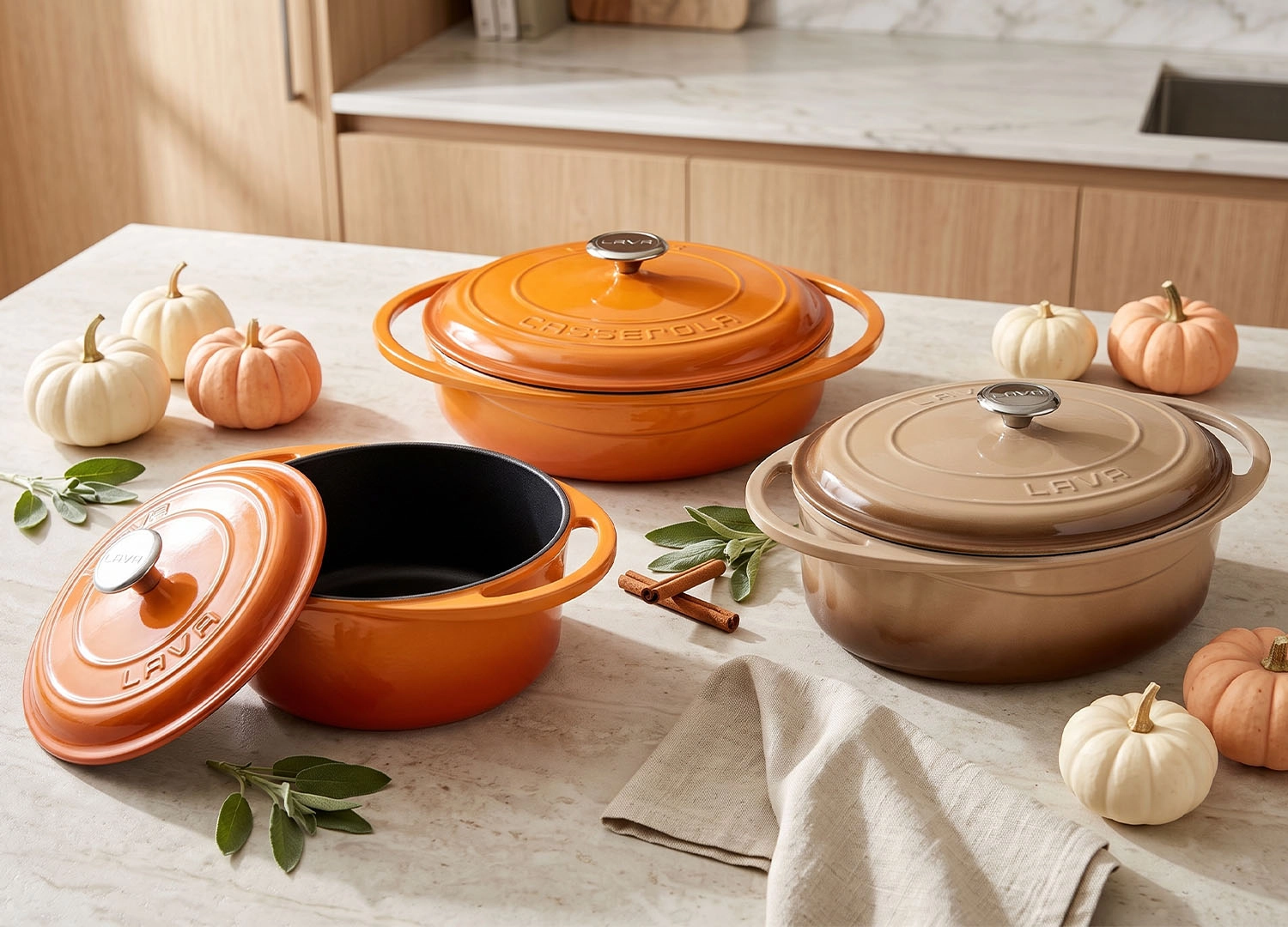
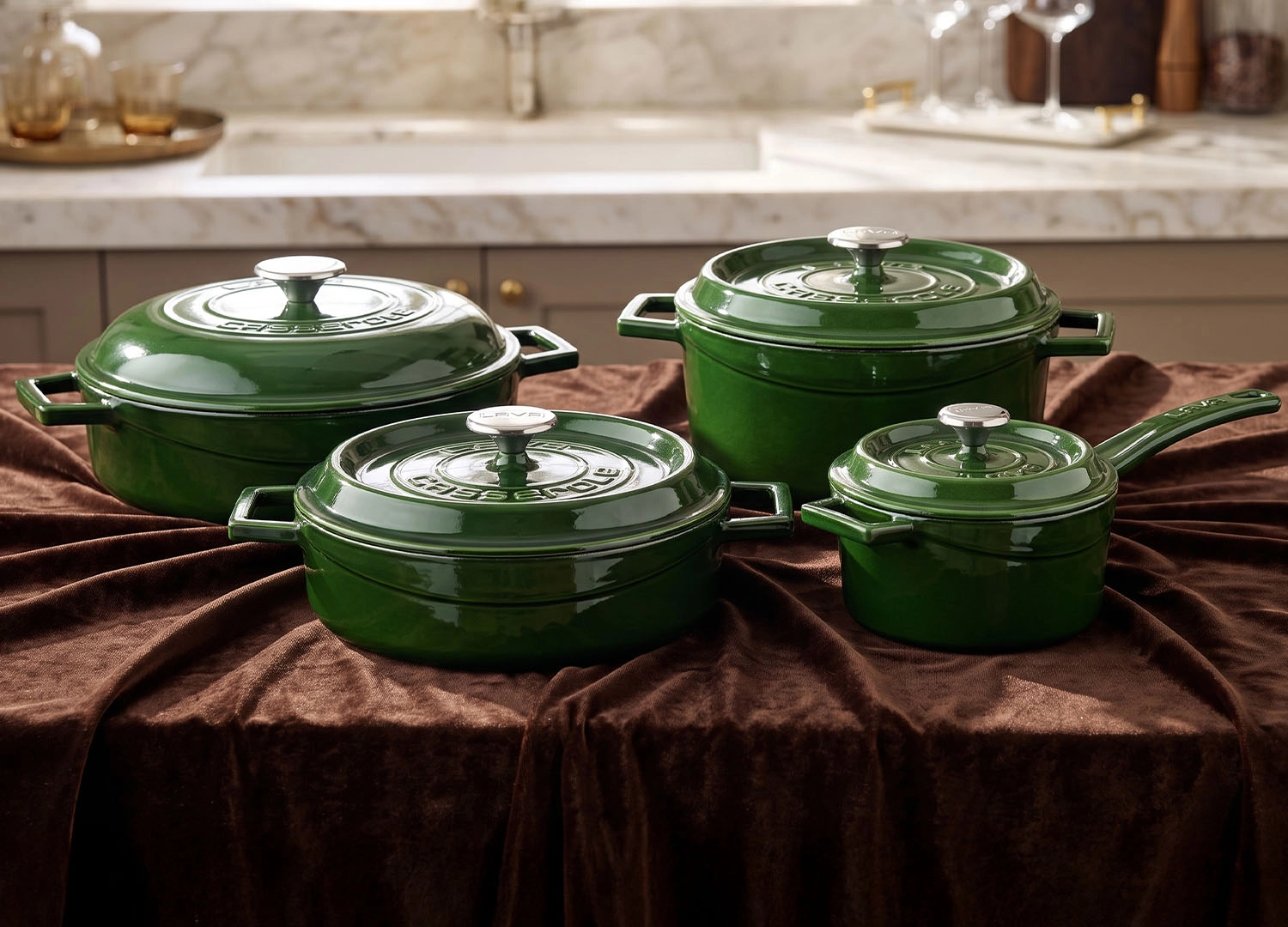
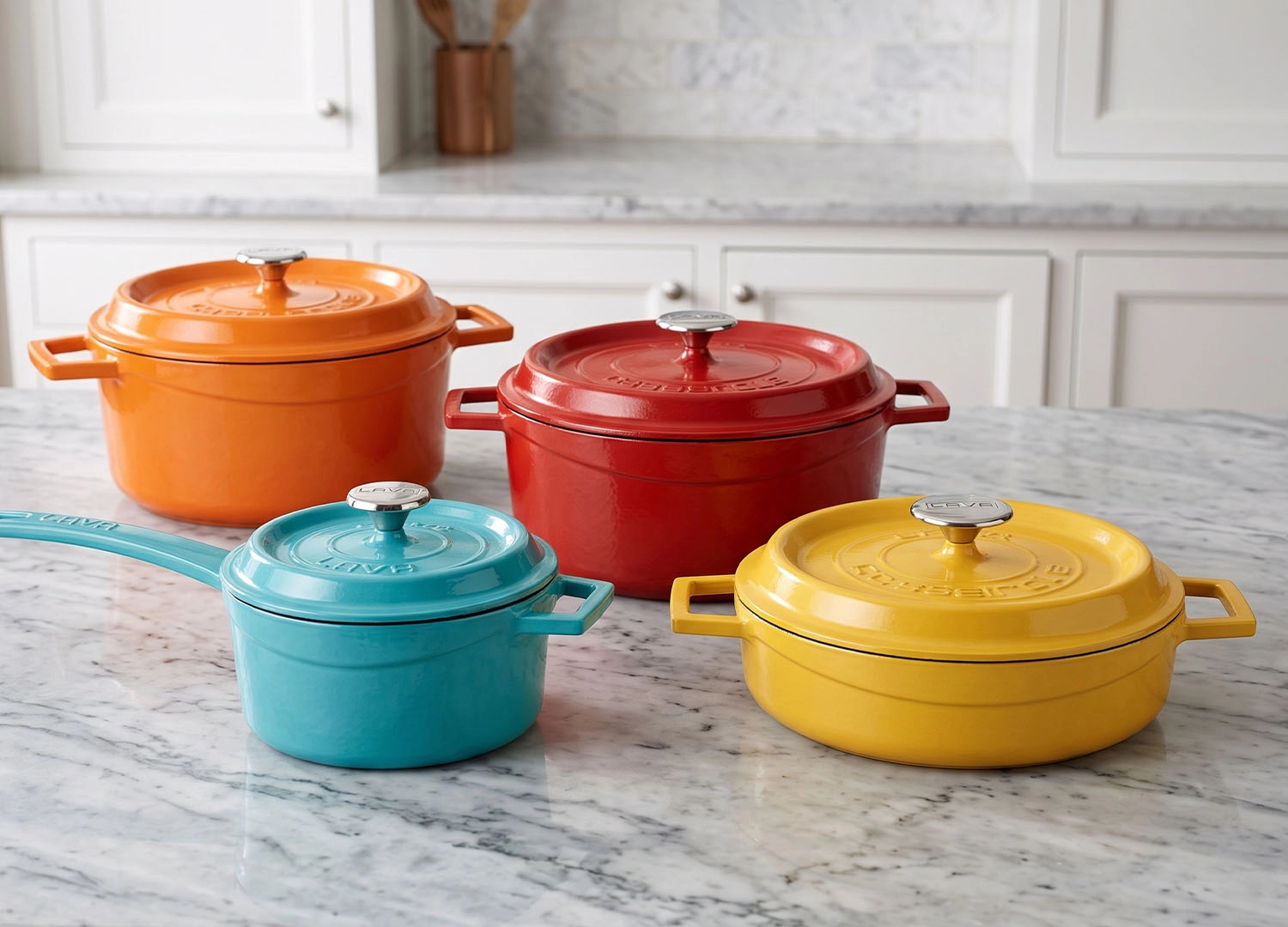
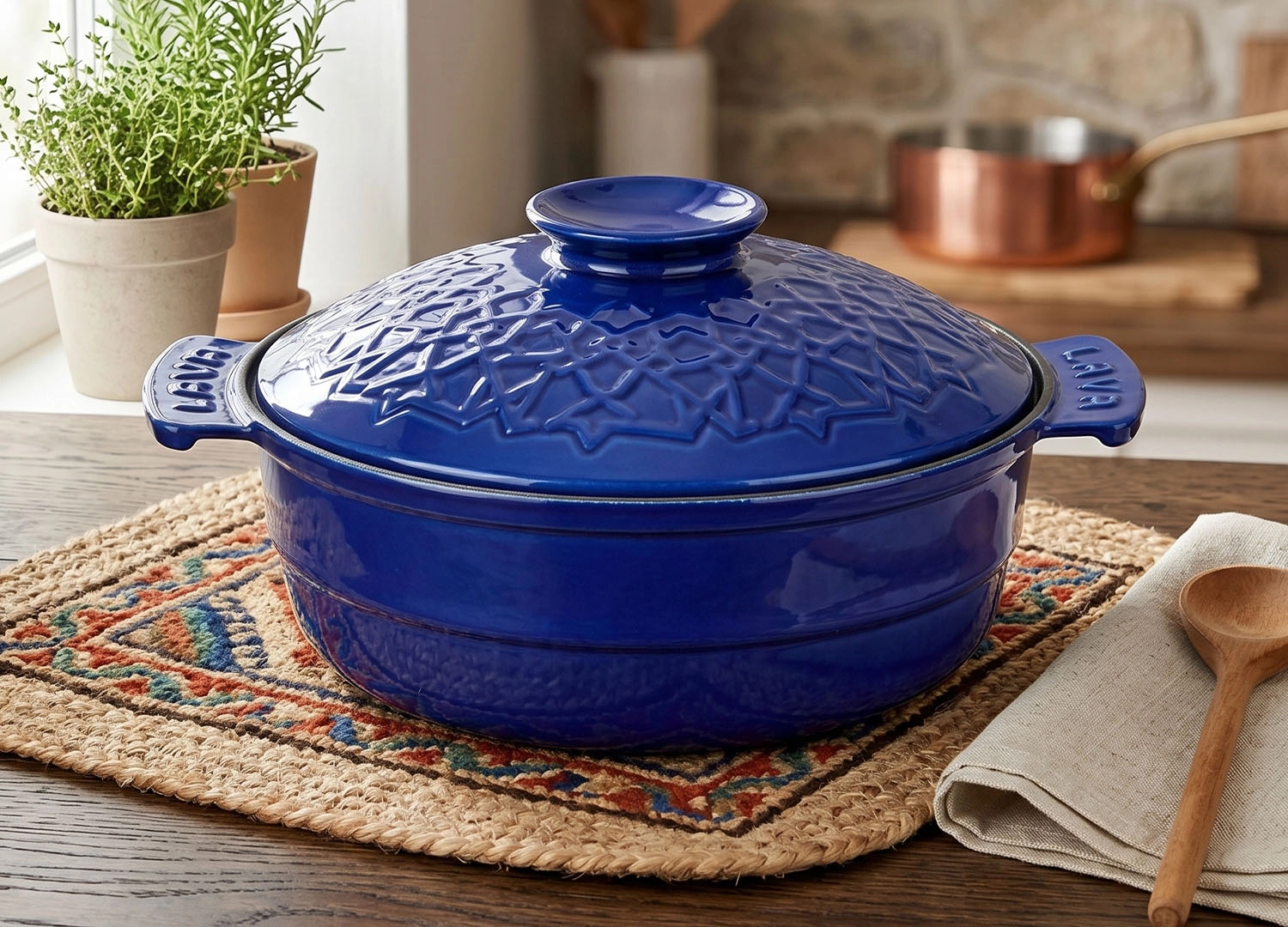
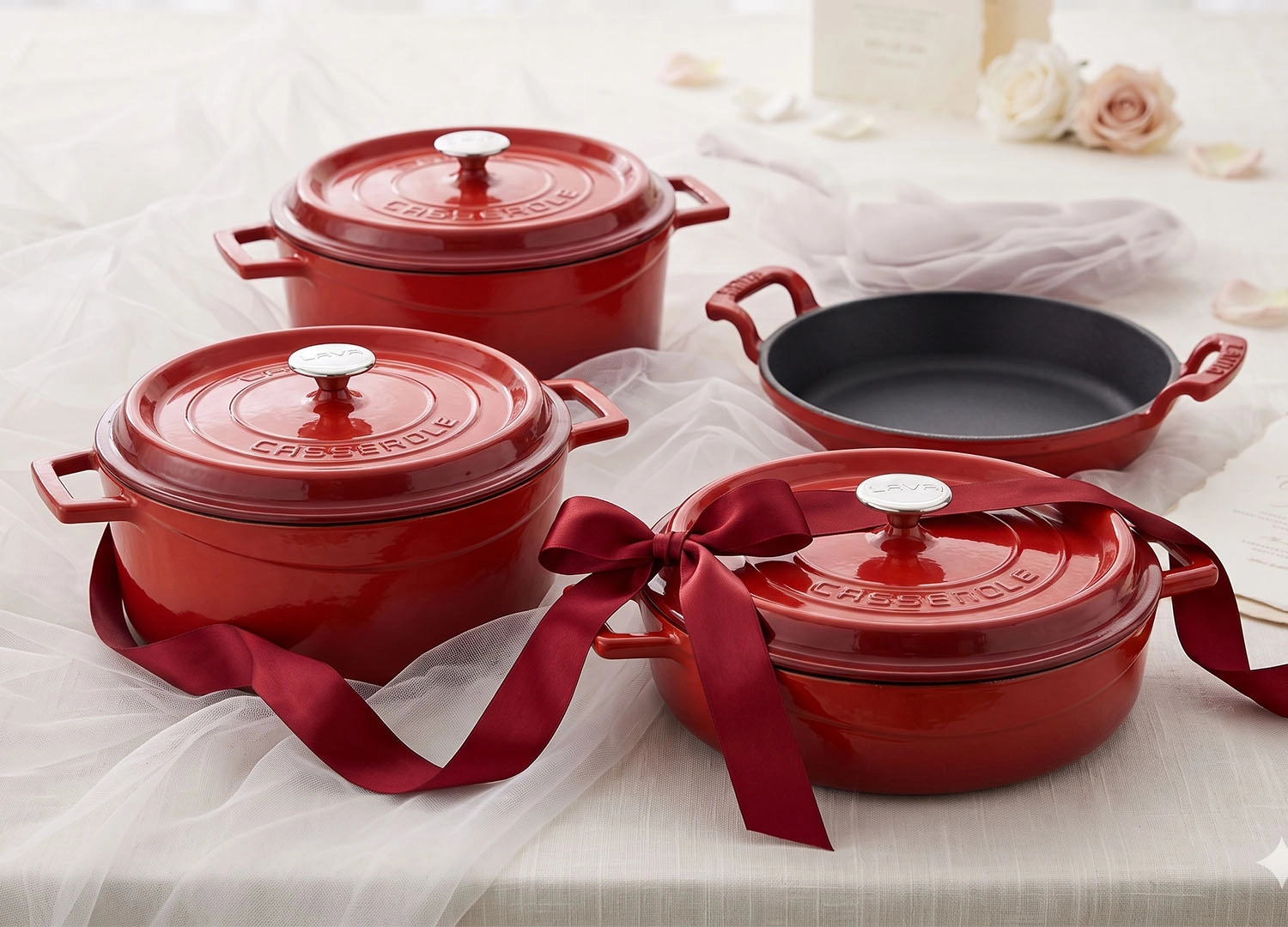
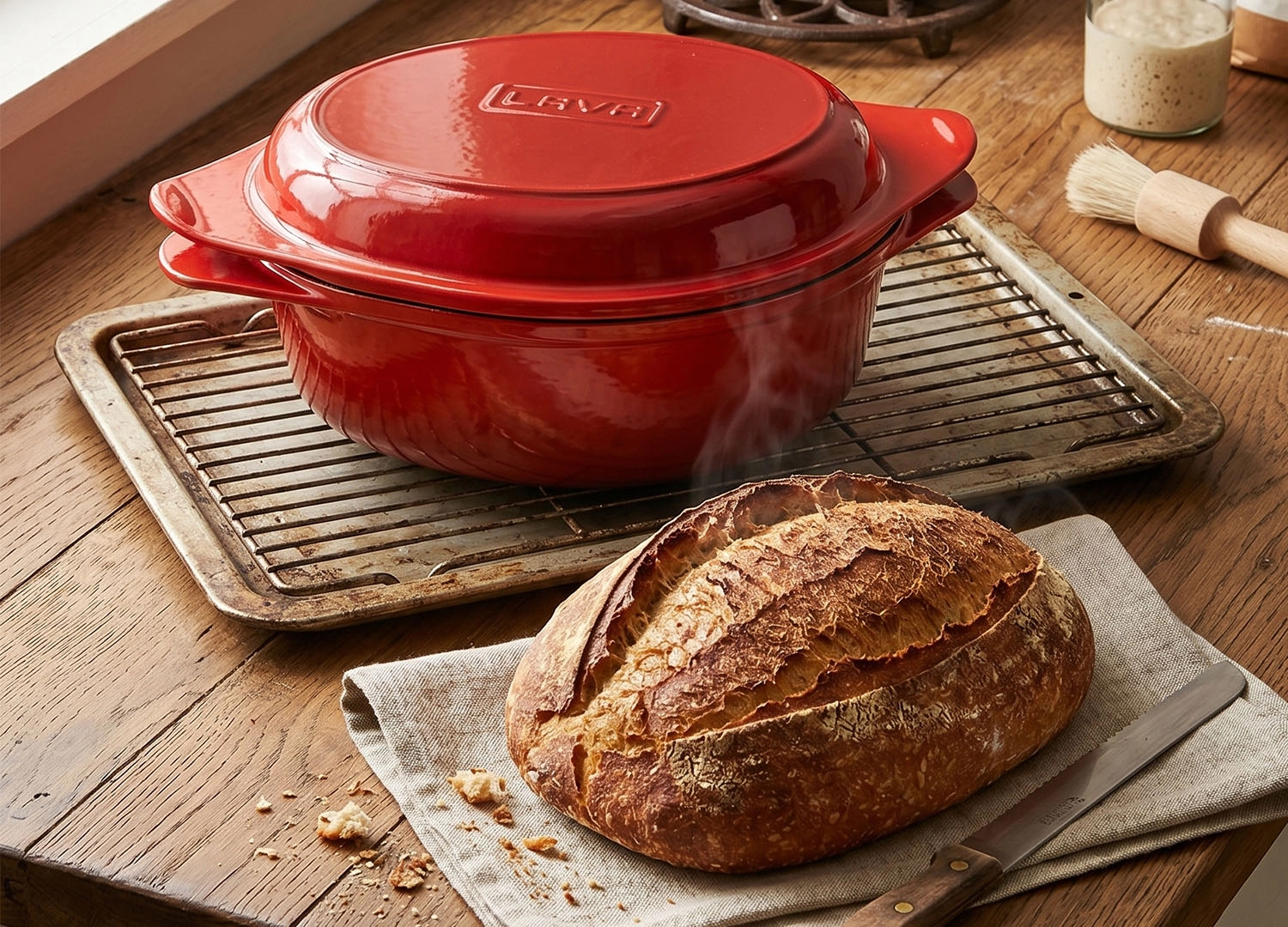
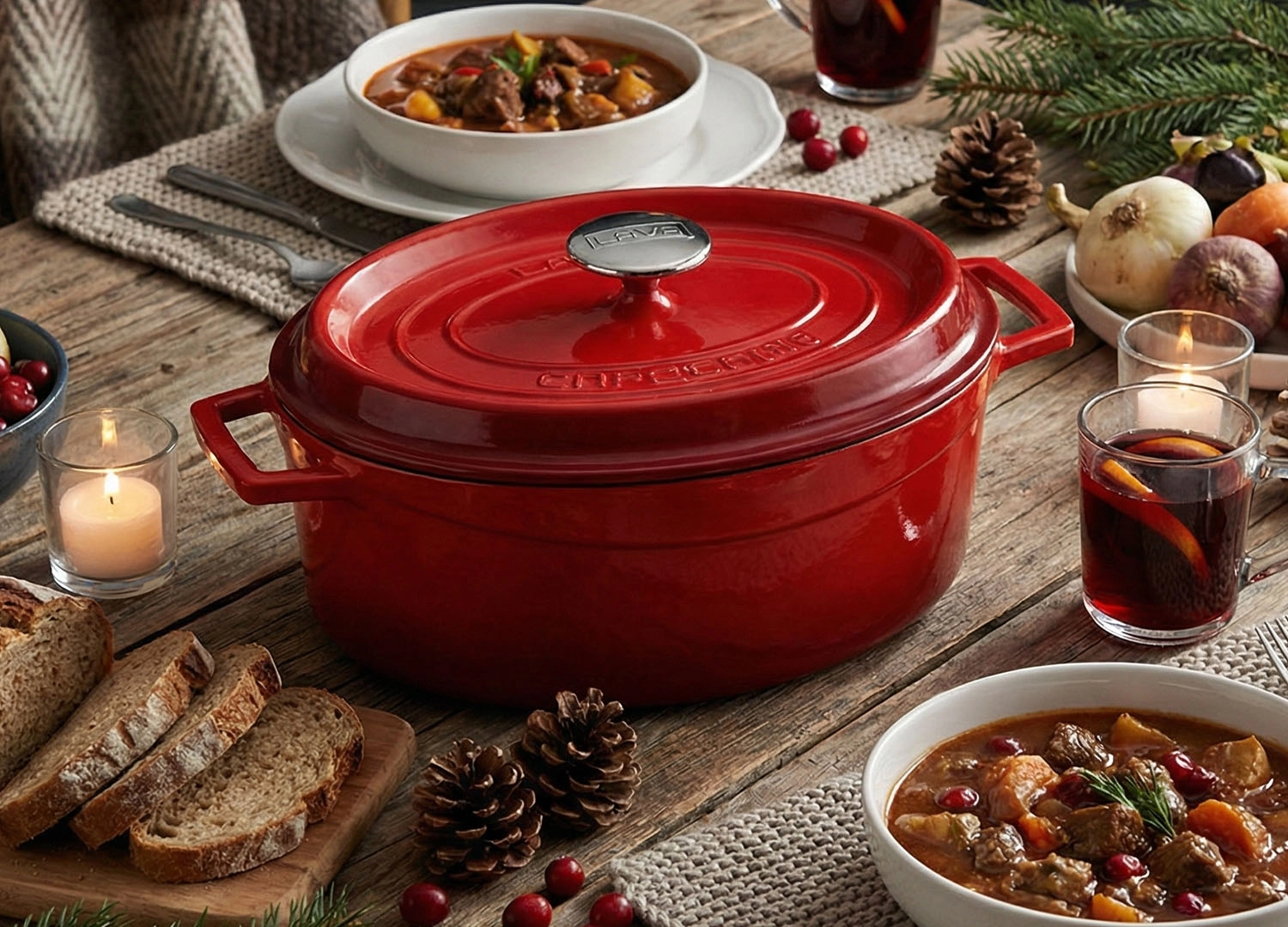
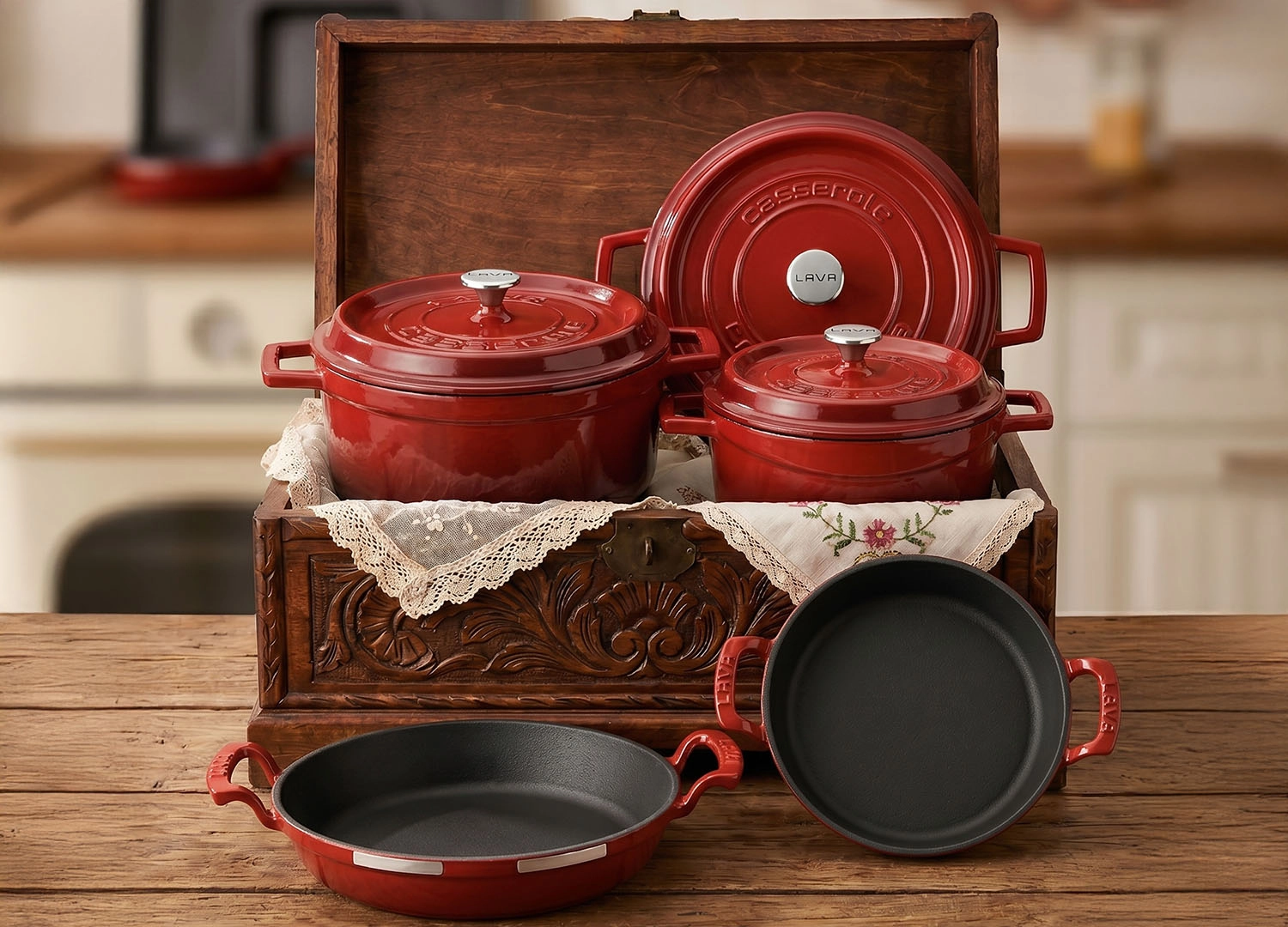
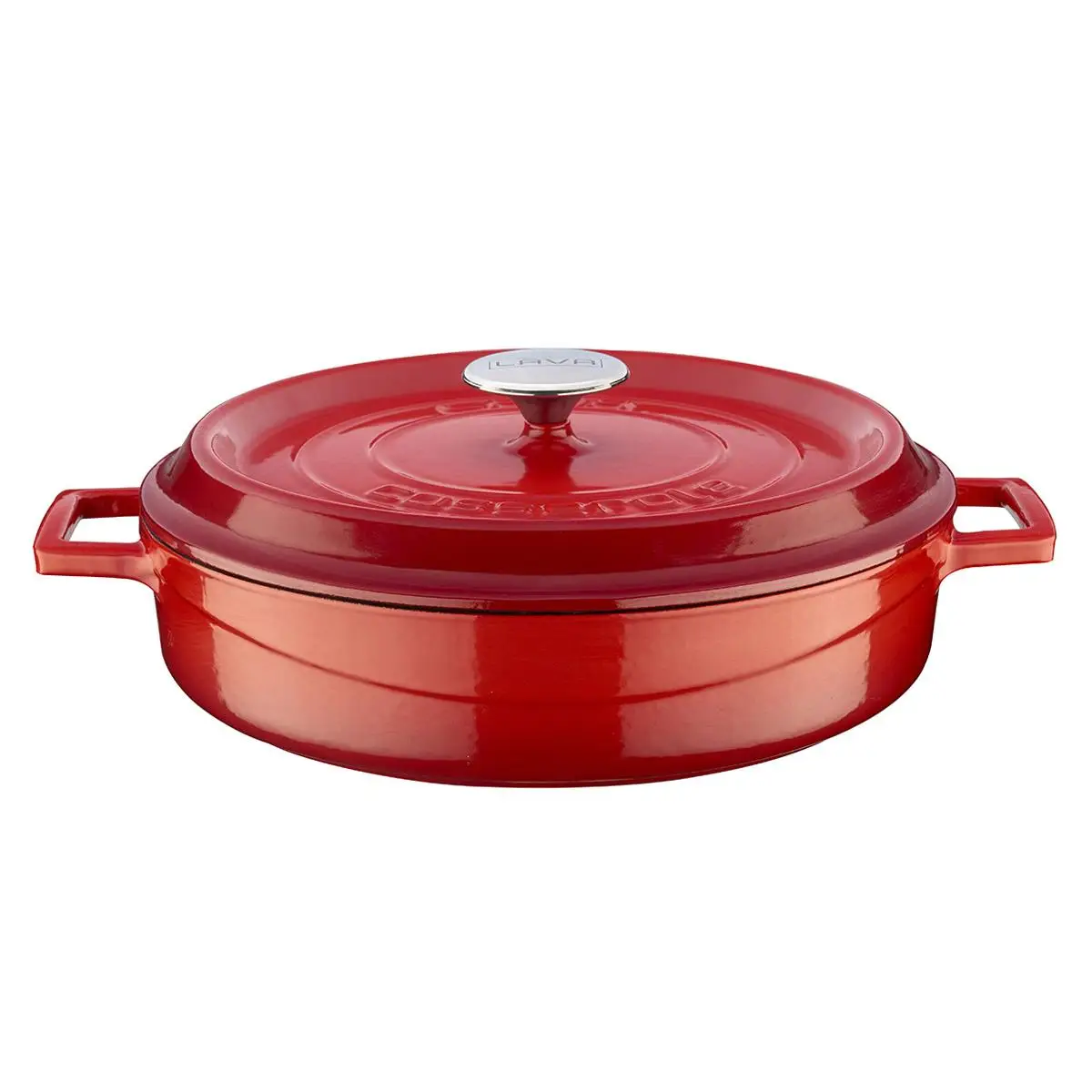
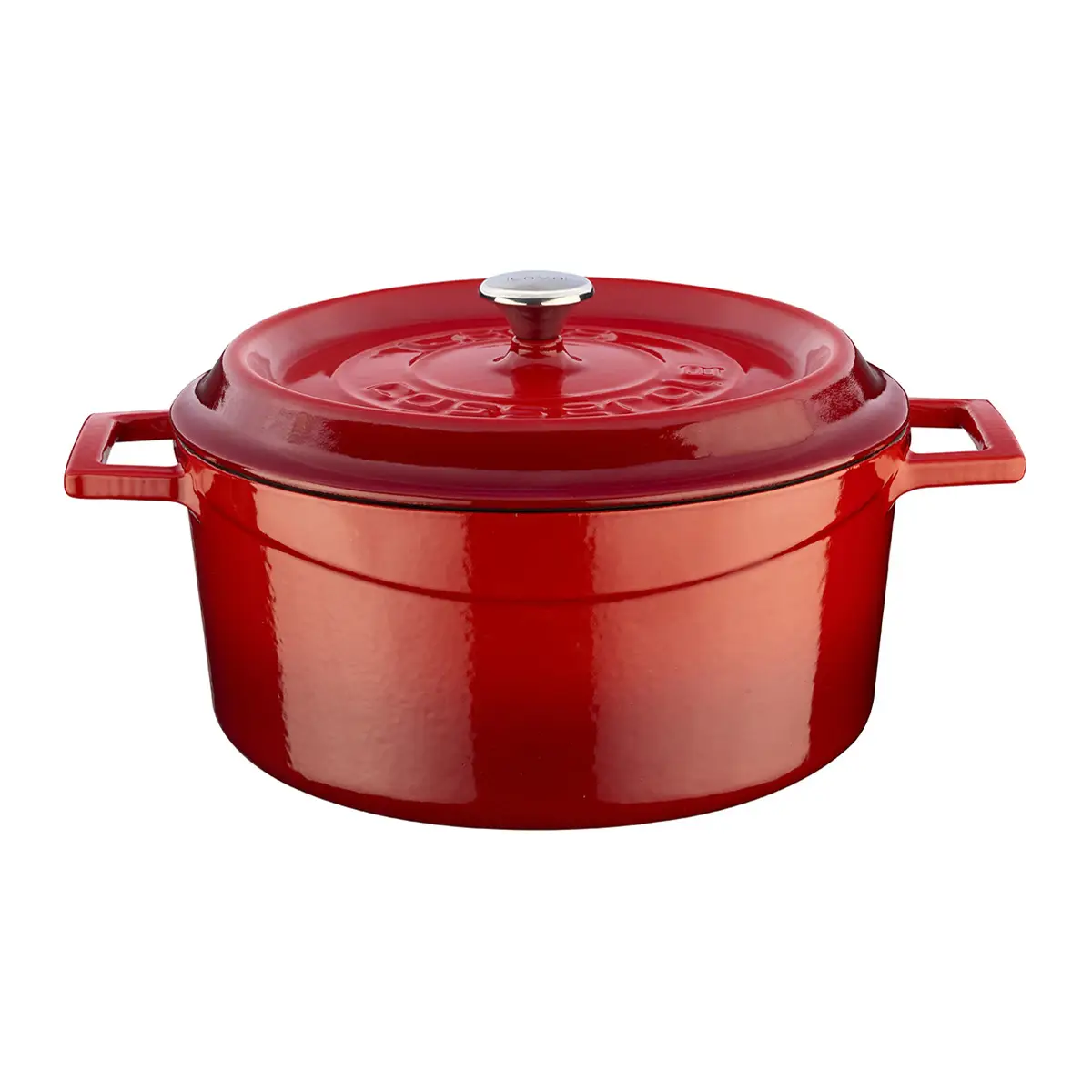
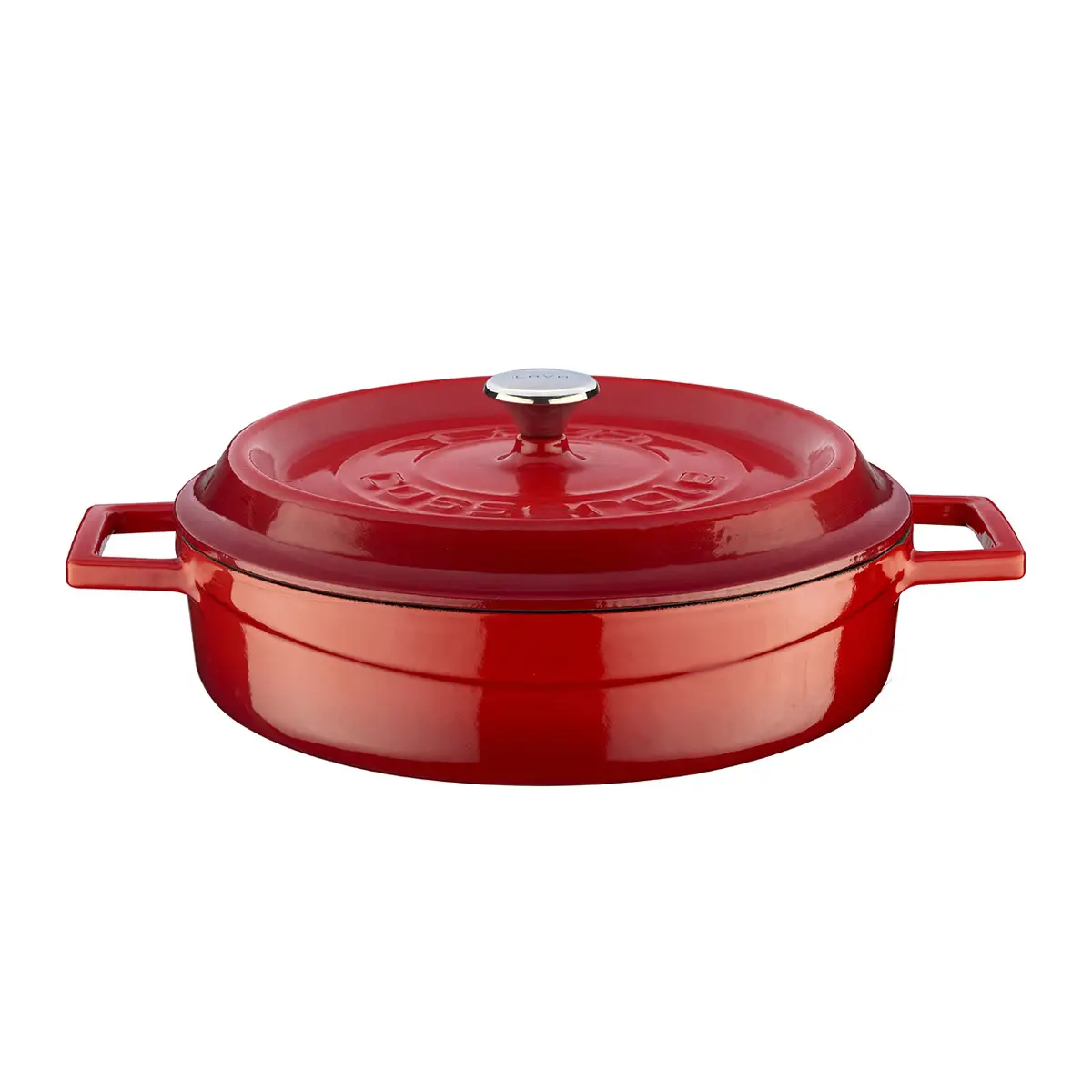
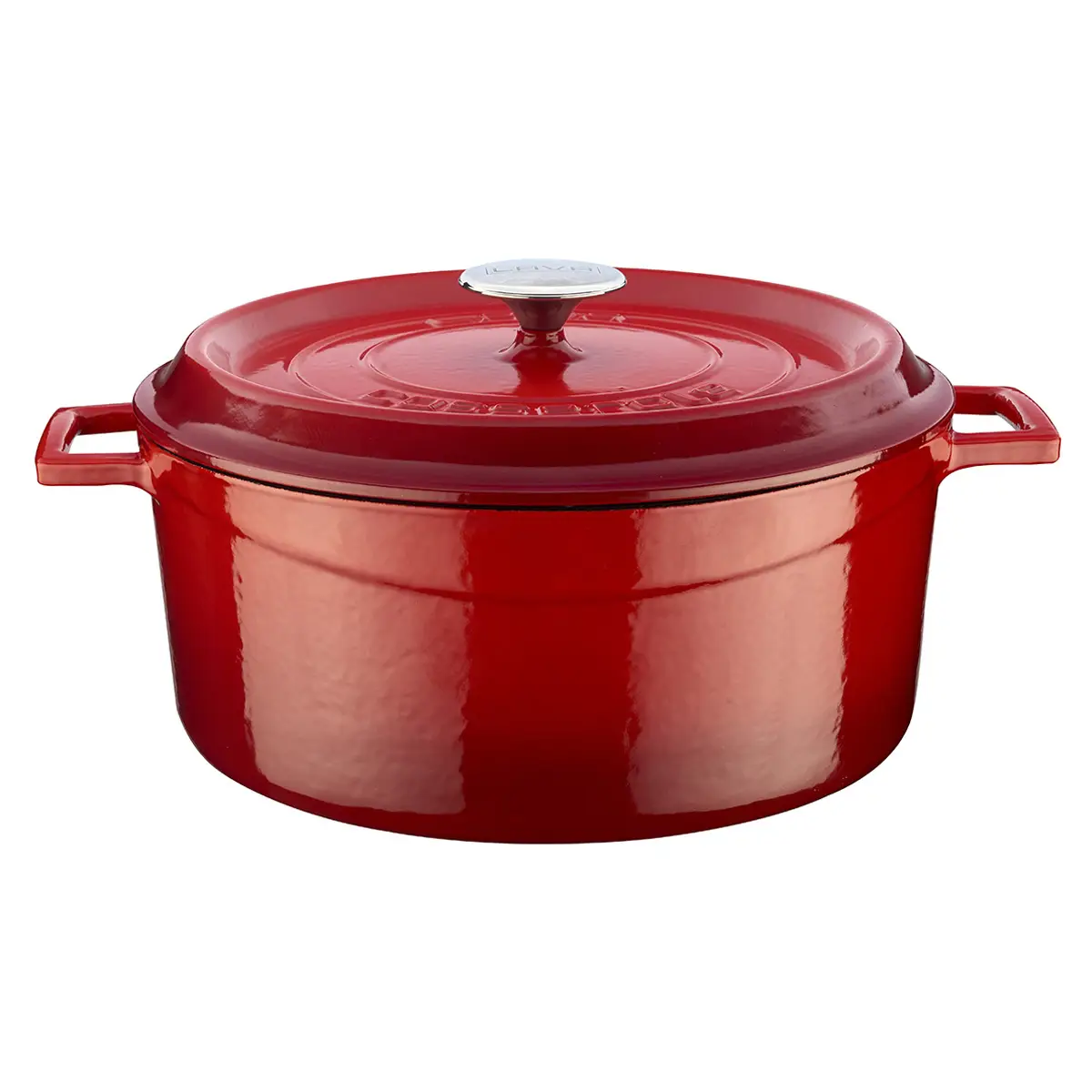
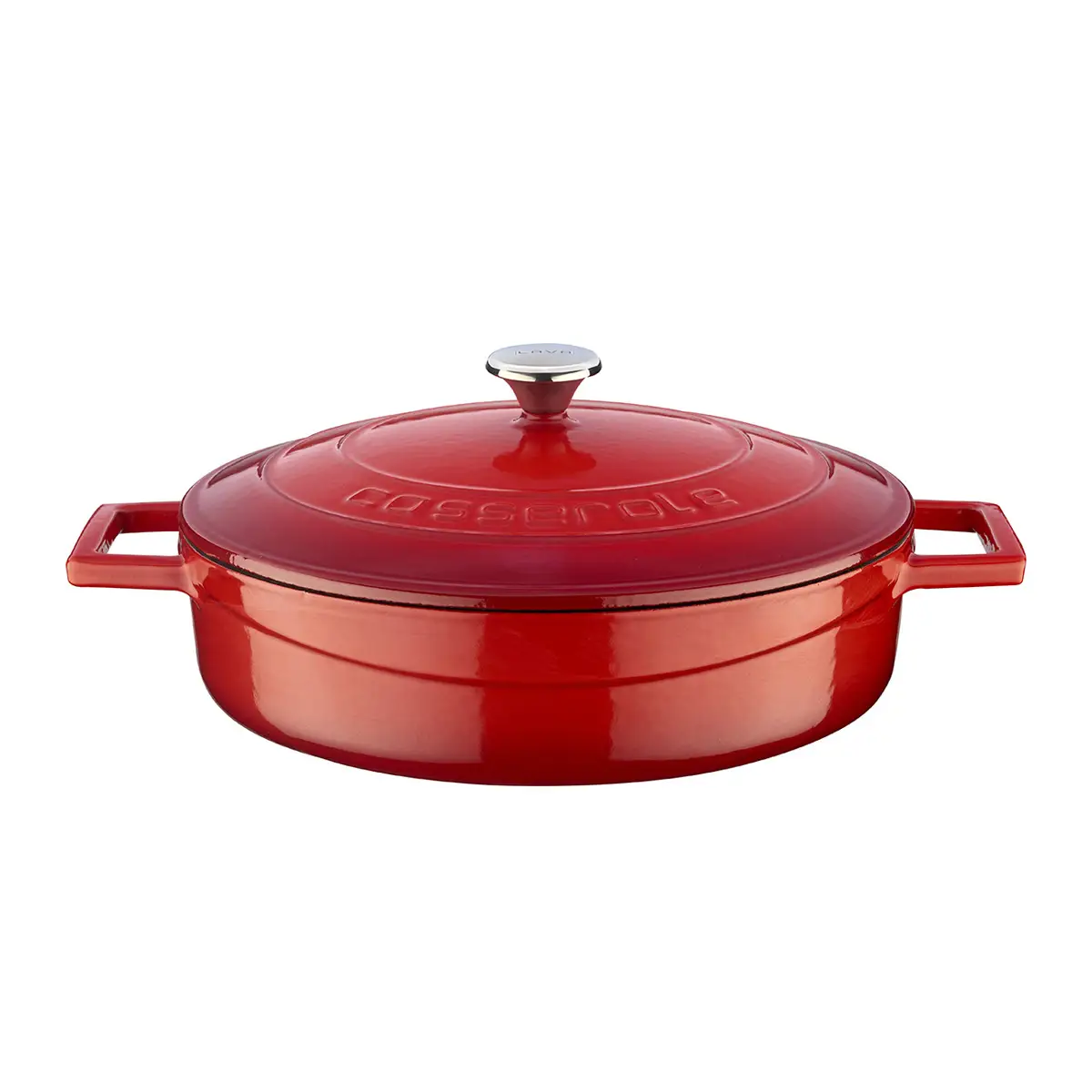
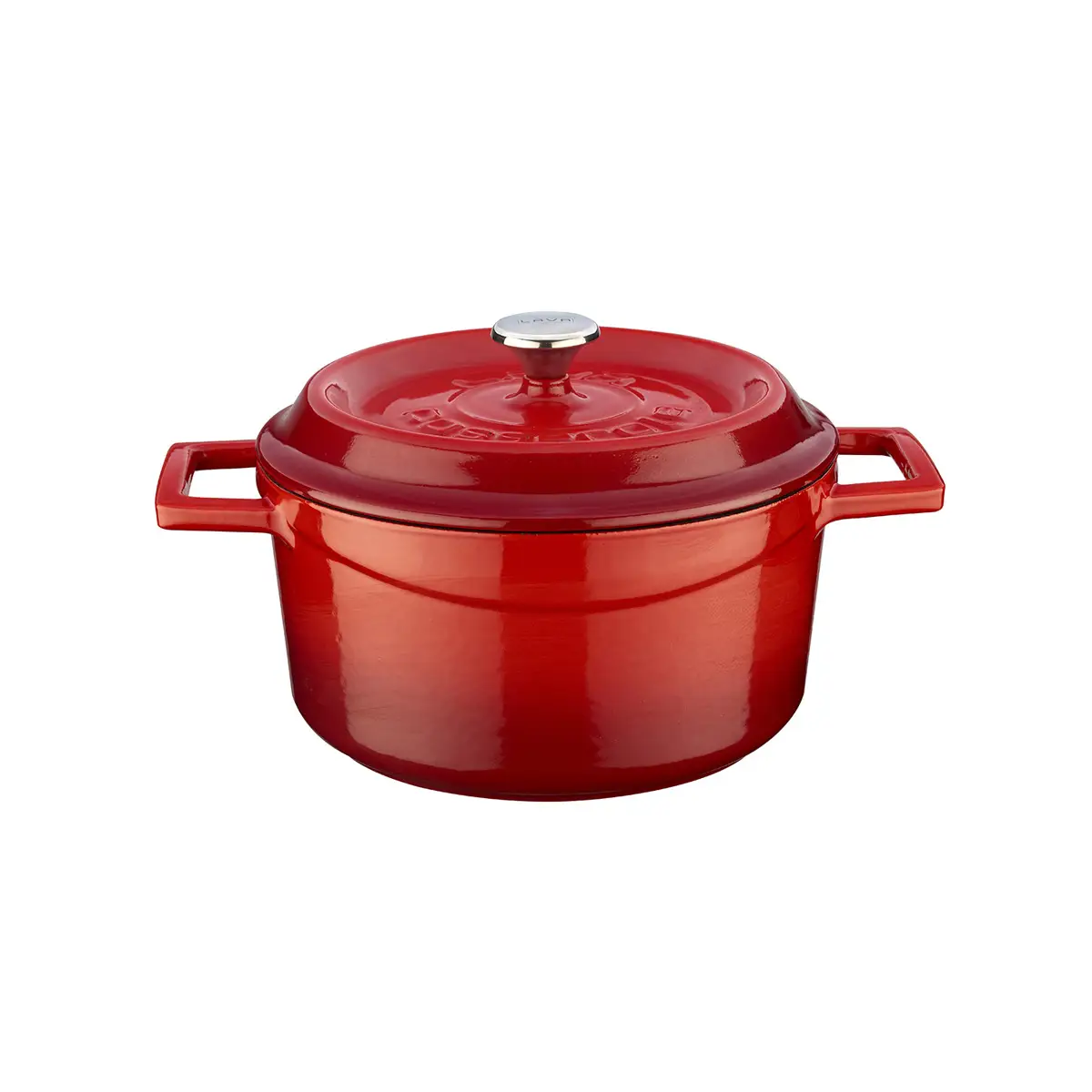
Enamel-coated cast-iron pots, with their high heat retention properties, offer excellent temperature control for recipes requiring prolonged cooking. The even distribution of heat across the base and side walls helps the Ashure simmer regularly and evenly.
One of the standout advantages of an enamel-coated surface is that it requires no extra seasoning. This provides a practical cooking experience without the need for any additional preparation before use.
It can help with controlled cooking by retaining heat for a long duration.
Thanks to its large capacity, it provides ease of use for recipes prepared for large families.
With its balanced heat distribution, it offers a more stable cooking experience for recipes that simmer for a long time.
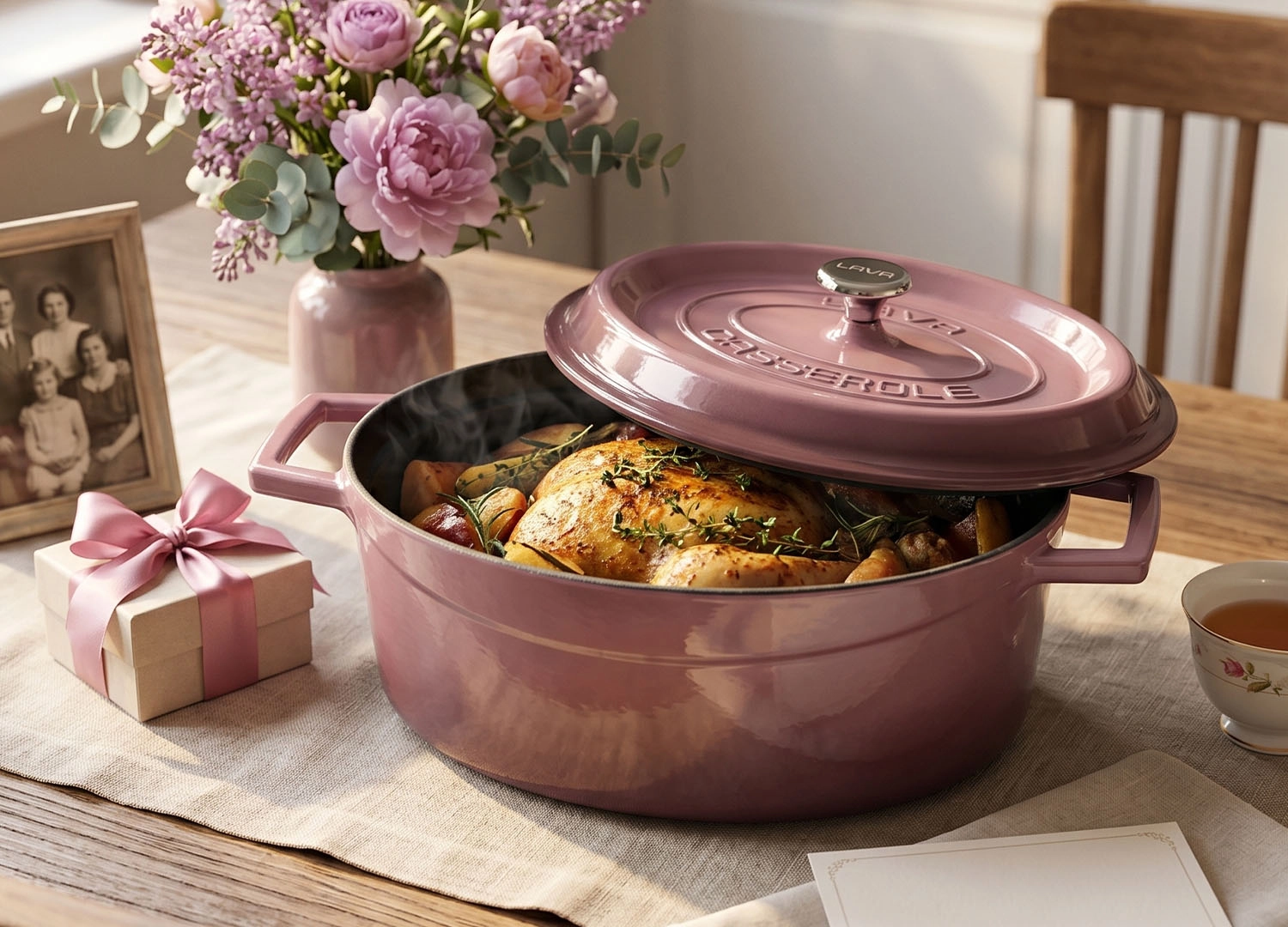
Thanks to its elegant design, it can be brought directly to the table after cooking.
With its long-lasting structure, it can be used for different traditional recipes for many years to come.
Ashure is one of the most beautiful examples of the culture of sharing, not only through its taste but also through its meticulous presentation. Small touches you use during presentation can enrich both the appearance of the Ashure and the serving experience.
Add the cinnamon during serving.
Bring vibrant colour with pomegranate seeds.
Create different textures with walnuts, hazelnuts, or pistachios.
Enrich the traditional presentation with pieces of dried fig and dried apricot.
You can add a modern touch with fresh mint leaves.
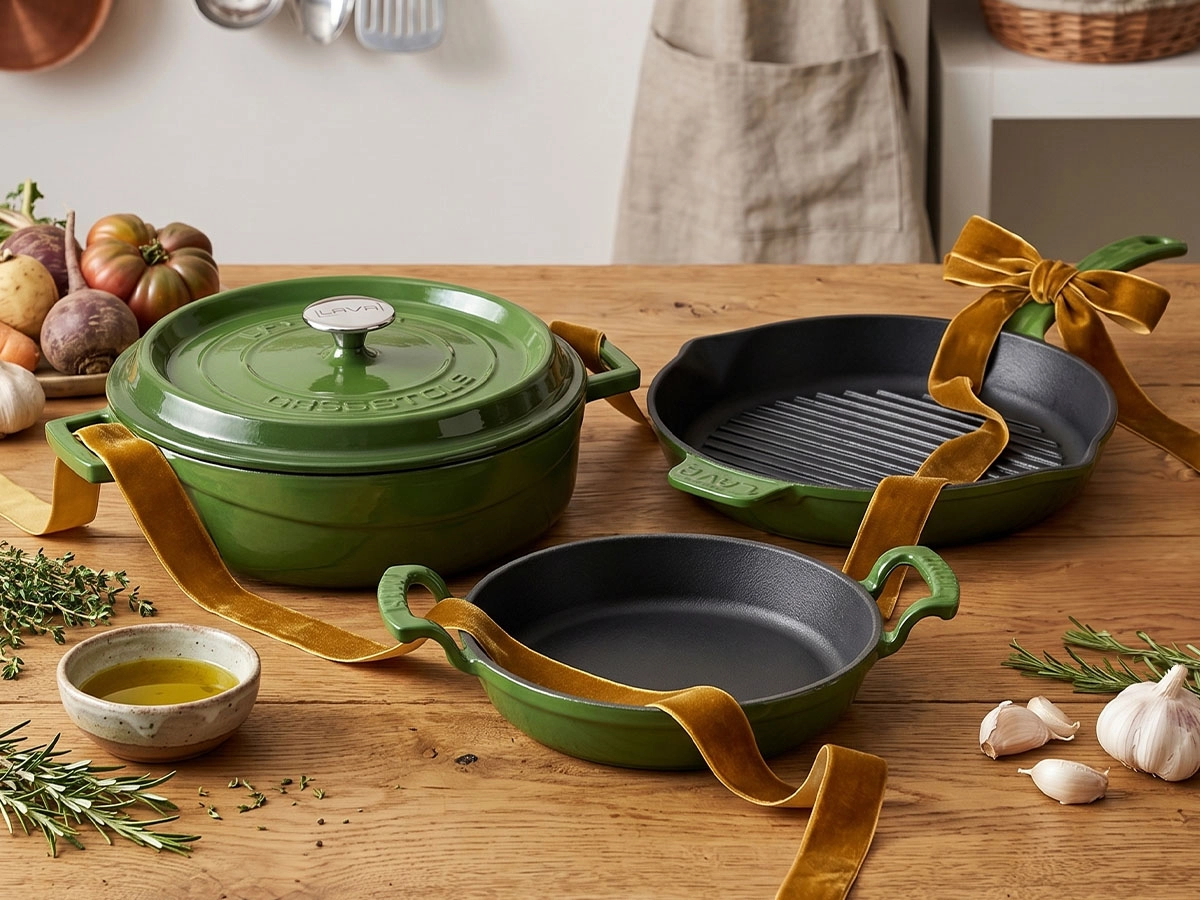
You can present your Ashure using LAVA’s serving products or cast-iron skillets, bringing this traditional taste together with a modern and aesthetic table setting. Especially for large family gatherings and Muharram treats, stylish serving products are essential details that complete the integrity of your table.
Ashure is not merely a traditional dessert where different ingredients come together; it is a symbol of sharing, abundance, and togetherness. This special recipe, passed down from generation to generation, can turn into an unforgettable delicacy in terms of both consistency and aroma when the correct cooking techniques are applied.
Small details such as preparing the wheat correctly, cooking the pulses under control, adding the sugar at the right time, and letting the Ashure rest are of great importance for a successful result.
For recipes that require long simmering, enamel-coated cast-iron pots that distribute heat evenly can beautifully support the controlled cooking process. Thus, they offer a highly functional experience both in preparing traditional recipes and in making an elegant presentation at the table.
As Ashure rests, the wheat and pulses absorb some of the liquid, causing it to thicken naturally. Therefore, care should be taken to ensure the consistency is not too dense during the cooking stage.
Adding more water than required or not simmering the mixture sufficiently can cause the consistency of the Ashure to remain watery.
It is recommended to add the sugar after the pulses and wheat have softened completely. This ensures that the cooking process of the ingredients is not adversely affected.
Although the duration varies depending on the ingredients used, simmering it under control for approximately 30–45 minutes after all the ingredients have come together can be sufficient.
For Ashure recipes that require prolonged, controlled cooking, large-capacity pots that distribute heat evenly should be preferred. Enamel-coated cast-iron pots offer a highly practical option in this regard.
When stored under appropriate conditions in the fridge, it is generally recommended to consume Ashure within 3–4 days. The storage period may vary depending on the ingredients used and hygienic conditions.
While carrying the sharing tradition of the month of Muharram to your tables, you can safely share the Ashure you prepare with LAVA enamel-coated cast-iron pots, which ensure long-term controlled cooking, with your loved ones. You can discover enamel-coated cast-iron pots and stylish serving products suitable for different needs to bring your traditional recipes together with aesthetic presentations.
03.07.2026Lava Cast Iron Round Multipurpose Casserole. Trendy, Dia. Ø 28cm.
Lava Cast Round Pot with Cast Iron Solid Handle. Diameter(Ø)26cm. - Red
Lava Cast Iron Round Multipurpose Casserole. Trendy, Dia. Ø 24cm.
Lava Cast Iron Round Multipurpose Casserole. Folk, Dia. Ø 24cm.
Lava Cast Iron Round Casserole. Glass Lid, Dia. Ø 20cm.







Lava Döküm Online Fabrika Satış Mağazası. © 2026 All Rights Reserved.


0
)