×

When buying an enamelled cast iron casserole or pan, you should consider more than just the product’s appearance. Factors such as its intended use, size, enamel coating quality, hob and oven compatibility, ergonomic design and manufacturer support should also be taken into account. The right enamelled cast iron product can be used safely for many years and adapt to different cooking needs. This guide brings together the key criteria to consider when choosing the right product for your needs.
When choosing an enamelled cast iron product, it is particularly important to assess intended use, product size, enamel coating quality and overall manufacturing quality together. These four criteria are among the main ways to determine how well a product suits your everyday cooking needs.
Reading Time
7–8 Minutes
Buying an enamelled cast iron casserole or enamelled cast iron pan means investing in cookware that can be used for many years. For this reason, when choosing a product, you should consider not only its colour or size, but also your cooking habits and the product’s technical features.
So, which product is right for you? Would a compact casserole be more suitable for everyday meals, or would a larger-capacity model be better for meals shared with a larger number of people? In this guide, we explore the key criteria to consider when choosing an enamelled cast iron product, step by step.
The first step in choosing the right product is deciding what you intend to use it for.
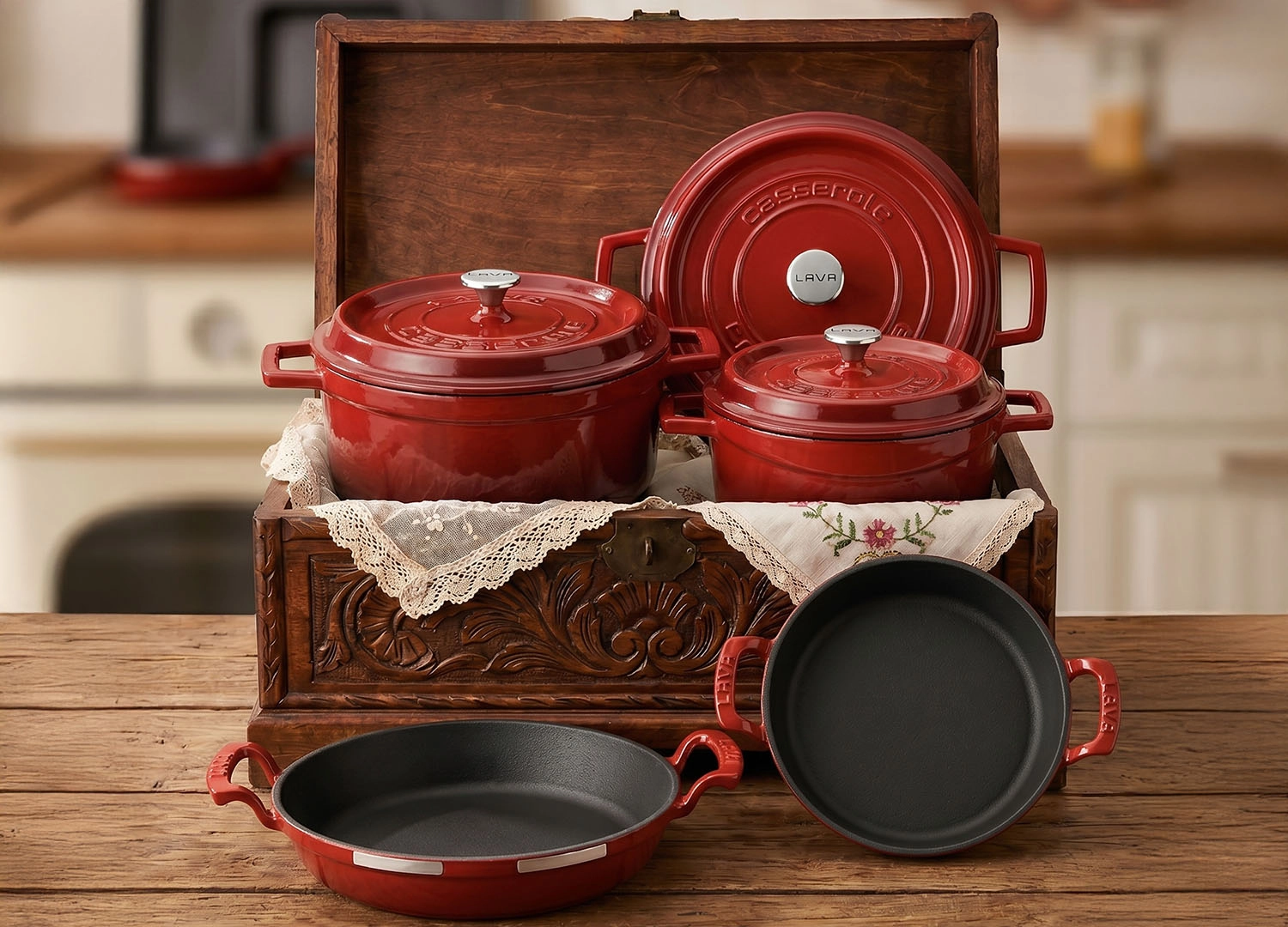
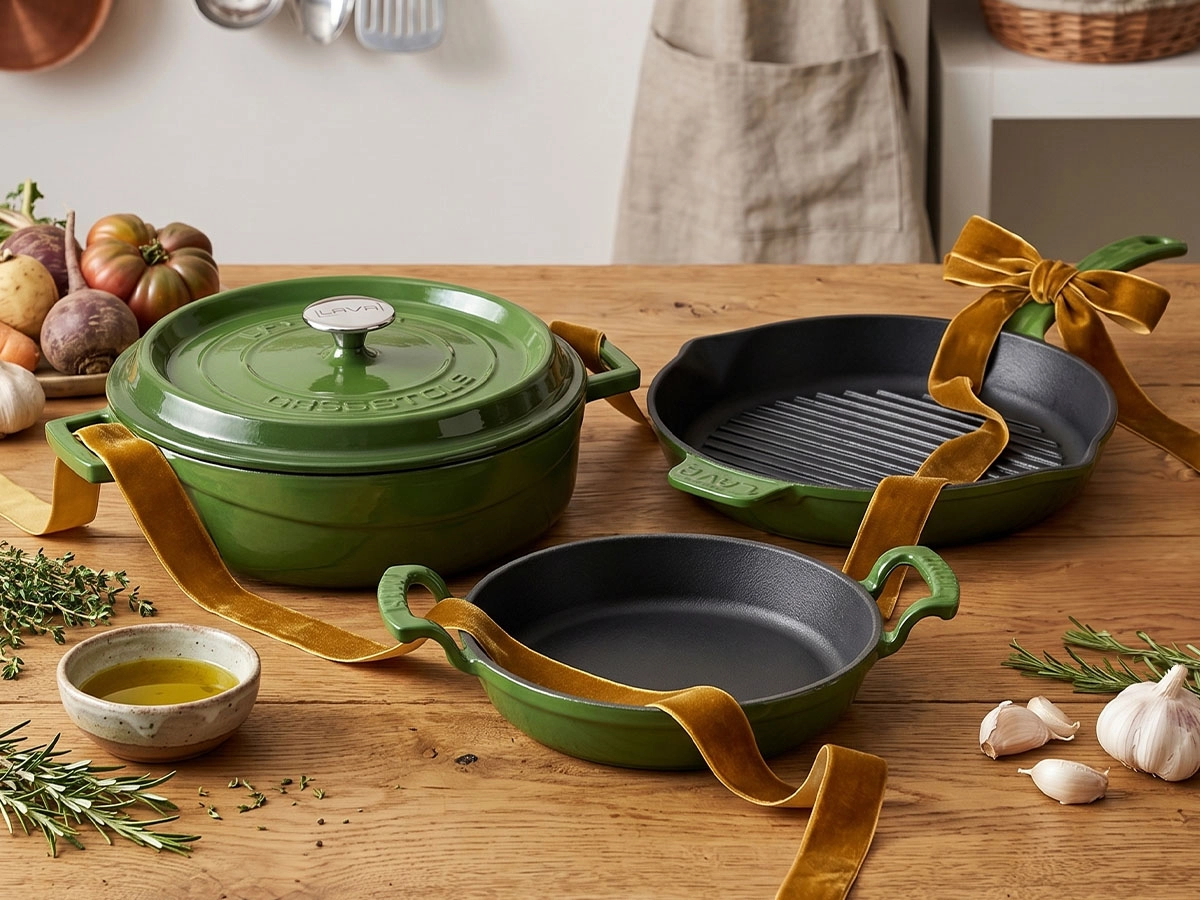
Intended use is one of the first criteria to consider when choosing cookware. Determining what types of food you will prepare, how often you will use the product and which cooking methods you prefer can make it easier to choose the right model from options such as casseroles, pans, grill pans and woks.
For example:
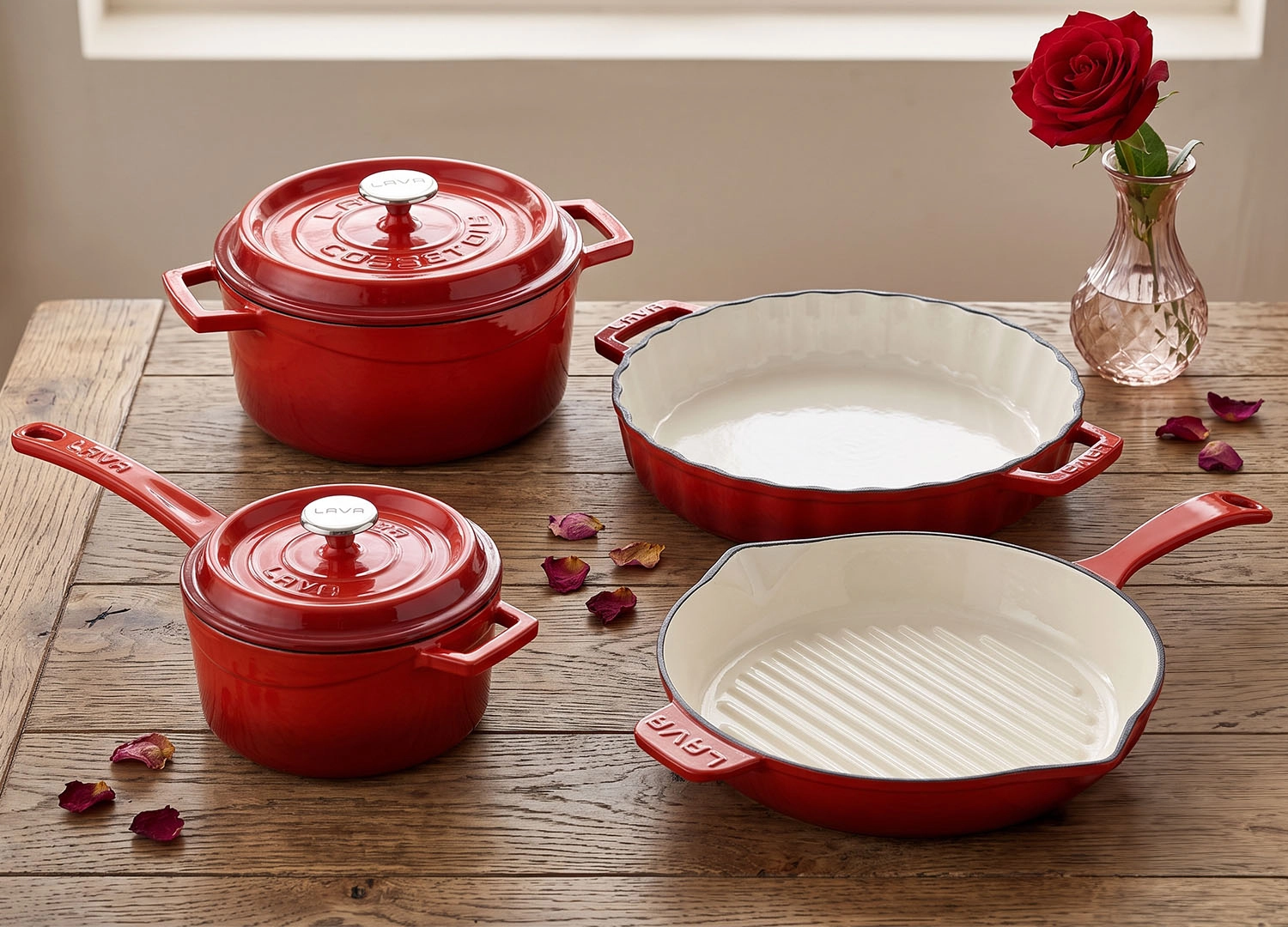
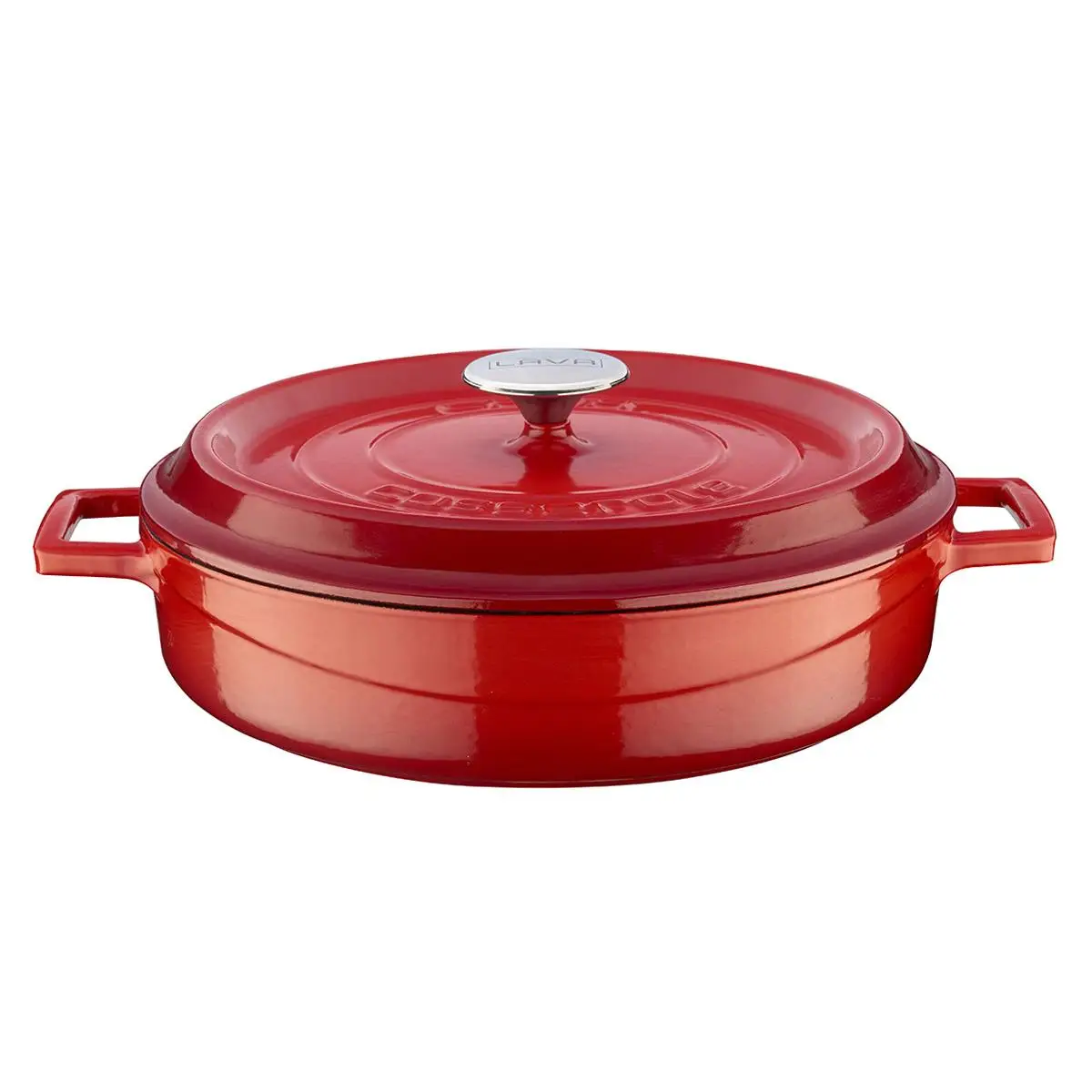
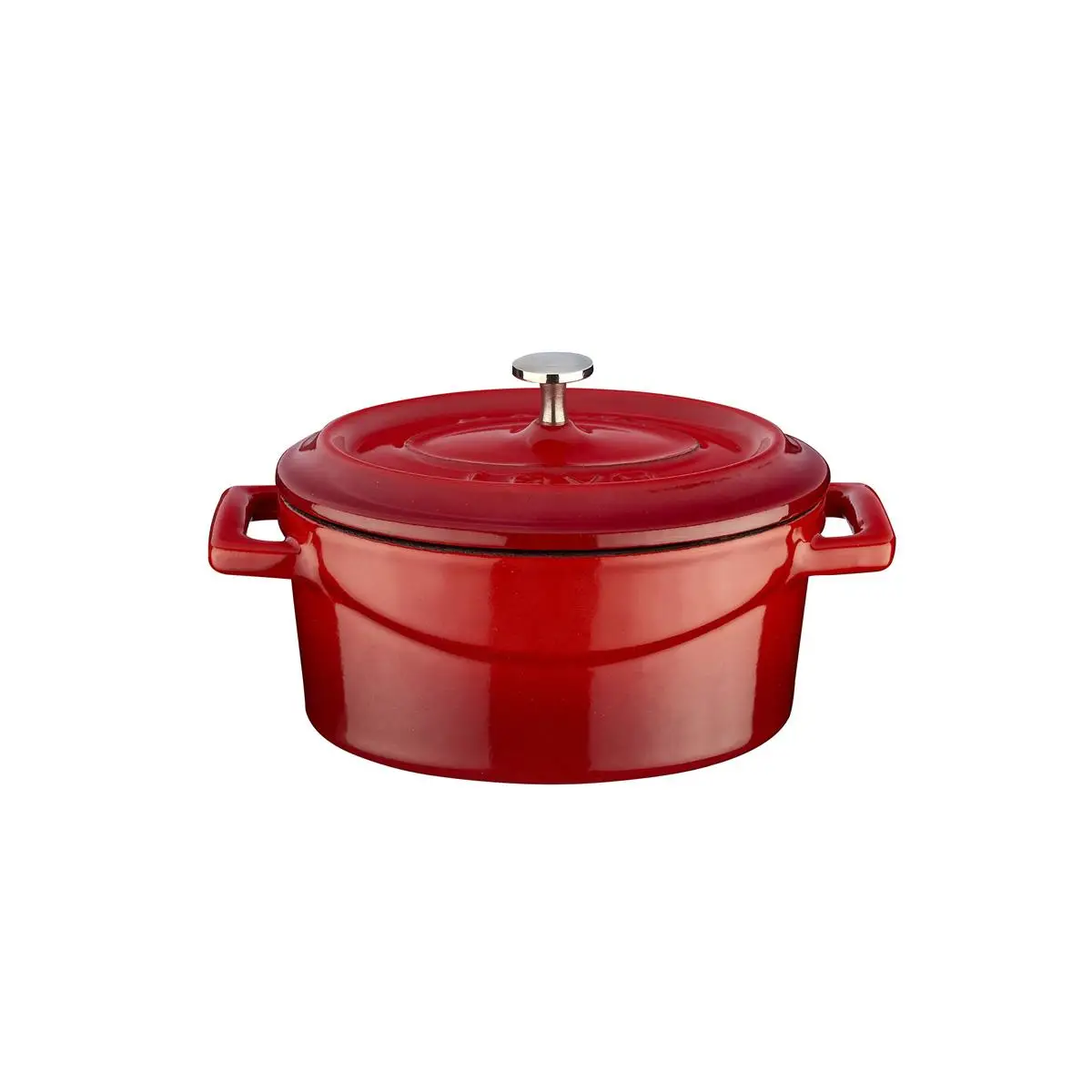
If you prepare everyday vegetable dishes and liquid-based meals, an enamelled cast iron casserole,
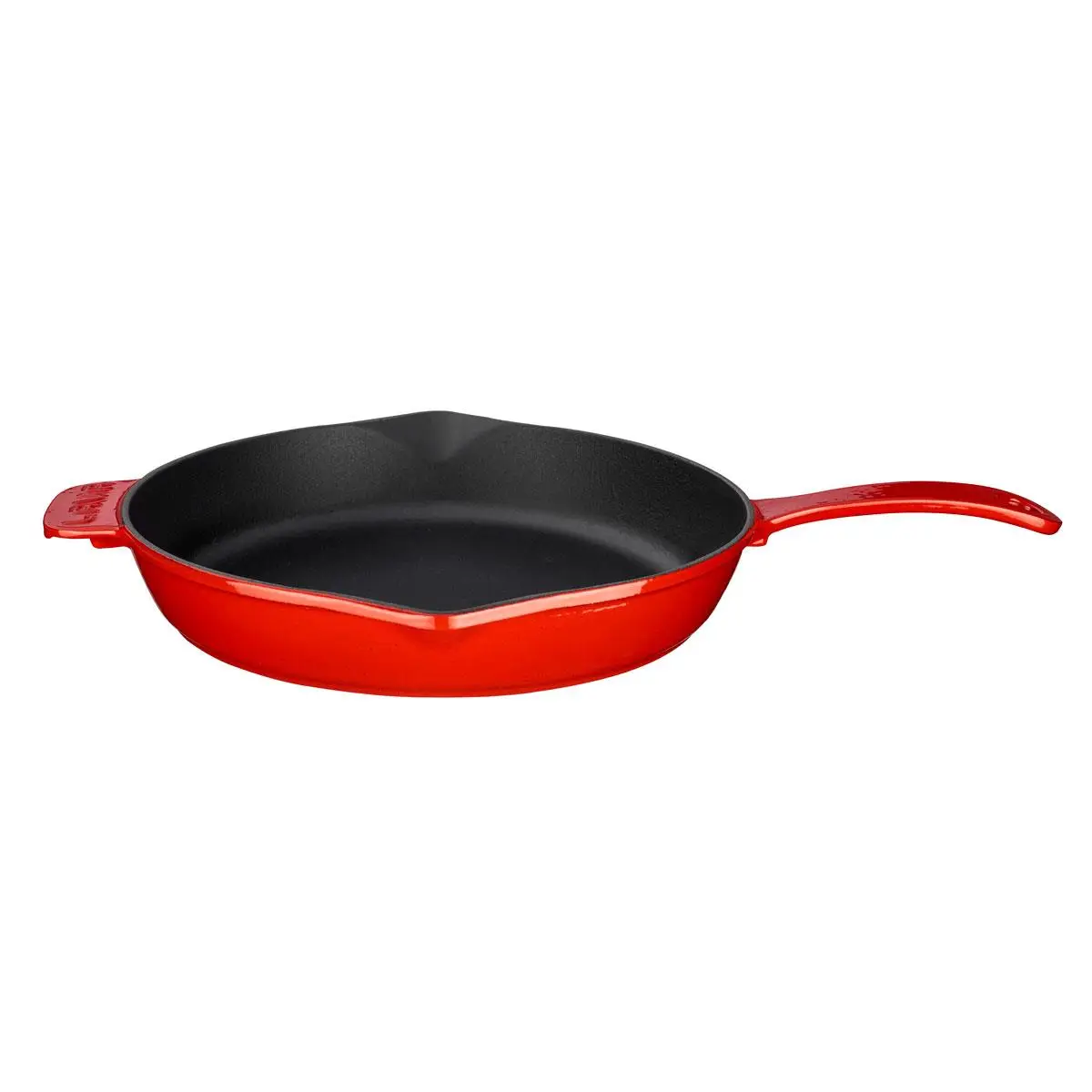
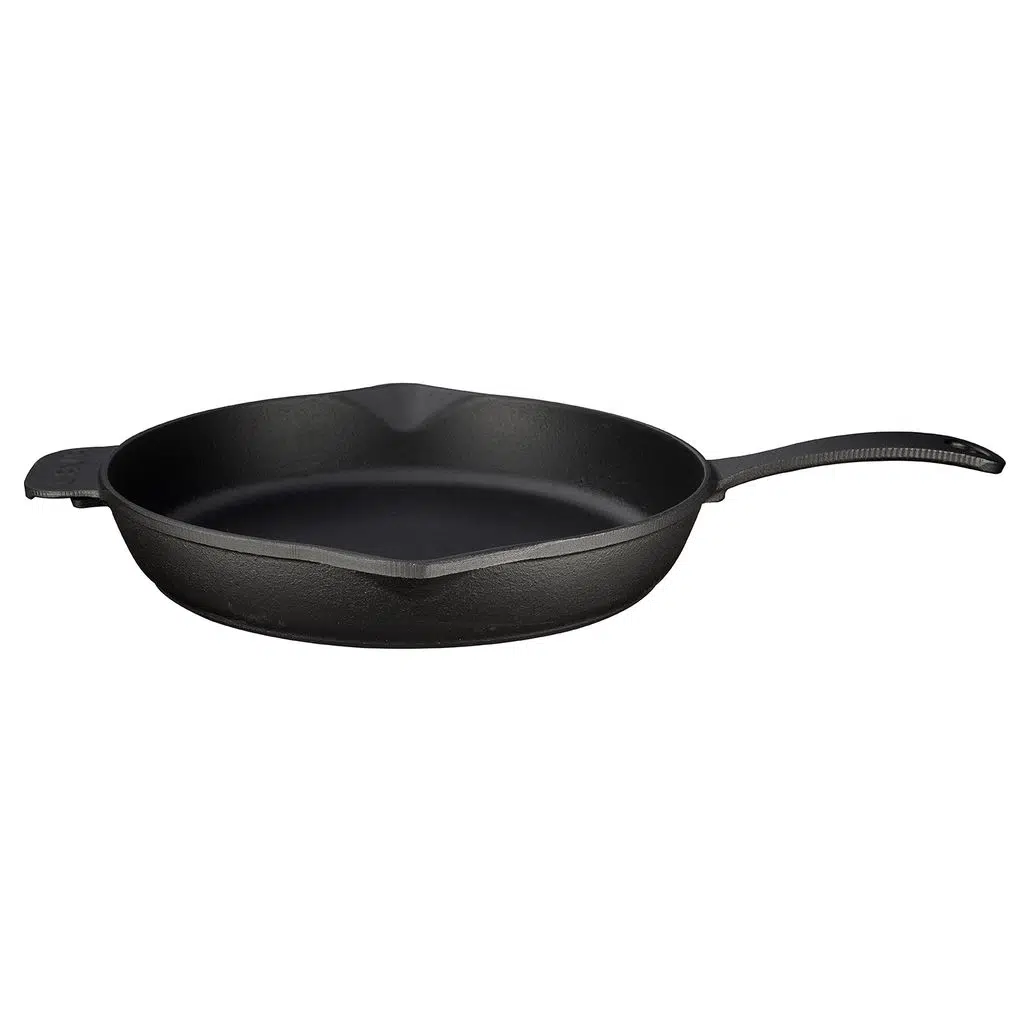
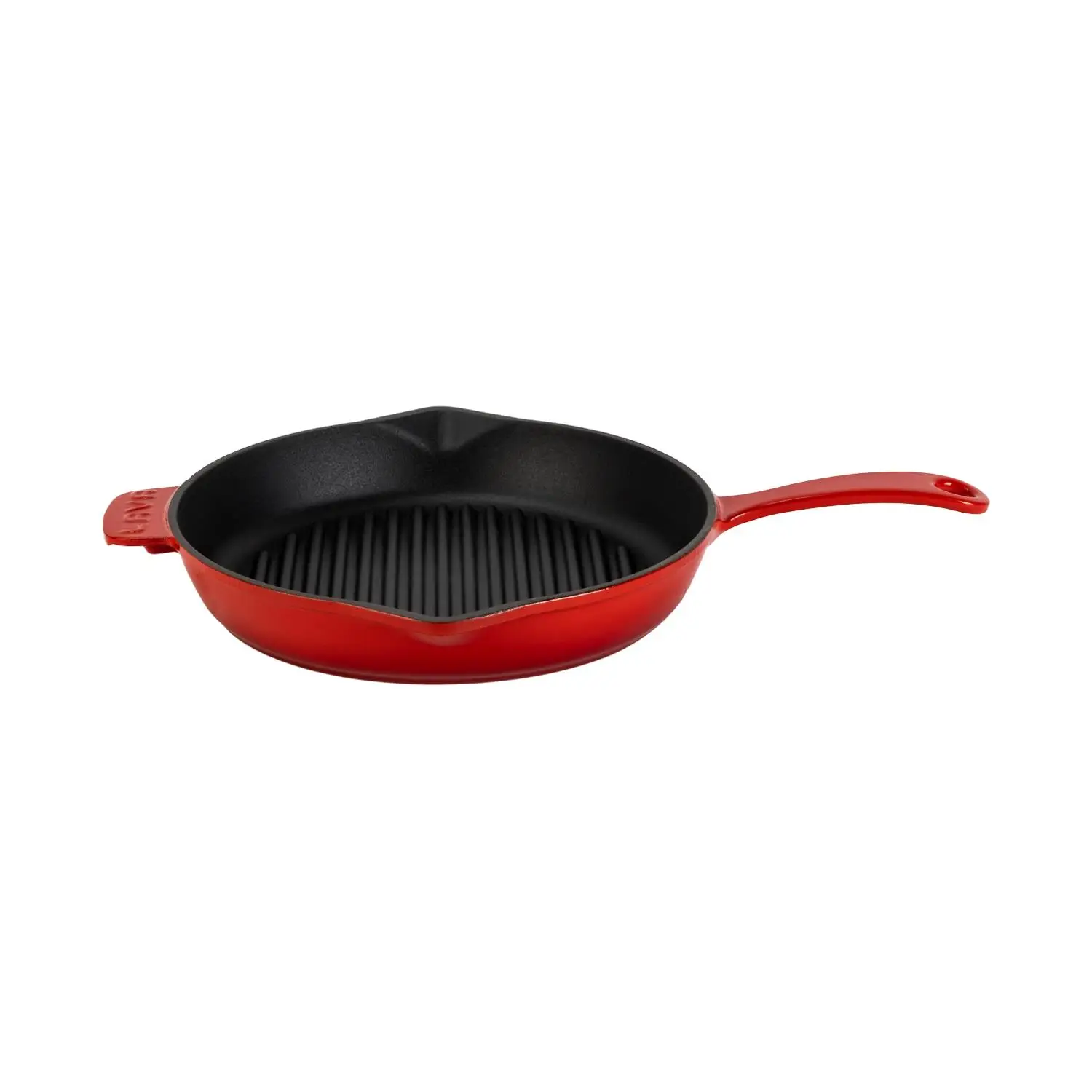
If you cook meat at high temperatures or sear ingredients, an enamelled cast iron pan,
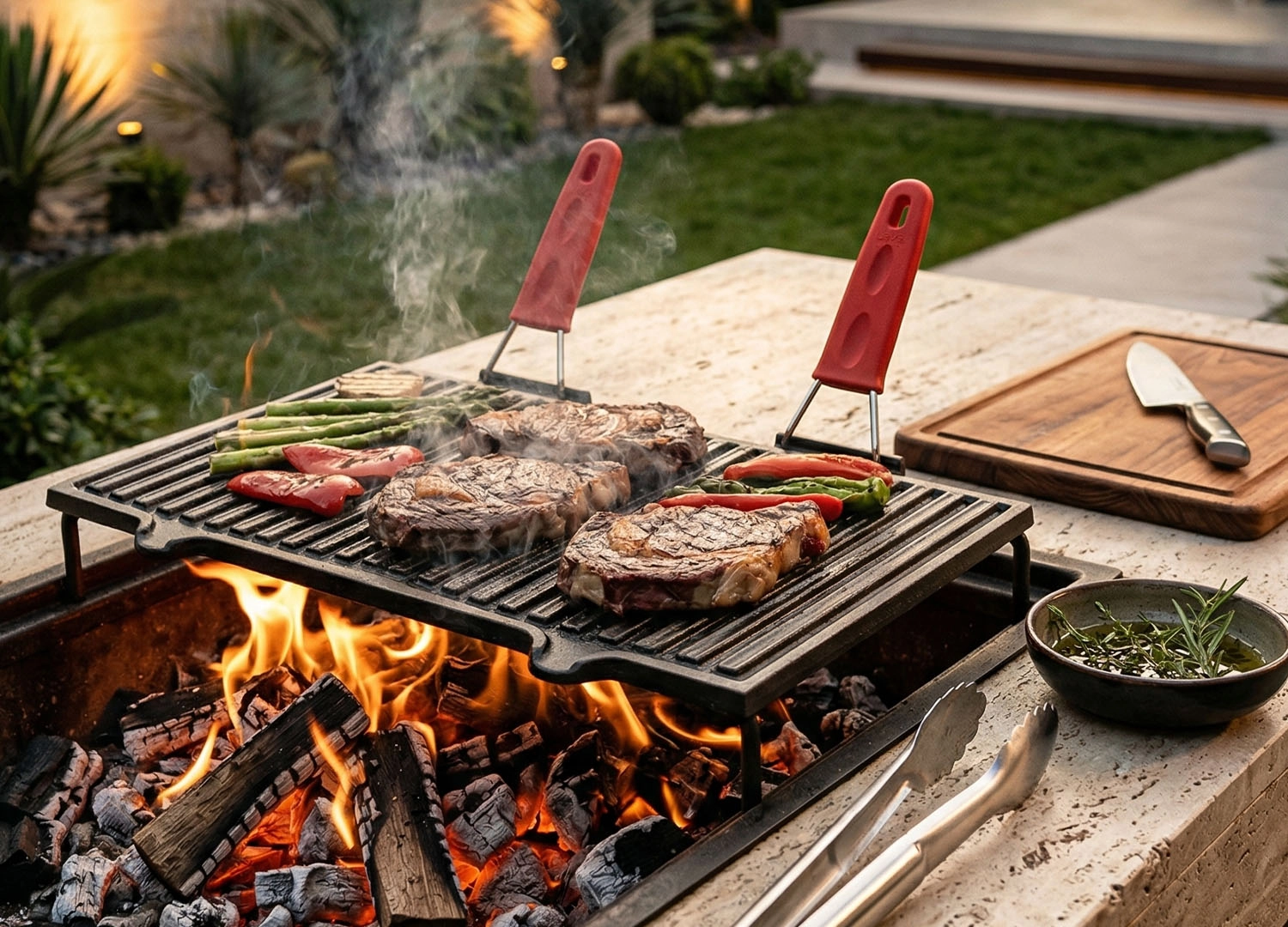
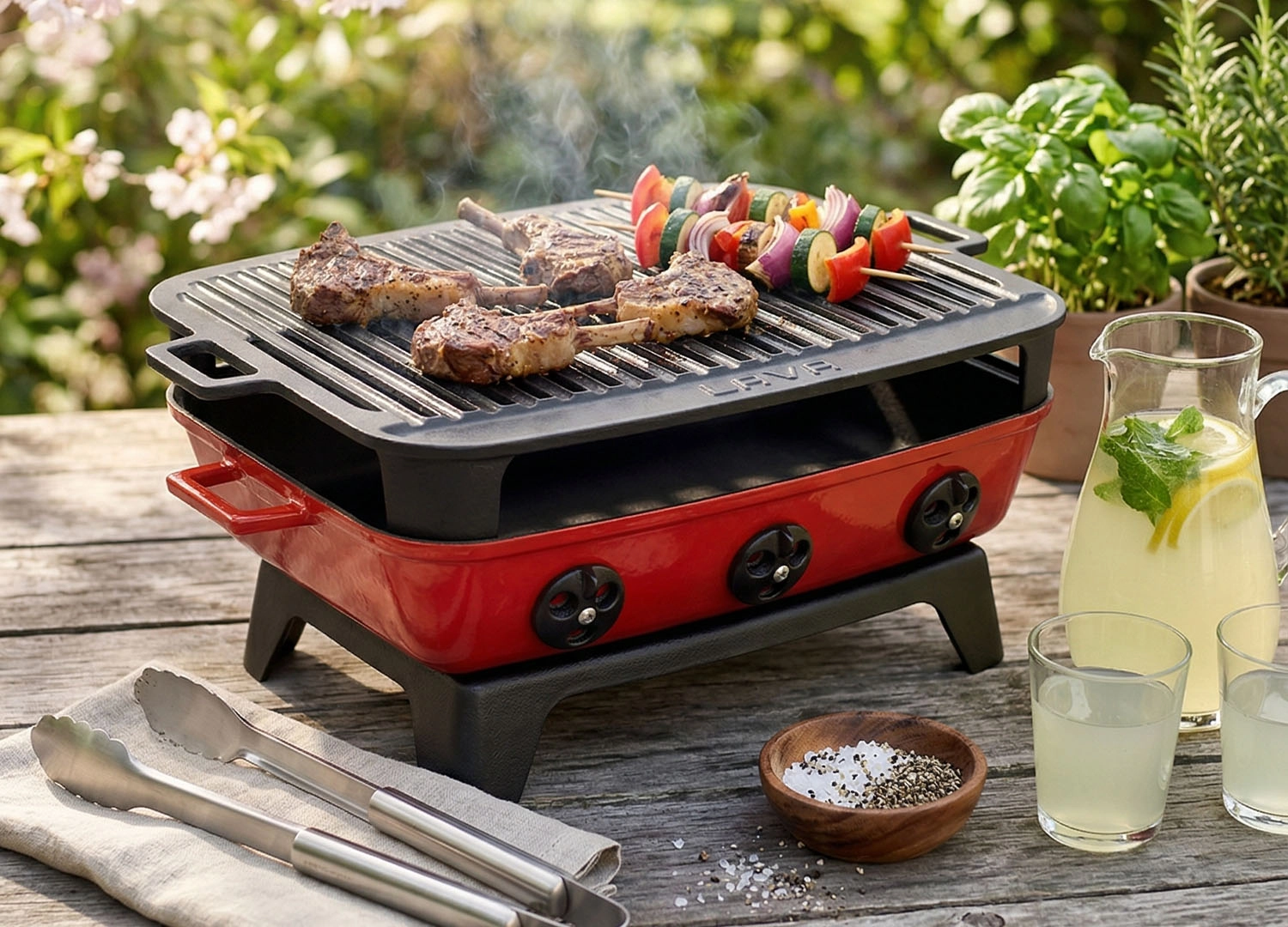
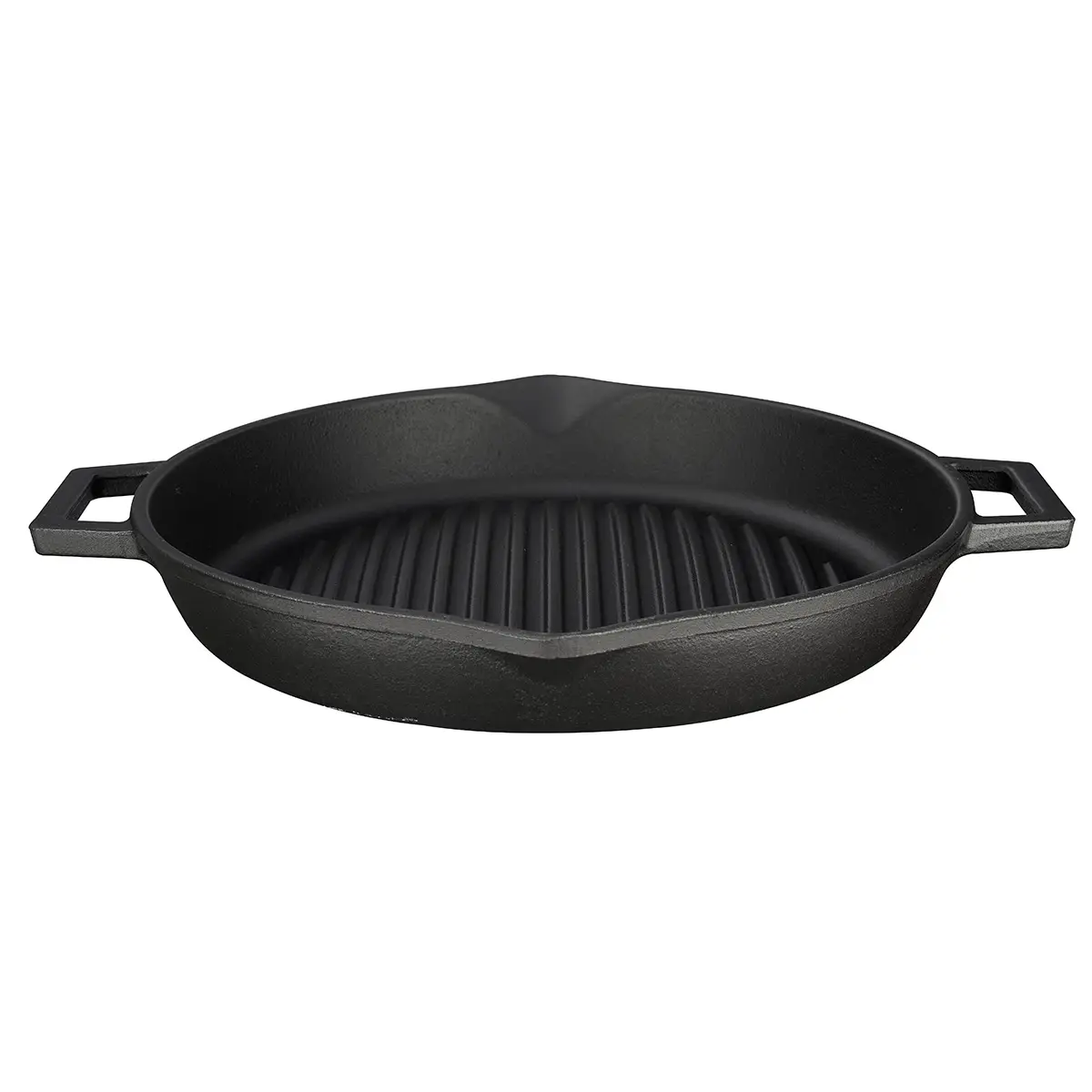
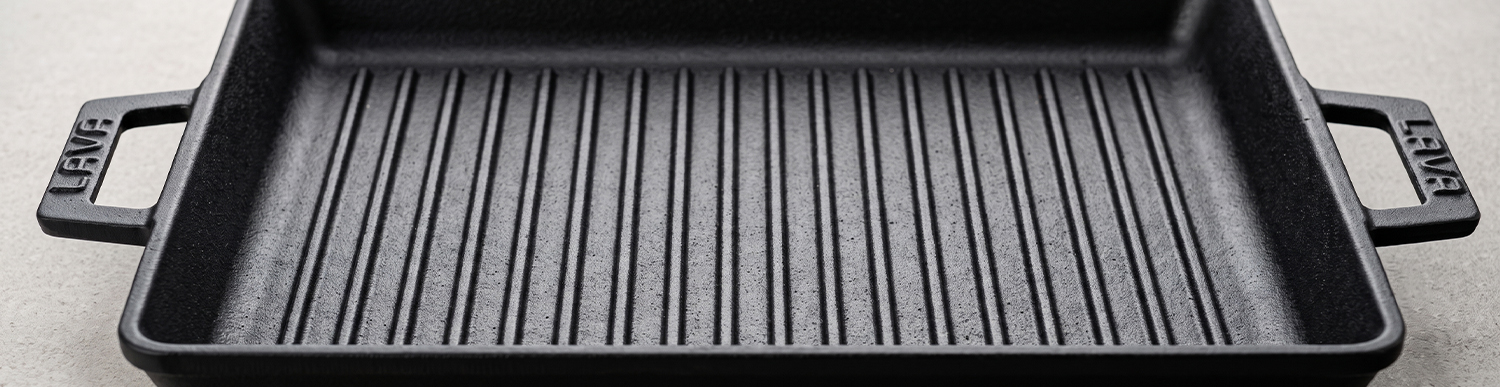
If you want a barbecue-style flavour, a cast iron grill pan,
If you prepare dishes from East Asian cuisines and high-volume stir-fries, a cast iron wok,
may be more suitable for your needs.
In short, decide what you will be cooking first, then choose the type of cookware. This allows you to consider a model suited to your cooking scenario rather than simply looking for a general-purpose product.
There is no single ideal casserole size for every kitchen.
Size and capacity are among the most important criteria to consider after intended use when choosing enamelled cast iron cookware. The product’s diameter and capacity should match the amount of food you usually prepare and the number of people you cook for. A product that is too small may not provide enough capacity, while one that is too large may be less practical for everyday use.
When choosing a product, you can ask yourself:
How many people do I usually cook for?
Will I use it for everyday cooking or special occasions?
Do I prepare individual portions or larger family meals?
Choosing a product with the right capacity can improve cooking efficiency while also providing greater convenience during use.
For this reason, when choosing cookware, you should consider not only “What diameter do I need?” but also “How many people will I be cooking for and which recipes will I prepare?”
The same product may not be suitable for every cooking technique.
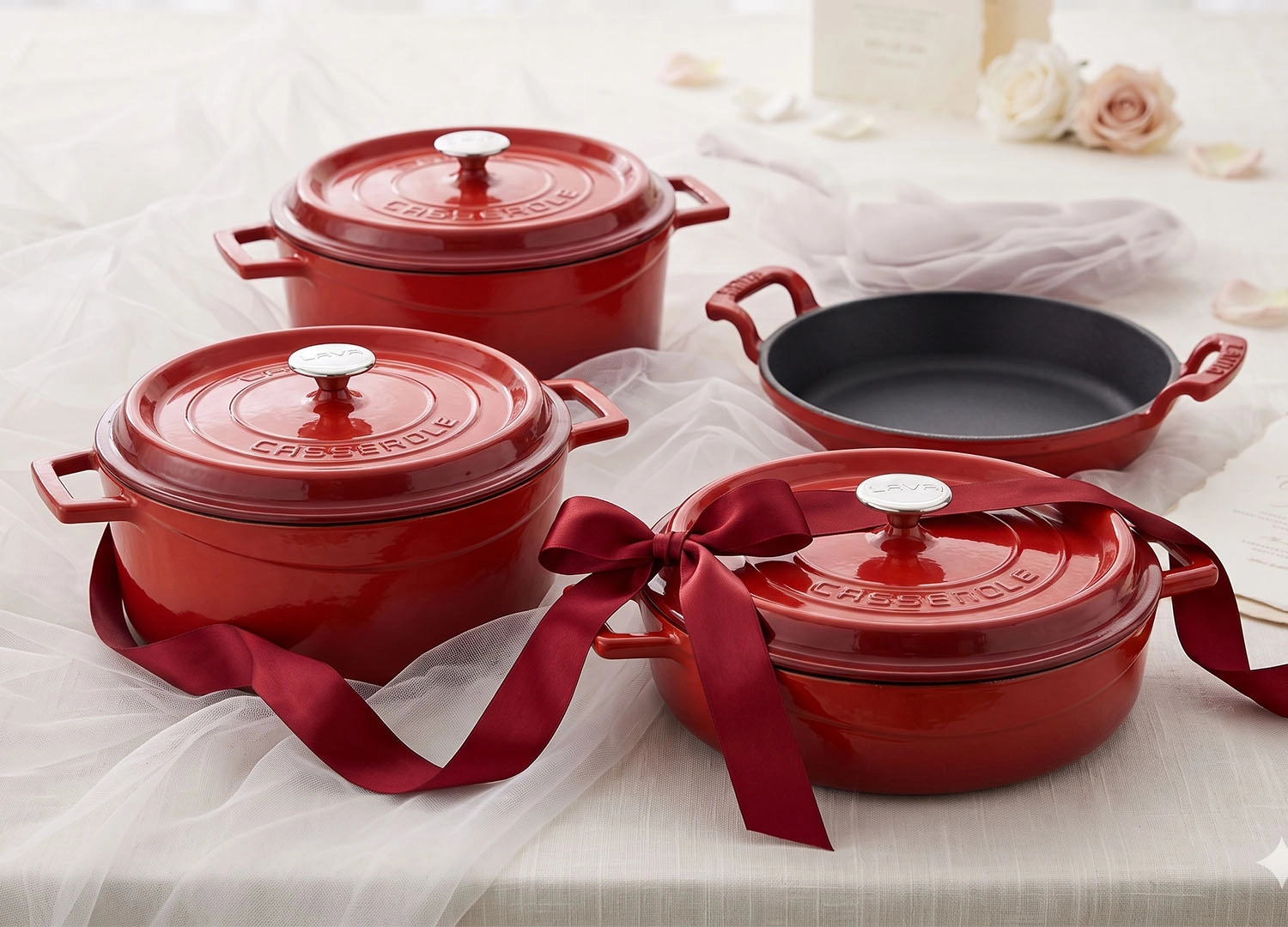
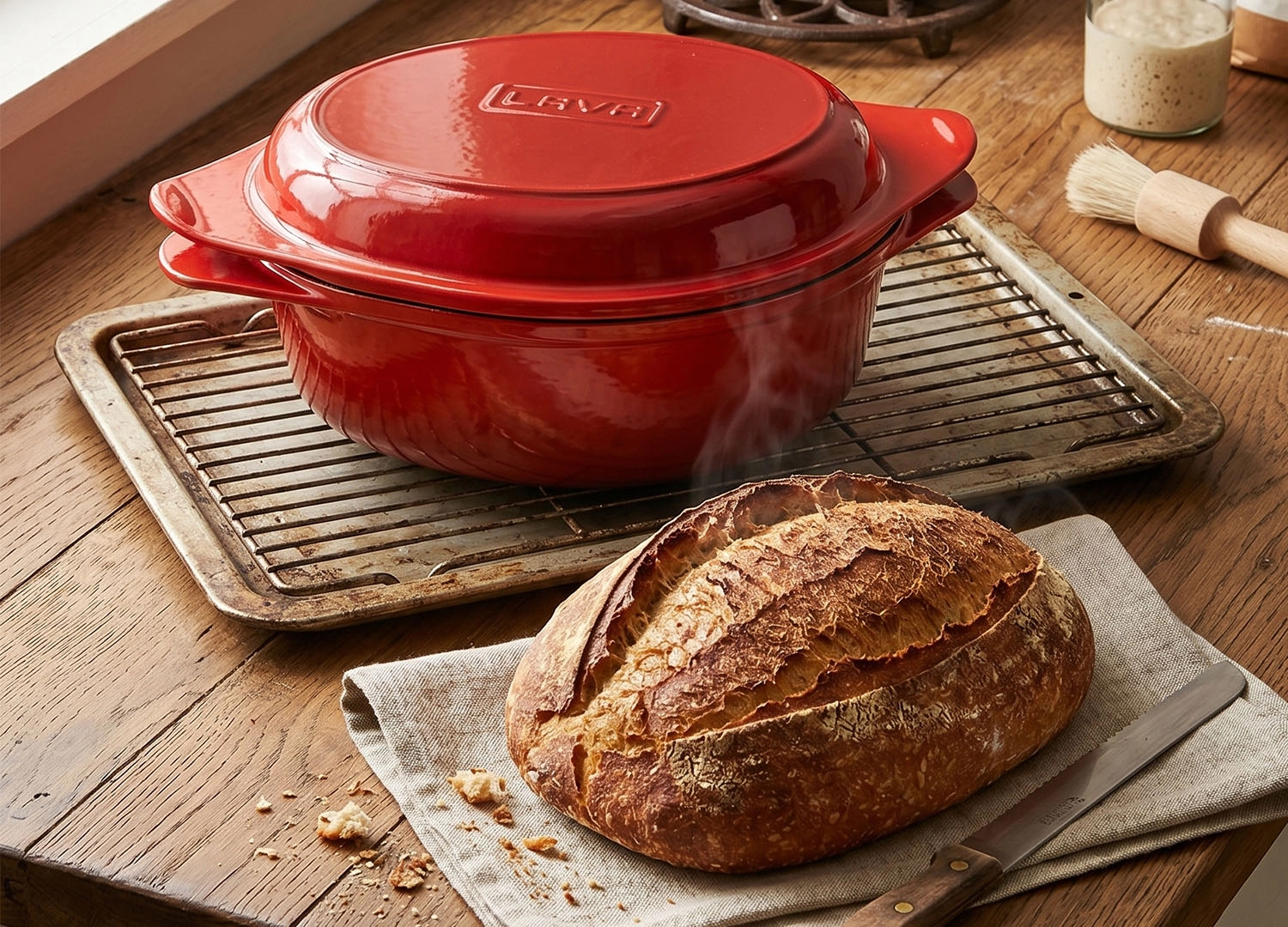
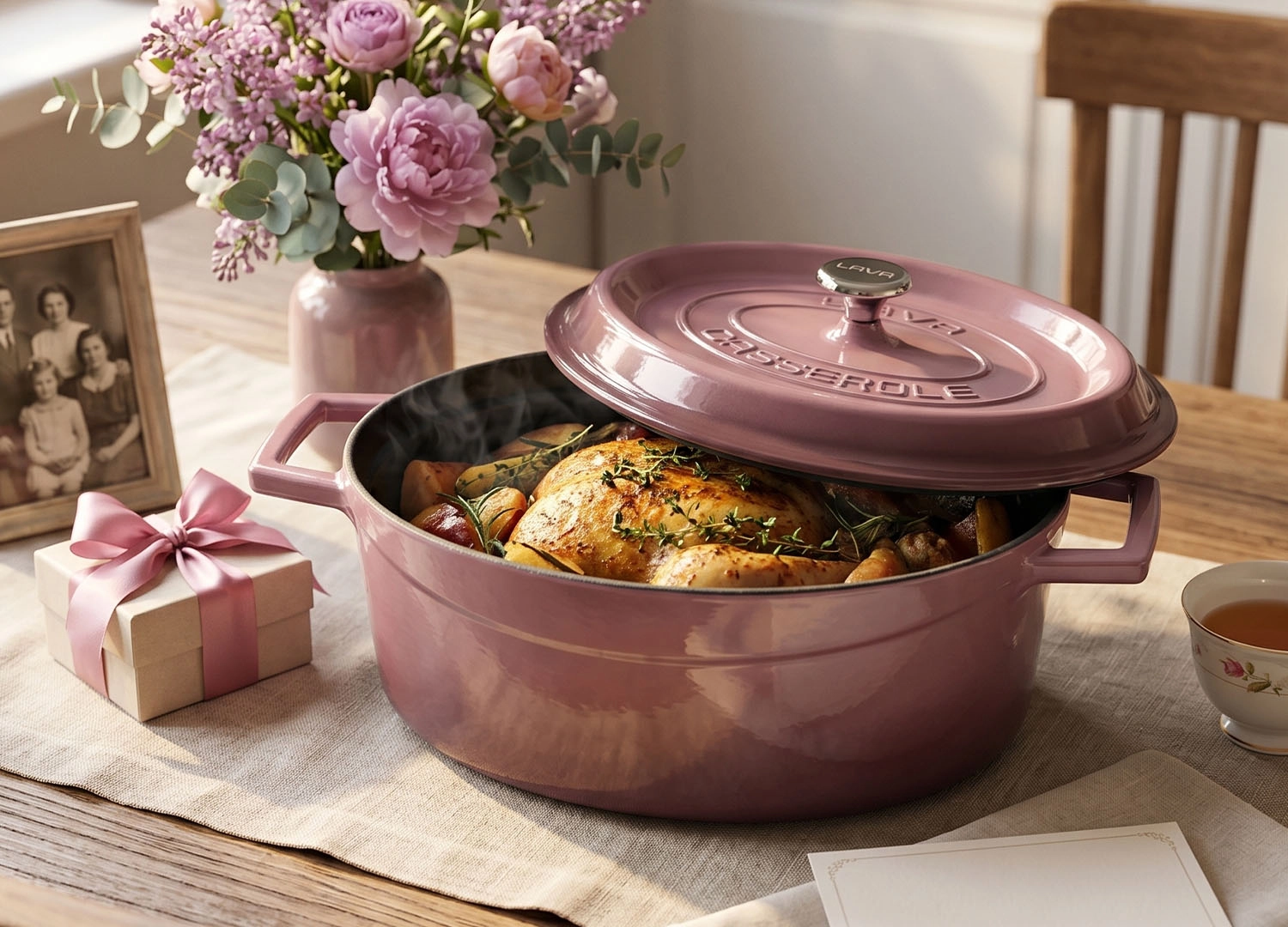
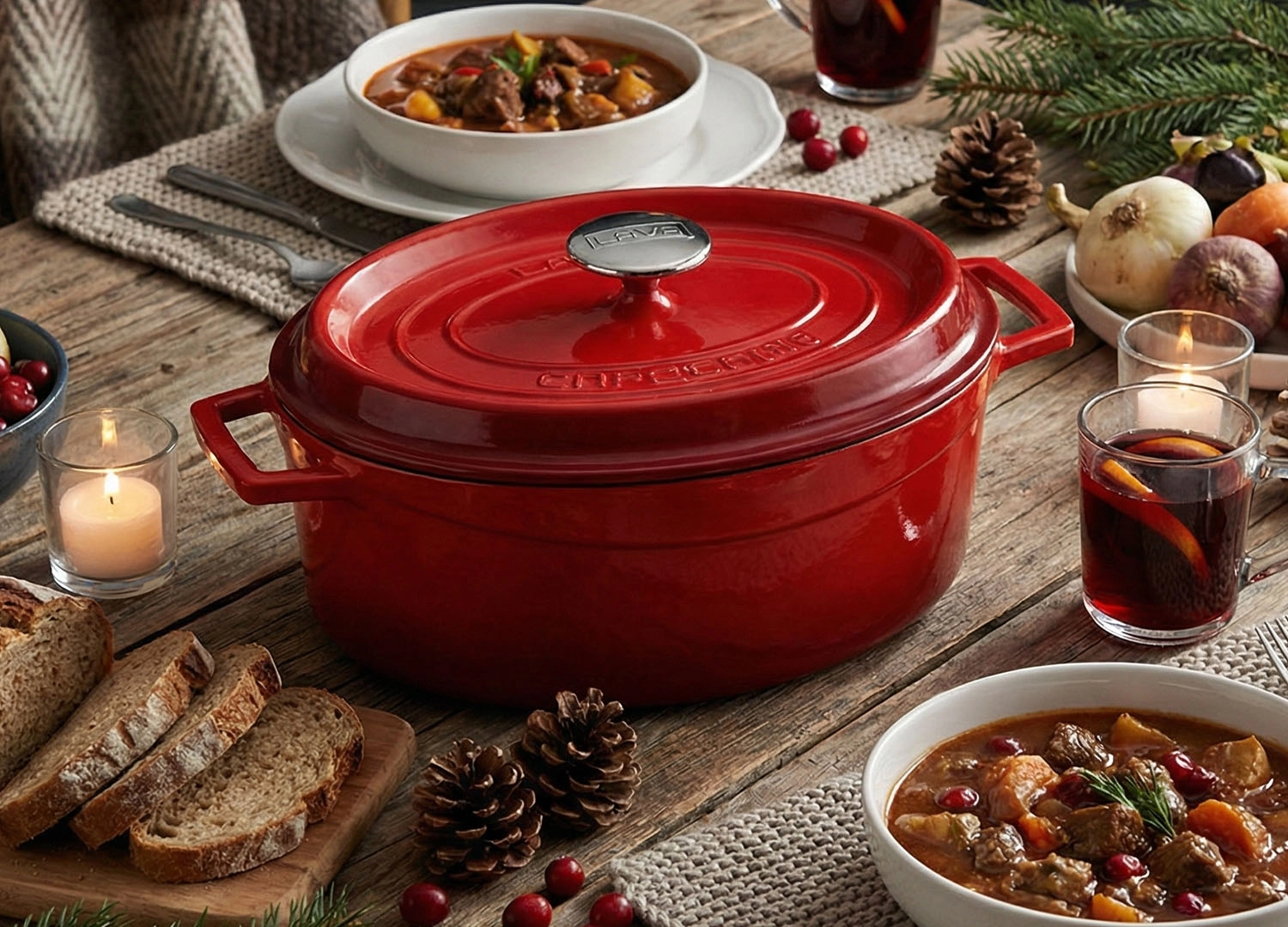
An enamelled cast iron casserole is ideal for soups, casseroles, rice dishes and dishes that require longer cooking times.
An enamelled cast iron pan is suitable for cooking meat, chicken, fish and vegetables at high temperatures.
If you would like to explore the benefits of both products in more detail, take a look at our guide, “Why Choose Enamelled Cast Iron Casseroles and Pans?”.
A high-quality enamelled cast iron product is defined not only by its appearance, but also by the quality of its surface finish.
Enamel coating quality is one of the key criteria that should be examined when choosing a product. The evenness of the enamel surface and the overall appearance of the coating can give you an indication of the product’s manufacturing quality.
The contribution of enamel coating to the cooking experience and everyday use is explained in greater detail in “Advantages of Enamel Coating on Cast Iron Products”.
When choosing a product, you can consider the following points:
An even-looking enamel surface,
Properly applied interior and exterior coating,
Manufacturing quality that inspires confidence,
No obvious manufacturing defects on the surface.
At this stage, the smoothness of the enamel surface, the integrity of the coating, the absence of obvious surface defects and the overall quality of the workmanship should be considered together. Rather than focusing on a single visual feature, examining the overall surface quality can help you make a more informed choice.
It is important to make sure that the product you choose is compatible with the equipment in your kitchen.
Hob and oven compatibility is one of the technical criteria that should be checked regardless of the intended use of the product. This is particularly important for users with induction hobs or those who plan to use the product in the oven. Always check the product specifications before purchasing.
Before buying, check whether the product is compatible with:
Gas hobs,
Electric hobs,
Ceramic hobs,
Induction hobs,
Ovens.
This allows you to use the product more effectively for different cooking methods.
Cast iron cookware should be assessed not only for its cooking performance but also for ease of use.
For this reason, features such as:
Ergonomic handles,
A design that allows safe handling,
A lid design that helps retain heat,
should also be considered when choosing a product.
The quality indicators to consider are not limited to the product’s external appearance. Handle design, how well the lid fits the product and overall workmanship are among the factors that can affect everyday practicality.
Enamelled cast iron cookware is generally purchased with long-term use in mind. For this reason, it is important to consider not only the product’s features but also the support and assurance provided by the manufacturer.
Manufacturer experience and after-sales support can also be considered when assessing product quality. For cast iron cookware intended for long-term use, warranty terms, usage support and available servicing can be reviewed before purchase.
Before buying, consider factors such as:
Warranty terms,
Manufacturer experience,
After-sales support,
Spare parts and servicing options.
Considering these factors can provide advantages over the long term.
Before choosing the right product, you can review this short checklist:
Considering the following four areas together can make the selection process clearer:
Intended use: Which foods and cooking methods do I usually prefer?
Size and capacity: How many people do I cook for and what capacity do I need?
Enamel coating quality: Does the surface and coating workmanship meet my expectations?
Overall quality indicators: Are the handles, lid, workmanship, compatibility and manufacturer support satisfactory?
Which dishes will I use the product for most often?
How many people do I usually cook for?
Do I need a casserole or a pan more?
Is the product compatible with my hob and oven?
Does it offer ergonomic handling?
Is it made by a reliable manufacturer?
Does it meet the quality standards I expect for long-term use?
These questions can help you determine the product that best suits your needs.
Choosing the right enamelled cast iron casserole or pan starts with selecting a product that suits your cooking habits and expectations. Considering factors such as size, intended use, enamel coating quality, hob and oven compatibility, ergonomic design and manufacturer support together can help you invest in cookware that you can enjoy using for many years.
In summary, determining your intended use first, followed by the size and capacity you need, and then checking the enamel coating and overall manufacturing quality are the key steps in evaluating the right product.
First, determine your intended use, then assess technical features such as the product’s size, enamel coating quality, hob and oven compatibility.
This depends entirely on your cooking habits. A casserole may be more suitable for dishes that require longer cooking times, while a pan may be more suitable for high-heat searing and frying.
Yes. For products intended for long-term use, warranty coverage and after-sales support can be important considerations when making a purchase.
An even surface, quality workmanship, properly applied enamel and information about a reliable manufacturer are important indicators.
This depends on your cooking habits. However, an enamelled cast iron casserole or pan in the right size can meet a large proportion of everyday cooking needs.
30.07.2026






Lava Döküm Online Fabrika Satış Mağazası. © 2026 All Rights Reserved.


0
)

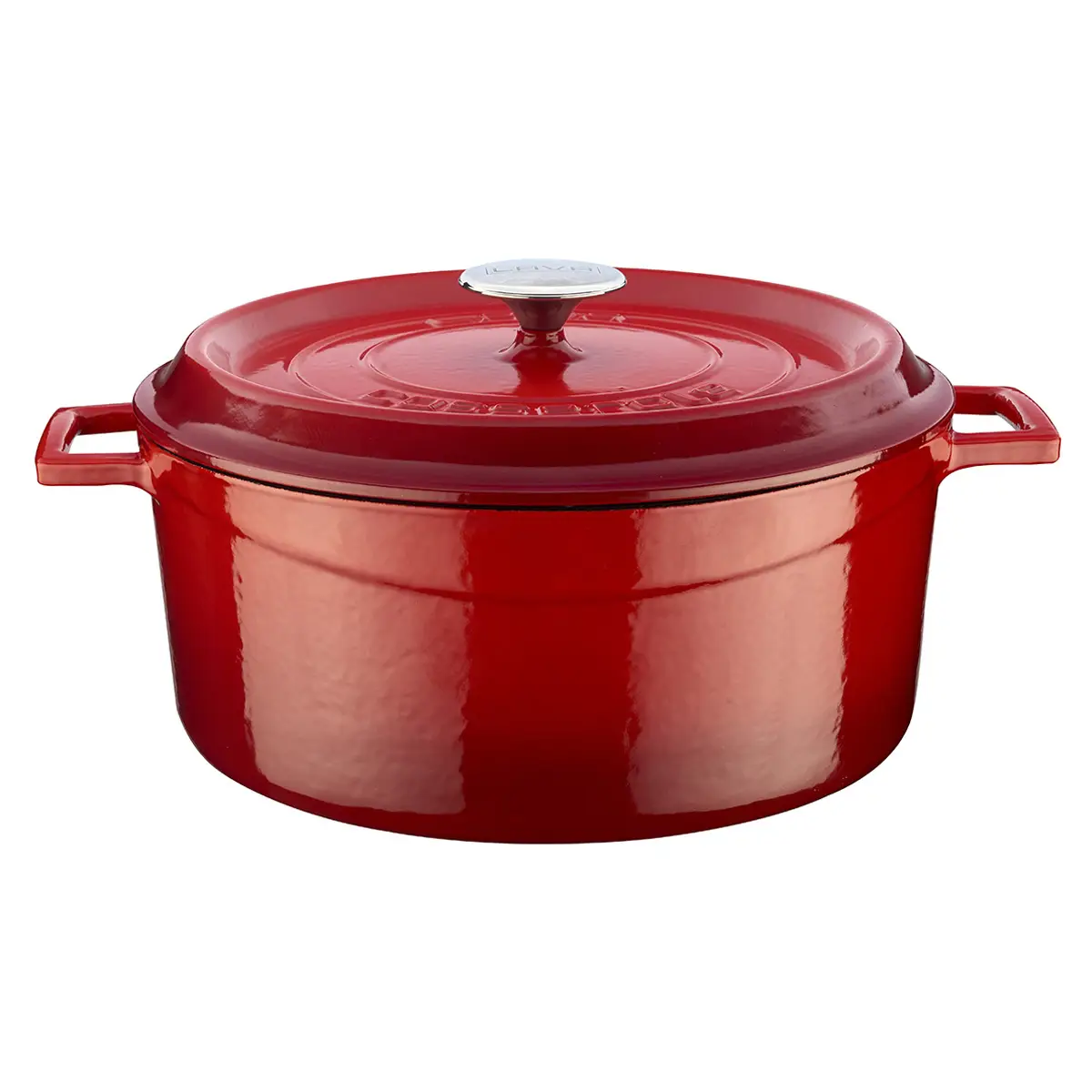
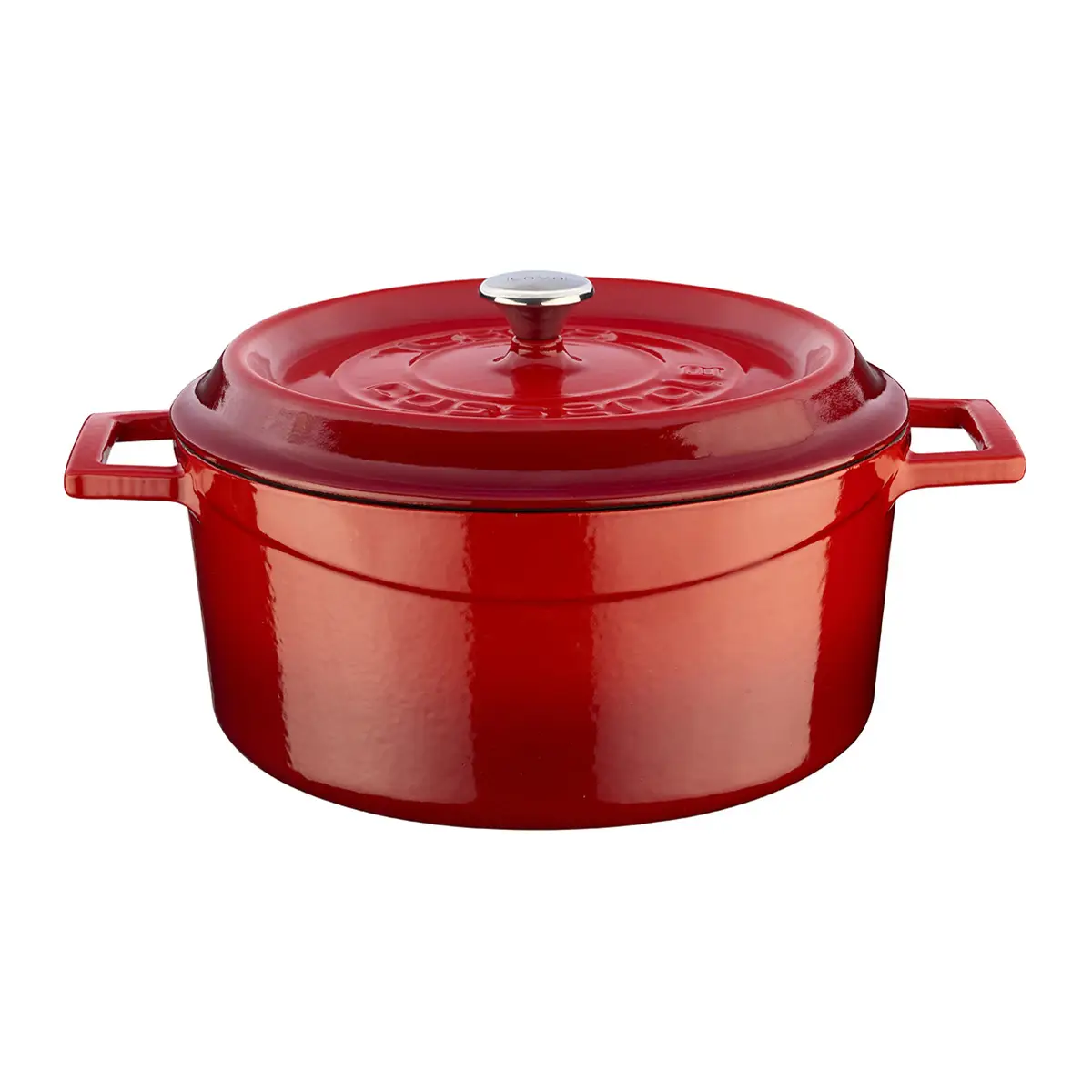
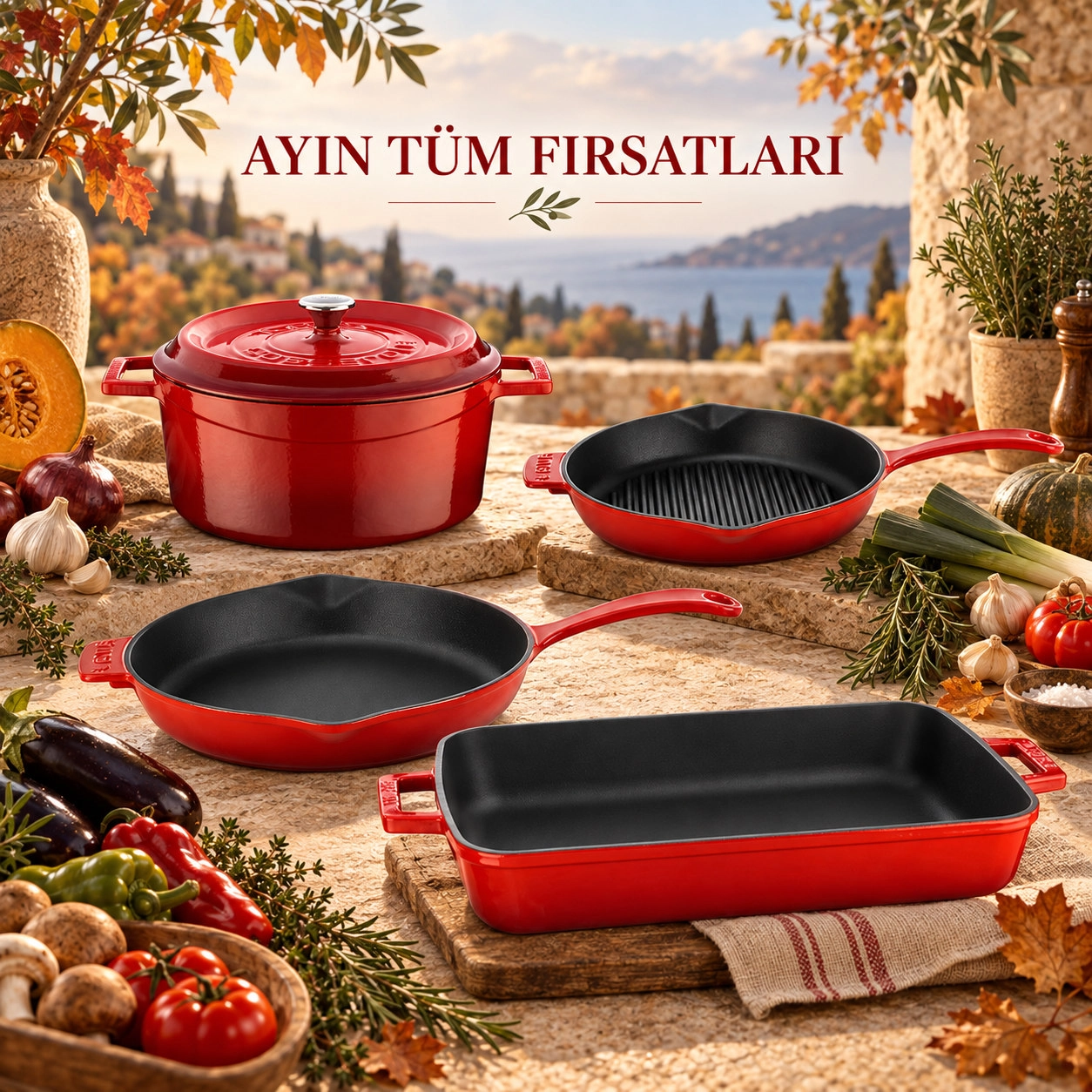
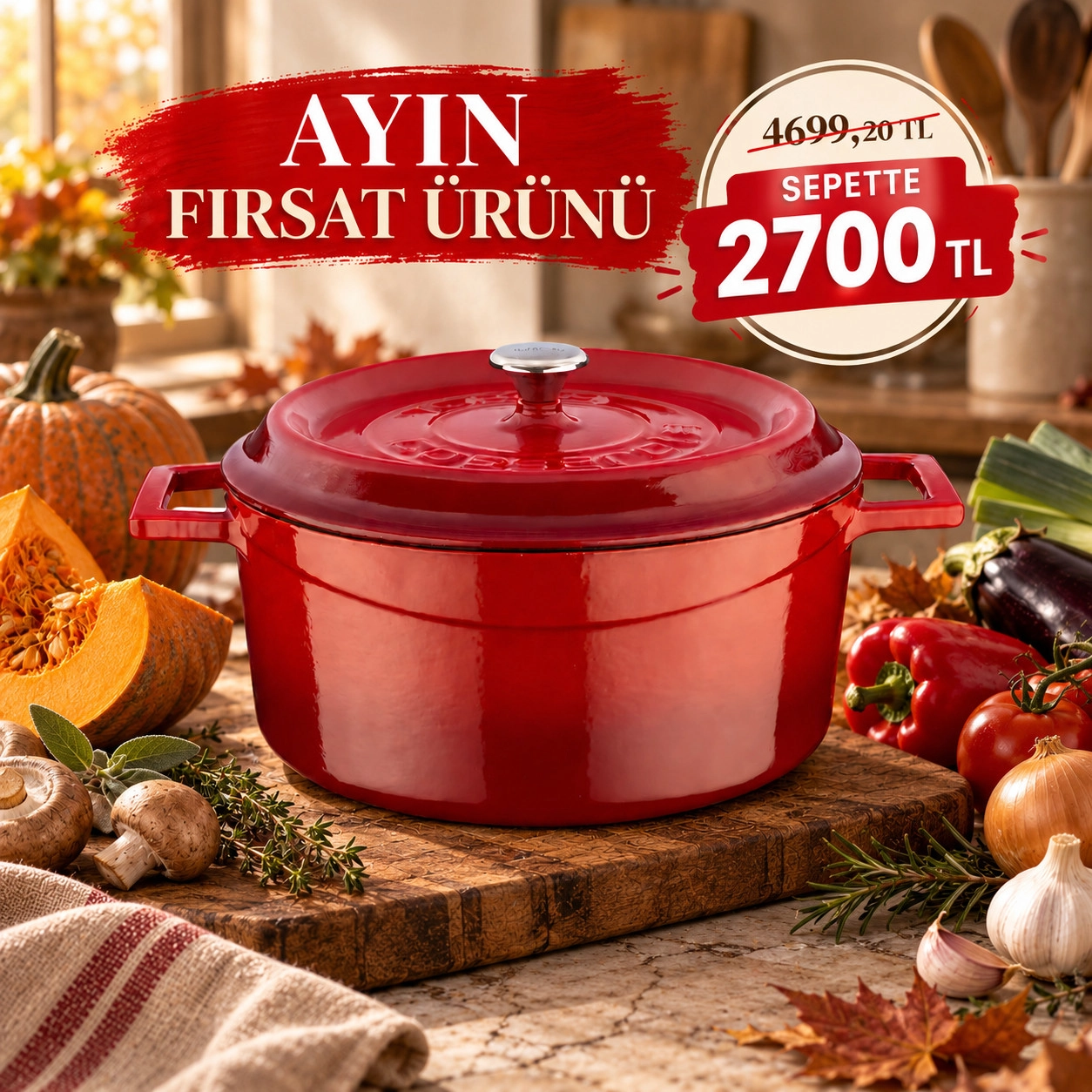 LAVA Round Cast Iron Casserole – Trendy Ø24 cm
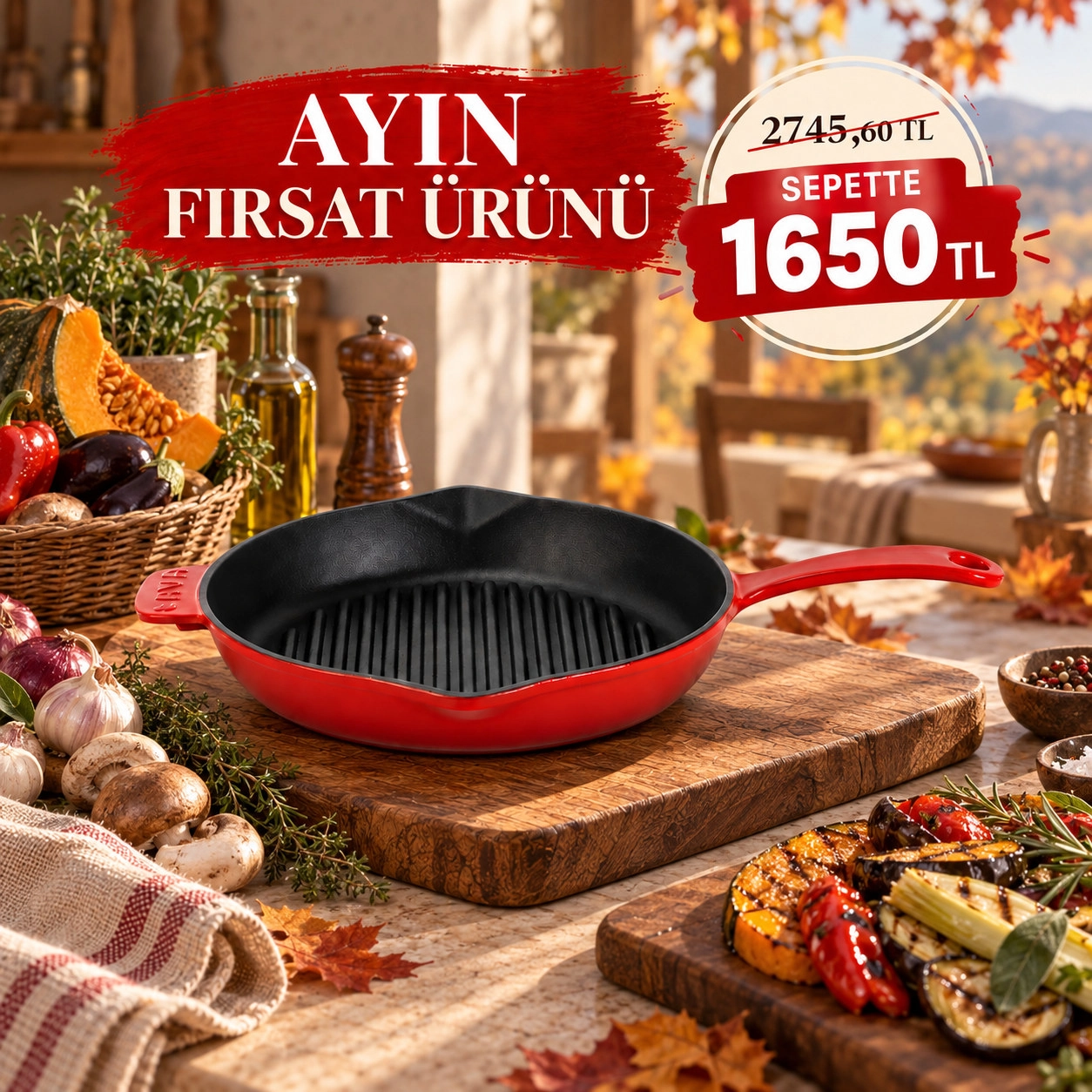 LAVA Round Cast Iron Grill Pan 28 cm Single Handle
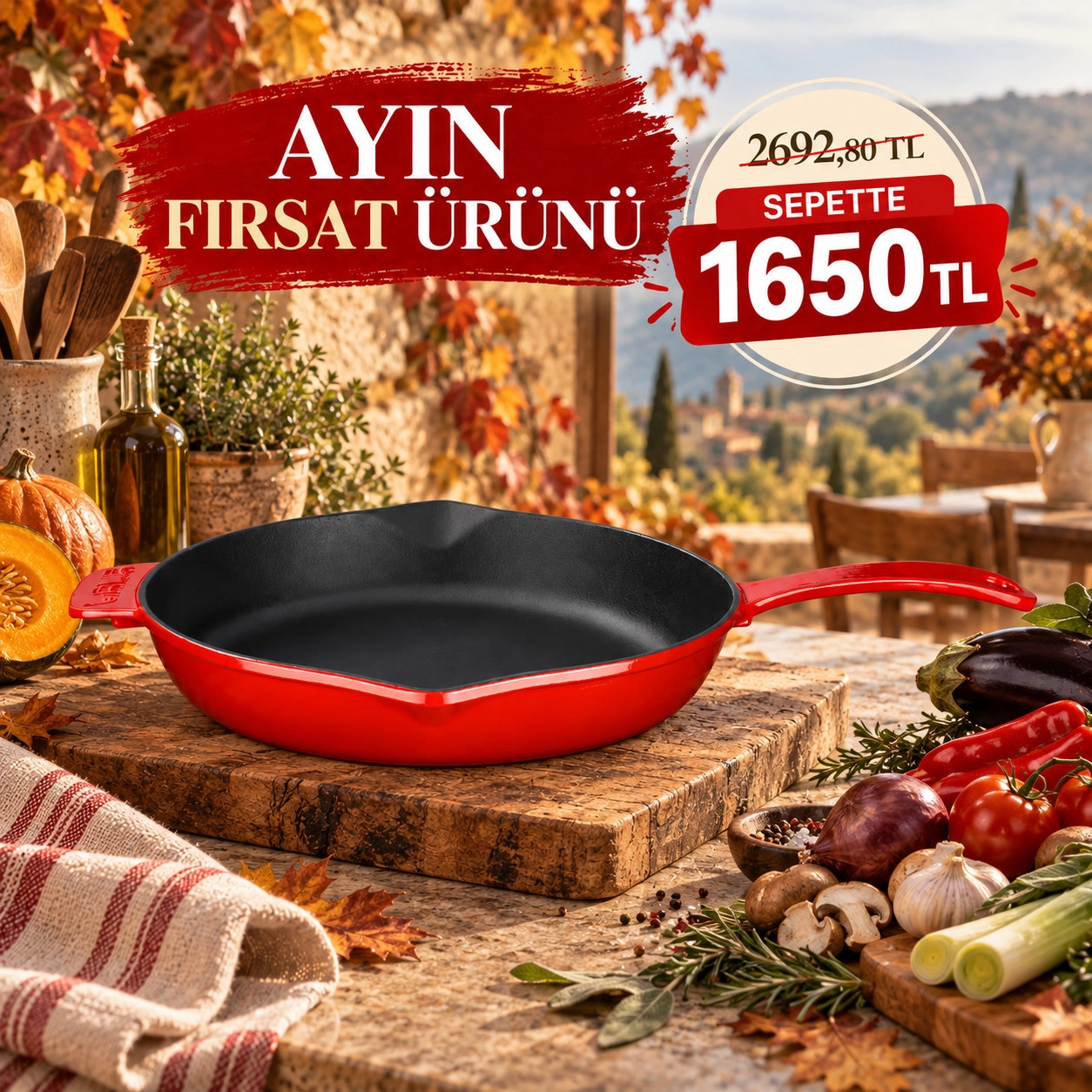 LAVA Round Cast Iron Frying Pan 28 cm Single Handle
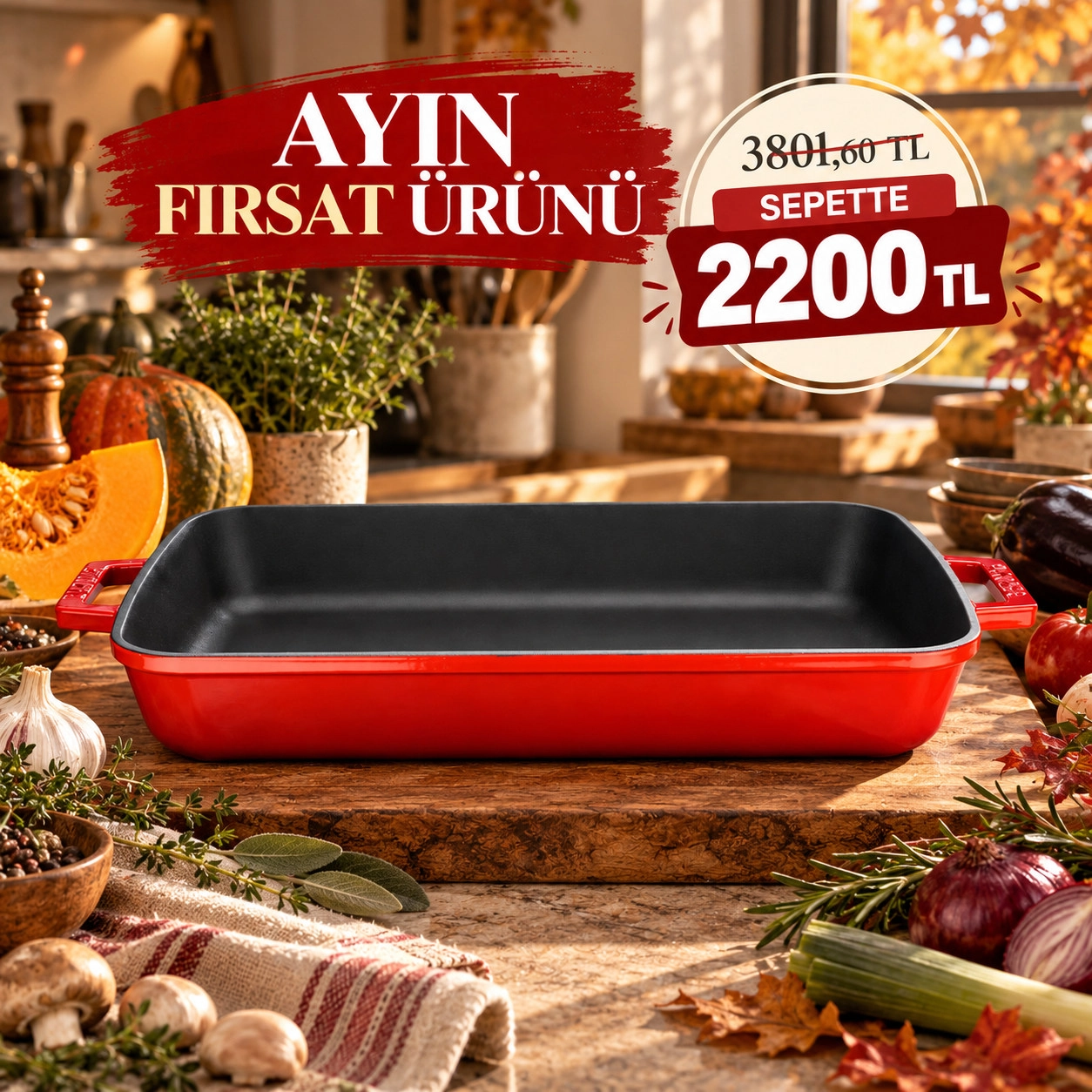 LAVA Rectangular Cast Iron Roasting & Oven Tray 26x40 cm Twin Handles
 All This Month's Deals