×

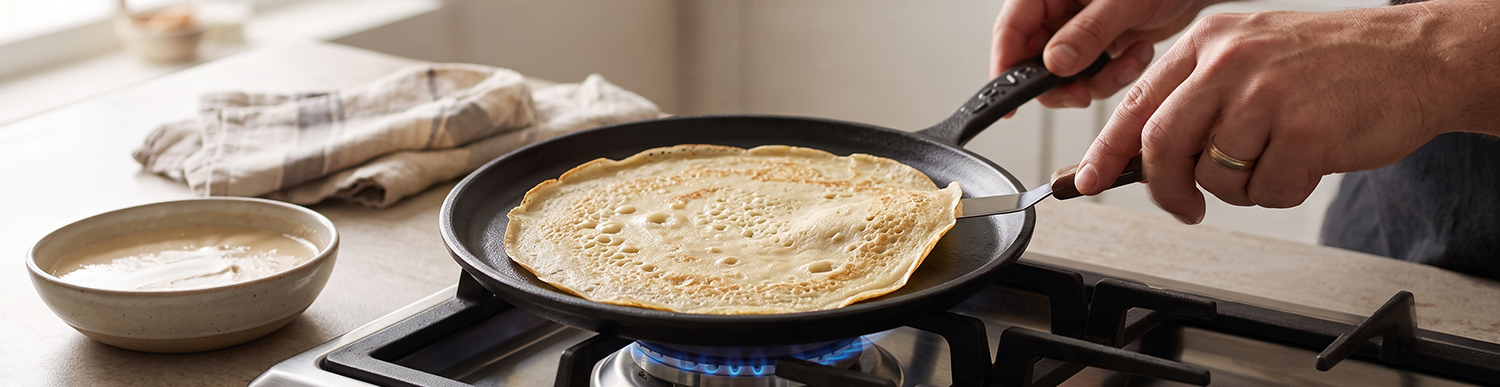
To make thin and soft crepes in a cast iron pan, the batter needs to have the right consistency, the pan should be preheated gradually and the crepes should be flipped at the right moment. In this recipe, we explain step by step how to prepare the crepe batter, preheat the cast iron pan and cook thin crepes evenly. We also share practical tips for preventing crepes from sticking, maintaining the right cooking temperature and achieving more consistent results.
Estimated Reading Time: 8 minutes
The secret to making thin, soft crepes that are easy to flip is not only about getting the ingredient quantities right. The pan needs to be sufficiently heated, the temperature needs to remain consistent throughout cooking, and the right amount of batter needs to be used to achieve the best results.
A cast iron pan retains heat effectively, helping to maintain a more consistent cooking surface when making crepes one after another. However, to achieve good results with cast iron, the pan should be preheated gradually rather than being heated suddenly over high heat.
In this recipe, we explain how to make crepes in a cast iron pan, covering every important tip from preparing the batter to knowing exactly when to flip the crepe. For more information on choosing the right pan for crepes and pancakes, you can also explore our article, How to Choose a Crepe Pan?.
For approximately 8–10 thin crepes:
2 eggs
300 ml milk
100 ml water
160 g plain flour
1 tablespoon vegetable oil or melted and slightly cooled butter
1 teaspoon salt
A small amount of vegetable oil or butter for greasing the pan
If you are making sweet crepes, you can add 1 tablespoon of caster sugar and, optionally, vanilla to the batter. If you plan to serve the crepes with savoury fillings, keeping the basic batter unsweetened makes it more versatile.
Crack the eggs into a large mixing bowl and whisk until smooth.
Add the milk and water and mix well.
Gradually add the flour. Sifting the flour before adding it can help reduce lumps.
Add the salt and vegetable oil, then mix until the batter is smooth.
Leave the batter to rest for 15 minutes.
Crepe batter should be more fluid than pancake batter. It should flow from the ladle in a continuous, thin stream and spread easily across the pan when poured. If the batter is too thick, adjust the consistency with a small amount of milk or water. If it is too runny, add a small amount of flour. Make adjustments gradually.
For a completely smooth batter, you can briefly blend it with a hand blender or pass it through a fine sieve. However, there is no need to overmix the batter; once the ingredients are well combined, it is sufficient to stop mixing.
To learn about the ideal consistency of pancake batter and the right cooking steps in a cast iron pan, explore our guide, How to Make Pancakes in a Cast Iron Pan? Soft Pancake Recipe.
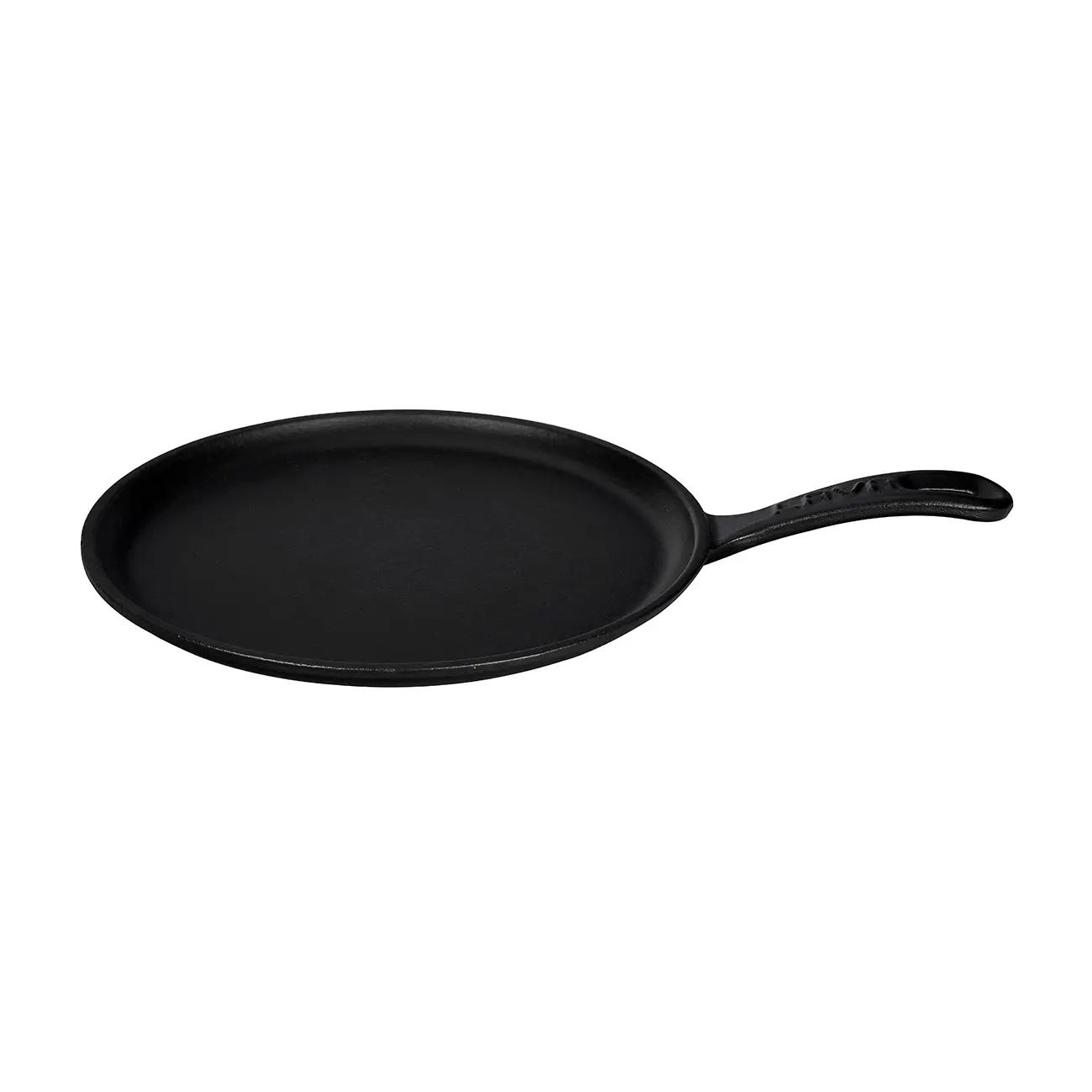
Preheat your cast iron pan gradually over a low or medium-low heat for a few minutes. Because cast iron stores heat, there is no need to heat the pan rapidly over the highest setting.
To check whether the pan is ready, you can place a very small drop of batter on the surface. If the batter remains inactive for a long time, the pan is not hot enough. If it darkens and burns immediately, the temperature is too high. If the batter starts cooking within a few seconds, the pan is approaching a suitable temperature.
Once the surface is heated, apply a very thin layer of oil. Too much oil can cause uneven browning and make the batter slide around the pan. You can spread the oil thinly across the surface using a brush or kitchen paper. Take care to protect your hands when working near the hot surface.
An enamelled cast iron surface should not be treated in the same way as a synthetic non-stick coating. Proper preheating, light greasing and choosing the right time to flip the crepe all work together to achieve good results.
Stir the rested batter again before cooking. If the flour has settled, make sure the batter is evenly combined.
Pour enough batter into the centre of the pan to create a thin crepe.
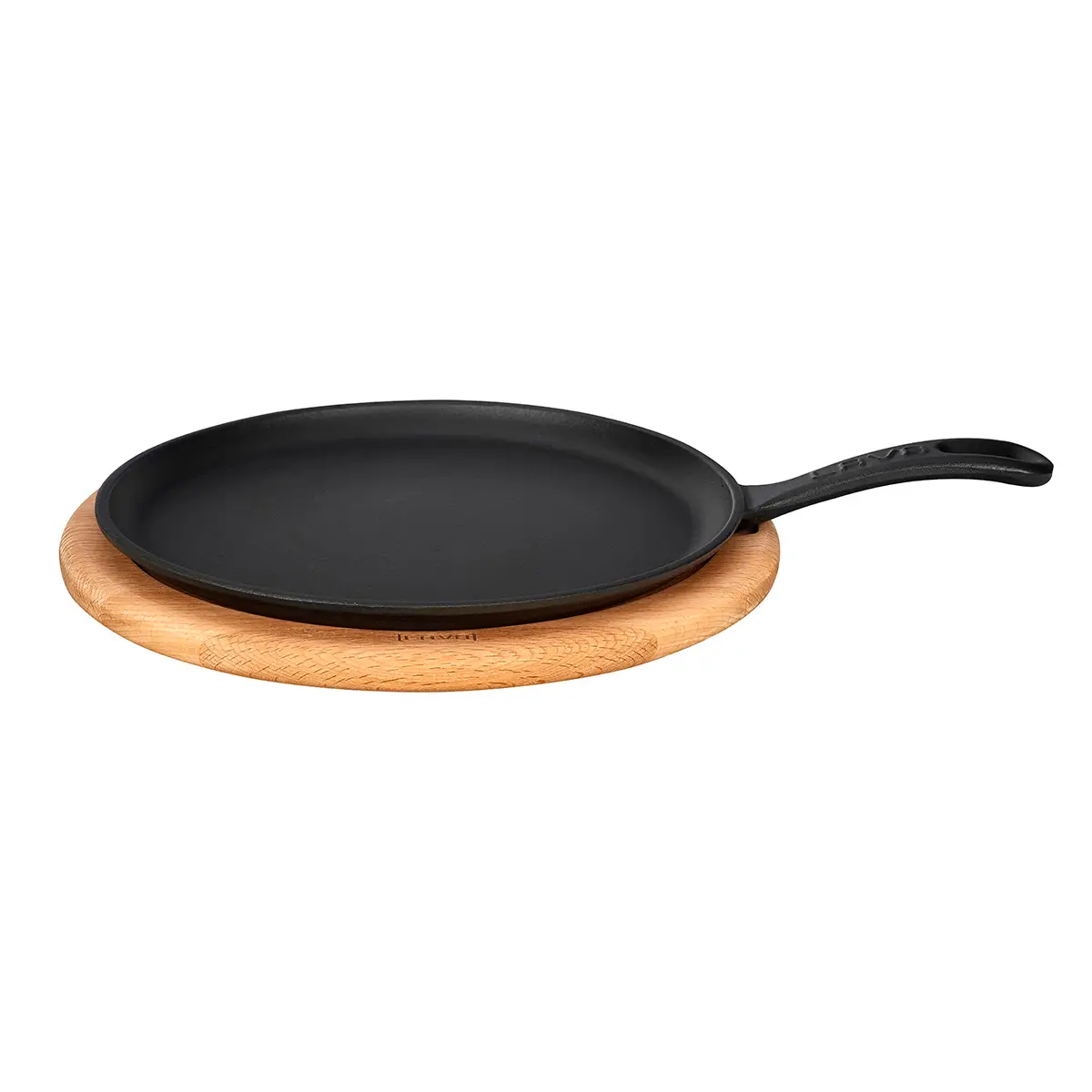
If you are using a handled pan, carefully tilt the pan to spread the batter into a thin, even layer. With a two-handled model, you can use the back of a ladle or a crepe spreader.
When the surface starts to lose its wet appearance and the edges begin to loosen slightly, check the underside with a spatula.
Carefully slide the spatula underneath the crepe and flip it.
Cook the second side for less time than the first.
Transfer the cooked crepe to a plate and repeat until all the batter has been used.
Cooking time varies depending on the pan diameter, hob power and thickness of the batter. Rather than relying on a timer, look for the visual signs from the crepe: the surface becoming matte, the edges loosening and the underside developing a light golden colour indicate that it is time to flip.
The first crepe can be useful as a test to understand the temperature of the pan and the amount of batter required. If the first result is not as thin as you would like, adjust the amount of batter or hob setting gradually for the following crepes.
A short resting period helps the flour absorb the liquid and allows the batter to develop a more balanced consistency. If the batter thickens while resting, you can add a small amount of milk or water before cooking.
A cast iron pan takes longer to heat but retains heat effectively once hot. Starting with a high heat can cause the pan to become unnecessarily hot, making subsequent crepes cook too quickly or burn.
A thin layer of oil on the pan is sufficient. As the batter already contains oil, you may not need to add more before every crepe. Observe the surface and add a very small amount when necessary.
The amount of batter needed for a 20 cm pan will not be the same as that required for a 26 or 28 cm pan. The aim is to use enough batter to cover the surface without making the crepe too thick.
Trying to flip the crepe immediately after pouring can cause it to tear. Wait until the edges begin to loosen and the surface becomes matte.
Stacking the crepes on a clean plate can help them retain their moisture. Until serving, you can cover them with a clean tea towel or a suitable cover.
There is no single reason why a crepe may stick to a cast iron pan. Common causes include:
Not preheating the pan sufficiently,
Not greasing the surface or distributing the oil evenly,
Trying to flip the crepe too early,
An imbalance between the liquid and flour in the batter,
Allowing the pan to become too hot,
Treating an enamelled surface like a synthetic non-stick coating.
If a crepe sticks, do not immediately turn up the heat. First, assess the pan temperature, amount of oil and timing of the flip separately. Changing several variables at once can make it harder to find the right setting.
For crepes in a cast iron pan, a low to medium heat is sufficient for most hobs. However, hob power and how well the pan base matches the hob ring can vary.
If the surface of the crepe develops very dark spots within a few seconds, reduce the heat. If the batter remains liquid for too long and does not begin to form a cooked surface, increase the temperature slightly. As cast iron responds to temperature changes more slowly, allow a short period after adjusting the heat before assessing the result.
Pouring batter into a cold pan
Heating the pan quickly over the highest heat
Adding too much oil to the surface
Pouring the batter too thickly
Flipping the crepe before the surface has set
Making large changes to the hob setting after every crepe
Exposing a hot cast iron pan to cold water suddenly
The final point is important not only for cooking results but also for product care. Once cooking is complete, allow the pan to cool gradually and follow the product's care instructions.
The basic unsweetened crepe batter can be adapted for both sweet and savoury recipes. Serve savoury crepes with cheese, vegetables, eggs or other breakfast ingredients, or create sweet versions with fruit, honey, jam or chocolate.
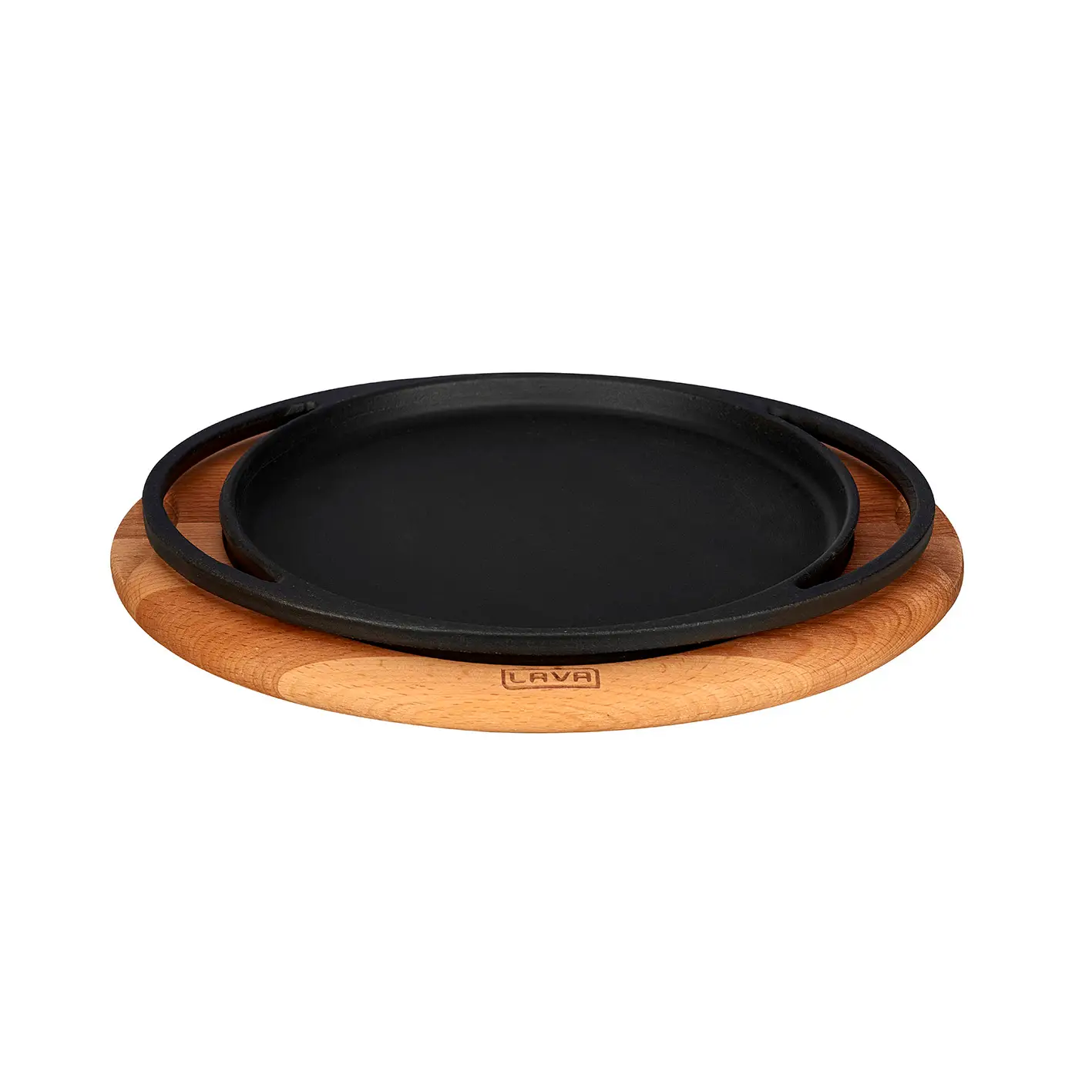
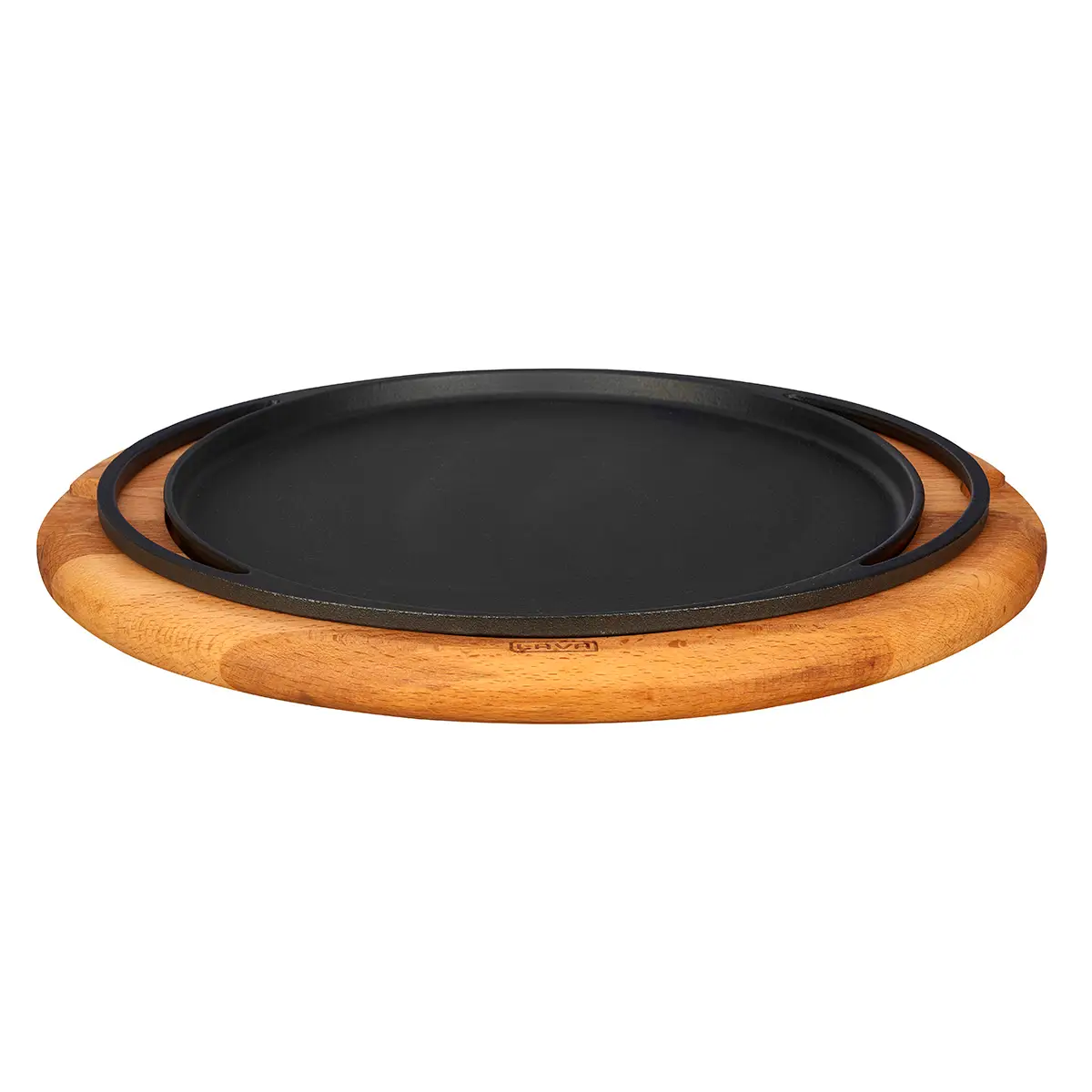
If you are using a cast iron pan with a beech serving trivet, make sure the wooden trivet is positioned correctly before serving. Remember that the pan and handles may remain hot; avoid direct contact with hot surfaces.
Yes. Crepes can be made in a cast iron pan with a wide, flat cooking surface. Gradual preheating, light greasing and choosing the right time to flip are important.
The pan may not yet have reached an even temperature, the oil may not be distributed evenly, or the amount of batter may not have been adjusted correctly. The first crepe can serve as a test for finding the right pan and hob setting.
Crepe batter can be kept in the refrigerator for a short period in a covered container. Stir it again before use. If its appearance or smell has changed unusually, do not use it.
Batter that is too runny, pouring the crepe too thickly, insufficient pan temperature or flipping the crepe too early can cause it to tear.
A 20 cm pan is suitable for smaller portions. A 26 cm model can be a versatile option for everyday use if you want to make wider crepes. The choice should depend on your hob size and preferred crepe size.
When making thin crepes in a cast iron pan, three elements are key: a smooth and well-balanced batter, a properly preheated pan and the right time to flip. Once you have made the first crepe, making small adjustments to the temperature and amount of batter can help you achieve more consistent results.
Explore LAVA cast iron crepe, pancake and pizza pans to compare different sizes, handle and serving options.
16.09.2026






Lava Döküm Online Fabrika Satış Mağazası. © 2026 All Rights Reserved.


0
)